You might see “SMT” in a phone repair video or on a circuit board and not know what it stands for. In electronics, SMT means surface-mount technology, a method used to attach small parts directly onto a printed circuit board instead of inserting them through holes.
In this article, we explain SMT meaning first, then how it is used in PCB assembly, electronics manufacturing, soldering, and device repair. We focus on the main electronics definition before noting that the letters can carry other meanings in different fields. Examples next show how SMT appears in real technical discussion.
What Does SMT Mean
SMT is a slang acronym that expresses frustration, annoyance, or disapproval. It refers to the physical act of creating a suction sound with your mouth and teeth to show irritation. In digital communication, typing this signals that the person is fed up or impatient with the current situation.
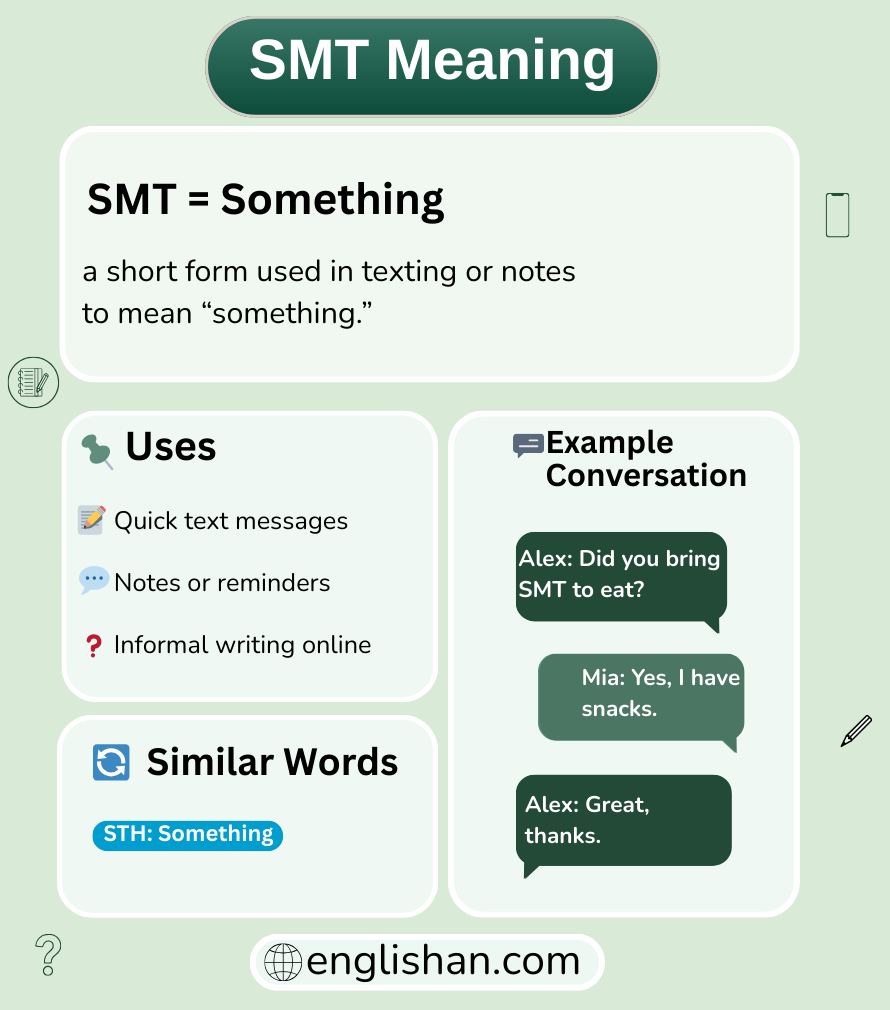
What Does SMT Stand For
In the world of texting and social media, these letters stand for Sucking My Teeth. This phrase describes the specific non-verbal sound—often written as “tks” or “chups”—that people make when they are agitated. It serves as a written substitute for that audible sign of disrespect or disbelief.
When To Use SMT
You should use this acronym when you want to convey mild hostility or dismissal without writing a long paragraph. It fits situations where someone cancels plans last minute, says something obvious, or acts foolishly. It effectively sets a tone of annoyance, letting the other person know their behavior has bothered you.
Where You Will See SMT
This slang appears frequently in group chats and on social media timelines where users react to trending topics. You will often see it at the start or end of a sentence to emphasize the user’s negative attitude toward a statement. It is particularly common on platforms like X (Twitter) and TikTok within comment threads involving debates or complaints.
How To Reply To SMT
If someone directs SMT at you, the best response depends on your relationship with them. You can ask what is wrong to open a conversation about their frustration. Alternatively, if the annoyance seems playful or minor, you might choose to ignore the attitude and continue the conversation normally.
Example Conversations With SMT
Here are a few everyday exchanges showing how friends use this term to express irritation.
Jordan: I forgot to bring the game console you asked for.
Alex: SMT, I knew you would forget it, you always do this.
Taylor: Can you lend me five dollars for lunch again?
Casey: SMT, you still haven’t paid me back for last week.
Jamie: I think I might be late to the movie tonight.
Sam: SMT just get here as fast as you can.
SMT Origin
The phrase originates from African American Vernacular English (AAVE) and Caribbean cultures, where sucking one’s teeth (often called a “steups” or “kissing teeth”) is a culturally recognized gesture of disapproval. As text messaging grew, users adopted the acronym to translate this specific cultural body language into a digital format. It allowed people to convey the exact sound and sentiment of the gesture through a screen.
Other Related Slang Words
These acronyms share similar meanings or emotional tones regarding annoyance and disbelief.
- KMT: A direct synonym standing for “Kiss My Teeth,” used interchangeably with SMT.
- SMH: Stands for “Shaking My Head,” used to express disappointment rather than aggression.
- Side Eye: A term describing a look of judgment or suspicion.
- FFS: A more vulgar acronym expressing intense frustration.
Common Confusions With SMT
A major confusion arises with the phrase Send Me This, which also uses the acronym SMT in casual texting. If someone comments “SMT” under a funny video or meme, they are likely asking for the file, not expressing annoyance. Additionally, in the tech world, SMT stands for Surface Mount Technology (electronics) or Simultaneous Multi-Threading (computing), which are completely unrelated to slang.
Key Takeaway
This acronym primarily functions as a digital expression for the physical act of sucking my teeth, which signals irritation, impatience, or disapproval. It allows speakers to convey a specific non-verbal attitude through text that standard vocabulary cannot easily capture. We must carefully review the surrounding conversation, as the letters can occasionally stand for “send me this” when requesting a meme or video file. To ensure clarity in digital chats, rely on context clues to distinguish between genuine annoyance and a simple request for content sharing using SMT.
FAQs
Yes, SMT is generally considered rude or sassy because it mimics a gesture of disrespect and annoyance.
On Instagram, SMT can mean “Sucking My Teeth” (annoyance) or “Send Me This” (asking for a meme), depending on the post.
Yes, SMT (Sucking My Teeth) and KMT (Kiss My Teeth) describe the exact same sound and sentiment.
The sound is a sharp click or suck made by pressing the tongue against the teeth and inhaling quickly.
Rarely, some users might use SMT for “Smiling To Myself,” but this is uncommon and usually clear from a happy context.
You May Also Like