When writing about poverty, it’s important to understand how lack of money affects people’s daily lives and opportunities. This essay on poverty explains its causes, effects, and simple ways to help those in need. It’s written in 500 words to help students with homework or exams. You can download this poverty essay as a free PDF or image to study or print.
10 Lines Poverty Essay for Class 2 to Class 5
- Many people around the world live in poverty.
- Poor families often struggle to get clean water and good shelter.
- Poverty makes it hard for children to go to school.
- Everyone deserves a healthy and happy life.
- Helping poor people is very important.
- We can help by donating food or clothes.
- Poverty means not having enough money to buy basic things like food and clothes.
- Education can help people get better jobs.
- Governments and organizations work to reduce poverty.
- Together, we can fight poverty and make the world better.

250 Words Essay on Poverty for Middle School
Poverty is a condition where people do not have enough money to meet their basic needs such as food, clothing, and shelter. It affects millions of people around the world, making their daily life very difficult. Many children living in poverty cannot go to school because their families cannot afford it. This stops them from learning and improving their future.
People living in poverty often lack clean water and proper healthcare, which can lead to illness. Poverty also causes hunger and malnutrition. It is a serious problem that needs attention from everyone.
Education is one of the best ways to fight poverty. When children get good education, they can find better jobs and support their families. Governments and charities work hard to provide help to poor communities by building schools, hospitals, and providing food and clothes.
Helping people in poverty is important because every person deserves a chance to live a happy and healthy life. We can also help by donating food, clothes, or money to those in need. Even small actions can make a big difference.
In conclusion, poverty is a challenge, but with education, support, and kindness, we can reduce it. Everyone should work together to help poor people and make the world a better place.
500 Words Poverty Essay for Upper Primary and Lower Secondary
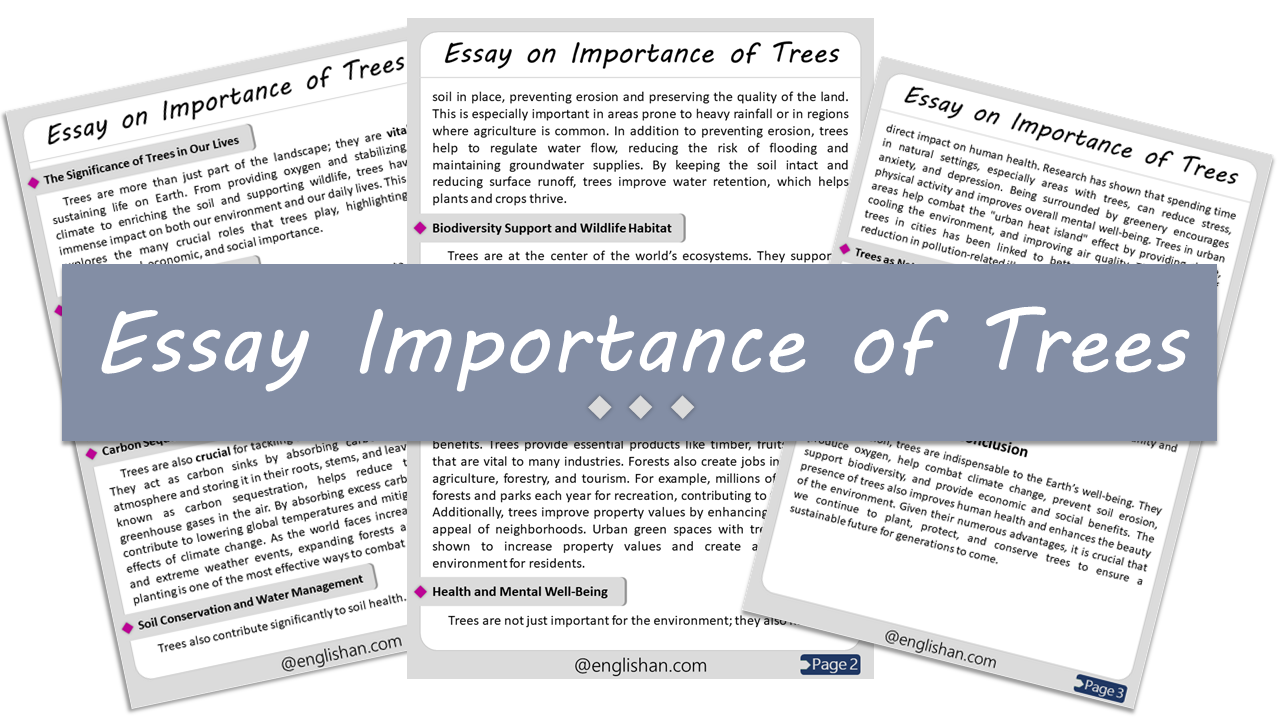
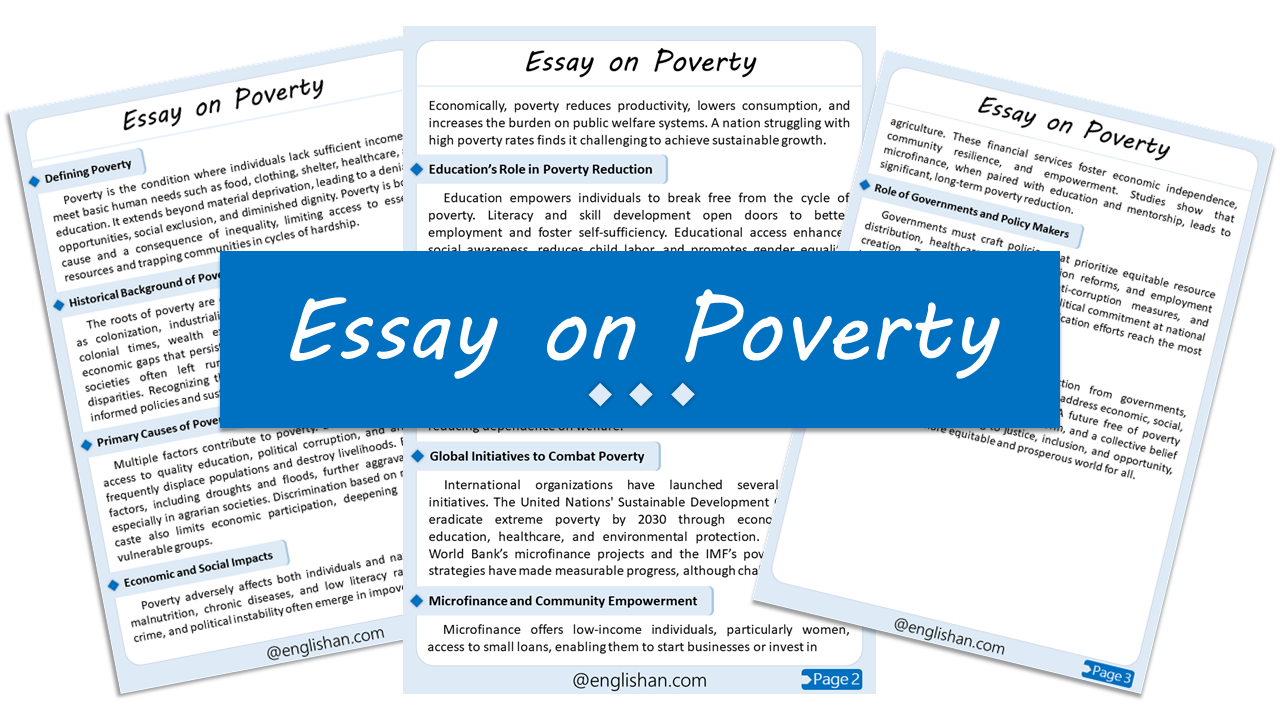
Defining Poverty
Poverty is the condition where individuals lack sufficient income to meet basic human needs such as food, clothing, shelter, healthcare, and education. It extends beyond material deprivation, leading to a denial of opportunities, social exclusion, and diminished dignity. Poverty is both a cause and a consequence of inequality, limiting access to essential resources and trapping communities in cycles of hardship.
Historical Background of Poverty
The roots of poverty are deeply embedded in historical events such as colonization, industrialization, and systemic oppression. During colonial times, wealth extraction from occupied nations created economic gaps that persisted for generations. Similarly, post-industrial societies often left rural communities marginalized, intensifying disparities. Recognizing this historical context is essential for creating informed policies and sustainable solutions.
Primary Causes of Poverty
Multiple factors contribute to poverty. Economic instability, limited access to quality education, political corruption, and armed conflicts frequently displace populations and destroy livelihoods. Environmental factors, including droughts and floods, further aggravate conditions, especially in agrarian societies. Discrimination based on race, gender, or caste also limits economic participation, deepening poverty within vulnerable groups.
Economic and Social Impacts
Poverty adversely affects both individuals and nations. It results in malnutrition, chronic diseases, and low literacy rates. Social unrest, crime, and political instability often emerge in impoverished regions. Economically, poverty reduces productivity, lowers consumption, and increases the burden on public welfare systems. A nation struggling with high poverty rates finds it challenging to achieve sustainable growth.
Education’s Role in Poverty Reduction
Education empowers individuals to break free from the cycle of poverty. Literacy and skill development open doors to better employment and foster self-sufficiency. Educational access enhances social awareness, reduces child labor, and promotes gender equality. Nations investing heavily in education witness significant poverty reduction and improved societal well-being.
Importance of Employment Opportunities
Creating stable employment opportunities is critical for poverty alleviation. Fair wages, safe working conditions, and job security allow individuals to lead dignified lives. Initiatives like vocational training, microenterprise development, and rural employment programs equip marginalized groups with skills to build sustainable livelihoods, thereby reducing dependence on welfare.
Global Initiatives to Combat Poverty
International organizations have launched several ambitious initiatives. The United Nations’ Sustainable Development Goals aim to eradicate extreme poverty by 2030 through economic growth, education, healthcare, and environmental protection. Programs like World Bank’s microfinance projects and the IMF’s poverty reduction strategies have made measurable progress, although challenges remain.
Microfinance and Community Empowerment
Microfinance offers low-income individuals, particularly women, access to small loans, enabling them to start businesses or invest in agriculture. These financial services foster economic independence, community resilience, and empowerment. Studies show that microfinance, when paired with education and mentorship, leads to significant, long-term poverty reduction.
Role of Governments and Policy Makers
Governments must craft policies that prioritize equitable resource distribution, healthcare access, education reforms, and employment creation. Transparent governance, anti-corruption measures, and inclusive economic models are critical. Political commitment at national and local levels ensures that poverty eradication efforts reach the most marginalized communities effectively.
Conclusion
Combating poverty requires unified action from governments, communities, and individuals. Strategies must address economic, social, and educational dimensions simultaneously. A future free of poverty demands sustained investment, systemic reform, and a collective belief in human dignity. By committing to justice, inclusion, and opportunity, societies can build a more equitable and prosperous world for all.

Difficult Words Used in 500 Poverty Essay
| Word | Meaning |
|---|---|
| Marginalized | Treated as insignificant or peripheral |
| Exclusion | The act of keeping someone or something out |
| Systemic | Relating to a system as a whole |
| Discrimination | Unfair treatment of different categories of people |
| Entrench | To establish something firmly |
| Productivity | The rate of output per unit of input |
| Mobility | The ability to move between different levels of society or jobs |
| Entrepreneurship | The activity of setting up a business |
| Sustainable | Able to be maintained at a certain rate or level |
| Resilience | The capacity to recover quickly from difficulties |
Poverty Essay PDF
You May Also Like