
Garden tools vocabulary includes names of instruments used for planting, digging, watering, and cutting, covering items from spade to rake. These words belong to gardening and farming, where each tool has a specific purpose that helps in working with plants.
In this blog post, you will learn Garden Tools vocabulary with their pictures, making it easier to talk about gardening activities in English.
List of Garden Tools Vocabulary with Pictures
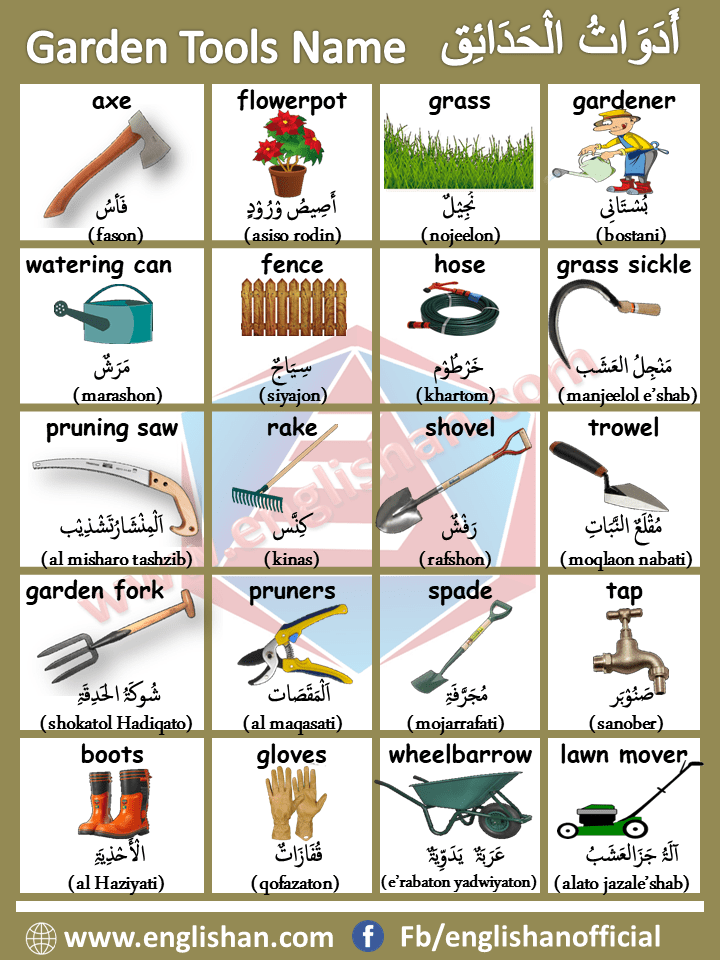
| axe | َفَأسُ | (fason) |  Advertisement
|
| pruning saw | اَلٛمِنٛشَارُتَشٛذِیٛب | (al misharo tashzib) | 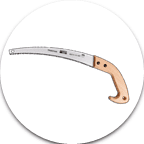 |
| Garden fork | شُوکَۃُ الحَدِقَۃِ | (shokatol Hadiqato) | 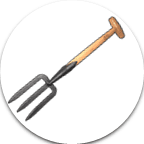 |
| boots | الٛأَحٛذِیَۃِ | (al Haziyati) | 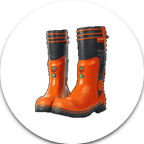 |
| grass sickle | مَنٛجِلُ العَشَب | (manjeelol e’shab) |  |
| spade | مُجَرَّفَۃِ | (mojarrafati) | 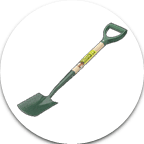 |
| flowerpot | أَصِیصُ وٛرُوٛدٍ | (asiso rodin) | 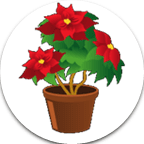 |
| fence | سِیَاجٌ | (siyajon) |  |
| rake | کِنَّس | (kinas) |  |
| pruners | اَلٛمَقَصَات | (al maqasati) |  |
| gloves | قُفَازَاتٌ | (qofazaton) |  |
| grass | نُجِیٛلٌ | (nojeelon) |  |
| shovel | رَفٛشٌ | (rafshon) |  |
| trowel | مُقٛلَعٌ النَّبَاتِ | (moqlaon nabati) |  |
| wheelbarrow | عَرَبَۃٌ یَدَوِّیَۃٌ | (e’rabaton yadwiyaton) |  |
| hose | خَرٛطُوٛم | (khartom) |  |
| gardener | بُسٛتَان | (bostani) |  |
| tap | صَنُوٛبَر | (sanober |  |
| lawn mover | آلَۃُ جَزَالعَشَبُ | (alato jazale’shab) |  |
| watering can | مَرَشٌ | (marashon) |  |
Categories of Garden Tools
- Hand Tools are small and light, great for precision tasks like pruning and planting.
- Power Tools use electricity or fuel to perform heavy or repetitive jobs.
- Specialty Tools are designed for unique tasks such as grafting or harvesting fruit.
- Garden Tools can also be categorized by their purpose: digging, cutting, or maintenance.
- Some tools are manual, while others are motorized or battery-operated.
- Choosing the right category helps you work efficiently and save time.
- Knowing these categories helps when purchasing tools for your garden size.
- Understanding categories helps you plan garden work better throughout the seasons.
Common Hand Tools in Gardening
- Trowel: Small shovel perfect for digging holes and transplanting seedlings carefully.
- Pruning Shears: Scissors designed to trim branches cleanly without hurting plants.
- Hand Fork: Has prongs for loosening soil and pulling out weeds in small spaces.
- Weeder: Pointed tool for digging out stubborn weeds by their roots.
- Garden Knife: Useful for cutting roots, harvesting vegetables, and dividing plants.
- Hand Rake: Small rake for leveling soil and gathering debris in pots or beds.
- Dibber: Pointed stick to make planting holes for seeds and bulbs precisely.
- Garden Scissors: Used for detailed trimming of flowers and herbs.
Power Tools Used in Gardens
- Lawn Mower: Cuts grass evenly, available in electric, gas, or manual versions.
- Leaf Blower: Uses air to blow leaves and debris from lawns and patios quickly.
- Hedge Trimmer: Cuts and shapes bushes with sharp blades powered by electricity or gas.
- String Trimmer: Also called weed whacker; trims grass and weeds in hard-to-reach areas.
- Chainsaw: Powerful tool for cutting thick branches and trees safely.
- Garden Vacuum: Sucks up leaves and debris, making cleanup fast and easy.
- Lawn Aerator: Makes holes in the soil to improve air and water flow for grass roots.
- Pressure Washer: Cleans garden paths, patios, and tools by blasting away dirt and grime.
Tools for Planting and Soil Preparation
- Hoe: Breaks up soil and removes weeds to prepare beds for planting.
- Spade: Flat blade tool perfect for digging, edging, and turning over soil.
- Cultivator: Has tines that stir and aerate soil, mixing in compost or fertilizer.
- Dibber: Makes precise holes for planting seeds or bulbs.
- Garden Fork: Large fork to turn over soil and aerate compost piles.
- Soil Knife: Multi-purpose tool for cutting roots and dividing plants.
- Seed Tray: Used indoors for starting seedlings before planting outside.
- Broadfork: Large tool for loosening compacted soil without disturbing soil layers.
Tools for Garden Maintenance
- Rake: Gathers leaves, grass clippings, and garden debris to keep areas clean.
- Watering Can: Provides gentle, controlled watering for delicate seedlings and plants.
- Wheelbarrow: Makes carrying soil, plants, and tools easier by reducing heavy lifting.
- Sprayer: Applies water, fertilizers, or pesticides evenly across plants.
- Garden Hose: Flexible tube used to deliver water directly to plants with adjustable nozzles.
- Garden Scissors: For light pruning and deadheading flowers.
- Compost Fork: Turns and aerates compost piles for faster breakdown.
- Garden Gloves: Protect hands from dirt, thorns, and injuries while working.
Safety Tips When Using Garden Tools
- Always wear gloves to protect your hands from cuts, dirt, and splinters.
- Use eye protection like goggles when trimming or using power tools.
- Keep tools clean and dry to avoid rust and ensure safe handling.
- Store sharp tools securely out of reach of children and pets.
- Avoid distractions and focus while using sharp or powered tools.
- Use tools with ergonomic handles to reduce strain and improve grip.
- Never use damaged tools, as they can cause accidents.
- Follow all safety instructions provided by manufacturers, especially for power tools.
How to Maintain and Care for Your Garden Tools
- Clean tools immediately after use by washing off dirt and debris.
- Dry tools thoroughly to prevent rust and corrosion.
- Sharpen blades regularly to keep cuts smooth and tools efficient.
- Oil moving parts like shears’ joints for smooth operation.
- Check handles for cracks or splinters and repair or replace as needed.
- Store tools in a dry, sheltered place to protect from weather damage.
- Tighten loose screws or bolts to keep tools safe and functional.
- Inspect tools regularly and replace worn or broken parts promptly.
Seasonal Garden Tools for Different Tasks
- Snow Shovel: Clears snow from paths and entrances in winter.
- Seed Trays: Start seedlings indoors during early spring before transplanting outside.
- Leaf Rake: Essential in autumn for gathering fallen leaves quickly.
- Pruning Tools: Used mostly in late winter or early spring to trim plants.
- Lawn Aerator: Used in spring or fall to improve soil aeration for lawns.
- Garden Fork: Often used in spring for turning compost or preparing soil.
- Garden Gloves: Needed year-round but especially important during cold or thorny seasons.
- Mulching Tools: Used in summer and fall to spread mulch and retain soil moisture.
Differences Between Similar Garden Tools
- Rake vs. Hoe: Rake collects leaves and debris; hoe breaks up soil and removes weeds.
- Spade vs. Shovel: Spade has a flat blade for digging; shovel has a curved blade for scooping.
- Pruning Shears vs. Loppers: Shears cut small branches; loppers have long handles for thicker branches.
- Garden Fork vs. Hand Fork: Garden forks are large for soil turning; hand forks are small for detailed work.
- Wheelbarrow vs. Garden Cart: Wheelbarrows have one wheel for maneuverability; carts have more wheels for stability.
- Hand Trowel vs. Transplanting Trowel: Both dig holes, but transplanting trowels have measurements on the blade.
- String Trimmer vs. Lawn Mower: String trimmers cut edges and hard-to-reach areas; mowers cut large lawn areas.
- Garden Knife vs. Pruning Shears: Knife cuts roots and divides plants; shears cut branches and stems cleanly.
Garden Tools Materials and Their Names
- Wooden Handles: Offer comfortable grip but need care to prevent splinters and damage.
- Steel Blades: Durable, strong, and good for cutting and digging tasks.
- Plastic Parts: Lightweight components often used for watering cans and tool grips.
- Rubber Grips: Provide extra comfort and prevent hand fatigue during long use.
- Aluminum: Lightweight and rust-resistant material used in some hand tools.
- Stainless Steel: Rustproof and strong, ideal for blades and cutting parts.
- Fiberglass Handles: Durable and lightweight, often used in power tool handles.
- Coated Metal: Some tools have protective coatings to resist corrosion and wear.
How to Identify Garden Tools by Their Parts
- Handle: The part you hold, made from wood, metal, plastic, or fiberglass.
- Blade or Head: The working part used for cutting, digging, or raking.
- Grip: Textured or padded area on the handle to improve hold and comfort.
- Shaft: Connects handle to blade, providing length and leverage.
- Trigger or Lever: Found on power tools to control operation.
- Teeth or Tines: Found on rakes, cultivators, or forks for digging or gathering.
- Joints or Hinges: Allow movement in tools like pruning shears or loppers.
- Guard or Shield: Safety feature to protect hands from sharp parts.
Environmental Considerations for Garden Tools
- Manual tools save energy by not using fuel or electricity.
- Choosing tools made from recycled or sustainable materials reduces environmental impact.
- Proper maintenance prolongs tool life, reducing waste and need for replacements.
- Battery-powered tools are quieter and produce fewer emissions than gas-powered tools.
- Composting garden waste reduces landfill and provides natural fertilizer.
- Using organic fertilizers and pesticides supports healthier ecosystems.
- Minimizing plastic in tools and accessories helps reduce pollution.
- Supporting local manufacturers lowers carbon footprint associated with shipping.
FAQs About Garden Tools Vocabulary
The word for “vocabulary” in Arabic is مفردات (pronounced mufradat). It refers to the collection of words in a language.
Garden tools are tools used for gardening, such as shovels, rakes, hoes, trowels, pruners, and watering cans. They help with planting, digging, weeding, and maintaining gardens.
Garden equipment includes:
Shovel – Digging.
Rake – Gathering leaves.
Trowel – Planting.
Pruners – Cutting branches.
Watering Can – Watering plants.
Garden Fork – Breaking soil.
Wheelbarrow – Carrying things.
Gloves – Hand protection.
These tools help with gardening!
The plural form of “garden” in Arabic is حدائق (pronounced hada’iq).
The word for “flower” in Arabic is زهرة (pronounced zahra).
The word حديقة (pronounced hadika) in Arabic means garden.
You May Also Like