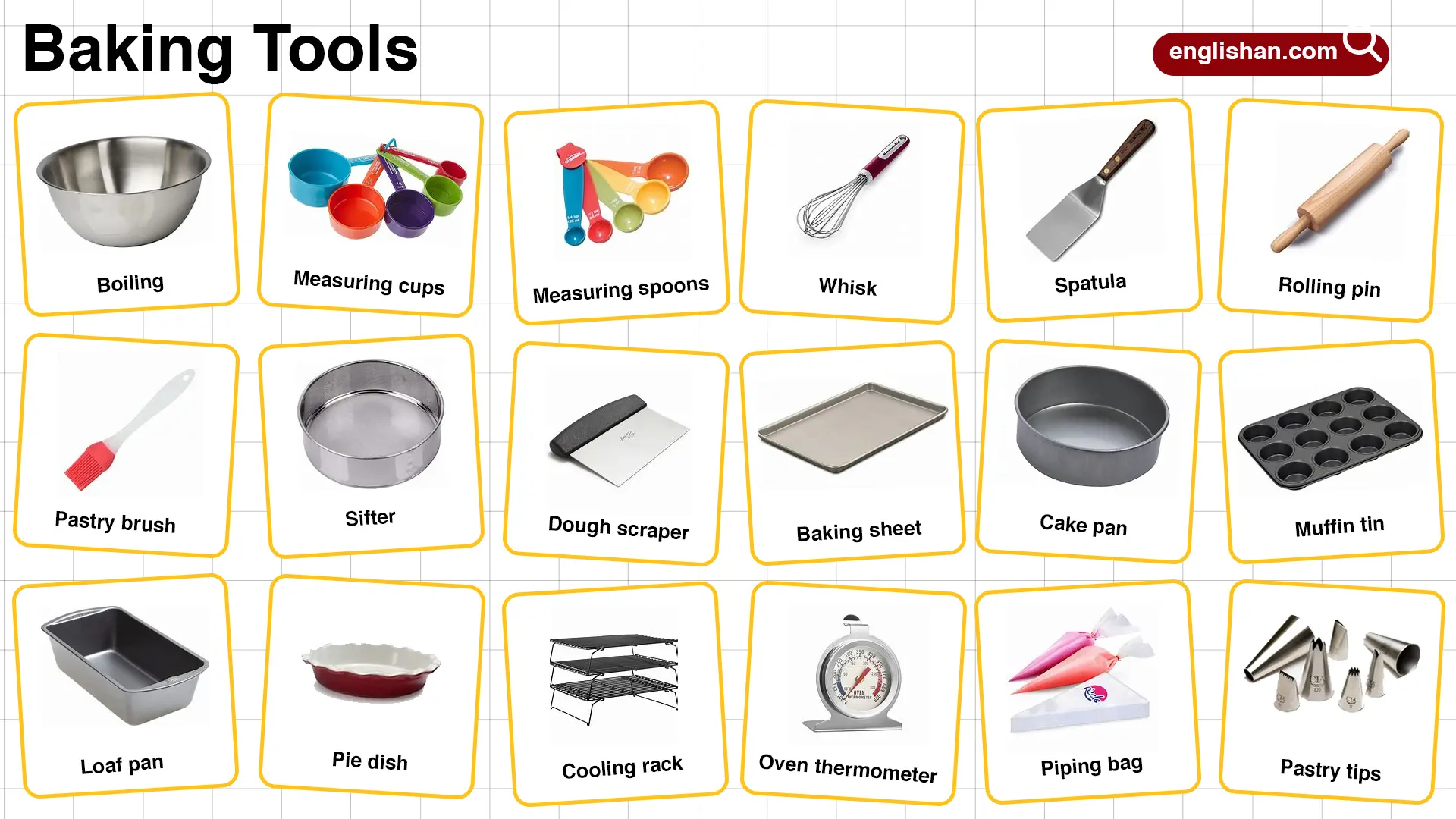
Every recipe leans on the right equipment, and knowing the baking tools names in English turns each step of a recipe into an instruction you already recognize. From the bowl you mix in to the pan you bake in, every tool carries a name and a job worth spotting on sight. What follows covers 40 baking tools with pictures and their uses, grouped the way a baker reaches for them: mixing first, then measuring, shaping, baking, and finishing. Whether you study English or you have just started baking at home, you finish able to name every tool a recipe asks for, starting with the ones you pick up before anything goes near the oven.
Mixing Tools for Baking
Mixing tools blend, fold, and lighten batters and doughs. You reach for these before the oven ever switches on.
Mixing Bowl:
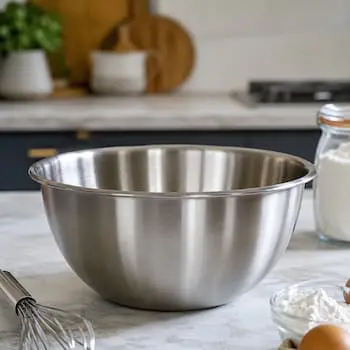
A mixing bowl is a deep, round bowl that holds ingredients while you combine them. Stainless steel chills fast for whipping cream, glass goes in the microwave, and a nested set covers batters of every size.
Whisk:
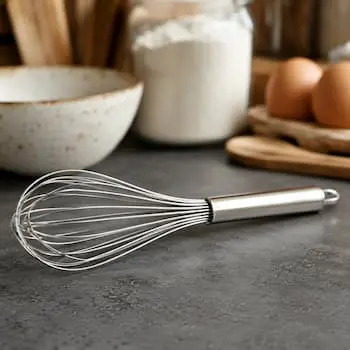
A whisk is a looped-wire tool that beats air into eggs, cream, and batter. A balloon whisk, wide and rounded, drives egg whites to stiff peaks, while a flat whisk works sauces and glazes across a shallow pan.
Silicone Spatula:
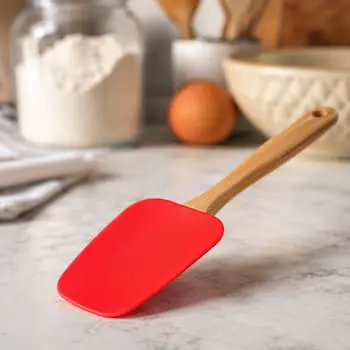
A silicone spatula is a flexible blade on a handle that scrapes bowls and folds mixtures without knocking the air out. Run it around the sides to fold whipped cream into batter and lift every last streak from the bowl.
Wooden Spoon:
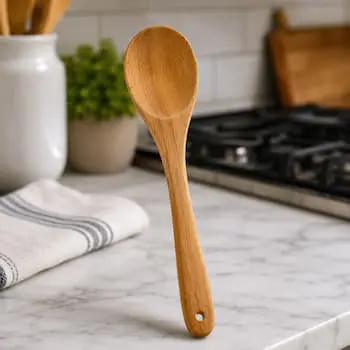
A wooden spoon is a sturdy stirring spoon that shrugs off heat and never scratches your bowls. Bakers trust it for thick cookie dough and for stirring custards on the stove, since wood barely conducts heat.
Flour Sifter:
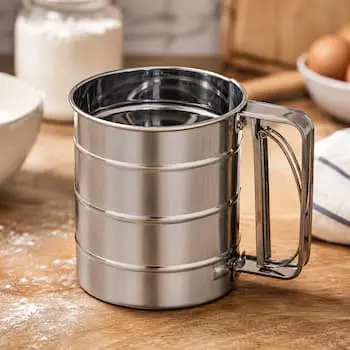
A flour sifter is a mesh tool that breaks up lumps and aerates dry ingredients. Sift flour, cocoa, and confectioners’ sugar before folding them in for a lighter sponge and a smoother batter. A fine mesh sieve does the same work.
Egg Separator:
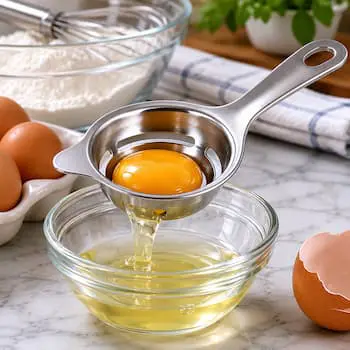
An egg separator is a small cupped tool that catches the yolk while the white slips through into the bowl below. Split eggs cleanly for meringues, angel food cake, and any recipe that whips the whites on their own.
Measuring Tools for Baking
Baking rewards precision far more than cooking does. A gram is always a gram, so accurate measuring gear decides how a recipe turns out.
Dry Measuring Cups:
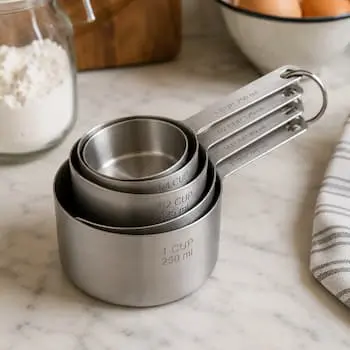
Dry measuring cups are graduated cups that portion flour, sugar, and other dry goods by volume. Spoon the flour in and level the top with a straight edge ✅ rather than scooping straight from the bag ❌, which packs in too much.
Liquid Measuring Cup:
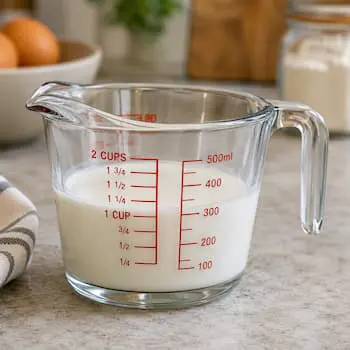
A liquid measuring cup is a clear jug with a spout and printed lines for water, milk, and oil. Set it on the counter and read the mark at eye level for an honest pour.
Measuring Spoons:
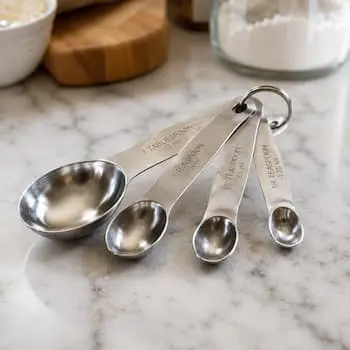
Measuring spoons are a linked set for teaspoons and tablespoons of salt, baking powder, vanilla, and spices. One level spoon of leavener separates a cake that rises from one that sinks.
Kitchen Scale:
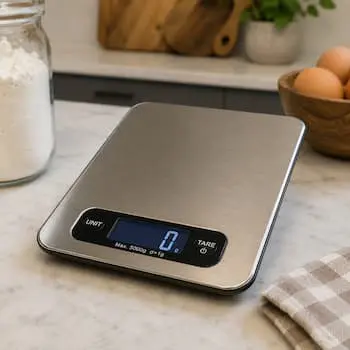
A kitchen scale weighs ingredients by gram or ounce, the most accurate way to measure for baking. A cup of flour shifts by grams depending on how you scoop it, so serious bakers weigh instead. Press tare to zero the bowl between additions.
Kitchen Timer:
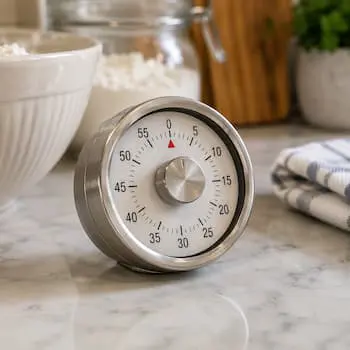
A kitchen timer counts down baking time so nothing overbakes while you move to the next step. Start it the moment the pan slides in, since two extra minutes turn golden cookies dark.
Dough Preparation Tools for Baking
Once the dough comes together, this gear rolls, cuts, and shapes it. Pastry and bread work lean on these harder than cake baking does.
Rolling Pin:
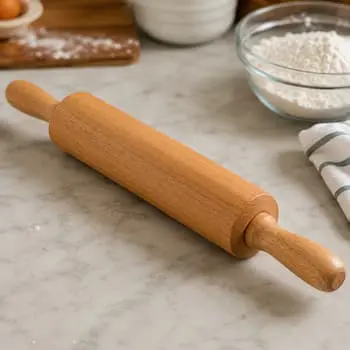
A rolling pin is a smooth cylinder that flattens dough to an even thickness. Wood, marble, and silicone each roll differently, and a marble pin stays cold, which keeps pie crust and puff pastry firm as you work.
Dough Scraper:
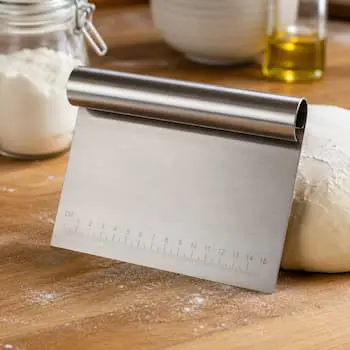
A dough scraper is a flexible plastic blade that lifts sticky dough off the counter and divides it into portions. Curve it against the bowl to clean out every scrap of bread dough.
Bench Scraper:
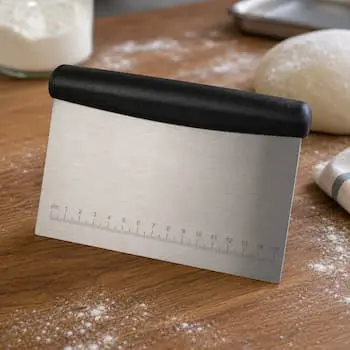
A bench scraper is a stiff metal blade with a handle that cuts, gathers, and moves dough across a work surface. Portion bread rolls with it, then scrape flour and dough bits off the counter in one sweep.
Pastry Blender:
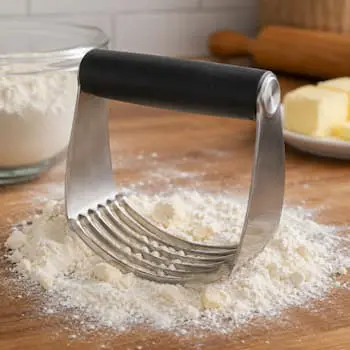
A pastry blender is a set of curved wires on a handle that cuts cold butter into flour. Work it through the mixture for the flaky, crumbly texture shortcrust pastry and scones depend on.
Cookie Cutters:
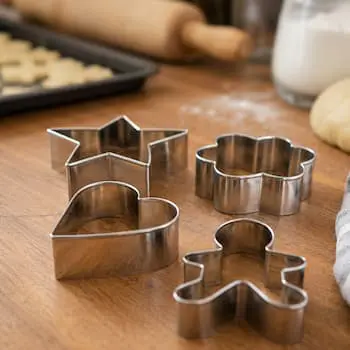
Cookie cutters are shaped metal or plastic outlines that stamp dough into rounds, stars, and figures. Press them into rolled dough for cookies that hold their shape and bake at the same rate.
Pastry Wheel:
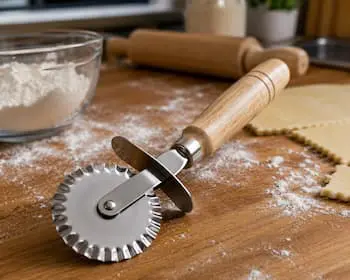
A pastry wheel is a rolling blade on a handle that slices dough in straight or fluted lines. Trim pie edges, cut lattice strips, and portion pizza with a single pass.
Grater:
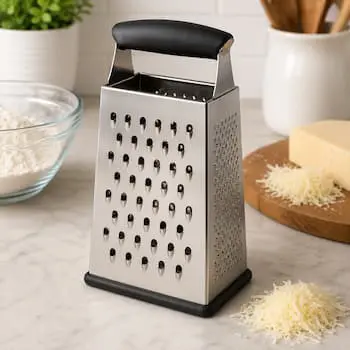
A grater shreds chocolate, hard cheese, and cold butter, while a fine zester lifts the fragrant outer peel from citrus. A little lemon zest brightens cakes and frostings without adding liquid.
Baking Pans and Bakeware Names
Bakeware shapes the finished bake. Each pan is built for a form and a texture, and swapping one for another changes how a recipe rises and browns.
| Pan | What it bakes |
|---|---|
| Baking sheet | Cookies, pastries, sheet cakes, roasted fruit |
| Round cake pan | Layer cakes and sponges |
| Springform pan | Cheesecake and delicate cakes that lift out |
| Bundt pan | Fluted ring cakes and pound cakes |
| Loaf pan | Bread, banana bread, pound cake |
| Muffin tin | Muffins, cupcakes, individual portions |
| Pie dish | Pies, quiches, tarts |
Round cake pans, loaf pans, and pie dishes handle the everyday work: round layers for birthday cakes, loaf pans for quick breads and pound cake, and a sloped pie dish for pies, quiches, and tarts. A few pans earn a closer look.
Baking Sheet:
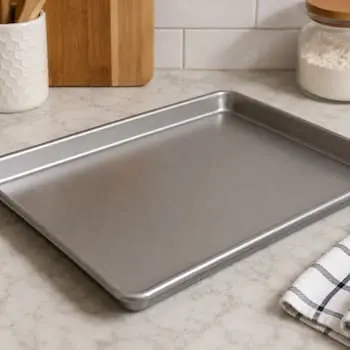
A baking sheet is a flat rectangular metal tray with a shallow rim. Line it with parchment for cookies, or roast fruit and toast nuts on it for fillings.
Springform Pan:
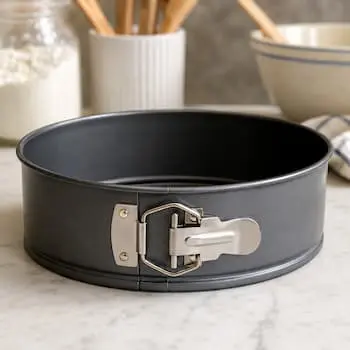
A springform pan has a latch on the side that releases the base, so a cheesecake or mousse cake slides out without flipping. Unclip the ring and the sides fall away, leaving the cake whole.
Bundt Pan:
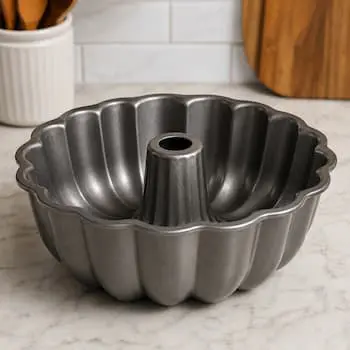
A bundt pan is a decorative ring pan with fluted sides and a hollow center that bakes cake evenly and hands it a sculpted shape. Grease every groove well, since thick batter grips the detail.
Muffin Tin:
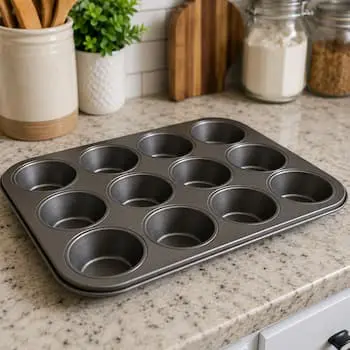
A muffin tin holds a dozen identical wells, standard ones roughly 2.5 inches across. Line them with paper cases or grease each well so muffins and cupcakes release without breaking.
Cake Decorating Tools Names
Finishing gear turns a plain bake into something worth photographing. This is where cake baking earns its polish.
Piping Bag:
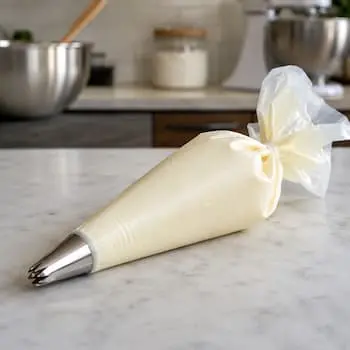
A piping bag is a cone of plastic, silicone, or cloth that pipes frosting, whipped cream, and choux pastry. Fill it, twist the top, and squeeze steady pressure for borders, rosettes, and cupcake swirls.
Piping Tips:
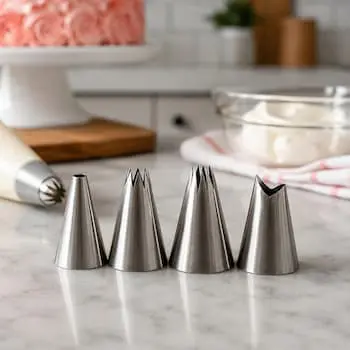
Piping tips are shaped metal nozzles that fit the end of a piping bag and set the pattern of the frosting. Swap a star tip for a round one to move from ruffled borders to smooth dots and writing.
Pastry Brush:
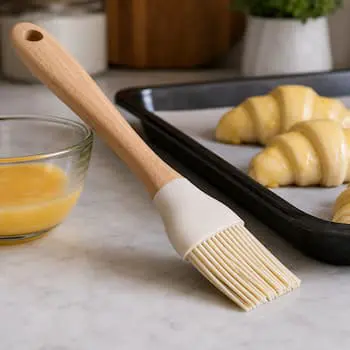
A pastry brush carries soft bristles that spread egg wash, melted butter, and glaze across dough and pastry. Brush beaten egg over pie crust for a glossy, deep-golden finish.
Offset Spatula:
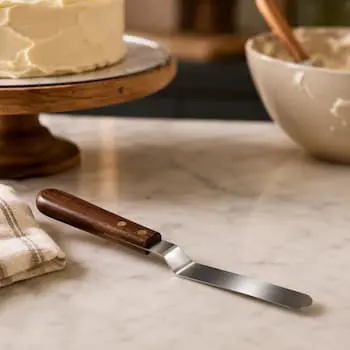
An offset spatula is a thin metal blade angled away from the handle for spreading batter and smoothing frosting. Glide it flat across the top of a cake for a bakery-smooth surface.
Cake Turntable:
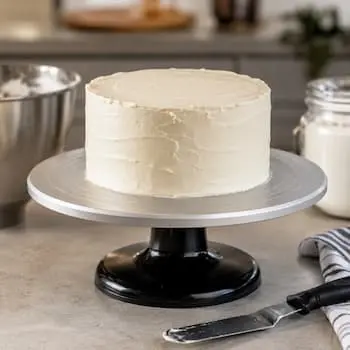
A cake turntable is a rotating stand that spins a cake as you frost it. Turn it slowly with one hand while you hold a scraper steady with the other for even sides all the way around.
Cake Leveler:
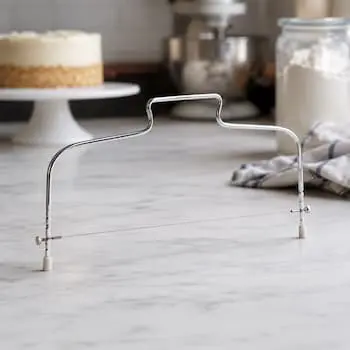
A cake leveler is a thin wire on a frame that slices a domed cake into flat, even layers. Set the height, draw it through the sponge, and stack layers that sit square.
Cake Board:
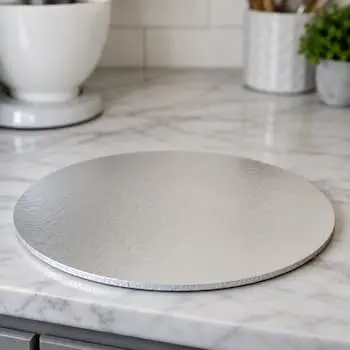
A cake board is a sturdy round or square base that supports a finished cake for stacking and transport. Set the cake on it before you frost, so you move the finished bake without touching the sides.
Oven and Temperature Tools
These tools guard the bake through the oven and the cooldown, the stretch where good batter still goes wrong.
Oven Thermometer:
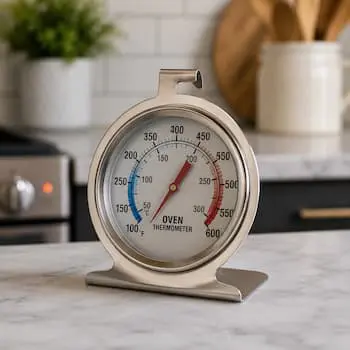
An oven thermometer sits on the rack and reads the true temperature inside, which drifts from the dial on most ovens. Set the oven to 350°F, check the reading, and adjust when it runs hot or cold so cakes bake through without scorching.
Cooling Rack:
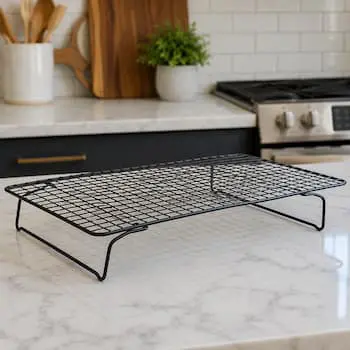
A cooling rack is a raised wire grid that lets air circulate under baked goods as they cool. Move cookies onto it after a few minutes on the pan to stop them steaming into soggy bottoms.
Silicone Baking Mat:
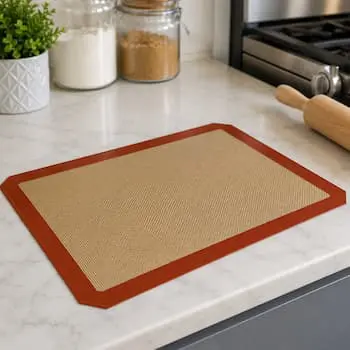
A silicone baking mat is a reusable non-stick sheet that lines a tray in place of parchment. Bake cookies and macarons on it for even browning and a surface that peels away without tearing.
Parchment Paper:
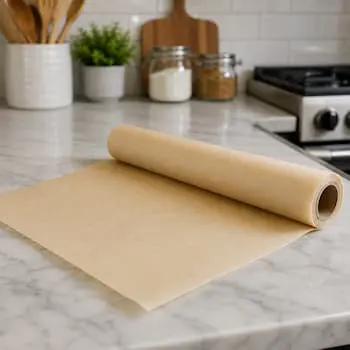
Parchment paper is a heat-resistant non-stick paper that lines pans so bakes lift out and cleanup stays quick. Line a cake base or a cookie sheet, then lift a whole tray of brownies out by the paper overhang.
Oven Mitts:
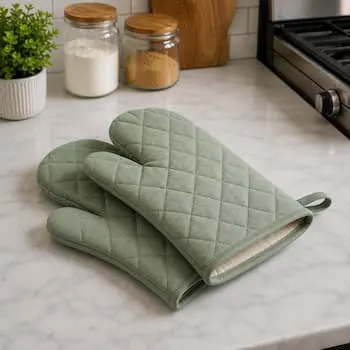
Oven mitts are heat-resistant gloves that protect your hands on hot pans and racks. Grip a 400°F tray with confidence, since a folded tea towel slips and soaks heat through.
Cake Tester:
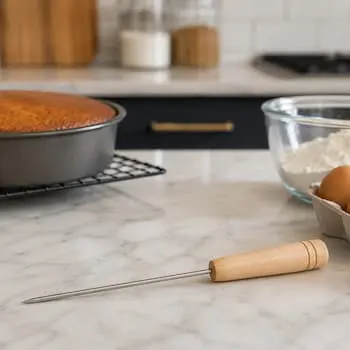
A cake tester is a thin metal probe, or a wooden skewer, that checks whether a cake has baked through. Slide it into the center: a clean pull means done, while wet batter means more time.
Electric Mixers for Baking
Electric mixers take over the arm work of creaming, whipping, and kneading. Two formats cover home baking.
Hand Mixer:
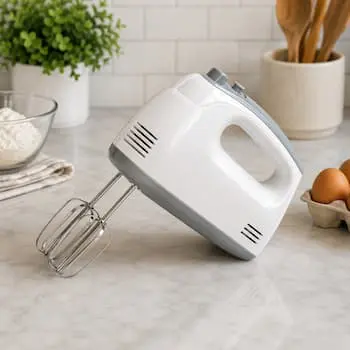
A hand mixer is a handheld motor with removable beaters for creaming butter, whipping cream, and mixing batters. Light and quick to store, it handles cookie dough and cake batter without a large countertop machine.
Stand Mixer:
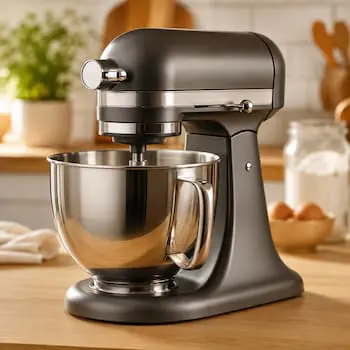
A stand mixer is a countertop motor with a fixed bowl and swappable attachments for beating, whisking, and kneading. Lock in the dough hook for bread and heavy doughs, and run long meringues hands-free while you prep the rest.
Baking Tools for Beginners
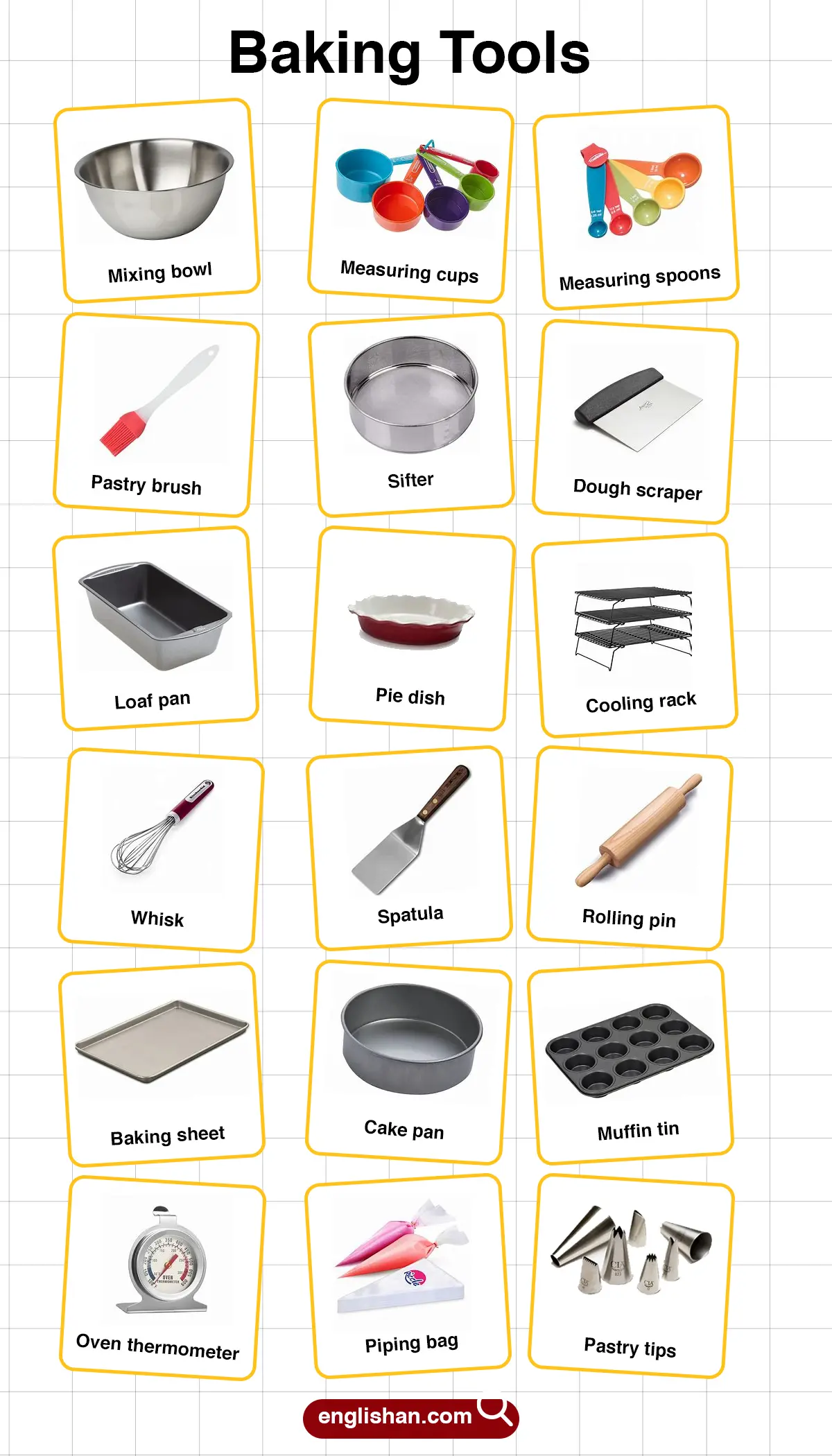
Starting out, you don’t need all forty. A short core kit bakes most everyday recipes, and you add specialist gear as your recipes ask for it.
- Mixing bowls, a whisk, and a silicone spatula for combining and folding.
- Measuring cups, measuring spoons, and a kitchen scale for accuracy.
- A rolling pin for pastry and cookie dough.
- A baking sheet, a round cake pan, and a muffin tin for your first bakes.
- A cooling rack and parchment paper for the finish.
- A hand mixer once you move to creamed cakes and whipped fillings.
Interesting Facts About Baking Tools
- Bakers weigh ingredients because a cup of flour shifts by up to 30 grams depending on how it is scooped, which is why professional recipes list grams.
- A balloon whisk carries more wires and a rounder head than a flat whisk, shaped to trap the most air for egg whites and cream.
- Rolling pins come in wood, marble, and silicone, and marble stays cold on its own, which suits buttery pastry that softens fast.
- The overlapping wells of a muffin tin bake batter evenly on every side, one reason cupcakes cook faster than a single deep cake.
- A silicone baking mat replaces thousands of sheets of parchment across its life and stands up to repeated high-heat baking.
FAQs
What are the basic baking tools for beginners? A starter kit runs to about ten: mixing bowls, a whisk, a silicone spatula, measuring cups and spoons, a kitchen scale, a rolling pin, a baking sheet, a cake pan, and a cooling rack. Those bake most cakes, cookies, and quick breads.
What are the 7 baking tools and equipment? Baking gear falls into seven families: mixing tools, measuring tools, dough preparation tools, bakeware and pans, decorating tools, oven and temperature tools, and electric mixers.
What is the difference between baking tools and equipment? Tools are the handheld items you work with directly, such as a whisk or spatula. Equipment covers the larger machines and appliances, like a stand mixer or the oven itself.
Can I use a whisk instead of a hand mixer? For light jobs like beating eggs or whisking a thin batter, a whisk works fine. For creaming butter and sugar or whipping cream to stiff peaks, a hand mixer saves your arm and gives a steadier result.
Why is a kitchen scale better than measuring cups? A scale weighs each ingredient exactly, while a cup of flour varies by grams depending on how it is packed. Weighing gives the same result every bake, which is why precise recipes list weights.
What is the best material for a mixing bowl? Stainless steel is durable and chills well for whipping cream, glass suits the microwave and lets you watch the mixture, and both outlast lightweight plastic that stains and holds grease.
What is a pastry brush used for? A pastry brush spreads egg wash, melted butter, oil, and glaze over dough and pastry. It gives pie crust a golden shine and keeps filo layers separate as you build them.
Prev
You May Also Like