Types of backpacks vary by size, shape, pockets, and the kind of load they are made to carry. A school backpack, laptop backpack, hiking pack, and travel backpack may all sit on your shoulders, but each one fits a different day, weight, and routine.
A 20 litre daypack and a 65 litre expedition pack are not the same bag with different labels. They hold different gear, rest on different parts of the body, and work best in different places. Once you know the main backpack types, choosing the right one becomes much easier.
Use this breakdown to compare the main types of backpacks by use, size, opening style, and carrying comfort before choosing one for school, work, travel, hiking, sports, or everyday carry.
Types of Backpacks at a Glance
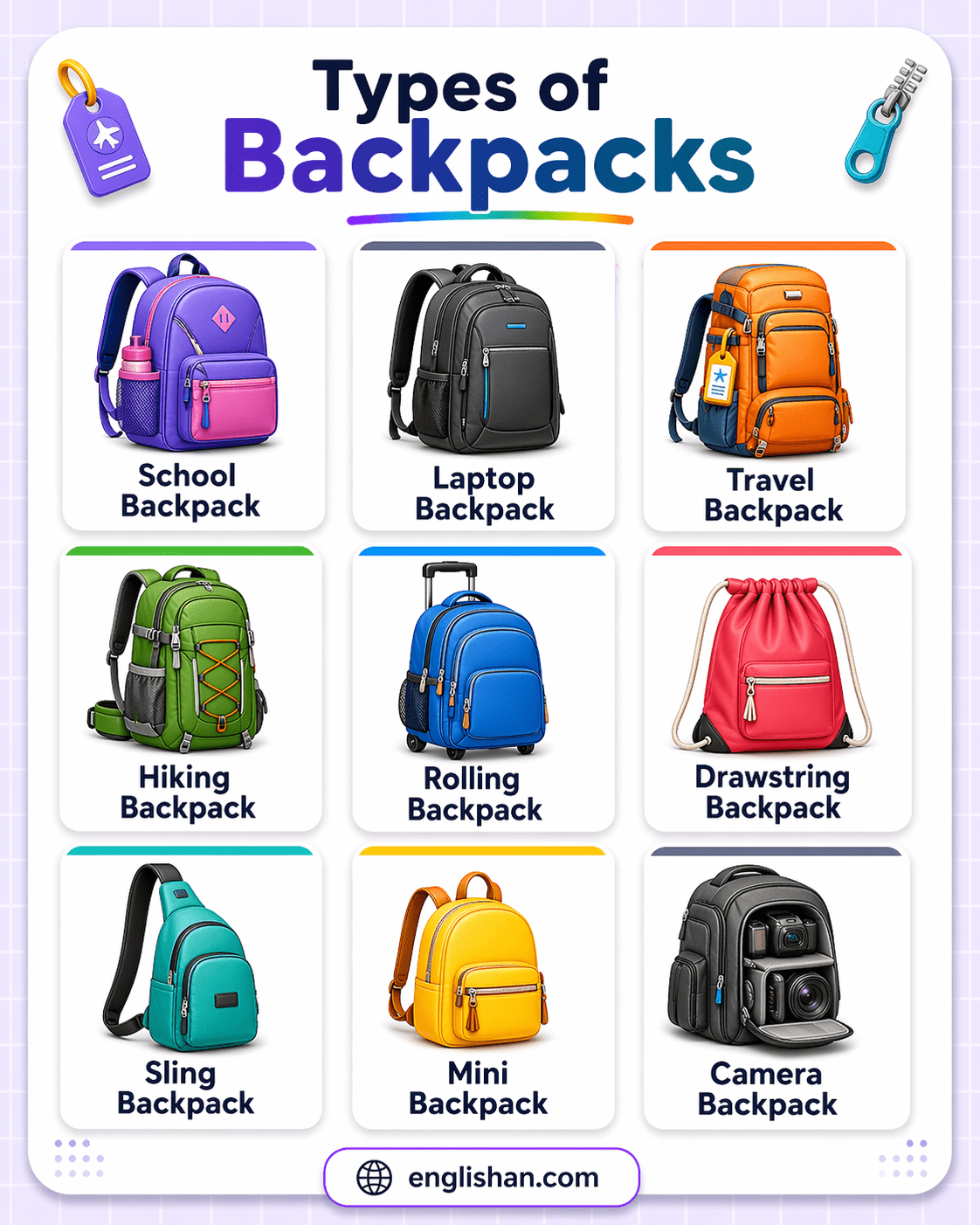
The table below covers the most common types of backpacks and what each one is best for. Some bags overlap, but most backpacks still belong to one main use.
| Backpack Type | Common Size | Best For | Main Difference |
|---|---|---|---|
| Everyday backpack | 15 to 25L | Work, errands, daily carry | Light pockets, laptop space, daily comfort |
| School backpack | 18 to 30L | Books, lunch, laptop, school supplies | Padded straps and room for books |
| Hiking backpack | 20 to 80L | Trails, overnight trips, long treks | Frame, hip belt, and outdoor gear space |
| Travel backpack | 30 to 45L | Flights, weekend trips, carry-on packing | Opens wide and fits travel gear |
| Tactical backpack | 20 to 45L | Outdoor work, tools, military-style carry | Tough fabric and MOLLE webbing |
| Camera backpack | 15 to 35L | Cameras, lenses, tripods, tech gear | Padded dividers for fragile gear |
| Cycling backpack | 10 to 25L | Bike commuting and trail rides | Slim shape and back airflow |
| Diaper backpack | 15 to 30L | Baby items and parent carry | Bottle pockets and changing mat space |
| Mini backpack | 5 to 10L | Phone, wallet, keys, small extras | Small fashion shape |
| Sling backpack | 3 to 8L | Essentials, short outings, theme parks | One strap worn across the body |
| Dry bag backpack | 10 to 40L | Kayaking, boating, rainy trips | Waterproof fabric and roll-top closure |
| Drawstring backpack | 5 to 15L | Gym clothes, events, light carry | Cinch closure with cord straps |
Backpacks are part of wider types of bags vocabulary, yet this list stays with bags worn on the back.
How Different Types of Backpacks Compare
Different types of backpacks are not separated by name alone. The real difference comes from what the bag carries, how much it holds, how it opens, and how it moves weight across the body.
Purpose is the first difference. A school backpack is shaped around books, notebooks, lunch, and a laptop. A travel backpack is shaped around clothes, packing cubes, toiletries, and airport movement. A hiking backpack is shaped around water, food, weather layers, sleeping gear, and long hours on foot.
Capacity changes how the backpack feels. A 15 litre bag works for a light commute, while a 30 litre backpack can handle gym clothes or a day hike. Once backpack types pass 40 litres, they move into travel or overnight hiking territory.
Opening style affects access. A top-loading pack works well for hiking because gear stacks vertically. A clamshell backpack opens wide like luggage, which makes packing easier for flights and weekend trips. A rolltop backpack folds down at the top and expands when the load grows.
Weight transfer becomes important once the bag gets heavy. Small backpacks rest mostly on the shoulders. Larger hiking backpacks use frames, padded hip belts, sternum straps, and compression straps so the load sits closer to the body.
Everyday Types of Backpacks
Everyday types of backpacks are made for work, errands, commuting, school overlap, and light daily carry. These backpacks usually stay between 15 and 25 litres, with enough room for a laptop, lunch, water bottle, notebook, charger, and small personal items.
Daypack
A daypack is the standard backpack most people picture first. It has two shoulder straps, one main compartment, a front pocket, and often one or two bottle pockets. Most daypacks sit between 18 and 25 litres, which makes them useful for errands, school, short walks, and coffee shop work.
This is one of the most flexible backpack types because it does not lock you into one activity. A daypack can carry a book, lunch, light jacket, headphones, and a small laptop without feeling oversized.
Laptop Backpack
A laptop backpack has a padded sleeve near the back panel for a 13, 15, 16, or 17 inch laptop. Better versions lift the laptop slightly above the bottom of the bag, so the device does not hit the floor first when the bag is placed down.
This backpack type works well for office workers, students, freelancers, and anyone who carries a computer daily. It also pairs naturally with tech vocabulary and device names, so a related internal link to computer accessories fits well near this topic.
Work Backpack
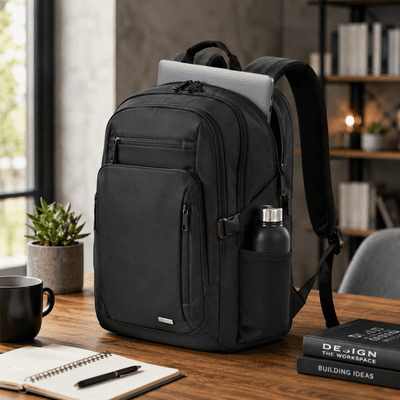
A work backpack is a more polished version of a laptop backpack. It usually has a laptop sleeve, document pocket, pen slots, charger pocket, and a sleeker outside shape. Many work backpacks use nylon, recycled polyester, leather, or a mixed fabric finish.
This type of backpack fits offices, meetings, coworking spaces, and business travel. It carries a laptop and work items without looking like a hiking bag or school bag.
Commuter Backpack
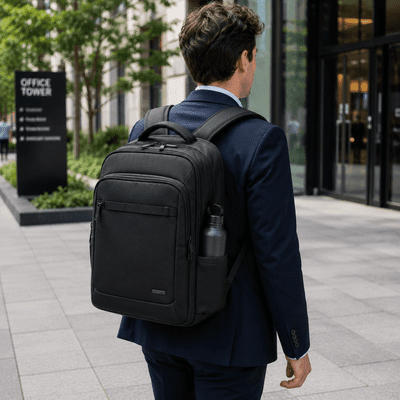
A commuter backpack is made for trains, buses, bikes, sidewalks, and airport floors. It often has weather-resistant fabric, hidden zipper pockets, reflective details, a laptop compartment, and a trolley sleeve that slides over suitcase handles.
This is one of the best backpack types for people who move through crowded places. The outside stays compact, while the inside keeps daily items in steady places.
Tech Backpack
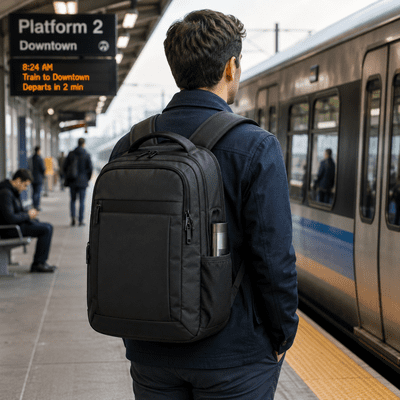
A tech backpack carries more than a laptop. It has sections for tablets, chargers, power banks, cables, mice, headphones, hard drives, and sometimes a camera or small tripod. Some tech backpacks also have a pass-through cable port for charging from a power bank inside the bag.
This backpack type fits people who work from cafés, offices, airports, or shared workspaces. It keeps small devices from sinking to the bottom of the main compartment.
Clamshell Backpack
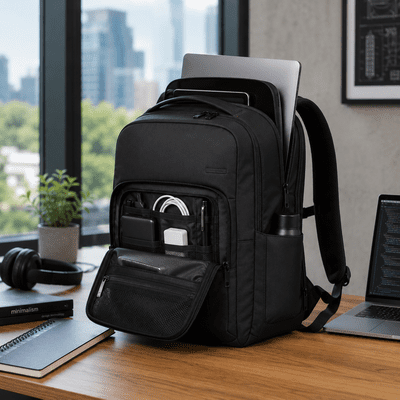
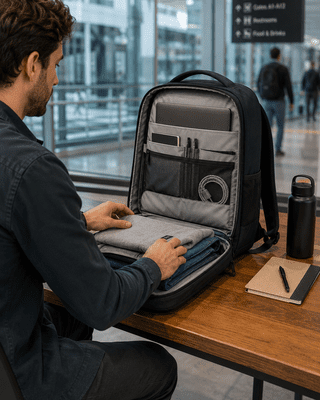
A clamshell backpack opens wide like a suitcase. Instead of reaching through the top, you unzip the front panel and see the whole compartment at once. That makes packing, unpacking, and airport security faster.
This style appears in both everyday and travel backpack types. It is especially useful when you carry clothes, tech gear, books, or several small items that would otherwise hide inside the bag.
Rolltop Backpack
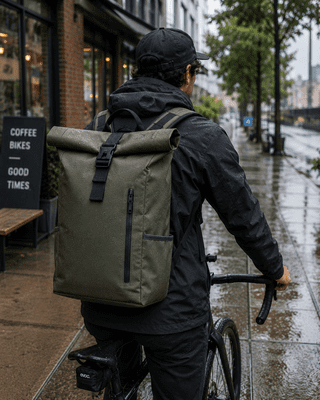
A rolltop backpack closes by folding the top down and clipping it shut. The shape changes with the load, so the bag can stay slim on light days and expand when you add extra clothes, groceries, or gear.
Rolltop backpack types are common among bike commuters, city workers, and people who want light rain protection. The rolled top helps keep water away from the main compartment during short rain exposure.
School Types of Backpacks
School types of backpacks focus on books, laptops, lunch, water bottles, stationery, and long hours of wear. A good school backpack needs padded straps, steady zippers, tough fabric, and enough space for a full school day.
For a wider school bag vocabulary page, see types of school bags.
Standard School Backpack
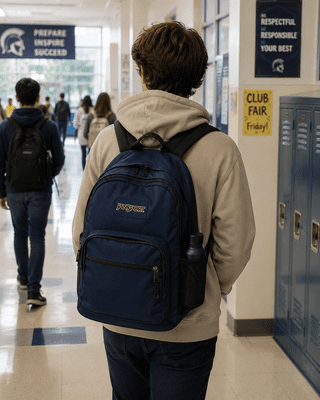
A standard school backpack has two padded straps, a main compartment for books, a front pocket for stationery, and side pockets for a water bottle. Most school backpacks sit between 18 and 30 litres.
This type works for elementary school, middle school, high school, and casual college use. It is the everyday school choice because it balances space, price, and comfort.
Rolling School Backpack
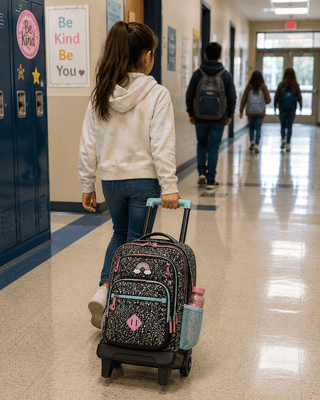
A rolling school backpack adds wheels and a pull handle. It carries heavy books on the floor instead of the shoulders, which can suit children with long walks, heavy textbooks, or back strain.
The tradeoff is bulk. Rolling backpack types do not fit every locker, stairwell, or crowded hallway, so school rules and daily route should be checked before choosing one.
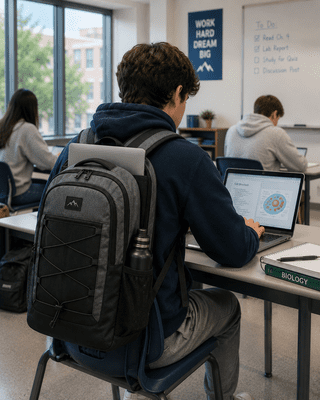
Laptop School Backpack
A laptop school backpack adds a padded pocket for a Chromebook, tablet, or laptop. Many middle school, high school, and college students need this feature because digital classes and online assignments are now part of school life.
This backpack type should still have enough space for books and lunch. A laptop sleeve alone does not make a school bag useful if the main compartment becomes too tight.
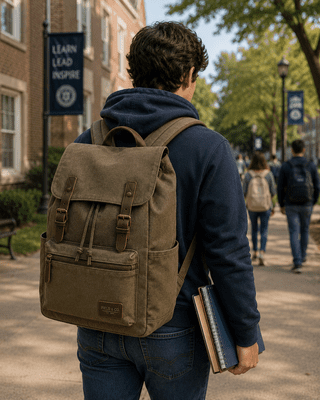
Canvas Backpack
A canvas backpack uses cotton canvas instead of slick nylon or polyester. It feels softer, bends more easily as it fills, and often has a casual school look.
Canvas school backpack types work best for lighter loads. They are good for notebooks, a lunchbox, a small laptop, and daily school items, but they are not the best choice for very wet weather unless the canvas is treated.
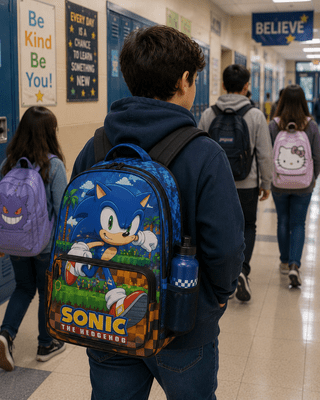
Character Backpack
A character backpack has a print from a cartoon, film, game, or children’s brand. These backpacks usually fit preschool and early primary school because they carry a lunchbox, bottle, spare clothes, and a small book.
This backpack type is picked as much by the child as by the parent. The size matters because a large school bag can hang too low on a small child’s back.
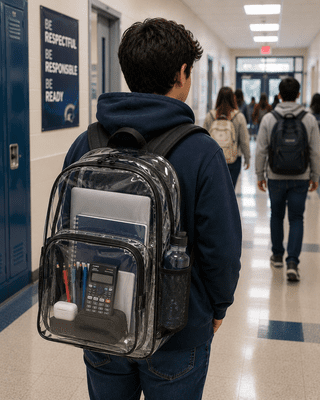
Transparent Backpack
A transparent backpack is made from see-through plastic, mesh, or a mix of both. Some schools require it for safety checks because the contents can be viewed from the outside.
Transparent school backpack types give less privacy and may not last as long as fabric backpacks, but they meet school rules in places that require see-through bags.
Hiking Backpack Types by Trip Length
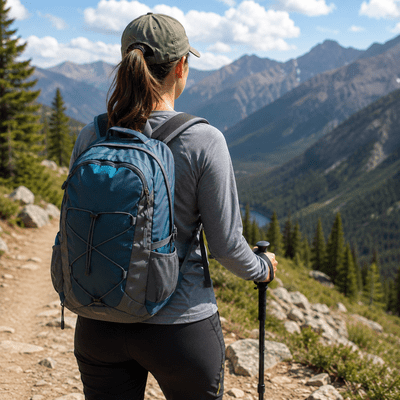
Hiking types of backpacks change by trip length, load weight, weather, and terrain. A short trail walk may only need a small daypack, while a multi-day trek needs a framed pack with a hip belt and space for food, shelter, and layers.
Hiking Daypack
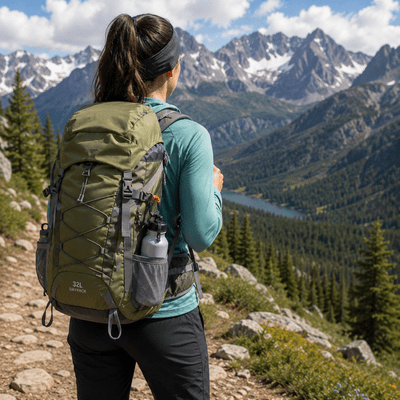
A hiking daypack usually holds 18 to 30 litres. It carries water, snacks, a rain jacket, first aid items, sunglasses, sunscreen, a phone, and sometimes a map or light camera gear.
This is the right backpack type for one-day hikes. It should feel light, sit close to the back, and allow quick access to water.
Hydration Pack
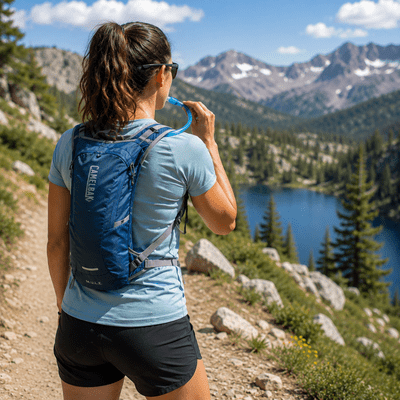
A hydration pack is built around a water bladder. A drinking tube runs from the bladder over the shoulder, so hikers, runners, and cyclists can drink while moving.
Most hydration backpack types are small, often between 3 and 10 litres. They work best when water is the main item, not when you need to carry bulky gear.
Overnight Backpack
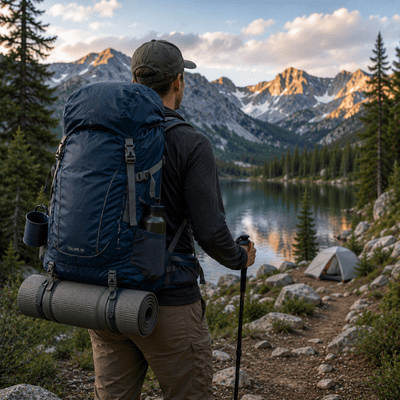
An overnight backpack usually sits between 30 and 50 litres. It has enough space for a sleeping bag, tent, cooking kit, food, warm layer, water, and personal items for one or two nights.
This is where hiking backpack types start to need a frame and padded hip belt. Once the load passes around 15 pounds, shoulder-only carry becomes tiring quickly.
Multi-Day Backpack
A multi-day backpack usually holds 50 to 70 litres. It carries more food, more clothing, a larger sleep system, and outdoor gear for three to five days.
This backpack type depends on fit. The hip belt should carry most of the weight, while the shoulder straps keep the bag steady rather than taking the full load.
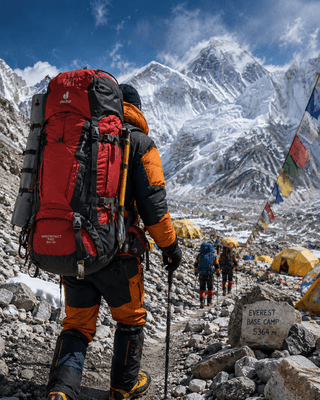
Expedition Backpack
An expedition backpack is the largest hiking pack, often 70 litres or more. It is made for long treks, cold weather gear, climbing equipment, heavy food loads, and remote routes.
This is not an everyday backpack type. It is large, shaped, and built for people carrying serious outdoor loads over distance.
Ultralight Backpack
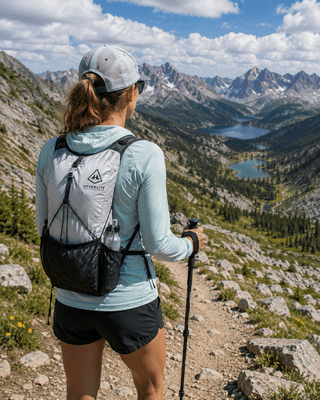
An ultralight backpack cuts weight from the bag itself. Many ultralight packs use thin ripstop nylon, Dyneema, or other lightweight fabrics, with less padding and fewer extras.
This type fits experienced hikers who know how to keep their full pack weight low. It can feel harsh when overloaded, so it is not the best first hiking backpack for most beginners.
Frameless Backpack
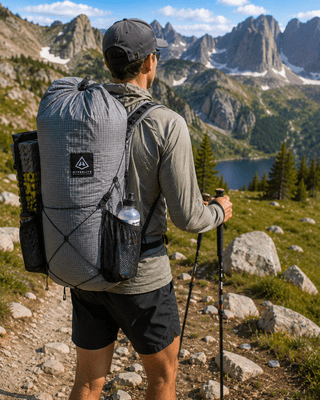
A frameless backpack removes the stiff frame found in many hiking packs. It bends with the load and weighs less, but it gives less shape when packed heavily.
Frameless backpack types work best for ultralight hiking, climbing gear, and soft loads. They are less forgiving when filled with heavy, awkward items.
Travel Backpack Types for Carry-On Trips
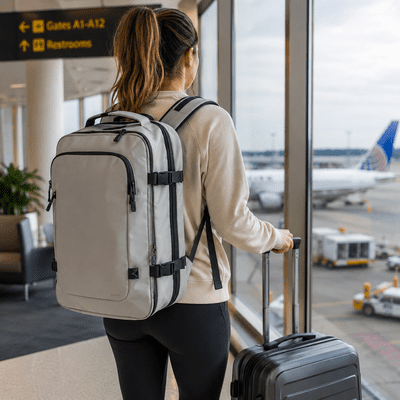
Travel types of backpacks are built around packing access, carry-on limits, airport movement, train stations, hostel rooms, and short trips. Most travel backpacks sit between 30 and 45 litres because that range fits many airline carry-on limits.
For related travel vocabulary, names of transport can pair well with this section.
Carry-On Travel Backpack
A carry-on travel backpack is shaped to fit overhead bins while carrying clothes, toiletries, documents, and tech gear. Many travel backpacks open flat, which makes them easier to pack than top-loading bags.
This is one of the most useful types of backpacks for short trips, digital nomads, and travelers who do not want a rolling suitcase.
Convertible Travel Backpack
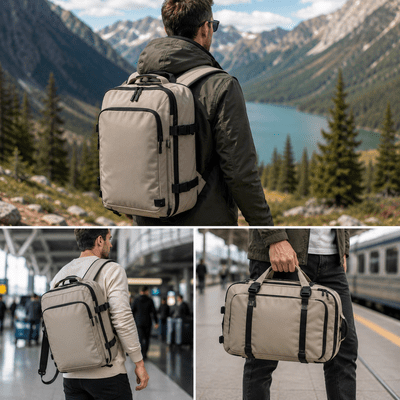
A convertible travel backpack changes carry style. It may have hideaway shoulder straps, side handles, a duffel-style handle, or a briefcase-style carry mode.
This backpack type suits trips that mix airports, hotels, work meetings, and city walking. The same bag can look more casual or more formal depending on how it is carried.
Anti-Theft Backpack
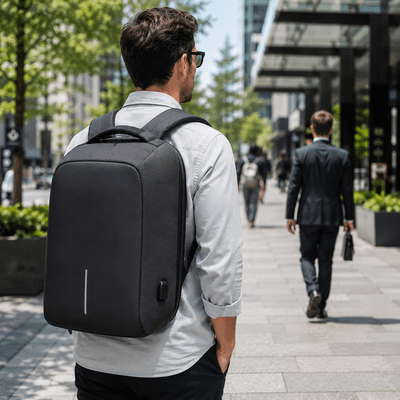
An anti-theft backpack adds security features such as locking zippers, hidden pockets, slash-resistant fabric, and pockets that sit against the back.
These backpack types are useful for busy tourist areas, trains, festivals, and city trips where pickpocketing is a concern. The goal is not to make theft impossible, but to make the bag harder to open quickly.
Weekender Backpack
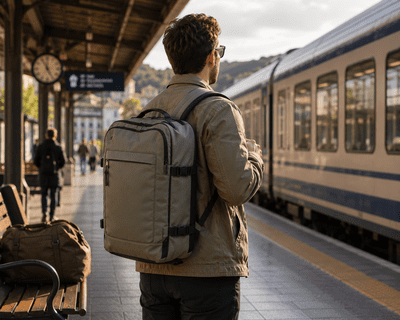
A weekender backpack usually holds 25 to 35 litres. It carries two or three outfits, a toiletry pouch, a laptop, and small extras for a Friday to Monday trip.
This backpack type is smaller than a full travel pack but larger than a normal daypack. It works well when a suitcase feels unnecessary.
Duffel Backpack
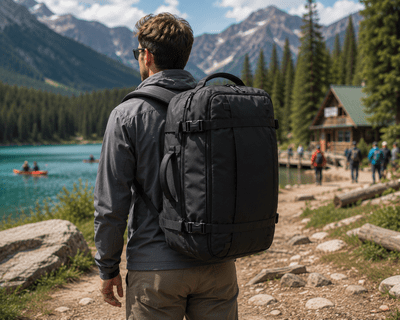
A duffel backpack has the shape of a duffel bag with backpack straps added. It can be carried by hand, over the shoulder, or on the back.
This type suits outdoor travel, sports trips, and hostel travel. It packs bulky items well, but it may not organize laptops and small tech items as neatly as a dedicated travel backpack.
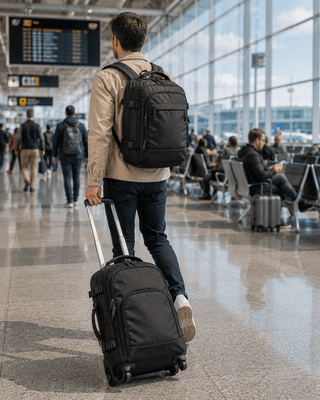
Roller Backpack
A roller backpack combines wheels, a pull handle, and backpack straps. It works on airport floors and sidewalks, then switches to backpack carry on stairs or rough ground.
The downside is weight. The wheel frame adds bulk before anything is packed, so this backpack type only makes sense when rolling will be used often.
Specialty Types of Backpacks
Specialty types of backpacks are made for one main activity, such as photography, cycling, running, fishing, hunting, climbing, or carrying baby items. They are worth choosing when a normal daypack cannot hold the gear safely.
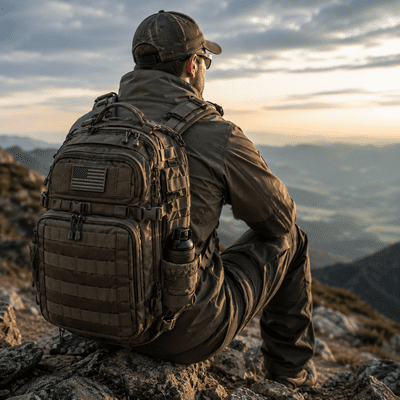
Tactical Backpack
A tactical backpack uses tough fabric, reinforced stitching, and rows of MOLLE webbing. MOLLE straps let the user attach extra pouches, tools, bottle holders, and small gear packs.
This backpack type started in military and field use, but it is now common among outdoor workers, hunters, photographers, and people who want a rugged everyday bag.
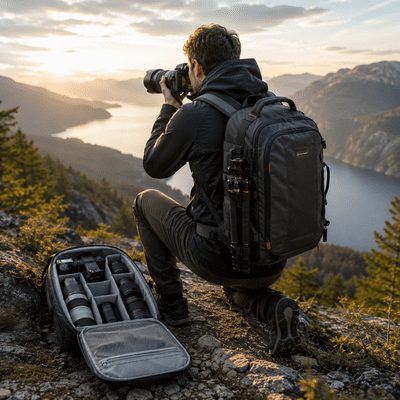
Camera Backpack
A camera backpack has padded dividers for camera bodies, lenses, batteries, memory cards, filters, and tripods. Many camera backpacks open from the side so a photographer can reach the camera without unpacking everything.
This is one of the most protective types of backpacks because camera gear is fragile, expensive, and awkward to stack inside a normal bag.
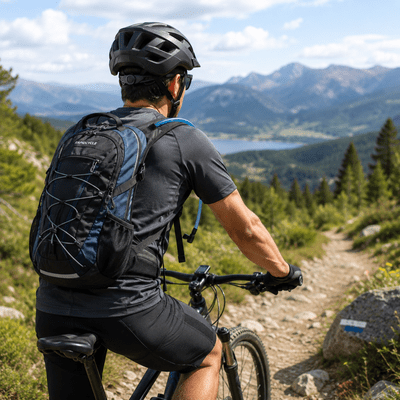
Cycling Backpack
A cycling backpack has a narrow shape, chest strap, ventilated back panel, reflective details, and often a hydration sleeve. It should stay steady while riding and avoid swinging from side to side.
This backpack type works for bike commuters, road cyclists, and mountain bikers who need water, tools, a light jacket, snacks, or work items.
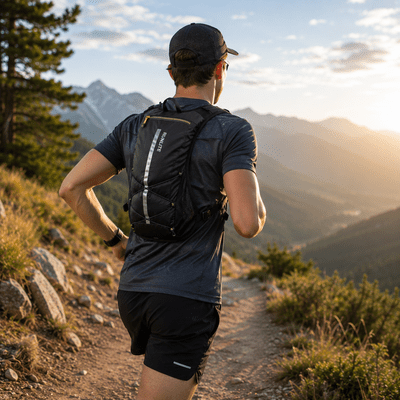
Running Backpack
A running backpack sits closer to the body than a hiking daypack. It may look more like a vest, with front pockets for water bottles, gels, keys, and a phone.
Running backpack types are made for movement. They should not bounce heavily, rub the shoulders, or pull backward while running.
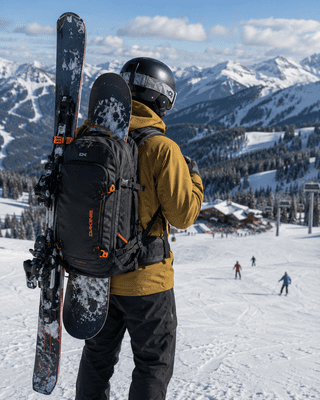
Ski and Snowboard Backpack
A ski and snowboard backpack has straps for carrying skis or a snowboard, a pocket for goggles, and space for gloves, layers, snacks, and safety gear.
Backcountry versions may include compartments for avalanche tools. This type is for winter sports, not daily use.
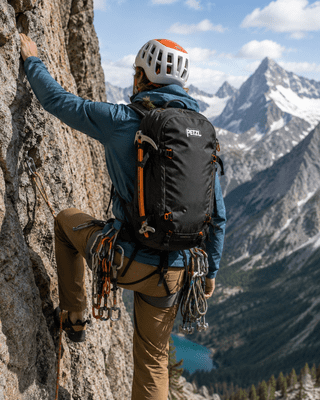
Climbing Backpack
A climbing backpack is tall, narrow, and close-fitting. It may have rope straps, helmet carry points, ice axe loops, and tough outer fabric for rock contact.
This backpack type needs to move with the climber instead of snagging or swinging. It carries gear without getting in the way on approaches or climbs.
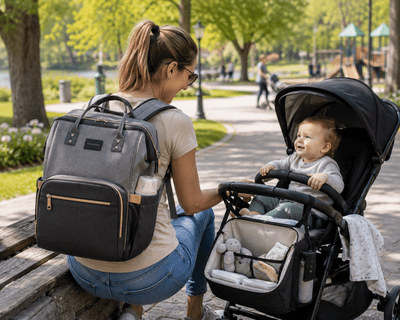
Diaper Backpack
A diaper backpack carries baby items while keeping both hands free. It usually has bottle pockets, wipe pockets, a changing mat space, insulated sections, and enough room for nappies, snacks, clothes, toys, and parent items.
This backpack type fits parents and caregivers better than a one-shoulder diaper bag. For more baby-related vocabulary, link it with baby accessories vocabulary.
Pet Carrier Backpack
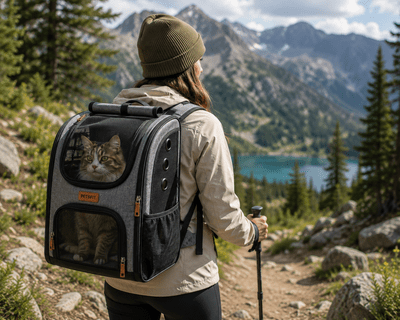
A pet carrier backpack lets small dogs, cats, and other small pets travel on the back. It should have airflow panels, a secure base, a harness tether, and enough room for the pet to sit safely.
This is one of the few backpack types where comfort matters for two users: the person carrying it and the pet inside it.
Dry Bag Backpack
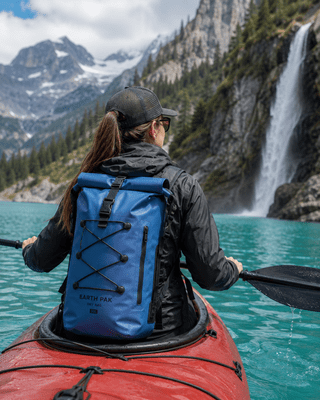
A dry bag backpack uses waterproof fabric, welded seams, and a roll-top closure. Kayakers, paddleboarders, sailors, anglers, and rainy-weather travelers use this type when gear must stay dry.
A water-resistant backpack handles light rain. A dry bag backpack is for wet conditions where splashes, spray, or brief water contact may happen.
Fishing Backpack
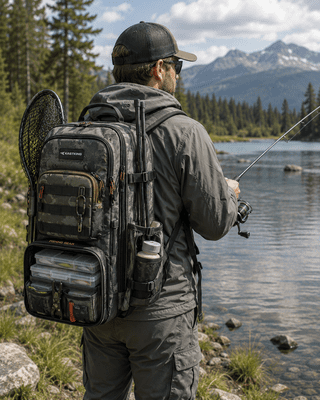
A fishing backpack has space for tackle trays, line, lures, pliers, snacks, and rain gear. Many have rod holders and water-resistant fabric.
This backpack type is better than a normal daypack because fishing gear has sharp, small, and wet items that need separate storage.
Hunting Backpack
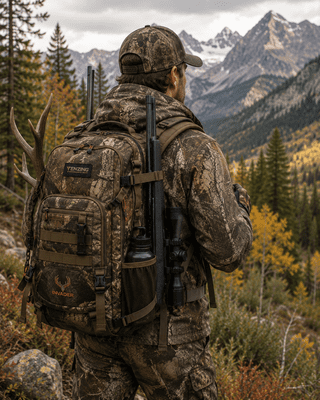
A hunting backpack carries outdoor gear, food, water, extra layers, tools, and sometimes a rifle or bow. Larger hunting packs may also have space for hauling meat after a hunt.
This type uses quiet fabric, earth-tone colors, and strong frames for remote outdoor use.
Fashion Types of Backpacks
Fashion types of backpacks focus on shape, material, outfit fit, and lighter carry. Most are smaller than outdoor or school backpacks, though leather and backpack tote styles can still work for daily items.
For more clothing and accessories vocabulary, see women’s clothes and accessories.
Mini Backpack
A mini backpack is small, usually between 5 and 10 litres. It holds a phone, wallet, keys, lip balm, sunglasses, and a few small items.
This backpack type is chosen for style and convenience, not heavy storage. It works for shopping, events, casual outings, and days when a full-size bag feels too large.
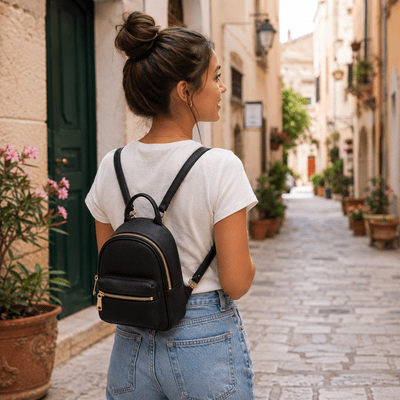
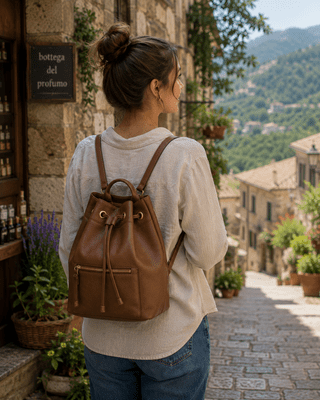
Backpack Purse
A backpack purse mixes handbag styling with two shoulder straps. It is often made from leather, faux leather, nylon, or fashion fabric.
This type fits people who want a handbag look with hands-free carry. It works for daily errands, casual outfits, travel days, and events where a large backpack would feel too bulky.
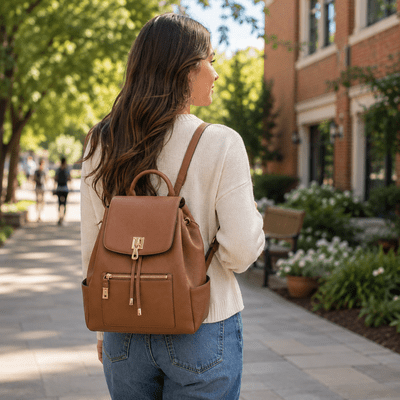
Leather Backpack
A leather backpack is used for work, fashion, travel, and polished daily carry. Full grain leather ages well, while faux leather gives a similar look at a lower price.
Leather backpack types are heavier than nylon or polyester bags, but they often look better with office clothing and formal outfits.
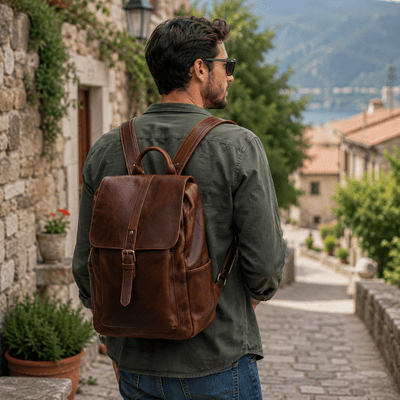
Drawstring Backpack
A drawstring backpack, also called a cinch bag or gym sack, closes with two cords that also work as shoulder straps. It is light, cheap, and easy to store when empty.
This backpack type is best for gym clothes, swimwear, event giveaways, light sports items, or a spare pair of shoes. It is not meant for laptops, heavy books, or long wear.
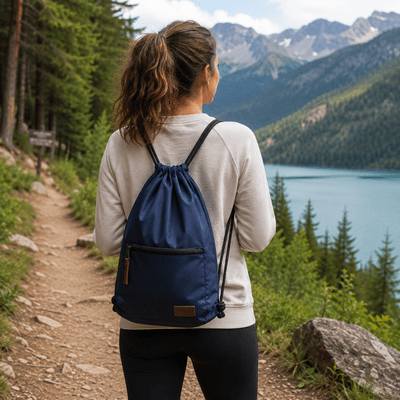
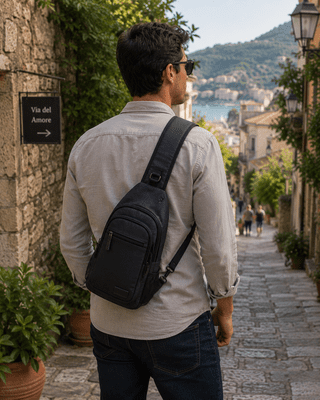
Sling Backpack
A sling backpack has one strap worn across the chest or back. It swings around to the front quickly, so small items are easy to reach without removing the bag.
Sling backpack types are useful for theme parks, short walks, cycling, travel days, and errands. Most hold 3 to 8 litres.
Bucket Backpack
A bucket backpack borrows the rounded shape and drawstring top from a bucket bag. It is more common in fashion than school, hiking, or travel use.
This backpack type works best with light personal items. It is not the best option for laptops or heavy loads because the inside space has less shape.
Backpack Tote
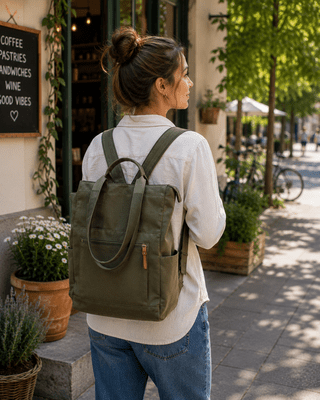
A backpack tote has top handles plus backpack straps. You can carry it by hand for short distances or wear it on the back when the load gets heavier.
This is one of the more flexible fashion backpack types because it moves between casual, work, shopping, and travel use without looking too sporty.
Backpack Sizes by Type
Backpack types also differ by capacity, and litre size gives a fast idea of what each bag can handle. A small backpack may look neat, but it runs out of room quickly. A large backpack adds space, but it can feel awkward when half empty.
| Backpack Size | What It Holds | Best Backpack Types |
|---|---|---|
| Under 10L | Phone, wallet, keys, snack, small bottle | Mini backpack, sling backpack, running pack |
| 10 to 15L | Water bottle, light jacket, book, small extras | Hydration pack, drawstring backpack, small daypack |
| 15 to 20L | Small laptop, notebook, lunch, daily items | Laptop backpack, work backpack, commuter backpack |
| 20 to 25L | 15 inch laptop, books, lunch, jacket | Daypack, school backpack, everyday backpack |
| 25 to 30L | Heavy school day, gym kit, day hike gear | School backpack, gym backpack, hiking daypack |
| 30 to 40L | Two to four days of clothing and tech | Weekender backpack, travel backpack, overnight pack |
| 40 to 50L | Carry-on travel load or light backpacking kit | Travel backpack, convertible backpack, overnight hiking pack |
| 50 to 70L | Tent, sleeping bag, food, layers, trail gear | Multi-day hiking backpack |
| 70L+ | Expedition gear, cold-weather gear, climbing equipment | Expedition backpack |
For most daily use, 20 to 25 litres is enough. For carry-on travel, 35 to 45 litres is the practical range. For hiking, size depends on trip length, gear bulk, weather, and how much food and water must be carried.
How to Choose Between Different Types of Backpacks
The right choice comes from matching backpack types to your daily load, travel plans, school needs, or outdoor use. Start with the main job of the bag, then narrow it by capacity, fit, pockets, fabric, and opening style.
For school, choose a 20 to 30 litre school backpack with padded straps, a laptop sleeve if needed, bottle pockets, and enough room for books without overstuffing the zippers.
For work, choose a laptop backpack, work backpack, or commuter backpack between 15 and 25 litres. Look for a padded laptop section, charger pocket, document space, and an outside shape that fits your workplace.
For travel, choose a 30 to 45 litre travel backpack with a wide opening, comfortable straps, sturdy zippers, and a size that fits your airline’s carry-on rules.
For hiking, choose by trip length. A day hike works with 18 to 30 litres, an overnight trip often needs 30 to 50 litres, and a multi-day hike usually needs 50 litres or more.
For photography, cycling, fishing, hunting, or baby care, choose the specialty backpack type made for that gear. These types of backpacks have pockets and carry features that a normal daypack cannot replace well.
FAQs
The main types of backpacks are daypacks, laptop backpacks, school backpacks, hiking backpacks, travel backpacks, tactical backpacks, camera backpacks, cycling backpacks, diaper backpacks, sling backpacks, mini backpacks, drawstring backpacks, and dry bag backpacks. Each type is named by how it is used and what it carries.
A standard school backpack between 20 and 25 litres works for most students because it can hold books, lunch, a water bottle, stationery, and a small laptop. College students may need 25 to 30 litres if they carry thicker textbooks, a larger laptop, or gym clothes.
A laptop backpack or work backpack is best for work. It should have a padded laptop sleeve, charger pocket, document space, bottle pocket, and a shape that fits office clothing. A commuter backpack is better if the workday includes trains, buses, bikes, or frequent walking.
A carry-on travel backpack between 35 and 45 litres is best for short trips and flights. Look for a wide opening, comfortable shoulder straps, strong zippers, and enough room for clothes, toiletries, documents, and tech items.
For one-day hikes, a hiking daypack between 18 and 30 litres is enough. For overnight trips, choose a 30 to 50 litre backpack with a frame and hip belt. For multi-day hikes, use a 50 to 70 litre hiking backpack that can carry food, layers, water, and sleeping gear.
A backpack is any bag worn on the back with two shoulder straps. A rucksack is usually a larger backpack with a top flap, drawstring opening, or outdoor carry style. In everyday use, many people use both words for the same kind of bag.
A daypack is a small to medium backpack used for one day of carry. It usually holds 18 to 30 litres and fits items such as water, lunch, a book, a light jacket, and a small laptop. Daypacks are common for school, work, errands, travel days, and short hikes.
Most people need a backpack between 20 and 25 litres for daily use. That size can hold a laptop, lunch, water bottle, notebook, charger, and light jacket without becoming too bulky. Travel and hiking need larger sizes because clothes, food, or outdoor gear take more space.
No. A water-resistant backpack can handle light rain for a short time, but water may still reach the inside through zippers or seams. A waterproof dry bag backpack uses welded seams and a roll-top closure to keep gear dry in much wetter conditions.
A laptop backpack is the best choice for a laptop because it has a padded sleeve close to the back panel. For daily commuting, choose a laptop backpack with a raised laptop pocket, charger storage, and weather-resistant fabric.