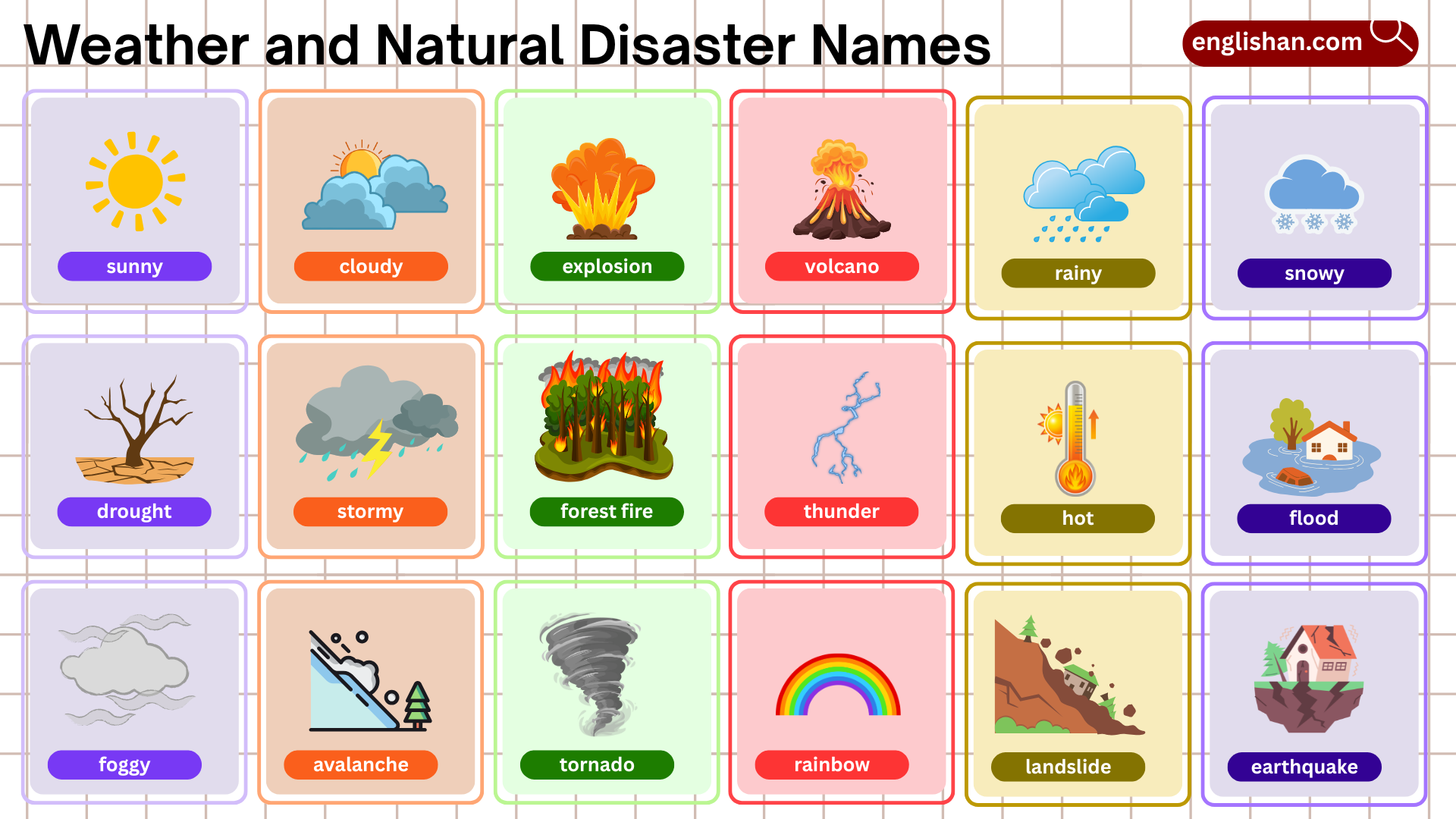
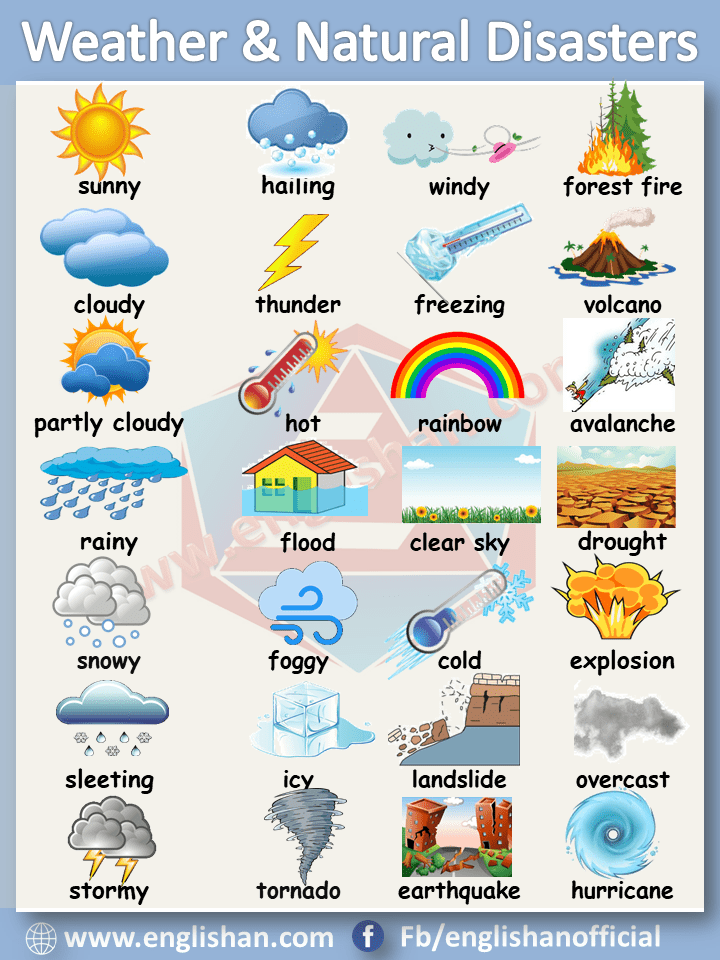
From gentle breezes to intense earthquakes, nature’s events have specific names in English. These essential terms describe forces that impact daily life. In this blog, you will learn 100 complete weather and natural disaster names with their pictures.
List of Weather and Natural Disaster Vocabulary with Pictures
| No. | Name | Picture |
| 1 | sunny |  |
| 2 | cloudy |  |
| 3 | partly cloudy |  |
| 4 | rainy | 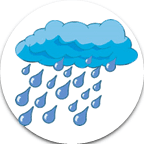 |
| 5 | snowy | 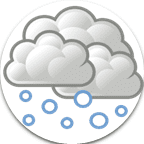 |
| 6 | sleeting |  |
| 7 | stormy | 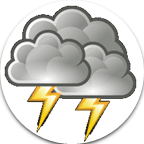 |
| 8 | hailing | 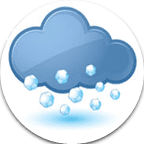 |
| 9 | thunder | 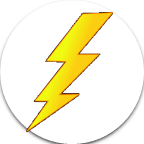 |
| 10 | hot |  |
| 11 | flood | 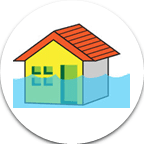 |
| 12 | foggy |  |
| 13 | icy |  |
| 14 | tornado | 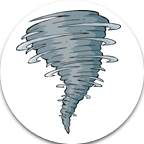 |
| 15 | windy |  |
| 16 | freezing |  |
| 17 | rainbow |  |
| 18 | clear sky |  |
| 19 | cold |  |
| 20 | landslide | 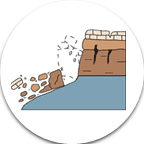 |
| 21 | earthquake | 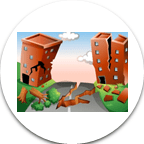 |
| 22 | forest fire | 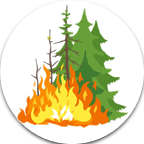 |
| 23 | volcano | 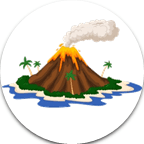 |
| 24 | avalanche |  |
| 25 | drought |  |
| 26 | explosion |  |
| 27 | overcast |  |
| 28 | hurricane |  |
Weather Conditions Vocabulary
- Sunny – The sun is shining brightly in a clear sky.
- Cloudy – The sky is full of clouds, hiding the sun.
- Rainy – Rain is falling from the sky.
- Foggy – Thick fog makes it hard to see clearly.
- Windy – Strong winds are blowing.
- Snowy – Snow is falling and covering the ground.
- Drizzle – Light rain is falling gently.
- Hazy – The air looks blurry from smoke or dust.
- Overcast – The sky is completely covered with clouds.
- Humid – The air feels hot, heavy, and moist.
- Breezy – A light, cool wind is blowing.
- Icy – Everything is covered in slippery ice.
- Thunderstorm – Lightning, thunder, and heavy rain occur.
- Sleet – Frozen rain or a mix of rain and snow falls.
- Drought – A long dry period with no rain.
Extreme Weather Vocabulary
- Blizzard – A strong snowstorm with high winds and low visibility.
- Tornado – A fast-spinning column of air touching the ground and sky.
- Hurricane – A huge ocean storm with strong winds and heavy rain.
- Typhoon – A hurricane-like storm in the Pacific Ocean.
- Hailstorm – A storm where ice balls (hail) fall from the sky.
- Heatwave – A stretch of very high and dangerous temperatures.
- Cold snap – A sudden, short burst of cold weather.
- Dust storm – Strong winds blow dust and sand into the air.
- Ice storm – Freezing rain covers everything in thick ice.
- Windstorm – Powerful winds blow without rain or snow.
- Cyclone – A swirling storm with strong winds and heavy rain.
- Waterspout – A tornado that forms over water.
- Monsoon – Seasonal heavy rains with strong winds.
- Derecho – A fast-moving line of strong, damaging winds.
- Polar vortex – Extremely cold air moving down from the Arctic.
Natural Disaster Vocabulary
- Earthquake – The ground shakes due to movement underground.
- Flood – Water covers normally dry land after heavy rain.
- Tsunami – A huge sea wave caused by an underwater quake.
- Landslide – Earth and rocks slide down a hill suddenly.
- Avalanche – A fast-moving mass of snow slides down a mountain.
- Wildfire – A large fire spreading through forests or grasslands.
- Volcanic eruption – Lava, ash, and gas explode from a volcano.
- Sinkhole – A hole opens in the ground when land below collapses.
- Drought – A long dry period with little or no rain.
- Tornado – A fast-spinning wind storm that destroys things.
- Hurricane – A powerful storm with heavy rain and strong wind.
- Mudslide – Wet soil and rocks rush downhill quickly.
- Storm surge – Ocean water pushed onto land by a strong storm.
- Ice storm – Freezing rain coats everything in slippery ice.
- Famine – A severe food shortage, often caused by drought.
Disaster Safety and Emergency Vocabulary
- Emergency kit – A bag with food, water, light, and supplies.
- Evacuation – Leaving a dangerous place to stay safe.
- Shelter – A safe place to stay during danger.
- Warning siren – A loud alarm to alert of danger.
- Emergency plan – Steps to follow during a disaster.
- First aid – Basic help for injuries before the hospital.
- Fire extinguisher – A tool used to put out small fires.
- Flashlight – A hand-held light used in the dark.
- Life jacket – A vest that helps you float in water.
- Hazard zone – A place where disaster is likely to happen.
- Emergency exit – A way out during fire or danger.
- Supplies – Basic items like food, water, and medicine.
- Call for help – Contact emergency services like 911.
- Survival manual – A guide with tips to stay safe.
- Rescue team – A group trained to help in disasters.
Weather Forecast Tools and Terms
- Thermometer – Measures how hot or cold the air is.
- Barometer – Measures air pressure to predict weather.
- Anemometer – Measures how fast the wind is blowing.
- Rain gauge – Measures how much rain has fallen.
- Weather balloon – Gathers weather data from the sky.
- Satellite – Orbits Earth to track weather patterns.
- Weather radar – Detects rain, snow, and storm movement.
- Forecast – A report about future weather conditions.
- Meteorologist – A weather scientist who makes forecasts.
- Weather map – Shows weather in different places.
- Climate – The usual weather in a place over time.
- Wind speed – How fast the wind is blowing.
- Air pressure – The weight of air that affects weather.
- Dew point – The temperature when dew or fog forms.
- UV index – Tells how strong the sun’s rays are today.
FAQs About Weather and Natural Disaster
A natural disaster is a sudden event caused by nature that can cause a lot of harm. It can damage homes, hurt people, and change the environment. Examples are earthquakes, floods, storms, and wildfires. These events happen naturally and can be dangerous.
Here are some natural disasters:
Earthquake: Ground shakes
Flood: Too much water
Tornado: Spinning winds
Hurricane: Strong storm
Wildfire: Big forest fire
Volcano: Lava comes out
Drought: No rain
Landslide: Falling rocks
Climate change is when the weather on Earth changes over a long time, like getting hotter or having less rain.
Natural disasters are sudden events like earthquakes, floods, and storms that can cause damage.
Climate change can make these disasters stronger, like bigger storms and longer droughts.
Weather is how the sky and air feel right now, like sunny, rainy, or windy.
Climate is the usual weather in a place over a long time, like hot in deserts or cold in mountains.
Natural disasters can cause:
Broken homes: Houses get destroyed.
Hurt people: People can get injured or die.
Less food: Farms get damaged.
No power: Electricity goes out.
Blocked roads: Travel becomes hard.
Dirty water: Water can make people sick.
Lost animals: Wild and farm animals may die.
You May Also Like