Land transport moves people and goods using vehicles like trains, buses, and cars across roads or rail lines. It supports everyday travel in both urban and rural areas, linking places like schools, homes, and markets.
This post introduces types of land transport with easy descriptions. It helps learners build everyday transport vocabulary and understand how these vehicles are used in normal life.
List of Land Transport Vehicles
Below is a complete list of land transport vehicles with pictures and their common uses:
- Car
- Bus
- Truck
- Motorcycle
- Bicycle
- Scooter
- Train
- Tram
- Metro
- Rickshaw
- Auto rickshaw
- Van
- Jeep
- Taxi
- Pickup truck
- Tractor
- Bulldozer
- Ambulance
- Fire truck
- Police car
- Tank
- Skateboard
- Roller skates
- ATV
- Minivan
- Lorry
- Campervan
- Carriage
- Trolley
- Segway

Types of Land Transport Vehicles
Land transport vehicles are grouped based on how they move and what they carry. Most use wheels and run on roads, but some, like trains, need tracks. Some are for personal use while others serve public or commercial needs.
Road-Based Transport
These vehicles move on roads:
- Car: Best for family travel and daily driving. Offers comfort and privacy for short or long trips.
- Bicycle: Useful for short distances. It saves fuel and keeps you healthy.
- Bus: Carries many people. Stops at different places along the road.
- Taxi: A quick way to reach your location. You pay based on distance.
- Auto rickshaw: Common in cities. Gives fast and low-cost rides.
- Truck: Moves heavy items from one place to another. Often used for business.
- Pickup truck: Useful for shops and farms. It carries tools and goods easily.
- Lorry: A big vehicle to move large loads. Common on main roads.
- Ambulance: Carries sick people to hospital. It has a siren and emergency tools.
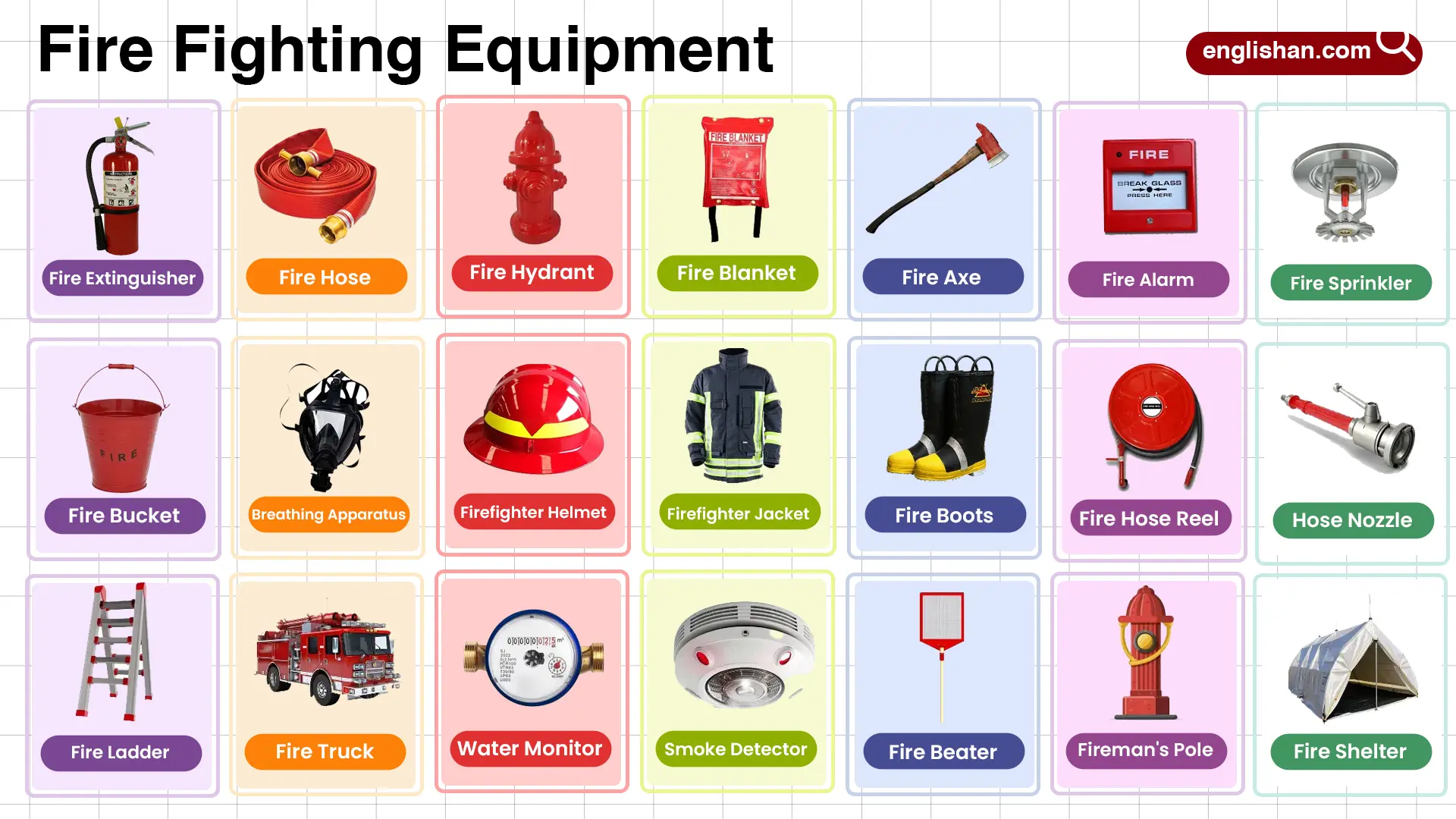
- Fire truck: Used to stop fires. Carries ladders, hoses, and safety gear.
- Police car: Helps police reach places quickly. It has sirens and safety lights.
Rail-Based Transportation
These run on railway tracks:
- Train: Travels long distances. Moves people and goods from city to city.
- Metro: Fast train in big cities. It stops at many places underground.
- Tram: Runs on tracks on roads. Used in towns for short rides.
Modes of Ground Transportation
These are transport types often used every day by people:
Motorcycles and Scooters
- Motorcycle: Quick ride for one or two people. Great for avoiding traffic.
- Scooter: Light and fuel-saving. Easy to ride in busy cities.
Public and Private Buses
- Public bus: Fixed route and stops. Carries many passengers at a low cost.
- Private bus: Hired by schools or companies. Used for groups on trips or daily transport.
Advantages and Disadvantages of Land Transport
Advantages:
- Low cost: Most vehicles are cheap to buy and run. Many people can afford them.
- Wide reach: Land transport goes to far-off places. It connects cities and villages.
- Flexibility: Roads allow many route choices. Drivers can choose the best way.
Disadvantages:
- Traffic jams: Too many vehicles on roads. This causes delays and stress.
- Pollution: Cars and buses release smoke. This affects air and health.
- Accidents: Road crashes are common. They hurt people and damage vehicles.
Land Transport in Daily Life
Land transport is a key part of how we live and work each day. It moves goods to stores and people to schools and offices.
Urban and Rural Usage Patterns
- Urban areas: Use buses, metros, taxis more. People need quick travel in busy cities.
- Rural areas: Use tractors, vans, rickshaws. Roads are simple, and trips are shorter.
Role in Economic Activities
- Trucks: Carry goods to markets. Needed for business and farming.
- Trains: Move items across regions. Factories depend on them.
- Taxis and buses: Offer jobs. Many drivers earn their living this way.
Comparing Land Travel to Air and Water Modes
- Speed: Land travel is slower than flying but good for short trips.
- Cost: Usually cheaper than flying or boating. More people can use it.
- Reach: Can go to more places. Roads are everywhere, even in small towns.
Land Transport Infrastructure
Land transport needs strong infrastructure to work well.
Roads, Highways, and Expressways
- Roads: Connect small areas. Used daily by cars and bikes.
- Highways: Long roads between cities. Trucks and buses use them a lot.
- Expressways: Fast and wide roads. Help cars move quickly with fewer stops.
Rail Tracks and Terminals
- Rail tracks: Needed for trains. They go through cities and countryside.
- Terminals: Stations where people get on and off. Often have shops and waiting areas.
Conclusion
Land transport is a big part of everyday life. It helps people travel to school, work, and markets. It also moves goods to shops and homes. With many types of vehicles, from bicycles to trains, land transport fits the needs of both cities and villages. Though it has some problems like traffic and pollution, it remains the most used form of travel. As technology grows, land transport keeps improving to become faster, safer, and cleaner.
FAQs About Land Transport
A: Land transport is the way people and goods move using vehicles on roads or tracks like buses, cars, or trains.
A: The two main types are road-based transport (cars, bikes, buses) and rail-based transport (trains, trams, metro).
A: It helps people go to school, work, and markets. It also moves goods between towns and cities.
A: Land transport is slower but cheaper and more common. It can reach more places like villages and small towns.
A: Some issues are traffic jams, pollution, and accidents, especially in busy cities with many vehicles.
A: Bicycles, electric cars, and trains that run on clean energy are better for the environment and reduce pollution.
You May Also Like
- Means of Transport Name
- Names of Transport
- Water Transport Names
- Military Vehicles Names
- Vehicles Names for Kids
- Parts of a Train