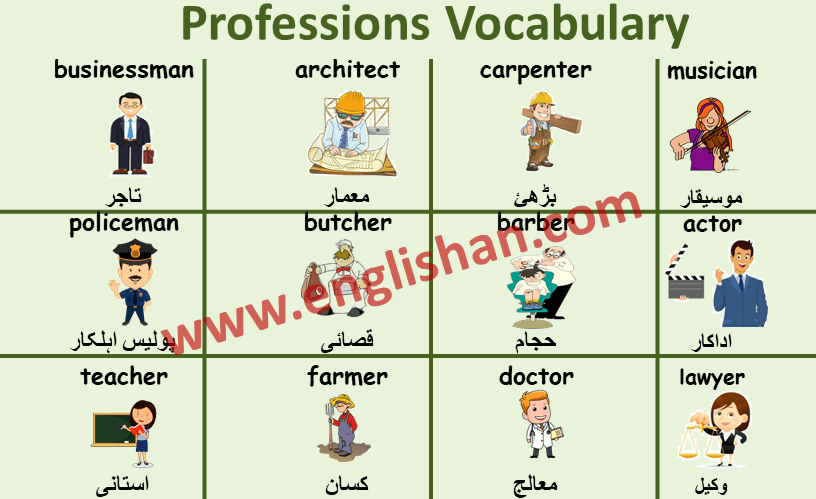
People work in different professions such as doctors, teachers, engineers, farmers, and many others that play an important role in society. Each profession adds value by providing services and skills needed in daily life.
In this blog post, you will learn Professions Vocabulary with their pictures, helping you talk about jobs, careers, and work responsibilities in English.
List of Professions Vocabulary with Pictures
| businessman |  | تاجر | TAJIR |
| policeman |  | پولیس اہلکار | POLICE ELHKAR |
| fireman | 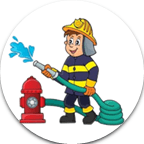 | آگ بجھانے والا | AAG BUJHAN E WALA |
| dentist | 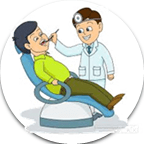 | دندان | DAANDAN |
| teacher |  | استانی | OSTANI |
| nurse | 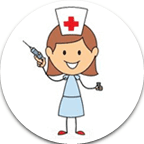 | دایہ | DAYA |
| architect |  | معمار | ME’MAR |
| butcher |  | قصائی | QASSAB |
| farmer | 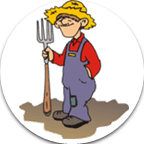 | کسان | KISHAN |
| plumber | 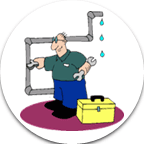 | سیسه گر/پیلمبر | SIYA GHR |
| carpenter |  | بڑھئی | BARHI |
| barber | حجام | HAJJAM | |
| judge | قاضی/جج | QASAEI / JAJ | |
| doctor | معالج | MUE’ALIJ | |
| actor | اداکار | ADAKAR | |
| Lawyer | وکیل | WAKEEL | |
| driver | گاڑی چلانے والا | GAREE CHALANE WALA | |
| engineer | انجینیئر | INJEENIOR |
Importance of Learning Professions Vocabulary in English
- Helps you communicate clearly when talking about someone’s job or work role.
- Improves your writing skills in essays, reports, and emails.
- Supports career discussions during interviews and networking events.
- Builds cultural awareness by learning how jobs differ in various countries.
- Improves listening skills when watching news, movies, or documentaries.
- Expands your general knowledge about the working world.
- Makes learning related vocabulary easier, such as workplace tools and tasks.
- Strengthens confidence when speaking English in academic and professional settings.
Types of Professions Categorized by Industry
1. Business & Finance
These jobs deal with money, planning, and running organizations.
- Accountant – Prepares financial records and reports.
- Manager – Leads a team and organizes work.
- Banker – Helps people with savings, loans, and investments.
2. Education & Training
These jobs focus on teaching and helping people learn new skills.
- Teacher – Teaches subjects like math, science, or English.
- Professor – Works in a university to teach and research.
- Librarian – Organizes books and helps people find information.
3. Healthcare & Medical
These professions help people stay healthy and treat illnesses.
- Doctor – Diagnoses and treats health problems.
- Nurse – Cares for patients in hospitals or clinics.
- Pharmacist – Gives medicine and explains how to use it.
4. Construction & Skilled Trades
These jobs involve building, repairing, and creating physical structures.
- Plumber – Fixes water pipes and drainage systems.
- Electrician – Installs and repairs electrical wiring.
- Carpenter – Builds furniture and wooden structures.
5. Arts, Media & Entertainment
These professions focus on creativity, performance, and communication.
- Photographer – Takes professional pictures.
- Actor – Performs in plays, TV, or movies.
- Designer – Creates artwork, fashion, or products.
6. Science & Technology
These jobs deal with research, development, and using technology.
- Scientist – Studies the natural world and experiments.
- Engineer – Designs and builds machines or systems.
- Programmer – Writes code for computers and apps.
7. Public Services & Law Enforcement
These professions work to keep communities safe and organized.
- Police Officer – Protects people and enforces laws.
- Firefighter – Puts out fires and rescues people.
- Judge – Makes legal decisions in court.
8. Transportation & Logistics
These jobs involve moving people, goods, or services from one place to another.
- Pilot – Flies airplanes.
- Driver – Operates cars, buses, or trucks.
- Ship Captain – Leads and navigates ships.
Tips for Remembering Professions Vocabulary Effectively
- Associate each job with a clear image for better recall.
- Create short example sentences using each profession name.
- Group jobs by industry or skill type to make connections.
- Practice describing people’s jobs you meet in daily life.
- Use flashcards with pictures on one side and names on the other.
- Review your vocabulary every few days to keep it fresh.
- Test yourself by naming jobs in TV shows or news stories.
- Teach the words to a friend or family member to reinforce learning.
Common Verbs and Phrases Related to Professions
- Teacher – teaches lessons, marks assignments, guides students.
- Chef – cooks meals, designs menus, prepares ingredients.
- Doctor – examines patients, prescribes medicine, gives treatment.
- Engineer – designs systems, tests solutions, solves problems.
- Artist – creates paintings, draws sketches, uses colors creatively.
- Pilot – flies aircraft, checks safety, navigates routes.
- Farmer – plants crops, feeds animals, harvests produce.
- Police Officer – patrols streets, investigates crimes, arrests suspects.
Benefits of Learning Professions Vocabulary with Pictures
- Supports visual memory for faster recall of words.
- Helps distinguish between similar-sounding job names.
- Encourages active learning by connecting words to images.
- Makes study time more engaging and less repetitive.
- Speeds up comprehension of job-related conversations.
- Improves spelling by repeatedly seeing the word under a picture.
- Strengthens speaking skills when describing what people do.
- Boosts confidence in using the vocabulary in real-life situations.
FAQs About Professions Vocabulary
Professional vocabulary means the special words and phrases used by people in a specific job or field. These words help professionals talk about their work clearly.
Examples:
1. In medicine: doctor, patient, surgery
2. In law: lawyer, court, judge
3. In business: sales, profit, meeting
4. In engineering: design, build, test
Each job has its own words that help people understand their work better.
The vocabulary of occupation is the set of words used to talk about jobs and work.
Examples:
1. Job titles: Teacher, Doctor, Chef
2. Tasks: Teach, Build, Fix
3. Places: Office, Hospital, School
4. Skills: Writing, Driving, Designing
5. Tools: Computer, Stethoscope, Hammer
These words help us describe different jobs and what people do at work.
The vocabulary of career includes words related to jobs and professional life. These words help describe work, job tasks, and career growth.
Examples:
1. Job titles: Manager, Teacher, Doctor
2. Job search: Resume, Interview, Apply
3. Skills: Communication, Leadership, Writing
4. Workplace: Office, Team, Deadline
5. Career growth: Promotion, Training, Internship
6. Salary: Pay, Bonus, Benefits
These words help us talk about work and careers.
A profession is a job that needs special skills or training. People usually study or learn a lot to do these jobs well. Examples include being a doctor, teacher, or lawyer. It’s a job people do for many years, and it often requires special education or experience.
Professions Vocabulary Download PDF

You May Also Like