Foods that start with X come from kitchens across India, China, Mexico, Brazil, Spain, and Greece, and most of them carry flavors you won’t find anywhere else on the alphabet. While X is the rarest letter for food names in English, the dishes, fruits, sauces, and ingredients behind it are far from ordinary. Xacuti brings Goan spice traditions to the table, xiaolongbao delivers Shanghai’s most famous street bite, and xoconostle grows wild on Mexican cacti with a sourness that rivals lemon.
Whether you’re working through an alphabet food challenge, settling a trivia debate, or genuinely curious about global cuisines, this list goes well beyond the usual handful of names. Every food here is real, rooted in a specific culture, and worth knowing by name. You’ll find them sorted by type, with origin, flavor, and serving context for each one, so the next time someone asks “what food starts with X?” you’ll have more than one answer ready.
What Foods Start With X?
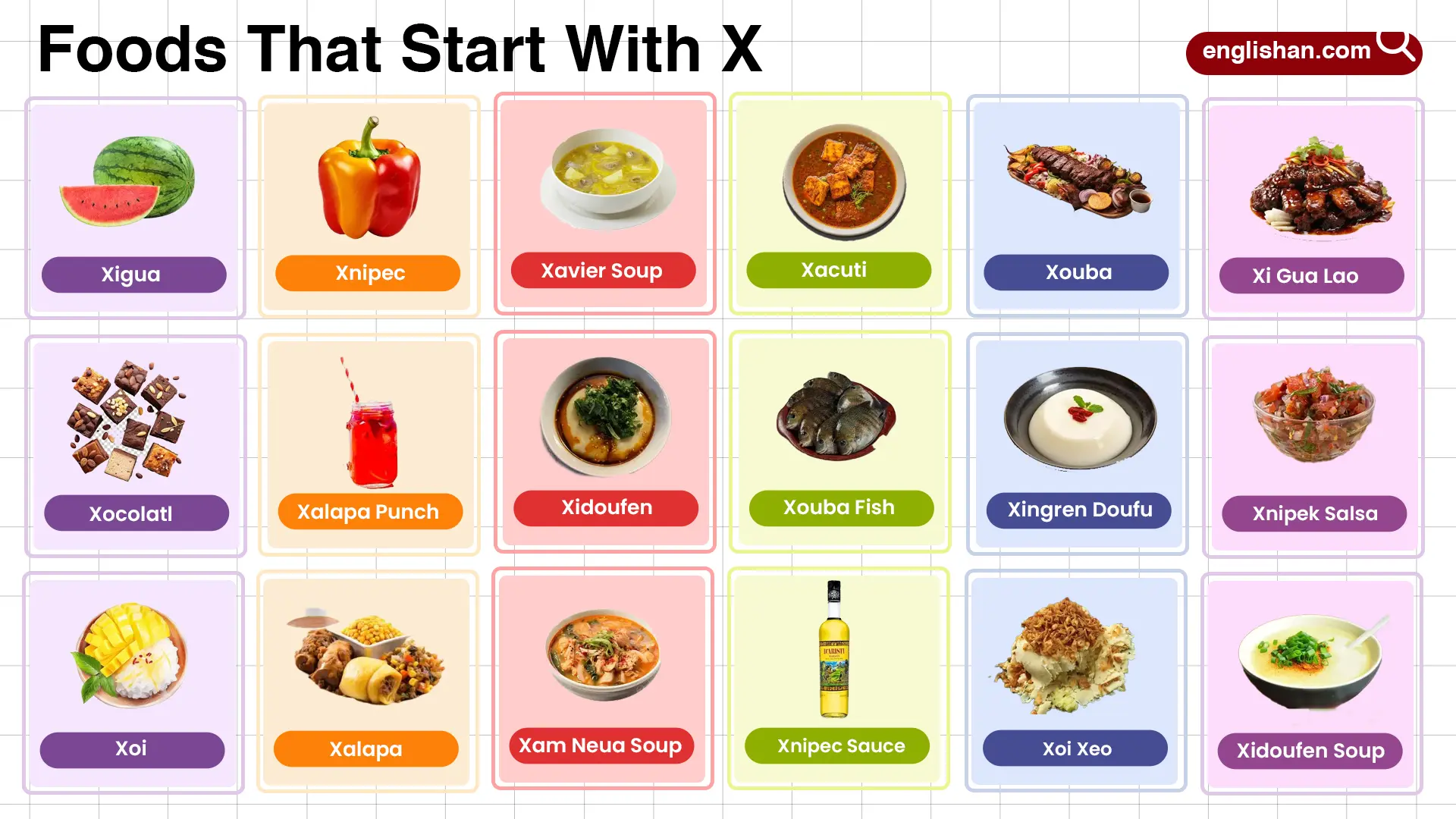
Fruits: Xigua, ximenia, xoconostle, xinomavro grapes, xylocarp
Savory dishes: Xacuti, xiaolongbao, xavier soup, xavier steak, xoi, xinxim, xidoufen, xampinyons en salsa, Xinjiang lamb skewers, xató, xarém
Sauces and condiments: XO sauce, xnipec
Drinks and desserts: Xocolatl, xalapa punch, xi gua lao, xingren doufu
Pantry ingredients: Xanthan gum, xylitol, xia mi, xouba, xiphias
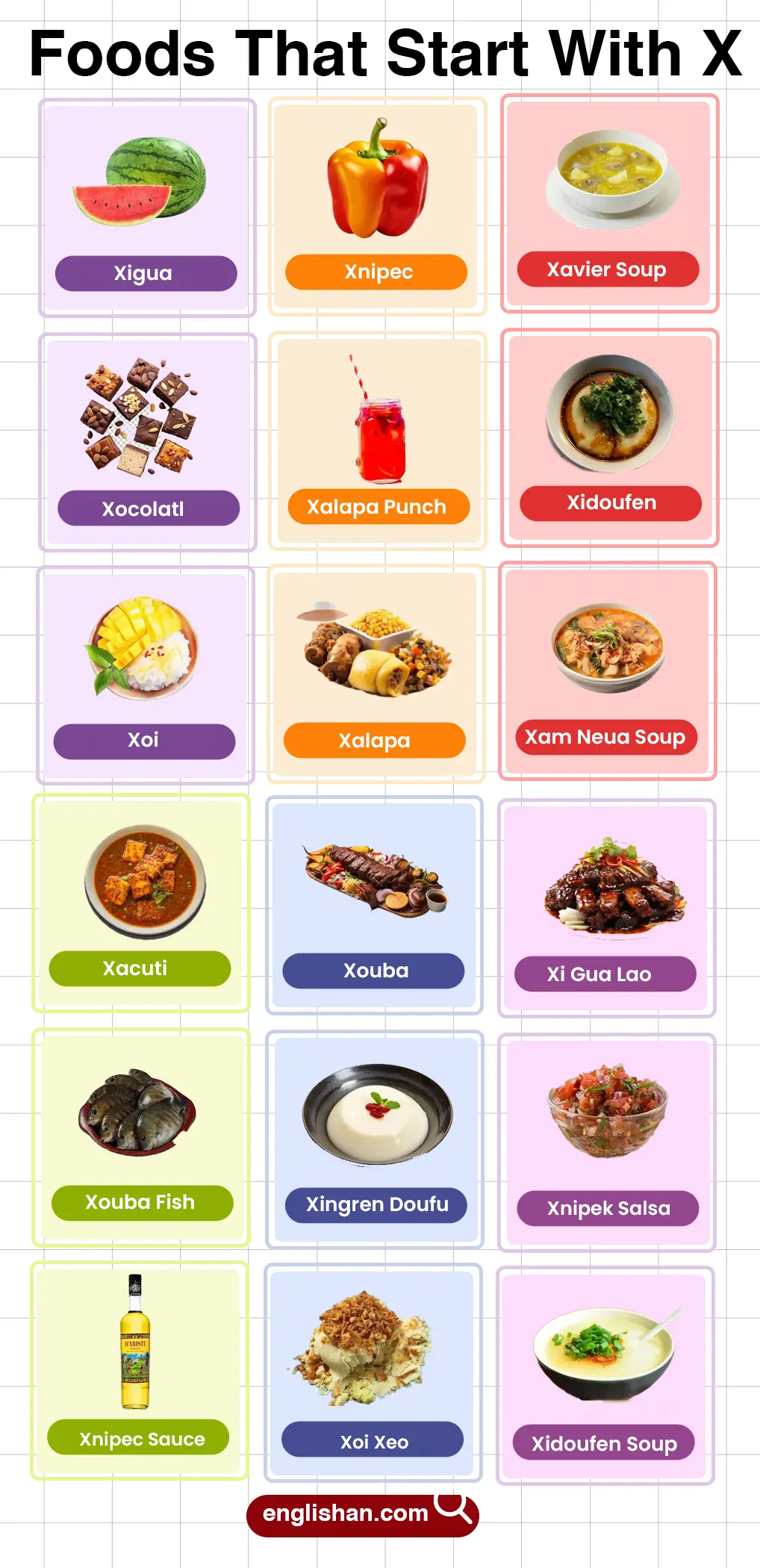
Foods That Start With X: Quick Visual Overview
Fruits That Start With X
Tropical climates and ancient agricultural traditions gave rise to most fruits starting with X. A few are well known under different names, while others remain tied to the regions where they’ve been grown for centuries.
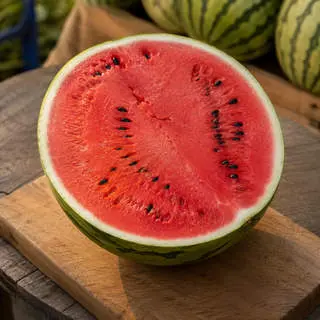
Xigua
(shee-gwah)
Xigua is the Chinese word for watermelon, and it refers to the same sweet, red-fleshed fruit found across Africa and Asia. The name comes up often in alphabet food lists because it’s one of the most accessible X-foods in the world. Nutritionally, xigua is about 92% water, rich in lycopene and vitamin C, and widely eaten fresh, blended into agua fresca, or frozen into popsicles. In many parts of West Africa and China, it’s a staple summer fruit sold at roadside stalls.
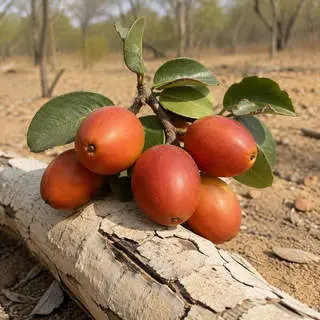
Ximenia
(zih-MEE-nee-ah)
The ximenia tree grows wild across tropical Africa, parts of Asia, and even Florida. Its small, plum-like fruit has a flavor that shifts between bitter almond and mellow sweetness depending on the variety. Ximenia caffra, also called the sour plum or monkey plum, is eaten raw, pressed into juice, or cooked into jams and jellies. In some communities, the seeds are cold-pressed for oil used in skincare, making the tree valuable well beyond its fruit.
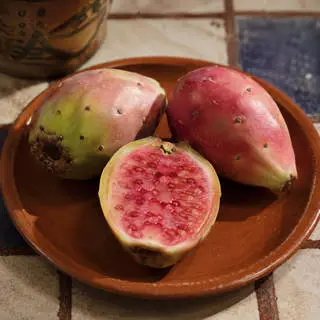
Xoconostle
(shoh-koh-NOHS-tleh)
Xoconostle is a tart cactus fruit native to central Mexico, closely related to the prickly pear but noticeably more sour. The name comes from Nahuatl, and the fruit has been part of Mexican cooking long before Spanish colonization. Cooks stir it into mole de olla (a brothy stew), blend it into salsas, and simmer it into syrups. Its sharp, citrus-like acidity balances rich, spiced dishes the way lemon does in Mediterranean cooking. Fresh xoconostle is a common sight in Mexican markets, though it rarely travels far from its growing region.
Xylocarp
A xylocarp is any fruit with a hard, woody outer shell, and the most familiar example is the coconut. The term is botanical rather than culinary, but it shows up in alphabet food lists because coconuts, certain palm fruits, and some hard-shelled tropical fruits all fall under this classification. If you’ve cracked open a coconut or tasted fresh palm fruit, you’ve already eaten a xylocarp.
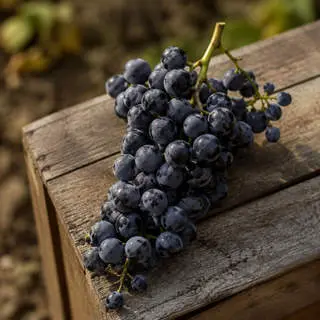
Xinomavro Grapes
(ksee-NOH-mahv-roh)
Xinomavro is Greece’s most celebrated red wine grape, and its name translates to “acid and black,” which tells you exactly what to expect. Grown primarily in Macedonia and Naoussa in northern Greece, these grapes produce bold, tannic wines with high acidity, dark fruit flavors, and an aging potential that draws comparisons to Nebbiolo and Barolo. Xinomavro wines pair well with grilled lamb, aged cheeses, and slow-cooked stews. For wine lovers, this grape is one of the most rewarding discoveries on the X-list.
Savory Dishes That Start With X
The strongest concentration of X-foods lands in the savory category, and the cuisines behind them stretch from Goa to Shanghai to the Yucatán Peninsula.
Xacuti
(sha-KOO-tee)
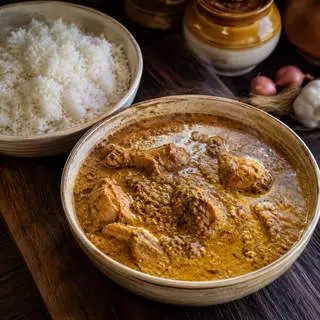
Xacuti is a rich, aromatic curry from Goa, India, and it reflects the region’s unique blend of Indian and Portuguese culinary traditions. The spice base starts with freshly roasted white poppy seeds, dried red chilies, coriander, turmeric, black peppercorns, and grated coconut, all ground into a thick paste. Chicken and lamb are the most traditional proteins, though coastal versions use fish or prawns. The slow-cooked gravy has layers of heat, nuttiness, and a faint sweetness from the coconut that deepens over time. Served with steamed rice or Goan pão (bread), xacuti is one of the most complex curries in the Indian repertoire.
Xiaolongbao
(shao-long-bao)
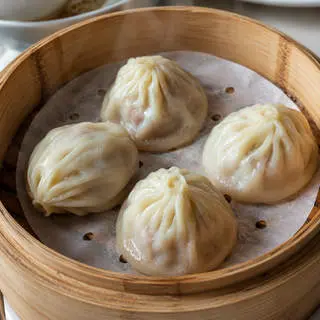
Shanghai’s signature soup dumplings are a masterclass in technique. Each xiaolongbao is a thin wheat wrapper pleated shut around a filling of seasoned pork and rich, gelatinous broth. The broth is solid when the dumpling is assembled (made by chilling aspic with the meat), and it melts into liquid during steaming. Eating one the right way involves lifting it gently with chopsticks, biting a small hole, sipping the broth, then finishing the rest with a dip in black vinegar and shredded ginger. Beyond pork, you’ll also find fillings with crab, shrimp, and even truffle in modern dim sum restaurants. Xiaolongbao is arguably the most globally recognized food that starts with X.
Xavier Soup
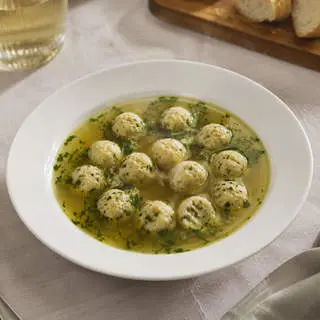
Xavier soup is a traditional Italian broth named after Saint Francis Xavier and often served on his feast day, December 3rd. The base is a well-seasoned chicken stock, and the star of the bowl is small, tender dumplings made from Parmesan, egg, and parsley. The result is lighter than most Italian soups, with a savory depth from the cheese and a brothy warmth that suits cold-weather dining.
Xavier Steak
Xavier steak is a North American dish built on a boneless cut (usually ribeye or scotch fillet) topped with steamed asparagus spears and melted Swiss cheese. A splash of Worcestershire sauce rounds out the seasoning. The name, like xavier soup, traces back to Saint Francis Xavier. It’s a hearty, straightforward preparation that turns a regular steak dinner into something a bit more composed.
Xoi
(soy)
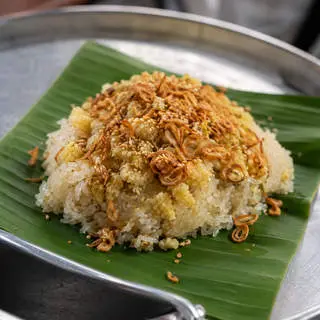
Xoi is Vietnamese sticky rice, and it’s eaten across the country as both a breakfast staple and a street snack. The glutinous rice is steamed until dense and chewy, then topped or mixed with a wide range of ingredients. Savory versions carry mung bean paste, fried shallots, shredded chicken, pork floss, or quail eggs. Sweet versions lean toward coconut, sesame, or pandan. The beauty of xoi is its versatility: vendors customize it to order, and the toppings shift from region to region and stall to stall.
Xinxim
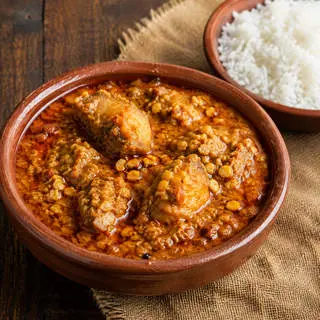
(shin-SHEEM)
Xinxim is a traditional Brazilian stew from the Bahia region, where African, Portuguese, and indigenous cooking traditions converge. Chicken (and sometimes prawns) simmers in a thick sauce of ground peanuts, cashews, dried shrimp, and dendê (palm oil). The flavors are deeply savory, nutty, and faintly smoky, with a richness that coats every bite. Served over white rice, xinxim is a cornerstone of Bahian cuisine and one of Brazil’s most distinctive regional dishes.
Xidoufen
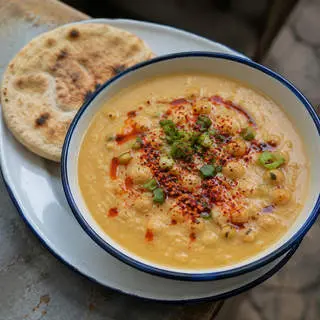
(shee-doh-fen)
Xidoufen is a chickpea-based soup from Yunnan province in southwestern China. Ground chickpeas are cooked into a thick, porridge-like consistency, then finished with garlic, ginger, dried chili flakes, scallions, and fresh cilantro. The texture is creamy and substantial, closer to a thick dal than a brothy soup. Street vendors in Yunnan serve it with flatbread for dipping, and the combination makes for one of the region’s most satisfying cold-weather meals.
Xampinyons En Salsa
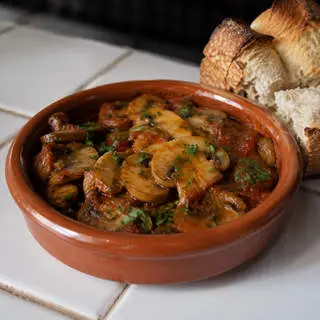
Xampinyons en salsa is a Catalan tapa built around sautéed mushrooms in a savory tomato-based sauce. The mushrooms are cooked until golden, then simmered with garlic, onions, sherry, parsley, and tomato purée. Cloves and black pepper add warmth without overwhelming the earthy mushroom flavor. It’s a staple on tapas menus across Catalonia and pairs well with crusty bread and a glass of cava.
Xinjiang Lamb Skewers
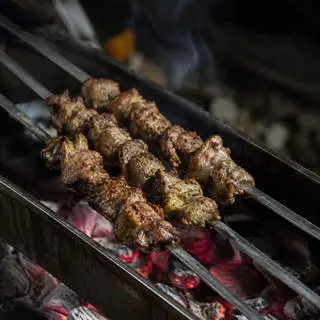
In the Xinjiang region of northwestern China, lamb skewers (yangrou chuan) are the defining street food. Cubes of marinated lamb are threaded onto metal skewers, grilled over charcoal, and dusted heavily with cumin, chili powder, and salt. The smoky char, the cumin-forward seasoning, and the tender fat of the lamb create a flavor profile that’s become wildly popular far beyond Xinjiang, spreading to night markets and barbecue stalls across mainland China.
Xató
(shah-TOH)
Xató is a winter salad from Catalonia, Spain, traditionally served during the xatonada festivals between January and March. The base is curly escarole, and the toppings vary but often feature salt cod, tuna, anchovies, olives, and capers. What ties it together is the xató sauce: a thick, rust-colored blend of roasted almonds, hazelnuts, dried nyora peppers, garlic, and vinegar. The sauce gives the salad its signature smoky, nutty character and sets it apart from any other Mediterranean salad.
Xarém
(shah-REHM)
Xarém is a Portuguese cornmeal porridge from the Algarve coast. Coarsely ground corn is slow-cooked in a broth made from clams, cockles, or other local shellfish, creating a thick, savory base that absorbs the briny sweetness of the seafood. Some versions fold in pieces of pork or chorizo for added depth. Xarém is a rustic dish rooted in coastal fishing communities, and it rarely appears on restaurant menus outside southern Portugal.
Sauces And Condiments That Start With X
Two of the most flavorful condiments in global cuisine carry the letter X, and both bring serious heat with distinct regional character.
XO Sauce
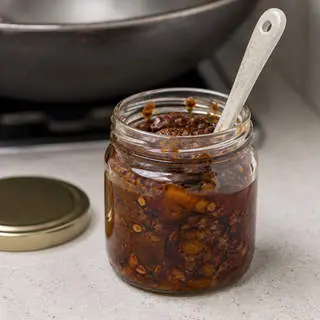
XO sauce originated in Hong Kong in the 1980s, and the name borrows from “XO” cognac branding to signal luxury. The base is a slow-cooked mixture of dried scallops, dried shrimp, cured ham, garlic, and chili peppers, all finely chopped and sautéed in oil until deeply caramelized. The result is intensely umami, salty, spicy, and faintly sweet. Cooks spoon it over stir-fried noodles, steamed vegetables, fried rice, and dim sum. A jar of XO sauce transforms ordinary dishes, and it has become a pantry essential in many Asian kitchens worldwide.
Xnipec
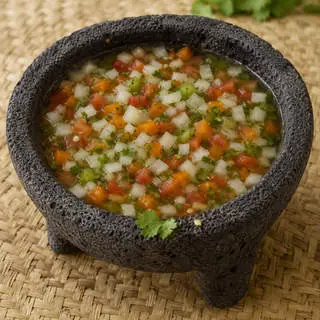
(shnee-PEK)
Xnipec is a raw salsa from the Yucatán Peninsula in Mexico, and it hits harder than most salsas on the table. The base is diced habanero peppers, white onion, tomato, and cilantro, all dressed in sour orange juice (naranja agria) rather than lime. That sour orange gives xnipec a citrusy bitterness that separates it from standard pico de gallo.
| Xnipec | Pico De Gallo | |
|---|---|---|
| Heat level | Very high (habanero) | Mild to medium (jalapeño or serrano) |
| Acid base | Sour orange juice | Lime juice |
| Origin | Yucatán, Mexico | Central Mexico |
The name reportedly comes from the Mayan words for “dog’s nose,” a reference to how the habanero heat makes your nose run. Xnipec is a standard companion to cochinita pibil, panuchos, and grilled meats across the Yucatán.
Drinks And Desserts That Start With X
Several X-foods belong to the sweeter side of the table, and a few of them carry histories that stretch back thousands of years.
Xocolatl
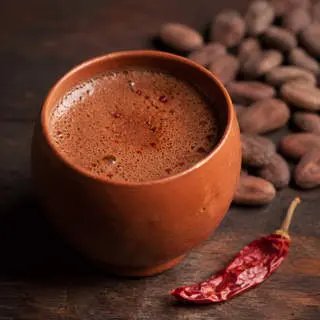
(shoh-KOH-lah-tl)
Xocolatl is the Aztec ancestor of modern hot chocolate, and the word itself is the origin of “chocolate” in English. The original drink was nothing like today’s sweetened cocoa. Aztec and Maya civilizations prepared it by grinding roasted cacao beans into a paste, mixing it with water, and flavoring it with chili peppers, vanilla, and sometimes honey or cornmeal. The drink was frothy, bitter, and deeply spiced. It was consumed during religious ceremonies and reserved for warriors, royalty, and priests. Modern interpretations of xocolatl are served in specialty chocolate shops and Mexican restaurants, often with a pinch of cayenne to honor the original recipe.
Xalapa Punch
Xalapa punch takes its name from the city of Xalapa (also spelled Jalapa), the capital of Veracruz state in Mexico. The drink blends rum, brandy, and red wine with black tea, heated orange rinds, and honey. The combination sounds unusual, but the warm, spiced, citrusy result works surprisingly well as a cold-weather cocktail. Variations swap the tea for fruit juice or add cinnamon sticks and cloves.
Xi Gua Lao
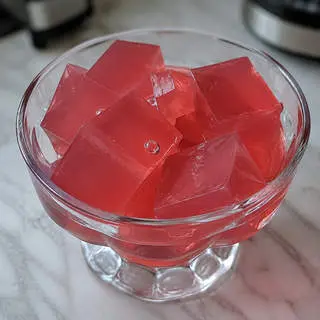
Xi gua lao is a traditional Beijing dessert made from watermelon juice set into a soft jelly with agar, sugar, and vanilla. The watermelon is crushed and strained, the juice is mixed into a warm sugar-agar syrup, and the whole thing is chilled until firm. It’s served cold during Beijing’s hot summers and has a delicate, fruity sweetness that feels more like a palate cleanser than a heavy dessert.
Xingren Doufu
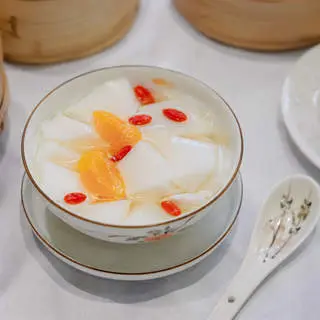
(shing-ren doh-foo)
Xingren doufu is a Chinese almond jelly dessert, and despite the name (doufu means tofu), it contains no soy. The base is almond milk or almond extract set with agar or gelatin into soft, silky cubes. These cubes are served chilled in a light sugar syrup, often with fresh fruit, goji berries, or canned mandarin segments. The texture is smooth and wobbly, and the almond flavor is subtle rather than overpowering. It’s a staple in dim sum restaurants and a popular street dessert across northern China.
Pantry Ingredients That Start With X
Beyond whole dishes and prepared foods, a handful of X-ingredients play behind-the-scenes roles in kitchens worldwide.
Xanthan Gum
Xanthan gum is a polysaccharide produced by fermenting sugar with Xanthomonas campestris bacteria. In the kitchen, it works as a thickener, stabilizer, and emulsifier. A tiny amount thickens salad dressings, prevents ice crystals in ice cream, and gives gluten-free bread the elasticity that wheat gluten would normally provide. It’s one of the most widely used food additives in commercial and home cooking, and if you’ve eaten anything labeled “gluten-free” in the last decade, you’ve almost certainly consumed xanthan gum.
Xylitol
Xylitol is a sugar alcohol extracted from birch bark, corn husks, and certain plant fibers. It looks and tastes remarkably similar to sugar but carries about 40% fewer calories and doesn’t spike blood glucose the same way. You’ll find it in sugar-free chewing gum, mints, toothpaste, and diabetic-friendly baked goods. One serious caution: xylitol is highly toxic to dogs, even in small amounts, so it must be kept well away from pets.
Xia Mi
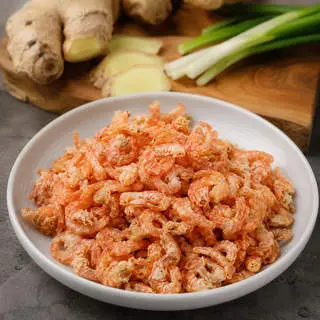
(shee-ah mee)
Xia mi means “dried shrimp” in Chinese, and these tiny, sun-dried crustaceans are a flavor powerhouse in East and Southeast Asian cooking. Rehydrated and tossed into soups, stir-fries, fried rice, congee, and dumpling fillings, xia mi adds a concentrated burst of briny, oceanic umami that fresh shrimp alone can’t replicate. They’re sold in bags at Asian grocery stores and keep for months in the refrigerator.
Xouba
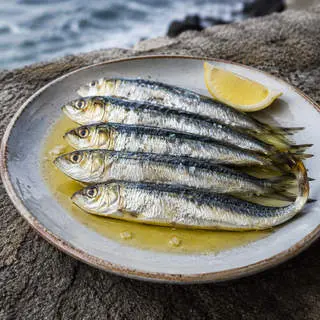
Xouba is the Galician name for small sardines caught along the northwestern coast of Spain and Portugal. The fishing season runs from roughly mid-May through July, and the fish are prized in local Galician cuisine. Xouba are grilled whole, fried, or preserved in olive oil and salt. Their flavor is oily, rich, and distinctly marine, and they’re best eaten fresh with crusty bread, a squeeze of lemon, and a glass of Albariño wine.
Xiphias
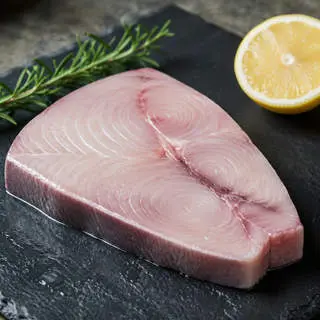
Xiphias is the Greek and scientific name for swordfish (Xiphias gladius). The fish is a powerful oceanic predator found across the Atlantic, Pacific, and Indian Oceans, prized for its firm, meaty flesh and mild, slightly sweet flavor. Swordfish steaks are grilled, broiled, or pan-seared and hold up well to bold marinades and sauces. For anyone new to eating fish, swordfish is a strong starting point because it has none of the “fishy” intensity that turns some people away from seafood.
Summary Table: Foods That Start With X At A Glance
| Food | Category | Origin | Best Known For |
|---|---|---|---|
| Xigua | Fruit | China, Africa | Sweet, hydrating watermelon eaten fresh. |
| Ximenia | Fruit | Tropical Africa, Asia | Plum-like wild fruit with almond-bitter notes. |
| Xoconostle | Fruit | Mexico | Sour cactus fruit used in salsas and stews. |
| Xylocarp | Fruit (botanical term) | Tropics | Hard-shelled fruits like coconut. |
| Xinomavro grapes | Fruit (wine grape) | Greece | Bold, tannic Greek red wines. |
| Xacuti | Savory dish | Goa, India | Spiced coconut curry with poppy seeds. |
| Xiaolongbao | Savory dish | Shanghai, China | Soup-filled steamed dumplings. |
| Xavier soup | Savory dish | Italy | Parmesan dumplings in chicken broth. |
| Xavier steak | Savory dish | North America | Steak topped with asparagus and Swiss cheese. |
| Xoi | Savory/sweet dish | Vietnam | Sticky rice with savory or sweet toppings. |
| Xinxim | Savory dish | Bahia, Brazil | Chicken stew with peanuts, cashews, and palm oil. |
| Xidoufen | Savory dish | Yunnan, China | Thick chickpea soup with chili and garlic. |
| Xampinyons en salsa | Savory dish | Catalonia, Spain | Sautéed mushrooms in tomato-sherry sauce. |
| Xinjiang lamb skewers | Savory dish | Xinjiang, China | Cumin-dusted grilled lamb on skewers. |
| Xató | Savory dish | Catalonia, Spain | Winter escarole salad with nut-pepper sauce. |
| Xarém | Savory dish | Algarve, Portugal | Cornmeal porridge with shellfish broth. |
| XO sauce | Condiment | Hong Kong | Umami-rich dried seafood and chili sauce. |
| Xnipec | Condiment | Yucatán, Mexico | Raw habanero salsa with sour orange. |
| Xocolatl | Drink | Mexico (Aztec) | Ancient spiced cacao drink, origin of “chocolate.” |
| Xalapa punch | Drink | Veracruz, Mexico | Warm rum-brandy-wine punch with citrus. |
| Xi gua lao | Dessert | Beijing, China | Chilled watermelon jelly set with agar. |
| Xingren doufu | Dessert | China | Silky almond jelly served in sugar syrup. |
| Xanthan gum | Ingredient | Worldwide | Thickener and stabilizer for gluten-free baking. |
| Xylitol | Ingredient | Worldwide | Low-calorie sugar substitute from plant fibers. |
| Xia mi | Ingredient | China, Southeast Asia | Dried shrimp that adds concentrated umami. |
| Xouba | Ingredient | Galicia, Spain | Small sardines grilled or preserved in oil. |
| Xiphias | Ingredient | Mediterranean, global | Swordfish with firm, mild, slightly sweet flesh. |
FAQs About Foods That Start With X
Xigua is the most widely recognized fruit starting with X. It’s the Chinese name for watermelon and refers to the same red-fleshed, hydrating fruit eaten globally. Other X-fruits worth knowing are ximenia (a wild tropical plum), xoconostle (a sour Mexican cactus fruit), and xinomavro grapes (a Greek wine grape).
Xoi, the Vietnamese sticky rice dish, is one of the most popular snack foods starting with X. Street vendors across Vietnam serve it with a rotating mix of savory or sweet toppings. Sliced xigua (watermelon) and xiaolongbao (steamed soup dumplings) also qualify as snack-sized X-foods depending on how they’re served.
Several traditional dishes carry the X. Xacuti is a centuries-old Goan curry built on a complex spice paste with coconut and poppy seeds. Xiaolongbao is a Shanghai dumpling tradition dating back over a hundred years. Xinxim is a signature stew of Bahia, Brazil, blending peanuts, cashews, and palm oil. Xoi has been part of Vietnamese breakfast culture for generations.
Xocolatl is the Aztec name for a spiced cacao drink, and it’s the direct ancestor of the word “chocolate.” The original version was bitter, frothy, and flavored with chili peppers, vanilla, and sometimes honey. Modern versions served in Mexican restaurants and specialty chocolate shops add heat with cayenne or ancho chili to echo the original recipe.
Yes. Xigua is the standard Chinese term for watermelon. The fruit is botanically identical to what English speakers call watermelon, with the same sweet, red or orange flesh and high water content. The name appears frequently in alphabet food lists because it gives the letter X a familiar, widely eaten fruit.
You May Also Like
- Fruits That Start With X With Pictures
- Vegetables That Start With X In English
- Snacks Names In English With Pictures
- Fast Food Names In English With Pictures
- Dessert Names In English With Pictures
- Drinks Names In English With Pictures