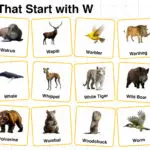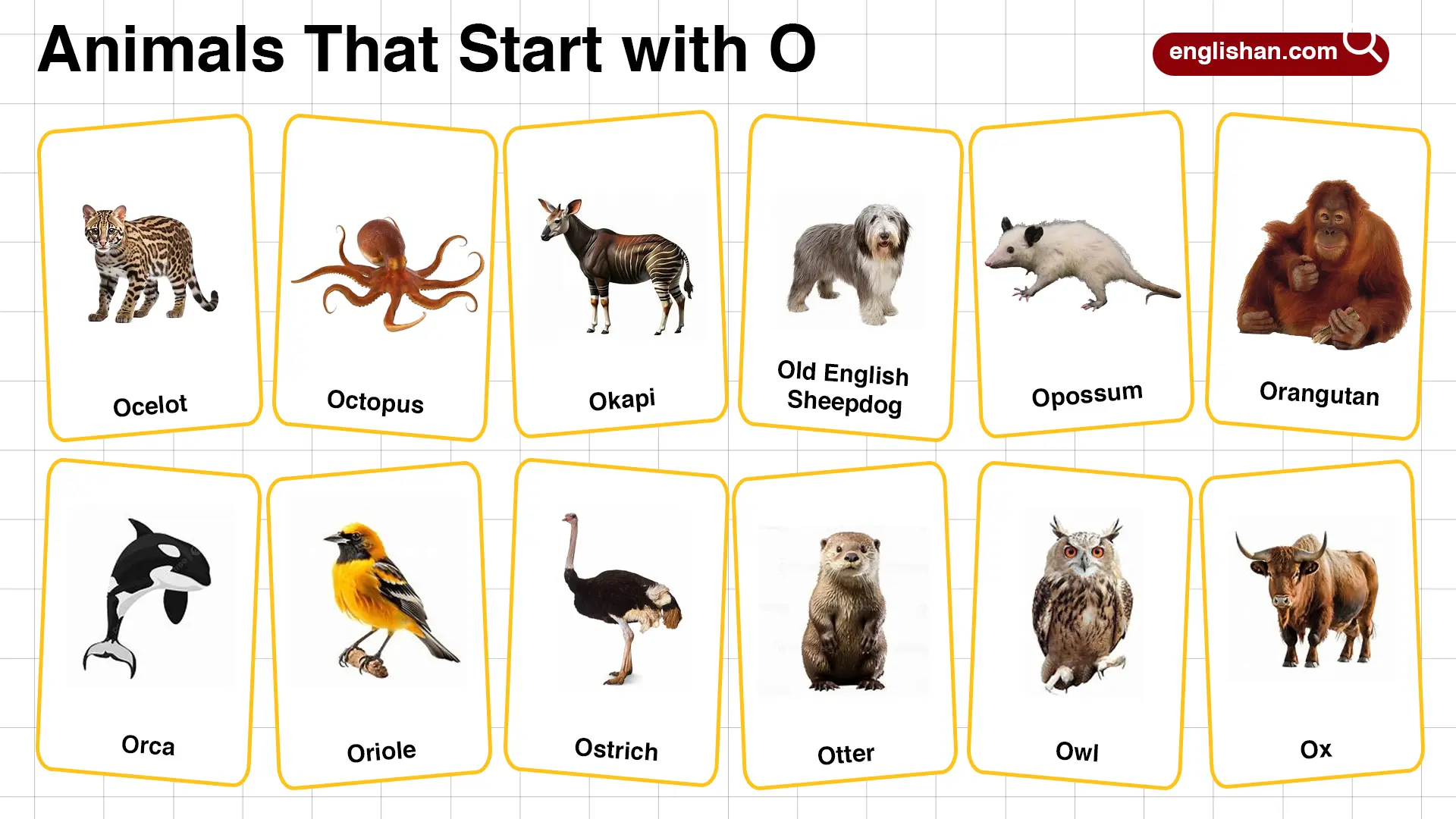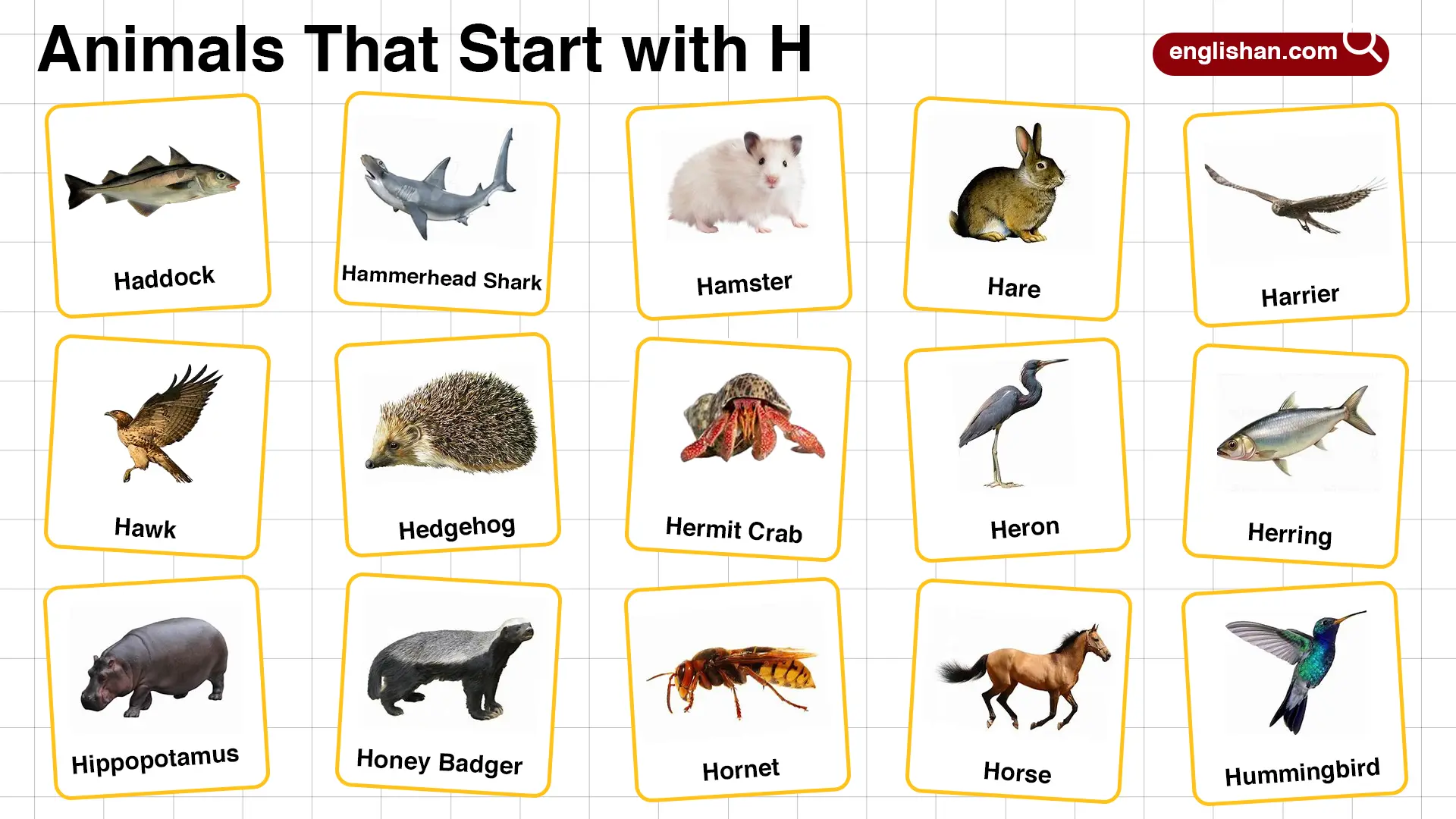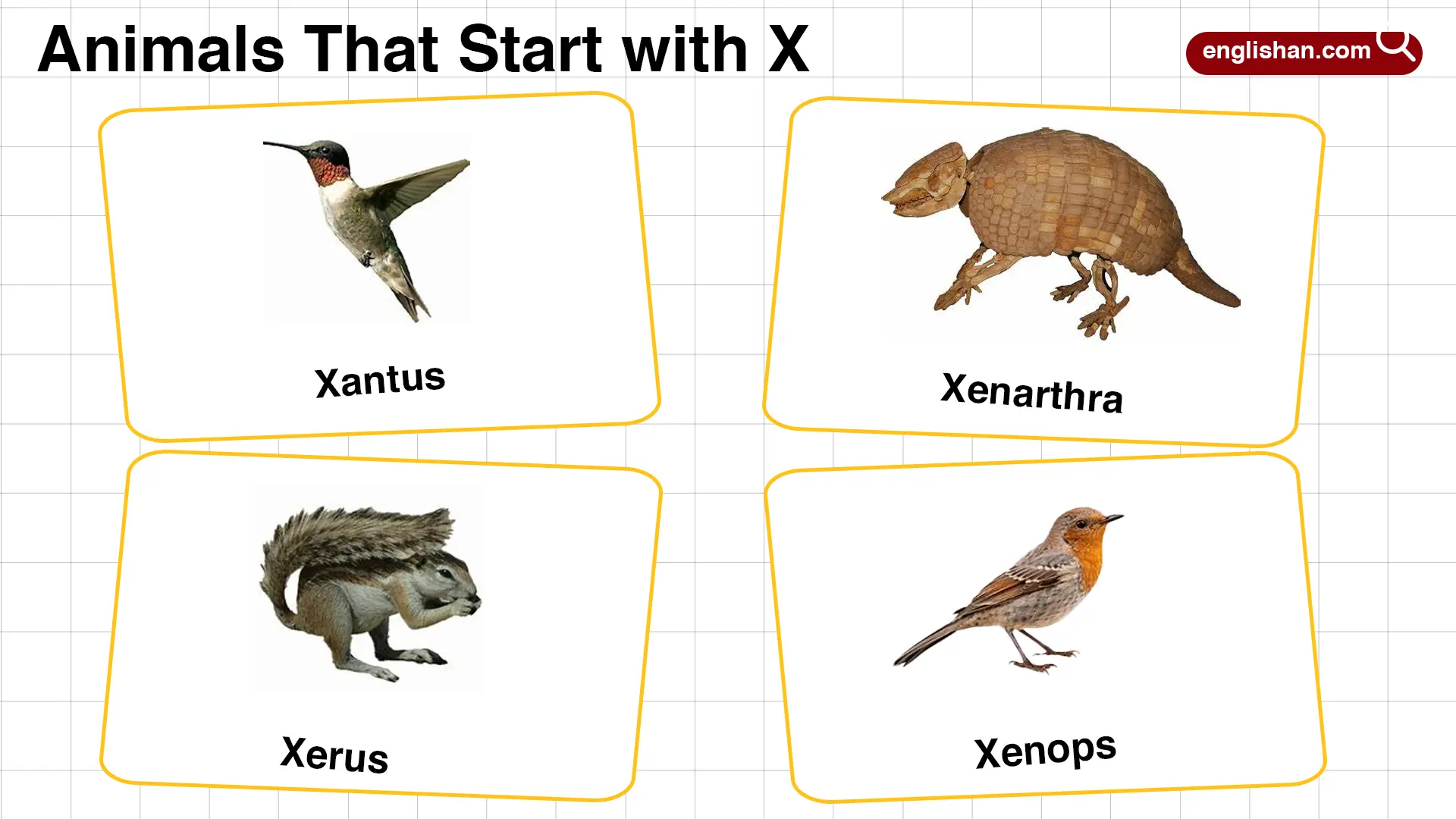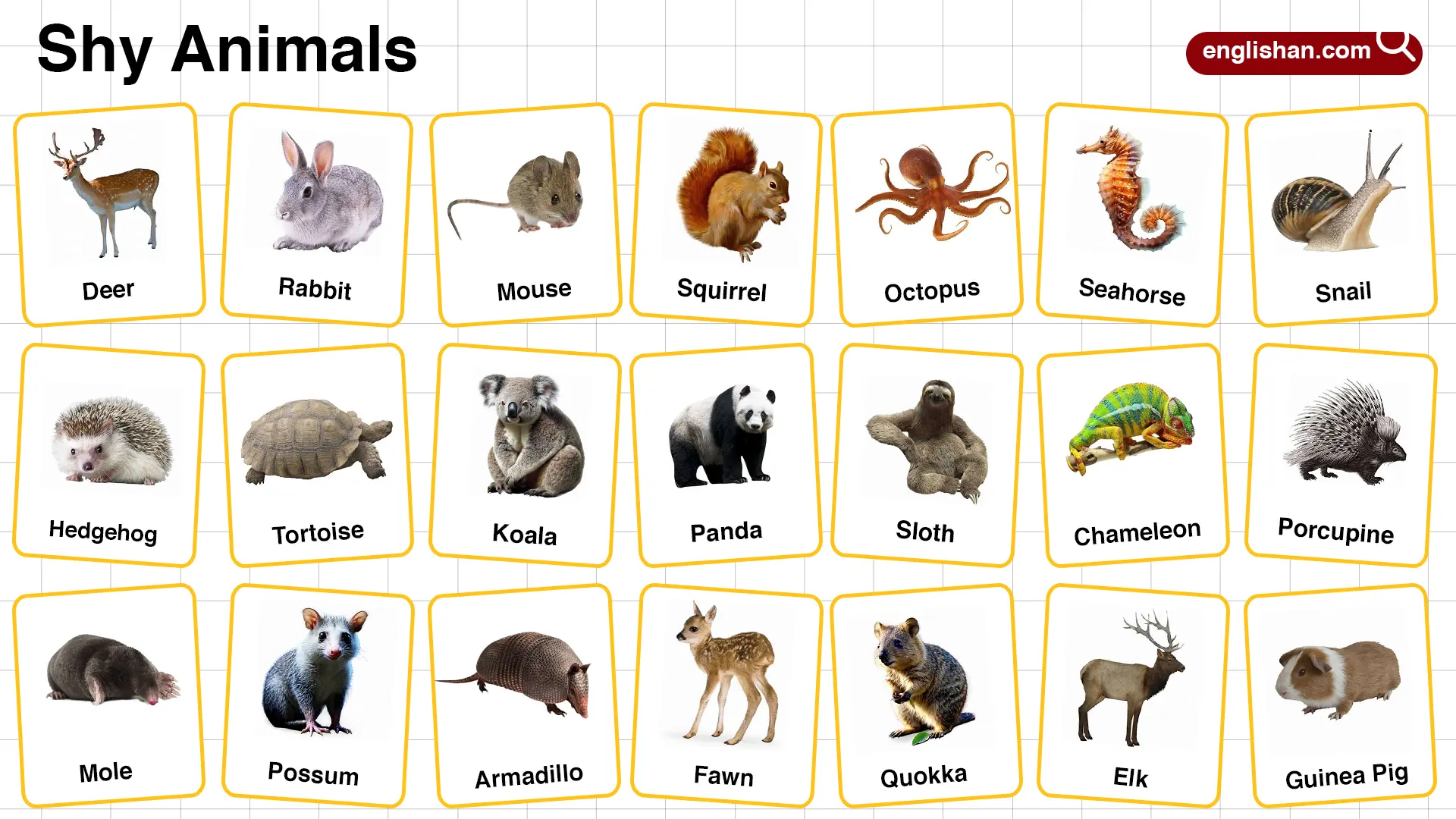
Some animals stay quiet, hide, or move slowly to avoid being noticed. Shy animals names include deer, octopus, hedgehog, owl, jellyfish, and snow leopard. These animals often live in forests, oceans, deserts, or come out at night. Their calm actions help them stay safe from predators or avoid contact with people. They may freeze, blend in, or hide in shells, burrows, or shadows.
By learning shy animals names, you can talk about peaceful animals and how they behave in nature using simple, clear words.
List of Shy Animals Names
These animals are known for their quiet behavior, hiding skills, or low interaction with humans. Below is a list of common shy animals.
- Deer
- Rabbit
- Mouse
- Hare
- Squirrel
- Octopus
- Seahorse
- Snail
- Hedgehog
- Tortoise
- Koala
- Panda
- Sloth
- Chameleon
- Porcupine
- Mole
- Possum
- Armadillo
- Fawn
- Quokka
- Elk
- Guinea Pig
- Shrew
- Gerenuk
- Dik-dik
- Tapir
- Lemur
- Kinkajou
- Okapi
- Aye-aye

If you’re learning about calm or slow movers, take a look at Crawl Animals Names in English.
Shy Animals That Hide or Stay Quiet
These animals and insects avoid danger by staying still, hiding, or making little noise. Their quiet nature helps them stay safe from predators. This group includes both timid animals and camouflaged insects, making them useful for learning gentle and silent animal behavior.
Timid Animals
These animals often hide or stay still when near people or other animals. They’re helpful for learners starting with gentle animal vocabulary.
- Rabbit: Often scared by loud sounds and runs to a safe spot quickly.
- Deer: Freezes when it hears something and watches carefully before moving.
- Mouse: Moves quietly and disappears into small spaces quickly.
- Fawn: Lies still in tall grass while waiting for its mother to return.
- Squirrel: Stops and looks around before jumping from one place to another.
- Guinea Pig: Hides in corners and stays calm when feeling safe.
Camouflaged Insects
These insects blend into their surroundings and avoid making sounds. They’re not only shy but also masters at hiding.
- Stick Insect: Looks like a twig and does not move much during the day.
- Leaf Insect: Its flat body hides among leaves and helps it avoid danger.
- Moth: Rests quietly on walls or trees during the daytime.
- Katydid: Looks like a leaf and hides in plants to escape birds.
- Cricket: Hides in grass and goes quiet when someone gets close.
Nocturnal Shy Animals
Some animals come out only at night to avoid noise, light, and crowds.
- Hedgehog: Sleeps all day and moves around quietly at night.
- Opossum: Pretends to be dead to stay safe from danger.
- Mole: Digs tunnels underground and rarely comes out.
- Shrew: Small, quick, and hard to spot even in the dark.
- Sloth: Sleeps in tall trees and is only active when it’s quiet.
- Aye-aye: Comes out in the dark and avoids people.
Tiny Bashful Species
These small animals avoid attention and make great examples of shyness in nature.
- Snail: Moves very slowly and hides when it feels a touch.
- Seahorse: Clings to plants and stays in one place without moving much.
- Kinkajou: Only comes out at night and stays quiet in trees.
- Shrew: Moves quickly through leaves and is rarely seen.
- Mouse: Avoids open areas and hides near furniture or walls.
- Dik-dik: Small deer that hides when hearing sudden sounds.
Rainforests Animals
Rainforests are home to many animals that are shy and rarely seen by people.
- Okapi: Walks quietly and hides among tree trunks.
- Gerenuk: Stretches up to eat leaves and stays away from noise.
- Sloth: Moves slowly and lives in tree branches.
- Lemur: Jumps between trees and avoids open spaces.
- Tapir: Stays near water and hides when it hears people.
- Kinkajou: Hides in tree holes and comes out after dark.
Reclusive Aquatic Species
These animals live underwater and usually hide or avoid movement when approached.
- Octopus: Changes skin color and hides in small spaces to avoid danger.
- Seahorse: Blends in with plants and stays very still.
- Snail: Moves slowly and pulls into its shell when in danger.
- Clownfish: Lives in sea plants and swims close to its hiding place.
- Cuttlefish: Escapes fast and makes dark ink to confuse others.
Night‑Active Animals
These animals are most active when it’s dark and often stay away from people.
- Armadillo: Walks around at night and hides when the sun is out.
- Possum: Sleeps in trees during the day and moves quietly in the dark.
- Hedgehog: Avoids bright lights and listens for sounds at night.
- Sloth: Active in silence and prefers peaceful places.
- Shrew: Comes out to look for food only at night.
- Mole: Digs underground and rarely appears on the surface.
Retiring Mammals of Mountain Valleys
Mountain areas are home to quiet animals that prefer peaceful habitats.
- Elk: Walks slowly in forests and stays away from people.
- Fawn: Lies still in the grass to stay safe from predators.
- Gerenuk: Eats quietly and listens carefully in mountain valleys.
- Dik-dik: Walks in pairs and hides behind trees and rocks.
- Okapi: Lives alone and prefers silent areas.
Pet Animals
Some quiet animals are also kept as pets, ideal for children learning new words.
- Guinea Pig: Gentle and silent, often sits still in its cage.
- Rabbit: Calm and happy when held softly.
- Mouse: Hides in corners and makes no sound.
- Tortoise: Walks slowly and likes quiet places.
- Hamster: Sleeps most of the day and wakes up at night.
- Parakeet: Talks gently and likes soft voices.
Underwater Creatures
These animals stay hidden in coral reefs, making them shy by nature.
- Seahorse: Stays still and holds coral with its tail.
- Clownfish: Swims in coral to stay safe from bigger fish.
- Octopus: Hides under rocks and waits quietly.
- Crab: Crawls under coral and avoids open water.
- Blenny: Darts into reef holes when feeling unsafe.
Elusive Desert Dwellers
Desert shy animals avoid open space and hot sun by hiding during the day.
- Jerboa: Sleeps in sand tunnels and comes out when it’s dark.
- Fennec Fox: Hides in burrows and rests when the sun is high.
- Sand Cat: Moves quietly and stays out of sight.
- Dik-dik: Finds shade and stays quiet in the heat.
- Gerenuk: Walks silently and feeds under desert trees.
Master all animals names in English and build strong vocabulary with this complete post.
Conclusion
Learning about animals that hide or stay quiet helps students understand calm animal behavior. These animals use silence, stillness, or hiding to stay safe. This topic builds vocabulary and helps kids describe animals better in English speaking and writing.
FAQs About Shy Animals Names
Shy animals are creatures that avoid loud noise, stay hidden, or move quietly. They do not like attention.
Most shy animals stay quiet or hide to stay safe from danger or predators. It’s their natural way to survive.
Not all, but many night animals are shy because they move in the dark to avoid people and other animals.
You May Also Like
- Desert Animals Names in English
- Domestic Animals Names in English
- Omnivores Animals Name in English
- Aquatic Animals Names in English
- Farm Animals Names in English