Which hat suits your face?
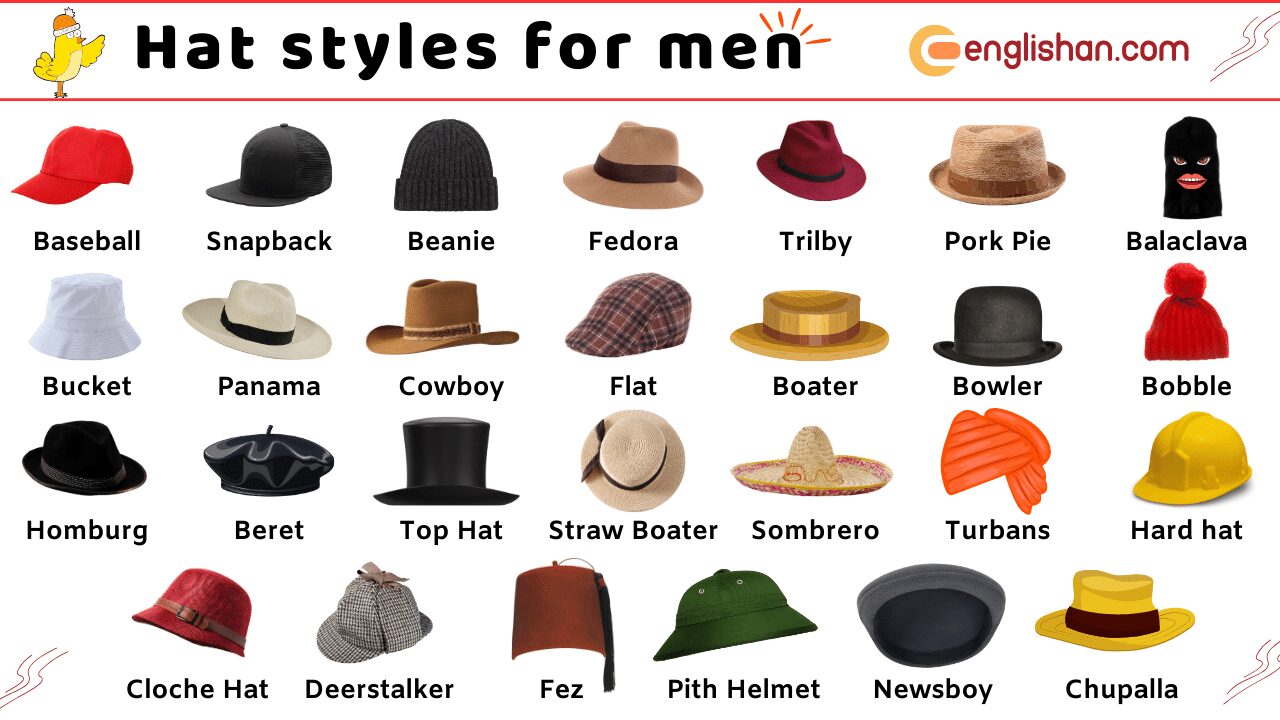
Hat styles for men run from the everyday baseball cap to the formal top hat, and each one has its own name, shape, and history. Knowing what to call a fedora, a flat cap, or a panama gives you the vocabulary to describe men’s fashion with confidence and to recognize a style on sight. The names below cover more than 50 men’s hats, grouped by how and when men wear them, with pronunciation for the ones learners find hardest to say. The casual styles come first, since those are the hats you meet most in daily life.
Hat Styles for Men With Names and Pictures
Before the full breakdown, this table gives the pronunciation and the one detail that tells each of the best-known men’s hats apart at a glance.
| Hat | Pronunciation | How to spot it |
|---|---|---|
| Fedora | /fɪˈdɔːrə/ | Soft felt, creased crown, medium flexible brim |
| Trilby | /ˈtrɪlbi/ | Short brim up at the back, taller crown |
| Homburg | /ˈhɒmbɜːɡ/ | Stiff curled brim, one crown dent |
| Bowler | /ˈbəʊlə/ | Hard felt, round dome crown |
| Flat cap | /ˈflæt kæp/ | Low one-piece top, small front brim |
| Newsboy cap | /ˈnjuːzbɔɪ kæp/ | Eight rounded panels, button on top |
| Beanie | /ˈbiːni/ | Knitted, close to the head, no brim |
| Baseball cap | /ˈbeɪsbɔːl kæp/ | Curved brim, six soft panels |
| Snapback | /ˈsnæpbæk/ | Flat brim, adjustable back strap |
| Panama | /ˈpænəmɑː/ | Woven straw in a fedora shape |
| Boater | /ˈbəʊtə/ | Stiff flat straw, flat crown, ribbon band |
| Bucket hat | /ˈbʌkɪt hæt/ | Soft brim angled down all around |
| Cowboy hat | /ˈkaʊbɔɪ hæt/ | Wide brim, tall pinched crown |
| Beret | /ˈbæreɪ/ | Round, flat, soft wool, no brim |
Casual and Everyday Hats for Men
Baseball cap /ˈbeɪsbɔːl kæp/:
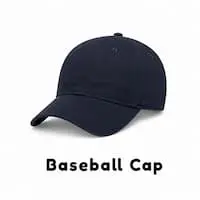
Six soft panels, a rounded crown, and a curved brim that shades the eyes. Born on the diamond in 19th-century America, it became the default casual hat worldwide. Cotton and polyester versions dominate, and men wear it with jeans, shorts, and sportswear all year.
Snapback /ˈsnæpbæk/:
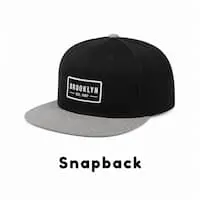
A baseball cap with a stiff flat brim and an adjustable plastic strap across the back. The flat brim and bolder logos tie it to hip-hop and streetwear out of 1990s New York. Wear it with a graphic tee and fresh sneakers.
Dad hat /ˈdæd hæt/:
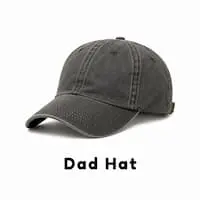
The relaxed cousin of the baseball cap, with an unstructured crown that slouches instead of standing up, plus a curved brim and a cloth strap. Washed cotton and soft canvas give it a worn-in look that reads low-key and effortless.
Trucker hat /ˈtrʌkər hæt/:
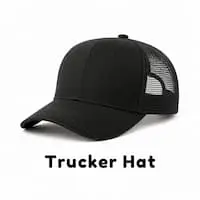
A foam or fabric front panel with a mesh back for airflow, finished with a flat or lightly curved brim. It started as farm-supply promotional headwear in 1970s America and returned as a casual staple. Best on hot days with a laid-back outfit.
Bucket hat /ˈbʌkɪt hæt/:
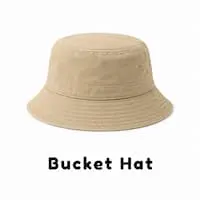
A soft, round hat with a brim that angles down around the whole head. Traced to Irish fishermen and farmers in the early 1900s, it became a fixture in 1990s hip-hop and now in streetwear. Cotton and nylon versions handle sun, rain, and festivals.
Five-panel cap /ˈfaɪv ˌpænəl kæp/:
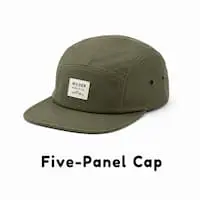
A flat-fronted cap made from five stitched sections, with a short flat brim and a low crown. It grew out of cycling and skate culture and now belongs to streetwear. Cotton and nylon versions dominate, worn with relaxed, sporty outfits.
Golf cap /ˈɡɒlf kæp/:
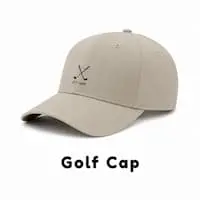
A structured cap in lightweight, moisture-wicking fabric, cut between a flat cap and a baseball cap. Built for the course, it shades the eyes while holding a sharp line. Golfers wear it on the green, and it works for smart-casual weekend dress.
Formal and Classic Hats for Men
Fedora /fɪˈdɔːrə/:
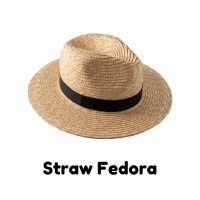
Soft felt with a lengthwise crease down the crown and a pinch near the front, set on a medium brim you can snap up or down. The name comes from the 1882 play Fédora, where the style began as women’s fashion before men adopted it in the 1920s. It works for tailoring and smart-casual dress alike.
Trilby /ˈtrɪlbi/:
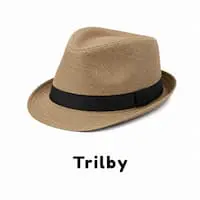
A shorter, narrower brim than the fedora, angled down at the front and turned up sharply at the back, on a taller, more compact crown. It takes its name from the 1894 stage version of George du Maurier’s novel Trilby. It suits smart-casual outfits, not formal suits.
Homburg /ˈhɒmbɜːɡ/:
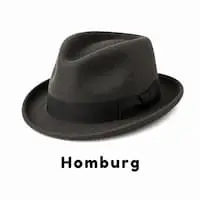
A stiff hat with a single lengthwise crown dent and a firm, upturned brim edged in ribbon, so the shape holds rather than folds. It comes from Bad Homburg in Germany and gained status after King Edward VII wore one. Reach for it at formal daytime events.
Bowler /ˈbəʊlə/:
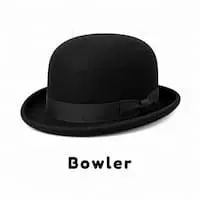
Hard felt shaped into a rounded dome crown with a short curled brim. British hatmakers Thomas and William Bowler made the first in 1849, and it went on to top the heads of London clerks and Charlie Chaplin alike. Americans call it a derby.
Pork pie /ˈpɔːk paɪ/:
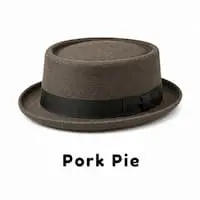
A short hat with a flat top and a small brim that turns up around the edge, named for its likeness to the meat pie. Jazz musicians of the 1930s and 1940s made it their signature, and Walter White revived it on Breaking Bad. It fits vintage and music-scene looks.
Top hat /ˈtɒp hæt/:
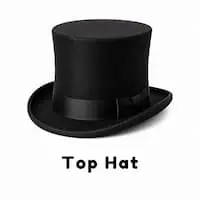
A tall, straight-sided crown with a flat top and a narrow curled brim, built from silk or stiff felt. It defined 19th-century formal dress and now appears at weddings, state ceremonies, and morning dress. Nothing signals white-tie tradition faster.
Winter Hats for Men
Beanie /ˈbiːni/:
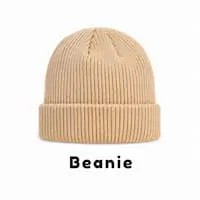
A knitted cap that fits close to the head with no brim, worn folded or slouchy. Wool and acrylic trap warmth, which is why it rules cold-weather wardrobes. The name traces to early-1900s slang, when bean meant head. A version topped with a pom-pom is called a bobble hat /ˈbɒbəl hæt/.
Trapper hat /ˈtræpər hæt/:
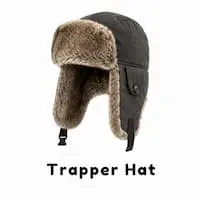
A padded cap with fold-down ear flaps that tie under the chin, lined in fur, faux fur, or fleece. The Russian version, the ushanka /ʊˈʃæŋkə/, follows the same build. Both defend against hard frost and match heavy winter coats.
Balaclava /ˌbæləˈklɑːvə/:
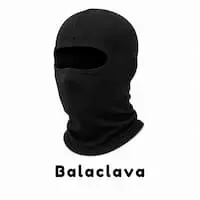
A knitted hood that covers the head, neck, and most of the face, leaving an opening for the eyes. British troops wore them at the 1854 Battle of Balaclava in Crimea, which gave the name. Skiers, climbers, and soldiers rely on them in extreme cold.
Summer and Sun Hats for Men
Panama hat /ˈpænəmɑː/:
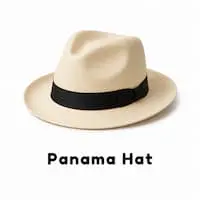
A lightweight straw hat woven from the toquilla palm, shaped much like a fedora. Despite the name, it comes from Ecuador, where the finest Montecristi weaves are prized. It belongs at summer weddings, races, and beach resorts with linen tailoring.
Boater /ˈbəʊtə/:
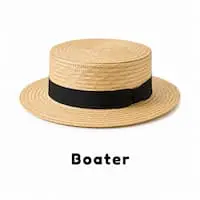
A stiff, flat-topped straw hat with a level brim and a ribbon band, built from tightly woven sennit straw. It became popular through British rowing and sailing clubs and still appears at regattas and with summer blazers. The straw boater and the boater are the same hat.
Straw sun hat /ˈsʌn hæt/:
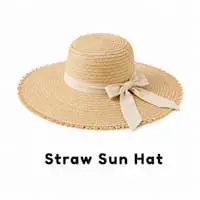
A wide-brimmed straw hat built to shade the face, neck, and shoulders. The broad brim, wider than a fedora’s, is what marks it out. Gardeners, travelers, and beachgoers wear it through the hottest months.
Visor /ˈvaɪzər/:
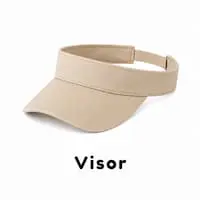
A curved brim attached to a headband, open at the top so heat escapes. Golfers and tennis players wear it to block glare without covering the crown of the head. It reads purely sporty rather than dressed-up.
Outdoor and Working Hats for Men
Cowboy hat /ˈkaʊbɔɪ hæt/:
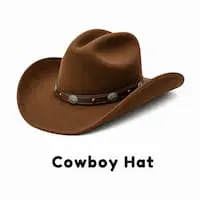
A wide brim with a tall, pinched crown, made from felt, straw, or leather. It developed from the Mexican sombrero and became the emblem of the American West. Ranchers, rodeo riders, and country musicians wear it in every season.
Gambler hat /ˈɡæmblər hæt/:
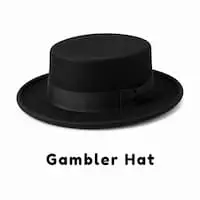
An oval crown of medium height with a wide, slightly upturned brim, part cowboy hat and part fedora. Wealthy landowners of the Old West wore it first, and Rhett Butler made it famous in Gone with the Wind. It reads Western and slightly dressed-up.
Boonie hat /ˈbuːni hæt/:
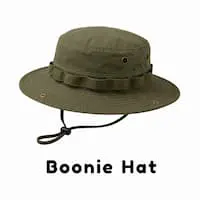
A wide-brimmed bush hat with a soft crown, vent holes, and a chin strap, ringed by a fabric loop for camouflage. It came out of US and Australian military use in tropical zones. Hikers and anglers wear it for full sun cover.
Safari hat /səˈfɑːri hæt/:
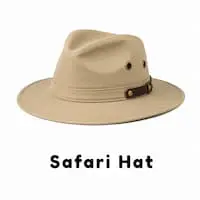
A firm wide-brimmed hat with a vented crown, made for heat and long days outdoors. It shades the whole head on expeditions, treks, and photo trips. Its name comes from East African hunting expeditions.
Outback hat /ˈaʊtbæk hæt/:
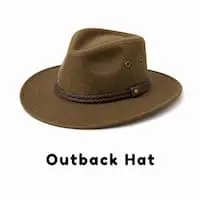
An Australian bush hat with a wide brim and sides that snap up, built from oiled leather or felt to shed rain and sun. Think of it as the Australian answer to the cowboy hat. Farmers and travelers wear it in rough country.
Deerstalker /ˈdɪəstɔːkə/:
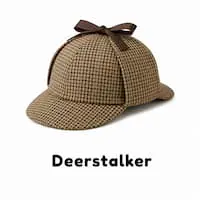
A tweed cap with a brim at both front and back and ear flaps that tie over the top. British hunters wore it for tracking, and Sherlock Holmes made it iconic. It belongs to cold-weather country pursuits.
Pith helmet /ˈpɪθ ˌhelmɪt/:
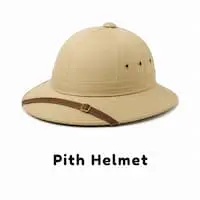
A rigid dome-shaped hat made from dried plant pith or cork, wrapped in cloth. British colonial forces wore it across tropical India and Africa in the 1800s for sun protection. Today it appears mostly in ceremonial and safari-styled dress.
Hard hat /ˈhɑːrd hæt/:
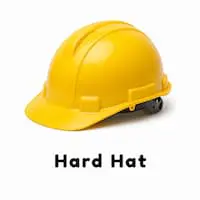
A rigid helmet of plastic or fiberglass with an inner suspension band that absorbs impact. Developed in the United States in the 1930s, it protects construction and industrial workers on site. Color signals a worker’s role.
Sailor cap /ˈseɪlər kæp/:
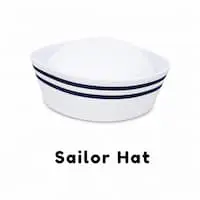
A round white cap with a turned-up brim, part of naval uniforms worldwide. The peaked cap /ˈpiːkt kæp/ is its structured relative, worn by officers, police, and postal workers. Both read formal and official.
Sou’wester /saʊˈwestə/:
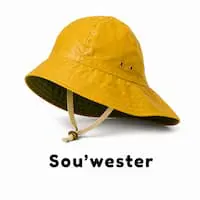
A waterproof hat with a long back brim that runs rain off the neck, fastened under the chin. Fishermen and sailors wear it in storms. Oilskin and coated fabric keep the water out.
Kepi /ˈkeɪpi/:
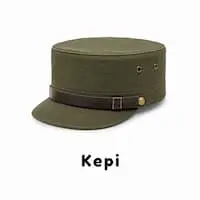
A flat-topped military cap with a firm circular crown and a short horizontal brim. The French army made it standard in the 19th century, and it spread through armies and police forces. Its rigid shape reads formal and official.
Garrison cap /ˈɡærɪsən kæp/:
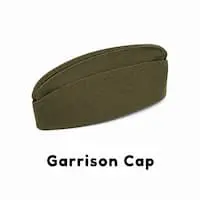
A soft, foldable cap that flattens for storage, also called a side cap or overseas cap. Worn tilted to one side, it forms part of military and cadet uniforms worldwide. Wool and cotton drill build the standard versions.
Flat Caps and Newsboy Caps
Flat cap /ˈflæt kæp/:
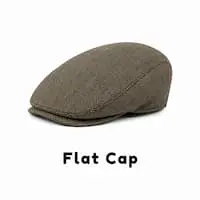
A rounded cap with a low one-piece top and a small stiff brim at the front, made from wool, tweed, or cotton. British and Irish working men wore it through the early 1900s, and Peaky Blinders renewed its appeal. It suits country and smart-casual dress.
Ivy cap /ˈaɪvi kæp/:
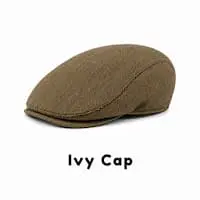
A close relative of the flat cap with a firmer, flatter top and a shorter brim, cut in a single panel. It looks tidier and more structured than a slouchy flat cap. Wool and tweed dominate, and it works with tailored casual outfits.
Newsboy cap /ˈnjuːzbɔɪ kæp/:
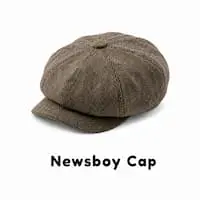
A fuller, rounder cap built from eight panels that meet at a button on top, with a snap holding the brim down. Early-1900s paper sellers gave it the name. Also called a baker boy or paper boy cap, it has a roomy, vintage look.
Ascot cap /ˈæskət kæp/:
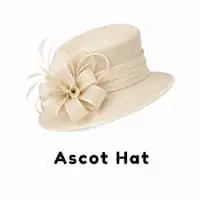
A hard, rounded cap cut from a single piece with a short stitched-down brim, also known as a Cuffley cap. Stiffer than a flat cap, it reads old-world and refined. Early-20th-century gentlemen wore it for driving and casual sport.
Cultural and Traditional Hats for Men
Beret /ˈbæreɪ/:
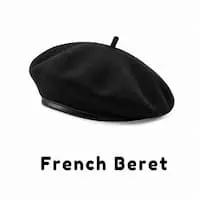
A round, flat, brimless cap of soft wool or felt, worn tilted to one side. France turned it into both a fashion and a military mark, and artists adopted it as their own. It works in any season with casual or creative dressing.
Turban /ˈtɜːbən/:
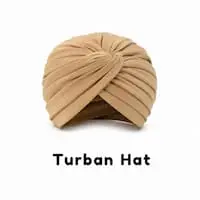
A length of cotton or silk wrapped around the head in set folds. Across South Asia and the Middle East it marks religious and cultural identity, and for many men it is a daily article of faith rather than fashion.
Fez /fez/:
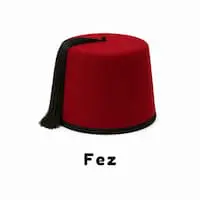
A stiff, flat-topped cone of red felt, finished with a tassel. It spread across the Ottoman Empire as everyday and official headwear. Today men wear it at cultural ceremonies and in traditional dress.
Kufi /ˈkuːfi/:
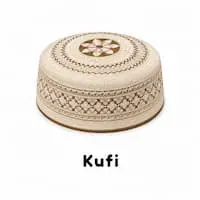
A short, rounded, brimless cap that fits close to the crown of the head. Men across West Africa, the Muslim world, and the African diaspora wear it as a mark of faith, heritage, or respect. Cotton and knitted versions are widespread.
Sombrero /sɒmˈbreəroʊ/:
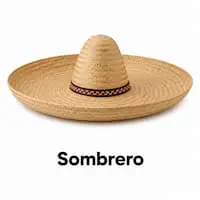
A straw or felt hat with a very wide brim and a tall crown, built to shade the head, neck, and shoulders under strong sun. It comes from Mexico, where sombra means shade. It appears at cultural celebrations and in traditional Mexican dress.
Chupalla /tʃuˈpaʎa/:
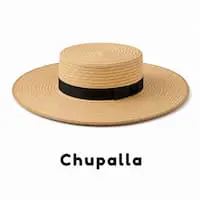
A stiff straw hat from Chile with a flat or slightly rounded crown and a firm brim. The huaso, Chile’s traditional horseman, wears it for riding and at cultural festivals. Its firm shape marks it out from the softer Panama.
Pakol /ˈpʌkɒl/:
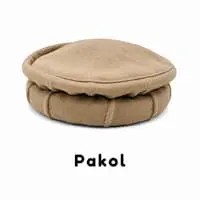
A soft, round, flat wool cap rolled up at the sides to form a thick band. Men across Afghanistan and the mountains of Pakistan and Central Asia wear it. Dense wool keeps the head warm in high-altitude cold.
Fedora vs Trilby vs Homburg: How to Tell Them Apart
These three felt hats confuse more people than any others in men’s headwear, because the differences come down to brim and crown. Here is how each one reads next to the others.
| Feature | Fedora | Trilby | Homburg |
|---|---|---|---|
| Brim | Medium, flexible, snaps up or down | Short, narrow, up at the back | Firm, curled, fixed |
| Crown | Lengthwise crease with front pinch | Taller and more compact | Single dent, no pinch |
| Feel | Soft and shapeable | Casual and rakish | Stiff and formal |
| Best for | Tailoring to smart-casual | Smart-casual only | Formal daytime events |
When to Say Cap and When to Say Hat
English splits these two words by brim. A cap has a bill at the front only, or no brim at all, and the crown fits close to the head. A hat has a brim that goes all the way round, and the crown is raised away from the head.
Test it on any name you already know. A baseball cap has a bill at the front, so it is a cap. A fedora has a brim all the way round, so it is a hat. A beanie has no brim and hugs the head, so English treats it as a cap even though hat is part of the name bobble hat.
Three names break the pattern, and you learn them one by one:
Bucket cap, used on some vocabulary lists, is not the English name. ❌
Bucket hat has a brim all the way round, so hat is correct. ✅
Flat hat is not used by any English speaker. ❌
Flat cap has a bill at the front, so cap is correct. ✅
Hard cap is not the English name. ❌
Hard hat is a helmet with a full brim, so hat stays. ✅
British and American Names for the Same Hat
One hat, two names, depending on which side of the Atlantic you buy it. Say the wrong one and you will still be understood, but the local name marks you as a confident speaker.
| British English | American English | The hat |
|---|---|---|
| Bowler | Derby | Hard felt dome with a curled brim |
| Flat cap | Driver cap or scally cap | Low one-piece cap with a small bill |
| Baker boy cap | Newsboy cap | Eight-panel cap with a button on top |
| Boater | Skimmer | Flat straw hat with a level brim |
| Bobble hat | Pom-pom hat | Knitted cap with a pom-pom |
| Balaclava | Ski mask | Knitted hood covering the face |
| Peak | Bill or visor | The stiff front shelf on a cap |
| Trilby | Sold as a fedora | Short-brimmed felt hat |
The last row is the one that trips people up. American shops label almost every short-brimmed felt hat a fedora, so a British trilby and an American fedora arrive in the same box.
How to Choose a Hat for Your Face Shape
Face shape decides which hat flatters you. The balance to aim for: angular hats soften round faces, and wide brims add width to long faces.
| Face shape | ✅ Hats that suit it | ❌ Hats to avoid |
|---|---|---|
| Round | Fedora, trilby, structured angular caps | Round crowns, bucket hats |
| Long | Wide-brim hats, cowboy hat, flat cap | Tall crowns that add height |
| Square | Trilby, fedora, rounded soft caps | Sharp, boxy shapes |
| Oval | Almost any style | Few restrictions |
How to Pick the Right Hat for the Occasion
- Formal events: Fedora, homburg, bowler, or top hat with tailoring.
- Everyday and casual: Baseball cap, dad hat, beanie, or flat cap.
- Summer sun: Panama, straw sun hat, boater, or bucket hat.
- Cold weather: Beanie or trapper hat, and a balaclava for hard frost.
- Outdoors and hiking: Boonie, safari, or outback hat for full sun cover.
- Streetwear: Snapback, trucker hat, or bucket hat.
What Are Men’s Hats Made Of
Felt, the pressed wool or fur behind fedoras, homburgs, and bowlers, holds a firm shape and suits cool weather. Straw, woven from toquilla palm or sennit, stays light and breathable for panamas, boaters, and summer sun hats. Wool and acrylic knit into beanies and berets for warmth. Tweed and heavy cotton build the flat caps and newsboy caps worn in autumn and winter. Cotton, canvas, and nylon shape the casual baseball caps, bucket hats, and dad hats worn all year.
How to Care for and Store a Men’s Hat
Handle a hat by the brim, never the crown, so the shape stays true. Store felt and straw hats upside down on the crown or on a hook, not flat on the brim. Brush felt gently with a soft brush, and keep it away from direct heat, which warps the shape. A little care keeps a quality hat wearable for years.
✅ Lift a hat by the brim.
❌ Never grip the crown, which dents and stretches it.
FAQs
The fedora, flat cap, beanie, baseball cap, bucket hat and panama are the men’s hats worn most in 2026. Between them they answer formal, casual, winter and summer wear, which is why most men own at least one of them.
A narrow-brimmed felt hat is a trilby. Its short brim turns up at the back and down at the front, which separates it from the wider flatter fedora. American shops label the same shape a fedora, so check the brim rather than the label.
A fedora has a wider flexible brim you can snap up or down and a longer crown crease. A trilby has a shorter brim, a sharper upturn at the back and a taller more compact crown, so it reads more casual. Set them side by side and the brim gives the answer in a second.
The main parts are the crown, the brim, the hat band, the sweatband, the lining and the underbrim. On a cap the front shelf is the bill in American English and the peak in British English. The crease is the lengthwise dent along the crown, and the pinch is the pair of dents at the front.
A cap has a bill at the front only, or no brim at all, and fits close to the head. A hat has a brim that goes all the way round and a crown raised away from the head. That is why a flat cap is a cap and a bucket hat is a hat, even though both are soft and casual.
A fedora, flat cap or panama flatters most older men, since these shapes stay refined without looking loud. A beanie handles cold days, and a wide-brim sun hat protects against strong sun. Choose a medium brim rather than an extreme one, because a moderate brim balances almost any face.
Yes. Fedoras, flat caps, beanies and bucket hats all stay in regular rotation in 2026, worn for both style and weather protection. Streetwear keeps caps and bucket hats current, while tailoring keeps the classic felt hats alive, and cowboy hats have returned strongly through western fashion.
You May Also Like