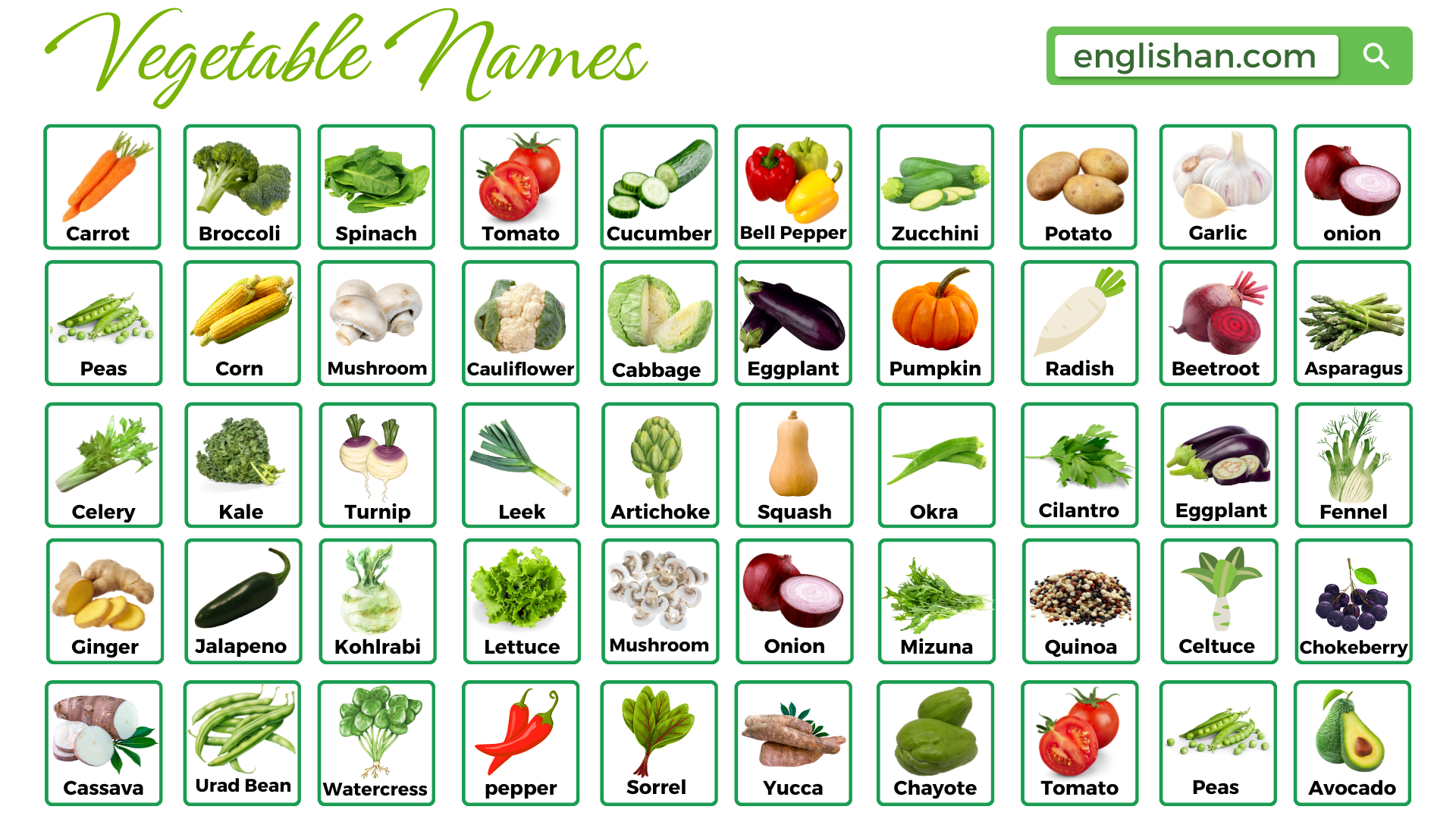
Vegetables belong in everyday cooking, from carrots in soup to spinach in salads and onions sizzling in a pan. When you know the right vegetables names, it becomes easier to follow recipes, shop with confidence, and talk about the food you cook and serve.
Each vegetable has its own color, shape, texture, and use. Leafy greens soften quickly, roots roast sweet, bulbs bring sharp flavor, and flower vegetables like broccoli and cauliflower hold a firm bite in stir-fries, curries, and baked dishes.
With pictures and real kitchen examples, you can match each name to the vegetable you see in markets, recipes, and meals. You’ll recognize common vegetables faster and use the right names when buying, cooking, or serving food.
Vegetables Names With Pictures
- Spinach
- Lettuce
- Swiss Chard
- Purslane
- Arugula
- Beet Greens
- Mache
- Endive
- Sorrel
- Kale
- Radicchio
- Carrot
- Beetroot
- Radish
- Turnip
- Lima Beans
- Parsnip
- Potato
- Celeriac
- Daikon
- Sweet Potato
- Taro
- Rutabaga
- Yam
- Ginger
- Jicama
- Horseradish
- Turmeric
- Salsify
- Cassava
- Broccoli
- Cauliflower
- Cabbage
- Mushroom
- Shiitake
- Kohlrabi
- Bok Choy
- Napa Cabbage
- Enoki
- Cremini
- Savoy Cabbage
- Broccolini
- Turnip Greens
- Maitake
- Morel
- Green Beans
- Peas
- Chickpeas
- Portobello
- Porcini
- Lentils
- Soybeans
- Black Beans
- Chanterelle
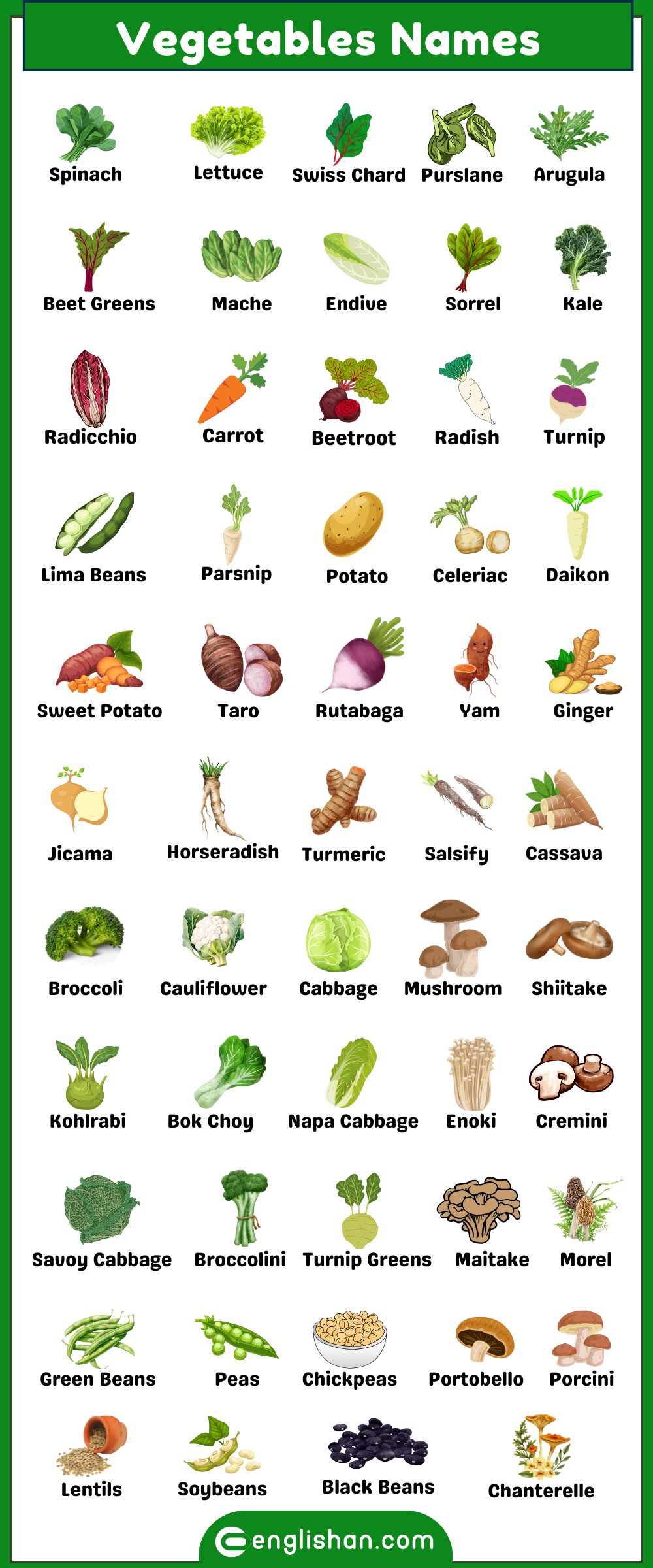
Common Vegetables Names
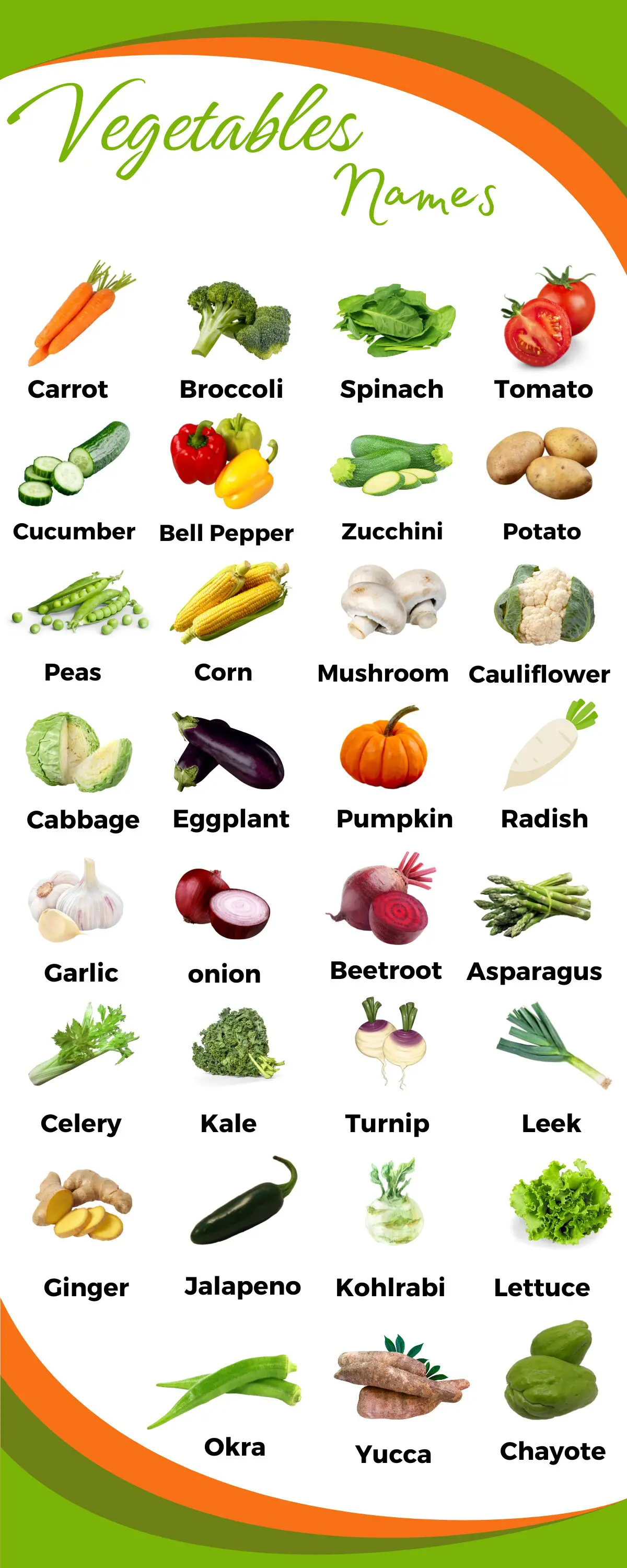
| Carrot | Potato | Tomato |
| Onion | Cabbage | Cauliflower |
| Spinach | Cucumber | Broccoli |
| Peas | Garlic | Ginger |
| Radish | Beetroot | Pumpkin |
| Okra | Eggplant | Bell Pepper |
| Green Beans | Lettuce | Zucchini |
| Sweet Potato | Celery | Asparagus |
| Bottle Gourd | Bitter Gourd | Ridge Gourd |
| Turnip | Mushroom | Kale |
| Leek | Chilli Pepper | Taro |
| Yam | Spring Onion | Brussels Sprouts |
| Corn | Artichoke | Arugula |
| Bok Choy | Collard Greens | Mustard Greens |
| Fenugreek Leaves | Swiss Chard | Parsnip |
| Cassava | Celeriac | Kohlrabi |
| Fennel | Shallot | Chives |
| Snow Peas | Sugar Snap Peas | Broad Beans |
| Cluster Beans | French Beans | Chayote |
| Ash Gourd | Snake Gourd | Butternut Squash |
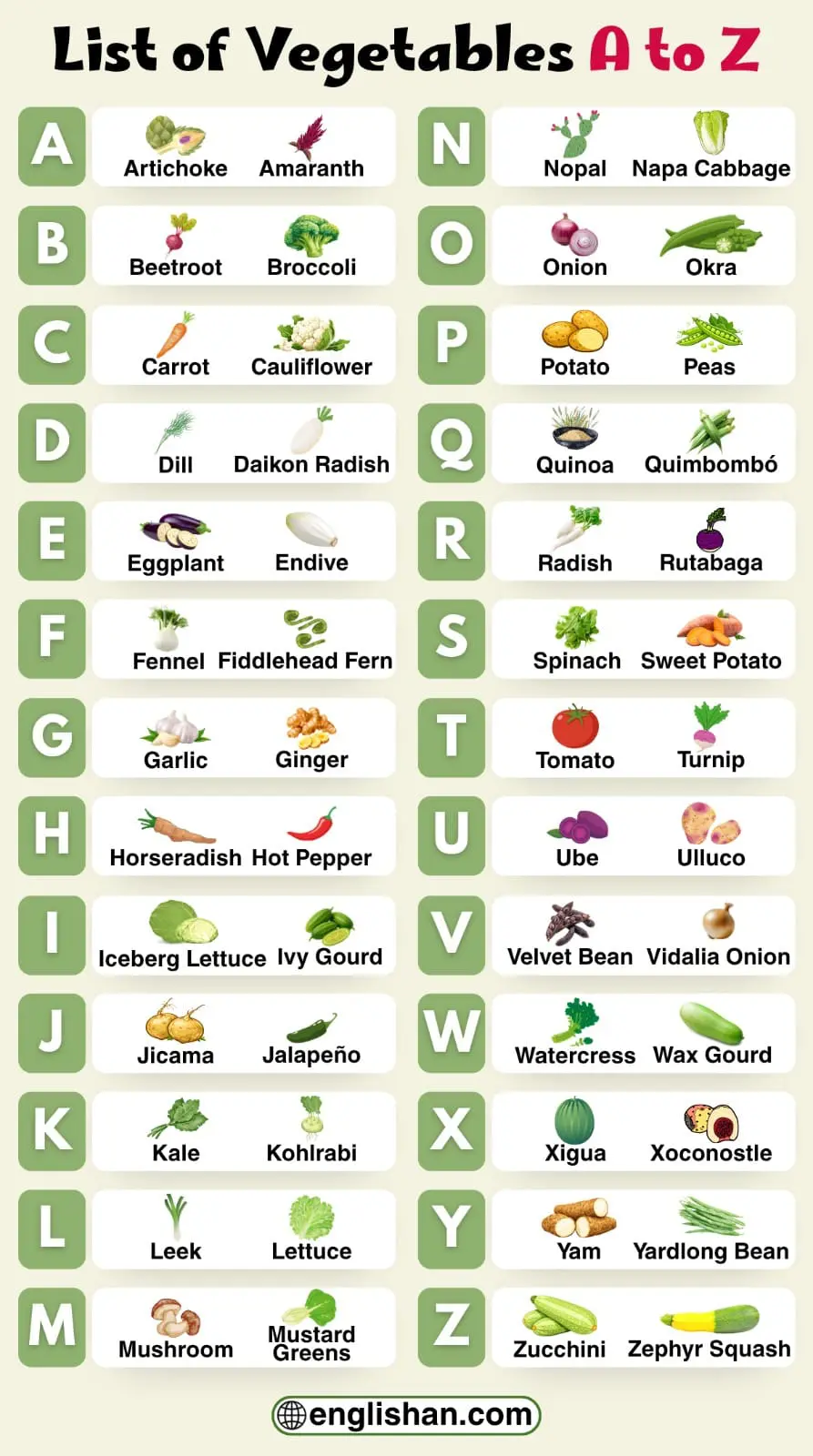
Vegetables From A To Z
A
- Acorn Squash
- Alfalfa Sprouts
- Amaranth Leaves
- Anaheim Pepper
- Artichoke
- Arugula
- Ash Gourd
- Asparagus
- Aubergine
B
- Baby Corn
- Bamboo Shoots
- Banana Flower
- Beet Greens
- Beetroot
- Belgian Endive
- Bell Pepper
- Bitter Gourd
- Bok Choy
- Bottle Gourd
- Broad Beans
- Broccoli
- Broccolini
- Brussels Sprouts
- Butternut Squash
C
- Cabbage
- Capsicum
- Carrot
- Cassava
- Cauliflower
- Cayenne Pepper
- Celeriac
- Celery
- Chard
- Chayote
- Cherry Tomato
- Chilli Pepper
- Chinese Cabbage
- Chives
- Cluster Beans
- Collard Greens
- Corn
- Courgette
- Cress
- Cucumber
D
- Daikon Radish
- Delicata Squash
- Dill Leaves
- Drumstick
- Dulse
E
- Edamame
- Eggplant
- Elephant Garlic
- Endive
- Escarole
F
- Fava Beans
- Fennel
- Fenugreek Leaves
- Fiddlehead Ferns
- French Beans
- Frisee
G
- Garden Cress
- Garlic
- Garlic Chives
- Gem Squash
- Ginger
- Green Beans
- Green Cabbage
- Green Chilli
- Green Onion
- Green Peas
- Green Pepper
- Gourd
H
- Haricot Beans
- Horseradish
- Hubbard Squash
- Hyacinth Beans
I
- Iceberg Lettuce
- Indian Round Gourd
- Ivy Gourd
J
- Jalapeno
- Jerusalem Artichoke
- Jicama
- Jute Leaves
K
- Kale
- Karela
- Kohlrabi
- Komatsuna
- Kundru
- Kurrat
L
- Lady Finger
- Lamb’s Lettuce
- Leek
- Lemon Cucumber
- Lentil Sprouts
- Lettuce
- Lima Beans
- Lotus Root
- Lotus Stem
M
- Malabar Spinach
- Mange Tout
- Marrow
- Methi Leaves
- Mizuna
- Morel Mushroom
- Moringa Leaves
- Mushroom
- Mustard Greens
N
- Napa Cabbage
- New Potato
- Nopal
O
- Okra
- Onion
- Orange Bell Pepper
- Opo Squash
- Oyster Mushroom
P
- Pak Choy
- Parsley Root
- Parsnip
- Patty Pan Squash
- Pearl Onion
- Peas
- Pepper
- Plantain Flower
- Potato
- Pumpkin
- Purple Cabbage
- Purple Carrot
- Purple Cauliflower
- Purple Sweet Potato
- Purslane
Q
- Queen Anne’s Lace Root
- Queensland Arrowroot
R
- Radicchio
- Radish
- Red Bell Pepper
- Red Cabbage
- Red Chilli
- Red Onion
- Rhubarb
- Ridge Gourd
- Roma Tomato
- Romaine Lettuce
- Rutabaga
S
- Salad Greens
- Savoy Cabbage
- Scallion
- Sea Kale
- Shallot
- Snake Gourd
- Snow Peas
- Sorrel
- Soybean Sprouts
- Spaghetti Squash
- Spinach
- Spring Greens
- Spring Onion
- Squash
- Sugar Snap Peas
- Sunflower Sprouts
- Sweet Corn
- Sweet Pepper
- Sweet Potato
- Swiss Chard
T
- Taro
- Tatsoi
- Thai Eggplant
- Tomato
- Tomatillo
- Tree Onion
- Turmeric Root
- Turnip
- Turnip Greens
U
- Ulluco
- Urad Bean Sprouts
- Upland Cress
V
- Vegetable Marrow
- Vidalia Onion
- Vine Tomato
W
- Wakame
- Water Chestnut
- Water Spinach
- Watercress
- Wax Beans
- White Asparagus
- White Onion
- Winter Melon
X
- Xanthosoma
Y
- Yam
- Yardlong Beans
- Yellow Bell Pepper
- Yellow Squash
- Yukon Gold Potato
Z
- Zucchini
- Zucchini Flower
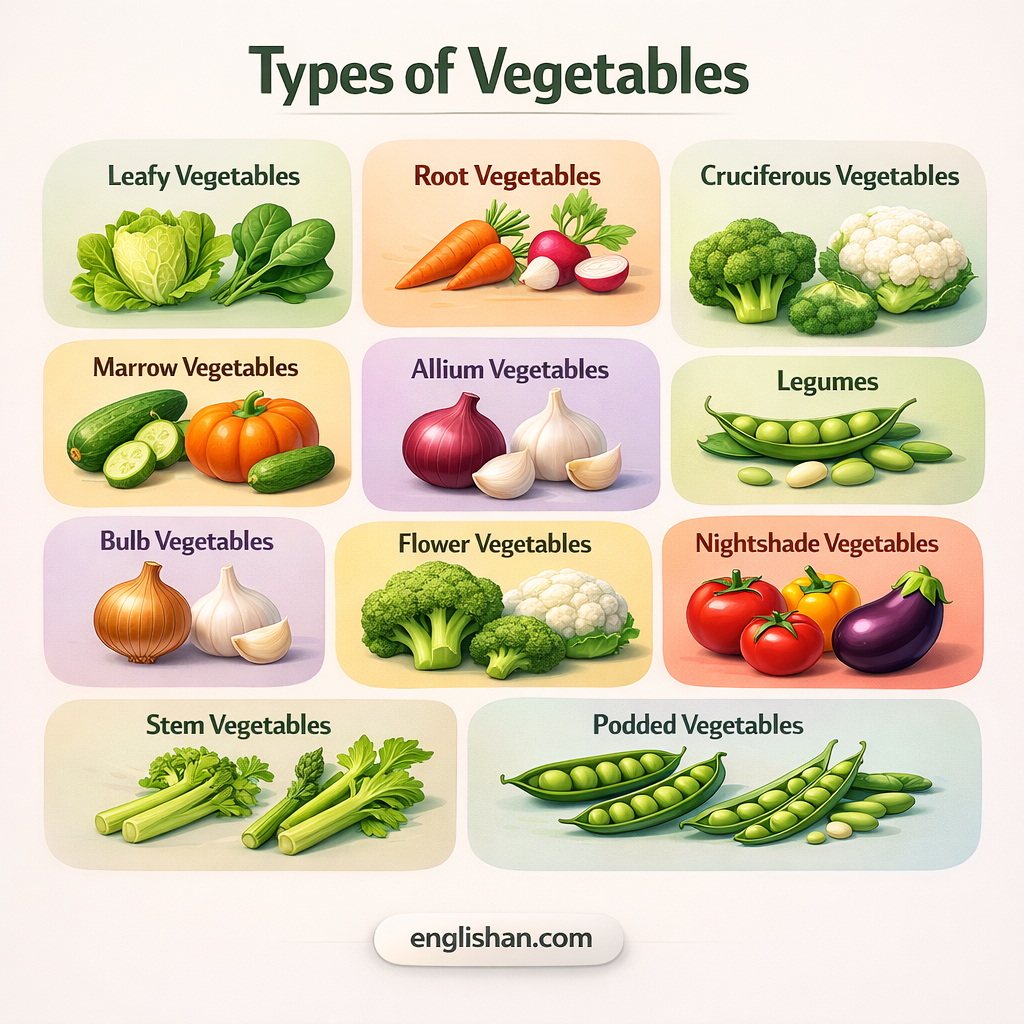
Main Types of Vegetables
Vegetables can be grouped into main types based on the part of the plant people eat. These include leafy, root, bulb, stem, flower, podded, and seed vegetables. Knowing these main types makes vegetable names easier to understand and organize.
Leafy Green Vegetables
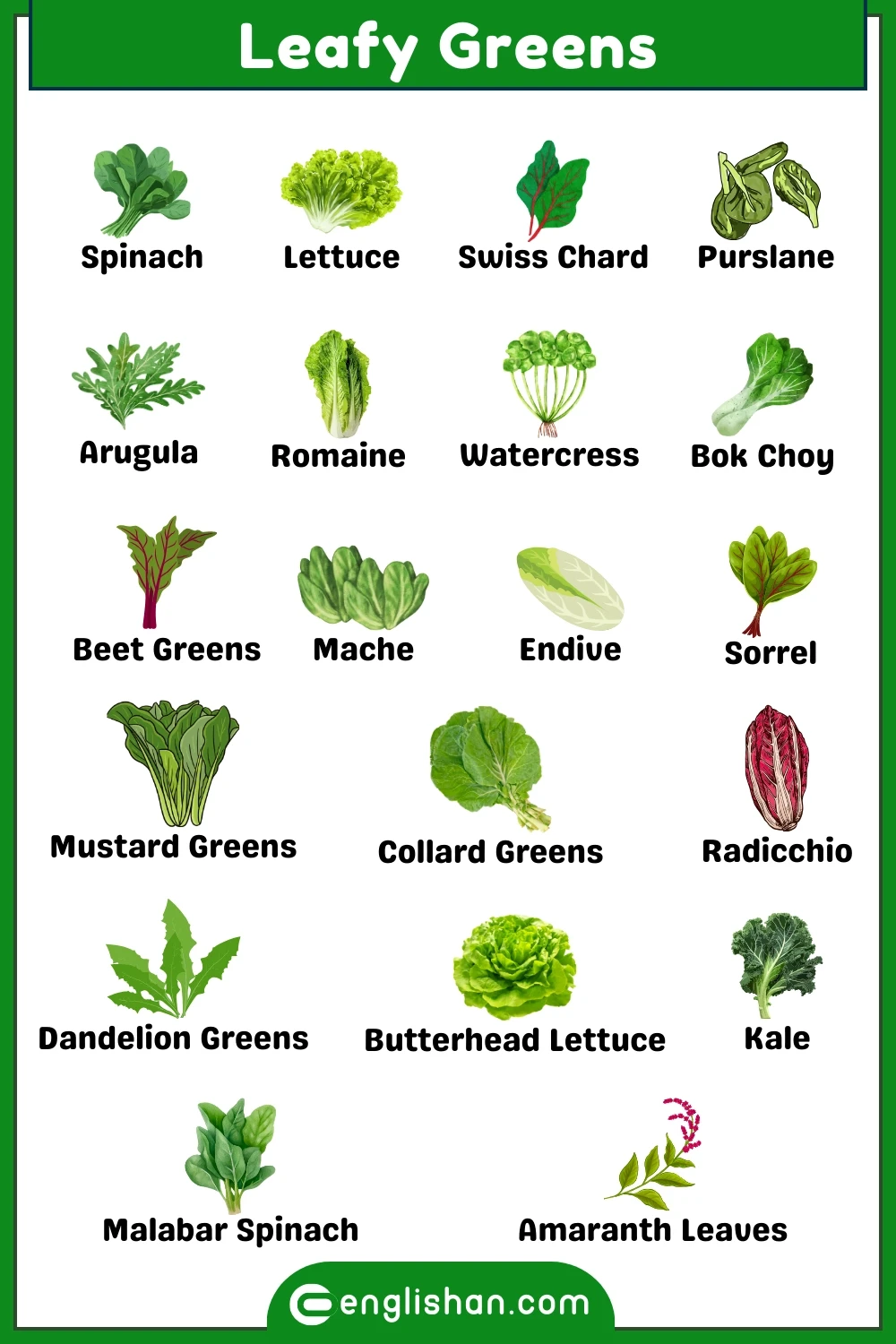
Green Leafy vegetables are the soft, green parts of plants. They are used in salads, soups, and cooked dishes. Below is a list of leafy vegetables:
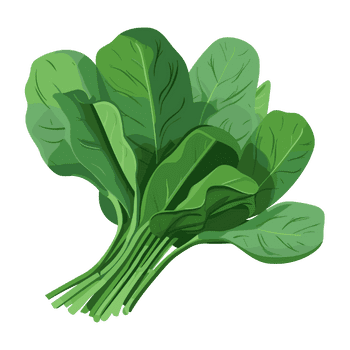
Spinach
Soft green leaves rich in iron and vitamins; used in salads, curries, and smoothies.
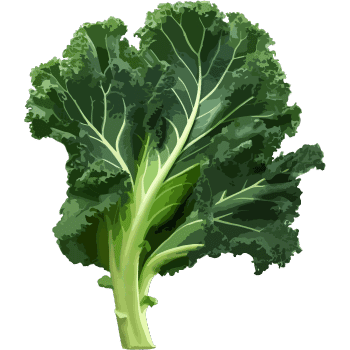
Kale
Curly green leaves with a bitter taste; high in antioxidants and great in stir-fries.
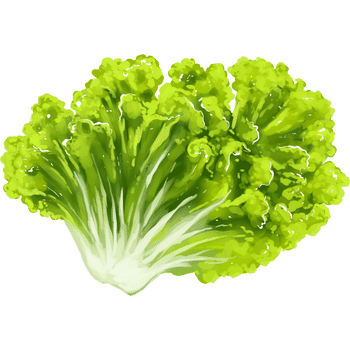
Lettuce
Crisp and light; used in salads and burgers; full of water and vitamins.
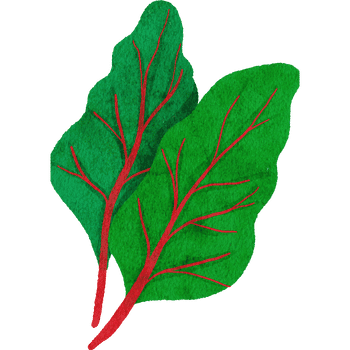
Swiss Chard
Colorful stems with dark leaves; slightly bitter; rich in vitamins and cooked in soups.
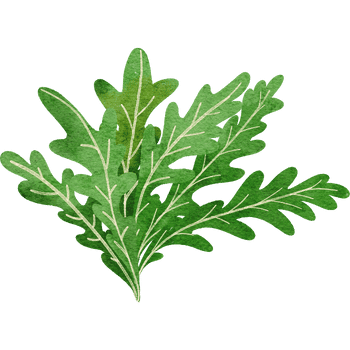
Arugula
Peppery leaves used in salads and pizza; adds strong flavor; high in calcium.
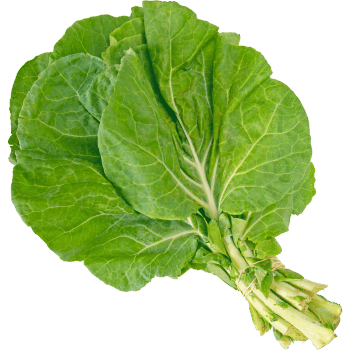
Collard Greens
Big green leaves with earthy taste; cooked slowly; supports bones and heart.
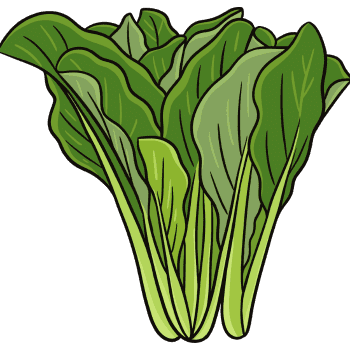
Mustard Greens
Spicy leaves used in soups and stir-fries; full of vitamins A, C, and K.

Watercress
Spicy and crisp; used in salads; boosts bones and immunity with vitamin K.
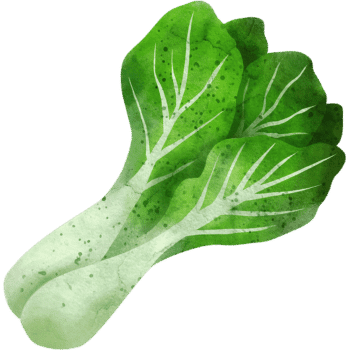
Bok Choy
Mild green cabbage with crunchy stalks; stir-fried or added to soup; high in calcium.e.
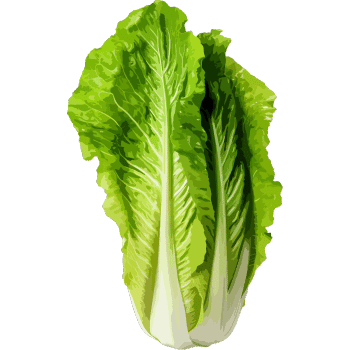
Romaine
Tall, crunchy lettuce used in Caesar salads; has lots of vitamin A and water.
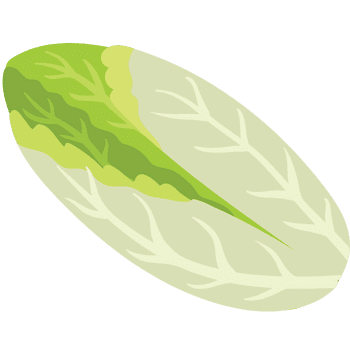
Endive
Bitter, crisp leaves for salads and snacks; supports bones and digestion with fiber.
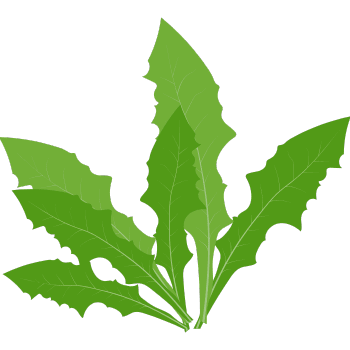
Dandelion Greens
Peppery bitter greens; support liver and digestion; cooked or eaten raw.
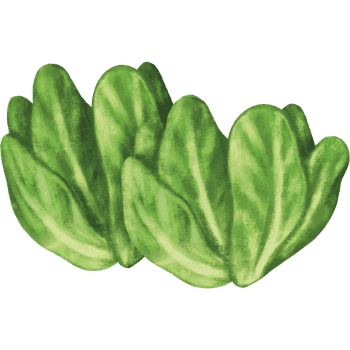
Mache
Soft, mild lettuce used in salads; rich in vitamin A and C for healthy skin.
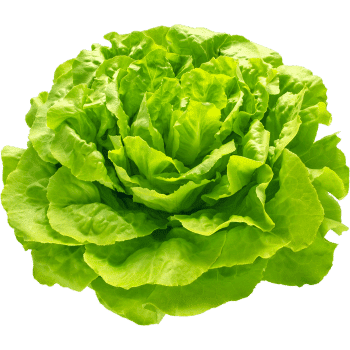
Butterhead Lettuce
Soft and smooth leaves with mild taste; perfect for wraps and salads.
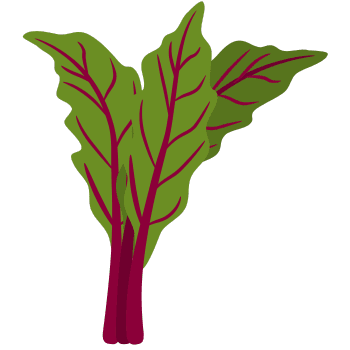
Beet Greens
Bitter beet tops; full of iron and vitamins; often sautéed or added to soup.
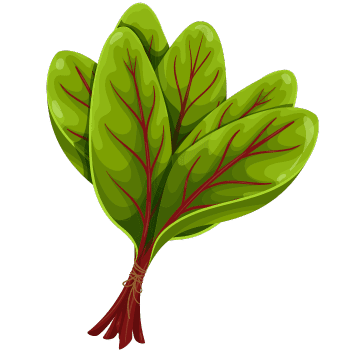
Sorrel
Lemony green leaves; used in soups or salads; supports immune health with vitamin C.
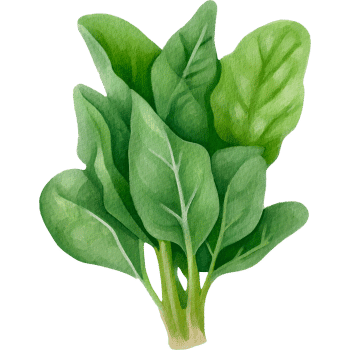
Malabar Spinach
Thick green leaves with smooth texture; good for eyes and skin; used in curries.

Amaranth Leaves
Nutritious greens with sweet taste; high in protein and iron; great in soups and stir-fries.
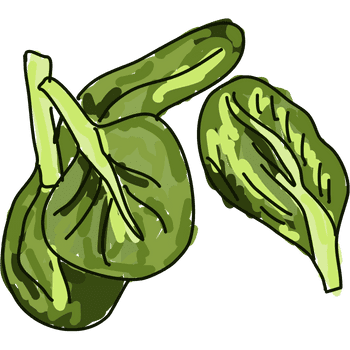
Purslane
Crunchy and lemony; supports heart health with omega-3; eaten raw in salads.
Root Vegetables
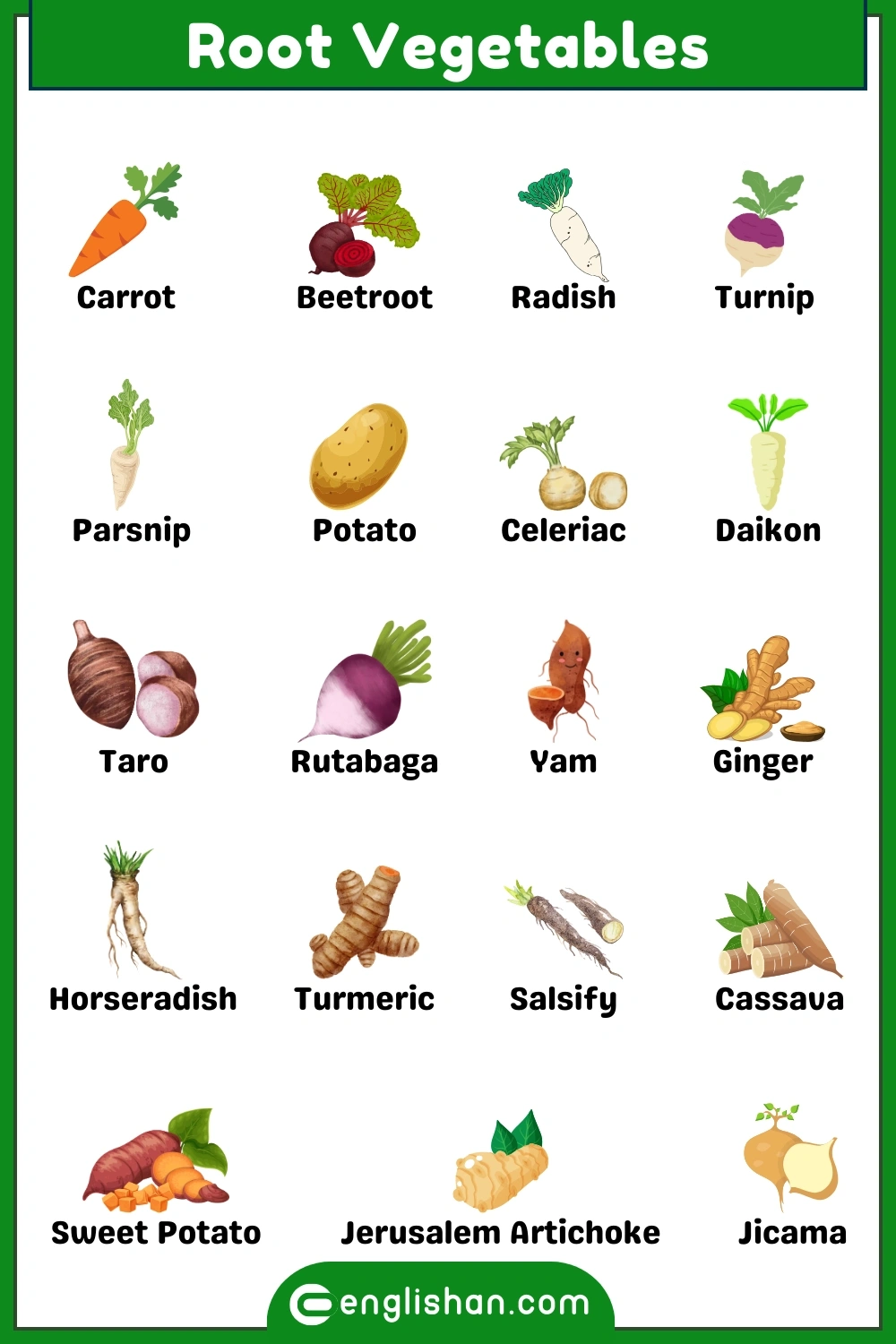
Root vegetables grow underground or just above the soil. Below is a list with their pictures:
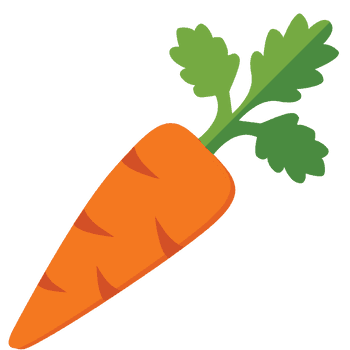
Carrot
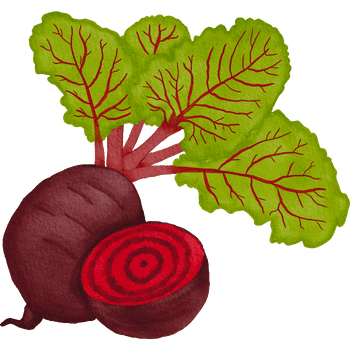
Beetroot
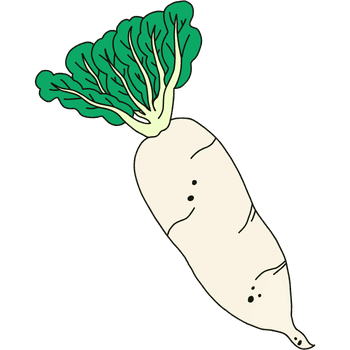
Radish
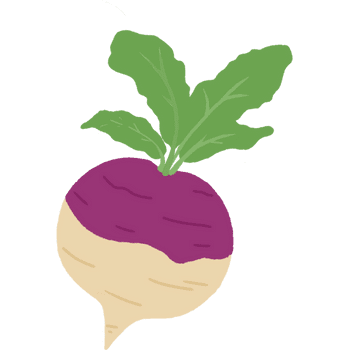
Turnip
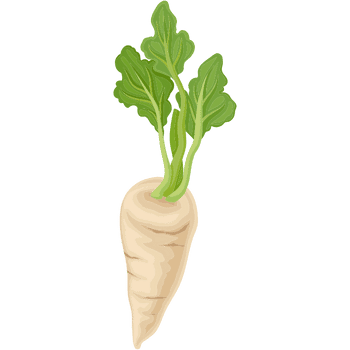
Parsnip
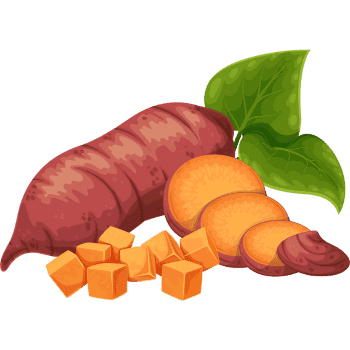
Sweet Potato

Potato
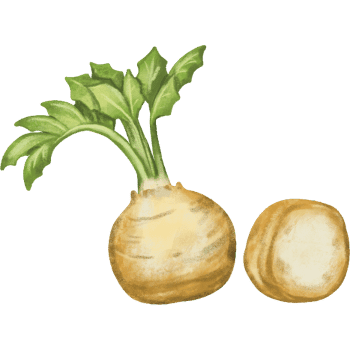
Celeriac
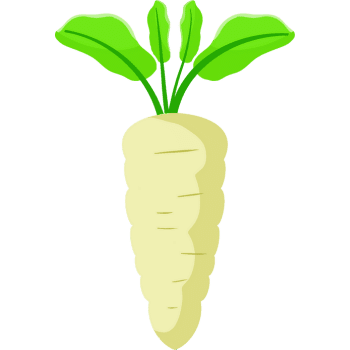
Daikon
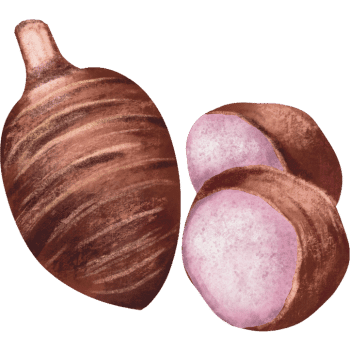
Taro
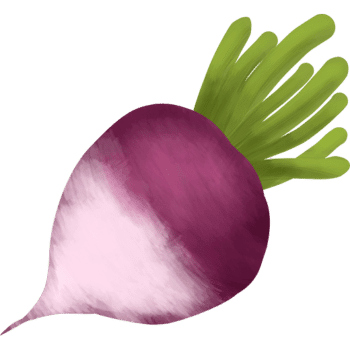
Rutabaga

Yam

Jerusalem Artichoke

Ginger
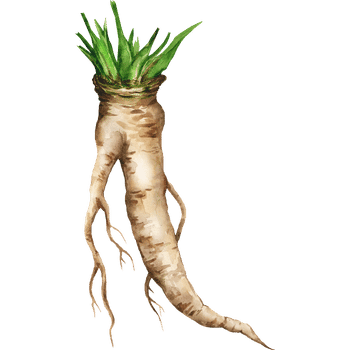
Horseradish
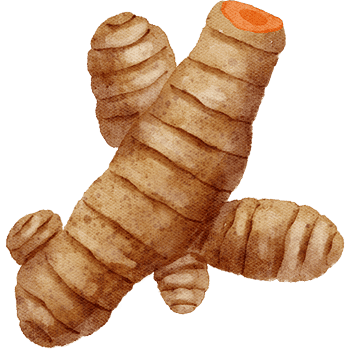
Turmeric
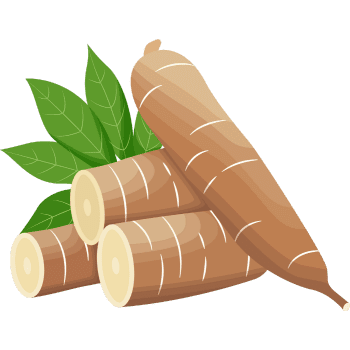
Cassava
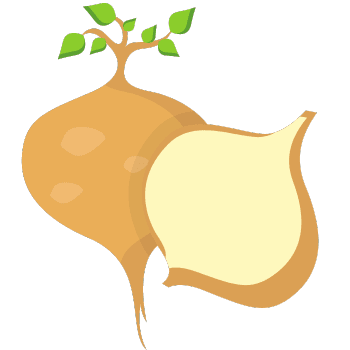
Jicama
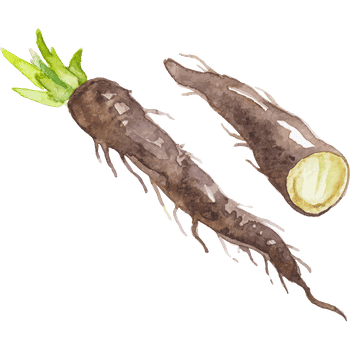
Salsify
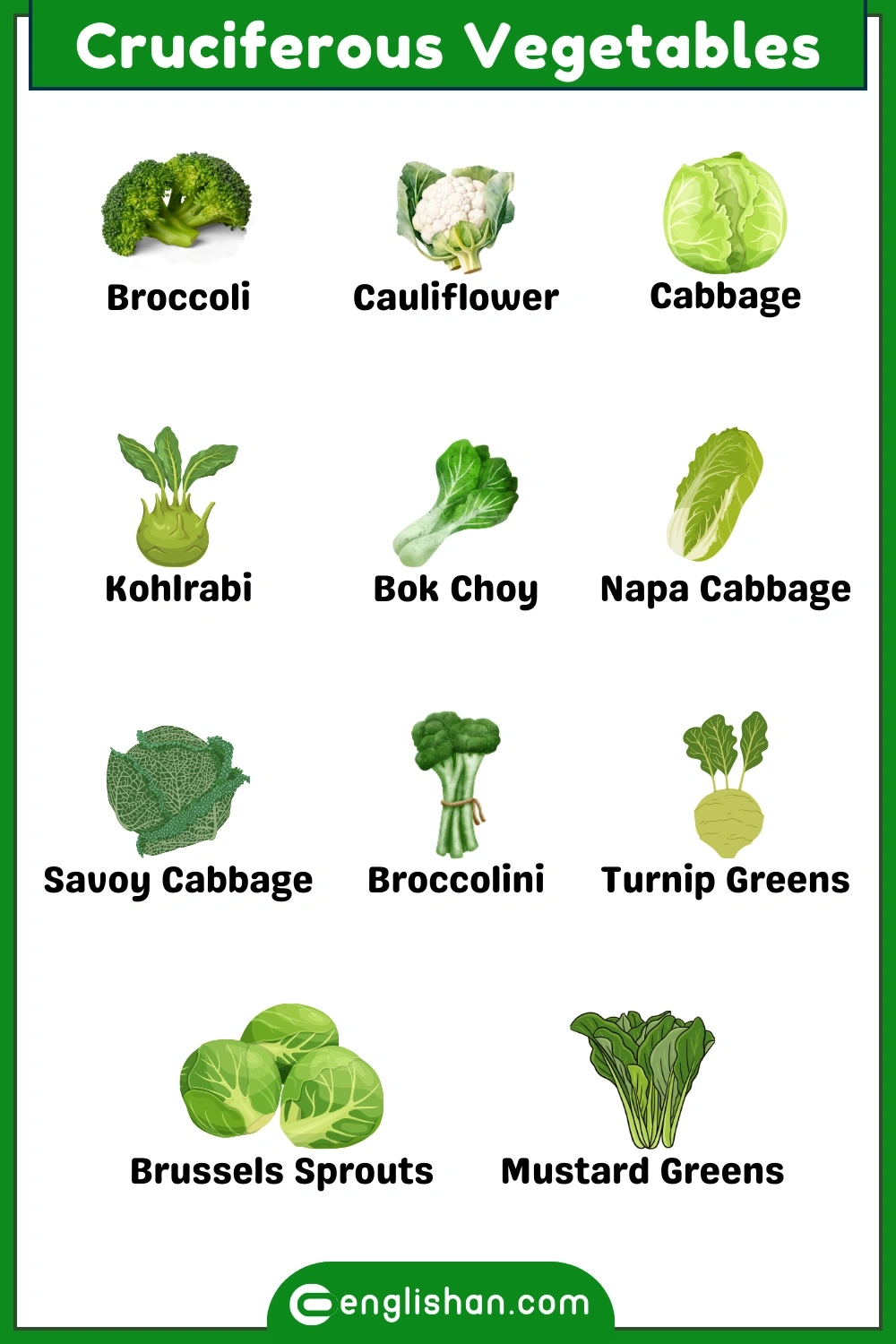
Cruciferous Vegetables
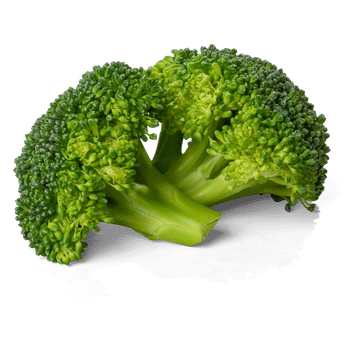
Broccoli
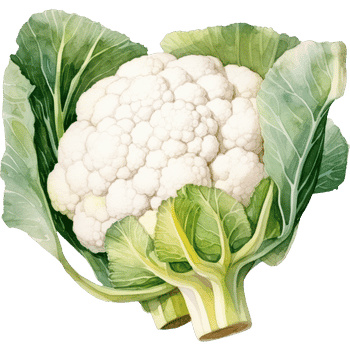
Cauliflower
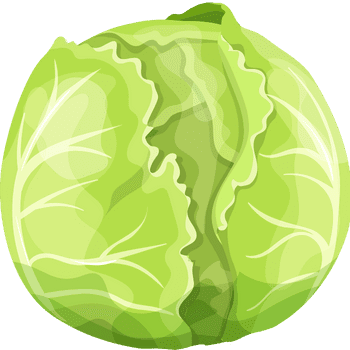
Cabbage
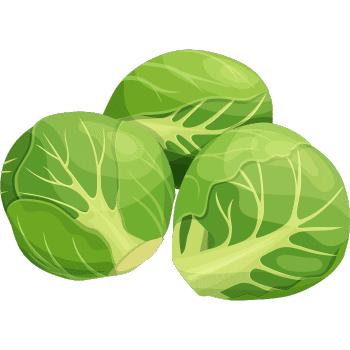
Brussels Sprouts
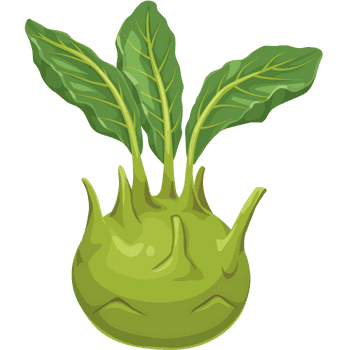
Kohlrabi
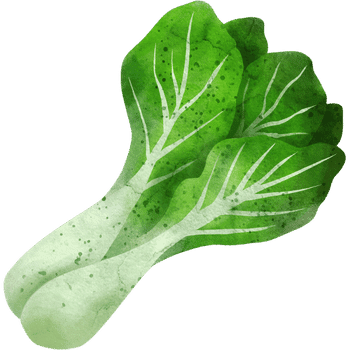
Bok Choy
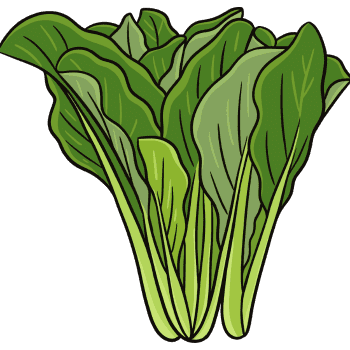
Mustard Greens
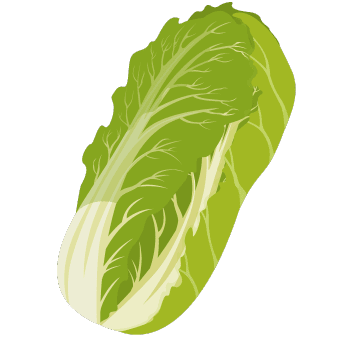
Napa Cabbage
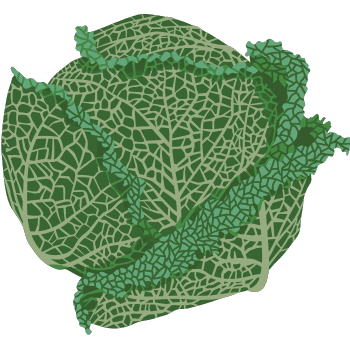
Savoy Cabbage
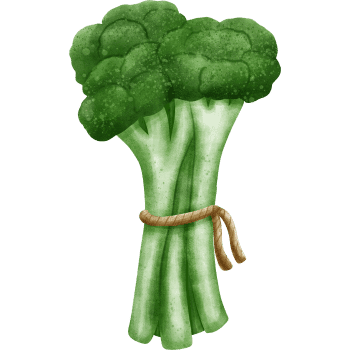
Broccolini
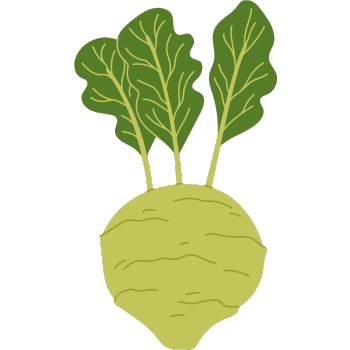
Turnip Greens
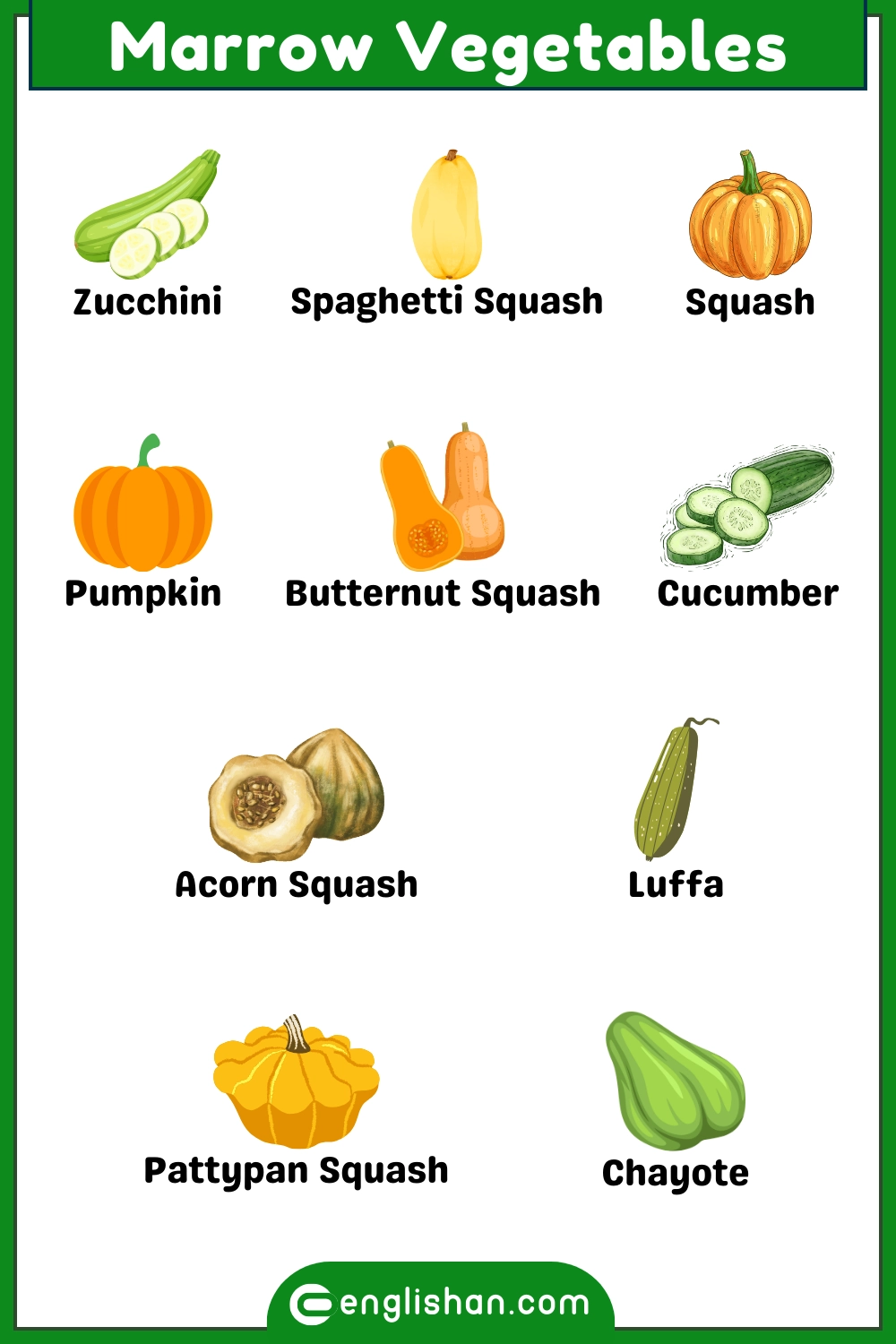
Marrow Vegetables
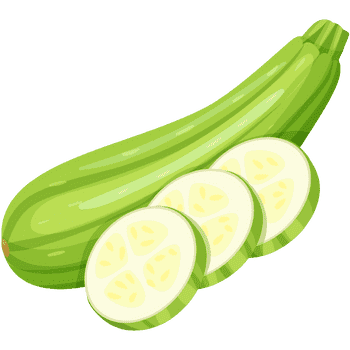
Zucchini
Zucchini is soft and mild, great for grilling, stir-fries, and even baked dishes.

Squash
Squash has a mild, slightly sweet flavor and is available in Squash is slightly sweet and used in soups or roasts. It helps your eyes and stomach.

Pumpkin
Pumpkin is creamy and sweet, rich in vitamin A, and great in soups or pies.
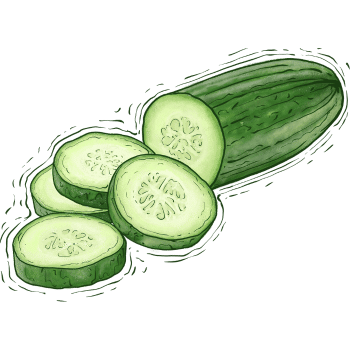
Cucumber
Crisp and juicy, cucumber is mostly water and perfect for summer salads or snacks.

Spaghetti Squash
Cooked spaghetti squash forms noodle-like strands and is a healthy, low-carb pasta replacement.
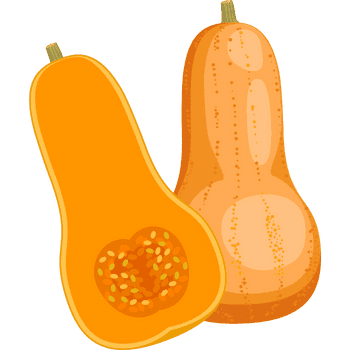
Butternut Squash
Sweet and creamy, butternut squash is roasted, souped, or mashed and helps your eyes.
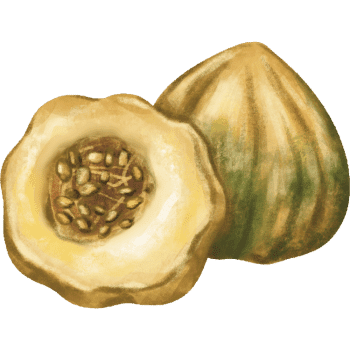
Acorn Squash
Acorn squash is nutty and sweet. It’s baked, stuffed, or souped and supports digestion.

Chayote
Chayote is crisp and mild, great in stir-fries or steamed, and helps your immune system.

Pattypan Squash
Pattypan squash is round and fun-shaped, mild in flavor, and delicious grilled or stuffed.
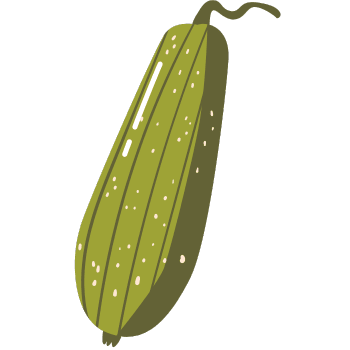
Luffa
Luffa is soft and fibrous when cooked. It’s stir-fried and helps clean your stomach.
Allium Vegetables
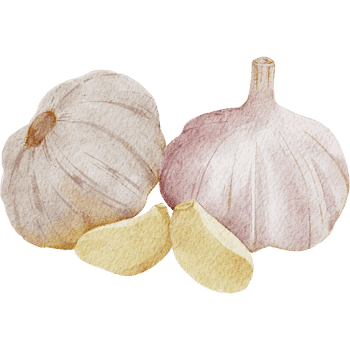
Garlic
Garlic is strong and spicy, used in cooking to boost heart health and flavor dishes.
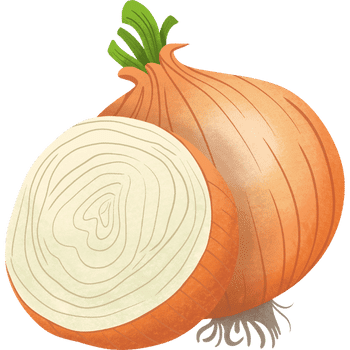
Onion
Onions are sharp raw and sweet when cooked. They’re used in soups, stir-fries, and curries.
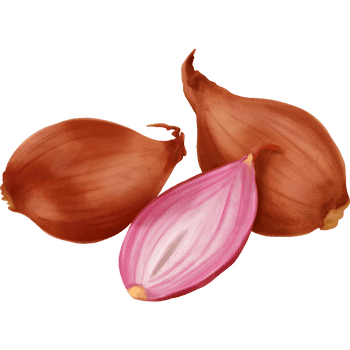
Shallot
Shallots are sweet and mild. They’re great in dressings and sauces for a soft onion flavor.
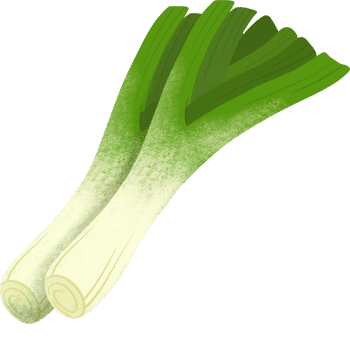
Leek
Leeks are sweet and soft, used in soups and stews. They help your heart and gut.
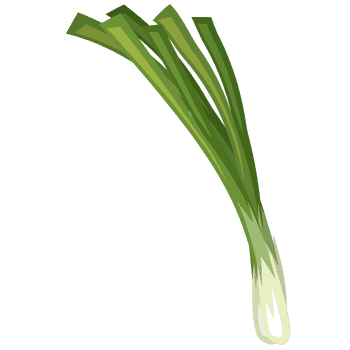
Chives
Chives are thin and mild. They’re chopped as garnish and add light onion flavor to food.
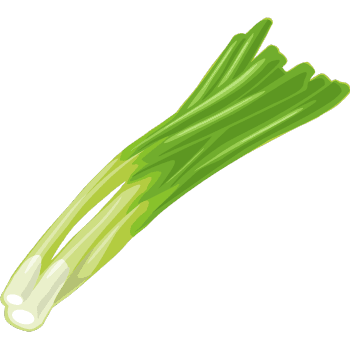
Spring Onion
Spring onions are soft and slightly sweet. They’re used raw or cooked in many fresh dishes.
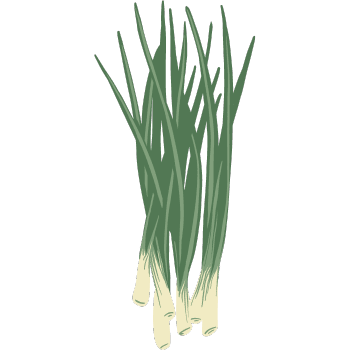
Scallion
Scallions are crisp and mild. Common in stir-fries or salads, they support immune and bone health.
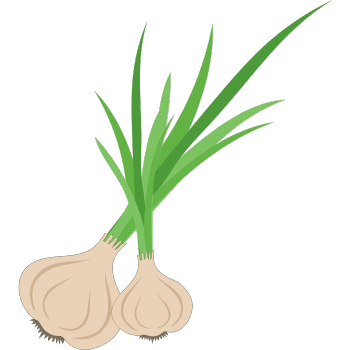
Elephant Garlic
Elephant garlic is big and mild. It’s roasted or used raw for gentle garlic flavor.
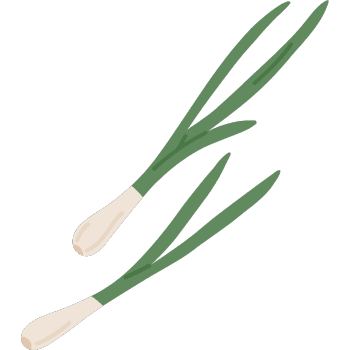
Ramps
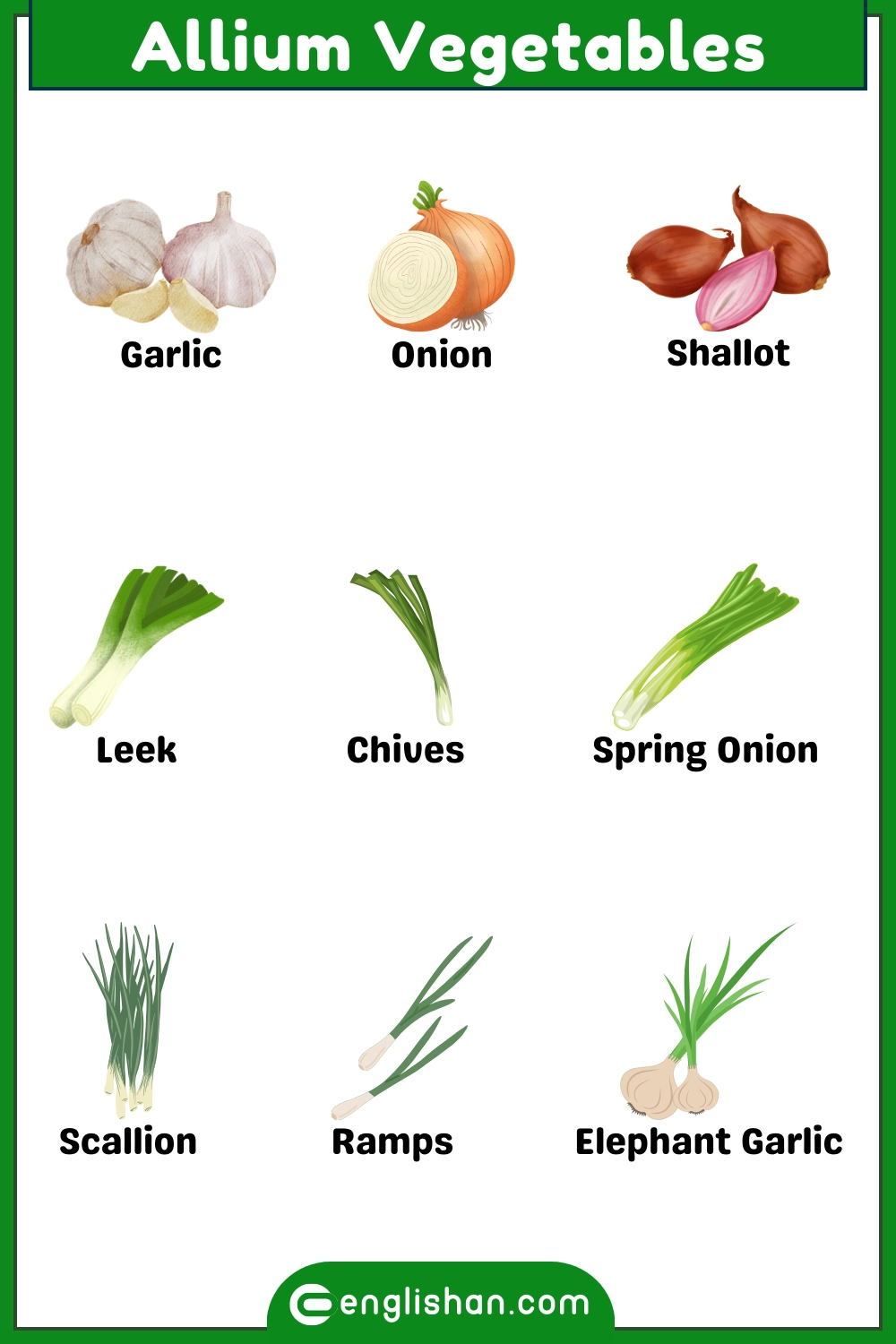
Ramps are wild leeks with strong taste. They’re great grilled or in sauces and support immunity.
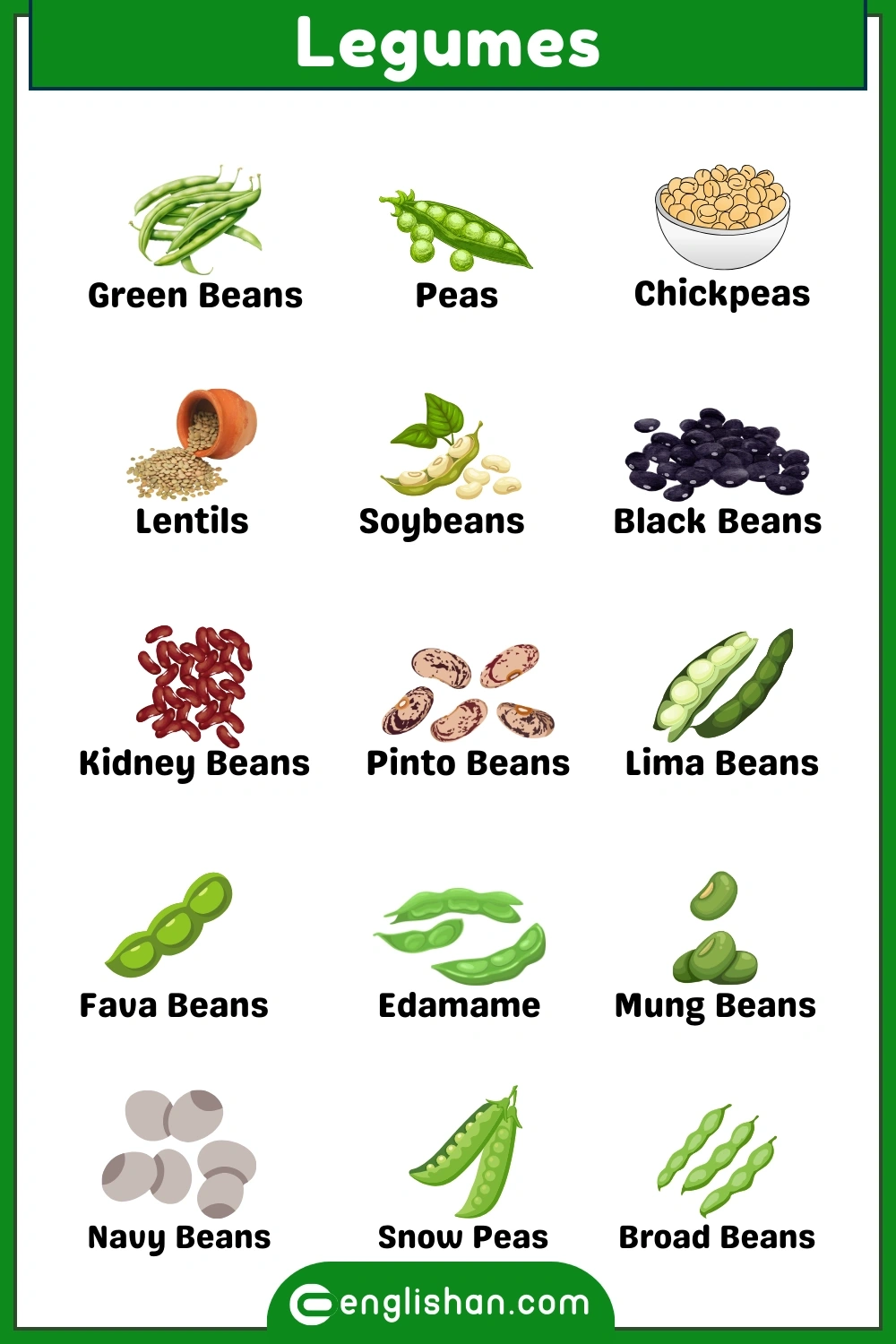
Legumes
Legume vegetables are vegetables and edible seeds that come from plants in the legume family. Common examples include peas, beans, lentils, and chickpeas. Some are picked fresh, while others are dried before cooking. This category is important in a vegetable list because it includes many familiar foods used in daily meals around the world.
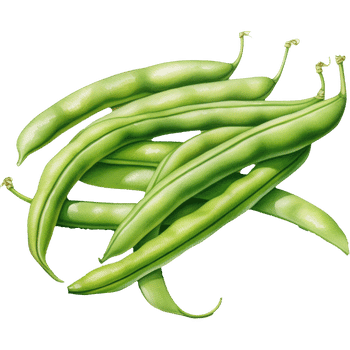
Green Beans
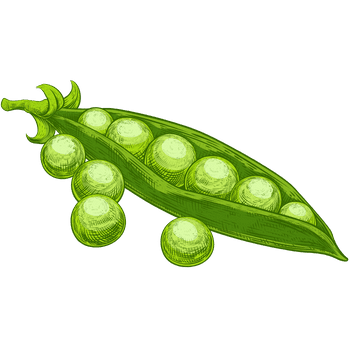
Peas
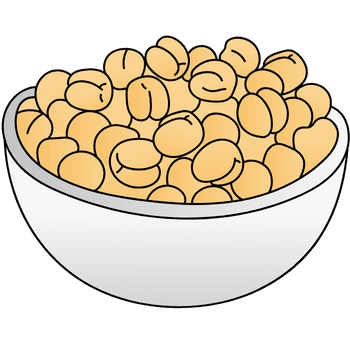
Chickpeas
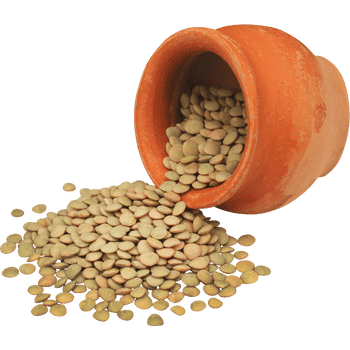
Lentils
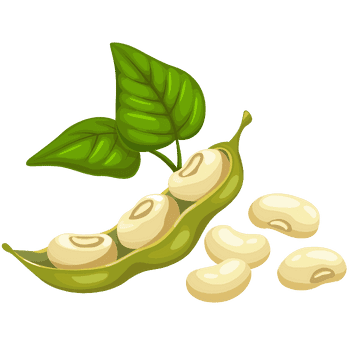
Soybeans

Black Beans

Kidney Beans
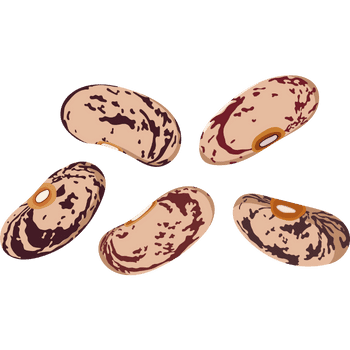
Pinto Beans
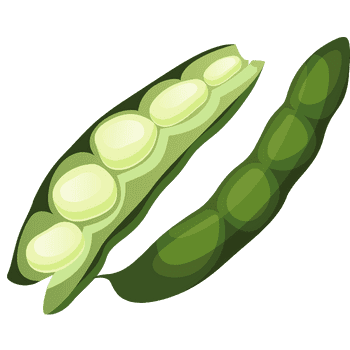
Lima Beans

Fava Beans
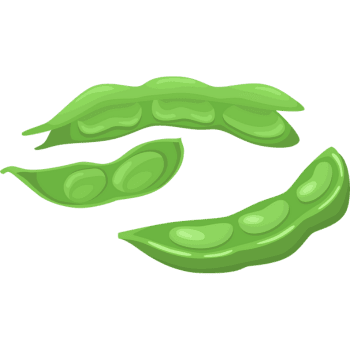
Edamame

Mung Beans

Navy Beans
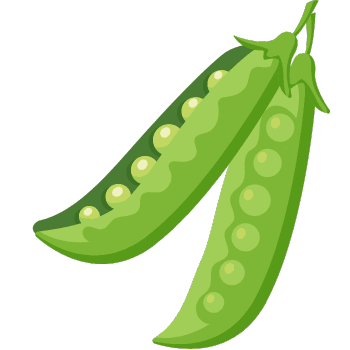
Snow Peas
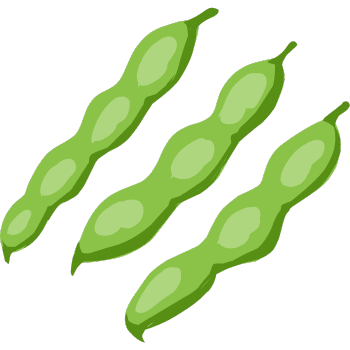
Broad Beans
Bulb Vegetables
Onion
Onions have a sharp, sweet flavor when raw and become caramelized when cooked. They’re rich in vitamins C and B6, promoting immune health and reducing inflammation. Onions are used in nearly every cuisine, from soups to stir-fries.
Garlic
Garlic has a strong, pungent flavor and is used in a wide range of dishes. It’s rich in sulfur compounds, which support heart health and have anti-inflammatory properties. Garlic is often used fresh, roasted, or as a seasoning.
Shallot
Shallots are milder and sweeter than onions, often used in dressings, sauces, and roasted dishes. They are rich in vitamins A and C and provide antioxidant properties. Shallots add a subtle, sophisticated flavor to meals.
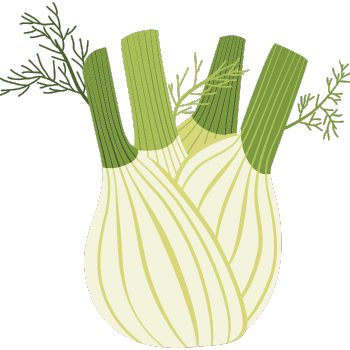
Fennel
Fennel has a mild, sweet flavor with a hint of anise and is often used in salads, soups, and roasts. Rich in fiber and vitamin C, it promotes digestion and immune health. Both the bulb and stalks are edible.
Leek
Leeks have a mild, sweet onion flavor and are often used in soups and stews. Rich in fiber, vitamins A and C, they support heart and immune health. Their tender texture makes them ideal for slow-cooking.
Elephant Garlic
Elephant Garlic has a milder flavor than regular garlic, with a subtle sweetness. It’s often roasted, used in sauces, or eaten raw. It’s rich in vitamins B6 and C and supports heart health and immune function.
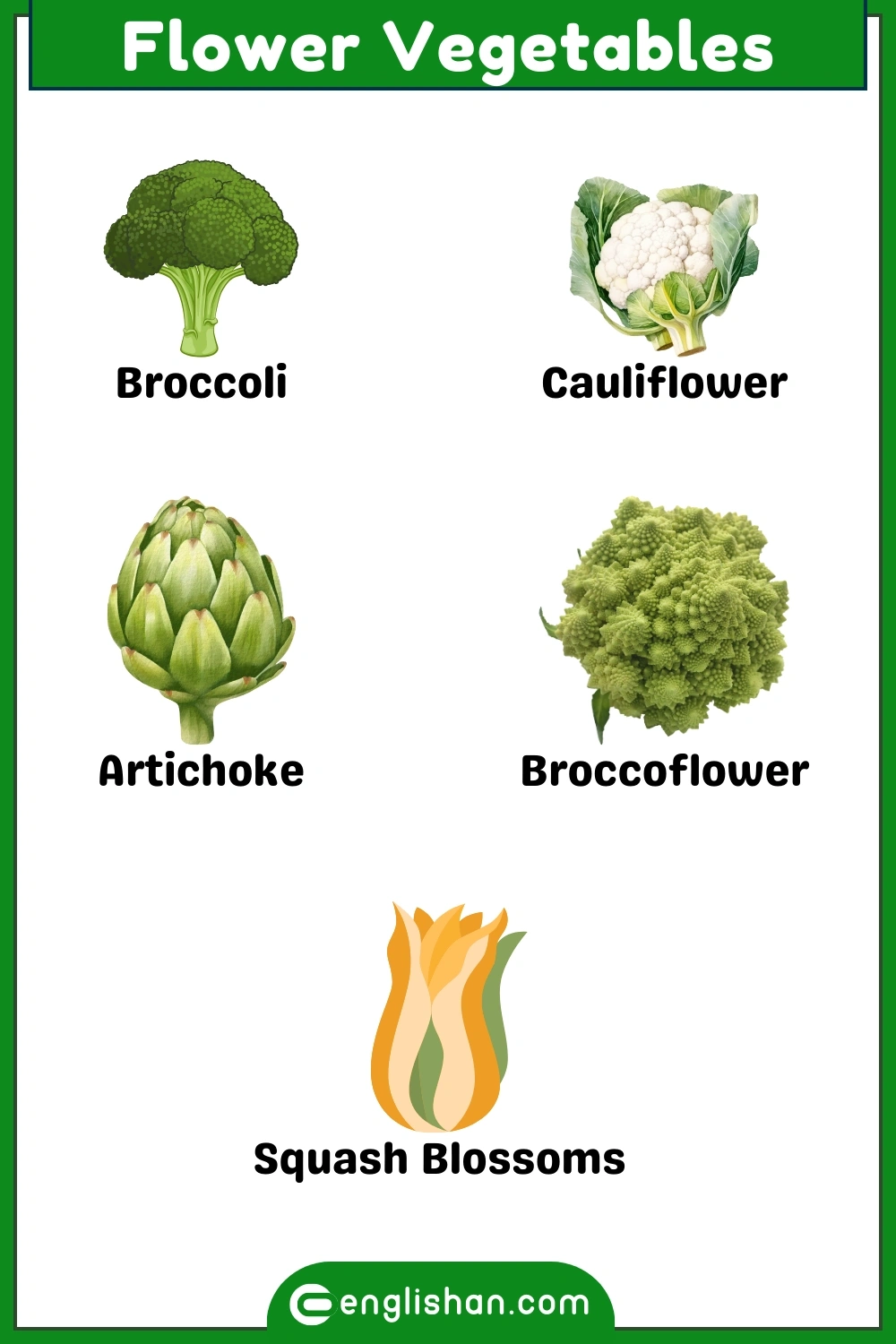
Flower Vegetables
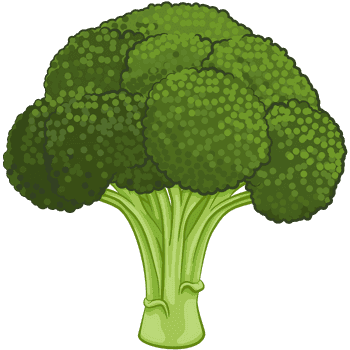
Broccoli
Broccoli is packed with vitamins C and K and known for its antioxidant properties. It has a slightly bitter, earthy flavor and is often steamed, roasted, or used in salads. Broccoli supports immune health and reduces inflammation.
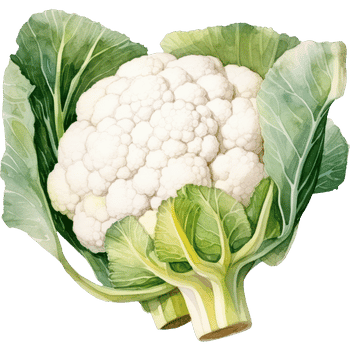
Cauliflower
Cauliflower is mild and versatile, often roasted, mashed, or used as a low-carb substitute in dishes. Rich in vitamins C and K, it promotes bone and immune health. Its neutral flavor makes it adaptable to various cuisines.
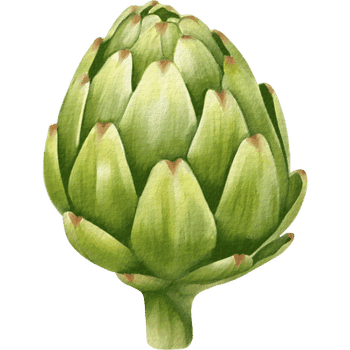
Artichoke
Artichokes have a slightly nutty and earthy flavor and are often boiled, steamed, or grilled. They are rich in fiber and antioxidants, promoting heart health and digestion. The tender heart is the most prized part of the vegetable.

Squash Blossoms
Squash Blossoms have a delicate, mild flavor and are often stuffed, battered, and fried. Rich in vitamins A and C, they support eye and immune health. Their unique appearance makes them a favorite for gourmet dishes.
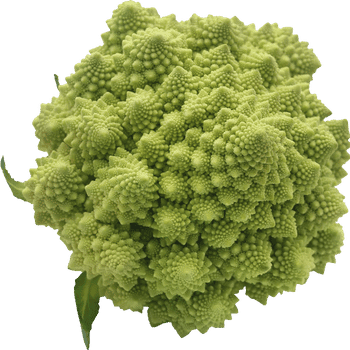
Broccoflower
Broccoflower is a hybrid of broccoli and cauliflower, offering a mild, slightly sweet flavor. Rich in vitamins C and K, it supports bone health and digestion. It can be roasted, steamed, or added to salads.
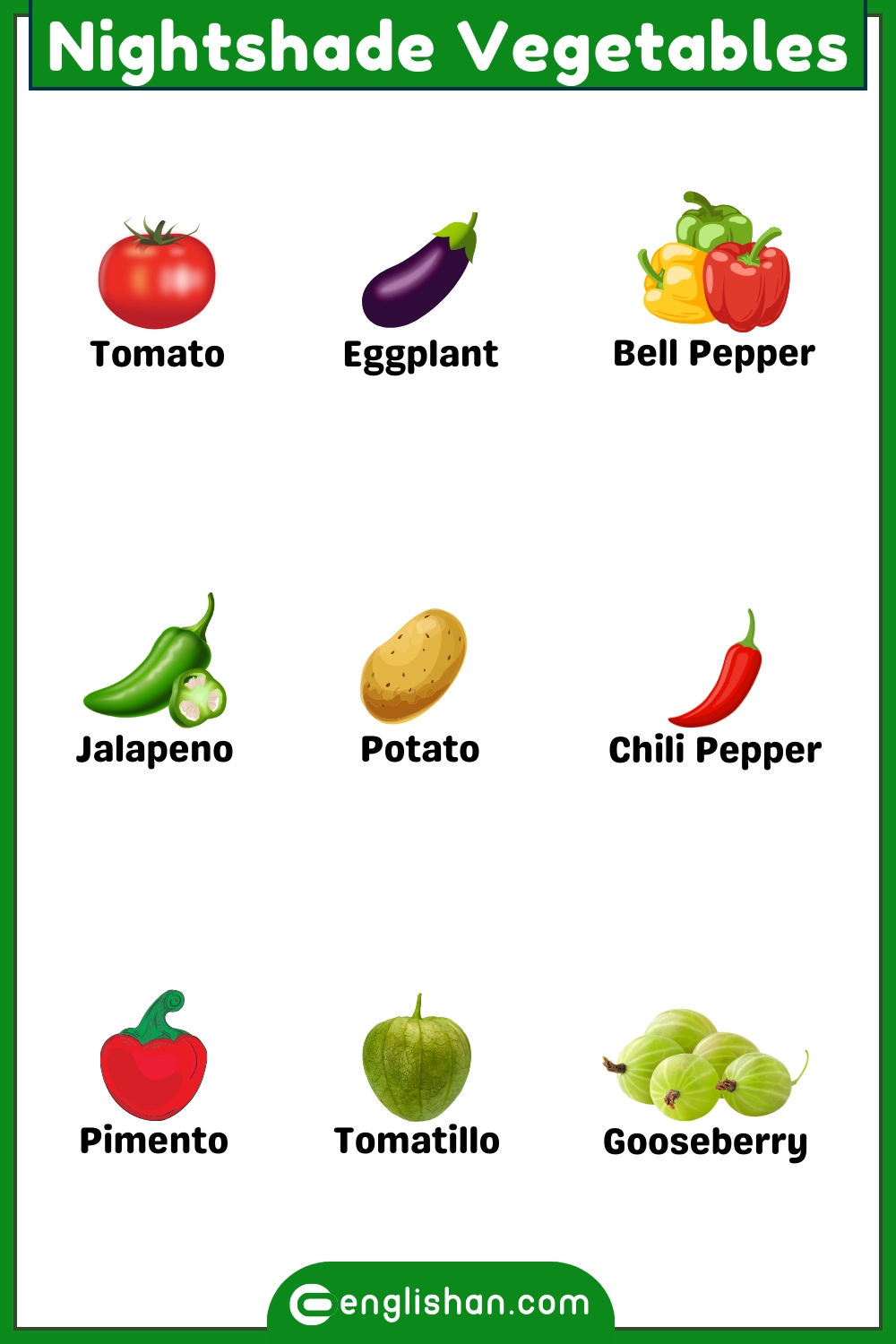
Nightshade Vegetables
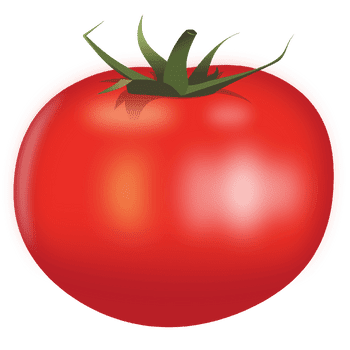
Tomato
Tomatoes are juicy and slightly sweet. They’re used in salads, sauces, and soups. Rich in vitamin C, they support heart health and reduce inflammation, making them versatile.

Eggplant
Eggplants have a mild flavor and a spongy texture. Often roasted or grilled, they promote digestion and reduce inflammation due to their fiber content.
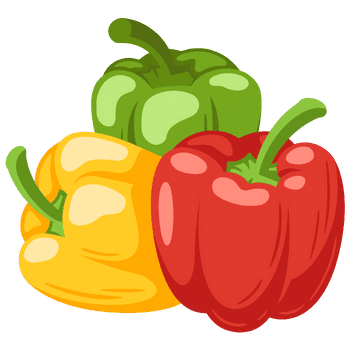
Bell Pepper
Bell Peppers are sweet and crunchy, available in red, yellow, and green. They’re high in vitamin C, supporting immune health and skin, and often used in salads.
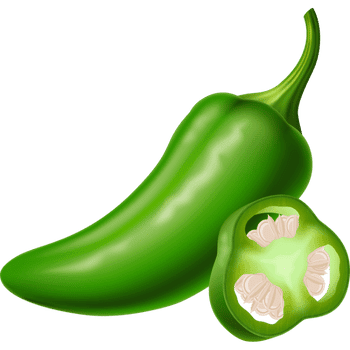
Jalapeno
Jalapenos add heat to dishes like salsas and stir-fries. Rich in vitamin C and capsaicin, they boost metabolism and give a fiery kick.
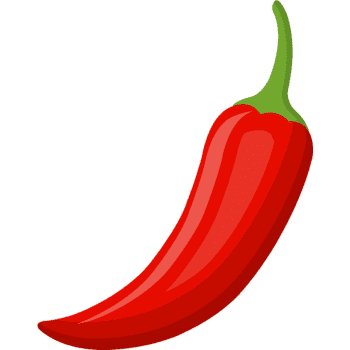
Chili Pepper
Chili Peppers are hot and spicy. They’re rich in vitamins A and C, which promote heart health, and are commonly used in sauces and curries.

Potato
Potatoes are starchy and versatile. They can be baked, roasted, or fried and are rich in potassium, supporting heart health.
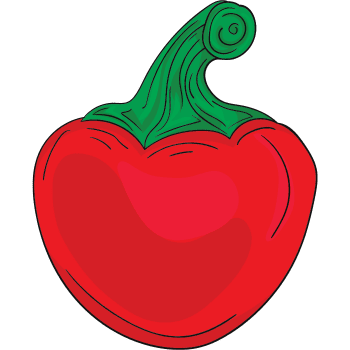
Pimento
Pimentos are sweet and mild. They’re often used in stuffing olives and Southern cuisine, adding a soft flavor.
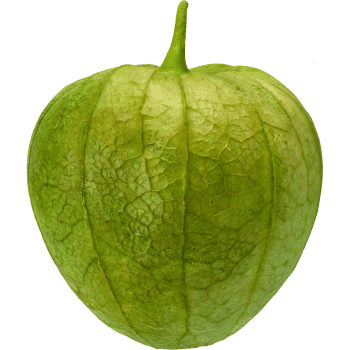
Tomatillo
Tomatillos are tangy and slightly tart. Their unique flavor pairs well with spicy dishes, especially in salsa verde.
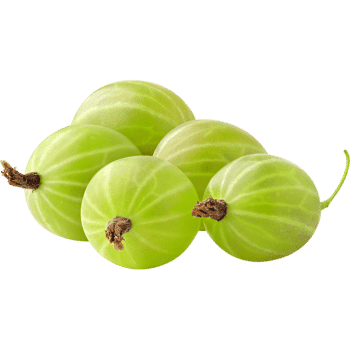
Gooseberry
Gooseberries are tart and slightly sweet, often used in jams or pies. They’re high in vitamin C and fiber, promoting immune health.
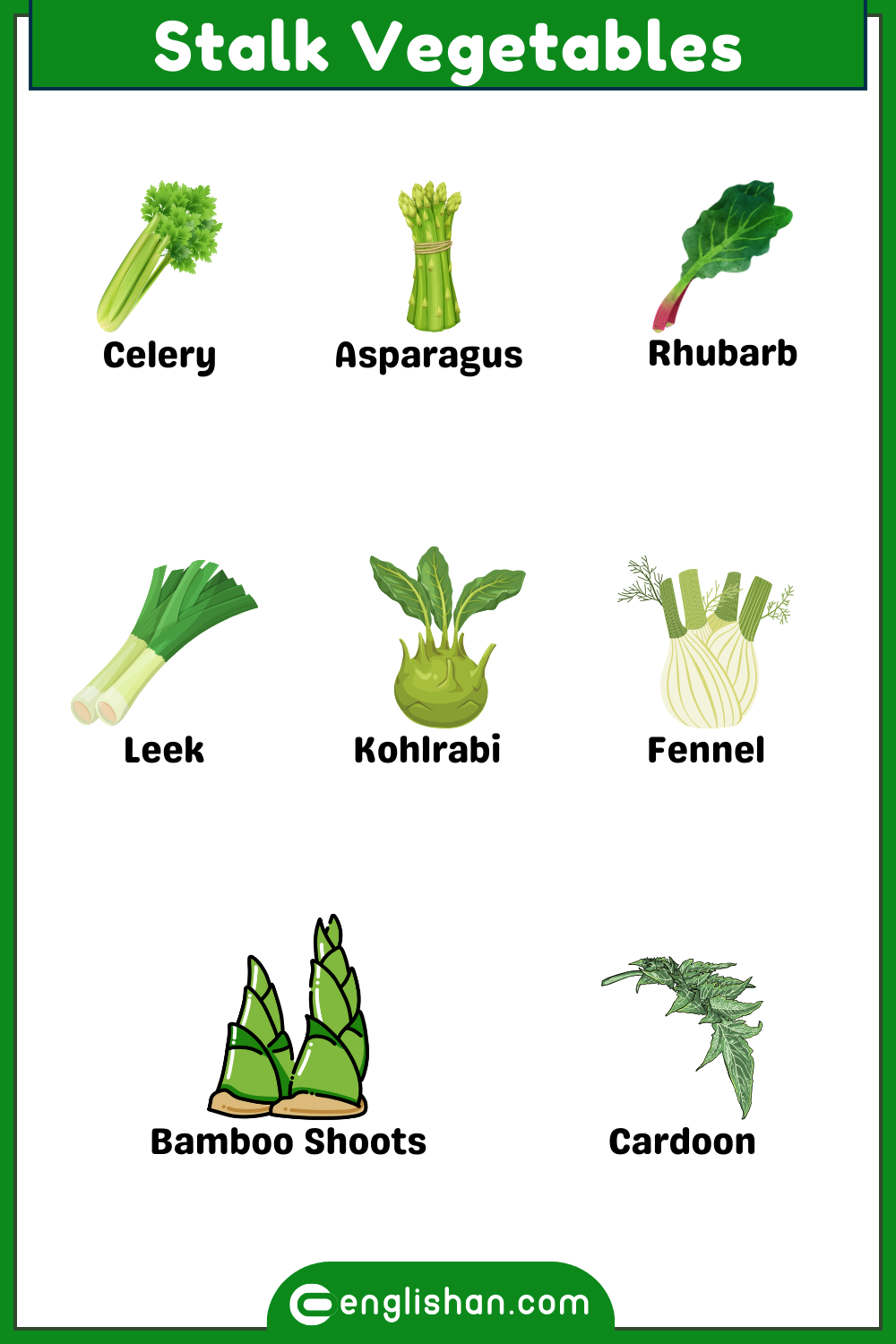
Stalk Vegetable Names
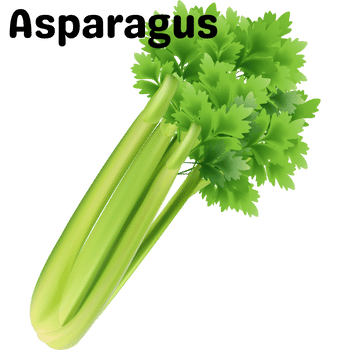
Celery
Celery is crisp and watery, great raw or in soups, and helps with digestion and hydration.
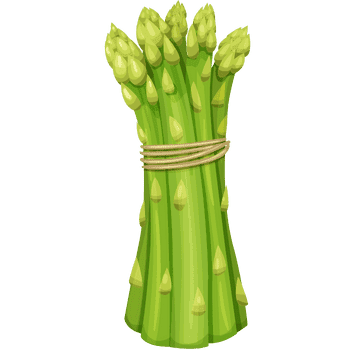
Asparagus
Asparagus is tender and slightly bitter, often grilled or steamed, and supports bones and eye health.
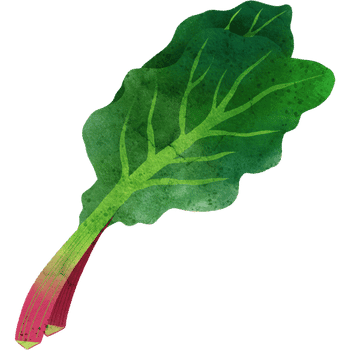
Rhubarb
Rhubarb is sour and used in desserts. Only the stalk is eaten; leaves are not safe.

Bamboo Shoots
Bamboo shoots are crunchy and mild. Common in stir-fries, they help digestion and add texture.
Fennel
Fennel is sweet with light licorice flavor. It’s eaten raw or roasted and helps your digestion.
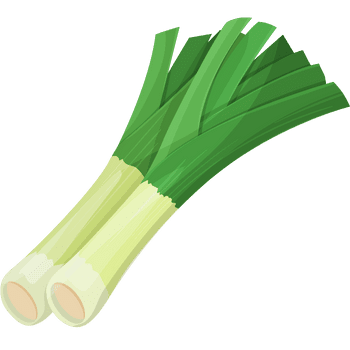
Leek
Leeks are soft and sweet. Used in soups, they support heart and immune health.
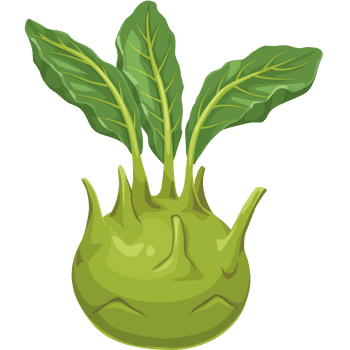
Kohlrabi
Kohlrabi is crunchy and mild, like cabbage. It’s eaten raw or roasted and helps with immunity.

Cardoon
Cardoon is slightly bitter and used in soups or stews. It helps your stomach and health.
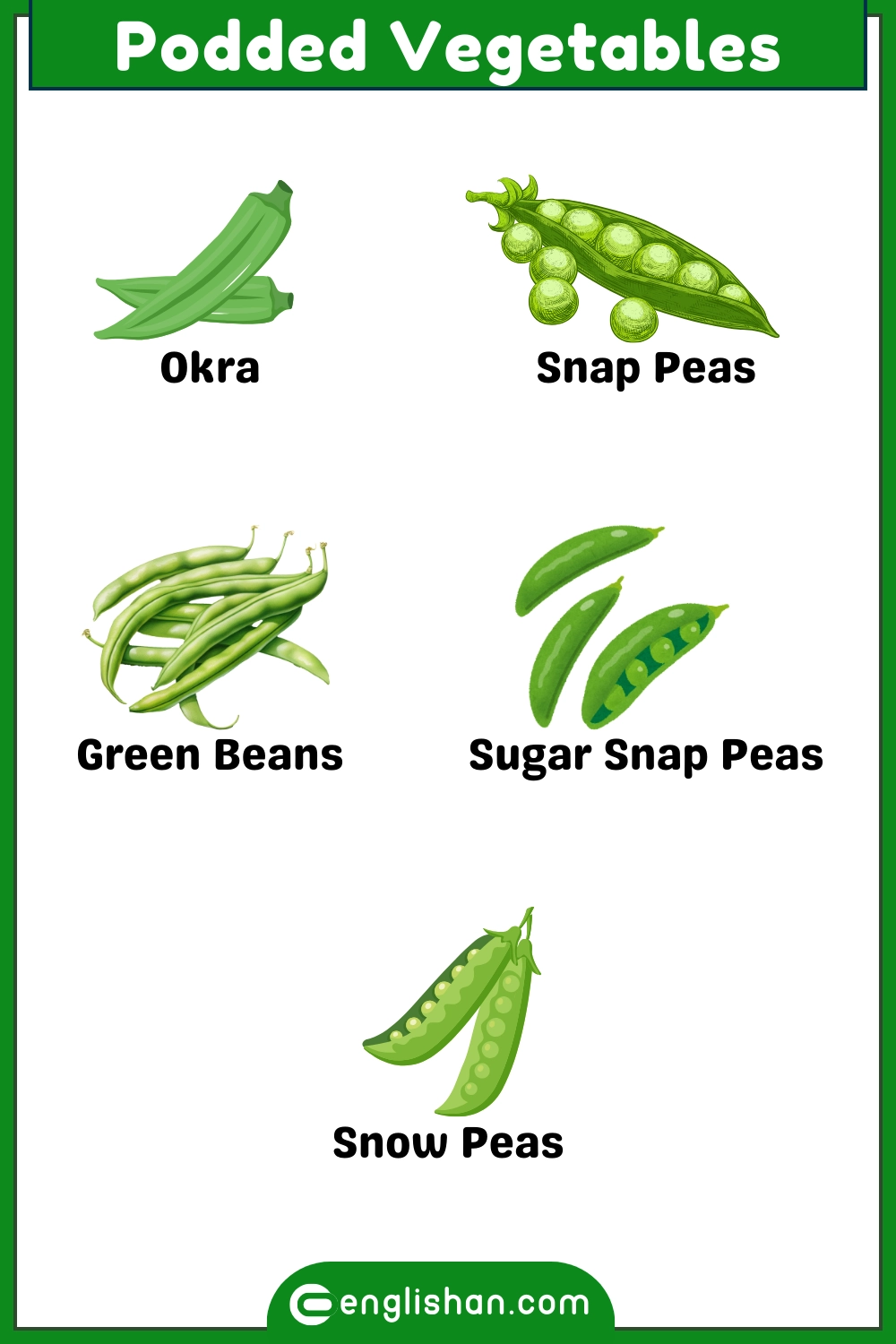
Podded Vegetables
Podded and legume vegetables may sound similar, but they are not identical. Podded vegetables are usually eaten as fresh pods, while legume vegetables refer to plants from the legume family, including beans, peas, lentils, and chickpeas. This small difference helps make vegetable names and types easier to understand.

Okra
Okra has a mild flavor and slightly slimy texture when cooked. It’s often used in soups, stews, or fried. Rich in fiber, vitamin C, and folate, okra promotes digestion and supports immune health. It’s a staple in Southern cuisine.
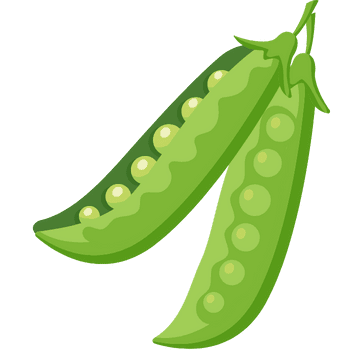
Snow Peas
Snow Peas are sweet and crisp, often used in stir-fries or eaten raw. They are high in vitamins A, C, and K, supporting bone and immune health. Snow peas add a fresh, crunchy texture to dishes.
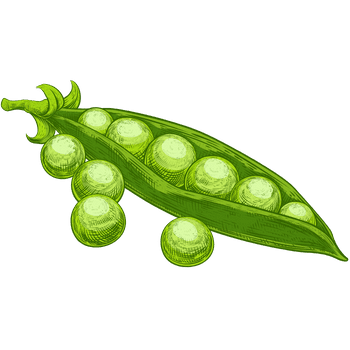
Snap Peas
Snap Peas have a sweet, crunchy texture and can be eaten raw or cooked. They are rich in fiber, vitamin C, and antioxidants, promoting digestion and heart health. Snap peas are often used in salads and stir-fries.
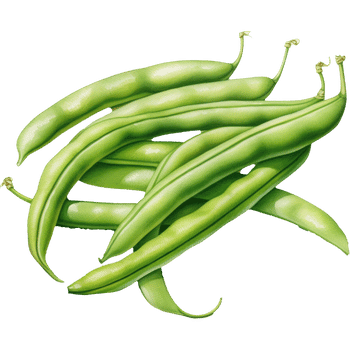
Green Beans
Green Beans are mild and slightly sweet, often steamed, sautéed, or added to casseroles. They are rich in vitamins A, C, and K, promoting bone and immune health. Their crisp texture makes them a popular side dish.
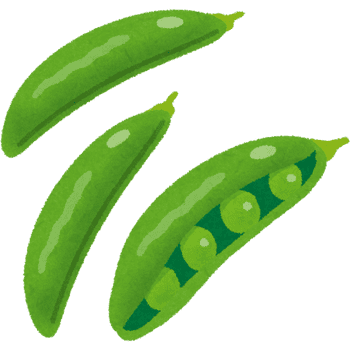
Sugar Snap Peas
Sugar Snap Peas are a hybrid of garden peas and snow peas, offering a sweet flavor and crunchy texture. They are rich in vitamins A, C, and K, supporting eye health and digestion. Often eaten raw or added to salads and stir-fries.
Vegetables By Color With Pictures
Vegetable color often hints at taste, texture, and cooking use. Green vegetables may taste fresh or grassy, orange vegetables are often sweet, red vegetables can be juicy or earthy, and white vegetables often bring sharp, mild, or creamy flavors.
Green Vegetables
- Spinach
- Broccoli
- Cucumber
- Peas
- Okra
- Green Beans
- Lettuce
- Kale
- Zucchini
- Celery
- Asparagus
- Bottle Gourd
- Ridge Gourd
- Snake Gourd
- Bok Choy
- Watercress
Red Vegetables
- Tomato
- Red Bell Pepper
- Beetroot
- Red Cabbage
- Red Onion
- Red Chilli
- Radicchio
- Cherry Tomato
- Roma Tomato
Yellow Vegetables
- Corn
- Yellow Bell Pepper
- Yellow Squash
- Butternut Squash
- Rutabaga
- Delicata Squash
- Wax Beans
Read More: Yellow Vegetables
Orange Vegetables
- Carrot
- Pumpkin
- Sweet Potato
- Butternut Squash
- Orange Bell Pepper
- Acorn Squash
- Kabocha Squash
Purple Vegetables
- Eggplant
- Purple Cabbage
- Purple Carrot
- Purple Cauliflower
- Purple Sweet Potato
- Radicchio
- Purple Kale
White Vegetables
- Cauliflower
- Garlic
- Onion
- Mushroom
- Turnip
- Daikon Radish
- Parsnip
- Celeriac
- White Asparagus
- Lotus Stem
Seasonal Vegetables
Season changes the vegetables most often found fresh in markets and home kitchens. Summer vegetables are often watery, mild, and quick to cook. Winter vegetables often include roots, dense heads, leafy greens, and vegetables that taste better in soups, stews, roasted dishes, and curries.
| Season | Vegetable Names |
| Summer | Cucumber, Tomato, Zucchini, Okra, Bottle Gourd, Bitter Gourd, Ridge Gourd, Corn, Chayote, Snake Gourd |
| Winter | Carrot, Cauliflower, Cabbage, Peas, Spinach, Radish, Turnip, Beetroot, Broccoli, Mustard Greens |
Sentences With Vegetable Names
- I added carrot and peas to the rice.
- The soup has potato, celery, and onion.
- Fresh cucumber tastes crisp in a salad.
- Cauliflower turns soft when cooked with spices.
- Spinach cooks quickly in a hot pan.
- Roasted pumpkin has a sweet, soft center.
- Garlic gives the sauce a strong smell.
- Broccoli has green florets and thick stems.
- Eggplant becomes creamy when roasted.
- Bell pepper adds color and crunch to stir-fries.
- Okra thickens stews and curries.
- Radish brings a peppery bite to salads.
- Beetroot turns soups and salads deep red.
- Cabbage can be shredded for slaw or cooked in rolls.
- Sweet potato tastes rich and soft after baking.
Aloo gobi combines potato and cauliflower, palak paneer uses spinach, bhindi masala is made with okra, and lauki sabzi uses bottle gourd. In rice dishes, matar adds small sweet peas, while pyaz, adrak, and lahsun build the base flavor for many curries.
Vegetable Names For Kids
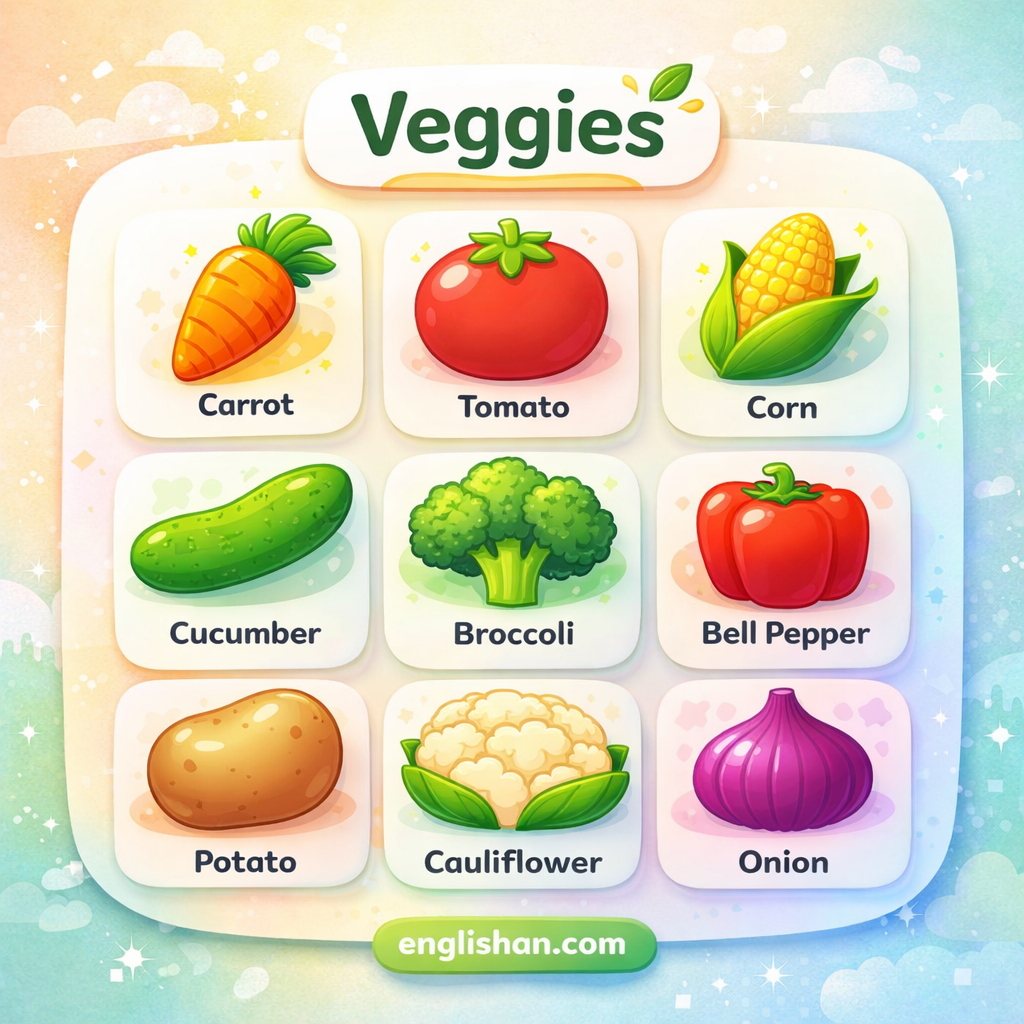
Children usually recognize vegetables first by shape, color, and everyday food. A carrot is orange and crunchy, peas are tiny and round, pumpkin is large and sweet, and broccoli has green florets like small tree tops.
- Carrot has a long orange root and a sweet crunch.
- Potato has brown skin and soft starchy flesh after cooking.
- Tomato is red, juicy, and common in salads and sauces.
- Onion has layers and a strong smell when cut.
- Cucumber is green, cool, and watery.
- Peas are small green balls inside pods.
- Corn has yellow kernels on a cob.
- Pumpkin is large, orange, and sweet after cooking.
- Broccoli has green florets on thick stems.
- Cabbage has many leaves wrapped into a round head.
- Cauliflower has white florets packed together.
- Spinach has soft green leaves.
- Radish is crunchy and peppery.
- Beetroot has deep red flesh.
- Eggplant has glossy purple skin.
- Bell Pepper is hollow, crisp, and colorful.
- Okra has ridged pods with small seeds inside.
- Garlic grows in small cloves.
- Ginger has a knobby shape and warm flavor.
- Lettuce has soft or crisp leaves used in salads.
Read More: vegetables for kids
Indian Vegetables Names with English Translation
Indian cooking uses many vegetables with local names. Some names vary by region, but many kitchen staples are widely recognized in Hindi, Urdu, and other South Asian languages.
Below is a table of common Indian vegetables:
| English Name | Hindi Name |
|---|---|
| Potato | Aloo |
| Tomato | Tamatar |
| Onion | Pyaaz |
| Garlic | Lahsun |
| Spinach | Palak |
| Bottle gourd | Lauki |
| Bitter gourd | Karela |
| Eggplant | Baingan |
| Mustard greens | Sarson |
| Green beans | Sem |
| Pumpkin | Kaddu |
| Okra | Bhindi |
| Turnip | Shalgam |
| Cabbage | Gobhi |
| Fenugreek leaves | Methi |

Want to help children remember veggie names faster? Try using the Easy Vegetable Names for kids to keep things simple and engaging.
FAQs
Common vegetable names include potato, tomato, onion, carrot, beetroot, radish, spinach, cabbage, cauliflower, eggplant, lettuce, okra, pumpkin, peas, beans, celery, broccoli, cucumber, kale, and asparagus.
Tomato is technically a fruit, but in everyday use it is usually treated like a vegetable because people use it in salads, curries, sauces, and other savory dishes.
Avocado is technically a fruit, but many people place it with vegetables in everyday food lists because it is commonly used in savory meals rather than sweet dishes.
Root vegetables grow below the ground, such as carrot, radish, beetroot, turnip, and sweet potato. Leafy vegetables are the leaves of the plant, such as spinach, lettuce, kale, and cabbage.
Many vegetables work both ways, such as carrot, cucumber, cabbage, beetroot, bell pepper, tomato, onion, radish, spinach, and celery. Some are often eaten raw in salads, while others are also cooked in soups, stir-fries, and mixed dishes.
Children usually start with familiar names like carrot, potato, tomato, onion, spinach, cabbage, peas, beans, cucumber, and pumpkin because these are common in meals and easy to recognize.
There is no single fixed number because English includes common kitchen vegetables, regional names, and less familiar varieties from different parts of the world. In practice, there are hundreds of vegetable names in English.
Spinach, kale, broccoli, carrot, cabbage, cauliflower, beetroot, and pumpkin are often placed near the top because they are widely known for vitamins, minerals, and fiber.
To practice what you’ve learned, check out the Vegetables Practice Worksheets that test your recall.