If you’ve ever tried to name vegetables that start with B, you probably stopped after broccoli, maybe beetroot. The letter actually opens up to a surprising mix of greens, peppers, pods, and roots that show up in kitchens from Asia to Europe.
Some are everyday names you already know, while others come from regional dishes and food traditions you might not have met yet. Bitter melon is bumpy and intensely sharp, bok choy is crisp and mild, and brinjal (better known as eggplant in many places) shifts in taste and texture depending on how it’s cooked.
You’ll get to know 35 vegetables that start with B, learning what each one looks like, where it comes from, and what makes it stand out. Students, parents, quiz fans, and anyone curious about food will come away knowing the B-vegetable family far better than before.
Quick List Of Vegetables That Start With B
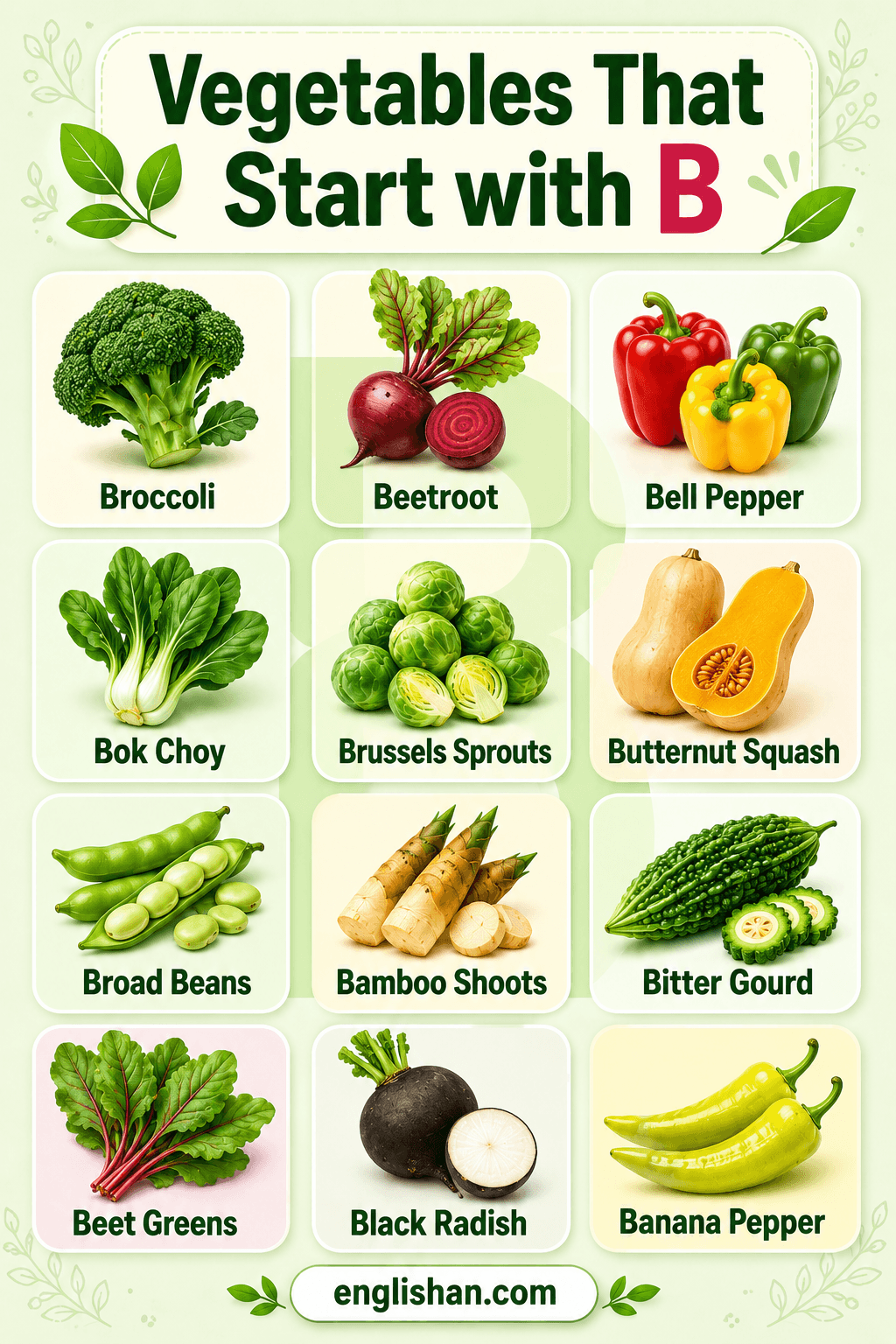
Here are 35 vegetables that start with B, covering familiar staples, leafy greens, roots, shoots, beans, gourds, peppers, squashes, herbs, and regional picks.
- Bai Yor Leaf
- Bambara Groundnut
- Bamboo Shoots
- Banana Pepper
- Banana Squash
- Basil
- Batata
- Bean Sprouts
- Beet Greens
- Beetroot
- Belgian Endive
- Bell Pepper
- Betel Leaf
- Bitter Leaf
- Bitter Melon
- Black Beans
- Black Radish
- Black Salsify
- Black-Eyed Peas
- Bok Choy
- Boniato
- Borage
- Bottle Gourd
- Brinjal
- Broad Beans
- Broccoli
- Broccoflower
- Broccoli Rabe
- Broccolini
- Brussels Sprouts
- Burdock Root
- Butter Beans
- Butter Lettuce
- Buttercup Squash
- Butternut Squash
If you want the easiest answers first, start with broccoli, beetroot, bok choy, bell pepper, Brussels sprouts, bamboo shoots, and butternut squash. The rest of the list moves into regional greens, legumes, roots, gourds, squashes, and vegetables you may only notice in specialty markets.
Vegetables That Start With B With Pictures
The vegetables below are written for recognition first. You will see what each one looks like, how it tastes, where it tends to show up in cooking, and why it belongs on a serious B-vegetable list.
Bai Yor Leaf
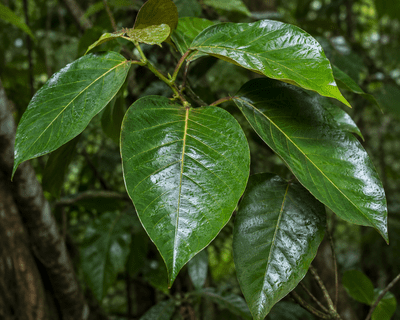
Bai yor leaf is a Thai name for noni leaf, a sturdy green leaf used in Southeast Asian cooking. If you have eaten Thai fish custard, or hor mok, you may have met it as the leaf lining that gives the dish an earthy, slightly bitter base.
The leaves are not usually eaten like soft salad greens. They are better cooked, steamed, or used to perfume rich dishes where coconut, curry paste, fish, or herbs can balance their strong green edge.
Bambara groundnut
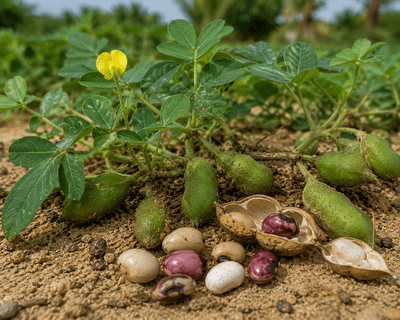
Bambara groundnut looks like a bean, cooks like a legume, and has the quiet heartiness that makes it valuable in African home cooking. The seeds grow underground, which explains the “groundnut” name, although they are not the same as peanuts.
Once cooked, they turn firm, nutty, and satisfying. Use them in soups, stews, porridges, or bean-style dishes when you want a plant protein with more texture than ordinary soft beans.
Bamboo Shoots
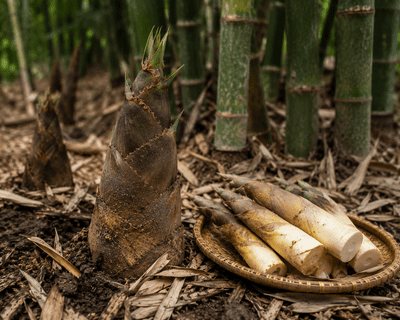
Bamboo shoots are the pale young shoots of bamboo, prized for the clean snap they bring to stir-fries, curries, soups, and spring rolls. Their flavor stays mild, so they add texture without taking over the dish.
Fresh bamboo shoots need proper preparation before eating, but canned or jarred shoots are much easier for everyday cooking. If a saucy dish feels too soft, bamboo shoots give it structure.
Banana Pepper
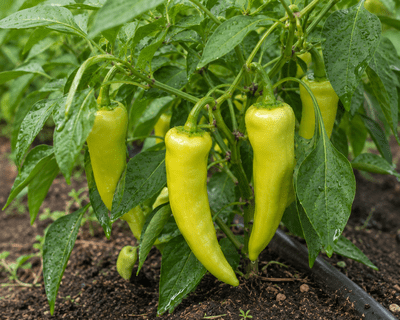
Banana peppers are long, curved peppers with yellow-green skin that explains the name immediately. Most are mild and tangy rather than fiery, which makes them friendly even for readers who avoid serious heat.
You will often find them pickled on sandwiches, pizzas, salads, burgers, and antipasto plates. Fresh banana peppers can also be stuffed, roasted, grilled, or sliced into quick sautés.
Banana Squash
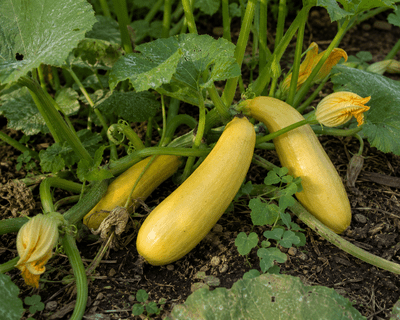
Banana squash is long, heavy, and often huge, with thick flesh that can range from golden yellow to deep orange. It belongs to the winter squash family, so it brings sweetness, body, and a dense texture once cooked.
Cut pieces roast beautifully, but banana squash also works in soups, pies, casseroles, and mash. If you like butternut squash, this one feels familiar but often larger and more dramatic.
Basil
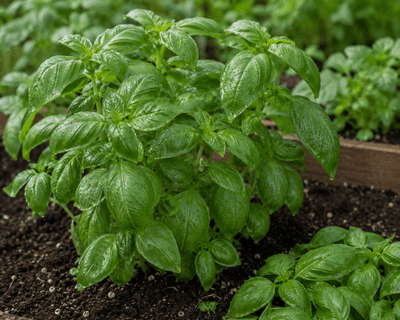
Basil is usually called an herb, but in real kitchens it behaves like a leafy vegetable when used by the handful. Sweet basil brings a fragrant, peppery, clove-like lift to tomatoes, pasta, soups, salads, sauces, and grilled vegetables.
Think of pesto and you understand its power. A pile of basil leaves can turn oil, nuts, garlic, cheese, and salt into a sauce that tastes far bigger than its short ingredient list.
Batata
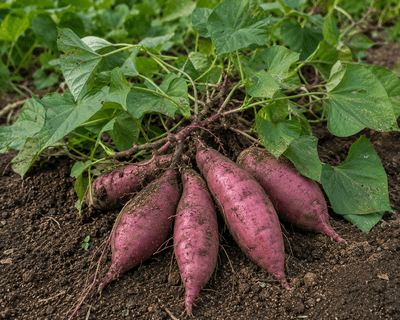
Batata is a sweet potato type with pale flesh, brownish skin, and a gentler sweetness than the orange sweet potatoes many readers know. In Caribbean, Latin American, and Middle Eastern cooking, it often appears roasted, boiled, mashed, or tucked into stews.
The texture is starchy and comforting rather than watery. If orange sweet potato feels too sweet for a savory plate, batata gives you a calmer option.
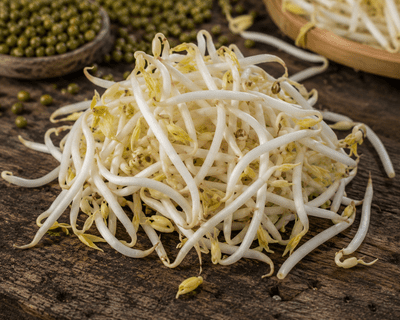
Bean Sprouts
Bean sprouts bring crunch before they bring strong flavor, and that is exactly why cooks love them. The pale stems stay juicy and crisp when added at the right moment to stir-fries, noodle bowls, soups, and salads.
Mung bean sprouts are the type most people recognize first. Add them near the end of cooking if you want texture, because too much heat quickly turns them limp.
Beet Greens
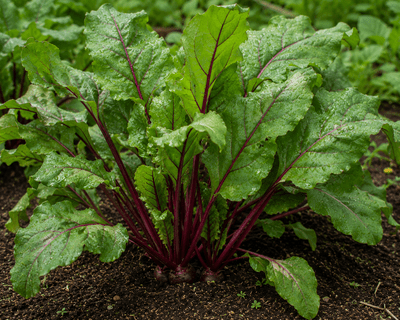
Do not throw away the tops when you buy fresh beets. Beet greens are edible leaves with red stems, tender blades, and an earthy flavor that sits somewhere between spinach and chard.
They sauté quickly with garlic and olive oil, but they also work in soups, grain bowls, frittatas, and warm salads. The stems take slightly longer than the leaves, so cook them first if they are thick.
Beetroot
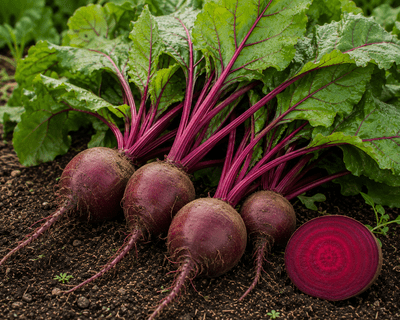
Cut into beetroot and you immediately understand why cooks handle it with care. The deep red flesh stains fingers, boards, and salads, but that earthy sweetness is exactly why people roast it, pickle it, grate it raw, or pair it with citrus and soft cheese.
Golden and striped beets exist too, although red beetroot is the one most readers picture first. In American English, you will often hear it called simply beets.
Belgian Endive
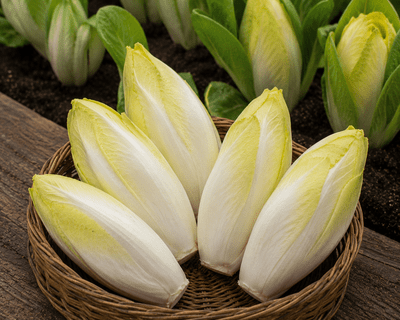
Belgian endive looks neat and elegant, with tight pale leaves and yellow tips. The flavor is crisp, faintly bitter, and refreshing, which makes it useful when a plate needs bite without heaviness.
Serve the leaves raw as little scoops for dips, cheese, nuts, or smoked fish, or braise whole heads until the bitterness softens. It is one of the few vegetables that feels equally at home in salads and warm side dishes.
Bell Pepper
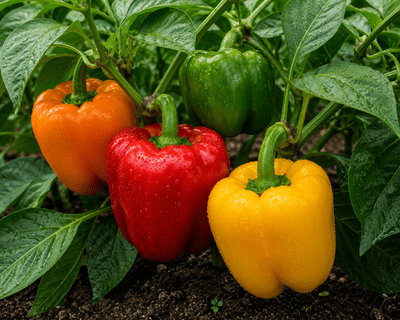
Bell pepper is botanically a fruit, but no cook hesitates to treat it like a vegetable. The crisp walls can be green, red, yellow, orange, or purple, with sweetness increasing as the pepper ripens.
Raw slices bring crunch to salads and snack plates, while roasted peppers turn soft, smoky, and sweet. Stuff them, grill them, stir-fry them, or cook them down into sauces and fajita-style vegetables.
Betel Leaf
Betel leaf is glossy, heart-shaped, and strongly aromatic, with a peppery flavor that can surprise you if you expect a mild green. It is famous across South and Southeast Asia, often linked with paan, but it also appears in savory cooking.
Use it with care. Its flavor is bold, so a little can perfume wraps, fried snacks, grilled foods, or regional dishes without needing a full handful.
Bitter Leaf
Bitter leaf tells you its main trait right in the name. Popular in parts of West and Central Africa, the leaves carry a firm bitterness that cooks often wash, squeeze, or simmer before adding them to soups and stews.
That bitterness is not just tolerated; it is part of the appeal. It cuts through rich broths, palm oil, meat, fish, and groundnut-based dishes with a serious green backbone.
Bitter Melon
Bitter melon is not trying to be easy. Its bumpy green skin, pale interior, and sharp bitter flavor make it one of the most distinctive vegetables on this list.
If you grew up with it, that bitterness may taste like home. If you are new to it, start with stir-fries, stuffed bitter melon, curries, or soups where garlic, chili, egg, meat, or fermented flavors can balance the edge.
Black Beans
Black beans are small, dark legumes with a creamy center and a deep, earthy flavor. They sit at the heart of many Latin American, Caribbean, and Southwestern dishes, from soups and stews to rice bowls, tacos, and salads.
They may not look flashy, but they carry seasoning beautifully. Cumin, garlic, onion, chili, lime, cilantro, and smoked paprika all make black beans taste fuller.
Black Radish
Black radish looks rough and dramatic, with dark skin hiding crisp white flesh. Its flavor is stronger and sharper than common red radishes, with a peppery bite that wakes up rich foods.
Slice it thin for salads, grate it into slaws, roast it to mellow the heat, or pair it with butter, salt, and dense bread. If regular radishes feel too gentle, black radish has more attitude.
Black Salsify
Black salsify is a long dark root with pale flesh inside, sometimes called scorzonera. It looks humble, but once cooked, the flavor turns mild, earthy, and slightly nutty.
Peel it carefully, because the dark skin can stain and the raw root may release sticky sap. Cooked black salsify works in gratins, soups, buttered sides, and creamy vegetable dishes.
Black-Eyed Peas
Black-eyed peas are pale legumes with a dark spot that makes them easy to recognize. They cook into a tender but sturdy bite, with a mild earthy flavor that suits greens, rice, smoked seasonings, and spicy sauces.
In the American South, they are famously eaten around New Year, often with greens and cornbread. Beyond that tradition, they are useful in stews, salads, fritters, and curries.
Bok Choy
Bok choy gives you two textures in one vegetable: crisp pale stems and tender green leaves. That makes it ideal for quick stir-fries, noodle soups, dumplings, hot pots, and garlic-ginger sides.
Cook it fast. If it sits too long in the pan, the leaves collapse before the stems keep their clean snap.
Boniato
Boniato is a white or pale-fleshed sweet potato common in Caribbean, Latin American, and tropical cooking. It is starchier and less sugary than many orange sweet potatoes, which makes it especially good for savory dishes.
Roast it, boil it, mash it, fry it, or add it to soups and stews. If you want sweet potato texture without dessert-like sweetness, boniato is worth seeking out.
Borage
Borage is better known for its blue star-shaped flowers, but the young leaves are edible too. They have a cucumber-like freshness that can be pleasant when the leaves are tender.
Older leaves grow hairy and coarse, so they are usually cooked rather than eaten raw. Use young borage sparingly in salads, soups, herb dishes, or regional greens where its cool flavor can stand out.
Bottle Gourd
Bottle gourd is long, pale green, and mild, with soft flesh that soaks up whatever it cooks with. In South Asian kitchens, it is known by names such as lauki, doodhi, or calabash gourd, depending on region.
It belongs in curries, dals, soups, stews, and light vegetable dishes. Because the flavor is gentle, the seasoning does the real talking.
Brinjal
Brinjal is the South Asian name many readers use for eggplant or aubergine. The small purple varieties often cook faster than large eggplants, and their soft flesh absorbs spice, oil, tomato, smoke, and tamarind beautifully.
If you know baingan bharta, brinjal curry, or stuffed baby eggplants, you already know why this vegetable deserves its own B-name spot.
Broad Beans
Broad beans, also called fava beans, arrive in thick green pods with large flat beans tucked inside. Young beans taste fresh, green, and slightly nutty, while mature beans become starchier and stronger.
They take a little work, especially if you remove the outer skins after blanching, but the result is worth it. Pair them with mint, lemon, olive oil, pecorino, rice, pasta, or spring vegetables.
Broccoli
Broccoli is probably the B vegetable most people name first, but it still deserves more respect than a tired steamed side. The tight green florets turn nutty when roasted, tender when steamed, and crisp-edged when stir-fried.
Use the stems too. Peel the tough outside, slice the pale center, and you get a sweet, crunchy vegetable that too many people throw away.
Broccoflower
Broccoflower looks like broccoli and cauliflower met halfway. Some types are pale green and cauliflower-like, while Romanesco-style heads form striking spirals that look almost too geometric to be real.
The flavor is mild, sweet, and brassica-like, without the strong edge some people dislike in cauliflower. Roast it, steam it, slice it into gratins, or serve it with lemon and olive oil.
Broccoli Rabe
Broccoli rabe, also called rapini, is not baby broccoli. It is a leafy brassica with thin stems, small buds, and a bold bitter flavor that Italian kitchens know well.
That bitterness needs confidence, not apology. Sauté it with garlic, chili, and olive oil, then serve it with pasta, sausage, beans, or crusty bread.
Broccolini
Broccolini looks like broccoli stretched into a leaner, more elegant shape. The stems are long and tender, the florets are small, and the flavor is sweeter and milder than standard broccoli.
It cooks quickly, which makes it ideal for grilling, roasting, stir-frying, or sautéing with lemon and garlic. If you dislike thick broccoli stems, broccolini may win you over.
Brussels Sprouts
Brussels sprouts are tiny cabbage-like buds that have survived years of bad boiling. Roast them properly and the outside turns crisp while the inside becomes sweet, nutty, and tender.
Cut them in half, give them enough space on the pan, and let the edges brown. Bacon, balsamic vinegar, mustard, maple, garlic, and parmesan all know what to do with them.
Burdock Root
Burdock root looks more like a rough stick than a vegetable, but cooks who know it appreciate its earthy flavor and firm crunch. In Japanese cooking, it is known as gobo and often appears in simmered or stir-fried dishes.
Peel or scrub it well, slice it thin, and cook it with soy sauce, sesame oil, rice wine, or other savory seasonings. Its texture stays pleasantly chewy rather than soft.
Butter Beans
Butter beans are large, pale lima beans with a creamy texture that explains the name. When cooked well, they taste soft, mild, and comforting without needing much decoration.
They work in stews, casseroles, soups, salads, and Southern-style bean dishes. Give them olive oil, garlic, herbs, tomato, or broth, and they become the kind of vegetable protein that feels generous on the plate.
Butter Lettuce
Butter lettuce has soft, loose leaves that fold rather than crunch. The flavor is mild and slightly sweet, which makes it a gentle base for salads, lettuce cups, wraps, and delicate sandwiches.
If romaine feels too rigid and iceberg too watery, butter lettuce gives you softness without disappearing. Use it with creamy dressings, citrus vinaigrettes, herbs, eggs, avocado, or poached chicken.
Buttercup Squash
Buttercup squash is a dark green winter squash with dense orange flesh and a naturally sweet, rich flavor. It is often drier than butternut squash, which makes it excellent for mash, roasting, stuffing, and thick soups.
Do not confuse it with butternut squash. Buttercup is rounder, darker, and heavier in texture, with a deeper winter-squash flavor.
Butternut Squash
Butternut squash is the smooth, tan winter squash many cooks reach for first. Its orange flesh turns sweet, silky, and nutty when roasted, and it blends into soups more easily than many harder squashes.
Peel it, cube it, roast it, mash it, or simmer it into curry, pasta sauce, risotto, or stew. If you want one reliable B vegetable for cold-weather cooking, butternut squash is hard to beat.
Common Types Of B-Named Vegetables
After the full list, one thing becomes clear: vegetables that start with B are not one kind of produce. They come from different plant parts, which explains why their textures, flavors, and cooking roles vary so much.
- Leafy vegetables: Bai yor leaf, basil, beet greens, Belgian endive, betel leaf, bitter leaf, bok choy, borage, and butter lettuce bring everything from soft salad leaves to strong bitter greens.
- Roots and tubers: Batata, beetroot, black radish, black salsify, boniato, and burdock root give the list sweetness, starch, sharpness, earthiness, and crunch.
- Shoots and sprouts: Bamboo shoots and bean sprouts are all about texture, one crisp and sturdy, the other juicy and delicate.
- Legumes and beans: Bambara groundnut, black beans, black-eyed peas, broad beans, and butter beans add plant protein, firmness, creaminess, and regional character.
- Peppers and gourds: Banana pepper, bell pepper, bitter melon, bottle gourd, and brinjal bring color, bitterness, mildness, heat, or soft flesh that absorbs sauces.
- Squashes: Banana squash, buttercup squash, and butternut squash carry sweetness, dense flesh, and cold-weather comfort.
- Cruciferous vegetables: Broccoli, broccoflower, broccoli rabe, broccolini, and Brussels sprouts share a brassica backbone but cook and taste very differently.
FAQs
Common vegetables that start with B are broccoli, beetroot, bell pepper, bok choy, Brussels sprouts, bamboo shoots, butternut squash, basil, beans, and butter lettuce. Some are everyday supermarket staples, while others depend more on region and cuisine.
Green vegetables that start with B are broccoli, bok choy, basil, beet greens, Brussels sprouts, broccolini, broccoli rabe, butter lettuce, bean sprouts, bitter leaf, and betel leaf.
Root vegetables that start with B are beetroot, batata, black radish, black salsify, boniato, and burdock root. Each one brings a different texture, from sweet and starchy to peppery, earthy, or firm.
Leafy vegetables that start with B are bok choy, beet greens, Belgian endive, basil, betel leaf, bitter leaf, borage, bai yor leaf, and butter lettuce. Some are mild salad leaves, while others need cooking because of bitterness, toughness, or strong aroma.
Beans are legumes botanically, but they are often treated as vegetables in culinary lists because they are savory edible plant parts. Black beans, butter beans, broad beans, black-eyed peas, and Bambara groundnuts all fit the kitchen-based meaning of vegetables.
Bell pepper is botanically a fruit because it grows from a flower and carries seeds, but cooks use it as a vegetable. It belongs in savory dishes such as salads, stir-fries, fajitas, stuffed peppers, sauces, and roasted vegetable plates.
Yes. Beetroot and beets usually refer to the same vegetable. Beetroot is common in British English and many international varieties of English, while beets is the more common American name.
Indian vegetables that start with B include brinjal, bottle gourd, bitter melon, beetroot, beans, broad beans, and banana pepper. Some are better known by regional names, such as lauki for bottle gourd and baingan for brinjal.
Bok choy, bamboo shoots, broccoli, bell pepper, bean sprouts, broccolini, bitter melon, and broad beans all work well in stir-fries. The best choices cook quickly while keeping some texture.
The rarest vegetables that start with B depend on where you live. Bai yor leaf, Bambara groundnut, black salsify, bitter leaf, borage, and burdock root may be difficult to find in ordinary supermarkets, although some are common in their home cuisines.
You May Also Like
Vegetables That Start With B Quiz
Vegetables That Start With B
Name a vegetable beginning with this letter.
A vegetable whose name begins with B is ___.
Accepted here: Beetroot, Bok choy, Brussels sprout.
More than one answer is right; any vegetable starting with the letter counts.
Beetroot begins with B.
Which vegetable does this describe? Stains everything it touches, and the leaves are edible as well as the root.
Stains everything it touches, and the leaves are edible as well as the root.
Match the description to the fruit rather than to the letter.
Stains everything it touches, and the leaves are edible as well as the root.
Which of these is a leafy vegetable?
Bok choy is a leafy vegetable. A Chinese cabbage with white stems and dark leaves, cooked fast so the stems stay crisp.
Group by what the thing actually is, not by where it turns up.
Bok choy is a leafy vegetable.
Two of these vegetables begin with B. Which one does not?
Pak choi begins with P, so it is the one that does not belong.
Check each first letter before reading further.
Pak choi is the odd one out.
Which of these vegetables begins with the letter B?
A Chinese cabbage with white stems and dark leaves, cooked fast so the stems stay crisp.
Read the first letter before anything else.
Bok choy begins with B.
Turn on JavaScript for the interactive quiz. The full practice set is shown above.