The letter L opens up a fun side of the animal kingdom. Animals that start with L include names you already know and a few that even big animal fans rarely think about, and that mix is what makes the letter worth a closer look.
Some L animals are fast hunters. Others, like the leafy sea dragon or the lumpsucker fish, look like something out of a nature show you found by accident.
If you are working on a school project or just want to learn your animal alphabet better, this post covers the most interesting L animals, with simple notes on where they live, what they look like, and what makes each one stand out.
Quick Answer: Common Animals That Start With L
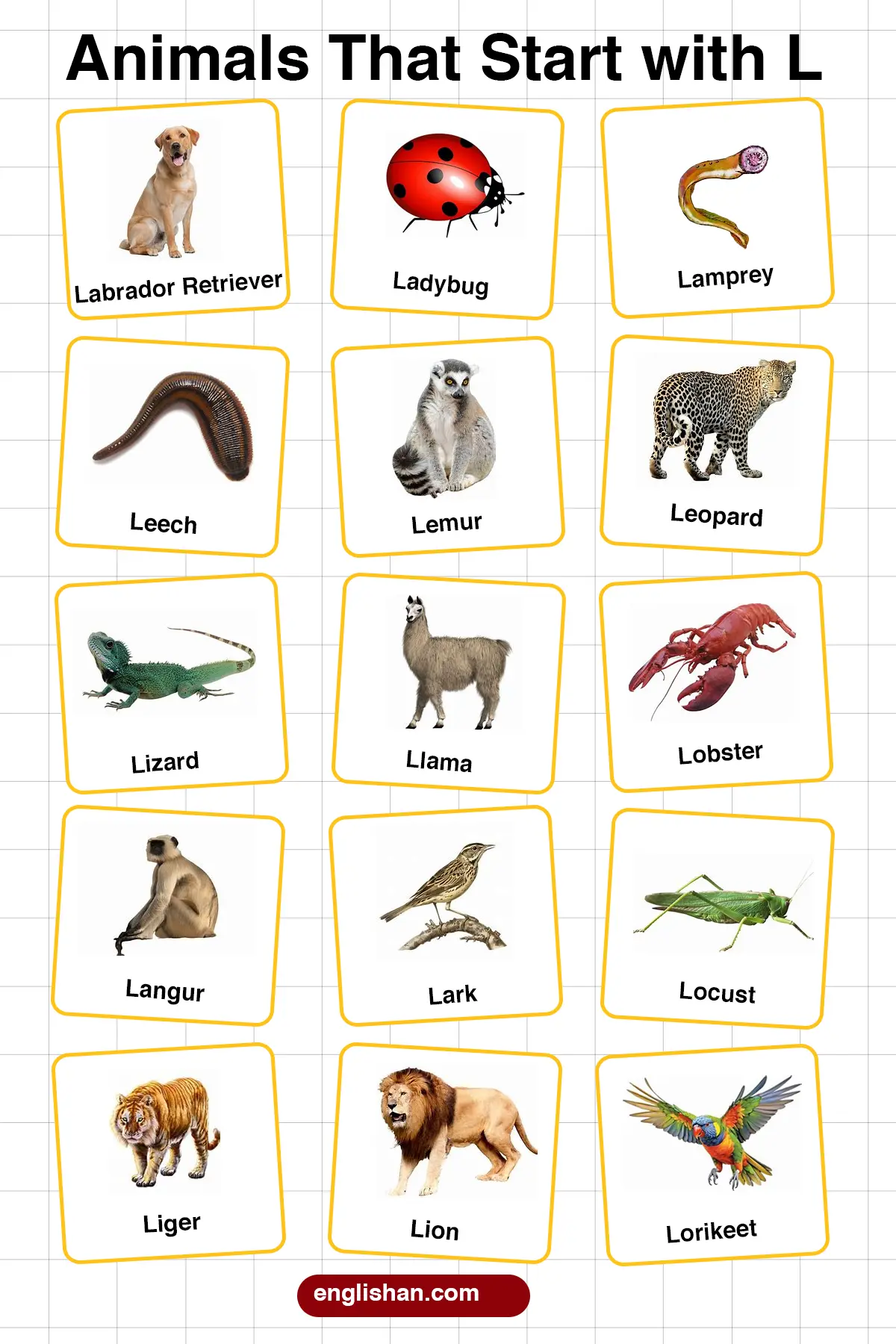
100+ Animal Names Beginning With L
This large name list gives broader coverage before the detailed animal sections. Some names are species, some are animal families, and some are well-known domestic breeds.
| Labrador Retriever | Lace Monitor | Lacewing |
| Lady Beetle | Ladybug | Ladyfish |
| Lake Sturgeon | Lake Trout | Lake Whitefish |
| Lamb | Lamprey | Langur |
| Lanternfish | Lanternfly | Lapwing |
| Largemouth Bass | Lark | Large Flying Fox |
| Large White Butterfly | Largetooth Sawfish | Lark Sparrow |
| Lappet-Faced Vulture | Laughing Dove | Laughing Gull |
| Laughing Kookaburra | Lava Lizard | Leaf Insect |
| Leafcutter Ant | Leafhopper | Leafy Sea Dragon |
| Leaf-Nosed Bat | Leaf-Tailed Gecko | Lechwe |
| Leatherback Sea Turtle | Leech | Leghorn Chicken |
| Lemming | Lemon Shark | Leopard |
| Leopard Cat | Leopard Frog | Leopard Gecko |
| Leopard Moth | Leopard Seal | Leopard Shark |
| Leopard Tortoise | Lesser Flamingo | Lesser Kudu |
| Lesser Panda | Least Weasel | Lhasa Apso |
| Liger | Limpet | Limpkin |
| Lined Seahorse | Lined Snake | Lingcod |
| Lion | Lionfish | Lion-Tailed Macaque |
| Lion’s Mane Jellyfish | Little Bittern | Little Blue Heron |
| Little Brown Bat | Little Egret | Little Grebe |
| Little Owl | Little Penguin | Little Skate |
| Lizard | Lizardfish | Llama |
| Lobster | Locust | Loggerhead Sea Turtle |
| Loggerhead Shrike | Loggerhead Musk Turtle | Long-Eared Jerboa |
| Long-Eared Owl | Long-Finned Eel | Longfin Mako Shark |
| Longhorn Beetle | Longhorn Cowfish | Longhorn Cattle |
| Longnose Gar | Longnose Hawkfish | Longnose Leopard Lizard |
| Longnose Snake | Long-Tailed Chinchilla | Long-Tailed Duck |
| Long-Tailed Jaeger | Long-Tailed Macaque | Long-Tailed Pangolin |
| Long-Tailed Salamander | Long-Tailed Tit | Long-Tailed Weasel |
| Longspur | Loon | Loach |
| Lorikeet | Loris | Lory |
| Louse | Lovebird | Lowland Gorilla |
| Luna Moth | Lungfish | Lyrebird |
| Lynx | Lynx Spider | Longhorn Moth |
Most Popular Animals That Start With L
The best-known L animals are easy to picture because they have strong shapes, colors, sounds, or behaviors. These are the animals many readers recognize first.
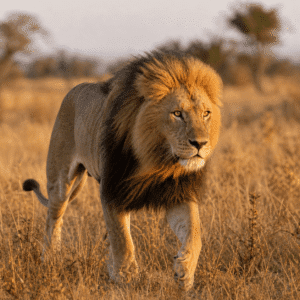
Lion
The lion is one of the most famous wild cats in the world. Male lions often have thick manes around the head and neck, while female lions usually do most of the hunting.
Lions live mainly in African grasslands and open woodland. Their deep roar can travel across long distances, especially at night when the air is still.
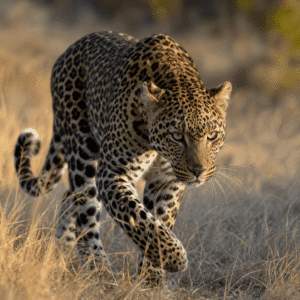
Leopard
The leopard is a powerful spotted cat with a flexible body, strong jaws, and excellent climbing skill. Its golden coat has dark rosette markings that blend well with leaves, rocks, and tall grass.
Leopards usually hunt alone. They often drag prey into trees, keeping it away from hyenas, lions, and other scavengers.
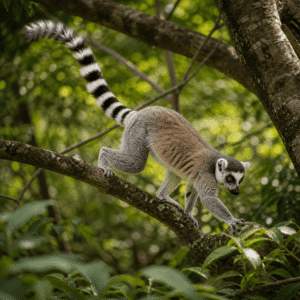
Lemur
The lemur is a primate found naturally in Madagascar. Many lemurs have long tails, bright eyes, and soft fur, and some species leap sideways through trees with surprising strength.
Ring-tailed lemurs are especially recognizable because of their black-and-white striped tails. In the morning, they often sit in the sun with their arms open to warm their bodies.
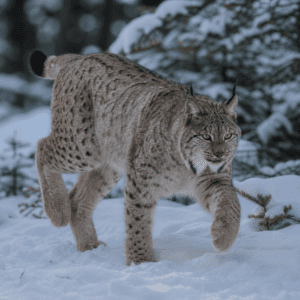
Lynx
With pointed ear tufts, a short tail, and broad paws, the lynx looks built for cold forests. Those wide paws help it move over snow while hunting hares and other small animals.
A lynx is usually quiet and hard to spot. It depends on sharp hearing, patience, and sudden pounces rather than long chases.
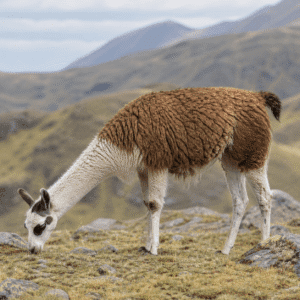
Llama
The llama is a long-necked mammal from South America. It has soft wool, a sturdy body, and padded feet that handle rocky mountain paths better than hooves.
People have kept llamas for carrying loads, wool, and farm life for centuries. They are related to alpacas, but llamas are usually larger and have longer faces.
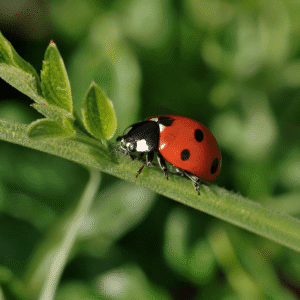
Ladybug
The ladybug is a small rounded beetle with hard wing covers. Many ladybugs are red or orange with black spots, although some species are yellow, black, or almost plain.
Gardeners often welcome ladybugs because many of them eat aphids and other plant pests. Their bright color also warns predators that they may taste bad.
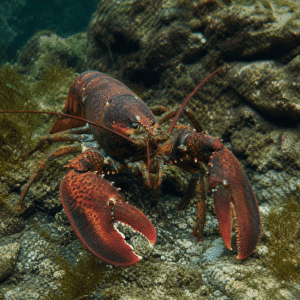
Lobster
The lobster has a hard shell, long antennae, and strong claws. It walks along the ocean floor and often hides among rocks or crevices.
A lobster grows by molting. Right after it sheds the old shell, its body is soft and more vulnerable until the new shell hardens.
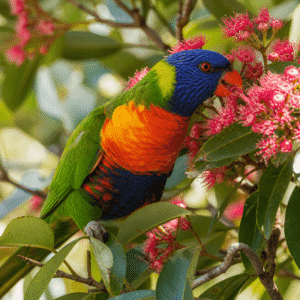
Lorikeet
The lorikeet is a bright parrot with green, blue, red, yellow, or orange feathers. Look closely at its tongue and you’ll notice a brush-like tip made for feeding on nectar and pollen.
Lorikeets often move in noisy flocks. Their color and flower-feeding habits make them some of the most eye-catching birds beginning with L.
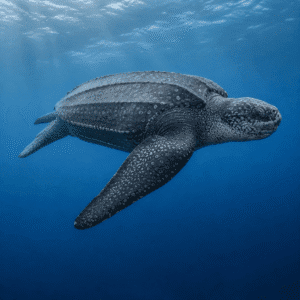
Leatherback Sea Turtle
The leatherback sea turtle is the largest living turtle. Instead of a hard bony shell, it has a dark, flexible, ridged back that feels leathery compared with other turtles.
Leatherbacks travel huge distances across the ocean and feed mainly on jellyfish. Their deep-diving ability makes them one of the most impressive sea reptiles.
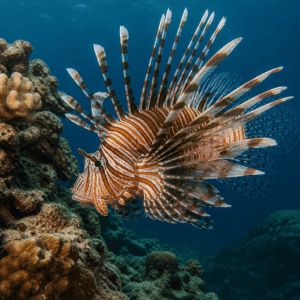
Lionfish
The lionfish has striped skin, wide fins, and venomous spines. It looks beautiful in reef water, but those spines can deliver a painful sting.
Lionfish often hover near rocks and coral while waiting for small fish and shrimp. In some waters, they have spread quickly and harmed local reef life.
Mammals That Start With L
Mammals usually have hair or fur, and young mammals drink milk from their mothers. L mammals range from big predators to gentle plant eaters, farm animals, small rodents, and tree-dwelling primates.
Lion
Lions are social big cats that live in groups called prides. A pride may have related females, cubs, and one or more adult males.
Their bodies are built for power rather than long-distance running. Lions usually rely on teamwork, surprise, and short bursts of speed when hunting.
Leopard
Leopards are solitary hunters with strong bodies and sharp senses. They hunt mostly at night and may rest on tree branches during the day.
The leopard’s rosette markings are one of its strongest visual clues. They are not plain dots; they look like broken rings across the coat.
Lemur
Lemurs live in forests, dry scrublands, and rocky places in Madagascar, depending on the species. Some eat fruit and leaves, while others also eat insects, flowers, or tree sap.
Their tails often help with balance as they move across branches. Many species also use scent marking and calls to communicate.
Lynx
The lynx is a medium-sized wild cat with thick fur and quiet movement. It often lives in forests, mountains, and snowy northern regions.
A lynx may look gentle in still photos, but it is a skilled hunter. Its broad paws, sharp claws, and sudden pounce make it well suited to catching hares.
Llama
Llamas are domesticated animals from the camel family. They have long legs, long necks, and thick wool that can be used for warm clothing and textiles.
A llama may spit when annoyed or threatened, but it usually gives body signals first. Raised calmly, llamas can be steady farm animals and herd guards.
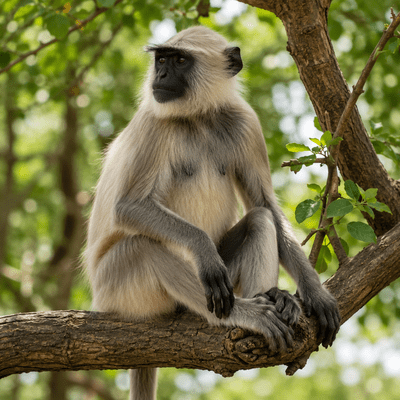
Langur
A langur is a long-tailed monkey found in parts of Asia. Many langurs have dark faces, pale fur, and strong limbs for climbing trees and jumping between branches.
Langurs often live in groups and feed on leaves, fruit, flowers, and seeds. Their long tails help them balance high above the ground.
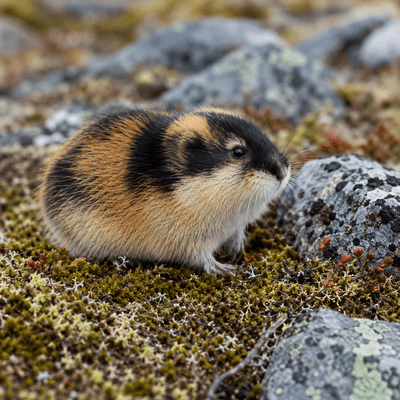
Lemming
The lemming is a small rodent that lives in Arctic and subarctic regions. It has a compact body, short legs, and thick fur for cold ground habitats.
Lemmings feed on grasses, mosses, roots, and other low plants. They are also important prey for owls, foxes, and other northern predators.
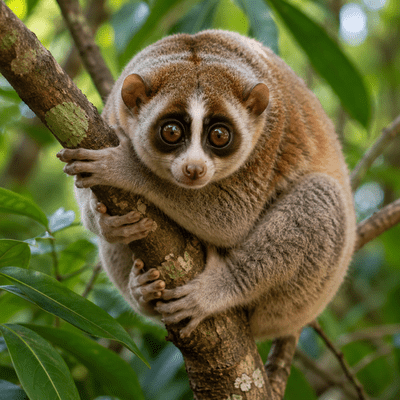
Loris
The loris is a slow-moving primate with large eyes and a careful grip. It often moves through trees at night, searching for insects, fruit, sap, and small animals.
Those big eyes are not just cute. They suit a nocturnal life, where the animal depends on low light and slow, quiet movement.
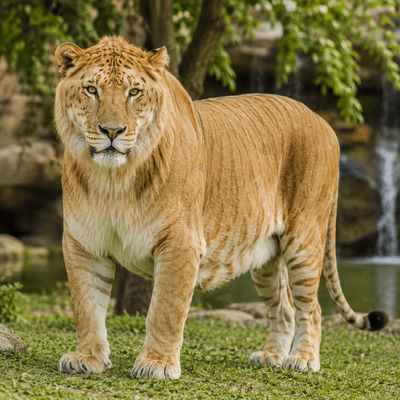
Liger
A liger is a hybrid big cat born from a male lion and a female tiger. Ligers do not live naturally in the wild and are found only in captivity.
They are known for their large size, but they should not be treated like ordinary wild animals or pets. Their existence comes from human-controlled breeding, not a natural wild population.
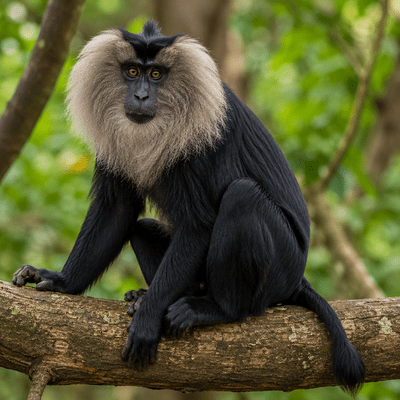
Lion-Tailed Macaque
The lion-tailed macaque is a dark-furred monkey from the Western Ghats of India. It has a silver-gray mane around the face and a tail tuft that gives it its name.
This macaque spends much of its time in forest trees. It eats fruit, insects, leaves, and small animals.
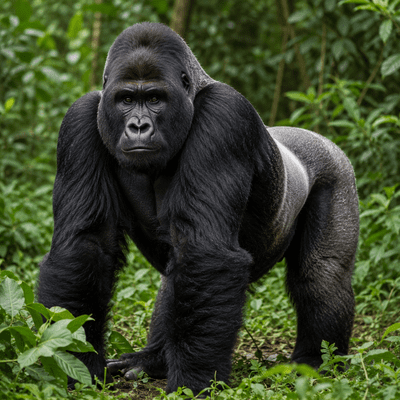
Lowland Gorilla
The lowland gorilla is a powerful ape with broad shoulders, long arms, and dark fur. It lives in African forests and feeds mostly on plant material such as leaves, fruit, stems, and shoots.
Despite its size, it often moves calmly through dense vegetation. Family groups are usually led by a mature male called a silverback.
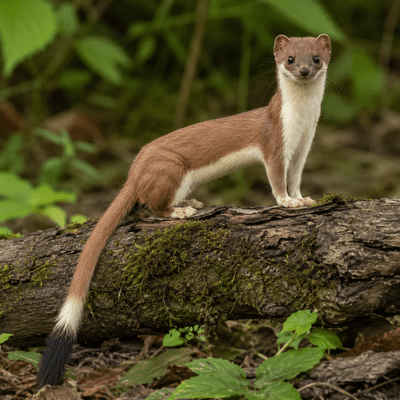
Long-Tailed Weasel
The long-tailed weasel is a slim predator with a narrow body and quick movement. Its shape lets it slip into burrows after mice, voles, and other small prey.
In colder regions, its coat may turn white in winter, helping it blend into snow.
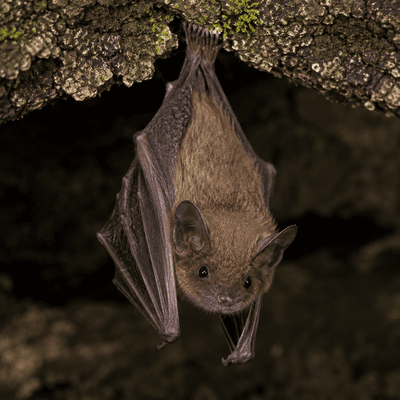
Little Brown Bat
The little brown bat is a small flying mammal that hunts insects at night. It uses echolocation, sending out sounds and listening for echoes to find flying prey.
Bats like this are valuable insect hunters. A single bat can eat many mosquitoes and moths during warm evenings.
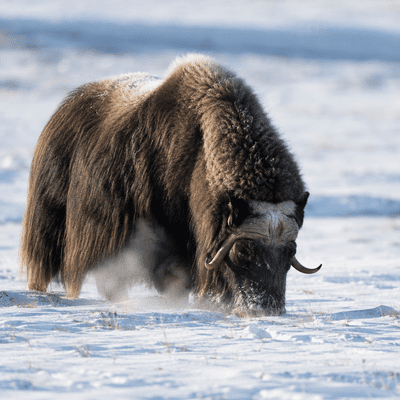
Musk Ox
The musk ox is a heavy Arctic mammal with a thick coat and curved horns. Its long outer hair hangs down like a shaggy blanket against freezing wind.
When threatened, musk oxen may stand in a defensive circle with calves protected in the middle.
Birds That Start With L
Some L birds are known by sound before sight. Larks sing over open fields, loons call across quiet lakes, and laughing kookaburras sound almost like people laughing from woodland branches.
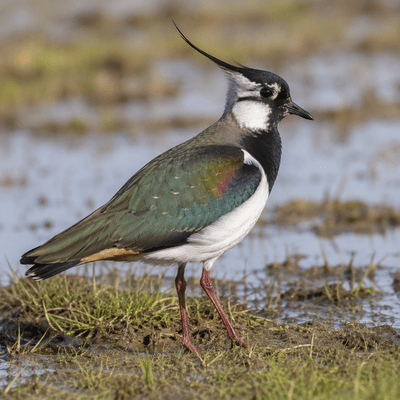
Lapwing
The lapwing is a wading bird often found in fields, wetlands, and open ground. Many lapwings have rounded wings and a feather crest on the head.
Lapwings are known for loud calls and bold behavior during nesting season. If danger comes near the nest, they may call sharply or fly around to distract the threat.
Laughing Kookaburra
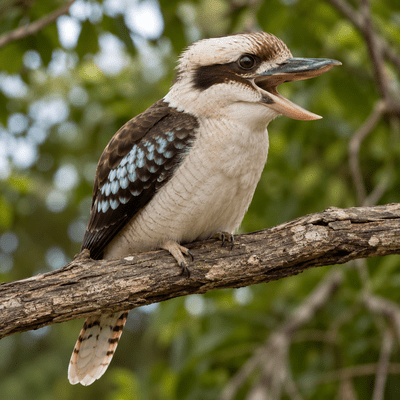
The laughing kookaburra is a large kingfisher from Australia. Its call sounds like loud laughter, which makes it one of the easiest birds to recognize by sound.
This bird does not rely on fish as much as many other kingfishers. It often eats insects, small reptiles, worms, and small mammals from perches in woodland areas.
Lorikeet
The lorikeet is a colorful parrot with a brush-tipped tongue. That tongue lets it feed from flowers in a way many seed-eating birds cannot.
Lorikeets are lively birds and often move in groups. Their bright feathers make them strong choices for animal images and labeled picture pages.
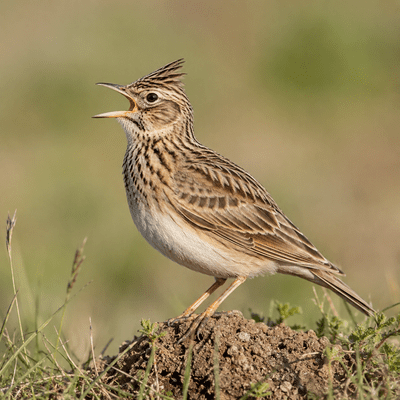
Lark
A lark is a small songbird often linked with open fields and grasslands. Many larks are brown or sandy in color, which helps them blend into dry ground.
Larks are famous for their songs. Some sing while flying high above the ground, making the sound seem as if it is coming from the sky.
Loon
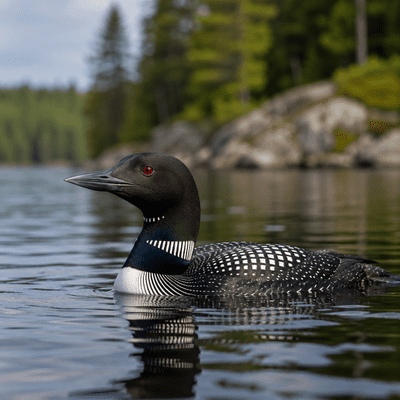
The loon is a diving waterbird with a sharp bill and haunting calls. It spends much of its time on lakes, where it swims low in the water and dives for fish.
Loons are strong swimmers but awkward on land because their legs sit far back on the body. That body shape works well underwater.
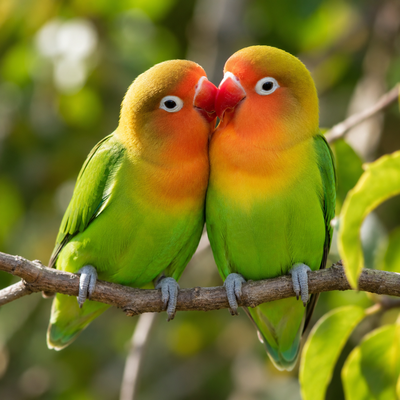
Lovebird
The lovebird is a small parrot with a compact body and bright feathers. Many lovebirds are green with peach, yellow, orange, or blue markings, depending on the species.
Lovebirds are social birds. Their name comes from the close bonds that pairs often form.
Lyrebird
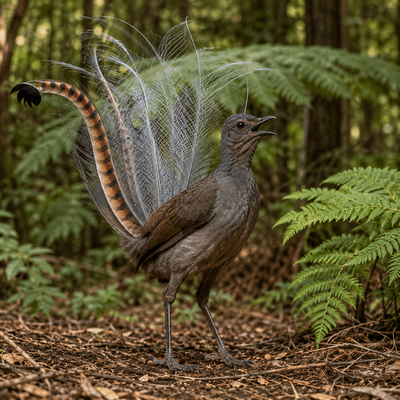
The lyrebird is famous for its tail and its sound-mimicking skill. The male’s tail can spread into a shape that resembles a lyre, a stringed musical instrument.
Lyrebirds can copy many sounds from their surroundings. Some have been known to mimic other birds, camera clicks, chainsaws, and human-made noises.
Little Penguin
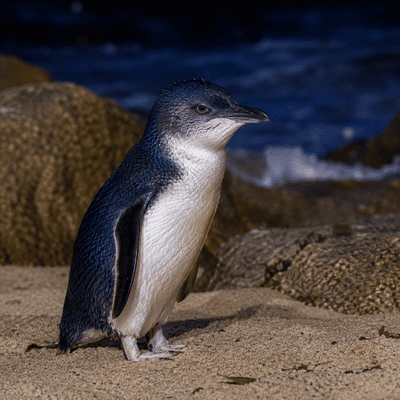
The little penguin is the smallest penguin species. It has blue-gray feathers on the back and pale feathers underneath, which helps it blend with sea and sky while swimming.
Little penguins nest in burrows or sheltered coastal places. They feed on small fish, squid, and crustaceans.
Long-Eared Owl
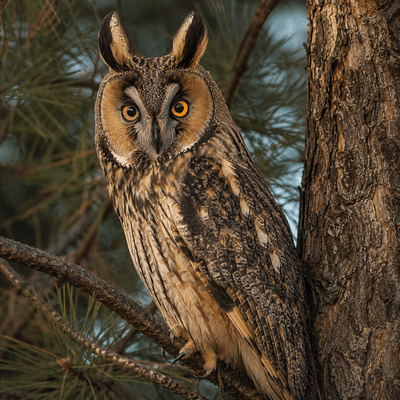
The long-eared owl has tall ear tufts, orange eyes, and a narrow body shape. Those “ears” are feathers, not true ears.
It hunts mostly at night and often feeds on small mammals. When it stretches its body upright, it can look like a thin piece of bark against a tree.
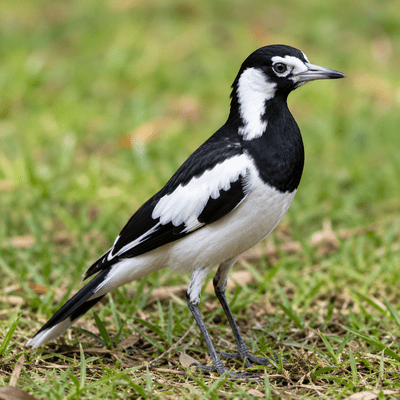
Magpie-Lark Note
Some bird names may contain L without starting with L, such as magpie-lark. For this page, the main list focuses on names that begin with the letter L.
Reptiles That Start With L
L reptiles range from tiny geckos to large monitors and ocean-traveling turtles. Their skin, body shape, and movement often make them easy to identify in pictures.
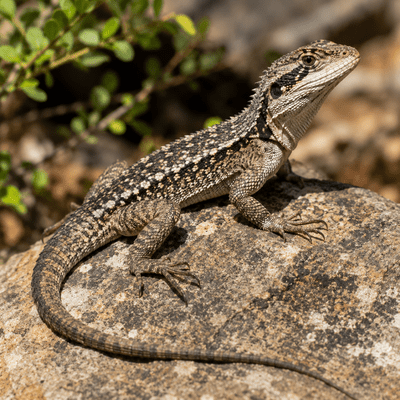
Lizard
A lizard is a reptile with scaly skin, a long body, and usually four legs. Some lizards are tiny and quick, while others grow large and heavy.
Many lizards eat insects, but larger species may eat fruit, eggs, small animals, or plants. Some can drop part of their tail to escape predators.
Leopard Gecko
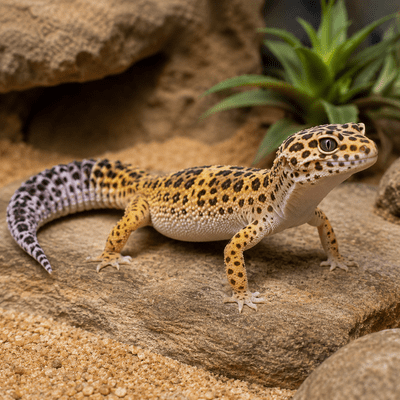
The leopard gecko is a small lizard with spotted skin, soft colors, and a thick tail. Unlike many geckos, it has eyelids and usually moves on the ground rather than climbing smooth walls.
Leopard geckos are often kept as pets because they stay fairly small and can become calm with proper care. Their tail stores fat, which helps them during times with less food.
Leatherback Sea Turtle
The leatherback sea turtle is the largest living turtle. Its flexible ridged back makes it different from hard-shelled turtles.
Leatherbacks feed mostly on jellyfish and can travel across huge ocean distances. Their size and deep-diving behavior make them one of the most remarkable reptiles beginning with L.
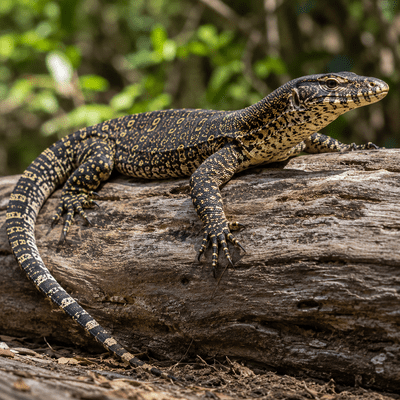
Lace Monitor
The lace monitor is a large Australian lizard with a long body, strong claws, and patterned skin. It climbs well and may search trees, logs, and ground areas for food.
Its diet can include insects, eggs, small animals, carrion, and birds. Like other monitor lizards, it uses a forked tongue to gather scent information.
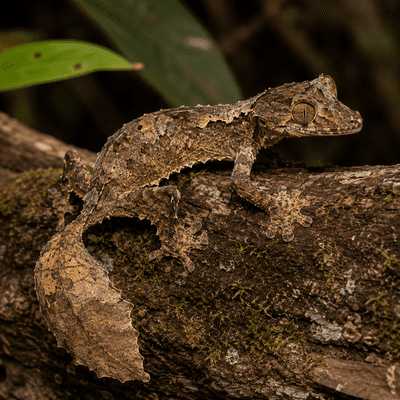
Leaf-Tailed Gecko
The leaf-tailed gecko has one of the strongest camouflage looks among reptiles. Its body and tail can resemble dead leaves or bark.
This gecko often rests against trees where its shape and color blend into the background. Look closely, and the “leaf” suddenly has eyes and toes.
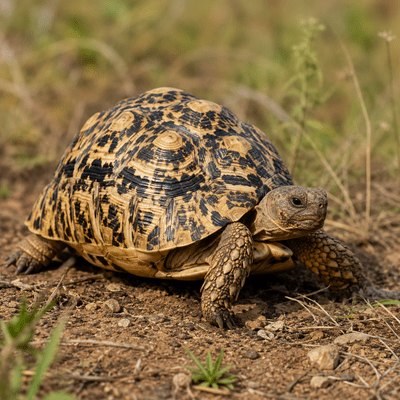
Leopard Tortoise
The leopard tortoise is a large tortoise with a high domed shell marked with dark patches. Its shell markings give it the leopard part of its name.
It lives in parts of Africa and feeds mainly on grasses and other plants. Its heavy shell protects it, but it moves slowly and depends on tough body armor rather than speed.
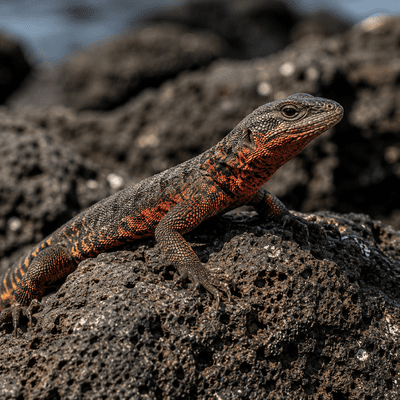
Lava Lizard
The lava lizard is a small lizard found on rocky volcanic islands and coastal areas in parts of the Pacific region. Its colors can vary, and some males show brighter markings.
These lizards often bask on warm rocks. Their quick movement helps them catch insects and avoid predators.
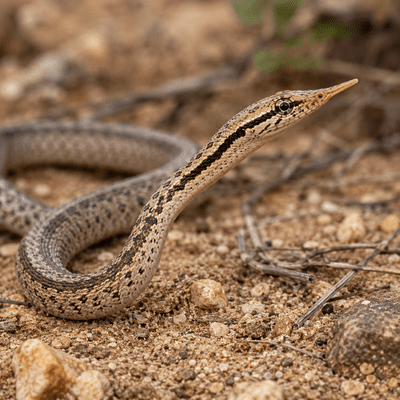
Longnose Snake
The longnose snake has a narrow head and a pointed snout. It lives in dry habitats and often hides under rocks, soil, or desert cover.
It is not known as an aggressive snake. Its body markings can help it blend into sandy or rocky ground.
Fish Names Beginning With L
L fish live in lakes, rivers, reefs, and deep ocean water. Some are known for bright markings, some for unusual mouths, and others for strong swimming or bottom-feeding habits.
Lionfish
The lionfish has striped skin, wide fins, and venomous spines. It may look delicate, but touching the spines can be painful.
Lionfish often hover near reefs and rocky areas while waiting for small fish and shrimp. Their slow, controlled movement makes them easy to recognize underwater.
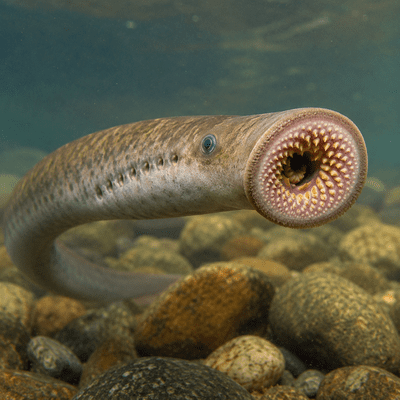
Lamprey
A lamprey is a jawless fish with a round sucker-like mouth. Some lampreys attach to other fish and feed on blood and body fluids.
A lamprey looks eel-like at first, but it is not a true eel. The circular mouth is the feature most people remember once they’ve seen one.
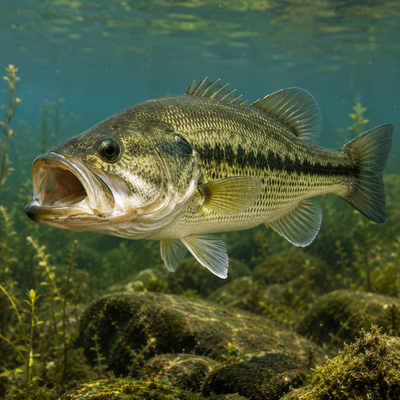
Largemouth Bass
The largemouth bass is a freshwater fish known for its wide mouth and strong strike. It lives in lakes, ponds, rivers, and reservoirs.
Anglers often know this fish well because it fights hard when hooked. It eats insects, small fish, frogs, and other small water animals.
Loach
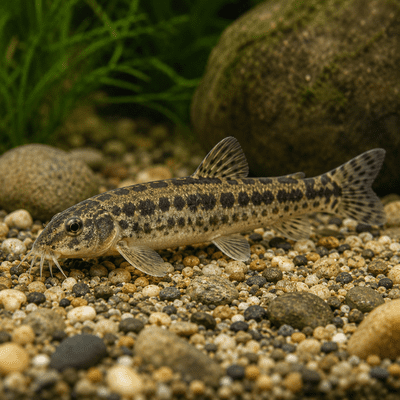
A loach is a bottom-dwelling freshwater fish with a slender body. Many loaches have small whisker-like barbels around the mouth, which they use to search for food near the bottom.
Loaches often hide among stones, plants, or mud. Their body shape helps them move through narrow spaces.
Lemon Shark
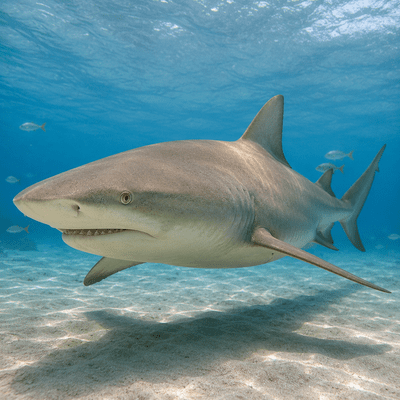
The lemon shark is a coastal shark with a yellow-brown body color. That shade helps it blend with sandy sea floors in warm shallow water.
Lemon sharks feed on fish, crustaceans, and other sea animals. Their color and body shape make them easier to recognize than many plain gray sharks.
Leopard Shark
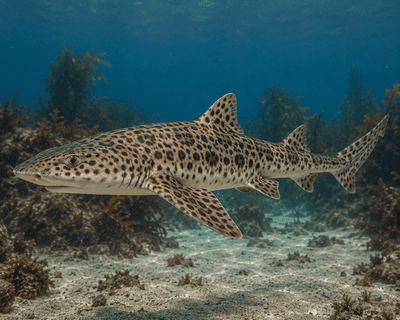
The leopard shark has dark saddle-like markings and spots across a slender body. It often swims in shallow coastal waters, bays, and sandy areas.
This shark usually feeds on small fish, worms, crabs, clams, and shrimp. Its markings make it one of the more visually striking sharks beginning with L.
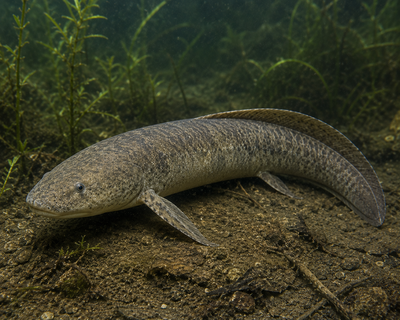
Lungfish
The lungfish is known for its ability to breathe air. Some lungfish can survive in low-water conditions by slowing down and staying in mud until water returns.
Its long body and unusual breathing ability make it stand apart from ordinary freshwater fish.
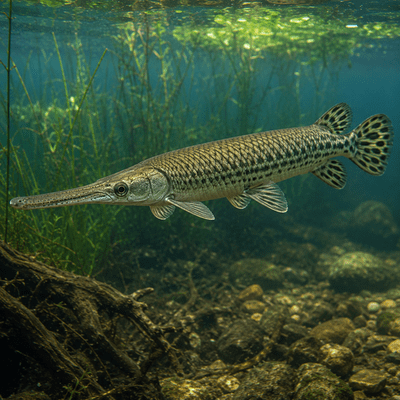
Longnose Gar
The longnose gar has a long narrow snout filled with sharp teeth. Its body is covered with hard, armor-like scales.
This fish often waits near the surface before striking smaller fish. Its shape gives it a prehistoric look.
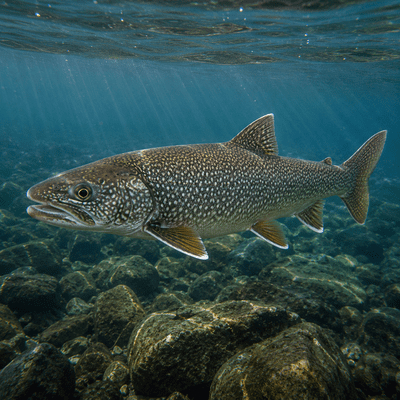
Lake Trout
The lake trout is a cold-water freshwater fish found in deep lakes. It has a streamlined body with pale spots and strong swimming ability.
Lake trout feed on smaller fish and aquatic animals. They are often linked with northern lakes and cold, oxygen-rich water.
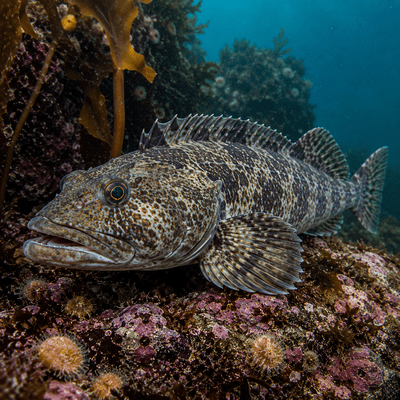
Lingcod
The lingcod is a large marine fish with a big mouth and strong jaws. It lives along rocky Pacific coastal areas and often hides near reefs or sea-floor cover.
Despite its name, it is not a true cod. Its aggressive hunting style makes it a powerful predator among reef fish.
Insects And Animals That Start With L
Some L insects are garden visitors, some are crop pests, and some are small creatures people often place beside insects in animal name lists. Their size may be small, but their behavior can be surprisingly complex.
Ladybug
The ladybug has a round body and hard wing covers. Its red-and-black look is famous, though not every ladybug has the same color or number of spots.
Many ladybugs feed on aphids. That makes them valuable in gardens, fields, and farms where soft-bodied pests damage plants.
Leafcutter Ant
Ever noticed tiny green pieces moving across the ground? That can be a line of leafcutter ants carrying leaf pieces back to the colony.
They do not eat the leaves directly. Instead, they use them to grow fungus underground, and that fungus becomes their main food.

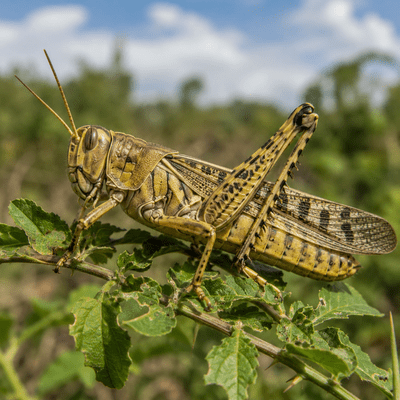
Locust
A locust is a type of grasshopper that can gather in huge swarms under certain conditions. These swarms may travel far and damage crops quickly.
Locusts have strong back legs for jumping and wings for flying. When numbers rise, their behavior can change from solitary movement to mass migration.
Louse
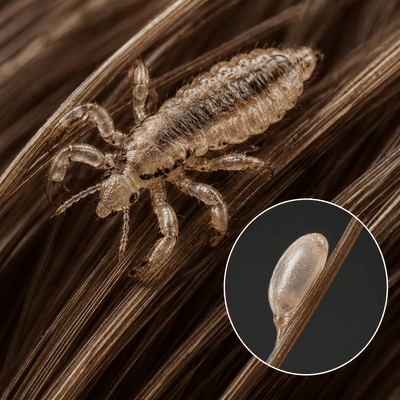
A louse is a tiny parasitic insect that lives on birds or mammals. Human head lice live close to the scalp and feed on blood.
Lice do not jump or fly. They move by crawling through hair, feathers, or fur, and they spread mostly through close contact.
Lacewing
The lacewing is a delicate insect with thin, net-like wings. Green lacewings are often found near plants, lights, or garden areas.
Many lacewing larvae eat aphids and other tiny pests. Their wings look fragile, but the young insects can be active little hunters.
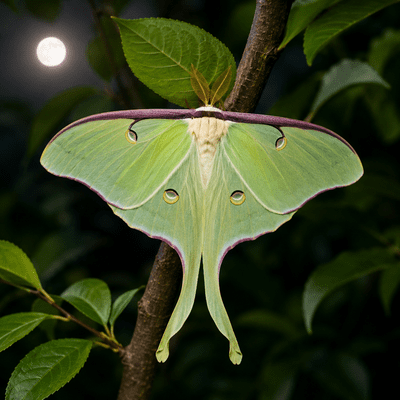
Luna Moth
The luna moth is a pale green moth with long tail-like extensions on its hind wings. Its soft color and wide wings make it one of the most beautiful moths beginning with L.
Adult luna moths do not live long. Their main purpose as adults is to mate and lay eggs.
Leaf Insect
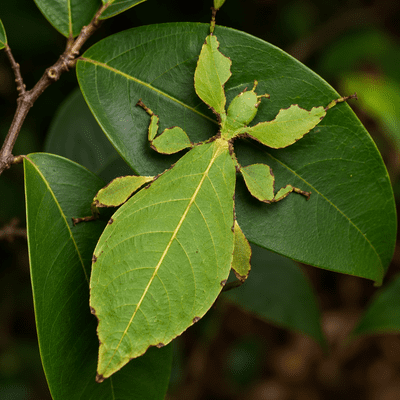
The leaf insect has a body shaped and colored like a leaf. Its edges, veins, and slow movement can make it blend into plants with remarkable accuracy.
This insect depends on camouflage. Instead of running first, it may stay still and rely on its leaf-like body to avoid predators.
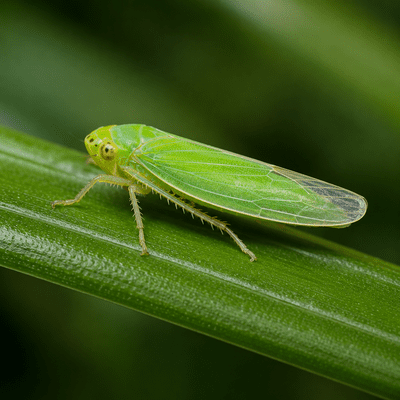
Leafhopper
A leafhopper is a small jumping insect that feeds on plant sap. It has a wedge-shaped body and strong back legs.
Some leafhoppers can damage crops and garden plants. Others are noticed only as tiny insects that spring away when leaves are disturbed.
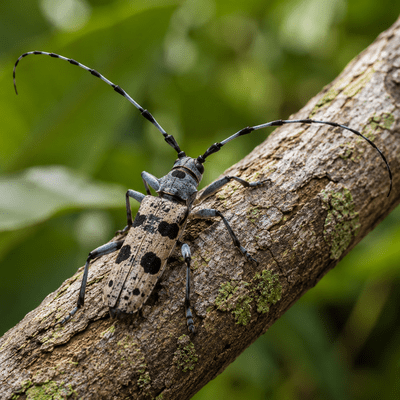
Longhorn Beetle
The longhorn beetle gets its name from its long antennae. In some species, the antennae are longer than the body.
Many longhorn beetle larvae live in wood or plant stems. Their shape makes them easy to separate from many other beetles.
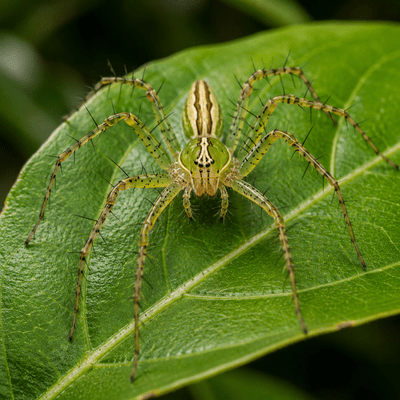
Lynx Spider
The lynx spider is not an insect, but it often belongs in small-creature lists. It has spiny legs, sharp vision, and quick jumping movement.
Instead of building a web to trap prey, many lynx spiders hunt on plants and pounce on small insects.
Ocean Animals That Start With L
L ocean animals live around coral reefs, rocky shores, open water, sandy sea floors, and deep water. Some have claws or shells, while others swim with fins, glide like wings, or drift with tentacles.
Lobster
The lobster has a hard outer shell, long antennae, and strong claws. It walks along the sea floor and often hides in rocky shelters during the day.
Lobsters grow by molting. After shedding the old shell, they stay hidden until the new shell hardens.
Leatherback Sea Turtle
The leatherback sea turtle spends most of its life in the ocean and returns to beaches for nesting. Its body is built for long-distance travel through open water.
Because it feeds heavily on jellyfish, plastic bags in the ocean can be dangerous when mistaken for food.
Lionfish
The lionfish is both beautiful and dangerous to touch. Its fan-like fins and striped body make it one of the strongest visual animals for labeled pictures.
In some regions outside its native range, lionfish spread quickly and compete with native reef fish.
Lamprey
Some lampreys live in the sea and move into freshwater to breed. Their round mouths and jawless bodies make them very different from familiar fish such as bass or salmon.
Not every lamprey is parasitic, but the parasitic species are the ones most people remember.
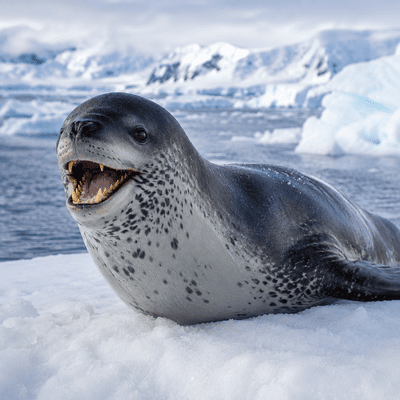
Leopard Seal
The leopard seal is a large Antarctic seal with a spotted body and powerful jaws. It is one of the top predators around Antarctic waters.
Leopard seals eat penguins, fish, squid, and other seals. Its long head and reptile-like look make it stand out from rounder, softer-looking seals.
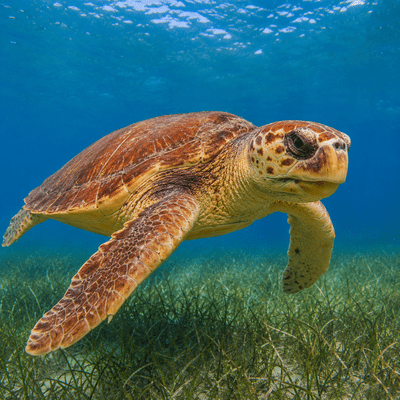
Loggerhead Sea Turtle
The loggerhead sea turtle has a large head and strong jaws. It uses those jaws to crush hard-shelled prey such as crabs, clams, and sea snails.
Loggerheads travel through warm and temperate oceans. They nest on sandy beaches and spend much of their lives at sea.
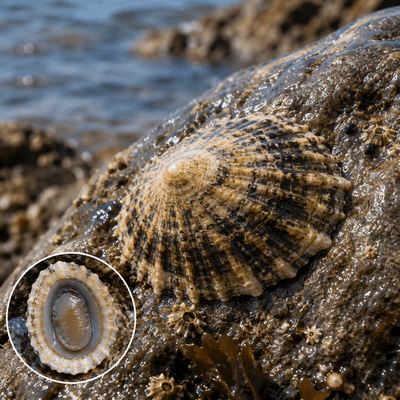
Limpet
A limpet is a small sea animal with a cone-shaped shell. It clings tightly to rocks in tidal areas, where waves and drying air can be harsh.
Limpets scrape algae from rock surfaces. Their simple shell shape makes them easy to spot on shorelines.
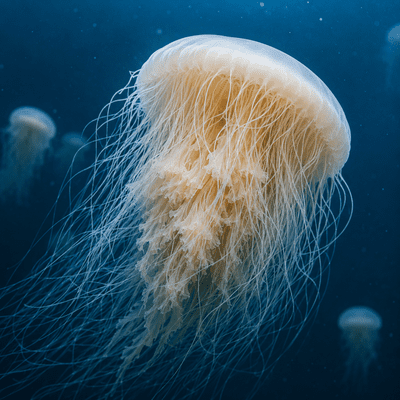
Lion’s Mane Jellyfish
The lion’s mane jellyfish is named for its long trailing tentacles, which can look like a flowing mane in the water. It lives in colder northern seas.
Its tentacles can sting, so it should never be touched on a beach or in water.
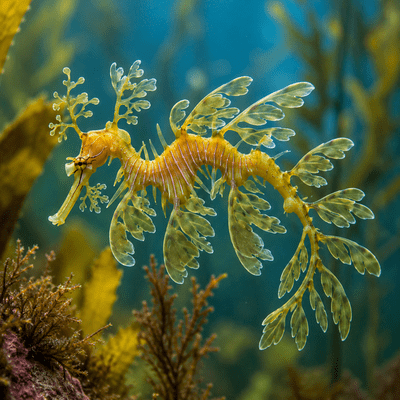
Leafy Sea Dragon
The leafy sea dragon is a marine fish related to seahorses. Its leaf-like body extensions help it blend into seaweed and drifting plants.
It moves slowly through the water and depends heavily on camouflage. In pictures, it almost looks like a piece of seaweed with a face.
Wild Animals That Start with L
Wild L animals live in forests, grasslands, mountains, oceans, deserts, wetlands, and rocky shores. Some hunt, some graze, some swarm, and some survive by blending into their surroundings.
- Lion: A social big cat that hunts in prides.
- Leopard: A solitary spotted cat that climbs well.
- Lynx: A forest cat with ear tufts and broad paws.
- Lemur: A Madagascar primate with strong jumping ability.
- Langur: A long-tailed monkey found in Asia.
- Leopard Seal: A powerful Antarctic predator.
- Leaf-Tailed Gecko: A reptile with leaf-like camouflage.
- Locust: A swarming insect that can travel long distances.
- Lamprey: A jawless fish with a round mouth.
- Luna Moth: A pale green moth with long tail-like wings.
- Loris: A slow-moving nocturnal primate.
- Lyrebird: A bird known for mimicking sounds.
L Predators
Predators beginning with L do not all hunt in the same way. Lions use group strength, leopards rely on stealth, lynxes pounce in quiet forests, and lionfish use controlled movement around reefs.
Lion
The lion is a top predator in many African habitats. Female lions often hunt together, surrounding prey or pushing it toward other pride members.
Leopard
The leopard is a stealthy predator that hunts alone. It can climb trees while carrying prey, which keeps food safer from scavengers.
Lynx
The lynx hunts with quiet movement and sudden pounces. In snowy forests, it often depends on hares and other small mammals.
Lionfish
The lionfish is a small predator compared with big cats, but it is highly effective around reefs. It spreads its fins and corners small fish before striking quickly.
Leopard Seal
The leopard seal is a major Antarctic predator. It uses strong jaws, speed in water, and surprise to catch penguins and other prey.
Laughing Kookaburra
The laughing kookaburra may sound playful, but it is a skilled hunter. It catches insects, small reptiles, worms, and small mammals from a perch.
Threatened Animals That Start With L
Some animals beginning with L face pressure from habitat loss, hunting, pollution, fishing gear, climate change, or human disturbance. Status can vary by species and location, so these examples should be treated with care.
Leatherback Sea Turtle
The leatherback sea turtle faces danger from plastic pollution, fishing nets, coastal development, egg collection, and warming nesting beaches.
- Main concern: Plastic bags, fishing gear, and unsafe nesting beaches.
- Important trait: It feeds mostly on jellyfish and travels across long ocean routes.
Lemur
Many lemur species are threatened because they live only in Madagascar. Forest loss, hunting, and land pressure have put several species at serious risk.
- Main concern: Forest destruction and limited natural range.
- Important trait: Many lemurs live nowhere else in the wild.
Leopard
Some leopard populations have declined because of habitat loss, conflict with humans, and illegal wildlife trade. The animal still lives across a wide range, but local populations can be under heavy pressure.
- Main concern: Shrinking habitat and conflict near farms or villages.
- Important trait: Leopards need cover, prey, and safe hunting areas.
Lion
The lion has disappeared from many areas where it once lived. Human-wildlife conflict, loss of prey, and shrinking habitat have reduced many wild populations.
- Main concern: Habitat loss and conflict with livestock owners.
- Important trait: Lions need large spaces and healthy prey populations.
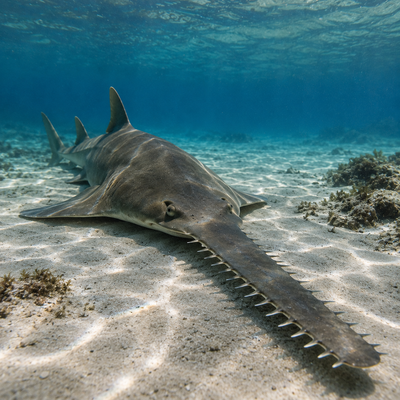
Largetooth Sawfish
The largetooth sawfish is a ray-like fish with a long, toothed snout. Its saw-like snout can become tangled in fishing gear, which makes it highly vulnerable.
- Main concern: Overfishing, bycatch, and habitat loss.
- Important trait: Its long toothed rostrum makes it easy to recognize.
Leopard Shark
The leopard shark is not globally known for the same crisis level as some animals above, but local populations still depend on healthy coastal water.
- Main concern: Coastal habitat quality and fishing pressure in some areas.
- Important trait: It lives in shallow bays and sandy coastal water.
Pet And Domesticated L Animals
Some L animals are true pets, some belong on farms, and many should never be kept outside expert care. A lion, leopard, or lynx belongs in the wild or a licensed specialist setting, not in a home.
Labrador Retriever
The Labrador retriever is one of the most familiar pet dogs. It has a sturdy body, friendly nature, and strong swimming ability.
Labradors are often trained as guide dogs, search-and-rescue dogs, and family companions. They need exercise, training, and regular care to stay healthy.

Llama
The llama is a domesticated farm animal, not a house pet. It can carry light loads, produce wool, and guard smaller livestock in some farms.
Llamas need outdoor space, social contact, and proper handling. They are calm when treated well but can spit or kick if stressed.
Leopard Gecko
The leopard gecko is a popular pet reptile. It needs the right temperature, hiding places, clean housing, and a diet of insects.
Because it is small and quiet, many people underestimate its care needs. Proper heat and feeding are important for long-term health.
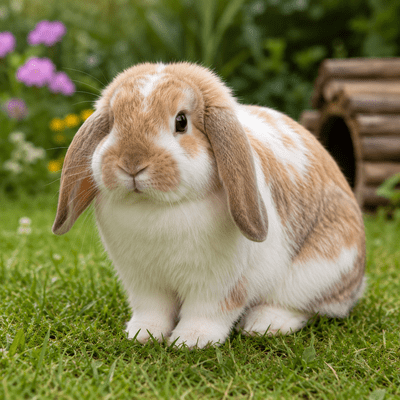
Lop Rabbit
The lop rabbit is a domestic rabbit known for ears that hang down instead of standing upright. It has a soft coat and a gentle look, but it still needs daily care.
Rabbits need safe space, hay, fresh water, and gentle handling. They are not low-care pets and should not be treated like toys.
Lovebird
A lovebird can be kept as a pet bird by experienced owners. It is small, social, and often brightly colored.
Lovebirds need daily attention, room to move, and a safe cage. A lonely or bored bird may become noisy or stressed.
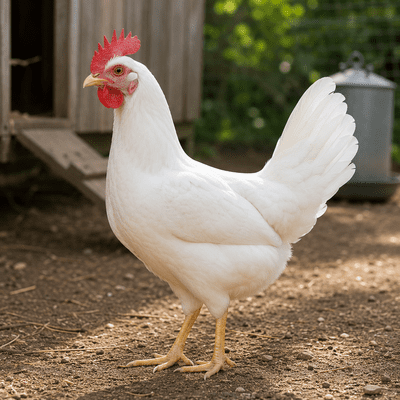
Leghorn Chicken
The Leghorn chicken is a domestic chicken breed known for egg laying. It is usually active, alert, and lighter in body than many heavy farm breeds.
Leghorns are common on farms and small poultry setups. They need safe housing, feed, water, and protection from predators.
Animals That Start With L for Kids
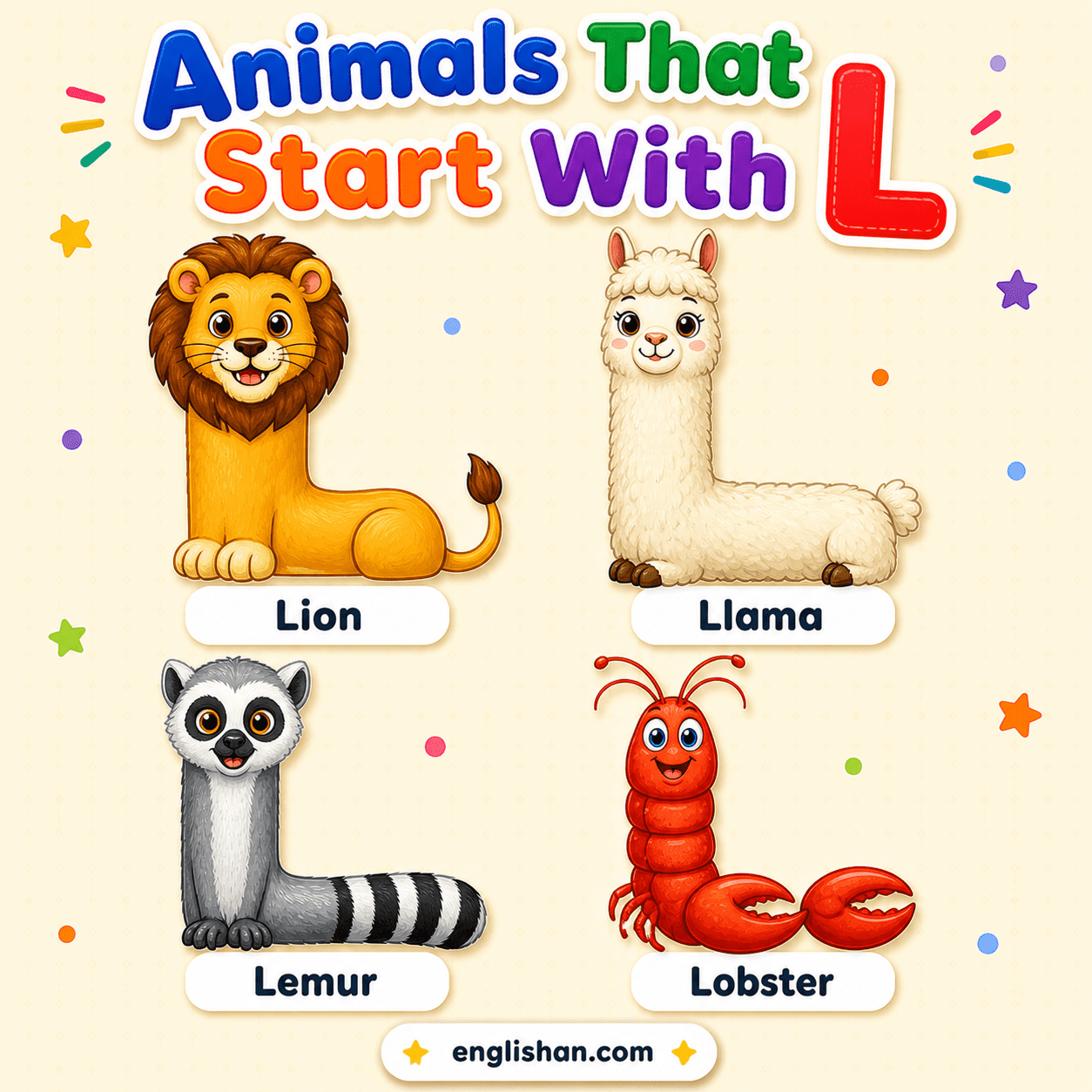
Fun Facts About L Animals
A few strong facts make these animals easier to remember because each one connects the name with a real trait.
- Lions are the only big cats that naturally live in large social groups.
- Lemurs are native to Madagascar, and many species live nowhere else in the wild.
- Leatherback sea turtles can dive very deep while searching for jellyfish.
- Leafcutter ants farm fungus underground using the leaf pieces they collect.
- Ladybugs can eat many aphids during their lifetime.
- Lampreys have round mouths instead of jaws.
- Lynxes have broad paws that help them move over snow.
- Lorikeets have brush-like tongues for feeding on nectar.
- Lyrebirds can copy many natural and human-made sounds.
- Luna moths have pale green wings with long tail-like tips.
- Leopard seals are among the strongest predators in Antarctic waters.
- Leaf-tailed geckos can look almost like bark or dead leaves.
FAQs
Some animals that start with L are lion, leopard, lemur, lynx, llama, lizard, lobster, ladybug, lorikeet, lamprey, lionfish, leatherback sea turtle, locust, louse, lapwing, and laughing kookaburra.
A lion is a wild animal that starts with L. Other wild examples are leopard, lemur, lynx, langur, lamprey, locust, and leatherback sea turtle.
A lobster is a sea animal that starts with L. Other examples are leatherback sea turtle, lionfish, lamprey, limpet, and largetooth sawfish.
A lorikeet starts with L. It is a colorful parrot that feeds on nectar, pollen, fruit, and soft plant material. Other L birds are lapwing, lark, loon, and laughing kookaburra.
A Labrador retriever is a pet animal that starts with L. A leopard gecko is also kept as a pet reptile by people who can provide the right heat, housing, and food.
The lion is probably the most popular animal that starts with L. It is widely known for its mane, loud roar, pride life, and role as one of the most famous big cats.
You May Also Like