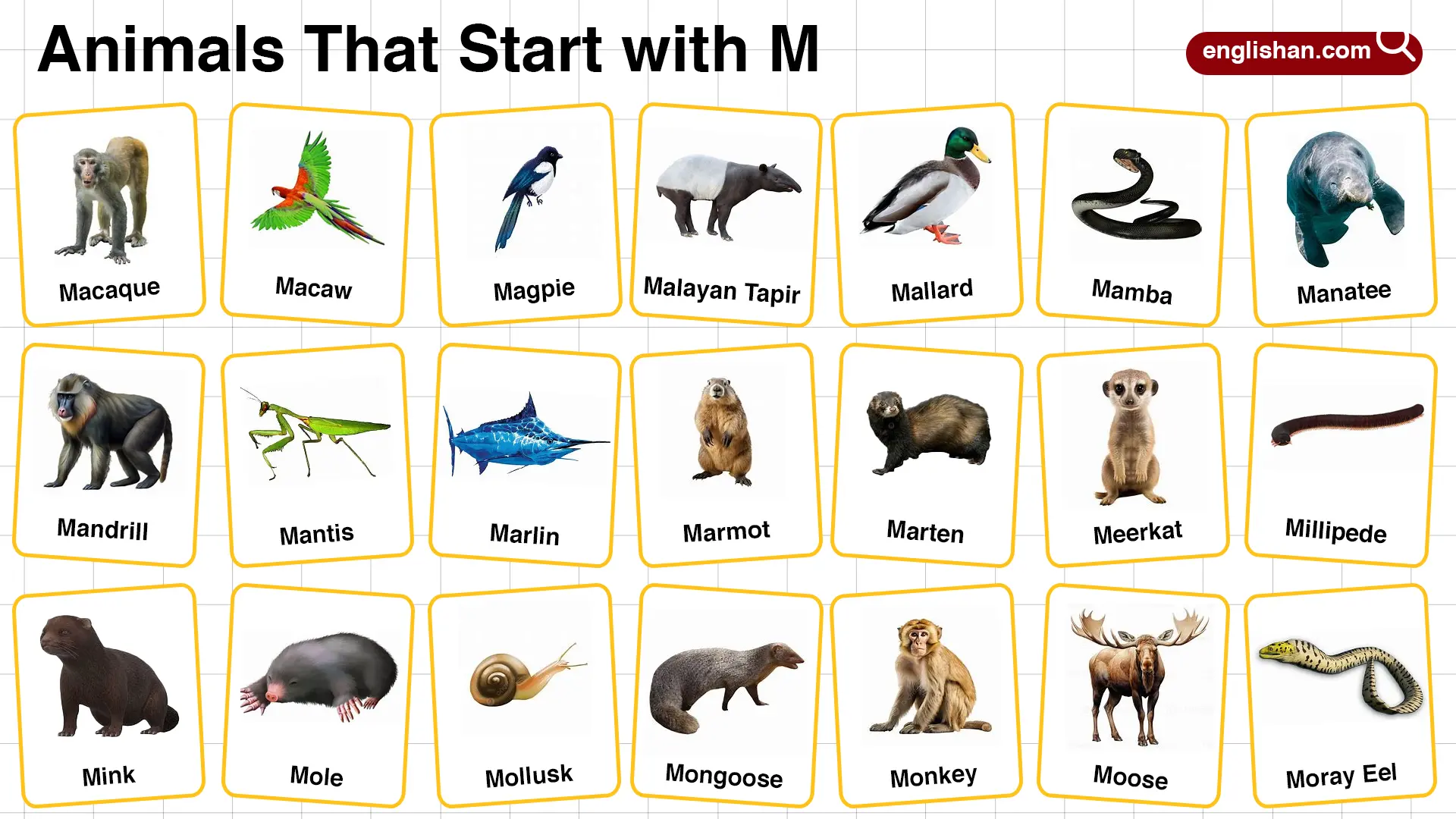
The letter M brings together some of the most familiar and most unusual creatures in the animal world. Animals that start with M include the mouse you already know and the Malayan tapir most people have never seen. A few are everyday names, others sound almost made up.
Monkeys swing through tropical forests. Moose wade through cold northern wetlands. Macaws flash bright feathers high in the canopy. Down in the water, the moray eel hides in coral cracks waiting for its next meal. Different worlds, very different habits.
You’ll get to know each one by where it lives, how it moves, and what makes it stand out. Whether the goal is a school project, a quiz round, or a curious afternoon read, the right M animal will be easy to picture and easy to name.
Quick answer: Animals That Start with M
Common animals that start with M include monkey, moose, macaw, manatee, mamba, meerkat, mongoose, mole, moth, mosquito, marmot, mallard, magpie, marlin, and moray eel. These animals live in many places, from forests and deserts to rivers, mountains, coral reefs, ponds, and open oceans.
Animal Names that Start with M
Here is a quick list of animal names beginning with M before the detailed sections.
| Macaque | Macaw | Magpie |
| Malayan tapir | Mallard | Mamba |
| Manatee | Mandrill | Mantis |
| Marlin | Marmot | Marten |
| Meerkat | Millipede | Mink |
| Mole | Mollusk | Mongoose |
| Monkey | Moose | Moray eel |
| Mosquito | Moth | Mountain goat |
| Mouse | Mule | Musk ox |
Mammals that start with M
Mammals in this group range from tiny burrowers to large hoofed animals. Many have fur, feed their young with milk, and live in forests, deserts, grasslands, mountains, or near water.
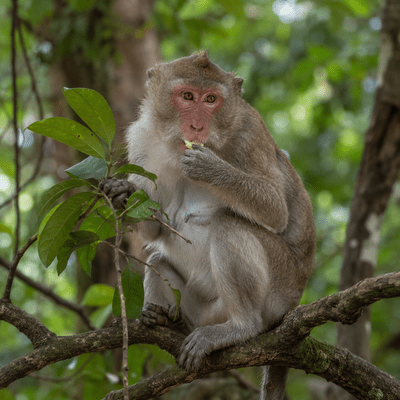
Macaque
Macaques are monkeys with expressive faces, strong hands, and quick movements. Many live across Asia in forests, rocky hills, temples, and city edges, where they climb, forage, and move in social groups.
- They often eat fruit, seeds, leaves, and small insects.
- Some macaques have short tails, while others have longer tails.
- Their social behavior makes them easy to notice in groups.
Manatee
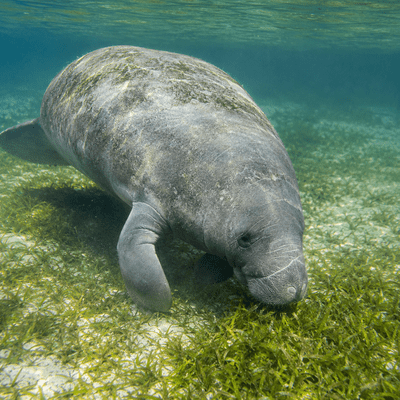
The manatee is a slow-moving aquatic mammal with a rounded body, paddle-shaped flippers, and a broad tail. It feeds on seagrass in warm coastal waters, rivers, and springs.
Manatees are often called sea cows because they graze underwater and move with calm, steady motions.
- They breathe air and rise to the surface often.
- Their thick lips pull plants from the waterbed.
- Boats are one of their biggest dangers in shallow water.
Mandrill
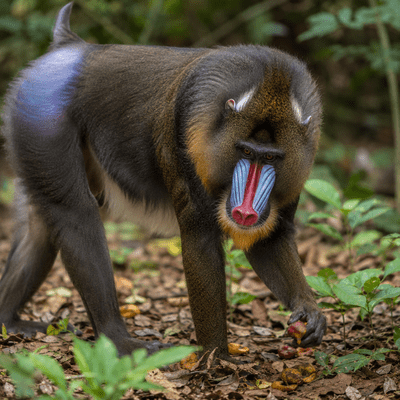
A mandrill is one of the most colorful primates in the world. Its blue and red face, yellow beard, and strong body make it easy to recognize, even among other monkeys.
Mandrills live in the rainforests of Central Africa and usually move in groups. They search the forest floor for fruit, seeds, insects, roots, and small animals.
Marmot
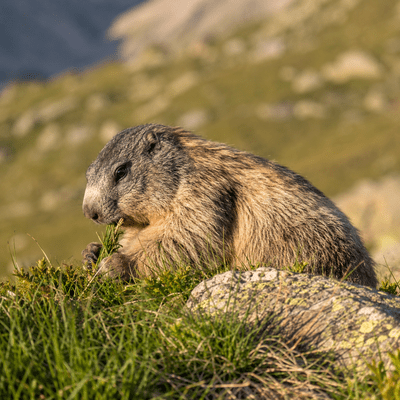
A marmot is a stocky, furry rodent that lives in mountain meadows and rocky slopes. It spends much of the warm season eating grasses and flowers before hibernating through winter.
- It has a thick body and short legs.
- It uses loud whistles to warn others about danger.
- It often lives in burrows with nearby lookout spots.
Marten
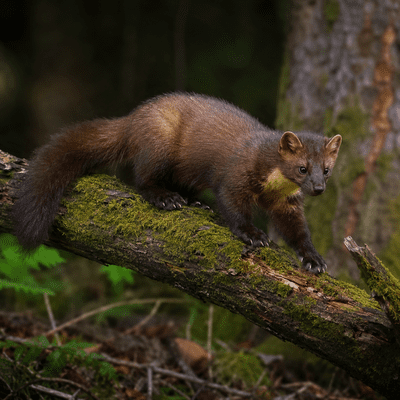
A marten has a long body, sharp claws, and a bushy tail. This quick forest mammal climbs trees, hunts small animals, and slips through branches with smooth movements.
Martens look a bit like weasels, but they often have richer brown fur and a lighter patch on the throat or chest.
Meerkat
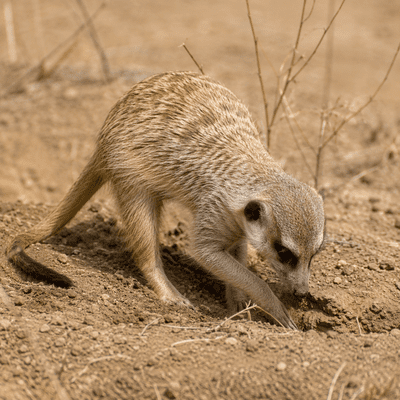
A meerkat is a small desert mammal with a narrow face, dark eye patches, and a habit of standing upright. It lives in dry parts of southern Africa, where groups work together to watch for danger.
One meerkat may stand guard while others search for insects, scorpions, eggs, and small reptiles.
Mink
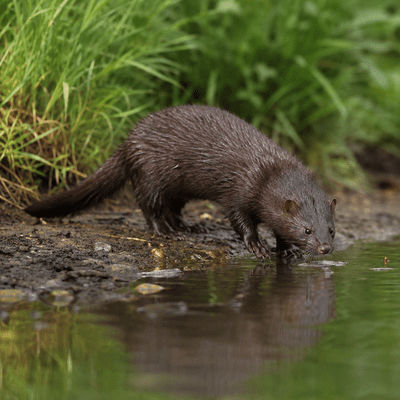
A mink is a sleek mammal that lives near rivers, lakes, marshes, and forest streams. Its long body and dense fur suit a life close to water.
Minks swim well and hunt fish, frogs, small mammals, and birds. Their movement is quick, low, and flexible, almost like a shadow along the bank.
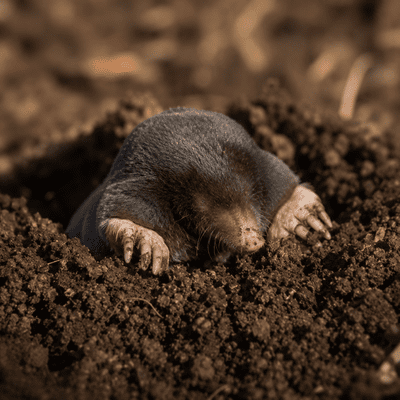
Mole
The mole is a small underground mammal with velvety fur, tiny eyes, and powerful front feet shaped for digging. You may not see the animal often, but its raised tunnels and soil mounds are easy to spot.
- Its front claws push soil aside like small shovels.
- It eats worms, grubs, and other tiny soil animals.
- It spends most of its life under the ground.
Mongoose
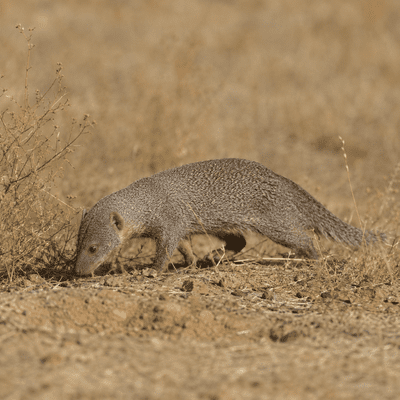
A mongoose is a small, fast carnivore with sharp reflexes and a pointed face. Many species live in Africa and Asia, where they hunt insects, rodents, eggs, lizards, and snakes.
The mongoose is famous for facing venomous snakes, but it does not win by magic. Its speed, timing, thick fur, and cautious movement give it a better chance during a dangerous fight.
Monkey
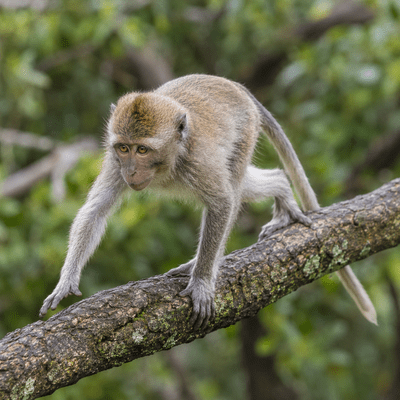
A monkey is one of the most familiar animals that start with M. Monkeys live in forests, grasslands, mountains, and even near human settlements in some regions.
They use their hands to grab branches, pick food, groom each other, and move through trees. Some have long tails for balance, while others have short tails or no visible tail.
Moose
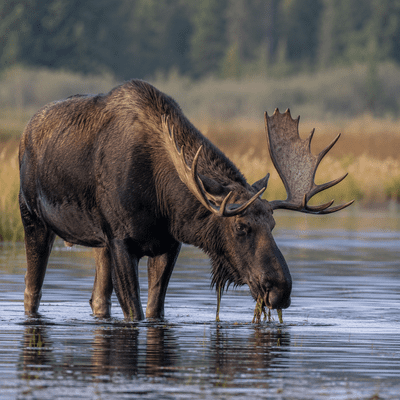
The moose is the largest member of the deer family. It has long legs, a heavy body, a drooping nose, and broad antlers in males.
Moose often live in cold northern forests, wetlands, and lakeside areas. They feed on leaves, twigs, bark, and aquatic plants, sometimes standing deep in water while eating.
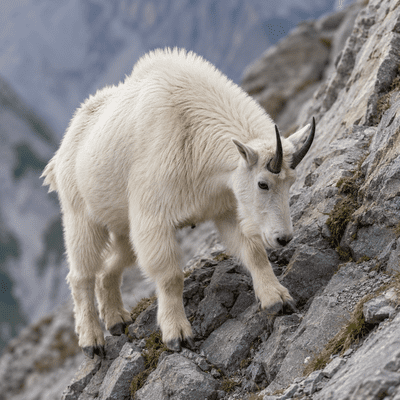
Mountain goat
A mountain goat lives on steep cliffs, rocky slopes, and high alpine areas. Its white coat, short horns, and sure-footed climb make it one of the strongest mountain animals.
- Its split hooves grip uneven rock.
- Its thick coat protects it from cold wind.
- It climbs to places where many predators struggle to follow.
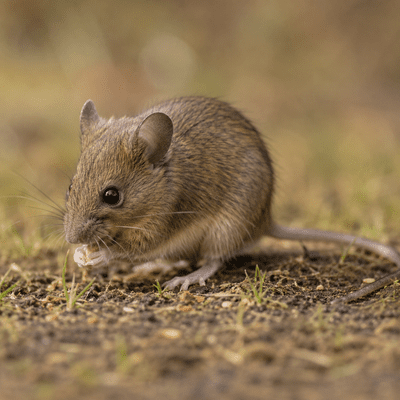
Mouse
A mouse is a small rodent with round ears, a pointed nose, whiskers, and a long tail. Mice live in fields, forests, farms, homes, and storage areas.
They eat seeds, grains, fruit, and scraps. Their size lets them hide in narrow spaces, which is why people often notice droppings or chewed food before they see the mouse itself.
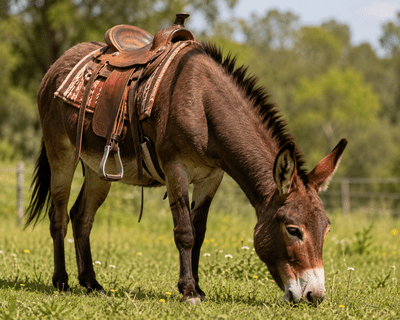
Mule
A mule is the offspring of a male donkey and a female horse. It is known for strength, patience, and steady footing, especially on rough paths.
Mules are not wild animals in the usual sense. People have used them for carrying loads, farm work, and mountain travel for a long time.
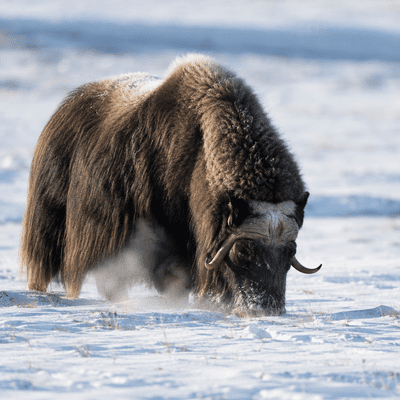
Musk ox
The musk ox is a heavy Arctic mammal with curved horns and a long, shaggy coat. It lives in cold tundra regions where wind, snow, and low temperatures shape daily life.
Its thick outer hair and soft underwool protect it from freezing weather. When threatened, musk oxen may form a defensive circle around their young.
Birds that start with M
Birds beginning with M bring strong visual variety. Some are bright and loud, some are common around water, and some are known for sharp calls and bold behavior.
Macaw
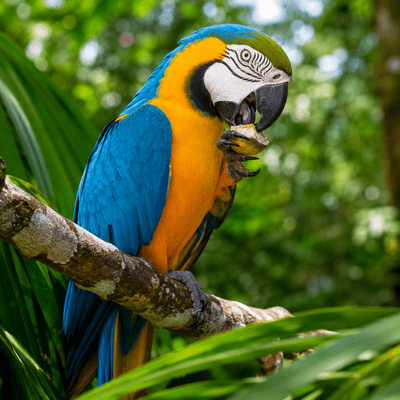
A macaw is a large parrot with bright feathers, a strong curved beak, and a long tail. Many macaws live in Central and South American forests, where they fly above the canopy and feed on fruit, nuts, and seeds.
Their colors can be intense: blue, yellow, green, red, and orange often appear on the same bird. Their loud calls can travel far through forest trees.
Magpie
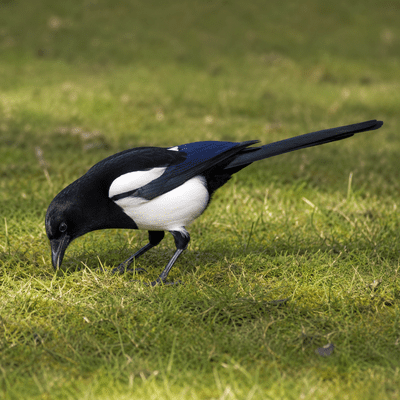
A magpie is a black-and-white bird with a long tail and an alert, curious nature. Some magpies have glossy blue or green flashes in their feathers when light hits them.
Magpies often search the ground for insects, grains, fruit, and small animals. Their sharp calls and bold movements make them easy to notice in gardens, fields, and open woodland.
Mallard
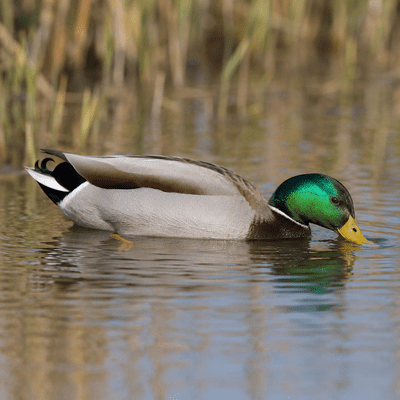
A mallard is a common duck found in ponds, lakes, wetlands, rivers, and parks. The male mallard has a glossy green head, yellow bill, white neck ring, and brown chest.
Female mallards are mottled brown, which blends well with reeds and nest sites. This camouflage protects them while they sit on eggs.
Sea and water animals that start with M
Several M animals live in oceans, rivers, wetlands, and reefs. Some are mammals, some are fish, and some belong to soft-bodied animal groups.
Marlin
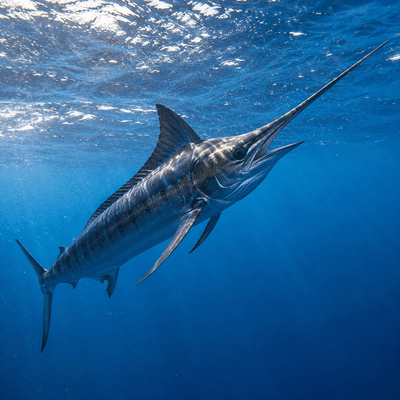
A marlin is a large ocean fish with a long spear-like bill and a powerful body built for speed. It swims through warm seas and hunts smaller fish and squid.
Marlin are known for their strong leaps from the water. Their tall dorsal fin and pointed bill make them easy to recognize in ocean illustrations and fishing photos.
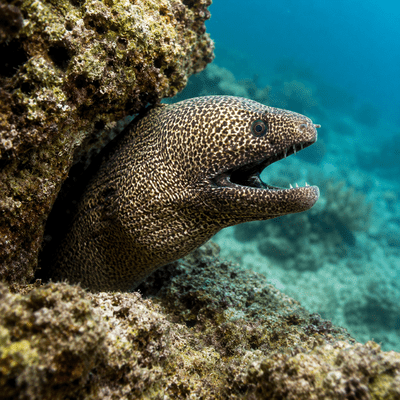
Moray eel
A moray eel is a long fish that hides in cracks, coral reefs, and rocky ocean places. It looks snake-like, but it is not a snake or a reptile.
Moray eels have sharp teeth and often open and close their mouths to move water over their gills. That motion can look threatening, but it is part of how they breathe.
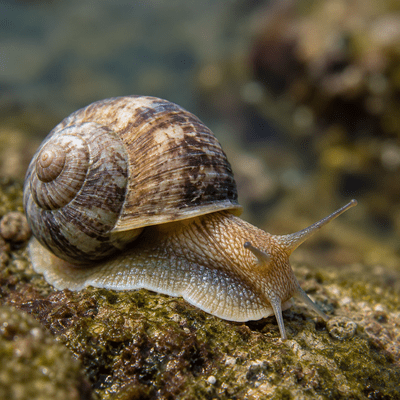
Mollusk
A mollusk is not one single animal. It is a large animal group that contains snails, clams, oysters, squid, and octopuses.
Many mollusks have soft bodies. Some protect themselves with hard shells, while others, like octopuses and squid, move through water with flexible arms and quick color changes.
Manatee
A manatee also belongs in this water section because it lives in rivers, coastal waters, and warm shallow areas. Unlike fish, it breathes air and nurses its young like other mammals.
Its slow movement and rounded shape make it one of the gentlest-looking animals in the water.
Reptiles and snake-like animals that start with M
This group needs careful wording because some animals look like snakes but are not reptiles. A mamba is a true snake, while a moray eel only has a snake-like body.
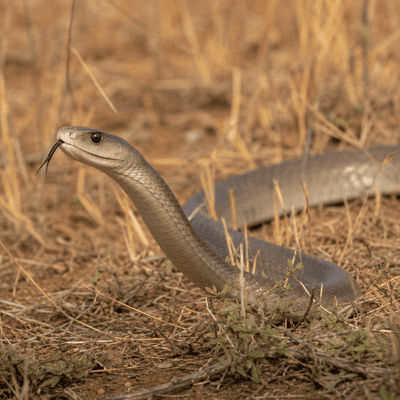
Mamba
A mamba is a fast, venomous snake found in Africa. The black mamba is especially famous because of its speed, long body, and dangerous bite.
Mambas usually avoid people when they can, but they can become aggressive if cornered. Their speed and venom make them one of the most respected snakes in the wild.
Insects and small animals that start with M
Small M animals can be just as interesting as larger wildlife. Some fly toward light, some hunt other insects, and some move with many tiny legs.
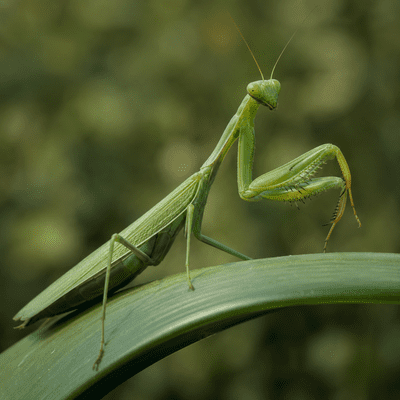
Mantis
A mantis is an insect with long front legs that fold in a prayer-like pose. Those front legs are not for prayer, though; they are built for grabbing prey.
Mantises eat flies, moths, beetles, crickets, and other insects. Their triangular heads and slow, careful movements make them one of the easiest insects to recognize.
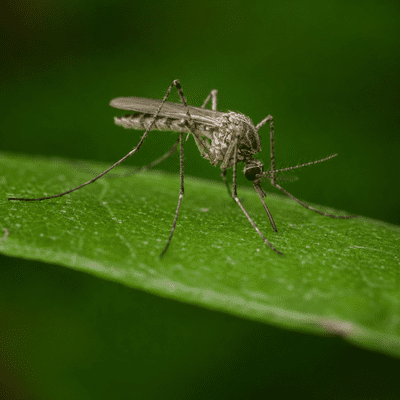
Mosquito
A mosquito is a small flying insect with a thin body, narrow wings, and a long mouthpart. Female mosquitoes bite because they need blood for egg development.
Mosquitoes are small, but they matter in the natural world and in public health. Some species spread diseases such as malaria, dengue, and Zika in certain regions.
Moth
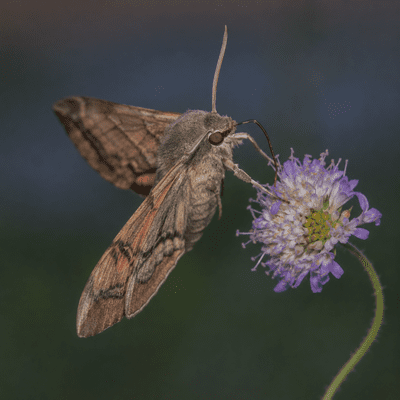
A moth is a winged insect related to butterflies. Many moths fly at night and rest with their wings spread flat or folded like a tent.
Moths come in many colors, from pale brown to bright green or patterned gray. Some blend into tree bark so well that they almost vanish when resting.
Millipede
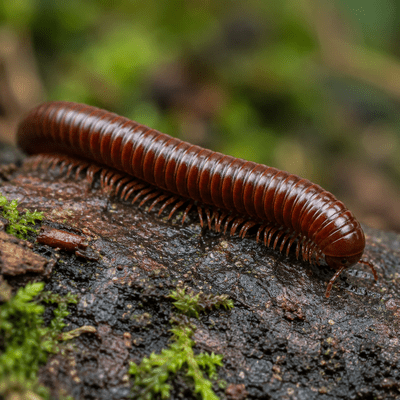
A millipede is a long, many-legged arthropod that usually lives in damp soil, leaf litter, and rotting wood. It moves slowly and curls into a coil when disturbed.
Despite the name, most millipedes do not have one thousand legs. Their many tiny legs move in waves along the body.
Wild animals that start with M
Wild M animals live in forests, mountains, deserts, wetlands, and grasslands. Some are predators, some are grazers, and some survive by hiding, climbing, burrowing, or moving in groups.
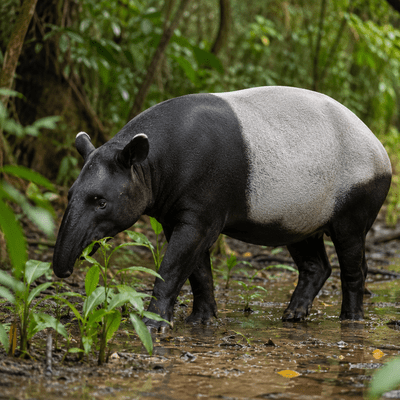
Malayan tapir
The Malayan tapir is a large forest mammal with a black front half, black back legs, and a pale white middle. This bold color pattern helps break up its body shape in shadowy forests.
It has a short flexible snout that works almost like a tiny trunk. Malayan tapirs feed on leaves, fruit, shoots, and soft plants in Southeast Asian forests.
Mongoose
A mongoose is a wild hunter with fast reactions and a flexible body. It often searches through grass, rocks, and brush for insects, eggs, rodents, and reptiles.
Its snake-fighting reputation makes it famous, but most of its life is spent hunting smaller prey and staying alert for danger.
Mamba
A mamba belongs here too because it lives in wild habitats across parts of Africa. Depending on the species, it may move through trees, bushes, rocky ground, or open areas.
Its long body and quick strike make it a snake people should respect from a safe distance.
Mountain goat
A mountain goat lives in wild alpine places where cliffs and snow shape its movement. It can cross narrow rock ledges with surprising balance.
Its white coat blends into snowy mountain slopes, while its strong legs carry it across rough ground with steady control.
Mandrill
A mandrill belongs among wild forest animals because it lives in tropical rainforest regions. Its bright face may look unusual, but those colors play a role in social signals among adults.
Mandrills spend time on the ground and in trees, moving through forest areas in groups while feeding on plant material and small animals.
Animals that Start with M for Kids
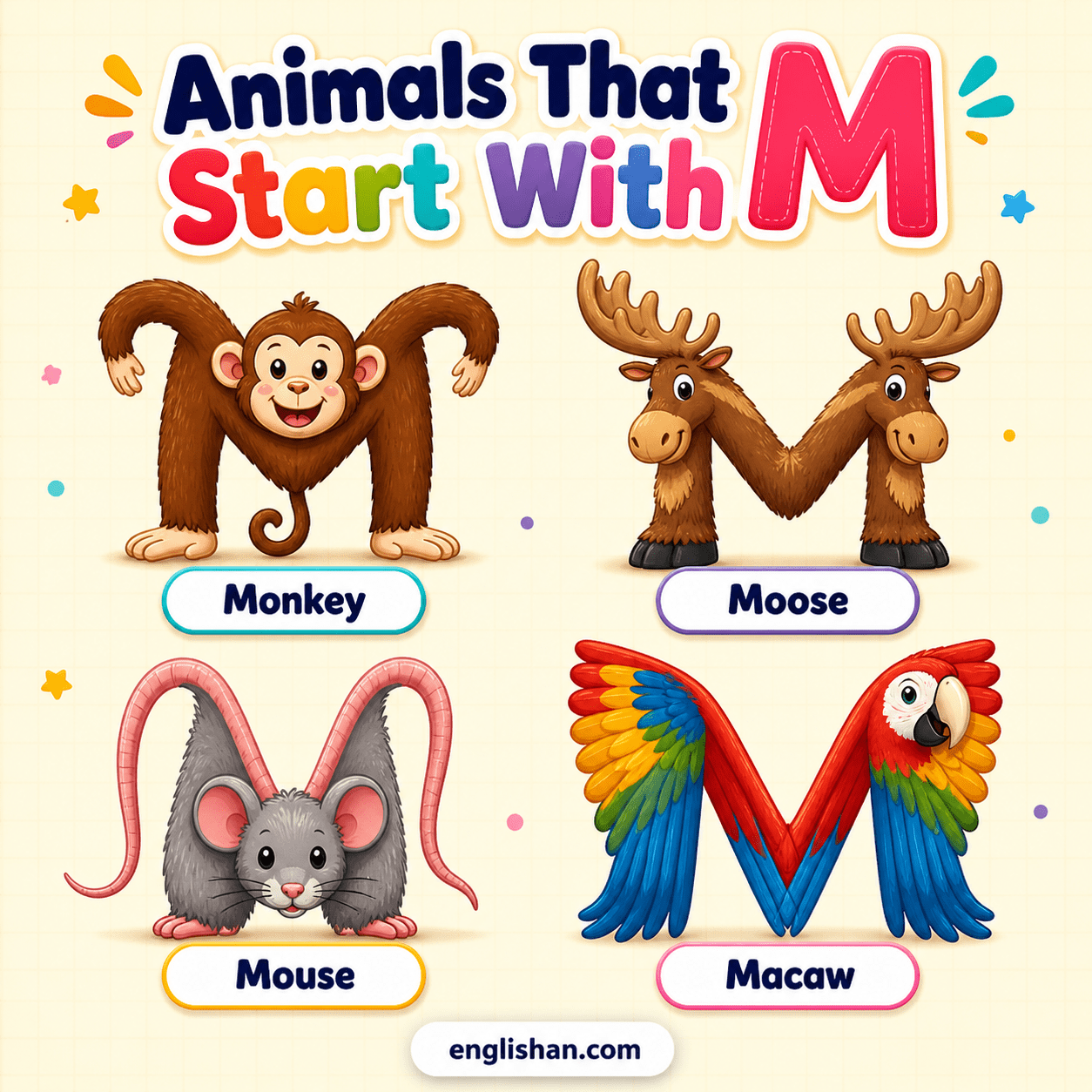
Interesting facts about M animals
A few M animals stand out because of their unusual bodies, survival habits, or behavior.
- Moose can feed underwater by dipping their heads into lakes and ponds for aquatic plants.
- Meerkats often use sentries, with one animal watching for predators while others search for food.
- Macaws use strong beaks to crack nuts and climb branches.
- Moles make underground tunnels with powerful front feet, not with their mouths.
- Moray eels are fish, even though their bodies look long and snake-like.
- Moths often use camouflage patterns that match bark, leaves, or stone.
- Mambas are dangerous snakes, but they usually avoid contact unless threatened.
Common animals that start with M
Some M animals are easy to recognize because people see them in homes, farms, parks, ponds, or common wildlife photos.
| Animal | Where you may know it from | Quick clue |
|---|---|---|
| Mouse | Homes, fields, farms | Small body, whiskers, long tail. |
| Monkey | Forests, zoos, wildlife films | Gripping hands and active movement. |
| Mallard | Parks, ponds, lakes | Green-headed male duck. |
| Moth | Night lights, gardens | Soft wings and night flight. |
| Mosquito | Warm outdoor areas | Tiny flying insect that bites. |
| Mule | Farms and mountain paths | Horse-donkey hybrid used for work. |
Sea animals that start with M
Sea animals beginning with M range from gentle plant eaters to fast hunters and reef dwellers.
- Manatee: A slow aquatic mammal that eats seagrass in warm shallow water.
- Marlin: A fast ocean fish with a spear-like bill and strong body.
- Moray eel: A reef fish that hides in cracks and rocky spaces.
- Mollusk: A soft-bodied animal group with snails, clams, squid, and octopuses.
- Manta ray: A wide, flat ray with wing-like fins that glide through warm ocean water.
Conclusion
Animals that start with M cover far more than the familiar monkey and mouse. The group stretches from bright macaws and antlered moose to reef-hiding moray eels, mountain goats, manatees, and fast-moving mambas.
The easiest way to remember these animals is to connect each name with a real feature: the macaw’s colors, the mole’s digging feet, the moose’s antlers, the manatee’s slow swim, and the meerkat’s upright lookout pose.
FAQs
Some animals that start with M are monkey, moose, macaw, manatee, mamba, mole, meerkat, mongoose, marmot, mallard, magpie, marlin, moth, mosquito, and moray eel. These animals come from different groups, such as mammals, birds, insects, reptiles, and fish.
A mouse is one of the most common animals starting with M. Mice live in fields, homes, farms, and forests. They are small rodents with whiskers, round ears, and long tails.
Wild animals that start with M include mamba, mongoose, mandrill, marmot, marten, meerkat, moose, and mountain goat. They live in places such as forests, mountains, deserts, wetlands, and grasslands.
Sea animals that start with M include manatee, marlin, moray eel, mollusk, mussel, and manta ray. Some live in shallow coastal water, while others swim in open seas or hide in coral reefs.
No. A moray eel is a fish, not a reptile. Its long body makes it look snake-like, but it breathes with gills and lives as a fish in ocean habitats.
No. A mule is a hybrid animal from a male donkey and a female horse. People usually use mules for carrying loads, farm work, and travel over rough land.
You May Also Like