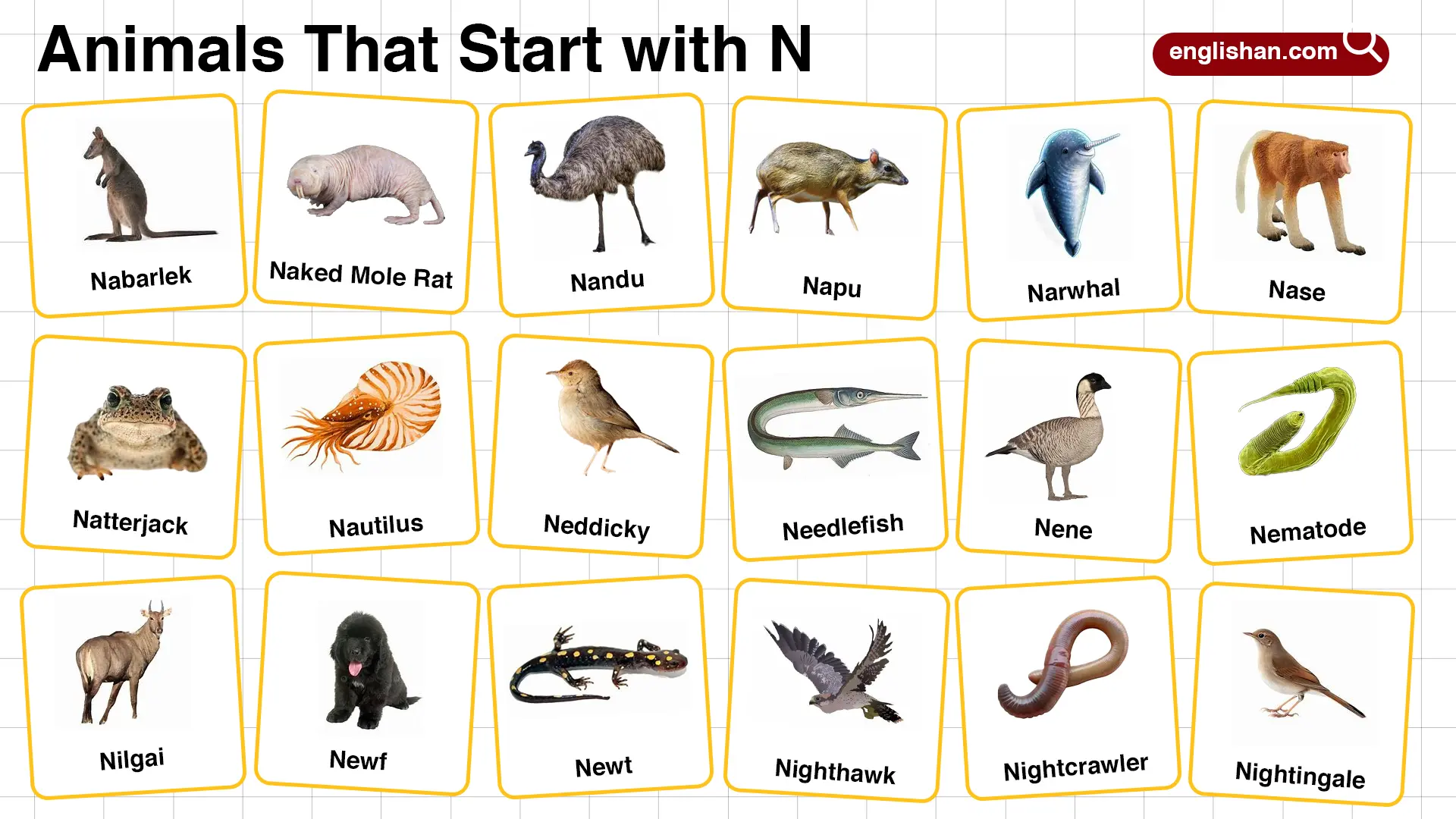
Some of the most unusual wildlife on the planet has a name starting with N. Animals that start with N include the spiral-tusked narwhal, the dusk-hunting nightjar, the Nile crocodile, and the striped numbat that lives on termites.
Animals with N names live in wildly separated places: icy seas, dry Australian woodlands, quiet evening skies, and coral reefs. Newts slip through ponds, nightingales sing from hedgerows, and nurse sharks rest flat on the seabed. Numbats dart between fallen logs in daylight, when most marsupials are asleep.
N animal names come up constantly in school projects, quiz rounds, and wildlife checklists. Most people name the narwhal first, though the naked mole rat and the chambered nautilus are just as distinctive.
Choose the first letter:
A · B · C · D · E · F · G · H · I · J · K · L · M · N · O · P · Q · R · S · T · U · V · W · X · Y · Z
Animals That Start With N with Pictures
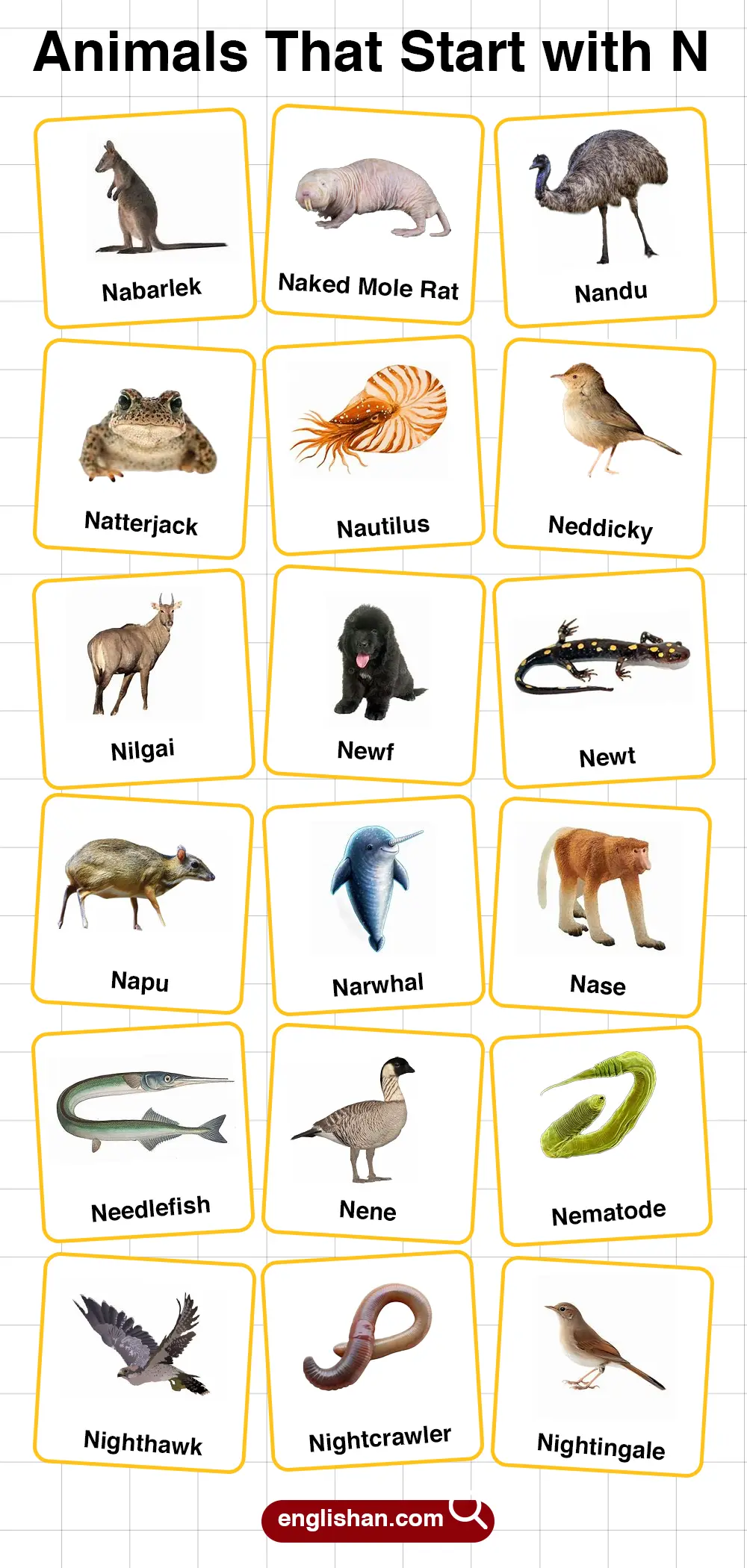
Here is a quick reference list of animals whose names begin with N. The full descriptions follow further down.
| Nabarlek | Naked mole rat | Nalolo |
| Nandu / rhea | Napu | Narwhal |
| Nase | Natal ghost frog | Natterjack toad |
| Nautilus | Neddicky | Needlefish |
| Nene | Nematode | Nemertean |
| Neon goby | Neon tetra | Nephila spider |
| Neptune’s cup sponge | Nereis | Net-winged beetle |
| Nettle caterpillar | New Guinea singing dog | New Zealand white rabbit |
| Newt | Nighthawk | Night heron |
| Night snake | Nightcrawler | Nightingale |
| Nile crocodile | Nile monitor | Nile perch |
| Nilgai | Ningaui | Noctule bat |
| Noodlefish | North American beaver | North Atlantic right whale |
| Northern alligator lizard | Northern bobwhite | Northern cardinal |
| Northern elephant seal | Northern flicker | Northern fur seal |
| Northern gannet | Northern hairy-nosed wombat | Northern harrier |
| Northern leaf-tailed gecko | Northern leopard frog | Northern night monkey |
| Northern potoo | Northern short-tailed shrew | Northern water snake |
| Northern white rhinoceros | Norfolk black turkey | Norfolk horn sheep |
| Norwegian forest cat | Nubian goat | Nubian ibex |
| Nudibranch | Numbat | Nurse shark |
| Nutria | Nuthatch | Nyala |
| Nymph |
Land Animals That Start With N
Land animals beginning with N range from termite hunters and burrowers to antelopes, goats, and cliff climbers. Many of them are known for one standout trait, such as stripes, horns, digging claws, or unusual social behavior.
Numbat
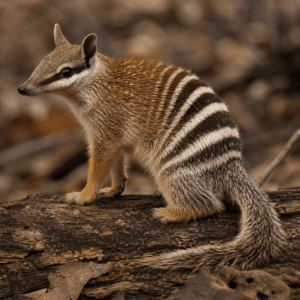
The numbat is a small Australian marsupial with a pointed snout, striped back, and long sticky tongue. Unlike many marsupials, it is active during the day and spends much of its time searching for termites in woodland habitats.
- Habitat: Dry forests and woodlands in Australia.
- Diet: Mostly termites.
- Body feature: Long tongue and narrow snout.
- Known for: Daytime termite hunting.
Nilgai
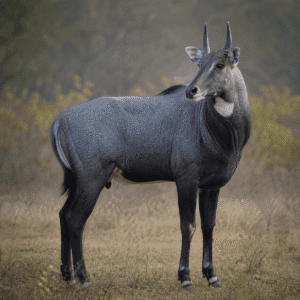
The nilgai, also called the blue bull, is the largest antelope in Asia. Males often have a bluish-gray coat, while females are brown. Their long legs and strong shoulders suit open grasslands, scrubland, and farmland edges.
- Habitat: Grasslands, scrub forests, and open plains.
- Region: Indian subcontinent.
- Body feature: Tall body, short horns on males, and strong legs.
- Known for: Large size among Asian antelopes.
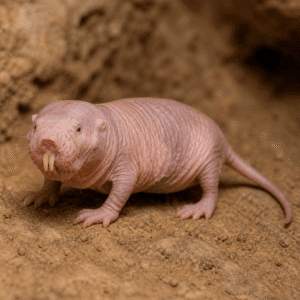
Naked mole rat
The naked mole rat lives underground in large colonies. Its wrinkled pinkish skin, tiny eyes, and strong front teeth make it one of the strangest-looking rodents on Earth. These animals dig long tunnel systems and share jobs inside the colony.
- Habitat: Underground tunnels in East Africa.
- Body feature: Wrinkled skin and large digging teeth.
- Behavior: Highly social colony life.
- Known for: Living almost its whole life below ground.
Nabarlek
A nabarlek is a tiny rock wallaby from northern Australia. Its small body and quick movement suit rocky slopes, cliffs, and sheltered stone areas where larger animals may struggle to move.
- Habitat: Rocky areas in northern Australia.
- Animal group: Marsupial.
- Body feature: Compact body and strong hind legs.
- Known for: Agile movement across rough rock.
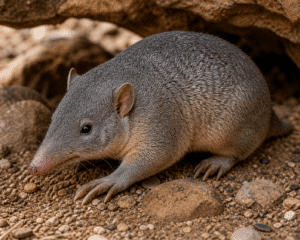
Napu
The napu is better known as the greater mouse-deer or greater Malay chevrotain. It looks like a very small deer, but it has no antlers. Males have small tusk-like canine teeth, and the animal slips through dense forest with quiet, quick steps.
- Habitat: Forests and thick vegetation in Southeast Asia.
- Body clue: Small deer-like body and slender legs.
- Diet: Leaves, fruits, shoots, and plant material.
- Known for: Tiny size and shy forest behavior.
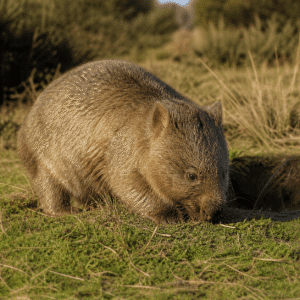
Northern hairy-nosed wombat
The northern hairy-nosed wombat is a powerful burrowing mammal from Australia. It has a stocky body, strong claws, and a broad head built for digging. This wombat is among the rarest land mammals and survives through careful protection.
- Habitat: Dry woodland and sandy soil areas.
- Body feature: Strong claws and heavy body.
- Behavior: Burrowing and grazing.
- Known for: Extreme rarity.
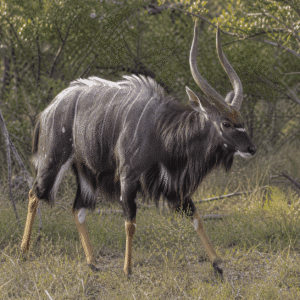
Nyala
The nyala is a graceful African antelope with white stripes across the body. Males are darker, heavier, and carry spiral horns, while females are smaller and reddish-brown. Nyalas often stay near thick cover where they can browse leaves and shoots.
- Habitat: Woodlands, thickets, and savanna edges.
- Region: Southern Africa.
- Body feature: White stripes and spiral horns on males.
- Diet: Leaves, shoots, fruits, and grasses.
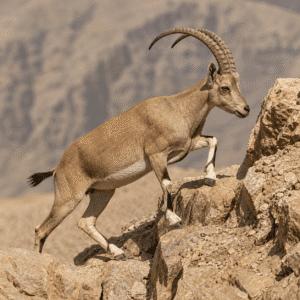
Nubian ibex
The Nubian ibex is a wild goat adapted to steep desert cliffs and rocky mountains. Its curved horns and sure-footed climbing make it well suited to harsh slopes where predators have a harder time following.
- Habitat: Desert cliffs and rocky mountains.
- Body feature: Long curved horns.
- Movement: Excellent climbing and jumping.
- Known for: Surviving in dry, rugged terrain.
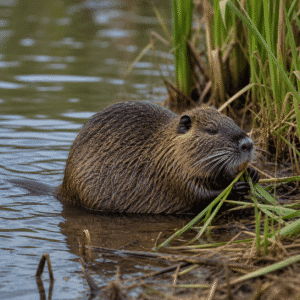
Nutria
The nutria is a large semi-aquatic rodent with orange front teeth, webbed hind feet, and thick brown fur. It lives near rivers, marshes, ponds, and wetlands, where it feeds on aquatic plants.
- Habitat: Wetlands, rivers, and marshes.
- Body feature: Webbed feet and orange teeth.
- Diet: Aquatic plants and roots.
- Known for: Swimming skill and wetland burrows.
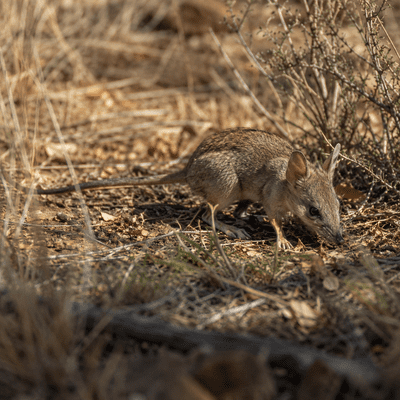
Ningaui
A ningaui is a tiny carnivorous marsupial from Australia. It has a pointed snout, large ears, and quick hunting movements. Small insects and spiders make up much of its food.
- Habitat: Dry grasslands, shrublands, and sandy regions.
- Body clue: Tiny body, pointed face, and large ears.
- Diet: Insects, spiders, and other small prey.
- Known for: Fast movement despite its very small size.
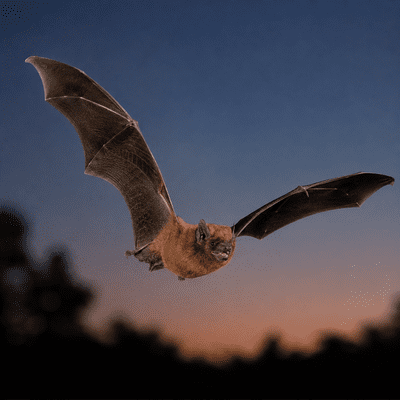
Noctule Bat
The noctule bat is a large bat known for flying high and fast in the evening sky. It hunts moths, beetles, and other flying insects, often above trees, fields, and water.
- Habitat: Woodlands, parks, riversides, and open country.
- Body clue: Long narrow wings and dark fur.
- Diet: Flying insects.
- Known for: Strong evening flight.
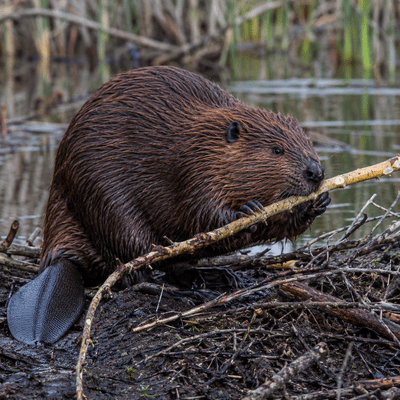
North American Beaver
The North American beaver is a large rodent with a flat tail, orange teeth, and thick waterproof fur. It cuts trees, builds lodges, and changes wetland landscapes with dams.
- Habitat: Rivers, lakes, ponds, and wetlands.
- Body clue: Flat tail, webbed feet, and strong front teeth.
- Diet: Bark, leaves, twigs, and aquatic plants.
- Known for: Dam building and lodge construction.
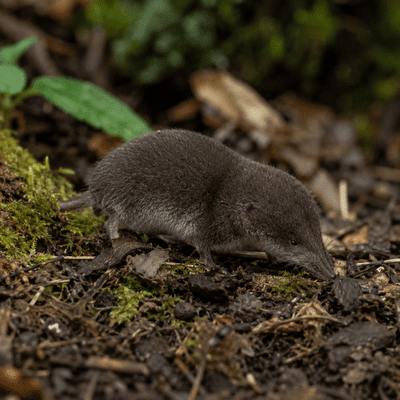
Northern Short-Tailed Shrew
The northern short-tailed shrew is a small mammal with dense fur, tiny eyes, and a pointed snout. It hunts insects, worms, and small animals under leaf litter and soil.
- Habitat: Forest floors, fields, gardens, and damp ground.
- Body clue: Short tail, pointed snout, and velvety fur.
- Diet: Insects, worms, slugs, and small prey.
- Known for: Active hunting under cover.
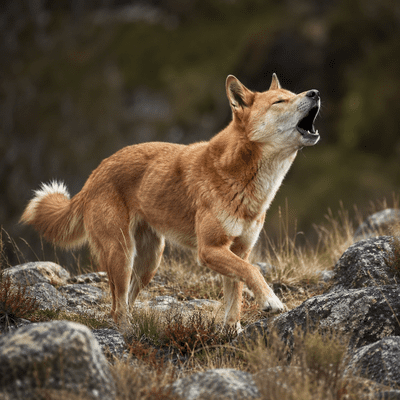
New Guinea Singing Dog
The New Guinea singing dog is a rare dog known for its unusual rising and falling vocal sounds. Its fox-like face, flexible movement, and mountain origin make it different from ordinary domestic dogs.
- Habitat: Mountain regions and human care settings.
- Body clue: Fox-like face, upright ears, and agile body.
- Sound: A high, musical howl.
- Known for: Its distinctive “singing” call.
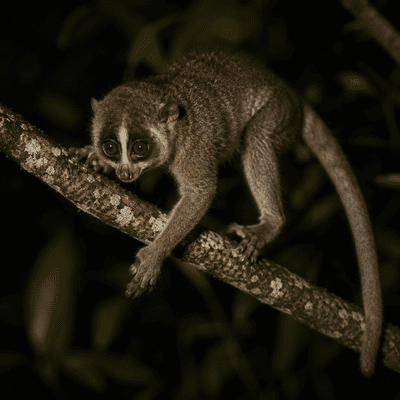
Northern Night Monkey
The northern night monkey, also called a northern owl monkey, is a small primate with large eyes for low light. It moves through trees at night and feeds on fruit, leaves, insects, and other small foods.
- Habitat: Tropical forests in parts of South America.
- Body clue: Large eyes and soft gray-brown fur.
- Active time: Night.
- Known for: Nocturnal tree life.
Related: Burrowing Animals
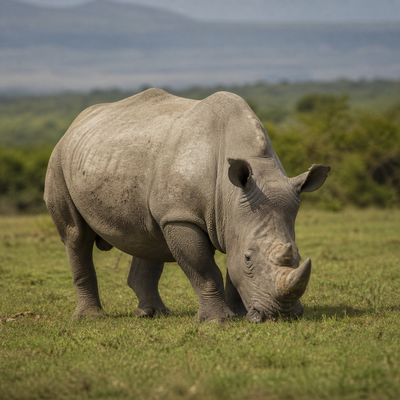
Northern White Rhinoceros
The northern white rhinoceros is a massive grazing mammal with a broad mouth and heavy body. It is now tied closely to urgent conservation work because only two known living animals remain, both female.
- Habitat: Historically grasslands and savannas in central Africa.
- Body clue: Huge body, broad mouth, and two horns.
- Diet: Grasses.
- Known for: Extreme rarity and conservation efforts.
Farm Animals That Start With N
Farm animals under N are mostly breeds rather than wild species. They include dairy goats, cattle, rabbits, sheep, and poultry raised for milk, meat, wool, or traditional farm value.
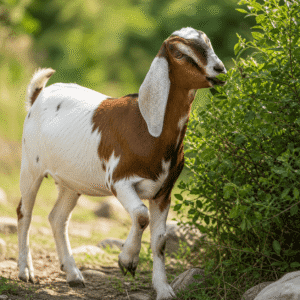
Nubian goat
The Nubian goat is easy to recognize by its long floppy ears and slightly arched face. Farmers often keep this breed for rich milk, which is often used for cheese, yogurt, and other dairy products.
- Main use: Milk production.
- Body feature: Long ears and tall frame.
- Farm setting: Dairies, homesteads, and small farms.
- Known for: Rich, high-butterfat milk.
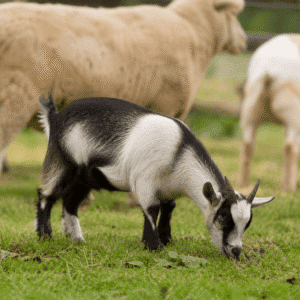
Nigerian dwarf goat
Small but productive, the Nigerian dwarf goat is popular on small farms and homesteads. Its compact size makes it easier to manage than many larger goat breeds, while its milk is known for a rich texture.
- Main use: Milk production.
- Size: Small and compact.
- Farm setting: Small farms and family homesteads.
- Known for: Rich milk from a small breed.
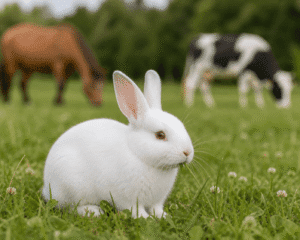
New Zealand white rabbit
The New Zealand white rabbit has a white coat, pink eyes, and a calm body shape often seen in farm and breeding settings. It is commonly raised for meat and sometimes kept in educational farm displays.
- Main use: Meat production and breeding programs.
- Body feature: White coat and sturdy body.
- Temperament: Usually calm when handled properly.
- Known for: One of the best-known domestic rabbit breeds.
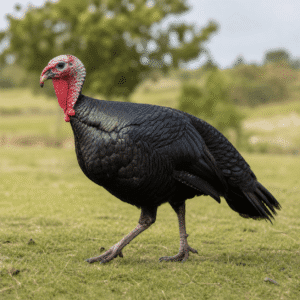
Norfolk black turkey
The Norfolk black turkey is a heritage turkey breed with dark feathers and a long farming history. It is valued for traditional poultry keeping and flavorful meat.
- Main use: Meat production.
- Body feature: Dark plumage.
- Farm setting: Poultry yards and heritage farms.
- Known for: Old farm-breed character.
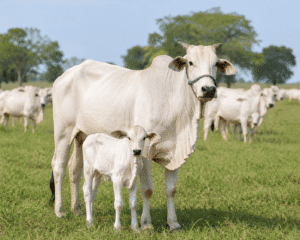
Nellore cattle
Nellore cattle are hardy animals with a raised hump, loose skin, and strong heat tolerance. They are widely raised in warm regions for beef and are valued for strength and adaptability.
- Main use: Beef production.
- Body feature: Hump over the shoulders and loose skin.
- Climate: Warm and tropical regions.
- Known for: Heat tolerance and hardiness.
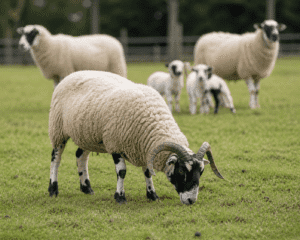
Norfolk horn sheep
Norfolk horn sheep are an old English breed with curved horns and a lean, active body. Though less common today, they remain part of traditional livestock history.
- Main use: Meat and heritage breeding.
- Body feature: Curved horns.
- Farm setting: Grassland and traditional breed farms.
- Known for: Old English sheep heritage.
Zoo Animals That Start With N
Zoo animals beginning with N often come from wetlands, savannas, deserts, forests, and rocky habitats. Some are regular zoo animals, while others are mostly seen in conservation centers or specialized wildlife parks.
Naked mole rat
Naked mole rats are often displayed in tunnel-style zoo exhibits. Their underground colonies, wrinkled skin, and unusual social structure make them fascinating even though they are small and plain-colored.
Nile crocodile
The Nile crocodile is one of Africa’s strongest reptiles. In zoo enclosures, its heavy body, rough scales, powerful tail, and watchful stillness make it hard to ignore.
- Habitat in the wild: Rivers, lakes, wetlands, and floodplains.
- Body feature: Strong jaws and armored skin.
- Diet: Fish, birds, mammals, and other animals.
- Known for: Power and ambush hunting.
Nyala
Nyalas are often kept in savanna-style zoo habitats. Their striped bodies, gentle movement, and spiral horns on males give them a distinctive look among antelopes.
Nene
The nene, also called the Hawaiian goose, is often seen in conservation-focused zoos and wildlife parks. It has adapted to rocky volcanic landscapes in Hawaii and remains an important conservation bird.
Nubian ibex
Nubian ibexes suit rocky zoo enclosures with ledges and climbing spaces. Their curved horns and mountain-goat movement make them especially interesting to watch.
Northern leopard frog
The northern leopard frog is a spotted amphibian sometimes shown in reptile and amphibian houses. Its greenish body, dark round spots, and strong jumping ability make it easy to identify.
Nile monitor
The Nile monitor is a large African lizard with a long tail, strong claws, and a patterned body. It often lives near water in the wild and is known for swimming, climbing, and hunting small animals.
Northern white rhinoceros
The northern white rhinoceros is not a regular zoo animal in the usual sense. It belongs more to the story of conservation, protected care, and urgent species recovery work. Its huge body, broad mouth, and grazing lifestyle connect it closely to African grasslands and savannas.
Birds That Start With N
Birds beginning with N bring together song, color, speed, migration, and night hunting. Some are garden favorites, some live on islands, and others spend much of their lives over water or open land.
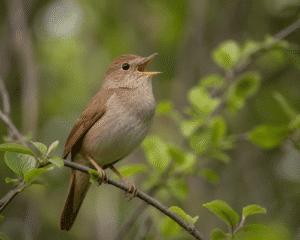
Nightingale
The nightingale is a small brown bird famous for its rich, flowing song. Its plain feathers help it stay hidden in bushes and thickets, but its voice has made it one of the most celebrated songbirds in the world.
- Habitat: Thickets, scrub, woodland edges, and dense vegetation.
- Body feature: Plain brown feathers and small body.
- Known for: Strong, complex song.
- Active time: Often heard in evening and night hours.
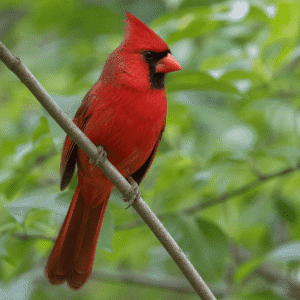
Northern cardinal
The northern cardinal is one of North America’s most recognizable garden birds. Males have bright red plumage and a pointed crest, while females are softer brown with warm reddish touches.
- Habitat: Gardens, woodlands, parks, and shrubland.
- Body feature: Pointed crest and thick seed-cracking beak.
- Known for: Bright red males and whistled calls.
- Diet: Seeds, fruits, and insects.
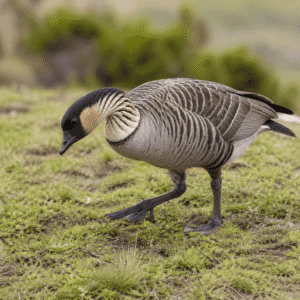
Nene
The nene is Hawaii’s native goose. It has a shorter, sturdier look than many geese and strong feet that suit rough lava fields, grasslands, and open volcanic slopes.
- Habitat: Hawaiian grasslands, shrublands, and volcanic areas.
- Body feature: Dark neck grooves and buff-colored cheeks.
- Known for: Being Hawaii’s state bird.
- Animal group: Goose.
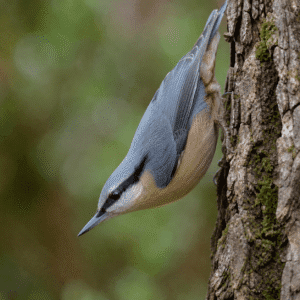
Nuthatch
A nuthatch is a small woodland bird often spotted moving headfirst down tree trunks. Its compact body, sharp bill, and quick climbing style set it apart from many other garden birds.
- Habitat: Forests, parks, and gardens.
- Body feature: Short tail and pointed bill.
- Movement: Climbs down trees headfirst.
- Diet: Insects, seeds, and nuts.
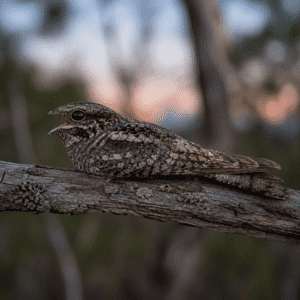
Nightjar
The nightjar is active mostly at dusk and during the night. Its mottled feathers blend with leaves, bark, and dry ground, while its wide mouth helps it catch flying insects.
- Habitat: Woodlands, heathland, scrub, and open country.
- Body feature: Camouflage feathers and wide mouth.
- Diet: Flying insects.
- Known for: Dusk activity and quiet ground resting.
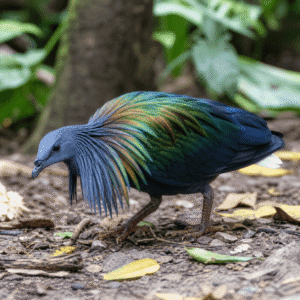
Nicobar pigeon
The Nicobar pigeon has shimmering feathers in green, blue, bronze, and copper tones. It lives on islands across Southeast Asia and the Pacific, often feeding on fruits and seeds.
- Habitat: Islands, coastal forests, and mangroves.
- Body feature: Metallic feathers and neck hackles.
- Diet: Fruits, seeds, and small invertebrates.
- Known for: Striking color among pigeons.
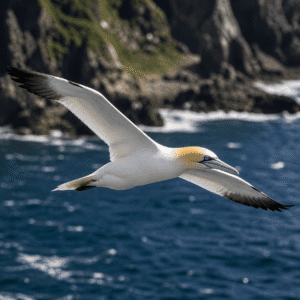
Northern gannet
The northern gannet is a large seabird famous for dramatic plunge-diving. It drops from the air into the sea to catch fish, using a streamlined body and long wings.
- Habitat: Coastal cliffs and open ocean.
- Body feature: Long wings and pointed bill.
- Movement: High-speed diving into water.
- Diet: Fish.
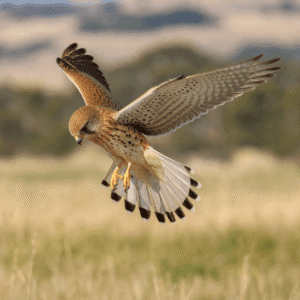
Nankeen kestrel
The nankeen kestrel is a small falcon from Australia and nearby regions. It often hovers in place while scanning the ground for insects, reptiles, and small mammals.
- Habitat: Open fields, grasslands, farmland, and roadsides.
- Body feature: Slim wings and reddish-brown upperparts.
- Hunting style: Hovering over open ground.
- Diet: Insects, small reptiles, and small mammals.
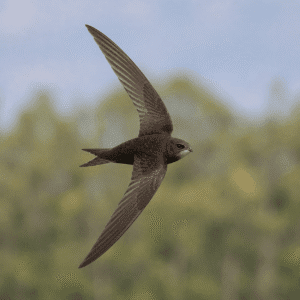
Needletail swift
The needletail swift is built for fast flight. Its streamlined body and long wings keep it moving through the air for long periods while it catches insects.
- Habitat: Open sky, forests, and migration routes.
- Body feature: Long wings and compact body.
- Movement: Fast, continuous flight.
- Diet: Flying insects.
Sea Animals That Start With N
Sea animals beginning with N include whales, sharks, fish, mollusks, and soft-bodied reef creatures. Some live in Arctic waters, some stay near coral reefs, and others move through deep ocean habitats.
Narwhal
The narwhal is an Arctic whale famous for the long spiral tusk found mostly on males. The tusk is actually a tooth that grows through the upper jaw. In icy waters, the narwhal’s pale body blends with the northern seascape.
- Habitat: Arctic waters.
- Body clue: Long spiral tusk, mostly in males.
- Diet: Fish, squid, and shrimp.
- Known for: The unicorn of the sea look.
Nautilus
Few sea animals look as ancient as the nautilus. This marine mollusk carries a chambered spiral shell and moves by pushing water through its body.
- Habitat: Deep ocean slopes and reef edges.
- Body clue: Chambered spiral shell and many small tentacles.
- Movement: Jet-like movement through water.
- Known for: Its ancient-looking body design.
Nurse Shark
The nurse shark is slower and calmer than many people expect from a shark. It often rests near the sea floor and uses small barbels near its mouth to search for food in sand and reef areas.
- Habitat: Warm shallow waters, reefs, and sandy bottoms.
- Body clue: Broad head, rounded fins, and mouth barbels.
- Diet: Fish, crustaceans, and shellfish.
- Known for: Slow movement near the bottom.
Needlefish
Needlefish have long thin bodies and pointed jaws. They move near the water surface and dart after small fish with sudden speed.
- Habitat: Warm coastal waters, lagoons, and reef areas.
- Body clue: Long narrow body and sharp jaws.
- Diet: Small fish.
- Known for: Fast surface movement.
Neon Goby
The neon goby is a small reef fish with a bright blue stripe along its body. It often cleans tiny parasites from larger fish, which makes it a noticeable part of reef life.
- Habitat: Coral reefs.
- Body clue: Small dark body with a bright blue stripe.
- Diet: Tiny parasites and small food particles.
- Known for: Cleaning larger fish.
Neon Tetra
The neon tetra is a tiny freshwater fish with a glowing blue stripe and red coloring along the body. It is famous in aquariums because groups of neon tetras shimmer brightly as they swim together.
- Habitat: Freshwater streams and aquarium tanks.
- Body clue: Bright blue and red body stripes.
- Diet: Tiny insects, small crustaceans, and prepared fish food in aquariums.
- Known for: Bright schooling color.
Nile Perch
The Nile perch is a large freshwater fish with a strong body and a wide mouth. It lives in African lakes and rivers and is known as a powerful predator.
- Habitat: Lakes, rivers, and freshwater systems in Africa.
- Body clue: Large body and broad mouth.
- Diet: Fish and other aquatic animals.
- Known for: Large size among freshwater fish.
Nase
The nase, often called the common nase, is a freshwater fish found in European rivers. Its downward-facing mouth suits feeding along stones and river bottoms in moving water.
- Habitat: Moderate to fast-flowing rivers.
- Body clue: Streamlined body and downward-facing mouth.
- Diet: Algae, plant material, and small bottom foods.
- Known for: River-bottom feeding.
Nalolo
Nalolo is a small fish name often tied to reef and rocky coastal habitats. It is not as familiar as narwhal or nurse shark, but it adds a real fish name to the N animal list.
- Habitat: Reef areas and rocky coastal waters.
- Body clue: Small fish body suited to crevices and reef spaces.
- Diet: Tiny marine foods.
- Known for: A less familiar N fish name.
Noodlefish
Noodlefish are small, slender, almost transparent fish. Their thin pale bodies explain the name, and they live in coastal waters, estuaries, and freshwater areas depending on the species.
- Habitat: Coastal waters, estuaries, and some freshwater areas.
- Body clue: Thin, pale, noodle-like body.
- Diet: Tiny aquatic animals.
- Known for: Delicate, glassy appearance.
North Atlantic Right Whale
The North Atlantic right whale is a huge baleen whale with a broad body, dark skin, and rough pale patches called callosities on the head. It feeds by filtering tiny animals from seawater.
- Habitat: North Atlantic coastal and offshore waters.
- Body clue: Huge body and rough head patches.
- Diet: Tiny crustaceans such as copepods.
- Known for: Being one of the most endangered large whales.
Northern Elephant Seal
The northern elephant seal is a massive marine mammal. Males are much larger than females and have a trunk-like nose that gives the species its name.
- Habitat: North Pacific waters and breeding beaches.
- Body clue: Huge body and trunk-like nose on males.
- Diet: Fish and squid.
- Known for: Deep diving and beach breeding colonies.
Northern Fur Seal
The northern fur seal has dense fur, strong flippers, and a life split between open ocean and breeding rookeries. It swims powerfully and returns to land in large groups during breeding season.
- Habitat: North Pacific waters and rocky breeding islands.
- Body clue: Dense fur and strong flippers.
- Diet: Fish, squid, and other marine animals.
- Known for: Large breeding colonies.
Amphibians And Reptiles That Start With N
Some N animals spend time around ponds, rivers, marshes, damp soil, or warm rocky places. Amphibians such as newts and frogs often need moisture, while reptiles such as crocodiles, lizards, and snakes rely on body heat from their surroundings.
Newt
A newt is a small amphibian with smooth skin, a long tail, and a slender body. Many newts live in ponds during breeding season and spend other parts of the year in damp places under leaves, logs, or stones.
- Habitat: Ponds, wetlands, forests, and damp ground.
- Body feature: Smooth skin and long tail.
- Animal group: Amphibian.
- Known for: Life in both water and damp land areas.
Natterjack toad
The natterjack toad has a short body, warty skin, and often a yellow stripe running down its back. It is known for a loud call that carries across sandy and open habitats.
- Habitat: Sandy heaths, dunes, grasslands, and shallow pools.
- Body feature: Warty skin and back stripe.
- Animal group: Amphibian.
- Known for: Loud call.
Nile crocodile
The Nile crocodile is a large reptile found in African rivers, lakes, and wetlands. It rests along banks, swims with only its eyes and nostrils above water, and strikes quickly when prey comes close.
- Habitat: Rivers, lakes, marshes, and floodplains.
- Body feature: Armored body and strong jaws.
- Animal group: Reptile.
- Known for: Ambush hunting.
Nile monitor
The Nile monitor is a large lizard with a muscular body, strong claws, and a long tail. It often lives near water, where it swims well and hunts fish, eggs, insects, and small animals.
- Habitat: Riverbanks, wetlands, forests, and savannas.
- Body feature: Long tail and sharp claws.
- Animal group: Reptile.
- Known for: Swimming and climbing ability.
Northern leopard frog
The northern leopard frog has green or brown skin marked with dark rounded spots. It often lives near ponds, marshes, and wet meadows, where it jumps quickly through grass and shallow water.
- Habitat: Wetlands, ponds, marshes, and meadows.
- Body feature: Leopard-like spots.
- Animal group: Amphibian.
- Known for: Strong jumping.
Northern water snake
The northern water snake is a thick-bodied snake often found near ponds, streams, and lakes. It swims well and feeds on fish, frogs, and other small aquatic animals.
- Habitat: Freshwater edges and wetlands.
- Body feature: Dark bands and strong swimming body.
- Animal group: Reptile.
- Known for: Hunting near water.
Invertebrates That Start With N
Many N animals have no backbone at all. This group includes worms, insects, spiders, sea slugs, and shell-bearing mollusks. Some are tiny, but they play major roles in soil, forests, oceans, and food chains.
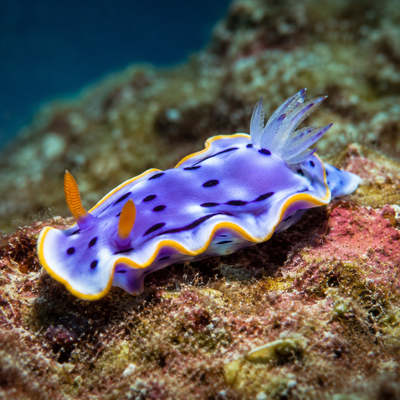
Nudibranch
A nudibranch is a brightly colored sea slug with a soft body and bold patterns. Some look frilly, some look spotted, and others carry bright warning colors that make them stand out on reefs.
- Habitat: Reefs and rocky sea floors.
- Body feature: Soft body and bright colors.
- Animal group: Mollusk.
- Known for: Striking underwater color.
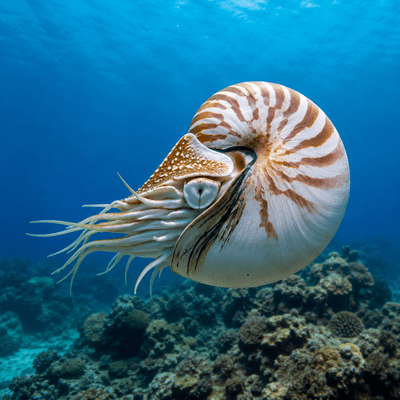
Nautilus
The nautilus is a marine mollusk with a chambered spiral shell. It has many small tentacles around its mouth and moves slowly through deep ocean water.
- Habitat: Deep ocean and reef slopes.
- Body feature: Spiral shell and tentacles.
- Animal group: Mollusk.
- Known for: Shell chambers.
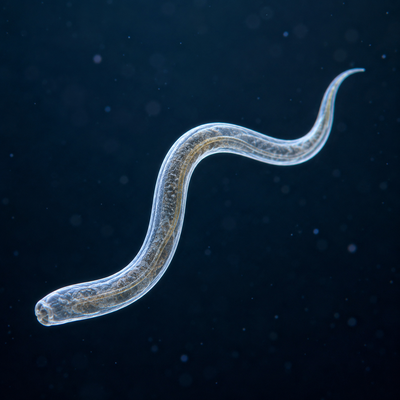
Nematode
A nematode is a roundworm, often so small that people do not notice it without magnification. Nematodes live in soil, water, plants, animals, and many other environments.
- Habitat: Soil, water, plants, and animal bodies.
- Body feature: Long, round, thread-like body.
- Animal group: Roundworm.
- Known for: Living in huge numbers across many habitats.
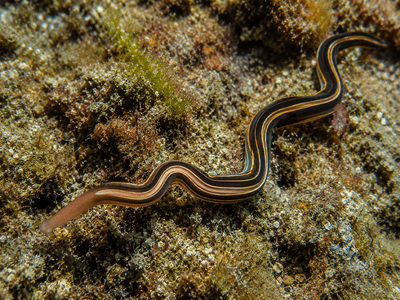
Nemertean
Nemerteans are also called ribbon worms. Their bodies are long, soft, and flexible, and many live in marine environments along sea floors or coastal areas.
- Habitat: Marine environments and coastal shores.
- Body feature: Long ribbon-like body.
- Animal group: Worm-like invertebrate.
- Known for: Stretching and contracting body shape.
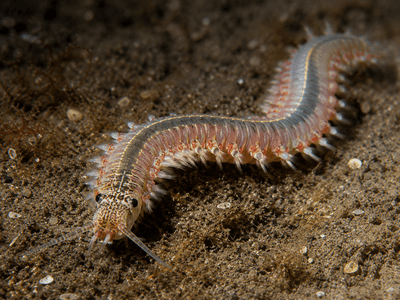
Nereis
Nereis is a type of marine bristle worm often found in sandy or muddy sea beds. Its segmented body and small bristles help it move through sediment.
- Habitat: Sandy and muddy sea floors.
- Body feature: Segmented body with bristles.
- Animal group: Bristle worm.
- Known for: Role in marine food chains.
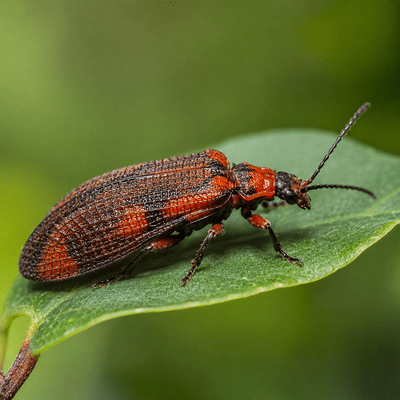
Net-winged beetle
The net-winged beetle gets its name from the vein-like pattern on its wings. Many are found in forests, grasslands, and plant-rich areas.
- Habitat: Forests, grasslands, and gardens.
- Body feature: Net-like wing pattern.
- Animal group: Insect.
- Known for: Textured wing design.
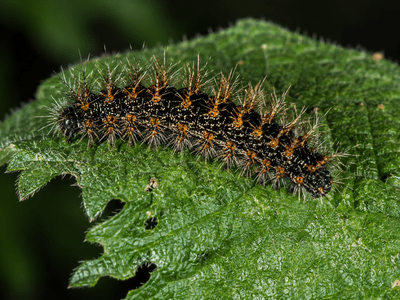
Nettle caterpillar
The nettle caterpillar is the larval stage of certain moths. Many have stinging hairs or spines that protect them from predators, so they should not be handled casually.
- Habitat: Leaves, shrubs, and garden plants.
- Body feature: Stinging hairs or spines.
- Animal group: Insect larva.
- Known for: Irritating sting.
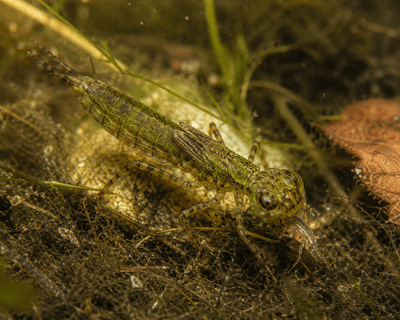
Nymph
A nymph is the young stage of insects such as dragonflies, grasshoppers, mayflies, and true bugs. Some nymphs live in water, while others move through plants before becoming adults.
- Habitat: Water, grass, leaves, or soil, depending on the insect.
- Body feature: Young insect body without full adult wings.
- Animal group: Juvenile insect stage.
- Known for: Growing into an adult insect.
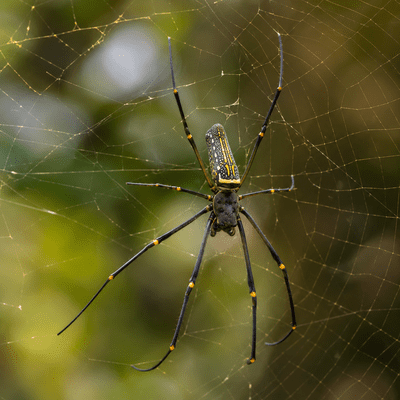
Nephila
Nephila spiders, often called golden orb-weavers, spin large webs that may shine golden in sunlight. They are common in warm regions and are known for strong silk.
- Habitat: Tropical and warm forest edges.
- Body feature: Long legs and large web.
- Animal group: Spider.
- Known for: Golden orb web.
Nightcrawler
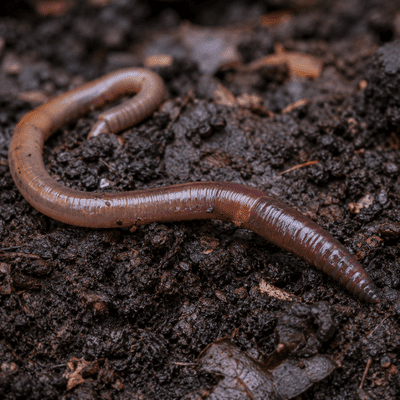
A nightcrawler is a large earthworm that often comes to the soil surface after rain or at night. It helps loosen soil as it moves and feeds on decaying plant material.
- Habitat: Soil, lawns, gardens, and damp ground.
- Body feature: Long, soft, segmented body.
- Animal group: Earthworm.
- Known for: Moving near the surface at night.
Nocturnal Animals That Start With N
Several N animals come alive after dark, hunting insects, fish, or worms while most species rest. Your page already describes these, so grouping them under one heading captures the “nocturnal animals that start with N” search without new research.
- Nightjar: Rests motionless on the forest floor by day, then hunts flying insects at dusk with its wide gaping mouth.
- Noctule bat: One of the largest European bats, flying high and fast over trees and water at nightfall to chase moths and beetles.
- Northern night monkey: A South American primate with oversized eyes built for low light, feeding on fruit and insects through the trees after sunset.
- Night heron: A stocky wading bird that waits at the water’s edge through the evening and night to spear fish and frogs.
- Nighthawk: Often mistaken for a bat, it sweeps through the twilight sky catching insects in mid-air.
- Nightcrawler: A large earthworm that surfaces on lawns and damp ground at night, then retreats underground by morning.
Cute And Pet Animals That Start With N
Not every N animal lives in the wild. Some are farm breeds and household pets known for soft looks and gentle temperaments, which makes them a favorite for younger readers and casual searches.
- Nigerian dwarf goat: A small, friendly dairy goat that thrives on homesteads and ranks among the most popular miniature farm pets.
- Netherland dwarf rabbit: The smallest domestic rabbit breed in the world, weighing around 2.5 pounds, with a rounded face and short ears.
- Norwegian forest cat: A large, thick-coated cat bred for cold Scandinavian winters, sociable despite its rugged look.
- Nubian goat: Easy to spot by its long floppy ears and arched face, kept for rich, high-butterfat milk.
- Newfoundland: A gentle giant of a dog, strong in water and known for a calm, patient nature around families.
- Norfolk terrier: A small, sturdy companion dog with a bold personality and a low-set, wiry coat.
Animals That Start With N For Kids
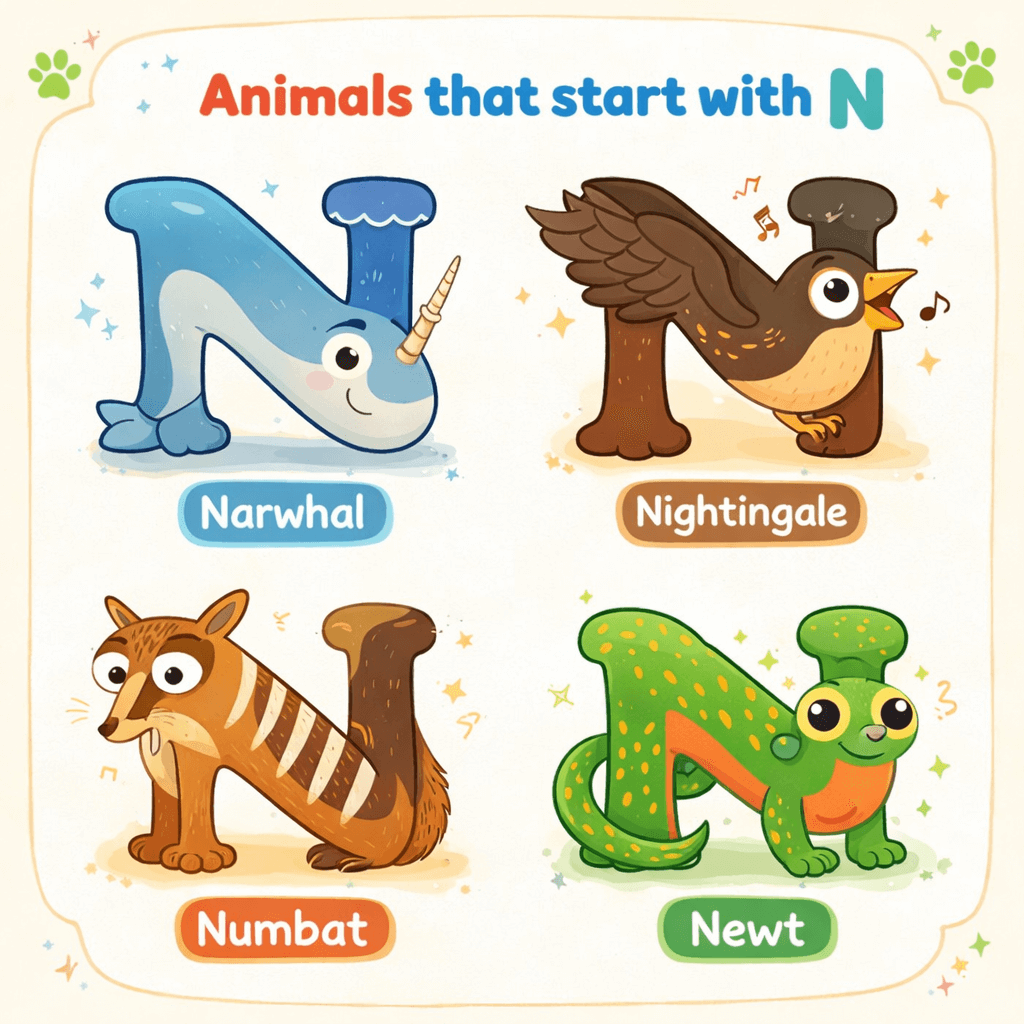
For younger readers, the best N animals are the ones with strong shapes, sounds, or memorable features. These names are easier to picture because each animal has something that stands out right away.
- Narwhal: A whale with a long tusk that looks like a spiral horn.
- Newt: A small amphibian with a tail that often lives near ponds.
- Nightingale: A small bird famous for its beautiful song.
- Numbat: A striped Australian animal that eats termites.
- Nene: A Hawaiian goose with strong feet and dark neck markings.
- Nurse shark: A slow-moving shark that rests near the sea floor.
- Nilgai: A large antelope also called the blue bull.
- Nile crocodile: A huge reptile with strong jaws and a long tail.
- Nautilus: A sea animal with a spiral shell.
- Nudibranch: A colorful sea slug with bright patterns.
Related: Animal Group Names for Kids
Rare Animals That Start With N
Some N animals are rare because of habitat loss, hunting, small range, or slow recovery. These animals need stronger protection than most familiar species.
Related: Animals Found Only in One Country
Northern white rhinoceros
The northern white rhinoceros is one of the rarest large mammals on Earth. It no longer survives as a normal wild population, and conservation work around it is urgent and closely watched.
Northern hairy-nosed wombat
The northern hairy-nosed wombat is a rare Australian burrowing mammal. Its small surviving population makes it one of the most carefully protected wombats.
Numbat
The numbat once lived across a much wider part of Australia. Today, it survives in fewer areas and remains closely tied to woodland habitat and termite-rich ground.
Nene
The nene has a powerful recovery story, but it still depends on protection in Hawaii. Predators, habitat pressure, and small island range keep this goose important for conservation.
Nicobar pigeon
The Nicobar pigeon stands out for its metallic feathers, but island habitat pressure and hunting have made it a conservation concern in parts of its range.
Weird Animals That Start With N
Some N animals feel unusual because of their shape, skin, movement, or lifestyle. These are good choices when you want an animal that stands out fast.
- Naked mole rat: A nearly hairless rodent that lives in underground colonies.
- Narwhal: A whale with a tusk that grows like a spiral tooth.
- Nautilus: A mollusk with a chambered shell and many tentacles.
- Nudibranch: A sea slug with bright colors and soft frilly shapes.
- Numbat: A marsupial that spends daylight hours eating termites.
- Northern potoo: A bird that can look like a broken branch while resting.
- Nephila spider: A web-building spider known for golden-looking silk.
- Noodlefish: A small fish with a thin, pale, noodle-like body.
Surprising Facts About N Animals
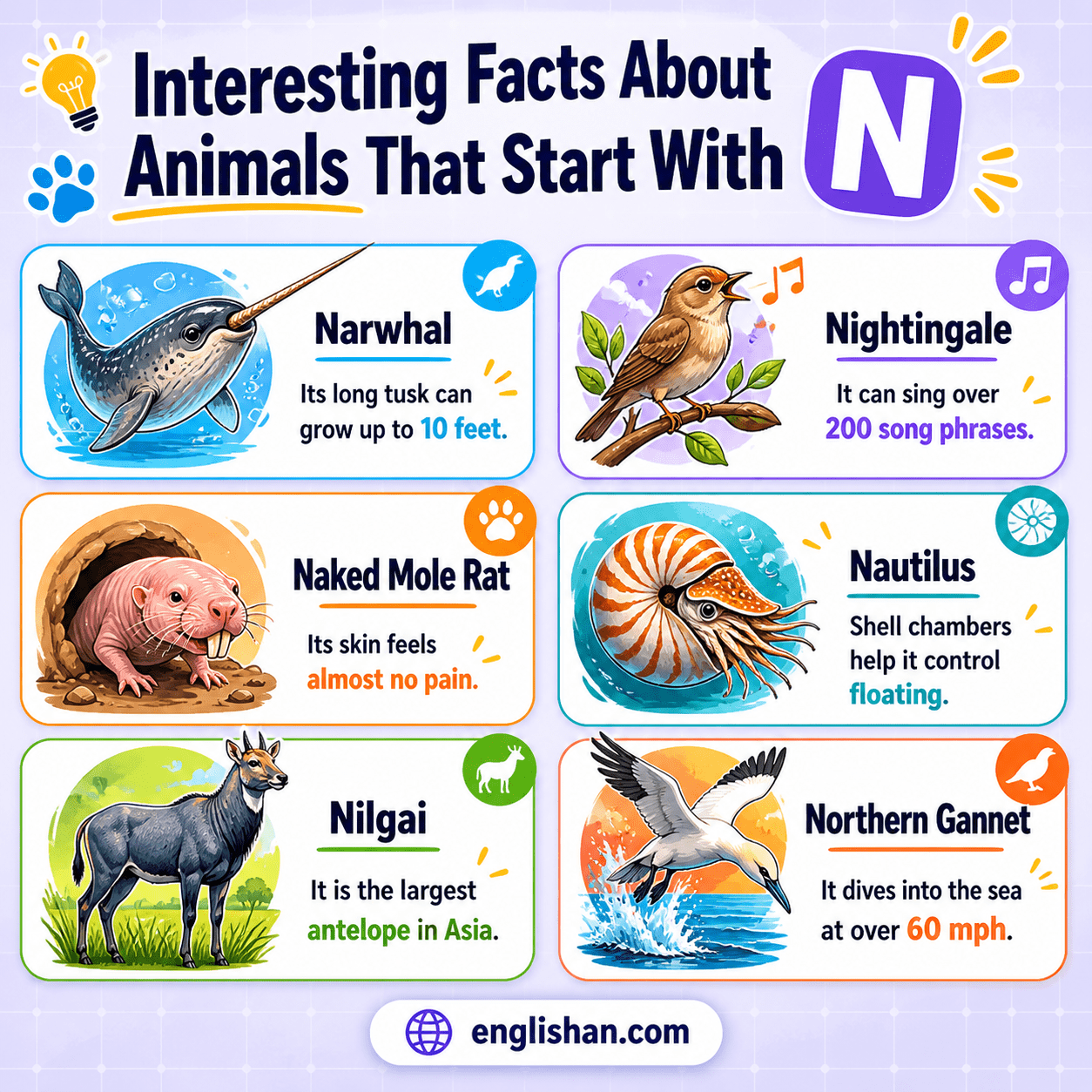
- A few quick facts make these animals even easier to remember.
- Narwhal tusks can grow up to 10 feet long and are actually overgrown teeth packed with nerves.
- Nightingales can sing more than 200 different song phrases and often sing through the night.
- Naked mole rats feel almost no pain in their skin and rarely develop cancer.
- A nautilus shell has many sealed chambers that the animal uses to control how it floats.
- Nilgai are the largest antelope in Asia and can run at over 30 miles per hour.
- Numbats are one of the few marsupials that are active during the day.
- Northern gannets dive into the sea from 100 feet up at speeds over 60 miles per hour.
- Nene geese were once down to about 30 birds in the wild before conservation programs helped them recover.
Related: Animals and Their Scientific Names
FAQs
Some common animals that start with N are narwhal, numbat, newt, nightingale, nilgai, nene, nurse shark, Nile crocodile, and nautilus. These names cover mammals, birds, reptiles, amphibians, and sea animals.
The narwhal is one of the most famous N animals because of its long spiral tusk. Nightingale is also well known because of its song, especially in stories, poetry, and nature writing.
Yes, narwhal starts with N. It is an Arctic whale known for the long tusk that grows from its upper jaw, mostly in males.
Mammals that start with N include narwhal, numbat, naked mole rat, nilgai, nyala, nutria, northern elephant seal, northern hairy-nosed wombat, and Nubian ibex.
Birds that start with N include nightingale, nene, nuthatch, northern cardinal, northern gannet, nightjar, nighthawk, Nicobar pigeon, and nankeen kestrel.
Sea animals that start with N include narwhal, nautilus, needlefish, neon goby, nurse shark, nudibranch, and northern elephant seal. They live in Arctic waters, reefs, deep seas, coastal areas, and open ocean habitats.
Reptiles that start with N include Nile crocodile, Nile monitor, northern water snake, night snake, and northern alligator lizard. These reptiles live in wetlands, rivers, forests, rocky areas, and warm ground habitats.
Amphibians that start with N include newt, natterjack toad, northern leopard frog, and northern dusky salamander. Many of them live near ponds, streams, damp forests, or shallow breeding pools.
Big animals that start with N include narwhal, Nile crocodile, nilgai, nyala, northern elephant seal, and northern white rhinoceros. They belong to very different habitats, from oceans and rivers to grasslands and protected reserves.
Rare animals that start with N include northern white rhinoceros, northern hairy-nosed wombat, numbat, nene, and Nicobar pigeon. Their rarity is linked to small populations, habitat pressure, hunting, or limited natural range.