The animal kingdom’s strongest hunters, sharpest foragers, and quietest predators come alive after sunset. Nocturnal animals have eyes built for low light, ears tuned to faint sounds, and bodies shaped for darkness. Owls strike from silence, foxes track scent through pitch-dark fields, and bats map entire landscapes using sound alone.
Their bodies are designed around darkness in specific ways. Large pupils, reflective eye layers, heat-sensing pits, and whisker-like sensors let them hunt, navigate, and communicate where most other species would be blind.
Below, you will find nocturnal animals’ names with pictures and real facts about how each one thrives after dark — from the traits that sharpen their senses to the hunting styles that keep them fed through the night.
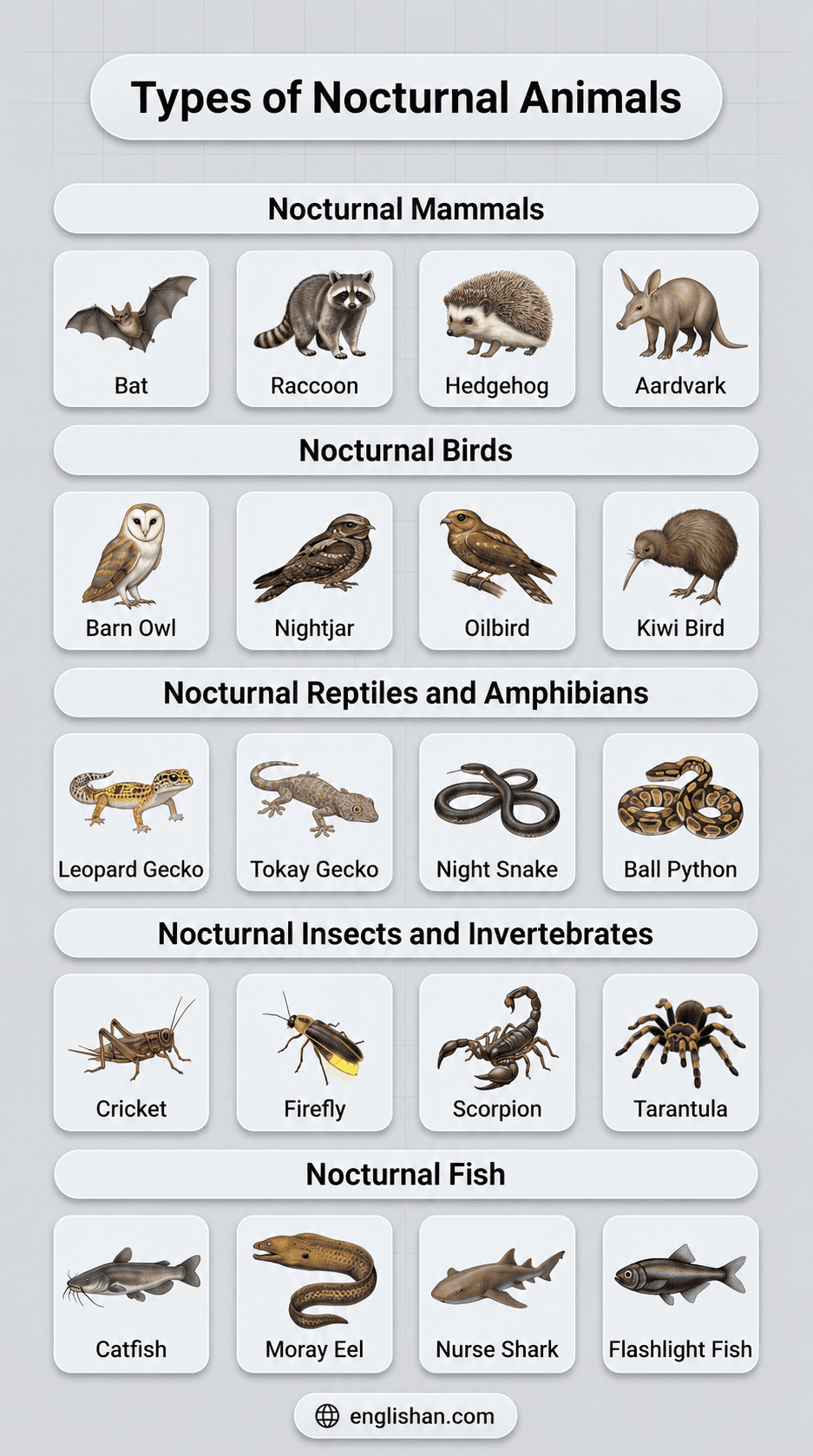
What Are Nocturnal Animals?
Nocturnal animals are creatures that are mainly active during the night and rest during the day. Instead of relying on sunlight, they are adapted to low-light or dark conditions, which helps them hunt, move, and survive in the dark more effectively than daytime animals.
These animals often have special features such as strong night vision, a sharp sense of hearing, or a strong sense of smell. Examples include owls, bats, foxes, and some insects. Their lifestyle helps them avoid predators, find food more easily at night, and live in environments where daytime heat or competition is high.
Explore more animals that start with different letters:
A | B | C | D | E | F | G | H | I | J | K | L | M | N | O | P | Q | R | S | T | U | V | W | X | Y | Z
List of Nocturnal Animals in English
- Owl
- Bat
- Fox
- Raccoon
- Hedgehog
- Aardvark
- Galago
- Flying Squirrel
- Wolf
- Leopard
- Bobcat
- Ocelot
- Serval
- Kinkajou
- Jerboa
- Kangaroo Rat
- Porcupine
- Badger
- Skunk
- Civet
- Opossum
- Sloth
- Cat (Domestic Cat)
- Leopard Gecko
- Tokay Gecko
- Crested Gecko
- Night Snake
- Ball Python
- Red-eyed Tree Frog
- Frog
- Toad
- Scorpion
- Tarantula
- Cockroach
- Firefly
- Cricket
- Moth
- Darkling Beetle
- Ants (Nocturnal Species)
- Termite
- Centipede
- Earthworm
- Catfish
- Moray Eel
- Nurse Shark
- Flashlight Fish
- Pinecone Fish
- Squirrelfish
- Nightjar
- Oilbird
- Kiwi Bird
- Black-crowned Night Heron
Common Nocturnal Animals with Pictures
❶ Owl
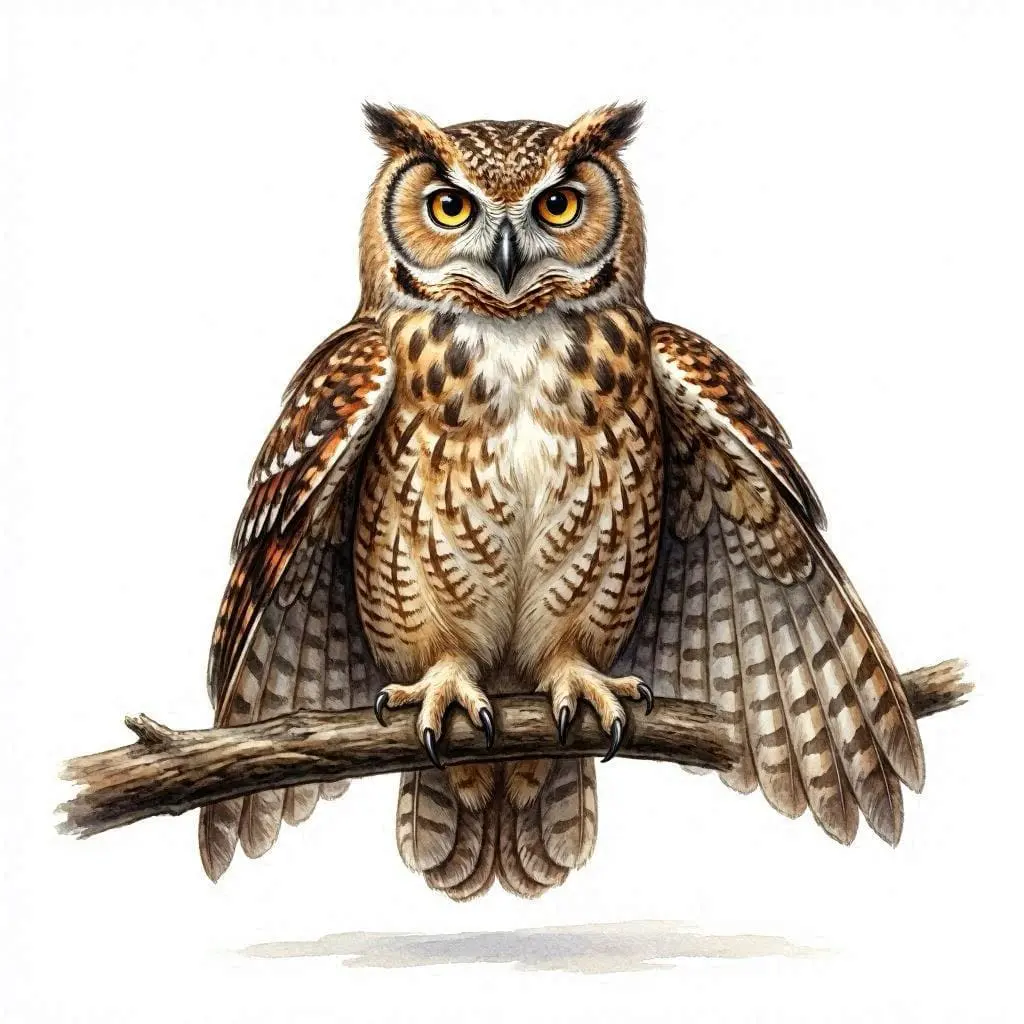
Type: Bird
Owls are one of the most skilled night hunters in the animal world. They are specially adapted for darkness with extremely sharp eyesight and powerful hearing. Their feathers are designed in a way that allows them to fly silently, which helps them surprise their prey such as mice, insects, and small birds.
Where found: Forests, deserts, mountains, and farmland regions across the world
❷ Bat
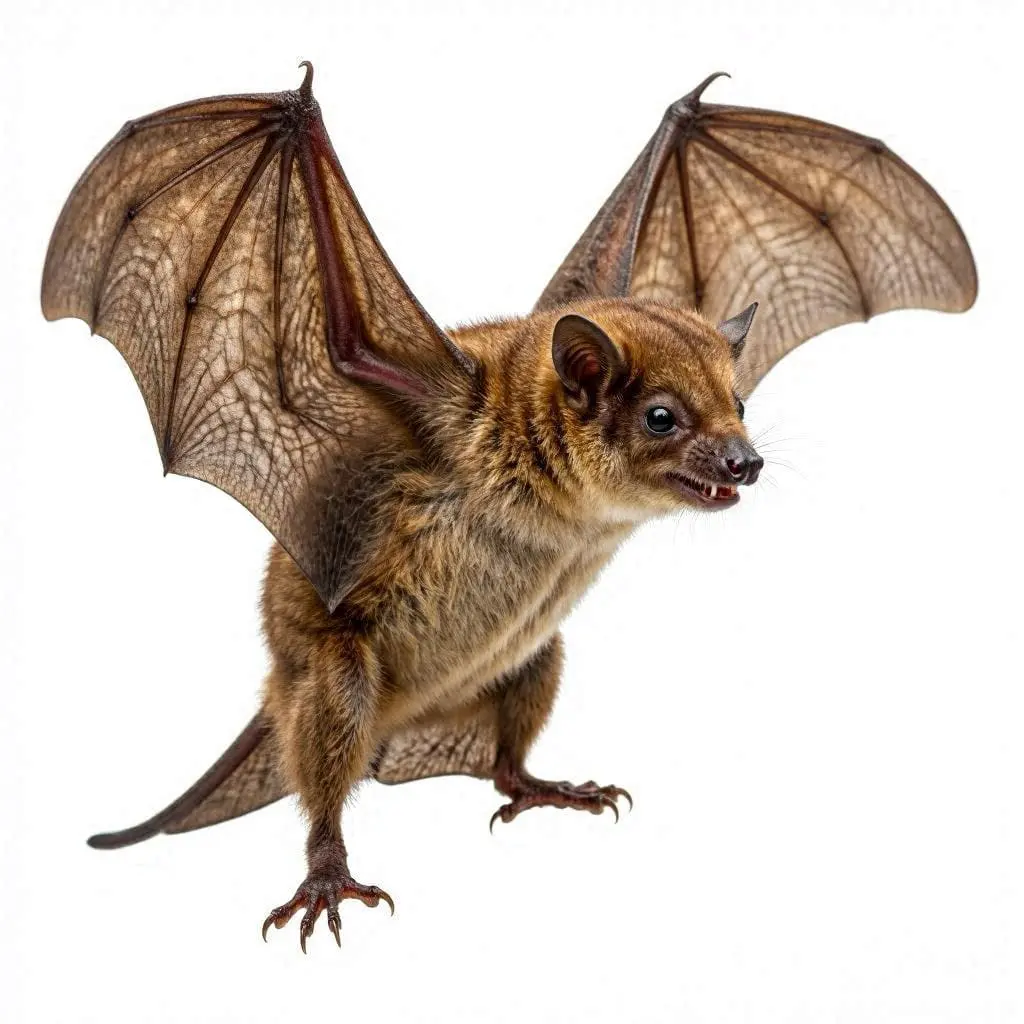
Type: Mammal
Bats are unique mammals that are capable of true flight. Instead of relying on light, they use a special system called echolocation, where they send sound waves and listen to the echoes to understand their surroundings. This allows them to move and hunt perfectly even in complete darkness.
Where found: Caves, forests, trees, and old buildings worldwide
❸ Fox
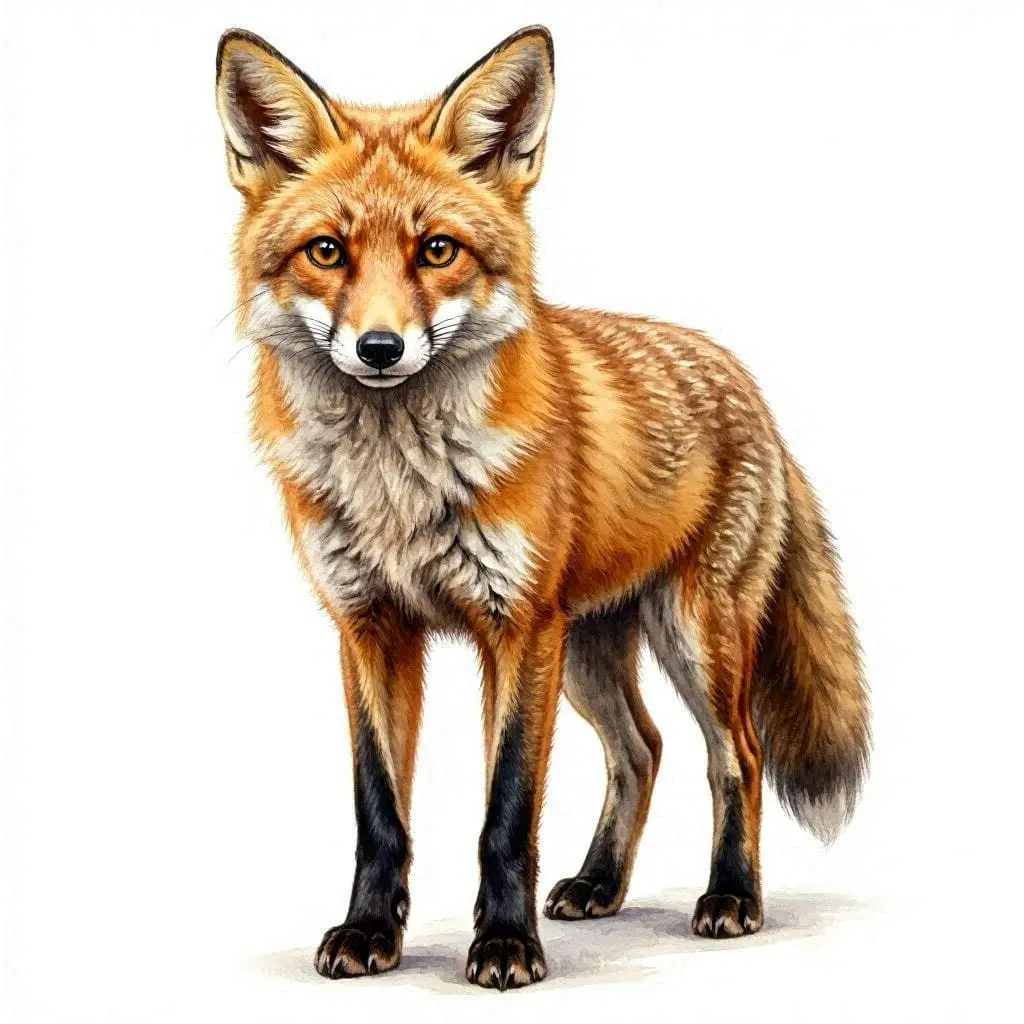
Type: Mammal
Foxes are intelligent and highly adaptable animals. At night, they become active hunters, using their sharp hearing and smell to locate prey. They are also opportunistic, meaning they can eat small animals, fruits, and even human leftovers when needed.
Where found: Forests, grasslands, deserts, and urban areas
❹ Raccoon
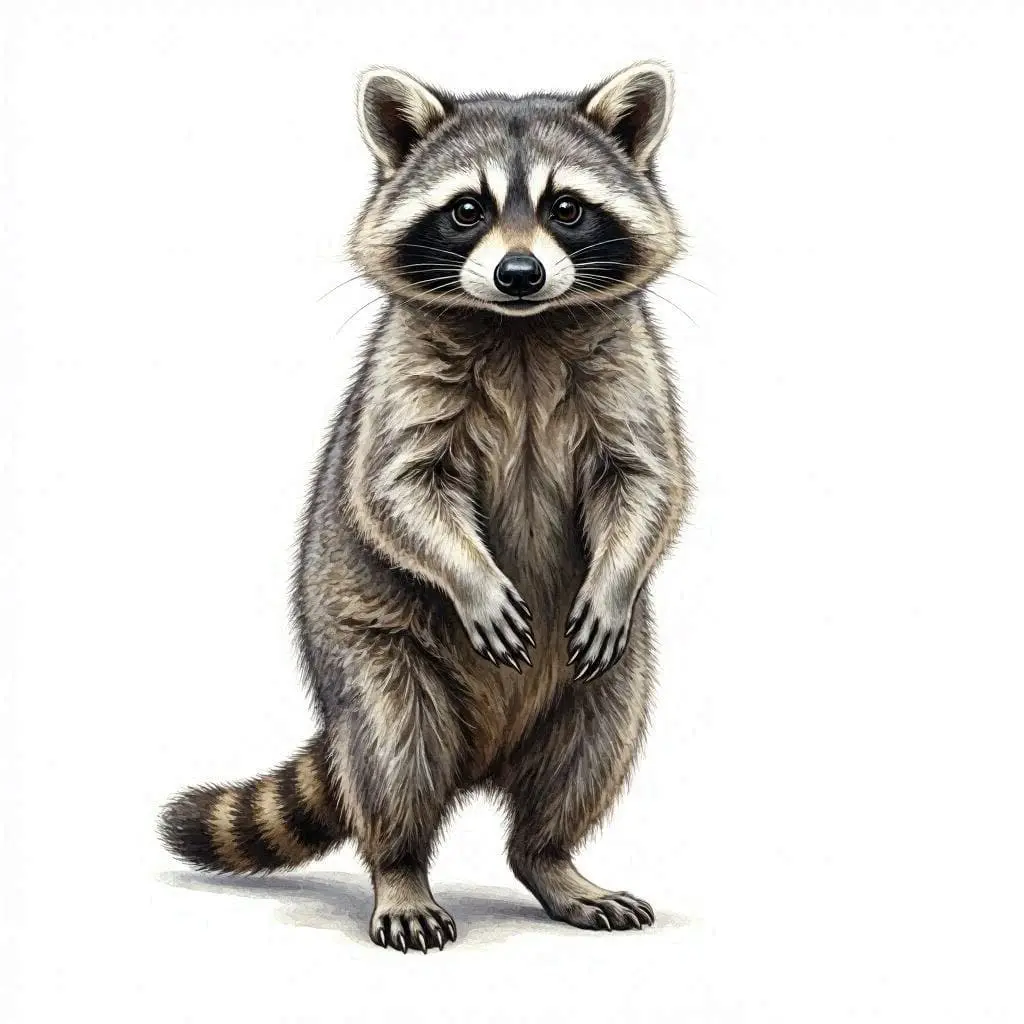
Type: Mammal
Raccoons are curious and clever animals known for their problem-solving abilities. They use their sensitive front paws almost like hands to explore objects and find food. This is why they are often seen opening containers or searching through bins at night.
Where found: North and Central America near forests, rivers, and cities
❺ Hedgehog
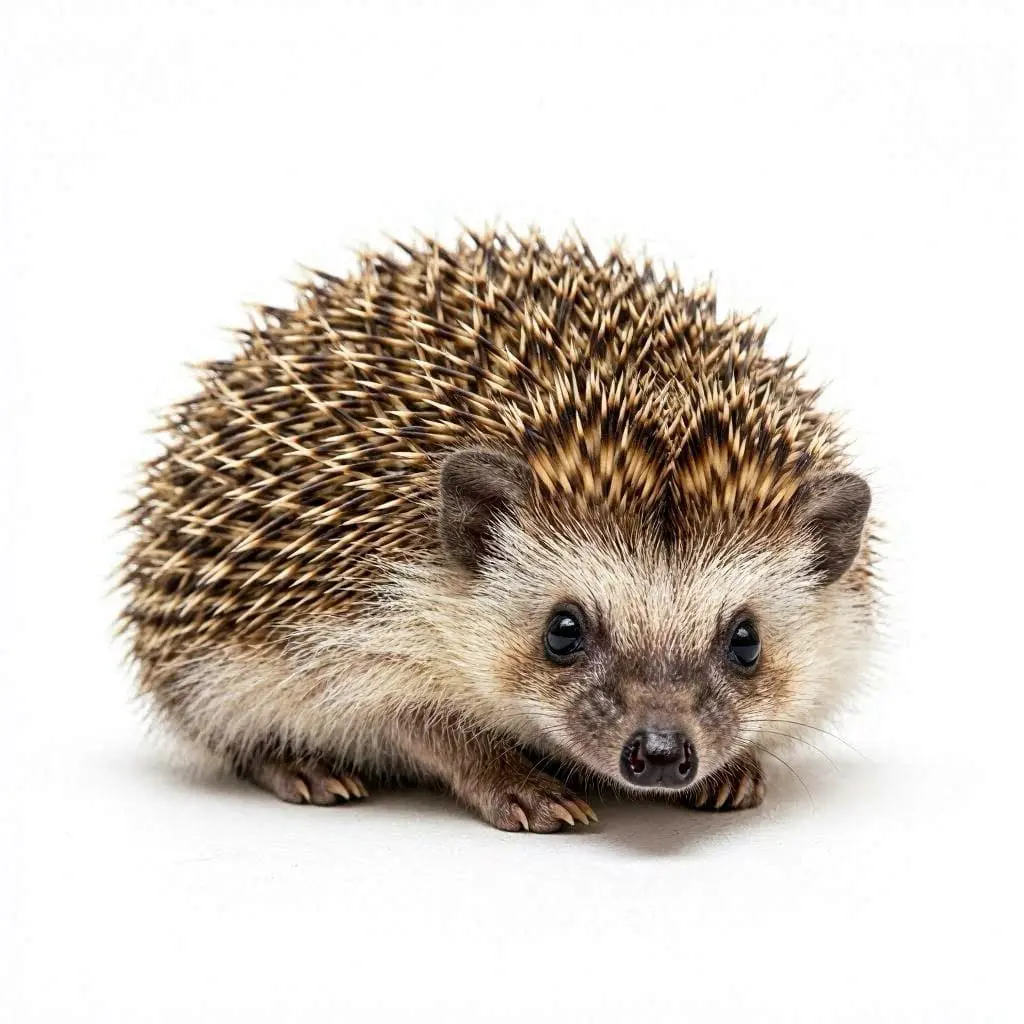
Type: Mammal
Hedgehogs are small animals covered with sharp spines that act as protection. During the night, they slowly move through grass and gardens in search of insects, worms, and other small invertebrates. When threatened, they curl into a tight ball for safety.
Where found: Europe, Asia, and Africa in gardens, grasslands, and woodlands
❻ Wolf
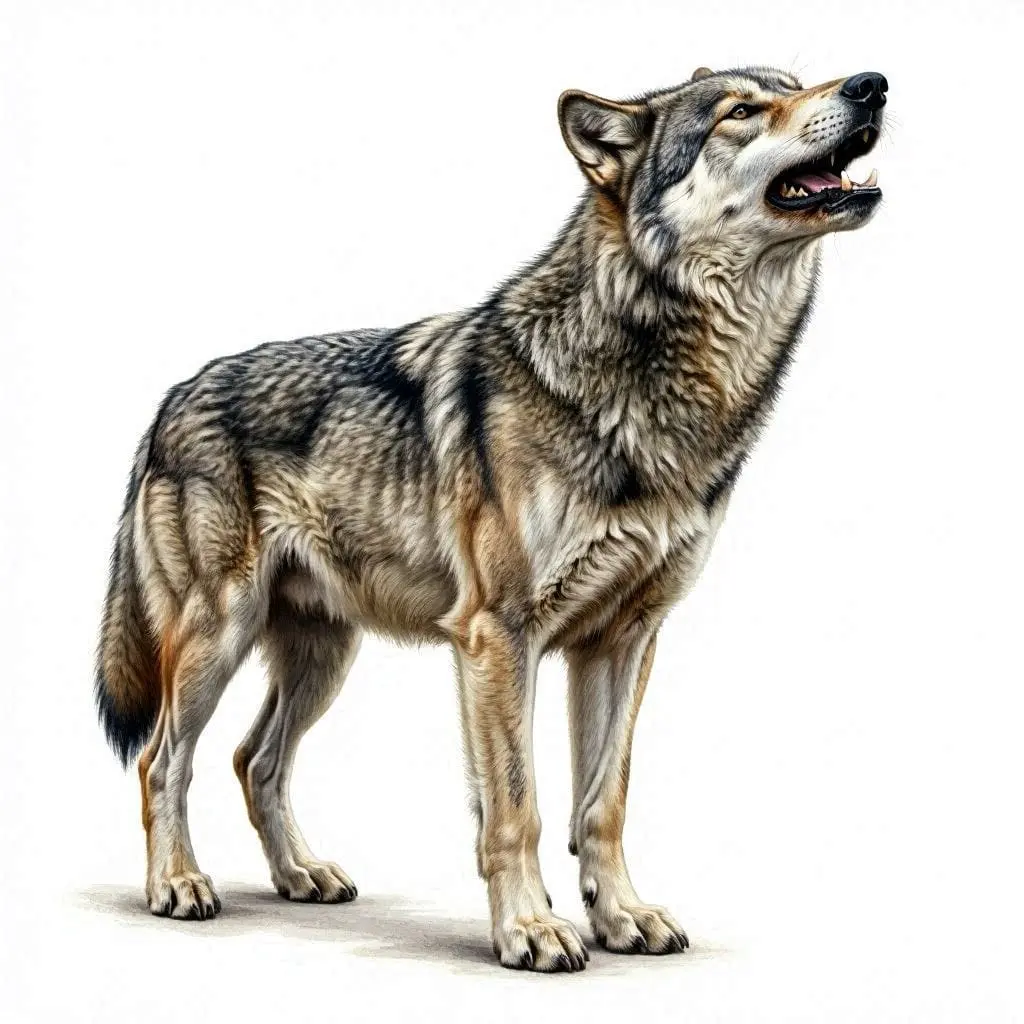
Type: Mammal
Wolves are social and intelligent predators that usually hunt in groups called packs. At night, they communicate through howls and coordinated movements to hunt larger animals together, making them highly effective hunters.
Where found: Forests, tundras, and grasslands across North America, Europe, and Asia
❼ Leopard
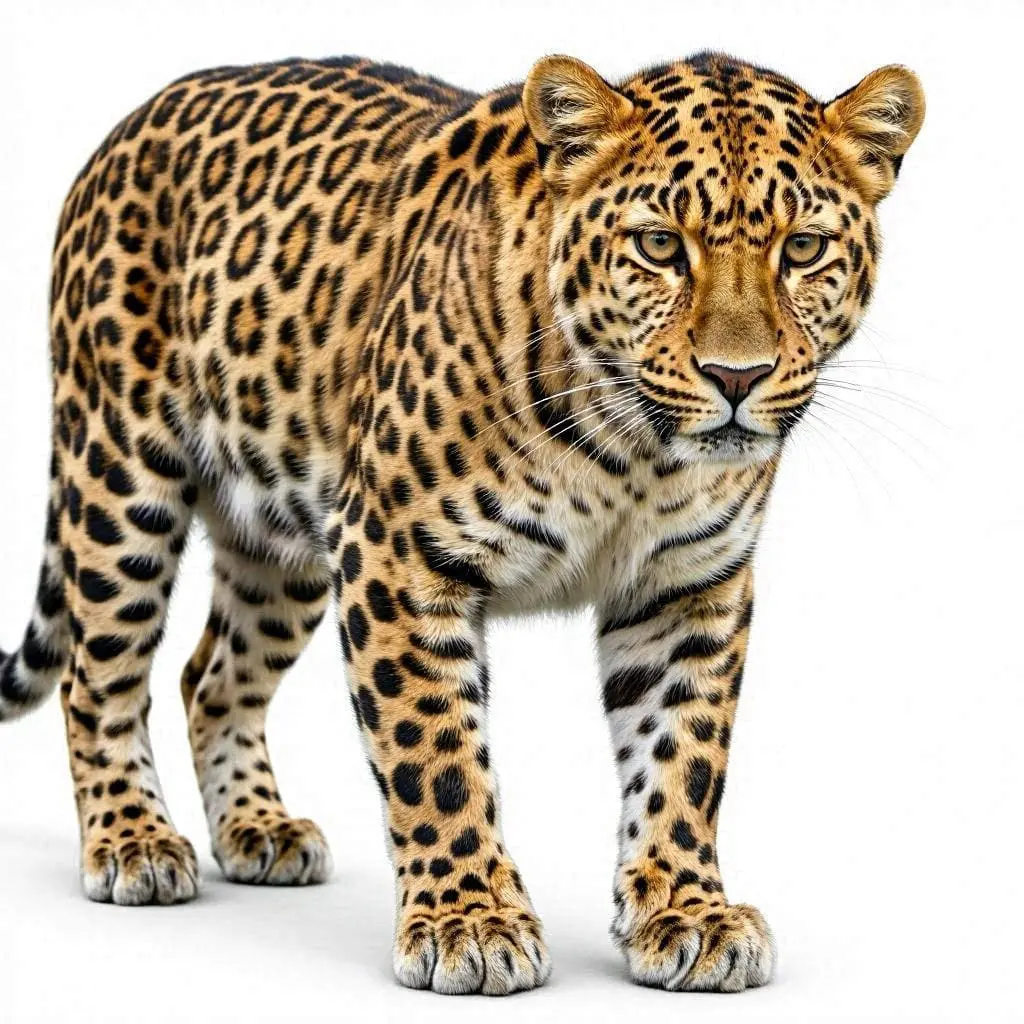
Type: Mammal (Big Cat)
Leopards are powerful and silent hunters. They rely on stealth rather than speed, carefully stalking their prey before attacking. One of their unique behaviors is dragging their kill up into trees to protect it from other predators.
Where found: Africa and parts of Asia in forests, savannas, and mountainous regions
❽ Python
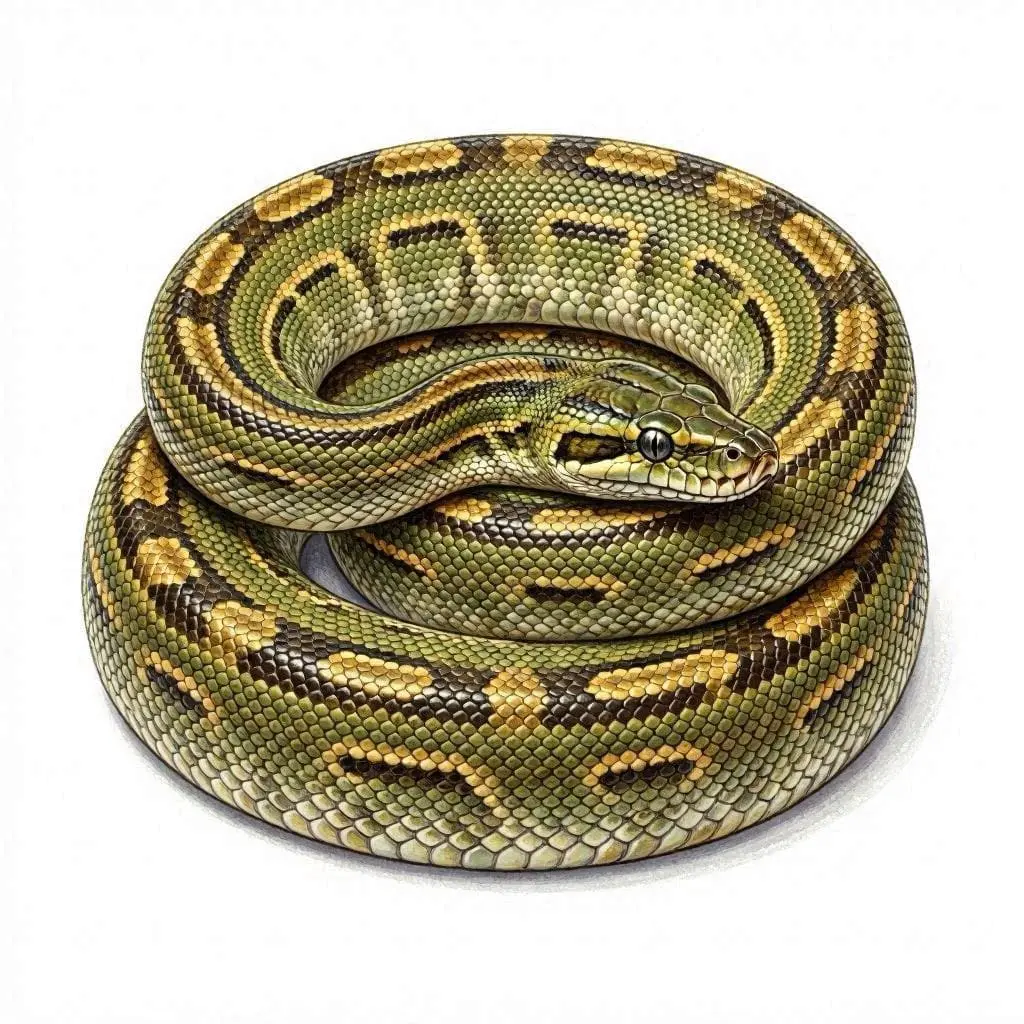
Type: Reptile
Pythons are large, non-venomous snakes that hunt by ambush. They patiently wait for prey to come close, then quickly strike and wrap around it using their strong body to capture and kill it.
Where found: Asia, Africa, and Australia in forests, grasslands, and wetlands
❾ Frog
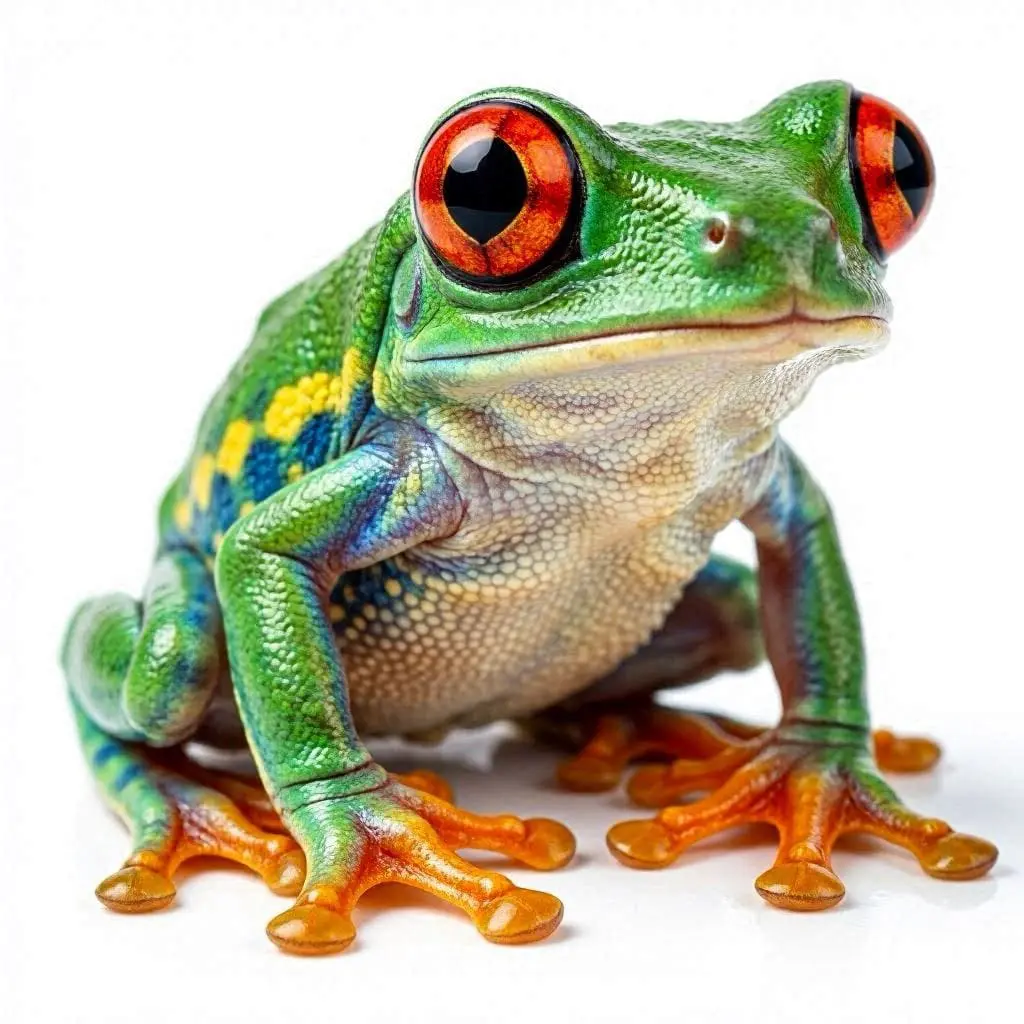
Type: Amphibian
Frogs are highly active at night, especially near water sources. Their loud croaking sounds are used for communication and attracting mates. They also play an important role in controlling insect populations.
Where found: Wetlands, ponds, lakes, and forests worldwide
❿ Opossum
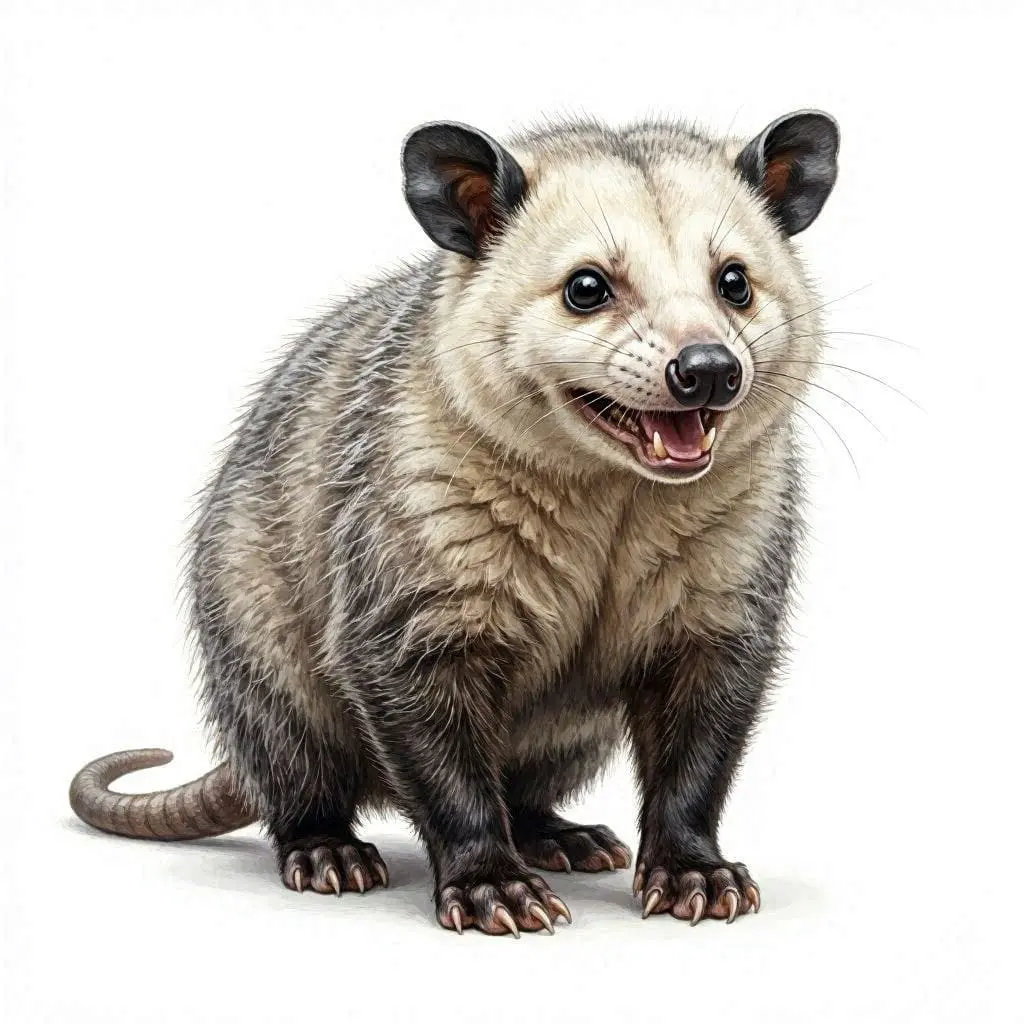
Type: Mammal
Opossums are survival-focused animals known for their unusual defense tactic of “playing dead” when threatened. They are opportunistic feeders and can survive in both wild and urban environments.
Where found: North and South America in forests and cities
⓫ Sloth
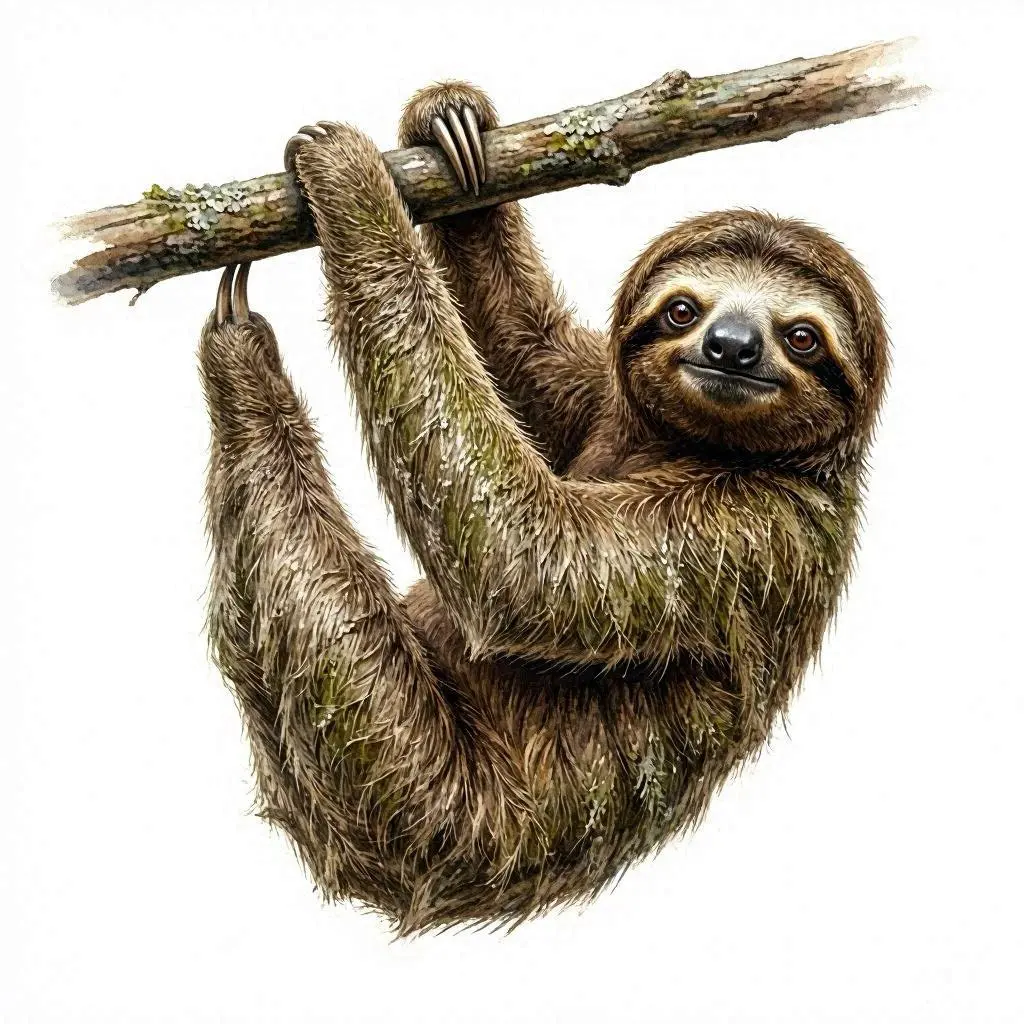
Type: Mammal
Sloths are extremely slow-moving animals that spend most of their lives hanging from trees. Even at night, they move slowly to conserve energy and avoid attracting predators.
Where found: Tropical rainforests of Central and South America
⓬ Aardvark
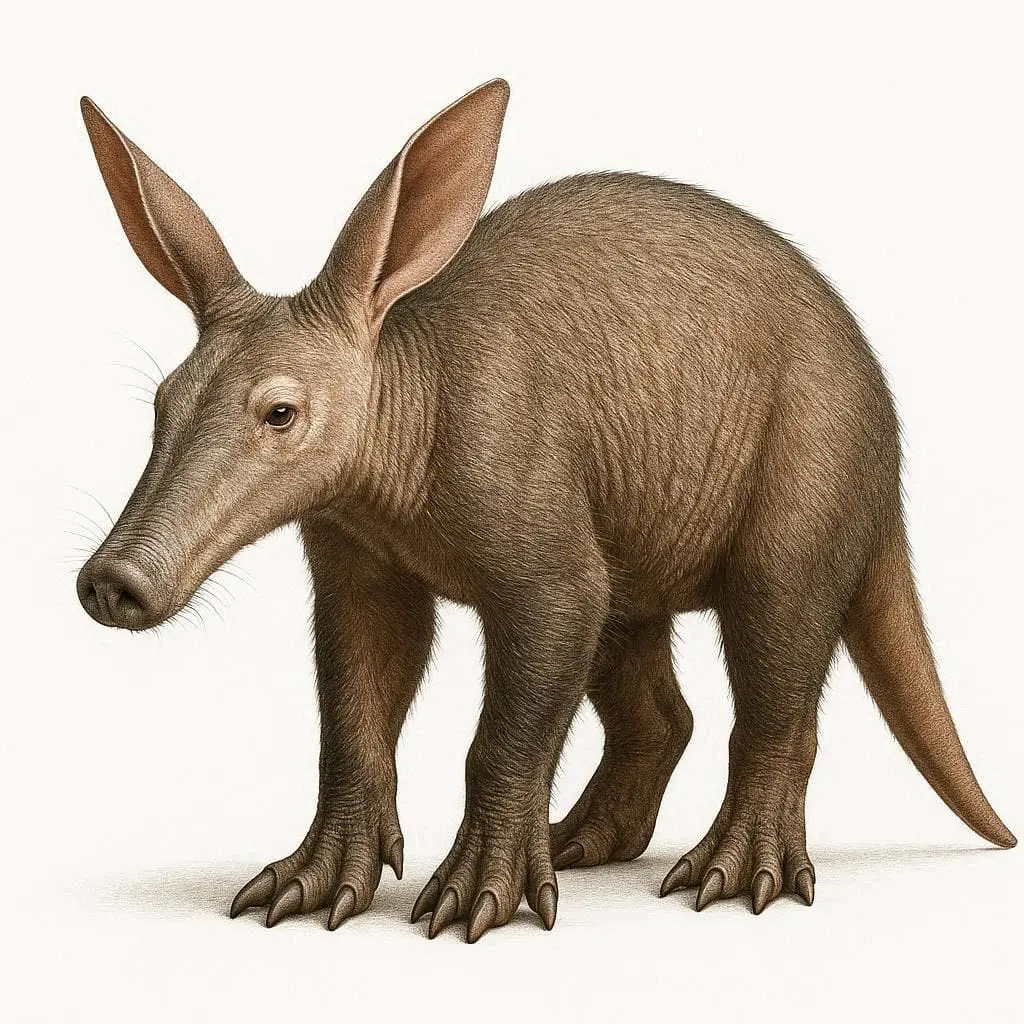
Type: Mammal
Aardvarks are unique digging animals that come out at night to search for ants and termites. They use strong claws to break into nests and a long sticky tongue to collect insects.
Where found: Sub-Saharan Africa in savannas and grasslands
⓭ Kangaroo Rat
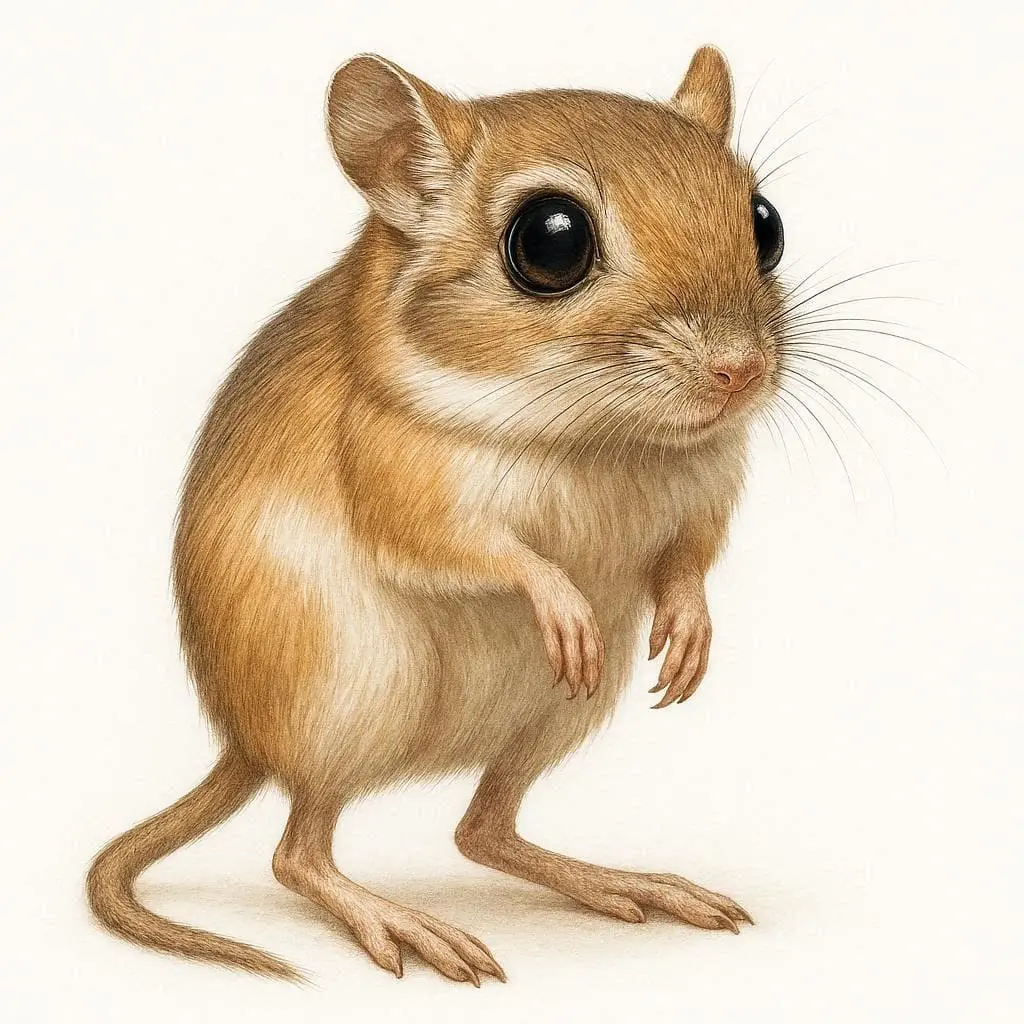
Type: Mammal
Kangaroo rats are desert survivors that stay active at night to avoid extreme heat. They can survive long periods without drinking water by getting moisture from seeds.
Where found: Deserts of North America
⓮ Civet
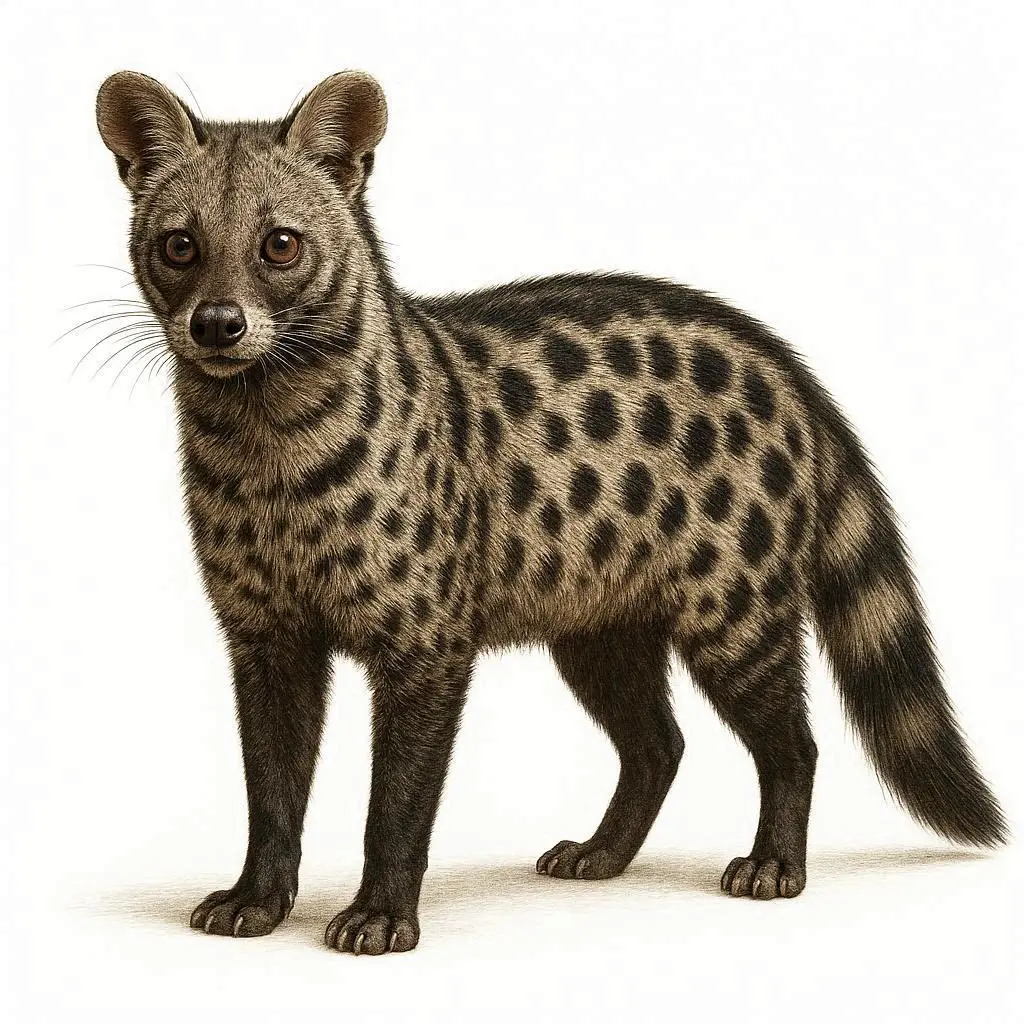
Type: Mammal
Civets are shy and secretive animals that move quietly at night. They rely on smell and hearing to find food, which includes fruits, insects, and small animals.
Where found: Asia and Africa in forests and plantations
⓯ Bobcat
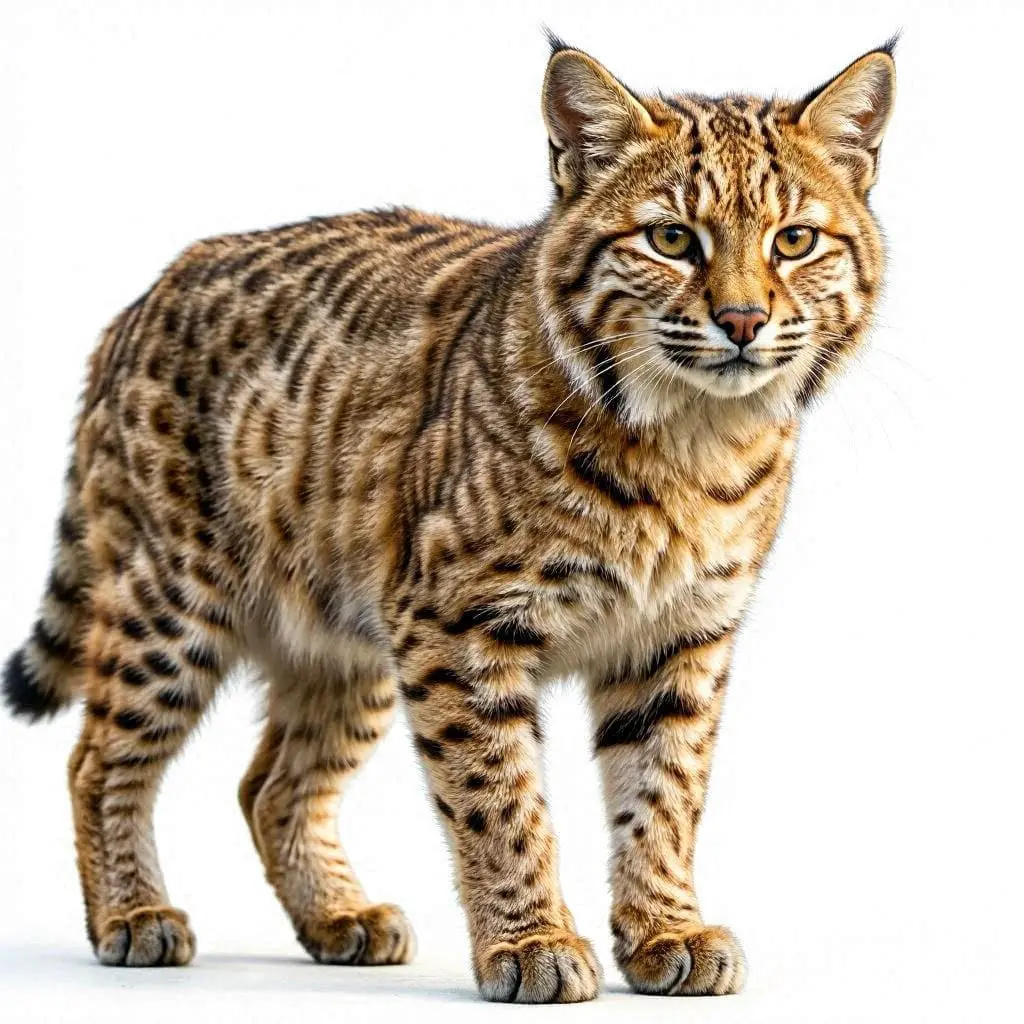
Type: Mammal (Wild Cat)
Bobcats are solitary hunters that rely on patience and stealth. They wait silently and attack quickly when prey comes close.
Where found: North America in forests, deserts, and swamps
⓰ Scorpion
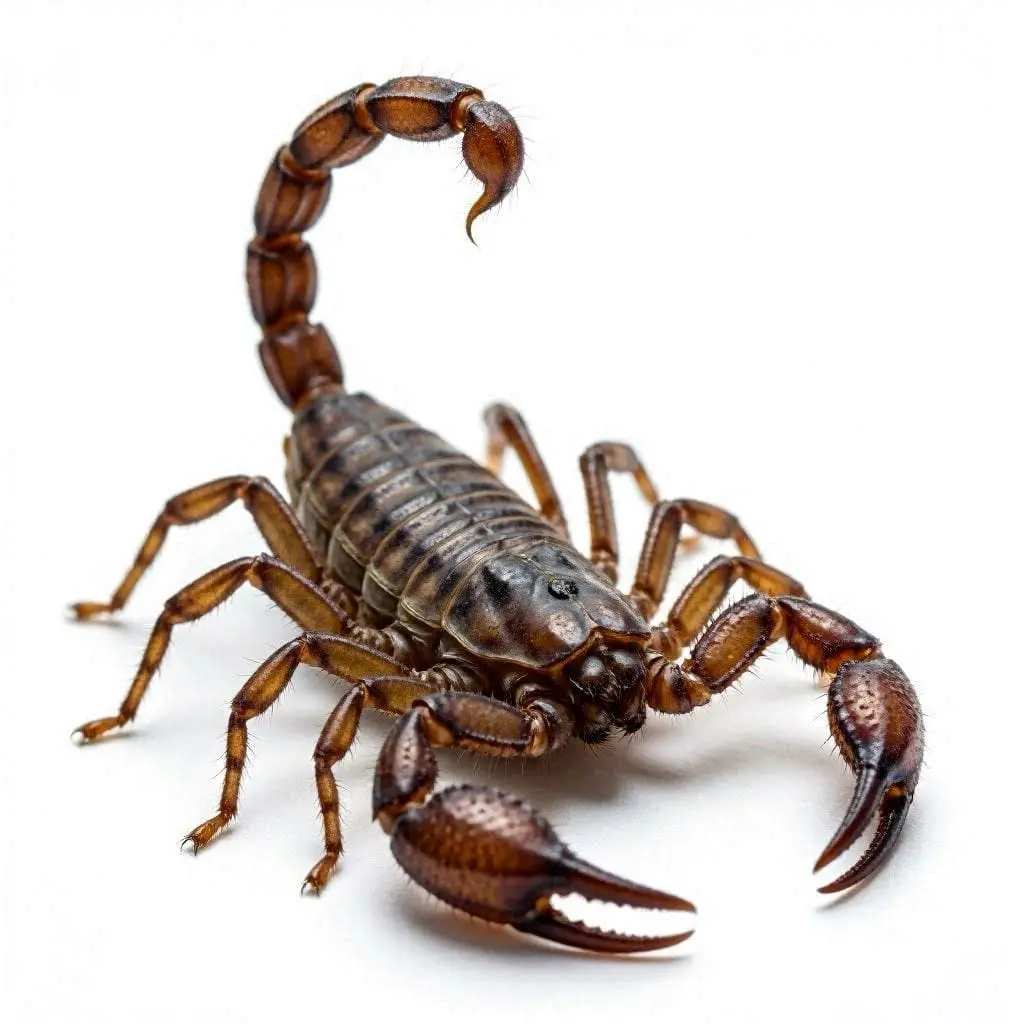
Type: Arachnid
Scorpions are nocturnal predators that use venom to hunt insects and defend themselves. Some species glow under ultraviolet light, making them unique among desert animals.
Where found: Dry and desert regions worldwide
⓱ Cockroach
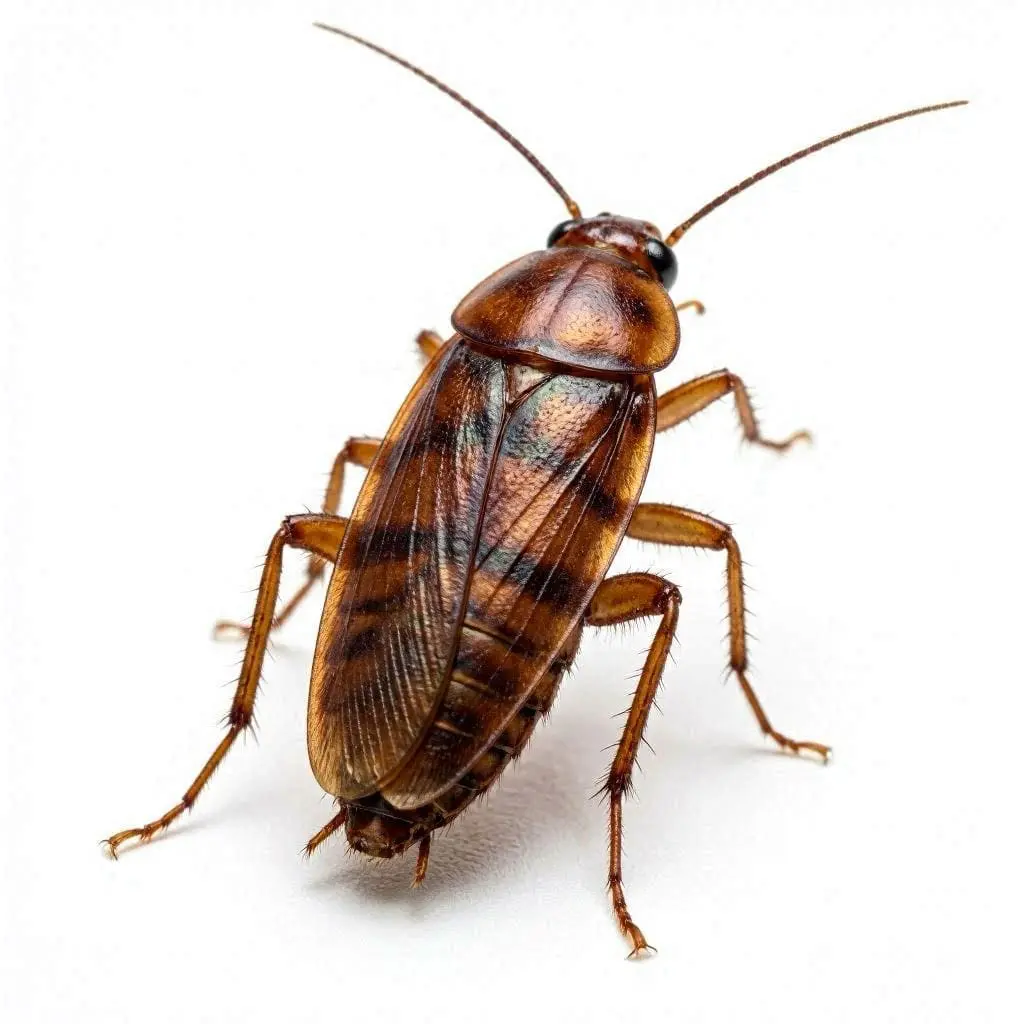
Type: Insect
Cockroaches are highly adaptable insects that come out at night to search for food. They are known for surviving in many harsh environments.
Where found: Worldwide, especially in warm and humid regions
⓲ Moth
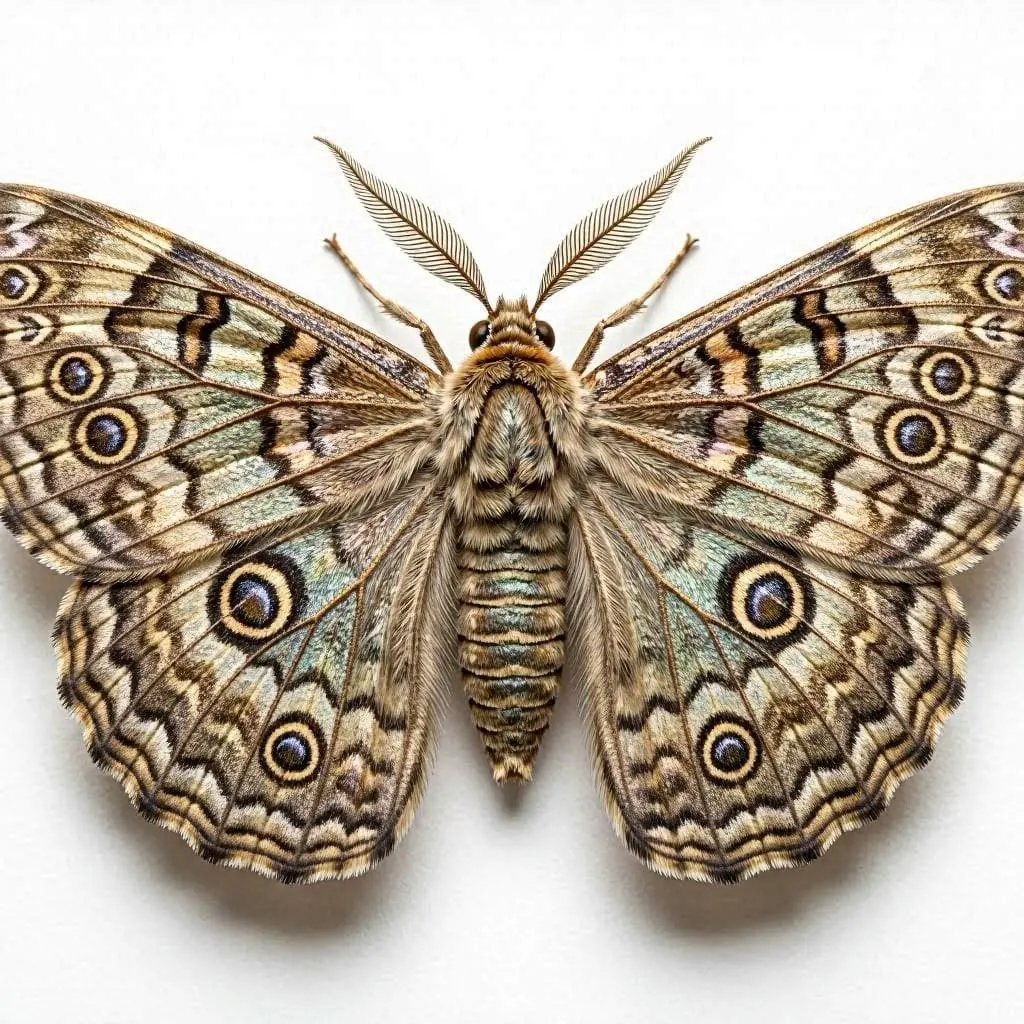
Type: Insect
Moths are night-flying insects that are often attracted to light sources. They also play an important role in pollination during nighttime.
Where found: Worldwide in gardens, forests, and fields
⓳ Ant (Nocturnal Species)
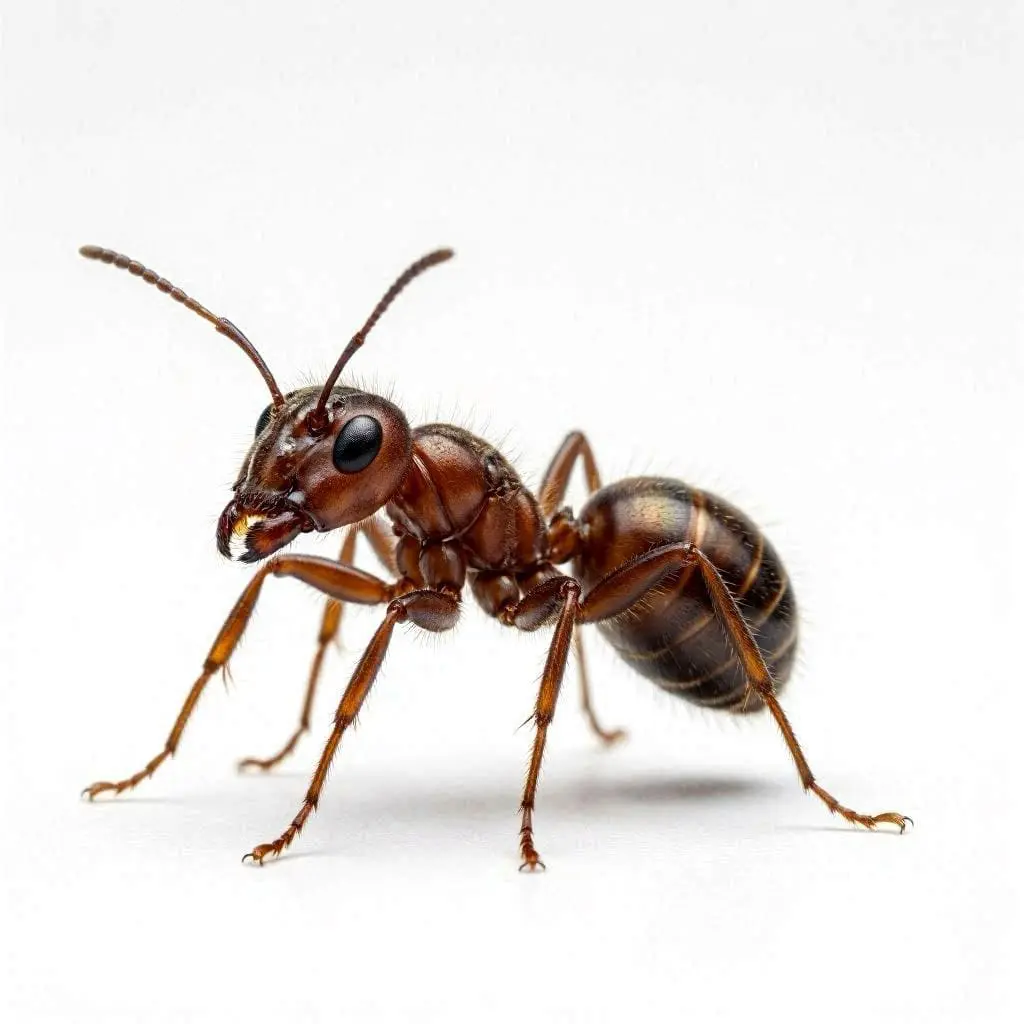
Type: Insect
Some ants are active at night to avoid heat and predators. They work in highly organized colonies and follow chemical trails to collect and transport food efficiently.
Where found: Worldwide in soil, forests, and underground nests
Types of Nocturnal Animals
Nocturnal animals are grouped based on their biological class and way of life. They include mammals, birds, reptiles, amphibians, insects, and fish that are active during the night. Each type has its own features that help it survive and function in low light conditions.
Mammals (Nocturnal Animals)
Mammals are warm-blooded animals that give birth to their young ones and feed them with milk. Many mammals are active at night to avoid heat, find food easily, or stay safe from predators.
- Bat: Uses echolocation (sound waves) to move and hunt in complete darkness.
- Raccoon: Very intelligent animal that uses its hands to find and open food sources.
- Hedgehog: Small spiny animal that feeds on insects and curls into a ball for protection.
- Aardvark: Digs underground at night to eat ants and termites using strong claws.
- Galago (Bush Baby): Small primate with large eyes and strong jumping ability for night movement.
- Flying Squirrel: Glides between trees at night using a skin membrane between its limbs.
Mammals show strong survival skills at night, using intelligence, senses, and physical adaptations.
Nocturnal Birds
Birds are warm-blooded animals with feathers and wings. Some birds are specially adapted to hunt or move at night using enhanced vision and silent flight.
- Barn Owl: Silent flyer with excellent night vision used for hunting rodents.
- Nightjar: Camouflaged bird that catches insects during twilight and night hours.
- Oilbird: Uses echolocation to navigate in dark caves.
- Kiwi Bird: Flightless bird with strong smell and hearing instead of vision.
- Great Horned Owl: Powerful predator that hunts a wide range of animals at night.
- Black-crowned Night Heron: Hunts fish and small aquatic animals near water at night.
Nocturnal birds are highly specialized hunters that rely on vision, sound, and silence.
Nocturnal Insects and Invertebrates
Insects and invertebrates are small animals without backbones. Many of them are active at night to avoid predators and extreme daytime heat.
- Cricket: Produces sound at night for communication and mating.
- Firefly: Glowing insect that uses light signals to attract mates.
- Scorpion: Venomous predator that hunts insects in deserts at night.
- Tarantula: Large spider that hunts insects and small animals at night.
- Cockroach: Highly adaptable insect that searches for food in darkness.
- Darkling Beetle: Desert insect that survives harsh conditions and feeds at night.
These small creatures play important roles in food chains and ecosystem balance.
Nocturnal Reptiles and Amphibians
Reptiles are cold-blooded animals with scales, while amphibians live both in water and on land. Many of them become active at night to avoid heat and dehydration.
- Leopard Gecko: Small lizard that hunts insects using strong night vision.
- Tokay Gecko: Loud gecko that actively hunts insects and small animals at night.
- Night Snake: Harmless snake that hunts small lizards and insects.
- Ball Python: Large snake that uses body strength to capture prey.
- Crested Gecko: Tree-dwelling gecko that feeds on insects and fruits.
- Red-eyed Tree Frog: Bright frog that becomes active at night near trees and water.
These animals depend on night activity to regulate body temperature and hunt safely.
Nocturnal Fish
Fish are aquatic animals that breathe through gills. Some species are more active at night when predators are fewer and food is easier to find.
- Catfish: Bottom-feeder that searches for food using sensitive whisker-like organs.
- Moray Eel: Hidden predator that comes out of rocks at night to hunt.
- Nurse Shark: Slow-moving shark that hunts fish and crustaceans at night.
- Flashlight Fish: Produces light to attract prey in deep water.
- Pinecone Fish: Uses glowing bacteria to see and communicate in darkness.
- Squirrelfish: Bright-eyed fish that feeds actively at night in reefs.
Nocturnal fish show how even underwater life adapts perfectly to darkness.
In simple terms, these types show how different animals have adapted to nighttime life in their own unique ways.
Difference Between Nocturnal and Diurnal Animals
Animals in nature follow different activity patterns based on time. Some animals are active during the night, while others are active during the day. These patterns help them survive by finding food, avoiding predators, and adapting to environmental conditions more effectively.
| Feature | Nocturnal Animals | Diurnal Animals |
|---|---|---|
| Active Time | Night | Day |
| Sleep Time | Day | Night |
| Light Adaptation | Low light / darkness | Bright sunlight |
| Senses | Strong hearing & smell, night vision | Strong eyesight in daylight |
| Examples | Owl, bat, fox | Human, eagle, lion |
In short, both nocturnal and diurnal animals play important roles in maintaining ecological balance. Their different activity schedules reduce competition for resources and ensure that nature functions smoothly both day and night.
Interesting Facts About Nocturnal Animals
Nocturnal animals have unique adaptations that help them live and survive in the dark. They rely on special senses, hunting skills, and other abilities that make nighttime an active part of nature.
- Many nocturnal animals can see well in the dark or use other strong senses instead of eyesight.
- Bats use echolocation, sending sound waves and using echoes to move and find food.
- Owls can turn their heads up to 270 degrees to look around without moving their body.
- Some scorpions glow under ultraviolet light, making them visible in the dark.
- Wolves use howling to communicate over long distances at night.
- Moths are often attracted to light, and scientists are still studying why this happens.
- Some deep-sea fish produce their own light to survive in complete darkness.
- Many nocturnal animals stay active at night to avoid daytime heat.
- Some snakes can sense heat from other animals to find their prey in the dark.
- Night activity helps keep nature balanced by reducing competition with daytime animals.
These facts show that the night is full of life, where many animals quietly work, hunt, and survive in their own special way.
Final Thought
Nocturnal animals show us that nature never really stops. When the world becomes quiet at night, these animals become active and continue their daily survival in the dark. They use special senses like sharp hearing, strong smell, night vision, or even sound-based navigation to find food and stay safe.
From forests and deserts to oceans and caves, each nocturnal animal plays an important role in its environment. They help control insect populations, maintain food chains, and keep ecosystems balanced, reminding us that life continues in many different ways even after sunset.
FAQs About Nocturnal Animals
Nocturnal animals are species that are mainly active during the night and rest during the day. They are specially adapted to low-light conditions, which helps them hunt, move, and survive in darkness more efficiently than daytime animals.
Animals become nocturnal for several survival reasons. Many avoid the extreme heat of the day, while others stay active at night to escape predators or reduce competition for food. Nighttime also provides a quieter environment where hunting or foraging becomes easier.
There are many nocturnal animals across different groups. Common examples include owls, bats, foxes, raccoons, hedgehogs, and wolves. In addition, many reptiles, insects like moths and fireflies, and even some fish are also active at night.
Nocturnal animals have special adaptations that help them survive in darkness. Some have large eyes that capture more light, while others rely on sharp hearing, strong smell, or echolocation. These abilities help them locate food and avoid danger even with very little light.
Most nocturnal animals are primarily active at night, but their activity can vary depending on food availability, weather, or safety. Some may also be active during early morning or evening hours when conditions are suitable.
You May Also Like
Nocturnal Animals Quiz
Nocturnal Animals
What does nocturnal mean?
Owls, bats, badgers and hedgehogs all sleep through the day.
Diurnal, crepuscular, nocturnal — day, twilight, night.
Badgers emerge well after sunset.
What is the reflective layer behind a nocturnal animal's retina called?
It bounces light back through the retina for a second chance, and causes eyeshine.
Eyeshine in a torch beam means a tapetum.
A cat's eyes glow because light passes the retina twice.
Name the method.
Bats navigate in darkness by emitting sound and listening for the returning echo, a method called ___.
The delay gives distance and the shape of the echo gives size and texture.
Dolphins use the same principle underwater.
Echolocation lets a bat catch a moth in complete darkness.
Why is an owl's flight almost silent?
Quiet flight lets the owl hear its prey and stops the prey hearing the owl.
The serrated leading edge is the key structure.
Fishing owls, which do not need silence, lack the serrations.
Three of these are nocturnal. Which is not?
Diurnal, and active through the daylight hours.
Large eyes relative to the head usually signal night activity.
Squirrels are among the most reliably diurnal mammals.
Turn on JavaScript for the interactive quiz. The full practice set is shown above.