

People use the words venomous vs poisonous animals interchangeably all the time, but in biology, they describe two completely different ways an animal can be dangerous. The distinction comes down to one simple question: how does the toxin get into the other creature’s body? Understanding this difference is not just a matter of correct vocabulary; it can genuinely affect how you respond to a dangerous encounter in the wild.
This article breaks down exactly what separates venomous animals from poisonous ones, covers the animals that are both, and answers the questions people search for most when trying to understand this topic.
Venomous vs Poisonous Animals: The Main Difference
An animal is venomous if it actively injects toxin into another creature, usually through a bite, sting, or spine, in order to hunt or defend itself. An animal is poisonous if its body contains toxin that causes harm only when it is touched, eaten, or otherwise ingested by something else. In short, venomous animals deliver their toxin, while poisonous animals wait to be touched or eaten.
Key Features:
- The difference is about delivery method, not toxin strength. Venomous animals inject, poisonous animals contaminate on contact or ingestion.
- A simple memory trick: if it bites you and you get sick, it’s venomous. If you bite it and get sick, it’s poisonous.
- A small number of animals, like certain slow lorises and the Asian tiger keelback snake, are both venomous and poisonous at once.
- Bright warning colors are common in both groups and usually signal that a predator should stay away entirely.
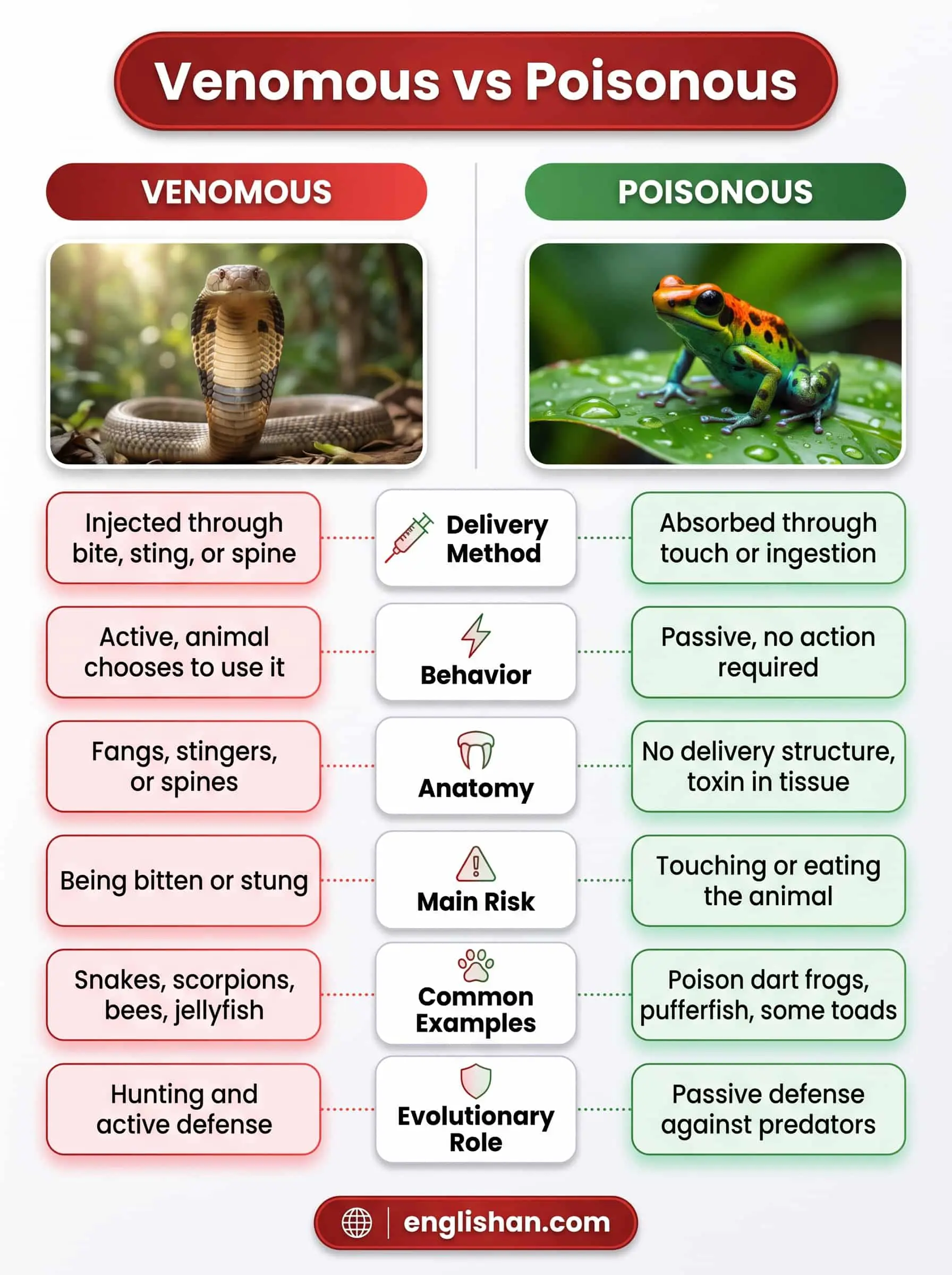
Now let’s look at each concept in detail.
Detailed Differences Between Venomous and Poisonous Animals
Method of Delivery
This is the core distinction. Venomous animals have a specialized delivery system such as fangs, stingers, or barbed spines that actively injects toxin directly into another animal’s tissue or bloodstream.
Poisonous animals have no such delivery mechanism. Their toxin simply exists within their skin, organs, or flesh, and it only causes harm if another creature bites, licks, touches, or eats them.
Intent and Behavior
Venom is almost always used offensively or defensively in an active way, meaning the venomous animal chooses when to use it, whether to subdue prey or fend off a threat.
Poison is entirely passive. A poisonous animal is not choosing to poison anything. Its toxin simply exists as a built in defense that activates automatically if a predator makes the mistake of biting or eating it.
Anatomy
Venomous animals typically have specialized anatomical structures dedicated to venom delivery, such as hollow or grooved fangs in snakes, a stinger in bees and scorpions, or barbed spines in stingrays.
Poisonous animals generally lack any of these delivery structures. Their toxins are instead stored in glands throughout the skin, in specific organs, or throughout their entire body tissue.
Common Examples
Common venomous animals include rattlesnakes, cobras, scorpions, certain jellyfish, bees, wasps, and stingrays, all of which have a way to actively inject their toxin.
Common poisonous animals include poison dart frogs, many pufferfish, certain toads, some caterpillars, and a handful of birds, all of which are dangerous only if touched or eaten.
Risk to Humans
The main risk from a venomous animal comes from being bitten or stung, which is why venomous animals are considered dangerous even if you simply get too close, since many can strike or sting proactively when they feel threatened.
The main risk from a poisonous animal comes from touching, licking, or eating it, which means many poisonous animals can actually be observed safely from a short distance without any danger at all.
Toxin Composition
Venom is typically a complex cocktail of proteins and enzymes specifically evolved to immobilize prey quickly, break down tissue, or disrupt the nervous system, cardiovascular system, or blood clotting ability of the animal it is injected into.
Poison tends to be a more generalized toxin, often built primarily as a deterrent rather than a hunting tool, since a poisonous animal is not using its toxin to catch food, only to avoid becoming food itself.
Evolutionary Purpose
Venom evolved primarily as a hunting and self defense tool, allowing an animal to subdue prey that might otherwise be too large, fast, or dangerous to catch safely.
Poison evolved almost entirely as a defense mechanism, discouraging predators from eating the animal in the first place, often paired with bright warning colors that signal danger before a predator even attempts an attack, a strategy known as aposematism.
Can an Animal Be Both Venomous and Poisonous?
Yes, though it is relatively rare. A small number of animals are both venomous and poisonous. The Asian tiger keelback snake, for example, is venomous through its bite and also stores toxins from the poisonous toads it eats, making its body poisonous if consumed by a predator. Certain slow lorises are also considered venomous and mildly poisonous, since they have a toxic bite and can also spread irritating toxins across their fur through grooming.
Venomous vs Poisonous Animals Comparison Table
| Feature | Venomous | Poisonous |
|---|---|---|
| Delivery method | Injected through bite, sting, or spine | Absorbed through touch or ingestion |
| Behavior | Active, animal chooses to use it | Passive, no action required |
| Anatomy | Fangs, stingers, or spines | No delivery structure, toxin in tissue |
| Main risk | Being bitten or stung | Touching or eating the animal |
| Common examples | Snakes, scorpions, bees, jellyfish | Poison dart frogs, pufferfish, some toads |
| Evolutionary role | Hunting and active defense | Passive defense against predators |
Similarities Between Venomous and Poisonous Animals
Despite the differences in how their toxins work, venomous and poisonous animals share several important traits.
Shared purpose at the core: Both types of toxin exist primarily to help the animal survive, whether by capturing food more easily or by avoiding becoming food for something else.
Chemical complexity: Both venom and poison are typically made up of complex biological compounds, often proteins, alkaloids, or peptides, that interfere with normal biological processes in the animal exposed to them.
Warning signals: Many venomous and poisonous animals alike use bright colors, bold patterns, or distinctive markings to warn potential predators before an encounter turns dangerous, a shared evolutionary strategy known as aposematism.
Potency varies widely: In both categories, toxicity ranges enormously, from mild irritation to potentially lethal effects, depending on the specific species and the amount of toxin involved.
Toxins evolved independently many times: Both venom and poison have evolved separately across many completely unrelated branches of the animal kingdom, a phenomenon known as convergent evolution, showing just how effective toxins are as a survival strategy.
Medical research value: Compounds derived from both venomous and poisonous animals have been studied extensively for medical applications, including pain management, blood clotting treatments, and cancer research.
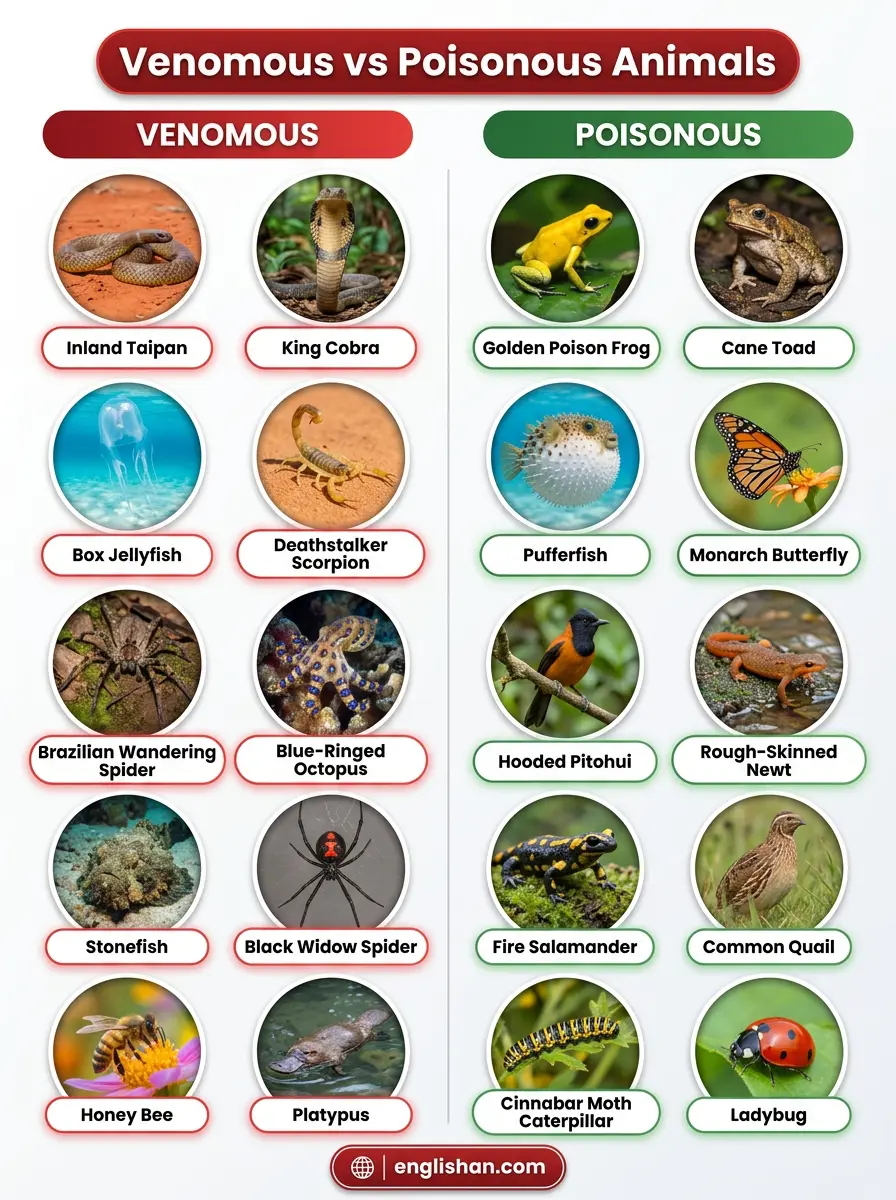
A Closer Look at Venomous Animals
- Types of Venomous Animals: Snakes are probably the most well known venomous animals, with species like rattlesnakes, cobras, and vipers delivering venom through specialized fangs. Scorpions inject venom through a stinger at the end of their tail, used both to hunt small prey and to defend against threats. Many marine animals are also venomous, including stingrays, cone snails, and certain jellyfish like the box jellyfish, one of the most dangerous venomous animals in the ocean. Even some mammals carry venom, such as the platypus, whose males have a venomous spur on their hind legs.
- How Venom Works: Venom typically targets one or more critical biological systems. Neurotoxic venom disrupts the nervous system, often causing paralysis. Hemotoxic venom damages blood cells and tissue, disrupting normal clotting. Cytotoxic venom destroys cells directly at the site of the bite or sting. Many venomous species produce a combination of these effects rather than relying on just one mechanism.
- Why Animals Use Venom: Venom serves two main purposes: hunting and defense. Predatory species use venom to immobilize or kill prey quickly and safely, reducing the risk of injury from a struggling animal. Other species use venom purely defensively, delivering a painful or dangerous sting only when threatened, rather than as part of their hunting strategy.
- Most Venomous Animals in the World: The inland taipan holds the record for the most potent venom of any land snake based on laboratory toxicity testing, with a single bite estimated to carry enough venom to kill more than 100 adult humans. Despite this, no confirmed human deaths from an inland taipan have ever been recorded, since the species is shy, lives in remote parts of central Australia, and rarely encounters people. Other animals frequently cited among the most venomous include the box jellyfish and certain cone snail species, both capable of delivering venom that can be lethal to humans in a relatively small dose.
Most Popular Venomous Animals Names with Pictures
❶ Inland Taipan
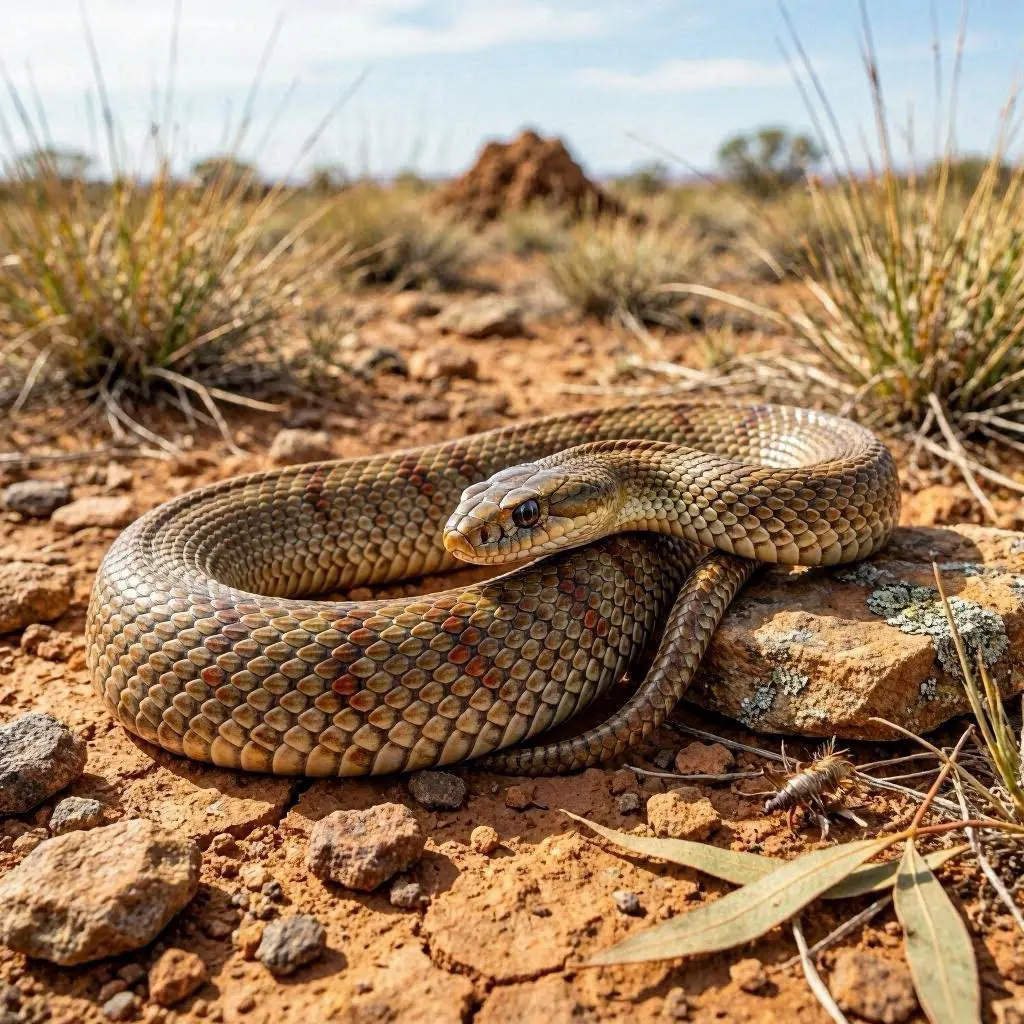
Native to the remote outback of central Australia, this snake has the most potent venom of any land snake based on laboratory testing. It is shy and rarely encountered, so no confirmed human deaths have ever been recorded despite its fearsome reputation.
❷ King Cobra
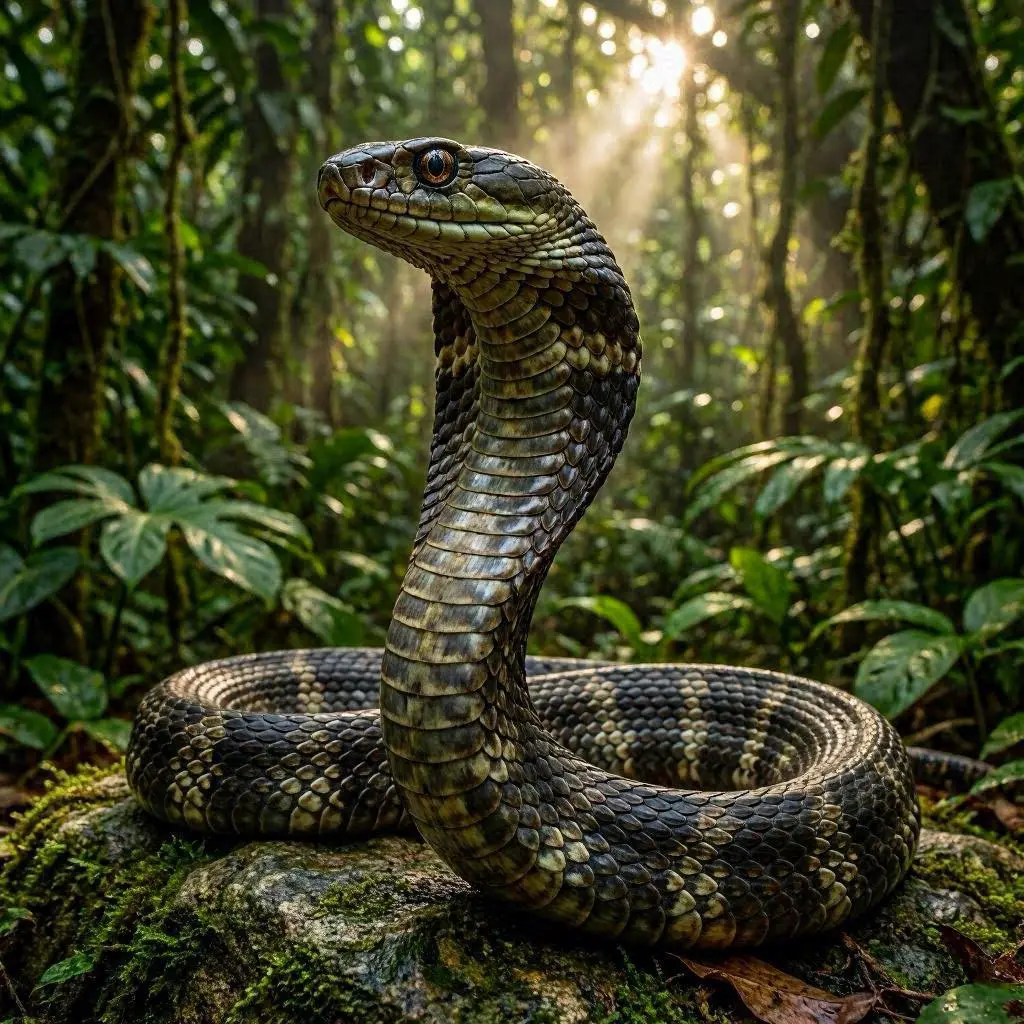
The world’s longest venomous snake, found across South and Southeast Asia. It can inject a large amount of neurotoxic venom in a single bite and is one of the few snakes that builds a nest for its eggs.
❸ Box Jellyfish
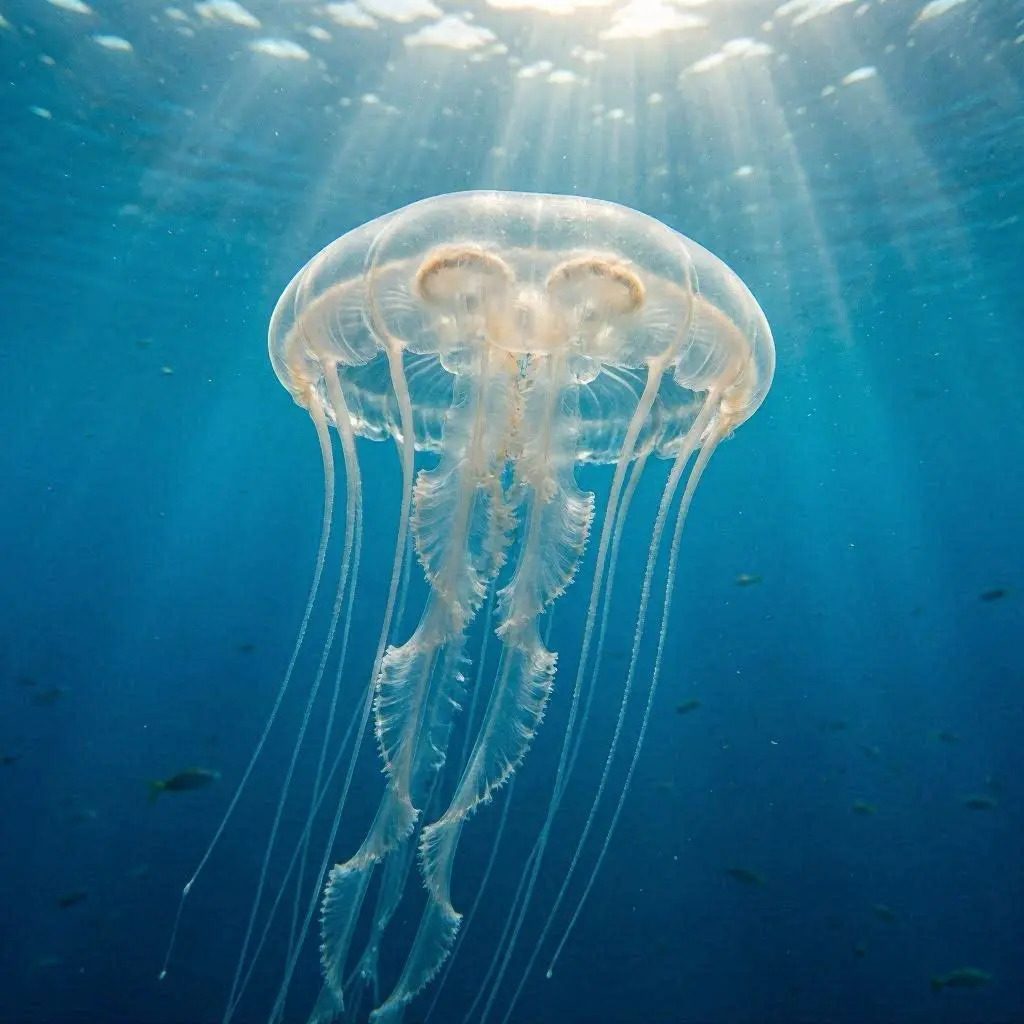
Found in the waters of northern Australia and Southeast Asia, this jellyfish has tentacles covered with stinging cells called nematocysts that deliver venom affecting the heart and nervous system within minutes.
❹ Deathstalker Scorpion
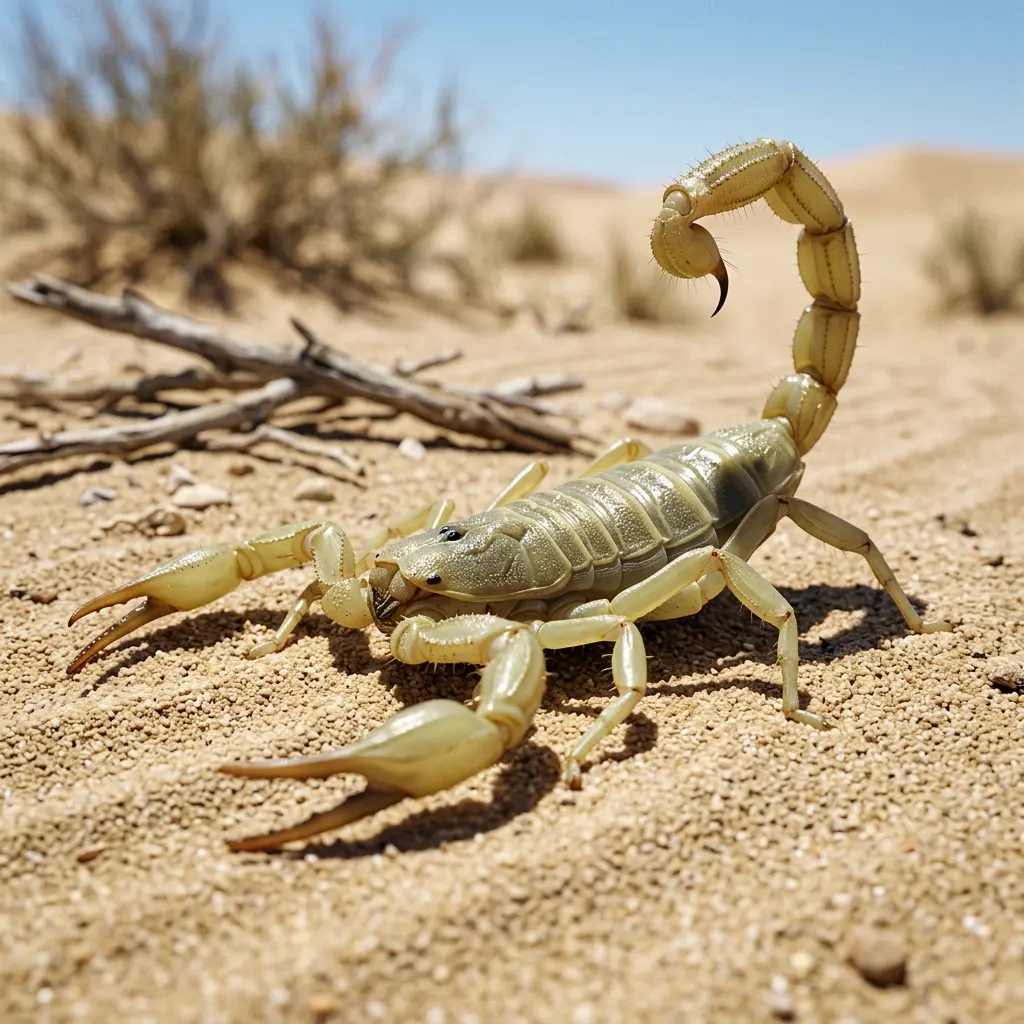
Native to the deserts of North Africa and the Middle East, this scorpion has one of the most powerful venoms among scorpions. Its sting causes intense pain and can lead to severe reactions in vulnerable people.
❺ Brazilian Wandering Spider
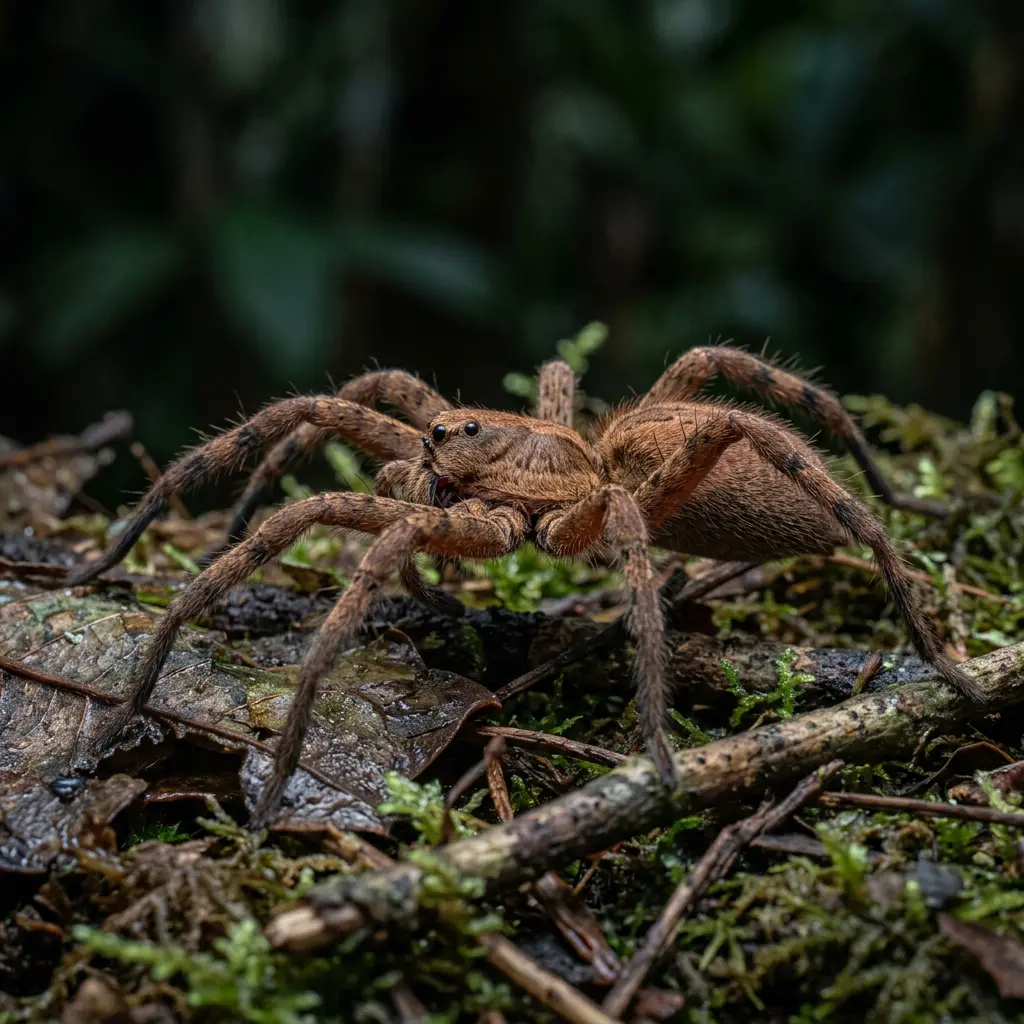
Found throughout Central and South America, this spider is known for its highly potent venom and its habit of roaming the forest floor at night instead of staying in a web.
❻ Blue-Ringed Octopus
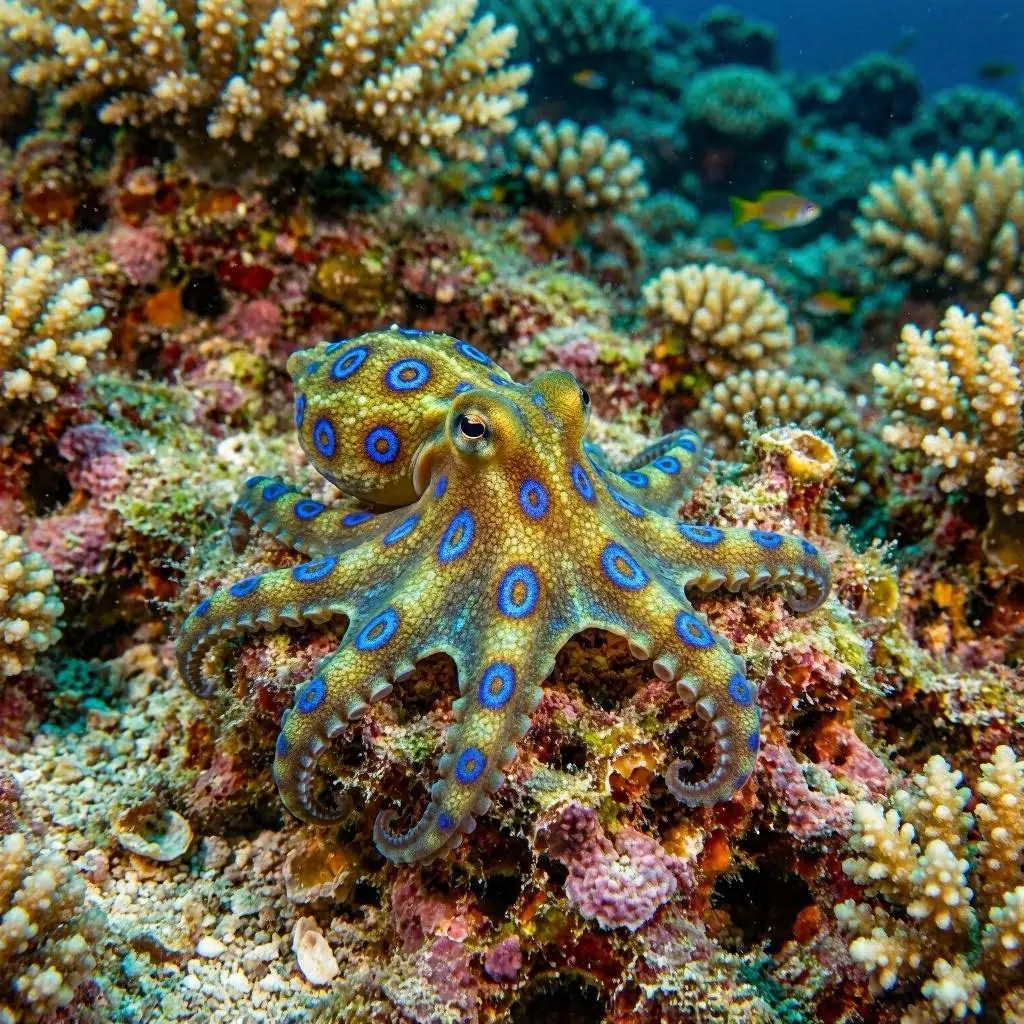
A small octopus living in tide pools and coral reefs across the Indo-Pacific. Its venom contains tetrodotoxin, a powerful neurotoxin also found in pufferfish, which is delivered through a bite.
❼ Stonefish
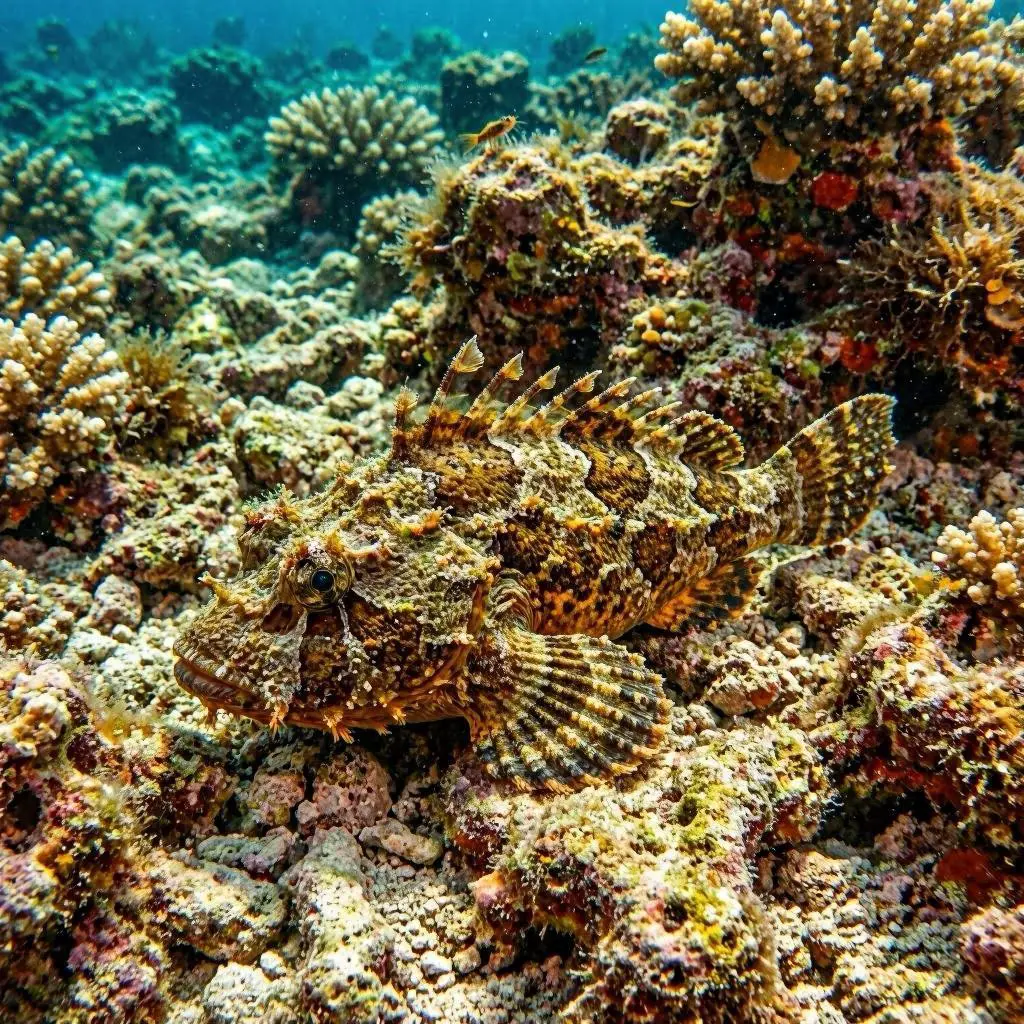
One of the world’s most venomous fish, the stonefish blends perfectly with the ocean floor. It injects venom through sharp dorsal spines when stepped on or disturbed.
❽ Black Widow Spider
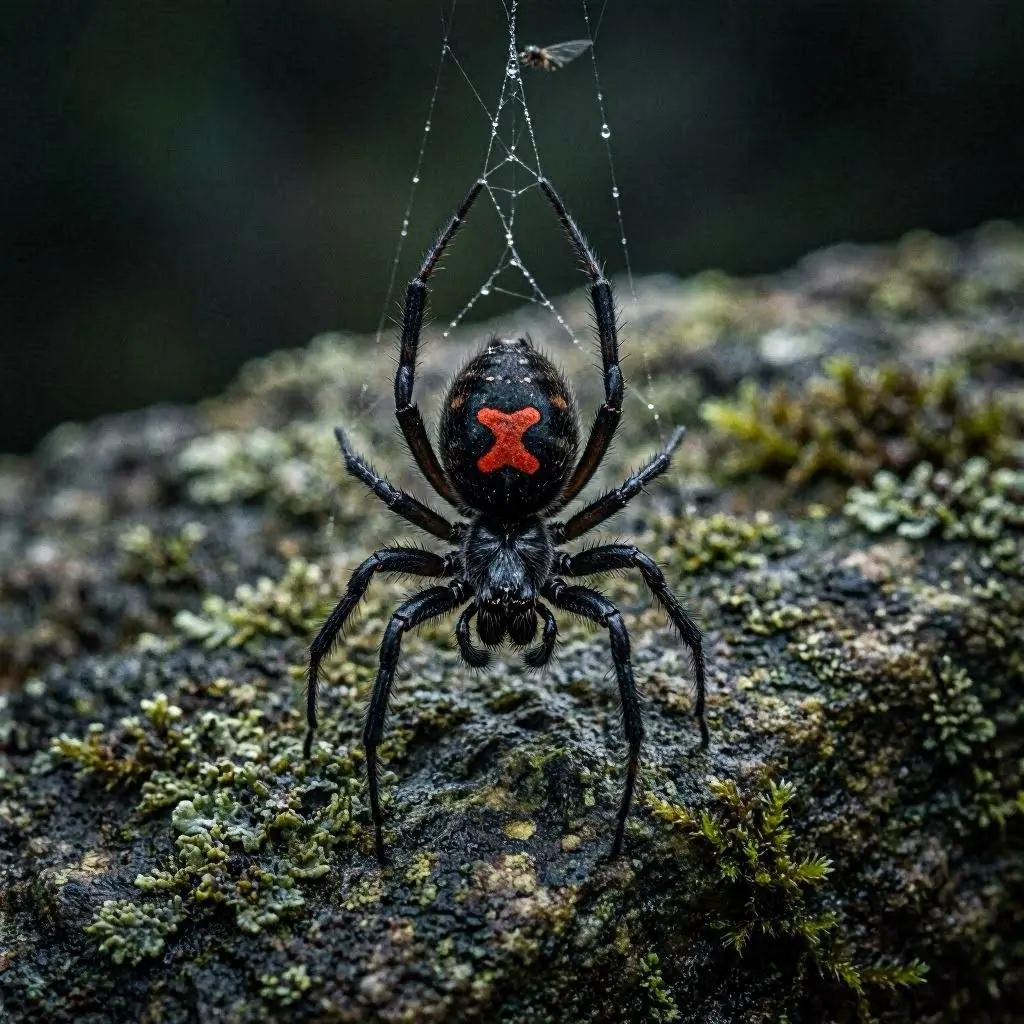
Found across much of North America, this spider is recognized by the red hourglass mark on its abdomen. Its neurotoxic venom can cause severe muscle pain and cramping.
❾ Honey Bee
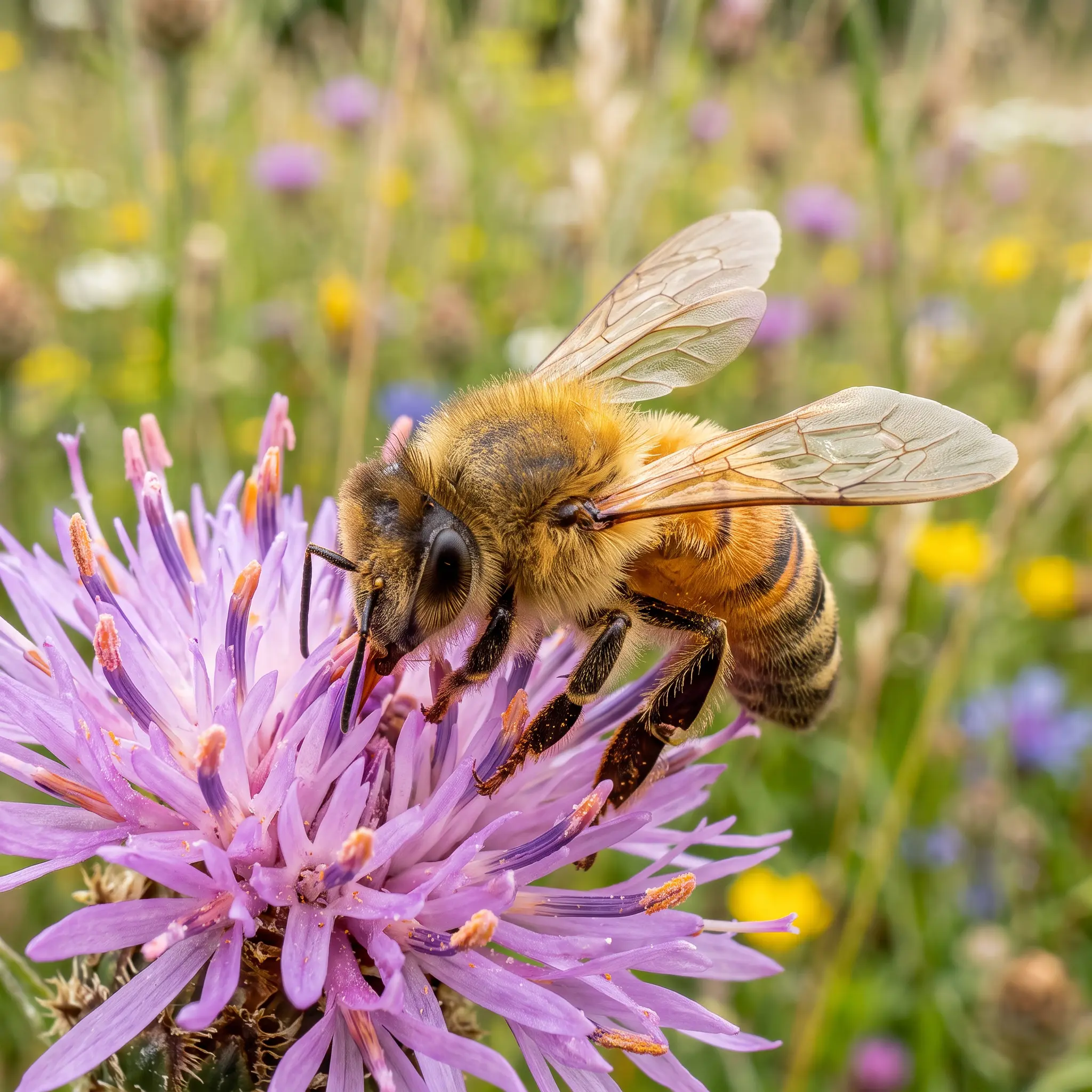
One of the most common venomous animals, honey bees use a barbed stinger for defense. After stinging, the stinger remains behind, and the bee eventually dies.
❿ Platypus
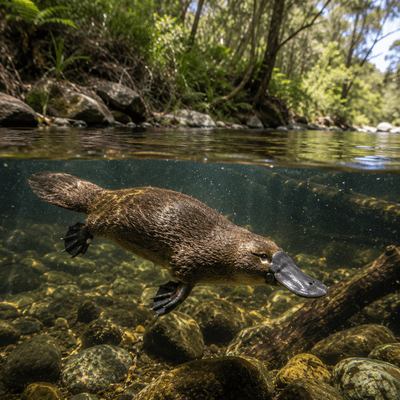
One of the few venomous mammals on Earth, male platypuses have sharp spurs on their hind legs that deliver venom capable of causing severe pain in humans, mainly during fights with other males.
Fun Facts About Venomous Animals
- The inland taipan is considered the most venomous snake in the world by laboratory measures, with a single bite theoretically capable of killing over 100 adult humans, yet it is shy and no confirmed human deaths have ever been recorded.
- Some venomous snakes can control how much venom they inject, sometimes delivering a dry bite with little or no venom as a warning.
- Bee venom has been studied for potential anti-inflammatory and pain relief properties.
- The platypus is one of the only venomous mammals on Earth, a surprising trait for an animal already famous for its unusual features.
A Closer Look at Poisonous Animals
- Types of Poisonous Animals: Poison dart frogs, native to Central and South America, are among the most famous poisonous animals, with some species carrying toxins potent enough to be dangerous even in tiny amounts. Pufferfish carry a toxin called tetrodotoxin in their organs and skin, making them dangerous to eat unless prepared correctly by a trained chef. Certain toads, including the cane toad, secrete toxins from glands behind their eyes that can harm or kill predators that attempt to eat them. Some birds, such as the hooded pitohui found in New Guinea, are among the rare examples of poisonous birds, carrying toxins in their skin and feathers.
- How Poison Works: Poison generally causes harm once it enters the body of another animal through the mouth, digestive system, or mucous membranes. Depending on the toxin, effects can range from mild irritation and nausea to severe cardiac or neurological symptoms in more extreme cases, such as with tetrodotoxin found in pufferfish.
- Why Animals Are Poisonous: Poison is almost always a defense mechanism rather than a hunting tool. Many poisonous animals also display bright, bold coloration to advertise their toxicity in advance, discouraging predators from attempting to eat them at all rather than relying purely on the toxin itself to cause harm after the fact.
- Most Poisonous Animals in the World: The golden poison frog, found only in a small stretch of rainforest on Colombia’s Pacific coast, is widely considered the most poisonous animal on Earth relative to its size. A single wild frog carries roughly one milligram of batrachotoxin, enough to kill an estimated 10 to 20 adult humans if it enters the bloodstream. Other frequently cited examples include certain pufferfish species carrying tetrodotoxin, and some highly toxic mushrooms, though mushrooms fall outside the animal kingdom entirely.
Most Popular Poisonous Animals Names with Pictures
❶ Golden Poison Frog
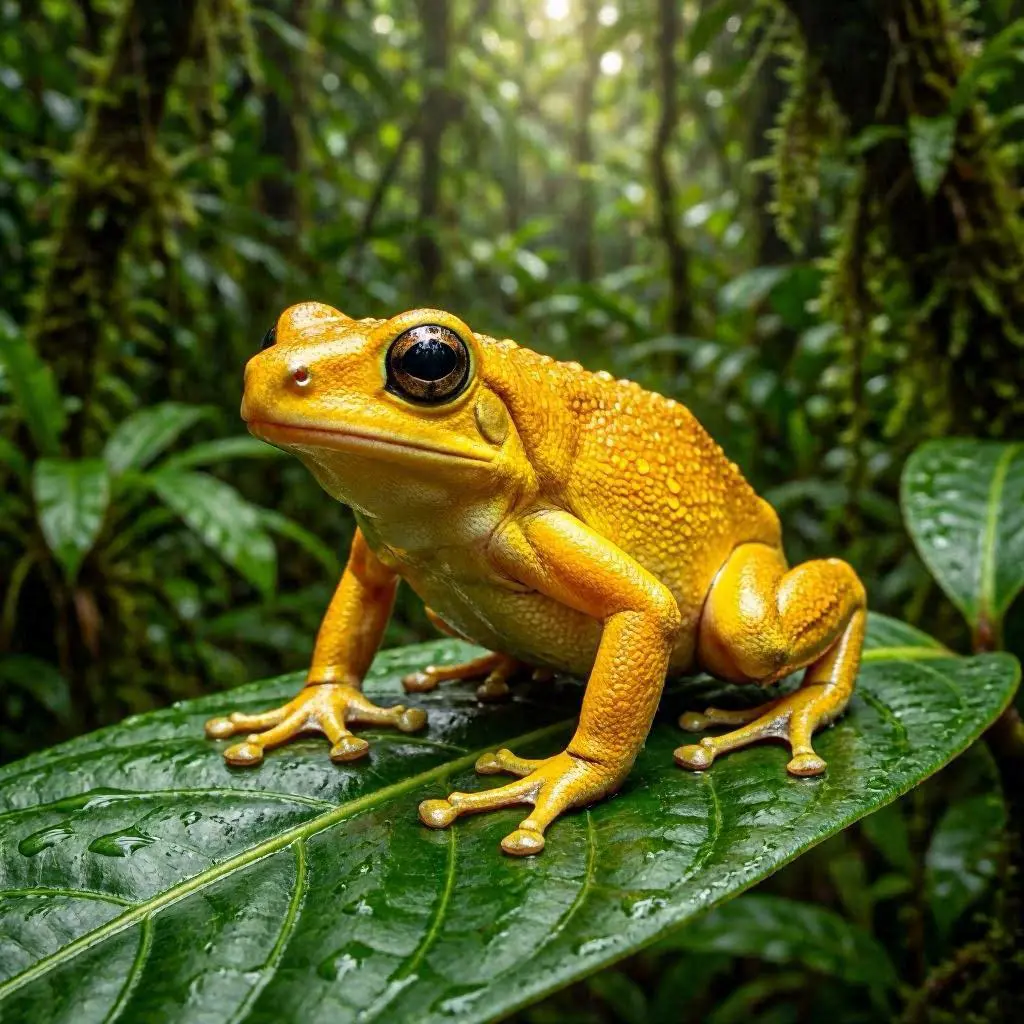
Found only in a small area of rainforest on Colombia’s Pacific coast, this frog is widely considered the most poisonous animal relative to its size. Its skin contains enough batrachotoxin to be lethal if it enters the bloodstream.
❷ Cane Toad
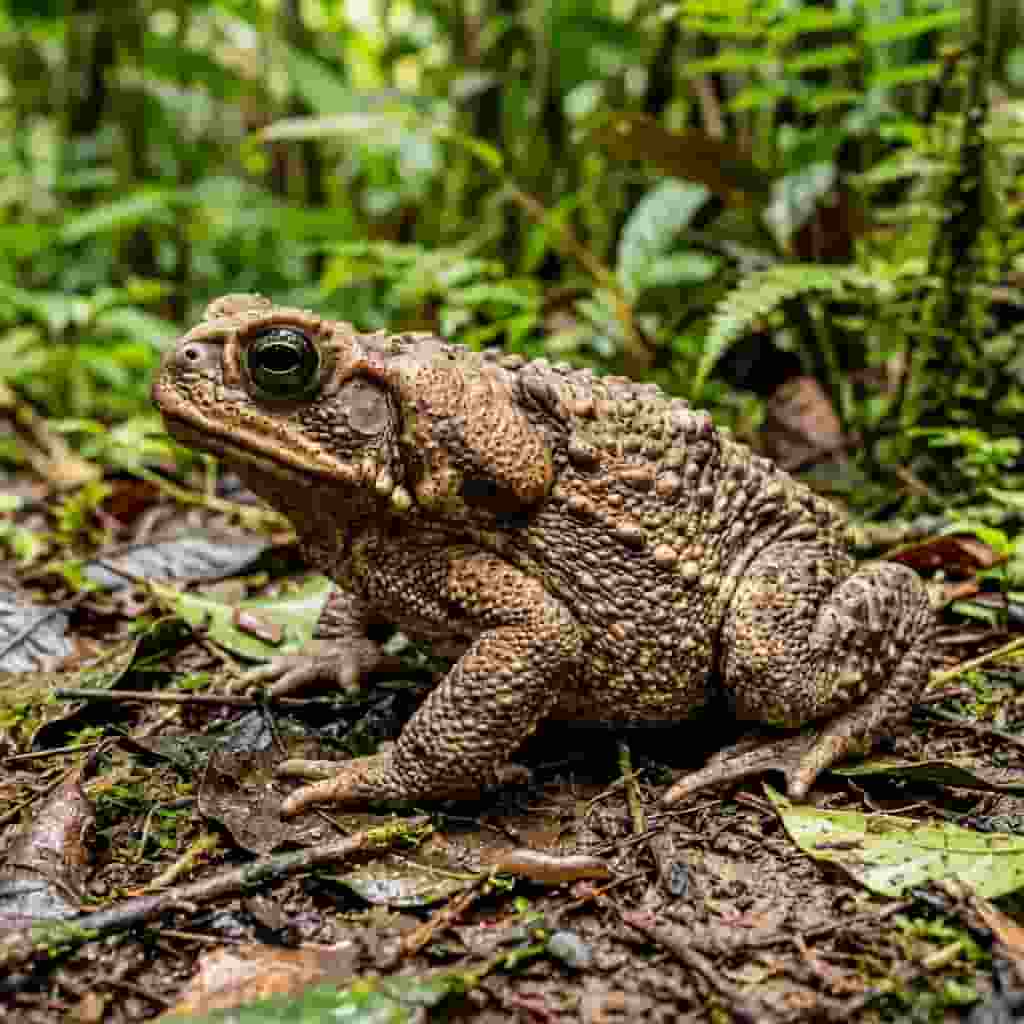
Native to Central and South America but introduced to Australia, the cane toad secretes a milky toxin from glands behind its eyes that can kill many predators that try to eat it.
❸ Pufferfish
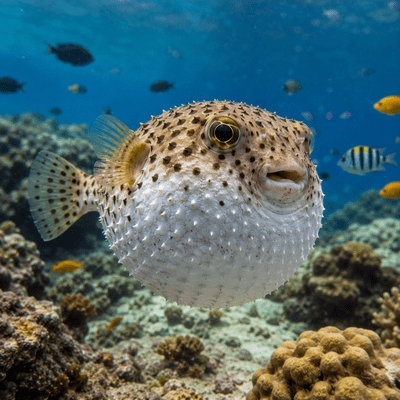
Found in oceans around the world, pufferfish contain tetrodotoxin in their skin and internal organs. They can be deadly if eaten unless prepared by a specially trained and licensed chef, as required in Japan for fugu.
❹ Monarch Butterfly
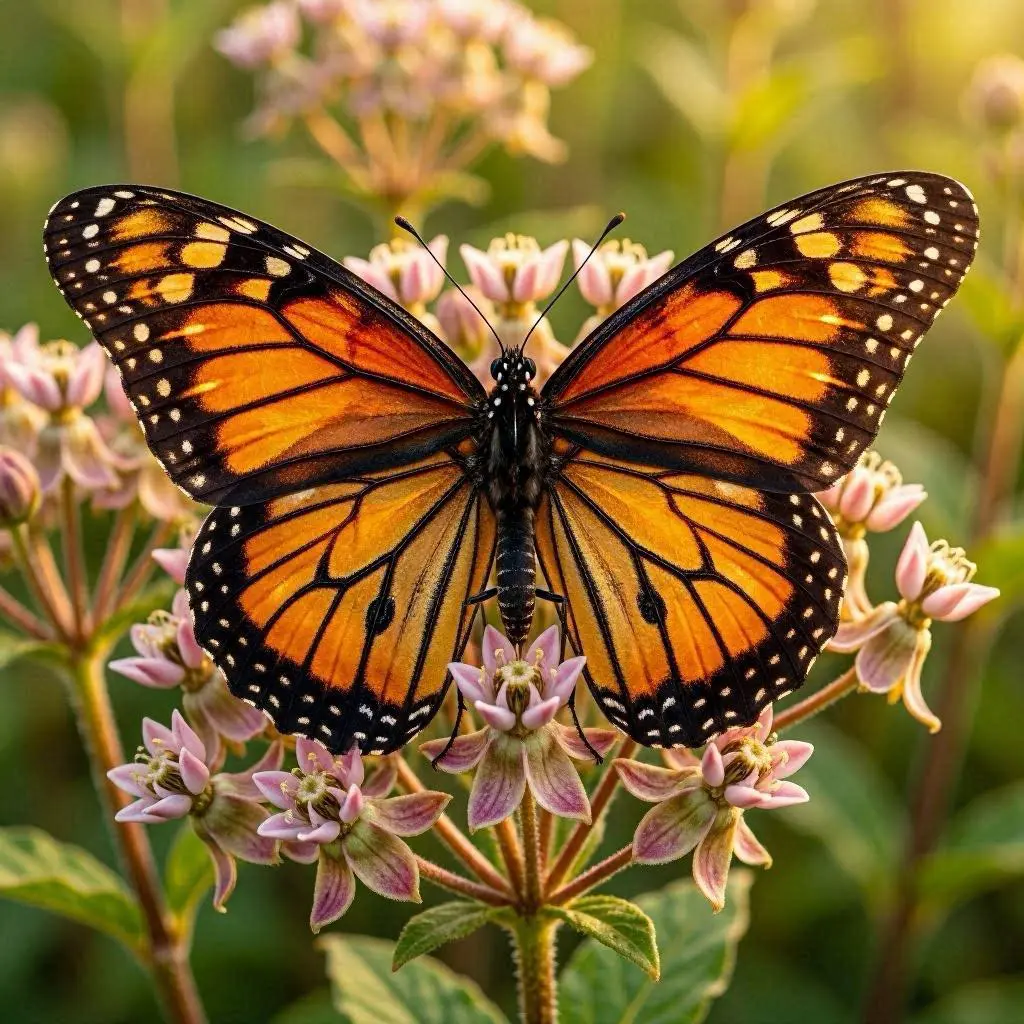
This well-known orange and black butterfly becomes poisonous by feeding on milkweed as a caterpillar. The toxins remain in its body and help protect it from birds and other predators.
❺ Hooded Pitohui
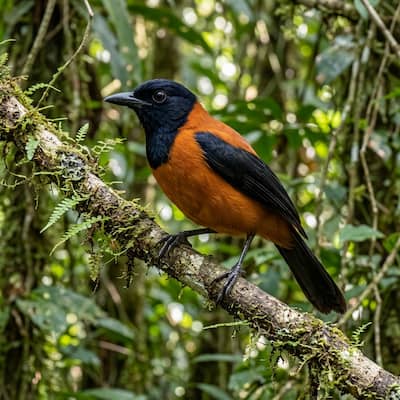
Native to the forests of New Guinea, this bird is one of the few known poisonous birds. Its skin and feathers contain toxins similar to those found in some poison dart frogs.
❻ Rough-Skinned Newt
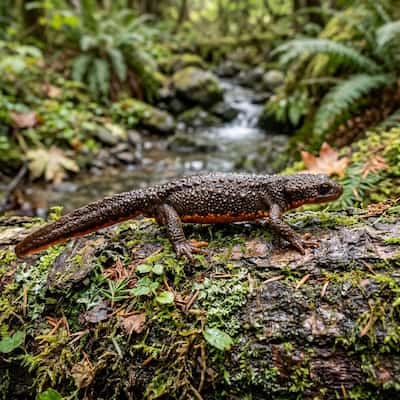
Found along the Pacific coast of North America, this newt carries tetrodotoxin in its skin at levels that can be lethal if ingested, making it dangerous to handle carelessly.
❼ Fire Salamander
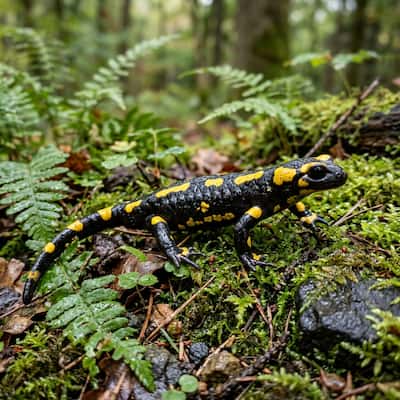
Native to parts of Europe, this brightly colored amphibian releases toxins from glands on its back and behind its head. These toxins can cause irritation and more serious effects if swallowed.
❽ Common Quail

In parts of the Mediterranean and the Middle East, quail that have eaten certain toxic seeds during migration can cause a rare form of food poisoning called coturnism when consumed.
❾ Cinnabar Moth Caterpillar
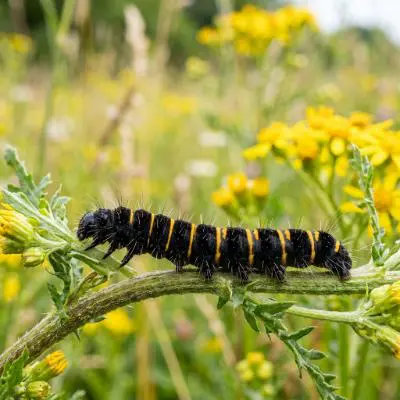
This black-and-yellow striped caterpillar feeds on ragwort and stores the plant’s toxic chemicals in its body, making it unappealing and potentially harmful to predators.
❿ Ladybird Beetle (Ladybug)
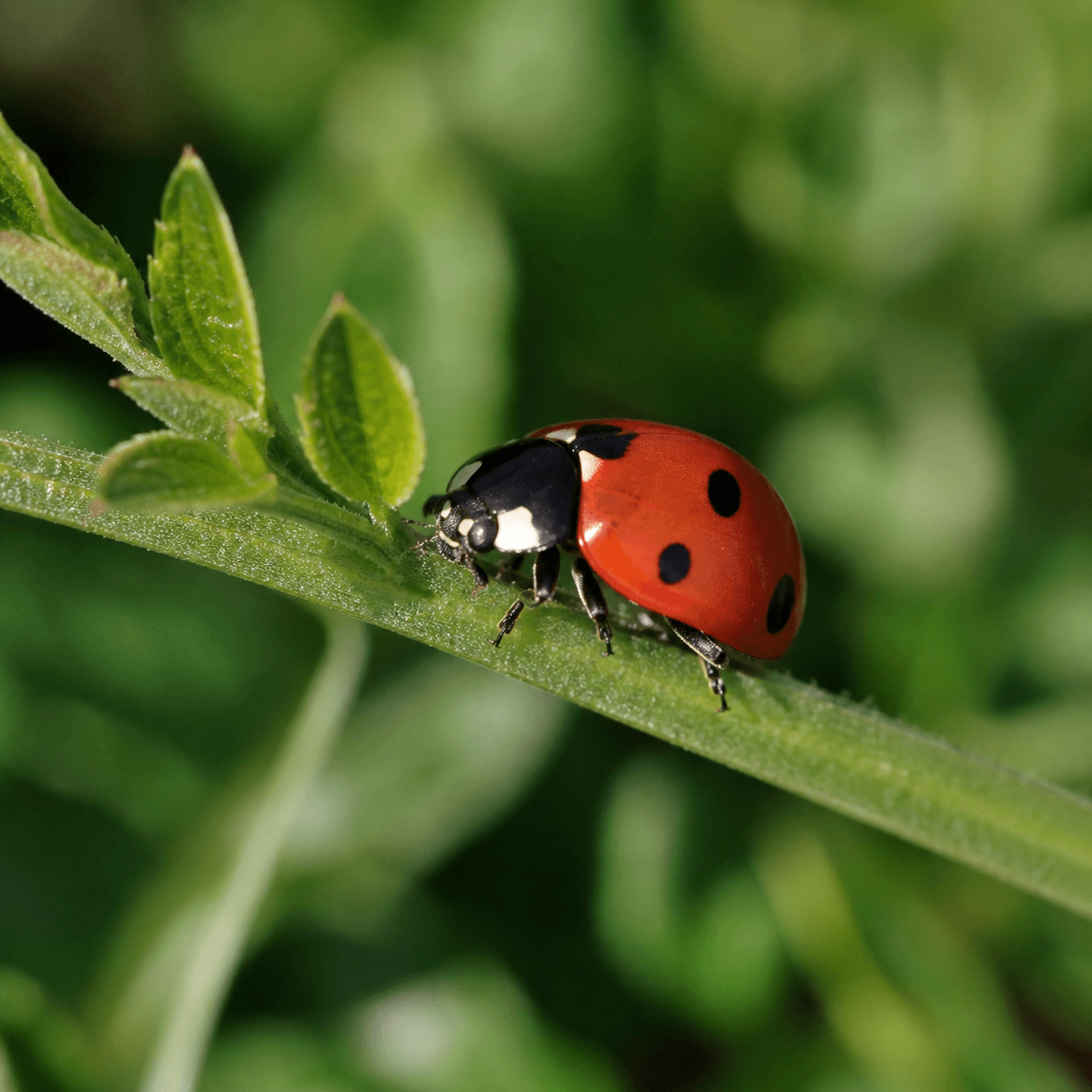
Commonly called the ladybug, this insect releases a foul-tasting, mildly toxic fluid from its leg joints when threatened, helping protect it from birds and other predators.
Fun Facts About Poisonous Animals
- Poison dart frogs raised in captivity away from their natural diet often lose much of their toxicity over time, suggesting their poison partly comes from what they eat in the wild.
- Tetrodotoxin, found in pufferfish, is widely cited as being over 1,000 times more toxic than cyanide by weight, with some studies placing the figure above 1,200.
- Monarch butterflies are poisonous to many predators due to toxins absorbed from the milkweed plants they eat as caterpillars.
- Some poisonous animals are only dangerous during certain life stages, such as certain toad species whose eggs and tadpoles carry stronger toxins than the adults.
Which Is More Dangerous, Venomous or Poisonous Animals?
Neither category is inherently more dangerous than the other, since risk depends entirely on the specific animal and the situation. Venomous animals pose a more immediate and active risk since they can proactively bite or sting without provocation. Poisonous animals generally pose less immediate risk, since most require direct contact, ingestion, or handling before their toxin causes harm, meaning many poisonous animals can be observed safely from a short distance.
Can Humans Become Immune to Venom or Poison?
Some limited natural resistance can develop in specific cases. Certain individuals who work closely with venomous snakes have attempted to build tolerance through repeated small exposure, a risky practice not recommended by medical professionals. More reliably, antivenom is created by exposing animals like horses to small amounts of venom, allowing their immune systems to produce antibodies that are later extracted and used to treat human snakebites. True immunity to most potent poisons, such as tetrodotoxin, does not occur naturally in humans.
What Should You Do If Bitten by a Venomous Animal?
Seek medical attention immediately, since venom can act quickly depending on the species involved. Keep the affected area as still as possible to slow the spread of venom through the bloodstream, and avoid outdated advice like cutting the wound or attempting to suck out venom, both of which can cause more harm than good. If possible, try to safely note the appearance of the animal to help medical professionals identify the correct antivenom.
What Should You Do If You Touch or Eat Something Poisonous?
If you have touched a poisonous animal, wash the affected area thoroughly with soap and water and avoid touching your eyes, mouth, or any open wounds until you have done so. If ingestion is suspected, seek medical attention or contact poison control immediately, since some toxins like tetrodotoxin can cause serious symptoms quickly and require prompt treatment.
Venom and Poison in Medicine
Toxins from both venomous and poisonous animals have contributed significantly to modern medicine. Compounds derived from snake venom have led to the development of blood pressure medications and blood clotting treatments. Cone snail venom has contributed to the development of powerful pain management drugs. Researchers continue to study toxins from frogs, jellyfish, and other species for potential applications in cancer treatment, antibiotic development, and pain relief, making venom and poison research an active and valuable field within pharmacology.
Final Thoughts
The difference between venomous vs poisonous ultimately comes down to delivery. Venomous animals actively inject their toxin through a bite, sting, or spine, using it as a tool for hunting or active defense. Poisonous animals carry toxin passively within their bodies, relying on it to punish any predator that dares to touch or eat them. Both strategies have proven remarkably effective across millions of years of evolution, and understanding the distinction not only clears up a common point of confusion, it can genuinely help you respond more safely if you ever encounter a dangerous animal in the wild.
FAQs
Most dangerous snakes are venomous, since they deliver toxin through a bite using specialized fangs. A small number of snake species, however, are also poisonous if eaten, because they store toxins absorbed from poisonous prey like toads.
Some species are, particularly the golden poison frog, which can be dangerous even through brief skin contact, especially if you have a cut or scratch. Many other poison dart frog species are less potent and pose limited risk from simple handling, though it is still generally best avoided.
It is possible with highly toxic species, though most poisonous animals require ingestion or contact with broken skin or mucous membranes to cause serious harm, rather than simple surface touch alone.
Bright colors typically serve as a warning signal to predators, a strategy called aposematism, which helps the toxic animal avoid being attacked in the first place rather than relying solely on the toxin to work after an attack has already happened.
Venomous. Jellyfish deliver toxin through specialized stinging cells called nematocysts, actively injecting venom into anything that brushes against their tentacles.
You May Also Like
Venomous vs Poisonous Animals Quiz
Venomous vs Poisonous Animals
What makes an animal venomous?
Venom needs a delivery wound — fangs, a stinger, a spine or a barb.
Venom is injected; poison is absorbed or swallowed.
The scorpion is venomous because it injects through its sting.
Which one is poisonous rather than venomous?
Its toxin sits in the skin and only harms something that touches or eats it.
If it has to be eaten or touched, it is poisonous.
The poison dart frog is poisonous, never venomous.
Complete the sentence.
A pufferfish is dangerous when eaten, so it is ___.
Tetrodotoxin sits in the organs and harms whatever consumes it, with no injection involved.
Danger on the plate means poisonous.
The pufferfish is poisonous, which is why its preparation is licensed.
What is a toxungenous animal?
A spitting cobra sprays venom at the eyes without breaking the skin, which fits neither of the other two terms.
Three delivery routes: injected, absorbed, or sprayed.
A spitting cobra is both venomous and toxungenous.
Three of these are venomous. Which one is not?
The monarch stores toxins from milkweed in its body, so it is poisonous to eat.
Ask how the toxin reaches you, not how dangerous it is.
The monarch is poisonous; the other two are venomous.
Can one animal be both?
Some keelback snakes inject venom and also store toxins in the skin from toads they eat.
The terms describe routes, so they can overlap.
The tiger keelback is venomous and poisonous at once.
Turn on JavaScript for the interactive quiz. The full practice set is shown above.