

No two zebras have the exact same stripe arrangement, and that’s just the beginning of how strange and specific animal patterns really are. From the rosettes on a jaguar’s coat to the eyespots on a moth’s wings, these designs aren’t decoration. Every stripe, spot, patch, and band in the animal kingdom serves a purpose, whether that’s staying hidden, staying cool, attracting a mate, or warning a predator to back off.
This article covers every major pattern type found in nature, explains the biology and genetics behind them, breaks down which animals wear them best, and answers the questions people search for most when they want to understand animal markings.
Why Do Animals Have Patterns?
Patterns on skin, fur, feathers, or scales develop through evolution because they improve an animal’s odds of survival or reproduction. Five main functions explain almost every pattern found in nature:
- Camouflage: Breaking up an animal’s outline so it blends into its surroundings or becomes harder for predators (or prey) to track.
- Communication and mate attraction: Signaling species identity, health, age, or availability to potential mates.
- Warning (aposematism): Bright, bold patterns that tell predators “I’m dangerous, don’t eat me.”
- Thermoregulation: Light and dark patches help manage body temperature by reflecting or absorbing sunlight differently across the body.
- Individual recognition: Some patterns help members of the same species identify each other, or help scientists track individuals in the wild.
A single pattern often does more than one job at once. A tiger’s stripes, for example, both hide it in tall grass and help individual tigers recognize each other from a distance.
How Patterns Actually Form (The Biology Behind the Design)
Animal patterns aren’t painted on. They form through pigment-producing cells called chromatophores (in reptiles, fish, and amphibians) and melanocytes (in mammals and birds), which are triggered by genes during embryonic development. One of the most useful frameworks for understanding this is the Turing reaction-diffusion model, first proposed by mathematician Alan Turing in 1952. It explains how two chemical signals, one that promotes pigment and one that inhibits it, can spread across developing skin and naturally create stripes, spots, or spirals depending on how fast each signal moves and how strong it is.
This is why closely related animals can end up with wildly different patterns. A small change in the timing or concentration of these signals during development is enough to turn stripes into spots, or spots into a solid color. It’s also why big cats like leopards, cheetahs, and jaguars, despite sharing a common ancestor, ended up with three distinctly different marking systems.
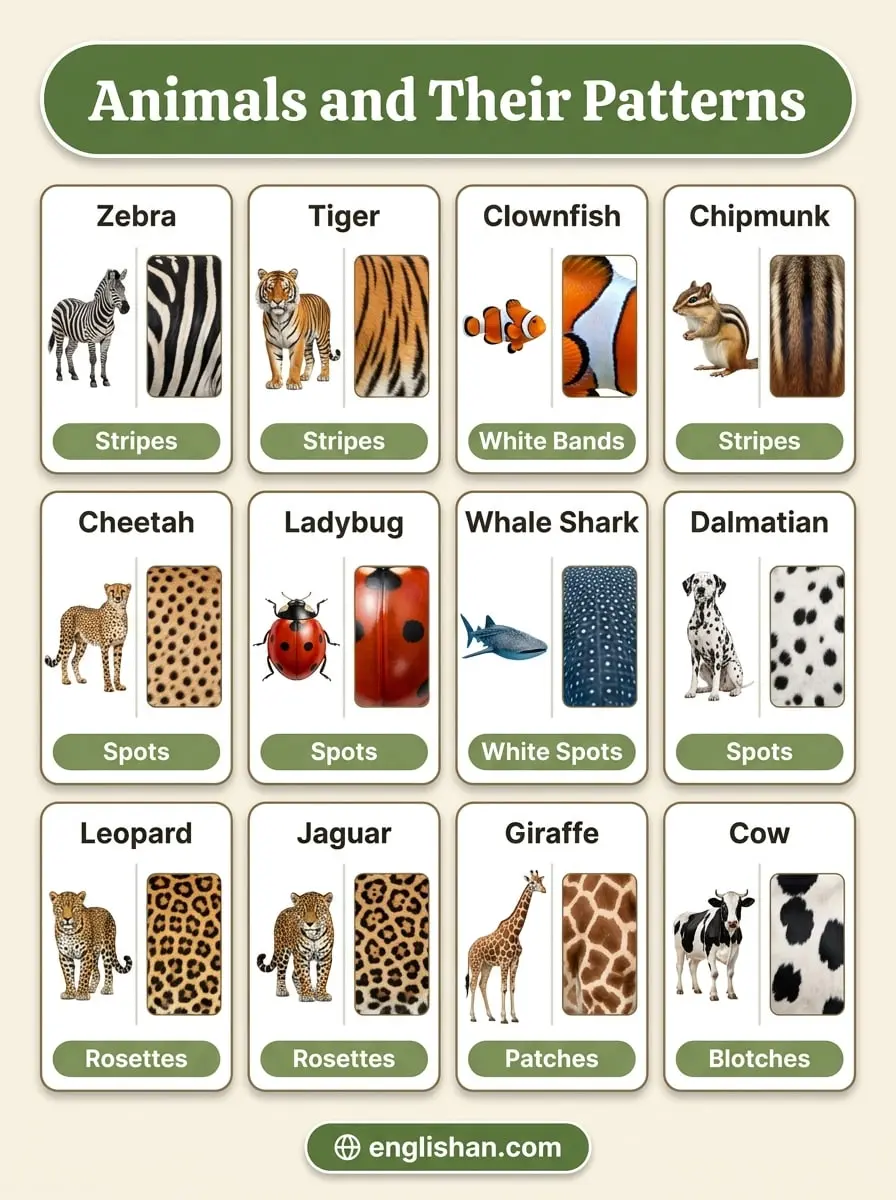
Common Animals and Their Pattern Types with Pictures
Animals with Stripes
Animals with Stripes are one of the most recognizable patterns in nature, and they’re not all created equal. Zebras, tigers, and certain species of fish all use stripes, but for very different reasons.
❶ Zebra
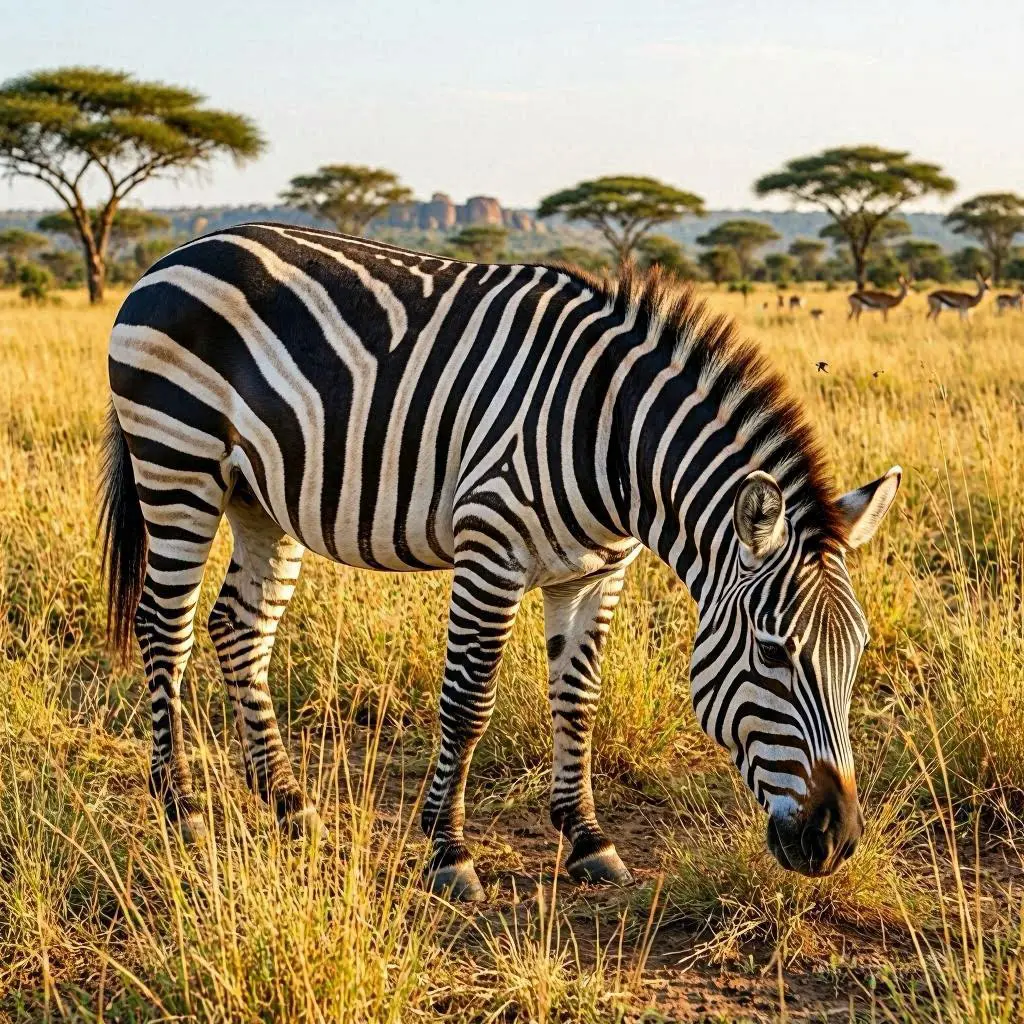
Research suggests zebra stripes confuse biting flies and make it harder for predators to single out one individual in a moving herd, an effect known as “motion dazzle.” Each zebra’s stripe pattern is unique, similar to a human fingerprint.
❷ Tiger
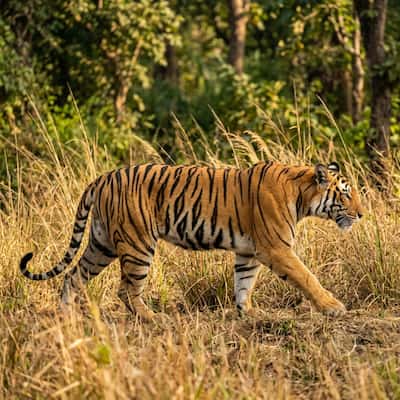
A tiger’s vertical stripes break up its body shape against the vertical lines of tall grass and forest shadows, making it nearly invisible to prey until it’s too late. Tiger skin is striped underneath the fur too, not just the coat itself.
❸ Clownfish
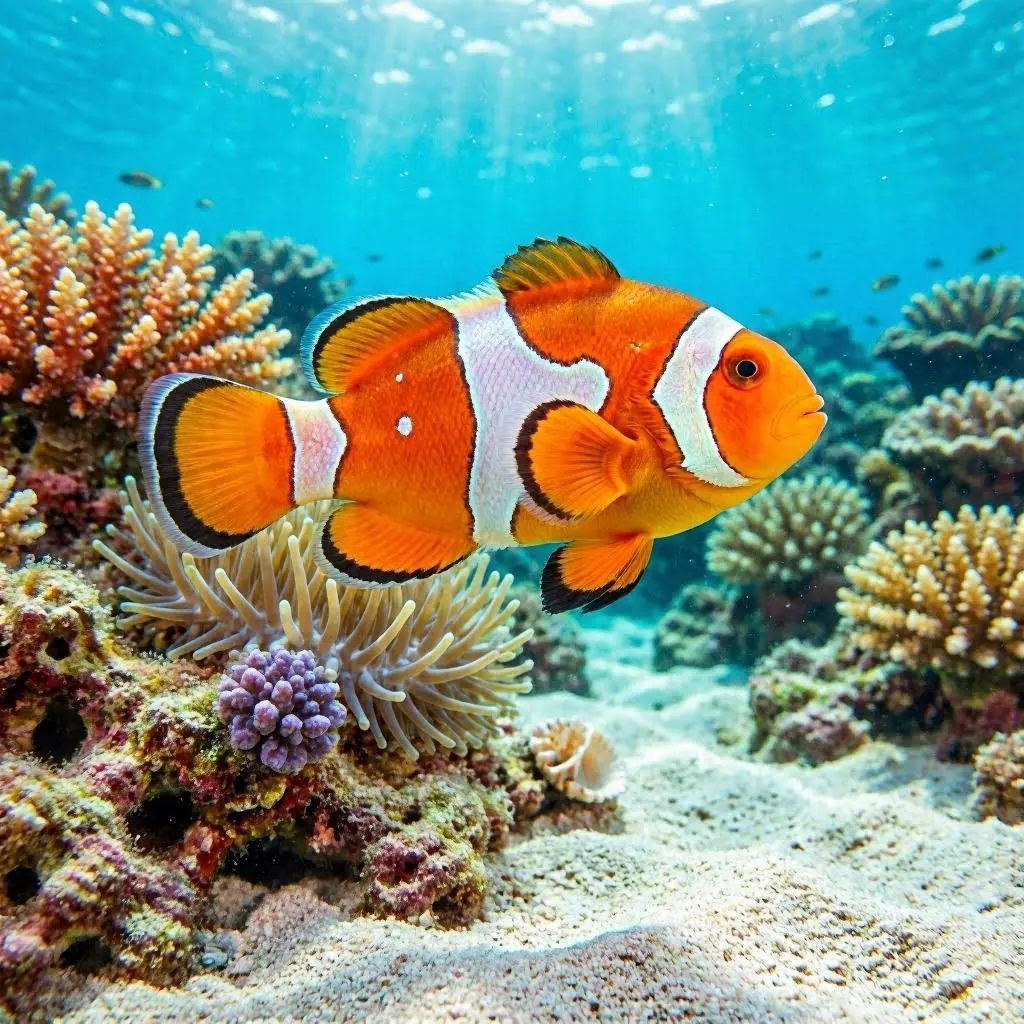
Their white bands may help juveniles recognize their own species and avoid competing with adults for the same anemone.
❹ Chipmunks
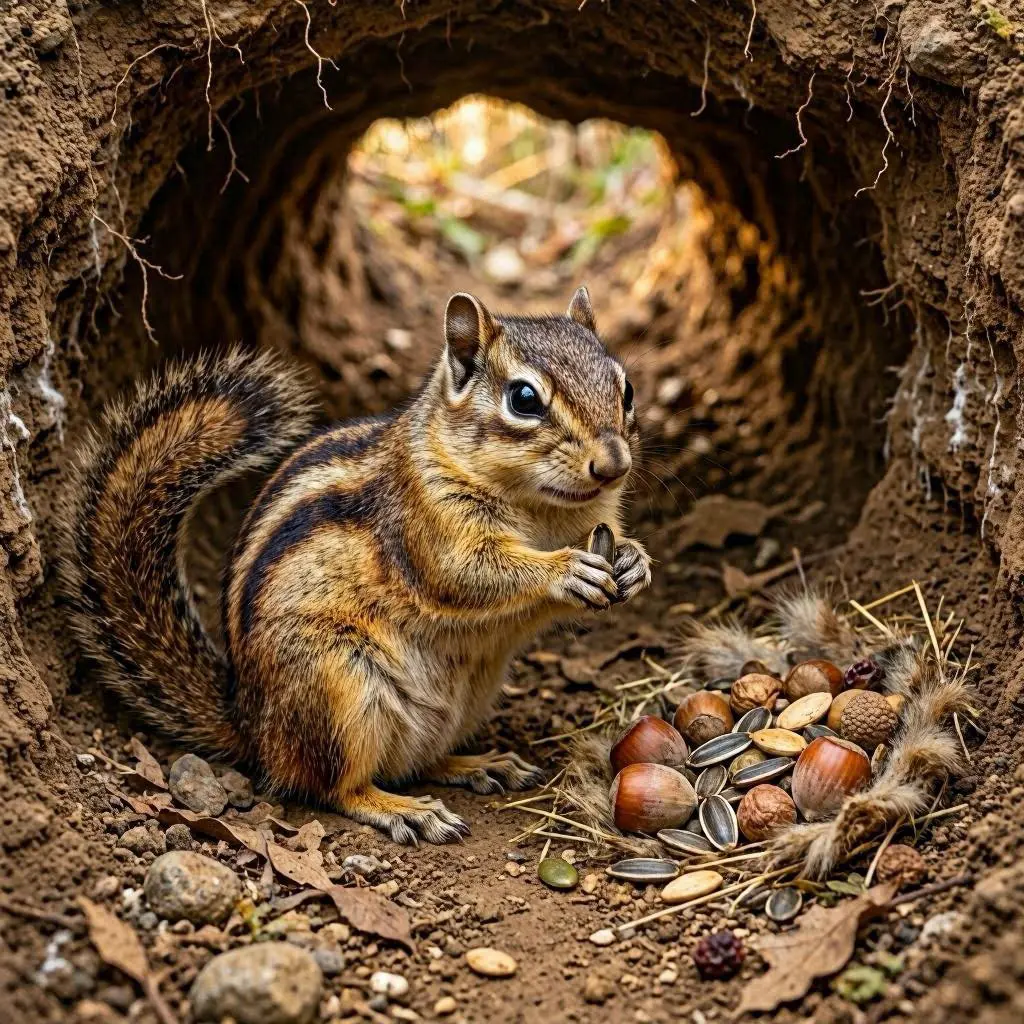
The stripes running down a chipmunk’s back help break up its outline against leaf litter and tree bark, offering quick camouflage from hawks and owls.
Animals with Spots
Animals with Spots tend to be more circular and evenly distributed than blotches, and they’re common in animals that live in dappled light, like forest floors or sunlit water.
❶ Cheetah
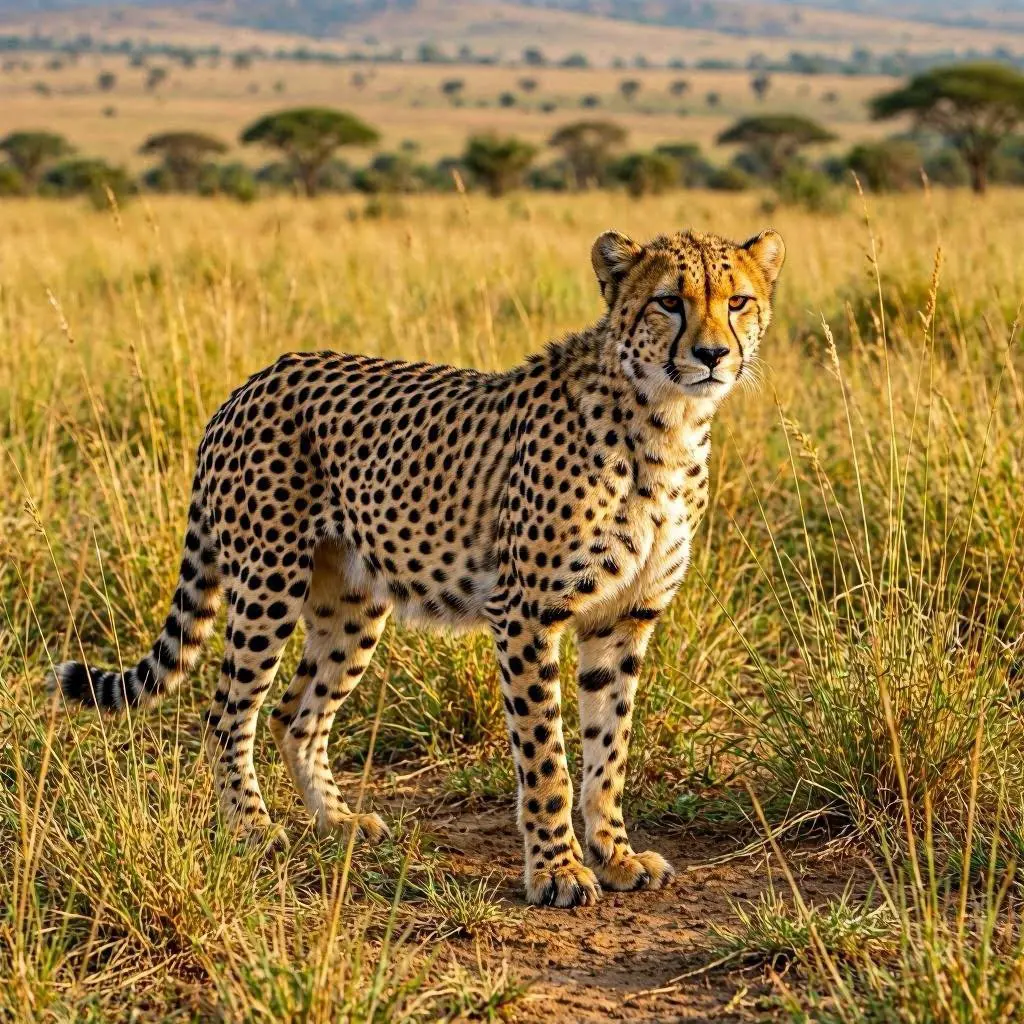
Small, solid black spots help cheetahs blend into the tall, sun-speckled grasslands of the African savanna while they stalk prey.
❷ Ladybug
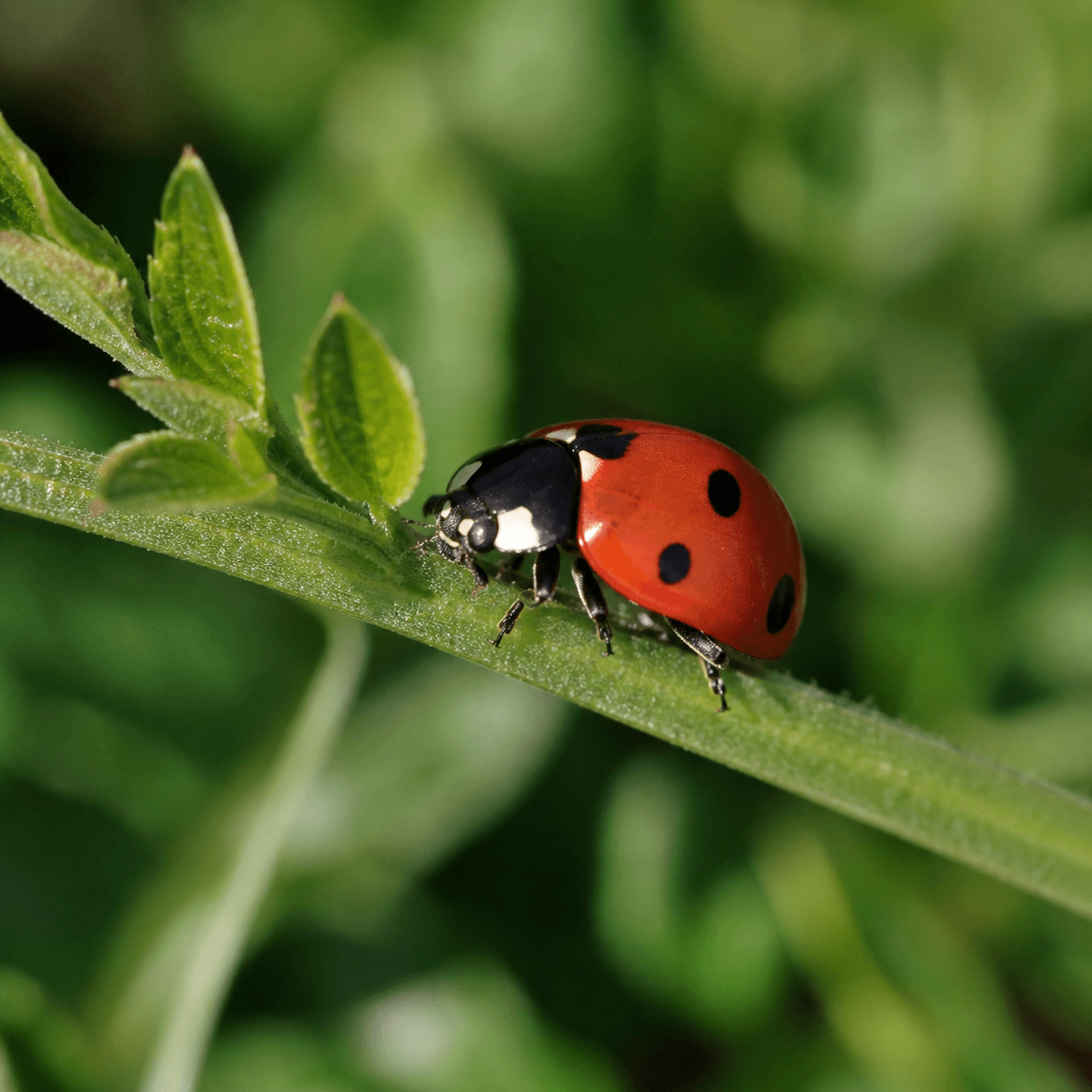
Their spots are a warning pattern (aposematism), signaling to birds that they taste bad.
❸ Whale shark
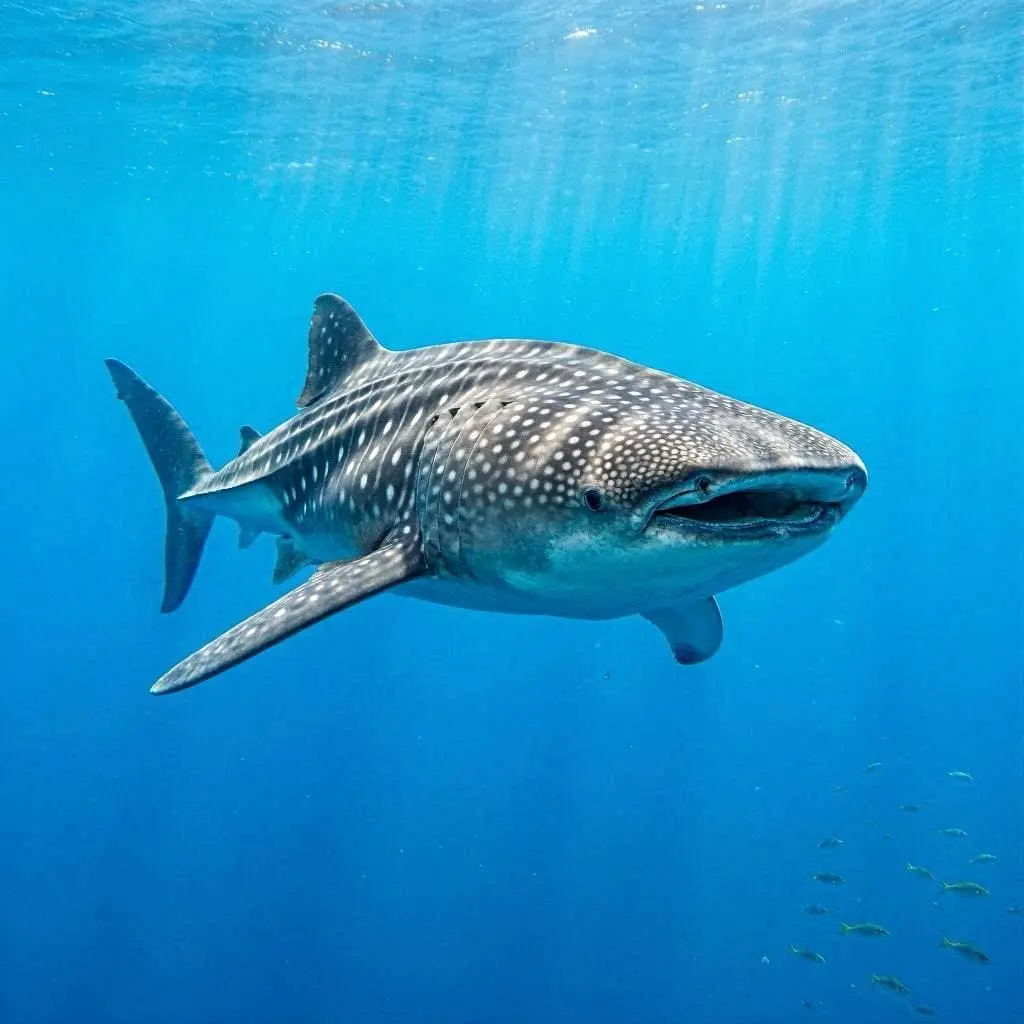
Every whale shark has a unique constellation of white spots on its back, and researchers use photo-identification software (originally built for mapping stars) to track individuals across oceans.
❹ Dalmatian
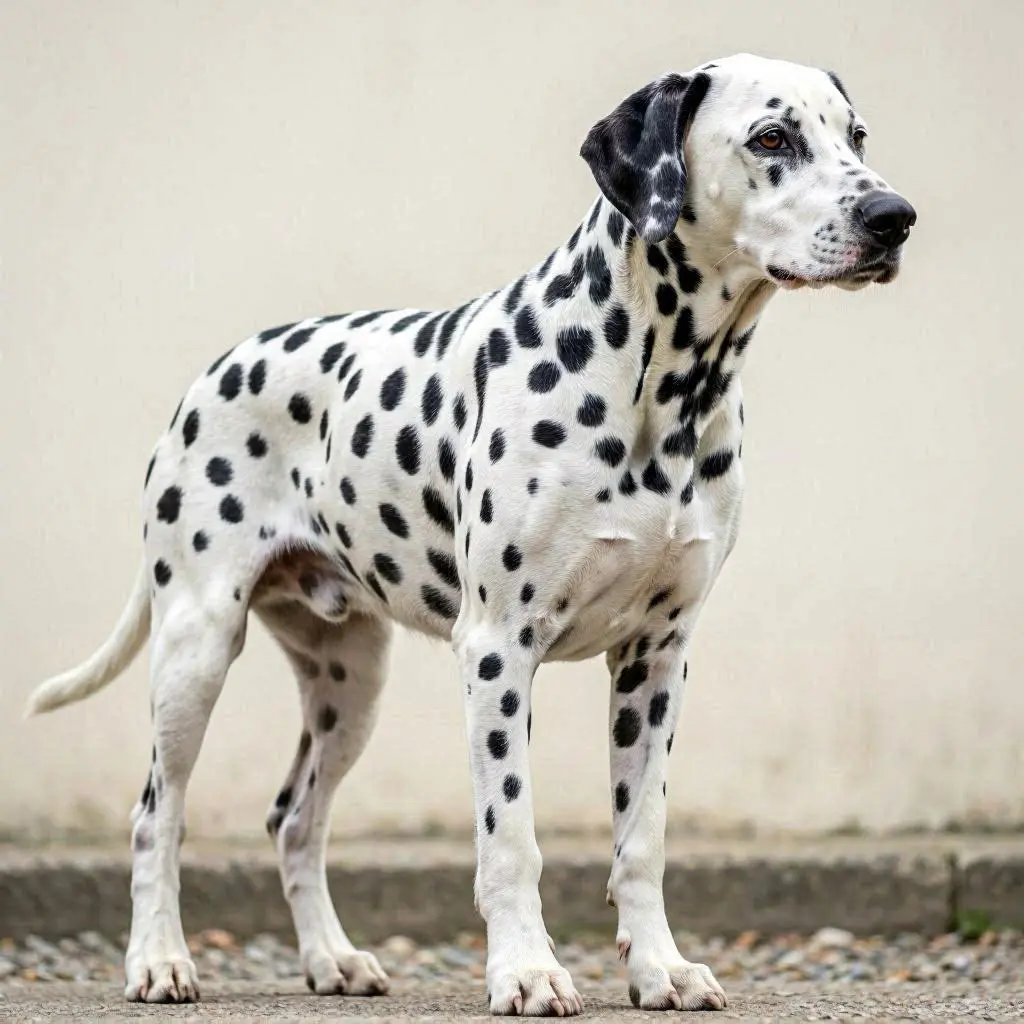
A rare dog example of spots that serve no survival function at all. Puppies are actually born completely white, and the spots develop within the first few weeks.
Animals with Rosettes
Rosettes look similar to spots at a glance, but they’re actually clusters of small spots arranged in a ring shape, often with a lighter center.
The easiest way to tell a leopard and a jaguar apart isn’t size, it’s the rosettes. Leopard rosettes are smaller and don’t usually have a spot in the center. Jaguar rosettes are larger, more irregular, and often contain one or two small black dots in the middle. This distinction matters for wildlife identification, since the two species overlap in some zoo and conservation contexts even though they live on different continents (leopards in Africa and Asia, jaguars in the Americas).
Animals with Patches and Blotches
Patches are larger, irregular shapes rather than small repeated units. Giraffes are the best-known example.
❶ Giraffe
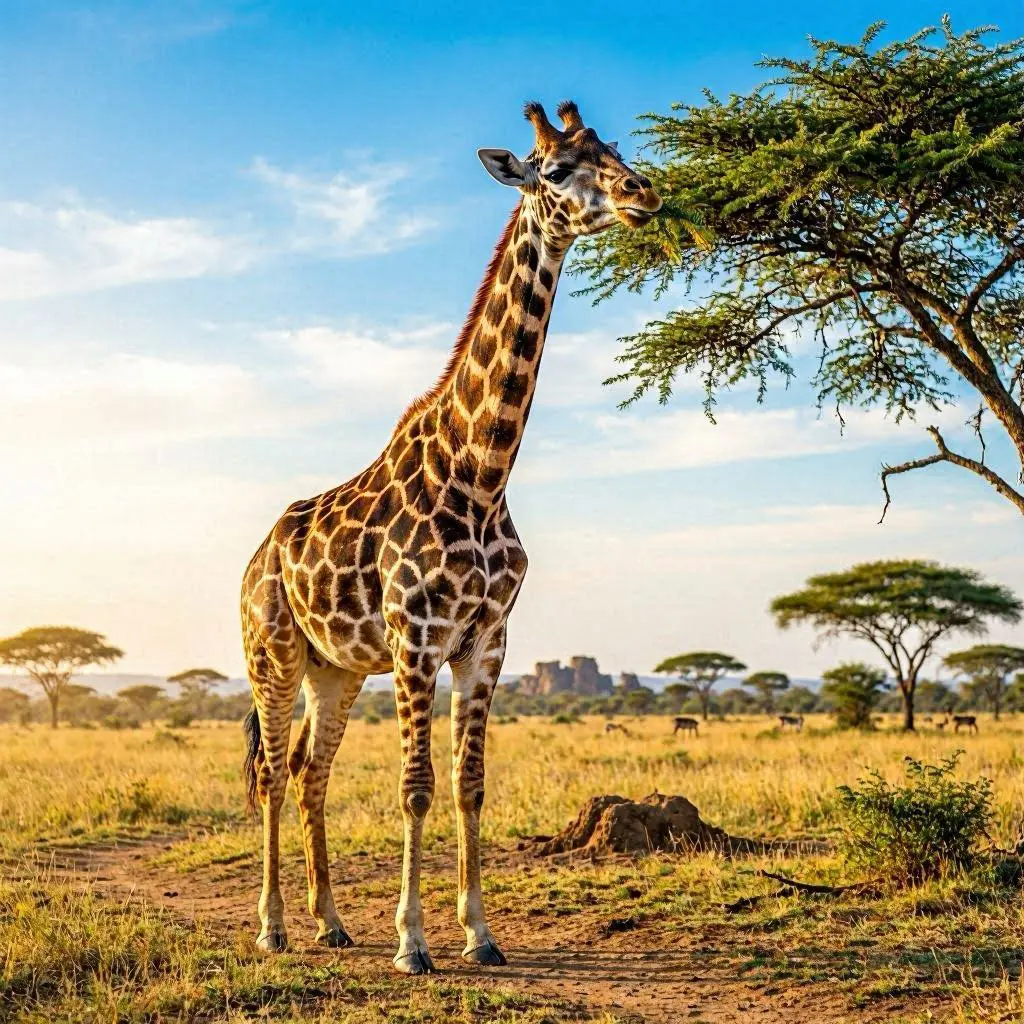
Each giraffe’s patch pattern is unique. Different giraffe subspecies (like reticulated and Masai giraffes) even have recognizably different patch shapes, which researchers use to identify individuals in the wild without tagging them. The dark patches also have a network of blood vessels underneath that may help release body heat.
❷ Cow
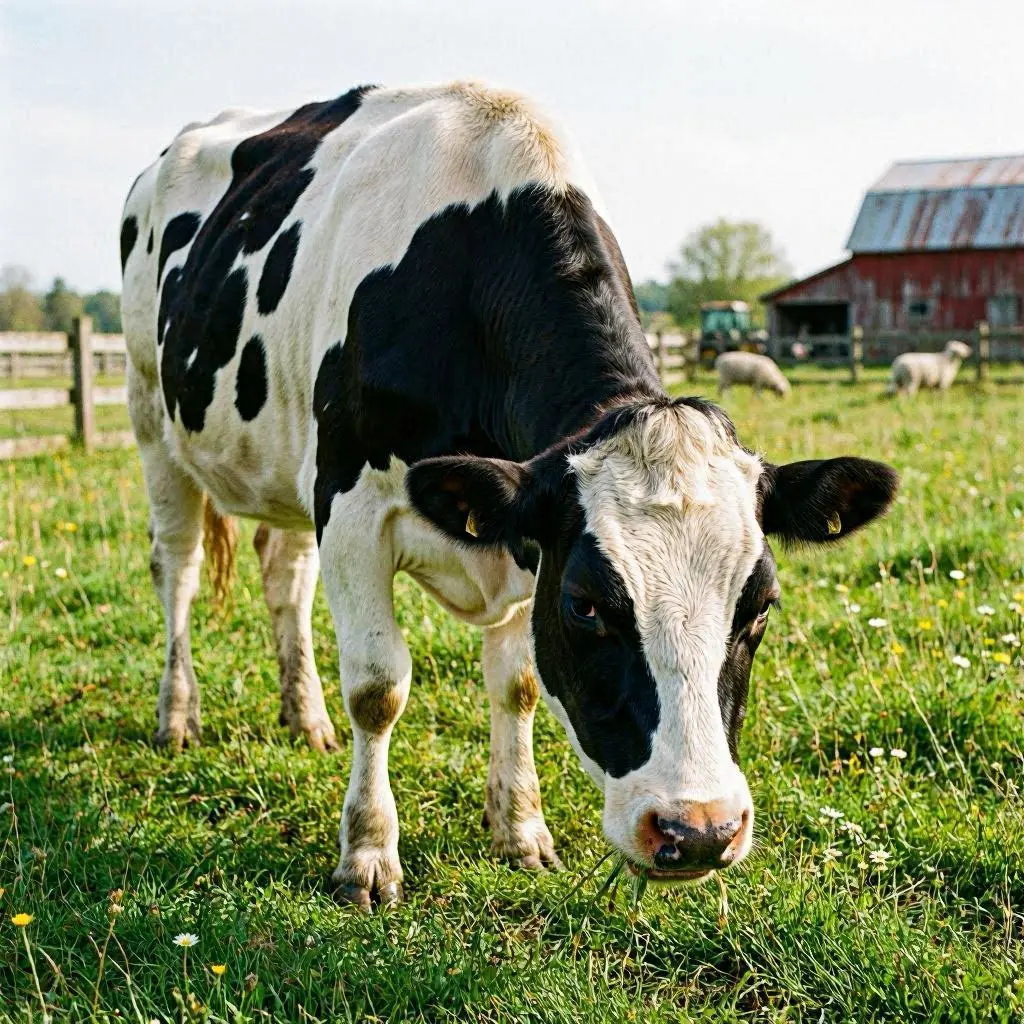
The Holstein’s black-and-white patches are purely a product of selective breeding rather than a survival adaptation.
❸ Paint horse and pinto
Similarly, these blotched coat patterns come from selective breeding for appearance, not wild survival value.
Animals with Countershading
Countershading isn’t a “pattern” in the traditional sense, but it’s one of the most widespread camouflage strategies in the animal kingdom. It refers to an animal being darker on top and lighter underneath.
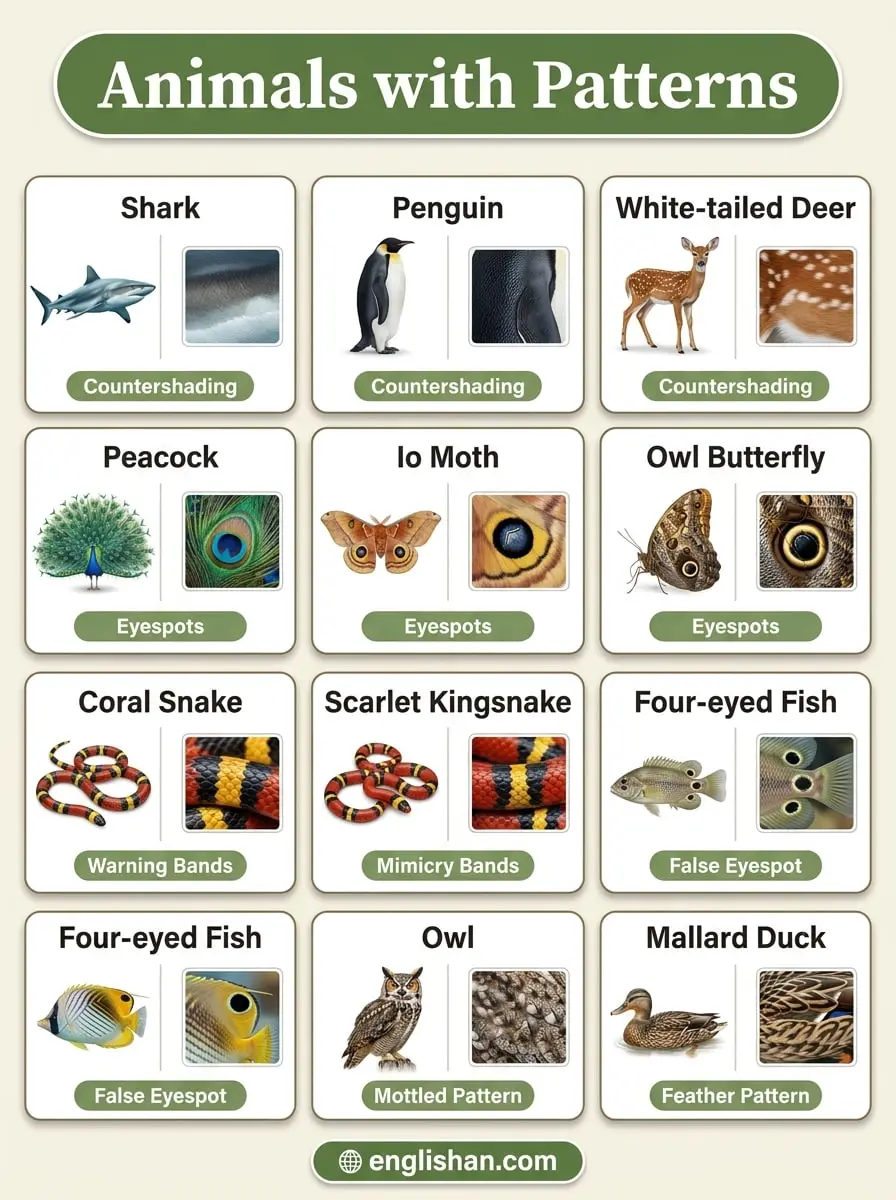
❶ Shark
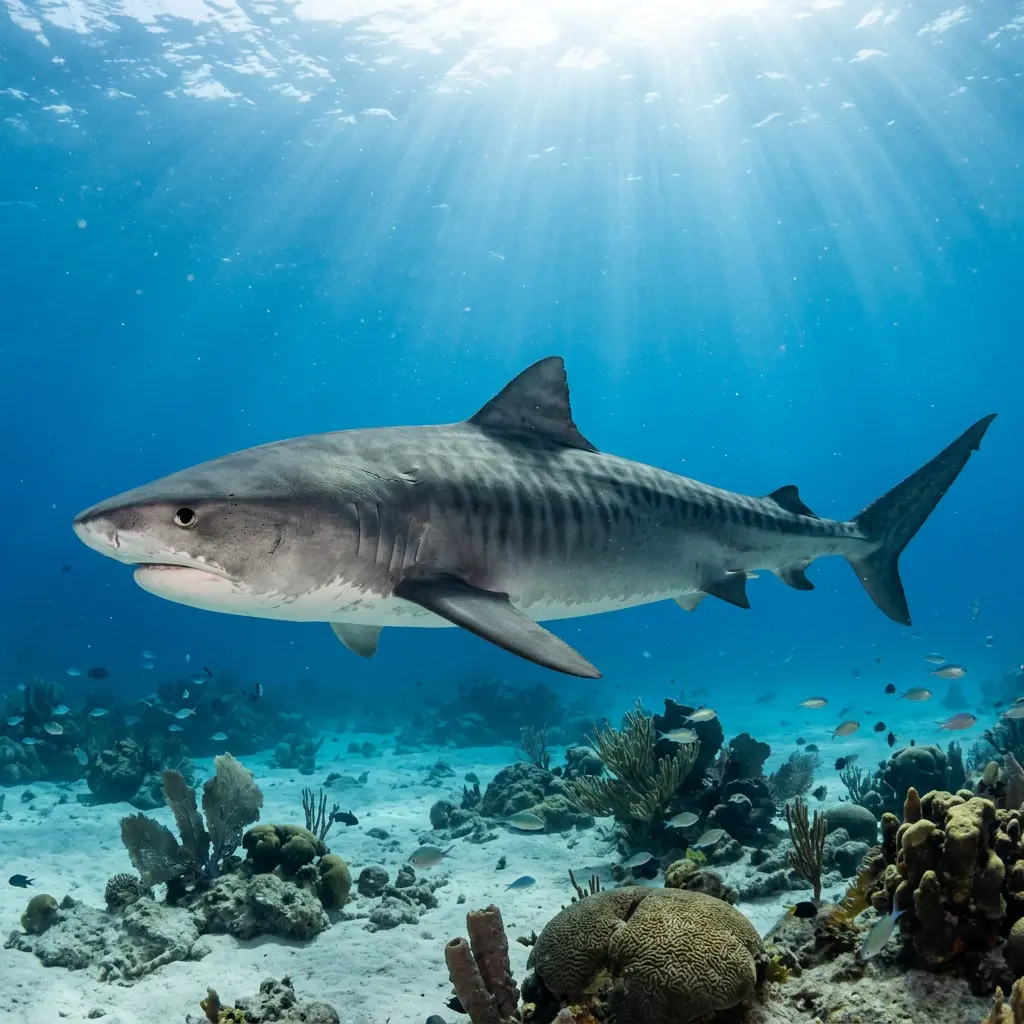
A dark dorsal side blends with the dark ocean depths when viewed from above, while a pale underside blends with sunlight from below when viewed from underneath.
❷ Penguin
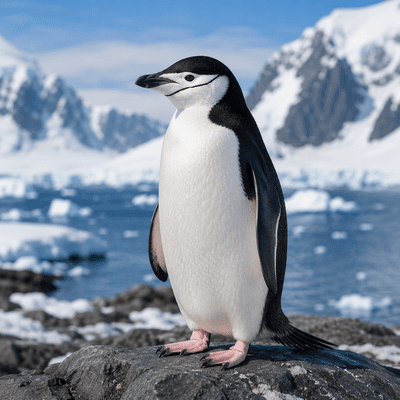
The same principle applies. Their black backs and white bellies make them harder for predators like leopard seals to spot from both directions.
❸ Deer
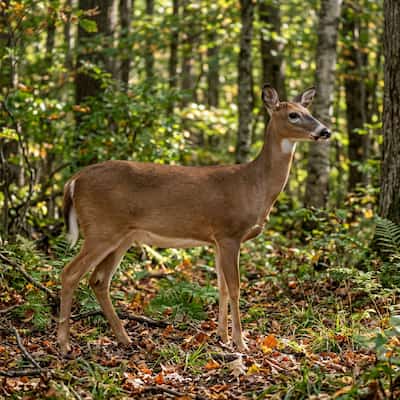
White-tailed deer show a milder version of this, with a reddish-brown back and pale belly that helps them blend into forest light and shadow.
Animals with Eyespots and Mimicry Patterns
Some patterns exist purely to trick a predator’s brain, not to hide the animal at all.
❶ Peacock and moth
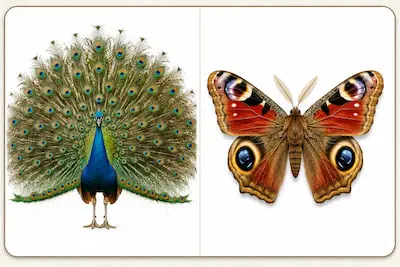
Large eyespots can startle predators or make the animal look like a much larger creature with eyes staring back. The Io moth and owl butterfly are classic examples.
❷ Coral snake and mimic
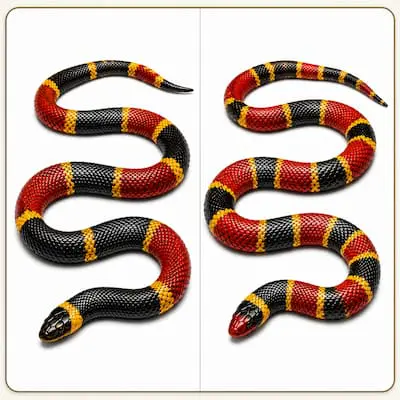
The scarlet kingsnake copies the red, yellow, and black banding of the venomous coral snake, even though the kingsnake itself is harmless. Predators that have learned to avoid coral snakes avoid the kingsnake too. A well-known rhyme, “red touch yellow, kill a fellow; red touch black, friend of Jack,” helps people in North America tell the two apart by band order.
❸ Four-eyed fish and butterflyfish
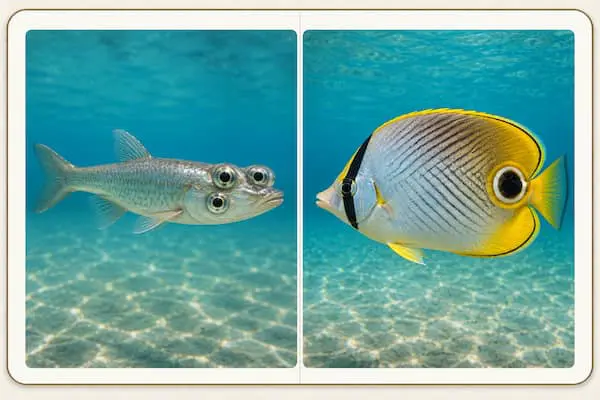
These species have a false eyespot near the tail and a real eye that’s camouflaged, tricking predators into striking the wrong end.
Patterns in Birds
Bird patterns work a little differently because feathers, not skin, carry the design, and both males and females can display very different markings within the same species.
❶ Peacock
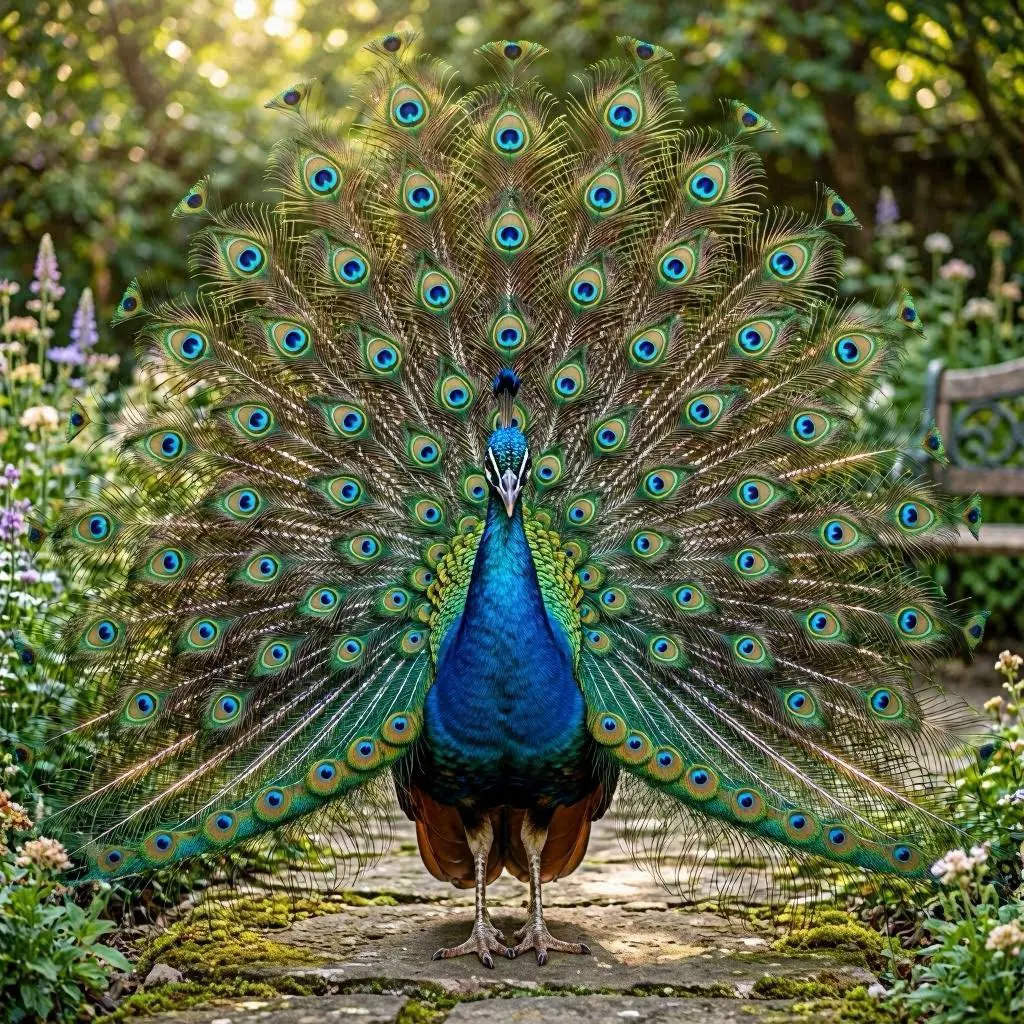
The male’s iridescent tail feathers, covered in enormous eyespots, exist almost entirely for mate attraction. Females choose partners based partly on the size and symmetry of the train.
❷ Owl
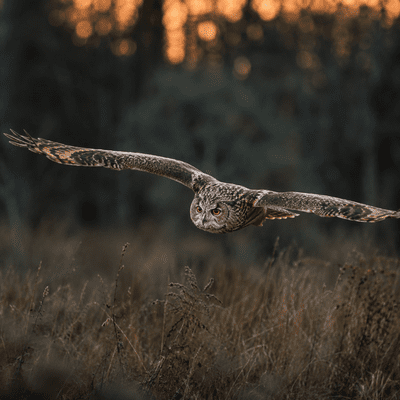
Mottled brown and gray feather patterns mimic tree bark and dead leaves, giving owls near-perfect camouflage while roosting during the day.
❸ Mallard duck
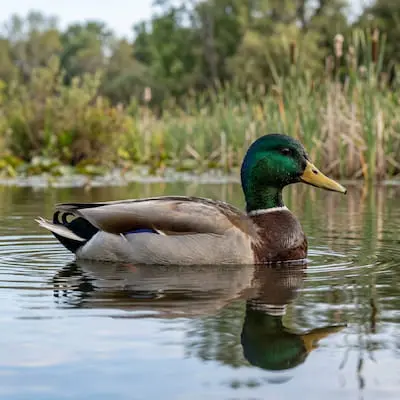
Males display bold green heads and patterned bodies for mate attraction, while females stick to mottled brown feathers for camouflage while nesting on the ground. This difference between male and female appearance is called sexual dimorphism.
Patterns in Reptiles, Amphibians, and Fish
The skin patterns of reptiles, amphibians, and fish are unique adaptations that help them survive, communicate, and thrive in their natural habitats.
❶ Chameleons
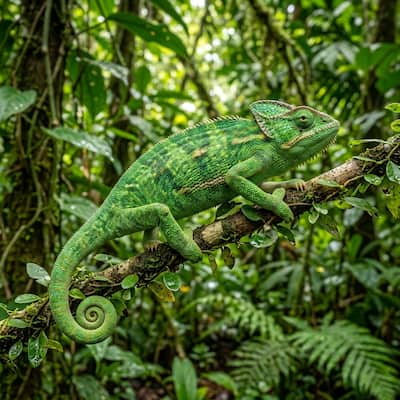
Contrary to popular belief, chameleons don’t primarily change color to match their surroundings. Most color changes are driven by mood, temperature, and communication with other chameleons, using specialized skin cells called iridophores that reflect different wavelengths of light.
❷ Poison dart frog
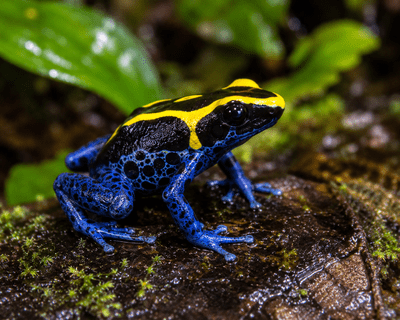
Extremely bright blues, yellows, and reds warn predators of toxic skin secretions. Poison strength in captive-bred frogs actually decreases over generations, since much of their toxicity comes from compounds in the wild insects they eat.
❸ Gila monsters
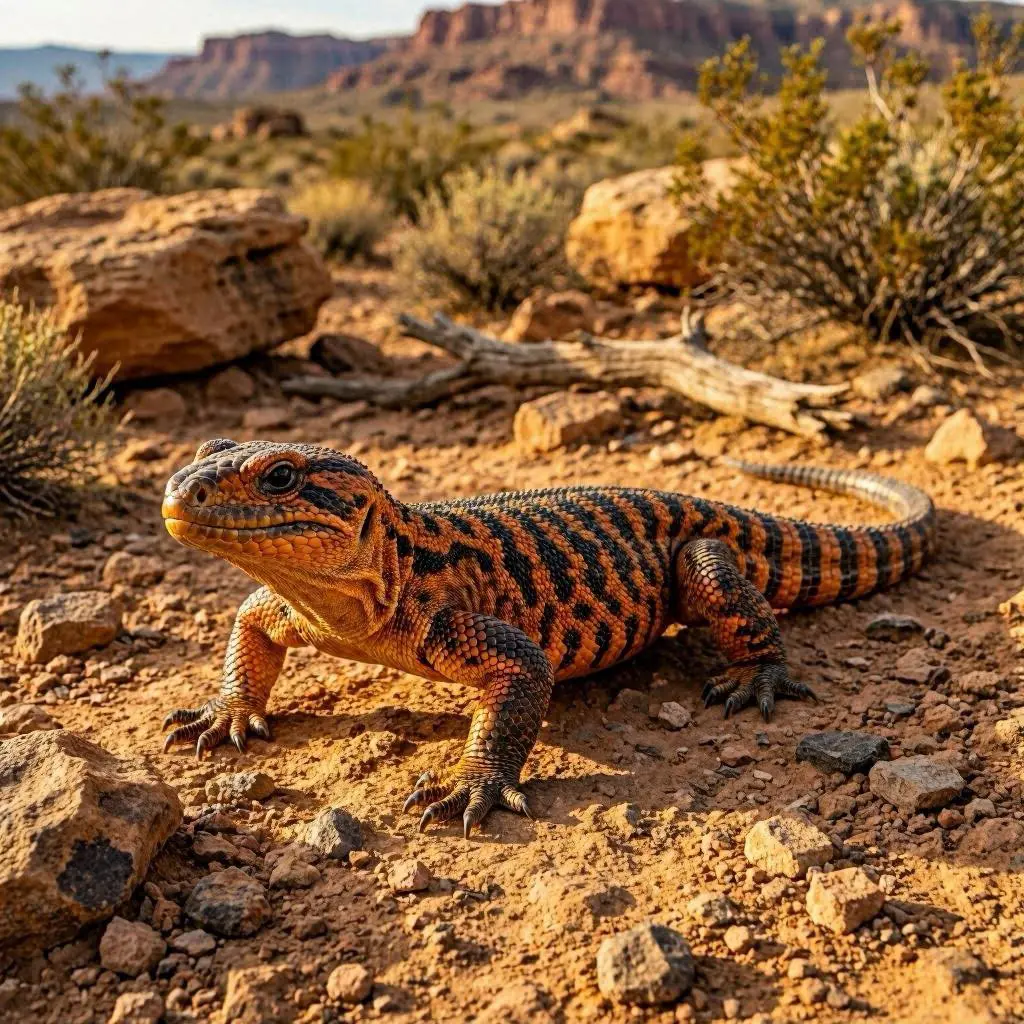
Their bold black-and-orange or black-and-pink beaded pattern serves as a warning display, since they’re one of the few venomous lizards in the world.
Color-Changing Champions: The Fastest Pattern Shifters
❶ Octopuse and cuttlefish
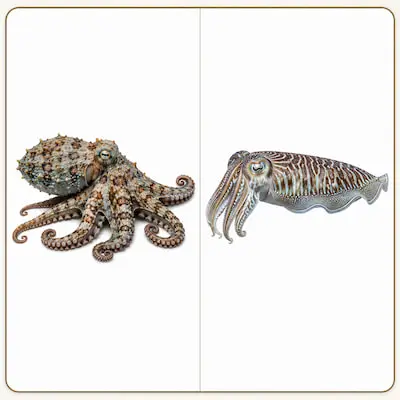
These cephalopods can change their entire skin pattern in under a second using specialized pigment cells called chromatophores, layered with cells that manipulate light reflection. This makes them the fastest and most sophisticated pattern-changers in the animal kingdom, capable of mimicking not just color but texture.
❷ Cuttlefish courtship display
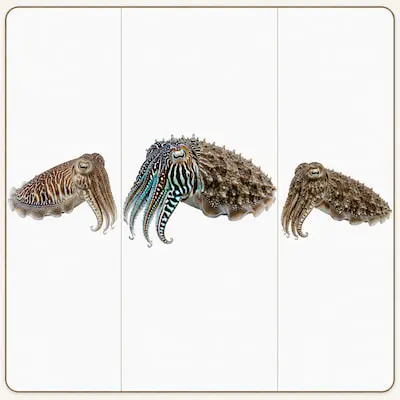
Male cuttlefish can display a courting pattern to a nearby female on one side of their body while simultaneously displaying a completely different, non-threatening pattern to a rival male on the other side.
Melanism and Albinism: When Patterns Go Missing or Go Dark
Two genetic conditions can override an animal’s usual pattern entirely.
- Melanism happens when an excess of dark pigment covers the entire coat, which is why “black panthers” aren’t actually a separate species. They’re melanistic leopards or jaguars, and if you look closely in the right light, their rosette pattern is often still faintly visible underneath the dark fur.
- Albinism is the opposite: a genetic condition that prevents pigment production almost entirely, resulting in white fur or skin, pink or pale eyes, and no visible pattern at all. Albino animals are rare in the wild because the lack of camouflage makes survival much harder.
- Leucism is often confused with albinism but is different. Leucistic animals have reduced pigment in fur, feathers, or skin, but retain normal eye color, and they sometimes keep partial pattern markings.
Pattern-by-Animal Quick Reference
| Animal | Pattern Type | Primary Purpose |
|---|---|---|
| Zebra | Stripes | Fly deterrence, predator confusion |
| Tiger | Stripes | Camouflage in tall grass |
| Cheetah | Spots | Camouflage in dappled grassland |
| Leopard | Small rosettes | Camouflage in trees and brush |
| Jaguar | Large rosettes with center dots | Camouflage in dense rainforest |
| Giraffe | Irregular patches | Camouflage, individual ID, heat regulation |
| Whale shark | White spots | Individual identification |
| Ladybug | Spots | Warning coloration |
| Peacock | Eyespots (tail feathers) | Mate attraction |
| Coral snake | Bands | Warning coloration |
| Shark | Countershading | Camouflage from above and below |
| Owl | Mottled bark-like pattern | Camouflage while roosting |
| Poison dart frog | Bright solid colors | Warning coloration |
| Octopus | Rapidly shifting patterns | Instant camouflage and communication |
| Gila monster | Black and orange beading | Warning coloration |
How Patterns Help Animals Survive
Patterns generally fall into two broad survival strategies, and it helps to understand the difference.
Disruptive coloration breaks up an animal’s outline so predators (or prey) struggle to recognize its shape. Tiger stripes and giraffe patches both work this way; the pattern doesn’t hide the animal so much as confuse the eye trying to identify it.
Aposematism, or warning coloration, does the opposite. Instead of hiding, the animal shows off bold, high-contrast colors and patterns to advertise that it’s toxic, venomous, or otherwise dangerous. Poison dart frogs, certain caterpillars, and coral snakes all rely on this strategy. Interestingly, some harmless species evolve to mimic these warning patterns just to borrow the protection, a phenomenon called Batesian mimicry. The reverse also happens: when two genuinely dangerous species evolve to look alike, reinforcing the same warning signal to predators, it’s called Müllerian mimicry (several species of toxic butterflies do this).
Fascinating Facts Worth Knowing
- A zebra’s skin underneath its fur is actually black. The stripes are entirely a fur pigmentation pattern.
- Tigers have striped skin, not just striped fur, meaning the pattern would still be visible even if a tiger were shaved.
- No two tigers have identical stripe patterns, making stripe photography a legitimate tool for identifying individual tigers in the wild.
- Octopuses can mimic not just color but texture, raising or flattening skin bumps to match rocks or coral.
- A giraffe’s tongue is also patterned with dark blotches, which some researchers believe protects it from sunburn since giraffes use their tongues so much while browsing treetops.
- Zebra foals can recognize their mother’s specific stripe pattern within days of birth.
Key Takeaways
Animal patterns are functional tools shaped by millions of years of evolution, not random decoration. Stripes confuse predators and pests, spots and rosettes blend animals into dappled light, patches help with heat control and individual recognition, and bold warning colors keep dangerous animals at a safe distance. Genetic conditions like melanism, albinism, and leucism show just how fragile and precise this system really is, since a small shift in pigment signaling can erase or invert a pattern entirely. Once you know what to look for, whether it’s the dot in the center of a jaguar’s rosette or the unique patch shape on a giraffe’s coat, you’ll never look at an animal’s coat the same way again.
FAQs
No. Zebra stripes, giraffe patches, and whale shark spots are all unique to the individual animal, much like a fingerprint. Researchers use these differences to track and identify wild animals over time without tagging them.
Camouflage is a major function, but plenty of patterns exist to attract mates (peacock tails) or to warn predators away (ladybugs, coral snakes). Some patterns even serve a purely thermal function, helping regulate body temperature.
They look similar from a distance, but rosettes are clusters of smaller spots forming a ring shape, while true spots are single, solid marks. This is the easiest way to tell a cheetah’s coat from a leopard’s or jaguar’s.
It’s extremely unlikely. Because pattern formation depends on subtle chemical signaling during development, even genetically identical twins in animals like zebras or giraffes tend to end up with slightly different marking layouts.
There’s no single scientific answer, but octopuses and cuttlefish are often considered the most visually versatile, since they can display dozens of different pattern configurations within seconds. Among land animals, the giraffe and the tiger are frequently cited for having the most complex and individually distinct markings.
Solid-colored animals, like lions or polar bears, usually rely on their base color for camouflage rather than a pattern. A lion’s tawny coat blends into dry grasslands, and a polar bear’s white fur blends into snow and ice, so a broken-up pattern would offer no added advantage in those environments.
You May Also Like
- 25+ Animals Found Only in One Country
- 15 Animals and Their Camouflage with Pictures
- Albino Animals Names with Pictures
Animals and Their Patterns Quiz
Animals and Their Patterns
What is a rosette?
Leopards and jaguars have them; a cheetah's spots are solid.
Spot filled, rosette ringed.
A jaguar's rosettes have spots inside them.
What does 'mottled' describe?
It suits animals breaking up their outline against uneven ground.
Mottled is irregular by definition.
The moth's mottled wings vanished against the bark.
Name the pattern.
Rings of colour running around a tail, as on a lemur or a raccoon, are called ___.
Banding on a tail often works as a signal, keeping a group together in cover.
Bands run around; stripes run along.
A ring-tailed lemur holds its banded tail up as a flag.
Why are the markings on a tiger or a whale shark useful to researchers?
Photographs can identify animals without capture or tagging.
A pattern can function as a fingerprint.
Photo databases track individuals across years.
What is countershading?
It cancels the shadow that would otherwise reveal the body's shape.
Countershading flattens an animal visually.
Almost every fish in open water is countershaded.
Turn on JavaScript for the interactive quiz. The full practice set is shown above.