Animals Found Only in One Country are some of the world’s most remarkable examples of biodiversity. A giant panda born in a zoo in France is still, technically, a Chinese national treasure. That’s the unusual reality of endemic animals. Their entire wild existence is tied to the borders of a single nation, and if that natural habitat disappears, the species disappears from the wild everywhere. Some are instantly recognizable, such as giant pandas and kiwis, while others are so little known that even many wildlife enthusiasts have never encountered them.
This article explains what “endemic” really means, how it differs from terms such as native and indigenous, why certain animals are restricted to a single country, which species exist nowhere else on Earth, and the questions people most often ask about animals found only in one country.
What Does “Endemic” Mean?
Endemic means a species occurs naturally in one specific geographic area and nowhere else. When that area happens to be a single country, the animal is often described as a national endemic. This is different from being “native,” which just means the species originated in a region, even if it’s also found elsewhere.
It’s also different from being rare. A rare animal can exist in small numbers across several countries. An endemic animal might actually have a healthy population, but that population exists in exactly one place on the planet. Lose that place, and the species is gone for good, not just from that country, but from the world.
Explore more animals that start with different letters:
A | B | C | D | E | F | G | H | I | J | K | L | M | N | O | P | Q | R | S | T | U | V | W | X | Y | Z
Endemic vs. Native vs. Indigenous vs. Invasive: What’s the Difference?
Animals found only in one country get mixed up constantly, so here’s a clear breakdown:
- Endemic: Found naturally in one specific place only, and nowhere else on Earth.
- Native (or indigenous): Originated in a region and occurs there naturally, but may also occur naturally elsewhere. Every endemic species is native to its home range, but not every native species is endemic.
- Introduced: A species moved by humans, intentionally or accidentally, into a new region where it did not naturally occur.
- Invasive: An introduced species that causes ecological or economic harm in its new environment, often by outcompeting native or endemic species for resources.
Why Some Animals Found in Only One Country?
Endemism usually comes down to isolation. When a population of animals gets cut off from others of its kind, whether by ocean, mountains, or desert, it evolves independently and eventually becomes distinct enough that it can’t be found anywhere else.
- Island isolation: Islands like Madagascar, New Zealand, and the Galapagos have been separated from mainland continents for millions of years, giving species time to evolve in complete isolation.
- Geographic barriers: Mountain ranges, rivers, and deserts can box a species into a specific range even on a large continent, without any ocean involved at all.
- Highly specialized habitat: Some animals adapt so precisely to one ecosystem (a particular forest type, elevation, or climate) that they simply can’t survive anywhere else, even nearby.
- Historical range collapse: A few species used to live across multiple countries but were hunted or pushed out everywhere except one last stronghold. The Asiatic lion is the clearest example of this.
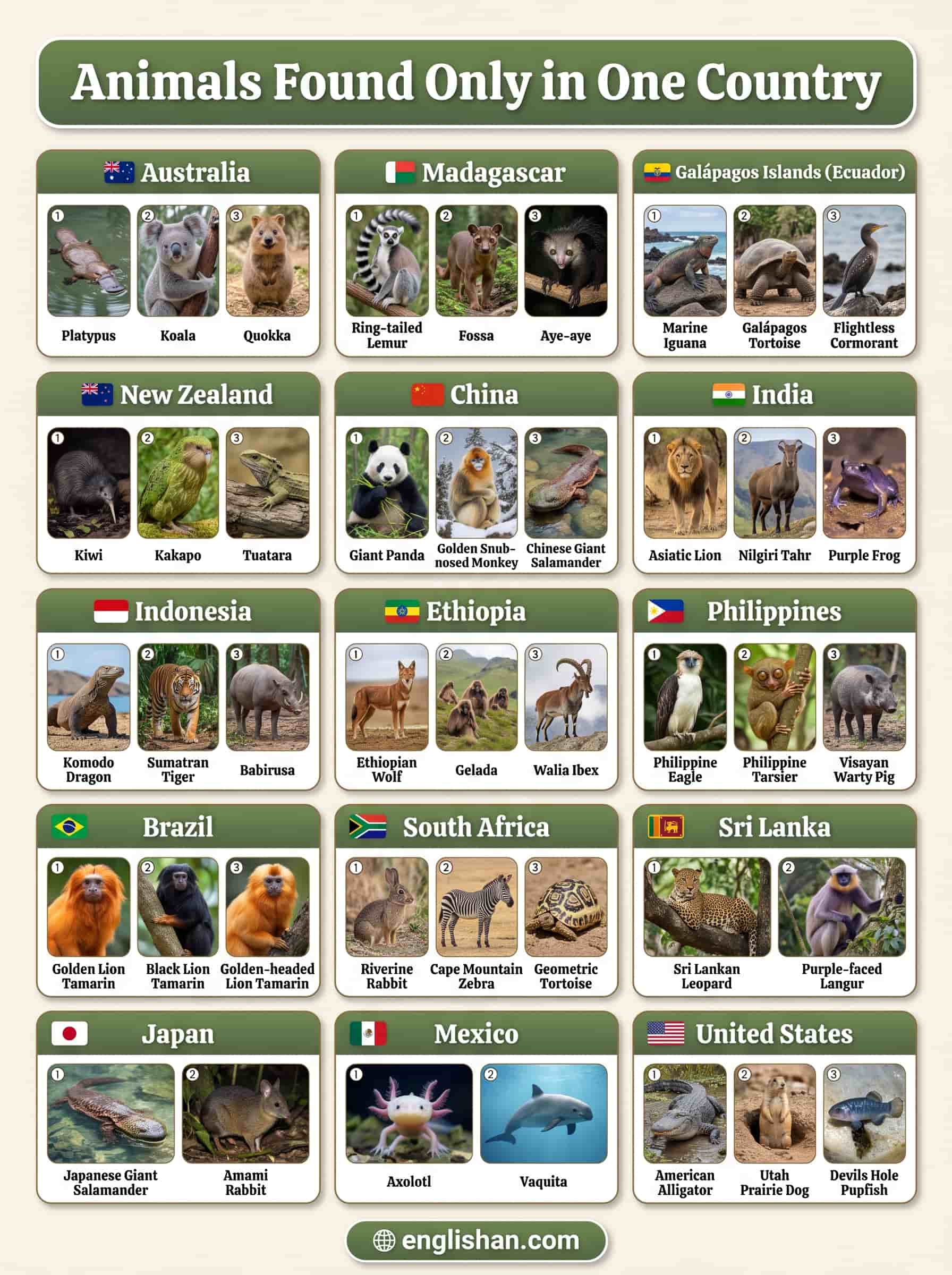
Notable Animals Found Only in One Country, by Region
Australia
Australia has been geographically isolated for so long that a huge share of its wildlife is found nowhere else on the planet.
❶ Platypus
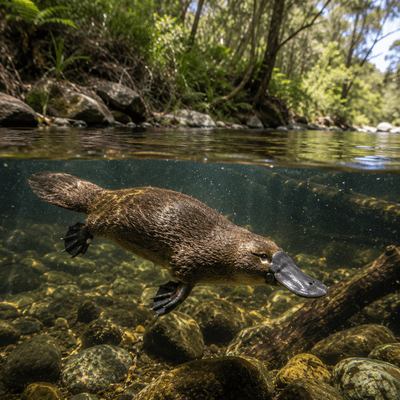
One of only two egg-laying mammal groups in the world (monotremes), found exclusively in Australia’s rivers and streams. It also has a venomous spur, a rare trait among mammals.
❷ Koala
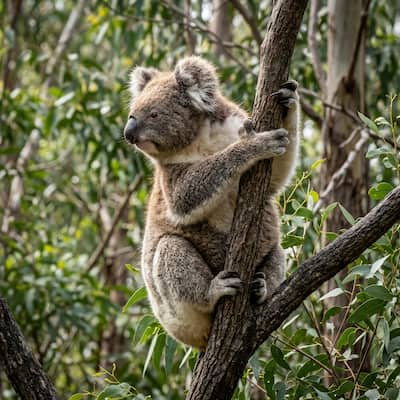
Native only to Australia’s eucalyptus forests, which also happen to be its only food source.
❸ Quokka
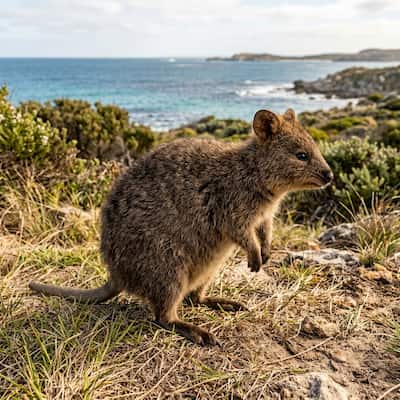
A small, smiling marsupial found almost entirely on Rottnest Island off Western Australia, with a few small mainland colonies. Its trusting nature around humans has made it a viral social media star.
❹ Tasmanian devil
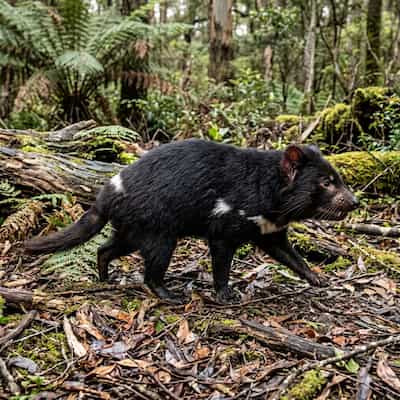
Once found across mainland Australia, it now survives in the wild only on the island state of Tasmania.
Madagascar
Madagascar split from mainland Africa roughly 150 million years ago, and the isolation shows. More than 100 species of lemur exist, and every single one is endemic to this one island nation.
❶ Ring-tailed lemur
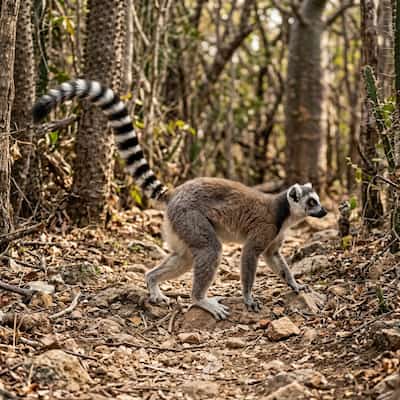
Madagascar’s most recognizable primate, easily identified by its black-and-white striped tail.
❷ Fossa
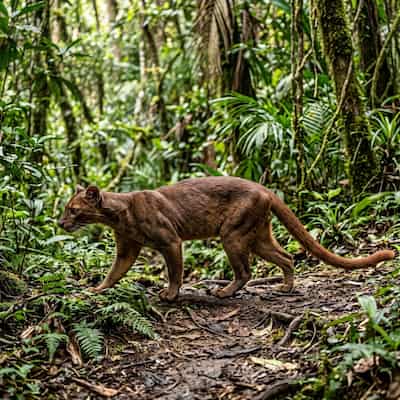
cat-like predator that’s actually more closely related to the mongoose, and the island’s top predator.
❸ Aye-aye
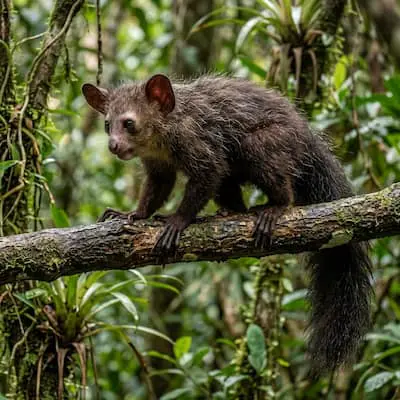
A bizarre nocturnal lemur with a long, thin middle finger used to tap on tree bark and fish out grubs, a hunting method called percussive foraging.
Galapagos Islands (Ecuador)
The Galapagos belong to Ecuador, and the archipelago’s isolation from the mainland (about 600 miles of open ocean) helped inspire Darwin’s theory of evolution.
❶ Marine iguana
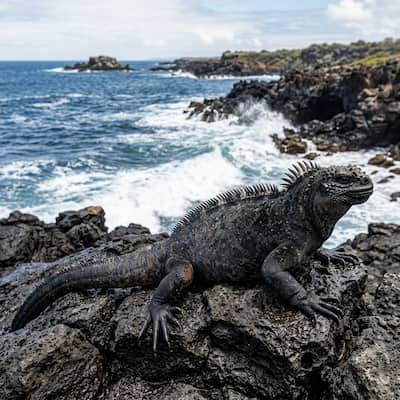
The only lizard on Earth that forages in the ocean, diving to feed on algae along the seafloor.
❷ Galapagos tortoise
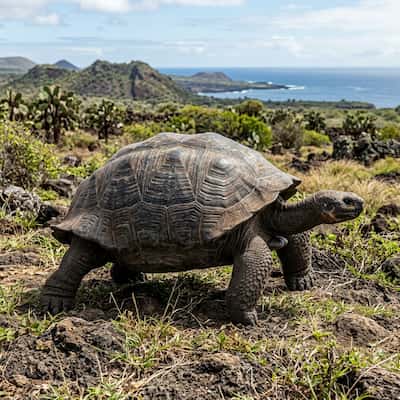
The largest living tortoise species, with some individuals living well past 100 years old.
❸ Flightless cormorant
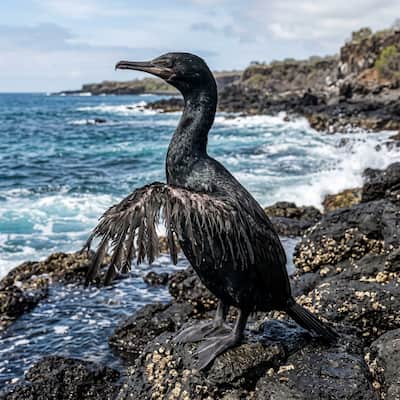
The only cormorant species in the world that has lost the ability to fly, since it evolved without land predators to escape from.
New Zealand
New Zealand separated from the ancient supercontinent Gondwana around 80 million years ago, long before mammals could establish themselves there. That absence of land predators let strange, flightless birds thrive.
❶ Kiwi
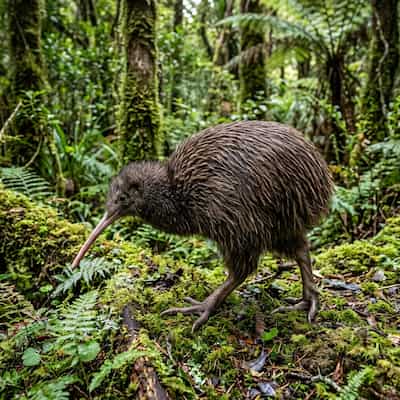
A flightless, nocturnal bird so tied to national identity that New Zealanders call themselves “Kiwis.” It has no tail and unusually strong legs for a bird.
❷ Kakapo
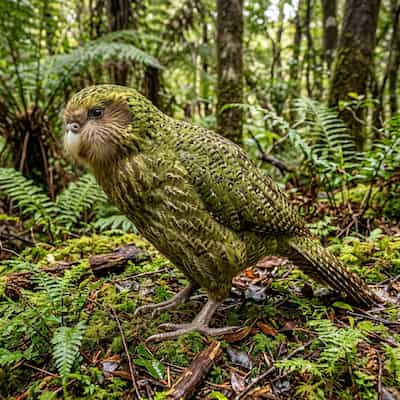
The world’s only flightless parrot, critically endangered, with a global population that’s tracked individually by name.
❸ Tuatara
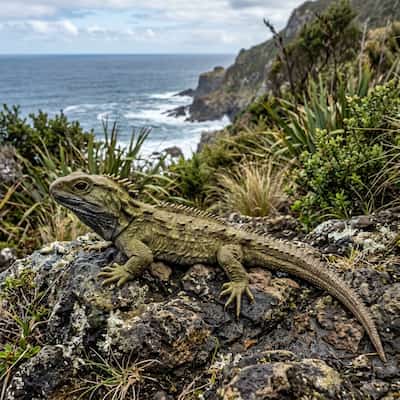
Not technically a lizard, but the last surviving member of an entire reptile order that otherwise died out alongside the dinosaurs.
China
❶ Giant panda
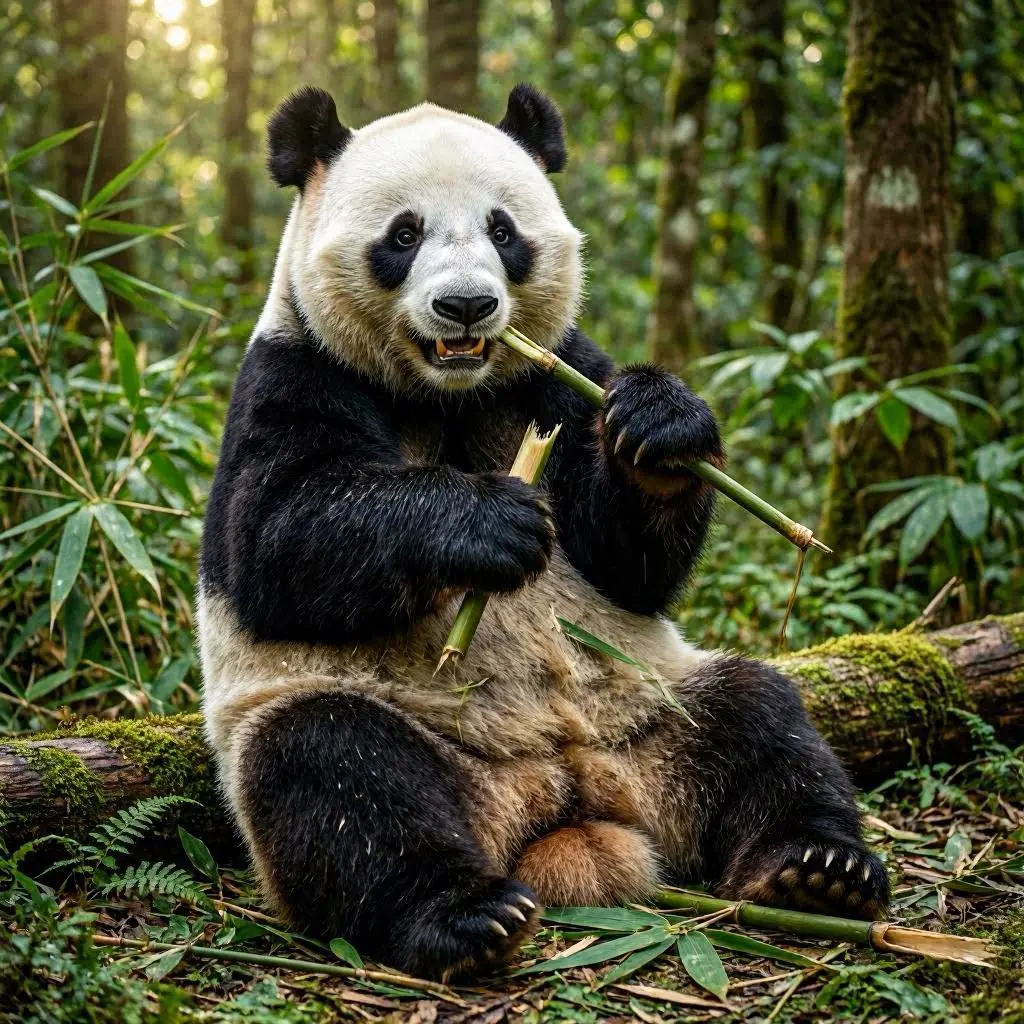
Found only in a handful of mountain ranges in central China, where its diet is almost entirely bamboo. Conservation status improved from Endangered to Vulnerable, a genuine success story for habitat protection.
❷ Golden snub-nosed monkey
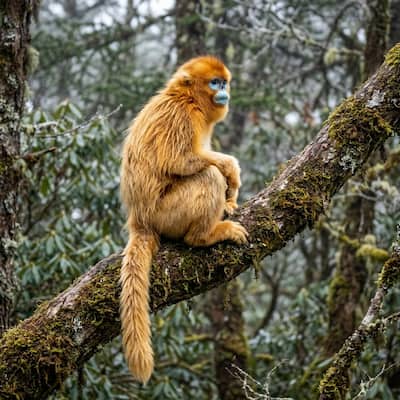
Recognizable by its bright blue face and golden fur, living in the cold mountain forests of central and southwestern China.
❸ Chinese giant salamander
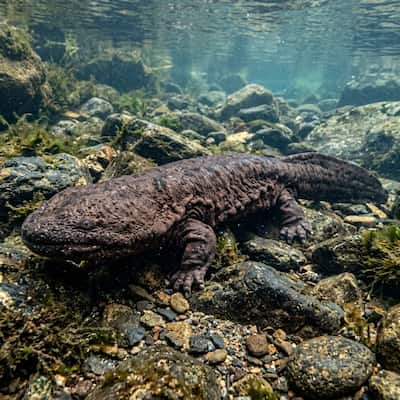
The largest amphibian on Earth, growing up to nearly six feet long, found only in China’s rivers and lakes and critically endangered due to overharvesting.
India
❶ Asiatic lion
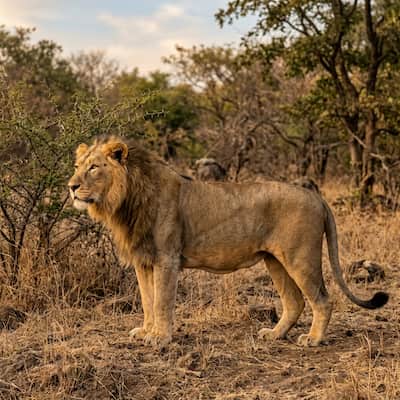
Once ranged across the Middle East and South Asia, but the only wild population left on Earth now lives in India’s Gir Forest, making it a striking example of a species that became endemic through range loss rather than natural isolation.
❷ Nilgiri tahr
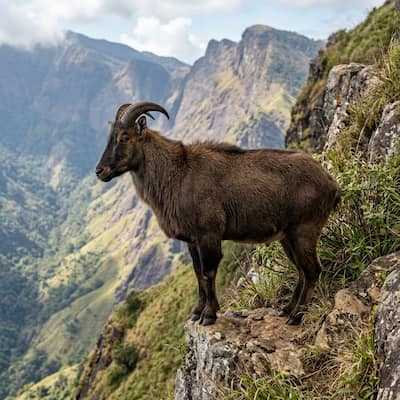
A mountain goat species found only in the Western Ghats of southern India.
❸ Purple frog
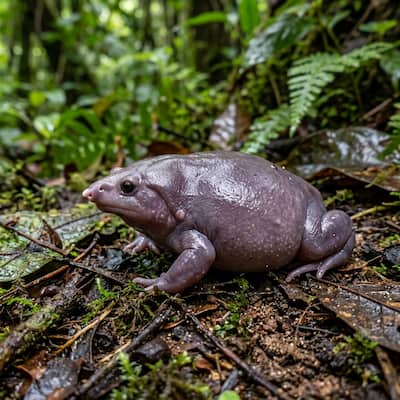
A strange, bloated burrowing frog discovered in 2003, living almost entirely underground in the Western Ghats and only surfacing to breed for about two weeks a year.
Indonesia
❶ Komodo dragon
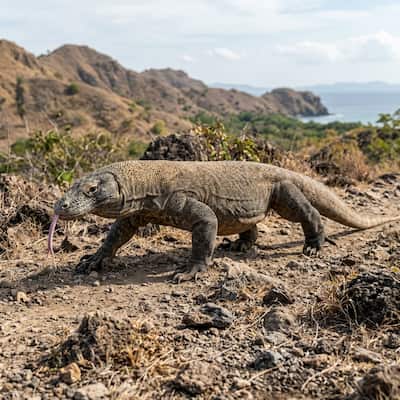
The world’s largest living lizard, found only on a handful of Indonesian islands, most famously Komodo Island itself.
❷ Sumatran tiger
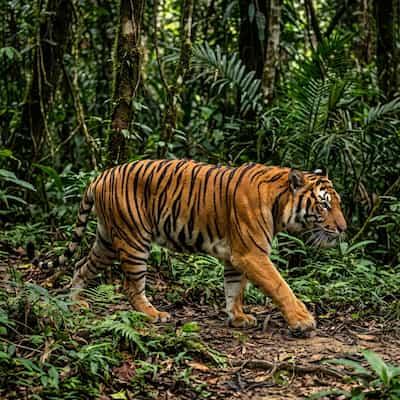
The smallest tiger subspecies, found exclusively on the island of Sumatra and critically endangered due to habitat loss.
❸ Babirusa
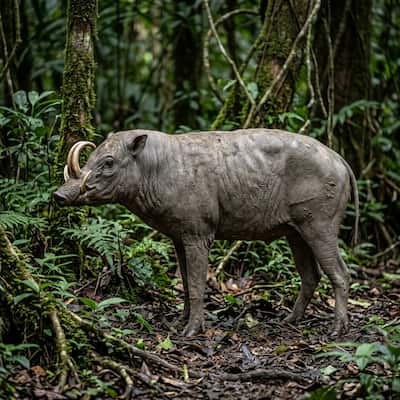
A wild pig with upward-curving tusks that grow through the top of its snout, found only on Sulawesi and a few nearby islands.
Ethiopia
❶ Ethiopian wolf
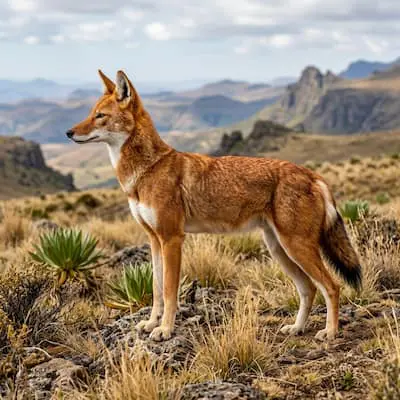
Africa’s rarest carnivore and the only wolf species found on the continent, restricted to a few high-altitude grasslands in Ethiopia’s highlands.
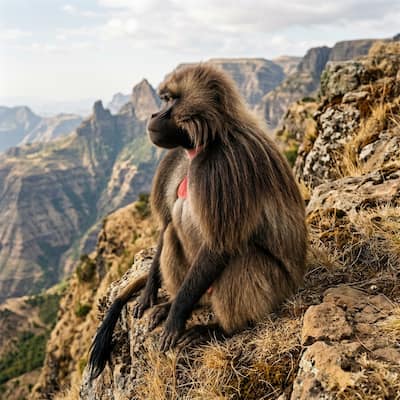
❷ Gelada
Sometimes called the “bleeding heart baboon” for the red patch on its chest, found only in the high plateaus of the Ethiopian highlands.
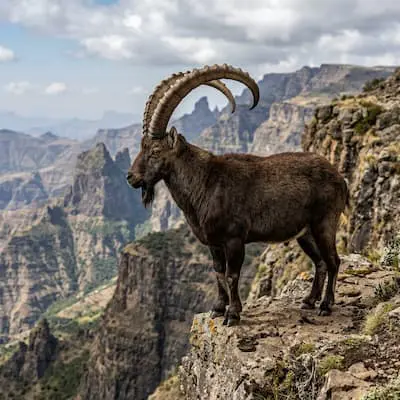
❸ Walia ibex
A wild goat species that lives exclusively on the steep cliffs of the Simien Mountains.
Philippines
❶ Philippine eagle
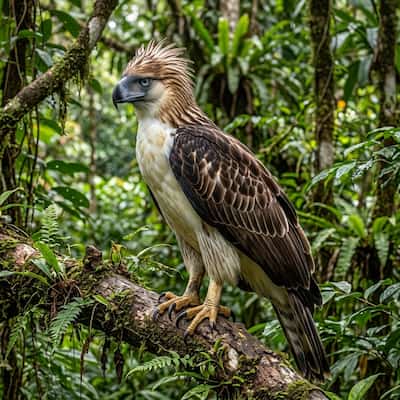
One of the largest and most powerful eagles in the world, found only in the forests of Luzon, Samar, Leyte, and Mindanao. It’s the Philippines’ national bird and hunts prey as large as monkeys and small deer.
❷ Philippine tarsier
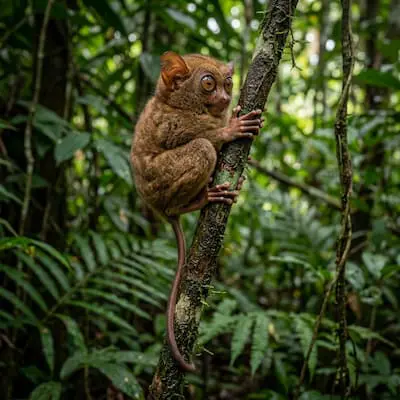
One of the smallest primates in the world, with enormous eyes and a range restricted to a handful of southern Philippine islands.
❸ Visayan warty pig
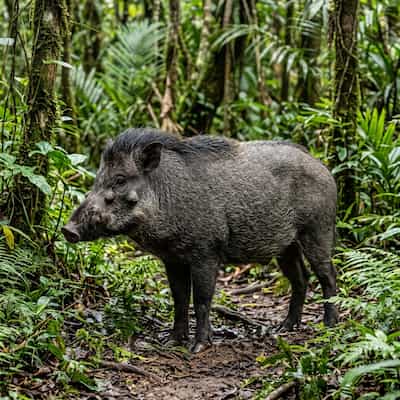
A critically endangered wild pig found only on a few islands in the central Philippines.
Brazil
❶ Golden lion tamarin
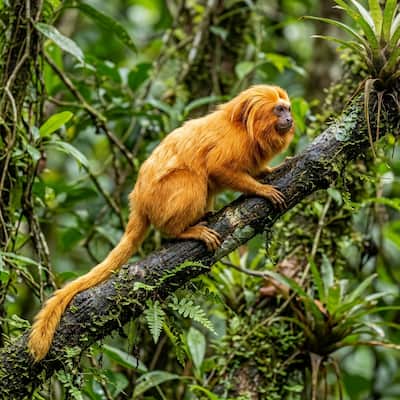
A small, bright orange-red monkey with a lion-like mane, found only in a small strip of Atlantic coastal rainforest in Brazil.
❷ Giant otter
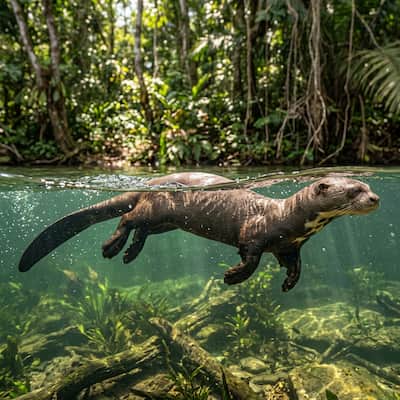
While its broader range touches other Amazonian countries, the largest and most stable populations exist within Brazil’s river systems, where it’s known locally as the “river wolf.”
❸ Maned wolf
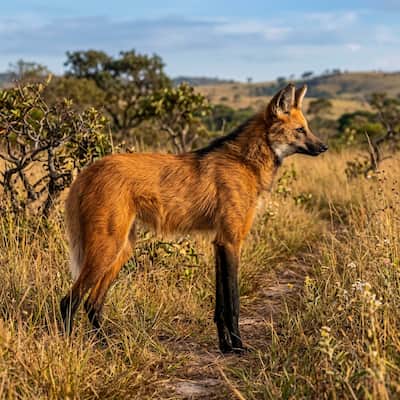
Despite the name, it’s not a true wolf, but a long-legged canid found in Brazil’s grasslands, closely associated with the country even though small populations exist just across a couple of neighboring borders.
South Africa
❶ Riverine rabbit
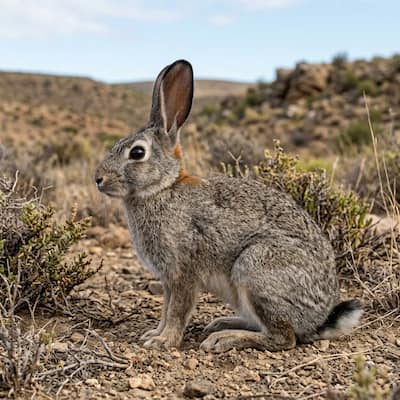
One of the most endangered mammals in the world, found only in a small stretch of semi-desert habitat in South Africa’s Karoo region.
❷ Cape mountain zebra
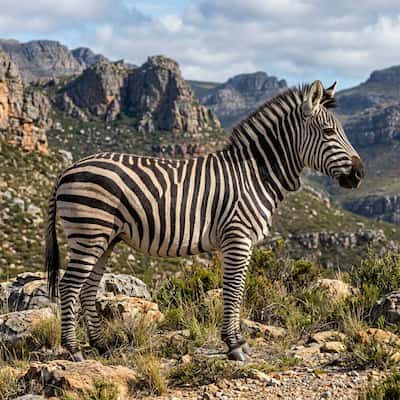
A distinct zebra subspecies restricted to a handful of mountain reserves in South Africa’s Western and Eastern Cape.
Sri Lanka
❶ Sri Lankan leopard
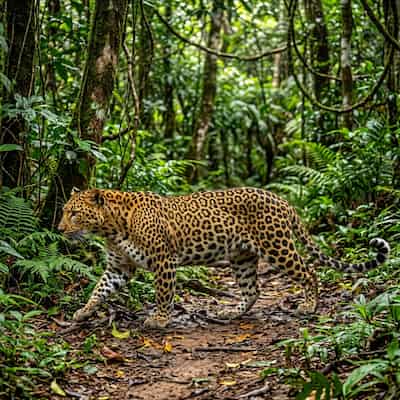
A leopard subspecies found only on the island of Sri Lanka, where it sits at the very top of the food chain with no competing big cats.
❷ Purple-faced langur
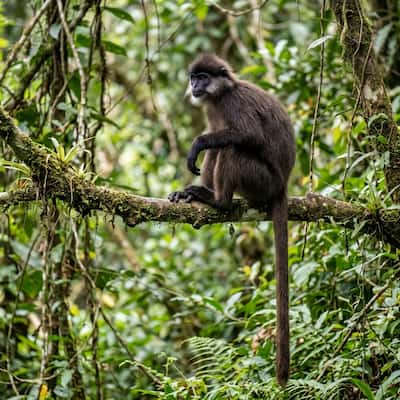
A tree-dwelling monkey with a distinctive dark face, found only in Sri Lanka’s forests.
Japan
❶ Japanese giant salamander
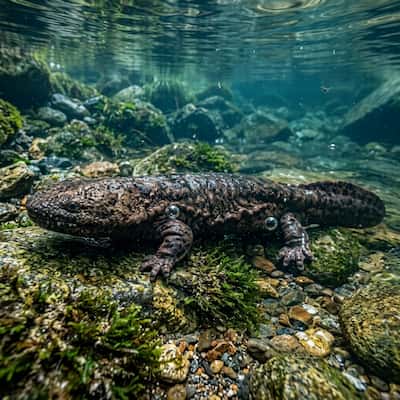
One of the largest amphibians on Earth, found only in the cold, fast-flowing rivers of Japan.
❷ Amami rabbit
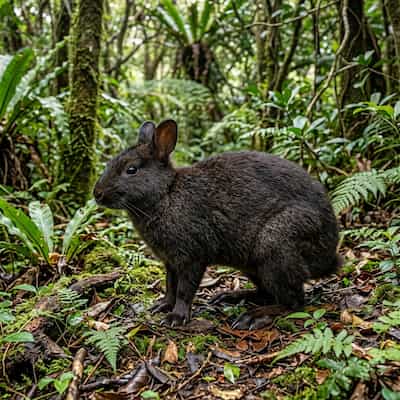
A dark-furred “living fossil” rabbit found only on two small islands, Amami Oshima and Tokunoshima, in Japan’s Ryukyu Archipelago. It’s considered a relic of an ancient rabbit lineage that died out everywhere else in Asia.
Mexico
❶ Axolotl
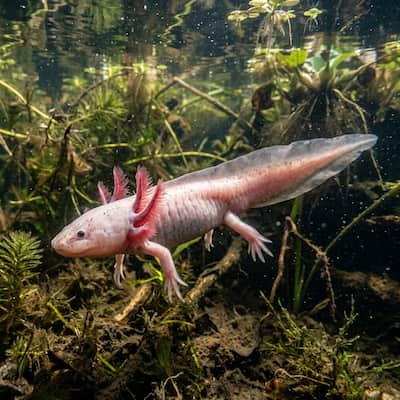
A salamander that famously never grows out of its juvenile, aquatic form (a trait called neoteny), found only in a shrinking network of canals near Mexico City.
❷ Vaquita
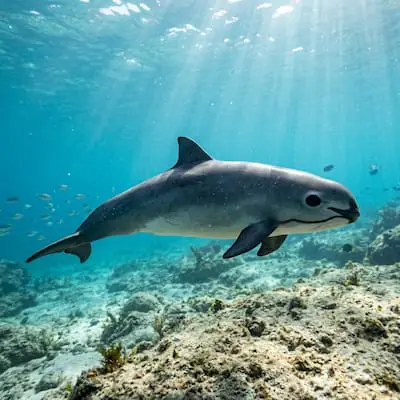
The world’s smallest and most endangered marine mammal, a porpoise found only in the northern Gulf of California, with a wild population now down to roughly single digits.
United States
❶ American alligator
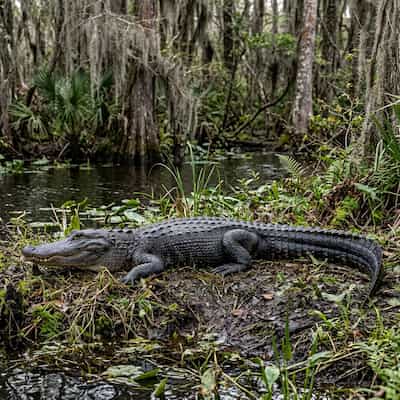
Found only in the wetlands of the southeastern United States (its close relative, the Chinese alligator, is endemic to China instead).
❷ Utah prairie dog
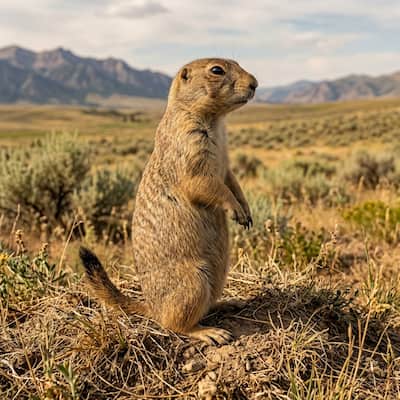
Restricted entirely to south-central Utah, it was once federally endangered but has recovered enough to be reclassified as threatened.
❸ Devils Hole pupfish
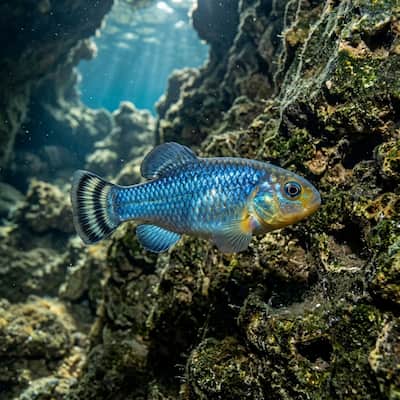
One of the rarest fish on Earth, living exclusively in a single geothermal pool in Nevada.
Endemic Animals That Have Already Gone Extinct
Endemism is a double-edged sword. It creates extraordinary biodiversity, but it also means a single environmental disaster, invasive predator, or wave of hunting can erase a species from the planet entirely. A few well-known examples:
- Dodo (Mauritius): Perhaps the most famous extinct endemic animal in the world, this flightless bird disappeared within a century of European sailors arriving on the island, largely due to introduced predators like rats and pigs.
- Thylacine, or Tasmanian tiger (Australia): Once endemic to the Australian island of Tasmania, it was hunted to extinction, with the last known individual dying in captivity in 1936.
- Pyrenean ibex (Spain): The last individual died in 2000, making it one of the most recent large mammal extinctions on record.
Which Countries Have the Most Endemic Species?
Endemism isn’t spread evenly around the world. It concentrates heavily in places with long-term geographic isolation or extreme habitat diversity. Madagascar, Australia, Indonesia, the Philippines, and Brazil consistently rank among the countries with the highest numbers of endemic species, largely because they combine island or near-island isolation with a wide range of climates and elevations. Smaller island nations like the Seychelles and New Zealand also punch well above their size in endemic species counts, simply because isolation matters more than landmass.
Why Endemic Animals Are More Vulnerable to Extinction?
Animals Found Only in One Country species carries a built-in risk that widespread species don’t face: there’s no backup population anywhere else. If a disease outbreak, wildfire, or habitat destruction event hits the one region where the species lives, there’s no neighboring population to repopulate from.
This vulnerability compounds with three common threats:
- Habitat loss: Deforestation, agriculture, and urban development shrink the already-limited range these animals depend on.
- Small population size: Many endemic species have small genetic pools to begin with, which reduces their ability to adapt to disease or environmental change.
- Climate sensitivity: Species adapted to a narrow set of conditions, like high-altitude cold or specific rainfall patterns, have far less room to shift their range when the climate changes.
- Invasive species: Predators introduced by humans, like rats, cats, and mongooses on islands, are one of the single biggest causes of endemic species decline, since island animals often evolved without any natural predators at all.
How Conservation Efforts Protect Single-Country Species
Because animals found only in one country species are tied to one nation, that country carries the primary responsibility for their survival, though international cooperation plays a major role too.
- Protected reserves: India’s Gir Forest and China’s panda reserves are examples of habitat set aside specifically to give a single species room to recover.
- Captive breeding programs: Zoos and conservation centers worldwide, even outside the animal’s home country, often participate in breeding programs designed to boost genetic diversity and support wild reintroduction.
- Anti-poaching enforcement: For animals like the Sumatran tiger and Philippine eagle, dedicated patrols and legal protections are often the difference between recovery and extinction.
- Invasive species removal: Programs like Japan’s mongoose eradication on Amami Island directly protect endemic species by removing the introduced predators that threaten them.
- Ecotourism: Responsible tourism (like Galapagos wildlife tours or panda sanctuaries in China) can fund conservation directly while raising global awareness.
Key Takeaways
Animals Found Only in One Country become endemic to a single country through island isolation, geographic barriers, highly specific habitat needs, or the historical loss of range elsewhere. Species like the giant panda, kakapo, and Asiatic lion each show a different path to that same outcome: an entire species’ survival depending on the borders and conservation choices of one nation. Extinct examples like the dodo and thylacine are a permanent reminder of what’s at stake. Protecting these animals means protecting the only place on Earth they can be found, which is exactly what makes their conservation so urgent and so important.
FAQs
Not necessarily. An endemic species can have a stable or even large population. What makes it endemic is that its entire range is confined to one country, not that its numbers are low. That said, small ranges do tend to correlate with higher extinction risk over time.
Yes. Endemism refers to where a species exists in the wild, not where it’s kept in captivity. Giant pandas living in zoos across dozens of countries are still endemic to China, because their only wild population is there.
Not always. Some species, like the Asiatic lion, used to range across multiple countries and became endemic only after hunting and habitat loss eliminated every other population.
By strict definition, no. Endemism to “one country” specifically means the species’ entire natural range falls within that nation’s borders. Species that span two or more countries, like the mountain gorilla (found across the Democratic Republic of Congo, Rwanda, and Uganda), are sometimes called regional endemics instead, since they’re restricted to a small area but not a single country.
The vaquita, a small porpoise found only in Mexico’s northern Gulf of California, is widely considered the most endangered marine mammal on Earth, with a wild population that has dropped into the single digits in recent surveys.
Islands isolate populations from mainland gene pools for long stretches of time, allowing species to evolve independently without competition or interbreeding from outside populations. This is why Madagascar, New Zealand, and the Galapagos all have such unusually high concentrations of endemic wildlife relative to their size.
You May Also Like
- Animals and Their Eggs with Pictures
- Migration Animals Names List by Category
- 50+ Grassland Animals Names with Pictures
Animals Found Only in One Country Quiz
Animals Found Only in One Country
What does 'endemic' mean?
Native means it belongs there; endemic means it belongs only there.
Endemic is a stronger claim than native.
All endemic species are native; not all native species are endemic.
Where do lemurs live in the wild?
They arrived after the island separated and radiated into around a hundred species.
Island isolation produces whole endemic groups.
Every wild lemur species is Madagascan.
Name the country.
The kakapo, takahe and kiwi are all found only in ___.
The islands had no land mammals, so birds filled roles mammals take elsewhere.
No mammals meant flightlessness carried no cost — until ships arrived.
Introduced stoats and rats devastated the bird fauna.
Why is endemism a conservation concern?
There is no second population anywhere to recolonise from.
No spare population means no margin.
A single fire can end an endemic species.
What is a biodiversity hotspot?
Both criteria must be met, which is what makes them conservation priorities.
Hotspot means rich and threatened at once.
Madagascar and the Western Ghats both qualify.
Turn on JavaScript for the interactive quiz. The full practice set is shown above.