Nature is full of remarkable adaptations, and one of the most captivating is the ability of certain animals to change color. This unique skill helps creatures survive in the wild by allowing them to blend into their surroundings, communicate with others, regulate body temperature, or attract a mate.
This complete article covers every major color changing animal, organized by category, so land animals, ocean animals, and insects each get full attention, along with the science behind the transformation and the reasons it evolved.
What Does It Mean for an Animal to Change Color
Color changing animals typically alter their skin, fur, feathers, or scales through biological processes rather than simply moving to a different environment. This transformation can happen quickly, within seconds or minutes, or slowly, over the course of days, weeks, or even entire seasons. The ability depends on specialized cells, hormones, or pigment changes triggered by external factors such as temperature, light, mood, or threat level.
There are two main categories of color change in the animal kingdom.
- Physiological color change, which happens rapidly due to nerve signals or hormonal responses. This is common in animals like octopuses, cuttlefish, and chameleons.
- Morphological color change, which occurs gradually, often tied to seasonal shifts, growth stages, or long term environmental adaptation. This is seen in animals such as the Arctic fox or the snowshoe hare.
Explore more animals that start with different letters:
A | B | C | D | E | F | G | H | I | J | K | L | M | N | O | P | Q | R | S | T | U | V | W | X | Y | Z
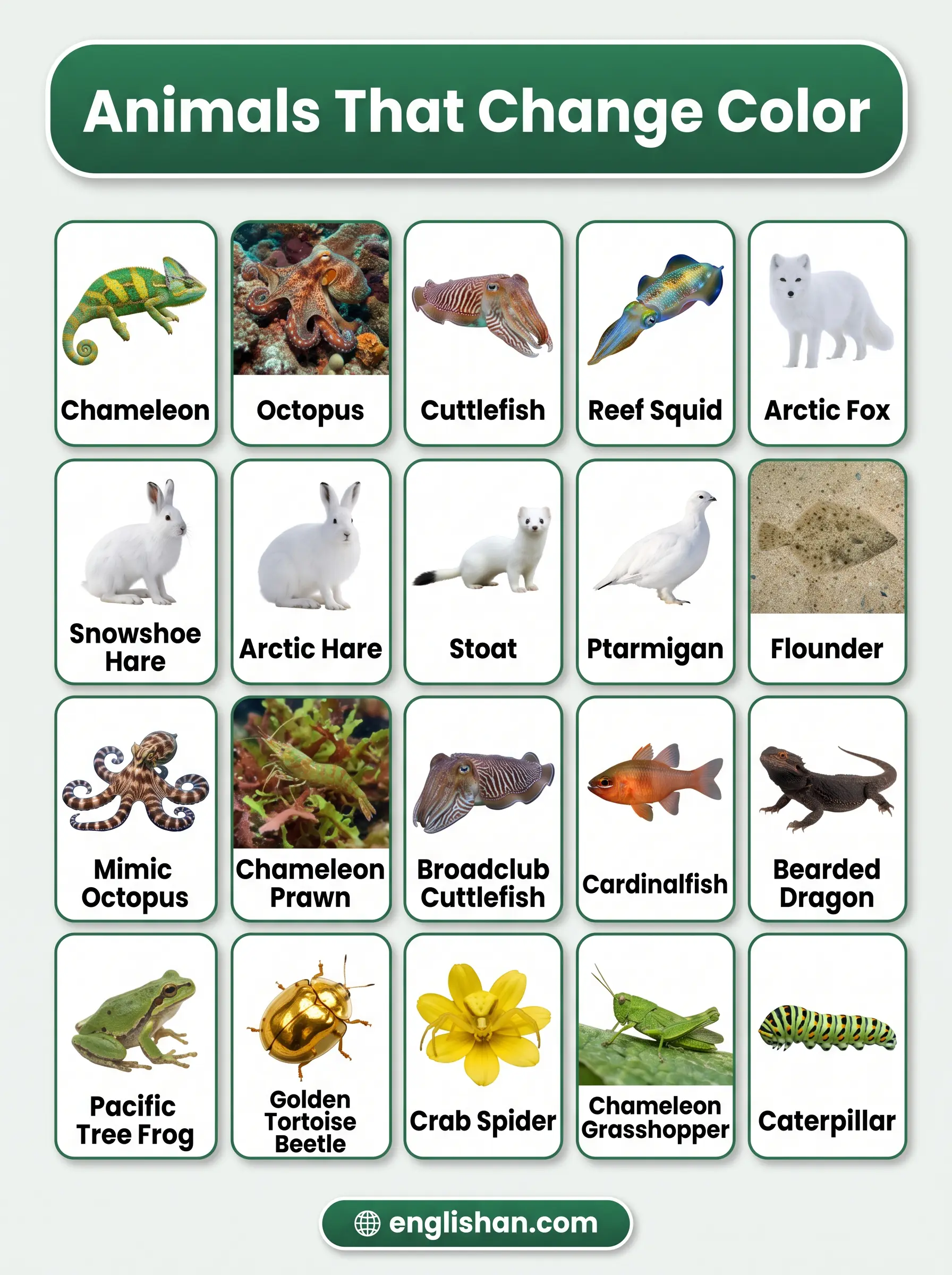
List of Popular Animals That Change Color with Pictures
For quick reference, here is a combined list of 20 animals known for changing color, pulled from land, ocean, and insect categories above, along with a detailed explanation of how and why each one does it.
❶ Chameleon
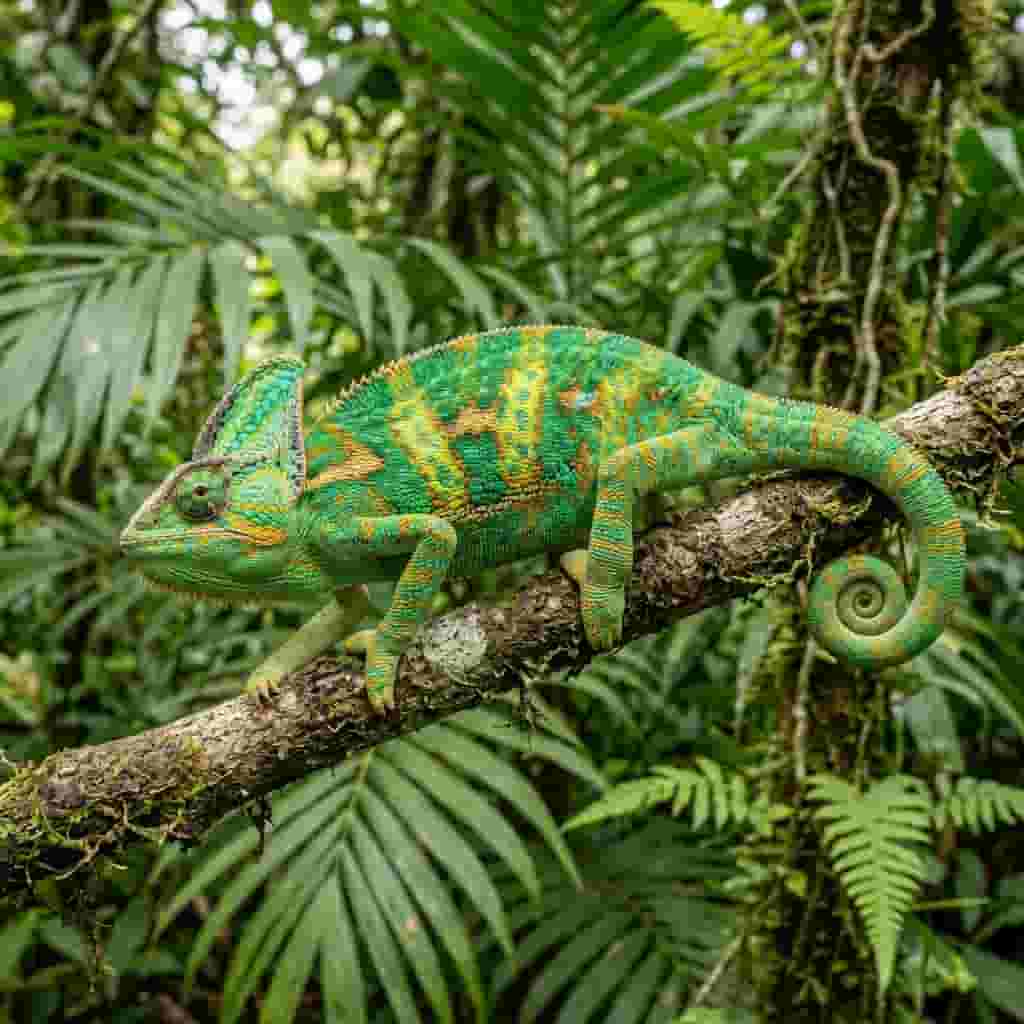
The most famous color changing animal in the world. Rather than shifting color mainly to hide from predators, it uses specialized reflective cells called iridophores that contain microscopic crystals, and by relaxing or tightening its skin, the animal changes how light bounces off these crystals to signal mood, attract mates, and manage body temperature.
❷ Octopus
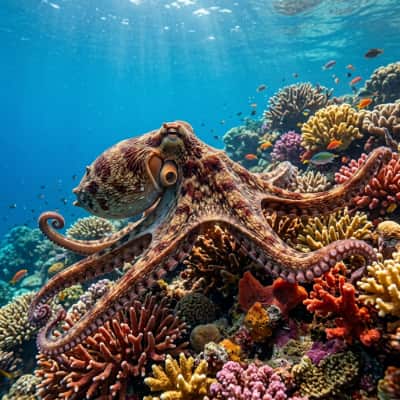
A true master of instant camouflage. Its skin is packed with thousands of pigment filled sacs called chromatophores, each controlled directly by the nervous system, allowing the octopus to expand or contract them within a fraction of a second to match the color, pattern, and even texture of its surroundings.
❸ Cuttlefish
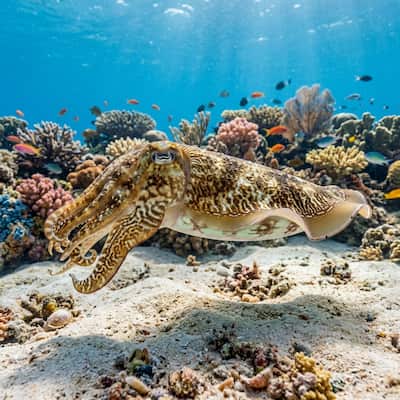
A close cephalopod relative of the octopus. Despite being colorblind, it can produce extraordinarily complex, moving color patterns almost instantly, and researchers believe it may sense contrast through light polarization rather than color itself, allowing it to mimic surfaces with striking accuracy.
❹ Reef Squid
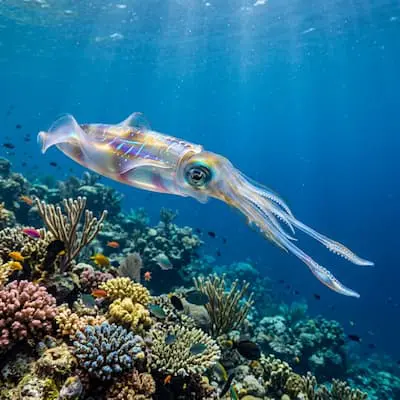
Known for using color as a form of language. Using chromatophores similar to its octopus and cuttlefish relatives, it can flash rapid color changes across its body to coordinate group hunting behavior or communicate warnings and intentions to nearby squid.
❺ Arctic Fox
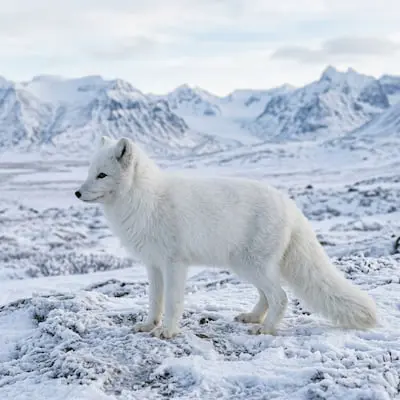
A seasonal transformer rather than an instant one. Its fur turns pure white during winter months to blend seamlessly with snow covered landscapes, then gradually shifts to a brown or gray tone as the seasons change, helping it match the exposed rock and vegetation of warmer months.
❻ Snowshoe Hare
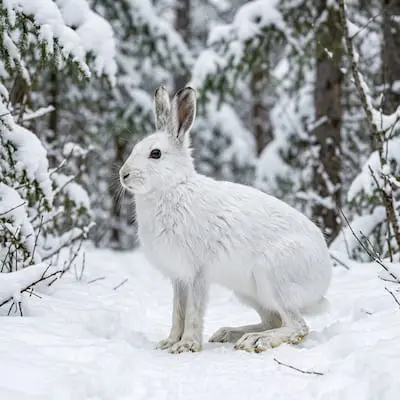
Named partly for its dramatic seasonal coat change. Triggered primarily by shifts in daylight length rather than temperature, its fur turns white during winter and brown during summer, keeping it camouflaged against both predators and prey throughout the entire year.
❼ Arctic Hare
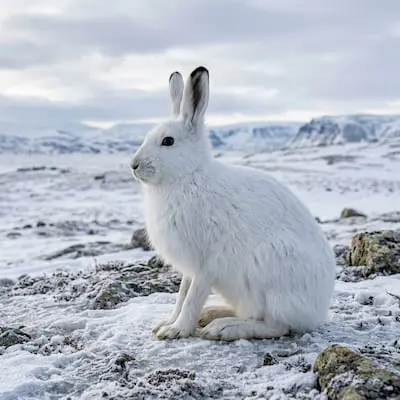
A close relative of the snowshoe hare with a similar transformation. It shifts between a pure white winter coat and a grayish brown summer coat, an adaptation that helps it avoid detection from aerial predators such as snowy owls as well as ground based hunters like Arctic foxes.
❽ Stoat
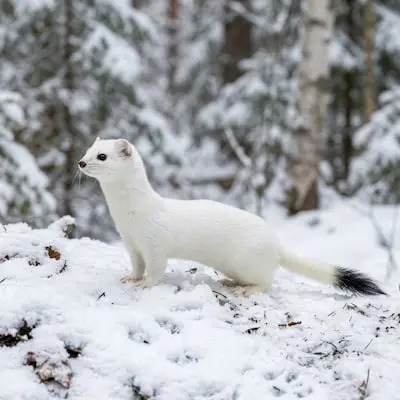
Also known as the short tailed weasel. During winter, its brown fur is gradually replaced with pure white fur, a transformation commonly referred to as growing an ermine coat, which historically made this fur highly valued in royal clothing and ceremonial garments.
❾ Ptarmigan
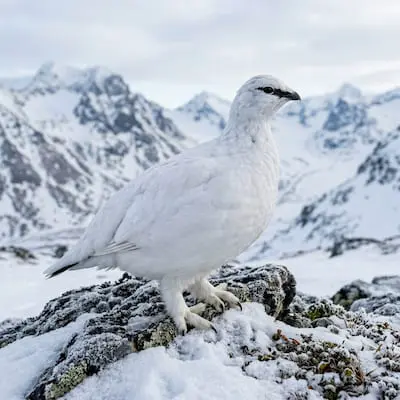
A bird rather than a mammal, included here for its remarkable transformation. Its feathers shift from mottled brown and gray during summer to nearly pure white during winter, providing excellent camouflage against both snow covered ground and predatory birds circling overhead.
❿ Flounder
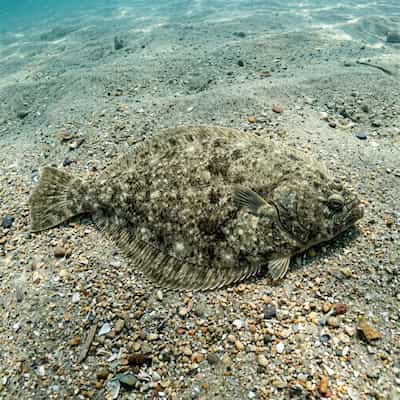
A flatfish with unusually precise control over its skin appearance. Using specialized skin cells that respond to visual input from its own eyes, it can rapidly adjust its color and pattern to match sand, gravel, or rocky ocean floors while lying motionless to ambush unsuspecting prey.
⓫ Mimic Octopus
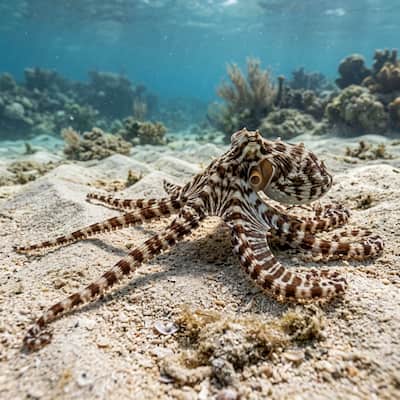
A creature that pushes color changing far beyond simple camouflage. In addition to shifting its coloration, it can also reshape its body and alter its swimming movements to imitate other dangerous sea creatures such as lionfish, sea snakes, and flatfish, confusing predators into avoiding it entirely.
⓬ Chameleon Prawn
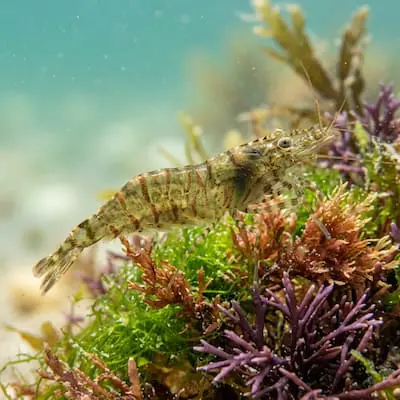
A small but remarkably colorful crustacean. It shifts between shades of green, red, brown, and purple depending on the specific type of seaweed or marine plant it lives among, giving it strong, long lasting camouflage against predators in shallow coastal waters.
⓭ Broadclub Cuttlefish
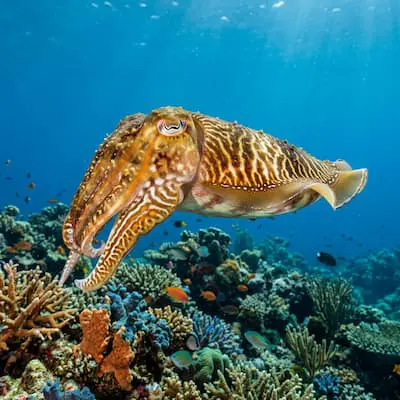
Famous for its hypnotic hunting display. This species can generate pulsing, wave like patterns of color across its skin, a behavior researchers believe may temporarily mesmerize small fish and crustaceans, making them easier to catch during a sudden strike.
⓮ Cardinalfish and Certain Reef Fish
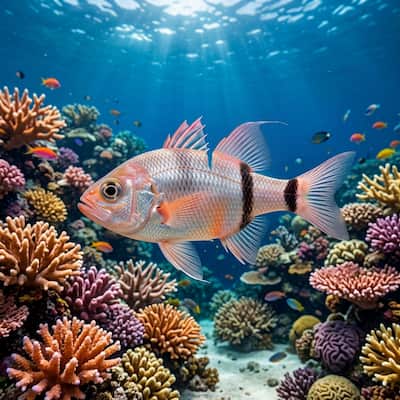
Subtle communicators of the reef. Rather than dramatic camouflage shifts, several reef dwelling species adjust the intensity of their coloration based on stress levels, social hierarchy within a group, or readiness to breed, giving researchers a visible window into fish behavior.
⓯ Bearded Dragon
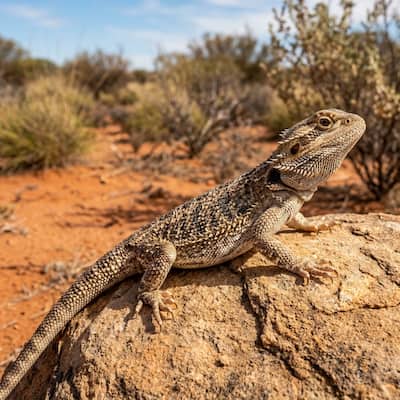
A reptile that changes tone for both temperature and social signaling. Darker shades allow it to absorb more heat during cooler periods, while lighter shades help reflect excess sunlight during hotter conditions, and color shifts can also communicate mood or dominance to other bearded dragons nearby.
⓰ Pacific Tree Frog
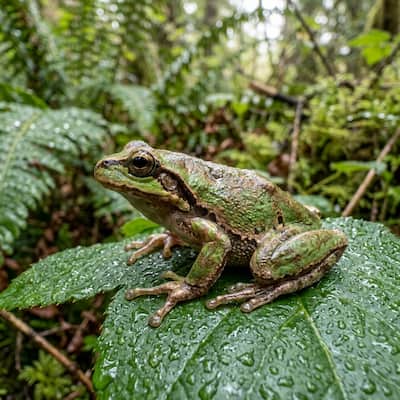
An amphibian with flexible skin tone control. It shifts between green and brown shades depending on ambient temperature, humidity levels, and the color of nearby vegetation, helping it stay hidden from predators such as snakes and birds of prey.
⓱ Golden Tortoise Beetle
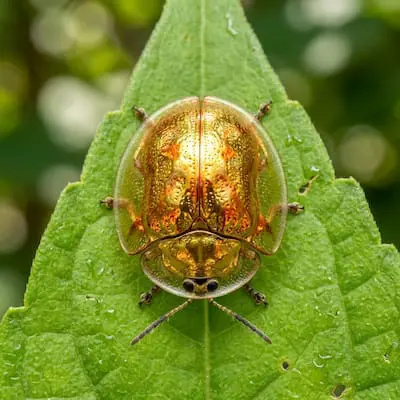
A tiny insect known for its striking metallic shine. Its shell typically appears bright gold, but it can shift to a duller reddish or orange tone when the beetle feels threatened or during specific stages of mating behavior, caused by fluid movement beneath its transparent outer shell.
⓲ Crab Spider
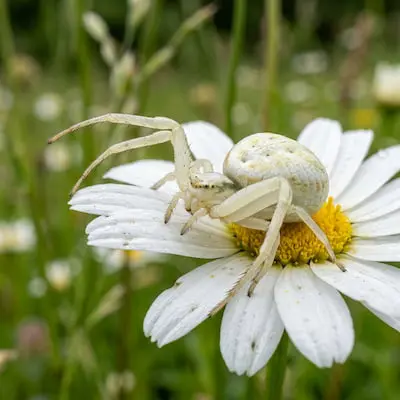
A patient ambush predator. Over the course of several days rather than instantly, it can gradually shift its coloration between white and yellow to closely match the specific flower it has chosen to wait on for unsuspecting pollinating insects.
⓳ Chameleon Grasshopper
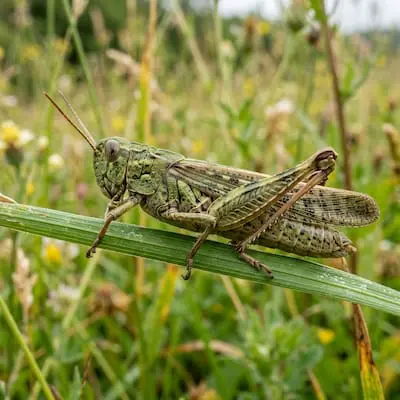
An insect closely tied to seasonal changes in its habitat. It gradually shifts its coloration to match changing vegetation throughout the year, allowing it to remain hidden from predators as its surrounding environment transitions between seasons.
⓴ Certain Caterpillar Species
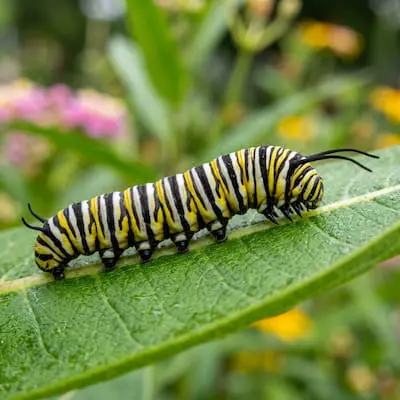
Color changers through developmental growth stages. Rather than shifting color for camouflage in the moment, some caterpillars transition from bright, warning colored patterns to more muted, camouflaged tones, or the reverse, as they progress through different stages of larval development.
Color Changing Animals on Land
Land dwelling color changers rely on both instant skin adjustments and slow seasonal transformations depending on the species.
- Chameleon, the most famous color changing animal. Rather than changing color mainly for camouflage, chameleons shift their skin tone using reflective cells called iridophores to communicate mood, attract mates, and regulate body temperature.
- Arctic Fox, a seasonal color changer. Its fur turns pure white in winter to blend with snow and shifts to brown or gray in warmer months to match rocky terrain.
- Snowshoe Hare, named for its seasonal coat change. Triggered by shifts in daylight length, its fur turns white in winter and brown in summer to stay camouflaged year round.
- Arctic Hare, a close relative of the snowshoe hare. It transitions between white winter fur and grayish brown summer fur to avoid predators such as foxes and owls.
- Stoat, also called the short tailed weasel. Its fur changes from brown in summer to pure white in winter, a transformation known as growing an “ermine” coat.
- Ptarmigan, a bird with dramatic seasonal changes. Its feathers shift from mottled brown in summer to snow white in winter, offering excellent year round camouflage.
- Bearded Dragon, a reptile that changes tone for temperature and mood. Darker shades help it absorb heat, while lighter shades reflect excess sunlight, and shifts can also signal social status.
- Pacific Tree Frog, an amphibian with shifting skin tones. It moves between green and brown shades depending on temperature, humidity, and the surrounding vegetation.
Color Changing Animals in the Ocean
Marine color changers are often the fastest transformers in the entire animal kingdom, using specialized skin cells to shift instantly.
- Octopus, a master of instant camouflage. Using pigment sacs called chromatophores, an octopus can change its skin color and pattern within a fraction of a second to hide from predators or ambush prey.
- Cuttlefish, a close relative of the octopus. Despite being colorblind, cuttlefish can produce complex moving color patterns almost instantly, likely by sensing light polarization in their surroundings.
- Reef Squid, known for coordinated color shifts. Using chromatophores similar to octopuses, reef squid change color to communicate with other squid during hunting and social interaction.
- Flounder, a flatfish with remarkable skin control. It can alter its color and pattern to match sand, gravel, or rocky ocean floors while lying still to ambush prey.
- Mimic Octopus, a creature that goes beyond color. It changes not only its color but also its body shape and movement to imitate other sea animals such as lionfish and sea snakes.
- Chameleon Prawn, a small but colorful crustacean. It shifts between green, red, brown, and purple depending on the seaweed it lives among, offering strong camouflage in coastal waters.
- Broadclub Cuttlefish, known for hypnotic displays. This species can create pulsing waves of color across its skin, a behavior believed to help mesmerize prey before striking.
- Cardinalfish and Certain Reef Fish, subtle color communicators. Several reef species shift the intensity of their coloration based on stress levels, social hierarchy, or breeding condition.
Color Changing Insects and Small Creatures
Even some of the smallest creatures in the animal kingdom have developed the ability to shift color for survival and reproduction.
- Golden Tortoise Beetle, a tiny insect with a metallic shine. Its shell can shift from gold to a reddish or orange tone when the beetle feels threatened or during mating behavior.
- Crab Spider, a patient predator. Over the course of several days, it can slowly shift between white and yellow to match the flower it waits on to ambush pollinating insects.
- Chameleon Grasshopper, an insect tied to its environment. It can shift its coloration to match seasonal changes in vegetation, helping it stay hidden throughout the year.
- Certain Caterpillar Species, changers through growth stages. Some caterpillars shift from bright warning colors to more muted tones, or the reverse, as they move through different developmental stages.
The Science Behind Color Changing Animals
Color change in animals is primarily controlled by specialized skin cells known as chromatophores. Different types of these cells create different effects.
- Melanophores produce dark colors such as black and brown.
- Xanthophores produce yellow tones.
- Erythrophores produce red tones.
- Iridophores create reflective, shimmering colors through structural changes rather than pigment alone.
Hormones and the nervous system play a major role in triggering these changes. Environmental stimuli such as light, temperature, and threat perception send signals to the brain, which then activates the necessary skin cells to shift color almost instantly. In animals that change color seasonally, shifts in day length and hormone levels gradually trigger the growth of new fur or feathers in a different shade.
Animals That Change Color by Seasons
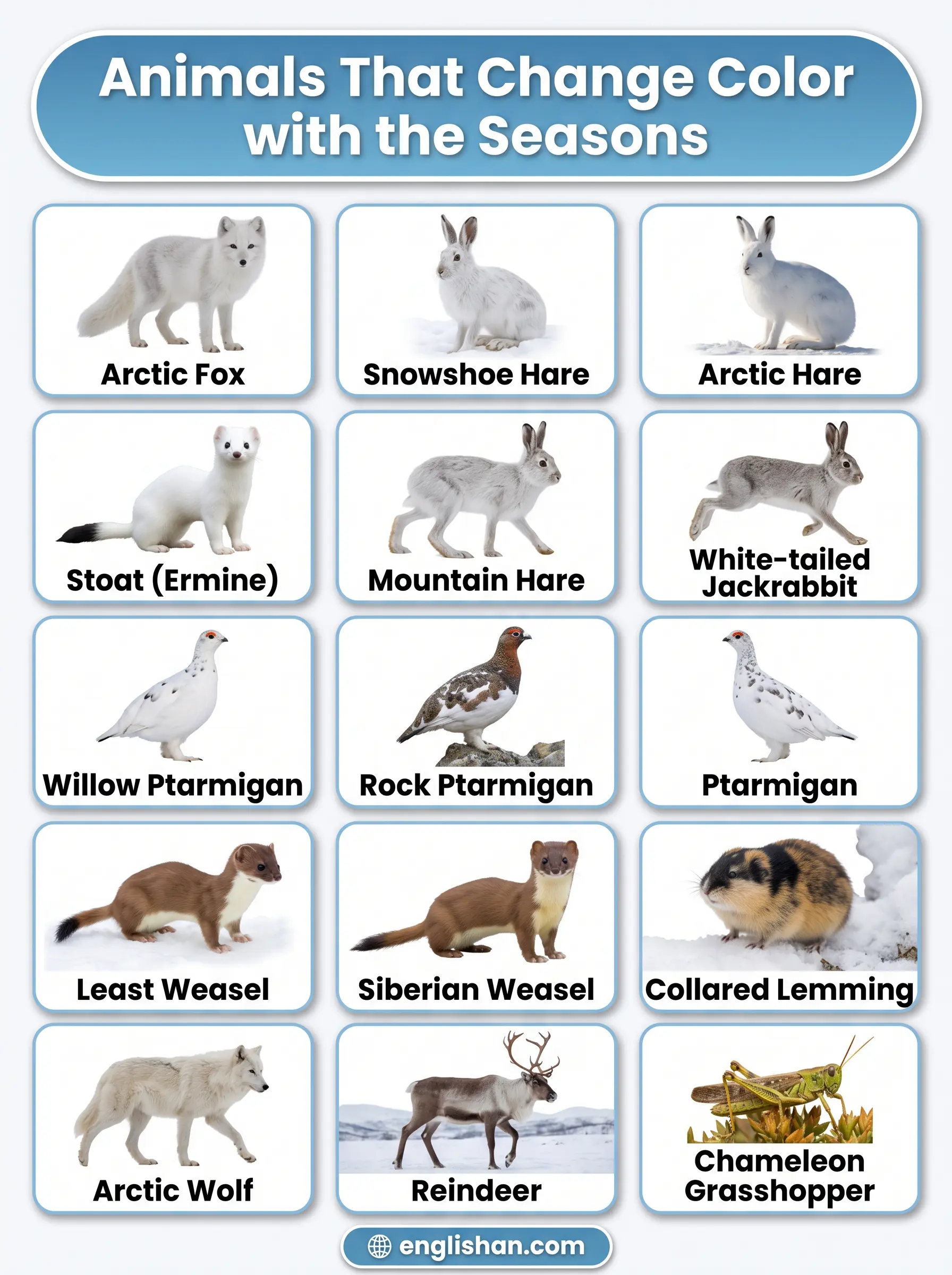
Some animals change color slowly with the seasons rather than instantly. This shift is driven mainly by daylight length, and most species molt twice a year, once into a winter coat and once back into a summer coat. The same animals appear in both lists below because it is one continuous cycle, not two separate events.
Animals That Change Color in Winter
- Arctic Fox turns from brown or gray to pure white, blending with snow.
- Snowshoe Hare shifts from brown to white as daylight hours shorten.
- Arctic Hare turns from grayish brown to nearly pure white.
- Stoat grows a white winter coat known as an ermine coat.
- Least Weasel replaces its brown coat with white fur.
- Siberian Hamster develops a much lighter, near white coat.
- White Tailed Jackrabbit grows white fur in snowy regions.
- Ptarmigan molts its brown feathers into nearly pure white ones.
- Collared Lemming turns white and grows thicker digging claws.
- Reindeer shifts its eye color to deep blue for better winter vision.
Animals That Change Color in Summer
- Arctic Fox sheds white fur for a brown or gray coat.
- Snowshoe Hare turns from white back to brown.
- Arctic Hare returns to a grayish brown coat.
- Stoat loses its white coat for a brown summer one.
- Least Weasel reverts to brown once snow melts.
- Siberian Hamster grows back a darker gray brown coat.
- Ptarmigan molts back into mottled brown and gray feathers.
- Reindeer shifts its eye color back to gold for summer.
This cycle repeats every year, driven by changing daylight rather than a single seasonal trigger.
Why Do Animals Change Color With the Seasons?
- Camouflage against snow, allowing animals to avoid predators or approach prey undetected during winter months.
- Camouflage against bare ground, helping animals blend into rocky or vegetated terrain once snow has melted.
- Insulation benefits, since many winter coats are also thicker and provide additional protection against extreme cold.
- Breeding displays, particularly in birds such as the ruff, where seasonal color change plays a role in attracting mates.
- Predator avoidance across the food chain, since both hunters and prey species benefit from matching their environment during different times of year.
Why Do Animals Change Color?
- Camouflage, to avoid predators or sneak up on prey without being detected.
- Communication, to display mood, health, dominance, or intentions to other animals within the same species.
- Temperature regulation, since darker colors absorb more heat while lighter colors reflect it.
- Mating displays, to attract partners during breeding season through vibrant color patterns.
- Predatory advantage, allowing hunters to blend into their environment while stalking prey.
- Warning signals, where a sudden color shift can signal aggression or a defensive threat to rivals and predators.
Fascinating Facts About Color Changing Animals
- Chameleons change color mainly for communication and temperature control, not primarily for hiding from danger, despite the popular myth.
- Octopuses are colorblind, yet they can somehow replicate colors and patterns from their surroundings with remarkable accuracy.
- Cuttlefish can create moving patterns across their skin, almost like a living screen, both for camouflage and to mesmerize prey.
- Animals such as the Arctic fox, snowshoe hare, and stoat prove that color change does not always happen instantly, since seasonal adaptation is just as valuable for survival.
- Climate change has begun to affect species like the snowshoe hare, which can become mismatched against their environment when snowfall arrives late or melts early, making them more visible to predators.
- Some reef fish use subtle color shifts purely for social communication rather than camouflage or defense.
Conclusion
Animals that change color represent one of nature’s most incredible survival tools, blending science, biology, and evolution into a single extraordinary trait. Whether through the instant transformations of an octopus, the seasonal shifts of an Arctic fox, or the subtle mood based changes of a chameleon, these creatures showcase the endless creativity of the natural world. Learning about these animals not only deepens our appreciation for wildlife but also highlights the complex and fascinating ways in which nature ensures survival across countless species, from the depths of the ocean to the frozen tundra and everywhere in between.
FAQs
The octopus and cuttlefish are widely considered the fastest color changing animals, capable of shifting their skin color and pattern within a fraction of a second.
No. While camouflage plays a role, chameleons mainly change color to communicate mood, regulate body temperature, and attract mates rather than purely for hiding.
Seasonal color change, seen in animals like the Arctic fox and snowshoe hare, is tied to gradual shifts in daylight length and hormone levels, which trigger new fur or feather growth rather than an instant skin cell response.
Not always. Some color changing animals also alter the texture and reflectiveness of their skin in ways that are more effective against natural predators than they may appear to the human eye.
Most color changing animals are born with the biological structures needed for color change, though the ability may become more refined or effective as the animal matures.
Yes. Some animals, such as the Arctic fox and snowshoe hare, rely on seasonal fur or feather replacement rather than specialized pigment cells to achieve their color transformation.
In some cases it helps, but it can also become a disadvantage. Species relying on seasonal snow colored camouflage are increasingly at risk when snow patterns shift due to changing climate conditions.
You May Also Like
- 50+ Most Colorful Animal Names in the World
- 33+ Cute Animals Names in English
- 30+ Beautiful Horse Breeds with Pictures
Animals That Change Colour Quiz
Animals That Change Colour
Which animal changes colour fastest?
It can shift pattern in well under a second using muscle-controlled pigment cells.
Muscle-driven change beats hormone-driven change for speed.
A cuttlefish can run a pattern across its body like a screen.
Why do some animals change colour seasonally?
The moult is triggered by day length, which predicts the season reliably.
Seasonal change is slow and scheduled, not reactive.
The ptarmigan turns white before the first snow falls.
Name the cells.
Cephalopods change colour using muscle-controlled pigment sacs called ___.
Each sac is pulled open by tiny muscles, exposing the pigment inside.
Muscles pull the colour open, which is why it happens instantly.
Thousands of chromatophores fire together across the skin.
What triggers a chameleon's colour change most often?
Camouflage plays a smaller role than the popular account suggests.
Colour change is mostly communication.
A dark chameleon is usually cold or stressed.
Why does an octopus darken when disturbed?
Rapid darkening and spreading the arms makes it look larger and more dangerous.
The same system serves camouflage and display.
It flushed dark red and spread its web wide.
Turn on JavaScript for the interactive quiz. The full practice set is shown above.