Nature is the greatest artist on Earth. From the electric blue wings of a Morpho butterfly to the fiery red feathers of a Scarlet Macaw, the animal kingdom is full of breathtaking color. In this article, you will discover Colorful Animal Names With Pictures in a simple and organized way, helping you explore more than 50 stunning species from different categories.
Whether you are a student, teacher, parent, or wildlife lover, this article will help you learn colorful animal names with pictures in a simple and memorable way. By the end, you will also understand why animals are colorful and which ones need our protection most urgently.
Why Are Animals Colorful?
Color in the animal world is never just decoration. Every shade, stripe, and pattern serves a real purpose in nature.
- Warning (Aposematism): Bright colors signal danger to predators. The Poison Dart Frog uses vivid yellow, blue, and red skin to advertise its toxicity. Predators quickly learn to avoid anything that colorful.
- Camouflage: Some animals use color to disappear. The Leafy Sea Dragon uses green and yellow flaps to blend perfectly into seaweed, becoming nearly invisible to both prey and predators.
- Attracting Mates: Males often display the most vivid colors to attract females. The Peacock fans out its iridescent tail, and the Mandarin Duck shows off its impossible combination of orange, green, and purple to win a partner.
- Communication: Chameleons are famous for changing color, but it is not about hiding. They shift between colors to express mood, aggression, and readiness to mate.
- Thermoregulation: Some desert lizards use dark colors to absorb warmth in the morning and lighter shades to reflect heat during the hottest parts of the day.
Explore more animals that start with different letters:
A | B | C | D | E | F | G | H | I | J | K | L | M | N | O | P | Q | R | S | T | U | V | W | X | Y | Z
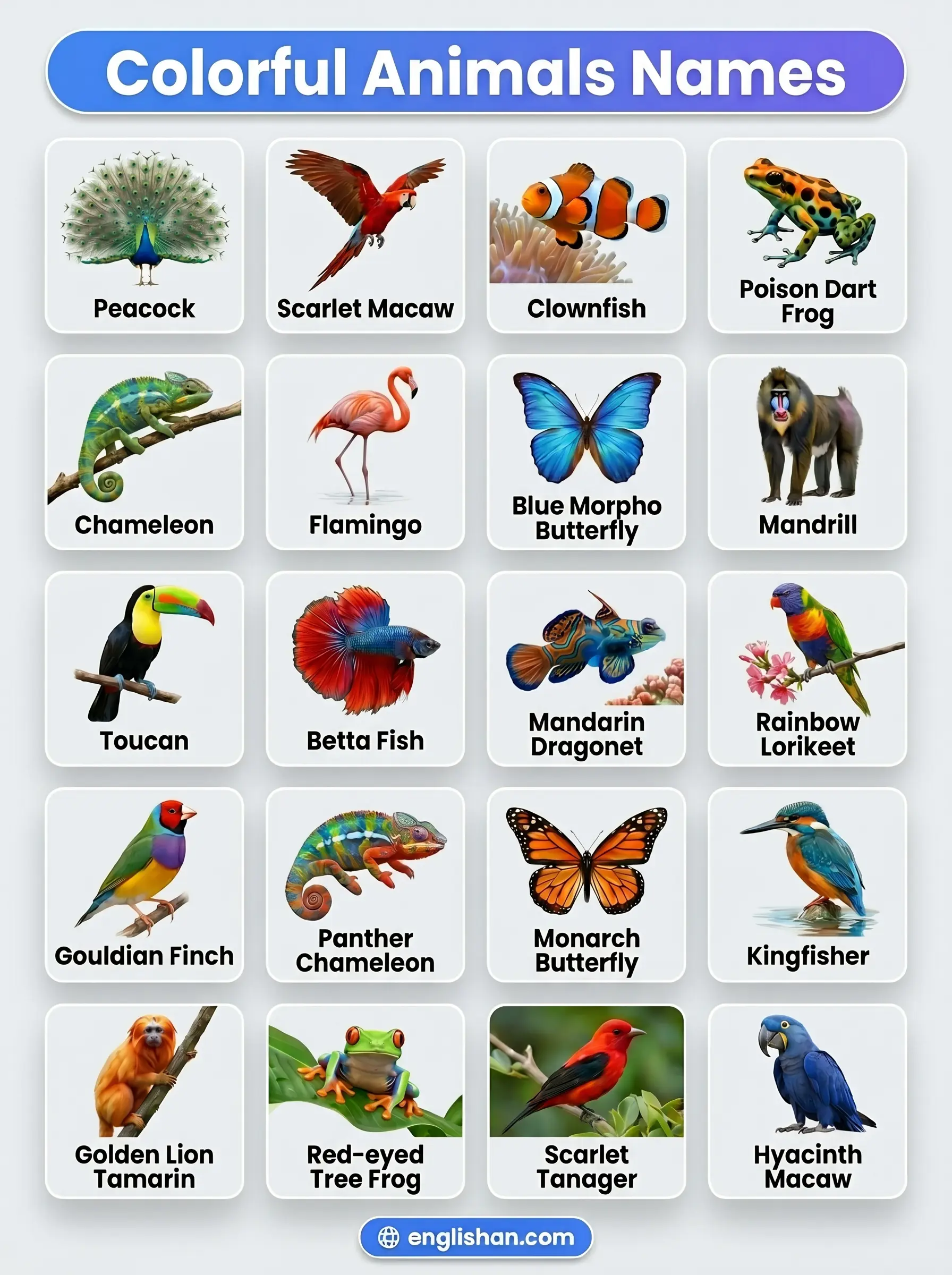
Most Popular Colorful Animals Names with Pictures
Before diving into the full category list, here are the 20 most recognized colorful animals worldwide. Each one represents a different category, habitat, and reason for being colorful.
❶ Peacock
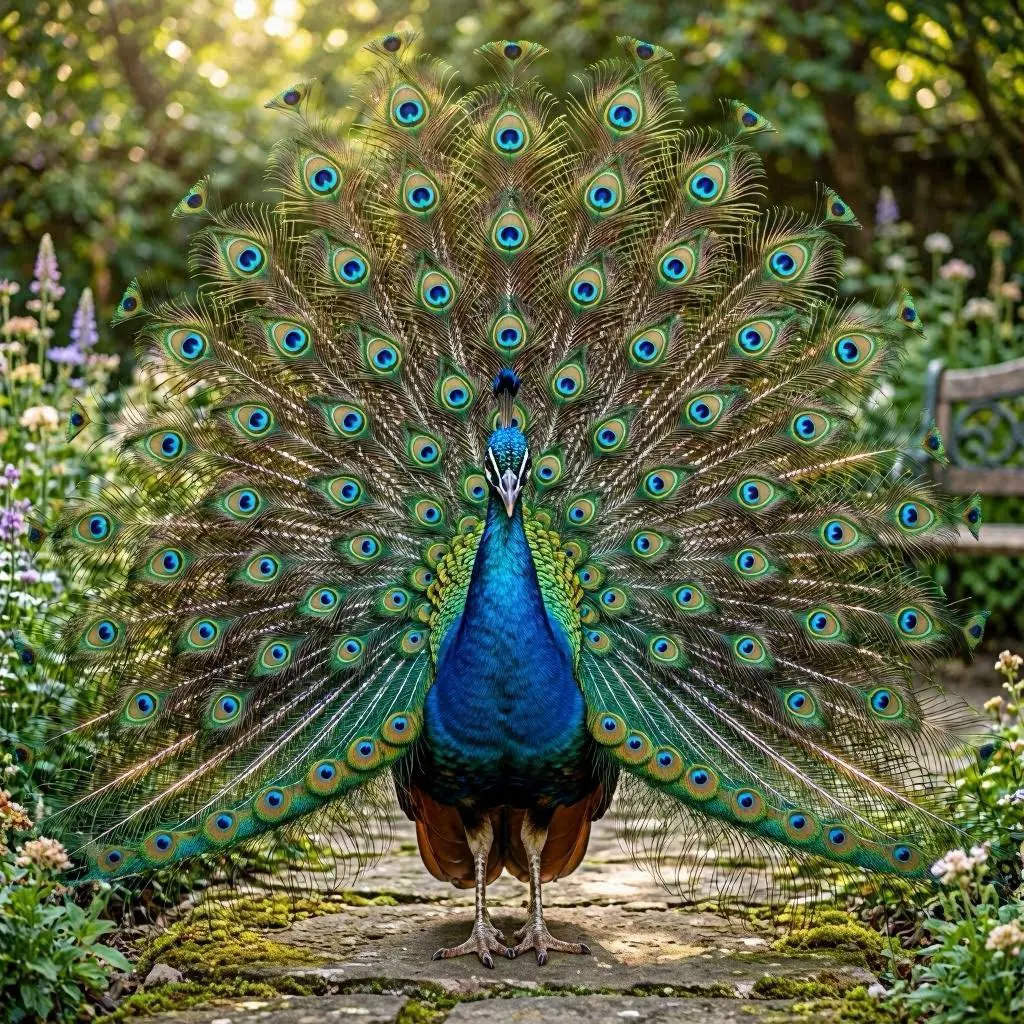
Native to South Asia, the Peacock is one of the most recognizable birds on Earth. The male grows a spectacular tail of iridescent green, blue, and gold feathers decorated with eye-shaped patterns. It fans this tail during courtship to impress females. The tail can account for more than 60% of its total body length.
❷ Scarlet Macaw
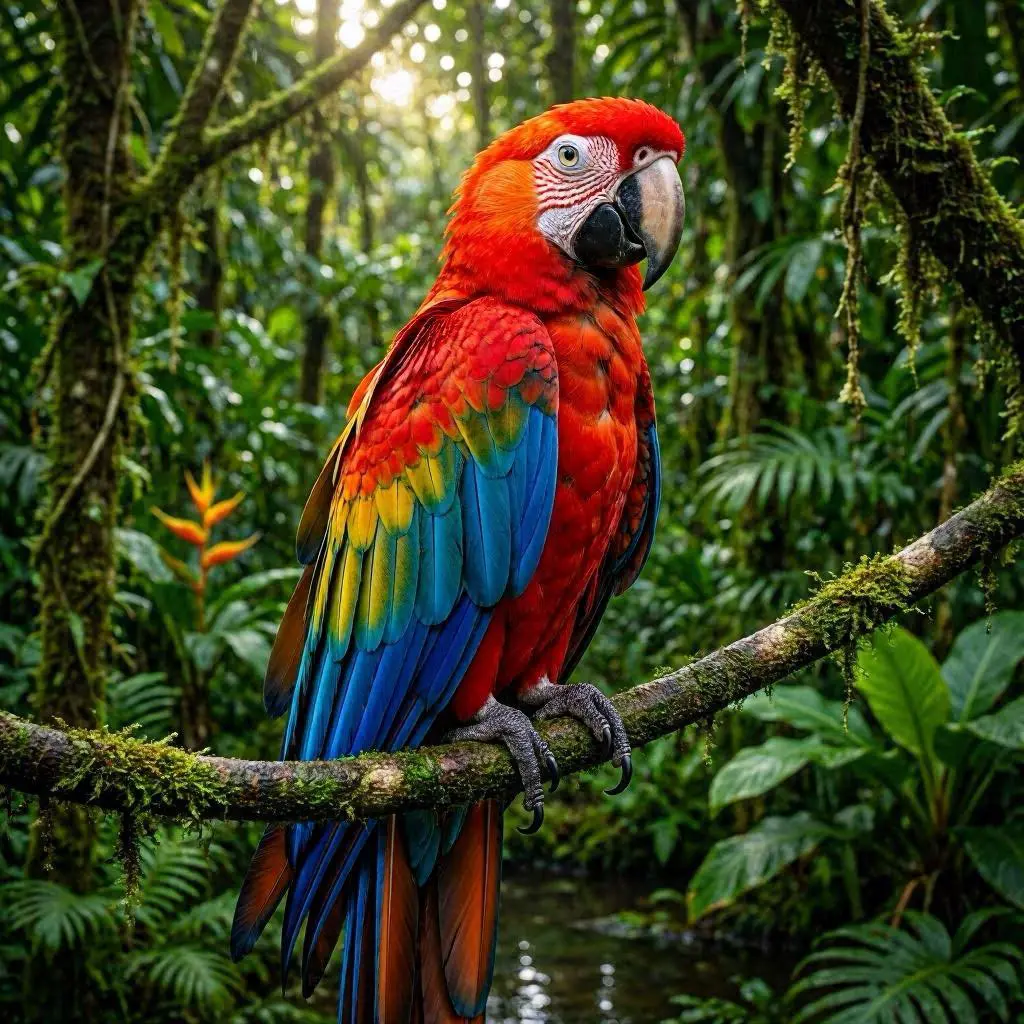
Found in South American rainforests, the Scarlet Macaw displays bold red, yellow, and blue feathers across its large wings. It is one of the most intelligent parrots in the world, capable of mimicking human speech and solving simple puzzles. Sadly, habitat loss and the illegal pet trade have made it vulnerable in parts of its range.
❸ Clownfish
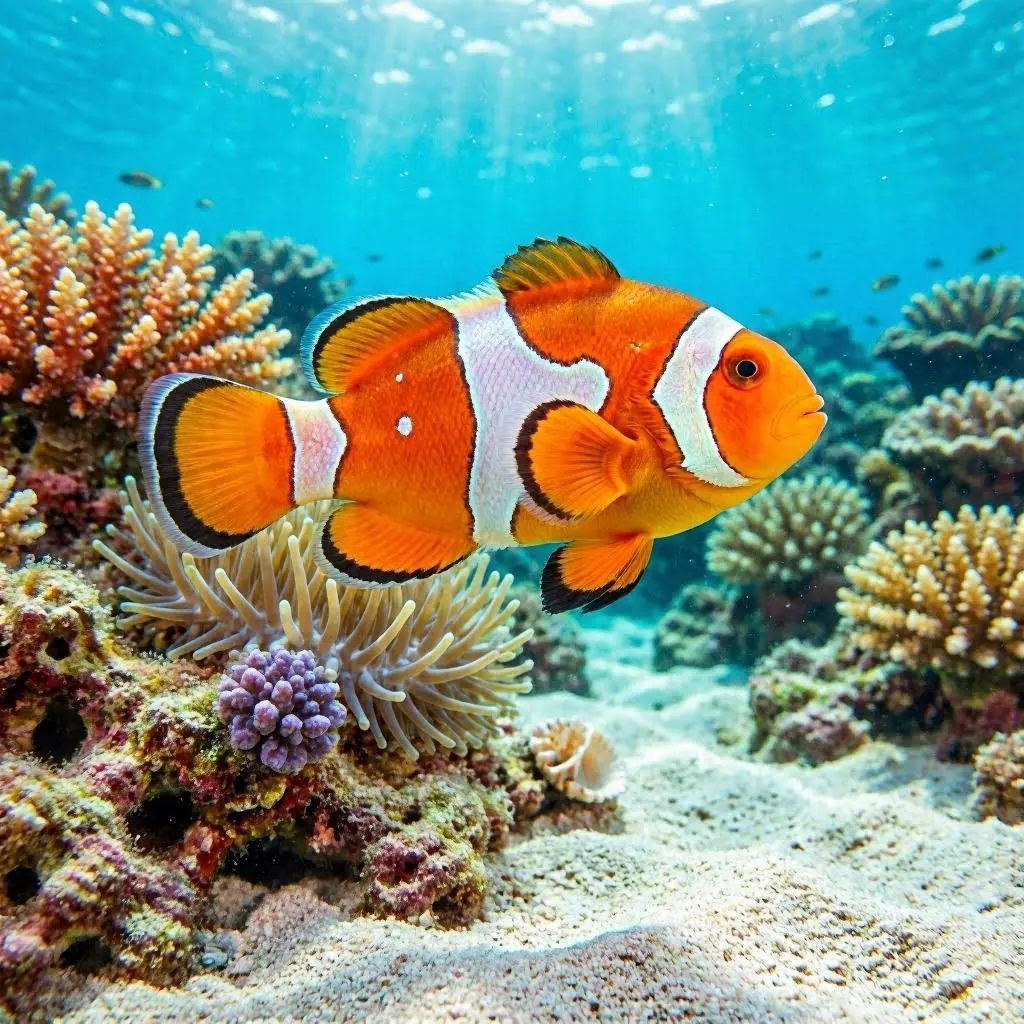
Famous for its bright orange body with bold white stripes outlined in black, the Clownfish lives among sea anemones in the Indo-Pacific. Its coloring helps it stand out to its host anemone and to potential mates. It gained worldwide recognition through popular animated films and remains one of the most photographed reef fish.
❹ Poison Dart Frog
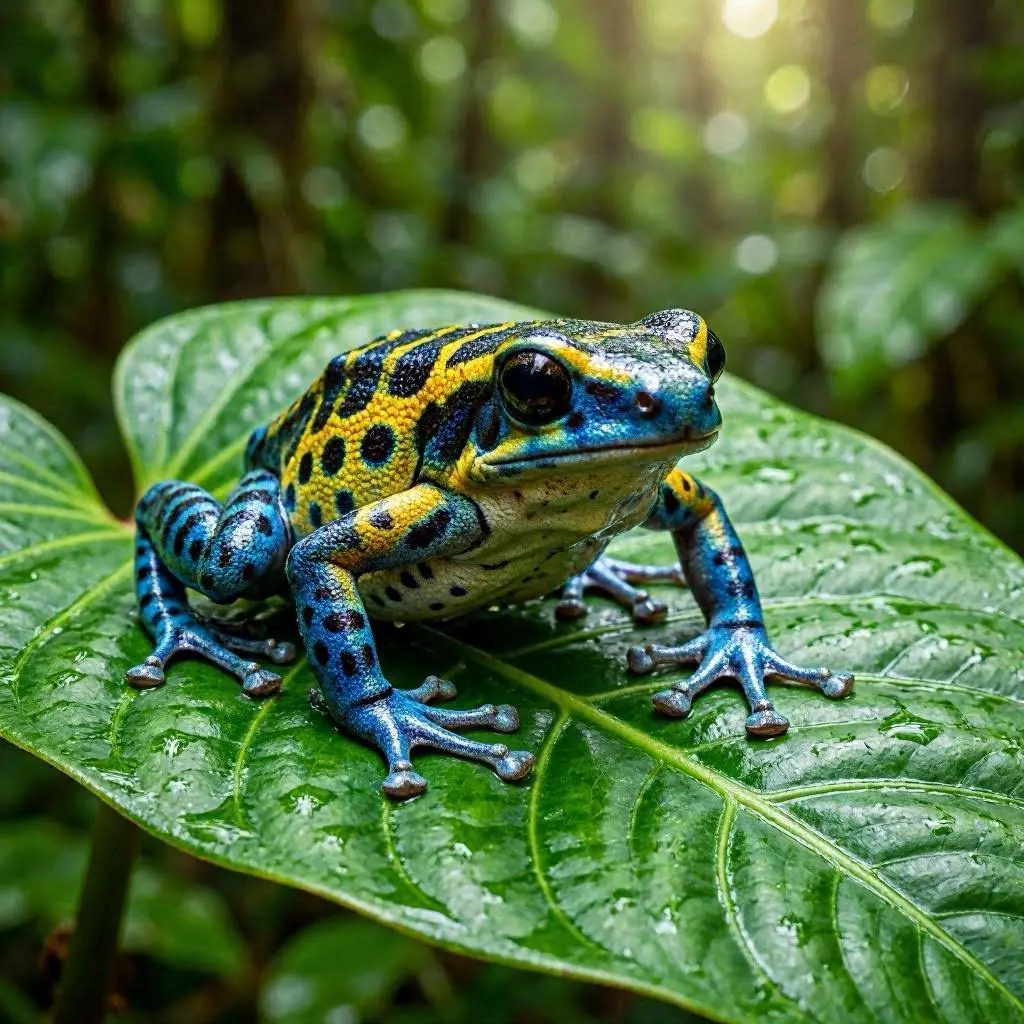
One of the most dramatic examples of warning coloring in nature, the Poison Dart Frog is a tiny amphibian from Central and South American rainforests. Its skin comes in vivid yellow, blue, red, and orange, signaling to predators that it is highly toxic. Remarkably, frogs raised in captivity lose their toxicity because they no longer consume the wild insects that provide the chemical compounds for their poison.
❺ Chameleon
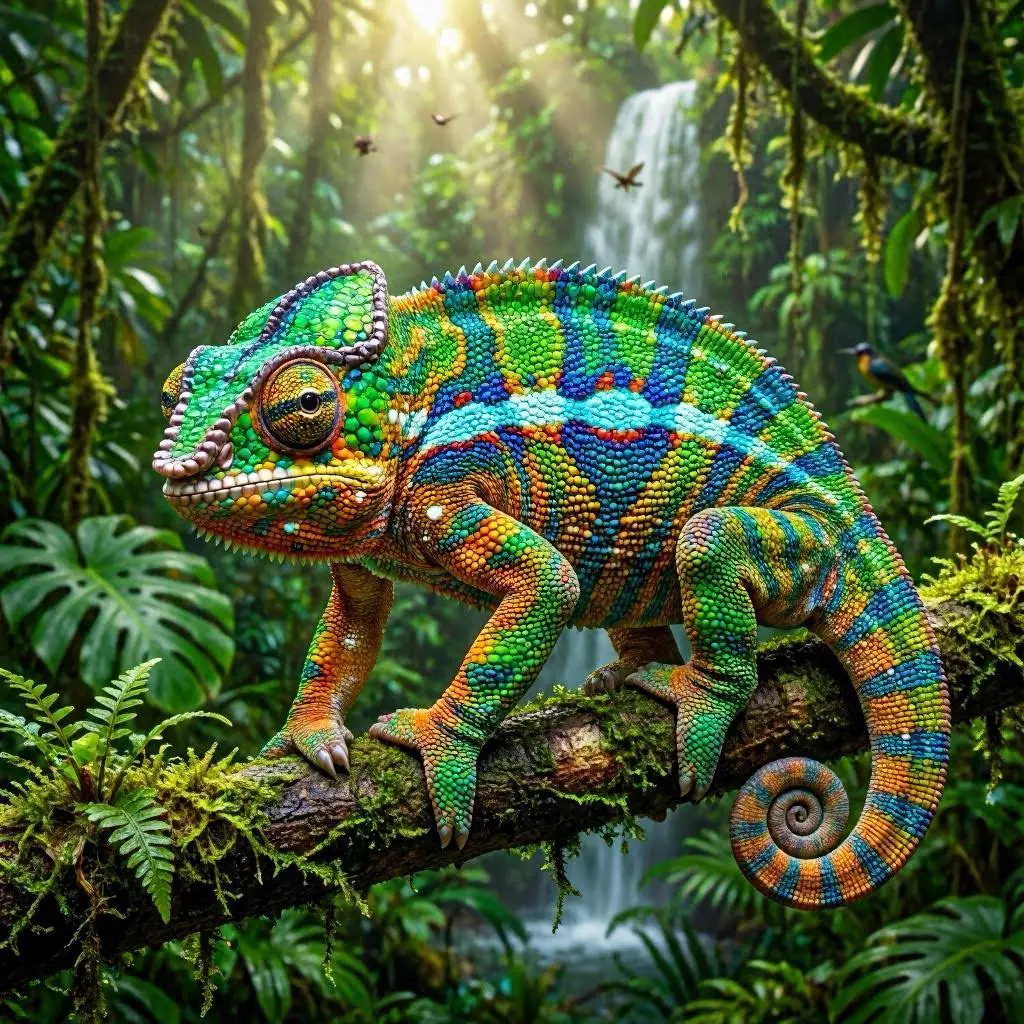
Found across Africa, Madagascar, and parts of southern Europe, the Chameleon is famous worldwide for its ability to change color. Contrary to popular belief, it does not change color to match its surroundings. Instead, it shifts between shades of green, blue, yellow, and red to communicate mood, signal aggression, and attract mates.
❻ Flamingo
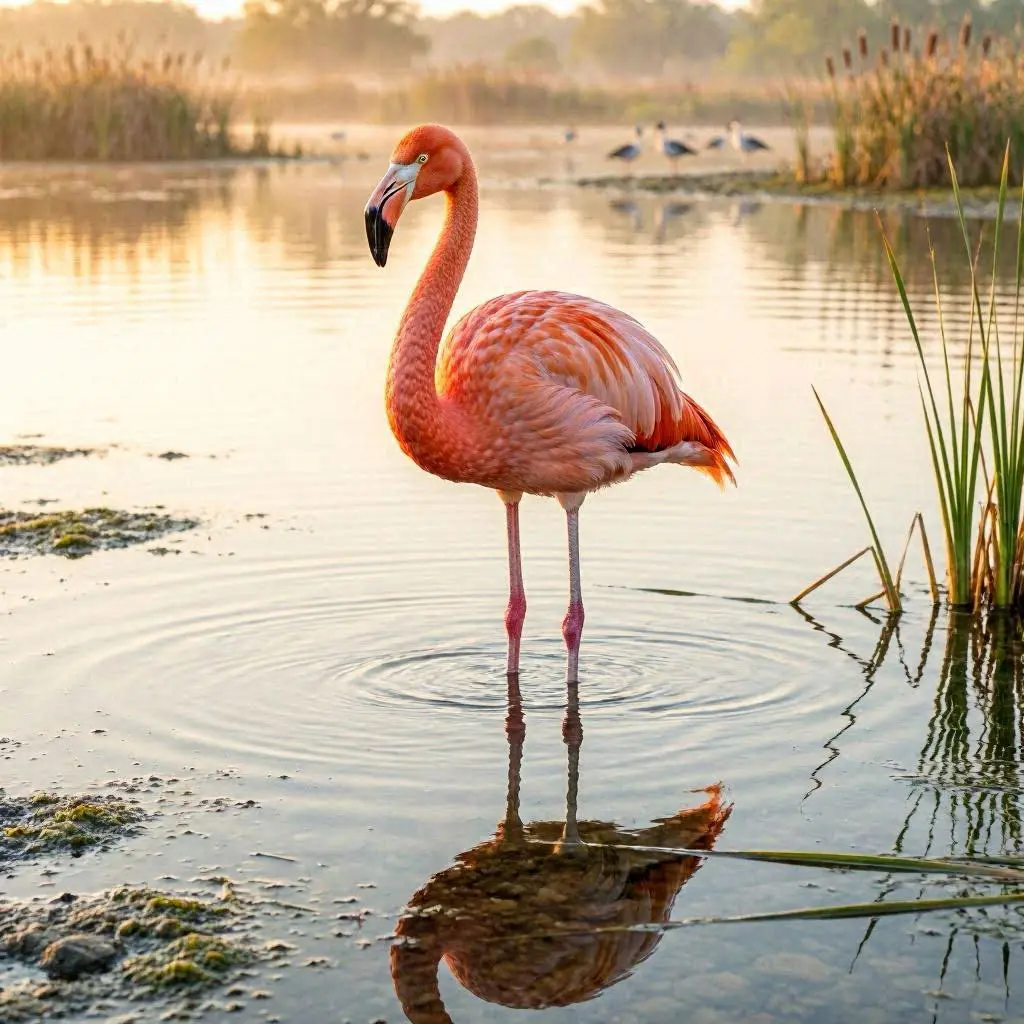
The Flamingo is one of the most visually striking birds on Earth, instantly recognized by its pink plumage and long, curved neck. It gets its famous pink color entirely from the pigments in the algae and shrimp it eats. Without those pigment-rich foods, a Flamingo would actually be white. Large flocks gather at shallow lakes and lagoons across Africa, the Americas, and southern Europe.
❼ Blue Morpho Butterfly
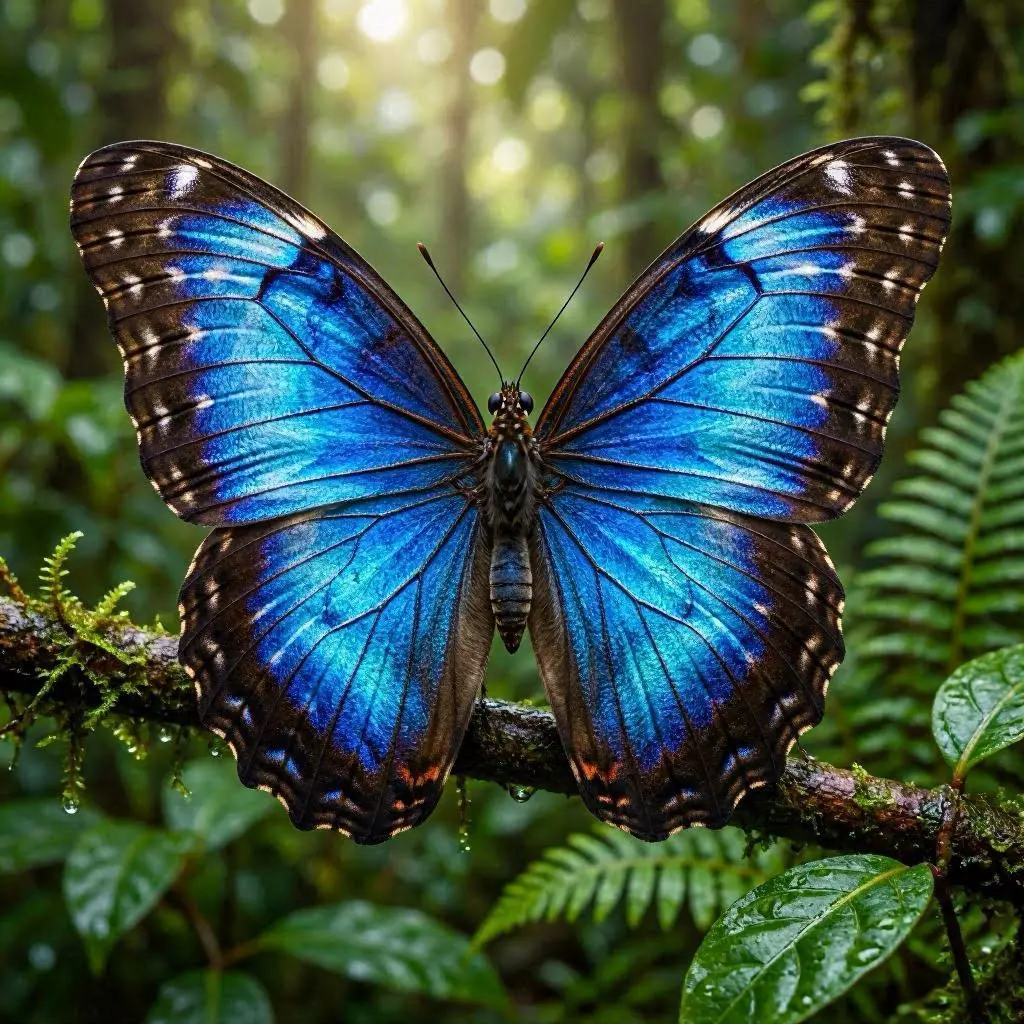
The Blue Morpho Butterfly from the Amazon Basin has wings that span up to 20 cm and produce one of the most intense blues found anywhere in nature. Surprisingly, the wings contain no blue pigment at all. Microscopic ridges on the wing scales refract light to create a shimmering iridescent blue effect. When resting with wings closed, it reveals a dull brown underside, providing effective camouflage.
❽ Mandrill
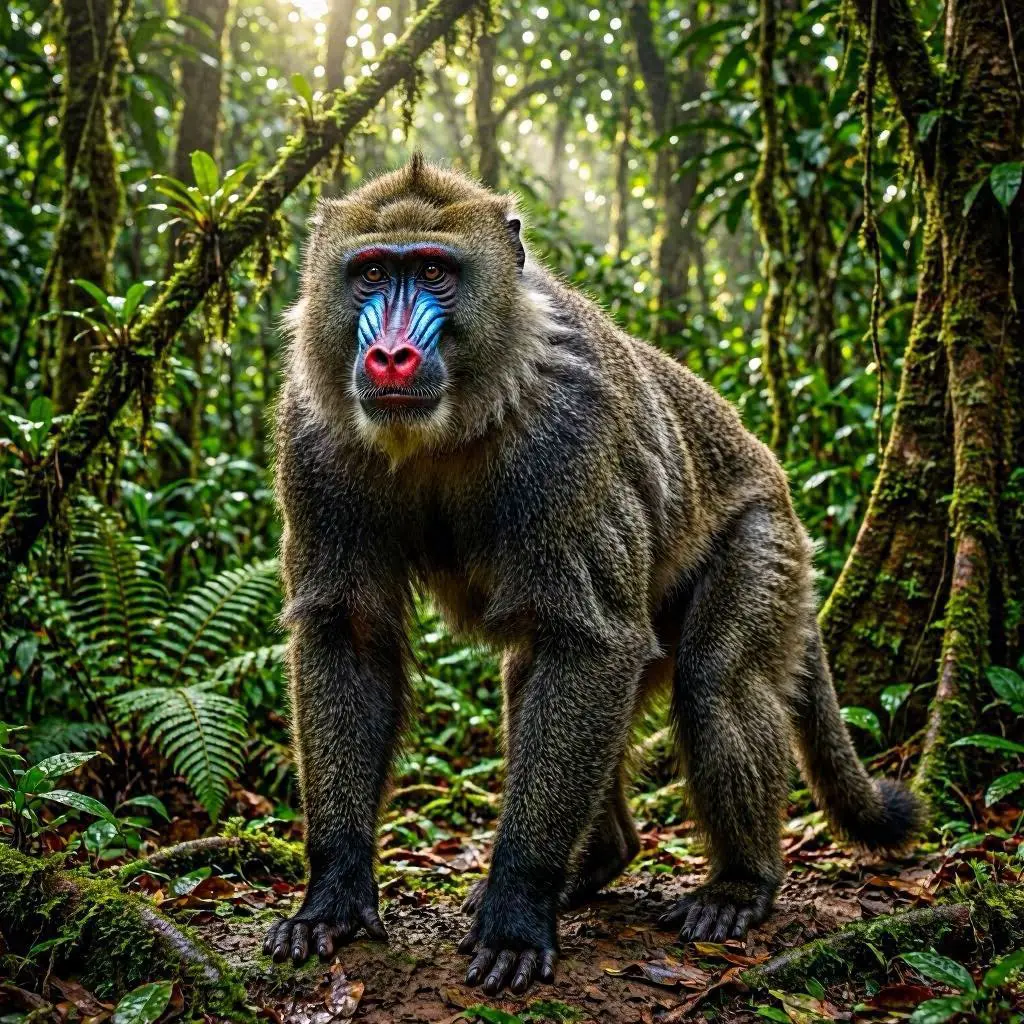
The Mandrill from Central African rainforests holds the title of the most colorful mammal on Earth. The male’s face features a vivid red nose flanked by bright blue ridges, and its rear displays a similarly multicolored pattern. The intensity of these colors directly reflects health and social rank within its troop. Dominant males display the most saturated colors.
❾ Toucan
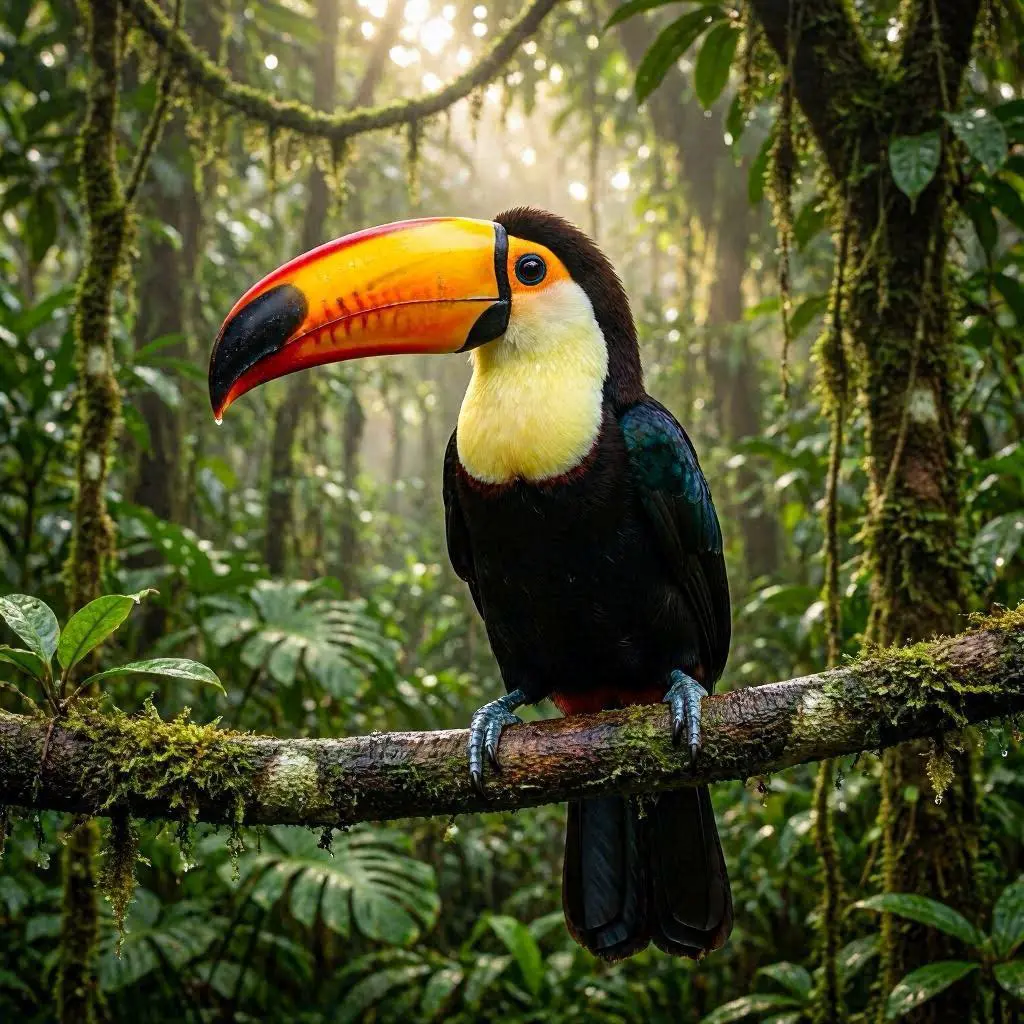
The Toucan is one of the most iconic birds of South and Central American rainforests. Its enormous beak is painted in bright orange, yellow, red, and black, making it instantly recognizable. The large beak is surprisingly lightweight and is used for reaching fruit on thin branches, regulating body temperature, and displaying to potential mates.
❿ Betta Fish
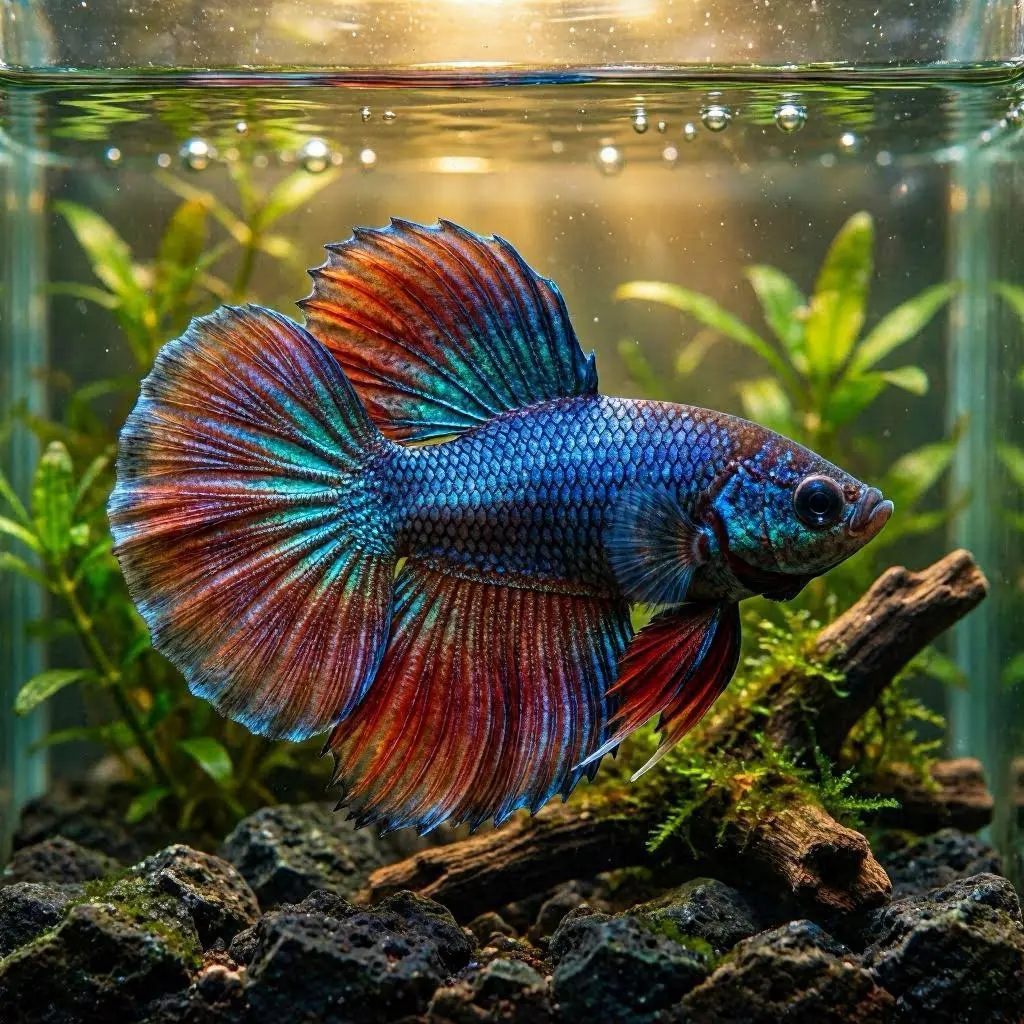
Native to the slow-moving waters of Southeast Asia, the Betta Fish is famous for its long, flowing fins and striking colors in shades of red, blue, purple, and green. Males are intensely territorial and display their full vibrant color when they sense a rival nearby. Selective breeding has produced hundreds of color and fin variations, making it one of the most popular aquarium fish in the world.
⓫ Mandarin Dragonet
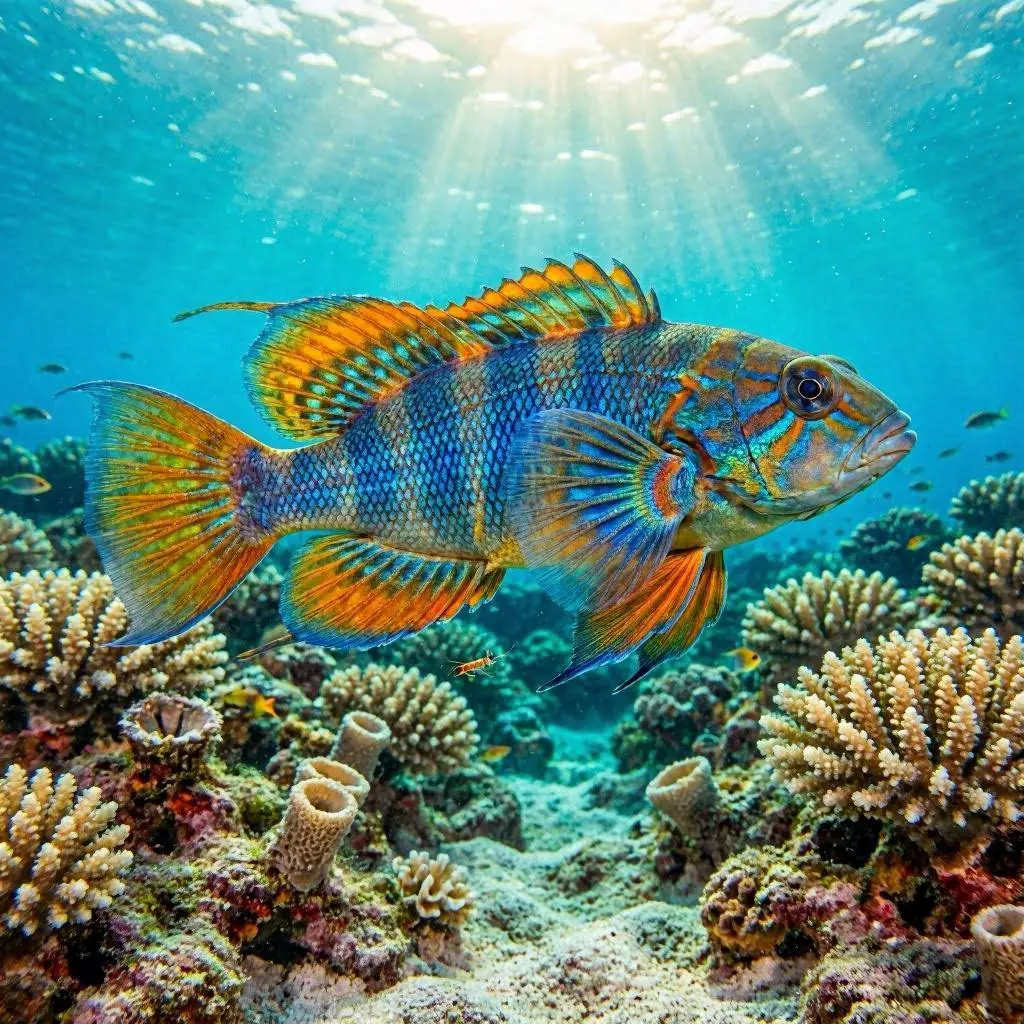
Living in shallow Pacific coral reefs, the Mandarin Dragonet is covered in swirling patterns of electric blue, orange, and green. It is one of only two vertebrates on Earth known to produce true blue pigment directly in their skin cells rather than creating the color through light refraction. It is widely considered the most colorful fish in the ocean.
⓬ Rainbow Lorikeet
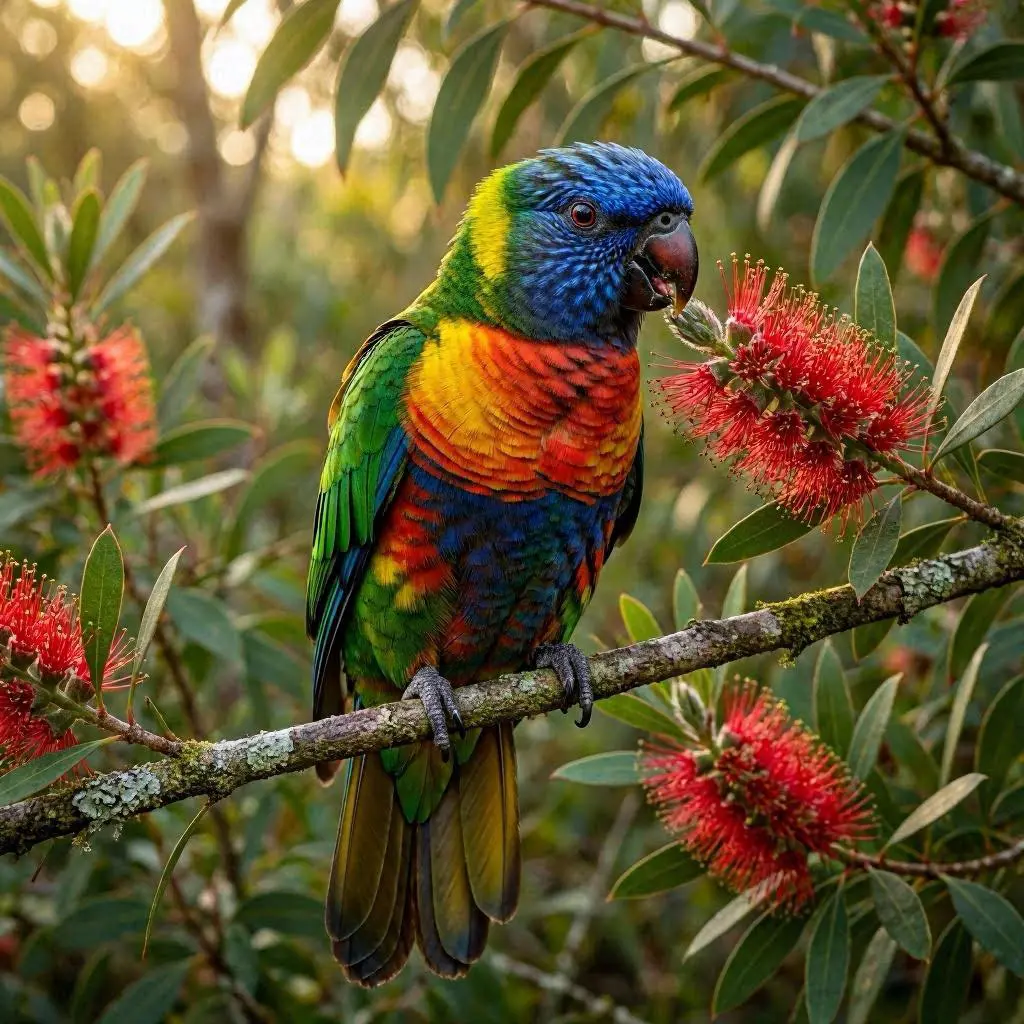
Native to Australia and eastern Indonesia, the Rainbow Lorikeet is a parrot that appears to have been painted with every color available. Its blue head, green back, orange chest, and yellow patches make it one of the most vivid birds in the Southern Hemisphere. It feeds primarily on nectar and pollen and is known for its playful, energetic personality.
⓭ Gouldian Finch
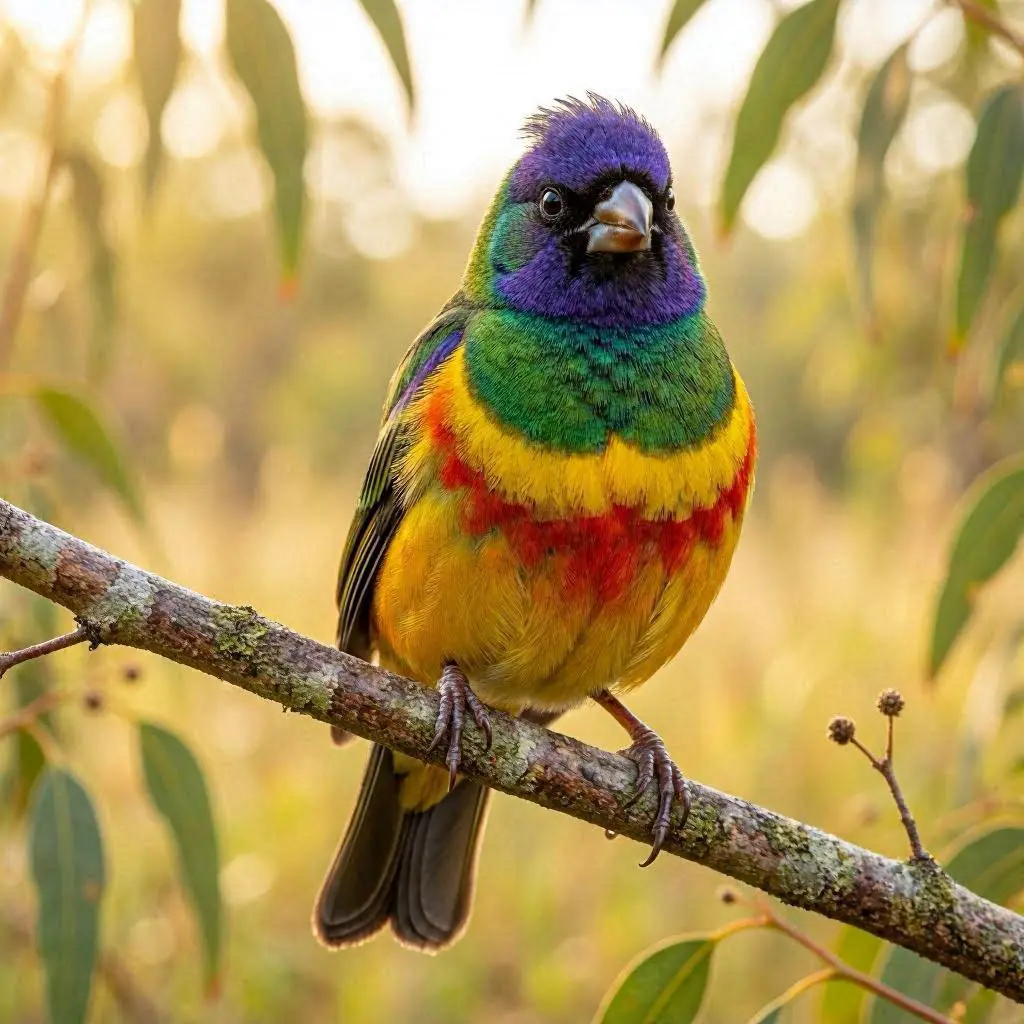
A small, endangered bird from northern Australia, the Gouldian Finch is considered one of the most beautiful finches in the world. It comes in three natural head color variants: red, black, and yellow, each combined with a vivid body of purple, green, blue, and orange. Wild populations have declined by over 75% due to changes in savanna grassland habitats.
⓮ Panther Chameleon
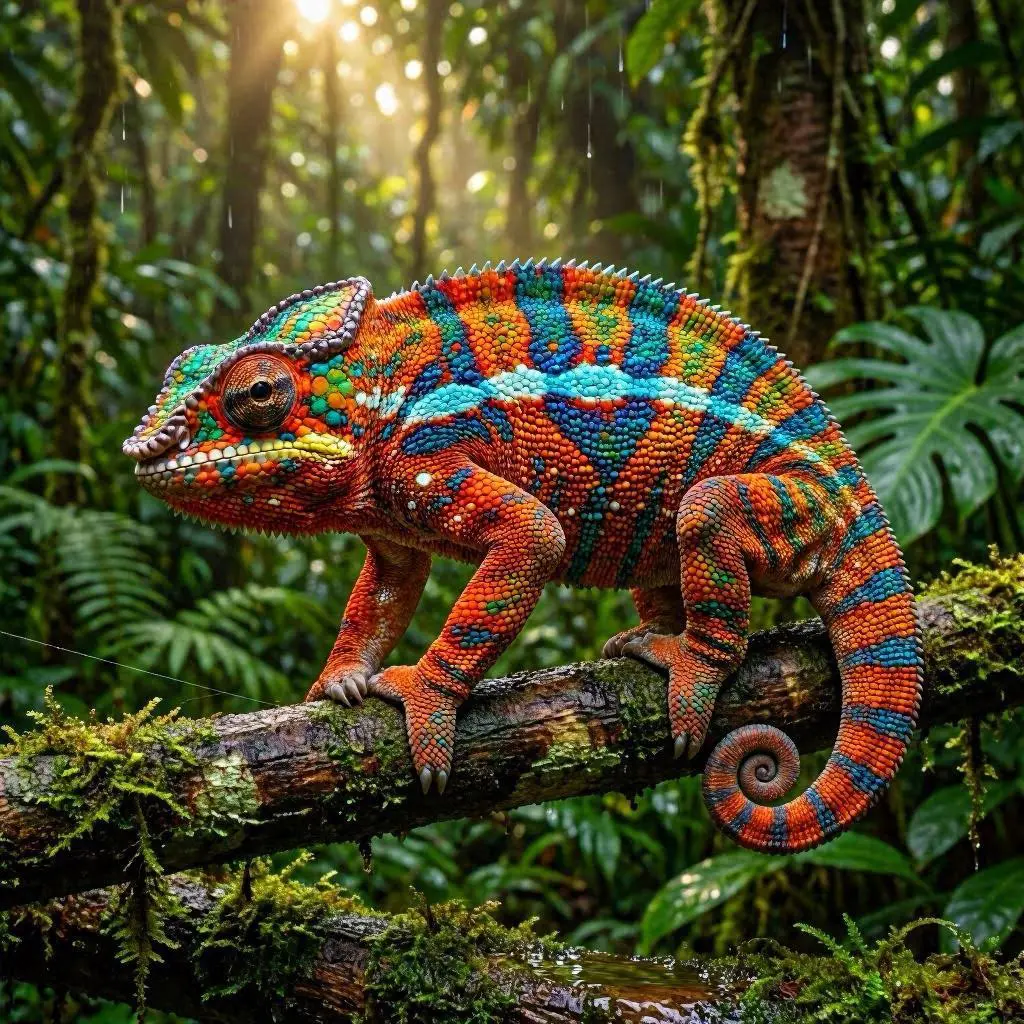
Found only in Madagascar, the Panther Chameleon is the most colorful reptile on Earth. Unlike common chameleons, males can simultaneously display red, orange, turquoise, and blue across different parts of their bodies. Each geographic region in Madagascar produces chameleons with distinct color patterns, making them as varied as they are beautiful.
⓯ Monarch Butterfly
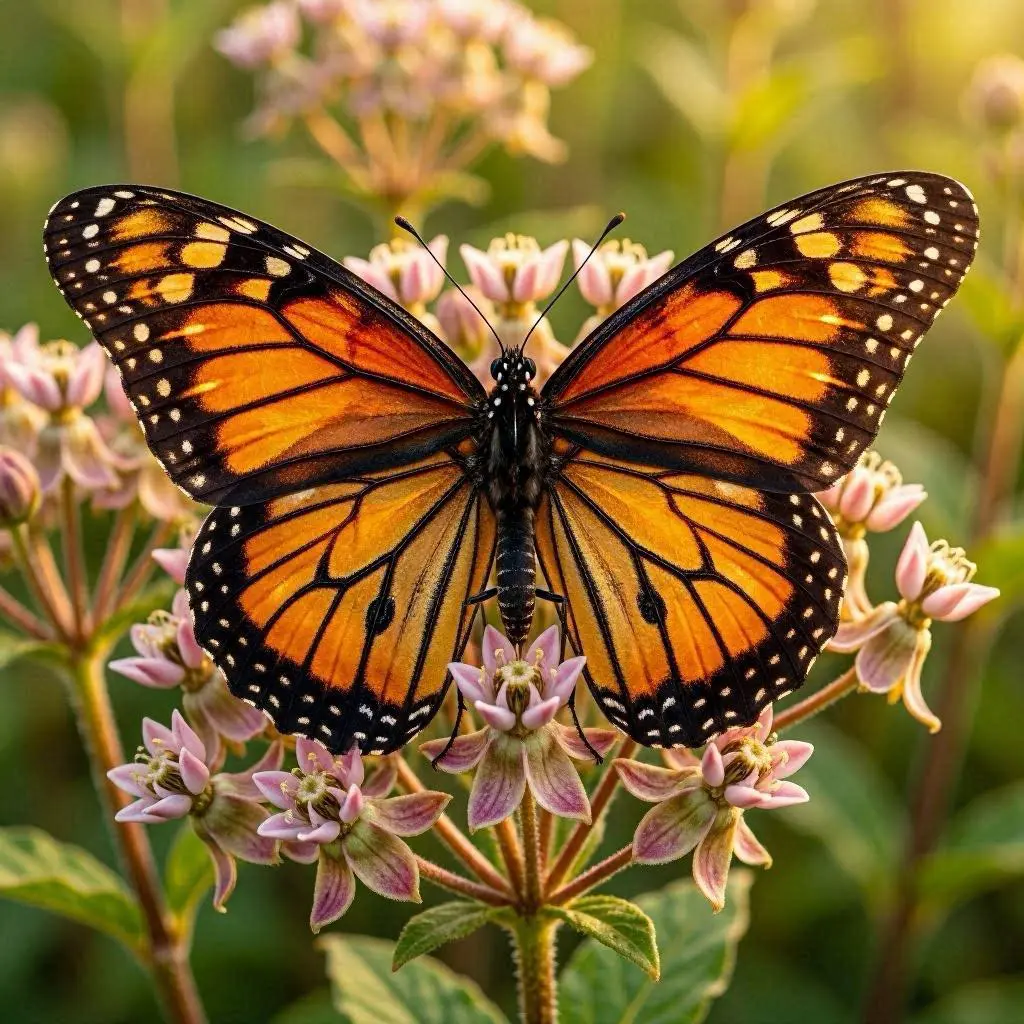
One of the most recognized insects in the world, the Monarch Butterfly has bold orange wings bordered and veined in black with white spots along the edges. Its coloring warns predators that it is toxic due to the milkweed it consumes as a caterpillar. The Monarch is also famous for its annual migration of up to 4,800 km from Canada to Mexico.
⓰ Kingfisher
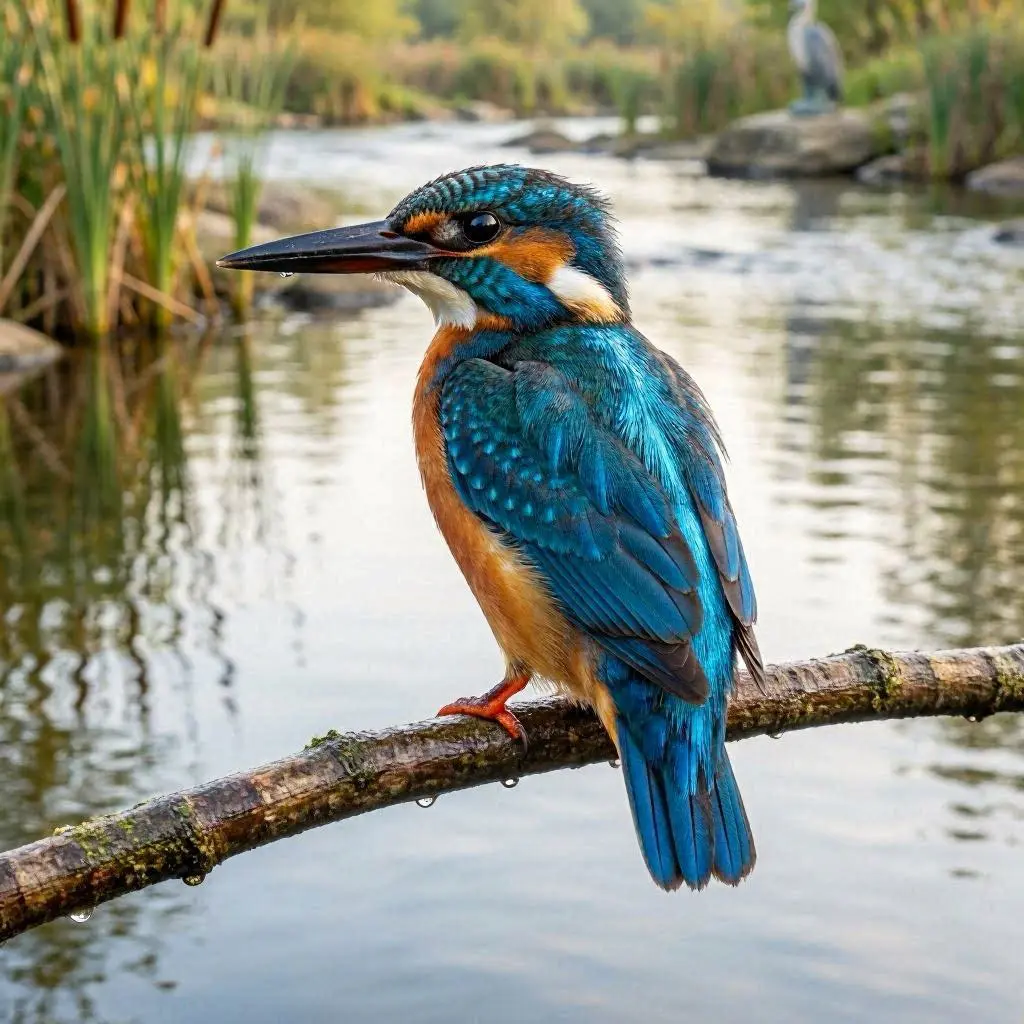
Found near rivers and lakes across Asia, Europe, and Africa, the Kingfisher is a small but brilliantly colored bird with electric blue plumage on its back and a burnt orange chest. It dives into water at extraordinary speed to catch fish, using its long pointed beak with precision. Its vivid coloring makes it one of the most photographed birds in the world.
⓱ Golden Lion Tamarin
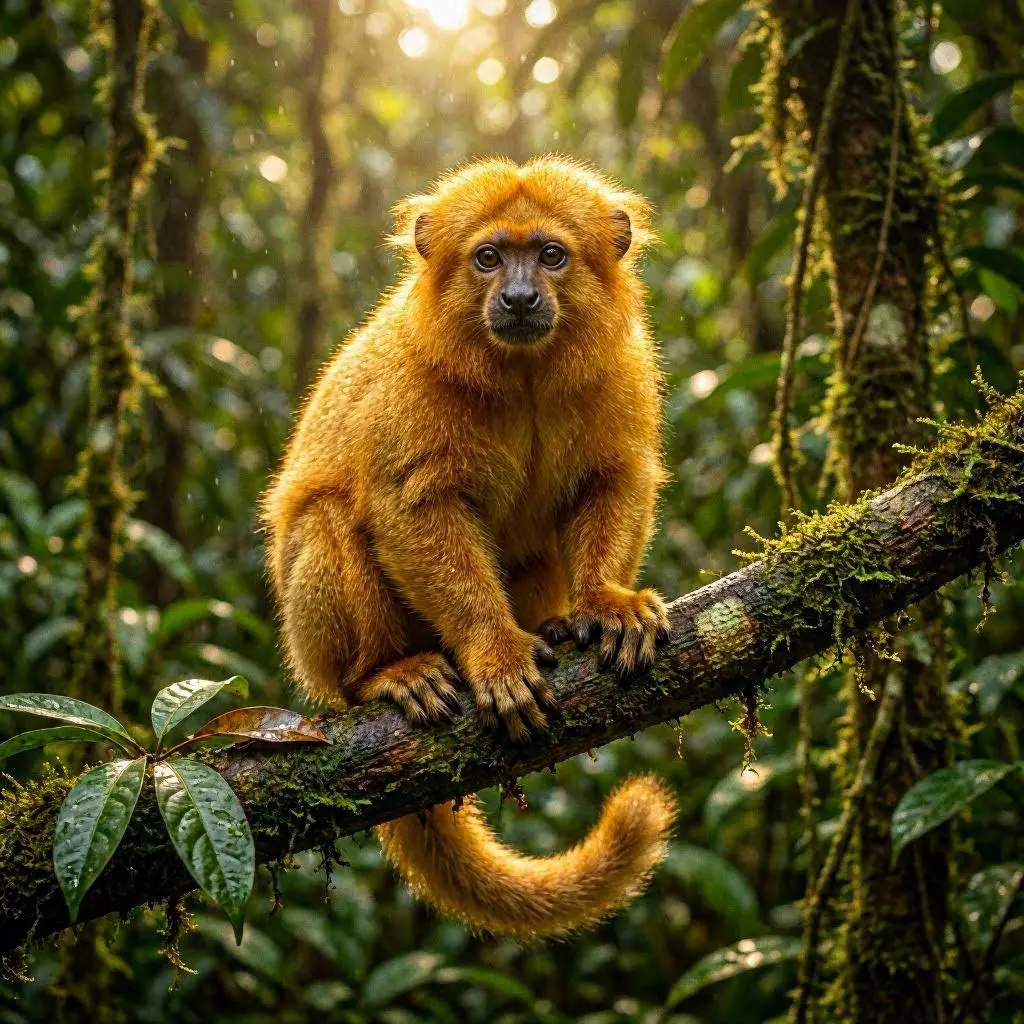
Native to the Atlantic Forest of Brazil, the Golden Lion Tamarin is a small primate with a magnificent mane of bright golden-orange fur that frames its dark face like a lion. It is one of the most endangered primates in the world, with fewer than 3,200 individuals remaining in the wild, primarily due to deforestation of its coastal forest habitat.
⓲ Red-eyed Tree Frog
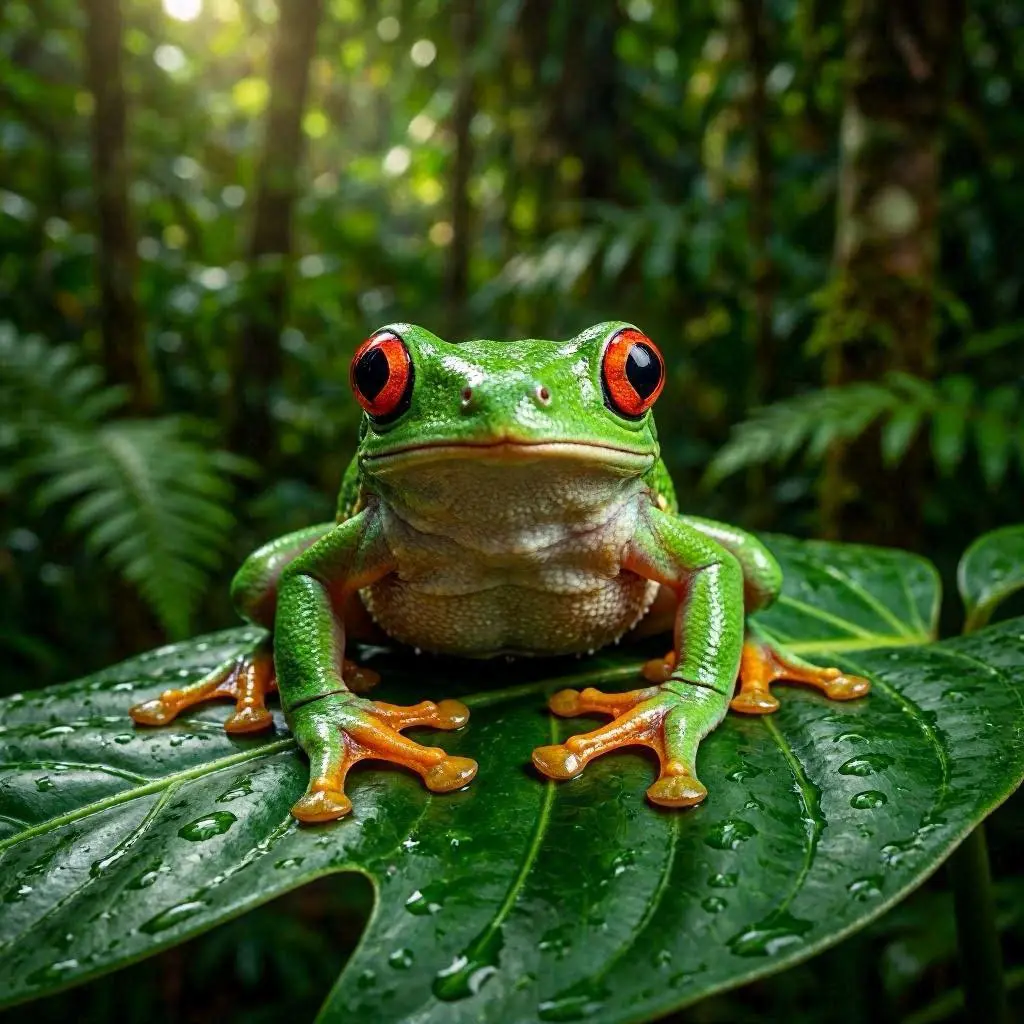
A symbol of tropical rainforests worldwide, the Red-eyed Tree Frog from Central America is a masterpiece of color. It has vivid green skin, blue and yellow striped sides, bright orange feet, and enormous red eyes. Those striking red eyes serve a survival purpose called “startle coloration,” momentarily startling a predator just long enough for the frog to escape.
⓳ Scarlet Tanager
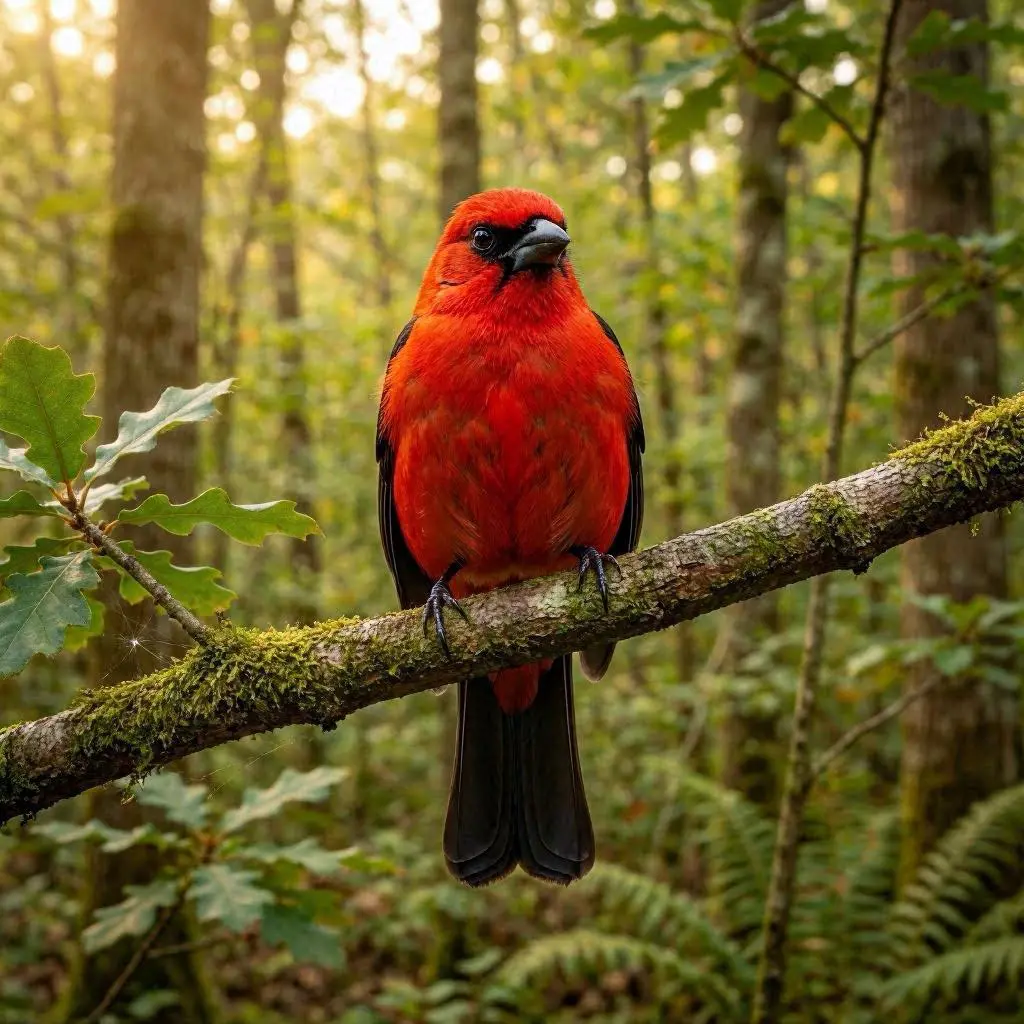
Found in North American forests during summer and in South American rainforests in winter, the male Scarlet Tanager is one of the most brilliantly colored birds of the Northern Hemisphere. Its body is an intense, almost neon red, contrasted sharply by jet-black wings and tail. Despite its vivid coloring, it can be surprisingly difficult to spot among leafy forest canopies.
⓴ Hyacinth Macaw
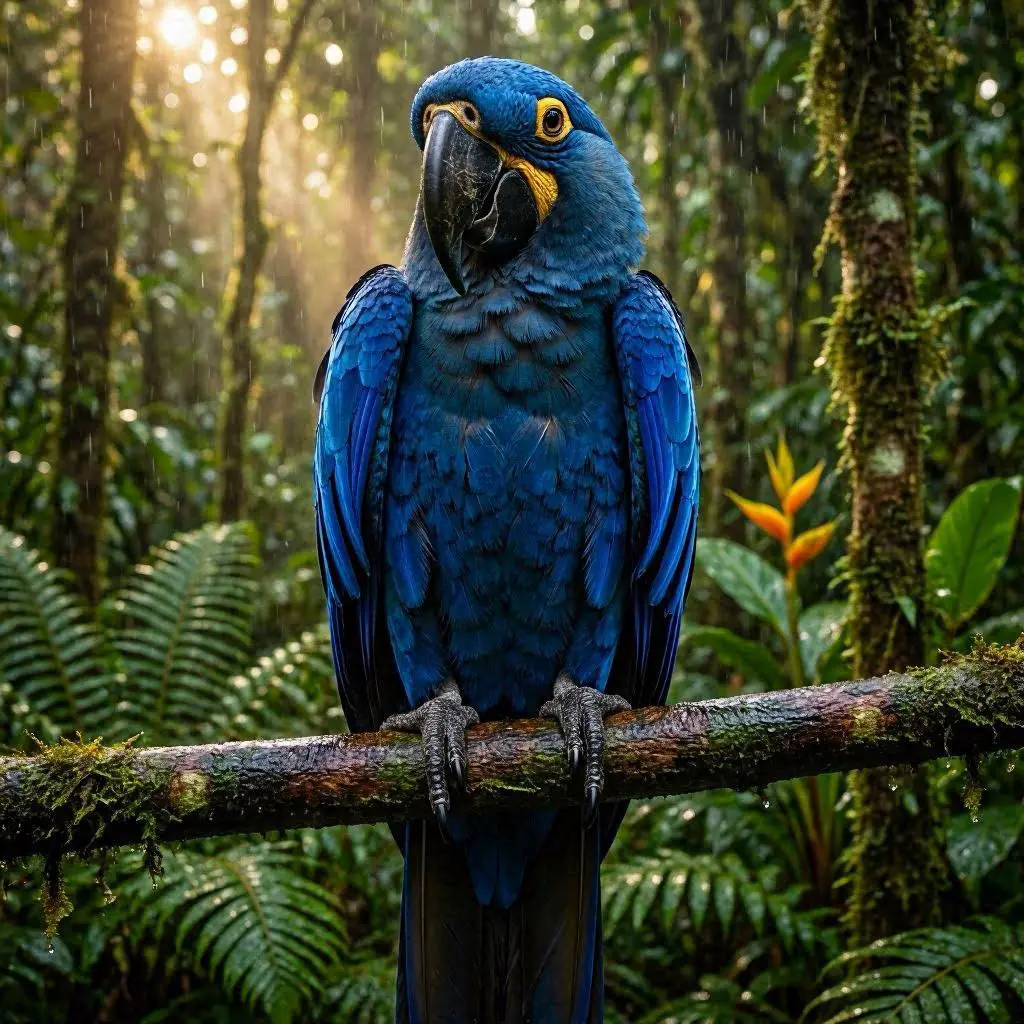
The Hyacinth Macaw is the largest flying parrot in the world and is covered entirely in deep cobalt blue feathers with bright yellow rings around its eyes and at the base of its beak. It lives in the Pantanal wetlands and cerrado grasslands of Brazil, Bolivia, and Paraguay. It is classified as Vulnerable due to habitat loss and collection for the illegal pet trade.
These animals appear in textbooks, documentaries, and wildlife parks around the world. Each one represents a different category and a different reason for being colorful.
Complete List of Colorful Animals Names With Ppicture by Category
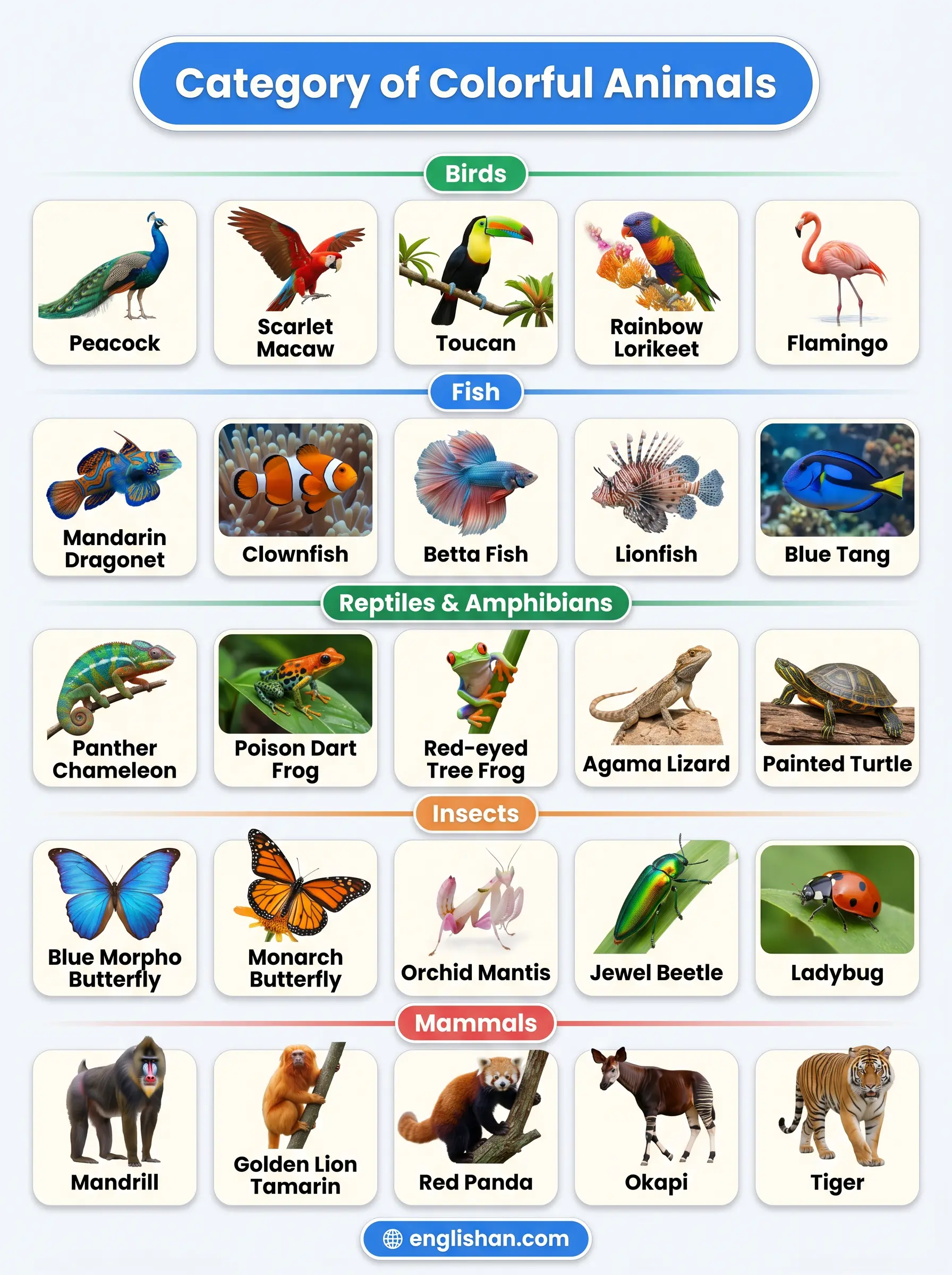
Every category of animal uses color differently. Birds use feather pigments and light-refracting structures. Fish rely on skin cells called chromatophores. Reptiles and amphibians use color as both a shield and a signal. Insects produce some of the most intricate microscopic color structures in nature. The sections below cover each group with a brief intro and a complete named list with descriptions.
Colorful Birds
- Scarlet Macaw – A large South American parrot famous for its brilliant red, yellow, and blue feathers.
- Peacock – Known for its spectacular iridescent tail feathers covered with eye-like patterns.
- Toucan – A rainforest bird recognized by its oversized, brightly colored beak.
- Rainbow Lorikeet – An Australian parrot displaying a vivid mix of blue, green, orange, and yellow colors.
- Kingfisher – A small bird with dazzling blue plumage and a bright orange chest.
- Flamingo – A pink wading bird whose color comes from pigments in its diet.
- Gouldian Finch – A colorful Australian finch featuring purple, green, blue, yellow, and red feathers.
- Blue Jay – A highly intelligent North American bird with striking blue, black, and white plumage.
- Mandarin Duck – Considered one of the world’s most beautiful ducks due to its multicolored feathers.
- Turquoise-browed Motmot – A Central American bird with turquoise facial markings and unique racket-shaped tail feathers.
Colorful Fish
- Mandarin Dragonet – A tiny reef fish covered in electric blue, orange, and green patterns.
- Clownfish – A bright orange fish with white stripes that lives among sea anemones.
- Betta Fish – Popular aquarium fish known for flowing fins and vibrant colors.
- Lionfish – A venomous fish displaying bold red and white striped warning colors.
- Blue Tang – A brilliant blue reef fish with a bright yellow tail.
- Parrotfish – A colorful reef fish with turquoise, pink, and green shades and a beak-like mouth.
- Discus Fish – An Amazon freshwater fish admired for its circular body and vivid patterns.
- Neon Tetra – A tiny fish with glowing blue and red stripes.
Colorful Reptiles and Amphibians
- Panther Chameleon – One of the most colorful reptiles, capable of displaying multiple bright shades.
- Poison Dart Frog – A tiny amphibian with bright warning colors that signal toxicity.
- Red-eyed Tree Frog – Famous for its green body, red eyes, and colorful striped sides.
- Agama Lizard – An African lizard whose males develop vivid blue bodies and red-orange heads.
- Corn Snake – A non-venomous snake decorated with attractive red and orange patterns.
- Blue Poison Dart Frog – A striking cobalt-blue frog covered in black spots.
- Painted Turtle – A freshwater turtle with colorful red and yellow markings.
Colorful Insects and Butterflies
- Blue Morpho Butterfly – A large butterfly famous for its shimmering metallic blue wings.
- Monarch Butterfly – Recognized worldwide for its orange-and-black wings and long migrations.
- Orchid Mantis – A remarkable mantis that resembles a pink-and-white orchid flower.
- Sunset Moth – A Madagascan moth displaying rainbow-like iridescent colors.
- Jewel Beetle – A metallic-looking beetle with bright green, gold, and red coloration.
- Peacock Spider – A tiny Australian spider known for colorful courtship displays.
- Ladybug – A red-and-black spotted insect that warns predators of its unpleasant taste.
- Glasswing Butterfly – A butterfly with transparent wings that help it avoid detection.
Colorful Mammals
- Mandrill – The world’s most colorful mammal, famous for its bright blue and red facial markings.
- Golden Lion Tamarin – A small monkey with a striking golden-orange mane.
- Red Panda – A tree-dwelling mammal with reddish fur and a bushy ringed tail.
- Okapi – A rare rainforest mammal with zebra-like striped legs and a dark body.
- Tiger – An iconic big cat known for its orange coat and unique black stripes.
Other Notably Colorful Animals
- Bird of Paradise – Famous for extraordinary feathers and elaborate courtship displays.
- Resplendent Quetzal – A dazzling green-and-red bird found in Central American cloud forests.
- Indian Roller – A bird with brilliant blue wings that become especially visible in flight.
- Sea Slug (Nudibranch) – A marine animal displaying some of the brightest colors in the ocean.
- Cuttlefish – A master of color change that can instantly alter its appearance.
- Emperor Angelfish – A tropical fish with vivid blue and yellow stripes.
- Harlequin Tuskfish – A colorful reef fish with bright blue teeth and orange markings.
- Golden Pheasant – A bird with a golden crest and a rainbow-colored body.
- Rosy Maple Moth – A small moth covered in bright pink and yellow coloration.
- Rainbow Boa – A snake whose scales produce a rainbow-like iridescent sheen under sunlight.
Colorful Domestic Animals Names
Not all colorful animals live in the wild. Several domesticated species are bred specifically for their striking color varieties.
- Peacock (domesticated): Commonly kept in large gardens and estates for ornamental purposes. Their display feathers make them one of the most visually impressive domestic birds.
- Parrot: Domestic parrots including African Greys, Macaws, and Cockatoos are kept as pets worldwide. Species like the Rainbow Lorikeet and the Eclectus Parrot are among the most colorful.
- Goldfish: One of the oldest domesticated fish, goldfish come in orange, red, yellow, white, and black varieties. Selective breeding over centuries has produced hundreds of color and fin variations.
- Betta Fish: A popular aquarium fish available in virtually every color of the rainbow. Breeders have developed dozens of fin types and color morphs.
- Domestic Chicken (ornamental breeds): Breeds like the Polish Chicken and Silkie Chicken are raised as ornamental birds. Their elaborate plumage and unusual colors make them a favorite in hobby farming.
- Koi Carp: Kept in garden ponds across Asia and beyond, Koi are domesticated carp bred for vivid patterns in red, orange, white, black, and gold.
- Rooster (ornamental breeds): Roosters of breeds like the Phoenix and Yokohama display extraordinarily long, colorful tail feathers that are kept purely for their beauty.
Colorful Wild Animals Names
Wild colorful animals are found on every continent and in every habitat, from tropical rainforests to coral reefs to open savannas.
- Scarlet Macaw (South American rainforests): Red, yellow, and blue plumage. One of the most intelligent birds in the wild.
- Mandrill (Central African rainforests): The world’s most colorful mammal, with a rainbow-patterned face and rear.
- Blue Morpho Butterfly (Amazon Basin): Iridescent blue wings that span up to 20 cm.
- Poison Dart Frog (Central and South American rainforests): Tiny, brilliantly colored, and deadly toxic.
- Mantis Shrimp (Indo-Pacific oceans): Possesses 16 types of color receptors compared to the 3 that humans have. Its shell displays every color of the rainbow.
- Chameleon (Africa, Madagascar, southern Europe): Changes color for communication, not camouflage.
- Lionfish (Indo-Pacific reefs): Venomous spines hidden behind stunning red, white, and brown stripes.
- Bird of Paradise (Papua New Guinea): Males of these species perform elaborate color displays to attract females, with feathers in neon greens, blues, and reds that appear almost artificial.
- Peacock Mantis Shrimp (Indo-Pacific): Often called the most colorful animal in the ocean, with a shell that shifts between deep purple, red, green, and orange.
- Rainbow Boa (South American forests): A non-venomous snake whose scales produce a rainbow iridescence in sunlight through microscopic ridges that refract light.
Endangered Colorful Animals Names
Some of the world’s most beautiful animals are also among its most threatened. Habitat loss, pollution, and illegal wildlife trade put many colorful species at serious risk.
- Scarlet Macaw (Vulnerable in parts of its range): Deforestation and the illegal pet trade have reduced populations significantly across Central America.
- Gouldian Finch (Endangered): Native to Australia, this brilliantly colored finch has seen population declines of over 75% due to changes in its savanna grassland habitat from altered fire regimes.
- Mandrill (Vulnerable): Threatened by bushmeat hunting and deforestation across Central African rainforests.
- Blue Poison Dart Frog (Vulnerable): Found only in a small region of Suriname and Brazil, this striking species is threatened by habitat loss and collection for the pet trade.
- Leatherback Sea Turtle (Vulnerable to Critically Endangered): While not conventionally colorful, its dark shell with pink and white spots makes it notable. It faces threats from fishing bycatch and plastic ingestion.
- Golden Lion Tamarin (Endangered): This bright orange monkey from Brazil’s Atlantic Forest is one of the most endangered primates in the world, with fewer than 3,200 remaining in the wild.
- Hyacinth Macaw (Vulnerable): The world’s largest flying parrot, covered entirely in cobalt blue feathers. It faces pressure from habitat loss and the illegal pet trade in Brazil, Bolivia, and Paraguay.
- Spix’s Macaw (Extinct in the Wild): This pale blue parrot was declared extinct in the wild in 2000, surviving only in captivity through a dedicated breeding program. Reintroduction efforts are ongoing.
Fun Facts About Colorful Animals
These surprising facts reveal just how extraordinary color in the animal kingdom really is:
- The Flamingo is born completely white. Its famous pink color develops only from the pigments in the algae and shrimp it eats throughout its life.
- The Mantis Shrimp has 16 types of color-detecting cells in its eyes. Humans have only 3, meaning this crustacean can see colors that are completely invisible to us.
- A Chameleon does not change color to match its background. It changes color primarily to communicate with other chameleons and to regulate its body temperature.
- The Blue Morpho Butterfly has no blue pigment at all. Its wings are actually brown, but microscopic ridges on the scales refract light to produce a dazzling blue iridescence.
- The Mandrill is the most colorful mammal on Earth, and the intensity of its facial colors directly reflects its health and social status within the troop.
- Poison Dart Frogs raised in captivity lose their toxicity because they no longer eat the specific wild insects that provide the chemical compounds for their poison.
- Male Birds of Paradise in Papua New Guinea perform some of the most elaborate color-based courtship dances of any animal, sometimes bending their bodies into shapes that make their iridescent feathers appear otherworldly.
- Goldfish were domesticated in ancient China over 1,000 years ago. Wild goldfish are actually a dull olive-green color, not gold or orange.
- The Rainbow Boa produces no rainbow pigment. Its colors come from microscopic ridges on its scales that scatter light, similar to how a prism works.
- The Peacock’s eye-spot feathers, called a “train,” can account for more than 60% of the bird’s total body length.
Conclusion
The animal world is a living gallery of color, each shade shaped over millions of years for a purpose: to survive, communicate, attract, or warn. From the electric blue of the Mandarin Dragonet to the fiery orange of the Golden Lion Tamarin, colorful animals show us just how creative and functional nature can be.
Understanding these animals and why they look the way they do deepens our appreciation for biodiversity. It also reminds us of our responsibility to protect them. Many of the most beautiful species in this list are facing serious threats, and awareness is the first step toward conservation.
Which colorful animal impressed you most? Share this article with a student, parent, or wildlife lover who would enjoy discovering these incredible creatures.
FAQs
The Mandrill is widely considered the most colorful mammal, while the Mantis Shrimp holds the record across all animal groups. For birds, the Peacock and Scarlet Macaw are the most recognized. For fish, the Mandarin Dragonet is considered the most brilliantly colored reef fish.
Bright colors in animals serve specific survival functions. Common reasons include warning predators of toxicity (aposematism), attracting mates, communicating mood or social status, and in rare cases, providing camouflage through mimicry of colorful flowers or environments.
The Scarlet Macaw, Rainbow Lorikeet, and Gouldian Finch are consistently ranked among the most colorful birds in the world. The Mandarin Duck is often called the most beautiful duck, and male Birds of Paradise are considered the most extraordinary in terms of courtship coloring.
The Mandarin Dragonet is broadly regarded as the most colorful fish in the ocean. It is one of only two vertebrates known to produce true blue pigment in its skin rather than generating it through light refraction.
Not always, but in many cases bright coloring is a warning signal. Species like the Poison Dart Frog, Lionfish, and Coral Snake use vivid colors to communicate that they are venomous or toxic. However, many colorful animals such as the Scarlet Macaw, Flamingo, and Rainbow Lorikeet are completely harmless.
Some can. Chameleons and Cuttlefish can change color rapidly using specialized cells called chromatophores. Flounder and Octopus can also match their background with remarkable accuracy. However, most colorful animals have fixed coloring that does not change.
Great starter animals for kids include the Peacock, Clownfish, Ladybug, Parrot, Flamingo, Butterfly, and Goldfish. These are colorful, easy to recognize, widely photographed, and found in books, zoos, and aquariums around the world.
You May Also Like
Colourful Animals Quiz
Colourful Animals
How does a peacock produce its blue and green?
The feathers hold almost no blue pigment; the colour comes from structure.
Structural colour shifts with viewing angle; pigment does not.
A crushed peacock feather loses its blue entirely.
Which fish is among the very few animals with true blue pigment?
It carries genuine blue pigment cells rather than relying on structure.
Almost every blue animal is blue by structure, not pigment.
The mandarinfish is a genuine exception.
Name the cells.
The pigment cells a chameleon uses to change colour are called ___.
Chameleons also adjust a lattice of crystals in the skin, which shifts the wavelength reflected.
Colour change combines pigment movement with structural tuning.
The crystal lattice does much of the work in a chameleon.
Why do flamingos turn pink?
Carotenoids from algae and brine shrimp accumulate in the feathers.
Diet-derived colour fades when the diet changes.
A captive flamingo on the wrong diet pales to white.
Why does a chameleon change colour?
Camouflage plays a smaller part than the popular account suggests.
Colour change is communication first, concealment second.
A stressed chameleon darkens whatever it is sitting on.
Turn on JavaScript for the interactive quiz. The full practice set is shown above.