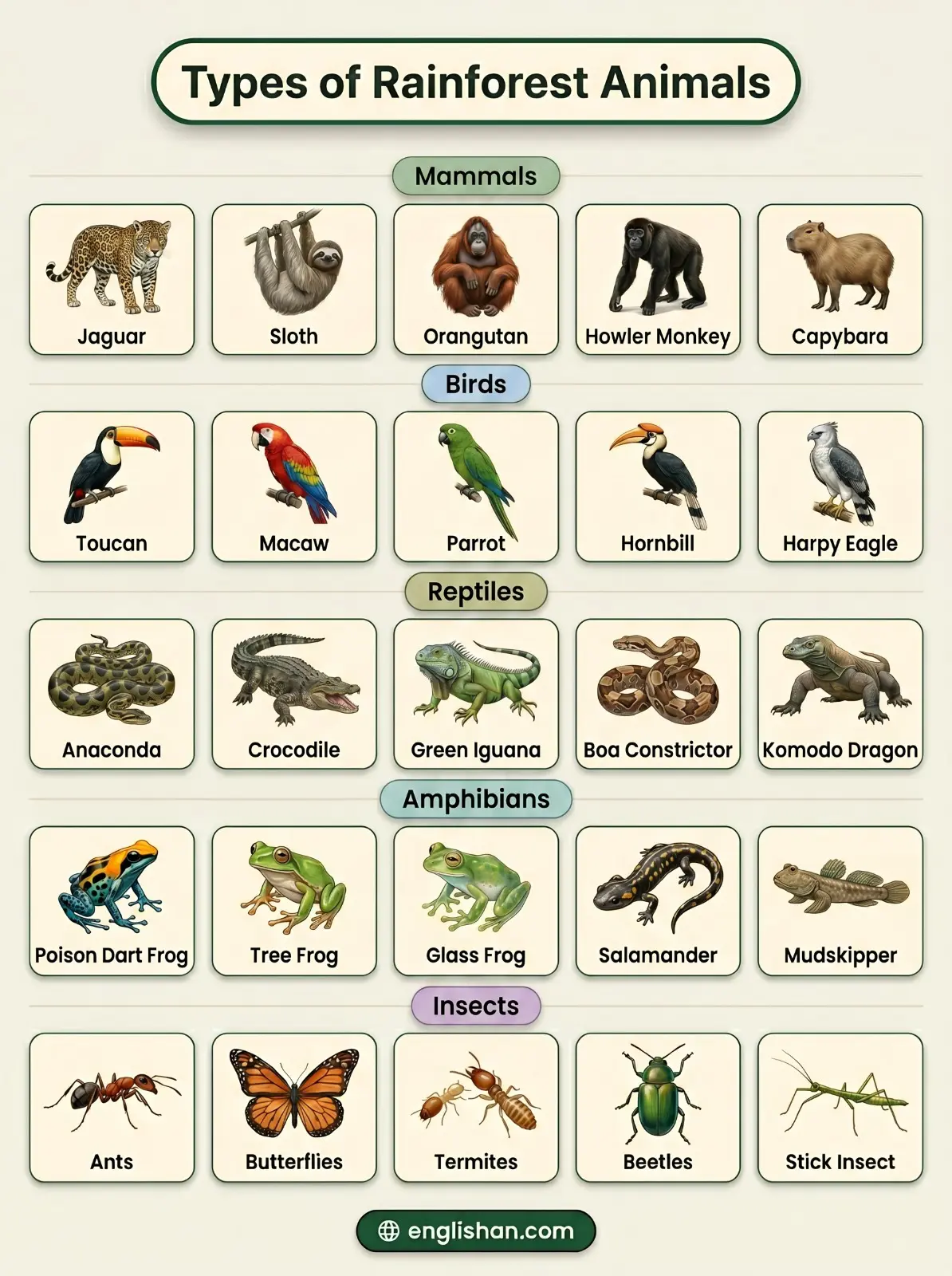
Rainforests are some of the most diverse and life-filled ecosystems on Earth, home to countless species of animals. From brightly colored birds and exotic reptiles to powerful mammals and tiny insects, every corner of the rainforest is full of incredible wildlife. In this article, we will explore Rainforest Animal Names in English with pictures, making it easy for learners to recognize and remember different species.
Learning Rainforest Animal Names in a simple way helps you build strong knowledge about nature and wildlife. These names represent animals that live in different layers of the rainforest, including the canopy, forest floor, and rivers. Each species plays an important role in maintaining the balance of the ecosystem.
Whether you are a student, teacher, or nature lover, this guide will help you discover amazing creatures found in rainforests around the world. It also highlights how important these animals are for biodiversity and survival in tropical environments.
What Are Rainforest Animals?
Rainforest animals include all the living creatures that survive in rainforest ecosystems, such as mammals, birds, reptiles, amphibians, and insects. Each of these animals has adapted to live in a hot, humid, and densely vegetated environment.
Key Features of Rainforest Animals:
- Highly adapted to humid and wet climates
- Many species live in trees (arboreal lifestyle)
- Strong climbing, flying, or swimming abilities
- Use camouflage or bright colors for survival
- Depend on dense forest layers for food and shelter
- Some are active during the day, others at night (nocturnal)
- Play an important role in maintaining ecological balance
Examples of Rainforest Animals:
- Jaguar
- Sloth
- Toucan
- Poison Dart Frog
- Orangutan
Explore more animals that start with different letters:
A | B | C | D | E | F | G | H | I | J | K | L | M | N | O | P | Q | R | S | T | U | V | W | X | Y | Z
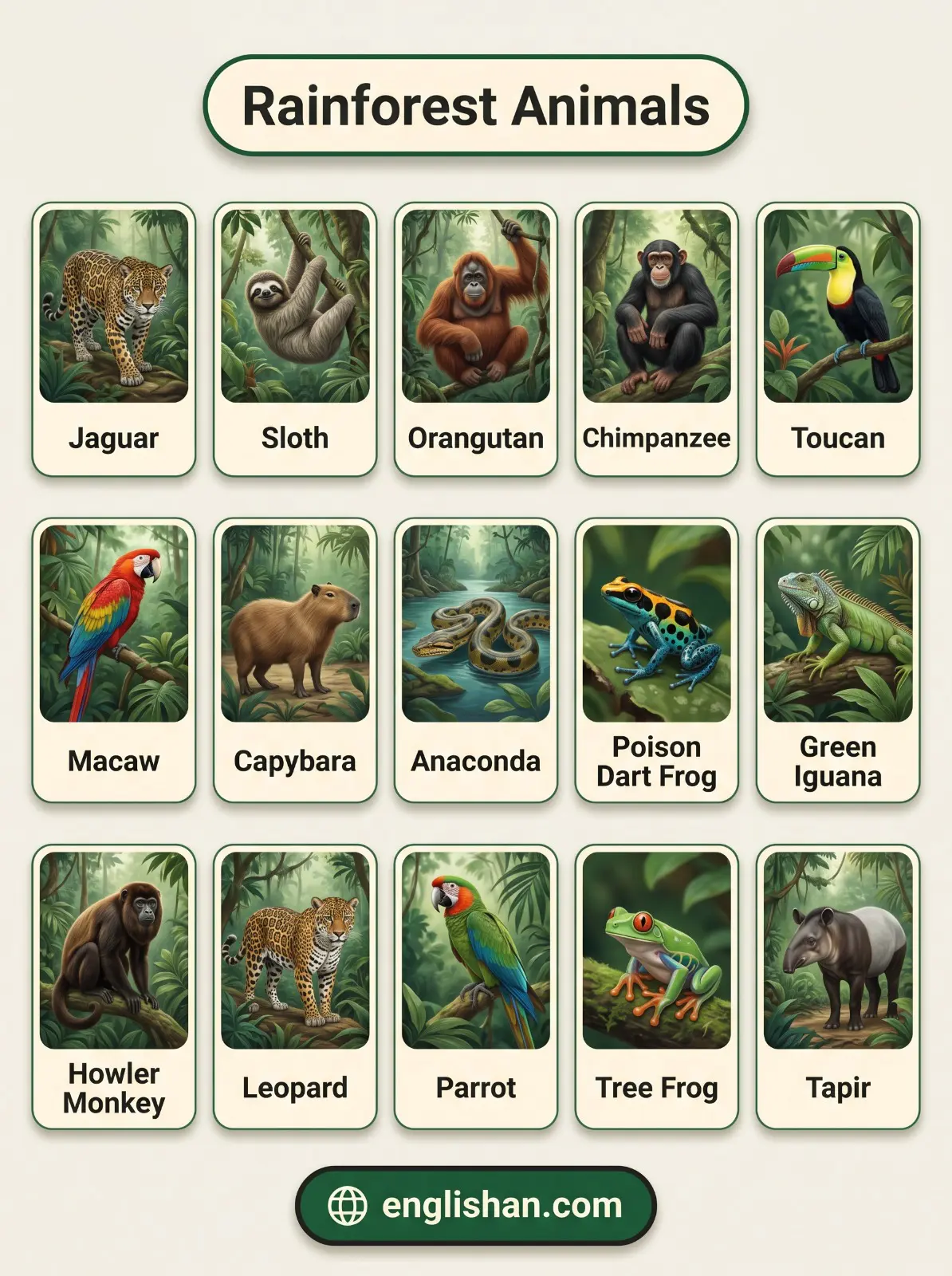
List of Rainforest Animal Names In English
- Jaguar
- Sloth
- Orangutan
- Chimpanzee
- Gorilla
- Capybara
- Tapir
- Ocelot
- Binturong
- Lemur
- Toucan
- Macaw
- Harpy Eagle
- Hornbill
- Quetzal
- Parrot
- Green Anaconda
- Boa Constrictor
- Komodo Dragon
- Poison Dart Frog
- Green Iguana
- Tree Frog
- Leafcutter Ant
- Bullet Ant
- Blue Morpho Butterfly
- Stick Insect
- Goliath Beetle
- Tarantula
- Rhinoceros Beetle
- Mosquito
- Piranha
- Howler Monkey
- Spider Monkey
- Capuchin Monkey
- Squirrel Monkey
- Tamarin Monkey
- Glass Frog
- Salamander
- Crocodile
- Bengal Tiger
- Giant Anteater
- Armadillo
- Coati
- Porcupine
- Flying Squirrel
- Sun Bear
- Proboscis Monkey
- Cassowary
- Lyre Bird
- Goliath Bird-Eating Spider
- Firefly
- Dragonfly
- Atlas Moth
- Black Caiman
- Mud Turtle
- Electric Eel
- Arapaima
Popular Rainforest Animal Names with Pictures
❶ Jaguar
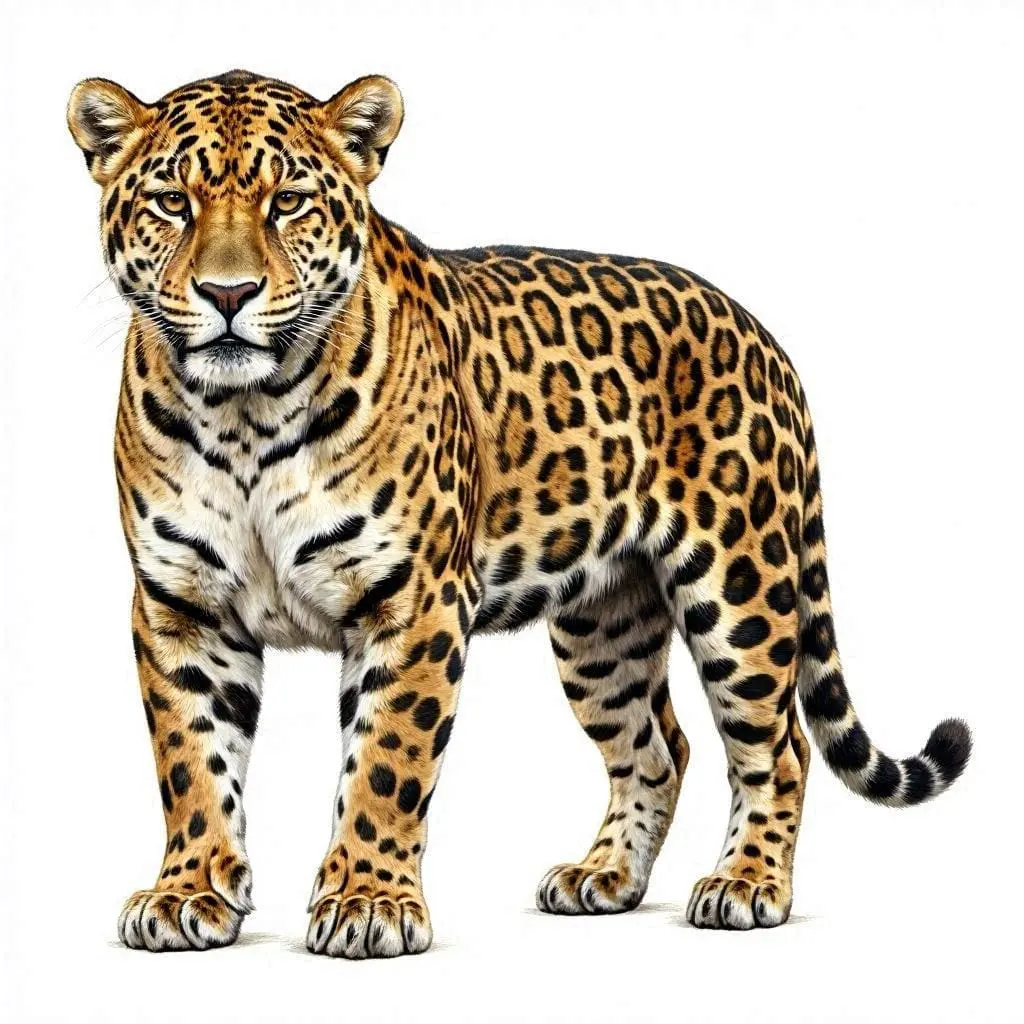
Type: Mammal
The jaguar is one of the strongest big cats found in the rainforest. It is known for its powerful bite and excellent hunting skills, often catching prey like deer and caimans. Jaguars usually live alone and prefer dense rainforest areas where they can move silently.
Where found: Rainforests of Central and South America
❷ Sloth
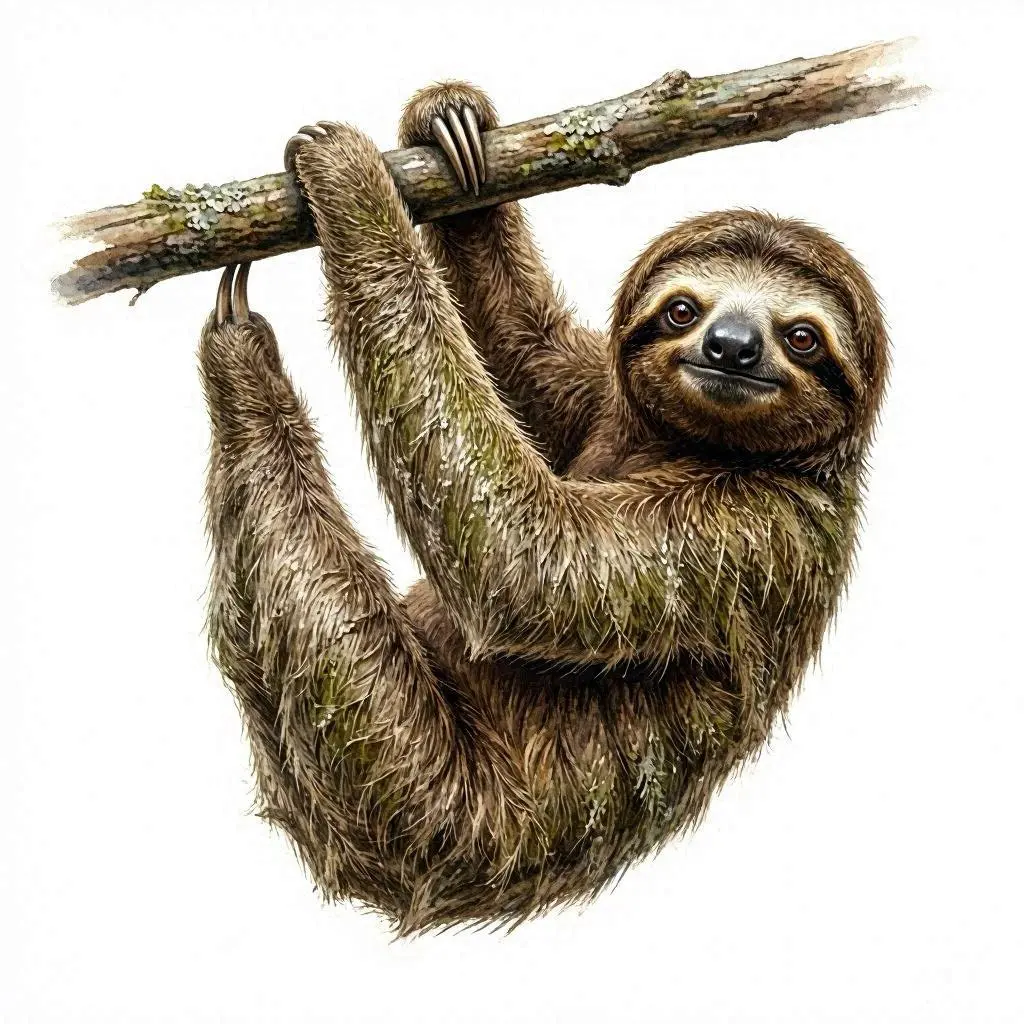
Type: Mammal
The sloth is a slow-moving animal that spends most of its life hanging upside down in rainforest trees. It moves very slowly to save energy and is well-camouflaged among leaves in the rainforest canopy.
Where found: Rainforests of Central and South America
❸ Orangutan
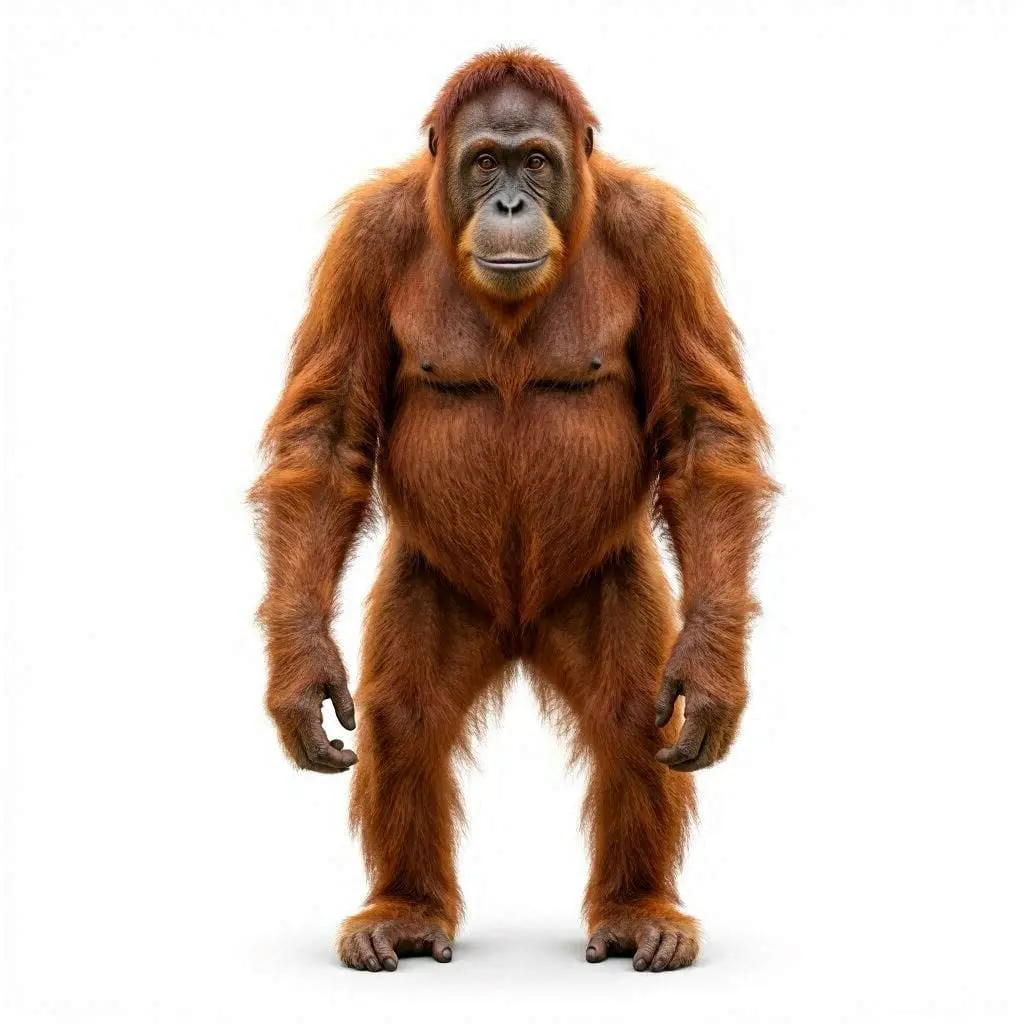
Type: Mammal
Orangutans are highly intelligent apes that live in tropical rainforest environments. They spend most of their time in rainforest trees and build nests for sleeping.
Where found: Rainforests of Borneo and Sumatra
❹ Chimpanzee
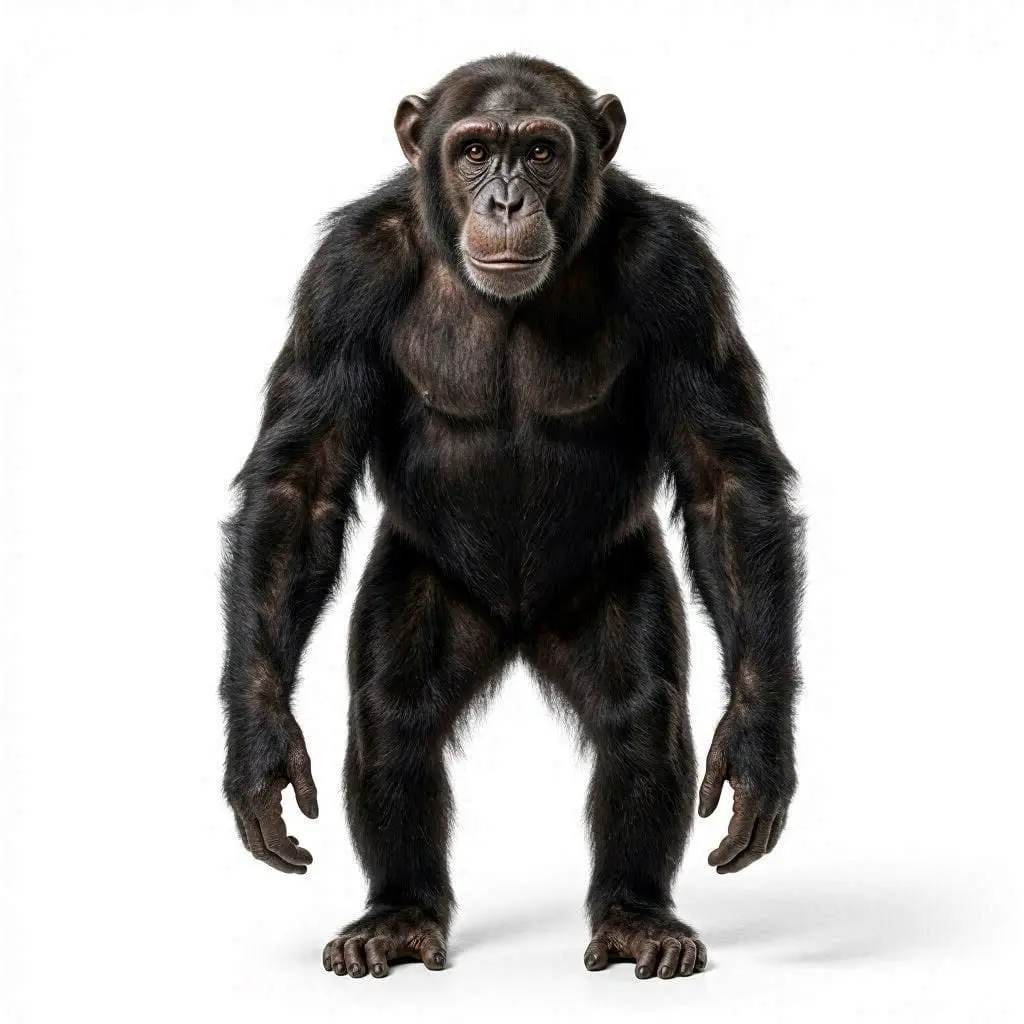
Type: Mammal
Chimpanzees are social animals that live in rainforest habitats. They communicate, use tools, and move actively through rainforest trees and ground areas.
Where found: Rainforests of Central and West Africa
❺ Toucan
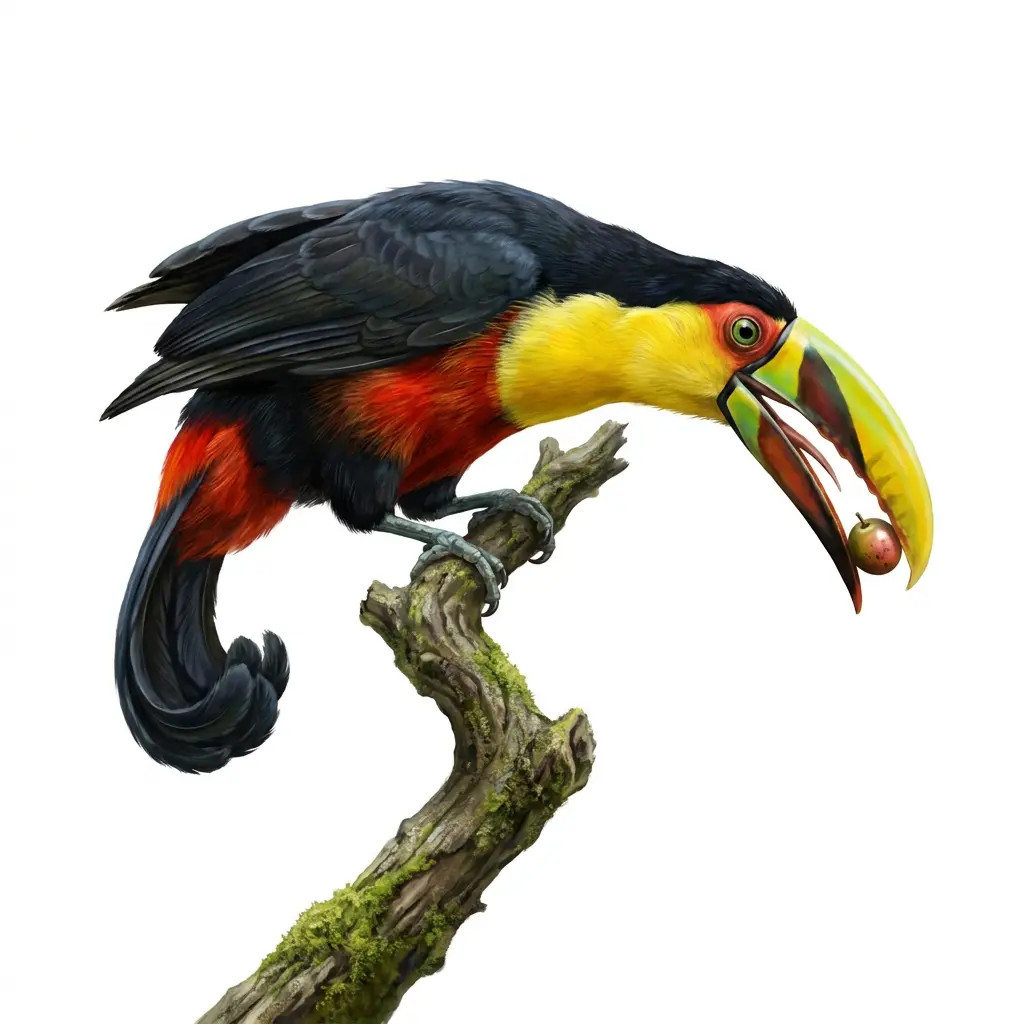
Type: Bird
The toucan is a colorful bird found in rainforest canopies. It uses its large beak to reach fruits and insects in dense rainforest vegetation.
Where found: Rainforests of Central and South America
❻ Macaw
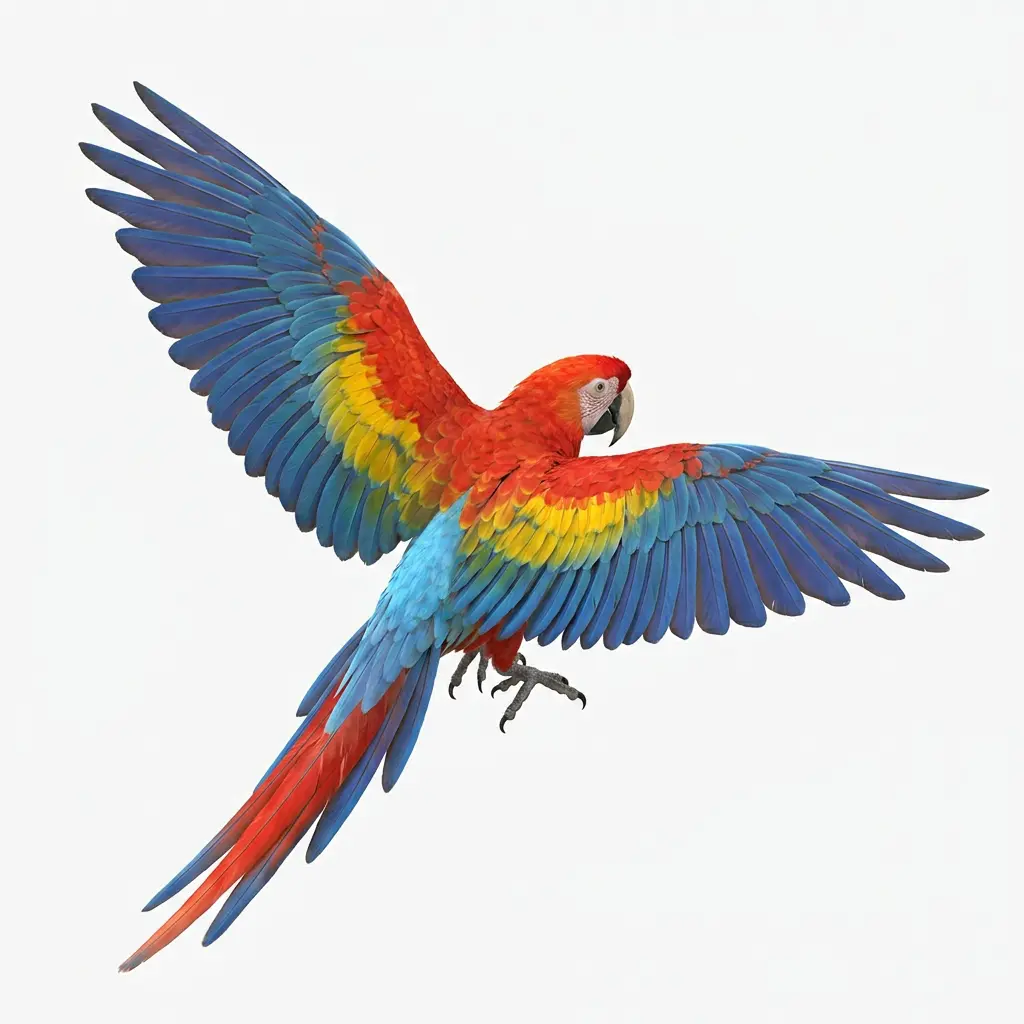
Type: Bird
Macaws are large, colorful parrots that live in rainforest regions. They fly in flocks across the rainforest canopy and are known for loud calls.
Where found: Rainforests of Central and South America
❼ Capybara
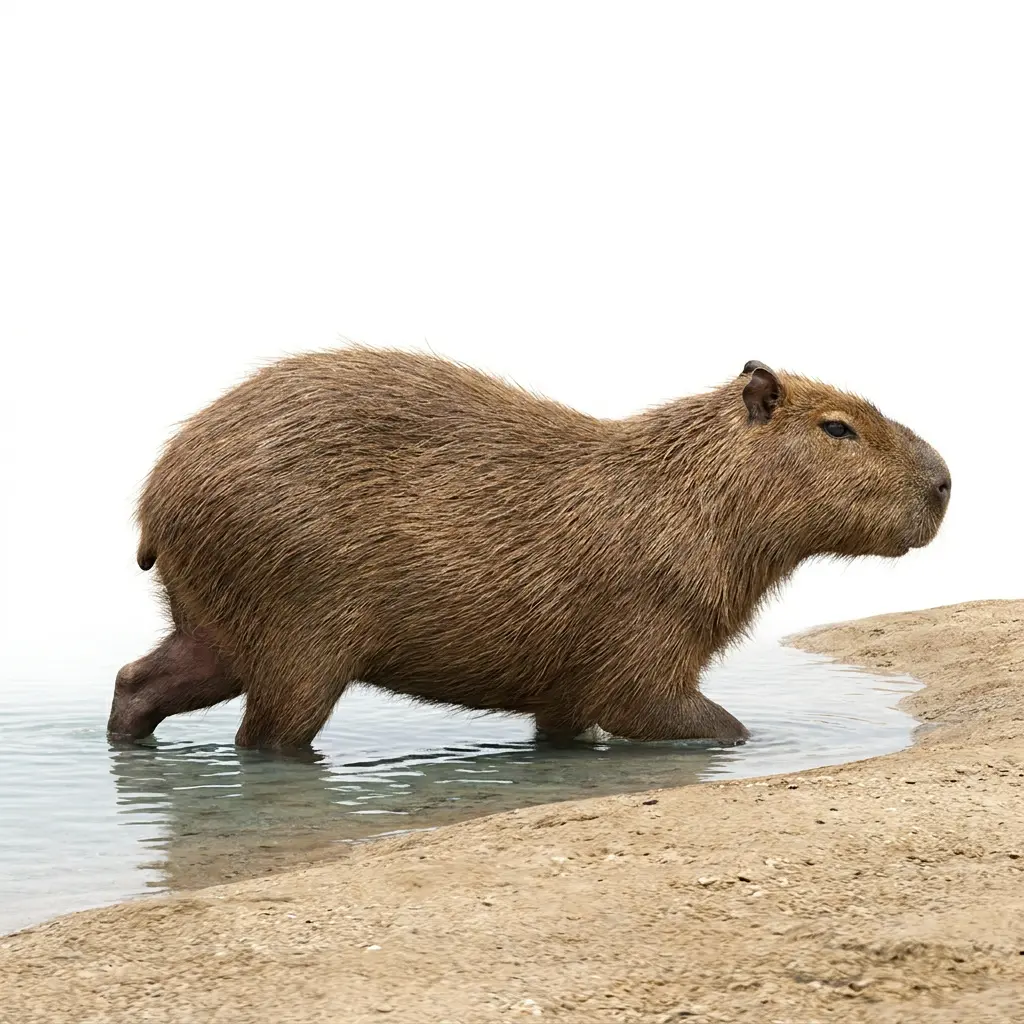
Type: Mammal
The capybara is the largest rodent in the world and is commonly found in rainforest wetlands. It often stays near water inside rainforest ecosystems.
Where found: Rainforests of South America
❽ Anaconda
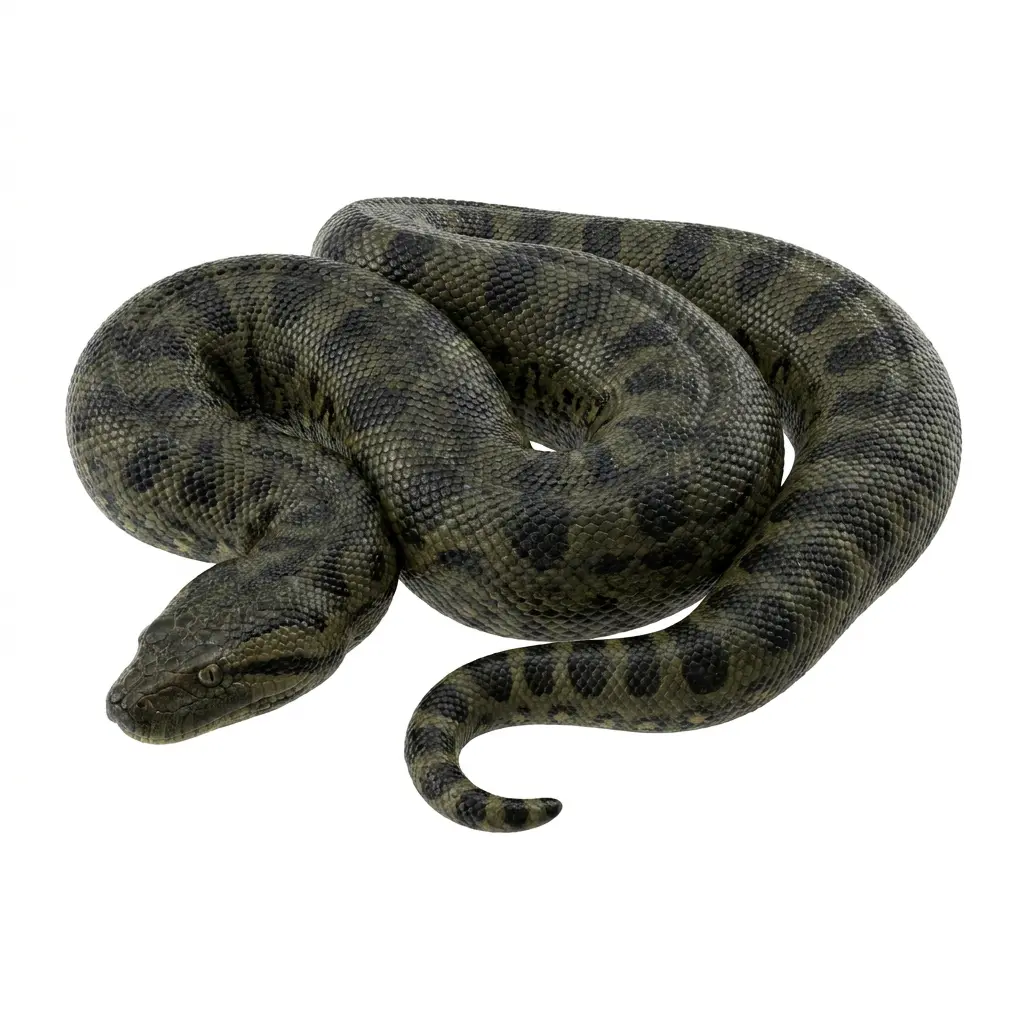
Type: Reptile
The anaconda is a powerful snake found in rainforest rivers and swamps. It is a strong swimmer and thrives in dense rainforest environments.
Where found: Rainforests of the Amazon Basin, South America
❾ Poison Dart Frog
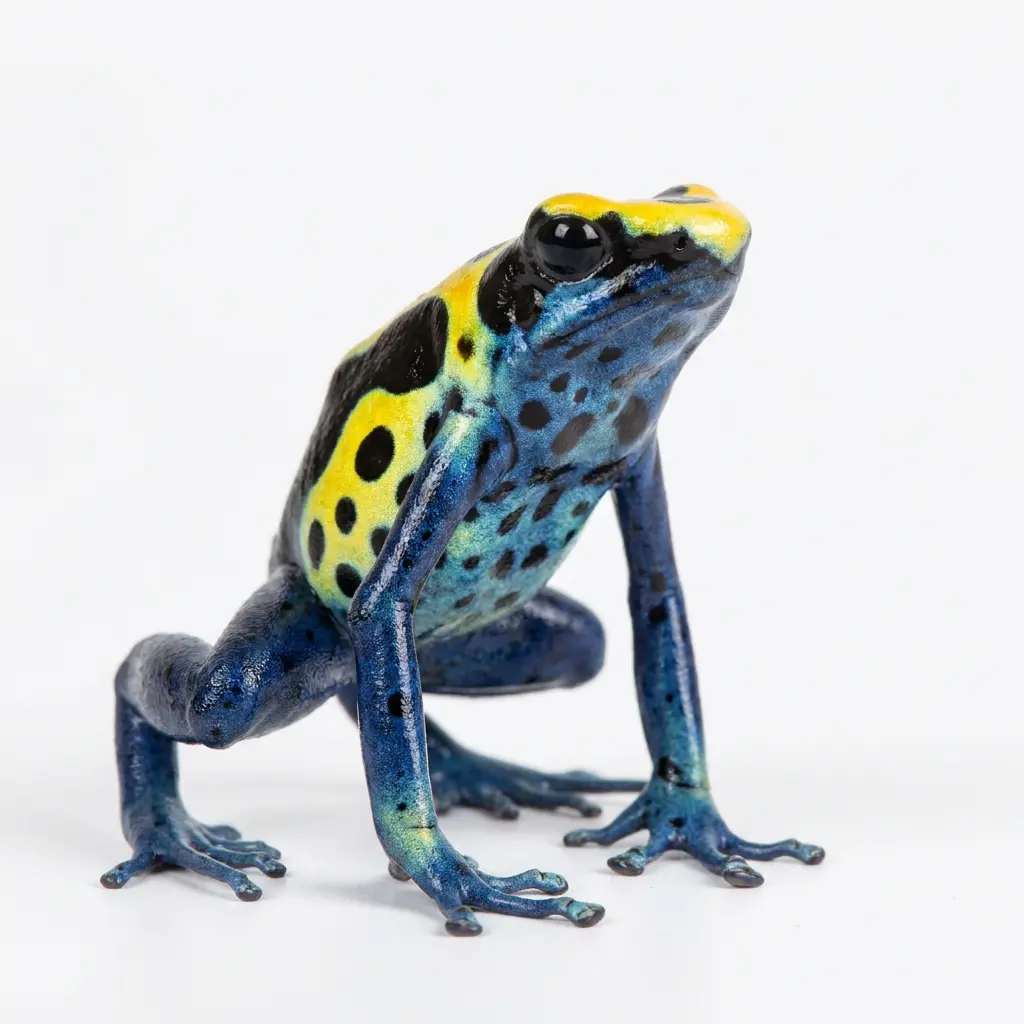
Type: Amphibian
This small frog lives in humid rainforest floors. It is brightly colored and uses toxic skin as protection in the rainforest ecosystem.
Where found: Rainforests of Central and South America
❿ Green Iguana
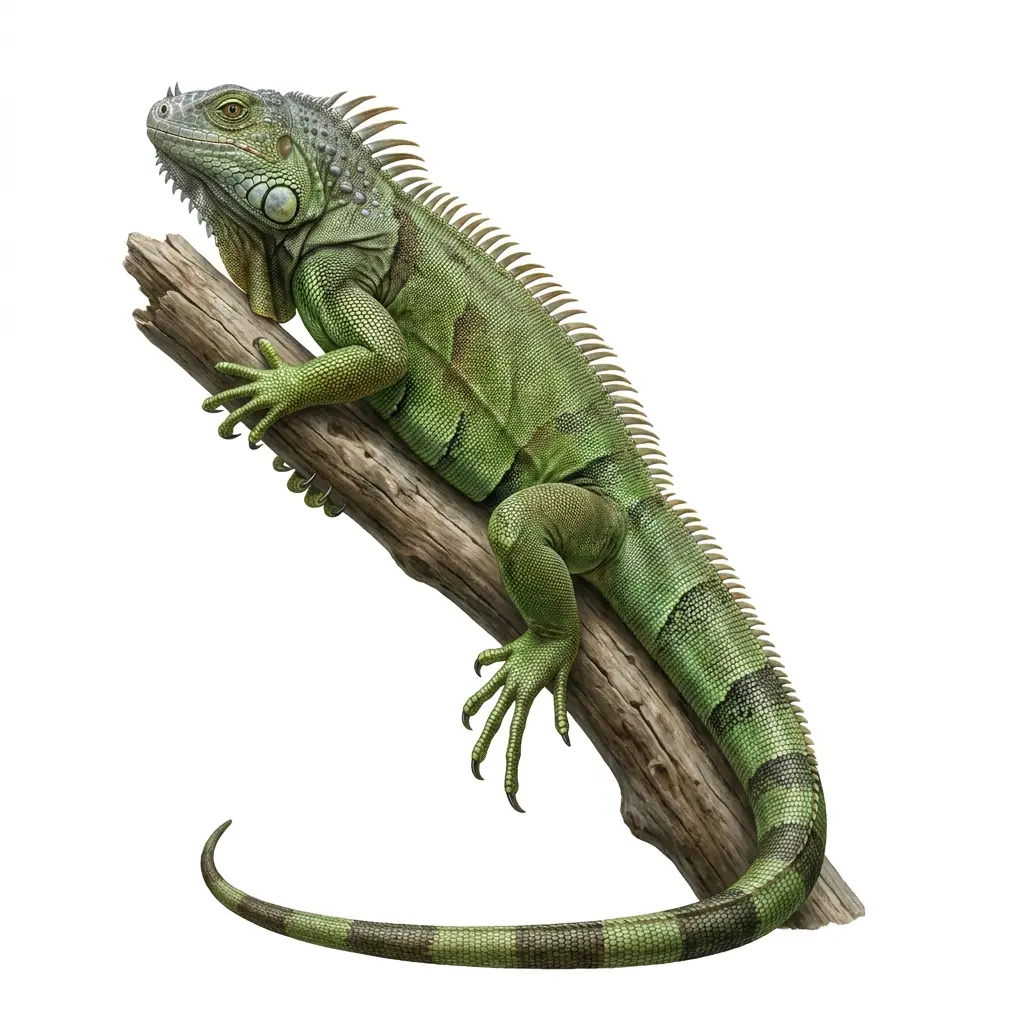
Type: Reptile
The green iguana is a tree-dwelling reptile commonly found in rainforest habitats. It spends most of its time in rainforest trees and feeds on plants.
Where found: Rainforests of Central and South America
⓫ Howler Monkey
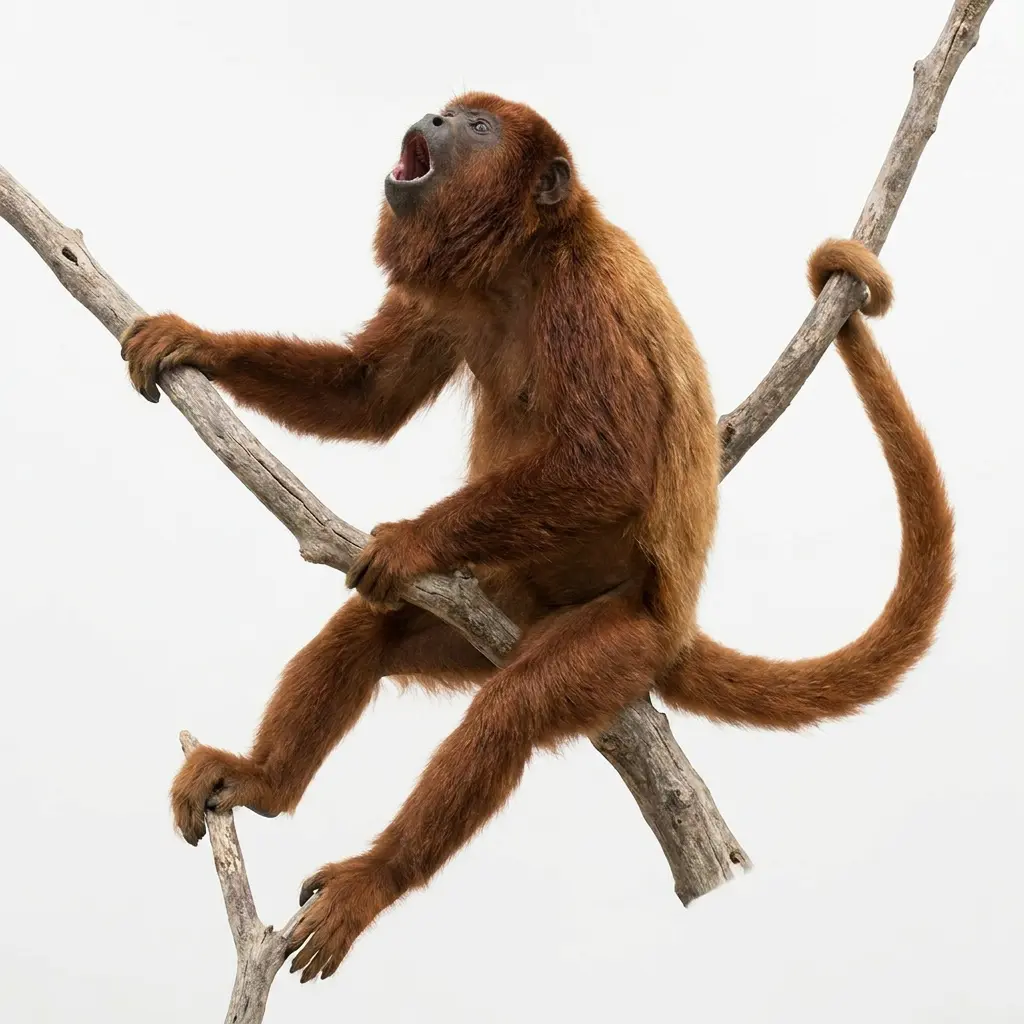
Type: Mammal
Howler monkeys live in rainforest canopies and are known for their loud calls. They move through rainforest trees in groups.
Where found: Rainforests of Central and South America
⓬ Leopard
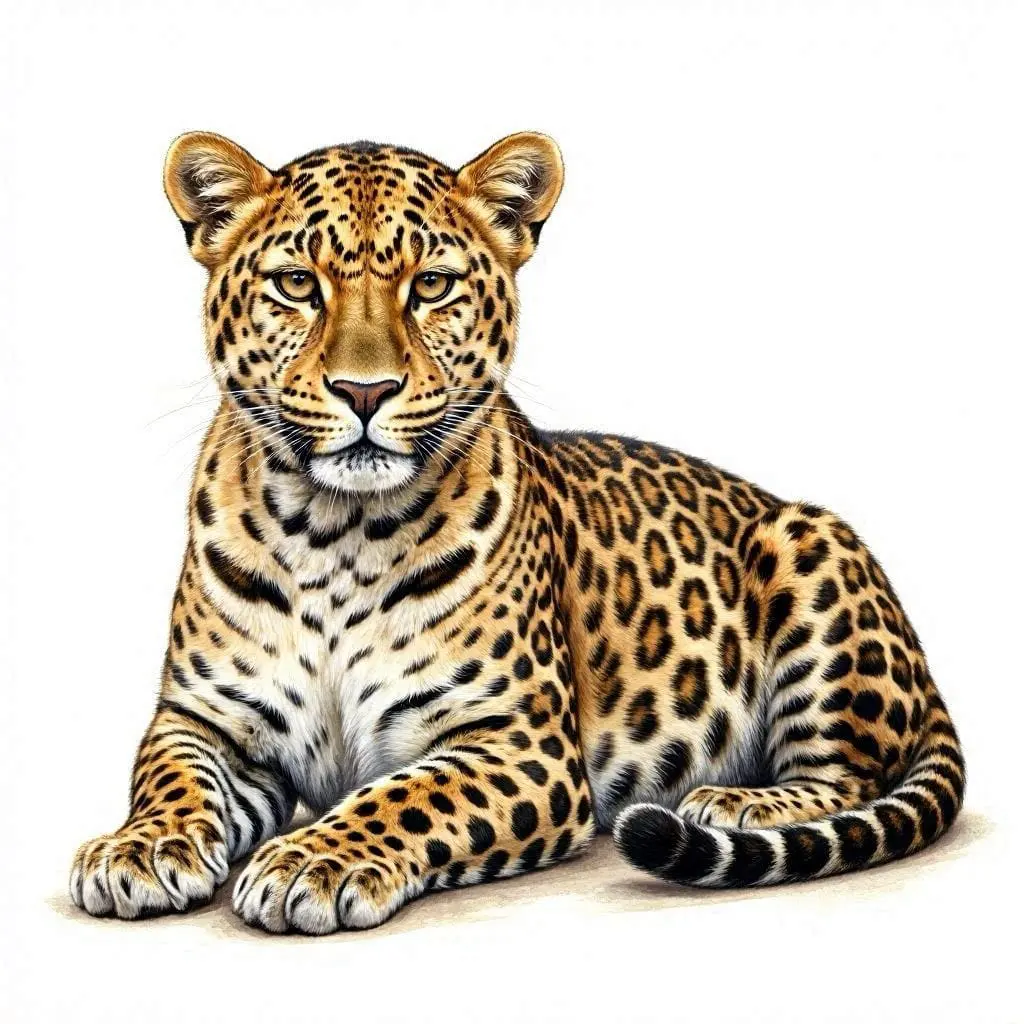
Type: Mammal
The leopard is a strong predator that lives in rainforest regions of Africa and Asia. It hunts in rainforest forests and climbs trees easily.
Where found: Rainforests of Africa and Asia
⓭ Parrot
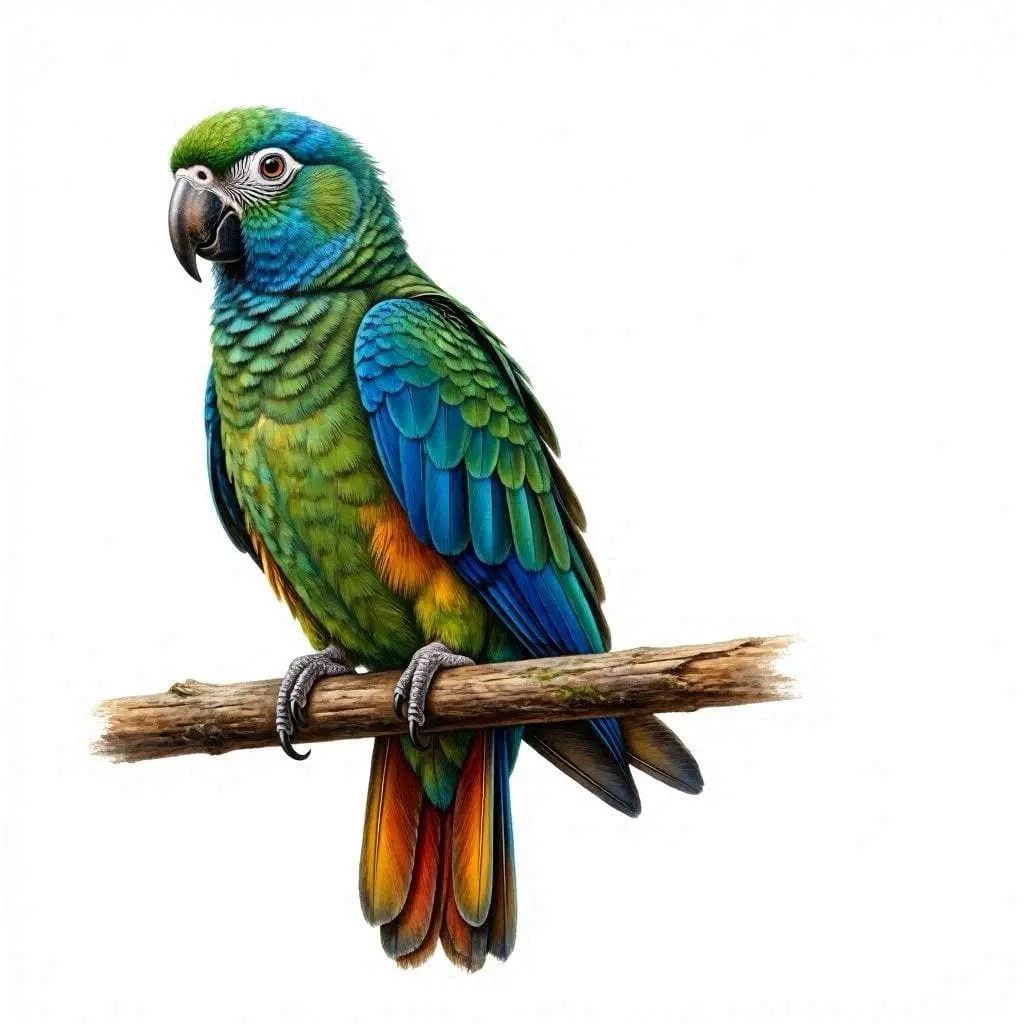
Type: Bird
Parrots are intelligent birds commonly found in tropical rainforest areas. They live in rainforest canopies and feed on fruits and seeds.
Where found: Rainforests worldwide
⓮ Tree Frog
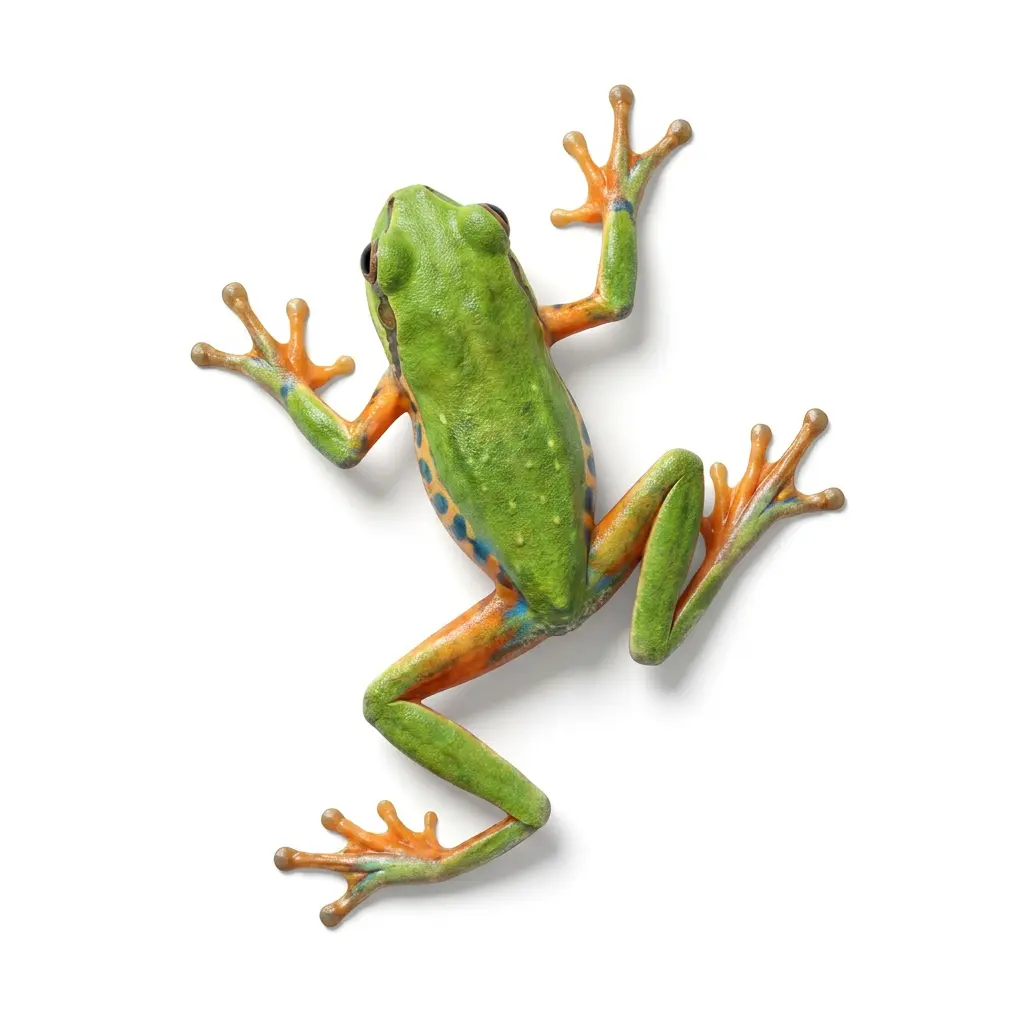
Type: Amphibian
Tree frogs are small amphibians that live in rainforest environments. They are mostly found on rainforest plants and trees with sticky toe pads.
Where found: Rainforests worldwide
⓯ Tapir
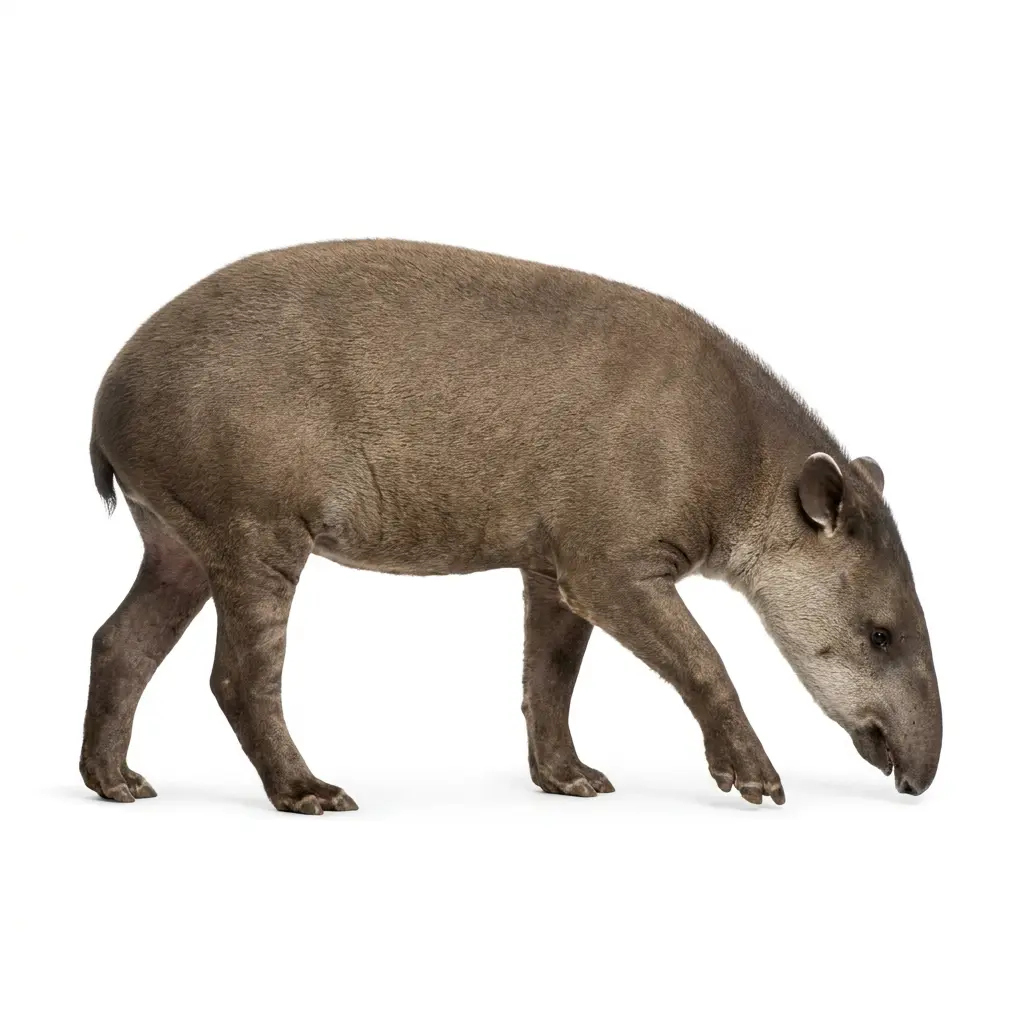
Type: Mammal
The tapir is a shy herbivore found in dense rainforest habitats. It prefers quiet rainforest areas and is often active at night.
Where found: Rainforests of Central and South America
How to Pronounce Rainforest Animal Names
One of the trickiest parts of learning animal vocabulary in English is knowing how to say the names out loud. Some of these words look unusual, and many learners end up mispronouncing them simply because they’ve only seen them in writing. So let’s fix that! Below is a pronunciation guide for the most important rainforest animals, written in simple phonetic spelling and IPA (International Phonetic Alphabet) for more advanced learners.
| Animal Name | Simple Pronunciation | IPA (American English) | Stress Pattern |
|---|---|---|---|
| Jaguar | JAG-wahr | /ˈdʒæɡ.wɑːr/ | First syllable |
| Orangutan | oh-RANG-oo-tan | /əˈræŋ.ʊ.tæn/ | Second syllable |
| Capybara | kap-ih-BAH-rah | /ˌkæp.ɪˈbɑːr.ə/ | Third syllable |
| Toucan | TOO-kan | /ˈtuː.kæn/ | First syllable |
| Anaconda | an-ah-KON-dah | /ˌæn.əˈkɒn.də/ | Third syllable |
| Tapir | TAY-per | /ˈteɪ.pər/ | First syllable |
| Ocelot | OH-seh-lot | /ˈɒs.ɪ.lɒt/ | First syllable |
| Binturong | bin-TOO-rong | /bɪnˈtʊər.ɒŋ/ | Second syllable |
| Quetzal | ket-ZAHL | /kɛtˈsɑːl/ | Second syllable |
| Cassowary | KAS-oh-wair-ee | /ˈkæs.ə.wer.i/ | First syllable |
| Piranha | pih-RAH-nah | /pɪˈrɑː.nə/ | Second syllable |
| Lemur | LEE-mer | /ˈliː.mər/ | First syllable |
| Macaw | mah-KAW | /məˈkɔː/ | Second syllable |
| Chameleon | kah-MEEL-ee-un | /kəˈmiːl.i.ən/ | Second syllable |
| Armadillo | ar-mah-DIL-oh | /ˌɑːr.məˈdɪl.oʊ/ | Third syllable |
| Coati | koh-WAH-tee | /koʊˈwɑː.ti/ | Second syllable |
| Tamarin | TAM-ah-rin | /ˈtæm.ə.rɪn/ | First syllable |
| Proboscis Monkey | proh-BOS-is | /prəˈbɒs.ɪs/ | Second syllable |
| Harpy Eagle | HAR-pee | /ˈhɑːr.pi/ | First syllable |
| Boa Constrictor | BOH-ah kun-STRIK-ter | /ˌboʊ.ə kənˈstrɪk.tər/ | See both parts |
Note: The word “jaguar” is often mispronounced as “jag-YOU-ar.” The correct American English pronunciation is “JAG-wahr” — only two syllables, not three!
Types of Rainforest Animals
Rainforests are rich ecosystems filled with diverse wildlife. Animals here are divided into different groups based on their biological characteristics. Each group plays an important role in maintaining the balance of the rainforest ecosystem.
Rainforest Mammal Names
Mammals are warm-blooded animals that usually have fur or hair and feed their young with milk. In rainforests, they live on trees, on the ground, and near water sources.
- Jaguar: A powerful big cat known for its strength and excellent hunting skills in rainforest regions.
- Sloth: A slow-moving animal that spends most of its life hanging from rainforest trees.
- Monkey (Howler Monkey): A social primate known for its loud calls and tree-dwelling lifestyle in rainforests.
- Orangutan: A highly intelligent ape that builds nests and lives mostly in rainforest trees.
- Capybara: The largest rodent in the world, often found near water in rainforest areas.
Rainforest Bird Names
Birds in rainforests are mostly colorful and adapted for flying through dense canopy layers. They feed on fruits, seeds, insects, and small animals.
- Toucan: A brightly colored bird with a large beak used for reaching fruits in rainforest trees.
- Macaw: A large, colorful parrot known for its strong beak and loud calls in rainforests.
- Parrot: An intelligent bird that can mimic sounds and lives in rainforest canopies.
- Hornbill: A large bird with a curved beak, found in tropical rainforest regions.
- Harpy Eagle: One of the strongest eagles, known for hunting in dense rainforest canopies.
Rainforest Reptile Names
Reptiles are cold-blooded animals that thrive in warm rainforest climates. They are often skilled swimmers, climbers, or ambush hunters.
- Anaconda: A giant snake found in rainforest rivers, known for its powerful constriction.
- Crocodile: A strong reptile that lives in rainforest rivers and wetlands.
- Green Iguana: A tree-dwelling reptile that feeds on plants in rainforest habitats.
- Boa Constrictor: A non-venomous snake that squeezes its prey in rainforest environments.
- Komodo Dragon: A large and powerful reptile found in tropical rainforest regions.
Rainforest Amphibian Names
Amphibians live both on land and in water and prefer moist rainforest environments. They are usually small and depend on humidity for survival.
- Poison Dart Frog: A small, brightly colored frog with toxic skin used for protection in rainforests.
- Tree Frog: A small frog with sticky feet that help it climb rainforest plants and trees.
- Glass Frog: A unique frog with transparent skin, often found in rainforest leaves.
- Salamander: A moist-skinned amphibian that lives in damp rainforest areas.
- Mudskipper: A fish-like amphibian that can move on land in rainforest swamp regions.
Rainforest Insect Names
Insects are the most diverse group of rainforest animals and play a vital role in pollination, decomposition, and the food chain.
- Ants: Highly organized insects that live in colonies and work together in rainforests.
- Butterflies: Colorful insects that help in pollination and are commonly seen in rainforest areas.
- Termites: Small insects that break down dead wood and recycle nutrients in rainforests.
- Beetles: Hard-shelled insects found in almost every layer of the rainforest.
- Stick Insects: Camouflaged insects that resemble twigs to avoid predators in rainforests.
Rainforest Monkey Names
Rainforest monkeys are intelligent and social animals that spend most of their lives in trees. They help maintain healthy forests by spreading seeds and supporting rainforest ecosystems.
- Capuchin Monkey: Smart and curious monkeys known for using tools and solving simple problems in rainforests.
- Spider Monkey: Long-limbed monkeys that swing effortlessly through rainforest trees using their arms and tail.
- Howler Monkey: Loud-voiced monkeys whose calls can be heard across large areas of the rainforest.
- Squirrel Monkey: Small, active monkeys that travel in large groups and feed on fruits and insects.
- Tamarin Monkey: Tiny, playful monkeys recognized for their colorful appearance and agile movement in rainforest canopies.
In short, rainforests support an incredible variety of life, and each animal group plays a unique role in keeping this ecosystem balanced and healthy. Protecting rainforests means protecting thousands of species that depend on them for survival.
Popular Temperate Rainforest Animal Names
Most people picture the Amazon when they hear “rainforest,” but temperate rainforests exist in cooler regions too. They are found in the Pacific Northwest, southern Chile, Tasmania, and New Zealand. These forests are just as lush and wet as tropical ones, but the animals living in them are completely different.
American Black Bear
- Type: Mammal
- Found in: Pacific Northwest, USA & Canada
The American black bear is one of the most recognizable animals of the temperate rainforest. Despite its name, it can appear in shades of brown, cinnamon, and even blond. These bears are highly adaptable creatures that feed on berries, fish, insects, and small mammals depending on the season. They are excellent climbers and spend the cold winter months in a deep sleep called hibernation, curled up in dens they dig or find naturally in the forest.
Bald Eagle
- Type: Bird
- Found in: Pacific Coast, North America
The bald eagle is the national bird of the United States and one of the most powerful birds in the temperate rainforest. It soars high above rivers and coastlines, scanning the water below with incredible eyesight before diving down to snatch fish with its sharp talons. Its wingspan can reach over two meters, making it a truly impressive sight when it glides silently over the forest canopy.
Roosevelt Elk
- Type: Mammal
- Found in: Oregon & Washington, USA
The Roosevelt elk is the largest subspecies of elk in North America and lives deep inside the temperate rainforests of Oregon and Washington. These massive animals graze peacefully on grasses, ferns, and shrubs on the forest floor. Male elk, called bulls, grow enormous antlers each year and are well known for their loud, echoing bugle calls during the mating season, which can be heard throughout the entire forest.
Gray Wolf
- Type: Mammal
- Found in: Pacific Northwest forests
The gray wolf is a highly intelligent social predator that lives and hunts in tight family groups called packs. In temperate rainforests, wolves play a very important role in keeping deer and elk populations balanced and healthy. They communicate with each other through a combination of howls, body language, and facial expressions, showing a level of social complexity that is surprisingly similar to domestic dogs, which are their closest living relatives.
Sea Otter
- Type: Mammal
- Found in: Coastal temperate regions, Alaska & British Columbia
While sea otters spend most of their lives in the ocean, they are closely connected to temperate rainforest coastlines. They wrap themselves in kelp while sleeping on the water’s surface so they do not drift away from their group. Sea otters are also one of the very few animals in the world that use tools. They crack open hard-shelled clams and mussels by placing a stone on their chest and smashing the shellfish against it repeatedly until it breaks open.
Pacific Giant Salamander
- Type: Amphibian
- Found in: Pacific Northwest, USA
The Pacific giant salamander is one of the most fascinating amphibians of the temperate rainforest. It lives in and around the cold, clear streams that run through the Pacific Northwest forests. What makes it truly unusual is that, unlike most salamanders which are completely silent, this species can actually produce sound. When it feels threatened, it lets out a low rattling cry that surprises most predators. It is also a fierce hunter itself, feeding on insects, small mice, and even other salamanders.
Spotted Owl
- Type: Bird
- Found in: Old-growth forests, Pacific Northwest
The spotted owl is one of the most well-known conservation symbols in North America. This medium-sized, brown-and-white owl depends completely on old-growth temperate rainforests for its survival, nesting inside hollow trees that can be hundreds of years old. Because large areas of this ancient forest have been cut down for logging over the decades, the spotted owl has lost much of its natural habitat and is now considered a threatened species.
Chinook Salmon
- Type: Fish
- Found in: Pacific Northwest rivers
The Chinook salmon is the largest species of Pacific salmon and plays one of the most remarkable roles in the temperate rainforest ecosystem. Every year, thousands of salmon make an incredible journey, swimming upstream from the ocean all the way back to the exact river where they were born, just to lay their eggs. Most of them die shortly after spawning. Their bodies then decompose along the riverbank, returning rich nutrients back into the forest soil and providing food for bears, eagles, insects, and countless other creatures that depend on the forest.
Rainforest Animal Names For Kids
Rainforests are full of amazing animals. Let’s learn some of the most interesting ones!
- Monkey
- Sloth
- Jaguar
- Toucan
- Macaw
- Anaconda
- Poison Dart Frog
- Gorilla
- Chameleon
- Capybara
Rainforest animals are very special because each one has unique skills to survive in a hot, wet, and dense environment. Learning about them helps us understand why it is important to protect these forests for the future.
Rainforest Plants
Rainforest plants thrive in warm, wet environments and play a crucial role in maintaining the ecosystem. They provide food, shelter, and oxygen while supporting countless rainforest animals.
- Kapok Tree: A towering rainforest tree that provides shelter and nesting spaces for many animals.
- Rubber Tree: A tropical tree known for producing natural latex, which is used to make rubber products.
- Orchid: A beautiful flowering plant that often grows on tree branches in rainforest canopies.
- Bromeliad: A unique plant that collects water in its leaves, creating mini habitats for small rainforest creatures.
- Heliconia: A colorful tropical plant with bright flowers that attract birds, insects, and other pollinators.
Rainforest plants are essential for life on Earth as they produce oxygen, regulate climate, and support a vast range of wildlife. They form different layers of the forest, from the tall canopy trees to small plants on the forest floor, creating a rich and balanced ecosystem.
Adaptations of Rainforest Animals
Rainforest animals have special features that help them survive in hot, wet, and dense environments. These adaptations make it easier for them to find food, protect themselves, and live in different layers of the rainforest.
- Camouflage: Many animals blend with leaves, bark, or shadows to hide from predators, such as jaguars and stick insects.
- Tree Climbing Ability: Animals like monkeys, sloths, and orangutans have strong limbs and grips to move easily in rainforest trees.
- Strong Senses: Sharp eyesight, hearing, or smell helps animals detect food and danger in dense rainforest areas.
- Survival in Humid Climate: Animals are adapted to heat and moisture using waterproof skin, moisture-friendly bodies, or behavior like shade-seeking and sunbathing.
In short. rainforest animals show amazing adaptations that allow them to survive in one of the most challenging environments on Earth. These special features help maintain balance in the ecosystem and ensure the survival of countless species.
Importance of Rainforest Animals
Rainforest animals play a vital role in keeping the ecosystem healthy and balanced. Each species contributes in different ways that support life within the rainforest and even affect the global environment.
- Maintain Ecological Balance: Rainforest animals help control populations of other species, preventing overpopulation and keeping the ecosystem stable.
- Food Chain Role: They are an essential part of the food chain, acting as predators, prey, and decomposers to ensure energy flow in the rainforest.
- Biodiversity Support: Rainforest animals contribute to high biodiversity by supporting plant pollination, seed dispersal, and habitat diversity.
- Climate Regulation: Many rainforest animals help maintain forest health, which supports oxygen production and helps regulate the Earth’s climate.
Overall, rainforest animals are essential for the survival of the ecosystem, and protecting them means protecting the balance of nature itself.
Threats to Rainforest Animals
Rainforest animals are facing several serious threats that are reducing their populations and disturbing the natural balance of the ecosystem. These threats are mostly caused by human activities and environmental changes.
- Deforestation: Large areas of rainforest are cut down for agriculture, logging, and urban development, destroying the natural homes of animals.
- Hunting/Poaching: Many rainforest animals are illegally hunted for meat, skin, or trade, which leads to a decline in their population.
- Climate Change: Changes in temperature and rainfall patterns affect food availability and disrupt natural habitats in rainforests.
- Habitat Loss: As rainforests shrink, animals lose their shelter, breeding areas, and access to food, forcing them to migrate or face extinction.
Protecting rainforests is essential to ensure the survival of these unique animals and maintain ecological balance.
Conclusion
Rainforests are one of the most important and life-rich ecosystems on Earth. They are home to a wide variety of animals, from playful monkeys and slow-moving sloths to colorful birds and powerful predators like jaguars. Each animal plays a vital role in maintaining the balance of nature. Learning about rainforest animals helps us understand how diverse and interconnected life is in these forests. Protecting rainforests means protecting these amazing creatures and ensuring a healthy planet for future generations.
FAQs
Rainforest animals are the living creatures that inhabit tropical and temperate rainforest ecosystems. These forests are warm, humid, and densely packed with tall trees, vines, and plants, which create a rich environment for a huge variety of wildlife. Animals such as monkeys, birds, reptiles, amphibians, and insects all live in different layers of the rainforest, from the forest floor up to the canopy.
Animals live in rainforests because these environments provide everything they need to survive. Rainforests offer abundant food sources like fruits, leaves, insects, and smaller animals. They also provide shelter through thick trees and plants, which protect animals from predators and harsh weather. The stable warm and wet climate makes it easier for many species to thrive throughout the year.
Some of the most well-known rainforest animals include monkeys, jaguars, sloths, toucans, and macaws. These animals are often considered famous because of their unique appearance, interesting behavior, and popularity in documentaries and wildlife programs. For example, jaguars are known as powerful jungle predators, while sloths are famous for their slow movement and calm lifestyle.
Some rainforest animals can be dangerous, but not all of them pose a threat to humans. Predators like jaguars, anacondas, or crocodiles can be harmful if disturbed. However, most rainforest animals are shy and prefer to stay away from humans. Many species are harmless and focus only on finding food and surviving in their natural habitat.
Rainforests are extremely important because they act as a home for millions of animal species. They provide food, shelter, and breeding spaces, supporting one of the highest levels of biodiversity on Earth. Without rainforests, many animals would lose their natural habitats, which could lead to extinction and disturb the balance of the global ecosystem.
You May Also Like
Rainforest Animals Quiz
Rainforest Animals
Which animal does the picture show?
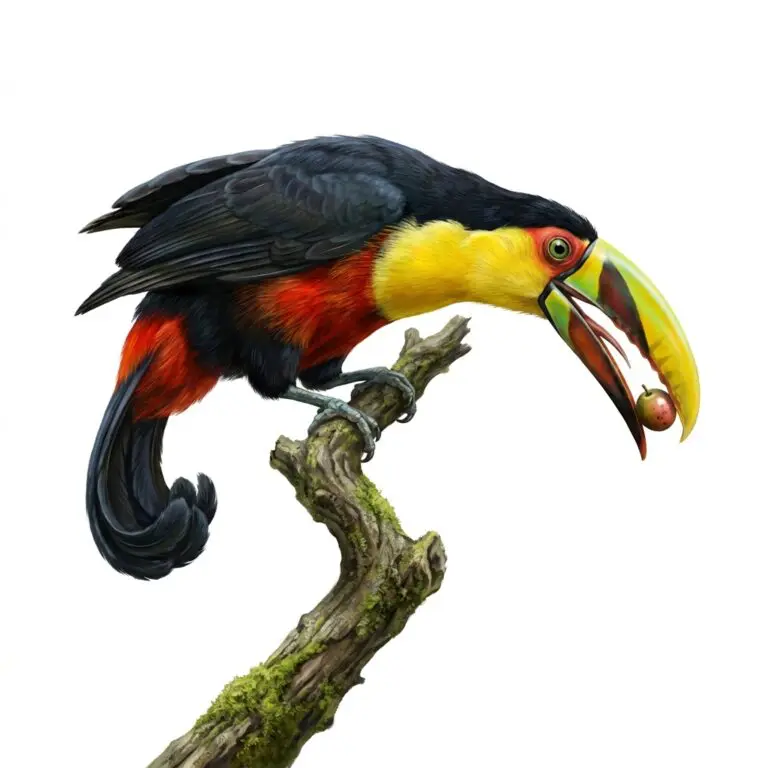
The picture shows a toucan.
Read the picture before reading the options.
The picture shows a toucan.
Which rainforest layer holds most of the animal life?
Most fruit, leaf and insect food sits up there, so most animals do too.
Four layers: emergent, canopy, understorey, floor.
The canopy is where the forest actually lives.
What is a prehensile tail for?
Spider monkeys hang by the tail and feed with both hands free.
Prehensile means able to grasp.
Only New World monkeys have genuinely prehensile tails.
Name the term.
An animal that lives in trees is described as ___.
Arboreal animals tend towards grasping hands, long limbs and good depth perception.
Arboreal in trees, terrestrial on the ground, aquatic in water.
Sloths are almost entirely arboreal.
Why is rainforest soil usually poor?
Anything that falls is broken down and reabsorbed within weeks.
The forest holds its wealth above ground.
Cleared rainforest land is farmable for only a few seasons.
What separates a jungle from a rainforest?
It forms at edges and clearings; deep rainforest floor is comparatively open.
Closed canopy means an open floor.
You can walk through deep rainforest; a jungle needs cutting.
Turn on JavaScript for the interactive quiz. The full practice set is shown above.