Africa is home to the most spectacular wildlife on Earth. From the mighty lion roaring across the savannah to the graceful giraffe stretching above treetops, African animals names are essential vocabulary for every English learner. Whether you are preparing for a school lesson, planning a safari, or simply love nature, this complete article covers various African animals names with types, habitats, and fascinating facts.
African Animals Names List
- African Bush Elephant
- Black Rhinoceros
- Hippopotamus
- African Buffalo
- Masai Giraffe
- Plains Zebra
- Common Eland
- Greater Kudu
- Gemsbok (Oryx)
- Waterbuck
- Sitatunga
- Topi
- Blue Wildebeest
- African Lion
- African Leopard
- Cheetah
- African Wild Dog
- Spotted Hyena
- Black-backed Jackal
- Caracal
- Serval
- African Wildcat
- Honey Badger
- Bat-eared Fox
- African Civet
- Chimpanzee
- Mountain Gorilla
- Mandrill
- Olive Baboon
- Vervet Monkey
- Patas Monkey
- Red Colobus Monkey
- Shoebill
- Secretary Bird
- African Fish Eagle
- African Grey Parrot
- Ostrich
- Nile Crocodile
- African Rock Python
- Nile Monitor Lizard
- Flap-necked Chameleon
- Aardvark
- Ground Pangolin
- Okapi
- Meerkat
- Rock Hyrax
- Elephant Shrew
- Gerenuk
- Kirk’s Dik-Dik
Explore more animals that start with different letters:
A | B | C | D | E | F | G | H | I | J | K | L | M | N | O | P | Q | R | S | T | U | V | W | X | Y | Z
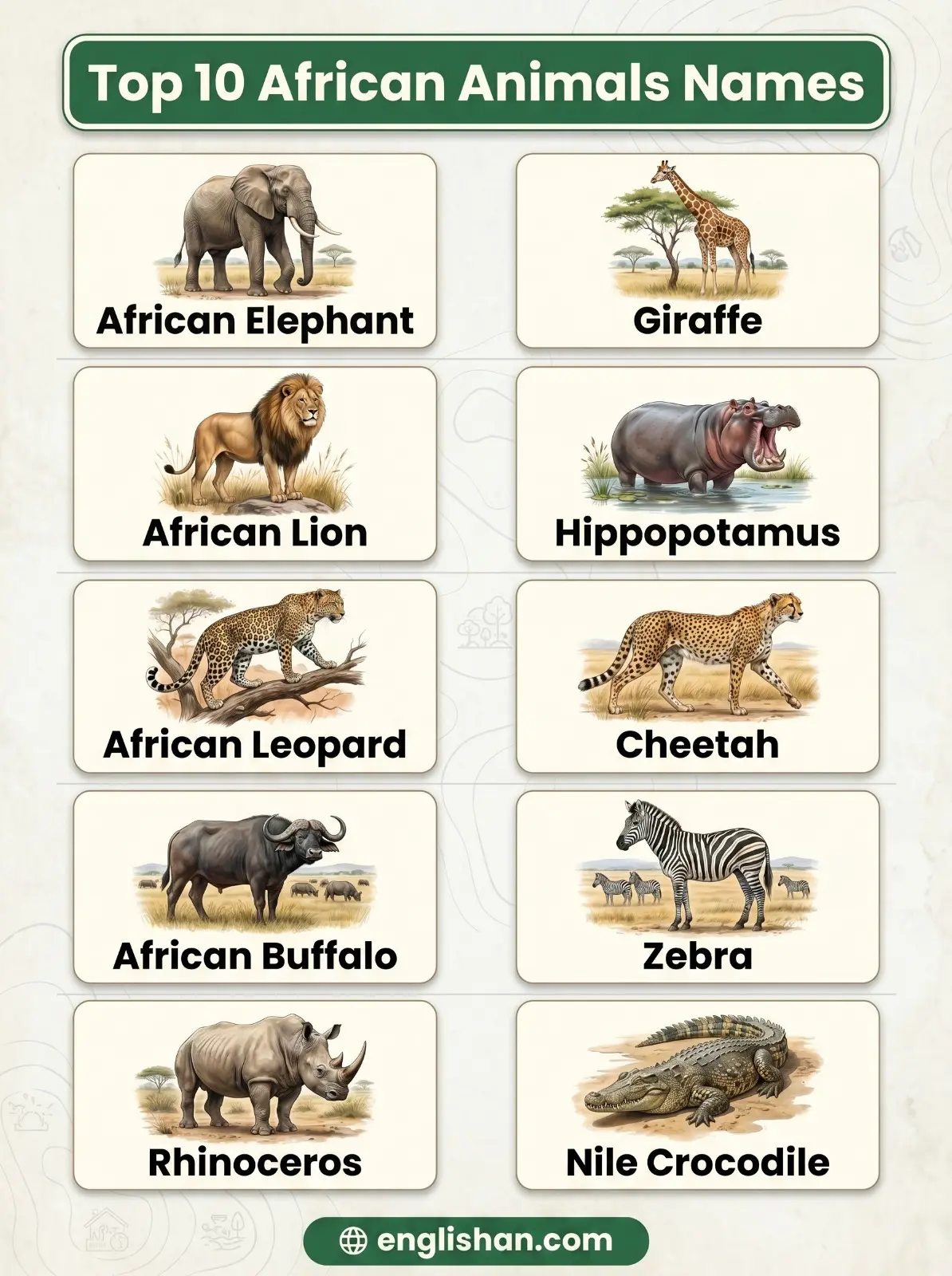
Top 10 African Animals Names
Africa has some of the world’s most iconic wildlife, ranging from powerful predators to large herbivores found across its diverse habitats.
- African Elephant
- African Lion
- African Leopard
- African Buffalo
- Rhinoceros
- Giraffe
- Hippopotamus
- Cheetah
- Zebra
- Crocodile
These animals reflect Africa’s rich and unique wildlife diversity.
The Big Five African Animals
❶ African Lion — /ˈlaɪən/ (LY-on)
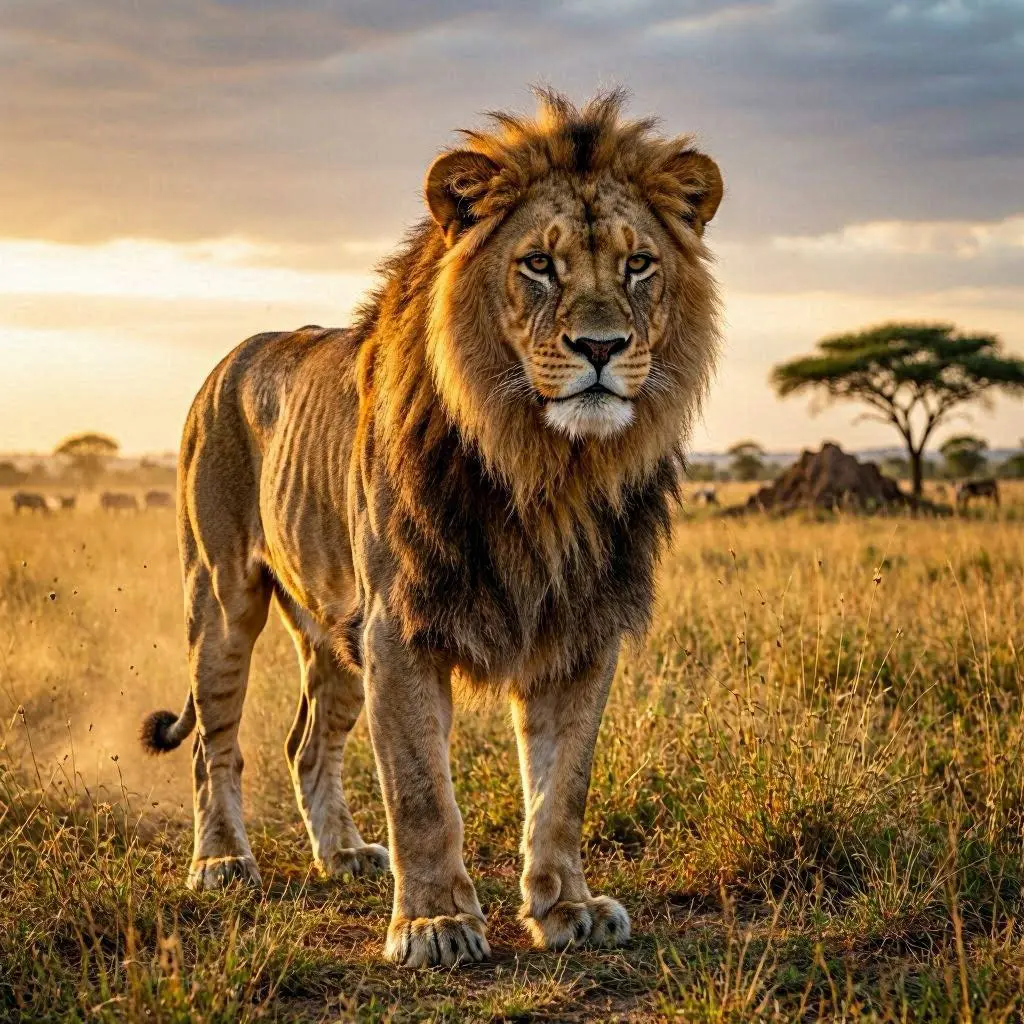
Type: Mammal
Habitat: Savannah, grasslands
The lion is known as the King of the Jungle. Male lions have a thick mane around their head and neck. They live in social groups called prides and are the only truly social big cats in the world.
Fun Fact: A African lion’s roar can be heard up to 8 kilometres (5 miles) away.
Example: The lion roared loudly across the savannah to warn rival males.
❷ African Elephant — /ˈɛlɪfənt/ (EL-i-funt)
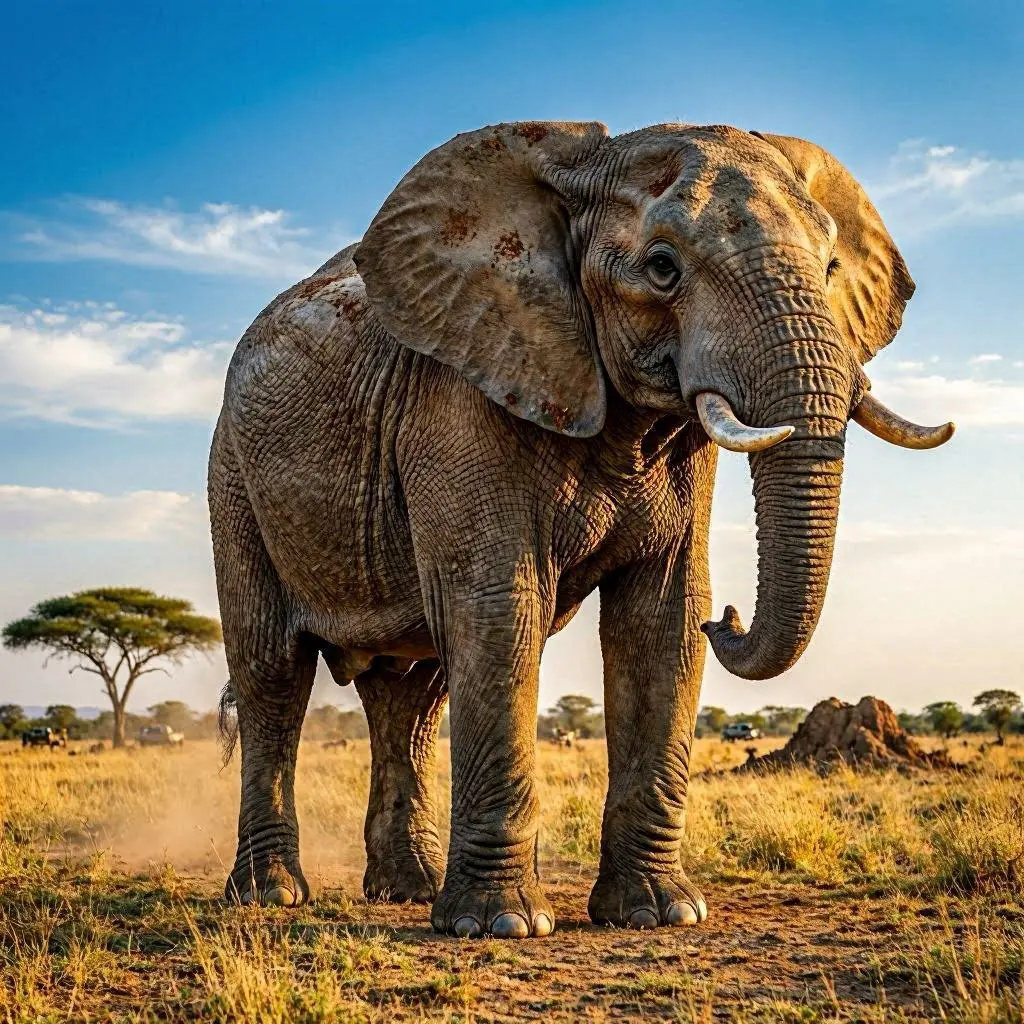
Type: Mammal
Habitat: Grasslands, forests, deserts
The African elephant is the largest land animal on Earth. It uses its long trunk to smell, drink, grab food, and communicate. African elephants have large fan-shaped ears that help them stay cool.
Fun Fact: An elephant can drink up to 200 litres of water in a single day.
Example: The elephant used its trunk to spray water over its back on the hot afternoon.
❸ African Rhinoceros — /raɪˈnɒsərəs/ (rye-NOS-er-us)
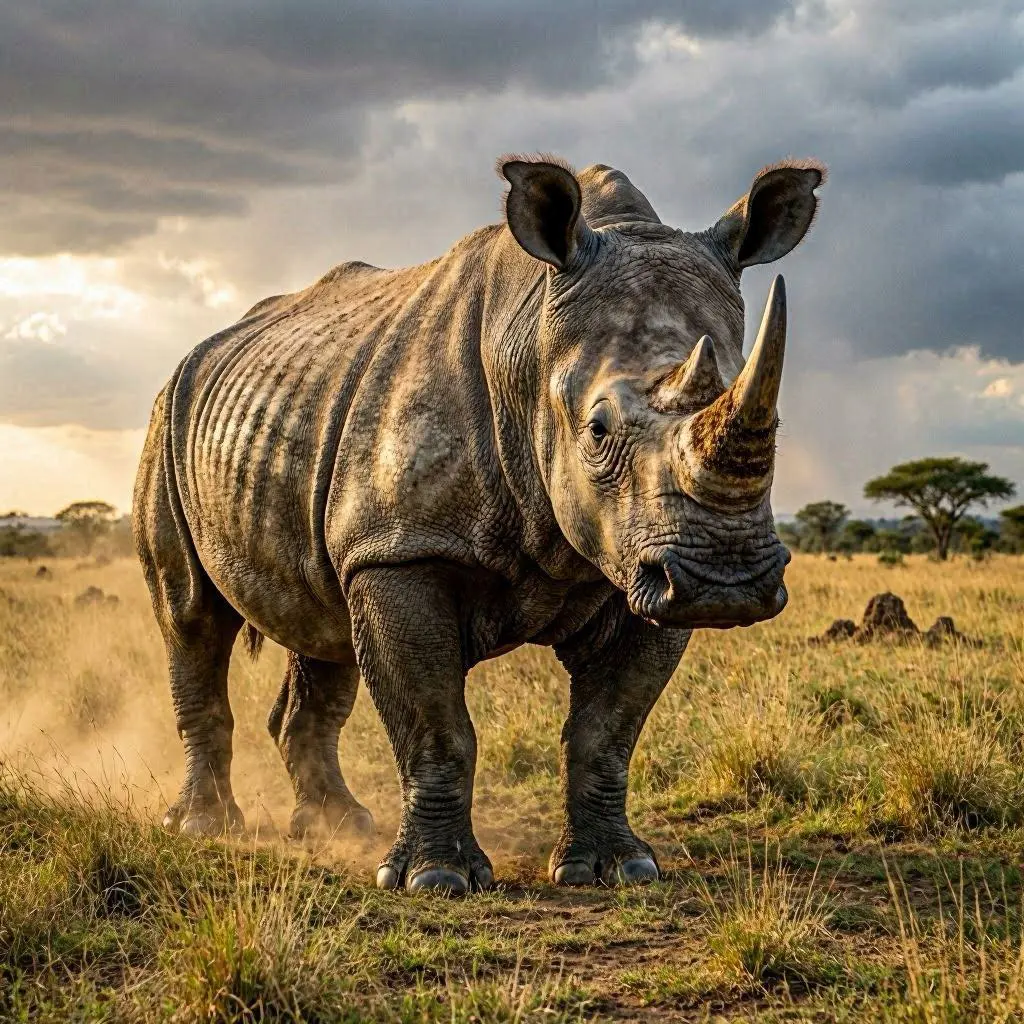
Type: Mammal
Habitat: Grasslands, bushland
The rhino is a large, thick-skinned mammal with one or two horns made of keratin (the same material as human fingernails). Both the black rhino and the white rhino are found in Africa. Sadly, both species are endangered due to illegal poaching.
Fun Fact: Despite their size, rhinos can run at speeds of up to 50 km/h (31 mph).
Example: Conservationists work every day to protect the rhinoceros from extinction.
❹ African Leopard — /ˈlɛpəd/ (LEP-ud)
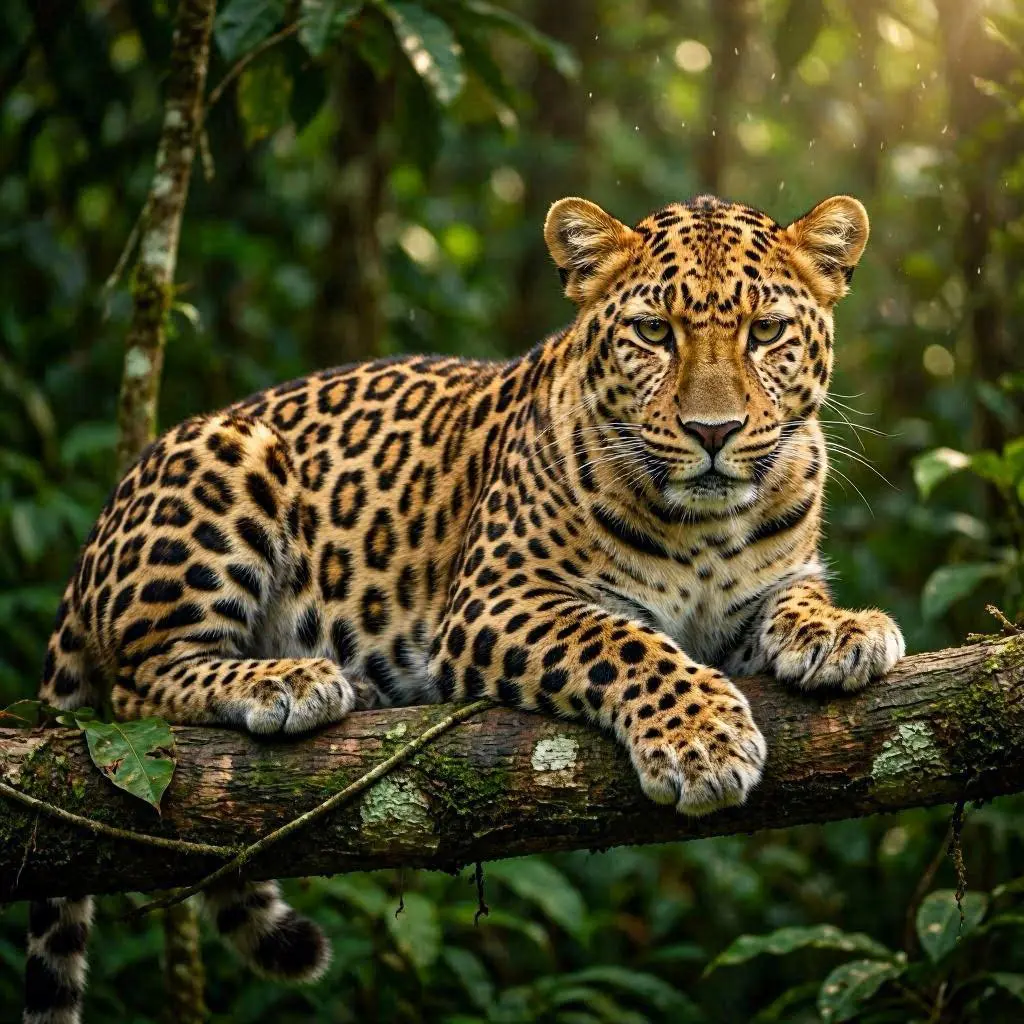
Type: Mammal
Habitat: Forests, mountains, savannah
The leopard is a powerful, spotted big cat known for its stealth and strength. It is the most adaptable of the Big Five and can live in forests, mountains, and deserts. Leopards are expert climbers and often drag their prey up into trees to protect it from lions and hyenas.
Fun Fact: A leopard’s spots are called rosettes because they look like roses.
Example: The leopard quietly climbed the tree with its prey held firmly in its jaws.
❺ Cape Buffalo — /ˈbʌfələʊ/ (BUF-uh-loh)
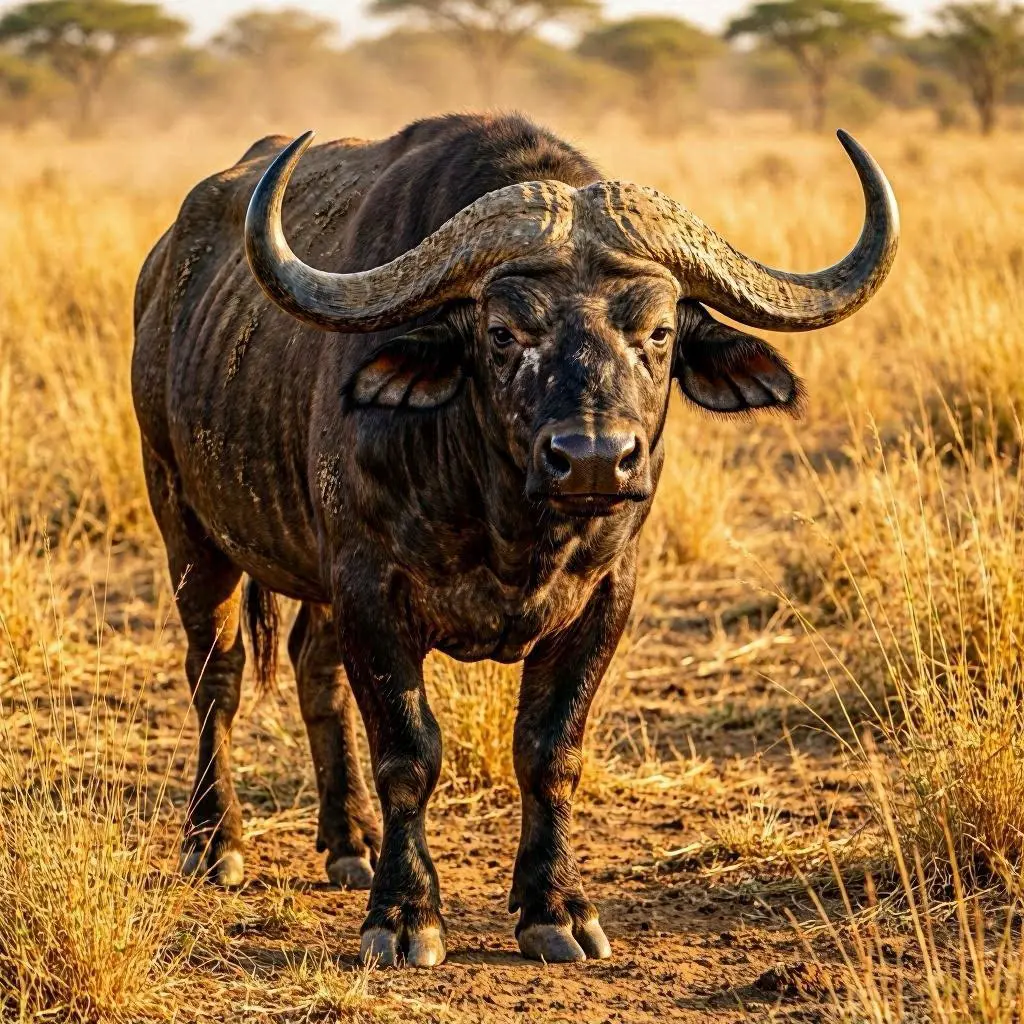
Type: Mammal
Habitat: Grasslands, wetlands, forests
The Cape buffalo (also called African buffalo) is considered one of the most dangerous animals in Africa. It travels in large herds and has massive, curved horns that form a shield across the forehead called a boss. Unlike other Big Five animals, it has never been successfully domesticated.
Fun Fact: Cape buffalo are known to remember and attack hunters who have previously wounded them.
Example: A large herd of buffalo gathered near the river as the sun went down.
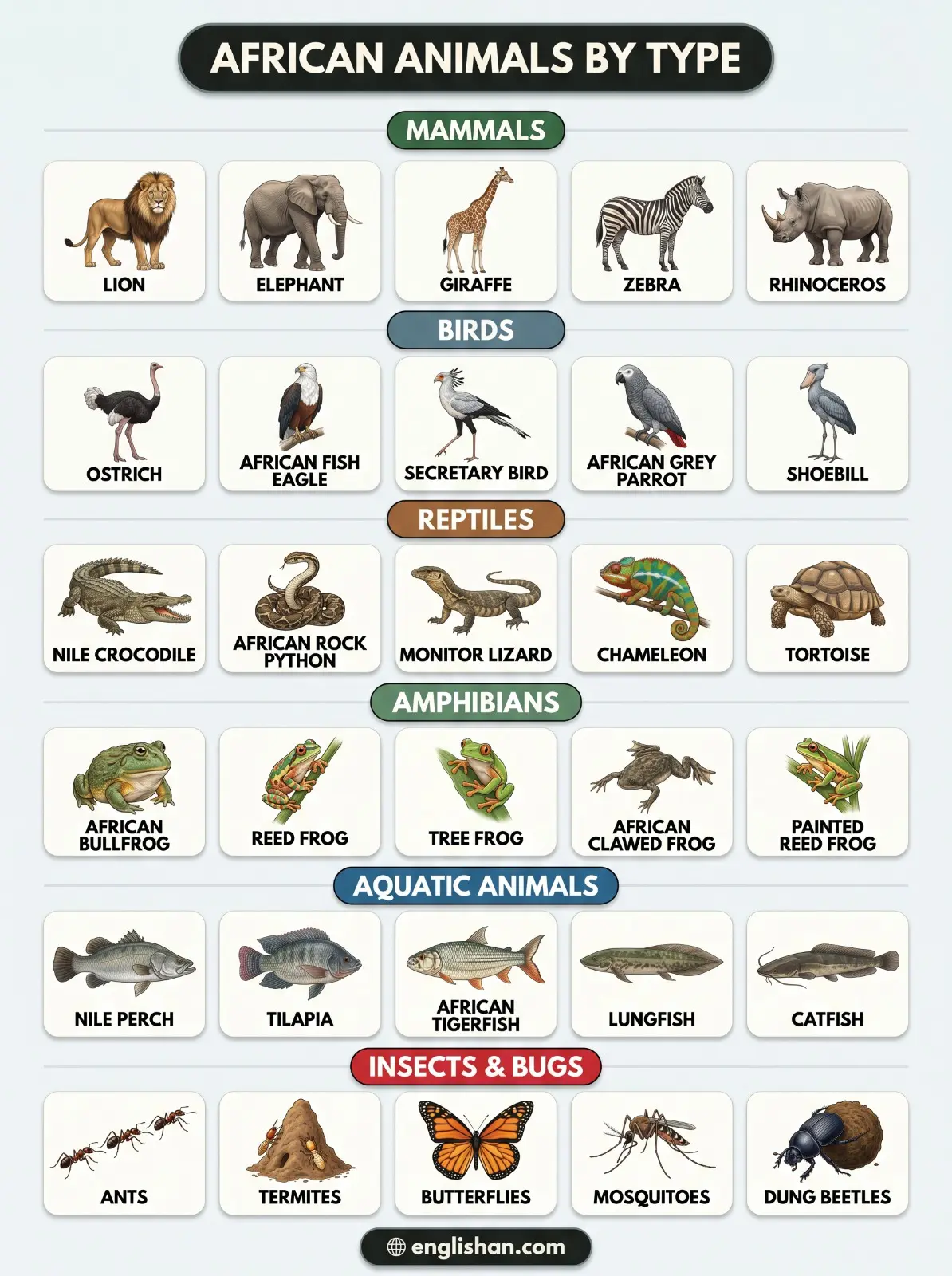
African Animals by Type
Africa is one of the richest continents in the world in terms of wildlife. From huge mammals like elephants to tiny insects, the continent supports a wide variety of animal life. These animals are spread across different environments such as savannas, deserts, forests, rivers, and mountains. To understand African wildlife better, it is useful to group animals by their biological types.
African Mammals
Mammals are warm-blooded animals that usually give birth to live young and feed them milk. Africa has a huge variety of large and small mammals.
- Lion
- Elephant
- Giraffe
- Zebra
- Rhinoceros
- Hippopotamus
- Cheetah
- Leopard
- Buffalo
- Gorilla
African Birds
Birds are warm-blooded animals with feathers, wings, and beaks. Africa is home to many unique and colorful bird species.
- Ostrich
- African Fish Eagle
- Secretary Bird
- African Grey Parrot
- Shoebill
- Marabou Stork
African Reptiles
Reptiles are cold-blooded animals that usually have scales and lay eggs. They are common in Africa’s hot climate.
- Nile Crocodile
- African Rock Python
- Monitor Lizard
- Chameleon
- Tortoise species
African Amphibians
Amphibians live both in water and on land. They usually have smooth skin and go through metamorphosis.
- African Bullfrog
- Reed Frog species
- Tree Frog species
African Aquatic Animals
Africa’s rivers, lakes, and coasts are rich with aquatic life.
- Nile Perch
- Tilapia
- African Tigerfish
- Lungfish
African Insects and Bugs
Insects are the largest group of animals in Africa in terms of the number of species.
- Ants
- Termites
- Butterflies
- Mosquitoes
- Dung Beetles
In short, African animals are highly diverse and spread across many habitats. Each group plays an important role in maintaining the balance of nature.
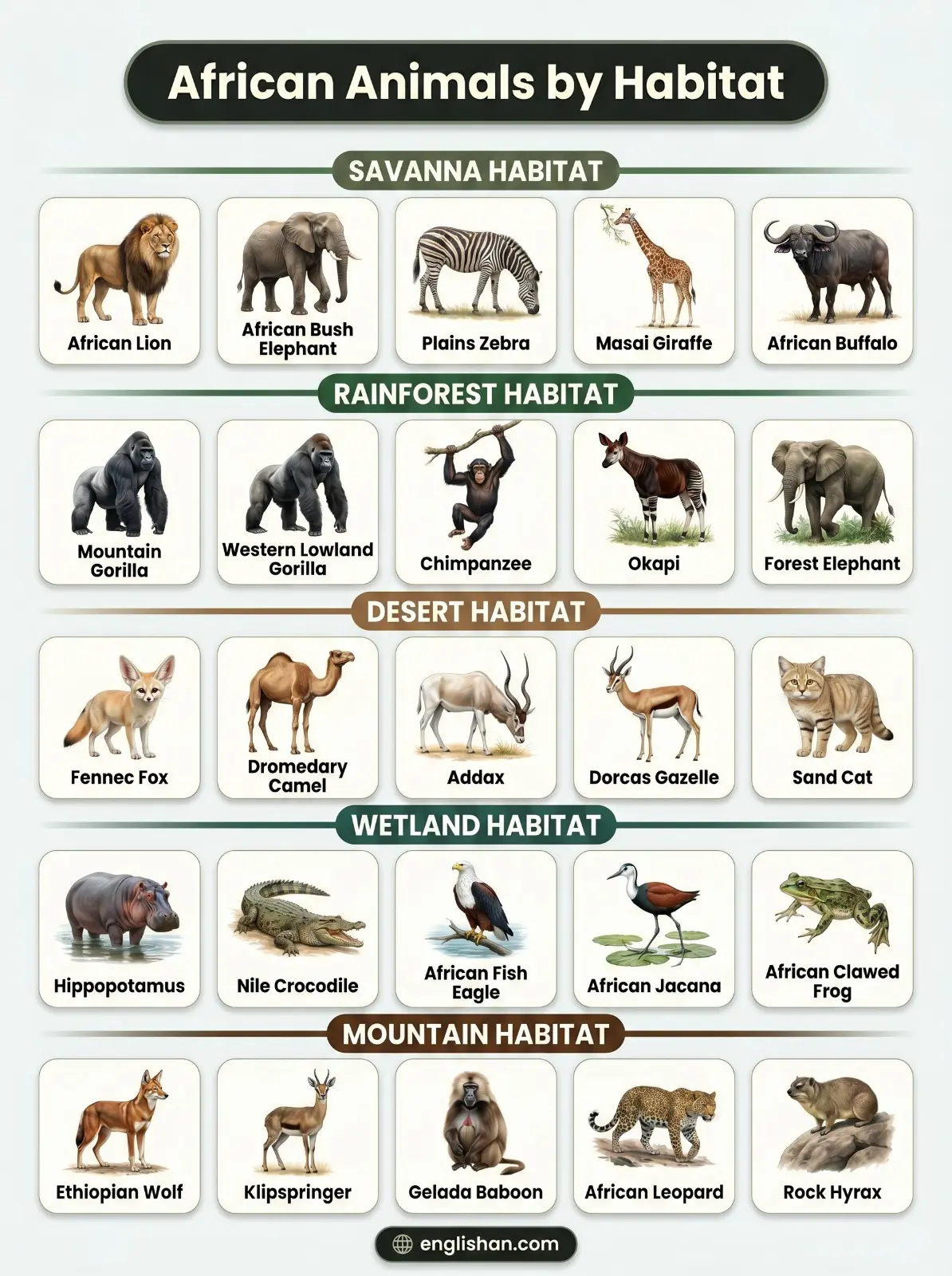
African Animals by Habitat
Africa has diverse landscapes, and each habitat supports different types of animals. From open grasslands to dense forests and hot deserts, animals adapt according to their environment.
Savanna Animals
The African savanna is vast grassland with scattered trees. It supports some of the most iconic wildlife on the continent, including large herbivores and powerful predators.
- African Lion
- African Bush Elephant
- Plains Zebra
- Masai Giraffe
- African Buffalo
- Cheetah
- Spotted Hyena
- Blue Wildebeest
In short, savannas support Africa’s most famous wildlife and complex predator–prey systems.
Rainforest Animals
African rainforests are dense, wet, and rich in biodiversity. They provide shelter for rare and forest-adapted species.
- Mountain Gorilla
- Western Lowland Gorilla
- Chimpanzee
- Okapi
- Forest Elephant
- Red Colobus Monkey
- African Grey Parrot
In short, rainforests are home to many unique African species found nowhere else in large numbers.
Desert Animals
African deserts such as the Sahara are extremely dry and hot. Animals here are highly adapted to survive harsh conditions.
- Fennec Fox
- Dromedary Camel
- Addax
- Dorcas Gazelle
- Oryx (Gemsbok)
- Sand Cat
- Horned Viper
In short, desert animals survive in extreme heat through special physical and behavioral adaptations.
Wetland Animals
African wetlands include rivers, lakes, and swamps. These habitats support both aquatic and semi-aquatic species.
- Hippopotamus
- Nile Crocodile
- African Fish Eagle
- African Jacana
- Tilapia
- African Clawed Frog
In short, wetlands are vital for feeding, breeding, and survival of many African species.
Mountain Animals
African mountains are cooler and rocky environments. Animals here are adapted to steep slopes and colder climates.
- Mountain Gorilla
- Ethiopian Wolf
- Klipspringer
- Gelada Baboon
- African Leopard
- Rock Hyrax
In short, mountain habitats support specialized African wildlife adapted to high-altitude life.
African Animals Names A to Z
A complete alphabetical list of African animals with their type and habitat.
| Animal | Type | Habitat |
|---|---|---|
| Aardvark | Mammal | Grasslands, bushland |
| Aardwolf | Mammal | Dry savannah |
| Addax | Mammal | Sahara desert |
| African Buffalo | Mammal | Grasslands, forests |
| African Elephant | Mammal | Forests, grasslands |
| African Penguin | Bird | Coastal South Africa |
| African Wild Dog | Mammal | Savannah, woodland |
| Baboon | Mammal | Savannah, mountains |
| Bat-eared Fox | Mammal | Savannah, grasslands |
| Bongo | Mammal | Dense rainforest |
| Cape Hare | Mammal | Open grasslands |
| Caracal | Mammal | Savannah, scrubland |
| Chameleon | Reptile | Forest, scrubland |
| Cheetah | Mammal | Open savannah |
| Chimpanzee | Mammal | Tropical rainforest |
| Colobus Monkey | Mammal | Rainforest canopy |
| Dik-dik | Mammal | Dry bushland |
| Dromedary Camel | Mammal | Sahara desert |
| Dung Beetle | Insect | Grasslands, savannah |
| Eland | Mammal | Grasslands |
| Elephant Shrew | Mammal | Forests, savannah |
| Fennec Fox | Mammal | Sahara desert |
| Flamingo | Bird | Lakes, wetlands |
| Forest Elephant | Mammal | Congo rainforest |
| Galago (Bushbaby) | Mammal | Forest, woodland |
| Gelada | Mammal | Ethiopian highlands |
| Genet | Mammal | Forest, savannah |
| Giraffe | Mammal | Savannah, woodland |
| Gorilla | Mammal | Tropical rainforest |
| Grevy’s Zebra | Mammal | Dry grasslands |
| Hippopotamus | Mammal | Rivers, lakes |
| Honey Badger | Mammal | Savannah, forest |
| Hornbill | Bird | Forest, savannah |
| Hyena | Mammal | Savannah, woodland |
| Impala | Mammal | Open savannah |
| Jackal | Mammal | Savannah, desert |
| Klipspringer | Mammal | Rocky mountains |
| Kori Bustard | Bird | Open grasslands |
| Kudu | Mammal | Bushland, savannah |
| Leopard | Mammal | Forest, savannah, mountains |
| Lilac-breasted Roller | Bird | Savannah, woodland |
| Lion | Mammal | Savannah, grasslands |
| Marabou Stork | Bird | Savannah, wetlands |
| Meerkat | Mammal | Dry savannah, desert |
| Mongoose | Mammal | Savannah, scrubland |
| Monitor Lizard | Reptile | Rivers, savannah |
| Mountain Gorilla | Mammal | Mountain rainforest |
| Nile Crocodile | Reptile | Rivers, lakes |
| Okapi | Mammal | Congo rainforest |
| Oryx | Mammal | Desert, dry grasslands |
| Ostrich | Bird | Savannah, semi-desert |
| Pangolin | Mammal | Forest, savannah |
| Puff Adder | Reptile | Grasslands, savannah |
| Python | Reptile | Forest, savannah |
| Rhinoceros | Mammal | Grasslands, bushland |
| Roan Antelope | Mammal | Savannah, woodland |
| Secretary Bird | Bird | Open savannah |
| Serval | Mammal | Savannah, wetlands |
| Shoebill | Bird | Swamps, wetlands |
| Sitatunga | Mammal | Swamps, marshland |
| Springbok | Mammal | Dry savannah |
| Thomson’s Gazelle | Mammal | Open grasslands |
| Topi | Mammal | Grasslands |
| Warthog | Mammal | Savannah, grasslands |
| Waterbuck | Mammal | Savannah, near rivers |
| White Rhino | Mammal | Grasslands, bushland |
| Wildebeest | Mammal | Open savannah |
| Zebra | Mammal | Savannah, grasslands |
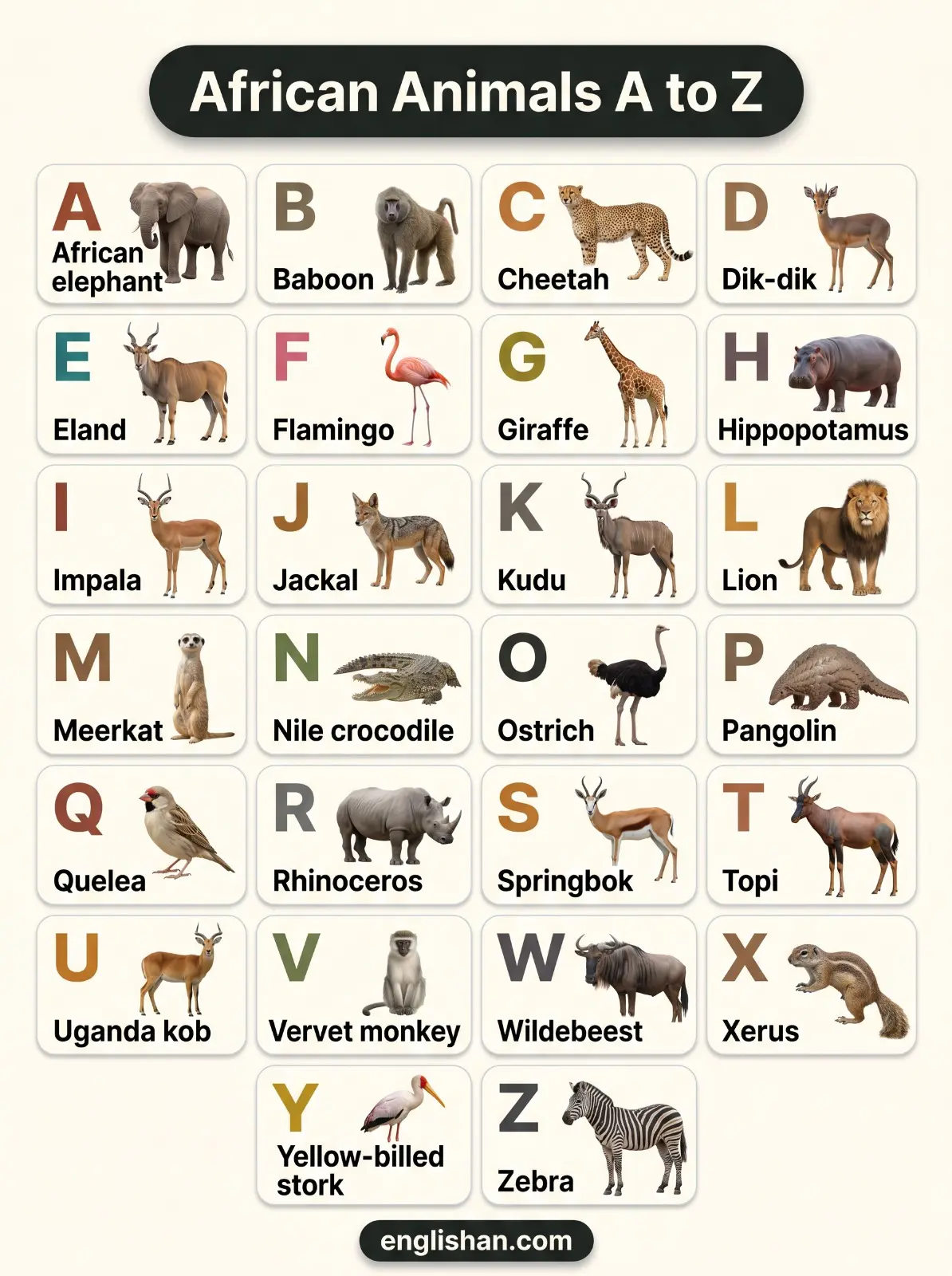
Endangered African Animals
Africa is home to many unique animals, but several species are now at risk due to habitat loss, poaching, and climate change. Conservation efforts are ongoing to protect them.
- Black Rhinoceros
- African Wild Dog
- Mountain Gorilla
- Grevy’s Zebra
- African Forest Elephant
In short, these endangered African animals need strong protection to prevent their extinction and preserve biodiversity.
Rare and Unusual African Animals
These animals are less well-known but make for excellent vocabulary enrichment.
- Okapi — Often called the forest giraffe, the okapi has zebra-like striped legs but is the giraffe’s only close relative. It lives deep in the Congo rainforest and was unknown to Western science until 1901.
- Aardvark — The aardvark is the only living species in its order. It uses a long, sticky tongue to eat up to 50,000 ants and termites per night. Its name comes from Afrikaans meaning earth pig.
- Pangolin — The pangolin is the world’s most trafficked mammal. It is covered in overlapping scales made of keratin and curls into a tight ball when threatened.
- Shoebill — This prehistoric-looking bird has a massive shoe-shaped bill it uses to catch lungfish in African swamps. It can stand completely still for hours while hunting.
- Honey Badger — Famous for its fearlessness, the honey badger is considered the world’s most fearless animal by the Guinness World Records. It has been known to drive lions away from a kill.
In short, these rare African animals highlight the uniqueness and hidden diversity of Africa’s wildlife.
Interesting Facts About African Animals
- Africa has over 1,100 mammal species, more than any other continent.
- The giraffe has the same number of neck bones (7) as humans — just much, much longer.
- The African elephant communicates using infrasound, producing vibrations too low for humans to hear.
- A group of flamingos is called a flamboyance.
- Cheetahs are the only big cats that cannot roar — they chirp and purr instead.
- The hippo’s skin produces a natural red fluid called blood sweat that acts as sunscreen and an antiseptic.
- Zebra stripes are unique to each individual — like a human fingerprint.
- The Nile crocodile can hold its breath underwater for up to 2 hours.
- The dung beetle can navigate using the Milky Way — it is the only animal known to use the galaxy for orientation.
- A pride of lions can sleep up to 20 hours a day.
- Africa is home to the world’s fastest land animal (cheetah), tallest animal (giraffe), and largest land animal (African elephant).
Conclusion
Learning African animals names in English opens up a whole world of nature vocabulary. From the towering giraffe to the tiny dung beetle, every animal on this list has a unique story. Whether you are an English learner building your vocabulary, a student preparing for exams, or simply someone who loves wildlife, this guide gives you the names, pronunciation, habitats, and facts you need.
FAQs
The Big Five are the Lion, African Elephant, African Rhinoceros, Leopard, and Cape Buffalo. This term was originally used by hunters to describe the five most difficult and dangerous animals to hunt on foot. Today, it is a popular term in safari tourism.
The cheetah is the fastest land animal in Africa and the world. It can reach speeds of up to 112 km/h (70 mph) in short bursts. It uses its long tail for balance and its flexible spine to take enormous strides when running.
Some well-known small African animals include the meerkat, mongoose, dik-dik, fennec fox, serval, bushbaby, pangolin, and aardvark. Despite their small size, these animals all play important roles in Africa’s ecosystems.
Animals that live in African deserts include the fennec fox, dromedary camel, addax, desert monitor, oryx, sand cat, and jerboa. These animals have special adaptations to survive extreme heat and very little water.
Endangered African animals include the mountain gorilla, black rhinoceros, African wild dog, cheetah, African penguin, and Ethiopian wolf. These species are at risk due to habitat loss, poaching, and climate change.
The African elephant is the largest land animal in Africa and in the world. A male African elephant can weigh up to 6,000 kg (13,000 lbs) and stand up to 4 metres (13 feet) tall at the shoulder.
African rainforest animals include the mountain gorilla, chimpanzee, bonobo, okapi, forest elephant, leopard, African grey parrot, mandrill, colobus monkey, and many species of chameleon and frog.
You May Also Like
- Herbivores vs Carnivores vs Omnivores
- 25+ Smallest Animals in the World
- Top 22 Strongest Animals in the World
African Animals Quiz
African Animals
Which animals make up the traditional 'big five'?
The term came from hunting, naming the five hardest animals to take on foot.
The list is about danger, not size.
A leopard is on the list and a giraffe is not.
Which African animal is the giraffe's closest living relative?
Confined to Congolese rainforest, and unknown to science until 1901.
The giraffe family has only two living members.
The okapi has the same long dark tongue.
Name the animal.
The African mammal that digs for termites at night and can seal its nostrils is the ___.
The name is Afrikaans for earth pig, and it is unrelated to pigs or anteaters.
It sits alone in its own order.
Its abandoned burrows shelter dozens of other species.
Why is the Great Migration in East Africa so large?
Over a million wildebeest move in a loop that shifts with each year's weather.
The route follows rain, so it changes each year.
A dry season redraws the whole path.
Three of these live in Africa. Which does not?
Tigers are Asian; no wild tiger has ever lived in Africa.
Lions in Africa, tigers in Asia — the two rarely met in the wild.
There are no wild tigers in Africa.
Turn on JavaScript for the interactive quiz. The full practice set is shown above.