When we look at nature, one of the most surprising things is how incredibly small some animals can be. From tiny mammals that can fit in your hand to fish and frogs smaller than a coin, the animal world is full of amazing surprises that often go unnoticed.
In this article, we’ll explore more than 25 of the smallest animals in the world, along with pictures to help you see just how tiny they really are. Some of them are so small that you might even mistake them for insects or overlook them completely in their natural habitat.
So, let’s take a closer look at these fascinating creatures and discover how they survive, live, and thrive despite their miniature size.
What Makes an Animal “Small”?
An animal is considered small when its body size and weight are much lower than most other animals. In general, these animals are only a few centimeters long or weigh just a few grams. Scientists decide this by comparing their size with other animals in the same group.
We can understand it more clearly by comparison. For example, animals like cats, dogs, and rabbits are normal or medium-sized, but some of the smallest animals are so tiny that they can easily sit on a fingertip or even go unnoticed in nature. This difference helps show how wide the range of animal sizes can be.
Small size often comes from survival needs in nature, such as:
- hiding easily from predators
- needing less food and energy
- living in very small spaces like soil, leaves, or coral reefs
Because of these advantages, many species have evolved to stay extremely small and still survive successfully in their environments.
Explore more animals that start with different letters:
A | B | C | D | E | F | G | H | I | J | K | L | M | N | O | P | Q | R | S | T | U | V | W | X | Y | Z
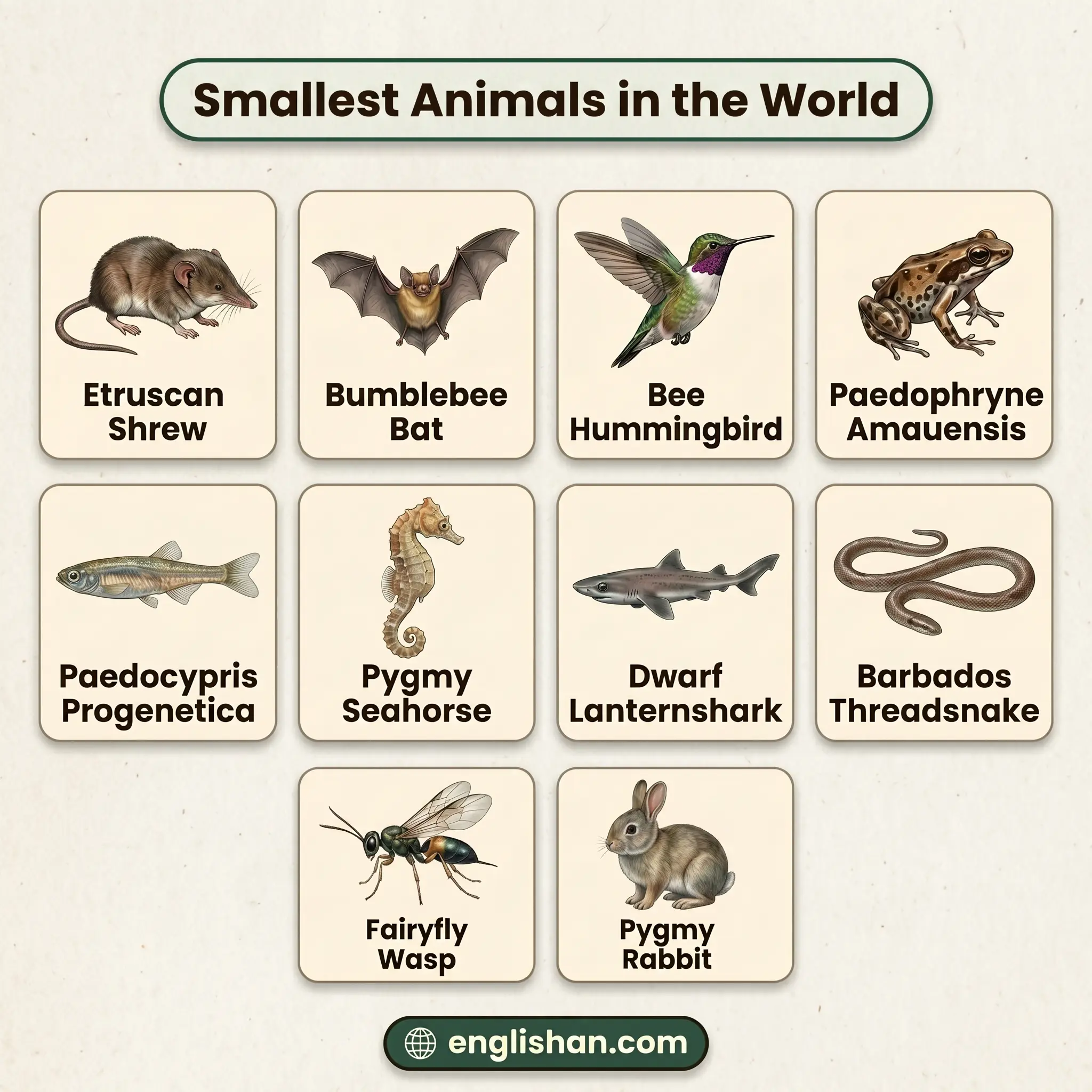
List of Smallest Animals in the World
- Etruscan shrew
- Bumblebee bat
- Paedophryne amauensis
- Paedocypris progenetica
- Speckled Padloper tortoise
- Bee hummingbird
- Virgin Islands dwarf gecko
- Barbados threadsnake
- Monte Iberia eleuth
- Paedocypris carbunculus
- Baluchistan pygmy jerboa
- Kitti’s hog-nosed bat
- Dwarf lanternshark
- Sphaerodactylus ariasae
- Thorius arboreus
- Pygmy seahorse
- Olinguito
- Least shrew
- Pygmy rabbit
- Fairyfly wasp
Common Smallest Animals in the World
❶ Etruscan shrew
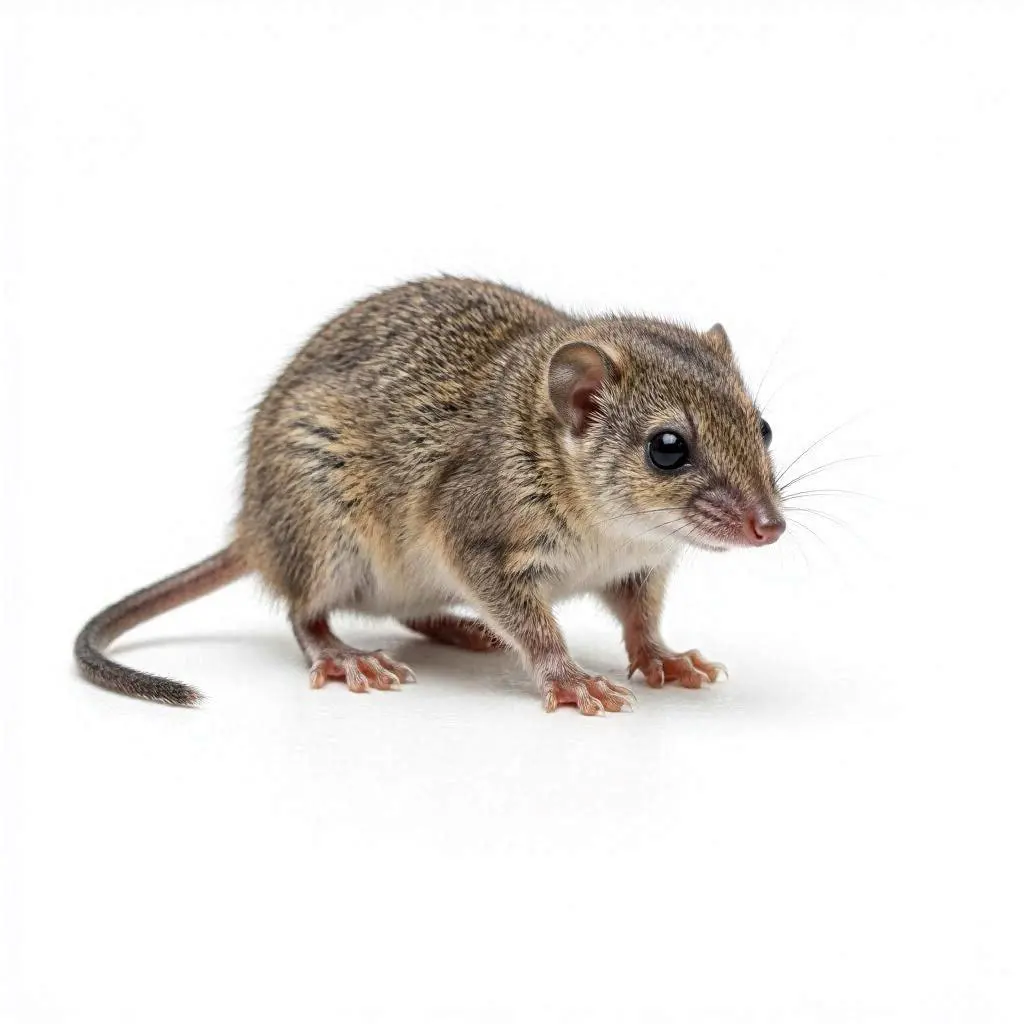
Type: Mammal
The Etruscan shrew is one of the smallest mammals on Earth. Despite its tiny body, it is extremely active and has a very fast heartbeat and metabolism. It constantly hunts insects and small invertebrates to survive, as it needs to eat almost all the time to maintain its energy.
Where found: Europe, Asia, and North Africa
❷ Bee hummingbird
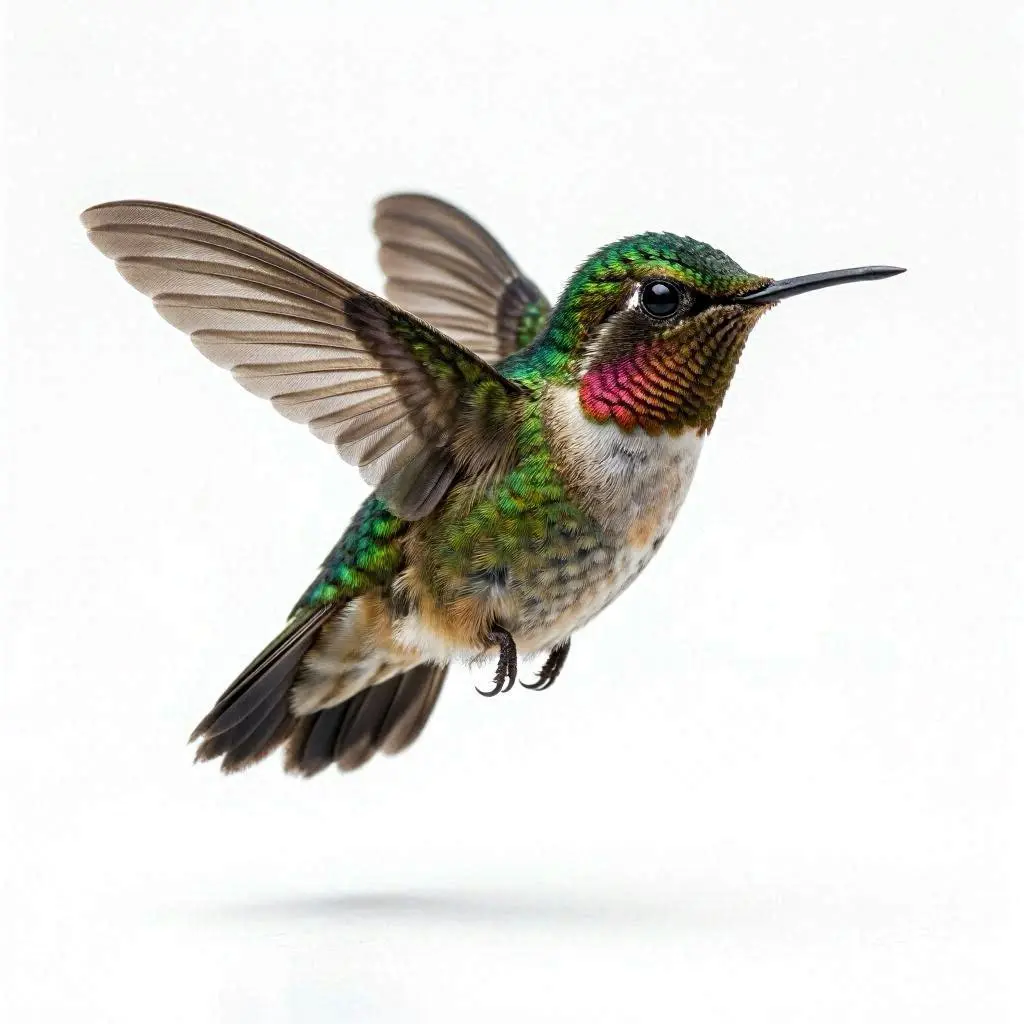
Type: Bird
The Bee hummingbird is the smallest bird in the world. It is so light that it weighs less than many insects and can hover in mid-air with incredible speed. It feeds mainly on nectar and plays an important role in pollination while moving from flower to flower.
Where found: Cuba
❸ Bumblebee bat
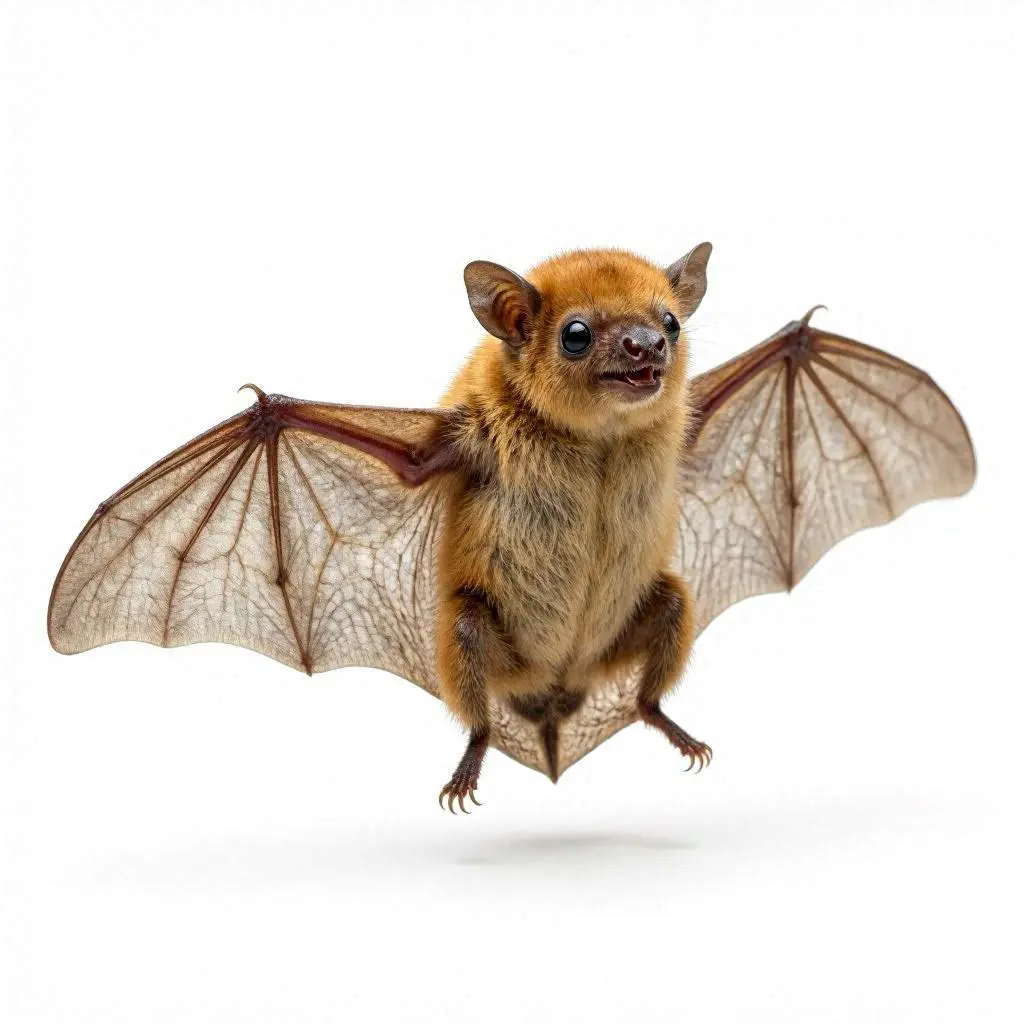
Type: Mammal (Bat)
The Bumblebee bat, also known as Kitti’s hog-nosed bat, is the smallest bat and one of the tiniest mammals on Earth. It has a very small wingspan and light body, allowing it to fly easily in caves and forests while hunting tiny insects at night.
Where found: Thailand and Myanmar
❹ Paedophryne amauensis
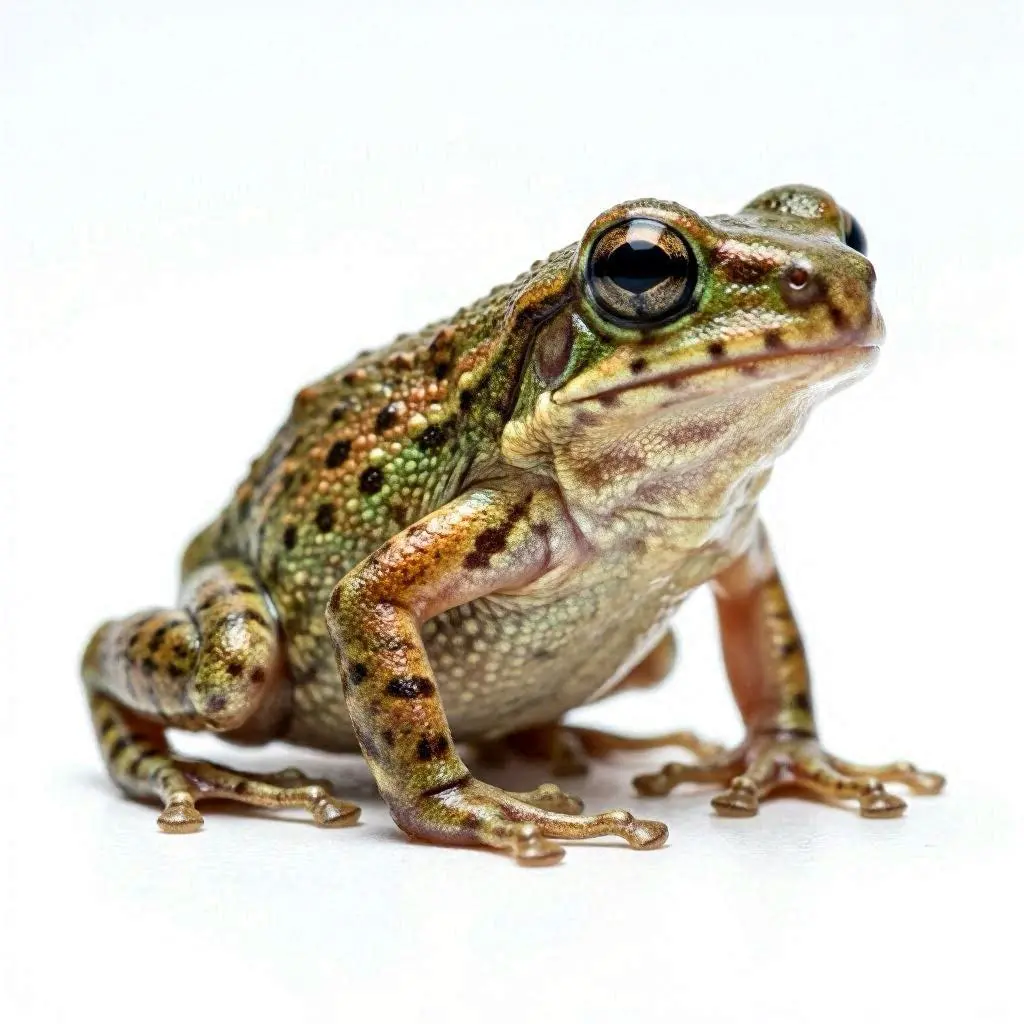
Type: Amphibian (Frog)
This species is recognized as the smallest vertebrate in the world. It is so tiny that it often blends into leaf litter on the forest floor, making it very difficult to spot. Its small size helps it survive in moist tropical environments where it feeds on microscopic prey.
Where found: Papua New Guinea
❺ Paedocypris progenetica
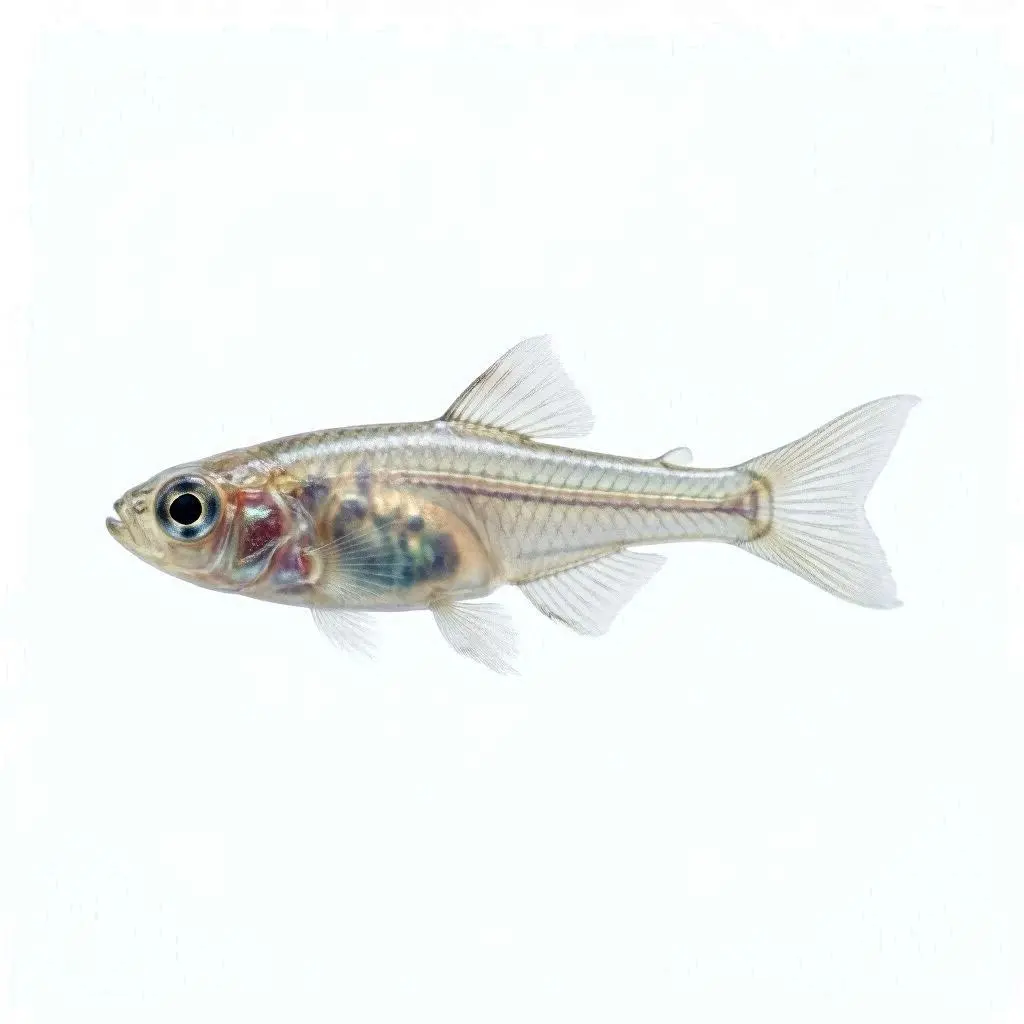
Type: Fish
This fish is one of the smallest known fish species in the world. It lives in acidic swamp waters where most fish cannot survive. Its transparent and extremely small body helps it hide from predators and move easily through dense aquatic vegetation.
Where found: Indonesia (peat swamp forests)
❻ Pygmy seahorse
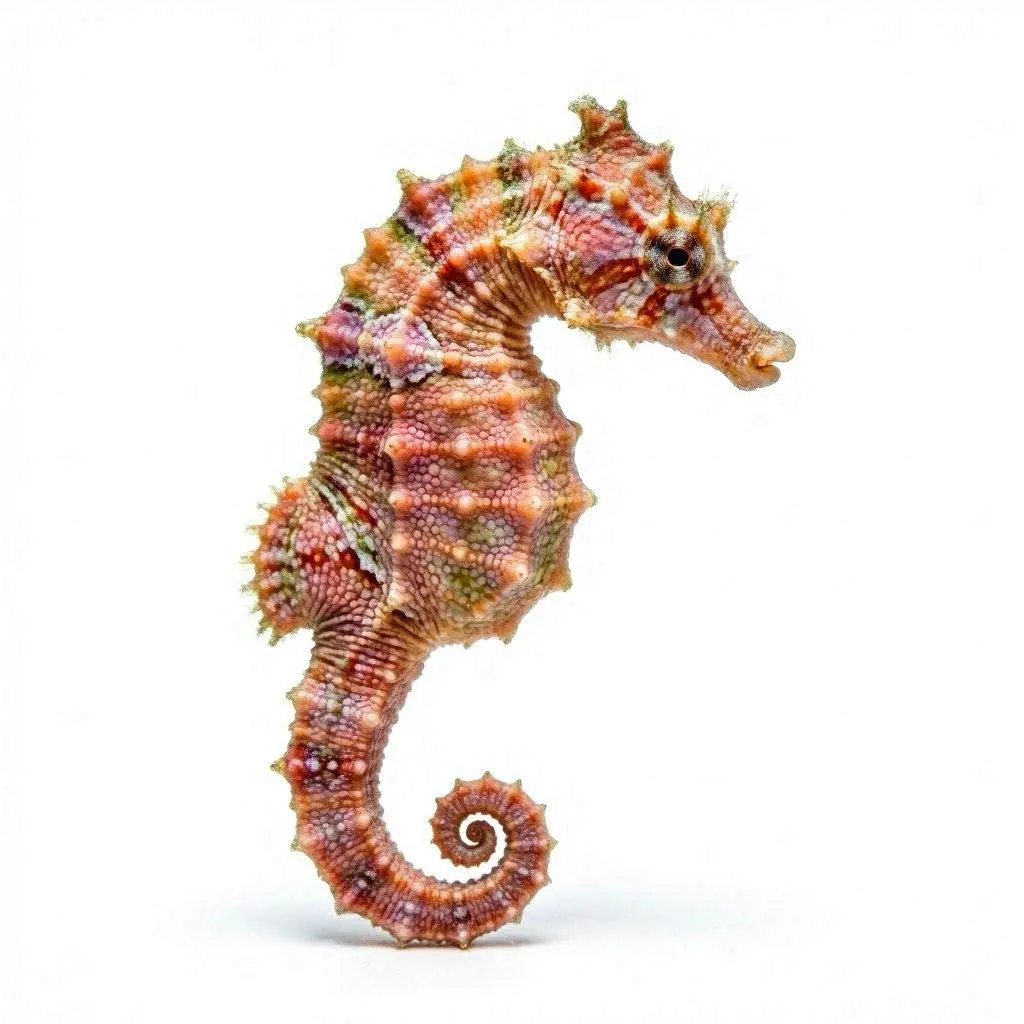
Type: Marine Fish
The pygmy seahorse is one of the best camouflaged and smallest marine animals. It lives attached to coral reefs and sea fans, where its body shape and color match its surroundings perfectly, making it almost invisible to predators.
Where found: Indo-Pacific coral reefs
❼ Dwarf lanternshark
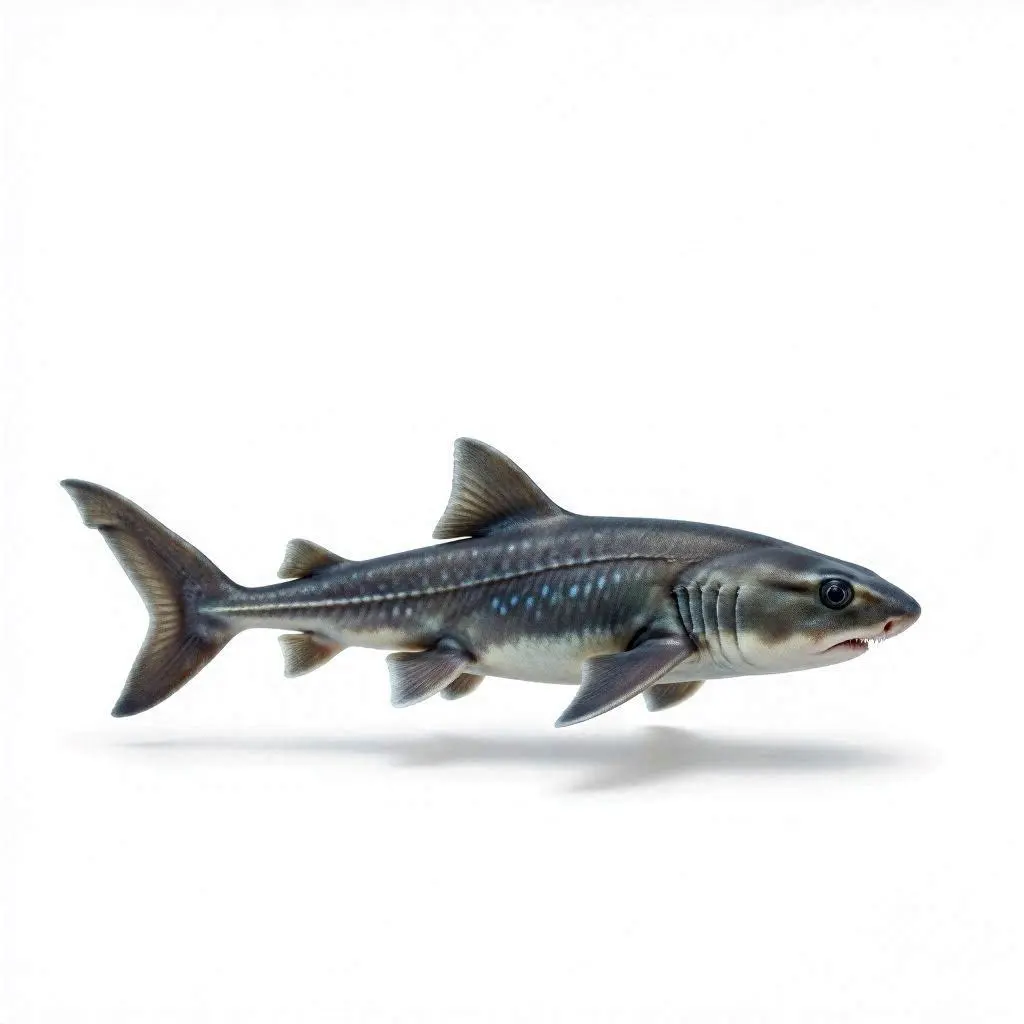
Type: Fish (Shark)
The dwarf lanternshark is the smallest shark species known. It lives in deep ocean waters and has a compact body that allows it to survive under high pressure. Despite being a shark, it is harmless to humans due to its size.
Where found: Deep waters near Colombia and Venezuela
❽ Barbados threadsnake
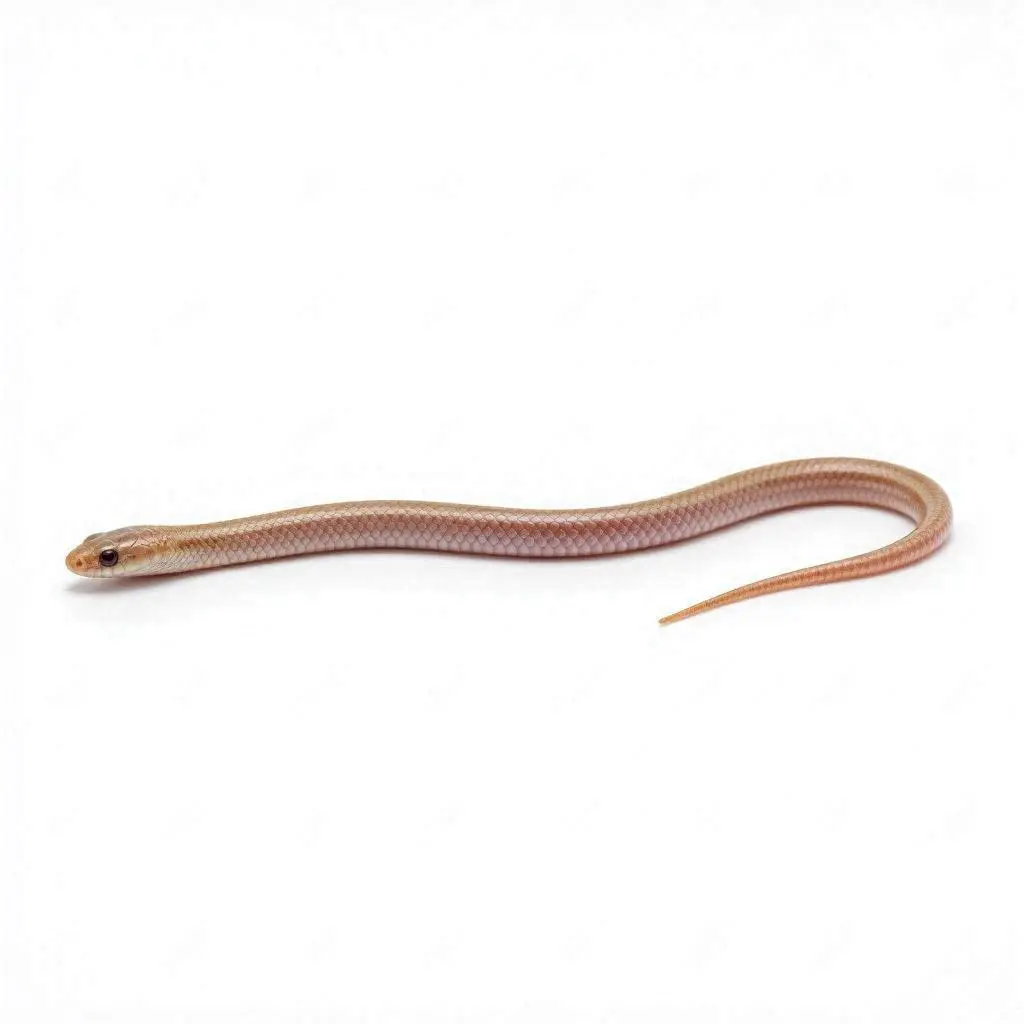
Type: Reptile (Snake)
The Barbados threadsnake is extremely thin and short, often mistaken for an earthworm. It lives underground and spends most of its life hidden in soil, where it feeds on tiny insects and larvae. Its small size helps it move easily through narrow spaces.
Where found: Barbados and parts of the Caribbean
❾ Fairyfly wasp
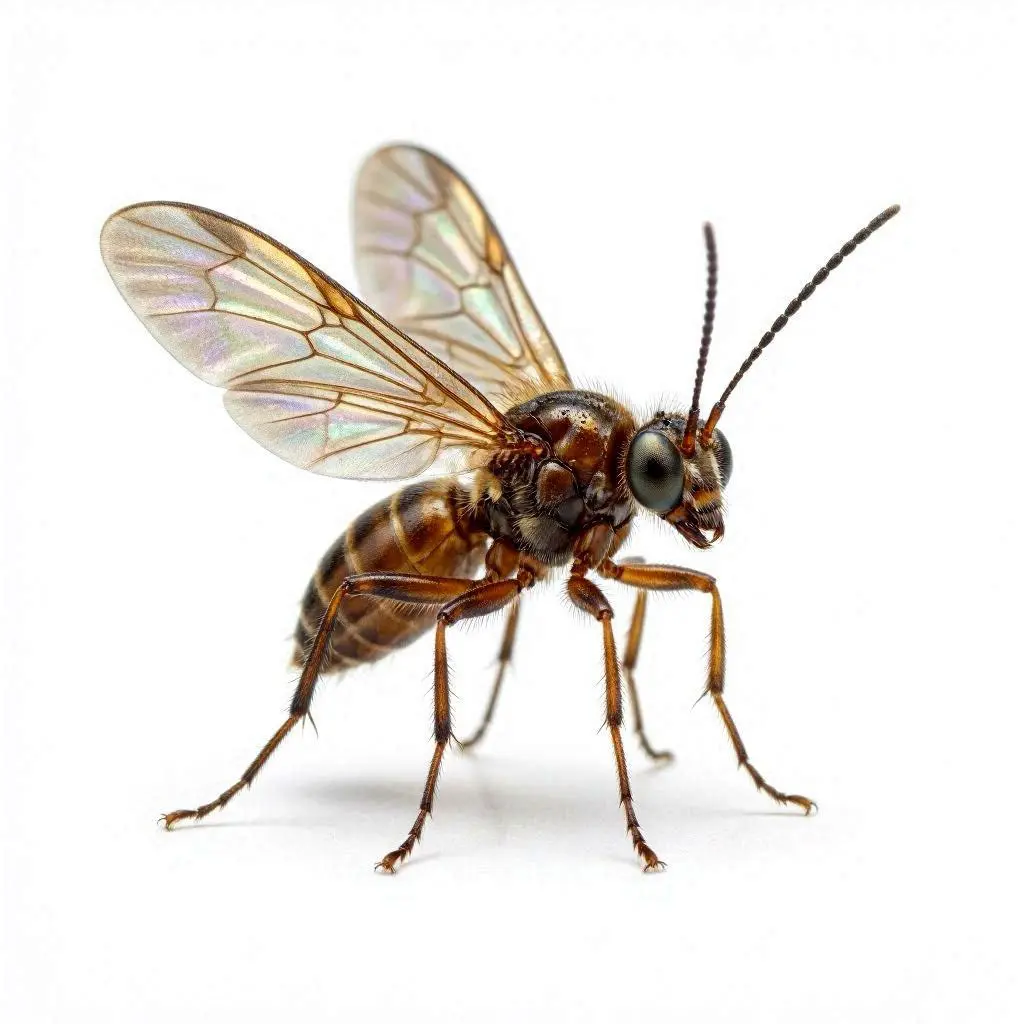
Type: Insect
Fairyfly wasps are among the tiniest insects in the world, with some species so small they are barely visible without magnification. Despite their size, they play an important ecological role as parasitoids, helping control other insect populations.
Where found: Worldwide
❿ Pygmy rabbit
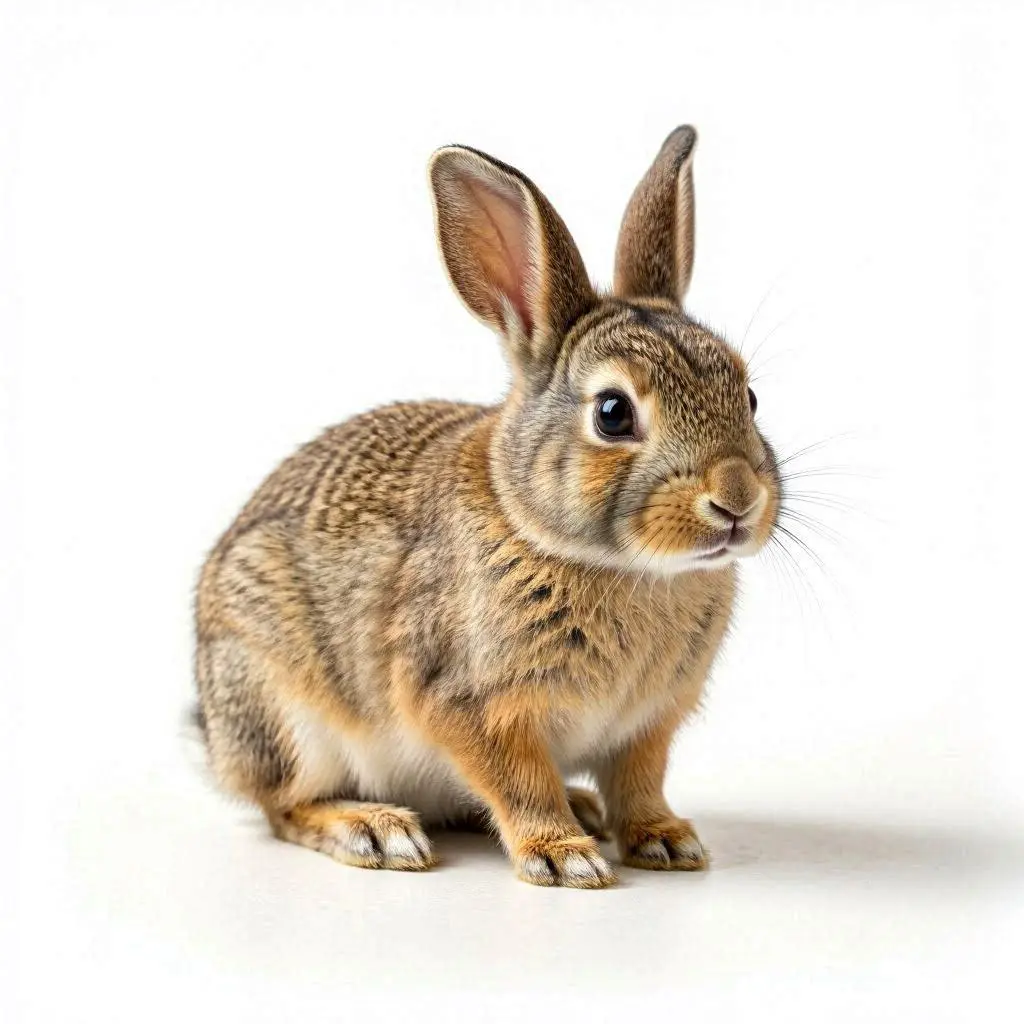
Type: Mammal
The pygmy rabbit is the smallest rabbit species in the world. It lives in burrows and depends heavily on shrubs for food and shelter. Its small size helps it hide from predators and survive in dry grassland environments.
Where found: North America
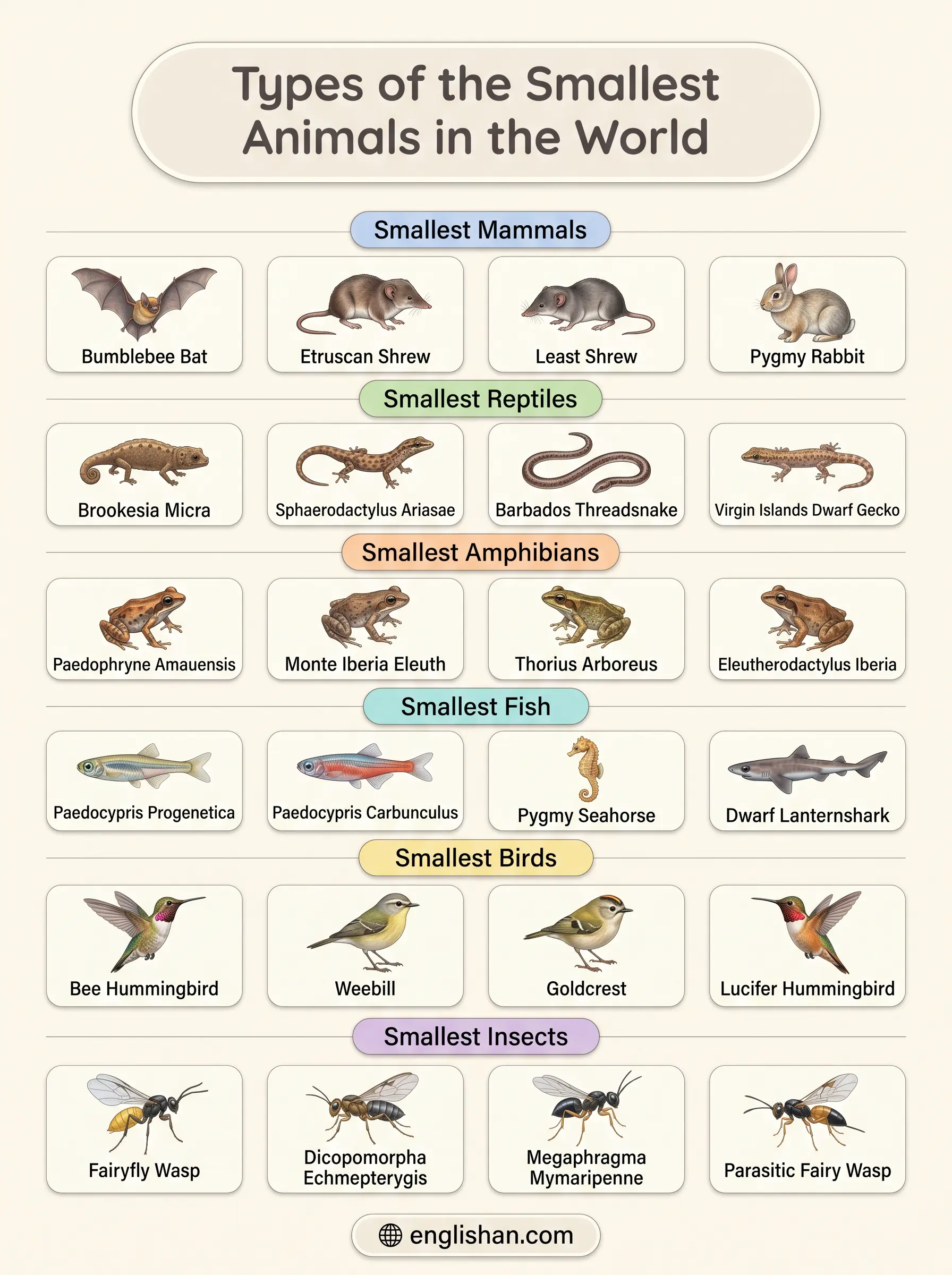
Types of the Smallest Animals in the World
Nature has created an amazing variety of tiny creatures that are often hard to notice. From microscopic insects to very small mammals and fish, these animals show how diverse life can be even at the smallest scale. In this section, we will look at different groups of the smallest animals in the world with simple examples.
Smallest Mammals
The smallest mammals in the world are extremely tiny creatures that survive on high metabolism and small food intake.
- Bumblebee bat – The smallest mammal in the world; weighs only a few grams and lives in caves.
- Etruscan shrew – One of the lightest mammals with a very fast heartbeat and constant need for food.
- Least shrew – A very small insect-eating mammal found in parts of North America and Asia.
- Pygmy rabbit – The smallest rabbit species, living in burrows and feeding mainly on shrubs.
Smallest Reptiles
These reptiles are small in size and often survive by hiding in soil, leaves, or trees.
- Brookesia micra – One of the smallest reptiles, so small it can sit on a fingertip.
- Sphaerodactylus ariasae – A very small gecko species found in the Caribbean region.
- Barbados threadsnake – Extremely thin snake often mistaken for an earthworm.
- Virgin Islands dwarf gecko – Tiny reptile that lives in Caribbean islands.
Smallest Amphibians
These amphibians are usually frogs and salamanders that live in moist environments.
- Paedophryne amauensis – The smallest vertebrate in the world, only a few millimeters long.
- Monte Iberia eleuth – One of the smallest frogs found in Cuba’s forests.
- Thorius arboreus – A very small lungless salamander species.
- Eleutherodactylus iberia – One of the tiniest frogs living in Cuban rainforests.
Smallest Fish
These fish are extremely small and often live in swampy or deep-water environments.
- Paedocypris progenetica – One of the smallest fish in the world, living in acidic swamps.
- Paedocypris carbunculus – A close relative of the world’s smallest fish species.
- Pygmy seahorse – Tiny marine fish perfectly camouflaged with coral reefs.
- Dwarf lanternshark – A small deep-sea shark that fits easily in a human hand.
Smallest Birds
These birds are extremely light and known for their speed and hovering ability.
- Bee hummingbird – The smallest bird in the world, found in Cuba.
- Weebill – One of the smallest birds found in Australia.
- Goldcrest – A very small bird found in Europe and Asia.
- Lucifer hummingbird – A tiny hummingbird species found in Mexico.
Smallest Insects
These insects are often microscopic and play important roles in ecosystems.
- Fairyfly wasp – One of the tiniest insects in the world, often invisible without magnification.
- Dicopomorpha echmepterygis – A microscopic wasp considered one of the smallest insects ever recorded.
- Megaphragma mymaripenne – An extremely small insect with a highly reduced nervous system.
- Parasitic fairy wasp – A group of insects known for their extremely small size and parasitic lifestyle.
These tiny animals may differ in habitat and structure, but they all share one fascinating trait — their extremely small size, which helps them survive in unique and specialized environments around the world.
Why Small Animals Are Important in Nature?
Small animals may be tiny in size, but they play a very big role in keeping nature balanced. Without them, many natural systems like food chains and ecosystems would not function properly. They are an essential part of life on Earth.
Role in Food Chains:
- Small animals are a major source of food for larger animals like birds, reptiles, and mammals
- They help transfer energy from plants and microorganisms to bigger predators
- They also feed on smaller organisms, keeping population levels balanced
- Without them, food chains would break and ecosystems would become unstable
Pollination and Ecosystem Balance:
- Many small insects like bees, butterflies, and tiny wasps help in pollination
- Pollination supports the growth of fruits, vegetables, and flowers
- Some small animals help in breaking down dead plants and waste materials
- They help keep soil, plants, and water systems clean and healthy
Scientific Research Importance:
- Small animals are widely used in scientific and medical research
- They help scientists study genetics, evolution, and environmental changes
- Their short life cycles make them useful for experiments and observations
- Research on them contributes to discoveries in medicine and biology
Small animals may look unimportant because of their size, but they are actually a backbone of nature. They help maintain balance in ecosystems, support plant growth, and provide valuable insights for science and research.
Threats to Small Animals
Small animals are highly sensitive to changes in their environment. Even small disturbances can seriously affect their survival and population. Many species are now under pressure due to natural and human-made factors.
- Habitat Destruction: Forest cutting, farming, and urban expansion destroy natural homes, leaving small animals without shelter or food.
- Climate Change: Changing temperatures and weather patterns disrupt breeding cycles and survival conditions for many small species.
- Pollution: Air, water, and soil pollution, along with pesticides and plastic waste, harm or poison delicate small animals.
- Human Activity: Hunting, land use changes, and industrial development disturb ecosystems and reduce small animal populations.
Protecting small animals is very important because they play a key role in maintaining ecological balance. Without them, food chains and ecosystems can become unstable over time.
Interesting Facts About Tiny Animals
- Some of the world’s smallest animals are so tiny that they can be smaller than a coin, making them hard to notice in their natural habitats.
- Many of these miniature species live in forests, isolated islands, or deep ocean waters, where they can survive with minimal disturbance from larger predators.
- Their small size often works as a natural defense mechanism, helping them hide easily from predators and increasing their chances of survival.
- Scientists are still discovering new tiny species, which shows that Earth’s biodiversity is far richer and more complex than we fully understand.
Conclusion
Smallest animals in the world may appear less important because of their tiny size, but they play a vital role in maintaining the balance of nature. Each species, no matter how small, contributes to the ecosystem through food chains, pollination, or environmental stability. Their existence shows how diverse and well-structured life on Earth is.
These tiny creatures also remind us that size is not a measure of importance in nature. Protecting their habitats is essential for preserving biodiversity and ensuring ecological harmony. By saving even the smallest animals, we help protect the entire natural system they are part of.
FAQs
The title of the smallest animal in the world varies depending on the category, but among vertebrates, the Paedophryne amauensis frog is considered the smallest. It measures only about 7–8 mm in length, making it smaller than many insects. This tiny frog was discovered in Papua New Guinea and is so small that it can easily fit on a fingertip.
The smallest mammal in the world is the Bumblebee Bat, also known as Kitti’s hog-nosed bat. It weighs less than 2 grams and is about the size of a large bumblebee. Despite its tiny body, it is fully capable of flight and hunting small insects. It is found in parts of Thailand and Myanmar.
3. Why are some animals so small?
Some animals have evolved to be small as a survival strategy. A smaller body requires less food and energy, which helps them survive in environments where resources are limited. In many cases, small size also helps them hide easily from predators or live in very specific habitats such as soil, leaves, or small water bodies.
Most tiny animals are found in environments that offer protection and limited competition, such as dense forests, tropical islands, underground soil layers, and deep oceans. These habitats provide food, shelter, and safety, allowing small species to survive without being easily detected by larger predators.
Yes, small animals play a very important role in maintaining ecological balance. Many of them help in pollination, decomposition, and nutrient cycling, which keeps ecosystems healthy. They also serve as a food source for larger animals, making them an essential part of the food chain and overall biodiversity.
You May Also Like
- 45+ Vertebrate Animals Names with Pictures
- 36+ Invertebrate Animals Names with Pictures
- 50+ Nocturnal Animals Names with Pictures
Smallest Animals Quiz
Smallest Animals
Which is the smallest bird?
About five centimetres long and under two grams.
Below roughly two grams a warm-blooded animal cannot hold its heat.
A bee hummingbird weighs less than a two-pence coin.
Which is the smallest mammal by weight?
Under two grams, with a heart rate above a thousand beats a minute.
The smallest mammals must eat almost constantly.
An Etruscan shrew eats more than its own body weight daily.
Complete the reason.
Small warm-blooded animals lose heat fast because they have a large surface area relative to their ___.
Heat is generated by volume and lost through surface, and small bodies have far more surface per unit of volume.
The same ratio that makes small animals strong makes them cold.
A shrew that stops eating for a few hours will die.
Which group holds the smallest vertebrate?
A New Guinea species measures under eight millimetres fully grown.
Cold-blooded animals can go smaller than warm-blooded ones.
The smallest vertebrate is a frog you could sit on a fingernail.
Why does a hummingbird enter torpor at night?
Body temperature and heart rate drop sharply, cutting energy use.
Torpor is a nightly shutdown, not sleep.
A hummingbird in torpor can feel cold to the touch.
Turn on JavaScript for the interactive quiz. The full practice set is shown above.