

Vertebrate animals names with pictures help us understand some of the most interesting living creatures found all around the world. Vertebrate animals all share one common feature: a backbone or spinal column which supports their body and protects the nervous system. Because of this strong structure, vertebrates are able to live in many different environments, from land and air to water.
These animals are usually divided into different groups such as mammals, birds, fish, reptiles and amphibians. Each group has its own unique characteristics. For example, birds can fly, fish live in water, and mammals mostly give birth to their young ones. This diversity makes vertebrate animals very important in the animal kingdom.
In this article, you will explore vertebrate animals names with pictures in a simple and easy way. It will help you understand each group better and make learning more fun and visual, especially for students and beginners.
What Are Vertebrate Animals?
Vertebrate animals are animals that have a backbone or spinal column. This backbone gives support to their body and helps protect the spinal cord, which is an important part of the nervous system.
Vertebrates have several important body systems that make them different from other animals:
- Have a well-developed internal skeleton that supports the body and gives it shape
- Possess a brain that controls body functions and helps process information
- Have a complex nervous system that allows them to sense and respond to their environment
- These systems work together to help vertebrates move, survive, and adapt to different habitats
Vertebrate animals live in almost every environment on Earth. They can be found on land, in water, and in the air. Common examples include mammals, birds, fish, reptiles, and amphibians.
Explore more animals that start with different letters:
A | B | C | D | E | F | G | H | I | J | K | L | M | N | O | P | Q | R | S | T | U | V | W | X | Y | Z
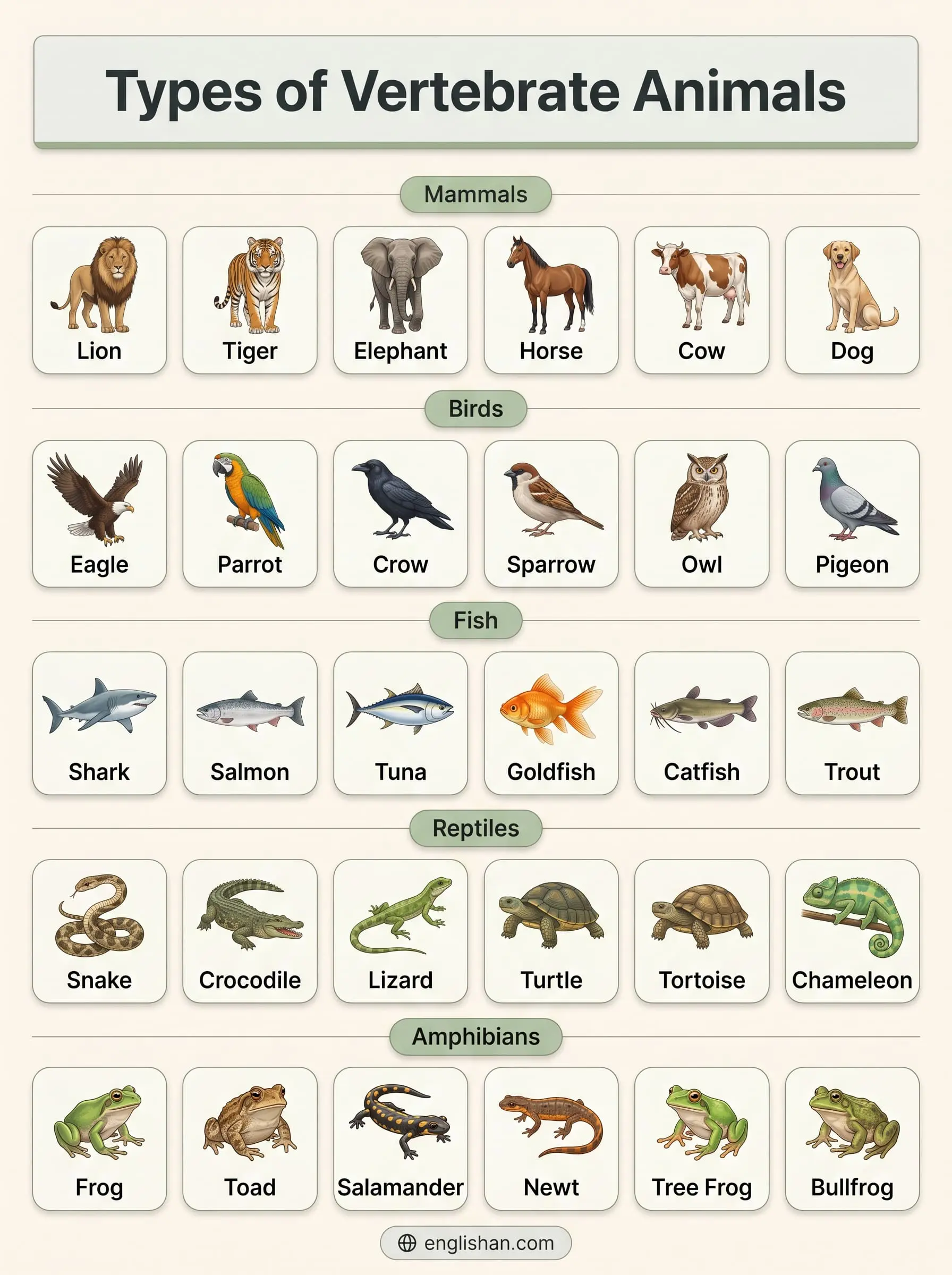
List of Vertebrate Animals Names
- Lion
- Tiger
- Elephant
- Horse
- Cow
- Dog
- Cat
- Rabbit
- Deer
- Camel
- Bear
- Monkey
- Gorilla
- Zebra
- Dolphin
- Whale
- Bat
- Kangaroo
- Fox
- Goat
- Eagle
- Parrot
- Peacock
- Sparrow
- Owl
- Pigeon
- Crow
- Duck
- Swan
- Penguin
- Shark
- Salmon
- Tuna
- Goldfish
- Catfish
- Trout
- Swordfish
- Carp
- Eel
- Mackerel
- Snake
- Lizard
- Crocodile
- Turtle
- Tortoise
- Chameleon
- Gecko
- Iguana
- Frog
- Salamander
Common Vertebrate Animals Names with Pictures
❶ Lion
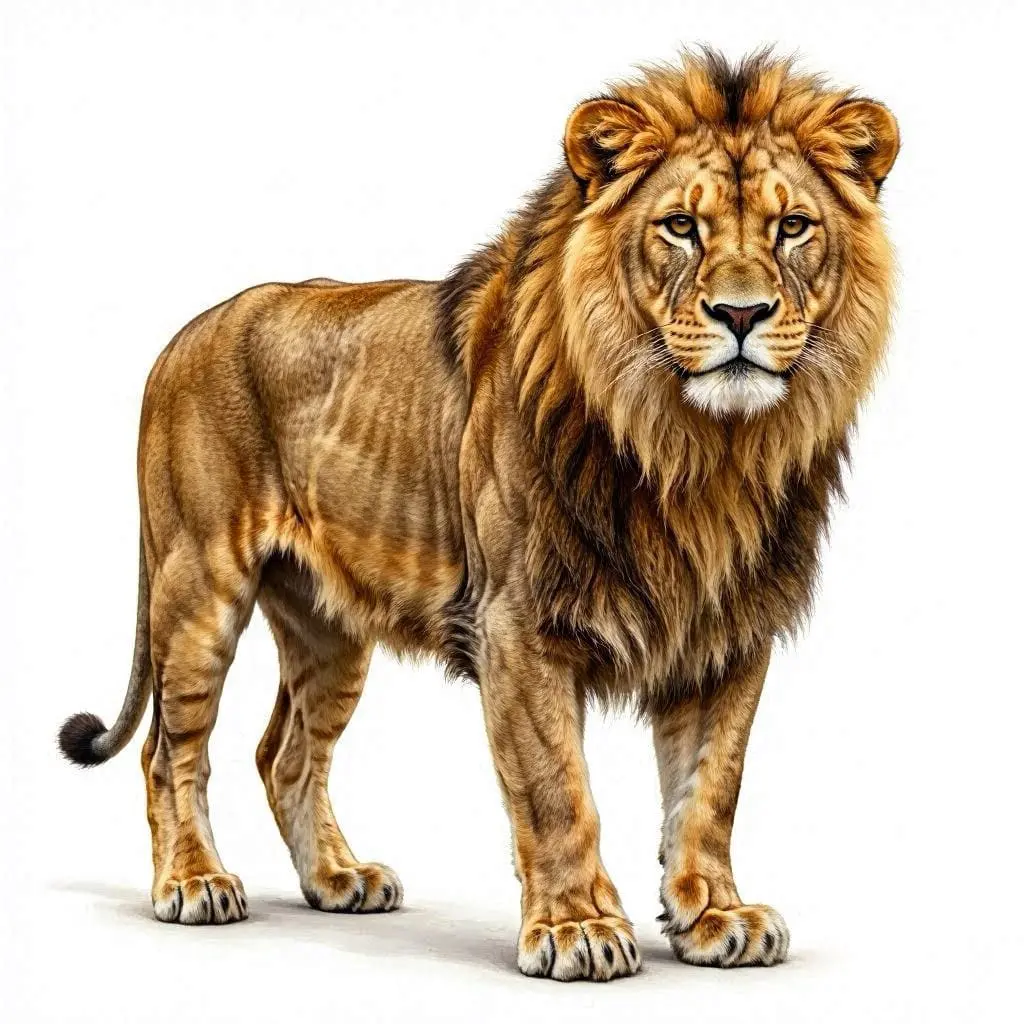
Type: Mammal
Lions are vertebrate animals because they have a strong internal skeleton with a backbone that supports their large and powerful body. This backbone also protects their spinal cord, which is part of their nervous system. Lions are large and powerful wild animals known for living in social groups called prides, where they work together for hunting and protection.
Where found: Grasslands and savannas of Africa
❷ Tiger
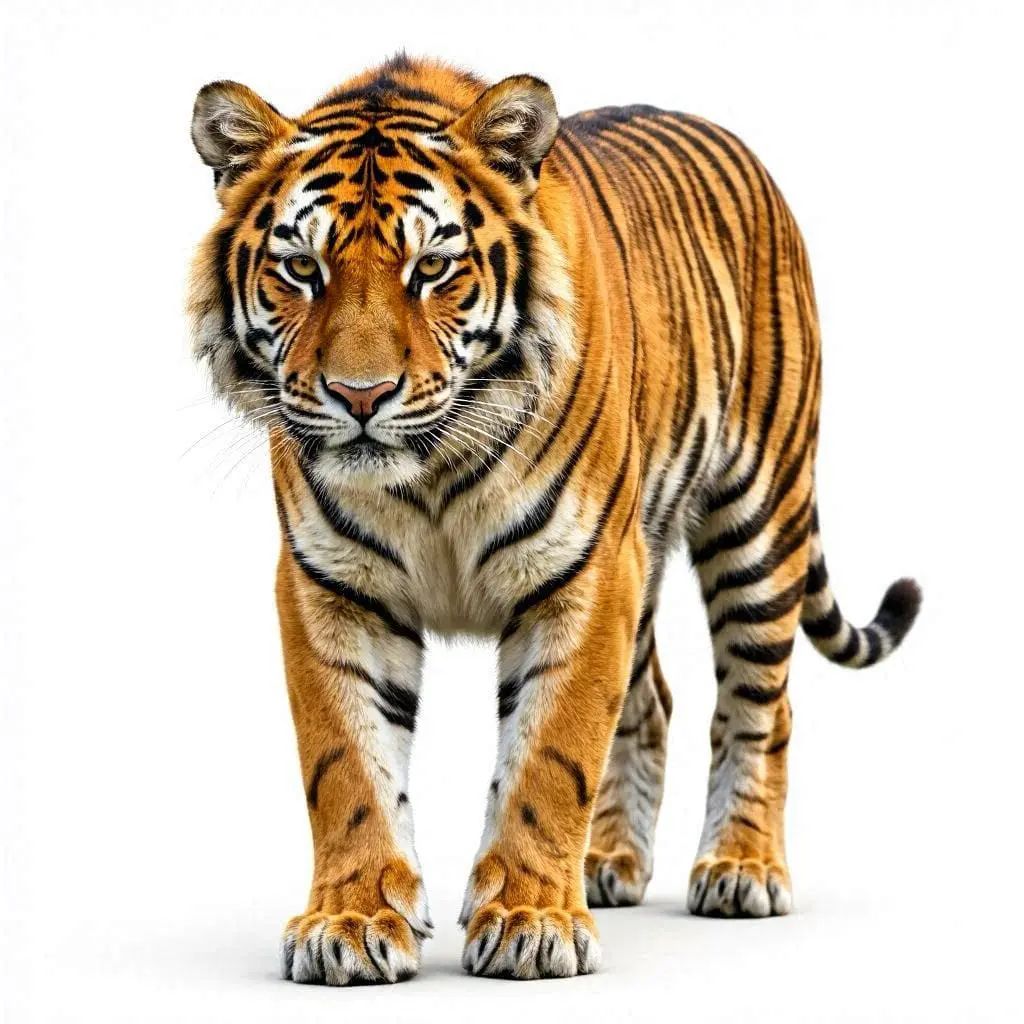
Type: Mammal
Tigers are vertebrate animals because they possess a backbone that gives structure to their long and muscular body. This internal skeleton helps them move silently and with great strength while hunting. Tigers are solitary predators known for their striking striped coat and powerful build that allows them to survive in dense forests.
Where found: Forests, mangroves, and grasslands in Asia
❸ Elephant
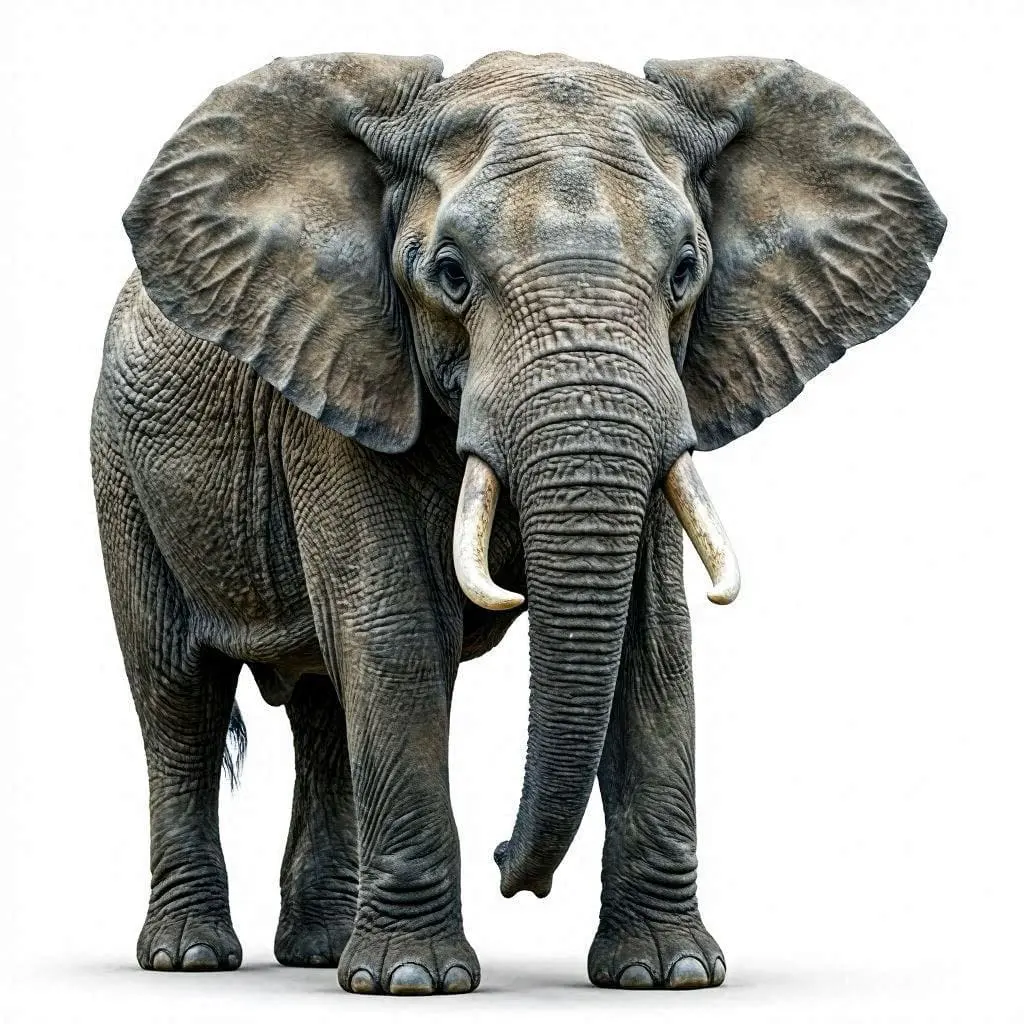
Type: Mammal
Elephants are vertebrate animals because they have a well-developed spinal column that supports their massive body weight. Their backbone is part of an internal skeleton that helps them stand, walk, and move efficiently. Elephants are highly intelligent animals known for their strong memory and deep family bonds.
Where found: Forests and grasslands of Africa and Asia
❹ Horse
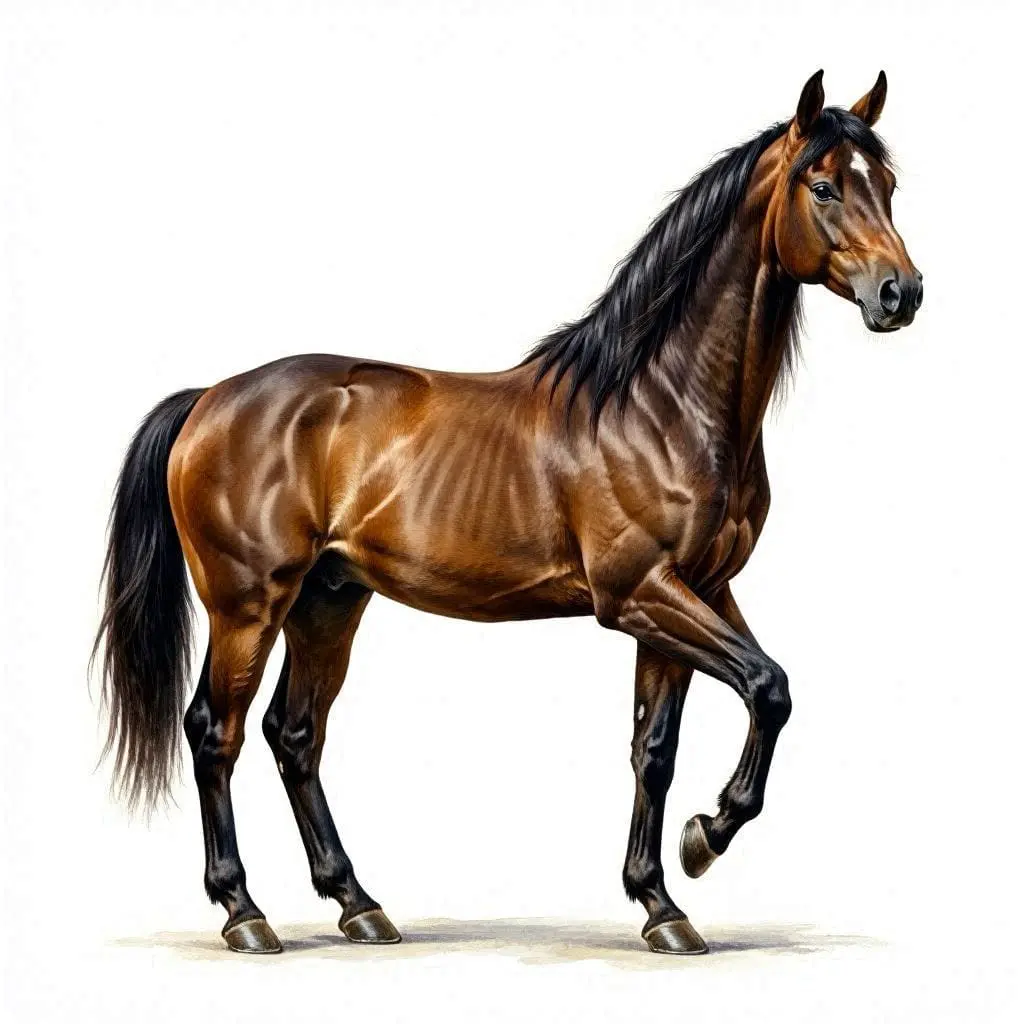
Type: Mammal
Horses are vertebrate animals because they have a strong backbone that supports their body and allows fast and powerful movement. Their internal skeleton gives them the ability to run at high speed for long distances. Horses are social and intelligent animals often used by humans for riding and transport.
Where found: Grasslands, farms, and open plains worldwide
❺ Cow
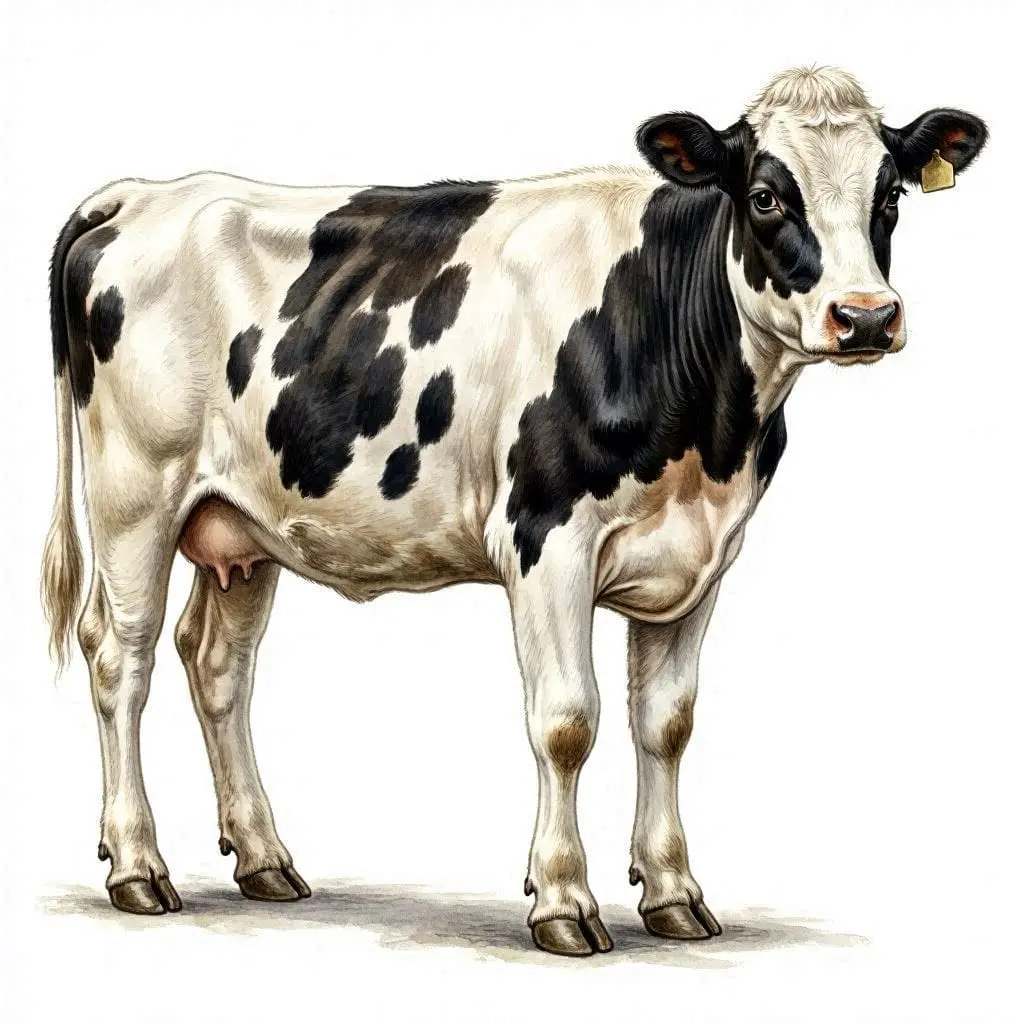
Type: Mammal
Cows are vertebrate animals because they have an internal skeleton with a backbone that supports their body structure. This backbone protects their nervous system and helps them move steadily while grazing. Cows are domesticated animals commonly raised for milk, meat, and farming purposes.
Where found: Farms and rural areas worldwide
❻ Dog
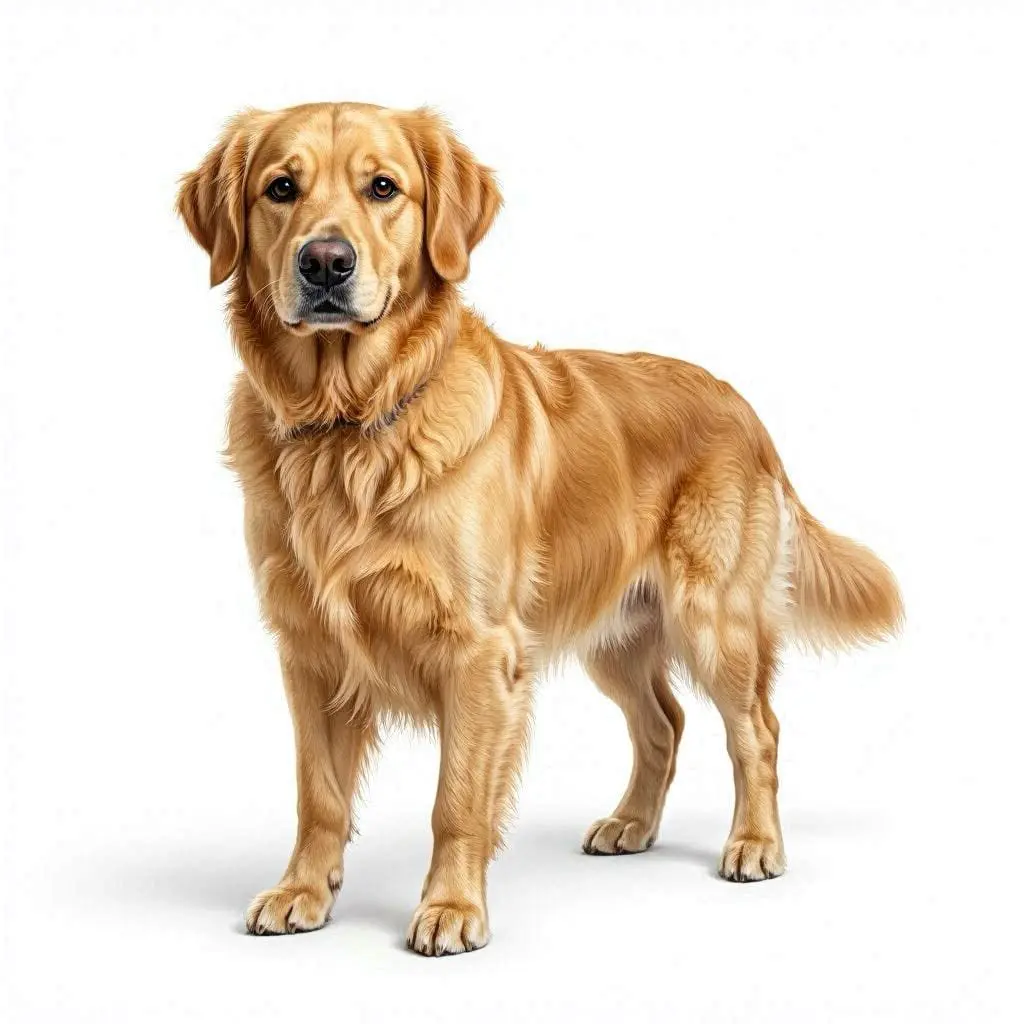
Type: Mammal
Dogs are vertebrate animals because they possess a backbone that forms the central support of their body. This internal structure allows flexibility and coordinated movement. Dogs are loyal and intelligent animals that have been domesticated for companionship, security, and working roles.
Where found: Homes, farms, and communities worldwide
❼ Cat

Type: Mammal
Cats are vertebrate animals because they have a flexible backbone that supports their agile and balanced body movements. This internal skeleton allows them to jump, climb, and land with precision. Cats are independent animals known for their hunting instincts and calm behavior.
Where found: Homes and urban areas worldwide
❽ Goat
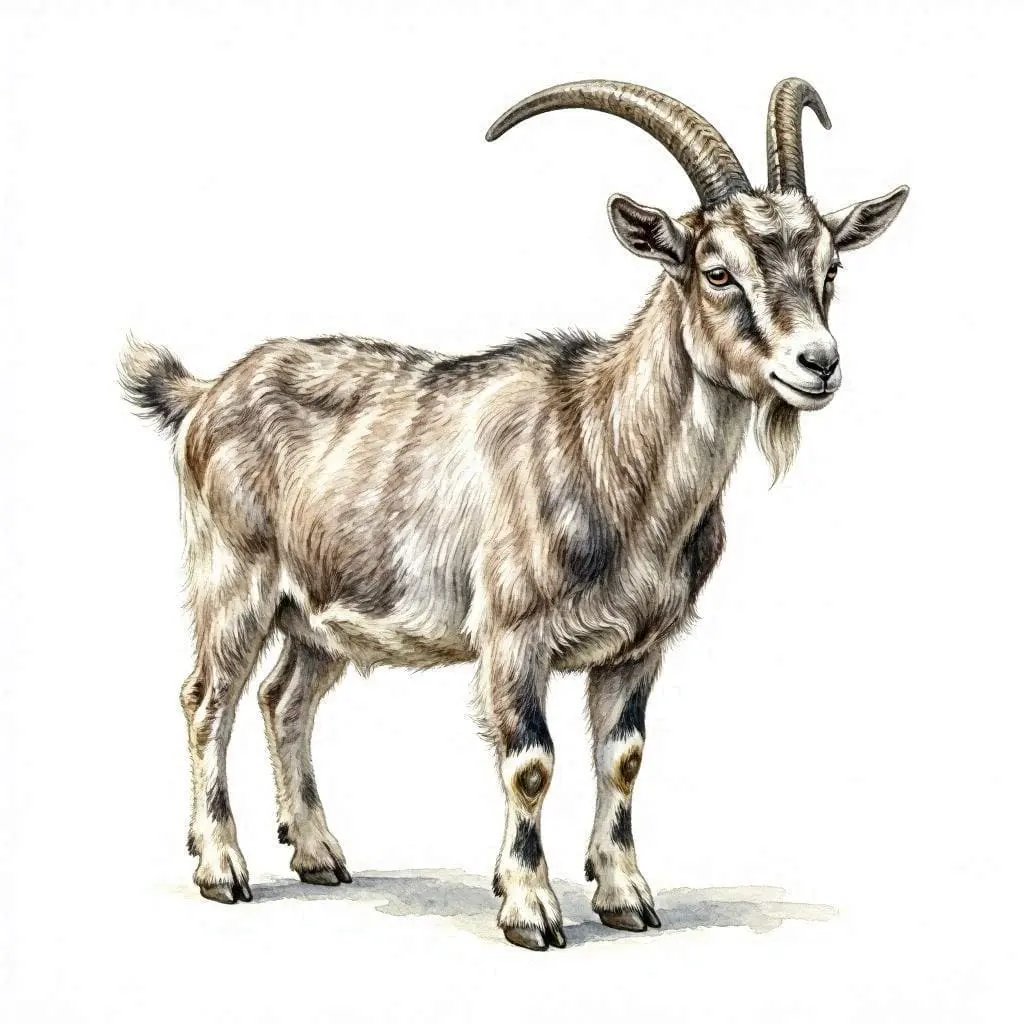
Type: Mammal
Goats are vertebrate animals because they have a backbone that provides structure and support to their climbing and active body. Their internal skeleton helps them maintain balance on rough and steep surfaces. Goats are hardy animals commonly raised for milk, meat, and fiber.
Where found: Mountains, farms, and dry regions
❾ Sheep
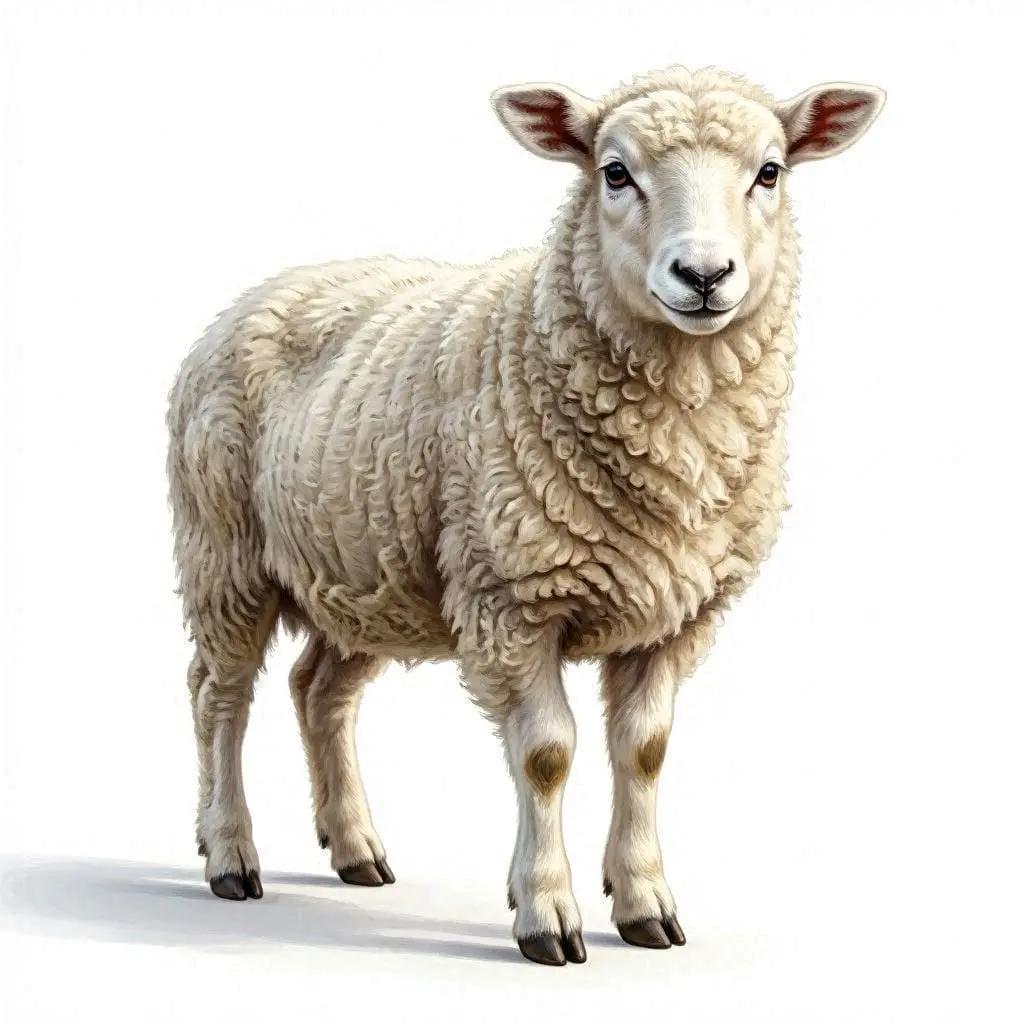
Type: Mammal
Sheep are vertebrate animals because they have a spinal column that supports their body and protects their nervous system. This internal skeleton allows them to move in groups and graze safely in open areas. Sheep are gentle animals mainly raised for wool, milk, and meat.
Where found: Grasslands and farms worldwide
❿ Camel
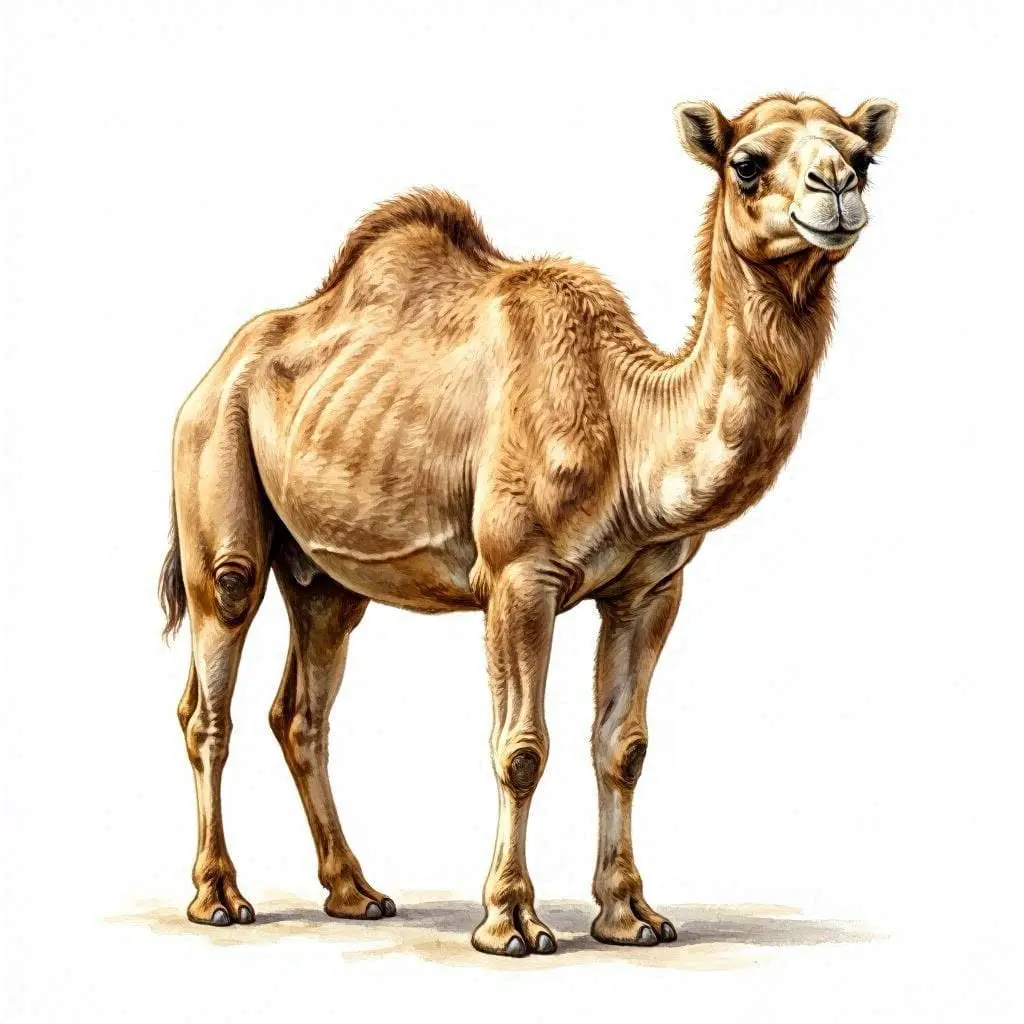
Type: Mammal
Camels are vertebrate animals because they have a strong backbone that supports their large body and helps them move in desert environments. Their internal skeleton allows them to walk long distances even in harsh conditions. Camels are desert animals and are known for their ability to survive without water for long periods.
Where found: Deserts of Asia and Africa
⓫ Deer
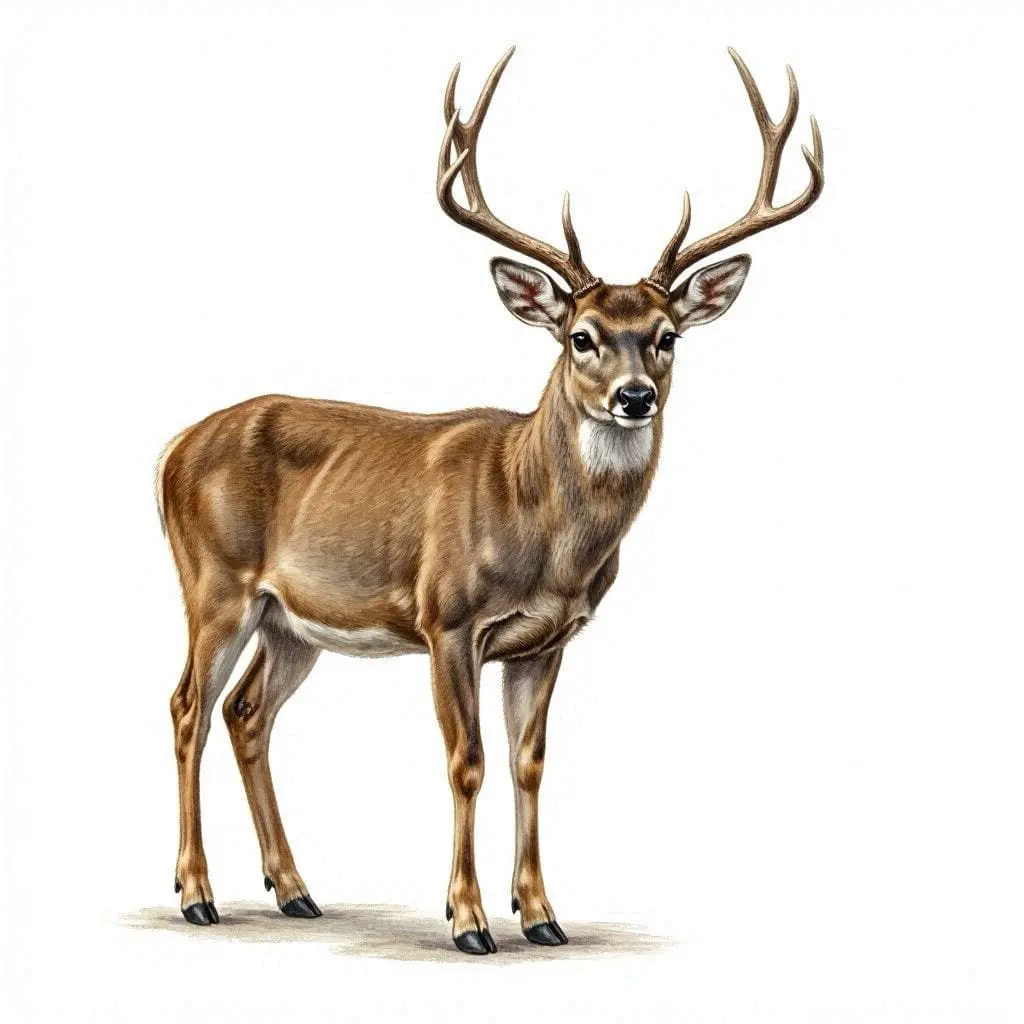
Type: Mammal
Deer are vertebrate animals because they possess a backbone that supports their light and fast-moving body. This internal skeleton helps them run quickly to escape predators. Deer are graceful animals that mainly feed on plants and live in forests and grasslands.
Where found: Forests and grasslands worldwide
⓬ Rabbit
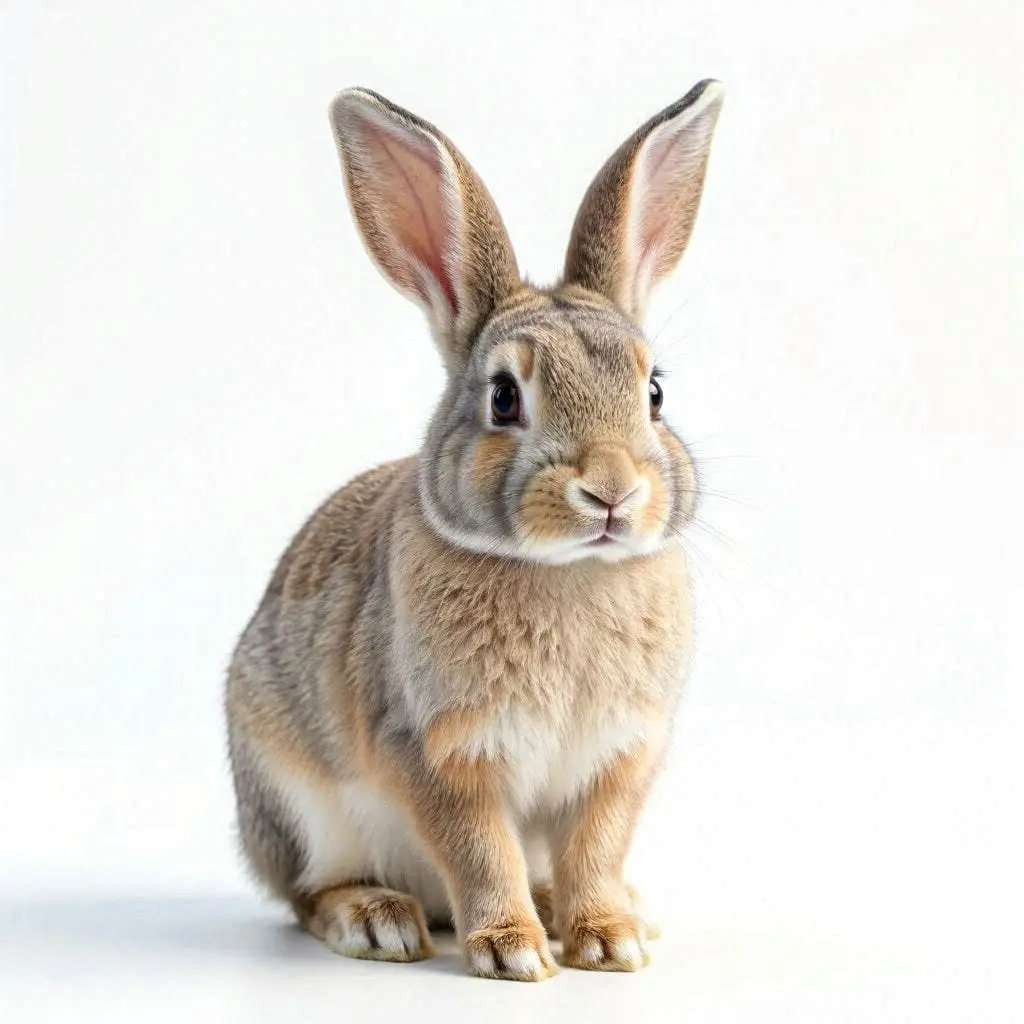
Type: Mammal
Rabbits are vertebrate animals because they have a backbone that supports their small and flexible body. Their internal skeleton allows them to jump quickly and move efficiently to avoid danger. Rabbits are herbivores that live in burrows for safety.
Where found: Meadows, forests, and grasslands worldwide
⓭ Monkey
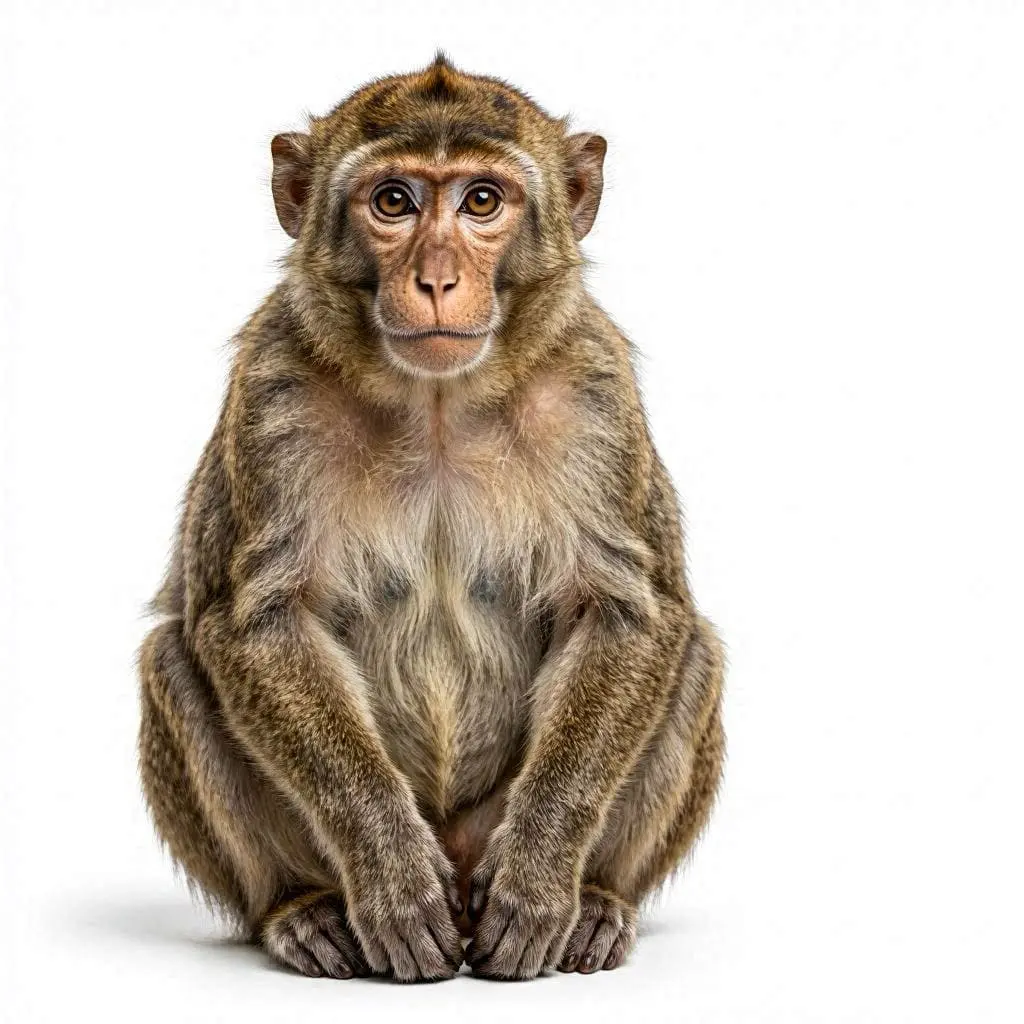
Type: Mammal
Monkeys are vertebrate animals because they have a backbone that supports their agile and climbing body structure. Their internal skeleton allows strong limb movement for jumping and swinging between trees. Monkeys are intelligent social animals that live in groups called troops.
Where found: Tropical forests of Asia, Africa, and South America
⓮ Eagle
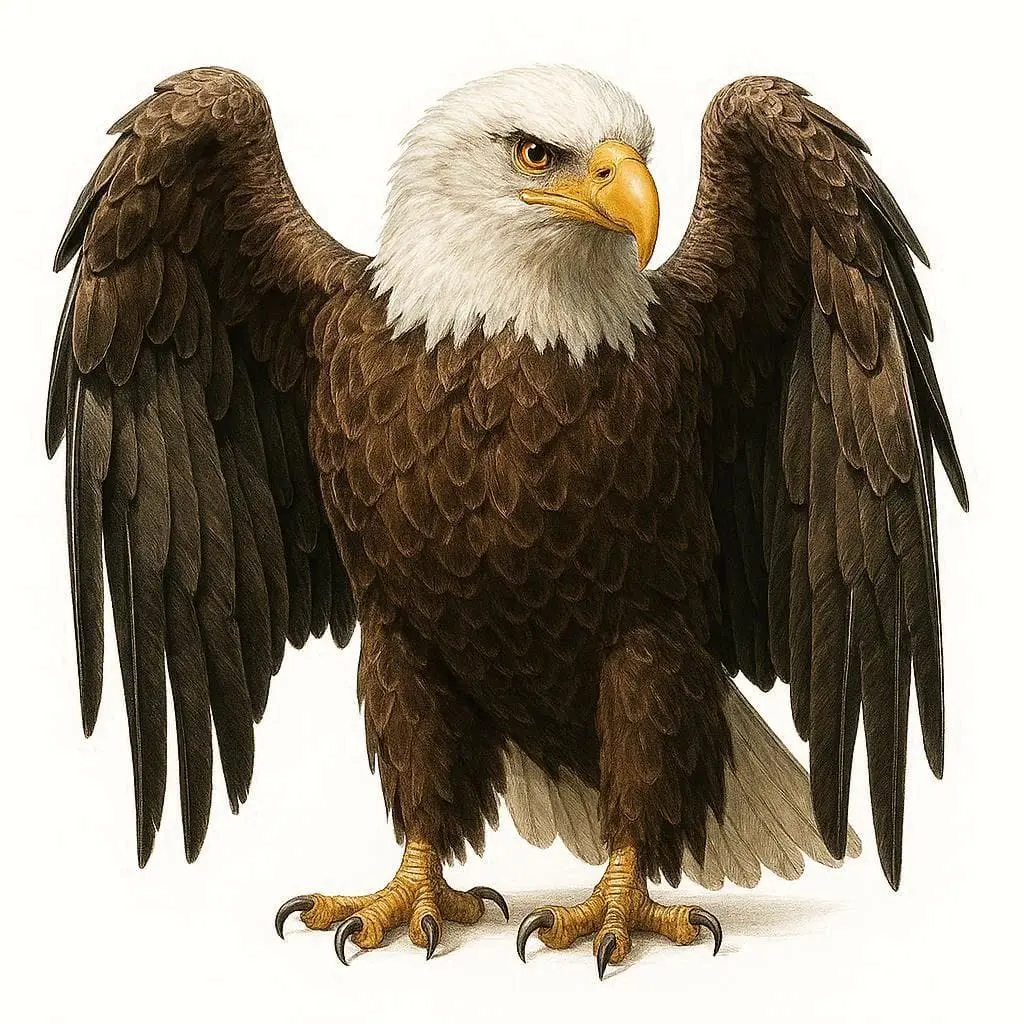
Type: Bird
Eagles are vertebrate animals because they have a backbone that supports their body during flight and hunting. Their internal skeleton is lightweight yet strong, which helps them soar high in the sky. Eagles are powerful birds of prey known for their sharp vision and hunting skills.
Where found: Mountains, forests, and open skies worldwide
⓯ Parrot
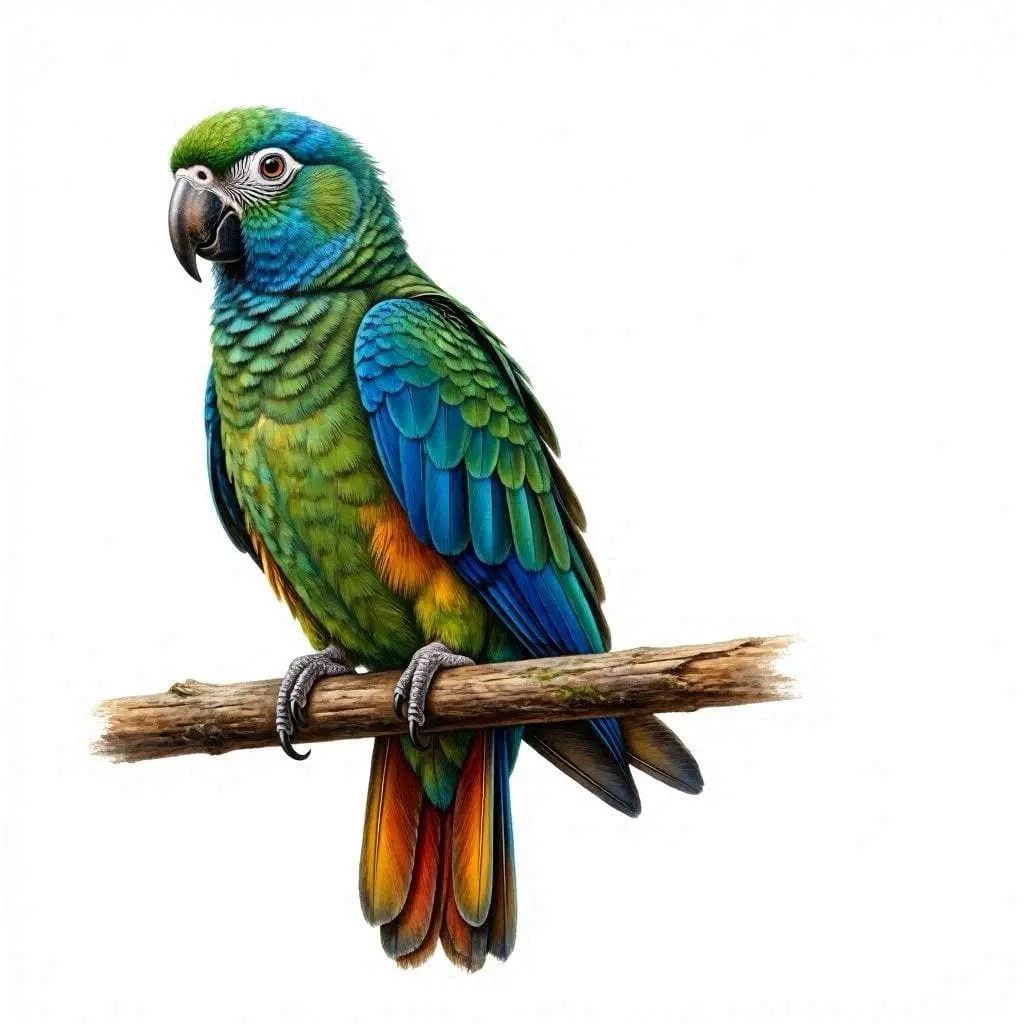
Type: Bird
Parrots are vertebrate animals because they have a backbone that supports their body structure and enables flight. Their internal skeleton helps them perch, fly, and move easily between trees. Parrots are colorful birds known for their intelligence and ability to mimic sounds.
Where found: Tropical and subtropical forests
⓰ Crow
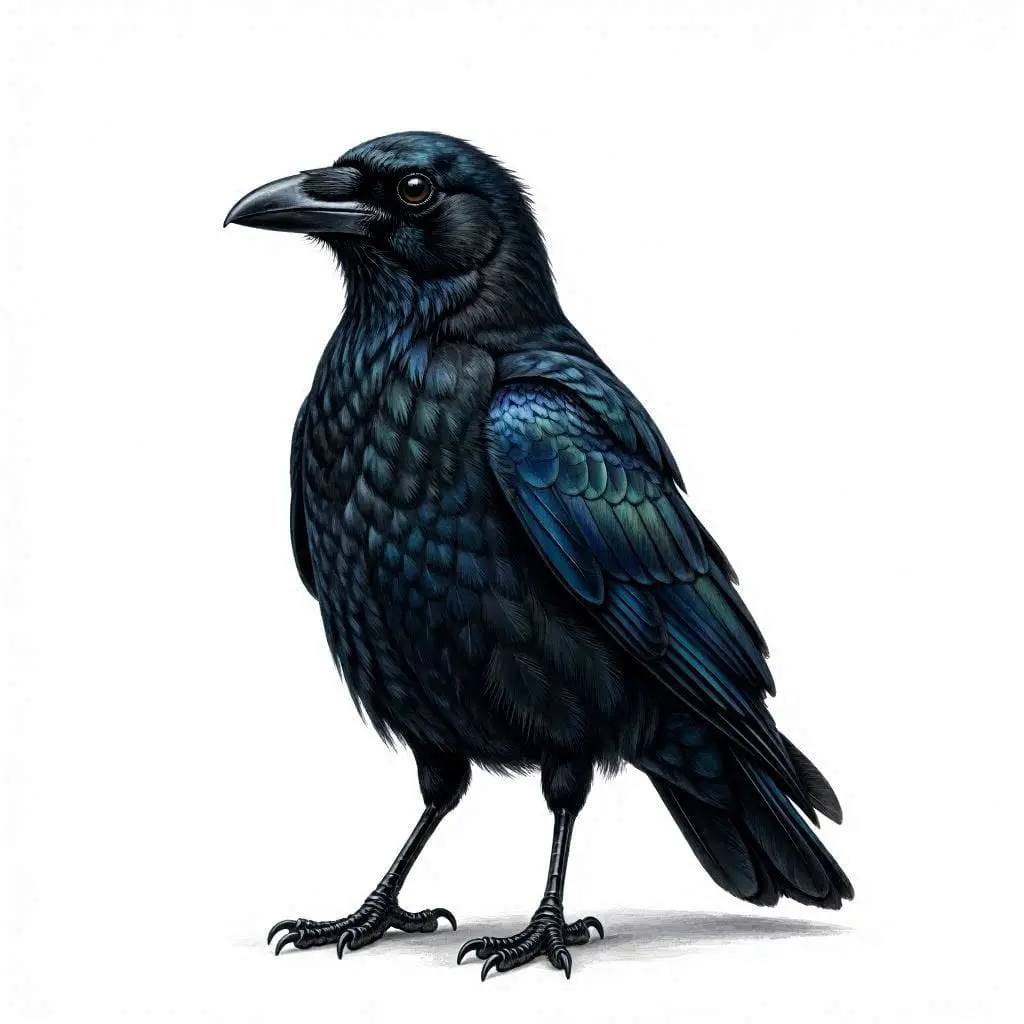
Type: Bird
Crows are vertebrate animals because they have a backbone that forms the main support of their body. Their internal skeleton allows them to fly and adapt to different environments. Crows are intelligent birds known for their problem-solving abilities and social behavior.
Where found: Cities, forests, and farmlands worldwide
⓱ Sparrow
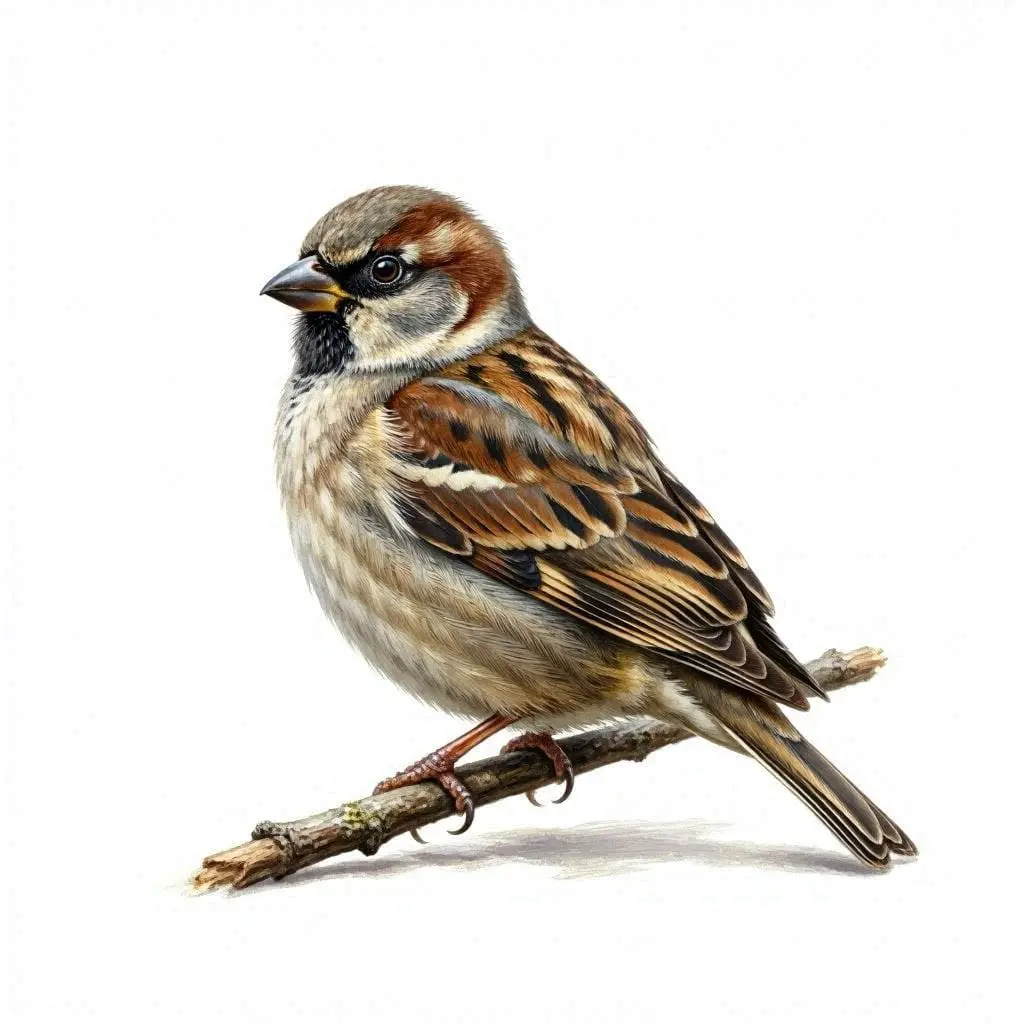
Type: Bird
Sparrows are vertebrate animals because they have a backbone that supports their small body and enables flight. Their internal skeleton helps them move quickly and survive in different environments. Sparrows are common birds often found near human settlements.
Where found: Urban and rural areas worldwide
⓲ Snake
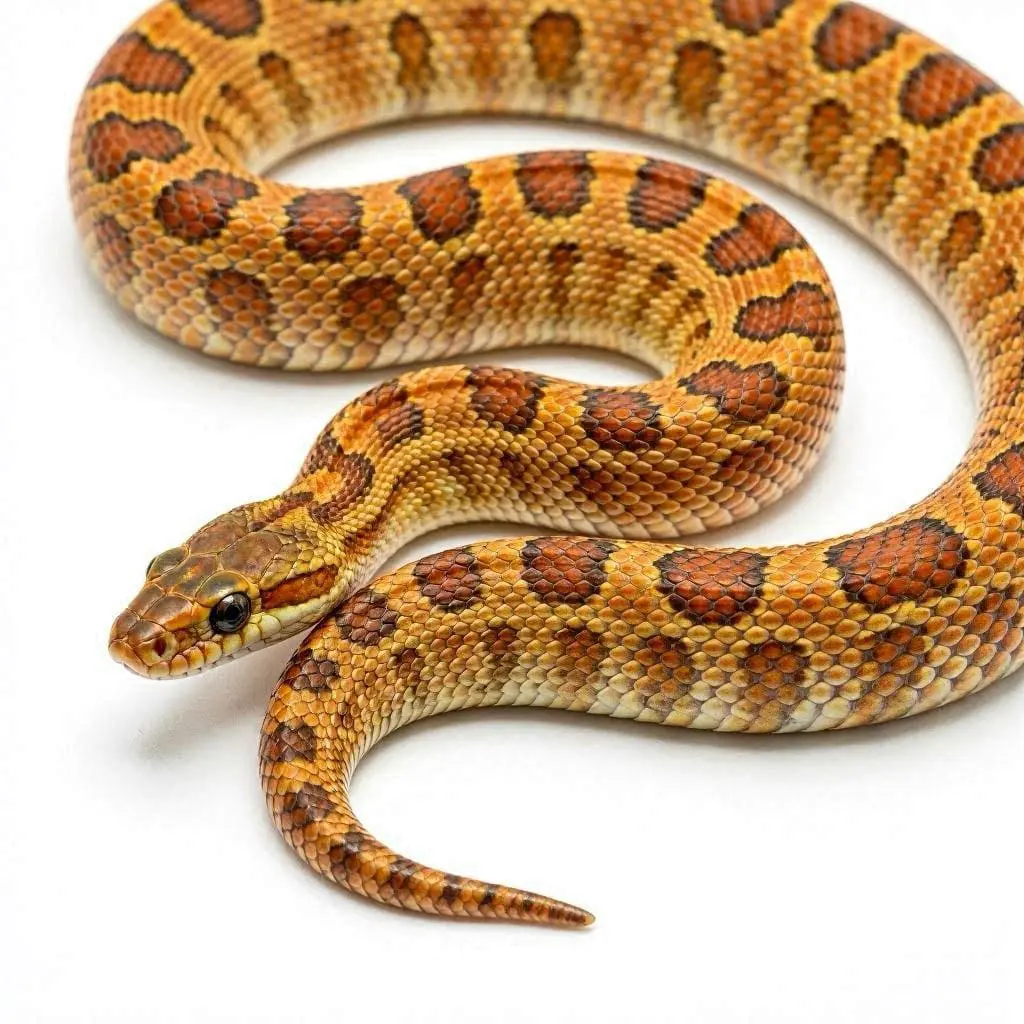
Type: Reptile
Snakes are vertebrate animals because they have a backbone that runs along their long, flexible body. This internal skeleton allows them to move by slithering and helps support their muscular structure. Snakes are reptiles that play an important role in controlling pests.
Where found: Forests, deserts, grasslands, and water areas worldwide
⓳ Crocodile
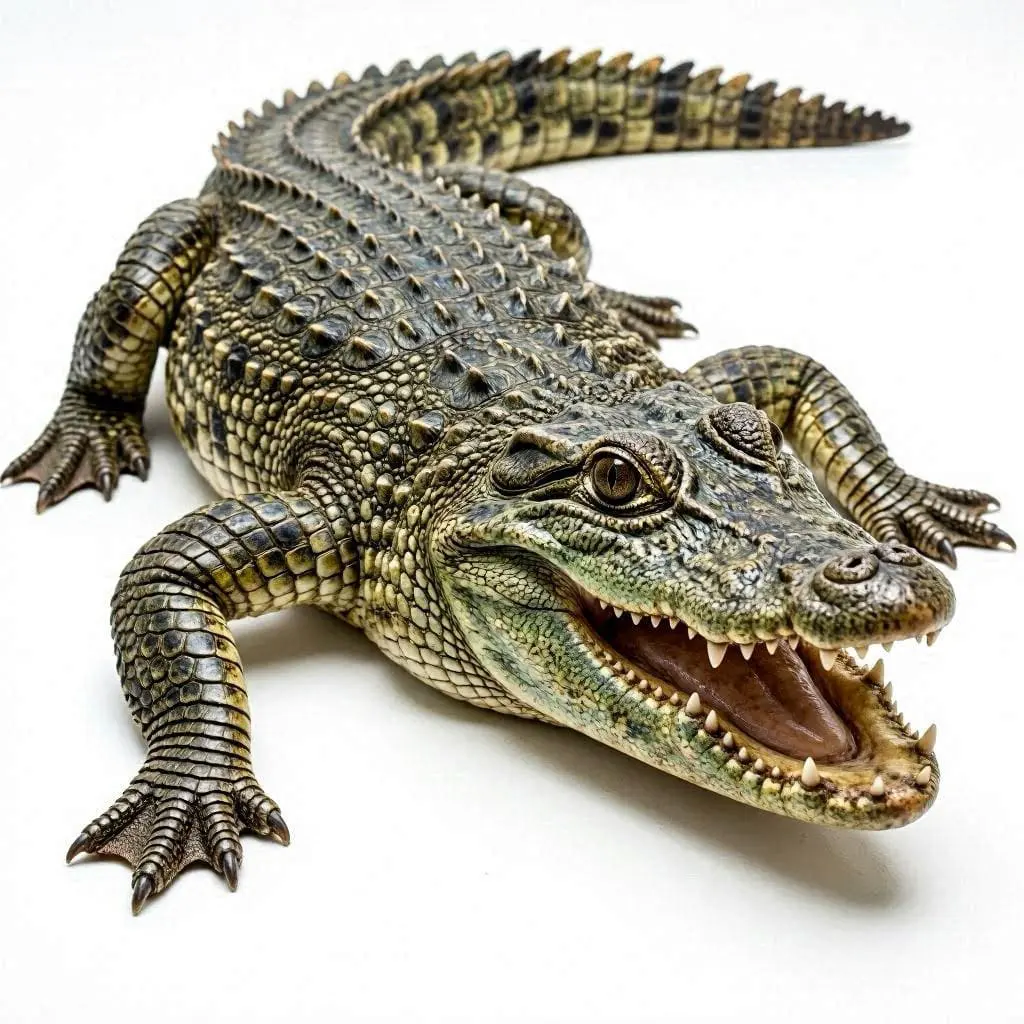
Type: Reptile
Crocodiles are vertebrate animals because they have a strong backbone that supports their heavy body and powerful movements. Their internal skeleton allows them to swim efficiently and move on land. Crocodiles are large reptiles known for their strength and survival skills.
Where found: Rivers, lakes, and wetlands in tropical regions
⓴ Frog
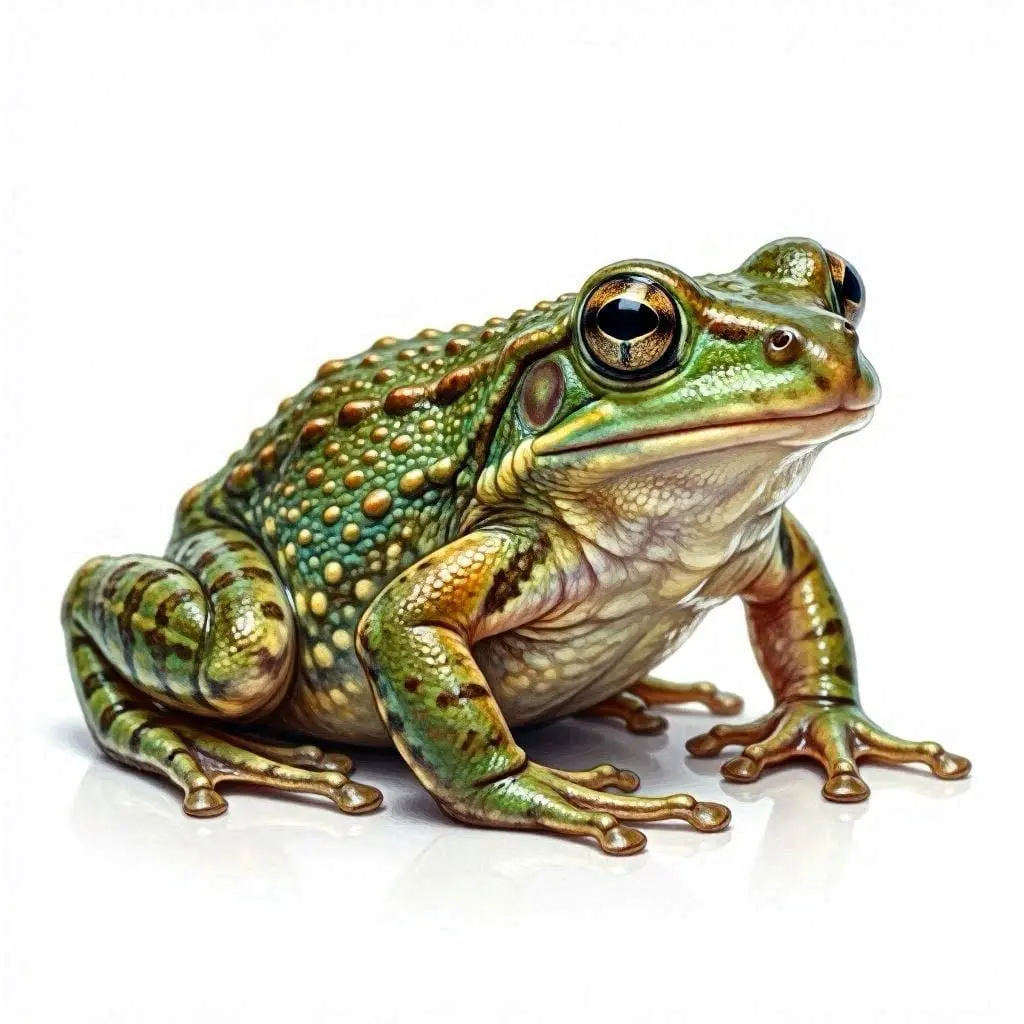
Type: Amphibian
Frogs are vertebrate animals because they have a backbone that supports their body during both aquatic and land life stages. Their internal skeleton helps them jump, swim, and survive in different environments. Frogs are amphibians known for their life cycle changes and croaking sounds.
Where found: Ponds, wetlands, and moist environments worldwide
Types of Vertebrate Animals
Vertebrate animals are commonly divided into five main groups based on their physical features and way of living. Each group has its own unique characteristics that help these animals survive in different environments around the world.
Mammals: Vertebrate Animals Names
Mammals are warm-blooded vertebrate animals that usually give birth to young ones and feed them with milk. They live in a wide range of environments such as forests, grasslands, and even human settlements.
- Lion: A powerful carnivorous mammal known for living in groups called prides and hunting large prey in grasslands.
- Tiger: A large solitary wild cat with stripes, known for its strength, stealth, and hunting skills in dense forests.
- Elephant: The largest land mammal with a trunk used for eating, drinking, and communication, living in close family herds.
- Horse: A fast and strong animal used for riding and transport, known for its endurance and social herd behavior.
- Cow: A domesticated herbivore raised for milk, meat, and farming, living peacefully in groups on farms.
- Dog: A loyal and intelligent domesticated animal used for companionship, protection, and working roles.
- Cat: A small agile pet known for hunting small pests, independence, and flexible body movements.
- Goat: A hardy climbing animal raised for milk and meat, able to survive in rough and mountainous areas.
- Deer: A graceful herbivore known for speed and antlers, usually living in forests and grasslands.
- Monkey: A highly intelligent and social animal that lives in groups and is skilled at climbing trees.
In short, mammals are important vertebrate animals because they are highly developed, adaptable, and found in almost every environment on Earth.
Birds Vertebrate Animals Names
Birds are warm-blooded vertebrate animals with feathers, wings, and beaks. Most birds can fly, while some are adapted for swimming or running.
- Eagle: A powerful bird of prey with sharp vision and strong talons used for hunting from high altitudes.
- Parrot: A colorful intelligent bird known for mimicking sounds and living in tropical forests.
- Crow: A highly intelligent bird capable of problem-solving and adapting to urban and rural areas.
- Sparrow: A small common bird that feeds on seeds and insects, often seen near human settlements.
- Owl: A nocturnal bird known for silent flight and excellent night vision while hunting small animals.
- Pigeon: A widely found bird known for strong navigation skills and living close to human habitats.
- Duck: A water bird adapted for swimming with webbed feet and feeding in ponds and lakes.
- Peacock: A beautiful bird known for its colorful feathers and impressive tail display during courtship.
- Swan: A large elegant water bird known for graceful swimming and long curved neck.
- Penguin: A flightless bird adapted for swimming in cold waters and surviving in icy regions.
In short, birds are important vertebrates because they help maintain ecological balance through pollination, seed dispersal, and insect control.
Fish Vertebrate Animals Names
Fish are cold-blooded vertebrate animals that live in water and breathe through gills. They are adapted for swimming and survive in both freshwater and saltwater environments.
- Shark: A powerful ocean predator with sharp teeth and excellent hunting abilities in deep water.
- Salmon: A fish known for long migrations and returning to freshwater to reproduce.
- Tuna: A fast-swimming ocean fish that travels long distances and lives in deep waters.
- Goldfish: A small ornamental fish commonly kept in aquariums for its bright color.
- Catfish: A bottom-feeding fish known for whisker-like barbels used to sense food.
- Trout: A freshwater fish found in cold rivers and lakes, known for its agility.
- Carp: A hardy freshwater fish often found in ponds and slow-moving rivers.
- Eel: A long snake-like fish that can move through narrow water spaces.
- Swordfish: A large ocean fish known for its long pointed bill used for hunting.
- Mackerel: A fast-moving schooling fish found in oceans and widely used as food.
In short, fish are important vertebrates because they maintain balance in aquatic ecosystems and support the food chain.
Reptiles Vertebrate Animals Names
Reptiles are cold-blooded vertebrate animals with dry, scaly skin. Most reptiles lay eggs and are well adapted to land and aquatic environments.
- Snake: A legless reptile that moves by slithering and can be venomous or non-venomous.
- Crocodile: A large aquatic reptile with strong jaws that hunts in rivers and wetlands.
- Lizard: A small reptile with scaly skin that lives in warm environments and eats insects.
- Turtle: A slow-moving reptile with a hard shell that protects its body in water and land.
- Tortoise: A land-dwelling reptile with a strong shell and very slow movement.
- Chameleon: A reptile known for changing color and using a long tongue to catch insects.
- Gecko: A small climbing lizard that can stick to walls using special feet.
- Iguana: A large herbivorous lizard often found in tropical forests.
- Komodo Dragon: The largest lizard in the world known for its powerful bite and strength.
- Monitor Lizard: A strong and intelligent reptile found in warm regions, often a skilled hunter.
In short, reptiles are important vertebrates because they help control insect and small animal populations in nature.
Amphibians Vertebrate Animals Names
Amphibians are vertebrate animals that live both in water and on land during different stages of their life cycle. They have moist skin and usually lay eggs in water.
- Frog: A small amphibian known for jumping ability and life cycle changes between water and land.
- Toad: A land-dwelling amphibian with dry, bumpy skin and slow movement.
- Salamander: A long-bodied amphibian that lives in moist environments and can regenerate limbs.
- Newt: A small aquatic amphibian that spends part of its life in water and land.
- Tree Frog: A small frog adapted for climbing trees using sticky toe pads.
- Bullfrog: A large frog known for its deep croaking sound and strong jumping ability.
- Mudpuppy: An aquatic amphibian that remains in water throughout its life.
- Axolotl: A unique amphibian known for staying in its larval form and regenerating body parts.
- Caecilian: A legless amphibian that looks like a worm and lives underground.
- Leopard Frog: A spotted frog commonly found near ponds and wetlands in North America.
In short, amphibians are important vertebrates because they help control insect populations and act as indicators of a healthy environment.
Difference Between Vertebrates and Invertebrates
Animals in the animal kingdom are mainly divided into two major groups based on the presence or absence of a backbone. These two groups are vertebrates and invertebrates, and they differ in body structure, complexity, and functioning.
| Vertebrates | Invertebrates |
|---|---|
| Have a backbone or spinal column | Do not have a backbone |
| Possess a well-developed internal skeleton | Do not have an internal skeleton or have a simple body structure |
| Generally larger and more complex animals | Usually smaller and less complex animals |
| Have a brain and advanced nervous system | Nervous system is simpler compared to vertebrates |
| Examples: Lion, Eagle, Shark | Examples: Butterfly, Ant, Jellyfish |
In short, vertebrates are animals with a backbone and more complex body systems, while invertebrates are animals without a backbone and generally have simpler body structures.
Largest and Smallest Vertebrates
Vertebrate animals vary greatly in size, ranging from massive ocean giants to extremely small creatures that are difficult to see with the naked eye. This size difference shows how diverse and adaptable vertebrates are across different environments.
Largest Vertebrate: Blue Whale
The blue whale is the largest vertebrate and the largest animal ever known to exist. It is a marine mammal that can grow up to about 30 meters long and weigh over 150,000 kilograms. Despite its huge size, it feeds mainly on tiny organisms called krill.
Smallest Vertebrate: Paedophryne Amauensis (Frog)
The smallest vertebrate is a tiny species of frog called Paedophryne amauensis. It is only about 7.7 millimeters long, making it smaller than many insects. It lives in leaf litter on the forest floor and survives by feeding on very small invertebrates.
In short, vertebrates include both the largest animal on Earth and some of the smallest living creatures, showing the incredible range of life within this group.
Endangered Vertebrate Animals
Endangered animals are species that are at risk of becoming extinct due to habitat loss, hunting, pollution, and climate change. Protecting these animals is important to maintain ecological balance and biodiversity on Earth.
- Snow Leopard: A rare wild cat adapted to cold mountain regions. It is endangered due to poaching and loss of habitat in high-altitude areas.
- Blue Whale: The largest animal on Earth, once heavily hunted for oil and meat. It is now protected, but still vulnerable due to ship strikes and ocean pollution.
- Sea Turtle: A marine reptile that travels long distances across oceans. It is endangered because of plastic pollution, fishing nets, and habitat destruction on beaches.
- Orangutan: A highly intelligent primate found in rainforests of Southeast Asia. It is endangered mainly due to deforestation and illegal wildlife trade.
In short, endangered vertebrate animals need urgent protection because human activities and environmental changes are rapidly reducing their populations.
Fun Facts About Vertebrate Animals
- The blue whale is the largest vertebrate animal on Earth and can grow longer than a school bus.
- The ostrich is the biggest bird in the world, but it cannot fly despite having wings.
- Sharks are ancient vertebrates that existed long before dinosaurs and have survived for millions of years.
- Frogs can breathe not only through lungs but also through their skin, especially when they are underwater.
- Some vertebrates like bats are the only mammals capable of true flight.
- Penguins are birds, but they are adapted for swimming instead of flying.
- Snakes are vertebrates even though they do not have legs; they move using their long backbone and muscles.
- Dolphins are highly intelligent vertebrates that communicate using clicks and sounds.
Final Thought
Vertebrate animals show the amazing diversity of life on Earth, from powerful land mammals and intelligent birds to aquatic fish, reptiles, and amphibians. Each group plays an important role in maintaining ecological balance and supporting natural ecosystems. By understanding their characteristics, differences, and importance, we can better appreciate the complexity of nature. In short, vertebrates are not only fascinating to learn about but also essential for a healthy and balanced planet.
FAQs
Vertebrate animals are those animals that have a well-developed internal skeleton, including a backbone (spinal column). This backbone runs along the length of the body and plays a crucial role in supporting the body structure, enabling movement, and protecting the spinal cord, which is part of the nervous system. Vertebrates also have complex organ systems, including a brain, heart, and lungs or gills, depending on the species. They are found in almost every habitat on Earth, from deep oceans to high mountains.
There are five main groups of vertebrate animals: mammals, birds, fish, reptiles, and amphibians. Each group is classified based on key features such as body covering, reproduction method, habitat, and body temperature regulation. For example, mammals have hair and produce milk for their young, birds have feathers and lay eggs, fish live in water and use gills, reptiles have dry scaly skin, and amphibians can live both on land and in water.
Yes, a snake is a vertebrate animal because it possesses a backbone made up of many small vertebrae. Although snakes do not have limbs, their long and flexible spinal column allows them to move smoothly in different environments, such as deserts, forests, and grasslands. The backbone also supports their internal organs and helps maintain body structure while crawling or climbing.
Yes, humans are vertebrate animals and belong to the mammal group. The human body is supported by a strong backbone that protects the spinal cord, which is responsible for transmitting signals between the brain and the rest of the body. This structure allows humans to stand upright, walk, run, and perform complex movements. Being mammals, humans also have other characteristics such as warm-blooded bodies and the ability to nourish their young with milk during early development.
Yes, fish are vertebrate animals because they have an internal skeleton with a backbone. Their bodies are specially adapted for aquatic life, with streamlined shapes that reduce water resistance and allow efficient swimming. Fish use fins for movement and balance, and most of them breathe through gills, which extract oxygen directly from water. The backbone supports their body structure and helps coordinate movement in underwater environments.
You May Also Like
- 50+ Carnivorous Animals Names with Pictures
- 33+ Herbivorous Animals Names with Pictures
- All Animals Names in English with Their Pictures
Vertebrate Animals Quiz
Vertebrate Animals
Which animal does the picture show?
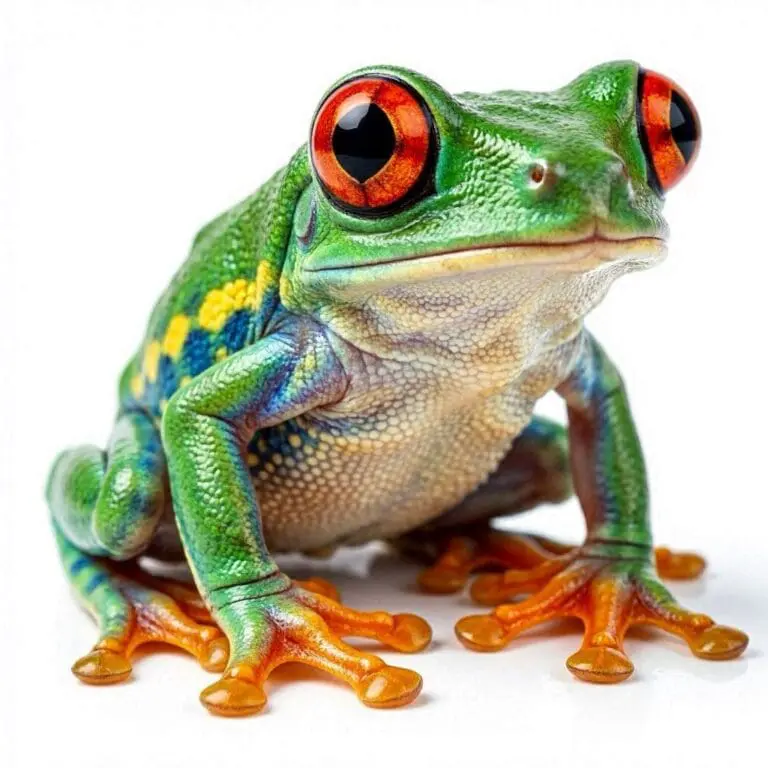
The picture shows a frog.
Read the picture before reading the options.
The picture shows a frog.
What makes an animal a vertebrate?
A spine of linked vertebrae protects the nerve cord and anchors the skeleton.
Backbone in, backbone out — nothing else decides it.
A shark has no bone in its skeleton but still has a backbone.
How many classes of vertebrate are there?
Fish, amphibians, reptiles, birds and mammals.
Learn the five as a set; every vertebrate belongs to one.
Fish, amphibians, reptiles, birds and mammals make five.
Name the bones.
The individual bones making up a backbone are called ___.
Vertebrae interlock to protect the spinal cord while still allowing the body to bend.
One vertebra, many vertebrae.
A giraffe has seven neck vertebrae, exactly as a mouse does.
Three of these are vertebrates. Which is not?
An octopus is a mollusc, with no skeleton beyond its beak.
Intelligence is no guide here; an octopus is bright and boneless.
The octopus is an invertebrate despite its problem-solving.
Roughly what share of animal species are vertebrates?
The vast majority of animal species are invertebrates, most of them insects.
Vertebrates dominate our attention and not the species list.
Beetles alone outnumber all vertebrate species several times over.
Which vertebrate class has a skeleton made of cartilage rather than bone?
Cartilaginous fish keep a flexible skeleton and still count as vertebrates.
Vertebrate means backboned, not bony.
A shark's skeleton is cartilage from snout to tail.
Turn on JavaScript for the interactive quiz. The full practice set is shown above.