Speed is one of the most fascinating abilities in the animal kingdom. From land to sky and deep oceans, many creatures are built to move incredibly fast for hunting, escaping predators, or simply surviving in the wild. This article on fastest animals in the world with pictures explores how different species achieve extreme speed in nature. Some of these animals can outrun cars, dive through water like missiles, or fly faster than the eye can follow.
In this article, we will explore the fastest animals in the world with pictures and interesting speed facts. You will discover not only their top speeds but also what makes them so quick and how their bodies are specially designed for speed.
Whether it is a sprinting cheetah on the savannah, a diving peregrine falcon in the sky, or a fast-swimming sailfish in the ocean, each animal has its own unique way of breaking speed limits in nature. Let’s take a closer look at these incredible speed champions.
What Makes an Animal Fast?
Animals become fast because their bodies are specially designed for speed and efficiency. One of the most important factors is body structure. Many fast animals have aerodynamic shapes, strong muscles, and streamlined bodies that reduce air or water resistance, allowing them to move quickly with less effort.
Another key reason is their lightweight bones and flexible spine. A lighter body helps reduce energy use during movement, while a flexible spine increases stride length or wing movement. This combination allows animals like cheetahs or birds to cover more distance in a single motion.
Finally, different animals are adapted for specific types of speed such as sprinting on land, diving in the air, or swimming in water. These adaptations include powerful legs, sharp wings, or fin-like body shapes, all of which help them reach incredible speeds in their natural environments.
Explore more animals that start with different letters:
A | B | C | D | E | F | G | H | I | J | K | L | M | N | O | P | Q | R | S | T | U | V | W | X | Y | Z
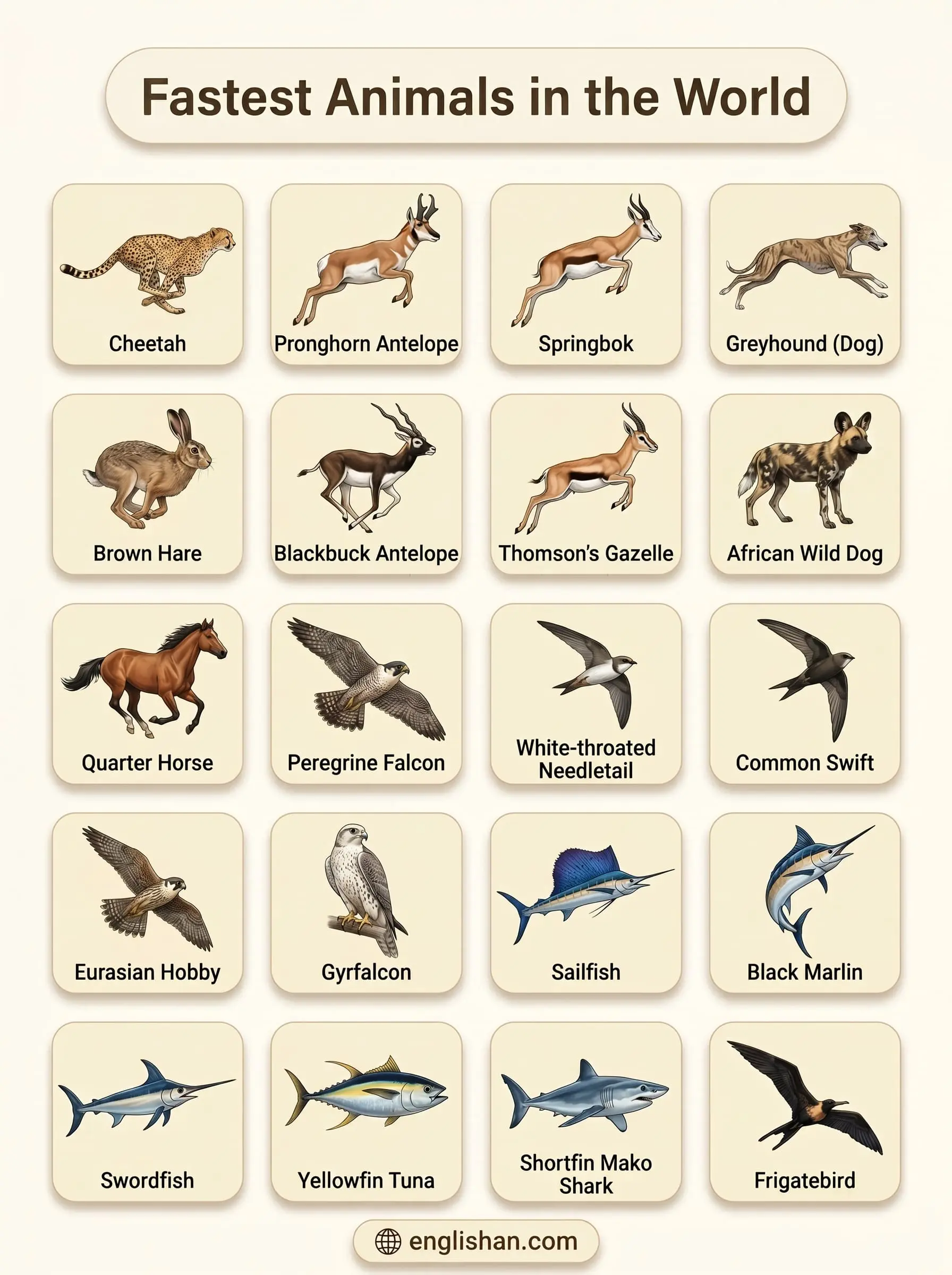
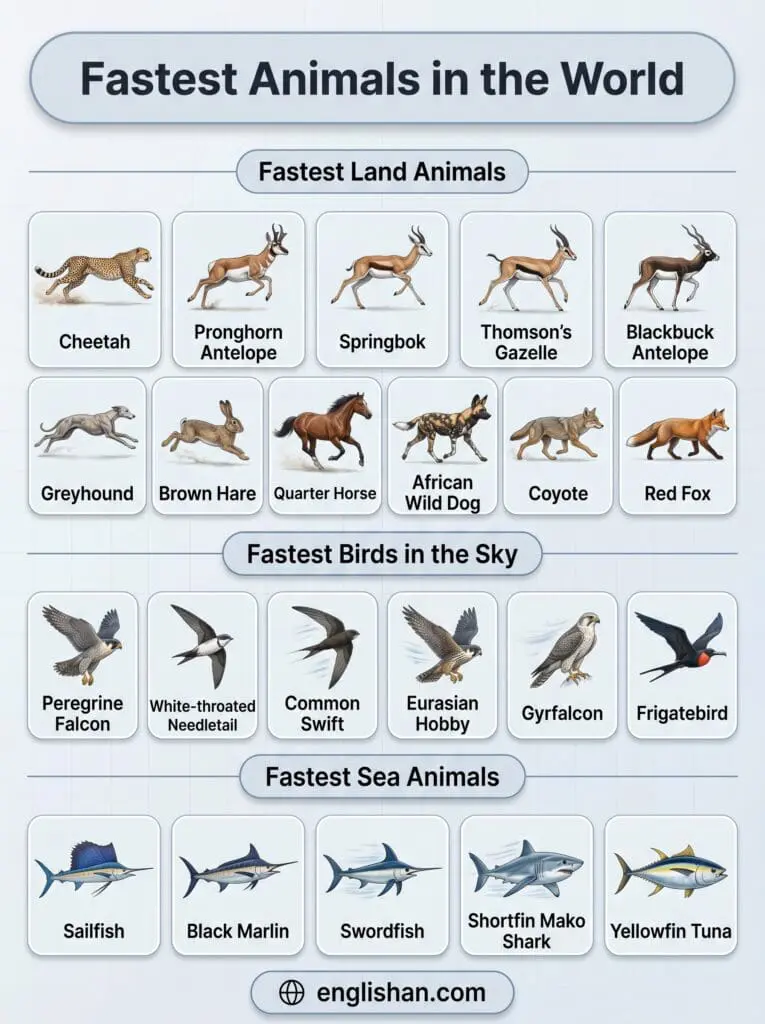
List of Fastest Animals Names in the World
- Cheetah
- Pronghorn Antelope
- Springbok
- Quarter Horse
- Wildebeest
- Blackbuck Antelope
- Thomson’s Gazelle
- Greyhound (dog)
- Brown Hare
- Kangaroo
- African Wild Dog
- Coyote
- Red Fox
- Elk (Wapiti)
- Peregrine Falcon
- Golden Eagle
- White-throated Needletail
- Eurasian Hobby
- Gyrfalcon
- Brazilian Free-tailed Bat
- Common Swift
- Anna’s Hummingbird
- Rock Dove (Pigeon)
- Frigatebird
- Sailfish
- Marlin (Black Marlin)
- Swordfish
- Yellowfin Tuna
- Shortfin Mako Shark
Common Fastest Animals Names in the World with Pictures
❶ Cheetah
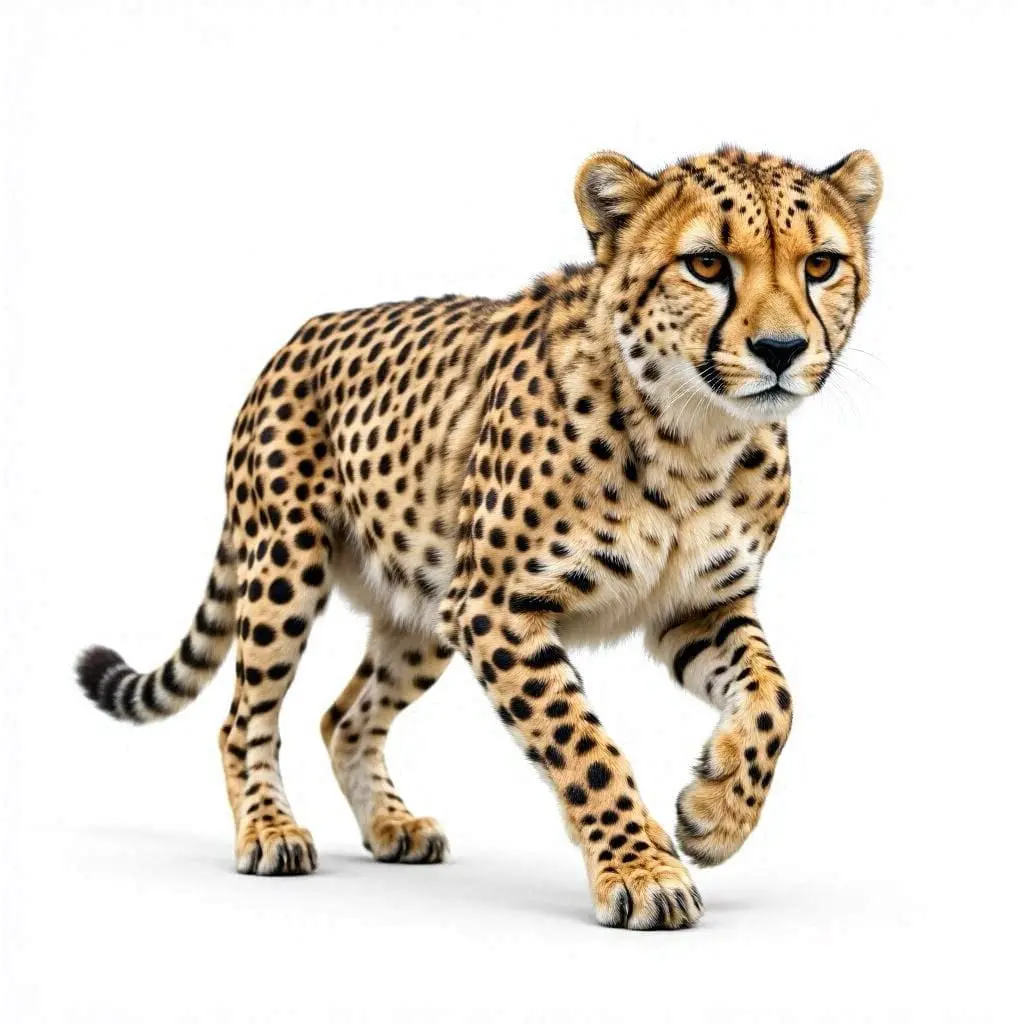
Type: Mammal
Cheetahs are built for speed more than strength. Their lightweight body, long legs, and flexible spine allow them to accelerate from 0 to top speed in just a few seconds. They rely on short explosive chases rather than long pursuits, usually targeting small to medium-sized herbivores like gazelles and impalas. During a chase, they use their long tail for balance and sharp turns. However, they tire quickly after sprinting.
Where found: Grasslands and savannas of Africa
❷ Pronghorn Antelope
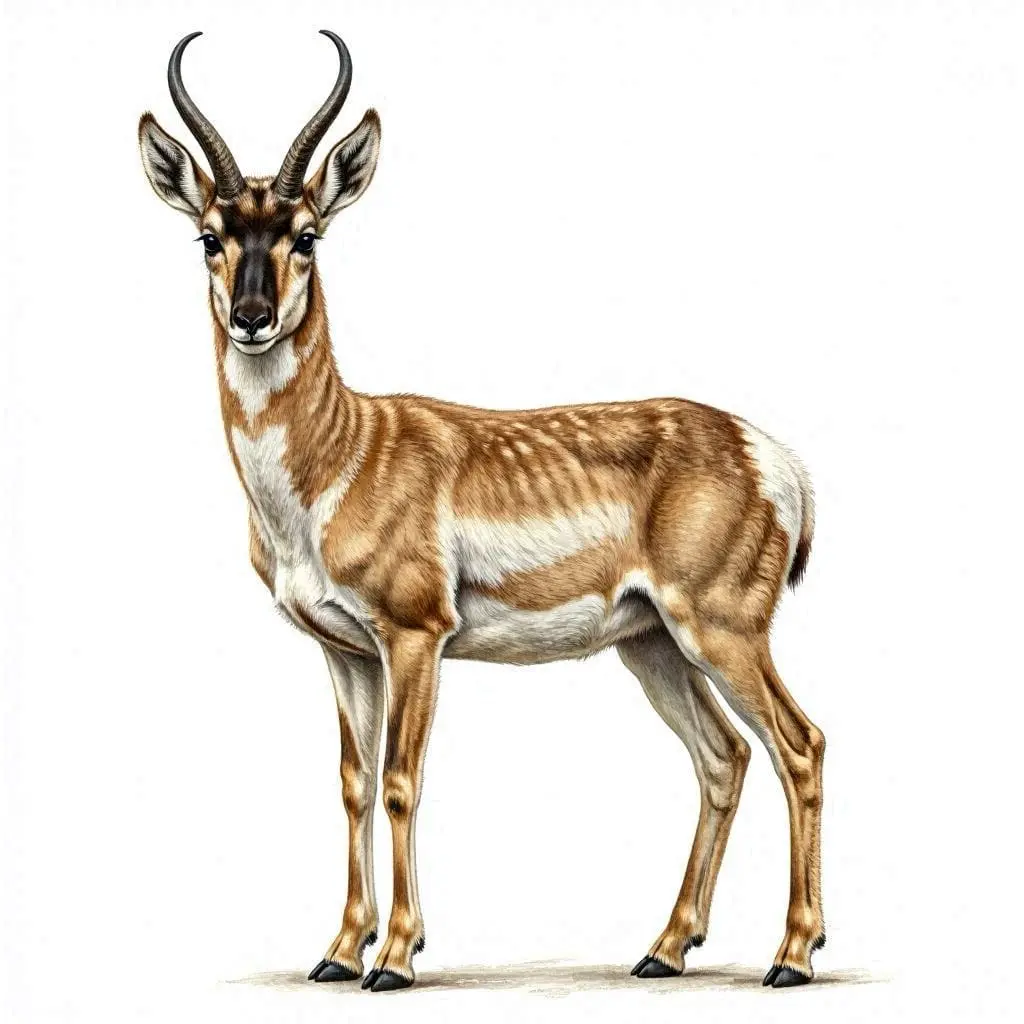
Type: Mammal
Pronghorn antelopes are famous for their exceptional endurance and high-speed running. Unlike most animals, they can maintain fast speeds over long distances, which helps them escape predators in open plains. Their large eyes provide wide vision to detect danger from far away.
Where found: North American grasslands
❸ Springbok
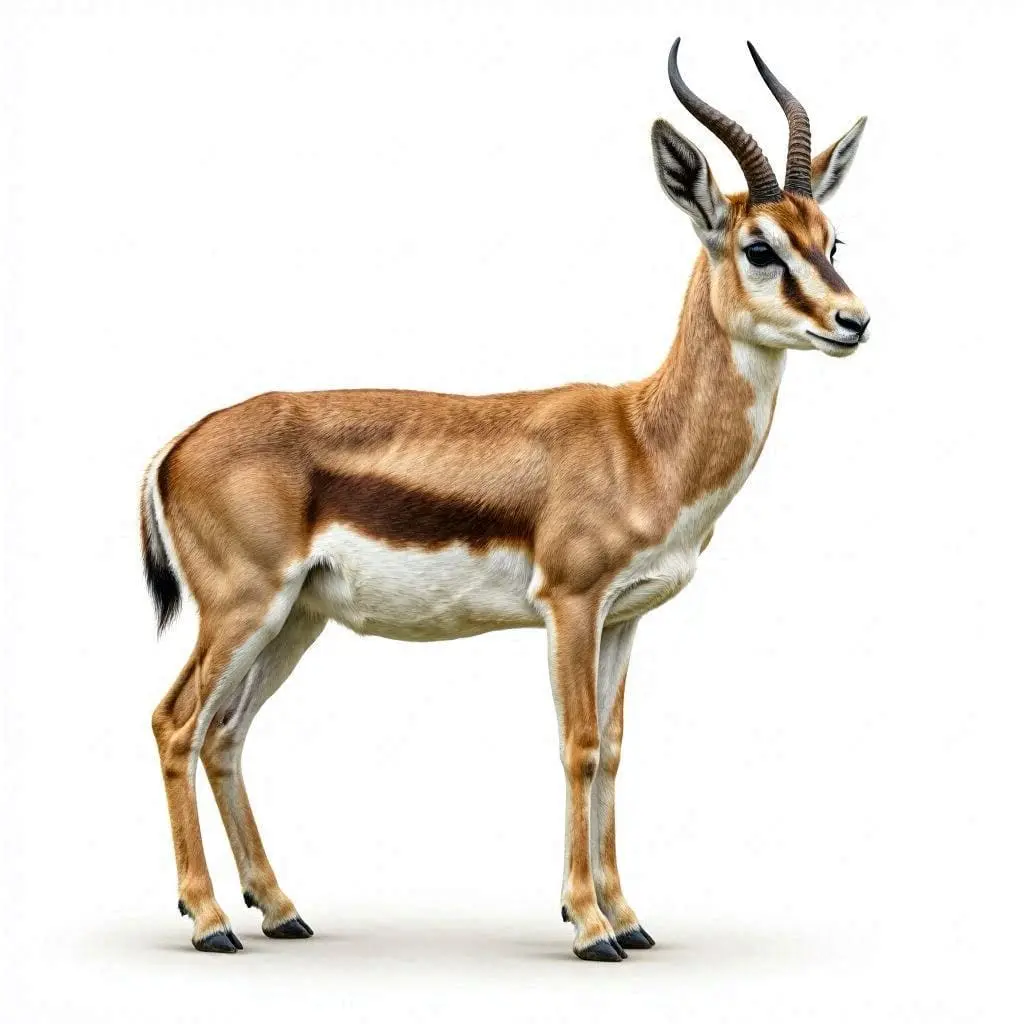
Type: Mammal
Springboks are agile and highly energetic antelopes known for a unique behavior called “pronking,” where they jump repeatedly into the air while running. This movement confuses predators and signals strength. Their speed and agility make them difficult targets in open savannas.
Where found: Southern African plains and deserts
❹ Greyhound (Dog)
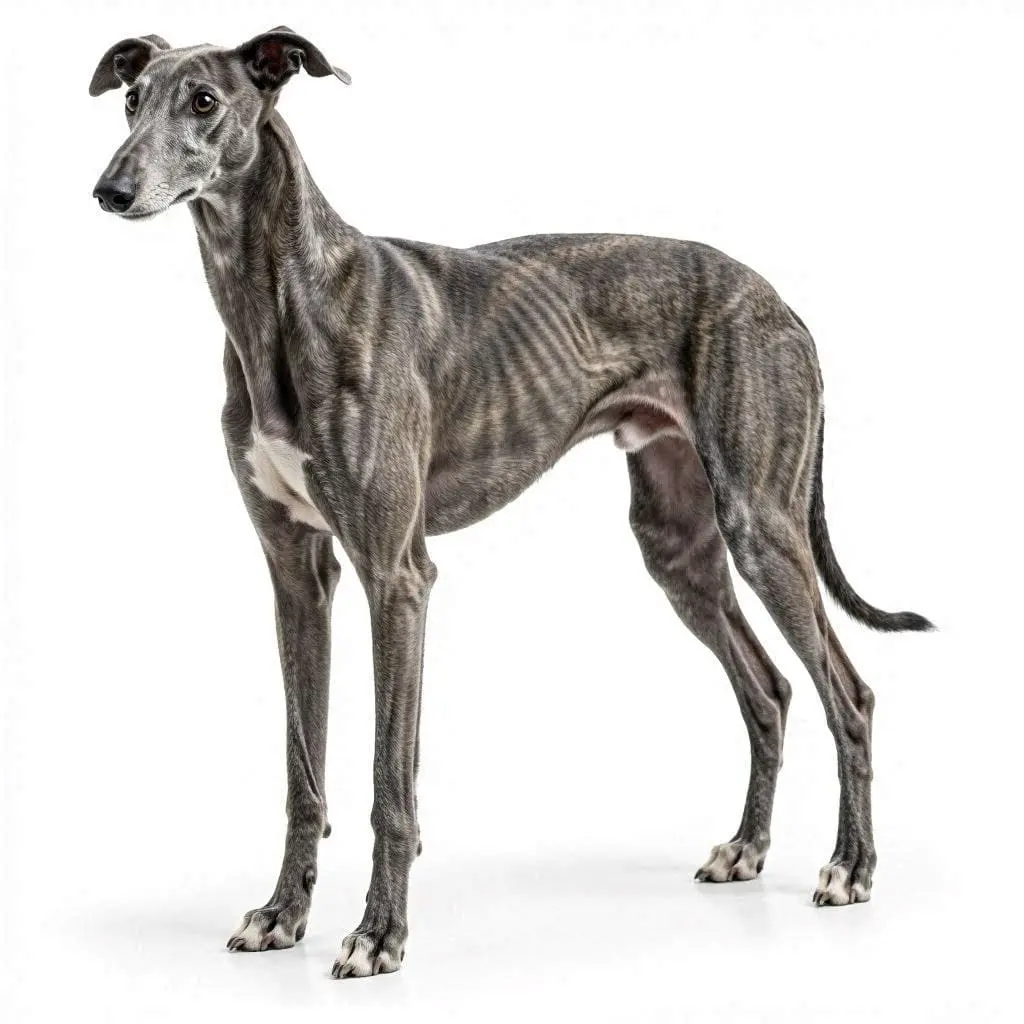
Type: Mammal
Greyhounds are slender, deep-chested dogs specially bred for sprint racing. Their aerodynamic body, powerful hind legs, and flexible spine allow them to reach extreme speeds over short distances. They are calm at rest but can explode into rapid acceleration when chasing.
Where found: Domesticated worldwide (originates from racing breeds)
❺ Brown Hare
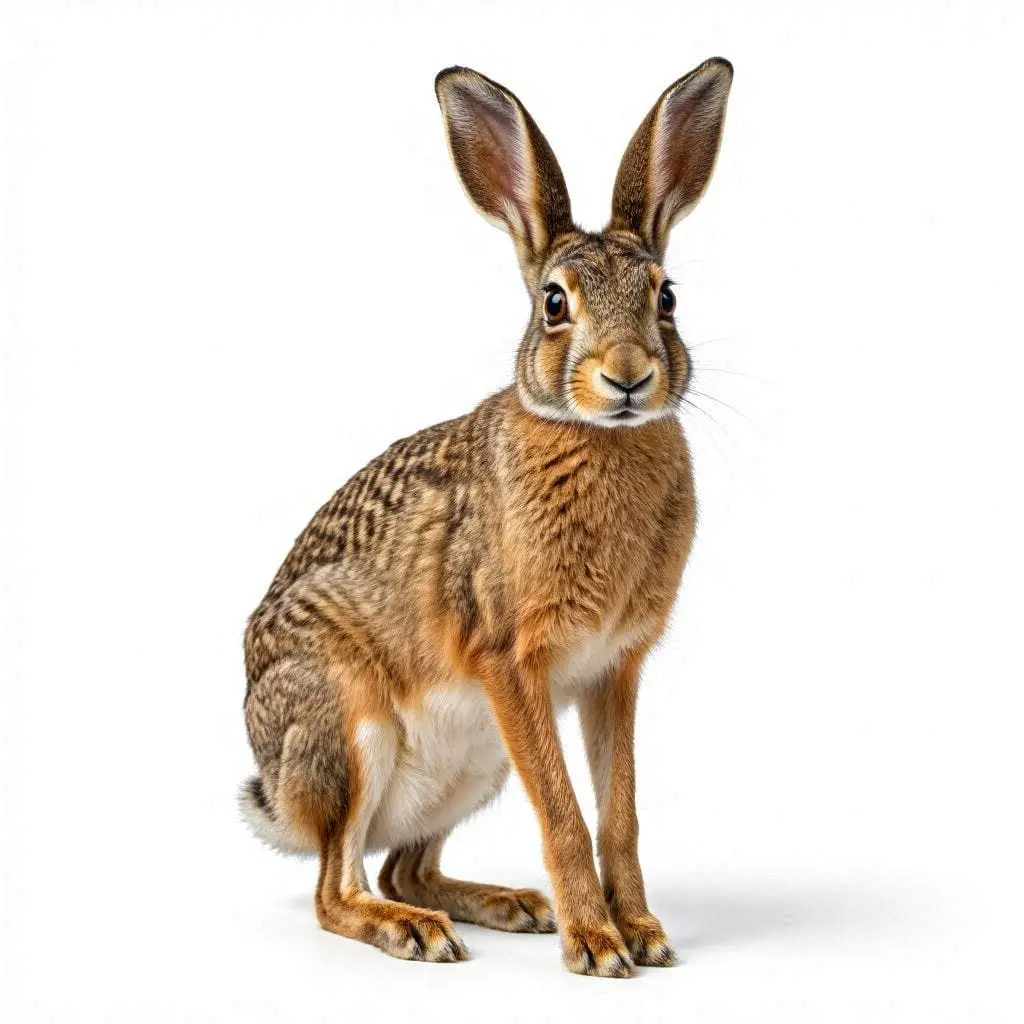
Type: Mammal
Brown hares depend on quick bursts of speed and unpredictable zig-zag running patterns to escape predators. Their strong hind legs allow sudden acceleration, and their alert senses help them detect danger early. They rarely rely on hiding, instead choosing to outrun threats.
Where found: Europe, parts of Asia, and North America
❻ Blackbuck Antelope
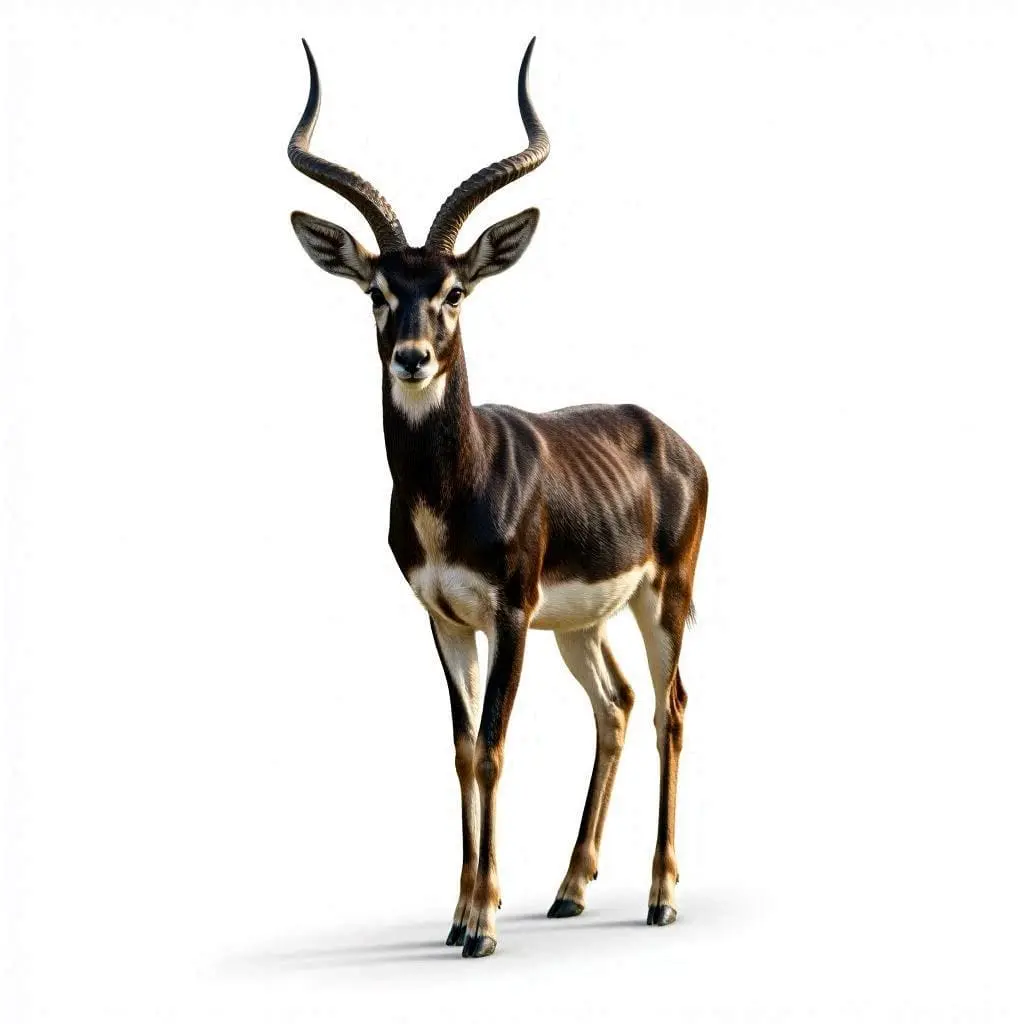
Type: Mammal
Blackbucks are elegant and fast-running antelopes with spiral horns in males. They rely on sharp vision and quick reflexes to escape predators. Their speed is combined with sudden direction changes, making them highly elusive in open grasslands.
Where found: Indian subcontinent
❼ Thomson’s Gazelle
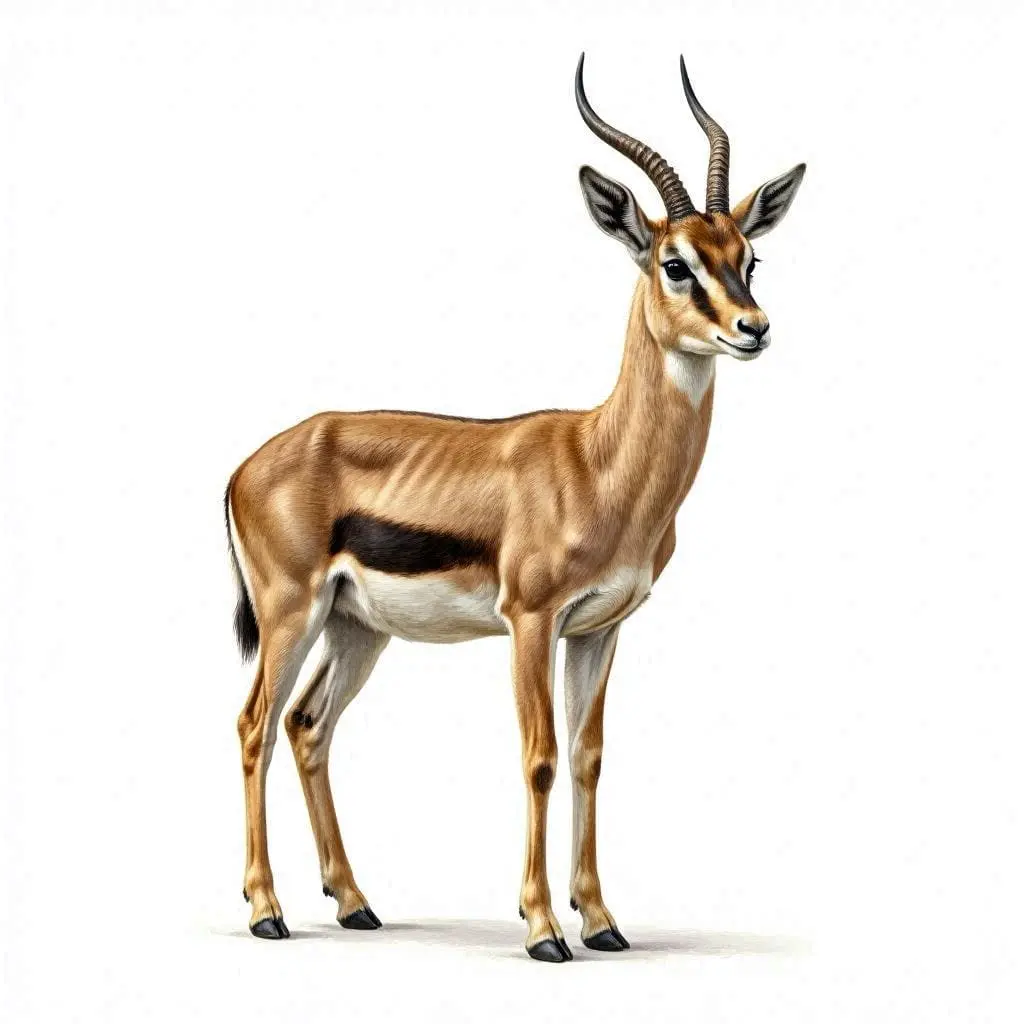
Type: Mammal
Thomson’s gazelles are small but extremely fast antelopes that depend heavily on agility and speed to survive. They often escape predators like cheetahs by making sharp turns and sudden leaps while running at full speed.
Where found: East African savannas
❽ African Wild Dog
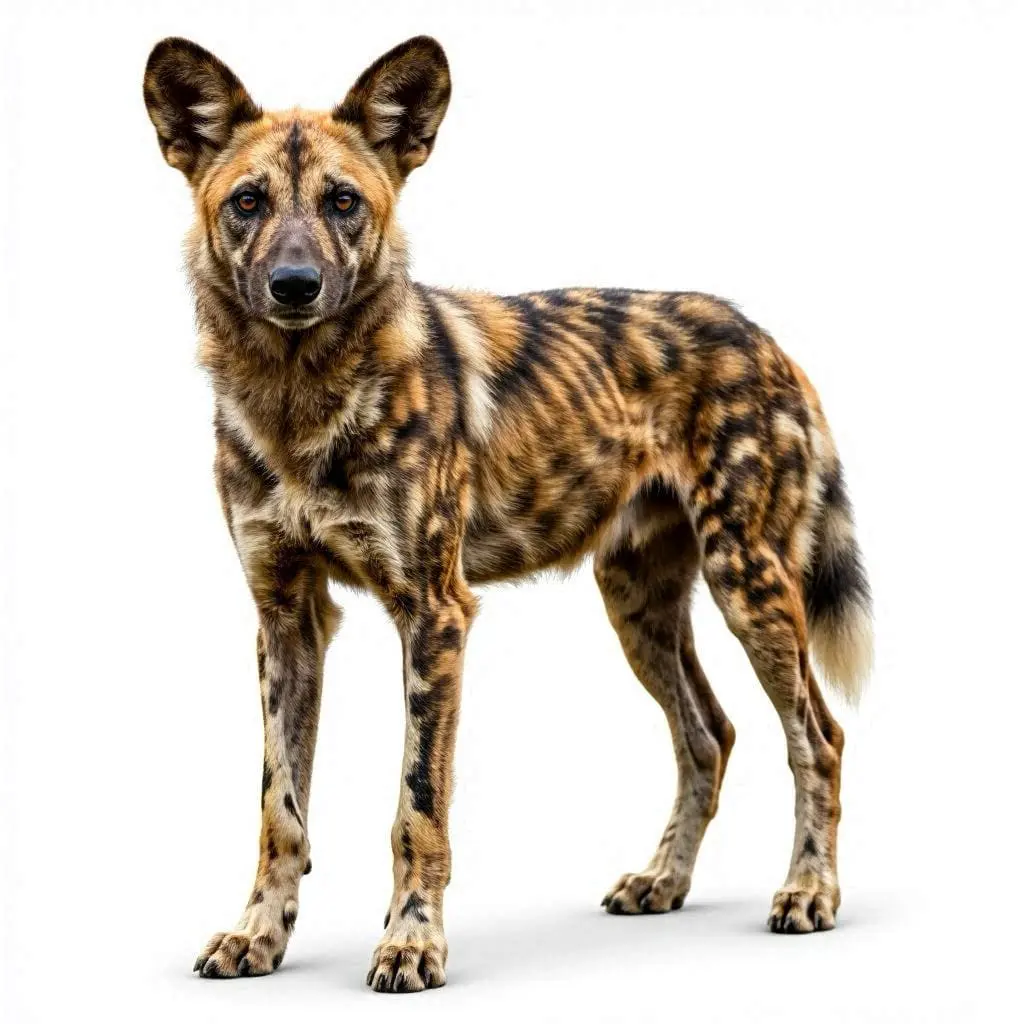
Type: Mammal
African wild dogs are endurance hunters that rely on teamwork rather than raw speed. They chase prey over long distances, exhausting it through continuous pursuit. Their coordination within packs makes them highly efficient predators.
Where found: Sub-Saharan Africa
❾ Quarter Horse
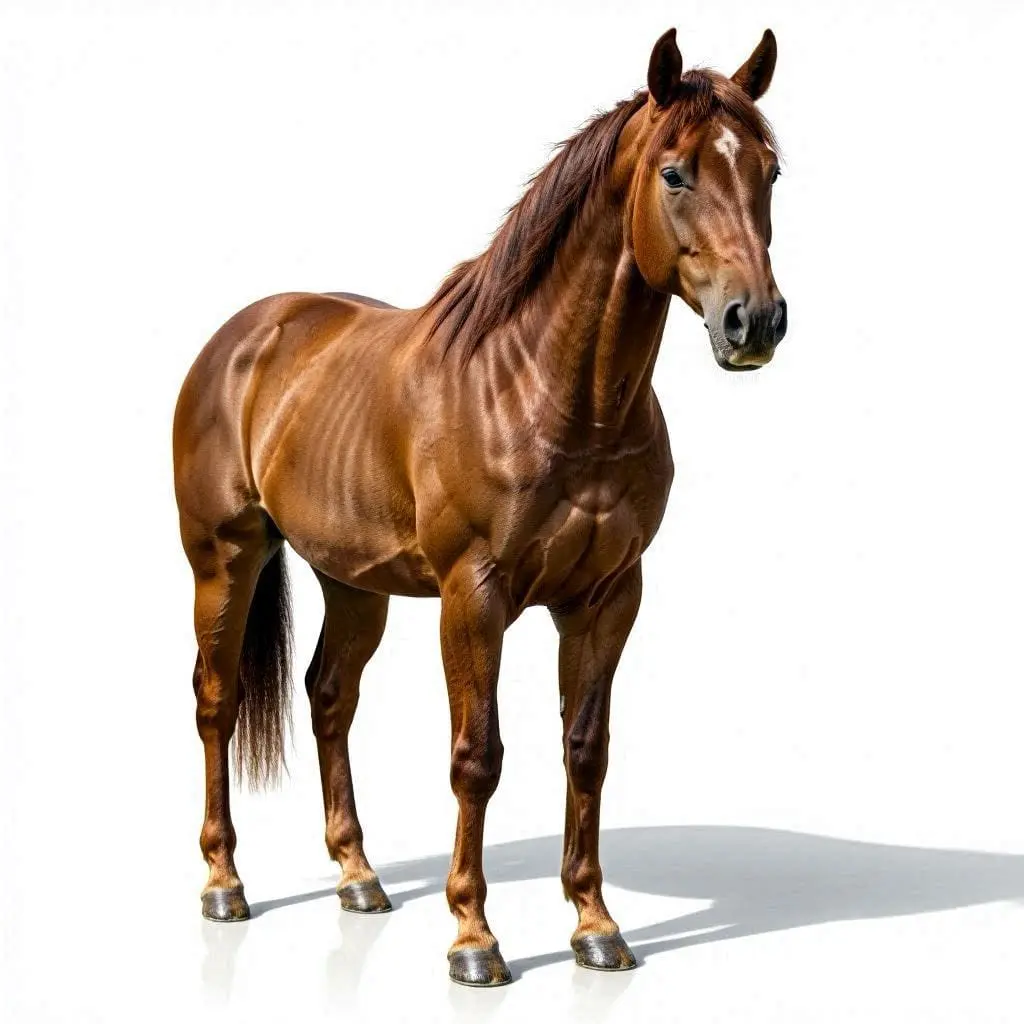
Type: Mammal
Quarter Horses are muscular and powerful sprint horses known for their explosive speed over short distances, especially a quarter mile—hence the name. They are widely used in racing and working roles due to their strength and acceleration.
Where found: Domesticated worldwide (origin USA)
❿ Peregrine Falcon
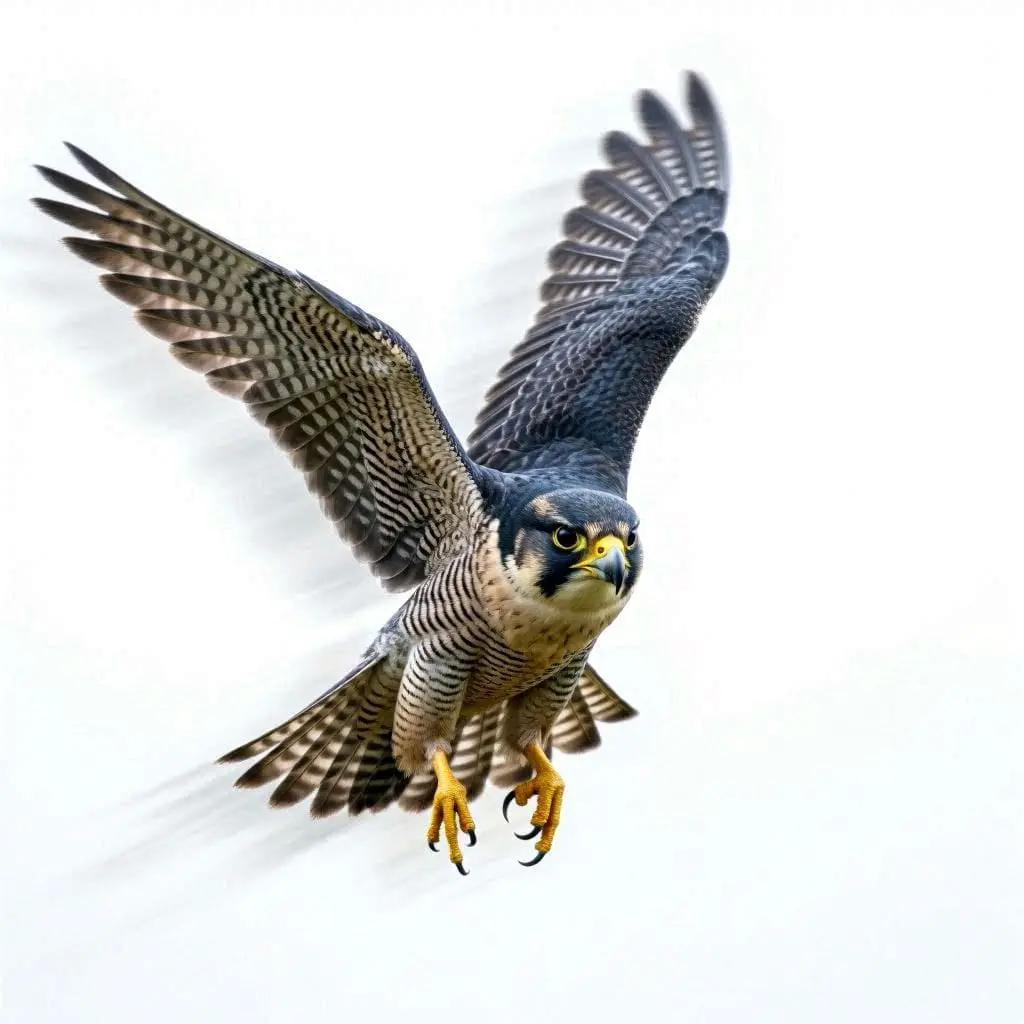
Type: Bird
Peregrine falcons are the fastest animals on Earth during hunting dives. They fly high above and then fold their wings to dive at extreme speeds to strike prey mid-air. Their vision is incredibly sharp, allowing precise targeting during high-speed attacks.
Where found: Worldwide except extreme polar regions
⓫ White-throated Needletail
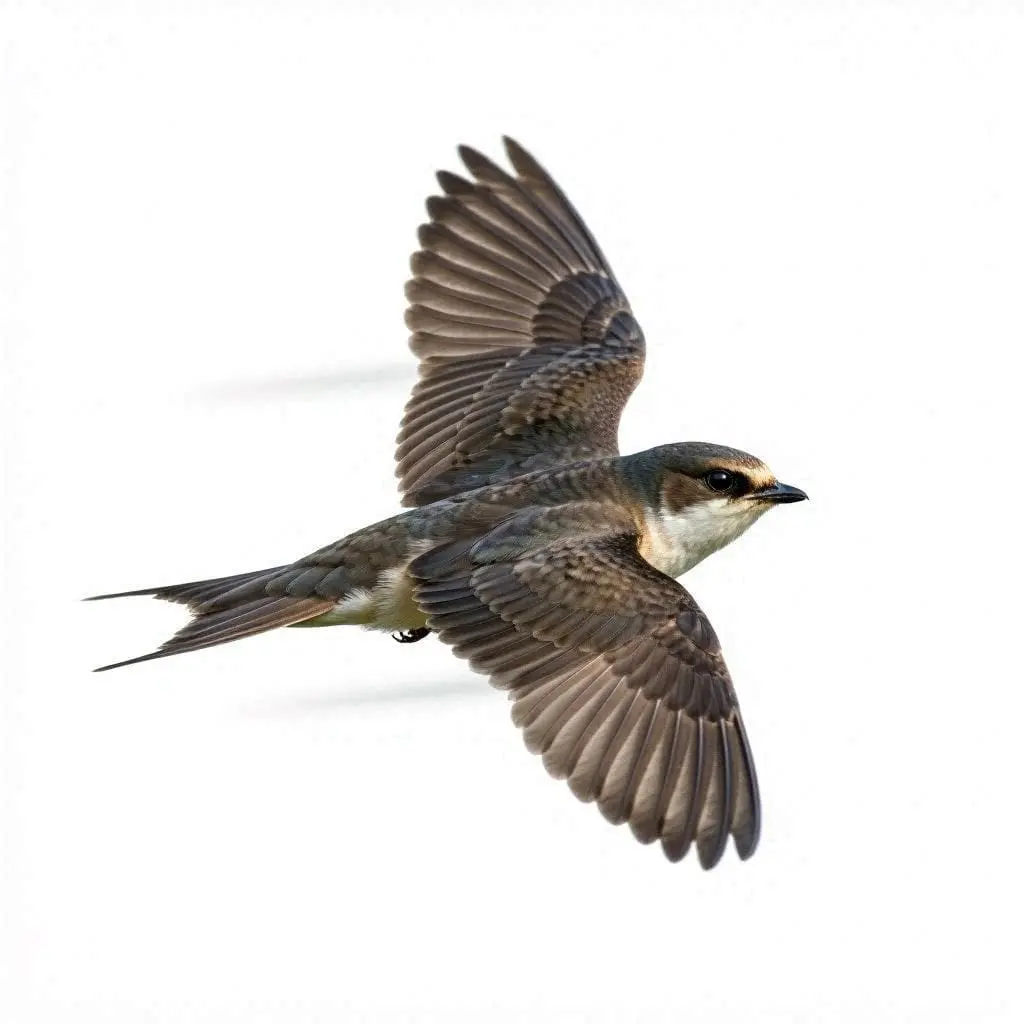
Type: Bird
This bird is known for its powerful and fast flight, especially in level flight. Its aerodynamic body and stiff wings allow it to move swiftly across long distances while hunting flying insects.
Where found: Asia and Australia
⓬ Common Swift
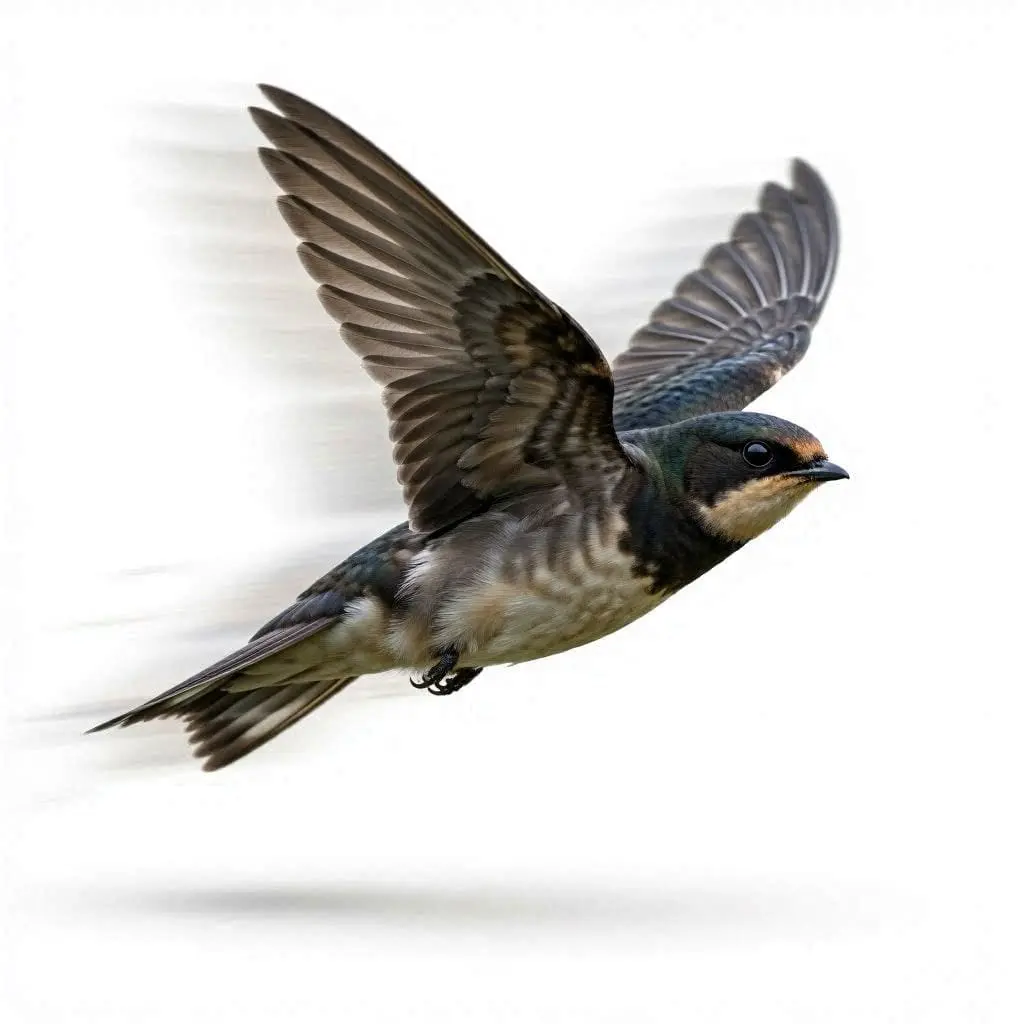
Type: Bird
Common swifts spend almost their entire life in the air, even sleeping while flying. Their long wings and lightweight body make them extremely fast and efficient in sustained flight. They rarely land except for nesting.
Where found: Europe, Asia, and Africa
⓭ Eurasian Hobby
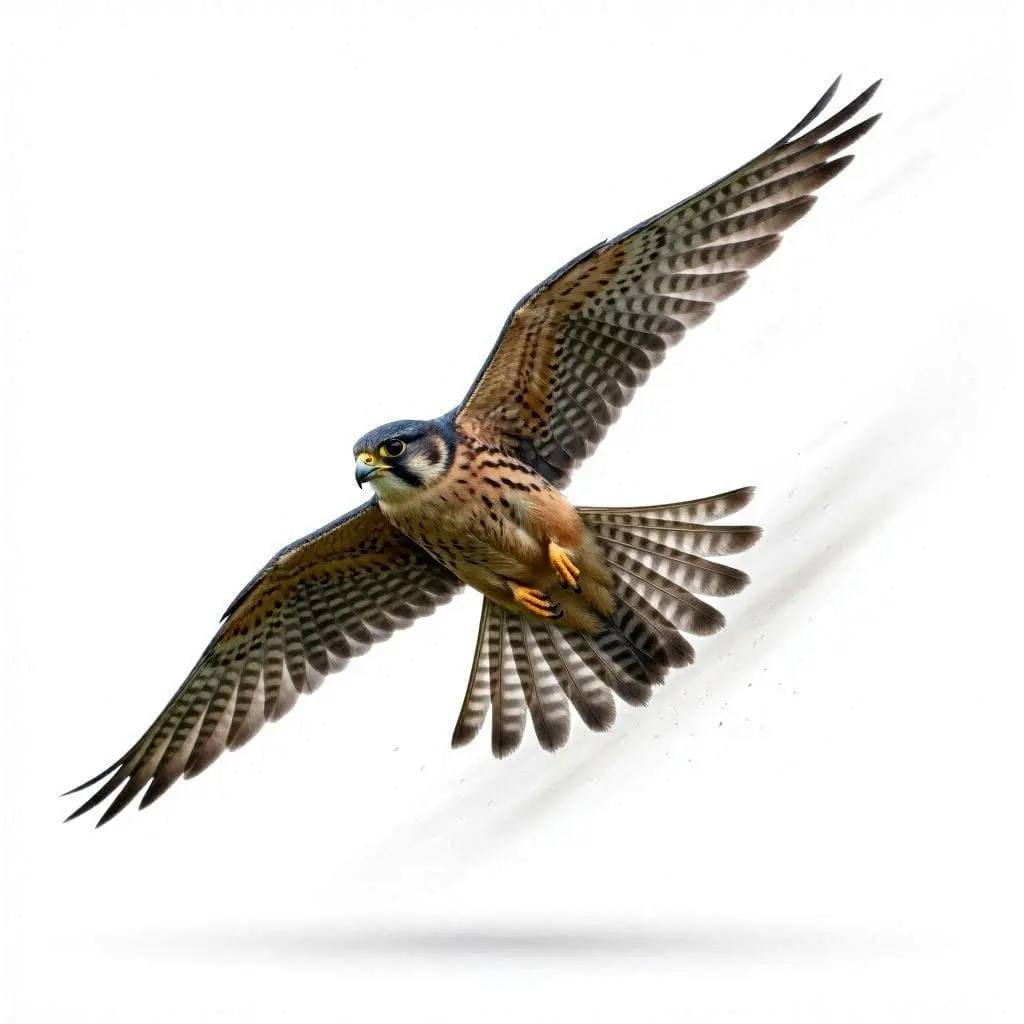
Type: Bird
Eurasian hobbies are small, fast falcons that specialize in catching flying insects and small birds. They use quick aerial maneuvers and sharp turns during high-speed chases in the sky.
Where found: Europe, Asia, and Africa
⓮ Gyrfalcon
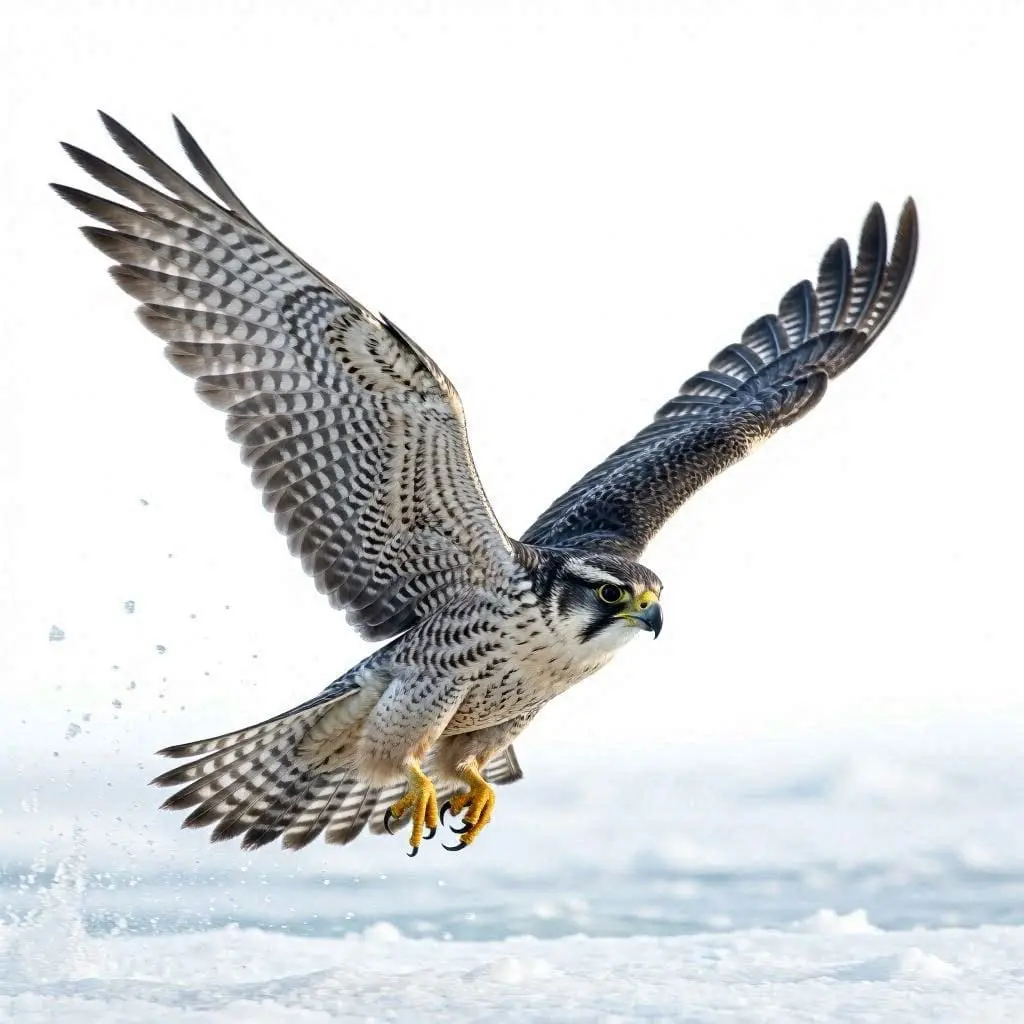
Type: Bird
Gyrfalcons are large, powerful falcons adapted for hunting in cold Arctic regions. They use speed and strength together to chase and capture birds in open skies and harsh environments.
Where found: Arctic regions of North America, Europe, and Asia
⓯ Sailfish
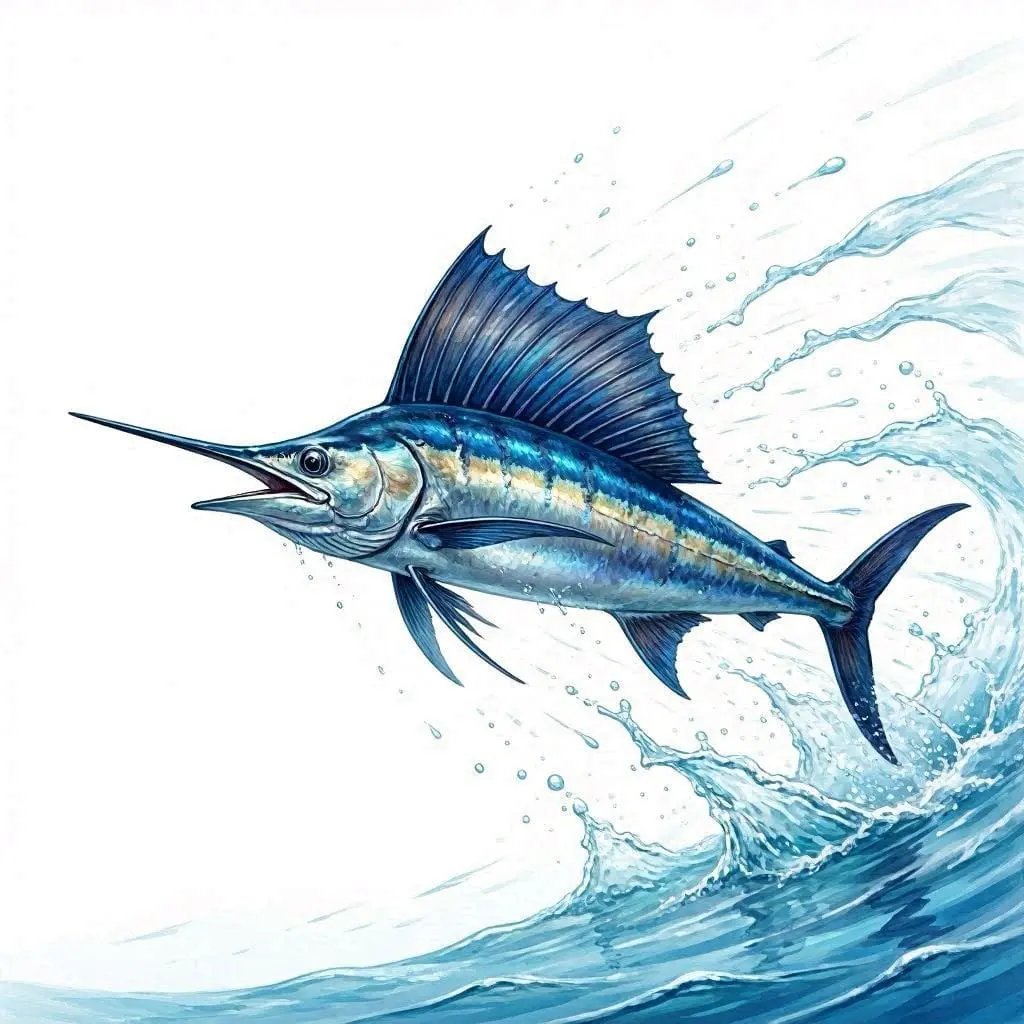
Type: Fish
Sailfish are among the fastest swimmers in the ocean, using their streamlined bodies and large dorsal fin for stability and sudden bursts of speed. They hunt by rapidly chasing and striking schools of fish.
Where found: Warm oceans worldwide
⓰ Black Marlin
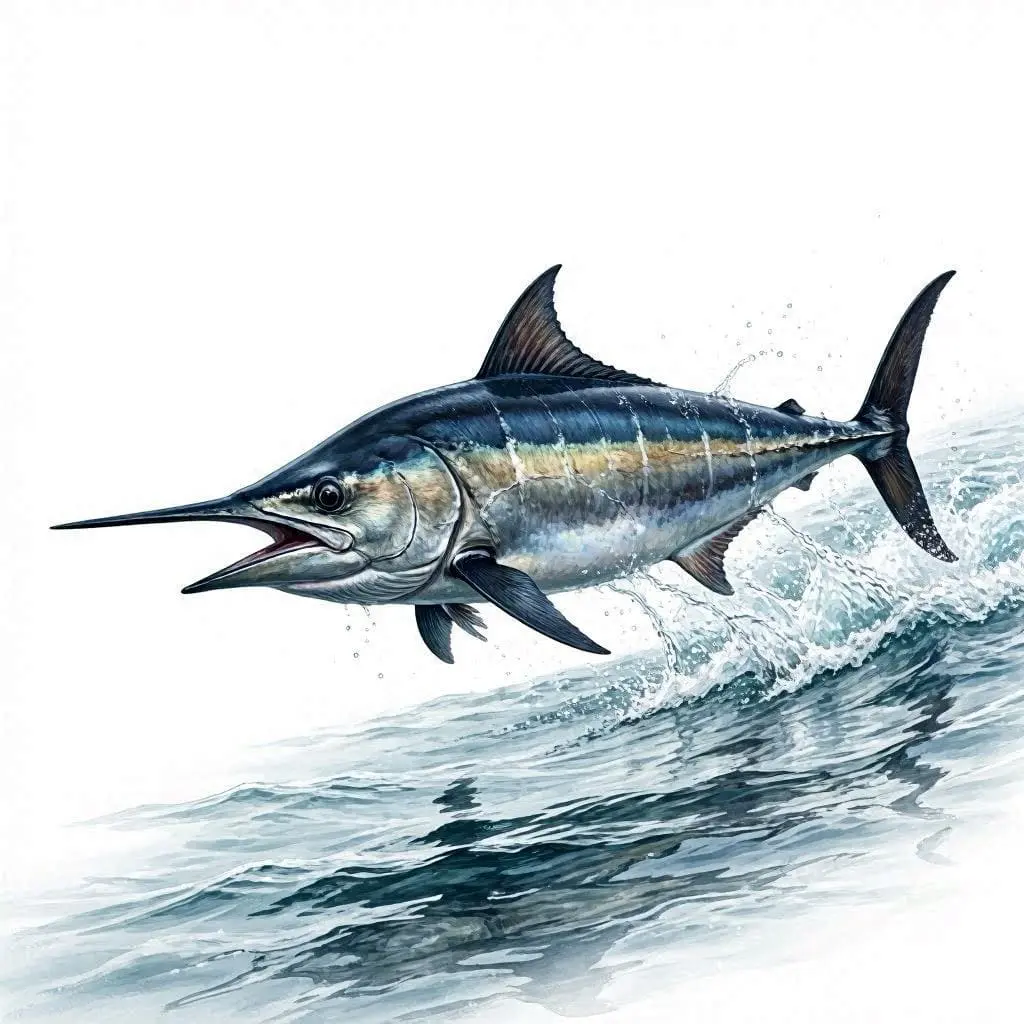
Type: Fish
Black marlins are powerful ocean predators capable of fast, forceful bursts of swimming. Their strong bodies allow them to hunt large fish and escape threats in deep waters.
Where found: Indian and Pacific Oceans
⓱ Swordfish
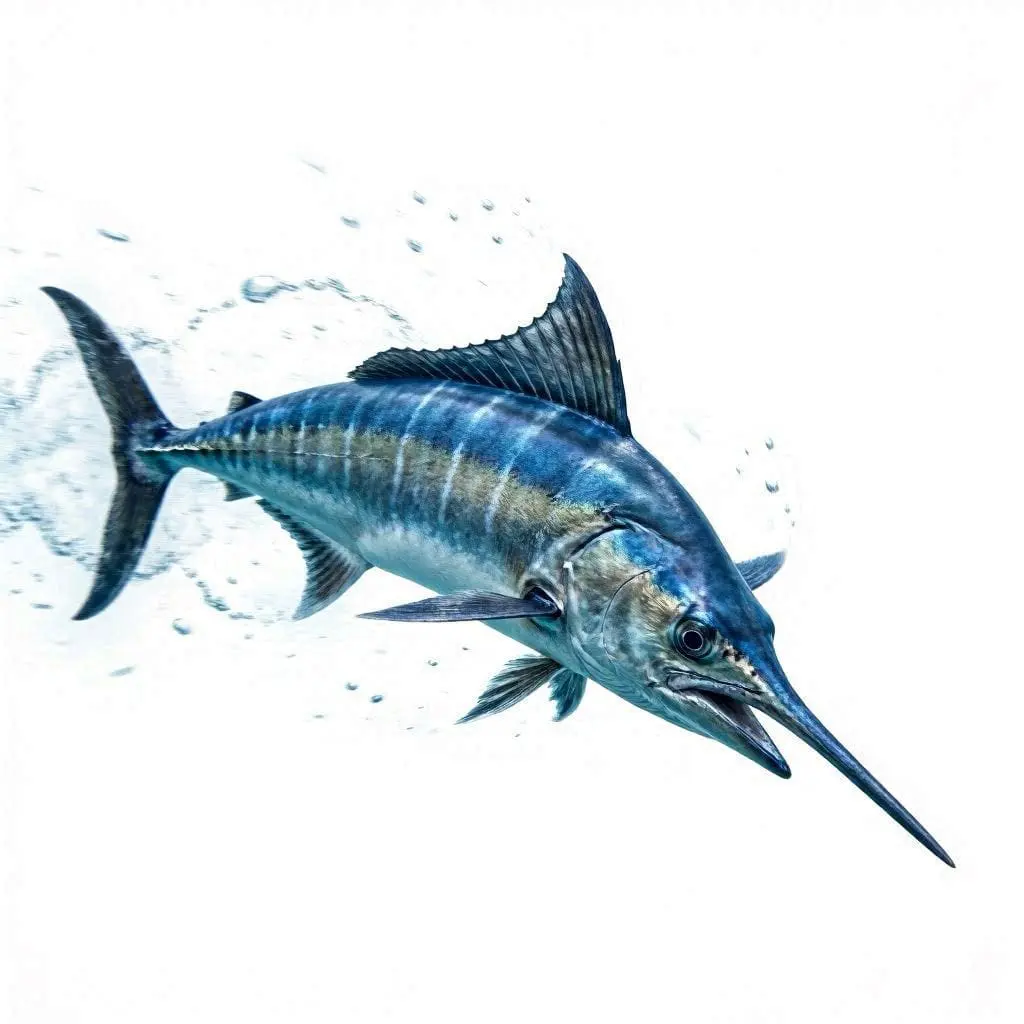
Type: Fish
Swordfish are fast, strong swimmers with a long, sharp bill used to slash at prey. They rely on speed and power to hunt in open ocean environments.
Where found: Tropical and temperate oceans worldwide
⓲ Yellowfin Tuna
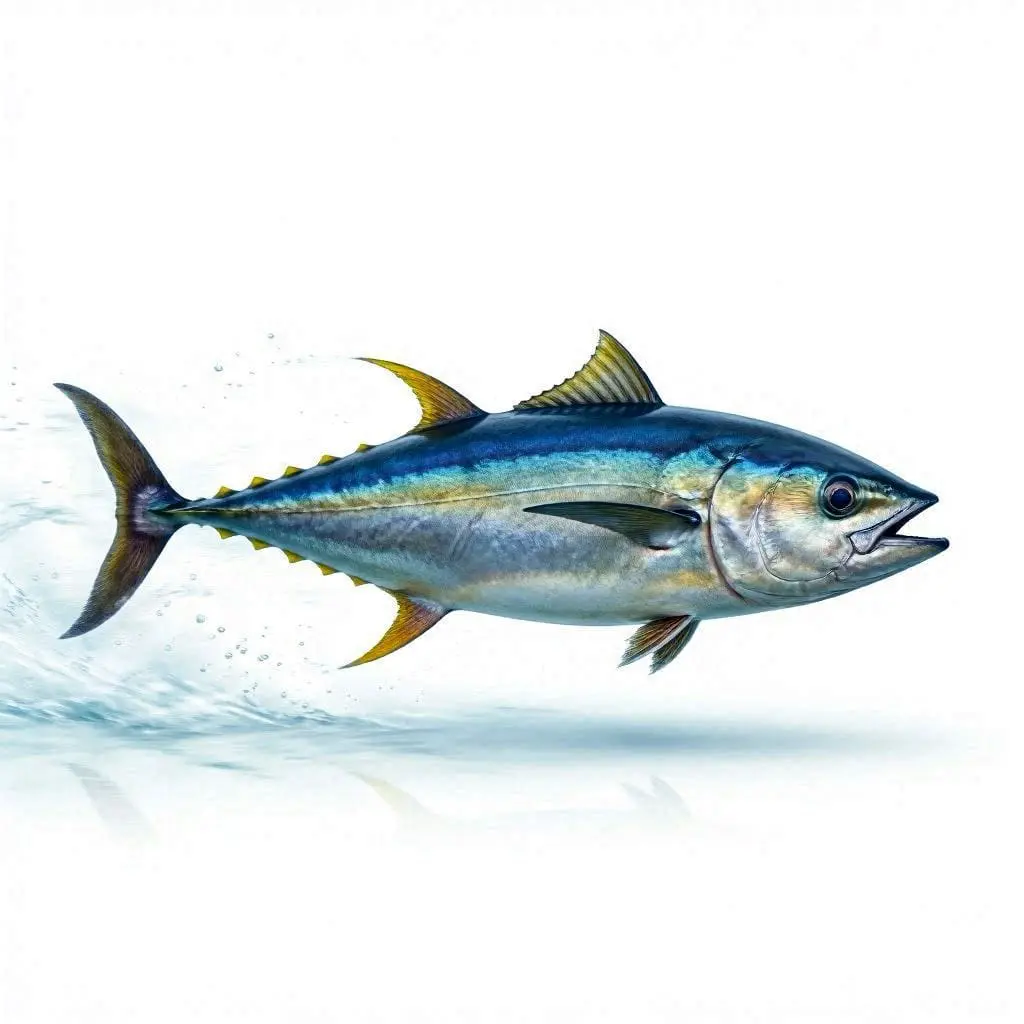
Type: Fish
Yellowfin tunas are highly active swimmers that travel long distances across oceans. Their speed and endurance help them hunt smaller fish in fast-moving schools.
Where found: Tropical and subtropical oceans worldwide
⓳ Shortfin Mako Shark
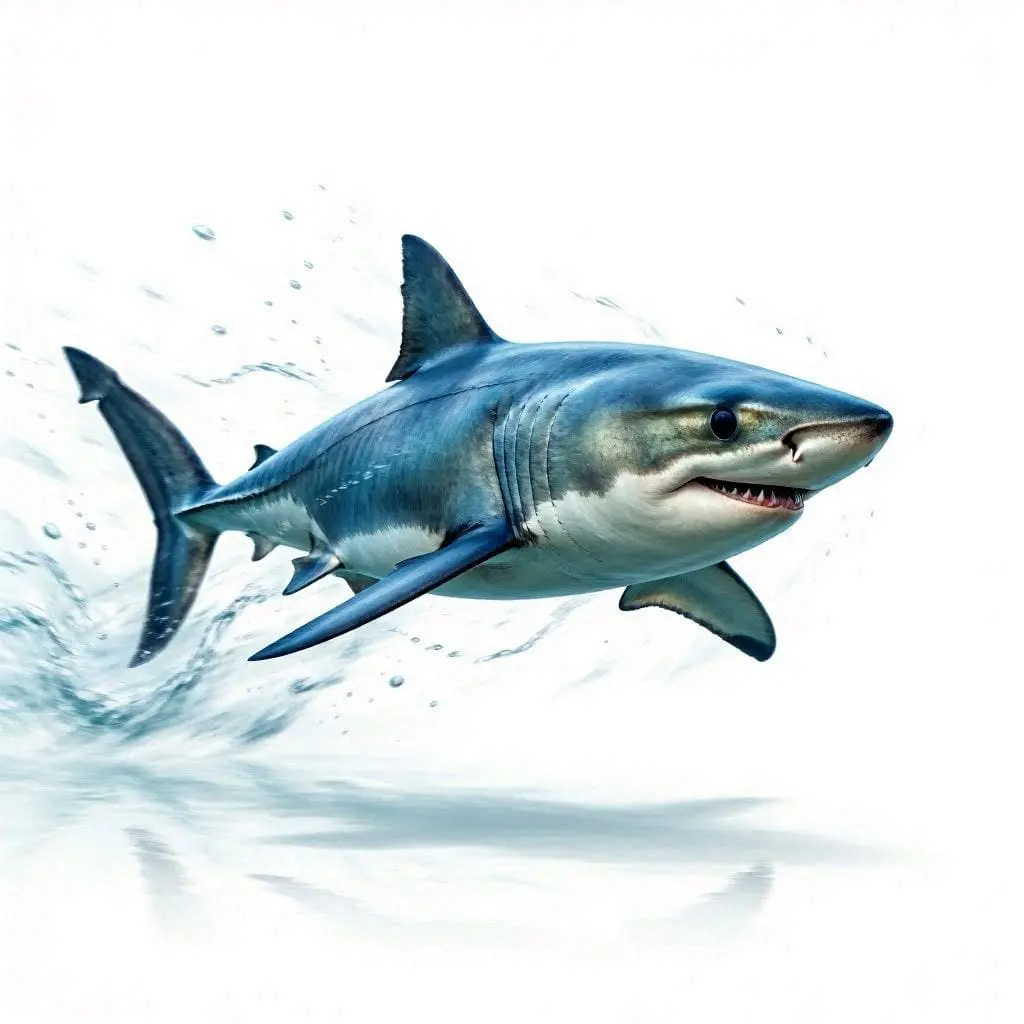
Type: Fish
Shortfin mako sharks are the fastest sharks in the ocean, capable of sudden high-speed bursts while chasing prey. Their streamlined body and strong tail make them efficient predators in deep waters.
Where found: Open oceans worldwide
Fastest Land Animals Names
Speed is one of the most important survival skills in the animal kingdom. Many land animals depend on fast running to escape predators or catch prey. From explosive sprinters to long-distance runners, these animals represent the highest levels of speed and agility on land.
- Cheetah: Fastest land animal on Earth, built for explosive acceleration and short high-speed chases.
- Pronghorn Antelope: Second fastest land animal, known for unmatched long-distance speed and endurance.
- Springbok: A highly agile African antelope that uses fast running and jumping to confuse predators.
- Thomson’s Gazelle: Small but extremely fast antelope relying on sharp turns and speed to escape predators.
- Blackbuck Antelope: Elegant Indian antelope combining high speed with quick directional changes.
- Greyhound (Dog): Fastest dog breed in the world, designed for short sprint racing.
- Brown Hare: Fast and alert animal that escapes danger using zig-zag running patterns.
- Quarter Horse: Powerful sprinting horse breed famous for extremely fast short-distance bursts.
- African Wild Dog: Endurance hunter that uses long chases in coordinated packs to catch prey.
- Coyote: Highly adaptable predator capable of fast running and sudden speed bursts.
- Red Fox: Small but extremely agile animal using quick direction changes to escape or hunt.
In short, these animals showcase how evolution has shaped speed in different ways—some rely on explosive sprints, while others depend on endurance and strategy to survive in the wild.
Fastest Birds in the Sky
Birds have evolved incredible flight abilities, with some species capable of reaching extreme speeds during hunting dives or sustained flight. These fast flyers use streamlined bodies, strong wings, and precise control to dominate the skies.
- Peregrine Falcon: Fastest bird in the world, reaching extreme speeds during high-altitude hunting dives to strike prey mid-air.
- White-throated Needletail: One of the fastest level-flying birds, built with a compact body and stiff wings for rapid flight.
- Common Swift: Spends most of its life flying, capable of sustained high-speed flight and rarely landing except for nesting.
- Eurasian Hobby: Small falcon known for agile and fast aerial hunting, especially targeting insects and small birds.
- Gyrfalcon: Large Arctic falcon combining strength and speed to chase prey in harsh cold environments.
- Frigatebird: Long-winged seabird capable of soaring efficiently and achieving high speeds over ocean winds.
In short, these birds demonstrate the highest levels of speed and agility in the sky, using either powerful diving attacks or sustained fast flight to survive, hunt, and dominate their environments.
Fastest Sea Animals in the World
The ocean is home to some of the most powerful and fastest creatures on Earth. These marine animals rely on speed for hunting, escaping predators, and traveling across vast ocean distances. Their streamlined bodies and strong muscles make them true speed champions of the sea.
- Sailfish: Fastest sea animal, known for powerful bursts of speed while hunting schools of fish.
- Black Marlin: Strong and fast ocean predator capable of rapid swimming and long-distance movement.
- Swordfish: Streamlined body with a sharp bill, built for fast and efficient hunting in open oceans.
- Shortfin Mako Shark: Fastest shark in the world, capable of sudden high-speed bursts to catch prey.
- Yellowfin Tuna: Extremely fast and strong swimmer that travels long distances across warm oceans.
In short, these sea animals represent the ocean’s top speed champions, using bursts of power, streamlined bodies, and endurance to survive and hunt in vast marine environments.
Why Speed is Important in Nature?
Speed is one of the most essential survival traits in the natural world. It influences how animals hunt, escape danger, and adapt to their environments over time. Without speed, many species would struggle to survive in competitive ecosystems.
- Predator vs Prey Balance: Speed keeps nature balanced by helping predators catch prey and allowing prey to escape, maintaining ecosystem stability.
- Survival Strategies: Animals use speed as a key survival tool, either for quick escapes, long chases, fast flight, or rapid swimming depending on their habitat.
- Evolutionary Advantage: Faster animals are more likely to survive and reproduce, leading to gradual improvements in speed, strength, and body design over generations.
In short, speed is a vital factor that shapes survival, maintains ecological balance, and drives the evolution of species across the natural world.
Land vs Air vs Water Speed Differences
Speed in the animal world varies by habitat. Some animals are built for fast running on land, others for high-speed flight, and many for rapid swimming. Each group has special body adaptations that enable speed.
| Animal Group | Movement Type | Key Adaptations | Examples |
|---|---|---|---|
| Speedy Land Hunters | Sprinting & chasing | Powerful muscles, flexible spine, long limbs | Cheetah, Greyhound, Lion, Coyote |
| High-Speed Grazers | Running & escape bursts | Strong hind legs, endurance ability, sharp vision | Pronghorn, Gazelle, Springbok, Blackbuck |
| Aerial Speed Masters | Diving & fast flight | Streamlined body, strong wings, lightweight bones | Peregrine Falcon, Swift, Gyrfalcon, Needletail |
| Ocean Speed Predators | Fast swimming & bursts | Hydrodynamic body, fins, powerful tail muscles | Sailfish, Marlin, Mako Shark, Tuna |
In short, fast animals are adapted differently across land, air, and water, but all rely on specialized body structures and movement strategies to survive and succeed in their environments.
Unique Facts About Fast Animals
- Cheetahs reach up to 100 km/h but only for short bursts due to overheating.
- Peregrine falcon is the fastest animal, especially in high-speed dives.
- Swifts can stay airborne for months, even sleeping while flying.
- Sailfish use speed to herd and trap schools of fish.
- Black marlin are powerful swimmers that can even damage fishing lines.
- Kangaroos use energy-efficient hopping that improves with speed.
- Fast animals have lightweight or streamlined bodies to reduce resistance.
- High speed usually comes with a trade-off in endurance and stamina.
- Most predators rely on short explosive speed, not long-distance running.
Final Thought
Speed in the animal world is one of the most important survival tools. It helps animals escape danger, catch prey, and survive in highly competitive environments.
Across land, air, and water, different species have developed unique ways to move fast. Some rely on explosive sprints, some on powerful flight, and others on strong, streamlined swimming.
In the end, speed is more than just movement. It is a key part of nature’s balance. It shapes how animals live, hunt, and evolve over time.
FAQs
The peregrine falcon is widely recognized as the fastest animal in the world. During its hunting dive, it folds its wings and drops through the air at extreme speeds to strike prey with precision. This diving technique allows it to outperform all land and sea animals in terms of recorded speed.
The cheetah is the fastest land animal. It is specially built for short, explosive chases with a lightweight body, flexible spine, and powerful legs. It can accelerate very quickly to catch fast-moving prey like gazelles, but it can only maintain top speed for a short duration due to overheating.
The sailfish is considered the fastest sea animal. It uses its long, streamlined body and powerful tail to move through water at high speed. Sailfish often rely on short bursts of speed while hunting, using rapid movements to confuse and capture schools of fish.
In level flight, birds like the white-throated needletail and common swift are among the fastest. These birds are designed for continuous flying with long wings and light bodies, allowing them to travel quickly over long distances while hunting insects in the air.
Speed is essential for survival in the wild. Predators use speed to catch prey efficiently, while prey animals depend on speed to escape danger. Over time, this constant pressure has shaped evolution, leading to animals with specialized bodies designed for running, flying, or swimming at high speed.
You May Also Like
Fastest Animals Quiz
Fastest Animals
Which is the fastest animal on land?
Around 110 km/h in short bursts, and it overheats within about half a minute.
Top speed and endurance are separate records.
The cheetah wins on speed; the pronghorn wins on distance.
Which animal is fastest of all, counting any kind of movement?
Diving in a stoop it passes 380 km/h, faster than anything else alive.
A dive is assisted by gravity, which is why it beats level flight.
The peregrine's record is a dive, not level flight.
Name the manoeuvre.
The high-speed dive a falcon uses to strike prey is called a ___.
The bird folds its wings tight and falls, steering with tiny adjustments.
Stoop is the falconry term, and it means the dive itself.
It went into a stoop from several hundred metres up.
Why can a cheetah only sprint for around thirty seconds?
Heat builds quicker than it can be shed, so the animal must stop or collapse.
The limit is thermal, not muscular.
A failed chase leaves a cheetah needing a long recovery.
Three of these are known for speed. Which is not?
Manatees drift at walking pace and have no need to hurry.
Speed follows from how the animal feeds.
A grazer with no predators has no reason to be fast.
Turn on JavaScript for the interactive quiz. The full practice set is shown above.