Carnivorous animals names are some of the most searched topics for learners who want to understand powerful wildlife hunters. What makes a lion such a fearless hunter, or a shark one of the most dangerous creatures in the ocean? Carnivorous animals are among the most powerful and fascinating creatures on Earth. They survive by hunting and eating other animals, using sharp teeth, strong claws, speed, and intelligence to catch prey.
From giant wild cats to deadly sea predators, these animals are built for survival in the wild. They represent strength, instinct, and adaptation across different ecosystems, from dense forests to deep oceans.
In this article, you will discover 50+ carnivorous animals names with pictures in English. This list will help kids, students, and animal lovers learn about different meat-eating animals in a simple and interesting way. The pictures make learning easier, while the animal names help improve English vocabulary and general knowledge at the same time.
What Are Carnivorous Animals?
Carnivores are animals that mainly eat other animals (meat) to survive. They depend on hunting or feeding on flesh to get energy and nutrients instead of eating plants.
Features of Carnivorous Animals:
Carnivorous animals have special body features that help them catch and eat their prey:
- Sharp teeth for tearing flesh easily
- Strong claws for grabbing and holding prey
- Hunting skills to track and catch other animals
- Fast speed to chase and capture food
Examples of Carnivores from Different Habitats:
Carnivorous animals are found in many places around the world:
- Jungle: Lion, tiger, leopard, wolf
- Ocean: Shark, killer whale, octopus
- Birds: Eagle, hawk, falcon
Explore more animals that start with different letters:
A | B | C | D | E | F | G | H | I | J | K | L | M | N | O | P | Q | R | S | T | U | V | W | X | Y | Z
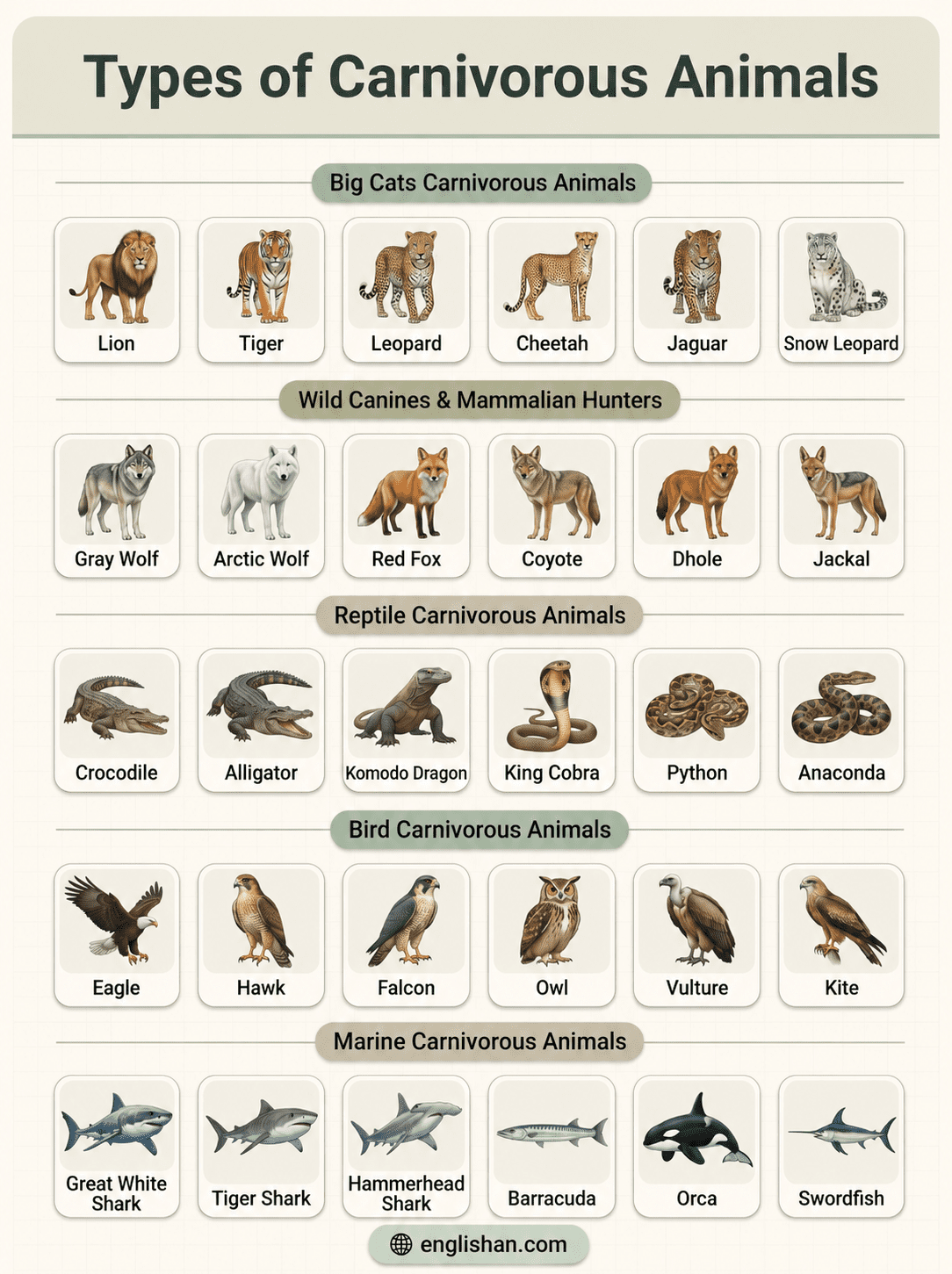
List of Carnivorous Animals Names
- Lion
- Tiger
- Leopard
- Cheetah
- Jaguar
- Snow Leopard
- Puma (Mountain Lion)
- Lynx
- Bobcat
- Serval
- Gray Wolf
- Arctic Wolf
- Red Fox
- Coyote
- Dhole (Wild Dog)
- Jackal
- Hyena
- Fossa
- Wolverine
- Weasel
- Crocodile
- Alligator
- Komodo Dragon
- King Cobra
- Python
- Anaconda
- Viper
- Mamba
- Gharial
- Monitor Lizard
- Eagle
- Hawk
- Falcon
- Owl
- Vulture
- Kite
- Harpy Eagle
- Osprey
- Secretary Bird
- Condor
- Great White Shark
- Tiger Shark
- Hammerhead Shark
- Barracuda
- Killer Whale (Orca)
- Swordfish
- Moray Eel
- Giant Squid
- Octopus
- Seal (Carnivorous marine mammal)
Common Carnivorous Animals Names with Pictures
❶ Lion
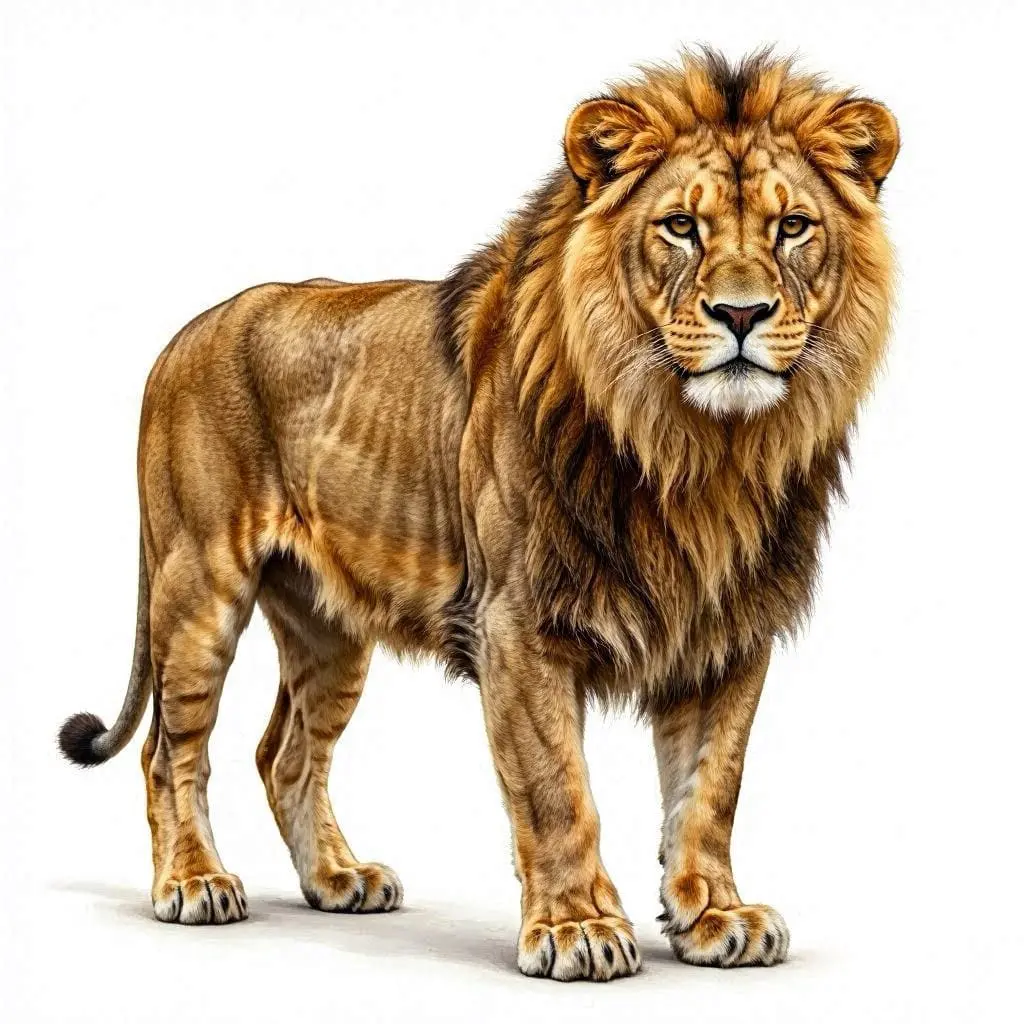
Type: Mammal
Lions are powerful hunters often called the kings of the jungle. They hunt in groups called prides and use teamwork to catch large animals like zebras and buffalo. Their loud roar helps them communicate and protect territory.
Where found: Grasslands and savannas of Africa
❷ Tiger
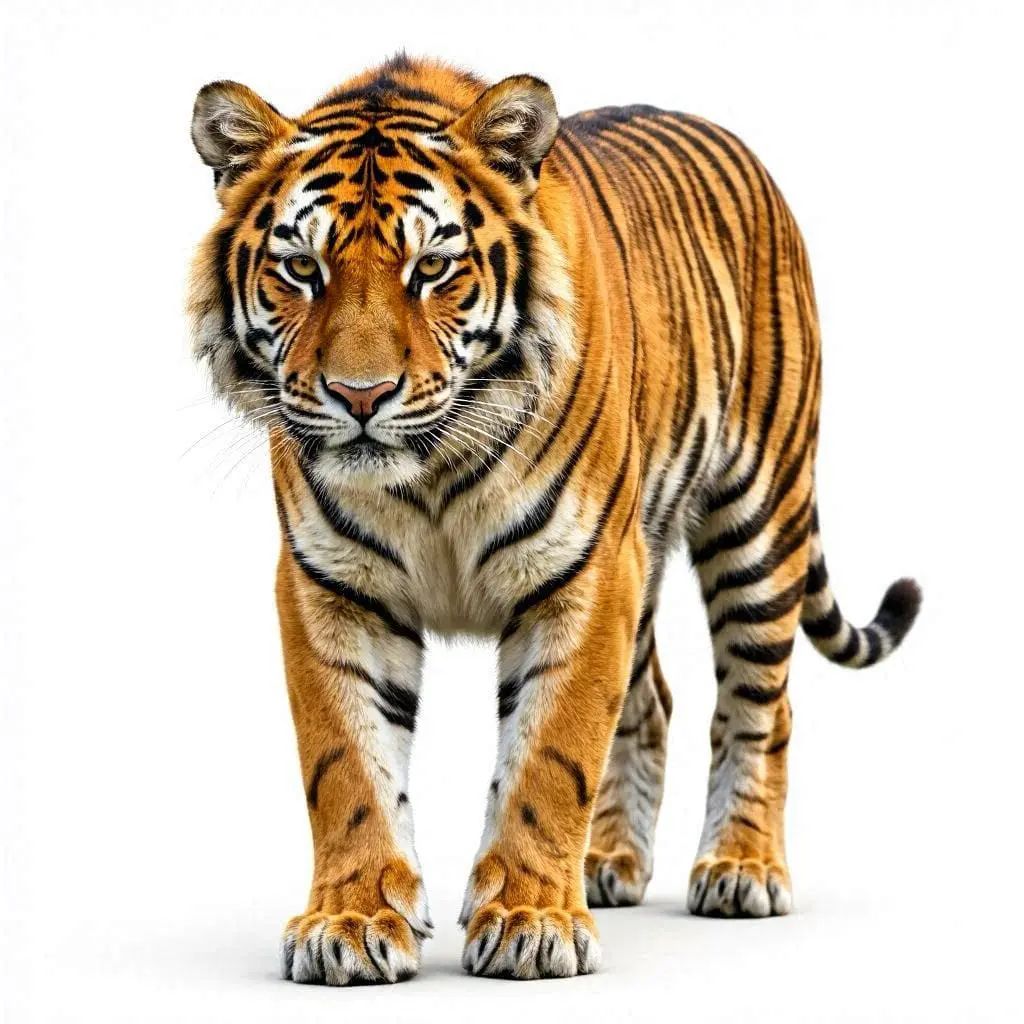
Type: Mammal
Tigers are silent and strong solo hunters. They move quietly through forests and attack their prey with a sudden burst of power. Their stripes help them stay hidden in grass and shadows.
Where found: Forests and mangrove areas of Asia
❸ Leopard
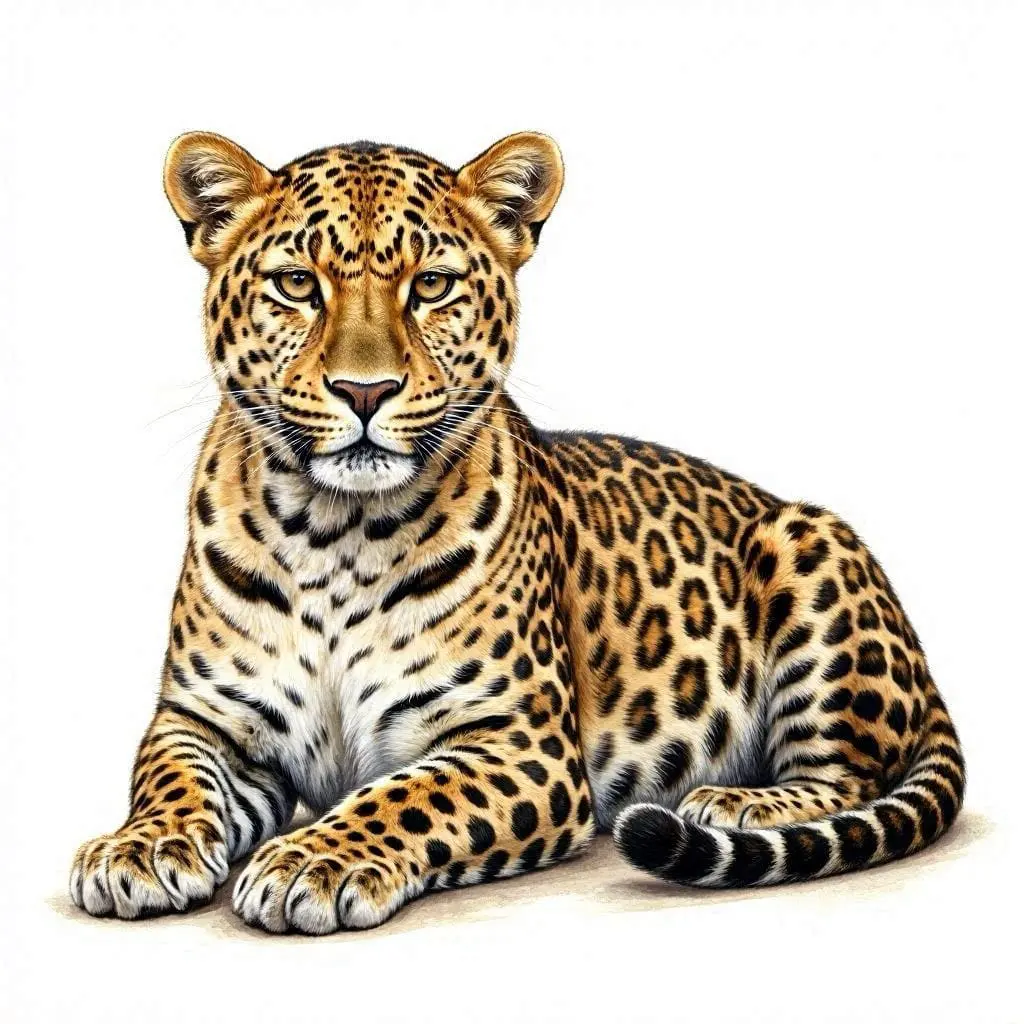
Type: Mammal
Leopards are stealthy and smart hunters. They often drag their prey up into trees to protect it from other animals. They prefer hunting alone and rely on surprise attacks.
Where found: Forests, mountains, and grasslands of Africa and Asia
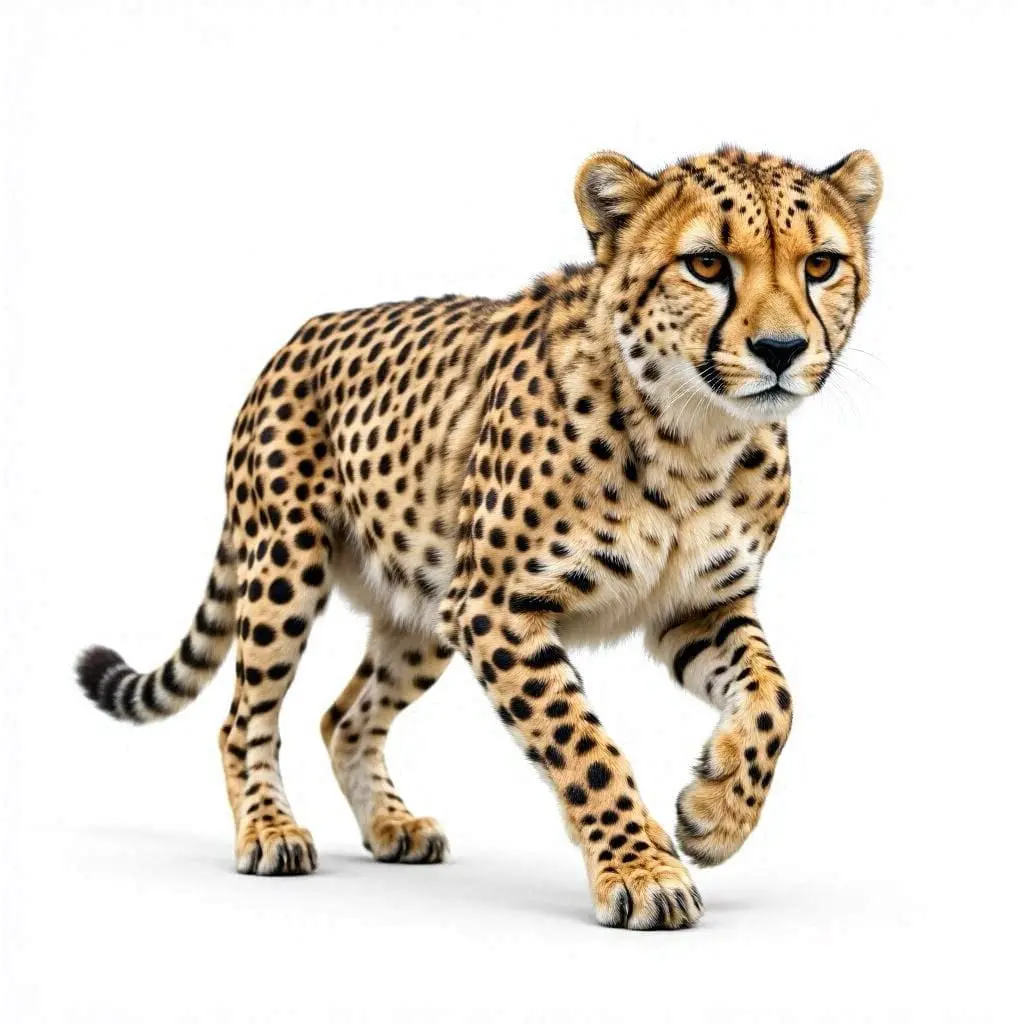
❹ Cheetah
Type: Mammal
Cheetahs are the fastest land animals. They rely on speed instead of strength and can chase prey like gazelles in just seconds.
Where found: Open grasslands and savannas of Africa
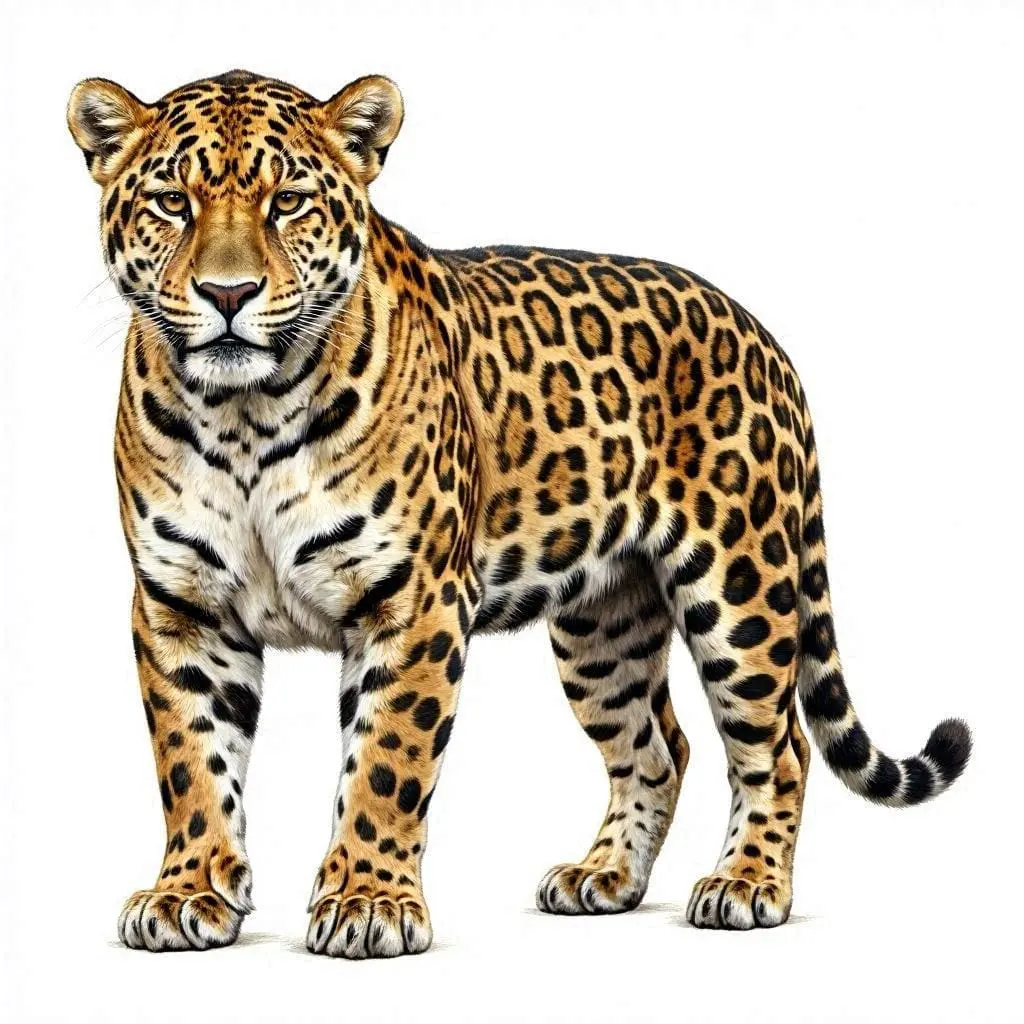
❺ Jaguar
Type: Mammal
Jaguars are strong and fearless predators. They have a powerful bite that can crush turtle shells and even pierce skulls. They also hunt near rivers.
Where found: Rainforests of South America
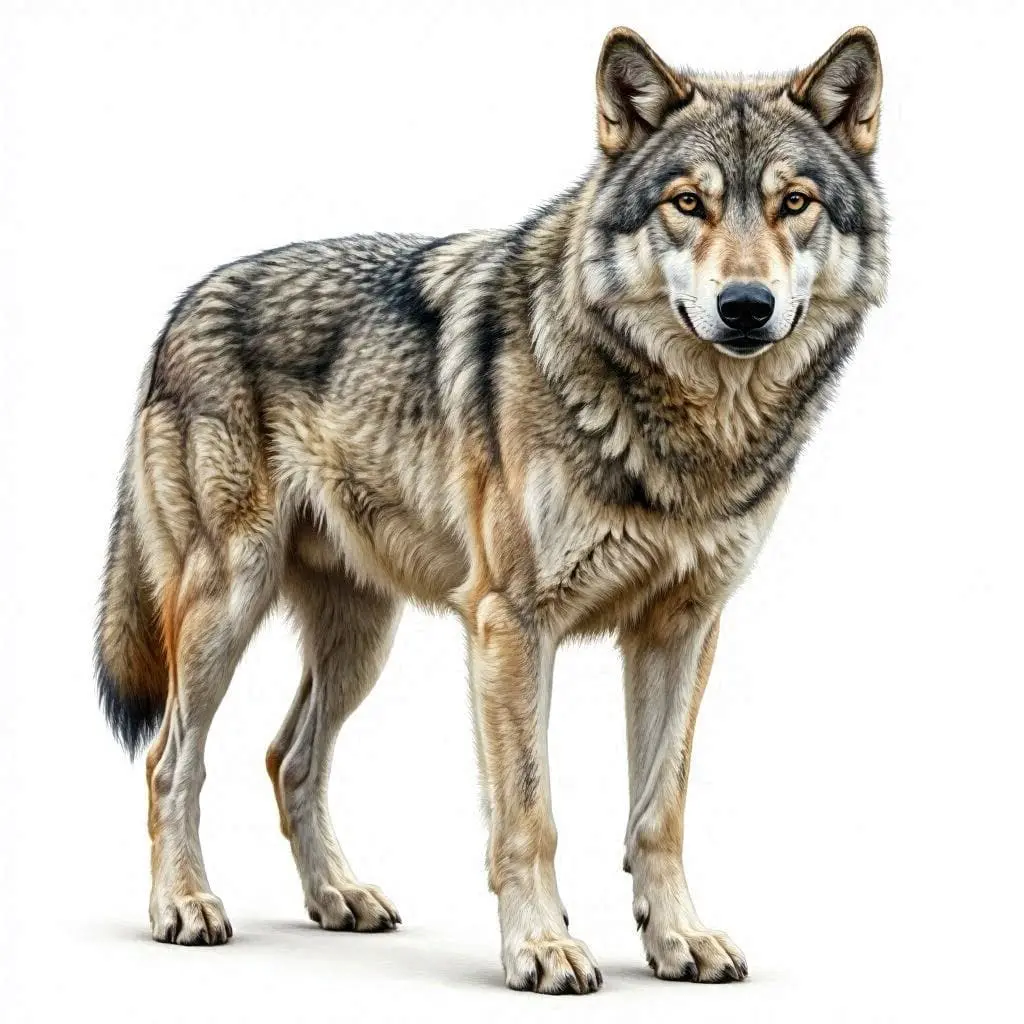
❻ Wolf
Type: Mammal
Wolves are intelligent pack hunters. They work together, communicate, and chase prey like deer until they succeed in a coordinated attack.
Where found: Forests, tundras, and mountains of North America, Europe, and Asia
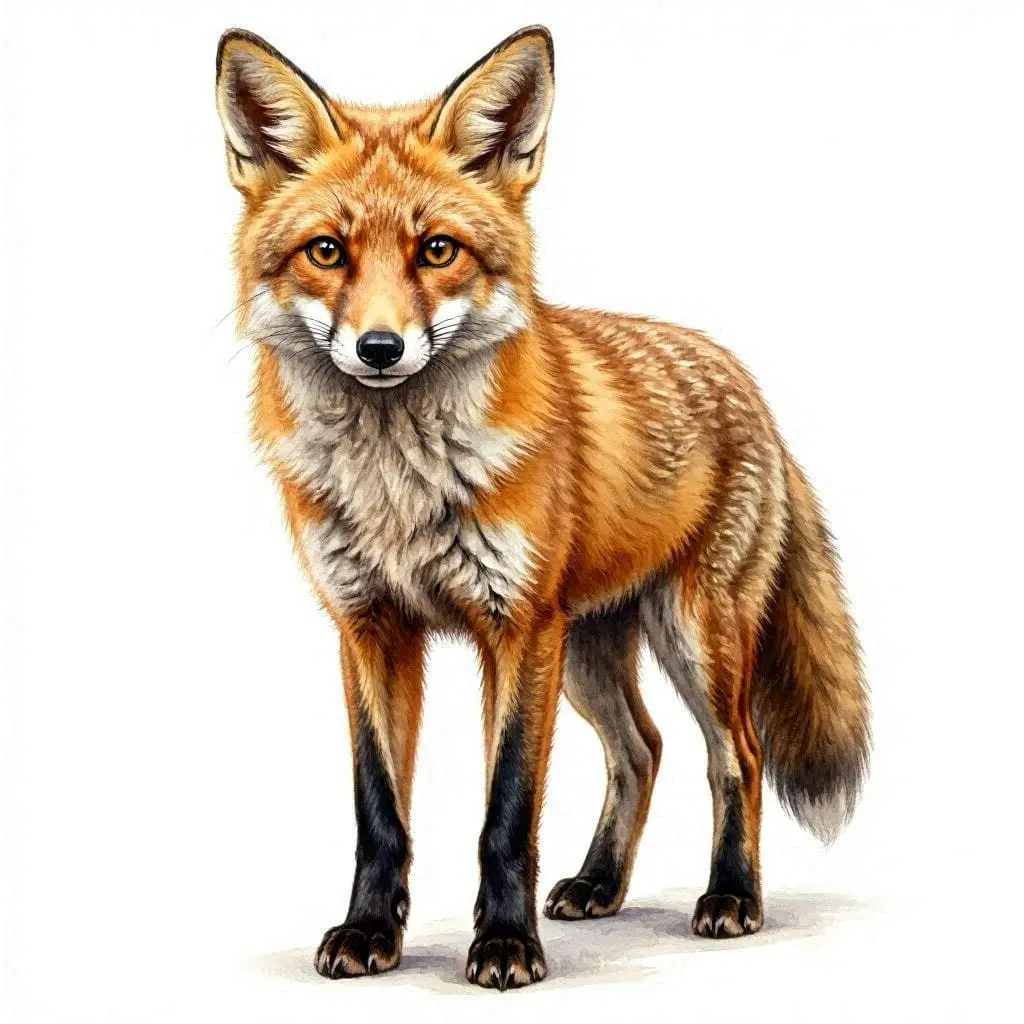
❼ Fox
Type: Mammal
Foxes are clever hunters that survive on small animals like rabbits, birds, and insects. Their sharp hearing helps them detect movement easily.
Where found: Worldwide—forests, deserts, mountains, and cities
❽ Hyena
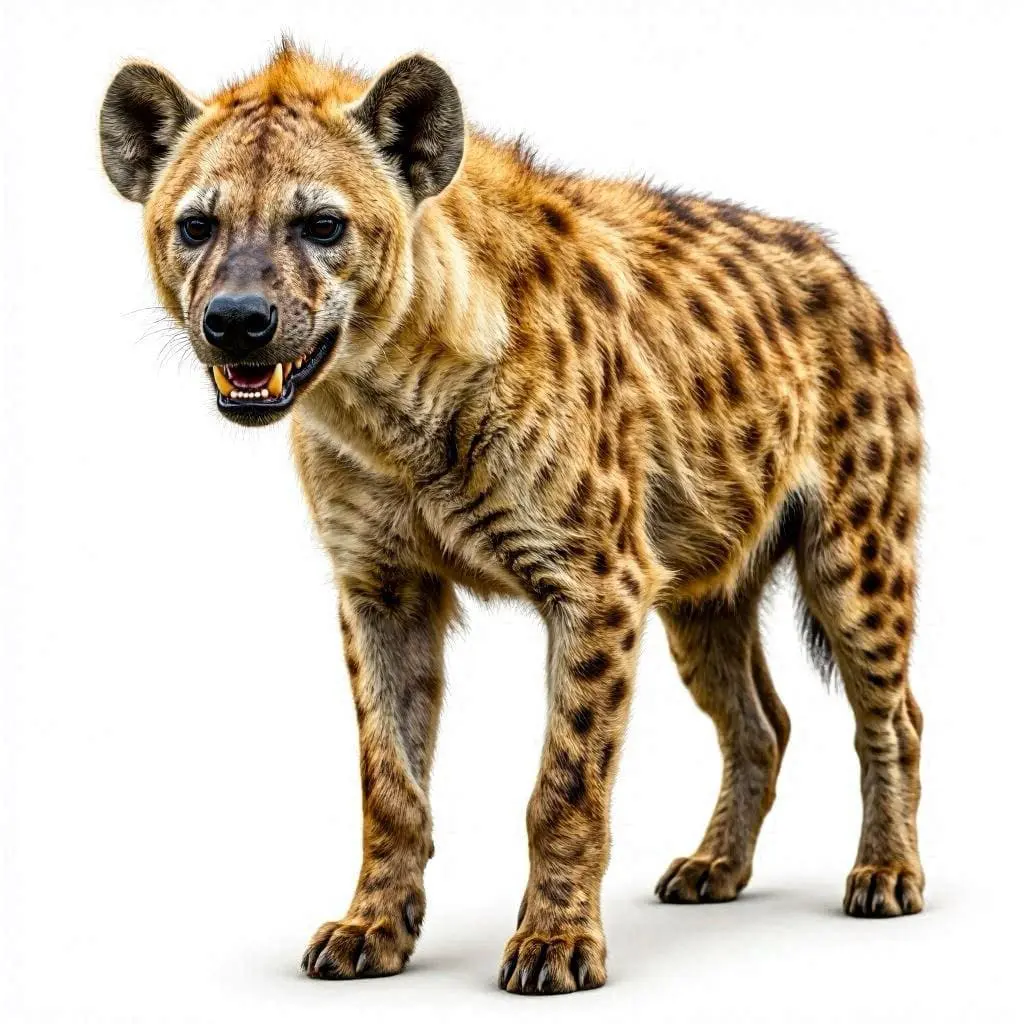
Type: Mammal
Hyenas are strong hunters and scavengers. They have extremely powerful jaws that can crush bones and often hunt in groups.
Where found: Grasslands and savannas of Africa
❾ Crocodile
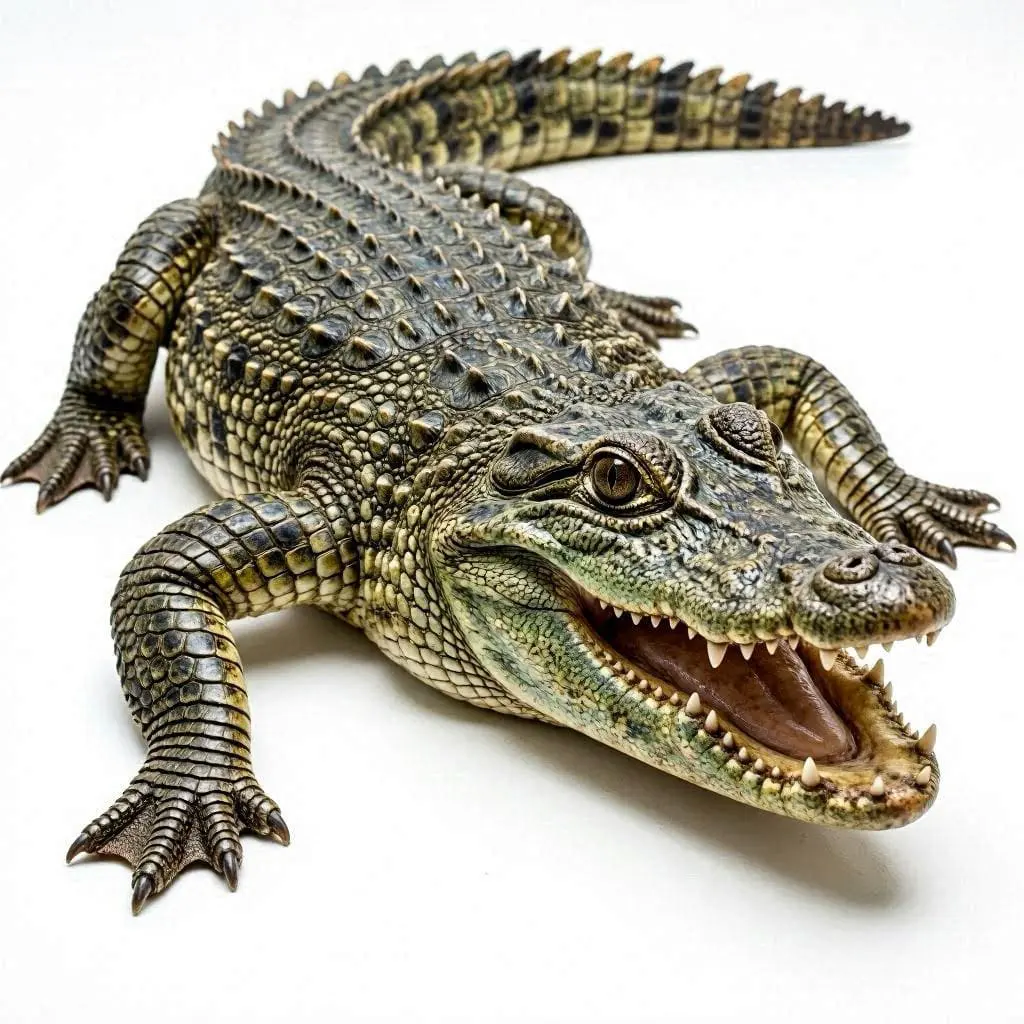
Type: Reptile
Crocodiles are silent ambush hunters. They stay still in water and attack suddenly with powerful jaws when prey comes close.
Where found: Rivers, lakes, and wetlands in Africa, Asia, and Australia
❿ Alligator
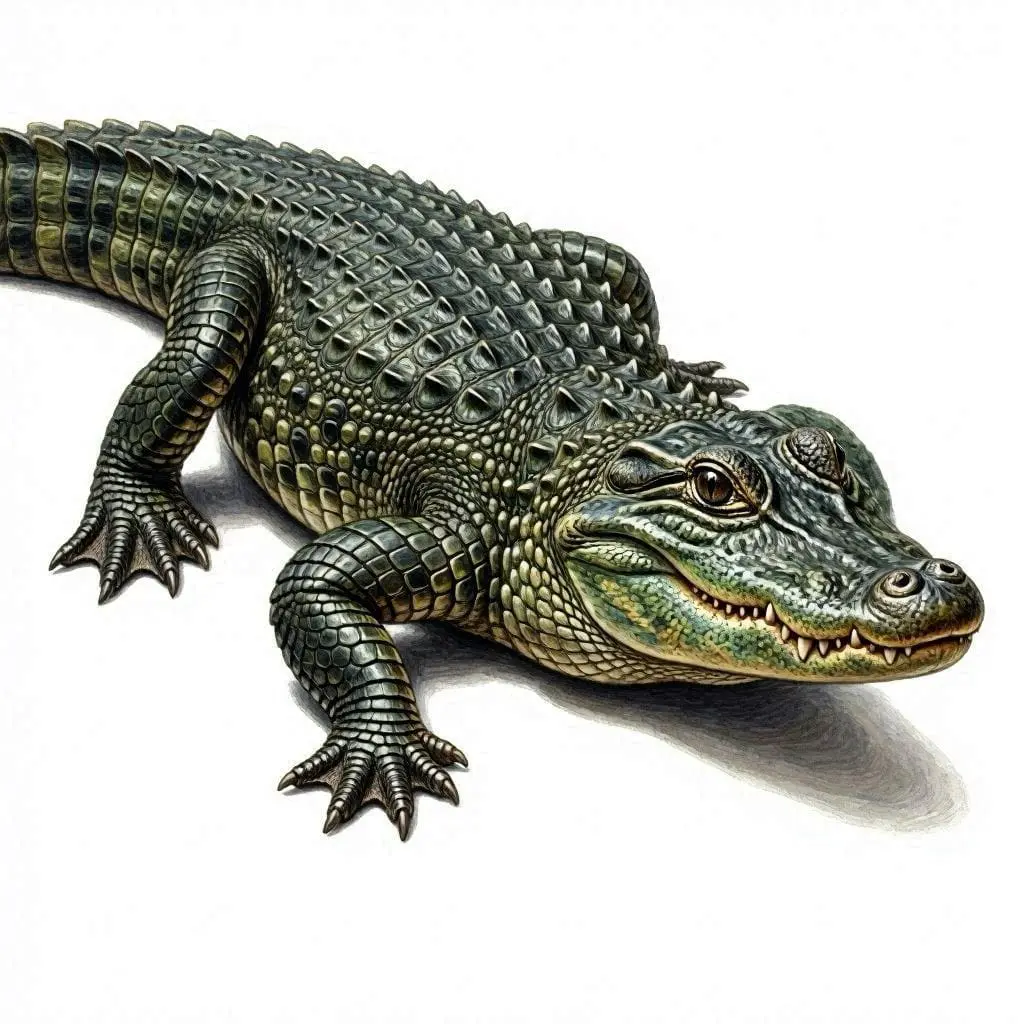
Type: Reptile
Alligators wait quietly in water and grab prey using strong jaws. They are expert ambush predators in swamps and lakes.
Where found: Freshwater swamps and lakes in the USA and China
⓫ Eagle
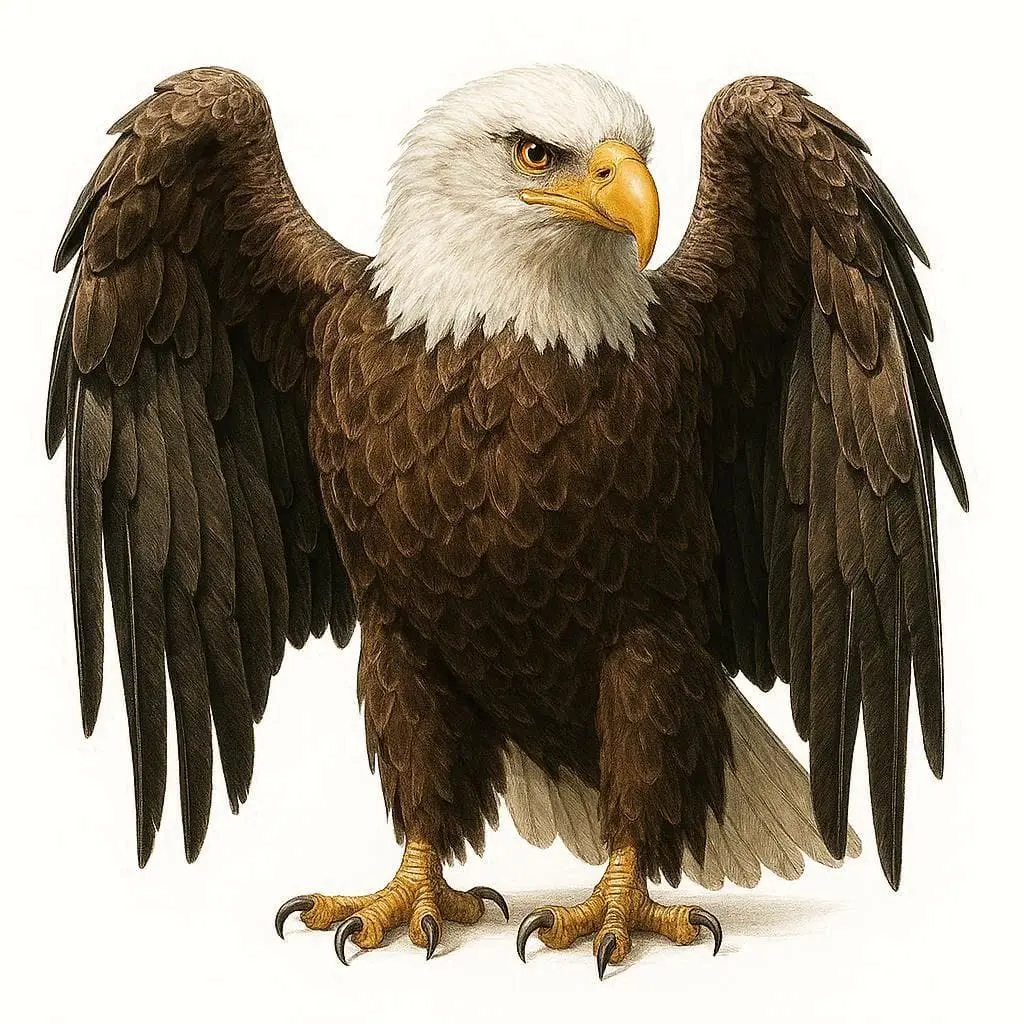
Type: Bird
Eagles are powerful birds with sharp eyesight. They fly high and dive quickly to catch prey using strong talons.
Where found: Mountains, forests, and open skies worldwide
⓬ Hawk
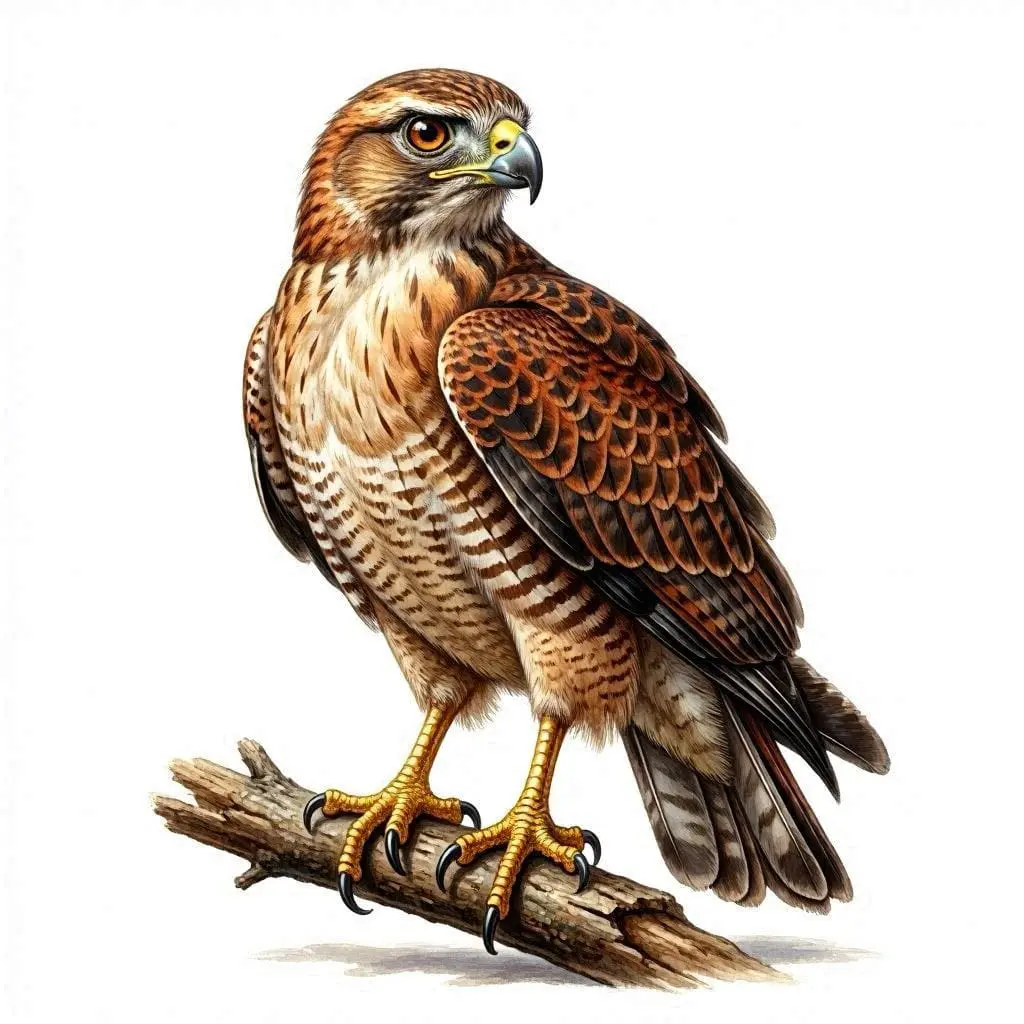
Type: Bird
Hawks are fast and precise hunters. They spot prey from far away and dive down quickly to catch small animals.
Where found: Forests, deserts, and grasslands worldwide
⓭ Owl
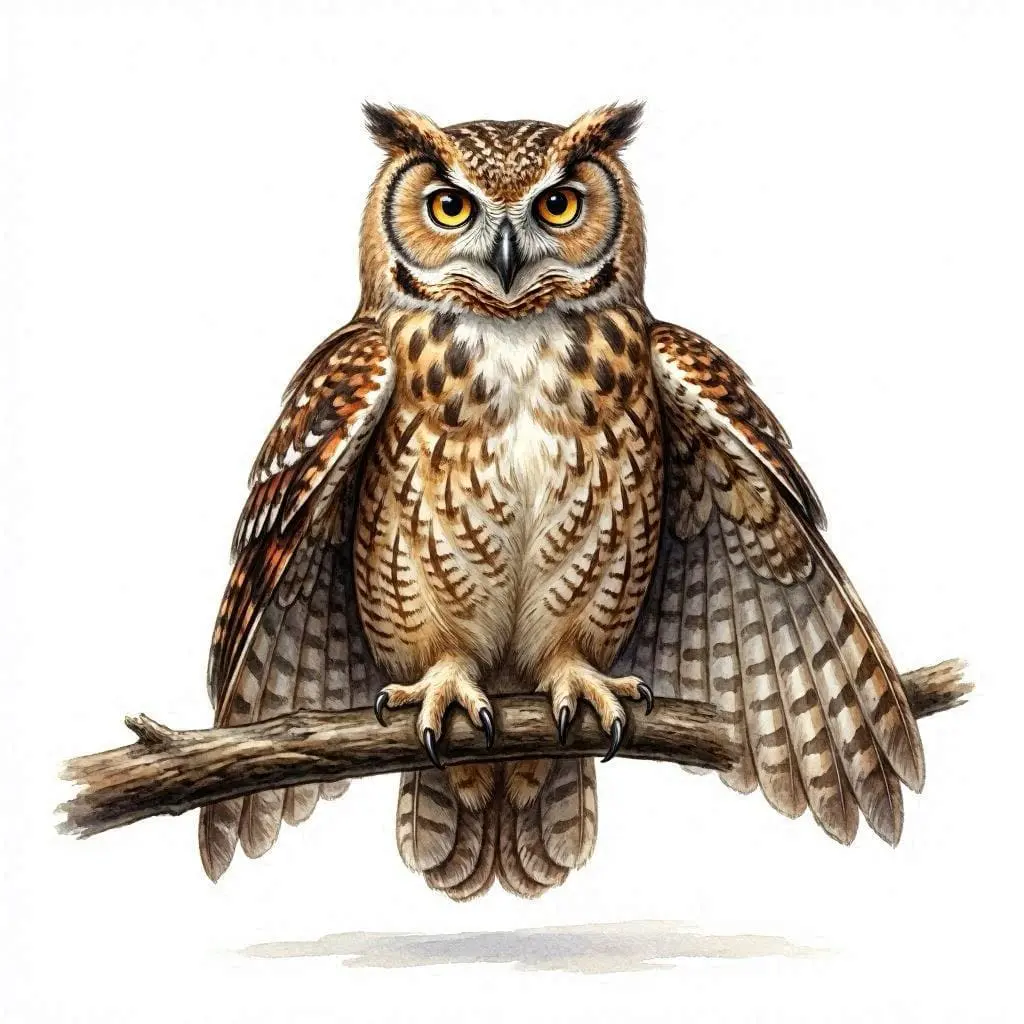
Type: Bird
Owls are silent night hunters. They use sharp hearing and vision to catch small animals in the dark without making noise while flying.
Where found: Forests, deserts, mountains, and farmlands worldwide
⓮ Falcon
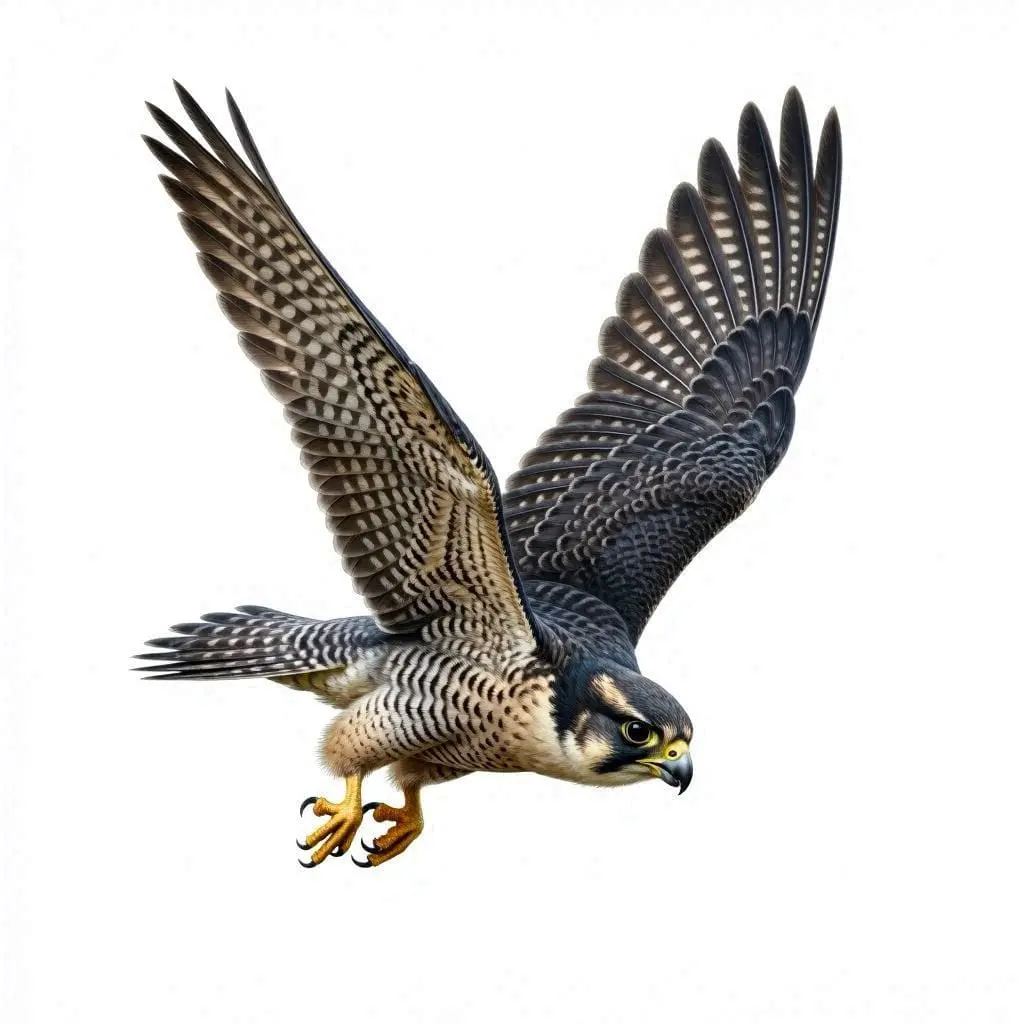
Type: Bird
Falcons are extremely fast birds that hunt by diving at high speed and striking prey mid-air with precision.
Where found: Cliffs, mountains, and open areas worldwide
⓯ Vulture
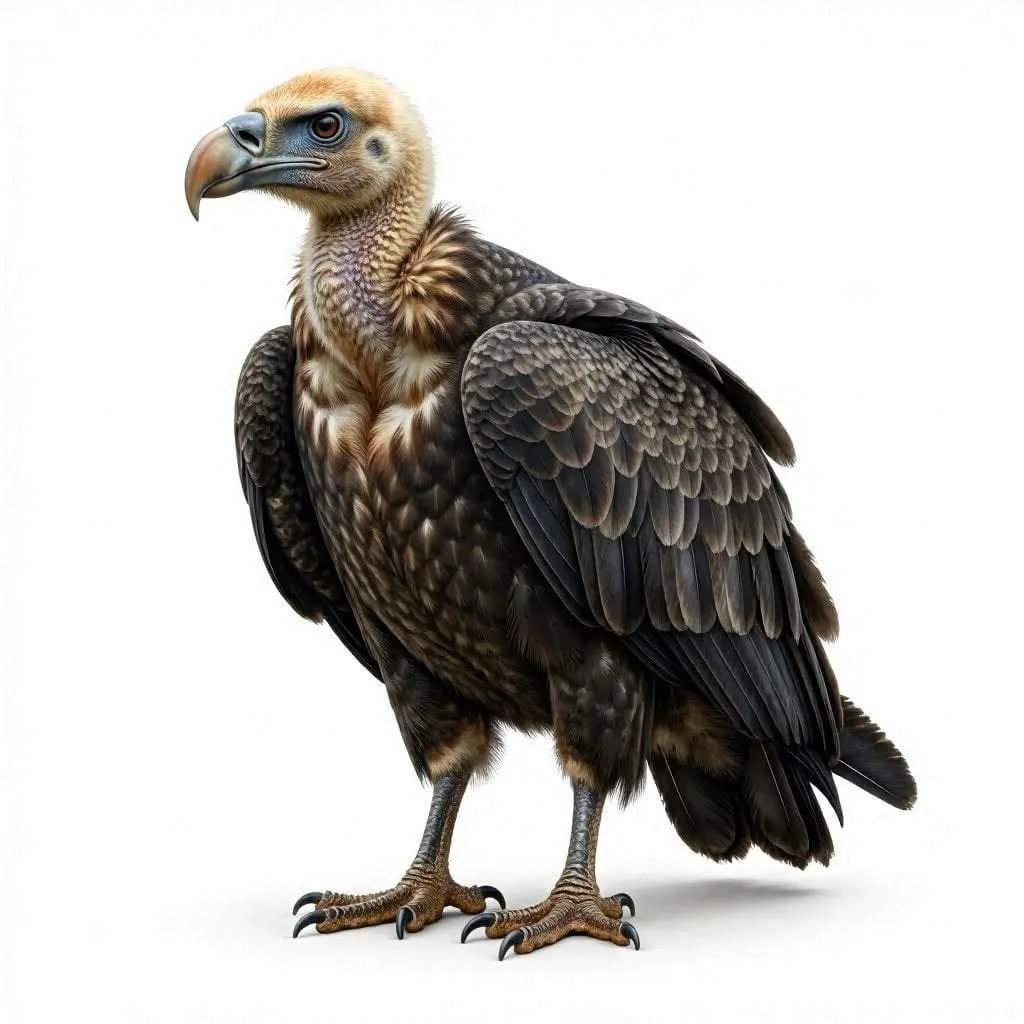
Type: Bird
Vultures are scavengers that feed on dead animals. They help keep the environment clean by removing carcasses.
Where found: Open fields, deserts, and mountains worldwide
⓰ Shark
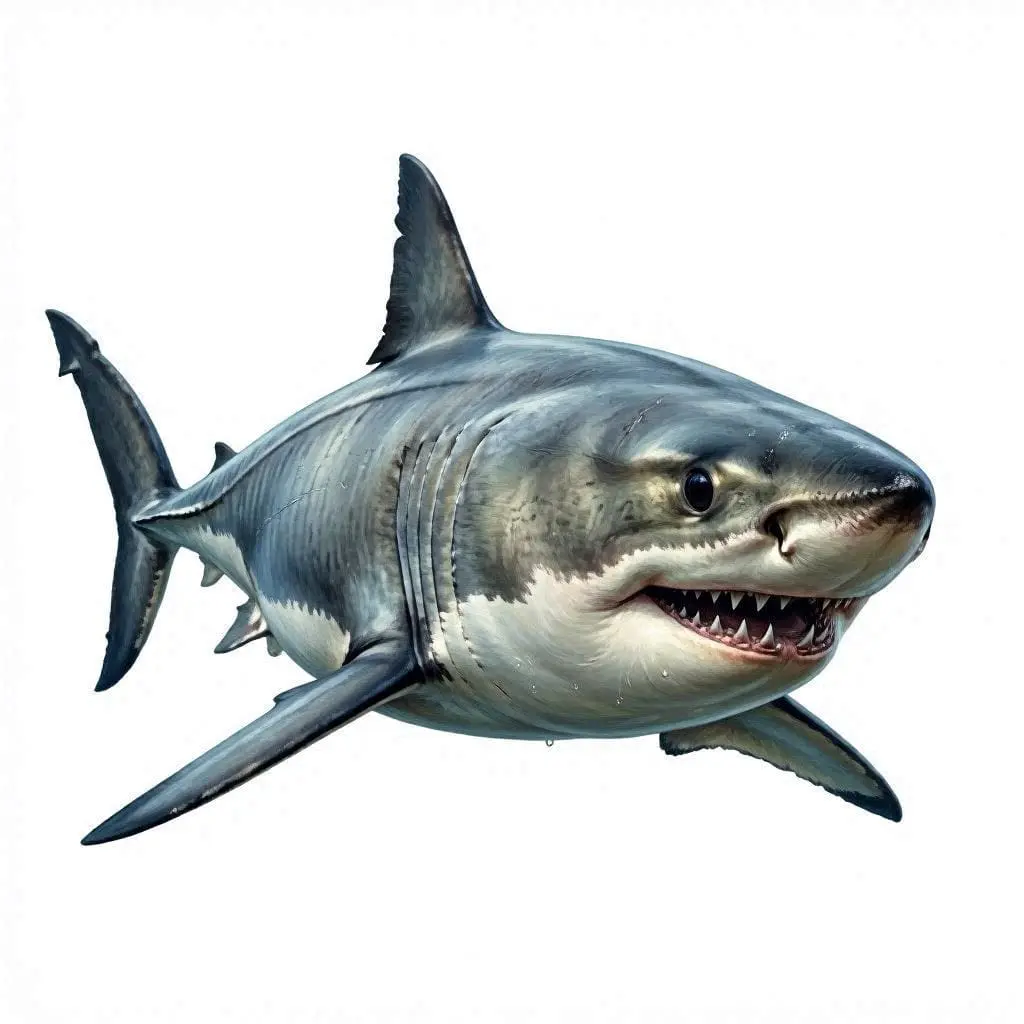
Type: Fish
Sharks are top ocean predators with sharp teeth and strong senses. They detect and attack prey with speed and accuracy.
Where found: Oceans worldwide
⓱ Killer Whale (Orca)
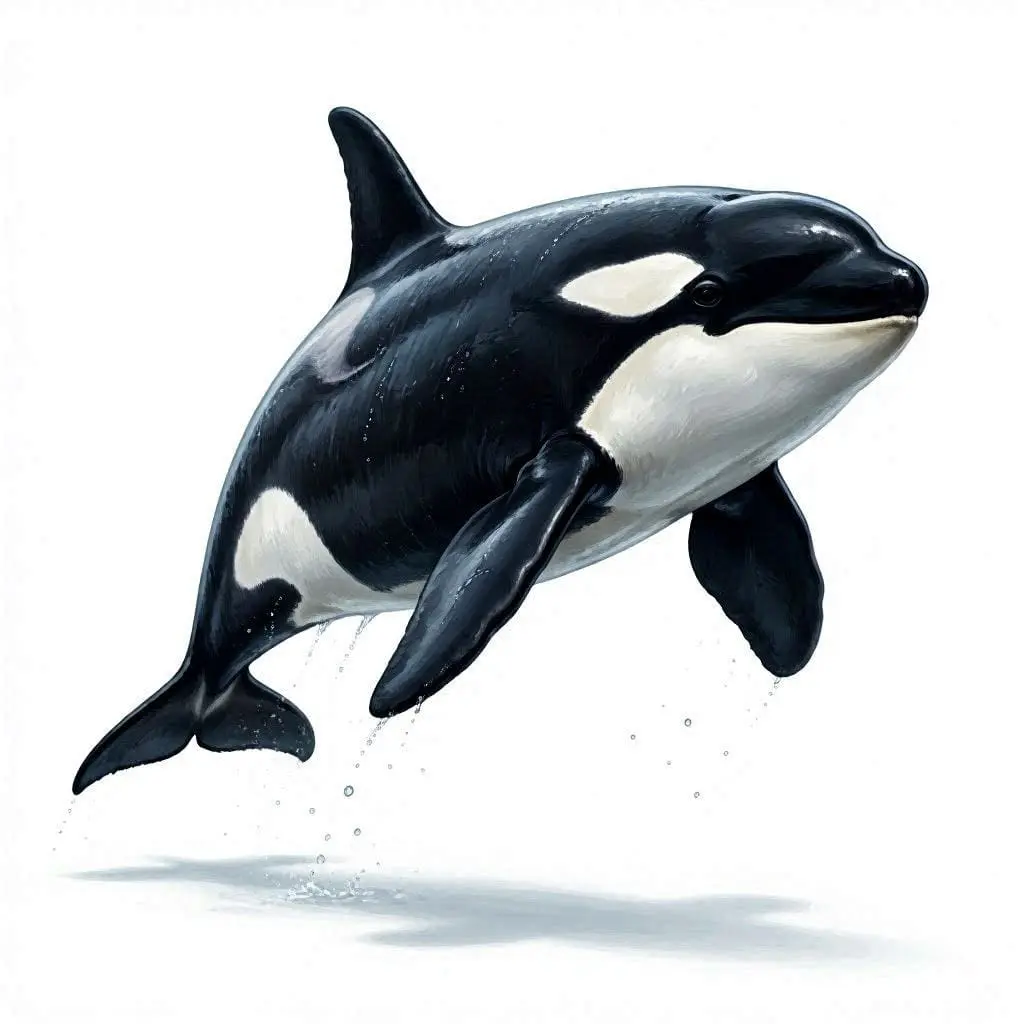
Type: Marine Mammal
Orcas are intelligent group hunters. They work in teams to catch fish, seals, and even large whales.
Where found: Cold and temperate oceans worldwide
⓲ Cobra
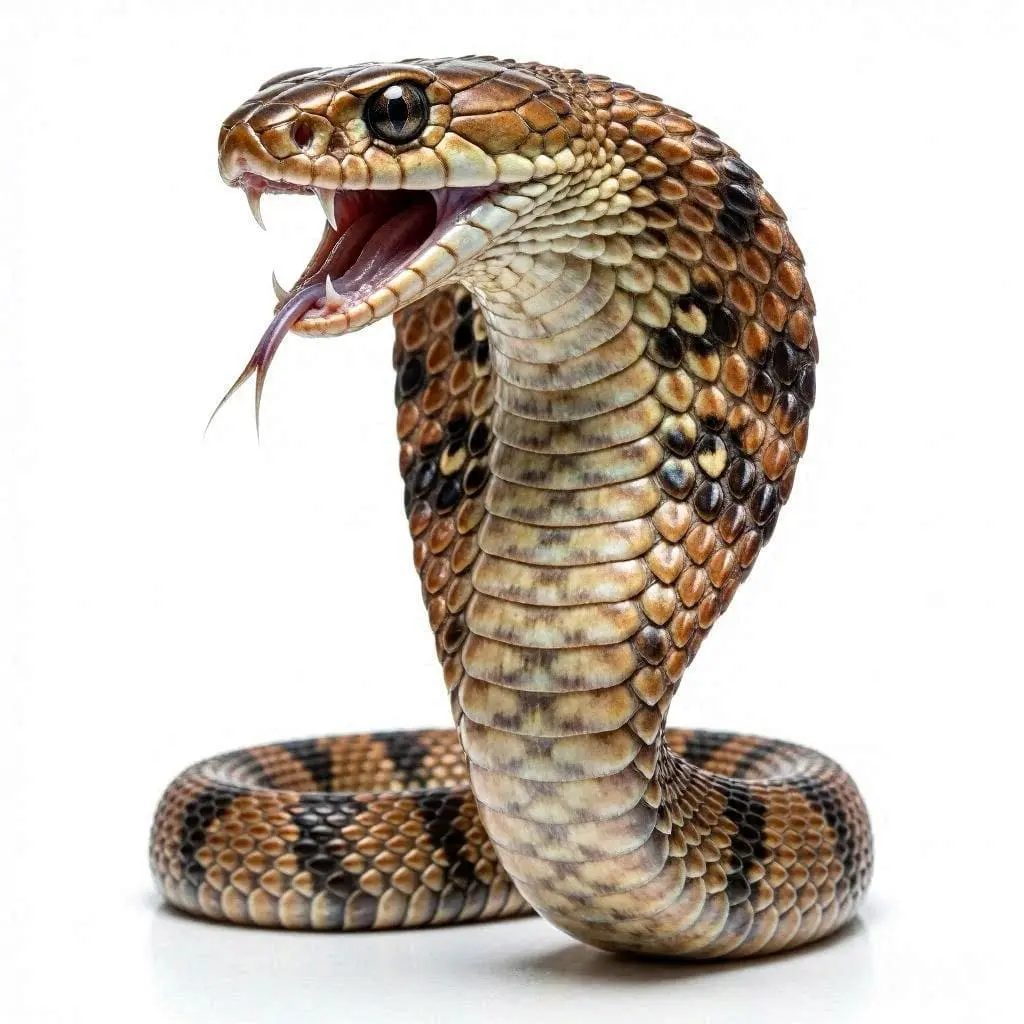
Type: Reptile
Cobras are venomous snakes that use poison to paralyze their prey. They also raise their hood to defend themselves.
Where found: Asia and Africa
⓳ Python
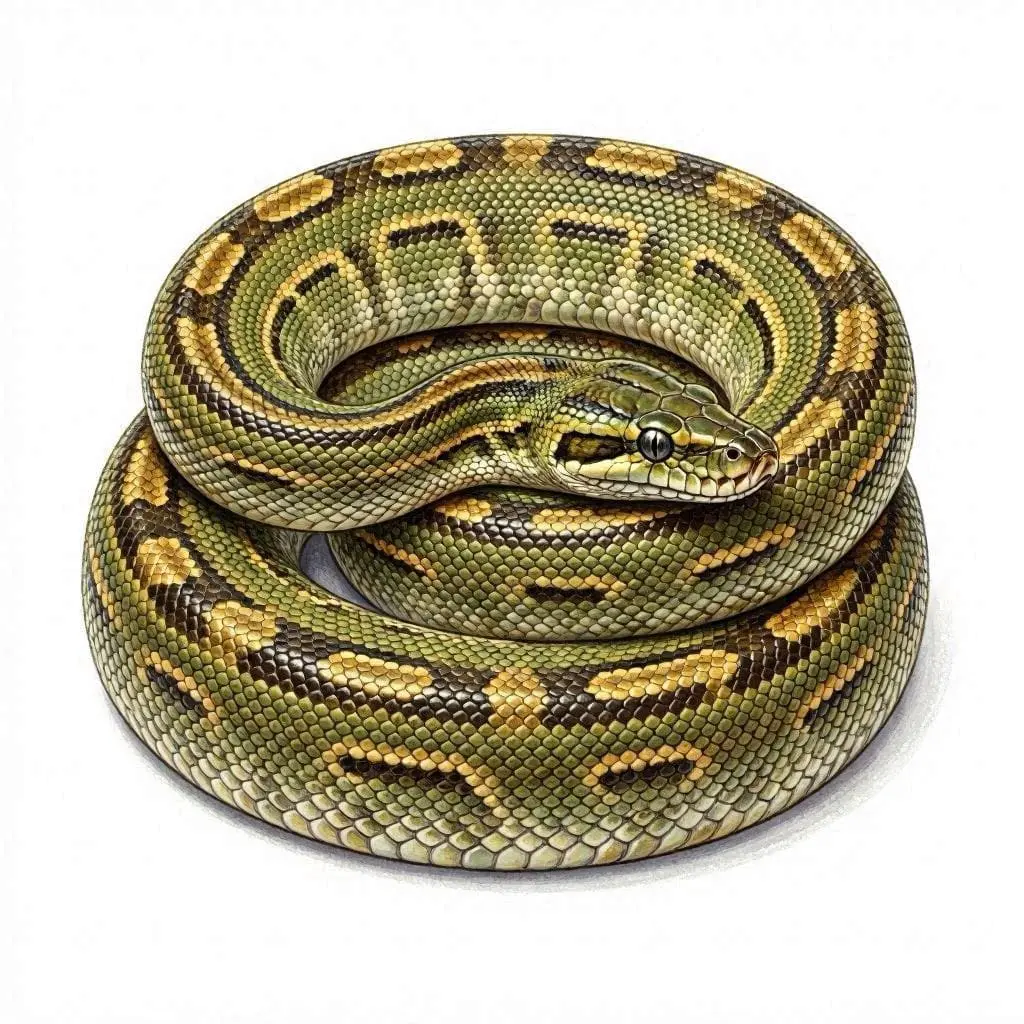
Type: Reptile
Pythons are constrictor snakes. They wrap around prey and squeeze until it stops breathing before swallowing it whole.
Where found: Asia and Africa
⓴ Komodo Dragon
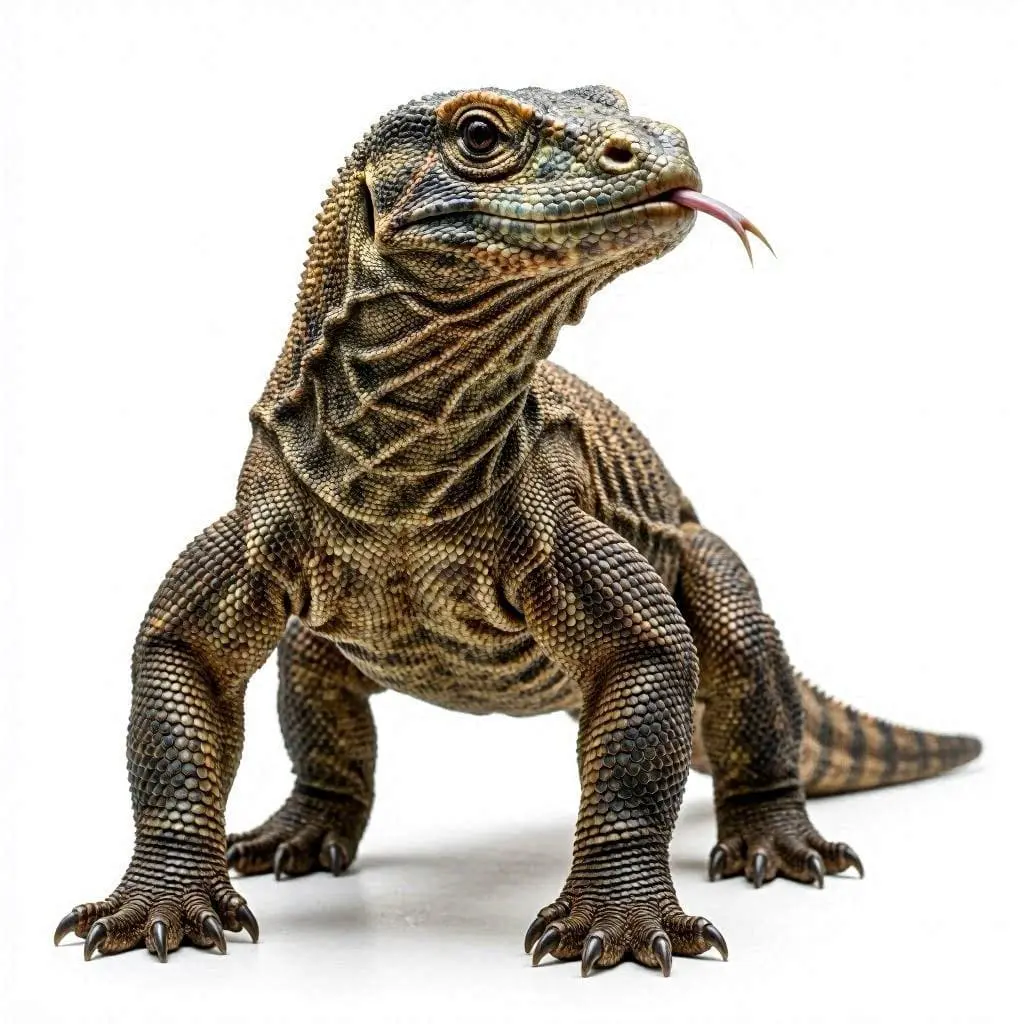
Type: Reptile
Komodo dragons are large lizards that use powerful bites and bacteria to weaken their prey. They are slow but very dangerous hunters.
Where found: Indonesian islands
Types of Carnivorous Animals
Carnivorous animals can be grouped into different types based on where they live and how they get their food. Each type has its own hunting style and survival method, which helps them adapt to different environments like land, water, and air. Understanding these types makes it easier to study how they function in nature.
Big Cats Carnivorous Animals Names
Big cats are some of the strongest and most skilled hunters in the animal kingdom. They rely on speed, power, and sharp senses to catch their prey in the wild.
- Lion – A powerful social hunter known as the “King of the Jungle,” lives and hunts in groups called prides.
- Tiger – The largest wild cat, famous for its strength, stripes, and silent solo hunting style.
- Leopard – A stealthy and fast climber that drags its prey up trees to protect it from other animals.
- Cheetah – The fastest land animal, built for short bursts of extreme speed to catch prey.
- Jaguar – A strong jungle predator with one of the most powerful bite forces among big cats.
- Snow Leopard – A rare mountain hunter adapted to cold, snowy regions with excellent camouflage.
- Puma (Mountain Lion) – A silent and agile predator found in forests and mountains of the Americas.
- Lynx – A medium-sized wild cat with sharp eyesight and tufted ears, skilled at hunting small animals.
- Bobcat – A small but aggressive hunter commonly found in North American forests.
- Serval – A long-legged African cat known for catching birds and small animals with high jumps.
So, big cats are powerful predators that play an important role in keeping nature’s food chain balanced and healthy.
Wild Canines & Mammalian Hunters
Wild canines are intelligent and adaptable hunters. Many of them hunt in groups and survive in different environments, from deserts to icy regions.
- Gray Wolf – A highly intelligent pack hunter known for teamwork and coordinated hunting strategies.
- Arctic Wolf – A white-coated wolf perfectly adapted to freezing Arctic environments.
- Red Fox – A clever and adaptable hunter that feeds on small animals, insects, and fruits.
- Coyote – A smart and fast predator found in deserts, forests, and grasslands.
- Dhole (Wild Dog) – An Asian pack hunter known for chasing prey over long distances.
- Jackal – A scavenger and hunter that survives on both meat and small animals.
- Hyena – A powerful scavenger with extremely strong jaws capable of crushing bones.
- Fossa – Madagascar’s top predator that mainly hunts lemurs and small animals.
- Wolverine – A fearless and strong carnivore that can take down prey larger than itself.
- Weasel – A small but very fast hunter that preys on rodents and birds.
In short, wild canines and similar predators are highly intelligent hunters that help maintain balance in ecosystems by controlling small animal populations.
Reptile Carnivorous Animals Names
Reptile carnivores are cold-blooded hunters that use stealth, venom, or powerful jaws to capture prey in land and water environments.
- Crocodile – A large water predator with extremely strong jaws and ambush hunting style.
- Alligator – A powerful reptile that waits silently in water to attack prey.
- Komodo Dragon – The largest lizard, using venom and strength to overpower animals.
- King Cobra – A deadly snake that hunts other snakes and small animals.
- Python – A non-venomous snake that kills prey by constriction.
- Anaconda – One of the heaviest snakes, known for hunting in rivers and swamps.
- Viper – A venomous snake with fast and accurate strike ability.
- Mamba – One of the fastest and most dangerous venomous snakes in the world.
- Gharial – A fish-eating crocodilian with a long narrow snout.
- Monitor Lizard – A strong reptile that feeds on eggs, insects, and small animals.
So, reptile predators are essential for keeping both land and water ecosystems balanced and healthy.
Bird Carnivorous Animals Names
Birds of prey are skilled aerial hunters with sharp vision, strong talons, and powerful beaks designed for catching and eating animals.
- Eagle – A powerful bird known for its sharp vision and strong hunting claws.
- Hawk – A fast flyer that hunts small animals from the sky with precision.
- Falcon – The fastest bird in the world, famous for high-speed dives.
- Owl – A silent nocturnal hunter with excellent night vision.
- Vulture – A scavenger bird that feeds on dead animals in nature.
- Kite – A light and agile bird that catches small prey in flight.
- Harpy Eagle – One of the strongest eagles, capable of hunting monkeys.
- Osprey – A fish-hunting bird that dives into water to catch prey.
- Secretary Bird – A ground hunter that kills snakes using strong kicks.
- Condor – A large scavenger bird that feeds on carrion.
In short, birds of prey are nature’s expert hunters that help control populations of small animals and maintain ecological balance.
Marine Carnivorous Animals Names
Marine carnivores are powerful ocean predators that survive by hunting fish, squid, and other sea animals using speed, intelligence, and strength.
- Great White Shark – A top ocean predator known for its strength and sharp teeth.
- Tiger Shark – An aggressive hunter that eats a wide variety of sea animals.
- Hammerhead Shark – A unique shark with wide head for improved hunting vision.
- Barracuda – A fast predator fish with sharp teeth used for ambush attacks.
- Killer Whale (Orca) – A highly intelligent ocean predator that hunts in coordinated groups.
- Swordfish – A fast swimmer that uses its long bill to strike prey.
- Moray Eel – A hidden reef predator that ambushes fish from narrow spaces.
- Giant Squid – A deep-sea hunter that uses long tentacles to capture prey.
- Octopus – A smart marine predator known for intelligence and hunting skills.
- Seal – A carnivorous marine mammal that feeds mainly on fish and squid.
So, marine carnivores are powerful ocean hunters that help maintain balance in underwater food chains and ecosystems.
Difference Between Herbivores, Carnivores, and Omnivores
Animals are grouped by what they eat into herbivores, carnivores, and omnivores. Each group has a specific diet and features that help them survive in nature.
| Type | Food Habit | Description | Examples |
|---|---|---|---|
| Herbivores | Plants only | Animals that survive by eating grass, leaves, fruits, and plants. They have flat teeth for grinding food. | Cow, Deer, Rabbit, Goat, Elephant |
| Carnivores | Meat only | Animals that depend on other animals for food. They have sharp teeth, strong claws, and hunting abilities. | Lion, Tiger, Leopard, Wolf, Shark |
| Omnivores | Both plants and meat | Animals that eat both plants and animals depending on availability. They are adaptable in nature. | Bear, Human, Crow, Pig, Dog |
In short, these three types of animals maintain balance in the food chain through their different eating habits.
Interesting Facts About Carnivorous Animals
Carnivorous animals are some of the most powerful and fascinating creatures in the animal kingdom. They survive by hunting other animals and have special physical and behavioral traits that make them excellent predators.
- Carnivorous animals have sharp teeth, strong jaws, and claws to catch and tear their prey.
- They are often fast, strong, and highly skilled hunters in the wild.
- Some carnivores, like cheetahs, are built for extreme speed during hunting.
- Birds such as eagles, hawks, and falcons hunt from the sky using sharp vision.
- Ocean predators like sharks and orcas dominate underwater food chains.
- Some carnivores use venom, like cobras and vipers, to catch or kill prey quickly.
- Animals like lions and wolves often hunt in groups for better success.
- Many carnivores are highly intelligent and use smart strategies to hunt.
- Carnivores play an important role in nature by controlling herbivore populations.
- Not all carnivores are large—some, like weasels and small snakes, are tiny but effective hunters.
- Some carnivores are nocturnal, meaning they hunt at night (like owls and leopards).
- Marine carnivores such as sharks, barracudas, and orcas are top ocean predators.
In conclusion, carnivorous animals are essential for maintaining balance in ecosystems. They control food chains and ensure that nature stays healthy and stable.
Final Thought
Carnivorous animals are one of the most important and powerful groups in the animal kingdom. They are designed by nature to hunt, survive, and maintain balance in ecosystems. Whether it is a lion in the jungle, a shark in the ocean, or an eagle in the sky, each one plays a unique role in controlling the population of other animals and keeping the food chain stable.
These animals may look dangerous, but their presence is essential for nature’s harmony. Without carnivores, herbivorous animals would increase in number rapidly, which could disturb the natural balance of forests, oceans, and grasslands. So, carnivorous animals are not just hunters—they are nature’s way of ensuring that life continues in a balanced and healthy way.
FAQs About Carnivorous Animals
Carnivorous animals are animals that survive mainly by eating other animals. Their diet is based on meat, which they obtain by hunting, catching, or sometimes scavenging. These animals are specially adapted by nature with sharp teeth, strong jaws, and powerful senses that help them find and capture their prey in different environments like forests, deserts, mountains, and oceans.
Carnivorous animals eat meat because their bodies are naturally designed to get energy and nutrition from animal flesh. Meat provides them with high amounts of protein and essential nutrients that help them grow, stay active, and maintain strength. Unlike herbivores, they are not suited to digest plants efficiently, so meat becomes their primary source of food.
There are many carnivorous animals found across the world in different habitats. On land, animals like lions, tigers, wolves, and leopards are well-known predators. In water, sharks, killer whales, and barracudas dominate as strong hunters. In the sky, eagles, hawks, and falcons hunt smaller animals using sharp eyesight and speed. Reptiles like crocodiles and snakes are also powerful carnivores.
Carnivorous animals use different hunting strategies depending on their size and environment. Some, like cheetahs, rely on incredible speed to chase down prey, while others like lions use teamwork and group hunting. Leopards depend on stealth and surprise attacks, and snakes often use venom or sudden strikes. Each carnivore has developed unique skills that make them efficient hunters in the wild.
Carnivorous animals play a very important role in maintaining balance in nature. They control the population of herbivores and other animals, preventing overgrazing and environmental imbalance. By keeping food chains stable, they help ecosystems stay healthy and sustainable. Without carnivores, nature would lose its natural balance, which could negatively affect many species, including plants and other animals.
You May Also Like
- Flying Animals Names in English
- Pet Animals Names in English with Pictures
- 100 Sea Animals Name in English
Carnivorous Animals Quiz
Carnivorous Animals
What does 'obligate carnivore' mean?
A cat cannot make taurine itself and must take it from animal tissue.
Obligate means required, not preferred.
A cat fed a meat-free diet develops heart and eye damage.
Which teeth mark out a carnivore's skull?
Canines grip and kill; carnassials shear meat like scissors.
Read the diet from the teeth.
Carnassial teeth cut past each other rather than meeting.
Name the animal type.
An animal that hunts and kills other animals for food is a ___.
The animal hunted is the prey, and the relationship shapes both species over time.
Predator and prey are roles, not fixed identities.
A predator in one relationship can be prey in another.
Why do carnivores have shorter digestive tracts than herbivores?
Cellulose needs long fermentation; protein and fat do not.
Gut length tracks how hard the food is to digest.
A cow's digestive tract is many times a cat's, relative to size.
Three of these are obligate carnivores. Which is not?
Most bears are omnivores, and some eat mainly plants.
Belonging to the order Carnivora does not make an animal carnivorous.
The giant panda is in Carnivora and eats bamboo.
Turn on JavaScript for the interactive quiz. The full practice set is shown above.