Most animals with the longest lifespans live for a handful of years, but a rare group of species can survive for centuries, and in a few cases, seemingly forever. Their secret usually comes down to slow metabolism, cold habitats, and unusually efficient cell repair, traits that let them dodge the aging process most other creatures can’t escape.
This article covers every major long living animal, grouped by land, ocean, birds, insects, and even long living pets, along with a quick reference chart, the science behind extreme longevity, and the questions people ask most often about animal lifespans.
What Makes an Animal Long Lived?
Longevity in animals usually depends on a mix of biological traits rather than just size or species type. Slow metabolic rates, cold environments, delayed reproduction, and strong DNA repair systems all show up again and again in the longest living species on Earth.
There are two broad categories worth knowing before diving into the list.
- Maximum lifespan animals, meaning the oldest confirmed individual of a species has been reliably aged through scientific methods like radiocarbon dating or growth ring counting.
- Biologically immortal animals, meaning the species doesn’t appear to age at all, even though it can still die from disease, injury, or predation.
Explore more animals that start with different letters:
A | B | C | D | E | F | G | H | I | J | K | L | M | N | O | P | Q | R | S | T | U | V | W | X | Y | Z
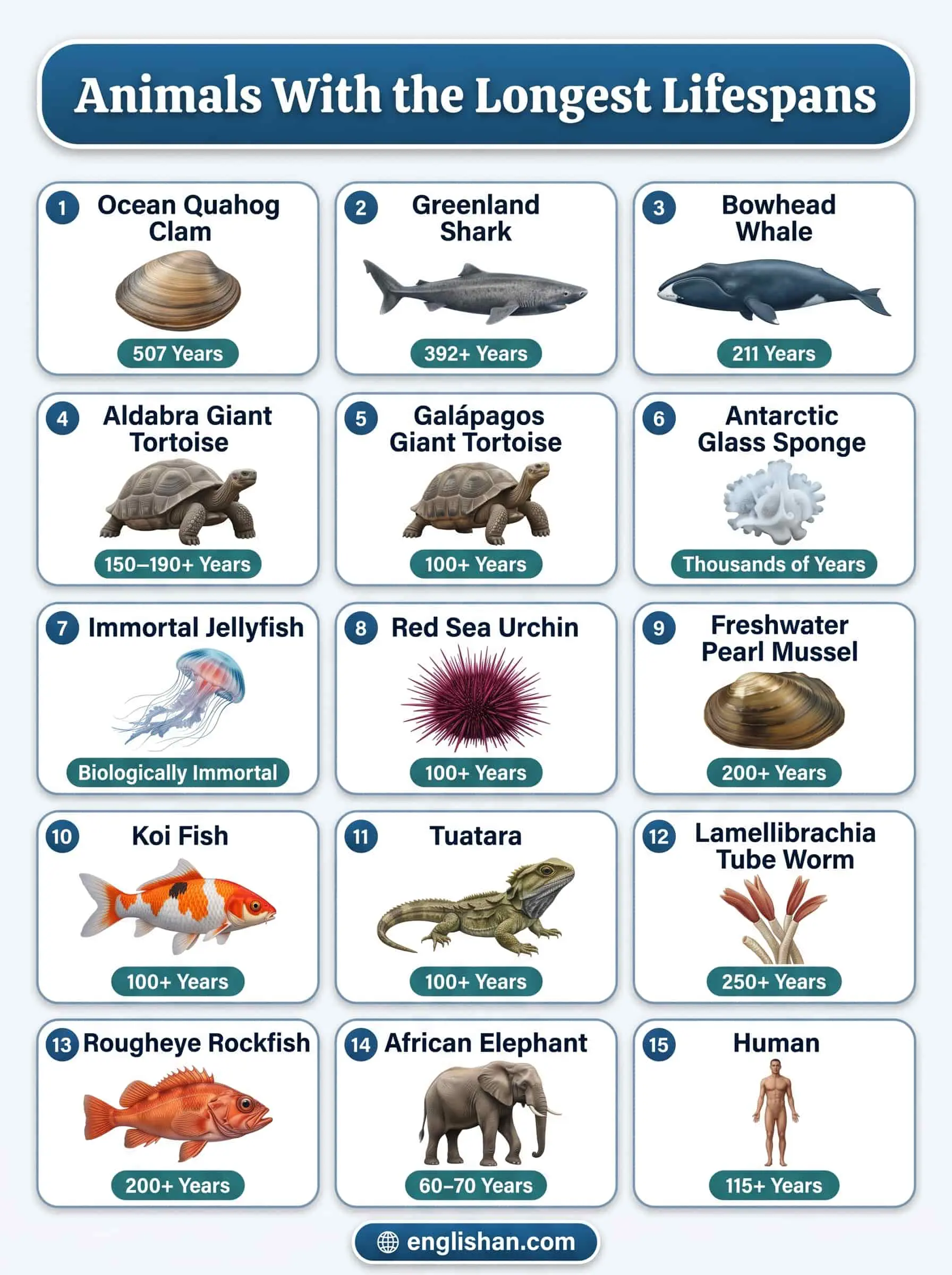
List of Animals With the Longest Lifespans with Pictures
Here is a combined list of the planet’s most remarkable long living animals, pulled from land, sea, and record setting invertebrates, along with an explanation of how each one manages to live so long.
❶ Ocean Quahog Clam
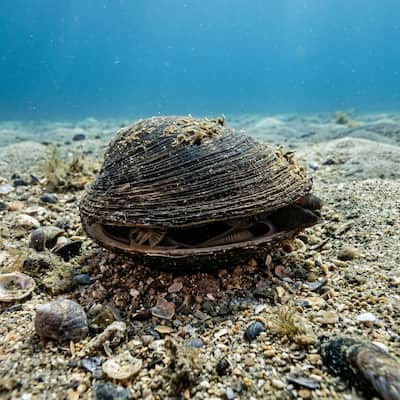
The oldest individual animal ever reliably aged. A specimen nicknamed “Ming” was found off Iceland in 2013 and dated to 507 years old by counting growth rings on its shell, the same principle used to age trees.
❷ Greenland Shark
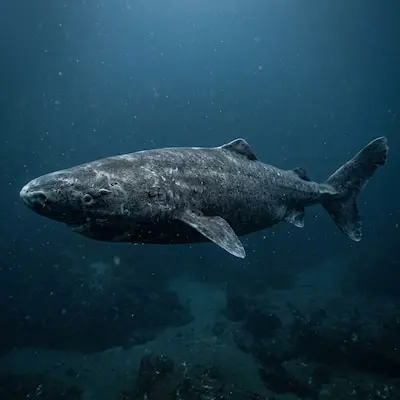
The longest living vertebrate on record. A 2016 study using radiocarbon dating on eye lens tissue estimated the oldest sampled shark at around 392 years old, with a possible range stretching past 500, aided by a metabolism so slow it grows less than half an inch per year.
❸ Bowhead Whale
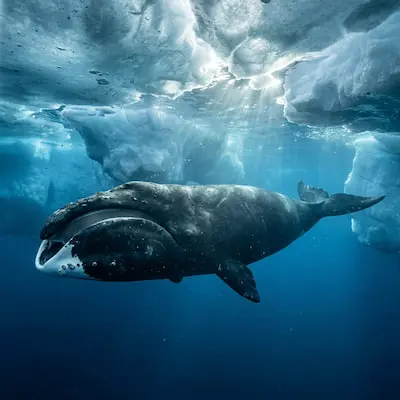
The longest living mammal known to science. Some individuals have been aged at up to 211 years old, confirmed in part by 19th century harpoon fragments found embedded in whales caught generations later.
❹ Aldabra Giant Tortoise
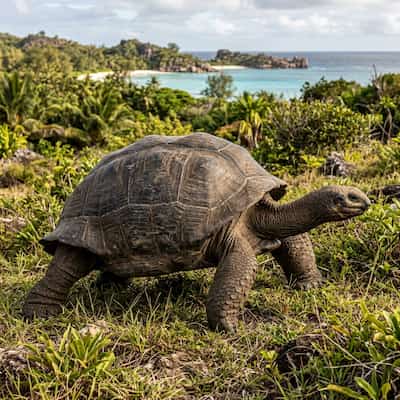
A land based longevity icon. Individuals regularly live past 150 years, and Jonathan, a Seychelles giant tortoise living on St. Helena, is believed to have hatched around 1832, making him the oldest known living land animal.
❺ Galápagos Giant Tortoise
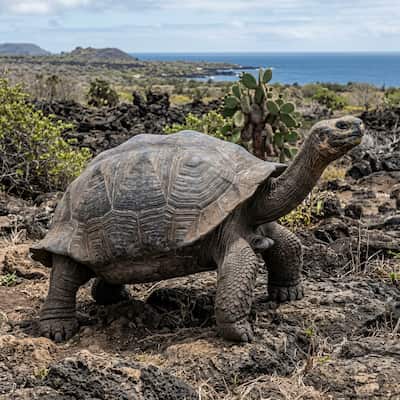
A close relative of the Aldabra tortoise with similar staying power. Wild individuals commonly live over a century, and their slow metabolism combined with a low cancer risk relative to body size helps explain their long lifespans.
❻ Antarctic Glass Sponge
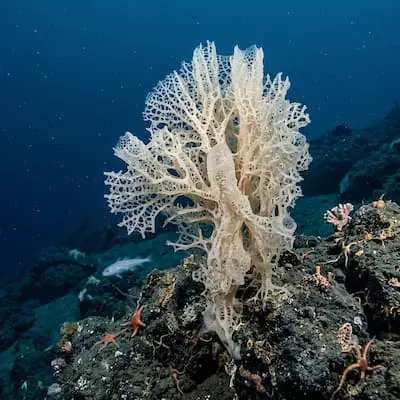
A strong contender for the oldest living organism on the planet. Growth rate estimates suggest some individuals could be several thousand years old, since they grow only a few millimeters per century in the frigid, nutrient poor deep sea.
❼ Immortal Jellyfish
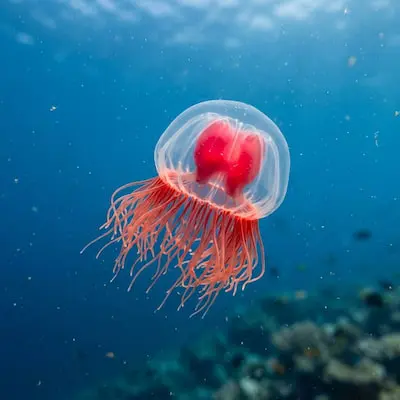
The only known animal that can reverse its own aging. When injured or stressed, Turritopsis dohrnii can transform its adult cells back into an earlier life stage, restarting its life cycle instead of dying of old age.
❽ Red Sea Urchin
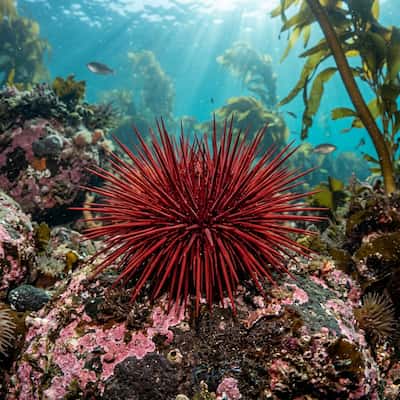
An invertebrate that quietly outlives most vertebrates. Some individuals live past 100 years, and researchers have linked this to multiple copies of genes involved in DNA repair, similar to what’s been found in the Greenland shark.
❾ Freshwater Pearl Mussel
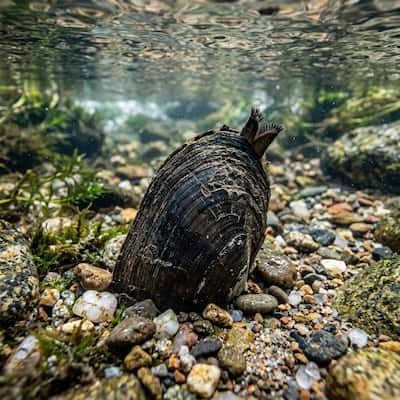
A slow growing shellfish capable of living over 100 years, with some populations in cold northern rivers reportedly reaching past 200. Its longevity is tied to a very low metabolic rate and life in cold, stable freshwater habitats.
❿ Koi Fish
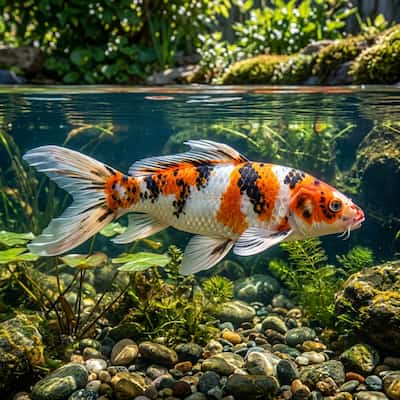
A pond fish famous well beyond its lifespan record. Well documented individuals have lived past 100 years, with one famous koi named Hanako reportedly living to 226 years old, though that particular figure is disputed by some researchers.
⓫ Tuatara
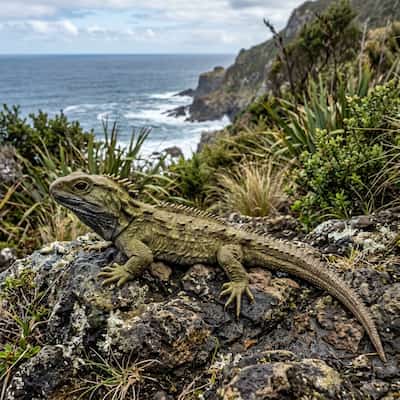
A reptile that looks like a lizard but isn’t one. Native to New Zealand, tuataras can live well past 100 years in the wild and continue growing slowly throughout most of their lives, unlike most reptiles that stop growing at maturity.
⓬ Lamellibrachia Tube Worm
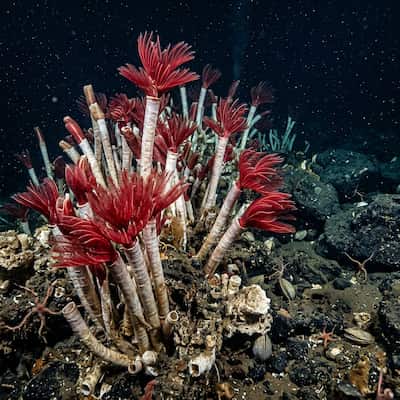
A deep sea worm living near cold seeps on the ocean floor. Some individuals are estimated to be over 250 years old, sustained by a stable deep sea environment and an extremely slow growth rate.
⓭ Rougheye Rockfish
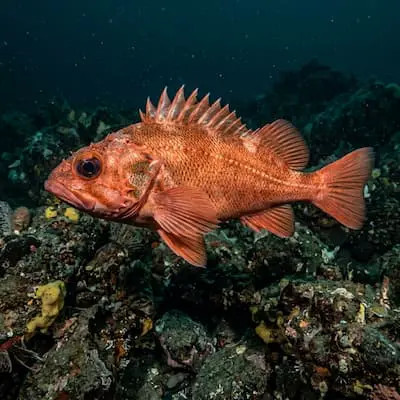
A deep water fish capable of living past 200 years. Its longevity is linked to cold, high pressure ocean habitats and a metabolism that runs far slower than similarly sized shallow water fish.
⓮ African Elephant
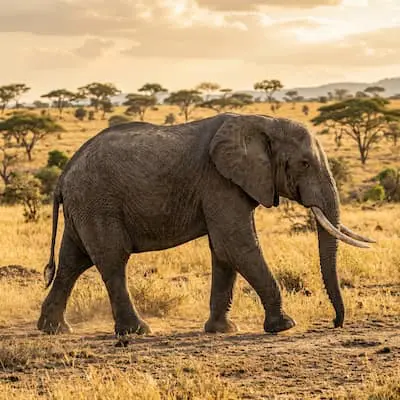
The longest living land mammal after humans. Wild elephants typically live 60 to 70 years, supported by strong social structures, herd based protection, and a relatively low predation risk once fully grown.
⓯ Human

Worth including for comparison. Average global life expectancy sits in the low to mid 70s, though documented individuals have lived past 115 years, a figure far shorter than most animals on this list despite humans sharing mammalian biology with several of them.
Long Lived Animals on Land
Land animals tend to top out earlier than their ocean counterparts, but several species still push well past a century.
- Aldabra Giant Tortoise, regularly living past 150 years, with Jonathan on St. Helena believed to be the oldest known living land animal.
- Galápagos Giant Tortoise, commonly reaching past 100 years in the wild thanks to a slow metabolism and low cancer risk.
- Tuatara, a New Zealand reptile that can live over a century and keeps growing slowly for most of its life.
- African Elephant, typically living 60 to 70 years, supported by tight social bonds and herd protection.
Long Lived Animals in the Ocean
Marine environments dominate the longevity records, largely because cold water and low activity levels slow aging dramatically.
- Greenland Shark, the longest living vertebrate, estimated at up to 392 years or more.
- Bowhead Whale, the longest living mammal, aged at up to 211 years using historical harpoon evidence.
- Rougheye Rockfish, a deep water fish living past 200 years in cold, high pressure habitats.
- Lamellibrachia Tube Worm, a deep sea worm estimated to live over 250 years near cold seeps.
- Koi Fish, a freshwater and pond species with well documented individuals living past 100 years.
Long Lived Birds
Birds are a category people search for constantly, largely because pet parrots and cockatoos are famous for outliving their owners.
- Cockatoo, a popular pet species where individuals commonly live 40 to 60 years, and a sulphur crested cockatoo named Cookie lived to 83 years old at the Brookfield Zoo.
- Macaw, a large parrot capable of living 50 to 75 years in captivity with proper care, making it one of the longest living common pet birds.
- African Grey Parrot, known for both intelligence and longevity, typically living 40 to 60 years and occasionally past 70.
- Andean Condor, one of the longest living wild birds, with a lifespan that can stretch past 70 years in captivity.
- Laysan Albatross, home to Wisdom, the world’s oldest known wild bird, still breeding at over 70 years old and still being tracked by researchers today.
Long Lived Reptiles and Amphibians
Beyond tortoises, several reptiles and amphibians show up frequently in longevity searches.
- Japanese Giant Salamander, an amphibian capable of living 50 to 80 years in the wild, among the longest lifespans of any amphibian.
- Olm (Cave Salamander), a blind cave dwelling amphibian that can live over 100 years, aided by an extremely slow metabolism suited to its dark, food scarce habitat.
- American Alligator, typically living 35 to 50 years in the wild, with some captive individuals surpassing 70.
- Ball Python, a common pet snake that can live 20 to 30 years with proper care, notably longer than most other pet snake species.
Long Lived Insects
Insects are usually associated with short lives, but a few species break that pattern.
- Termite Queen, capable of living up to 50 years, by far the longest lifespan of any known insect and largely due to a protected, climate controlled nest environment.
- Splendor Beetle, famous for emerging from furniture or house timber after living as a larva inside the wood for over 40 years in rare documented cases.
- Cicada (Periodical Species), spending 13 or 17 years underground as a nymph before emerging for a brief adult life, making it one of the longest developmental periods of any insect.
Long Lived Common Pets
This is one of the most frequently searched angles on animal longevity, since many people want to know what to expect from a pet’s lifespan.
- Parrots (macaws, cockatoos, African greys), commonly living 40 to 75 years, meaning a pet parrot can outlive its original owner.
- Tortoises, kept as pets can live 50 to 100+ years depending on species, making them a genuine multi generational commitment.
- Koi Fish, in a well maintained pond can live several decades, occasionally past a century.
- Cats, with the average lifespan around 12 to 18 years, though the oldest recorded cat, Creme Puff, lived to 38 years old.
- Dogs, averaging 10 to 13 years depending on breed and size, with the oldest verified dog, Bluey, living to 29 years old.
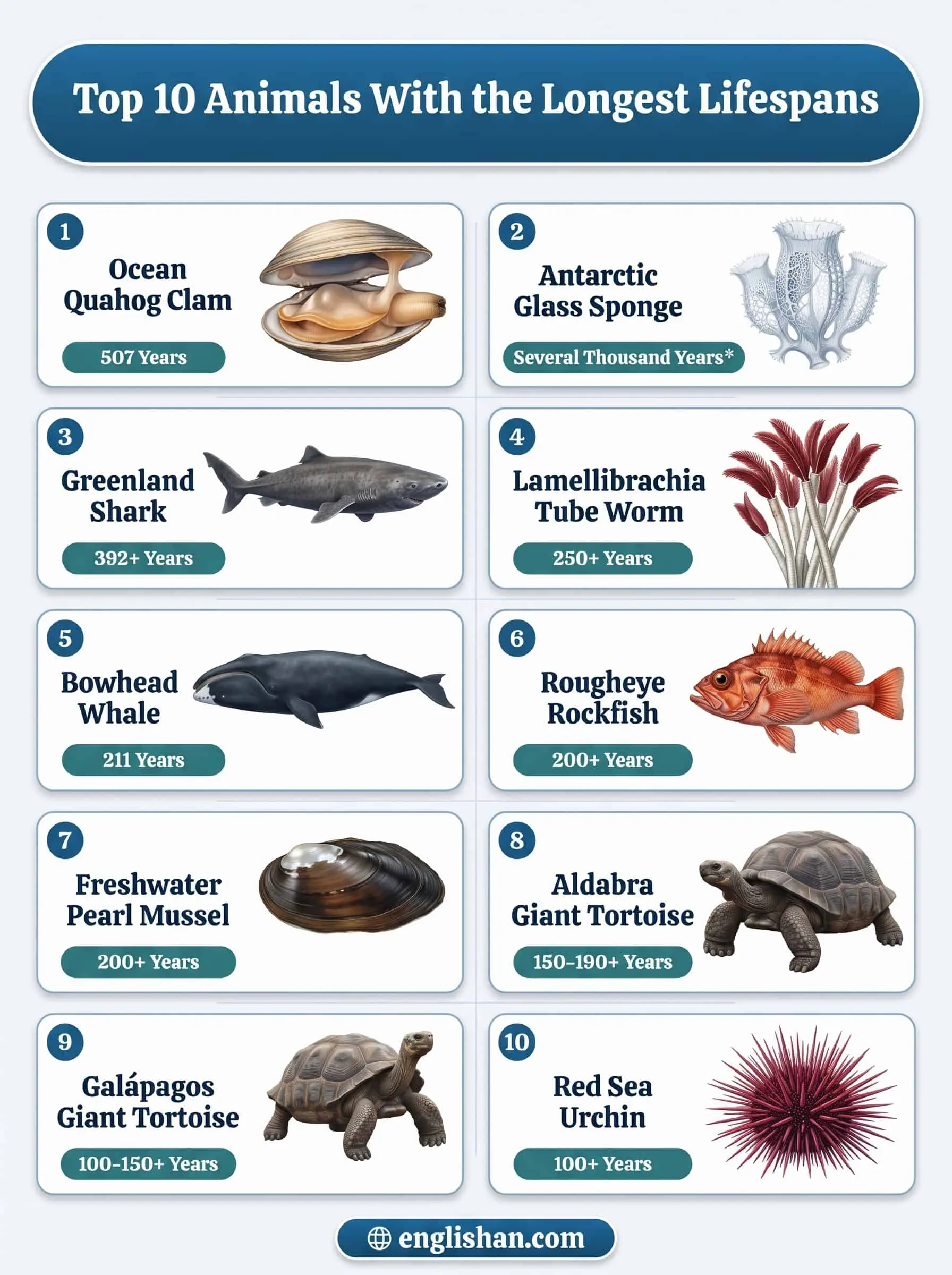
Top 10 Animals With the Longest Lifespans
For readers who just want the ranking without digging through categories, here’s a quick countdown of the longest confirmed lifespans in the animal kingdom.
- Ocean Quahog Clam — up to 507 years, the oldest reliably aged individual animal on record.
- Antarctic Glass Sponge — possibly several thousand years, though this figure comes from growth-rate estimates rather than direct dating, so it carries more uncertainty than the others on this list.
- Greenland Shark — up to 392+ years, the longest living vertebrate confirmed through radiocarbon dating.
- Lamellibrachia Tube Worm — estimated over 250 years, found near cold deep-sea seeps.
- Rougheye Rockfish — over 200 years, one of the longest living fish species known.
- Bowhead Whale — up to 211 years, the longest living mammal, confirmed in part by antique harpoon fragments.
- Freshwater Pearl Mussel — over 200 years in some cold northern river populations.
- Aldabra Giant Tortoise — 150 to 190+ years, home to Jonathan, the oldest known living land animal.
- Galápagos Giant Tortoise — commonly past 100 years, occasionally exceeding 150.
- Red Sea Urchin — over 100 years, among the longest living marine invertebrates outside the shell-based record holders.
Record Breaking Invertebrates
Invertebrates hold some of the most extreme longevity records of any animal group, often thanks to extraordinarily slow growth.
- Ocean Quahog Clam, the oldest reliably aged individual animal at 507 years old.
- Antarctic Glass Sponge, possibly the oldest living organism on Earth, with estimates reaching several thousand years.
- Immortal Jellyfish, biologically immortal due to its unique ability to reverse its aging process.
- Red Sea Urchin, living past 100 years thanks to strong DNA repair genes.
- Freshwater Pearl Mussel, capable of surviving over 200 years in cold river systems.
I’ll assume you mean a “Top 10 Longest-Lived Animals” ranked list section (a quick, scannable ranking is a common thing people search for, and it fits right into the existing article). Here’s that section to slot in near the top, right after the intro and before “What Makes an Animal Long Lived”:
Quick Reference: Longest Living Animal
| Category | Animal | Estimated Maximum Lifespan |
|---|---|---|
| Invertebrate (Overall) | Ocean quahog clam | Up to 507 years |
| Vertebrate (Overall) | Greenland shark | Up to 392+ years |
| Mammal | Bowhead whale | Around 211 years |
| Land Animal | Aldabra giant tortoise | 150–190+ years |
| Bird | Laysan albatross (“Wisdom”) | 70+ years (and counting) |
| Reptile (Non-Tortoise) | Tuatara | 100+ years |
| Amphibian | Olm | 100+ years |
| Fish | Rougheye rockfish | 200+ years |
| Insect | Termite queen | Up to 50 years |
| Common Pet | Parrot (Macaw/Cockatoo) | 50–75 years |
Animals With the Shortest Lifespans
Longevity searches often pair naturally with the opposite question, so it’s worth covering briefly.
- Mayfly, holding the record for shortest adult lifespan, with some species living just 24 hours as a flying adult after spending months or years as an aquatic nymph.
- Housefly, typically living only 2 to 4 weeks as an adult.
- Worker Honeybee, living just 5 to 6 weeks during the busy summer season, though queens can live several years.
- Shrew, among the shortest lived mammals, with most species living only 1 to 2 years in the wild.
The Science Behind Extreme Animal Longevity
A few biological patterns explain why certain species live so much longer than others.
- Slow metabolism reduces the cellular damage that builds up over a lifetime, since fewer chemical reactions mean less wear on the body’s systems.
- Cold habitats slow down biological processes across the board, which is why so many record holders live in Arctic waters or the deep sea.
- Efficient DNA repair genes, found in species like the Greenland shark and red sea urchin, help prevent the kind of cellular damage that drives aging and cancer.
- Delayed sexual maturity is common among long lived species, with Greenland sharks not reproducing until around 150 years old, a trait strongly linked to longer overall lifespans.
- Low predation pressure, seen in giant tortoises with protective shells and deep sea creatures with few natural predators, reduces the evolutionary need to reproduce quickly and age fast.
- Controlled environments, such as a termite queen’s protected nest or a parrot’s life in captivity, remove many of the risks that shorten lifespans in the wild.
Fascinating Facts About Long Lived Animals
- The Greenland shark’s age is measured through radiocarbon dating of its eye lens, since that tissue forms before birth and never gets replaced.
- Bowhead whale ages have been confirmed in part by antique harpoon tips found in their blubber, some using techniques abandoned over a century ago.
- The immortal jellyfish can still die from predation or disease, so its immortality only applies to aging, not survival in general.
- Giant tortoises and Greenland sharks both show unusually low cancer rates for their size, a puzzle known as Peto’s paradox, since larger, longer lived animals would be expected to develop more cancer, not less.
- Wisdom, the Laysan albatross, has continued laying eggs and raising chicks well into her seventies, making her both the oldest known wild bird and one of the oldest known breeding animals of any species.
- Not every tortoise or shark species lives for centuries. Most turtles live several decades and most sharks live 20 to 30 years, since extreme longevity is limited to a small number of specially adapted species.
Conclusion
The animals on this list prove that aging isn’t a fixed rule of biology so much as a trait shaped by metabolism, habitat, and genetics. Whether it’s a clam quietly outliving entire empires, a shark cruising Arctic waters since before recorded history, or a parrot that can outlive the family who raised it, these species reveal just how flexible life’s timeline can be. Understanding how they pull it off isn’t only fascinating on its own, it’s actively shaping how scientists study aging and disease resistance in humans today.
FAQs
The ocean quahog clam holds the record for the oldest reliably aged individual animal, at 507 years old, based on counting growth rings on its shell.
The Greenland shark holds this title, with the oldest sampled individual estimated at around 392 years old and a possible range extending past 500 years.
The bowhead whale holds this record, with confirmed ages reaching around 211 years based on historical harpoon evidence found in whale blubber.
Parrots such as macaws, cockatoos, and African greys can live 50 to 75 years, and pet tortoises can live 50 to 100 years or more, making both genuine multi generational commitments.
It doesn’t age in the way most animals do, since it can revert its cells to an earlier life stage instead of dying of old age, but it can still be killed by predators, disease, or injury.
The mayfly is typically cited as the shortest-lived animal as an adult, with some species surviving only about 24 hours after reaching maturity.
Cold temperatures slow down metabolic processes throughout the body, which reduces the cellular damage that normally builds up over time and drives aging.
Researchers use methods like radiocarbon dating of tissue formed at birth, growth ring counting in shells, and historical evidence such as antique harpoon fragments to estimate age without needing direct long term observation.
Jonathan, a Seychelles giant tortoise living on the island of St. Helena and believed to have hatched around 1832, is currently recognized as the oldest known living land animal.
You May Also Like
- Animals and Their Patterns with Pictures
- 50 Animals and Their Footprints
- 25+ Animals Found Only in One Country
Animals With the Longest Lifespans Quiz
Animals With the Longest Lifespans
Which vertebrate lives longest?
Estimated to reach around 400 years, maturing at about 150.
Cold water and slow growth run together.
A Greenland shark alive today may predate the country it swims past.
What do most very long-lived animals have in common?
Cold conditions and low activity reduce cellular wear.
Live slowly and the clock runs slowly.
Cold, deep water suits animals that live for centuries.
Name the animal.
A clam dredged from the sea floor and aged past 500 years is the ocean ___.
Growth rings in the shell are counted like tree rings.
Shell rings record annual growth.
The oldest known individual had over five hundred rings.
Why is one jellyfish sometimes described as immortal?
Under stress it returns to the polyp form and starts again, in principle without limit.
Biologically immortal means no ageing limit, not invulnerable.
Predation kills it long before old age could.
Three of these are notably long-lived. Which is not?
Two or three years at most, with a metabolism to match.
Fast heart rate, short life, with few exceptions.
A mouse lives about a thousandth as long as a bowhead.
Turn on JavaScript for the interactive quiz. The full practice set is shown above.