Invertebrate animals names with pictures in English help identify some of the most diverse and fascinating creatures in nature. Invertebrates are animals without a backbone or spinal column, unlike vertebrates. Instead, they usually have soft bodies or external coverings that protect them.
These animals are found almost everywhere on Earth, from deep oceans and rivers to gardens, soil, and forests. Invertebrates include insects, worms, jellyfish, snails, spiders, and many other species that play an important role in keeping ecosystems balanced.
In this article, we will explore invertebrate animals names with pictures in English. This will help you easily recognize different species and understand how important and interesting these small but powerful creatures really are.
What Are Invertebrate Animals?
Invertebrate animals are organisms that do not have a backbone or spinal column. Unlike vertebrates, they lack an internal skeleton for support, which makes their body structure very different and often more flexible.
These animals are found in almost every environment on Earth, including land, water, soil, and even air. They play an essential role in nature, from pollination to decomposition and maintaining ecological balance.
Key Features of Invertebrate Animals
- They do not have an internal skeleton or backbone
- Many species have an exoskeleton (like insects and crustaceans)
- Most invertebrates are small in size compared to vertebrates
- They form the largest and most diverse group of animals on Earth
In short, invertebrates may be small and simple in structure, but they are extremely important for keeping natural ecosystems healthy and balanced.
Explore more animals that start with different letters:
A | B | C | D | E | F | G | H | I | J | K | L | M | N | O | P | Q | R | S | T | U | V | W | X | Y | Z
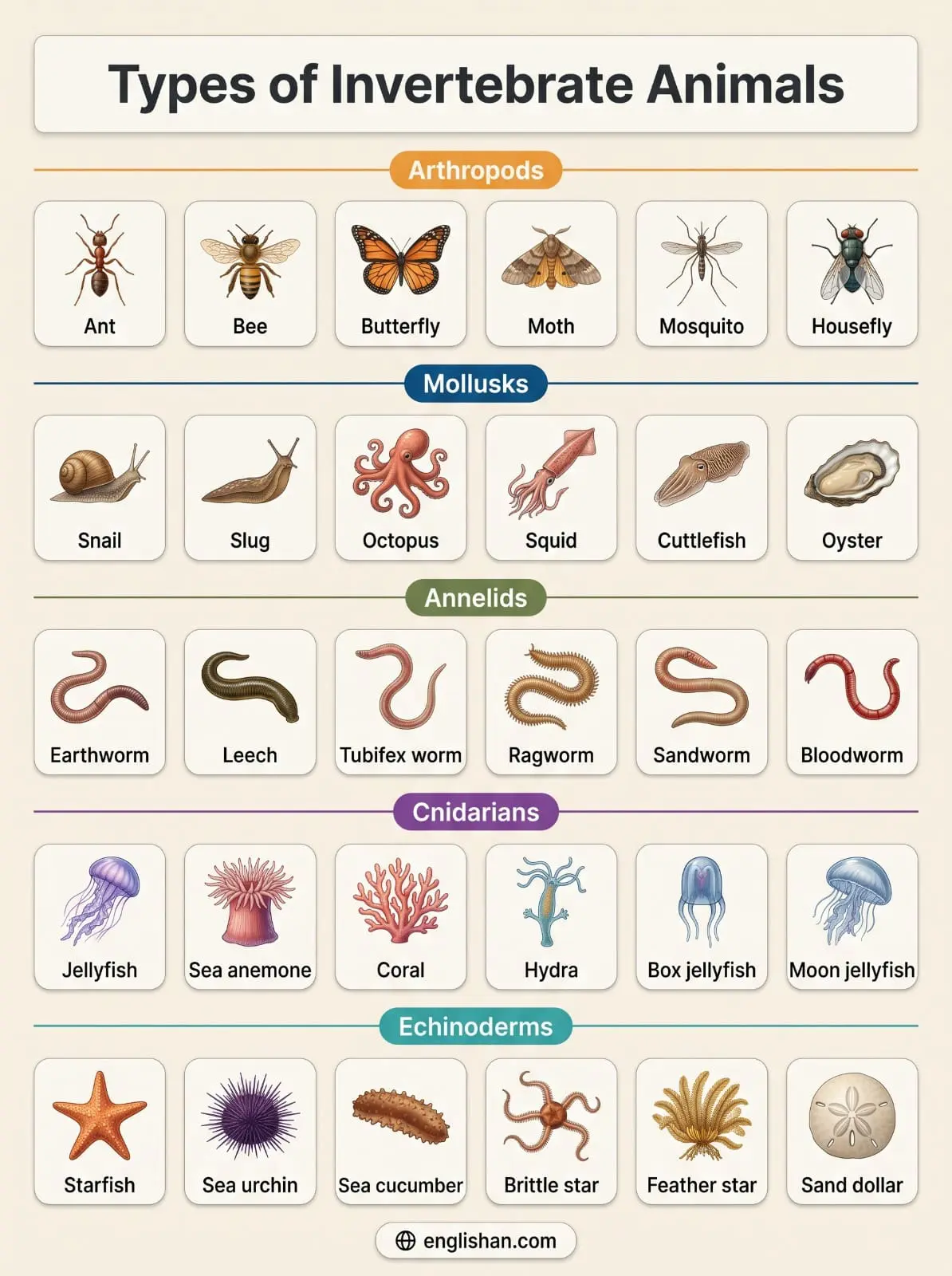
List of Invertebrate Animals in English
- Earthworm
- Leech
- Roundworm
- Tapeworm
- Planaria
- Fluke (Flatworm)
- Hydra
- Jellyfish
- Sea Anemone
- Coral
- Sponge
- Starfish
- Sea Urchin
- Sea Cucumber
- Octopus
- Squid
- Cuttlefish
- Snail
- Slug
- Oyster
- Mussel
- Clam
- Scallop
- Cockle
- Crab
- Lobster
- Shrimp
- Prawn
- Barnacle
- Millipede
- Centipede
- Spider
- Scorpion
- Tick
- Mite
- Ant
- Bee
- Wasp
- Butterfly
- Moth
- Dragonfly
- Grasshopper
- Cricket
- Beetle
- Ladybug
- Termite
- Caterpillar
- Mosquito
- Housefly
- Cockroach
Common Invertebrate Animals with Pictures
❶ Earthworm
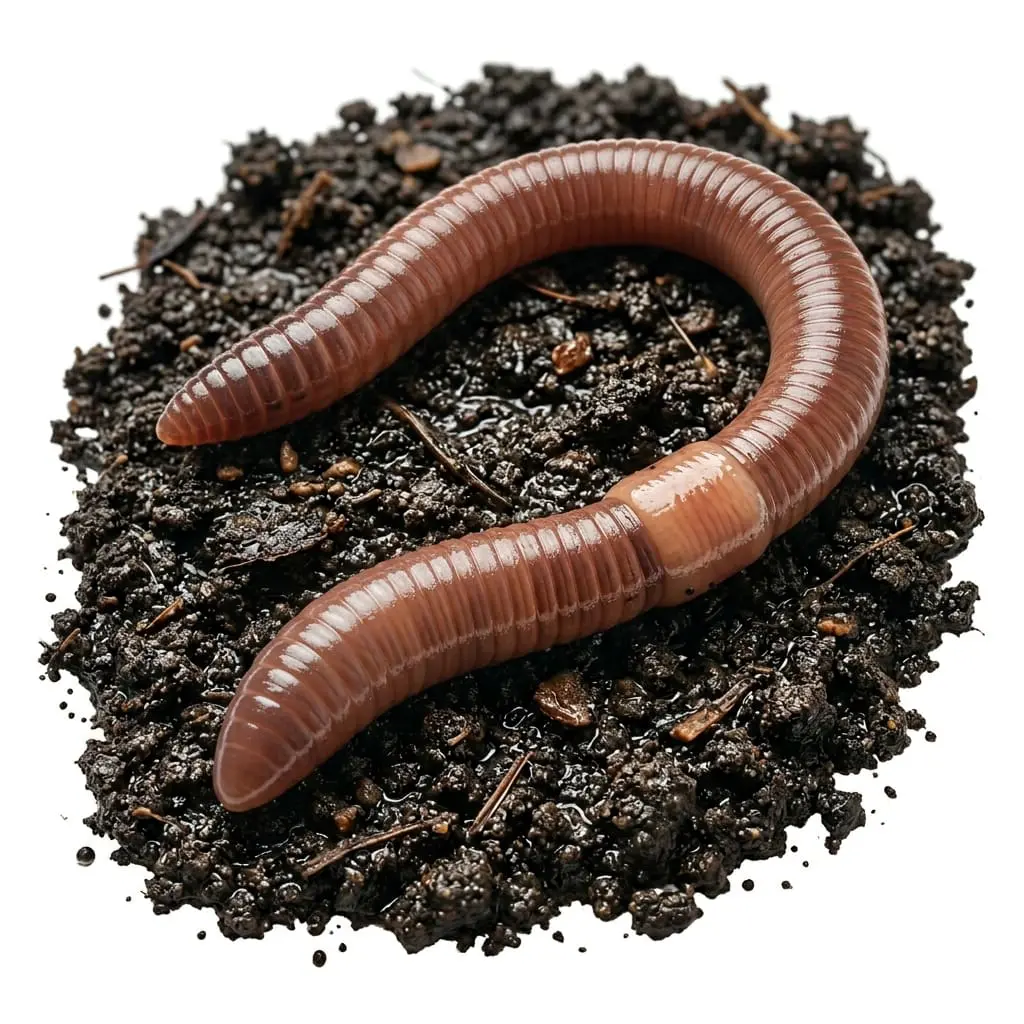
Type: Annelid (Segmented Worm)
Earthworms are soft-bodied animals that live inside the soil and do not have a backbone, which is why they are classified as invertebrates. Their body is made up of many segments that help them move by contracting and stretching. Earthworms play a very important role in nature by breaking down organic matter and mixing it into the soil, making it more fertile and suitable for plant growth.
Where found: Gardens, farms, wet soil, and agricultural land
❷ Snail
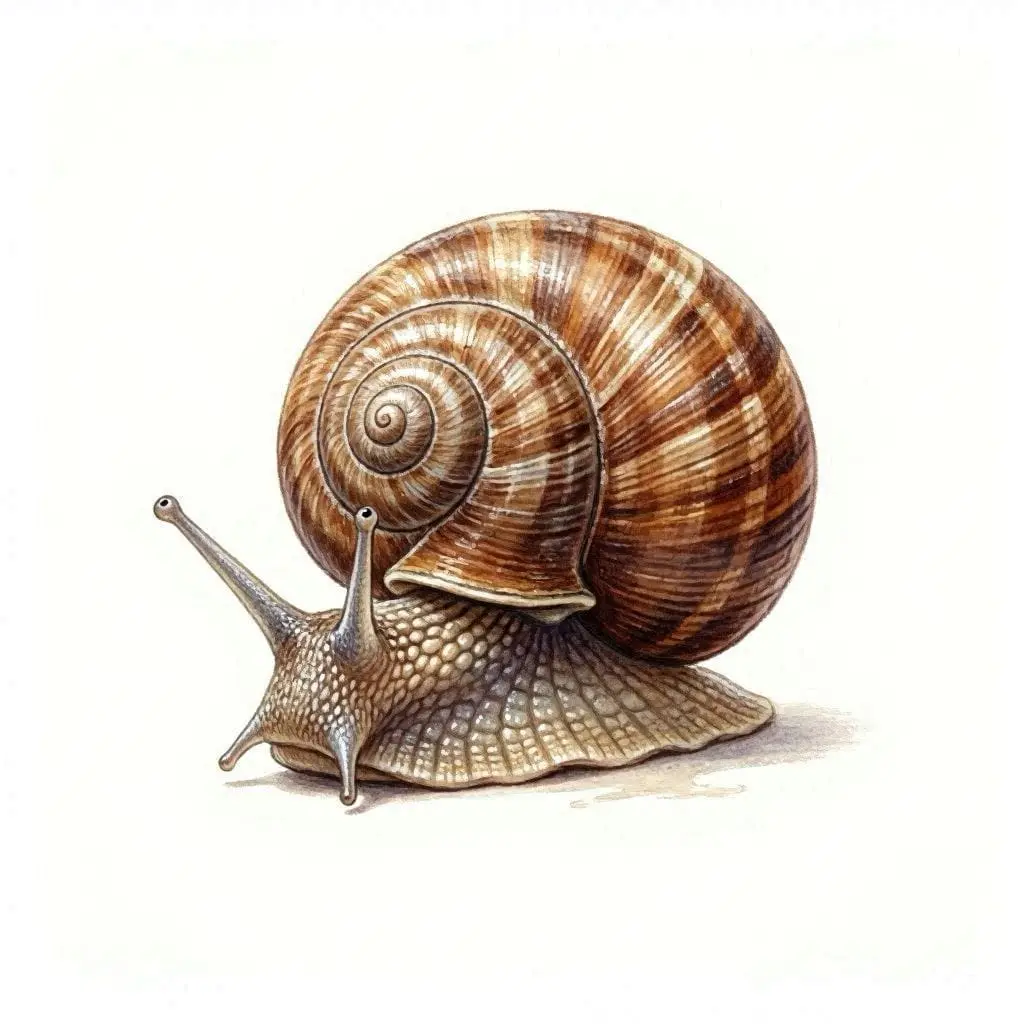
Type: Mollusk (Gastropod)
Snails are invertebrate animals because they lack a backbone and instead have a soft body protected by a hard spiral shell. They move slowly using a muscular foot and leave a slimy trail that helps them glide smoothly. Snails feed on plants and decaying material, helping in the natural decomposition process.
Where found: Gardens, forests, wetlands, and moist areas
❸ Slug
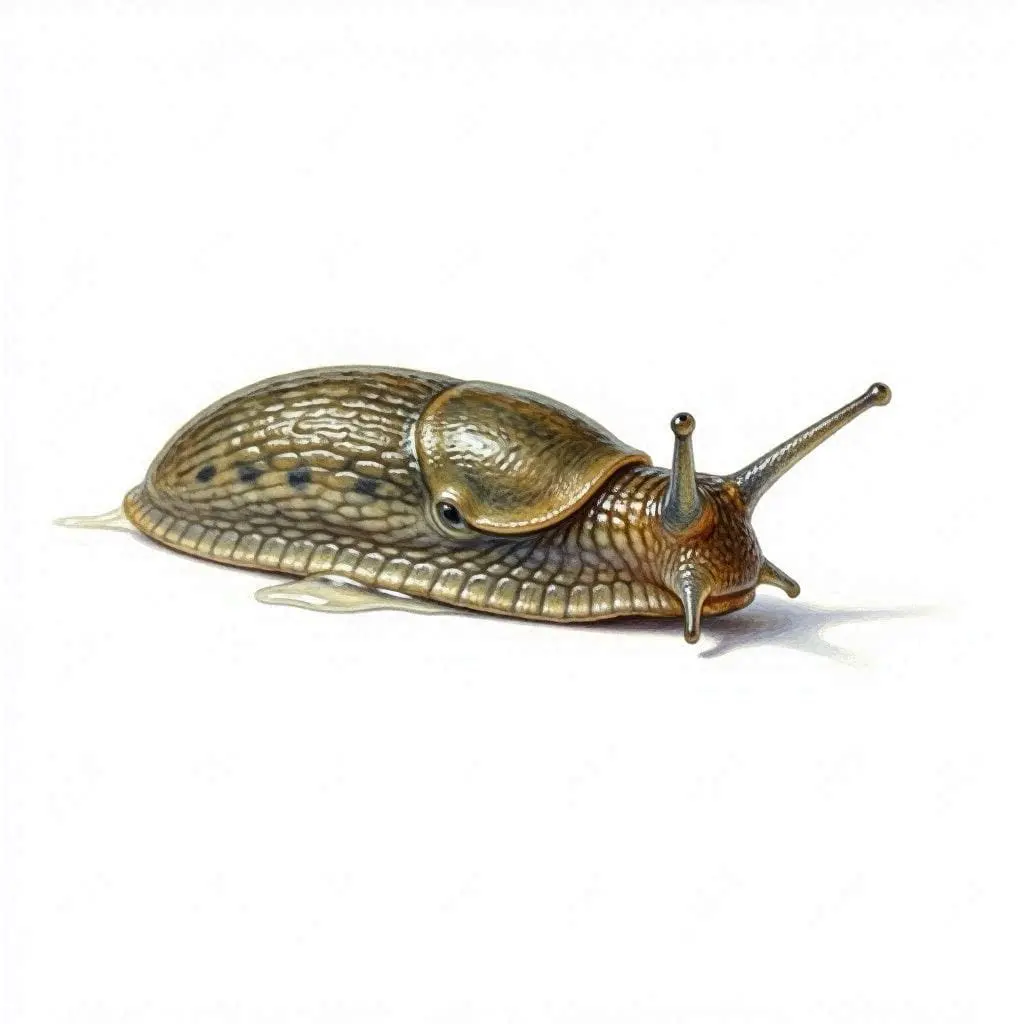
Type: Mollusk (Gastropod)
Slugs are soft-bodied invertebrates that also do not have a backbone. Unlike snails, they do not have a shell for protection, so they prefer moist and hidden environments to survive. They move using muscular contractions and feed on leaves, fungi, and decaying matter, especially at night.
Where found: Gardens, soil, under rocks, and damp places
❹ Spider
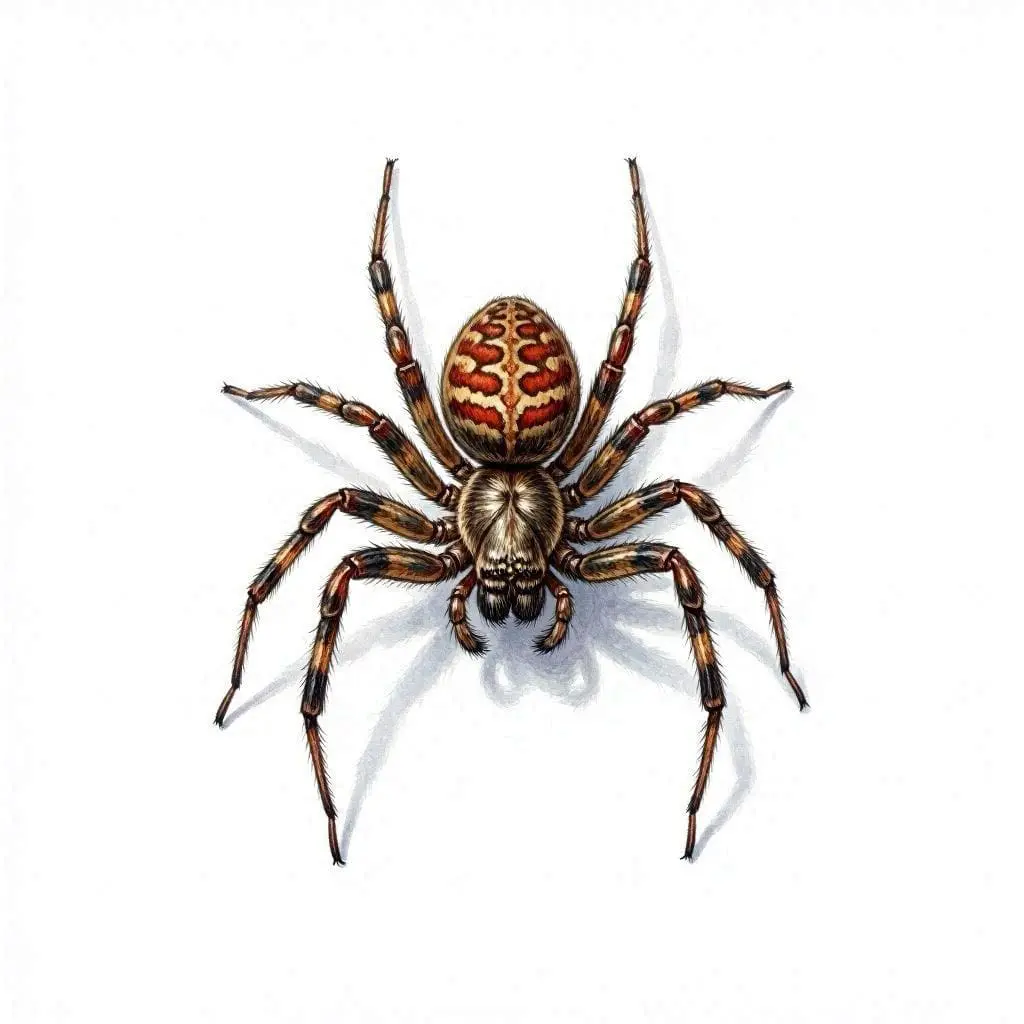
Type: Arachnid
Spiders are invertebrate animals, meaning they do not have an internal skeleton or backbone. Instead, their body is supported by an external hard covering called an exoskeleton. Spiders have eight legs and are skilled predators that use silk webs to trap insects, helping maintain balance in insect populations.
Where found: Houses, gardens, forests, and walls
❺ Ant
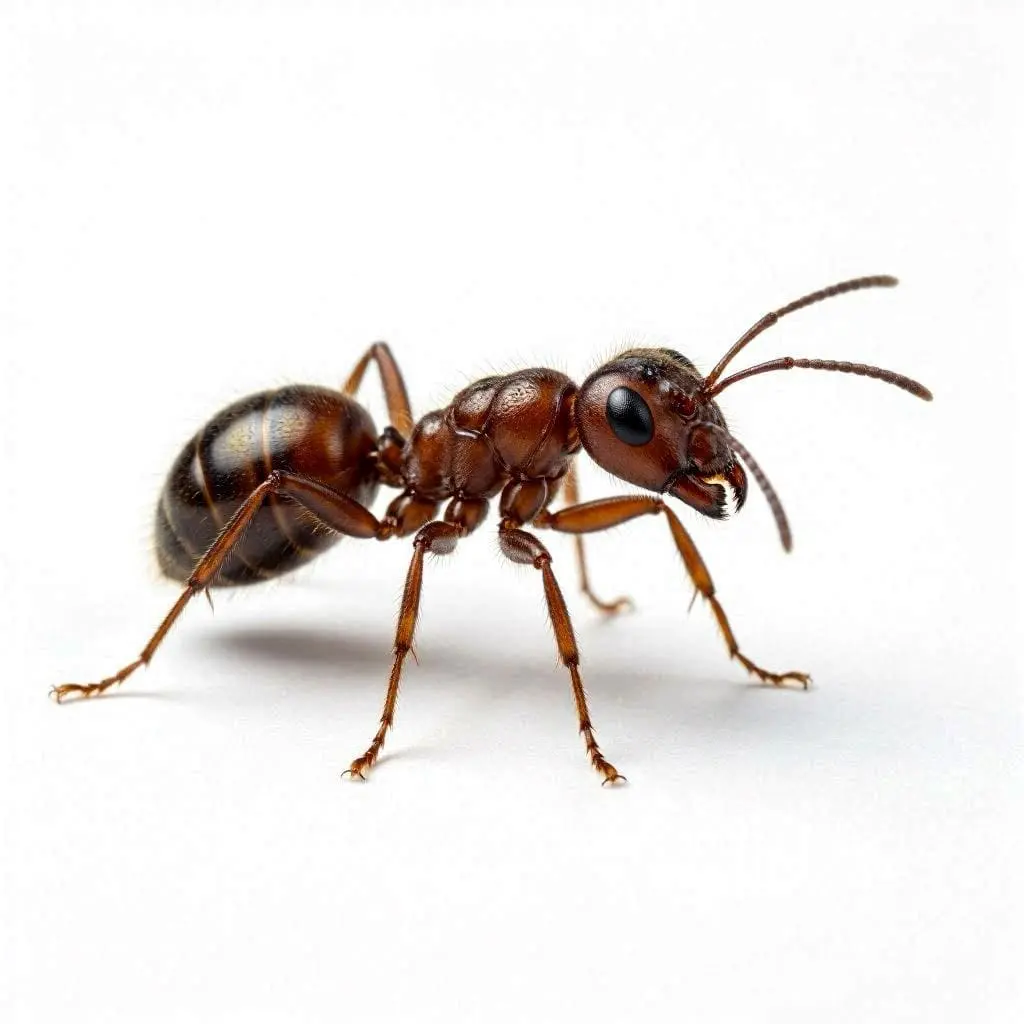
Type: Insect
Ants are small invertebrate insects that lack a backbone and instead have a tough exoskeleton that protects their body. They live in highly organized colonies where each ant has a specific role. Ants are known for teamwork and strength, often carrying food many times heavier than their own body weight.
Where found: Soil, homes, gardens, and underground colonies
❻ Bee
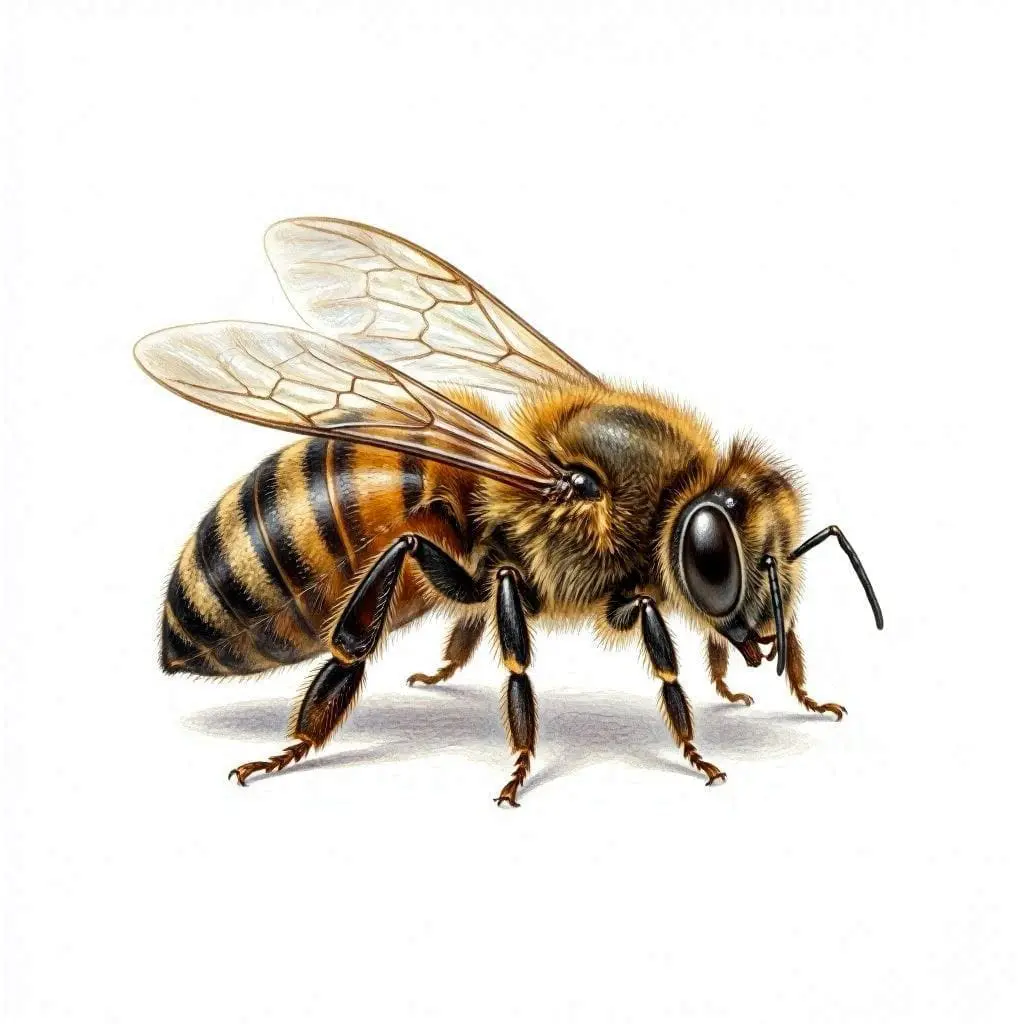
Type: Insect
Bees are flying invertebrates with no backbone and a segmented body covered by a hard exoskeleton. They live in colonies and are essential for pollination, helping plants reproduce. Bees also produce honey and play a major role in maintaining ecological balance.
Where found: Gardens, forests, flowers, and beehives
❼ Butterfly
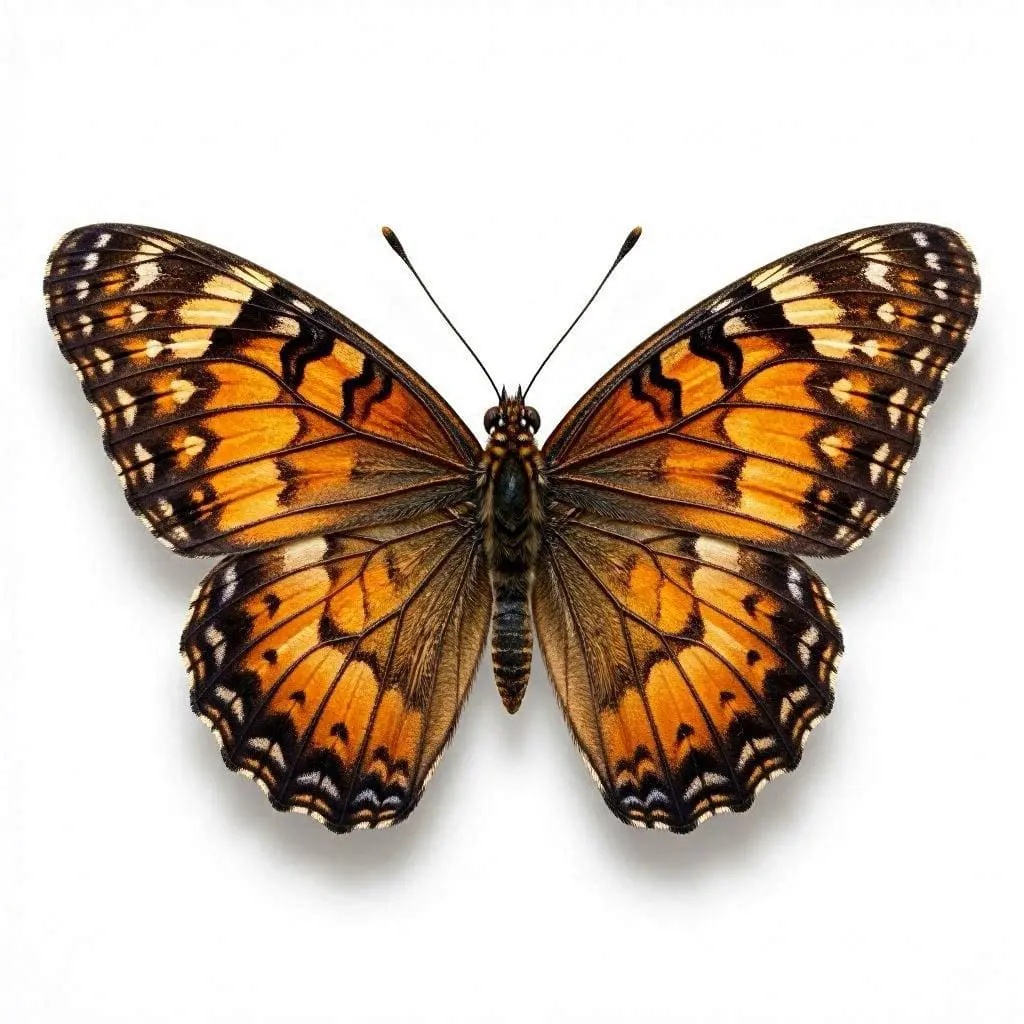
Type: Insect
Butterflies are colorful invertebrate animals that do not have a backbone and have a body divided into head, thorax, and abdomen. Their wings are covered with tiny scales that give them bright colors. They help in pollination while feeding on flower nectar and go through metamorphosis in their life cycle.
Where found: Gardens, fields, forests, and flowering plants
❽ Moth
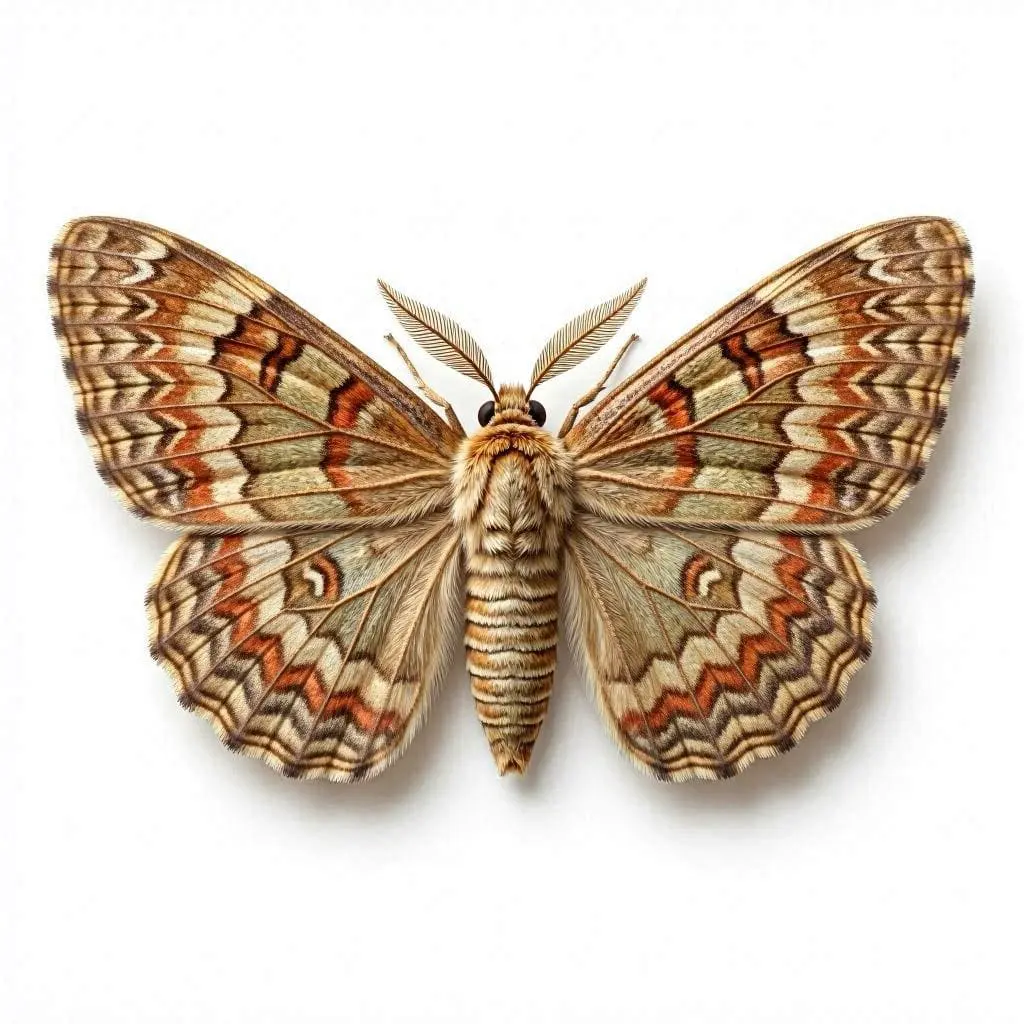
Type: Insect
Moths are invertebrate insects that are closely related to butterflies and also lack a backbone. They are usually active at night and have soft bodies with wings covered in tiny scales. Many moths help in pollination while feeding on nectar.
Where found: Houses, gardens, forests, and near lights
❾ Mosquito
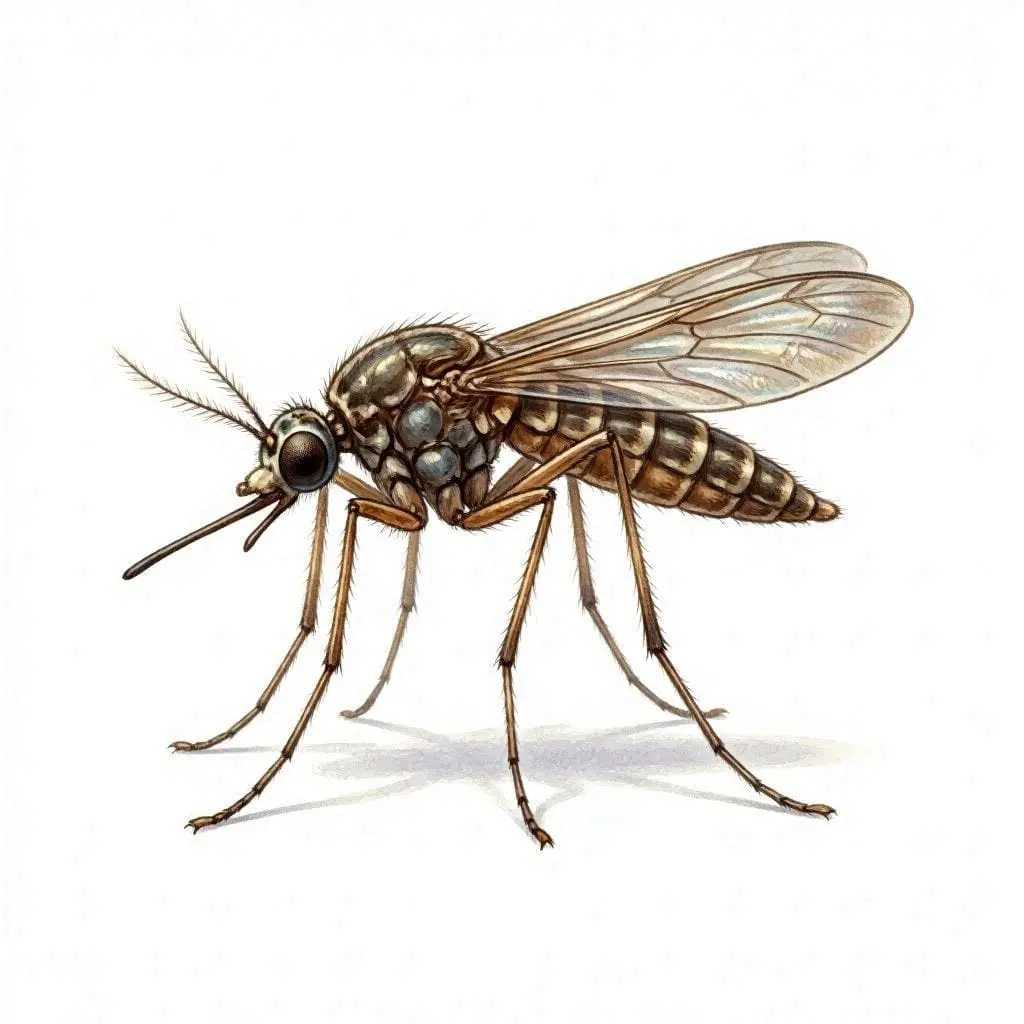
Type: Insect
Mosquitoes are small invertebrate flying insects with no backbone and a lightweight body supported by an exoskeleton. Female mosquitoes feed on blood to develop eggs, while males feed on nectar. They are most active in warm and humid environments.
Where found: Stagnant water areas, homes, and warm climates
❿ Housefly
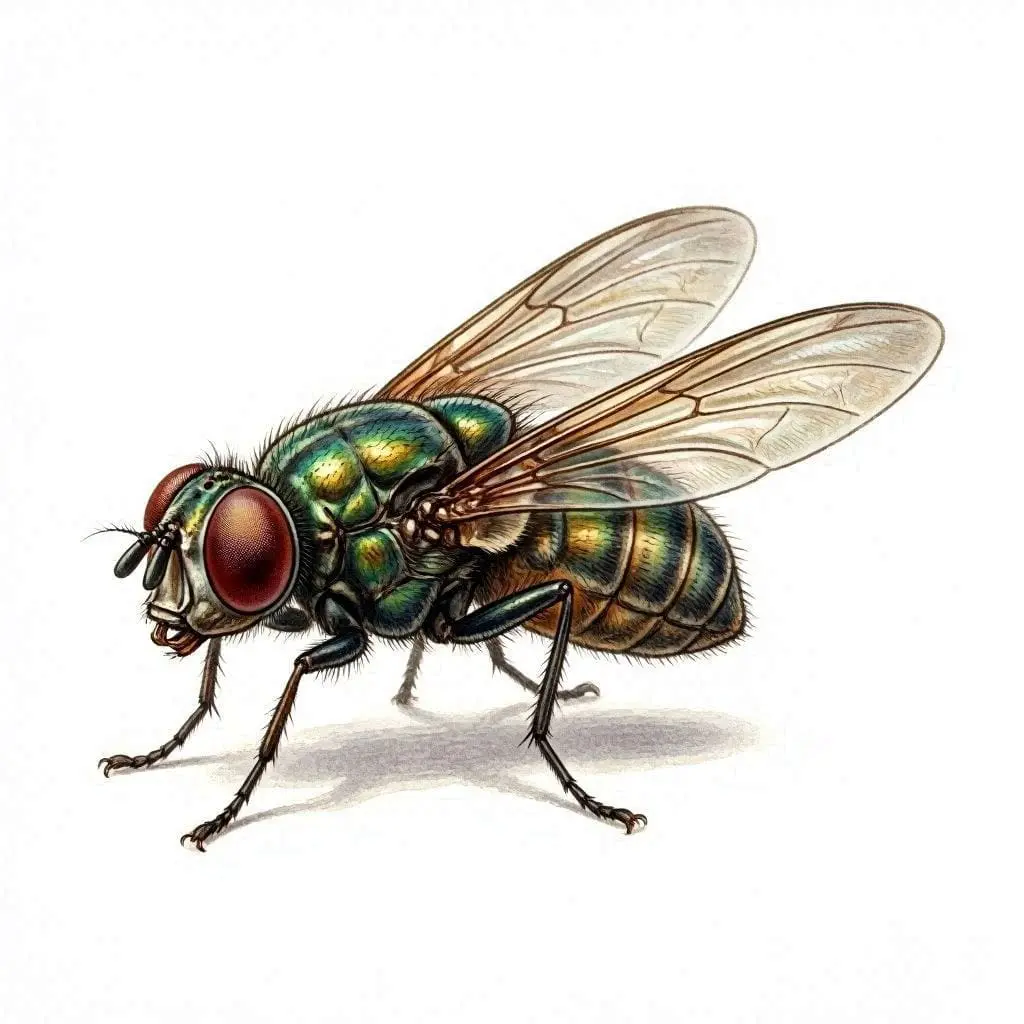
Type: Insect
Houseflies are common invertebrate insects that do not have a backbone and rely on a hard outer exoskeleton for support. They feed on decaying organic matter and waste, which helps them survive in human environments, although they can spread germs.
Where found: Homes, kitchens, garbage areas, and markets
⓫ Cockroach
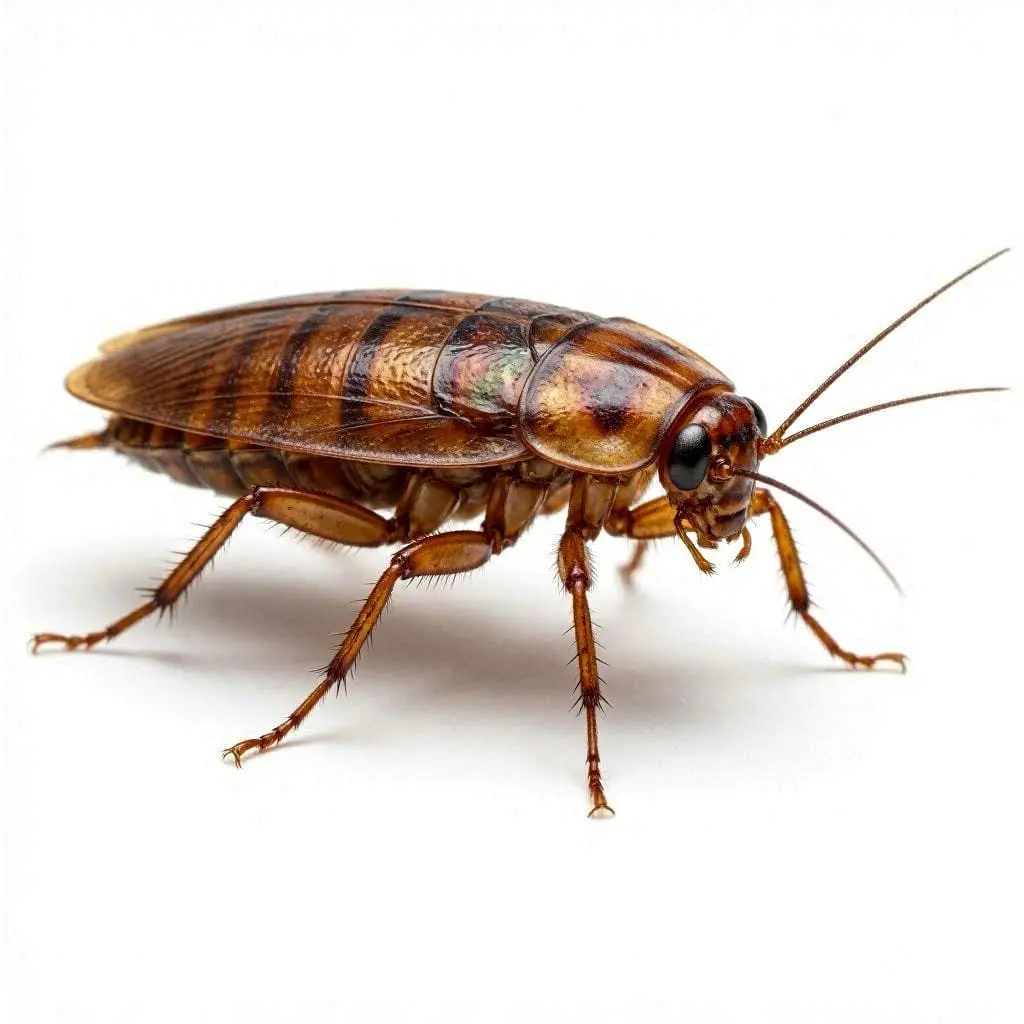
Type: Insect
Cockroaches are strong and adaptable invertebrate animals with no backbone and a flat, tough exoskeleton. They can survive in difficult conditions and feed on almost any organic material. Their ability to live in hidden spaces makes them common household pests.
Where found: Kitchens, bathrooms, drains, and dark places
⓬ Grasshopper
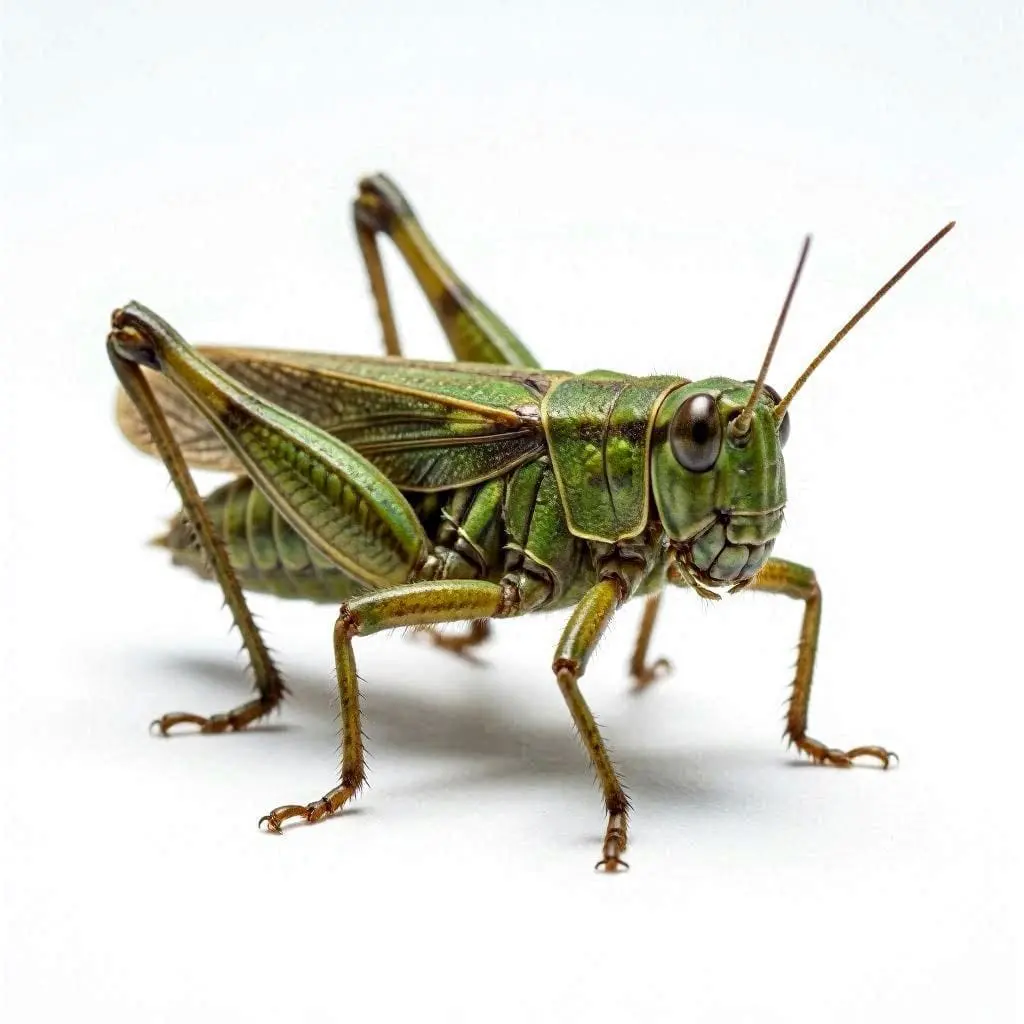
Type: Insect
Grasshoppers are jumping invertebrates that lack a backbone and depend on an exoskeleton for support. They have strong hind legs that allow them to jump long distances. They mainly feed on grass and leaves and are an important food source for many animals.
Where found: Fields, gardens, and grassy areas
⓭ Cricket
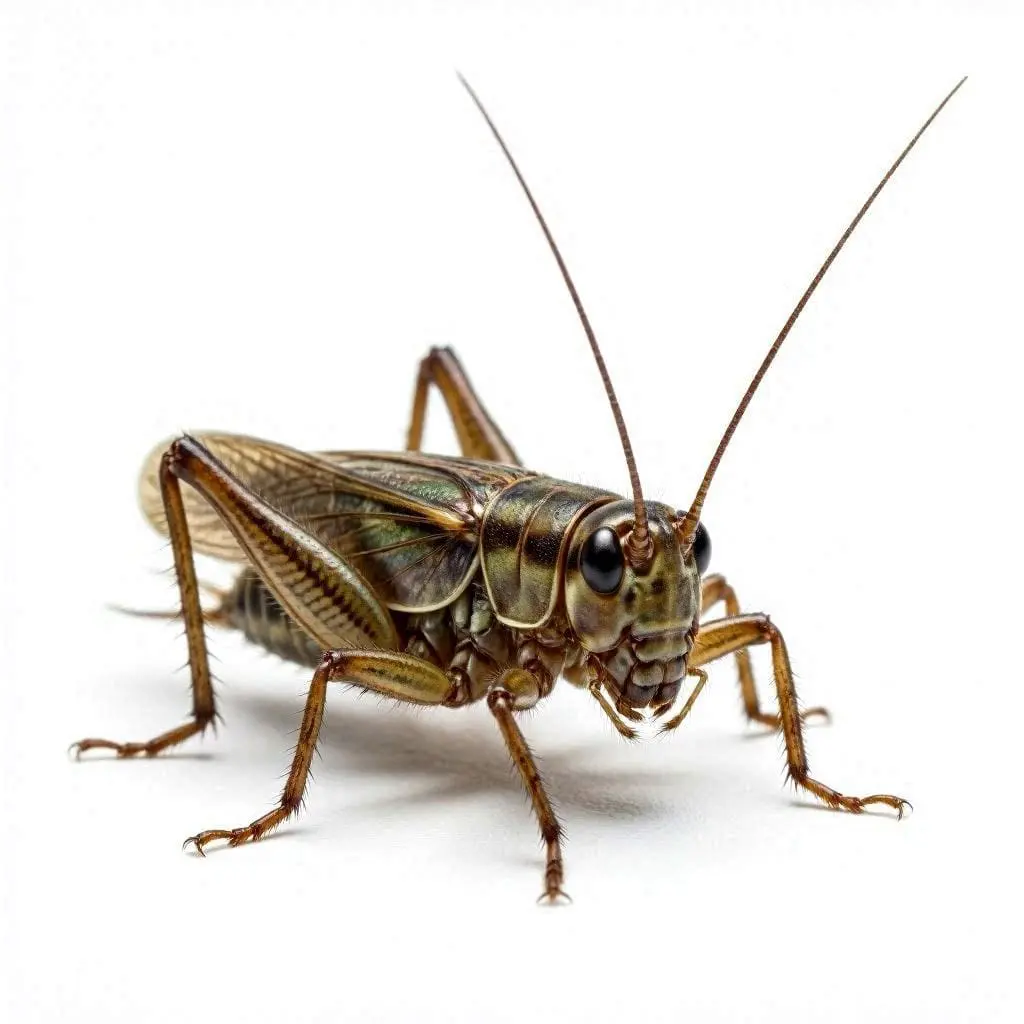
Type: Insect
Crickets are invertebrate insects known for their chirping sound produced by rubbing their wings together. They have no backbone and a body covered with a protective exoskeleton. They are mostly active at night and feed on plants and organic matter.
Where found: Fields, gardens, and warm outdoor areas
⓮ Ladybug
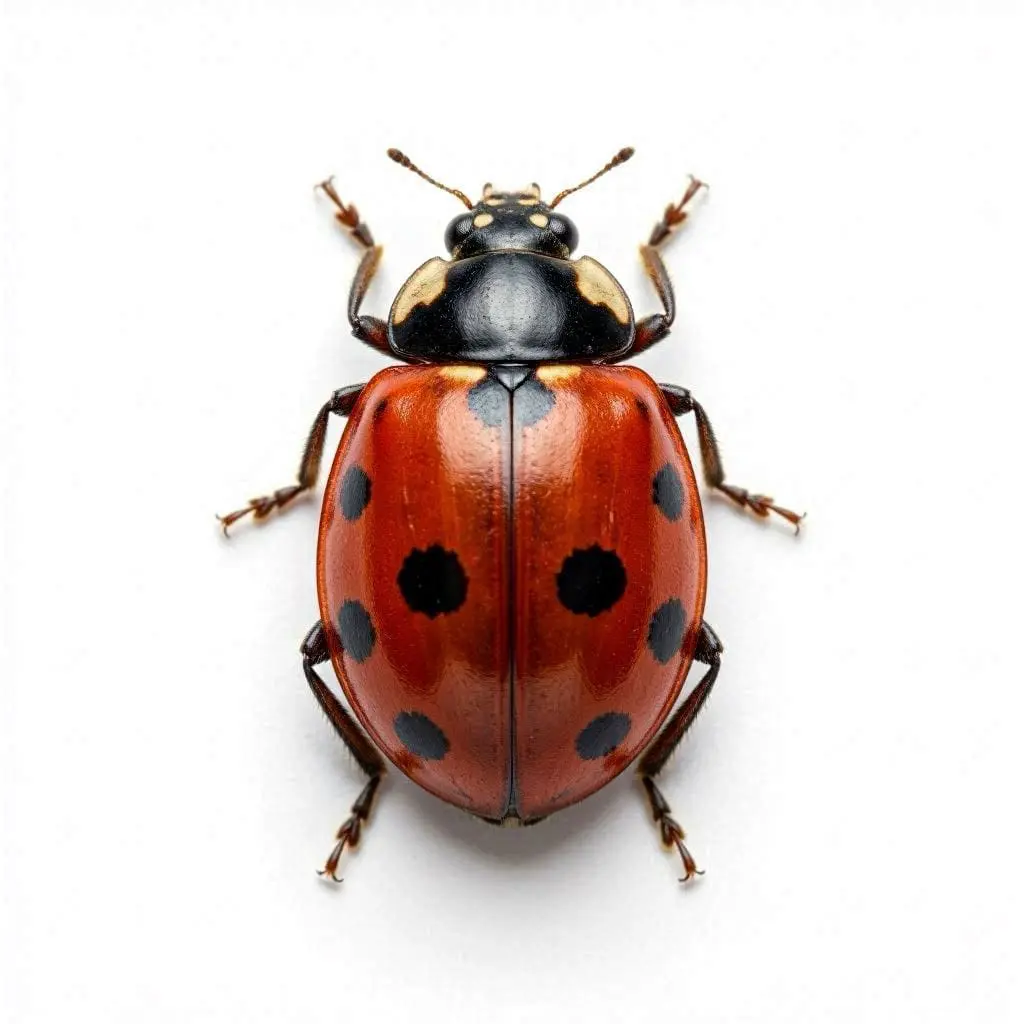
Type: Insect
Ladybugs are small invertebrate insects with a hard exoskeleton and no backbone. They are considered beneficial because they feed on plant pests like aphids. Their presence helps protect crops and gardens naturally.
Where found: Gardens, crops, and plants
⓯ Caterpillar
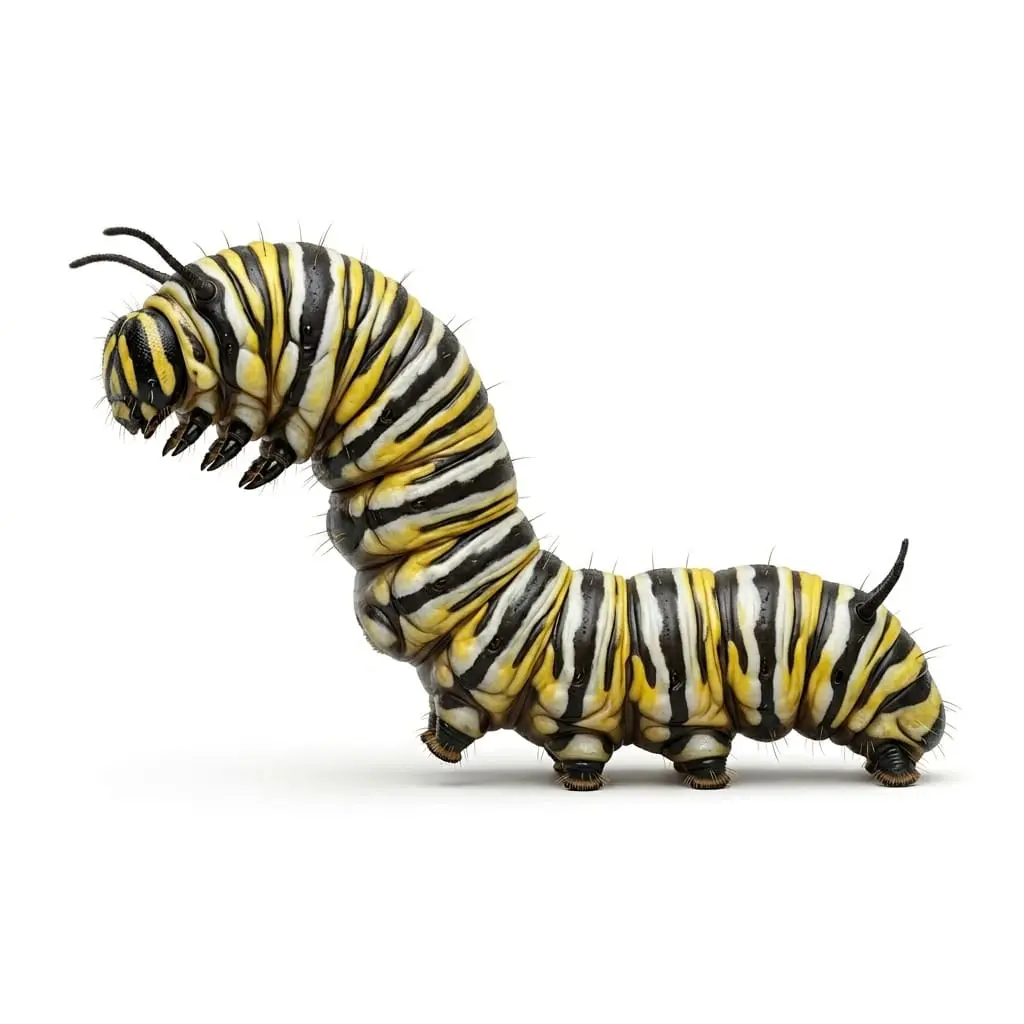
Type: Insect (Larval stage)
Caterpillars are soft-bodied invertebrates that do not have a backbone and rely on their flexible body structure for movement. They are the larval stage of butterflies and moths and focus mainly on eating leaves before transforming into adults.
Where found: Plants, trees, and gardens
⓰ Centipede
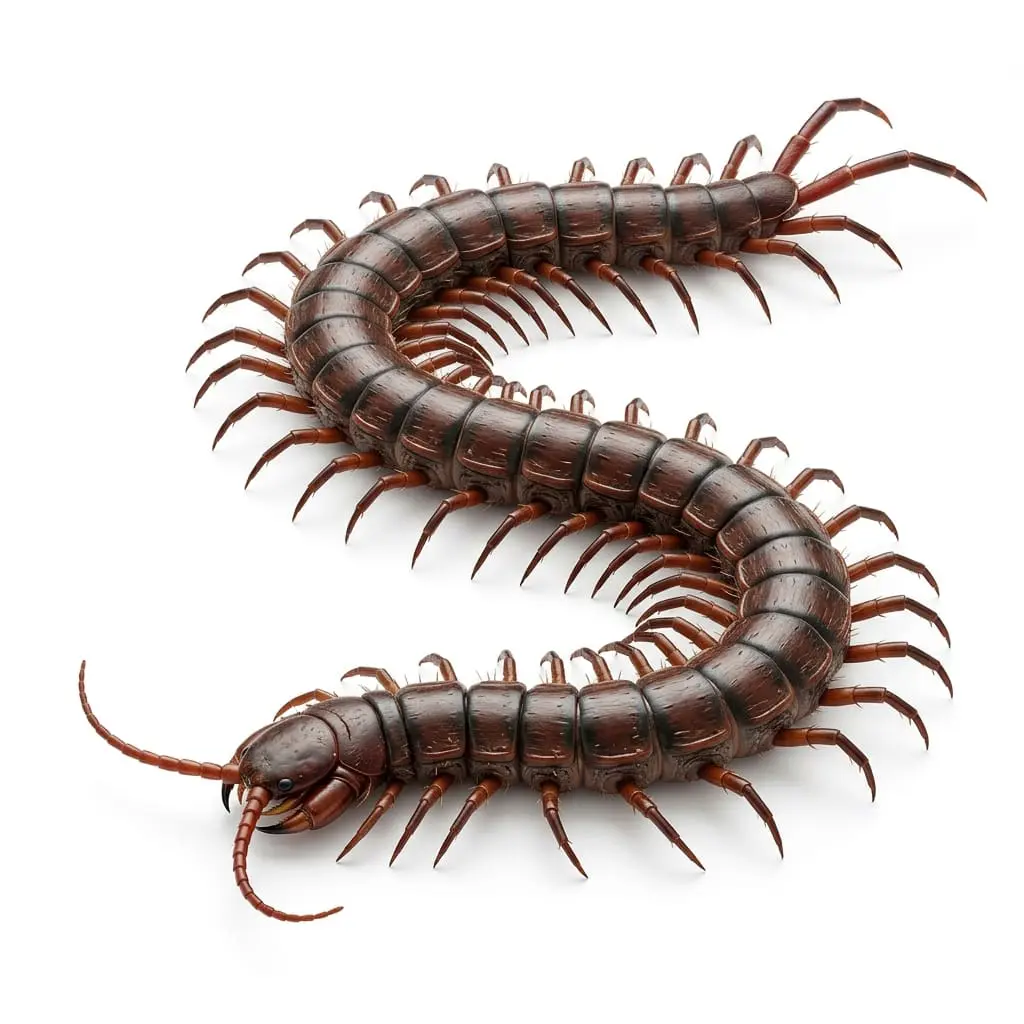
Type: Myriapod
Centipedes are invertebrate animals with long segmented bodies and many legs, but no backbone. They have an exoskeleton and are fast-moving predators that hunt insects using venom to immobilize them.
Where found: Soil, under stones, and damp areas
⓱ Millipede
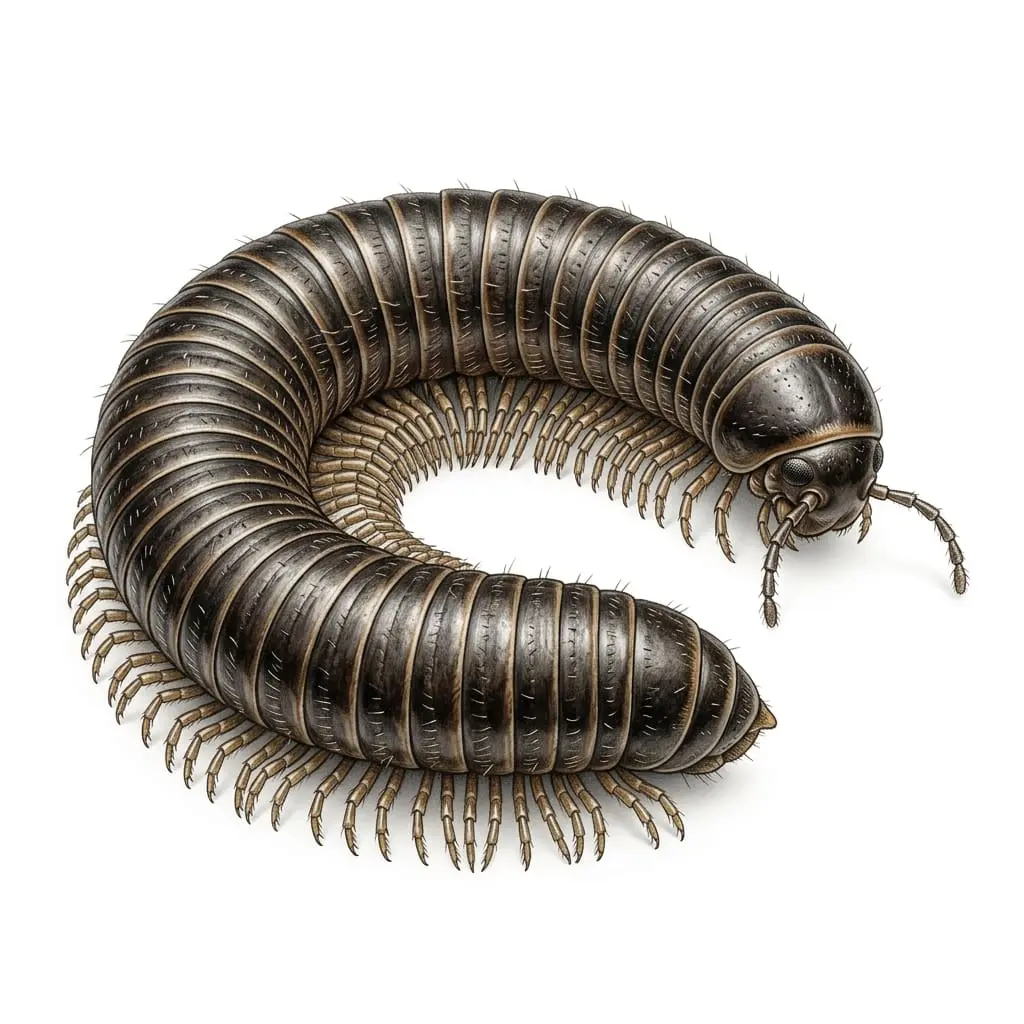
Type: Myriapod
Millipedes are slow-moving invertebrates with many legs and a cylindrical segmented body. They lack a backbone and have a protective outer covering. Unlike centipedes, they feed on decaying plant matter and help enrich the soil.
Where found: Soil, leaf litter, and moist environments
⓲ Jellyfish
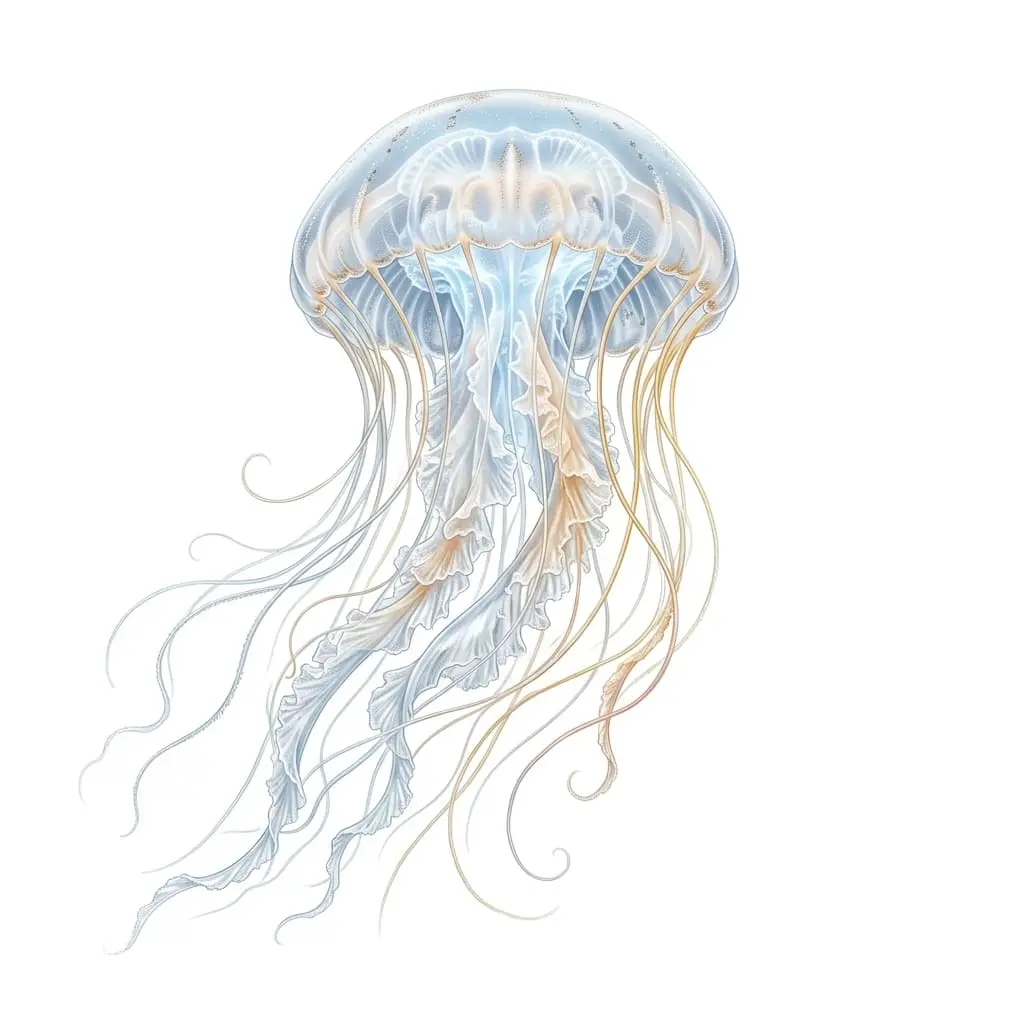
Type: Cnidarian
Jellyfish are soft, gelatin-like marine invertebrates with no backbone or bones at all. Their simple body structure allows them to drift with ocean currents. They use stinging cells to capture prey like small fish and plankton.
Where found: Oceans and seas worldwide
⓳ Crab
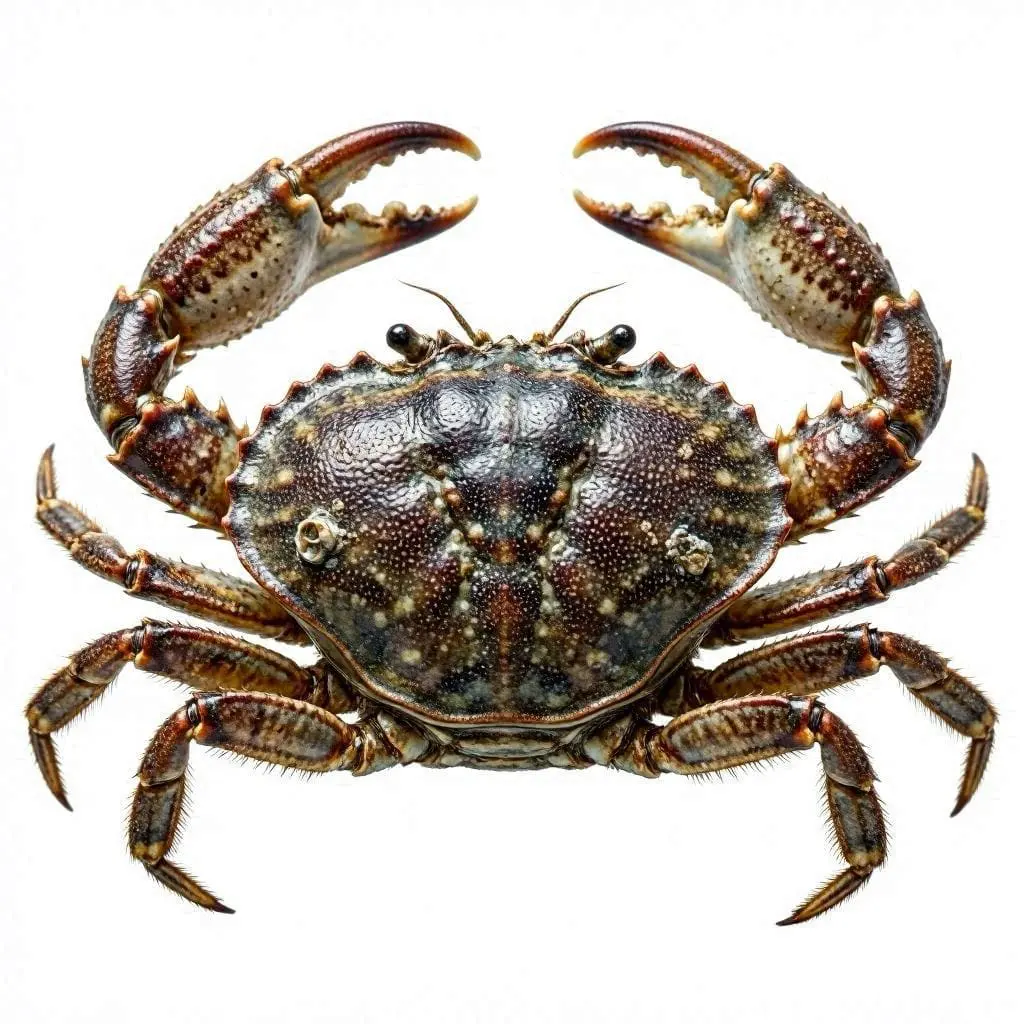
Type: Crustacean
Crabs are hard-shelled invertebrate animals that do not have a backbone and instead rely on a strong external exoskeleton for protection. They move sideways and use claws for feeding and defense. They live in both land and marine environments.
Where found: Beaches, oceans, rivers, and coastal areas
⓴ Octopus
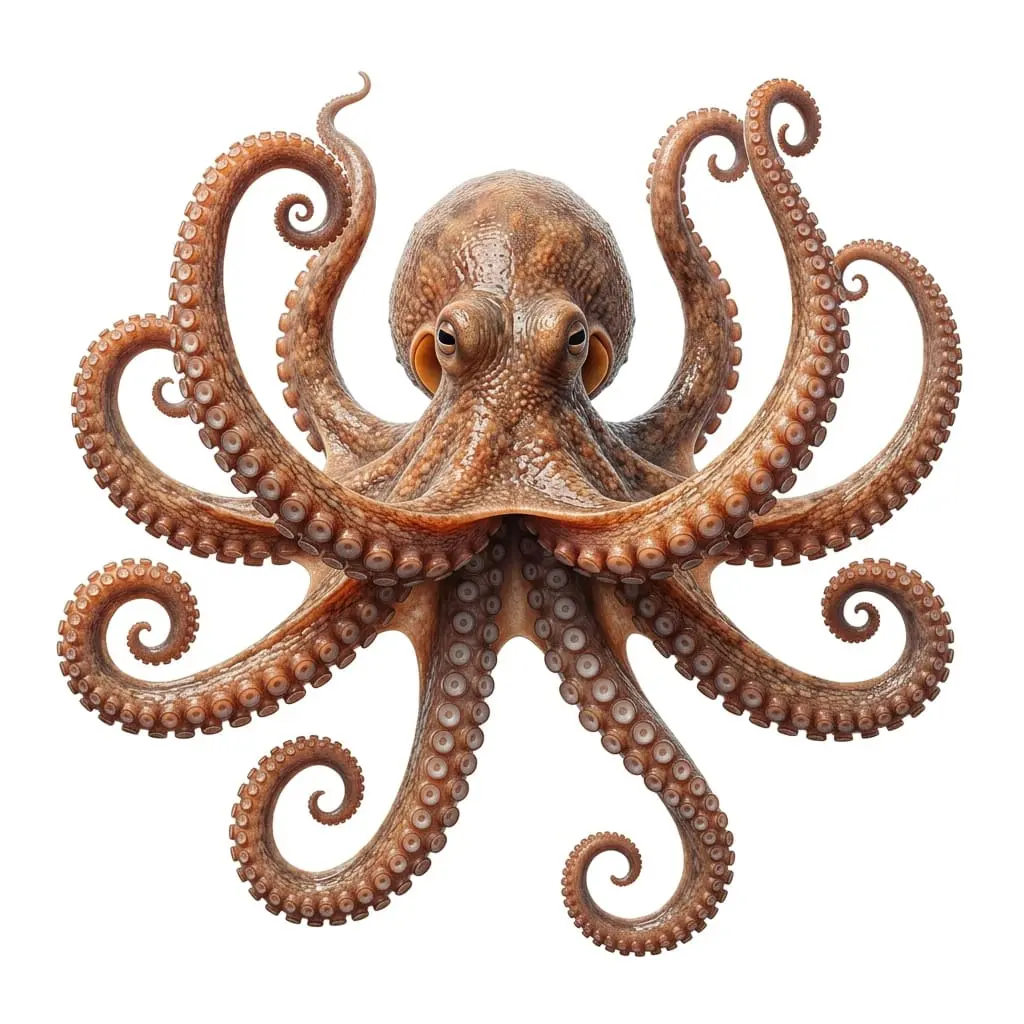
Type: Mollusk (Cephalopod)
Octopuses are highly intelligent marine invertebrates that completely lack a backbone and have soft, flexible bodies. Their arms allow them to move, hunt, and interact with their environment. They can change color and texture for camouflage and protection from predators.
Where found: Oceans, coral reefs, and deep sea regions
Types of Invertebrate Animals (With Examples)
Animals without a backbone are grouped into several major categories based on their body structure, habitat, and biological features. Each group has its own unique characteristics and includes a wide variety of species that play important roles in nature.
Arthropods
Arthropods are invertebrate animals that have a hard exoskeleton, segmented body, and jointed legs. They are the largest group of animals on Earth and are found in almost every environment.
- Ant – Small social insects that live in colonies and work together in highly organized systems.
- Bee – Flying insects that help in pollination and produce honey in structured colonies.
- Butterfly – Colorful insects known for their beautiful wings and transformation from caterpillar stage.
- Moth – Nocturnal insects that are usually active at night and attracted to light.
- Mosquito – Small flying insects; females feed on blood while males feed on nectar.
- Housefly – Common insects found around waste areas that can spread germs.
- Cockroach – Highly adaptable insects that survive in dark and dirty environments.
- Spider – Eight-legged predators that spin webs to trap insects.
- Scorpion – Arachnids with a stinger used for defense and hunting prey.
- Crab – Hard-shelled animals that move sideways and live in coastal areas.
In short, arthropods are the most diverse group of invertebrates with exoskeletons and jointed limbs, found in nearly every habitat on Earth.
Mollusks
Mollusks are soft-bodied invertebrates, and many of them are protected by a shell. They are mostly found in aquatic environments.
- Snail – Slow-moving animals with a coiled shell and soft body.
- Slug – Shell-less mollusks that prefer moist environments.
- Octopus – Intelligent sea animals with eight flexible arms and no bones.
- Squid – Fast-swimming marine animals with long tentacles.
- Cuttlefish – Marine animals known for color-changing abilities.
- Oyster – Shellfish that produce pearls and filter water.
- Mussel – Bivalve mollusks that attach to rocks in water bodies.
- Clam – Burrowing shellfish that live in sand or mud.
- Scallop – Bivalves known for fan-shaped shells and swimming ability.
- Limpet – Small sea snails with strong cone-shaped shells.
In short, mollusks are soft-bodied invertebrates, many protected by shells, and they play an important role in aquatic ecosystems.
Annelids (Segmented Worms)
Annelids are invertebrates with long, segmented bodies that help them move efficiently in soil or water.
- Earthworm – Soil-dwelling worms that improve soil fertility and structure.
- Leech – Blood-feeding worms found in freshwater environments.
- Tubifex worm – Small worms living in polluted water and helping in decomposition.
- Ragworm – Marine worms found in coastal sediments.
- Sandworm – Burrowing worms commonly found in sandy environments.
- Bloodworm – Bright red larvae used as fish food and found in water.
- Bristle worm – Marine worms with tiny bristles on their body.
- Green leaf worm – Worms that feed on plant leaves in gardens.
- Polychaete worm – Marine worms with many bristle-like structures.
- Palolo worm – Sea worms known for mass spawning events.
In short, annelids are segmented worms that live in soil and water, playing a key role in decomposition and nutrient cycling.
Cnidarians
Cnidarians are simple aquatic animals that use stinging cells to capture prey.
- Jellyfish – Soft, floating sea animals that drift with ocean currents.
- Sea anemone – Flower-like marine animals that attach to rocks.
- Coral – Tiny animals that build coral reefs in oceans.
- Hydra – Freshwater organisms that regenerate their body parts.
- Box jellyfish – Highly venomous jellyfish found in tropical seas.
- Moon jellyfish – Common jellyfish with a transparent bell shape.
- Portuguese man o’ war – Colonial organisms with powerful stinging tentacles.
- Sea wasp – A dangerous type of box jellyfish.
- Flower hat jelly – Colorful jellyfish found in deep waters.
- Sea fan – Coral-like animals forming fan-shaped colonies.
In short, cnidarians are simple aquatic invertebrates that use stinging cells for hunting and defense in marine environments.
Echinoderms
Echinoderms are marine invertebrates with spiny skin and radial symmetry.
- Starfish – Sea animals with arms used for movement and feeding.
- Sea urchin – Spiny animals that live on the ocean floor.
- Sea cucumber – Soft-bodied animals that clean ocean sediments.
- Brittle star – Fast-moving relatives of starfish.
- Feather star – Filter-feeding echinoderms with feather-like arms.
- Sand dollar – Flat, disc-shaped sea animals found in sandy areas.
- Basket star – Complex branching-armed echinoderms.
- Crown-of-thorns starfish – Coral-eating starfish with many arms.
- Sea lily – Stalked echinoderms resembling underwater flowers.
- Serpent star – Flexible echinoderms with snake-like arms.
So, Echinoderms are marine invertebrates with spiny skin and radial symmetry, commonly found on the ocean floor.
In short, these groups together represent an extremely diverse range of animal life, each adapted in different ways to survive in land, water, and soil environments while contributing to the balance of ecosystems.
Difference Between Vertebrates and Invertebrates
Living organisms can be broadly divided into two major groups based on the presence or absence of a backbone. These two groups show clear differences in body structure, size, and complexity, which help us understand how different animals are classified in the animal kingdom.
| Vertebrates | Invertebrates |
|---|---|
| Have a backbone or spinal column that supports their body structure | Do not have a backbone or spinal column |
| Possess a well-developed internal skeleton for movement and protection | Do not have an internal skeleton; some have an external skeleton (exoskeleton) |
| Generally larger in size and more complex body structure | Mostly smaller in size with simpler body structures |
| Example: Lion, Elephant, Eagle | Example: Butterfly, Spider, Earthworm |
In short, vertebrates and invertebrates differ mainly in body structure and support system, and together they make up the full diversity of animal life on Earth.
Habitat of Invertebrates
Invertebrate animals are found in almost every environment on Earth. They have adapted to different living conditions such as land, water, soil, and even air. Each habitat supports specific types of invertebrates based on their survival needs like food, moisture, and protection.
| Habitat | Examples |
|---|---|
| Soil | Earthworm, Ant |
| Ocean | Jellyfish, Octopus |
| Freshwater | Hydra, Snail |
| Air/Land | Butterfly, Bee |
In short, invertebrates are highly adaptable animals that live in a wide range of habitats, making them one of the most successful groups in the animal kingdom.
Endangered Invertebrate Species
Some invertebrate species are currently facing threats due to habitat loss, pollution, climate change, and human activities. These species are important for maintaining ecological balance, but their populations are declining in many parts of the world.
- Coral reefs (threatened ecosystems) – Coral reefs are made by tiny living organisms called coral polyps. They are highly sensitive to changes in temperature, pollution, and ocean acidification, which is causing large-scale reef damage worldwide.
- Certain bee species – Some bee populations are declining due to pesticide use, habitat destruction, and climate change. Since bees are key pollinators, their decline can seriously affect plant growth and food production.
- Freshwater mussels – These water-filtering organisms are threatened by water pollution, dam construction, and habitat disruption. They play an important role in keeping freshwater ecosystems clean and balanced.
In short, protecting these endangered invertebrate species is essential for maintaining healthy ecosystems and supporting life on Earth.
Largest and Most Interesting Invertebrates
Some invertebrate animals are remarkable due to their size, intelligence, strength, or even their level of danger. These unique traits make them stand out among the vast diversity of invertebrate life.
- Largest: Giant Squid – One of the biggest invertebrates, living deep in the ocean with long tentacles and a massive body.
- Most intelligent: Octopus – Known for problem-solving skills, camouflage ability, and advanced behavior among invertebrates.
- Strongest relative to size: Ant – Can carry many times its own body weight, showing incredible strength for its size.
- Most dangerous: Box Jellyfish – A highly venomous marine animal whose sting can be extremely harmful to humans.
In short, invertebrates include some of the most extraordinary creatures in nature, showing amazing diversity in size, strength, intelligence, and survival abilities.
Fun Facts About Invertebrates
Invertebrates are full of surprising abilities and unique biological features that make them one of the most fascinating groups of animals on Earth.
- 95% of animal species are invertebrates – The vast majority of animals on Earth do not have a backbone, making invertebrates the most dominant group in the animal kingdom.
- Some can glow in the dark (bioluminescence) – Certain invertebrates, especially deep-sea species like jellyfish and squid, can produce their own light to attract prey or escape predators.
- Octopuses have three hearts – Two hearts pump blood to the gills, while one circulates it to the rest of the body, helping them survive efficiently underwater.
- Some jellyfish are immortal in theory – The species Turritopsis dohrnii can revert back to its earlier life stage, allowing it to potentially avoid natural aging under certain conditions.
In short, invertebrates are not only diverse but also contain some of the most unusual and extraordinary survival abilities found in nature.
Final Thoughts on Invertebrate Animals
Invertebrate animals may not have a backbone, but they form the most diverse and widespread group in the animal kingdom. From tiny insects in the soil to large marine creatures in the ocean, they exist in almost every habitat and play essential roles in keeping ecosystems balanced and functioning.
Each group of invertebrates contributes in its own way. Some help in pollination, others in decomposition, while many are important parts of the food chain. Their variety in structure, behavior, and survival strategies shows how adaptable life can be in different environments.
In short, studying invertebrate animals helps us understand the richness of nature and the importance of even the smallest creatures in maintaining life on Earth.
FAQs
Invertebrates are animals that do not have a backbone or spinal column. Unlike vertebrates, they do not possess an internal skeleton made of bones. Instead, their body structure can be soft or supported in different ways, such as an external shell (like snails and crabs) or a tough outer covering called an exoskeleton (like insects). This group includes an extremely wide variety of animals such as insects, worms, jellyfish, octopuses, starfish, and many more. In fact, invertebrates represent the largest portion of animal life on Earth and are found in almost every environment, from deep oceans to soil and even air.
A spider is not an insect; it belongs to a different group called arachnids. Although both spiders and insects are invertebrates, they have important structural differences. A spider has eight legs and a body divided into two main parts, while insects have six legs and three body segments (head, thorax, abdomen). Spiders also do not have wings or antennae, which are common in many insects. Instead of chewing like most insects, spiders usually catch prey using webs or venom. This makes them specialized predators within the invertebrate group.
Yes, many invertebrates have brains or nervous systems, but their complexity varies greatly. Some invertebrates, like jellyfish, have only a simple nerve network that allows them to respond to stimuli such as light or touch, rather than a true brain. On the other hand, certain invertebrates like octopuses have highly developed brains and show advanced behaviors such as problem-solving, learning, and memory. This shows that even without a backbone, some invertebrates can be surprisingly intelligent and adaptive.
The giant squid is widely considered the largest invertebrate in the world. It lives deep in the ocean and can grow to enormous lengths, with some species reaching over 10–13 meters when fully extended. It has large eyes adapted for deep-sea vision and powerful tentacles used for catching prey. Another closely related species, the colossal squid, is also extremely large and may be even heavier in body mass. These deep-sea creatures remain mysterious because they are rarely seen alive in their natural habitat.
Invertebrates play a crucial role in maintaining the balance of ecosystems. They are involved in many essential natural processes that support life on Earth. For example, bees and butterflies help pollinate flowering plants, which is necessary for fruit and seed production. Earthworms improve soil fertility by breaking down organic matter and making nutrients available for plants. In aquatic environments, invertebrates like mollusks and plankton form the base of the food chain, supporting fish and other marine life. Without invertebrates, ecosystems would collapse, as they are essential for food production, decomposition, and environmental stability.
You May Also Like
Invertebrate Animals Quiz
Invertebrate Animals
Which animal does the picture show?
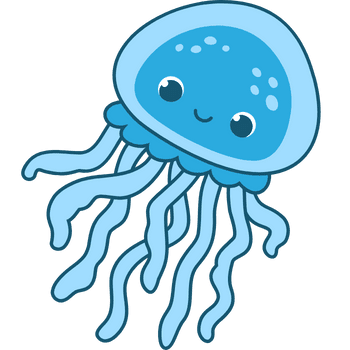
The picture shows a jellyfish.
Read the picture before reading the options.
The picture shows a jellyfish.
What do all invertebrates have in common?
It is the only shared feature; the group is defined by an absence.
Invertebrate is a group defined by what is missing.
The only thing an ant and a jellyfish share is the lack of a spine.
Which group holds the most invertebrate species?
Insects account for the large majority of all described animal species.
Insects are the bulk of animal life by species count.
Around a million insect species have been described so far.
Name the support structure.
Many invertebrates are supported by a hard outer casing called an ___.
An exoskeleton supports from outside, which is why growth requires moulting.
Skeleton inside means endoskeleton; outside means exoskeleton.
The crab left its old exoskeleton behind intact.
Which of these is a mollusc?
Molluscs include snails, slugs, clams, octopuses and squid.
Soft body, often a shell, and a muscular foot — that is a mollusc.
Snails, octopuses and clams are all molluscs.
Three of these are invertebrates. Which is not?
A seahorse is a fish, and therefore a vertebrate.
The word fish in a name proves nothing about the group.
Starfish and jellyfish are invertebrates; a seahorse is not.
What is a hydrostatic skeleton?
An earthworm holds its shape by squeezing fluid-filled segments against muscle.
Three ways to hold a shape: bone, shell, or pressurised fluid.
The earthworm moves by shifting pressure along its hydrostatic skeleton.
Turn on JavaScript for the interactive quiz. The full practice set is shown above.