Asian Animals Names showcase the incredible diversity of wildlife found across the largest continent on Earth. If you have ever wondered just how much wildlife lives across Asia, get ready to be amazed. Asia is not just the biggest continent on the planet, it is also one of the most biologically rich. It stretches from the frozen plains of Siberia all the way down to the steamy jungles of Indonesia, and everywhere in between you will find animals that have adapted to their surroundings in fascinating ways.
In this article, we are going to walk through the most well known Asian animals names, but we will not stop at just names. We will talk about where these animals live, what they eat, how they behave, and why so many of them matter to the world. By the end, you should have a solid understanding of the wildlife that calls Asia home, explained in a way that is easy to follow and genuinely interesting to read.
Why Is Asia So Rich in Wildlife?
Before we get into the list, it helps to understand why Asia has such a huge variety of animals in the first place. Think about the sheer size of the continent. You have the Himalayas, the tallest mountain range in the world, sitting right next to tropical rainforests in places like Malaysia and Indonesia. Then there are vast deserts like the Gobi, cold tundra regions in Siberia, and fertile river valleys that have supported both humans and animals for thousands of years.
Because the climate and terrain change so dramatically from one region to another, animals across Asia have evolved very differently depending on where they live. A snow leopard needs thick fur and strong lungs to survive in thin mountain air, while an orangutan needs long arms and a firm grip to move through rainforest canopies. This variety is what makes Asian wildlife so exciting to learn about.
Explore more animals that start with different letters
A | B | C | D | E | F | G | H | I | J | K | L | M | N | O | P | Q | R | S | T | U | V | W | X | Y | Z
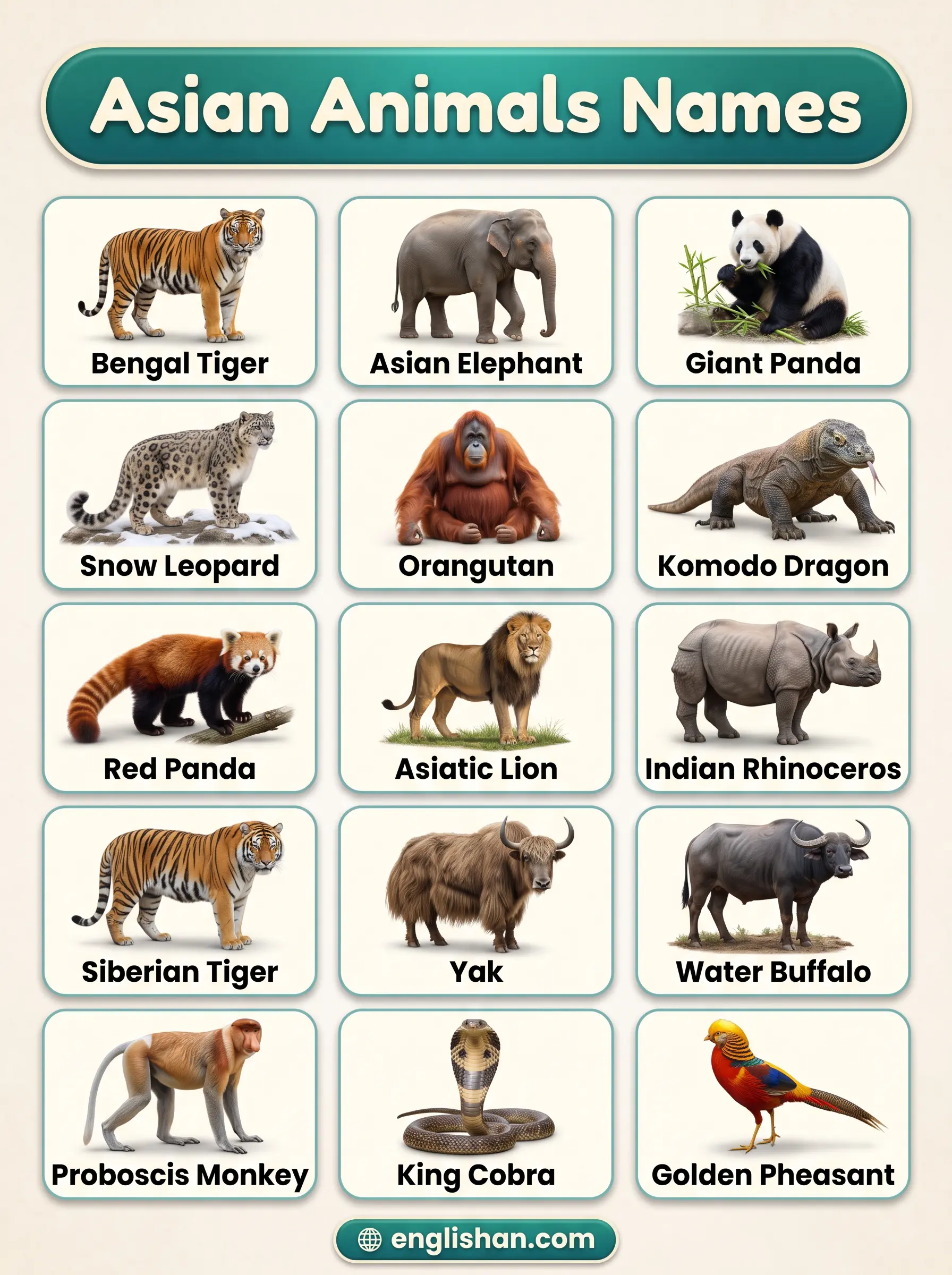
Most Popular Asian Animals Names with Pictures
❶ Bengal Tiger
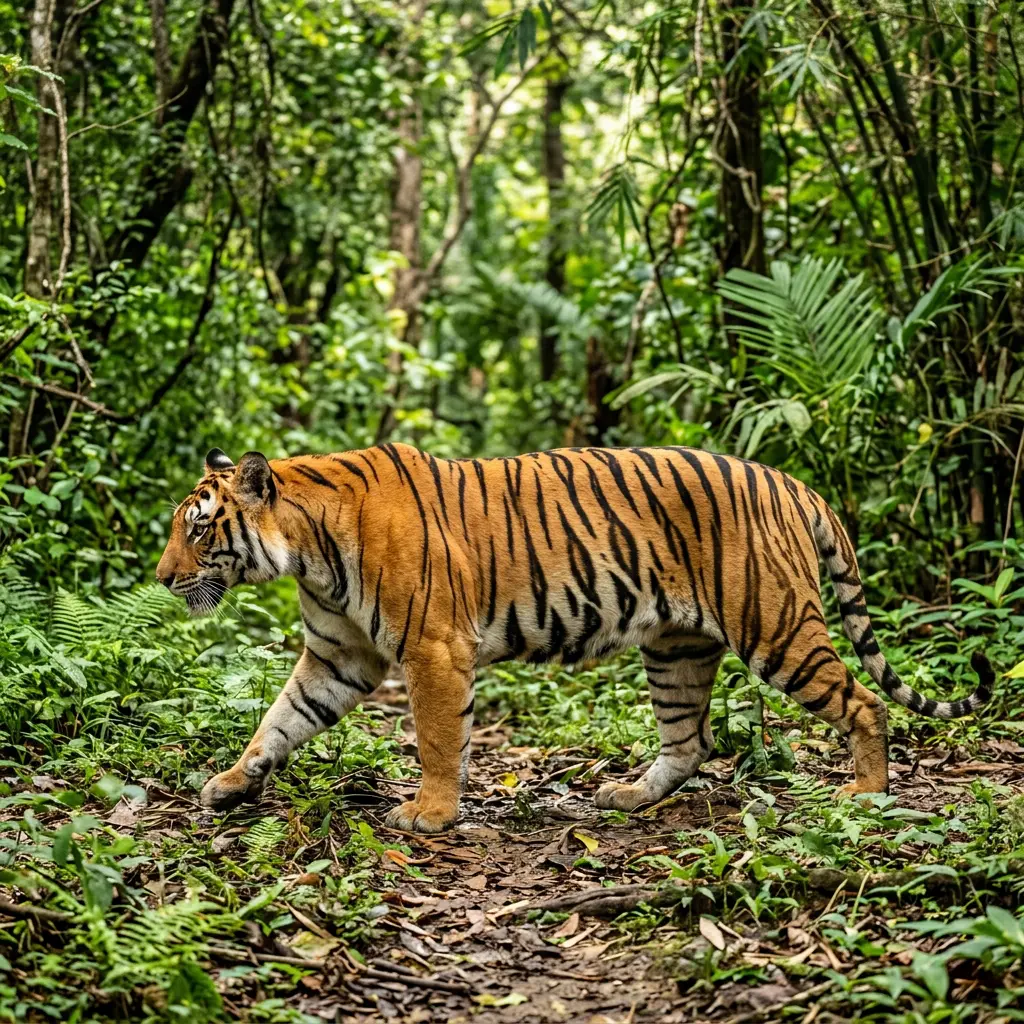
The Bengal tiger is probably the first animal that comes to mind when people think of Asia, and for good reason. Found mainly in India, with smaller populations in Bangladesh, Nepal, and Bhutan, this big cat is instantly recognizable by its orange coat and bold black stripes. Bengal tigers are solitary hunters, meaning they prefer to hunt alone rather than in groups, and they rely heavily on stealth to catch prey like deer and wild boar. Sadly, this tiger is classified as endangered due to habitat loss and poaching, which is why conservation programs across India work so hard to protect the remaining population.
❷ Asian Elephant
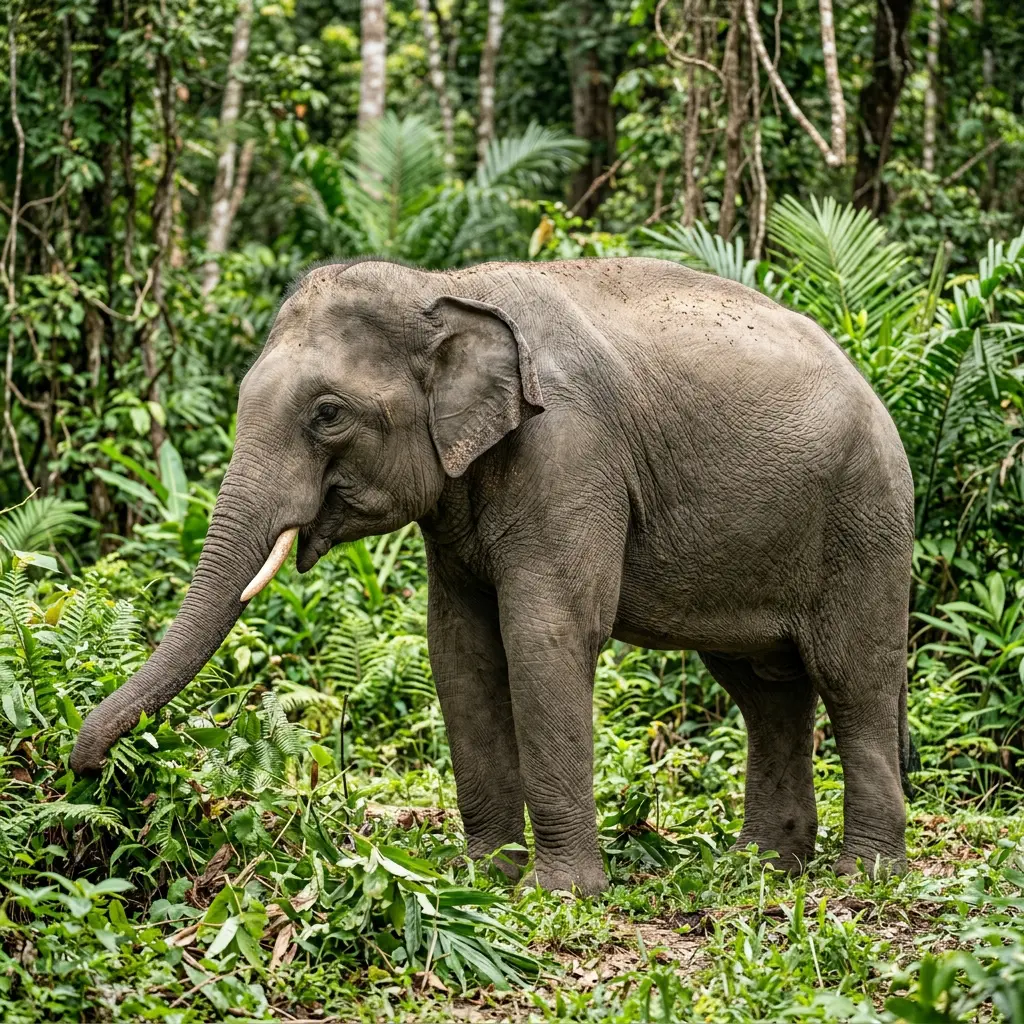
The Asian elephant is smaller than the African elephant, but do not let that fool you, it is still one of the largest land animals on Earth. You will find these gentle giants in countries like India, Sri Lanka, Thailand, and Myanmar. Asian elephants are incredibly social animals that live in tight family groups led by an older female known as the matriarch. They are also remarkably intelligent, capable of using tools, showing empathy toward other elephants, and even displaying signs of grief. In many Asian cultures, elephants hold deep spiritual and traditional significance.
❸ Giant Panda

Native to the mountainous regions of central China, the giant panda is easily one of the most beloved animals in the world. With its striking black and white fur, this bear spends most of its day, sometimes up to twelve hours, eating bamboo. In fact, bamboo makes up about ninety nine percent of its diet. Despite being classified under the order Carnivora, pandas rarely eat meat. Thanks to major conservation efforts by China, the giant panda’s status improved from endangered to vulnerable, which is considered a huge success story in wildlife protection.
❹ Snow Leopard
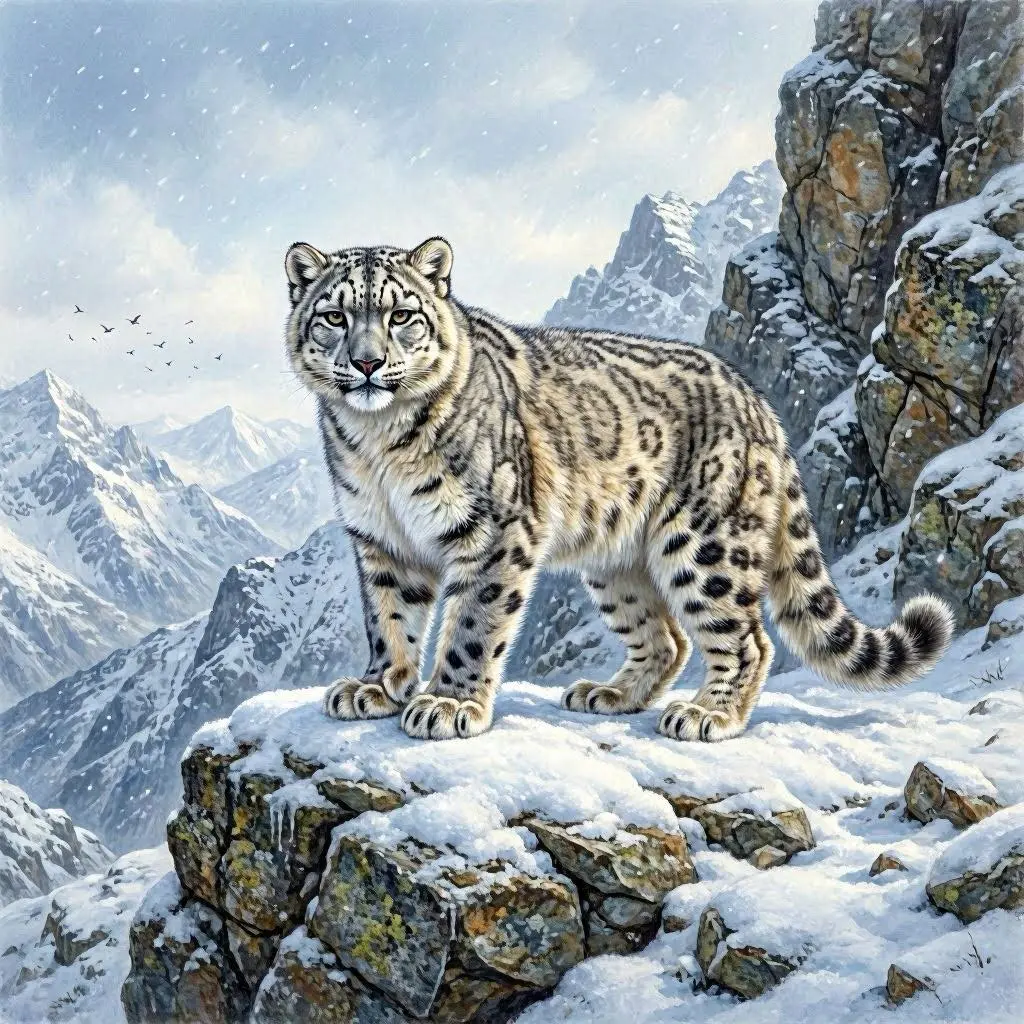
Living high up in the mountain ranges of Central and South Asia, including the Himalayas and the Tibetan Plateau, the snow leopard is built for extreme cold. It has thick, smoky gray fur with dark rosette markings that help it blend into rocky terrain. Its wide paws act almost like natural snowshoes, and its long tail helps with balance while jumping across steep cliffs. Snow leopards are extremely elusive, which is why they are sometimes called the ghosts of the mountains.
❺ Orangutan
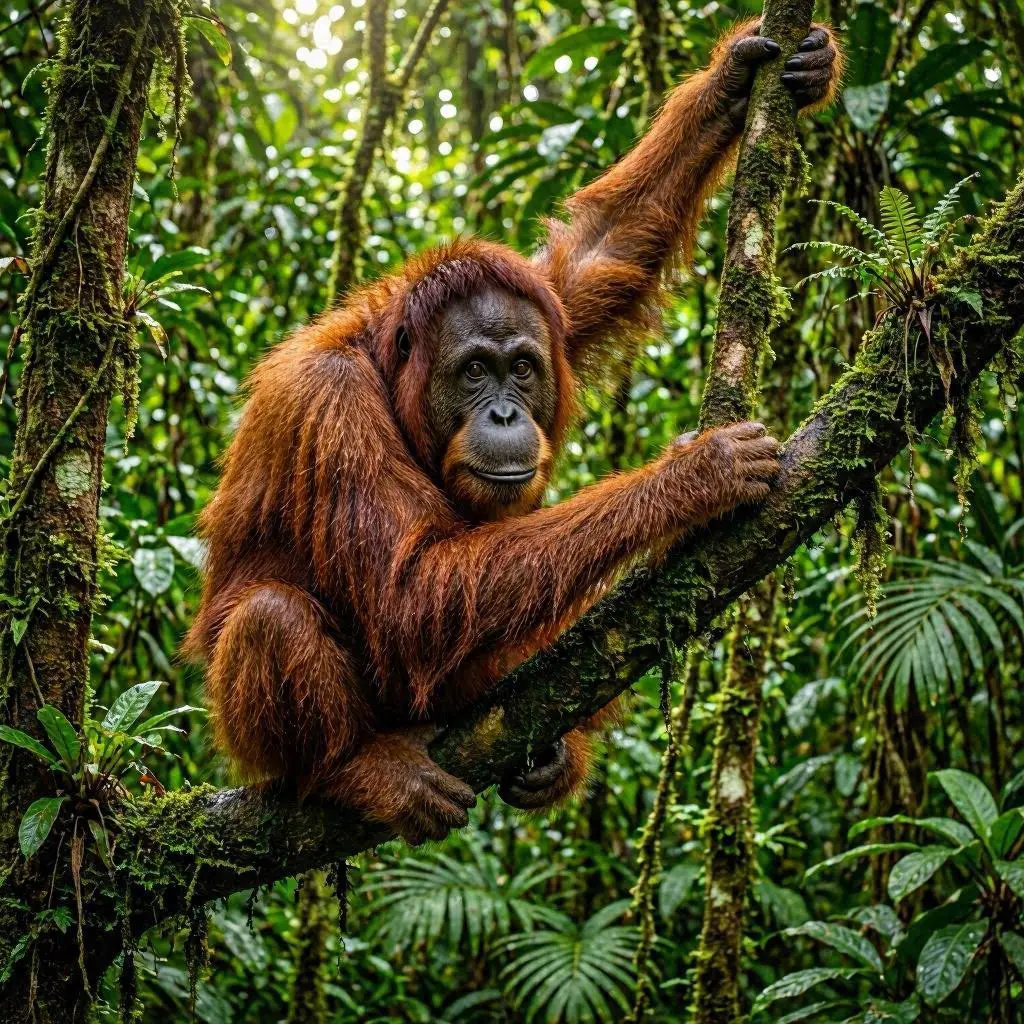
Orangutans live only in the rainforests of Borneo and Sumatra, making them some of the most geographically limited great apes in the world. They have long, reddish orange fur and spend the vast majority of their lives in trees, using their powerful arms to swing from branch to branch. Orangutans are known for their intelligence, they can use tools, build sleeping nests each night, and even solve problems in ways that surprise researchers. Unfortunately, deforestation for palm oil plantations has put both species of orangutan at serious risk.
❻ Komodo Dragon
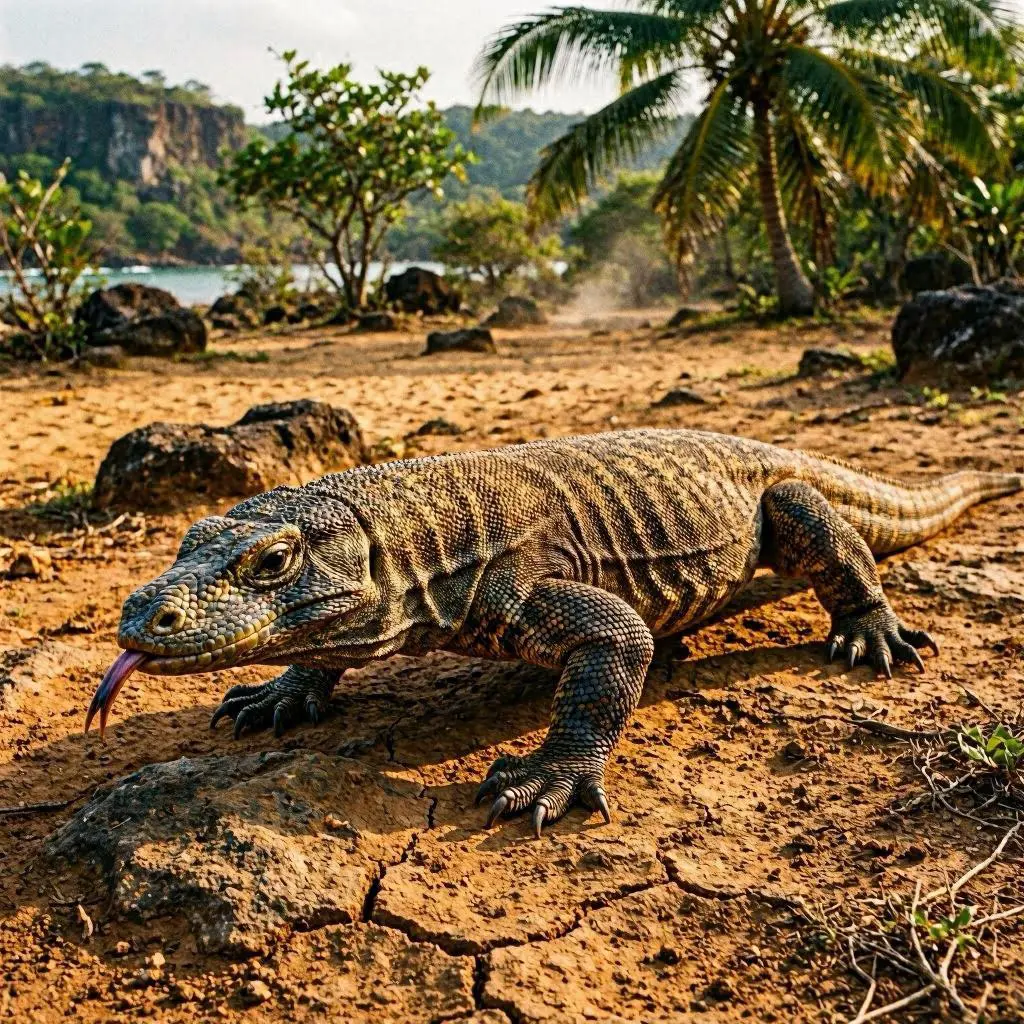
The Komodo dragon holds the title of the largest living lizard on Earth, and it can only be found on a handful of Indonesian islands, including Komodo Island itself. These massive reptiles can grow up to three meters long and are apex predators in their environment. They have a powerful bite filled with bacteria and mild venom that helps take down large prey like deer and wild pigs. Despite their intimidating size, Komodo dragons are surprisingly good swimmers and can move quickly in short bursts when hunting.
❼ Red Panda
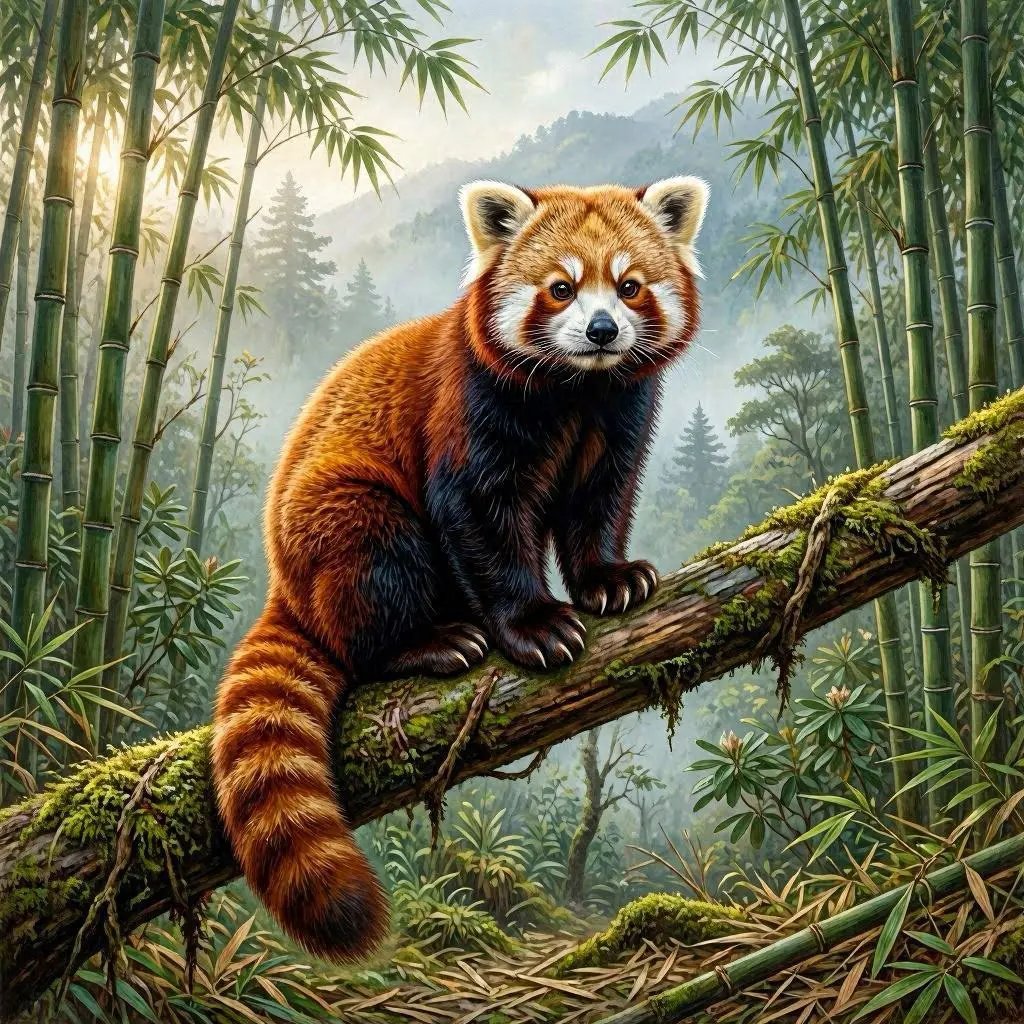
Do not confuse the red panda with the giant panda, they are actually not closely related at all. The red panda is a much smaller mammal found in the forests of Nepal, northern India, Bhutan, and parts of China. It has soft reddish brown fur, a long bushy tail used for balance, and a diet that also consists mostly of bamboo, along with fruits and insects. Red pandas are shy, mostly nocturnal, and spend a lot of time resting in trees.
❽ Asiatic Lion
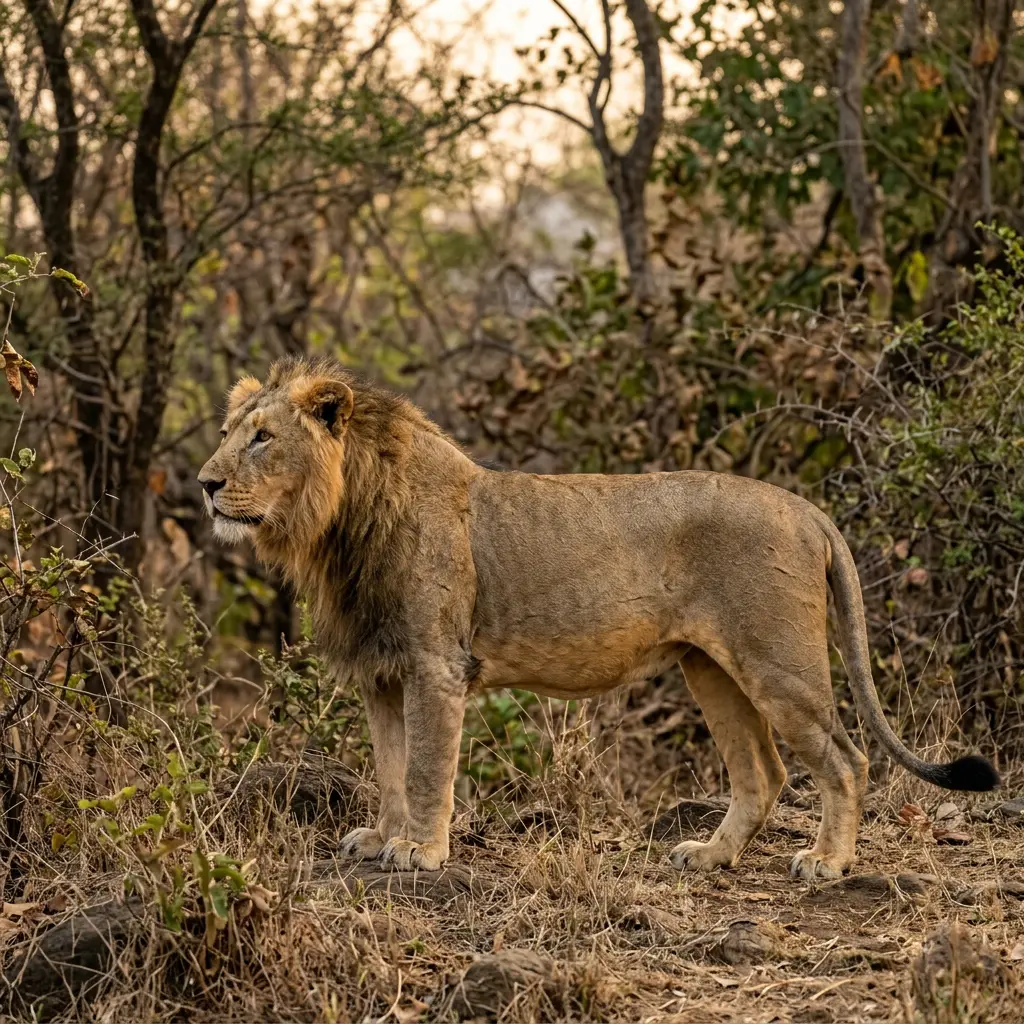
While most people associate lions with Africa, a small population of Asiatic lions still survives in the Gir Forest National Park in India. This is actually the only place in the world where you can find wild lions outside of Africa. Asiatic lions are slightly smaller than African lions and tend to live in smaller family groups called prides. Conservation efforts in Gir have helped their numbers slowly recover, though they remain endangered due to their limited habitat.
❾ Indian Rhinoceros
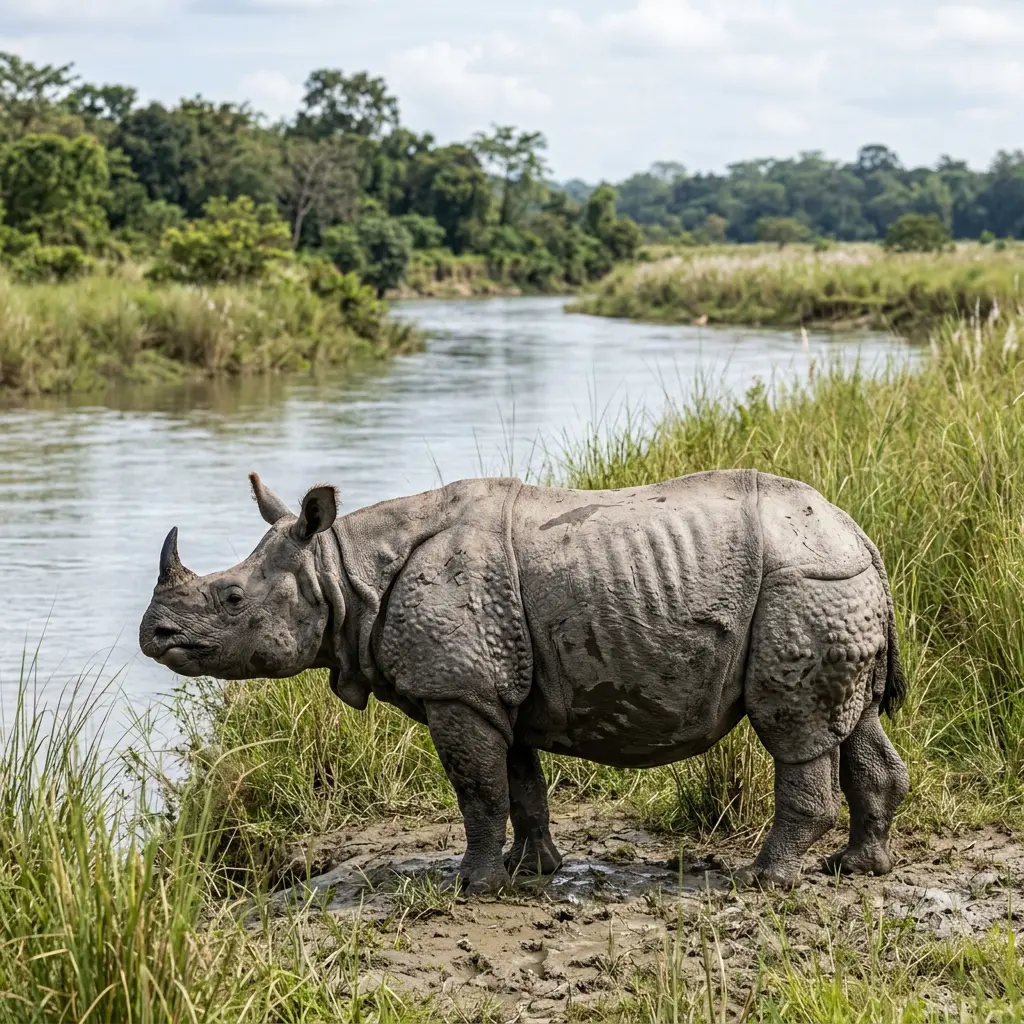
Also known as the one horned rhinoceros, this animal is found primarily in India and Nepal. Its thick, folded skin gives it an armor plated appearance, which is one of its most distinctive features. Unlike African rhino species that have two horns, the Indian rhinoceros has just one. These animals are strong swimmers and spend a lot of time in water, especially during hot weather. Poaching for their horns has historically been a major threat, though strict protection laws have helped populations grow in recent decades.
❿ Siberian Tiger
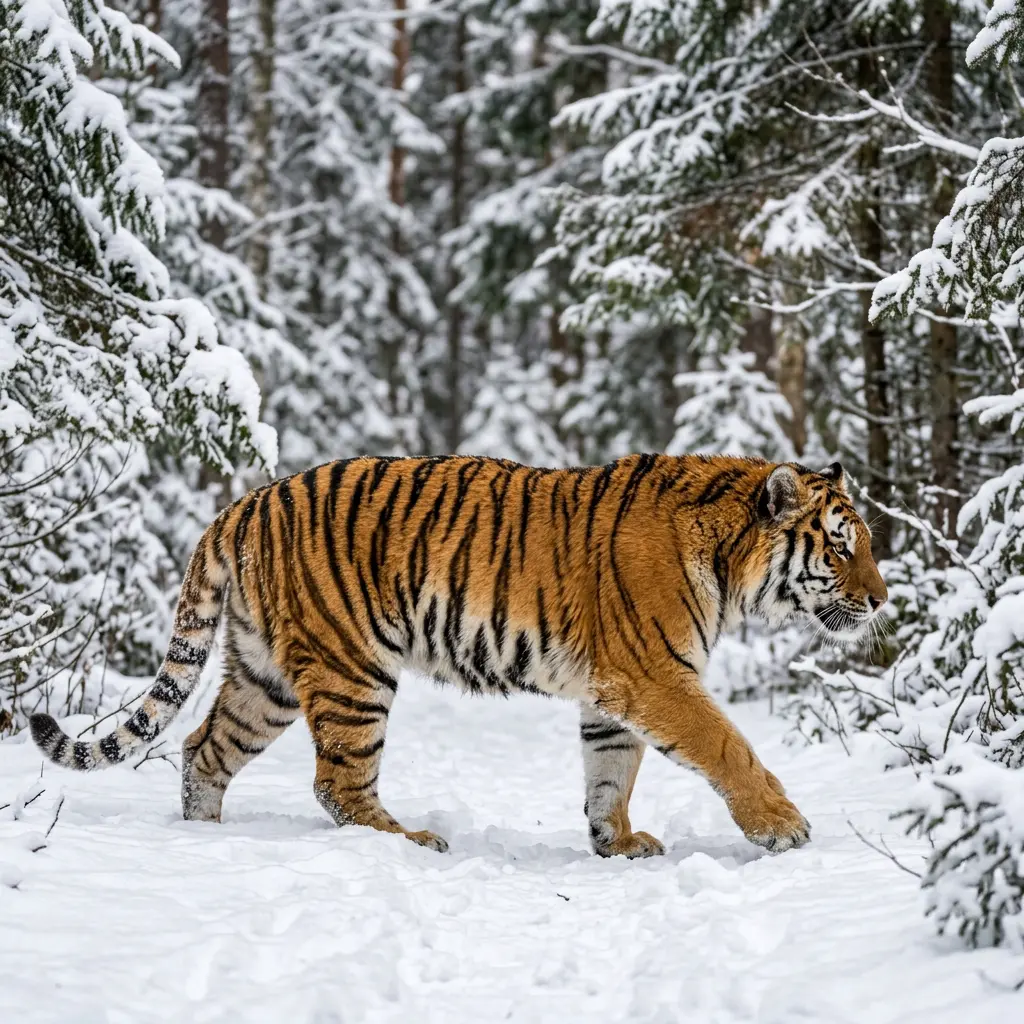
Also called the Amur tiger, the Siberian tiger is the largest tiger subspecies in the world and lives in the cold forests of far eastern Russia, with a small population in northeastern China. To survive freezing temperatures, this tiger has a thicker coat and a layer of fat compared to tigers found in warmer regions like India. Siberian tigers require huge territories to hunt because prey is more spread out in colder climates, which is one reason their population remains relatively low.
⓫ Yak
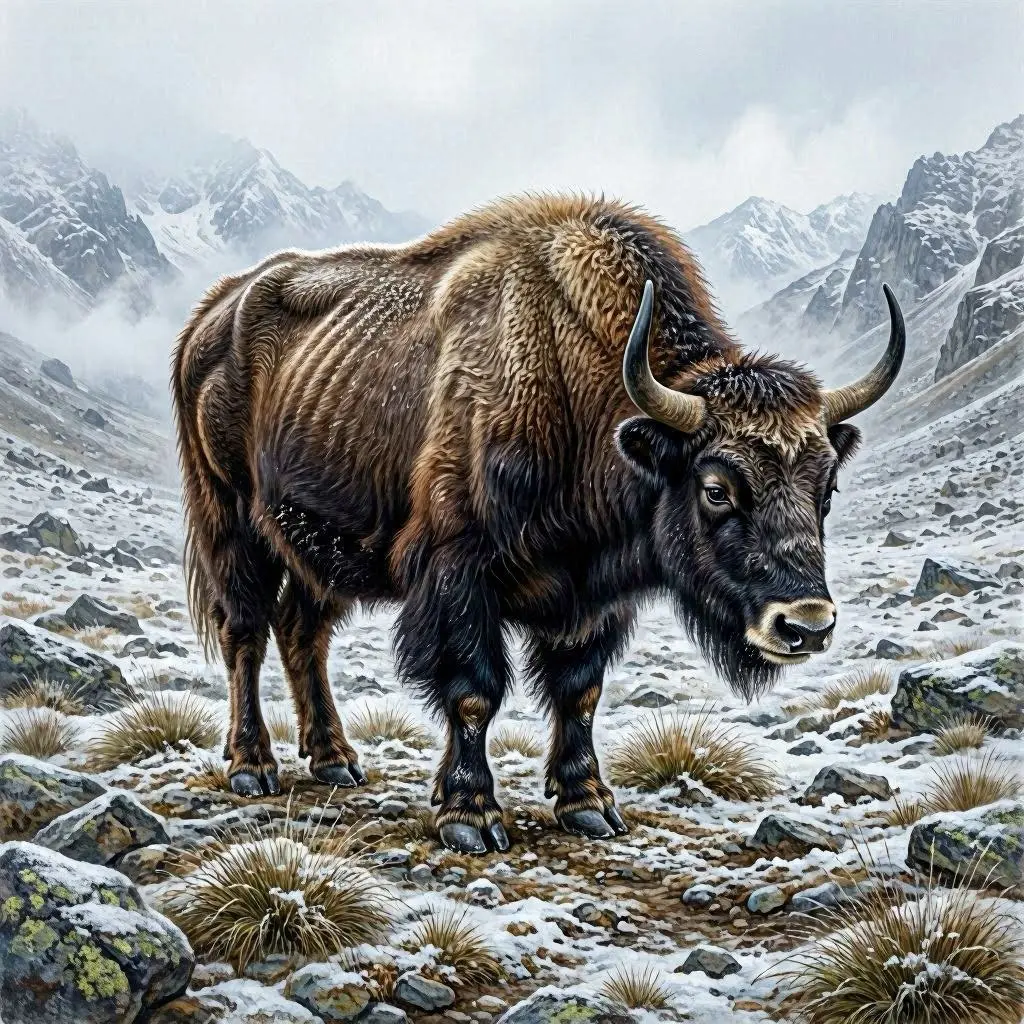
The yak is a large, long haired animal that has adapted incredibly well to life in the high altitude regions of the Himalayas, particularly in Tibet. Its thick coat protects it from freezing winds, and its lungs are specially adapted to function efficiently in thin mountain air. For centuries, yaks have been essential to the people living in these regions, providing milk, meat, wool, and even serving as transportation across difficult mountain terrain.
⓬ Water Buffalo
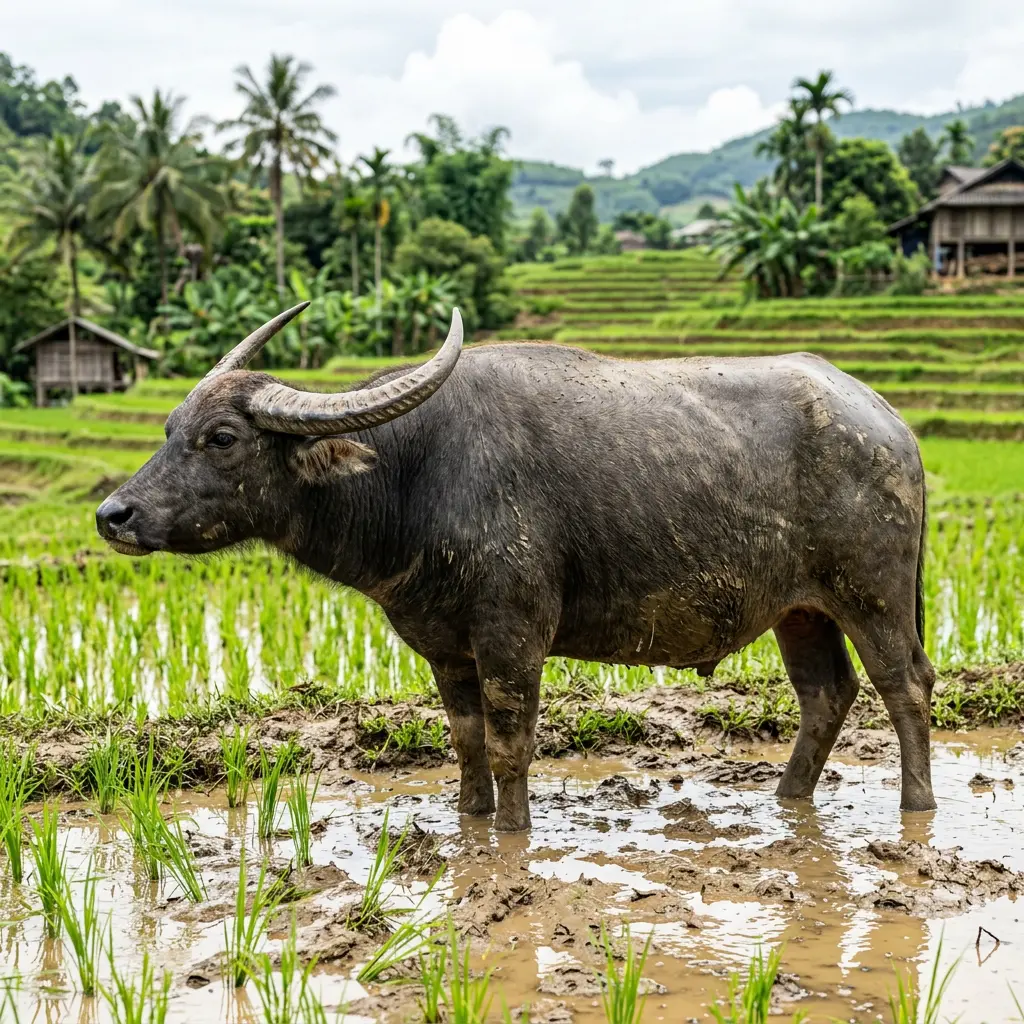
Water buffalo are a common sight across South and Southeast Asia, especially in rural farming communities. These large, strong animals are often used to plow rice fields, a task they are particularly suited for given their strength and comfort in muddy, wet environments. Beyond farming, water buffalo also provide milk, which is used to make dairy products in many parts of Asia.
⓭ Proboscis Monkey
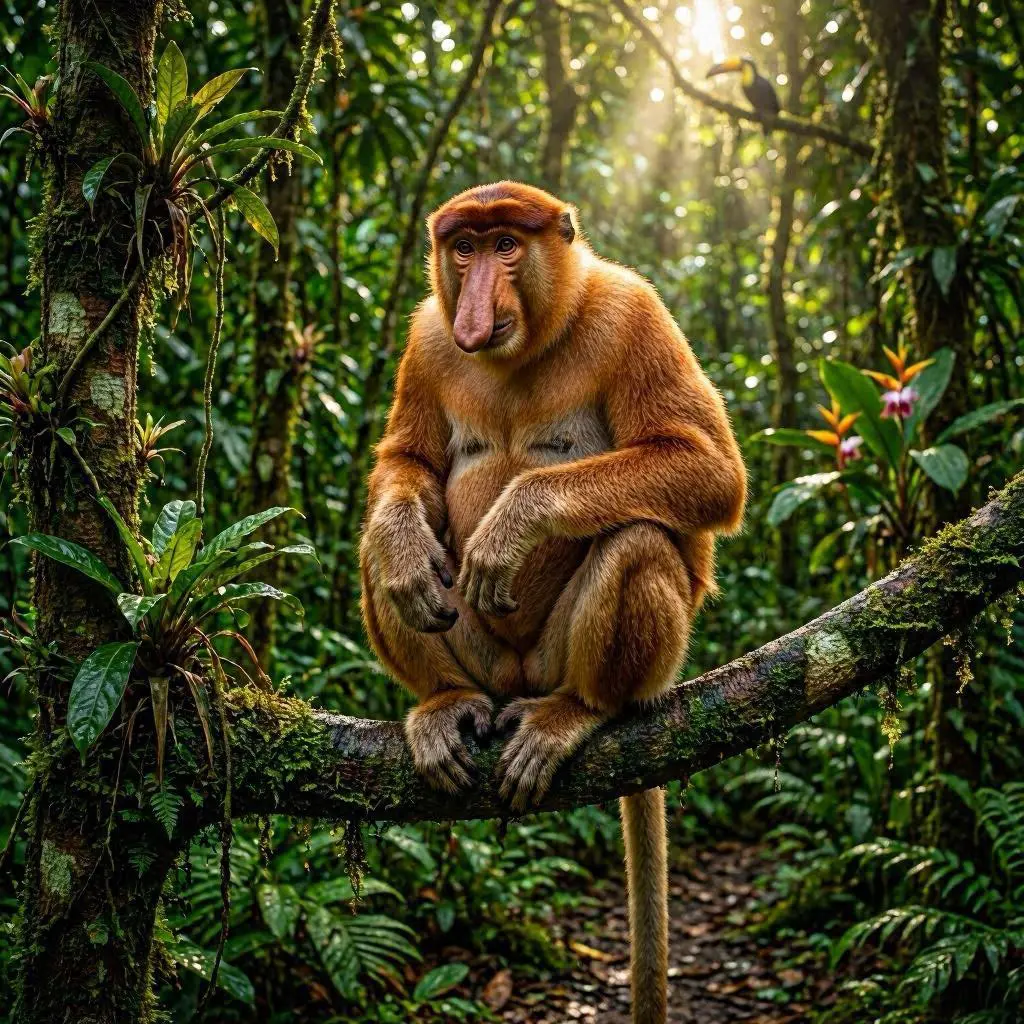
Found only on the island of Borneo, the proboscis monkey is known for one very obvious feature, its unusually large nose. Interestingly, this large nose is more prominent in males and is believed to play a role in attracting mates as well as amplifying vocal calls. These monkeys are strong swimmers, which is fairly unique among primates, and they are often found near rivers, mangroves, and swamps.
⓮ King Cobra

The king cobra holds the record for being the longest venomous snake in the world, capable of growing over five meters in length. It is found across the forests of India and Southeast Asia. Despite its fearsome reputation, the king cobra generally avoids confrontation with humans and prefers to retreat rather than attack. Interestingly, it is one of the few snake species known to build a nest for its eggs.
⓯ Golden Pheasant
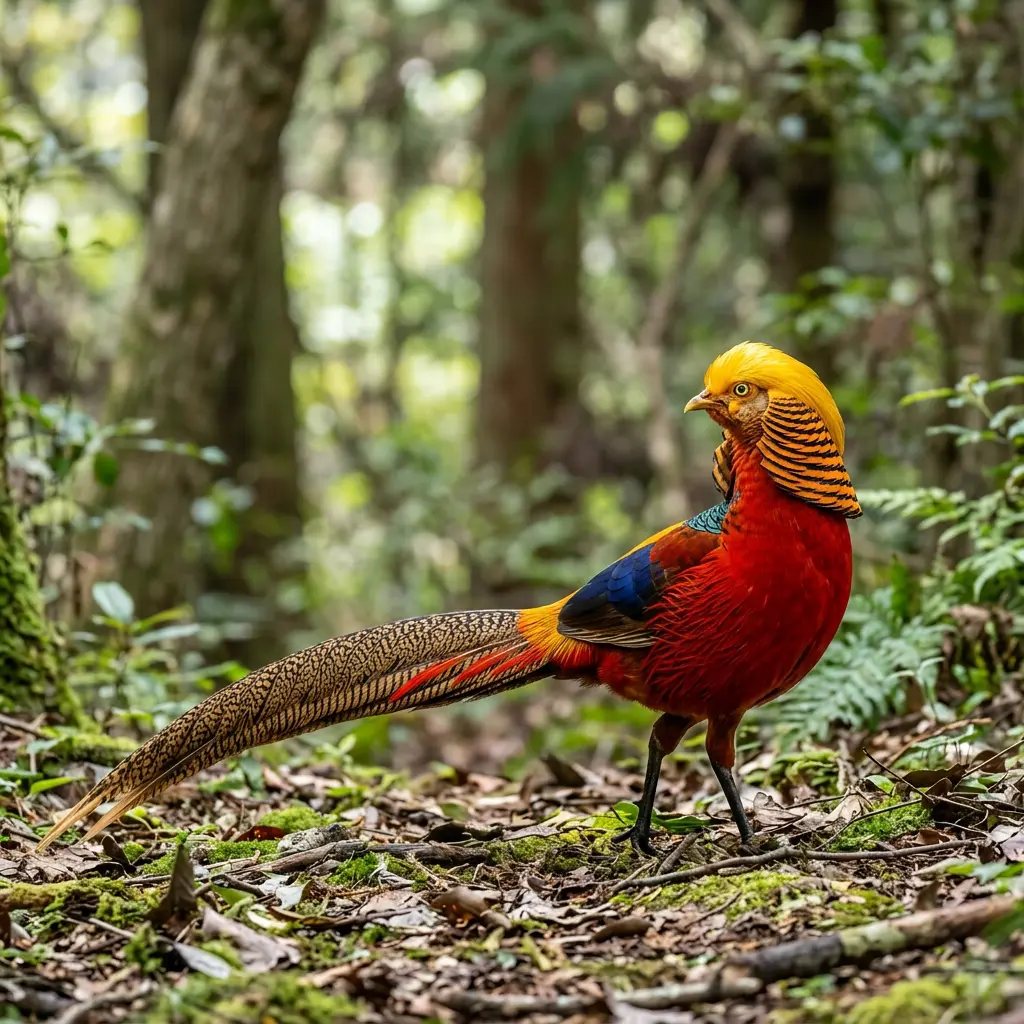
Native to the forests of central and western China, the golden pheasant is admired for its extremely vibrant plumage, featuring golden yellow, deep red, and blue feathers. Males use their striking colors primarily to attract females during mating season. While shy and hard to spot in the wild, golden pheasants have become popular in captivity around the world due to their beauty.
List of Asian Animals Names by Category
Another helpful way to understand Asian wildlife is by grouping animals according to their biological category.
Asian Mammals
- Bengal Tiger – A powerful Asian big cat found in forests and grasslands across South Asia.
- Asian Elephant – The largest land mammal in Asia, native to forests and grasslands.
- Giant Panda – A bamboo-eating bear native to the mountain forests of China.
- Snow Leopard – A rare Asian mountain cat that inhabits the high Himalayas and Central Asia.
- Orangutan – An intelligent great ape found in the rainforests of Borneo and Sumatra.
- Red Panda – A small tree-dwelling mammal native to the Himalayan forests.
- Asiatic Lion – The only wild lion species remaining in Asia, found in western India.
- Indian Rhinoceros – A large one-horned rhinoceros native to the Indian subcontinent.
- Siberian Tiger – The largest tiger subspecies, living in northeastern Asia.
- Yak – A shaggy mountain mammal adapted to the cold regions of the Himalayas and Tibet.
- Water Buffalo – A large Asian bovine commonly found in wetlands and river valleys.
- Proboscis Monkey – A long-nosed monkey native to the island of Borneo.
- Sun Bear – The smallest bear species, found in Southeast Asian tropical forests.
- Sloth Bear – A shaggy bear native to the forests and grasslands of the Indian subcontinent.
- Markhor – A wild mountain goat found in the rugged ranges of Central and South Asia.
- Binturong – A tree-dwelling mammal, also known as the bearcat, found in Southeast Asia.
- Japanese Macaque – Also called the snow monkey, native to Japan’s forests and mountains.
- Slow Loris – A small nocturnal primate found in the forests of South and Southeast Asia.
Asian Reptiles
- Komodo Dragon – The world’s largest living lizard, native to Indonesia.
- King Cobra – The world’s longest venomous snake, found throughout South and Southeast Asia.
- Gharial – A fish-eating crocodilian with a long, narrow snout, native to the rivers of the Indian subcontinent.
Asian Birds
- Golden Pheasant – A brightly colored bird native to the forests of western China.
- Indian Peacock – A spectacular Asian bird famous for its iridescent tail feathers and courtship display.
Notable Big Cats of Asia
- Bengal Tiger – A powerful predator inhabiting forests, mangroves, and grasslands of South Asia.
- Snow Leopard – A secretive mountain cat perfectly adapted to cold, rocky landscapes.
- Siberian Tiger – A massive tiger that thrives in the snowy forests of northeastern Asia.
- Asiatic Lion – The only lion species naturally found in Asia today.
- Clouded Leopard – A medium-sized Asian wild cat known for its cloud-shaped markings and excellent climbing ability.
Notable Primates of Asia
- Orangutan – A highly intelligent great ape that spends most of its life in rainforest trees.
- Proboscis Monkey – A unique Asian monkey recognized by its large nose and excellent swimming skills.
- Japanese Macaque – A cold-tolerant primate famous for bathing in natural hot springs.
- Slow Loris – A gentle-looking nocturnal primate and one of the few venomous mammals in the world.
Other Notable Asian Animals Worth Knowing
- Sun Bear: The smallest bear species in the world, found in Southeast Asian rainforests.
- Sloth Bear: Native to the Indian subcontinent, known for its shaggy coat and love of termites.
- Markhor: A wild goat species with impressive spiral horns, found in Central Asia.
- Indian Peacock: India’s national bird, famous for its stunning tail feathers.
- Clouded Leopard: A medium sized wild cat known for its cloud shaped fur patterns.
- Binturong: Sometimes called the bearcat, this animal smells faintly of popcorn.
- Sika Deer: A species of deer native to East Asia, especially Japan.
- Japanese Macaque: Also known as the snow monkey, famous for bathing in hot springs.
- Slow Loris: A small, nocturnal primate known for its slow, deliberate movements.
- Gharial: A critically endangered crocodile species with a long, thin snout.
Asian Animals Names by Habitat
Habitat is different from region because it focuses on the type of environment an animal lives in, rather than the specific part of Asia it comes from. Here is a breakdown of Asian animals grouped by the kind of habitat they call home.
Asian Forest and Jungle Animals
Bengal tiger, Asian elephant, orangutan, sloth bear, and clouded leopard all live in dense forest or jungle environments, where thick tree cover provides shelter, food, and protection from predators.
Asian Mountain Animals
Snow leopard, yak, markhor, and red panda are built to survive in high altitude, mountainous regions where oxygen is thin and temperatures can drop drastically.
Asian Grassland and Savanna Animals
Asiatic lion and Indian peacock are commonly found in grassland areas, where open spaces make hunting and foraging easier.
Asian Wetland and Riverine Animals
Indian rhinoceros, water buffalo, and gharial rely heavily on rivers, marshes, and wetland areas for feeding, cooling off, and breeding.
Asian Island and Coastal Animals
Komodo dragon and proboscis monkey are found on specific islands, where isolation has allowed them to evolve into highly unique species not found anywhere else in the world.
Asian Cold and Arctic Type Regions
Siberian tiger survives in the freezing forests of far eastern Russia, an environment that requires thick fur and a slower, more energy efficient way of hunting.
Asian Animals Names by Region
East Asia Animals
In countries like China, Japan, and South Korea, you will commonly find animals like:
- Giant
- Panda
- Red panda
- Sika deer
- Japanese macaque
This region combines mountainous terrain with temperate forests, creating ideal conditions for these species.
South Asia Animals
India, Nepal, and Sri Lanka are home to some of the most iconic animals on this list, including:
- The Bengal tiger
- Asian elephant
- One horned rhinoceros
- Asiatic lion
The diverse landscapes here, ranging from tropical forests to grasslands, support an incredible range of species.
Southeast Asia Animals
Indonesia, Malaysia, and Thailand are known for unique species such as:
- Orangutan
- Komodo dragon
- Proboscis monkey
This region’s warm, humid rainforests create perfect conditions for a wide variety of tropical wildlife.
Central Asia Animals
The colder, mountainous regions of Central Asia are home to hardy animals like:
- Snow leopard
- Yak
- Markhor
All of which have adapted to survive harsh, high altitude conditions.
Endangered Animals of Asia
Unfortunately, many of Asia’s most iconic animals are facing serious threats due to habitat loss, poaching, and climate change. Here are some of the most notable endangered species found across the continent.
- Bengal Tiger: Threatened mainly by habitat fragmentation and illegal poaching for its skin and body parts.
- Orangutan: Rapidly losing habitat due to palm oil plantations and logging in Borneo and Sumatra.
- Asian Elephant: Facing shrinking habitats as farmland and human settlements expand into forest areas.
- Indian Rhinoceros: Once heavily poached for its horn, though numbers have improved thanks to strong conservation laws.
- Proboscis Monkey: Losing mangrove and rainforest habitat to development and agriculture.
- Snow Leopard: Threatened by climate change, which is shrinking its high altitude habitat, along with poaching.
Supporting wildlife reserves, national parks, and responsible tourism are some of the simplest ways people can help protect these species for future generations.
National and Culturally Significant Animals of Asia
Many Asian countries have chosen specific animals to represent their national identity, often because of the animal’s strength, beauty, or cultural symbolism.
- Bengal Tiger: The national animal of both India and Bangladesh.
- Giant Panda: A national symbol of China and a global icon of wildlife conservation.
- Indian Peacock: The national bird of India, admired for its striking beauty.
- Snow Leopard: Considered a national symbol in several Central Asian countries, including Pakistan.
- Japanese Macaque: Closely tied to Japanese culture and folklore, especially in relation to hot spring bathing traditions.
Baby Animal Names and Group Names
Learning the names given to baby animals and groups of animals adds an extra layer of fun to understanding wildlife.
| Animal | Baby Name | Group Name |
|---|---|---|
| Bengal Tiger | Cub | Ambush or streak |
| Asian Elephant | Calf | Herd |
| Giant Panda | Cub | Embarrassment |
| Snow Leopard | Cub | No specific term, usually called a group |
| Orangutan | Infant | No specific term, generally solitary |
| Asiatic Lion | Cub | Pride |
| Indian Rhinoceros | Calf | Crash |
Nocturnal Asian Animals Names
Some Asian animals are most active at night rather than during the day, a behavior known as being nocturnal. This often helps them avoid predators or extreme daytime heat.
- Slow Loris: Almost entirely active at night, using its slow movements to avoid detection.
- Sloth Bear: Frequently forages for food during nighttime hours.
- King Cobra: Often hunts during cooler nighttime temperatures.
- Binturong: Mostly active at dusk and throughout the night.
Surprising Facts About Asian Animals
- Tigers have striped skin, not just striped fur, meaning no two tigers have exactly the same pattern.
- Giant pandas have an extra thumb like bone that helps them grip bamboo stalks.
- Komodo dragons can detect the scent of prey from several kilometers away using their forked tongue.
- Asian elephants are one of the few animals known to recognize themselves in a mirror, a sign of self awareness.
- The proboscis monkey’s large nose can grow so big that it sometimes hangs over its mouth.
Final Thoughts
Asia truly is a continent full of natural wonders, and its wildlife reflects just how diverse this part of the world really is. From the powerful Bengal tiger prowling through Indian forests to the gentle giant panda munching on bamboo in China, every animal on this list plays an important role in its ecosystem. We hope this detailed guide to Asian animals names has given you a deeper appreciation for the incredible creatures that call this continent home.
FAQs about Asian Animals Names
The Bengal tiger is often considered the most iconic Asian animal, largely due to its status as the national animal of both India and Bangladesh.
The orangutan, particularly the Sumatran orangutan, is classified as critically endangered due to severe habitat loss.
The Asian elephant is the largest land animal on the continent.
Yes, a small wild population of Asiatic lions still survives in the Gir Forest of India.
The snow leopard is considered one of the rarest and most elusive big cats due to its remote mountain habitat.
You May Also Like
- 42+ Australian Animals Names in English
- African Animals Names
- 75+ Arctic Animals Names with Pictures
Asian Animals Quiz
Asian Animals
How does an Asian elephant differ from an African one?
African elephants have larger ears roughly the shape of the continent.
Ear size is the quickest field difference.
Many Asian bulls and nearly all cows are tuskless.
Which great ape is found only in Asia?
Restricted to Borneo and Sumatra, and the most solitary of the great apes.
One Asian great ape, three African ones.
Orangutan means person of the forest in Malay.
Name the animal.
The wild goat with corkscrew horns and the national animal of Pakistan is the ___.
It lives on steep ground in the mountains of Central and South Asia.
Horn shape identifies it instantly.
Markhor numbers have recovered under community conservation.
Which large lizard is found only on a few Indonesian islands?
Its restricted range is typical of large island predators.
Island endemics have small ranges and high risk.
The Komodo dragon lives on five islands.
Why does the red panda share a name with the giant panda?
The red panda took the name decades earlier; the giant panda is a bear and unrelated.
The red panda had the name first.
The red panda sits alone in its own family.
Turn on JavaScript for the interactive quiz. The full practice set is shown above.