The Arctic is one of the coldest and most fascinating regions in the world. In this article about Arctic animals names with pictures in English, you will explore the amazing wildlife that lives in this frozen environment. Even though the weather is extremely freezing, many incredible animals live there comfortably. These animals have thick fur, strong bodies, and special features that help them survive in the snow and ice.
From powerful polar bears and playful seals to fluffy Arctic foxes and snowy owls, the Arctic is full of unique wildlife. Some animals live on land, while others spend most of their time in the icy Arctic Ocean. Each animal plays an important role in the Arctic ecosystem.
In this article, you will explore Arctic animals names with pictures in English. You will learn about different animals found in the Arctic region and discover interesting facts about their appearance, habitat, and survival skills in one of the harshest environments on Earth.
What are Arctic Animals?
Arctic animals are animals that live in the Arctic region, one of the coldest and harshest environments on Earth. These animals are specially adapted to survive in extreme cold, icy winds, and snowy landscapes where food can be scarce and conditions are tough.
Features of Arctic Animals:
- Thick fur or feathers that provide insulation against freezing temperatures
- A layer of fat called blubber that helps retain body heat and store energy
- White or light-colored bodies for camouflage in snow and ice
- Strong limbs, paws, or flippers for walking on ice and swimming in icy waters
- Ability to conserve energy and survive long periods with limited food
- Special hunting and survival skills suited for extreme environments
Examples of Arctic Animals:
Polar bears, Arctic foxes, walruses, seals, reindeer, and snowy owls are some well-known Arctic animals, each uniquely adapted to survive in the freezing Arctic region.
Explore more animals that start with different letters:
A | B | C | D | E | F | G | H | I | J | K | L | M | N | O | P | Q | R | S | T | U | V | W | X | Y | Z
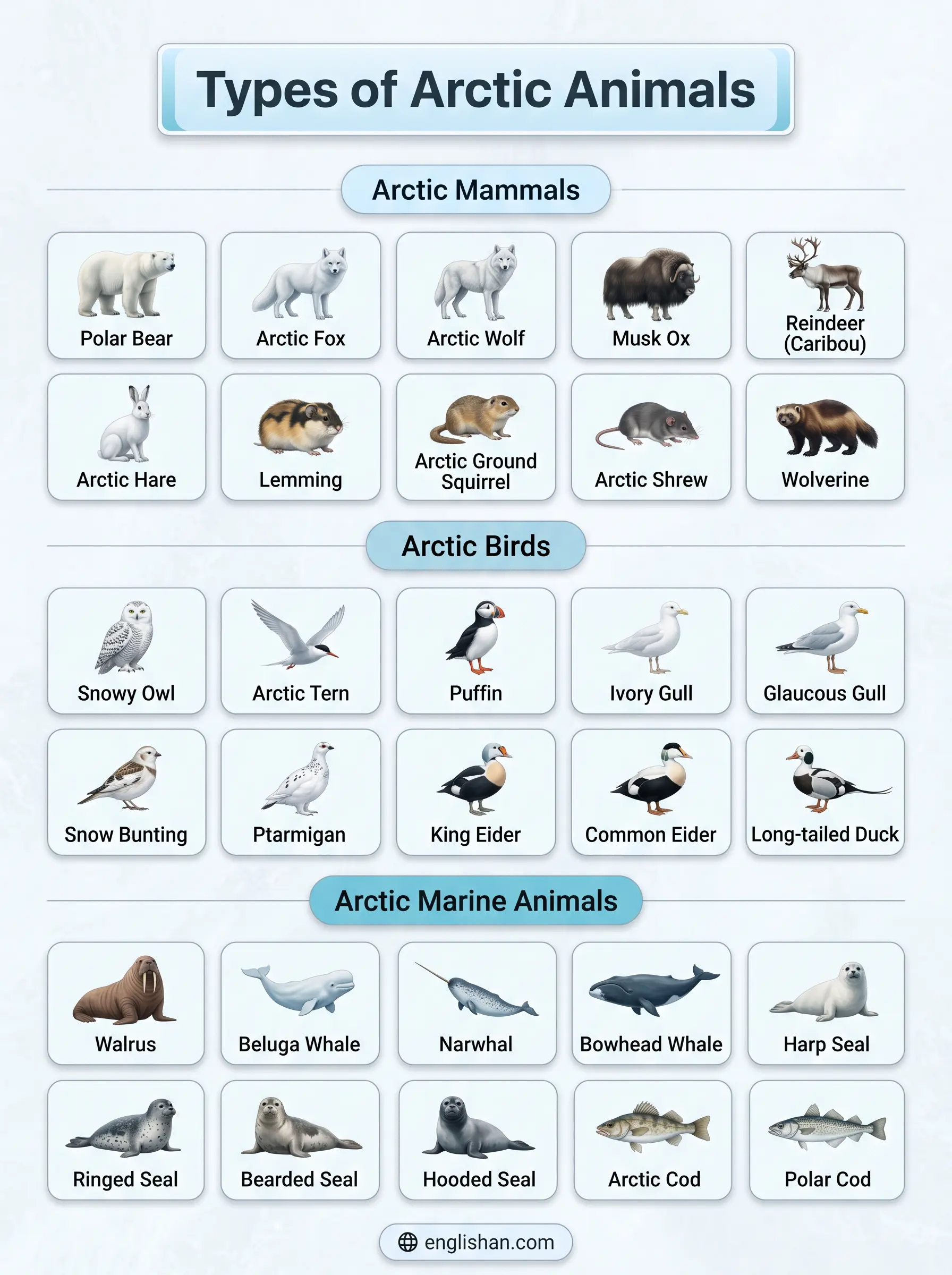
List of Arctic Animals Names in English
- Polar Bear
- Arctic Fox
- Musk Ox
- Arctic Hare
- Lemming
- Arctic Ground Squirrel
- Arctic Shrew
- Walrus
- Ringed Seal
- Bearded Seal
- Narwhal
- Bowhead Whale
- Beluga Whale (Arctic populations)
- Greenland Shark
- Snowy Owl
- Arctic Tern
- Ivory Gull
- Ross’s Gull
- Sabine’s Gull
- Snow Bunting
- Ptarmigan
- King Eider
- Common Eider
- Long-tailed Duck
- Thick-billed Murre
- Black Guillemot
- Little Auk
- Northern Fulmar
- Arctic Loon
- Arctic Cod
- Polar Cod
- Arctic Char
- Capelin
- Arctic Herring
- Snow Crab
- Arctic Amphipods
- Arctic Copepods
- Arctic Jellyfish
- Arctic Sea Butterfly (Pteropod)
- Arctic Sea Star
Common Arctic Animals Names with Pictures
❶ Polar Bear
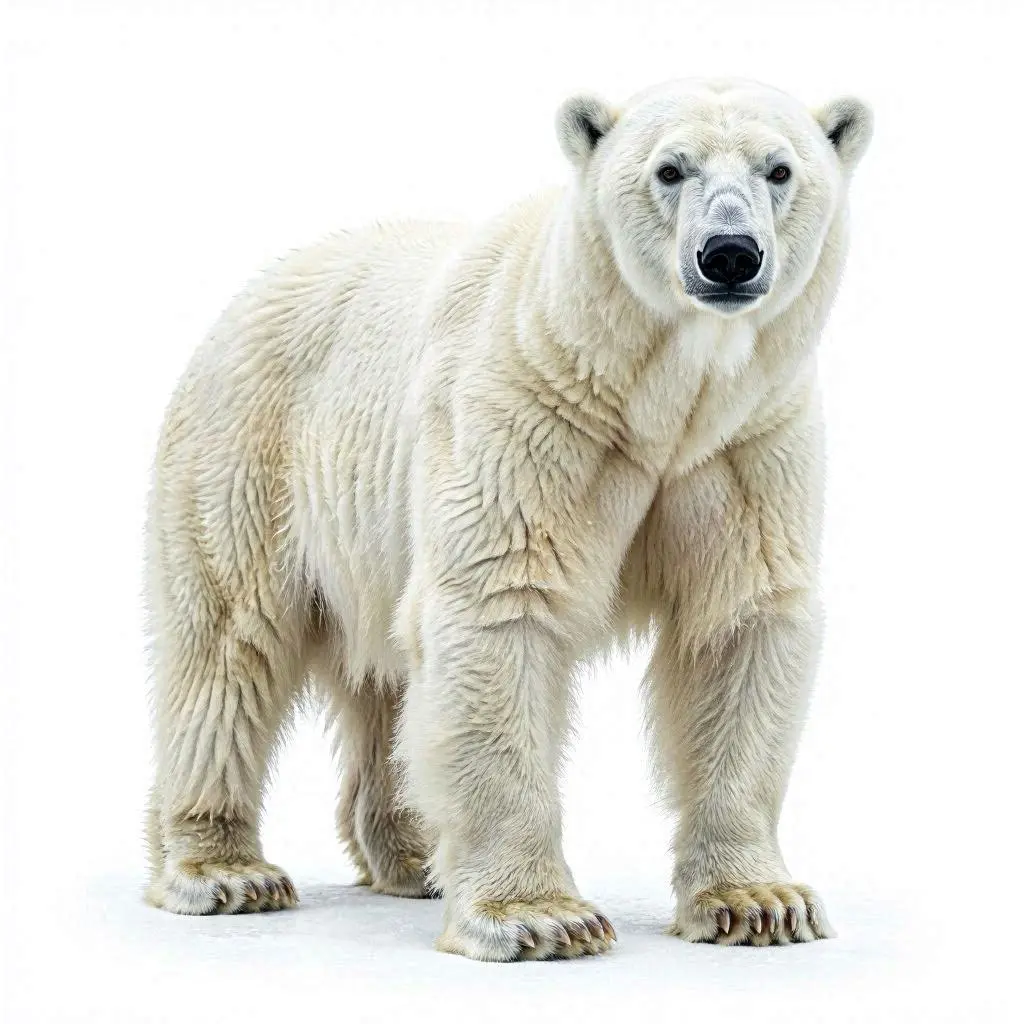
Type: Mammal
The polar bear is one of the most powerful Arctic predators and is perfectly built for life on ice. It has thick white fur and a heavy layer of fat that keeps it warm even in freezing temperatures. It mainly hunts seals by waiting near breathing holes in the ice and is an excellent swimmer.
Where found: Arctic sea ice and coastal regions
❷ Arctic Fox
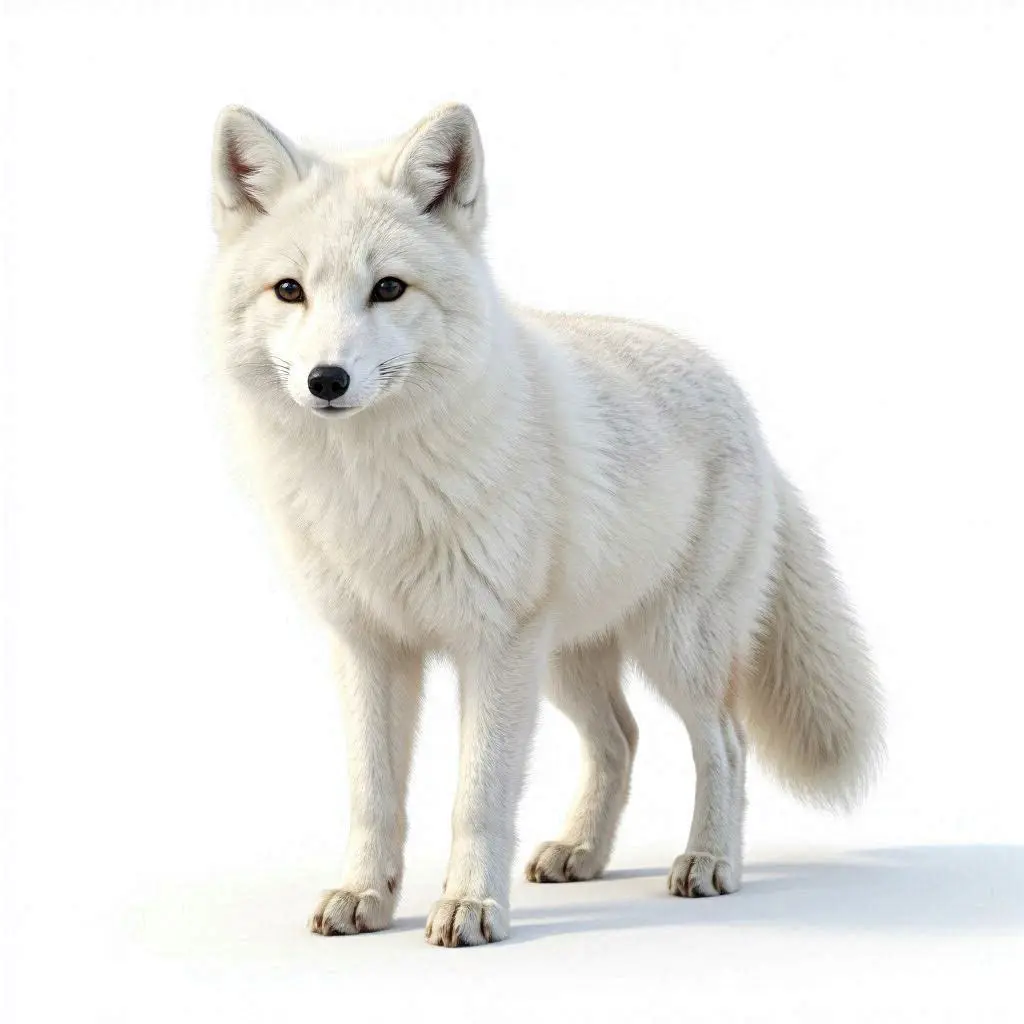
Type: Mammal
The Arctic fox is a small but very tough animal that survives extreme cold better than most creatures. Its fur changes color with seasons—white in winter for camouflage and brown in summer. It feeds on small animals, birds, and leftover food from larger predators.
Where found: Arctic tundra and icy regions
❸ Arctic Wolf
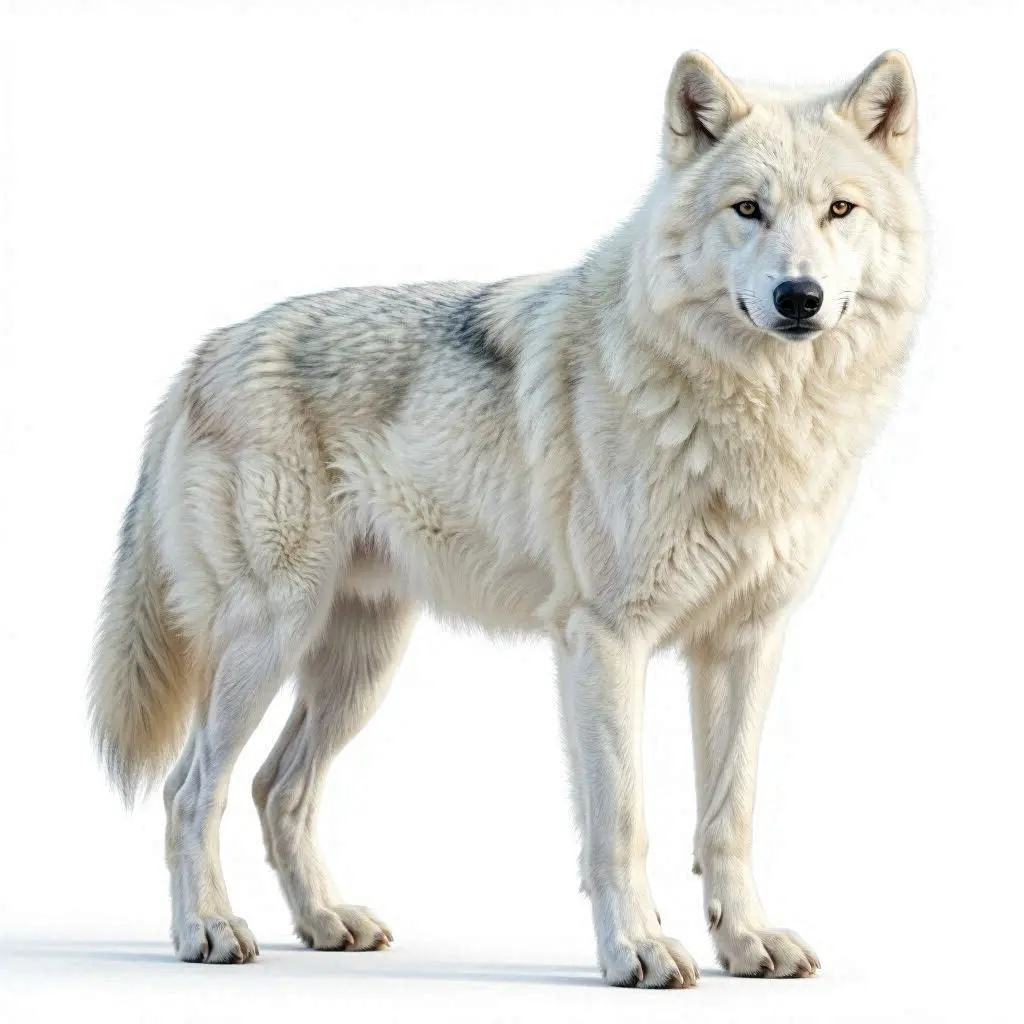
Type: Mammal
The Arctic wolf is a strong predator adapted to freezing Arctic conditions. It has thick white fur and lives in packs to hunt larger prey like musk oxen and Arctic hares. It can survive long periods without food in harsh environments.
Where found: Arctic regions of North America and Greenland
❹ Musk Ox
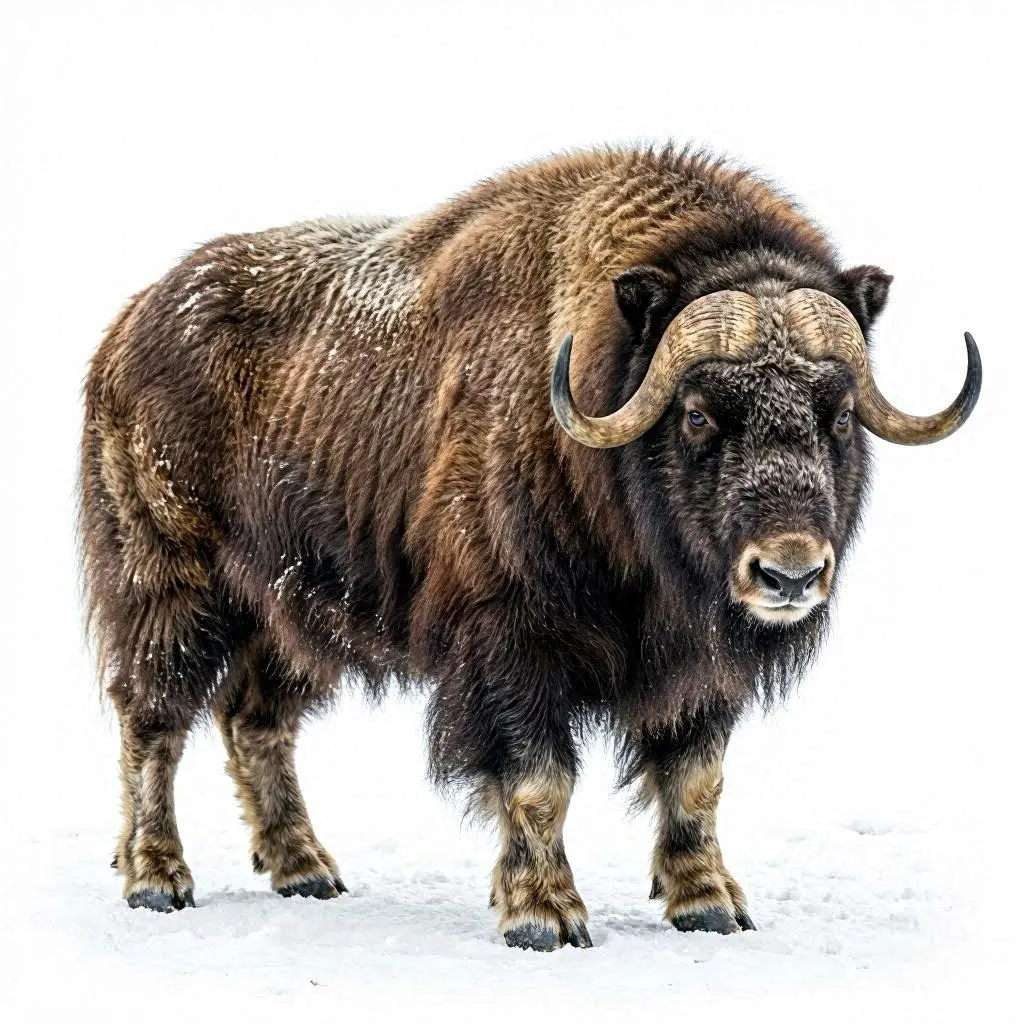
Type: Mammal
The musk ox is a large, shaggy animal that looks prehistoric in appearance. Its long thick coat protects it from extreme cold and strong Arctic winds. It forms protective herds and can defend itself against predators like wolves.
Where found: Arctic tundra of Canada, Alaska, and Greenland
❺ Reindeer (Caribou)
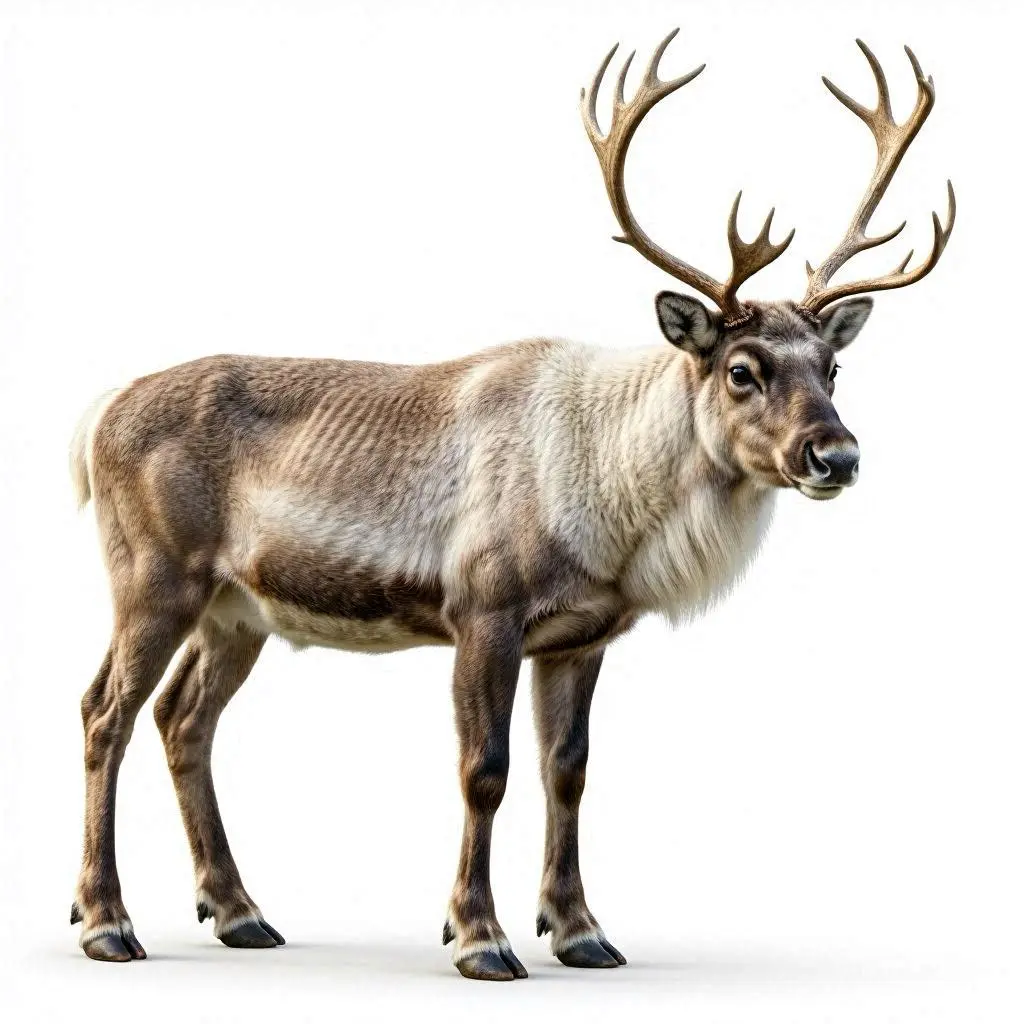
Type: Mammal
Reindeer are strong Arctic animals known for long seasonal migrations in search of food. Both males and females grow antlers, which is rare among deer species. They feed on mosses, lichens, and grasses found under the snow.
Where found: Arctic and subarctic regions
❻ Arctic Hare
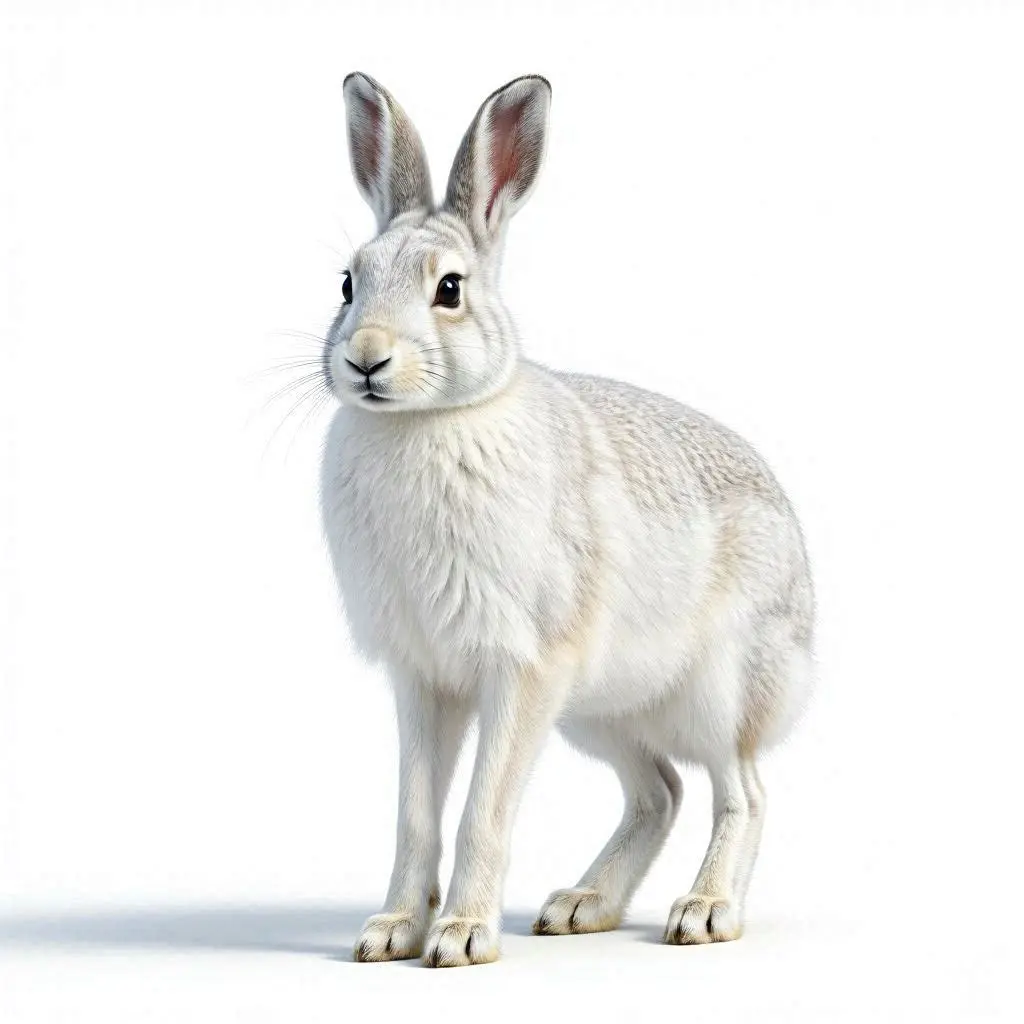
Type: Mammal
The Arctic hare is a fast and well-adapted animal that survives extreme cold with its thick white fur. It digs into snow for warmth and protection and can run at high speed to escape predators like Arctic foxes and wolves.
Where found: Arctic tundra regions
❼ Lemming
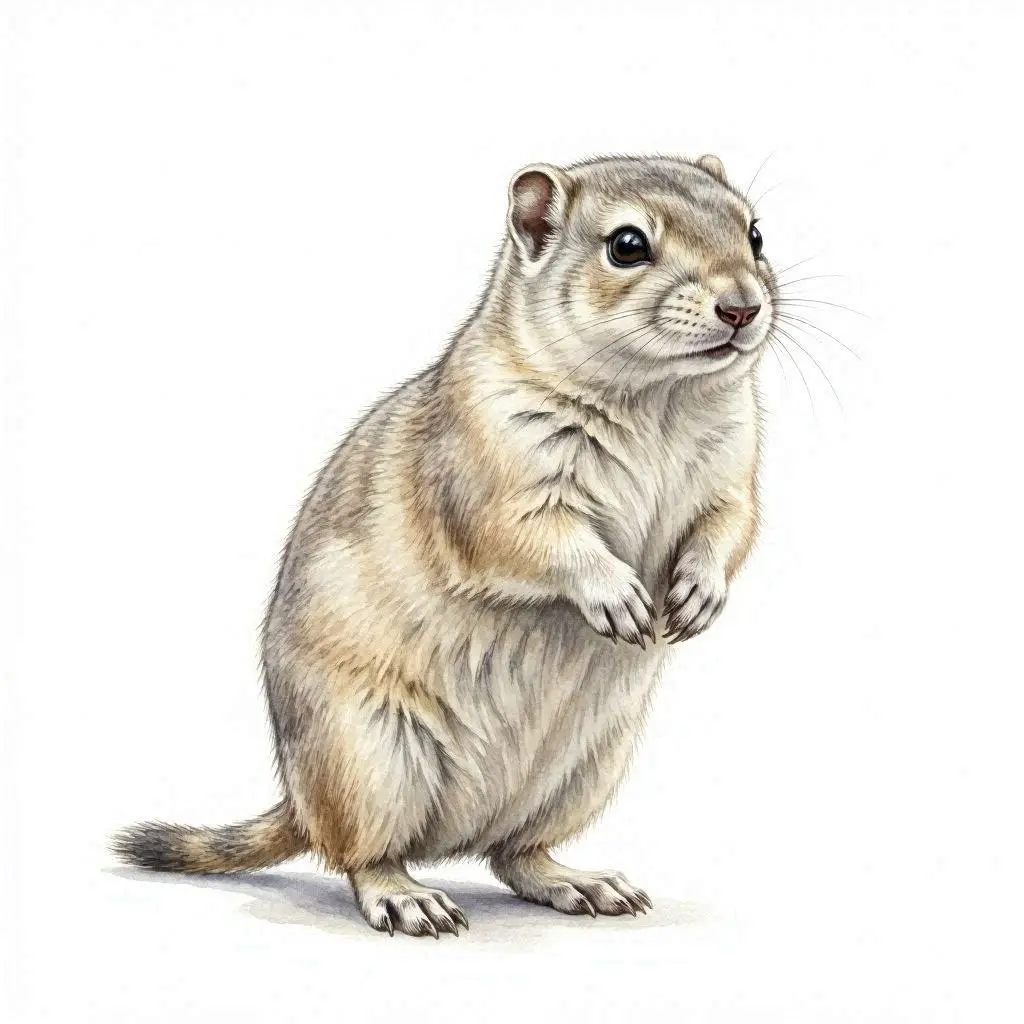
Type: Mammal
Lemmings are small rodent-like animals that live in Arctic tundra areas. They are an important food source for many predators. Despite their small size, they survive harsh winters by living under snow tunnels.
Where found: Arctic tundra
❽ Arctic Ground Squirrel
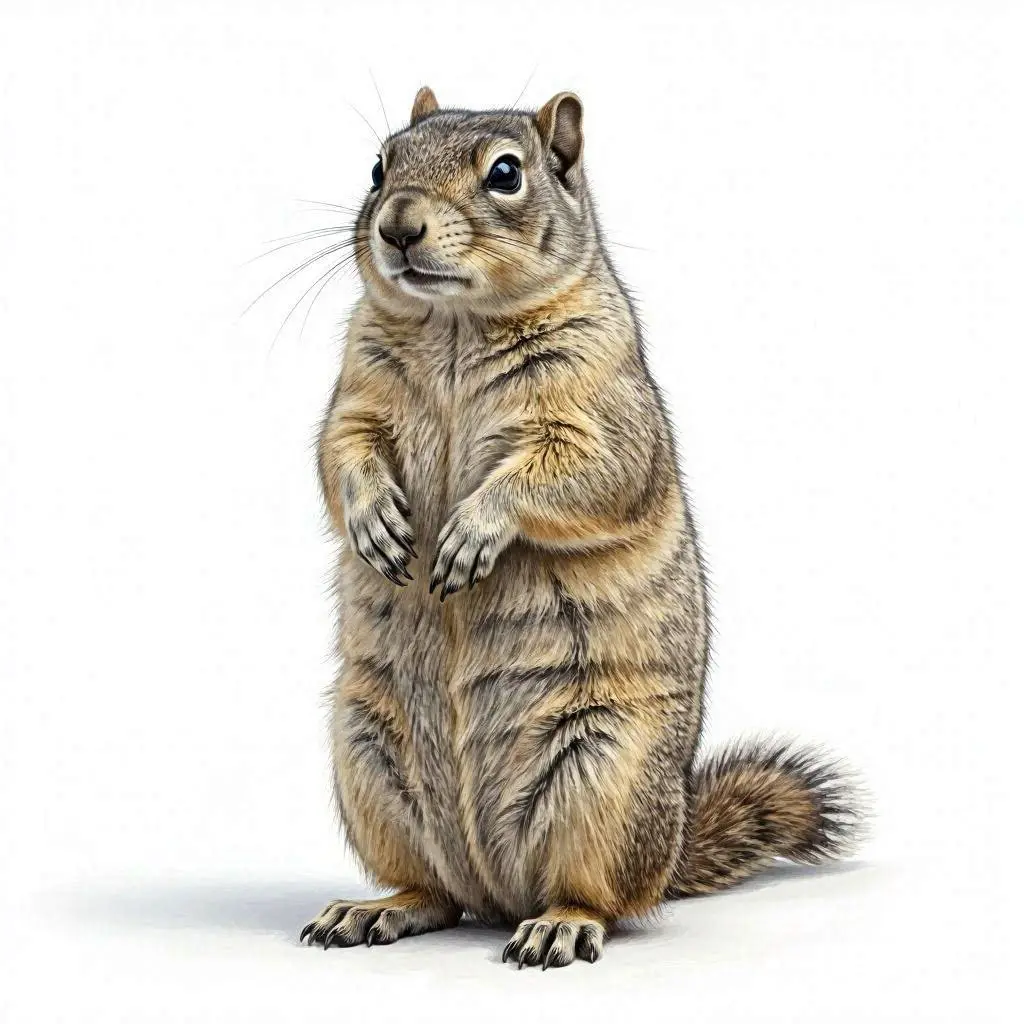
Type: Mammal
The Arctic ground squirrel is one of the few Arctic animals that hibernates deeply to survive winter. It can lower its body temperature significantly during hibernation, helping it survive extreme cold conditions.
Where found: Arctic tundra of Alaska and Canada
❾ Snowy Owl
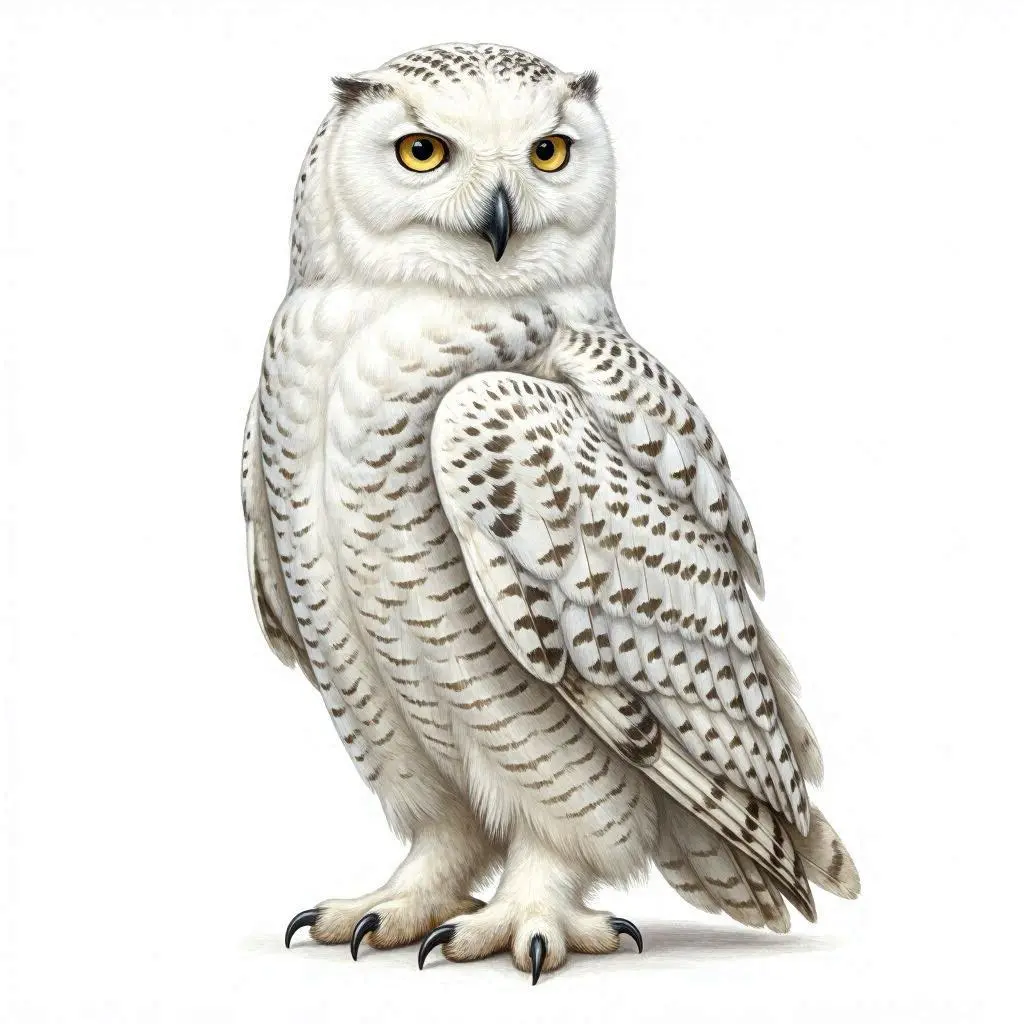
Type: Bird
The snowy owl is a beautiful white bird that blends perfectly into snowy environments. It hunts small mammals like lemmings and is active during both day and night. Its silent flight makes it a skilled predator.
Where found: Arctic tundra regions
❿ Arctic Tern
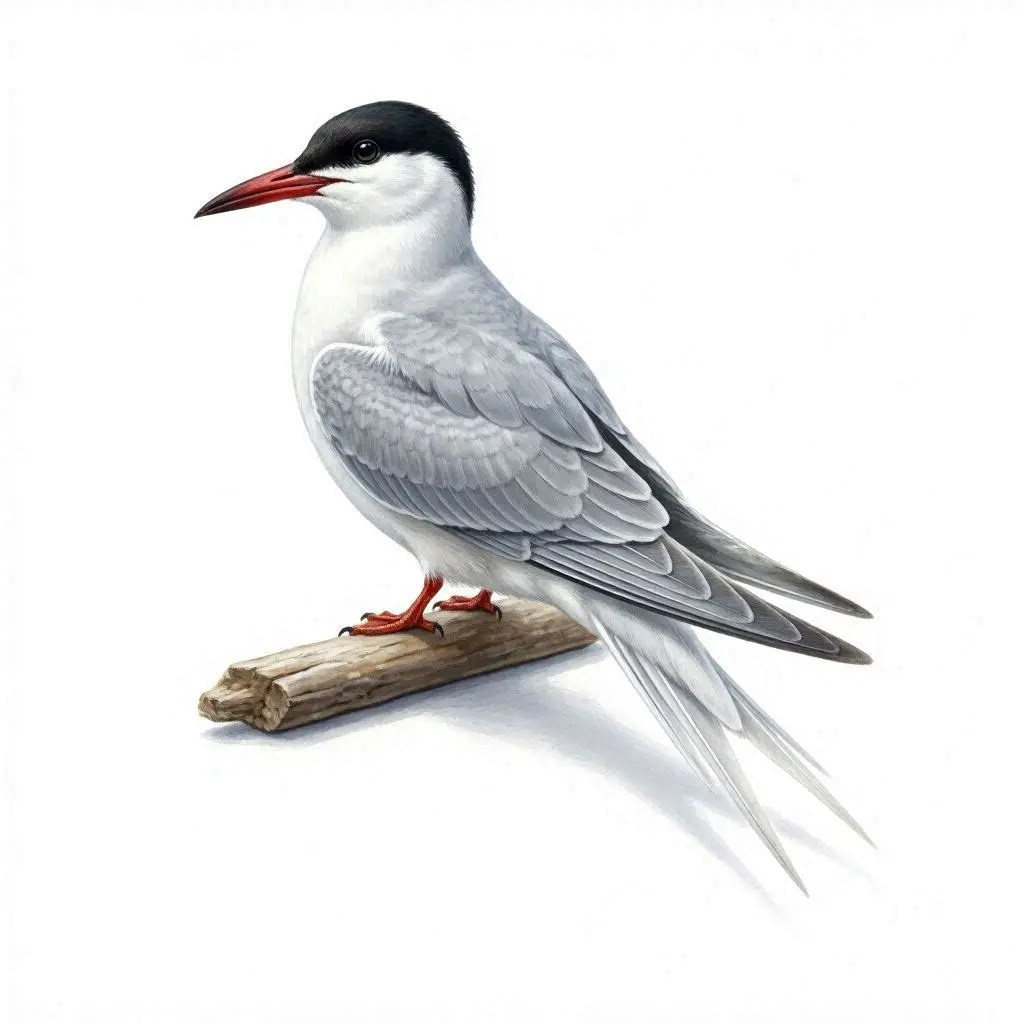
Type: Bird
The Arctic tern is famous for having the longest migration in the world. It travels from the Arctic to the Antarctic every year, experiencing two summers annually. It feeds mainly on fish and small sea creatures.
Where found: Arctic breeding grounds, migrates worldwide
⓫ Walrus
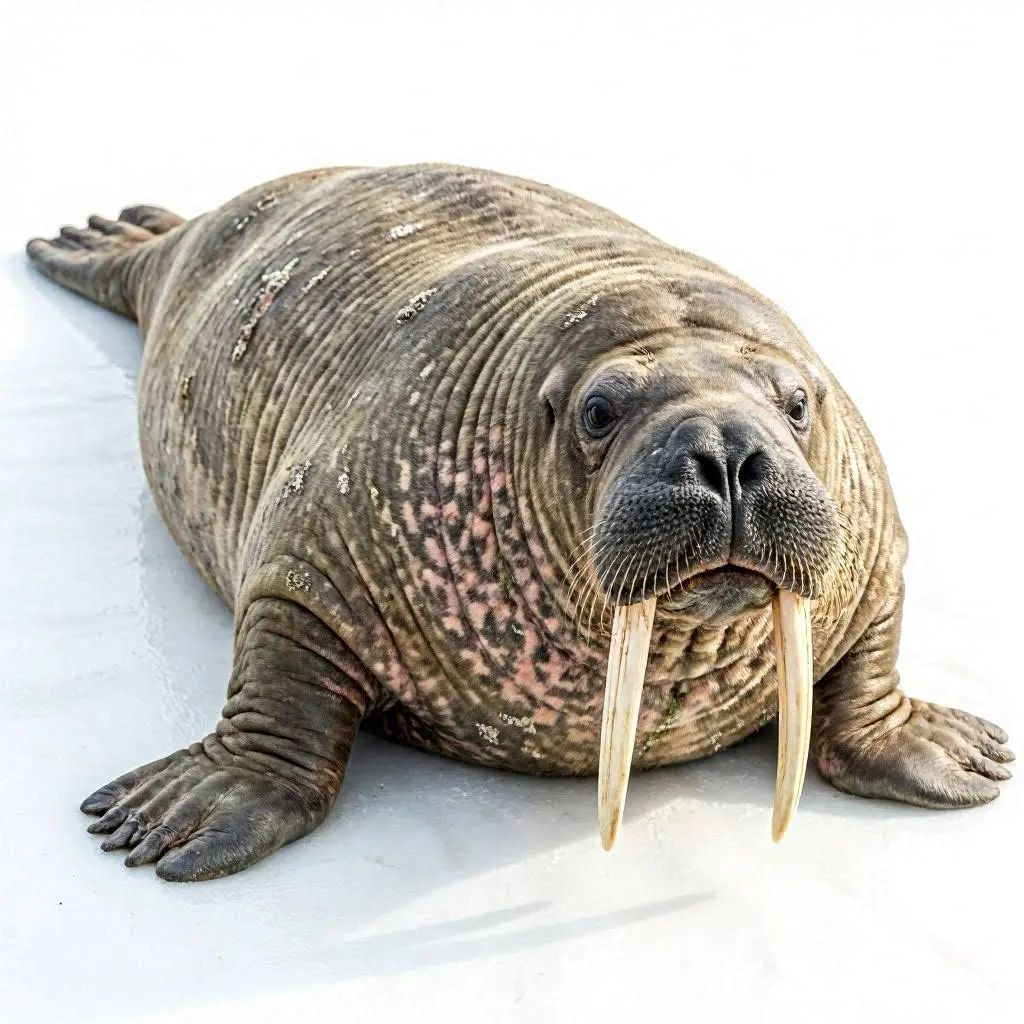
Type: Mammal
The walrus is a large marine animal known for its long tusks and thick wrinkled skin. It uses its tusks for climbing ice and defense. Walruses feed mainly on shellfish and live in large groups.
Where found: Arctic coastal waters
⓬ Harp Seal
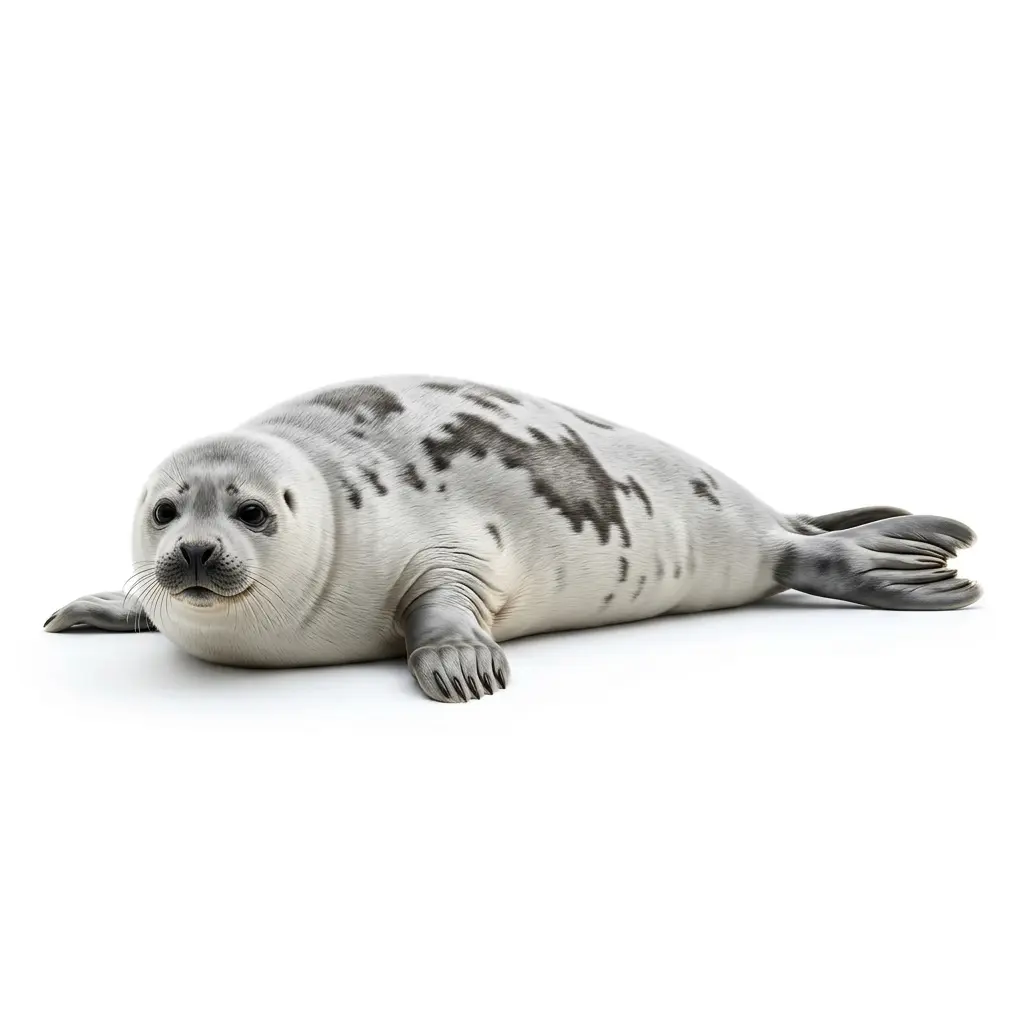
Type: Mammal
The harp seal is a graceful swimmer with a distinctive harp-shaped marking on its back. It spends most of its life in icy waters and depends on sea ice for breeding and raising its young.
Where found: North Atlantic and Arctic Ocean
⓭ Ringed Seal
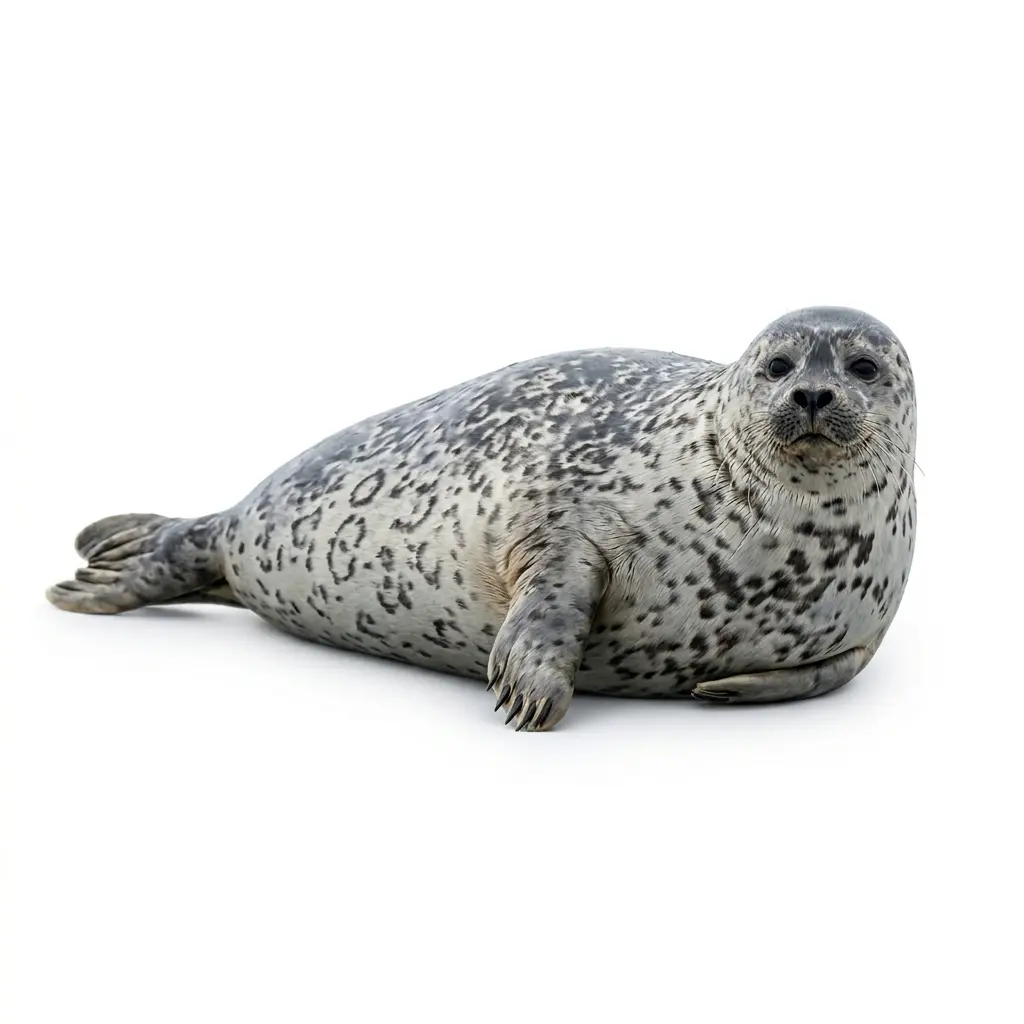
Type: Mammal
The ringed seal is one of the most common Arctic seals and is a key food source for polar bears. It creates breathing holes in sea ice and survives under frozen conditions for long periods.
Where found: Arctic Ocean and sea ice regions
⓮ Bearded Seal
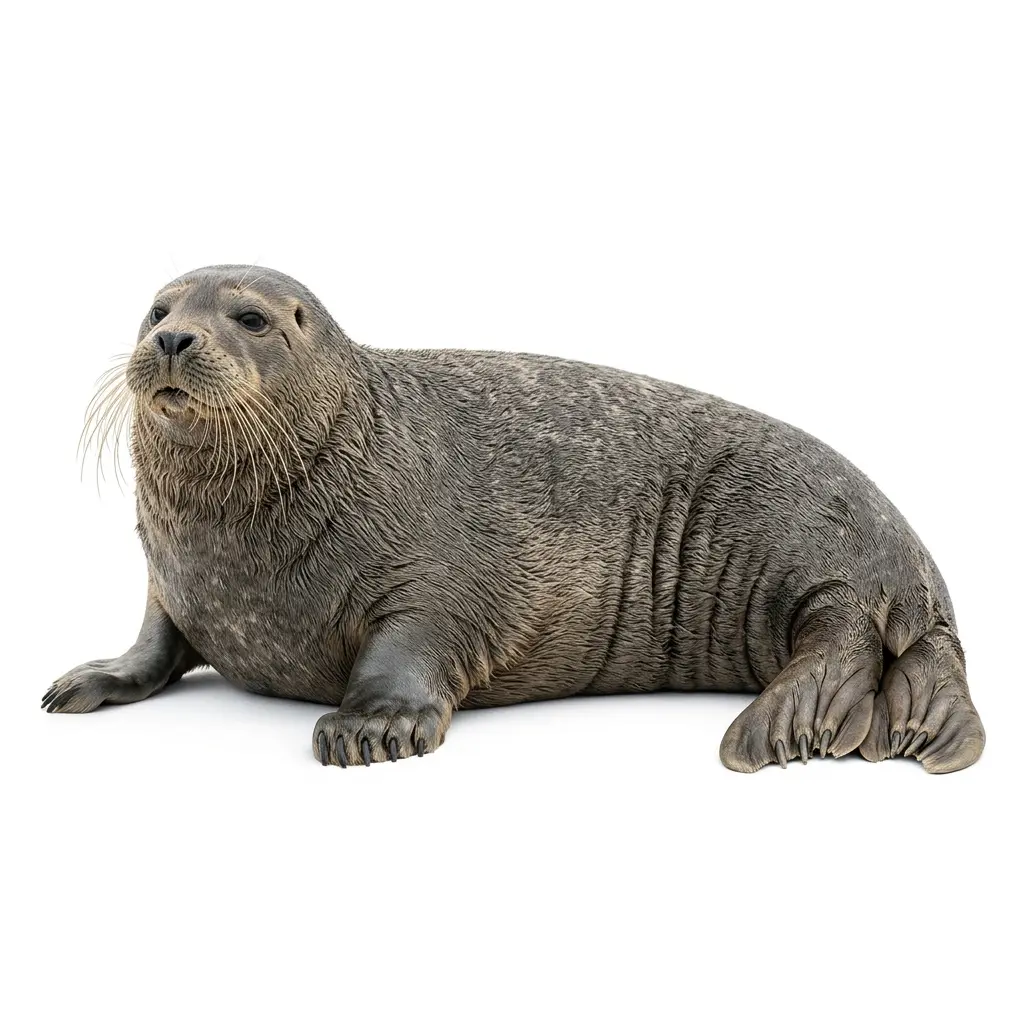
Type: Mammal
The bearded seal is a large Arctic seal known for its long whiskers. It feeds on fish and invertebrates on the ocean floor and prefers shallow Arctic waters near ice edges.
Where found: Arctic coastal waters
⓯ Beluga Whale
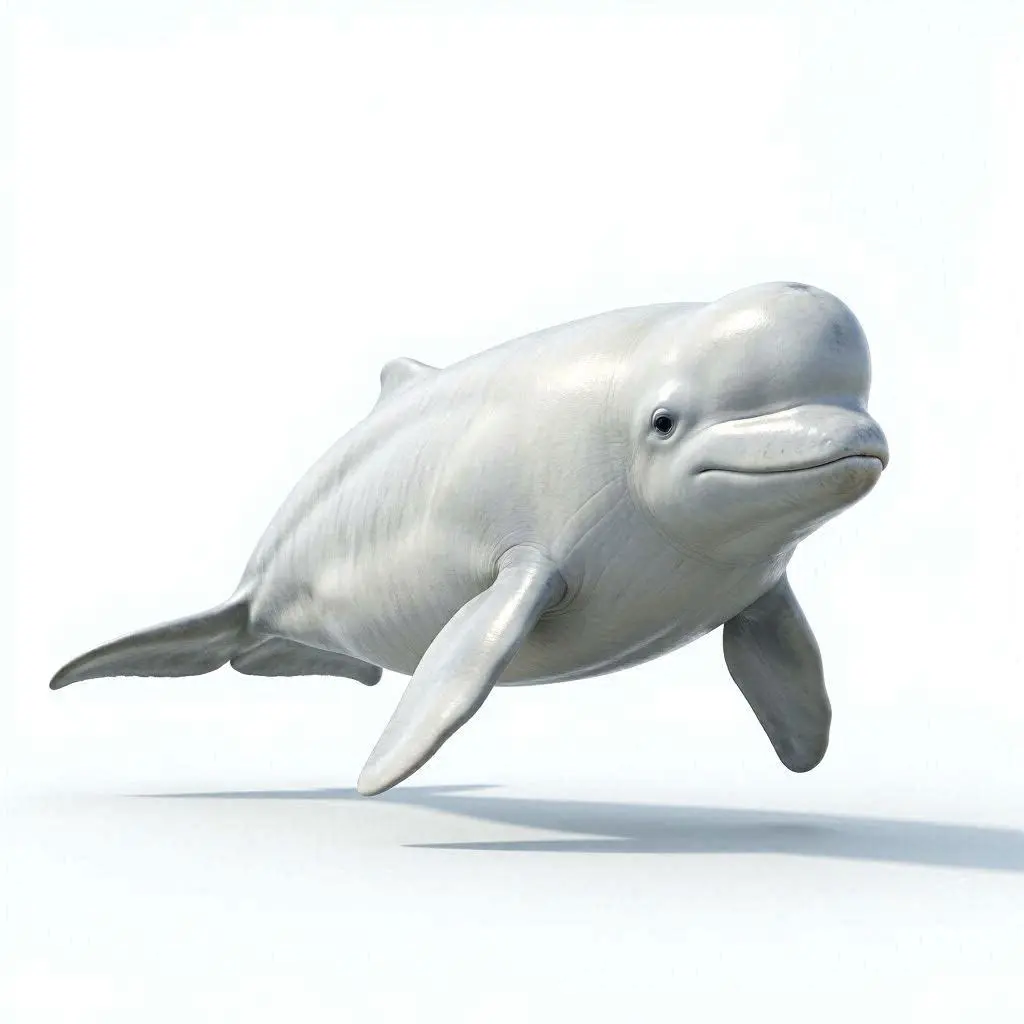
Type: Mammal
The beluga whale is a small white whale known for its friendly appearance and vocal sounds. It lives in Arctic waters and communicates using clicks and whistles.
Where found: Arctic and sub-Arctic seas
⓰ Narwhal
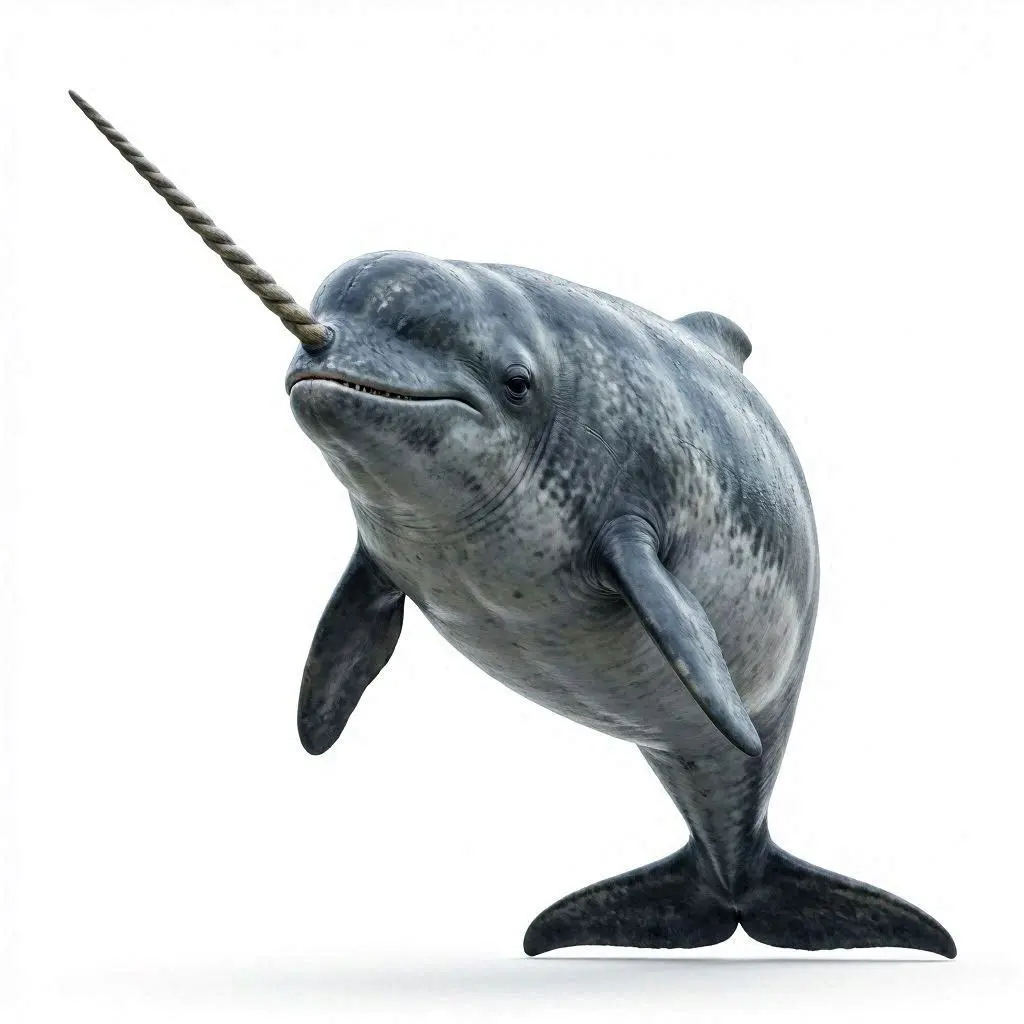
Type: Mammal
The narwhal is known as the “unicorn of the sea” because of its long spiral tusk. It lives in icy Arctic waters and uses echolocation to find food under the ice.
Where found: Arctic Ocean
⓱ Bowhead Whale
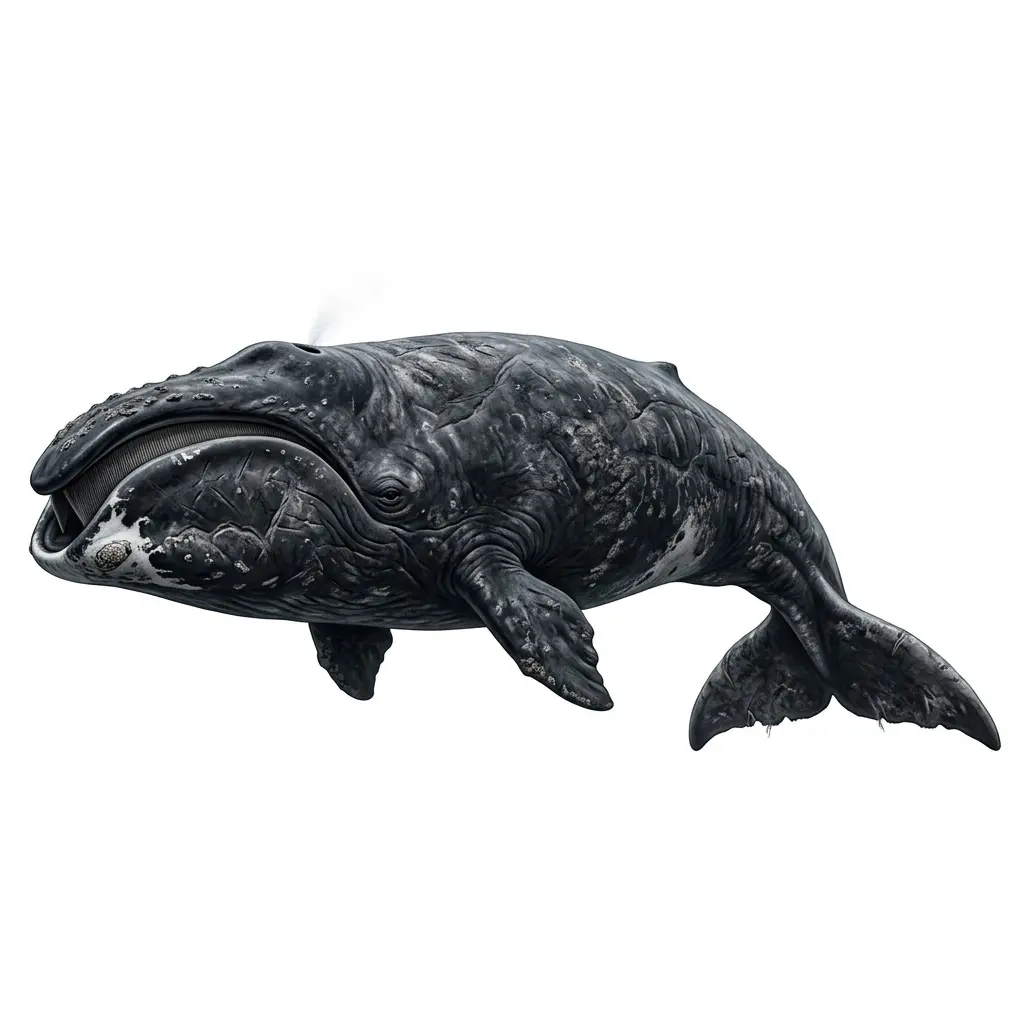
Type: Mammal
The bowhead whale is one of the longest-living mammals and can survive for over 200 years. It has a massive head that helps it break through sea ice to breathe.
Where found: Arctic and sub-Arctic waters
⓲ Arctic Cod
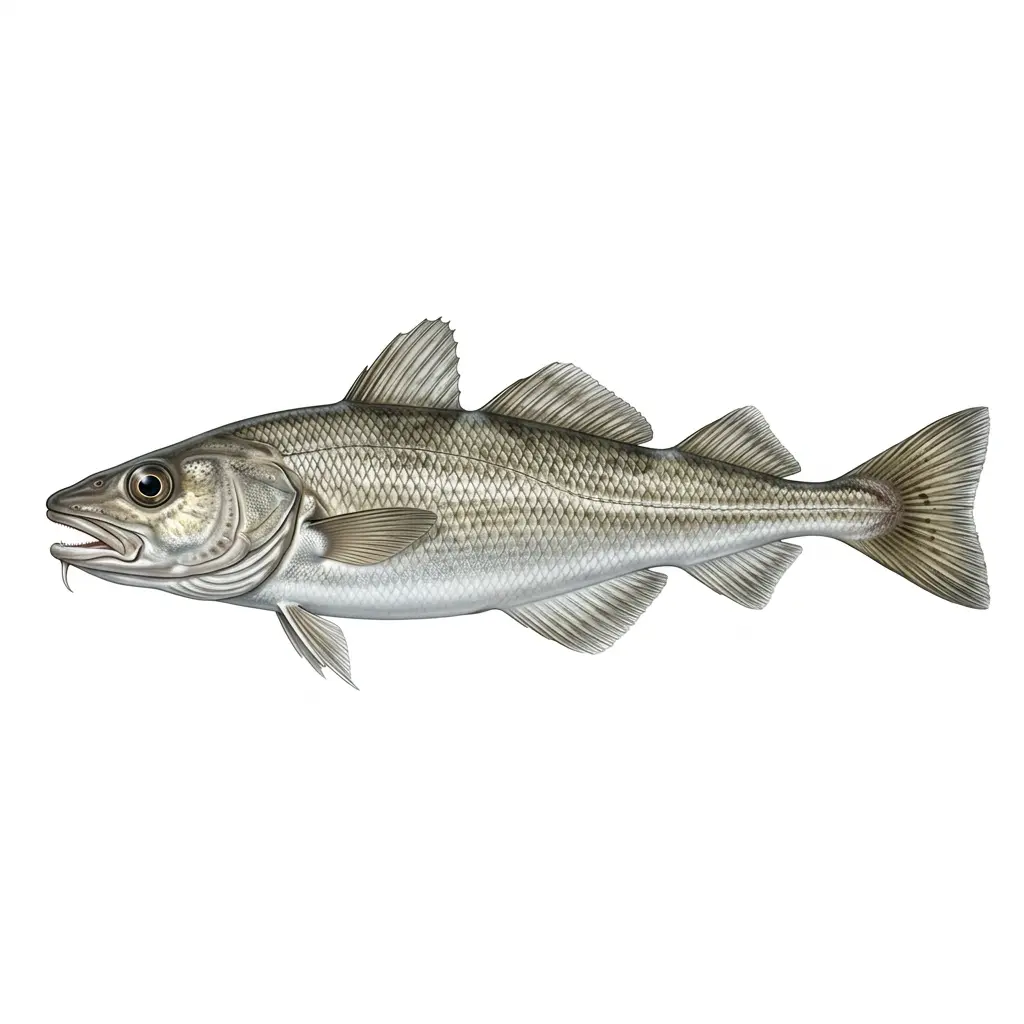
Type: Fish
The Arctic cod is a key species in the Arctic food chain. It survives in extremely cold water and is an important food source for seals, whales, and seabirds.
Where found: Arctic Ocean
⓳ Arctic Char
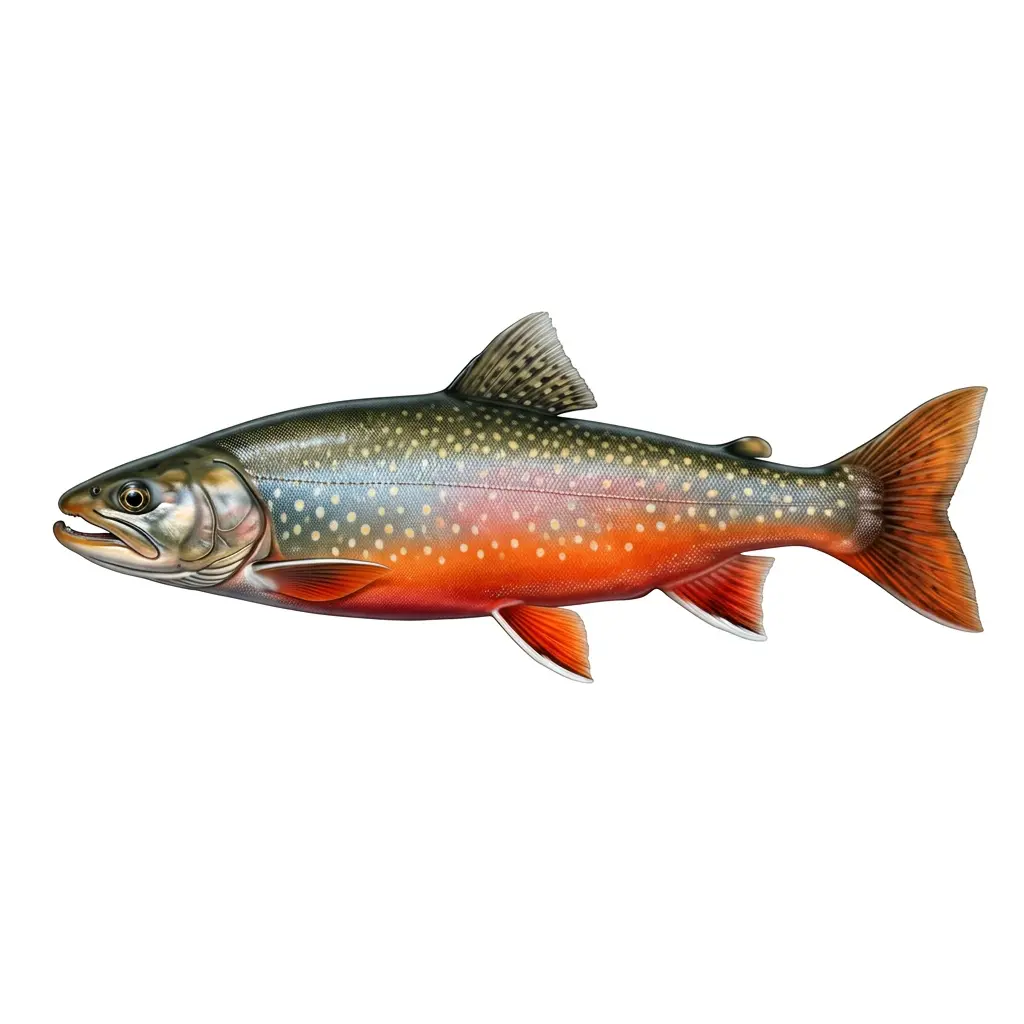
Type: Fish
The Arctic char is a cold-water fish that can live in both freshwater and saltwater. It resembles salmon and thrives in icy Arctic lakes and rivers.
Where found: Arctic freshwater and coastal waters
⓴ Snow Crab
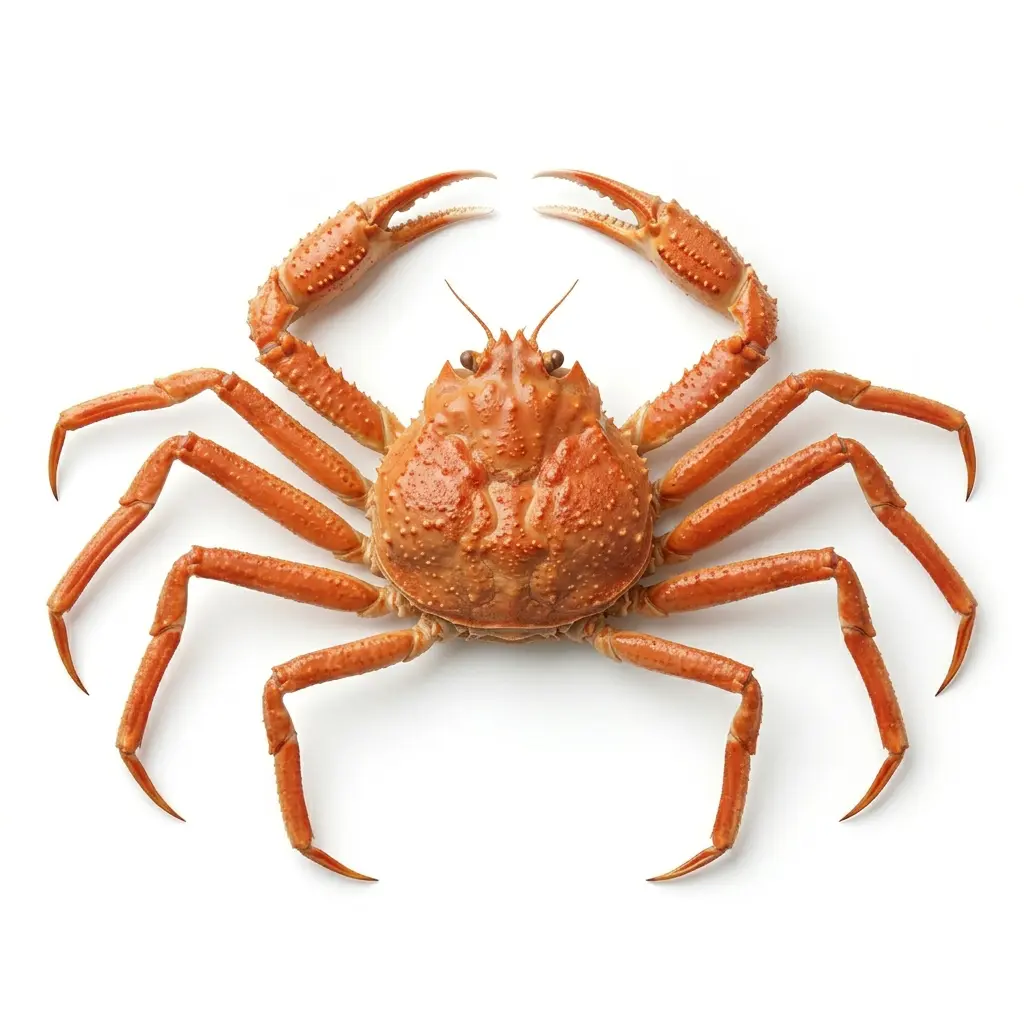
Type: Crustacean
The snow crab is a cold-adapted marine crustacean that lives on the ocean floor. It has long legs and is harvested in Arctic regions for food.
Where found: North Atlantic and Arctic Ocean
Types of Arctic Animals
The Arctic contains a wide variety of animals that live across land, air, and sea ice. These animals are usually grouped into different categories based on their habitat and way of life, including mammals, birds, and marine species found in icy regions.
Arctic Mammals Names
Arctic mammals are warm-blooded animals that live on land or ice in extremely cold regions. They survive using thick fur, fat layers, and special adaptations for hunting, migration, and freezing temperatures.
- Polar Bear: The largest Arctic predator that hunts seals on sea ice and has thick fur with body fat for insulation.
- Arctic Fox: A small, clever animal that changes fur color with seasons for camouflage in snow and tundra.
- Arctic Wolf: A strong pack hunter that survives harsh winters and hunts musk oxen and Arctic hares.
- Musk Ox: A shaggy, prehistoric-looking animal that lives in herds and survives extreme Arctic winds.
- Reindeer (Caribou): A migratory deer species that travels long distances across Arctic tundra for food.
- Arctic Hare: A fast-running animal with thick white fur that helps it blend into snowy landscapes.
- Lemming: A small rodent that is an important food source for many Arctic predators.
- Arctic Ground Squirrel: A burrowing animal known for deep hibernation during freezing Arctic winters.
- Arctic Shrew: A tiny insect-eating mammal that survives in tundra regions despite extreme cold.
- Wolverine: A powerful scavenger that can travel long distances across snow-covered Arctic land.
Arctic Birds Names
Arctic birds are specially adapted for cold climates. Many migrate long distances, while others breed in Arctic regions during summer and survive harsh winters with thick feathers.
- Snowy Owl: A white predator bird that hunts lemmings and blends perfectly into snowy surroundings.
- Arctic Tern: Famous for the longest migration in the world, traveling between Arctic and Antarctic regions.
- Puffin: A colorful seabird that lives near Arctic coasts and feeds on fish.
- Ivory Gull: A pure white Arctic bird often seen near sea ice and polar regions.
- Glaucous Gull: A large gull that survives in extreme Arctic coastal environments.
- Snow Bunting: A small bird that breeds in the Arctic tundra and survives harsh cold winters.
- Ptarmigan: A bird that changes feather color to white in winter for camouflage in snow.
- King Eider: A sea duck that dives into cold Arctic waters to find food.
- Common Eider: A strong Arctic duck known for its soft down feathers and sea habitat.
- Long-tailed Duck: A diving duck that thrives in Arctic oceans and coastal waters.
Arctic Marine Animals Names
Arctic marine animals live in freezing ocean waters and under sea ice. They are adapted with blubber, streamlined bodies, and special breathing systems to survive in icy conditions.
- Walrus: A large marine mammal with tusks used for climbing ice and defending itself.
- Beluga Whale: A white whale known for its vocal sounds and friendly behavior in Arctic waters.
- Narwhal: The “unicorn of the sea” with a long spiral tusk living in icy Arctic oceans.
- Bowhead Whale: A massive whale capable of breaking thick ice to breathe and living over 200 years.
- Harp Seal: A seal with a harp-shaped marking that depends on sea ice for breeding.
- Ringed Seal: A key prey species for polar bears, living under Arctic sea ice.
- Bearded Seal: A bottom-feeding seal with long whiskers found in shallow Arctic waters.
- Hooded Seal: A deep-diving seal known for its inflatable nasal sac used in mating displays.
- Arctic Cod: A cold-water fish that forms a major part of the Arctic food chain.
- Polar Cod: A key ice-associated fish that survives in extremely cold ocean temperatures.
In conclusion, Arctic animals can be clearly understood through their main groups, which highlight how different species survive and function within Arctic ecosystems.
Arctic Animals Names for Kids
Arctic animals live in very cold, snowy regions near the North Pole. These animals are specially adapted to survive freezing temperatures and icy environments.
- Polar Bear
- Arctic Fox
- Snowy Owl
- Reindeer
- Walrus
- Beluga Whale
- Harp Seal
- Musk Ox
- Arctic Hare
- Puffin
All Arctic animals have special features like thick fur, fat layers, or strong bodies that help them survive extreme cold and snow.
Arctic vs Antarctic Animals
Arctic and Antarctic regions are both extremely cold, but the animals living in each place are quite different due to their geography and environment. Comparing them helps us understand how wildlife adapts to two of the harshest climates on Earth.
| Feature | Arctic Animals | Antarctic Animals |
|---|---|---|
| Location | North Pole region | South Pole region |
| Land animals | Present | Almost none |
| Main animals | Polar bear, fox, seal | Penguins, seals |
| Penguins | Not found | Found |
| Polar bears | Found | Not found |
| Climate | Cold tundra + ice | Extremely icy continent |
In conclusion, both Arctic and Antarctic animals are uniquely adapted to survive extreme cold, but their differences in geography lead to very different types of wildlife in each region.
Adaptations of Arctic Animals
Arctic animals survive in extremely cold and harsh environments due to special physical and behavioral features. These adaptations help them stay warm, find food, and protect themselves from predators in the icy Arctic region.
- Thick Fur and Feathers: Dense layers of fur or feathers trap heat and protect animals from extreme cold.
- Blubber (Fat Layer): A thick layer of fat under the skin provides insulation and stored energy.
- White or Seasonal Camouflage: White fur or feathers help animals blend into snow; some change color in different seasons.
- Small Body Extremities: Short ears, tails, and limbs reduce heat loss in freezing temperatures.
- Hibernation and Migration: Some animals migrate to warmer areas, while others reduce activity to save energy.
- Specialized Paws and Feet: Wide or furry paws help walking on snow and ice without slipping or sinking.
- Strong Hunting Adaptations: Sharp senses, powerful bodies, and energy-efficient movement help in finding food in harsh conditions.
These adaptations work together to ensure survival in one of the most extreme climates on Earth, allowing Arctic animals to thrive despite freezing temperatures and limited resources.
Endangered Arctic Animals Names
The Arctic is home to many unique species, but several of them are now facing the risk of extinction. Due to climate change, melting sea ice, pollution, and human activities, the natural habitat of Arctic wildlife is shrinking rapidly. As a result, many animals are struggling to survive.
- Polar Bear: One of the most affected species due to melting sea ice, which reduces its hunting grounds for seals.
- Walrus: Sea ice loss forces walruses to gather on land in large groups, increasing competition and risk.
- Beluga Whale: Threatened by pollution, underwater noise, and changing sea conditions.
- Arctic Fox: Faces competition from red foxes moving north due to warming temperatures.
- Narwhal: A rare whale species affected by ice changes and hunting pressures.
- Harp Seal: Vulnerable due to loss of stable ice needed for breeding and raising pups.
In short, Arctic animals are becoming endangered mainly due to rapid environmental changes and human impact, making it essential to protect their habitats and take action against climate change to ensure their survival.
Final Thought on Arctic Animals
Arctic animals represent some of the most remarkable examples of survival and adaptation in nature. Living in extreme cold, they have developed unique features that allow them to thrive in a frozen world where very few species can survive. From powerful predators like polar bears to small yet resilient creatures like the Arctic fox, each species plays an important role in maintaining the balance of the Arctic ecosystem.
However, these animals are now facing increasing threats due to climate change and the melting of polar ice. Protecting them is not only important for biodiversity but also for the health of our planet as a whole. Preserving their habitat means preserving a delicate natural system that has existed for thousands of years.
FAQs About Arctic Animals
Arctic animals are species that live in the Arctic region, which is a cold environment covered with ice and snow. These animals are specially adapted to survive freezing temperatures. Examples include polar bears, Arctic foxes, walruses, snowy owls, and reindeer. They have features like thick fur, fat layers, and seasonal camouflage that help them survive in extreme conditions.
Arctic animals survive through special adaptations such as thick fur, feathers, and a layer of fat called blubber. These features help trap body heat and prevent freezing. Many animals also reduce energy use, migrate to warmer areas, or change their behavior during winter. For example, polar bears have dense fur and fat, while Arctic foxes grow thicker coats in winter.
The diet of Arctic animals depends on their species. Predators like polar bears mainly eat seals, while Arctic foxes eat small mammals, birds, and fish. Herbivores like reindeer feed on moss, lichen, and grass found under snow. Marine animals such as walruses eat clams and other sea organisms. Food is often scarce, so many animals are skilled hunters or foragers.
Arctic animals play a key role in maintaining the balance of the ecosystem. Predators control the population of other species, while herbivores help manage plant growth. Each animal is part of a food chain that keeps the environment stable. If one species is removed, it can disrupt the entire ecosystem and affect many other organisms.
The biggest threats include climate change, melting ice, pollution, and human activities like hunting and shipping. As ice melts, animals lose their natural habitat and hunting grounds. Pollution also affects water quality and food sources. These changes make survival harder for many Arctic species, pushing some of them toward endangerment.
You May Also Like
- 36+ Invertebrate Animals Names
- 45+ Vertebrate Animals Names with Pictures
- 51+ Jungle Animals Names with Pictures
Arctic Animals Quiz
Arctic Animals
Which animal does the picture show?
The picture shows a arctic fox.
Read the picture before reading the options.
The picture shows a arctic fox.
What is blubber?
It insulates, stores energy and adds buoyancy at the same time.
In water, fat insulates and fur does not.
A whale relies entirely on blubber.
What colour is a polar bear's skin?
Dark skin absorbs what heat reaches it through the translucent hairs.
The white is the fur, and the hairs are not truly white either.
Polar bear hairs are hollow and colourless, and scatter light.
Name the principle.
Arctic animals have short ears and legs to reduce the ___ area losing heat.
Compact shape means less skin exposed for the same body mass.
Cold shortens extremities; heat lengthens them.
Compare an Arctic fox with a fennec fox.
How do the feet of Arctic birds avoid freezing?
Countercurrent exchange keeps the feet just above freezing without wasting body heat.
Countercurrent exchange recycles heat before it is lost.
A gull's feet run cold on purpose.
Why do many Arctic animals turn white in winter?
The moult is triggered by day length, so it can misfire in a late winter.
The trigger is day length, not temperature.
Warmer winters leave white animals visible on bare ground.
Turn on JavaScript for the interactive quiz. The full practice set is shown above.