In a world where we often celebrate the teamwork of wolf packs, the majesty of elephant herds, and the spectacle of starling murmurations, it is easy to overlook a quieter but equally extraordinary category of wildlife: animals that live entirely alone. Solitary animals names represent some of the planet’s most powerful, elusive, and independently capable creatures. From the stealthy snow leopard prowling mountain ridges to the slow-moving Komodo dragon ruling its island territory, solitary living is a highly successful evolutionary strategy that has shaped some of nature’s most remarkable species.
This comprehensive article covers the most notable solitary animals names in the world, with descriptions, fascinating facts, habitat information, types of solitary behavior, and explanations of why these animals are built to live alone.
What Is a Solitary Animal?
A solitary animal is one that lives and survives primarily on its own, without belonging to a permanent social group or family unit. Solitary animals:
- Hunt, forage, and rest independently
- Defend individual territories against members of their own species
- Interact with others of their kind only for reproduction
- Raise young alone (usually the mother), or provide no parental care at all
Solitary behavior is the opposite of social behavior, and it is just as common in the animal kingdom. Roughly half of all mammal species are considered predominantly solitary, and the strategy has evolved independently across every major animal group.
Explore more animals that start with different letters:
A | B | C | D | E | F | G | H | I | J | K | L | M | N | O | P | Q | R | S | T | U | V | W | X | Y | Z
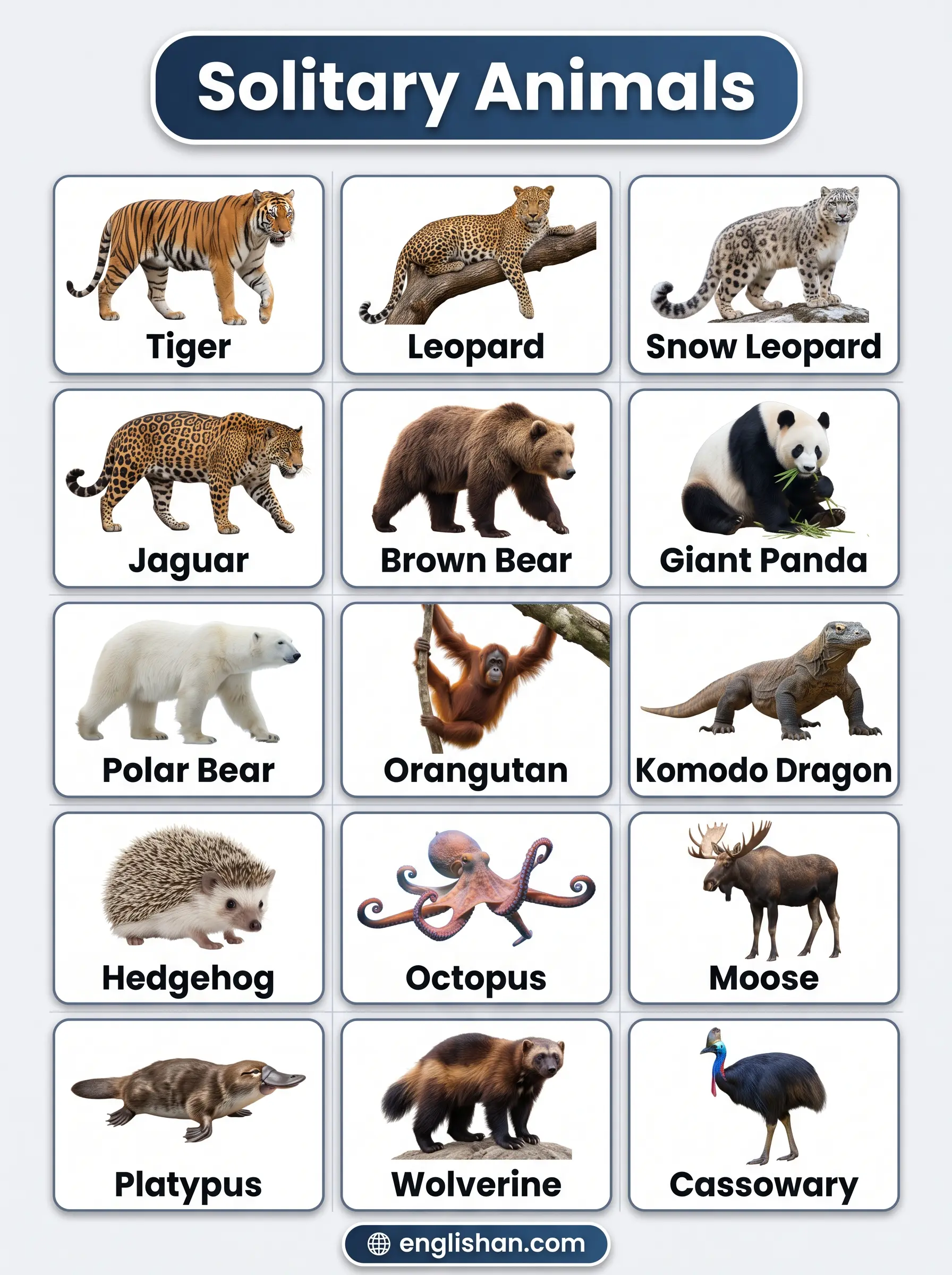
Why Do Some Animals Live Alone?
Solitary living is not antisocial. It is adaptive. Several evolutionary pressures consistently favor solitude over group living, and these pressures are strong enough to produce solitary behavior across mammals, reptiles, birds, fish, and invertebrates.
- Food Resource Distribution: When prey or food resources are scattered across a large landscape, sharing them with group members becomes costly. A solitary predator such as a tiger can exploit an exclusive territory of 100 square kilometers without competing with rivals for each kill.
- Avoiding Competition: Many solitary animals maintain strict territories that guarantee exclusive access to food, shelter, water, and mates. The energy invested in defending a territory pays off by eliminating intraspecific competition entirely.
- Stealth and Ambush Hunting: Many solitary predators, including tigers, leopards, jaguars, and crocodiles, rely on stealth, patience, and explosive ambush attacks. A group approaching prey together would destroy the element of surprise that their entire hunting strategy depends on.
- Low-Density Prey: In environments where prey is sparse, a group of predators would rapidly exhaust local resources. A solitary predator with a large personal territory can sustain itself without overexploiting any single area.
- Reduced Disease Risk: Solitary animals have significantly lower exposure to parasites and infectious diseases compared to animals living in dense social groups, where pathogens spread rapidly from individual to individual.
- Apex Predator Status: Many solitary animals sit at the top of their food chain and face little or no predation pressure that would require group defense. When you are the most dangerous animal in your habitat, you do not need allies for protection.
Types of Solitary Animals
Solitary behavior is not a single, uniform strategy. It takes several distinct forms across the animal kingdom, each shaped by the unique ecological pressures facing different species.
1. Obligate Solitary Animals Animals that are always solitary except during the brief mating period.
- Tigers, leopards, snow leopards, orangutans, and giant pandas fall into this category
- They actively avoid members of their own species outside of reproduction
- Territories are maintained and defended year-round through scent marking and vocalizations
- Even brief encounters between adults can be aggressive, particularly between males
2. Facultative Solitary Animals Animals that are typically solitary but may form temporary groups when conditions favor it.
- Bears gather at salmon streams when fish are abundant, then disperse again
- Coyotes hunt alone most of the year but may pair up for larger prey
- Sea turtles spend their lives alone in the ocean but aggregate briefly at nesting beaches
- These animals choose solitude by default but retain the behavioral flexibility to shift when needed
3. Territorial Solitary Animals Animals whose solitary lifestyle is driven primarily by aggressive defense of a fixed territory.
- Wolverines, Tasmanian devils, and many lizard species are highly territorial
- Territory ownership determines access to all critical resources: food, shelter, and mates
- Intruders are driven out or attacked; boundaries are constantly marked and renewed
- Territory size correlates closely with the density and distribution of prey or food in the habitat
4. Nomadic Solitary Animals Animals that are solitary but do not maintain a fixed territory, instead roaming widely.
- Polar bears wander enormous distances across sea ice following seal populations
- Male elephants after leaving the herd may roam vast ranges semi-independently
- Some shark species travel thousands of kilometers alone across ocean basins
- Their solitude is driven by the need to follow unpredictable or widely distributed food sources
5. Semi-Solitary Animals Animals that fall between fully solitary and fully social, interacting regularly but not living in permanent groups.
- Cheetah females are solitary; males sometimes form small coalitions
- Leopards have overlapping home ranges and may share kills occasionally
- Many mustelids (weasels, badgers) are solitary except during breeding season
- The boundary between semi-solitary and loosely social is fluid in many species
6. Solitary Parasites and Predatory Invertebrates Solitary behavior is also widespread among invertebrates, though it looks very different from mammalian solitude.
- Most spider species are aggressively solitary; cannibalism between adults is common
- Many solitary bee species (mason bees, leafcutter bees) nest and provision individually
- Mantises are ambush predators that live entirely alone; females often consume males after mating
- These animals have no social bonds at any life stage outside of mating
Common Solitary Animals Names with Pictues
Many of the animals most familiar to people are in fact solitary by nature. Here are 20 widely recognized solitary species with key details and facts.
❶ Tiger
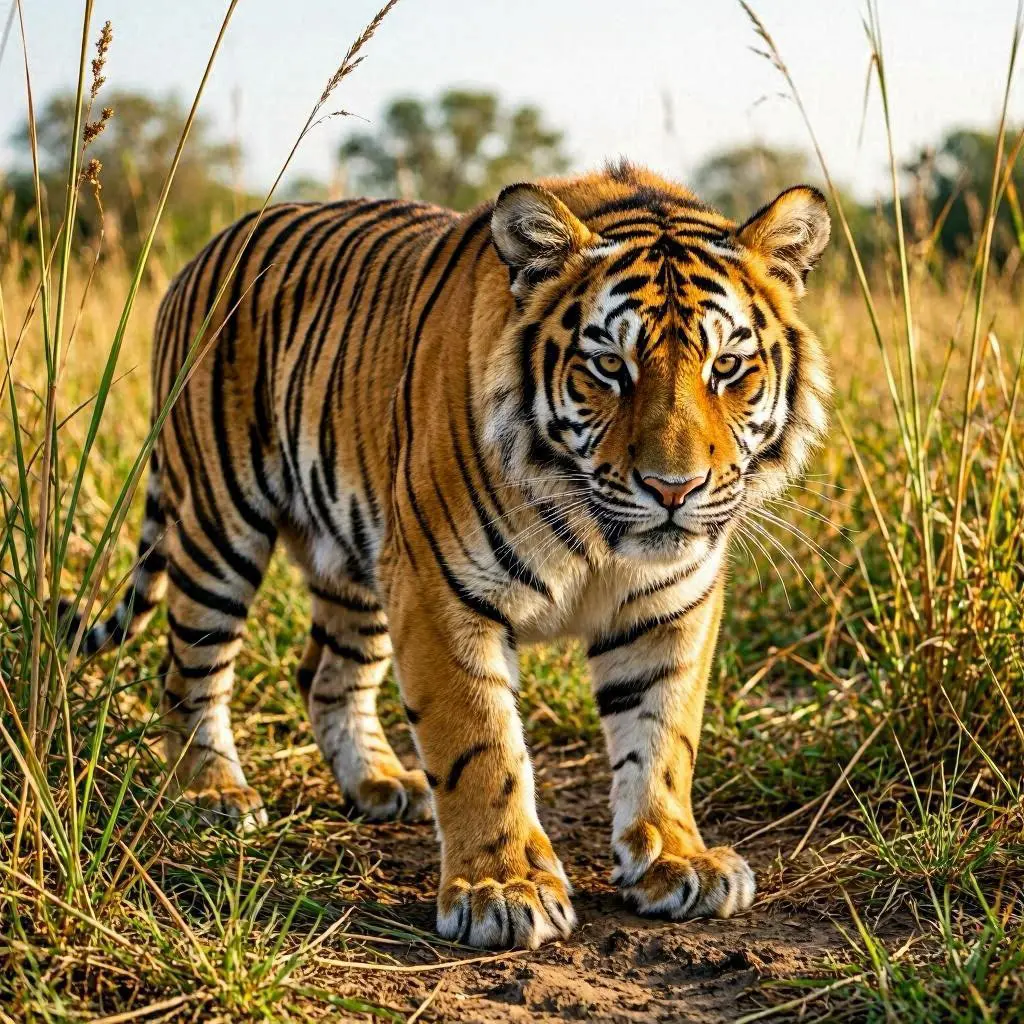
Scientific Name: Panthera tigris
Habitat: Tropical forests, grasslands, and mangrove swamps of South and Southeast Asia
The tiger is the world’s largest wild cat and the most iconic solitary predator on Earth. Adult males hold territories exceeding 100 square kilometers, marked continuously with scent sprays and scratch marks. Tigers stalk prey silently through dense vegetation before launching a devastating ambush.
- Female tigers raise cubs entirely alone for 2 to 3 years, without any assistance from the male
- No two tigers have the same stripe pattern; markings are as unique as fingerprints
- Conservation Status: Endangered. Fewer than 4,000 wild tigers remain worldwide
- Tigers are capable swimmers and often cool off in rivers and pools during hot months
❷ Leopard
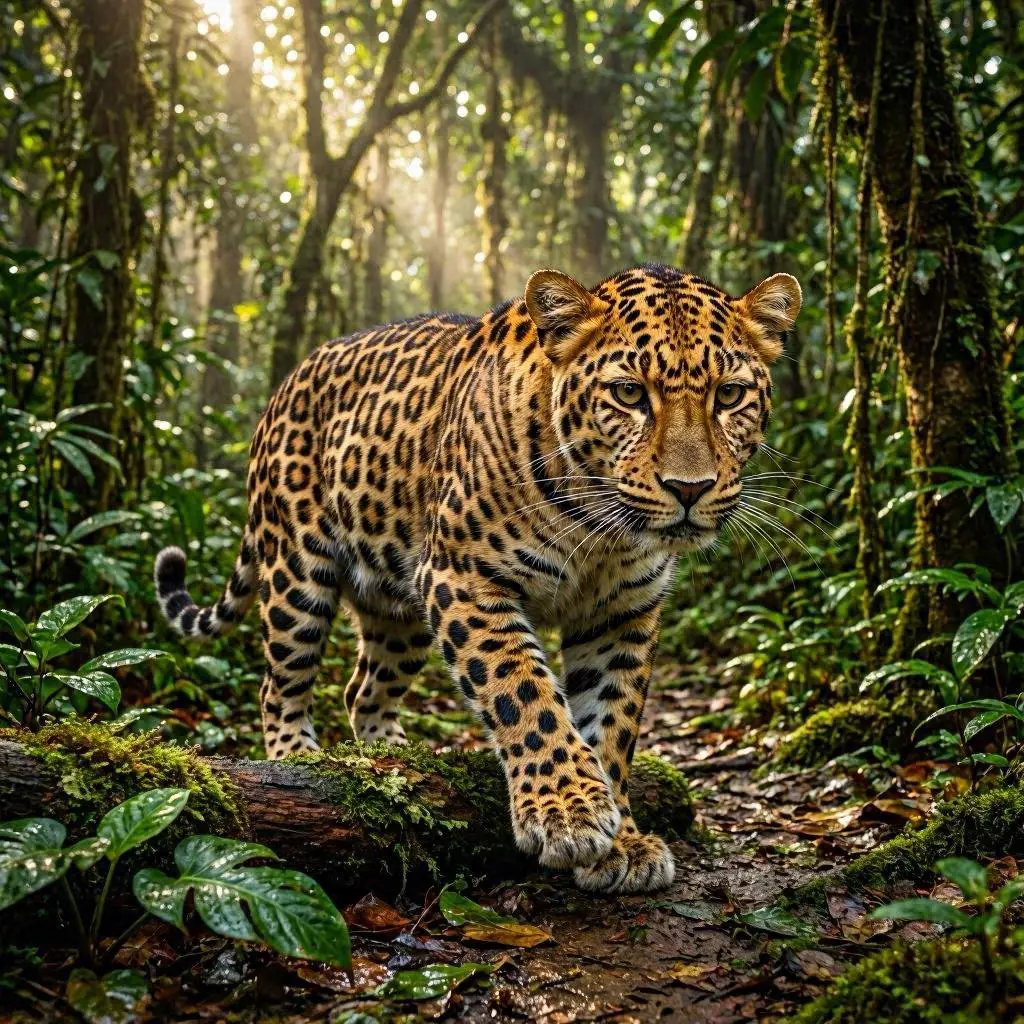
Scientific Name: Panthera pardus
Habitat: Sub-Saharan Africa, South Asia, and Southeast Asia; forests, grasslands, mountains, and deserts
The leopard is the most adaptable of all the big cats, thriving in habitats from dense rainforests to arid desert edges. Solitary and largely nocturnal, leopards are among the most difficult large predators to observe in the wild.
- Leopards routinely hoist kills heavier than themselves up into trees to protect them from lions and hyenas
- Home ranges of males can overlap with several females but never with rival males
- A leopard can carry prey twice its own body weight vertically up a tree trunk
- Melanistic (black) leopards are the same species; their spots remain visible in certain lighting
❸ Snow Leopard
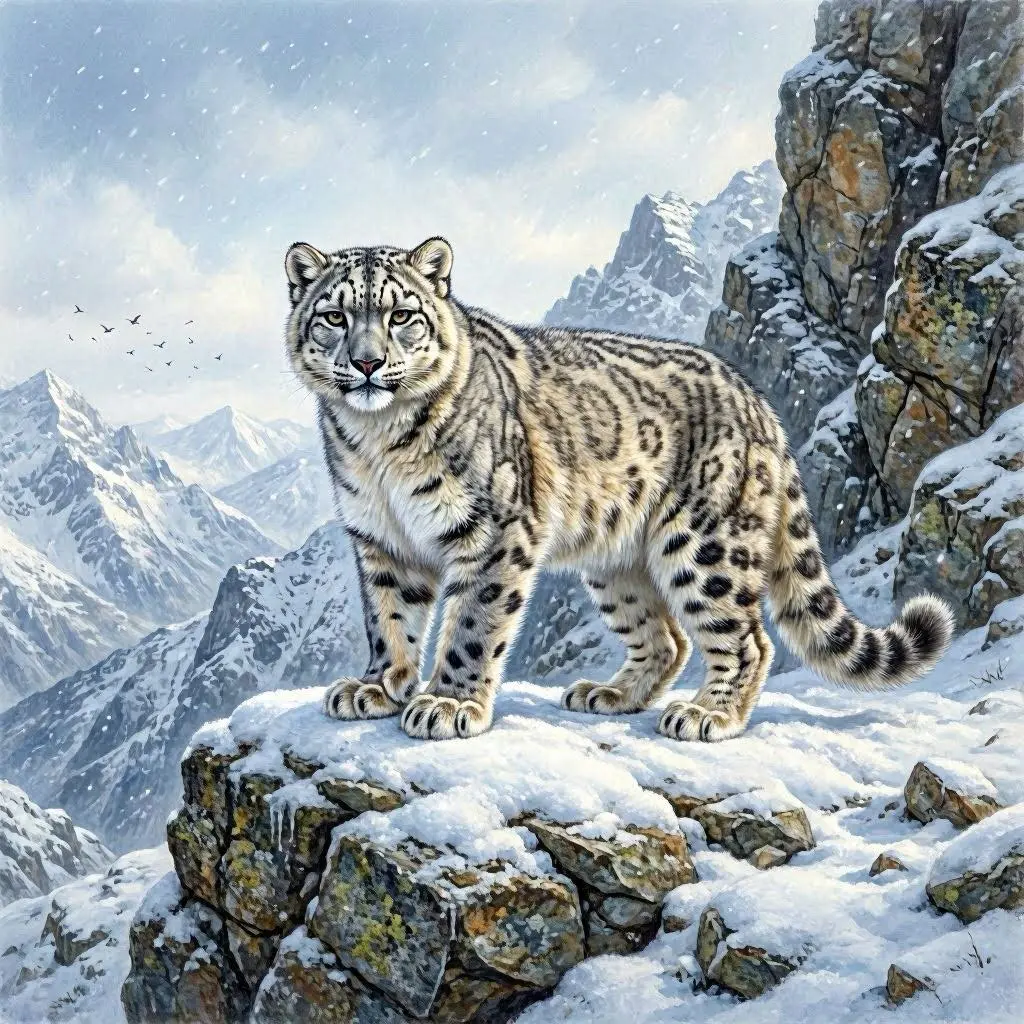
Scientific Name: Panthera uncia
Habitat: Rocky mountain ranges of Central and South Asia, including the Himalayas, Karakoram, and Altai; elevations of 3,000 to 5,500 meters
The snow leopard is among the most elusive animals on Earth, so rarely observed in the wild that it was once called “the ghost of the mountains.” Each individual roams home ranges that can exceed 1,000 square kilometers in sparse habitats.
- Snow leopards cannot roar; they communicate through chuffing, meowing, and wailing calls
- Conservation Status: Vulnerable. An estimated 4,000 to 6,500 individuals remain in the wild
- Their thick, spotted fur and long, bushy tail (used for balance and warmth) are highly distinctive
- Scent markings at prominent landscape features serve as the primary communication between individuals
❹ Jaguar
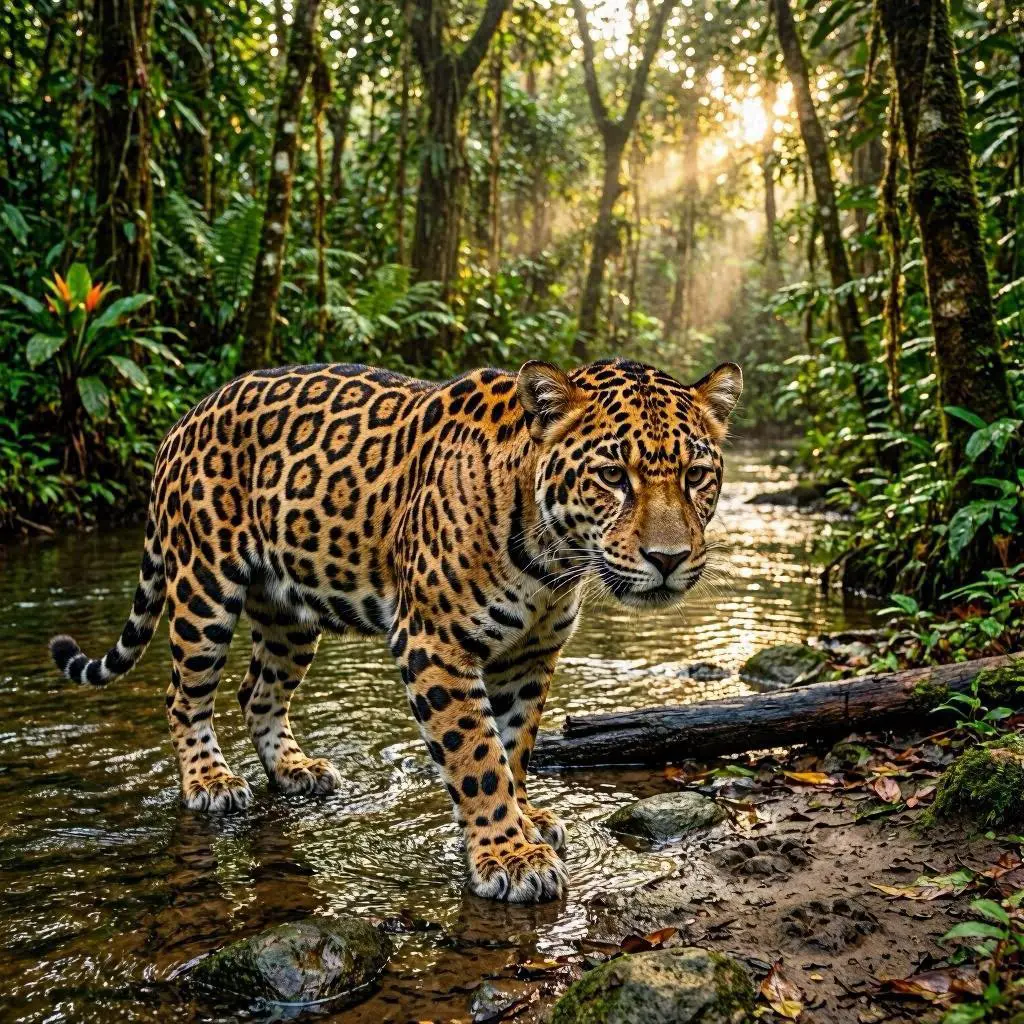
Scientific Name: Panthera onca
Habitat: Tropical rainforests, wetlands, and grasslands from Mexico through Central and South America
The jaguar is the largest cat in the Americas and the third largest in the world. It is a quintessential solitary stalker with the strongest bite force relative to body size of any big cat, capable of piercing turtle shells and crushing caiman skulls directly.
- Jaguars are strong swimmers that actively pursue prey into rivers, unlike most other large cats
- Black (melanistic) jaguars are not a separate species; their spots remain faintly visible in the right light
- Jaguars use a skull-crushing bite to kill prey instantly, rather than a throat bite like lions and leopards
- Home ranges vary from 25 to over 100 square kilometers depending on prey density
❺ Brown Bear / Grizzly Bear
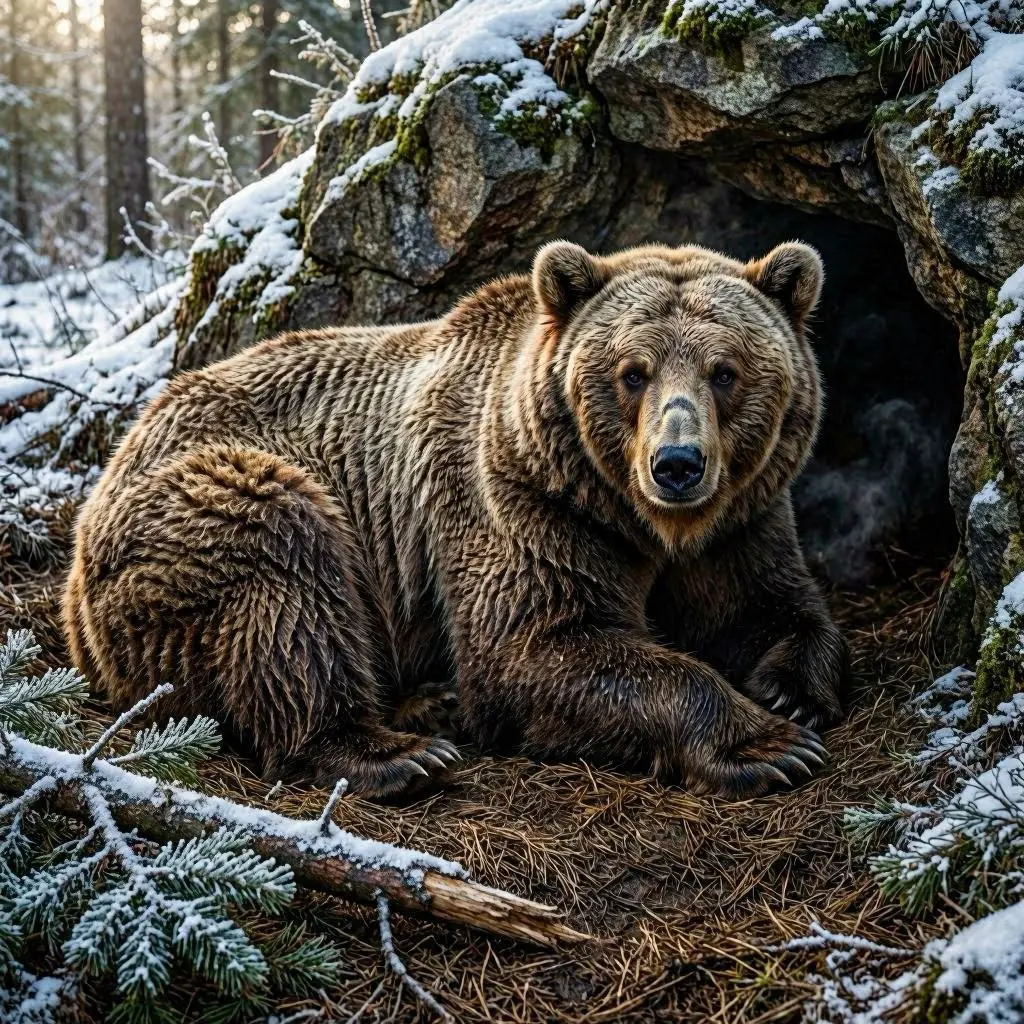
Scientific Name: Ursus arctos
Habitat: Forests, tundra, river valleys, and mountainous terrain across North America, Europe, and northern Asia
Brown bears are quintessentially solitary, with adults living and foraging independently outside of mating and mother-cub pairs. Even the famous gatherings of bears at salmon-rich streams are not true social groups; bears tolerate proximity only because of extreme food abundance.
- A mother grizzly raises cubs alone for 1.5 to 3 years before driving them off to establish their own ranges
- Grizzlies can smell food sources from over 20 miles away, one of the strongest senses of smell in the mammal world
- Adult males and adult females actively avoid each other except during the mating season in summer
- Dominant bears establish priority access to the best fishing spots at salmon streams through size-based hierarchy, not cooperation
❻ Giant Panda
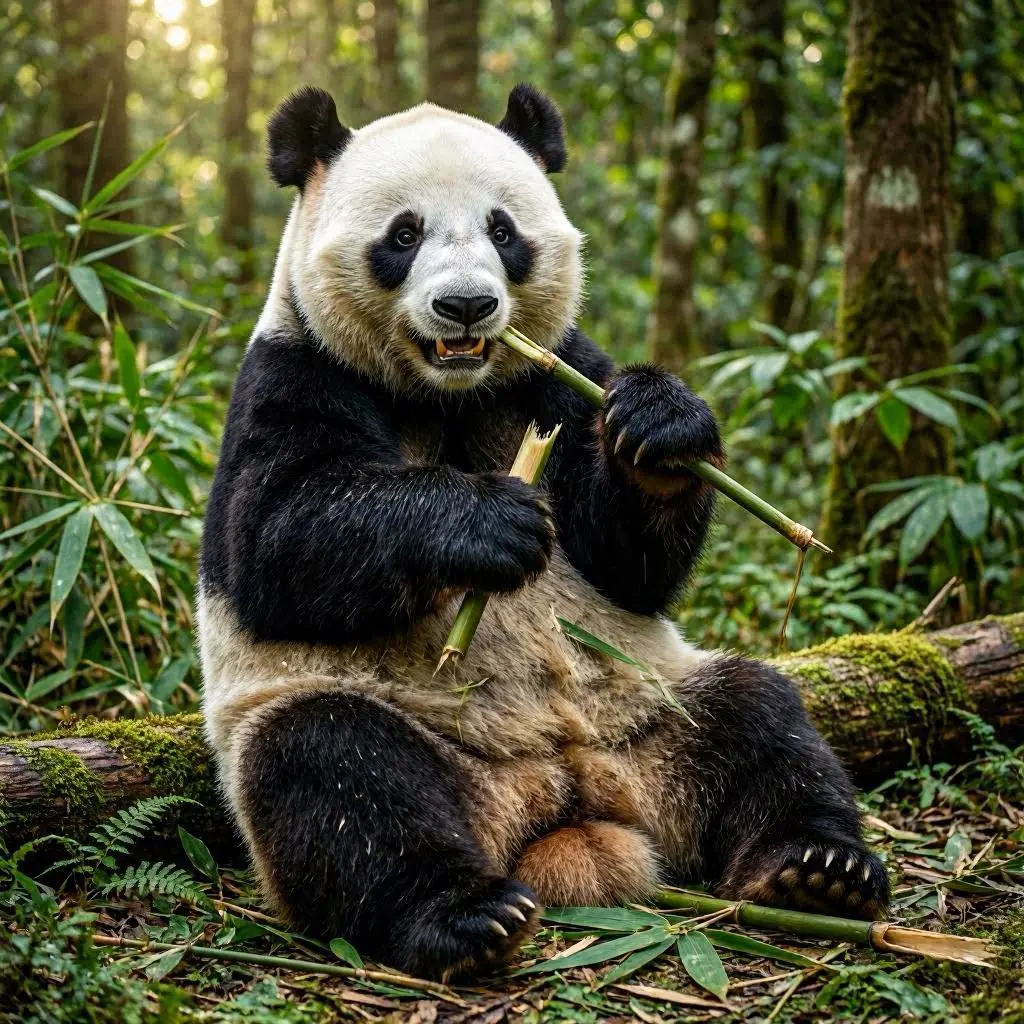
Scientific Name: Ailuropoda melanoleuca
Habitat: Mountainous bamboo forests of Sichuan, Shaanxi, and Gansu provinces in central China
Giant pandas are among the world’s most beloved and most solitary animals. Adults maintain strictly exclusive territories in bamboo forest, communicating through scent markings on trees, rocks, and the ground. Their solitary lifestyle is directly tied to the nutritional poverty of their bamboo diet.
- Pandas must eat 12 to 38 kg of bamboo daily to meet their energy needs, requiring exclusive access to extensive forest
- Despite being classified as carnivores, pandas derive over 99% of their nutrition from bamboo
- Conservation Status: Vulnerable. Approximately 1,800 wild pandas remain
- The brief mating season in spring is the only time adults actively seek out each other’s company
❼ Polar Bear
Scientific Name: Ursus maritimus
Habitat: Arctic sea ice, coastal areas of the Arctic Ocean, and surrounding land masses across five nations
Polar bears are the most solitary of all bear species, roaming vast areas of sea ice alone in search of ringed seals. They have no fixed home range; their movements follow the seasonal extent of sea ice and the availability of prey.
- Polar bear fur is transparent and hollow, not white; the appearance of whiteness comes from light scattering
- Mothers raise cubs alone in snow dens, emerging in spring to begin teaching them to hunt
- Conservation Status: Vulnerable, with populations projected to decline sharply as Arctic sea ice shrinks
- Adult males may travel over 1,000 kilometers in a single season following food availability
❽ Orangutan
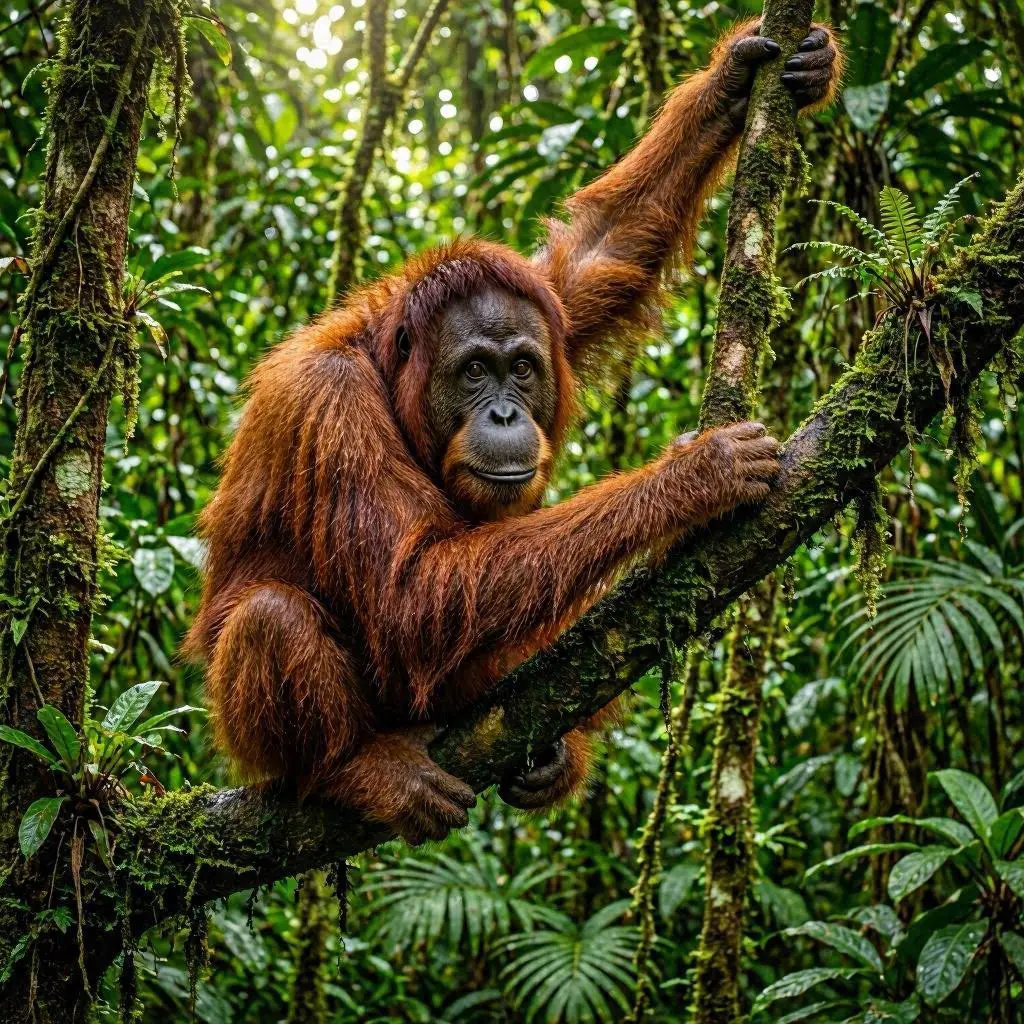
Scientific Name: Pongo pygmaeus (Bornean), Pongo abelii (Sumatran)
Habitat: Tropical rainforests of Borneo and Sumatra, predominantly in the forest canopy
Orangutans are the most solitary of all the great apes. Unlike gorillas and chimpanzees, which live in social groups, adult orangutans spend the vast majority of their lives alone in the forest canopy. This reflects the sparse, unpredictable distribution of fruit in their rainforest habitat.
- Adult males make a thunderous “long call” heard over a kilometer away to advertise their presence without requiring physical encounters
- Orangutans share approximately 97% of their DNA with humans
- Young orangutans stay with their mothers for up to 8 years, the longest childhood dependency of any non-human mammal
- Conservation Status: Critically Endangered. Deforestation has reduced populations to a fraction of historical levels
❾ Komodo Dragon
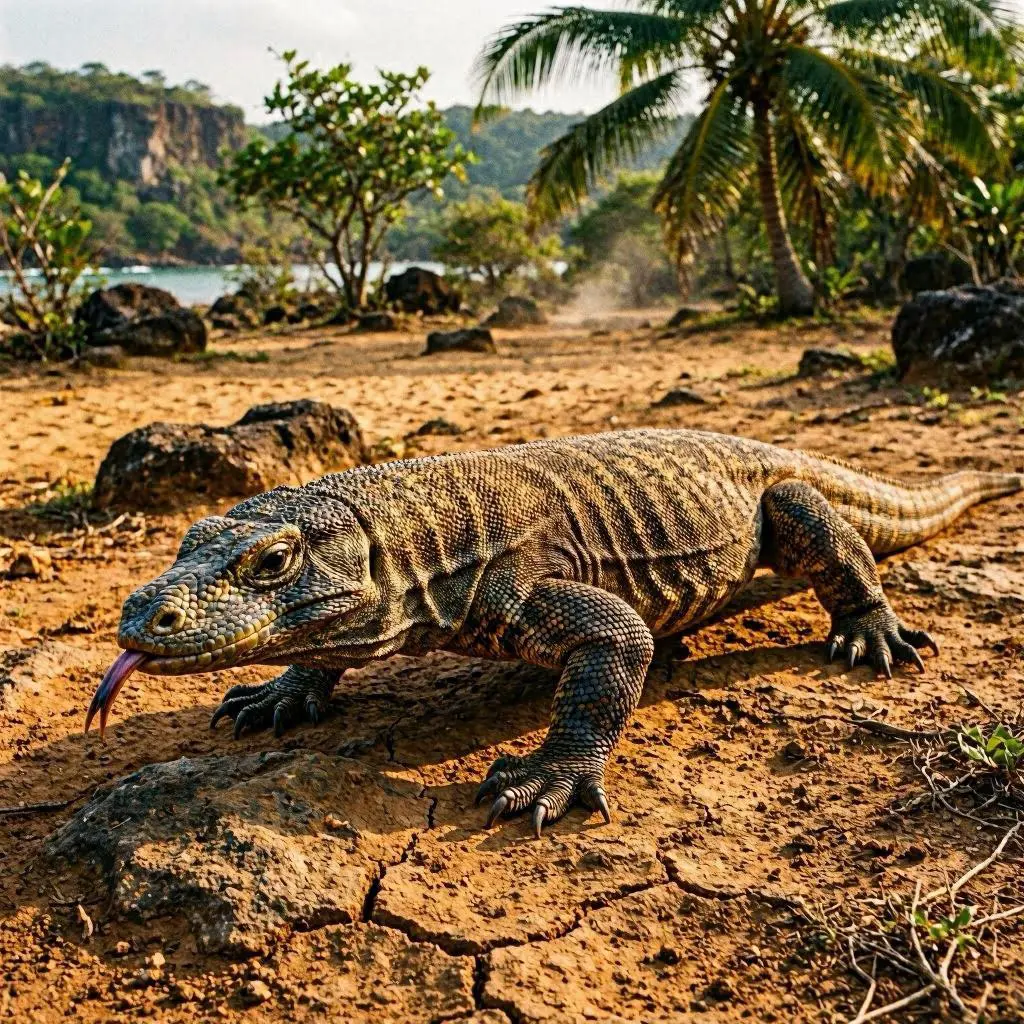
Scientific Name: Varanus komodoensis
Habitat: The islands of Komodo, Rinca, Flores, and Gili Motang in Indonesia
The Komodo dragon is the world’s largest living lizard, reaching up to 3 meters in length and 70 kg in weight. It is a highly territorial apex predator that rules its island environment with near-total dominance. Adults are completely solitary outside of feeding aggregations at large carcasses.
- A Komodo dragon’s forked tongue can detect chemical signals from carrion up to 9.5 kilometers away
- Females can reproduce without males through parthenogenesis, producing viable offspring from unfertilized eggs
- Their venomous bite delivers anticoagulants that cause prey to weaken and collapse before the dragon tracks them down
- Young Komodo dragons spend their early years in trees to avoid being eaten by adults
❿ Hedgehog
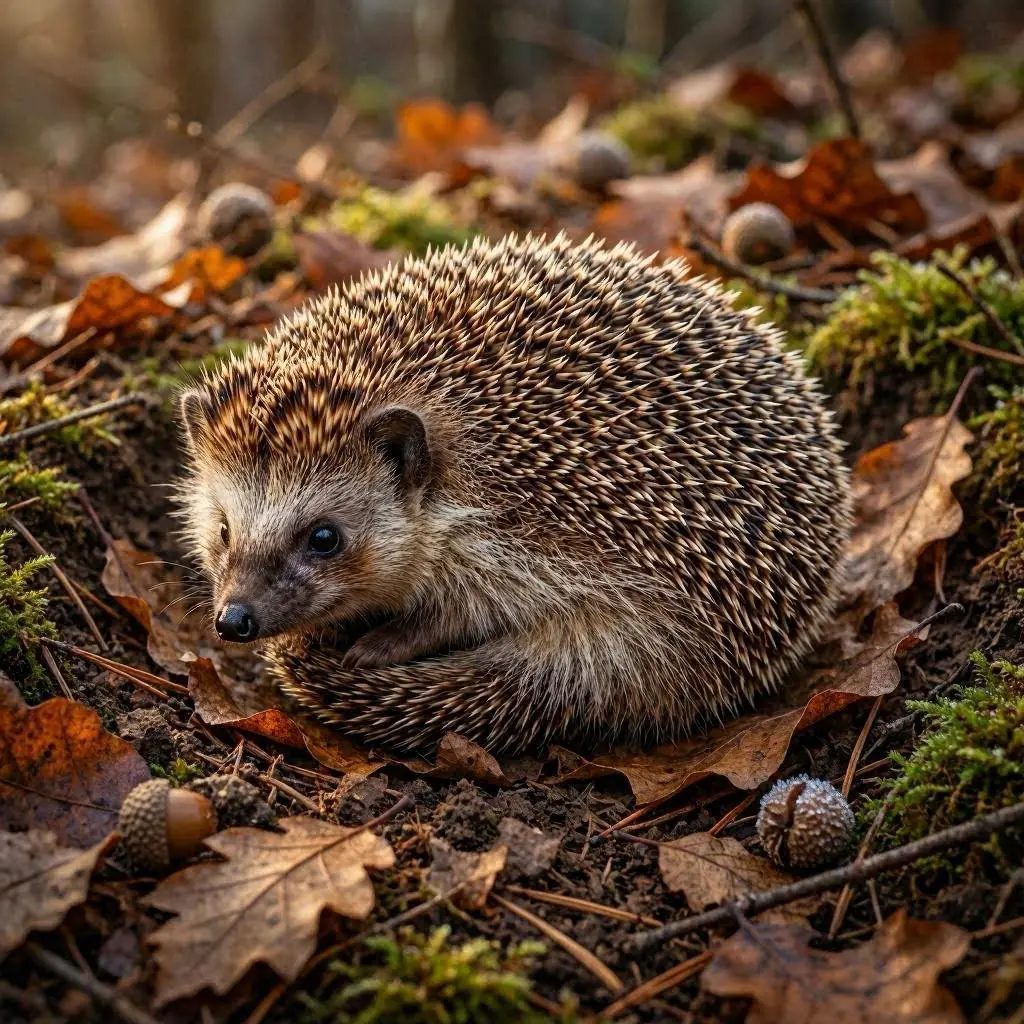
Scientific Name: Erinaceus europaeus (European Hedgehog)
Habitat: Gardens, hedgerows, woodland edges, and grasslands across Europe and parts of Asia
Hedgehogs are solitary, nocturnal insectivores that patrol home ranges of up to 75 hectares alone each night. Outside of the brief mating season, hedgehogs avoid contact with other hedgehogs entirely, and mothers raise hoglets without any assistance.
- When threatened, a hedgehog curls into a tight ball presenting approximately 5,000 keratinized spines to predators
- Hedgehogs are naturally immune to many snake venoms and regularly hunt and eat venomous adders
- Each individual maintains a network of nest sites within its range, switching among them to avoid predator detection
- Hedgehogs enter a deep hibernation through winter months, their body temperature dropping close to ambient levels
⓫ Octopus
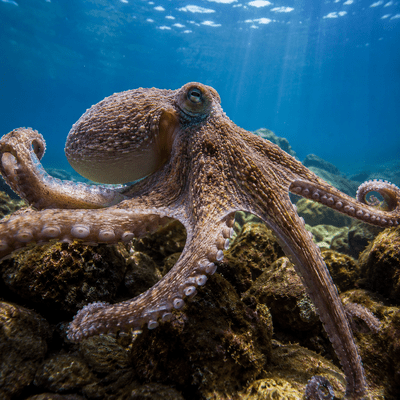
Scientific Name: Multiple species in order Octopoda
Habitat: All of the world’s oceans, from shallow coral reefs to the deep sea floor
Octopuses are the ultimate solitary predators among invertebrates. They are highly territorial and will actively attack other octopuses that enter their den area outside of the brief mating encounter. Most species die shortly after reproducing.
- Octopuses have three hearts, blue copper-based blood, and can change skin color and texture in milliseconds
- All their intelligence evolved in a solitary context, making them a remarkable proof that complex cognition does not require social living
- Female octopuses guard their eggs alone, refusing to eat, and typically die of starvation after the eggs hatch
- They use tools, solve puzzles, and have been observed playing, demonstrating individual personalities
⓬ Moose
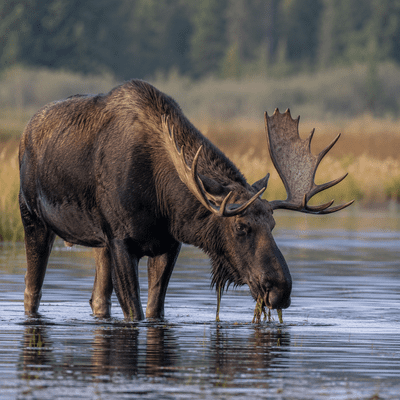
Scientific Name: Alces alces
Habitat: Boreal forests, subarctic regions, and temperate woodlands across North America, northern Europe, and Siberia
Moose are the largest members of the deer family and notably solitary animals. Unlike most deer species, which form herds for group vigilance, moose rely on their enormous size, long legs for wading in deep water and snow, and powerful hooves for individual defense against wolves and bears.
- Bull moose grow and shed antlers spanning up to 1.8 meters annually; antler regrowth is the fastest bone tissue growth of any animal
- Moose are excellent swimmers and regularly wade into lakes and rivers to feed on aquatic plants and escape insects
- Adult moose come together only during the autumn rut (mating season), with bulls competing for access to females
- Cows raise calves alone for approximately one year before the calf is driven away
⓭ Platypus
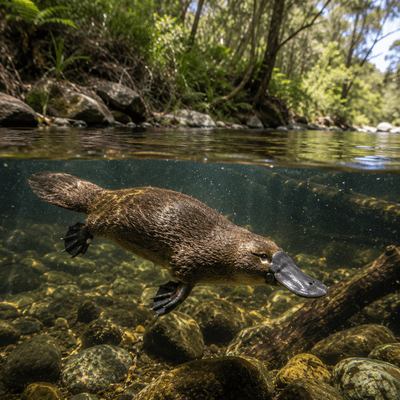
Scientific Name: Ornithorhynchus anatinus
Habitat: Freshwater rivers, streams, and lakes of eastern Australia and Tasmania
The platypus is one of the world’s most unusual mammals: venomous, egg-laying, with a duck-like bill and beaver-like tail. It is also highly solitary. Adults maintain exclusive burrow systems along riverbanks and interact with other platypuses only during the mating season.
- Male platypuses possess venomous spurs on their hind legs, used primarily in competition with rival males
- They detect underwater prey using electroreception: thousands of sensors in the bill that sense the electrical fields generated by muscle contractions
- Females lay 1 to 3 eggs in a sealed burrow and incubate them by curling around them, a behavior unique among mammals
- Platypuses have no stomach; food passes directly from the esophagus into the intestine
⓮ Wolverine
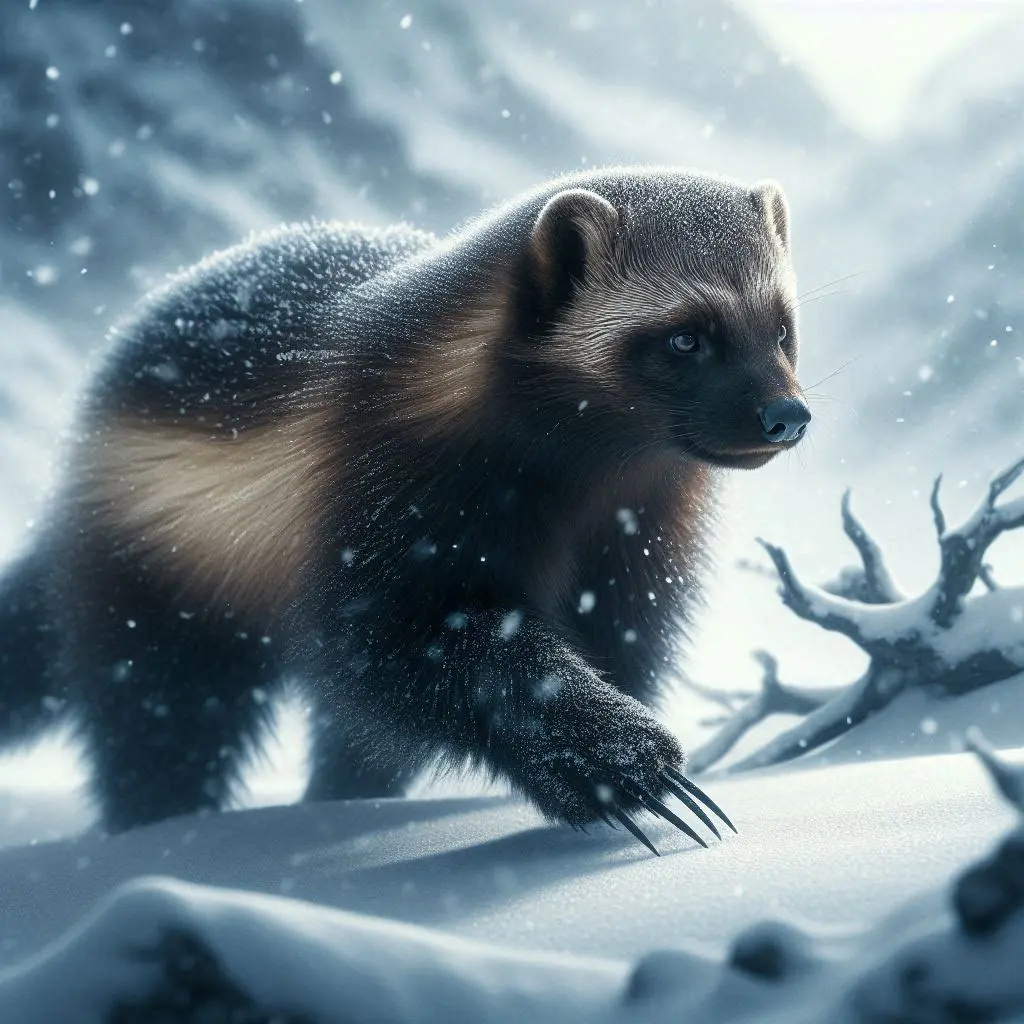
Scientific Name: Gulo gulo
Habitat: Boreal forests, tundra, and alpine terrain across North America, Scandinavia, Russia, and Siberia
The wolverine is the largest terrestrial member of the weasel family and one of the most famously fierce solitary animals on Earth. Despite weighing only 9 to 25 kg, wolverines have been documented driving grizzly bears and mountain lions off kills through sheer aggression and persistence.
- Male wolverines patrol home ranges of up to 2,000 square kilometers, among the largest of any terrestrial mustelid
- Wolverines can detect prey buried under 6 meters of packed snow and dig through ice with semi-retractable claws
- They have a unique ability to consume frozen carcasses, including bone, that other predators cannot access in winter
- Males and females have widely overlapping ranges but actively avoid each other outside the breeding season
⓯ Cassowary
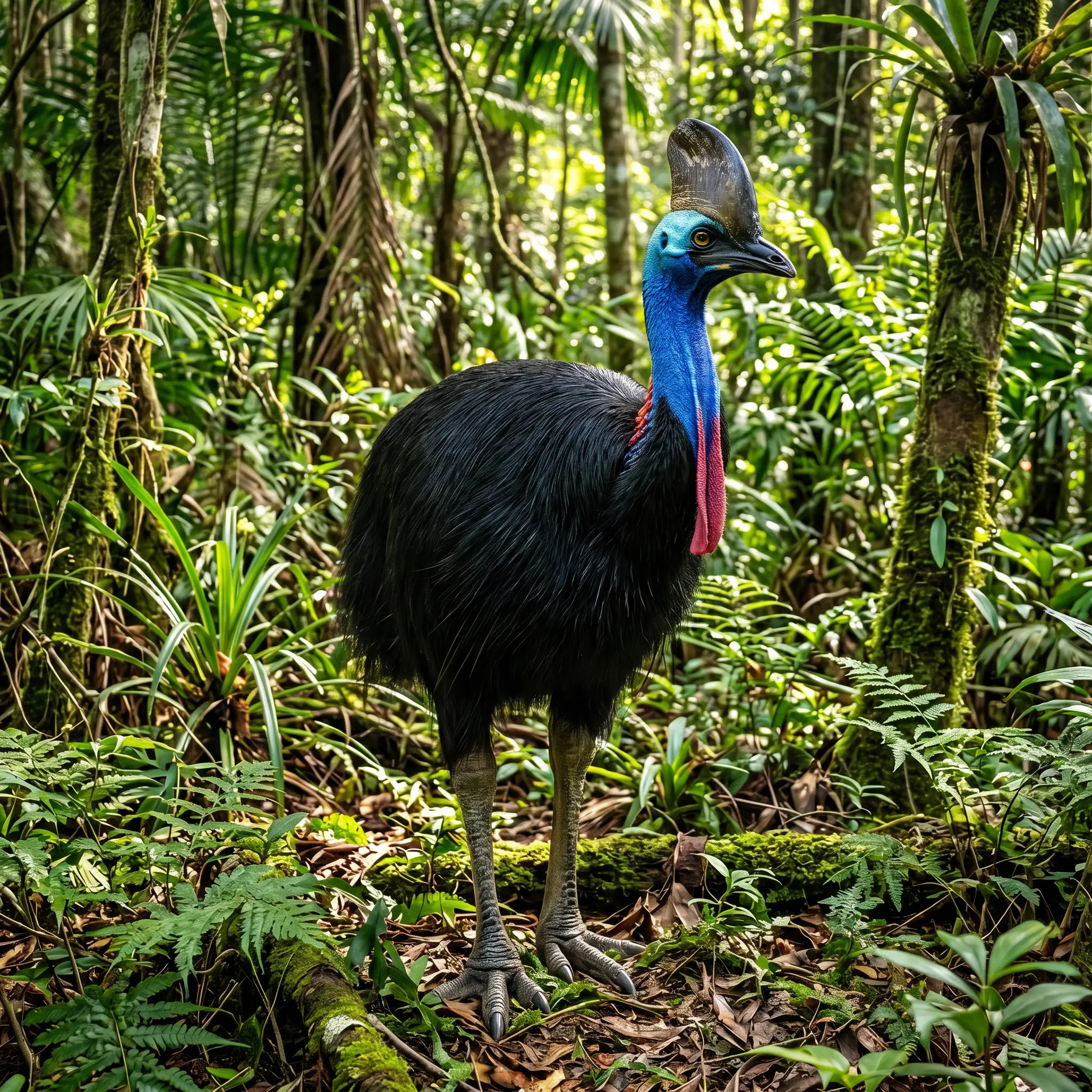
Scientific Name: Casuarius casuarius (Southern Cassowary)
Habitat: Tropical rainforests of northeastern Queensland, Australia, and New Guinea lowland and hill forests
The cassowary is a large, flightless bird and one of the few bird species widely considered dangerous to humans. Adults are intensely territorial and solitary, using their prominent bony casque, dagger-like claws, and powerful legs in confrontations with rivals and perceived threats.
- The central claw can reach 12 cm in length and is capable of delivering lethal kicks
- In a remarkable role reversal, the male incubates the eggs and raises the chicks while the female moves on to find another mate
- Cassowaries are critical seed dispersers in rainforest ecosystems; they swallow and deposit large fruits that no other animal can disperse
- They are the second-heaviest bird on Earth after the ostrich, reaching up to 85 kg
⓰ Tasmanian Devil
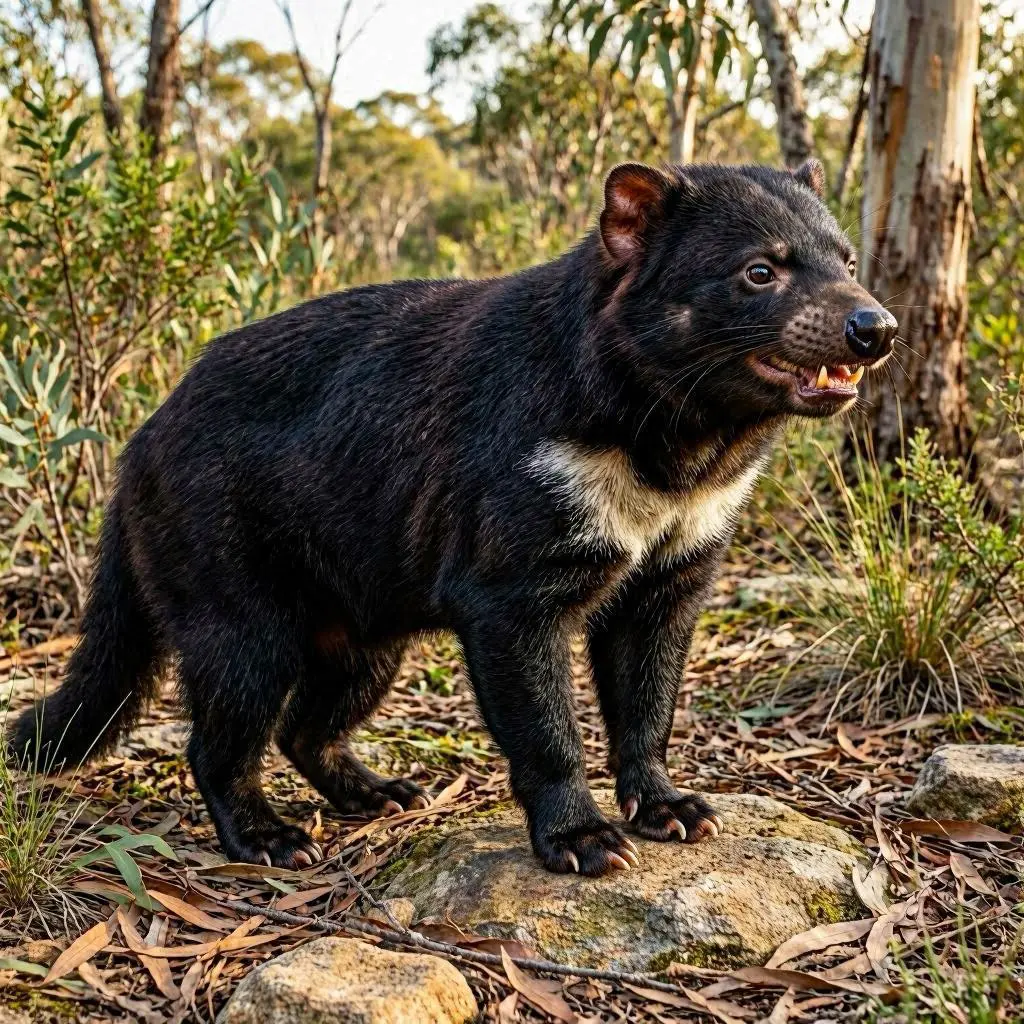
Scientific Name: Sarcophilus harrisii
Habitat: Forests, coastal scrubland, and agricultural land across Tasmania, Australia
The Tasmanian devil is the world’s largest carnivorous marsupial. Adults are intensely solitary and come together only to feed on carcasses, where interactions are aggressive and noisy, and to mate. Their screaming vocalizations are extraordinarily loud relative to their small-dog size.
- Conservation Status: Endangered, primarily due to devil facial tumor disease (DFTD), a transmissible cancer
- Tasmanian devils have the strongest bite force for their body size of any living mammal
- They perform a vital ecological role as scavengers, rapidly clearing the landscape of carrion and carcass waste
- Joeys are born the size of a rice grain and develop for months in the mother’s pouch before becoming independent
⓱ Sea Turtle
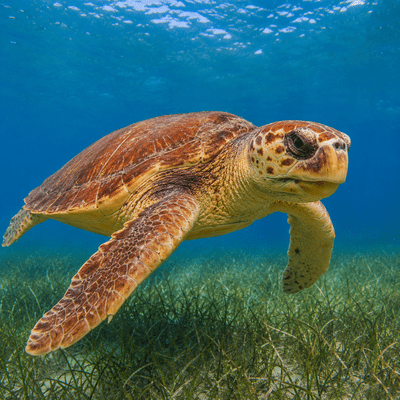
Scientific Name: Multiple species (Cheloniidae and Dermochelyidae)
Habitat: Tropical and subtropical oceans worldwide; nesting on sandy beaches in warm latitudes
Sea turtles spend virtually their entire lives alone in the open ocean. Female sea turtles return to the exact beach where they hatched, sometimes after 30 or more years at sea, to lay their eggs. They come ashore alone at night, complete nesting, and immediately return to the ocean.
- Leatherback sea turtles can dive to depths of over 1,000 meters and travel over 16,000 km in a single year
- Sea turtles navigate using the Earth’s magnetic field as a geomagnetic map
- Hatchlings face extremely high predation; less than 1 in 1,000 survive to adulthood
- Conservation Status: Most species are listed as Vulnerable, Endangered, or Critically Endangered due to beach development, bycatch, and climate change
⓲ Koala
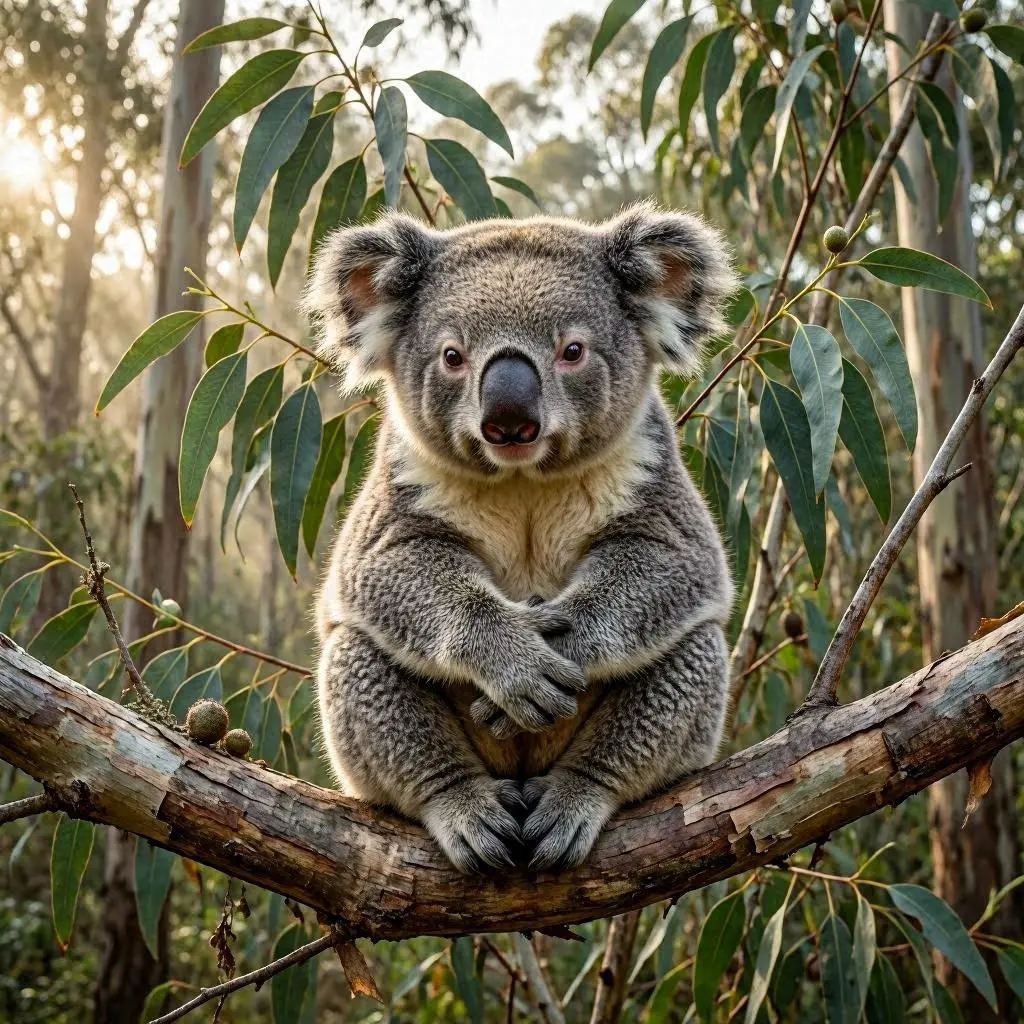
Scientific Name: Phascolarctos cinereus
Habitat: Eucalyptus forests and woodlands of eastern and southeastern Australia
Koalas are solitary, tree-dwelling marsupials that spend up to 22 hours a day in rest or sleep. Their low-energy lifestyle directly reflects their diet: eucalyptus leaves are toxic, low in nutrition, and require significant metabolic energy to detoxify. Each koala defends its own home tree and surrounding network of trees.
- Koala fingerprints are virtually indistinguishable from human fingerprints under a microscope
- Males bellow during the breeding season to establish territory and attract females across large distances
- Females give birth to a single joey the size of a jellybean, which develops in the pouch for six months
- Conservation Status: Vulnerable, with habitat loss and disease driving population declines
⓳ Coyote
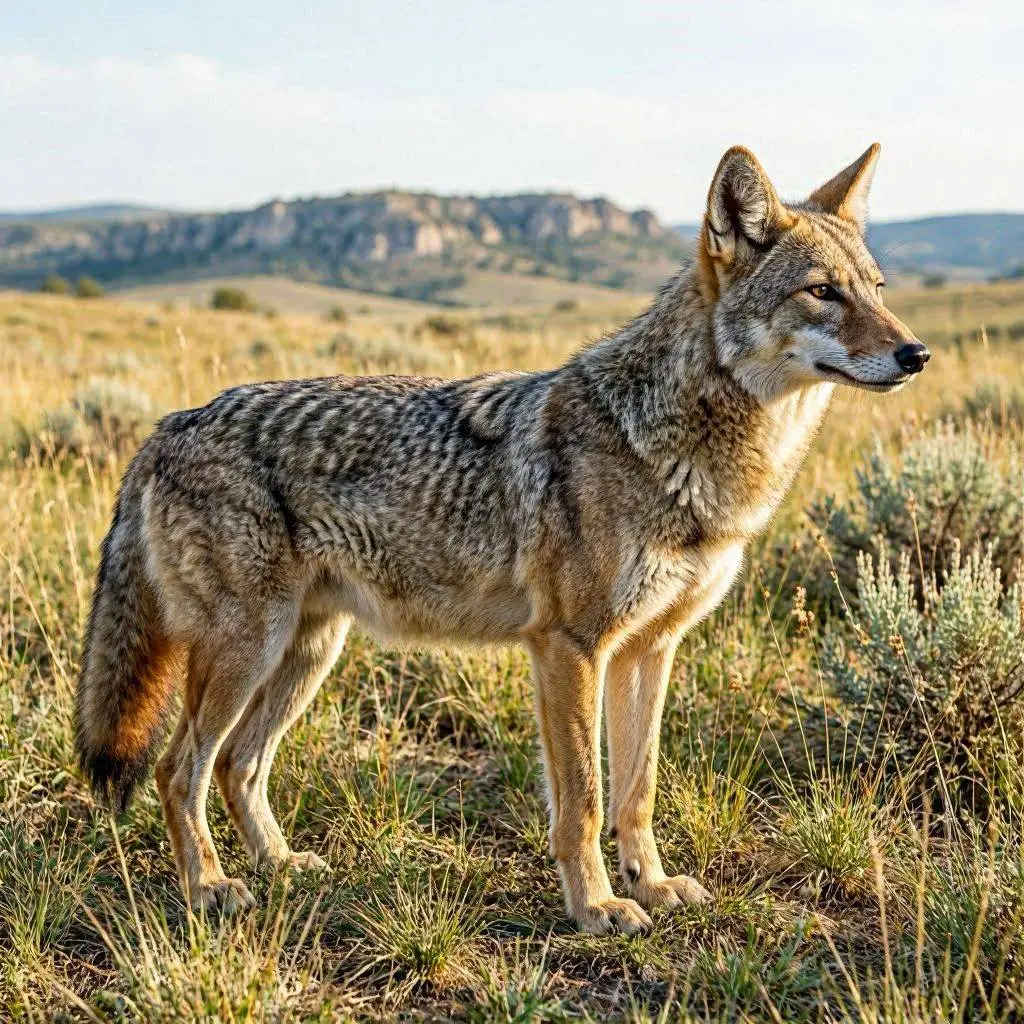
Scientific Name: Canis latrans
Habitat: Nearly all habitats across North and Central America, from deserts and forests to urban parks and suburban neighborhoods
Coyotes are notable for behavioral flexibility: they are primarily solitary hunters but can shift to pair or small family group living when prey size or habitat conditions favor cooperation. In most urban and suburban environments, the solitary coyote is the most commonly observed form.
- Coyote populations expanded dramatically after the extirpation of wolves from much of North America, filling the apex predator niche
- Despite being vigorously hunted and trapped for over a century, coyote numbers and range have increased, not declined
- Solitary coyotes specialize in small prey: rabbits, rodents, insects, and fruit
- They are among the most behaviorally adaptable wild carnivores on Earth, now inhabiting every major North American city
⓴ Crocodile
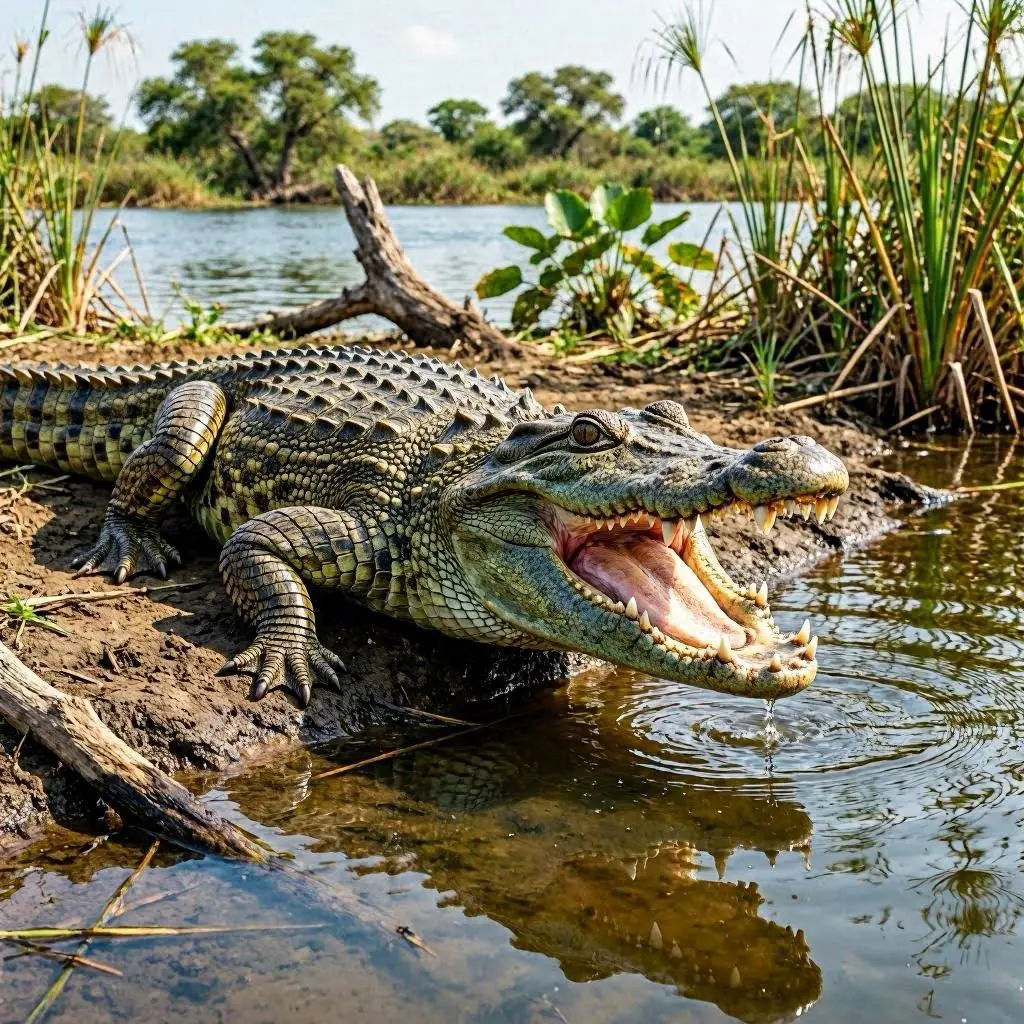
Scientific Name: Multiple species (Crocodylidae family)
Habitat: Tropical and subtropical rivers, lakes, estuaries, and coastal wetlands of Africa, Asia, Australia, and the Americas
Adult crocodiles are primarily solitary predators that defend individual territories along riverbanks and in waterways. While crocodiles may gather in groups called basks or floats when basking in the sun or during feeding on large carcasses, these are opportunistic aggregations, not social groups.
- Crocodiles are among the most ancient reptile lineages on Earth, largely unchanged for over 80 million years
- Despite their solitary adult lifestyle, female crocodiles show remarkable maternal care: guarding nests and carrying hatchlings to water in their mouths
- The American crocodile and Nile crocodile are responsible for the majority of fatal crocodilian attacks on humans
- Crocodiles regulate their body temperature through behavior rather than metabolism, using sun and shade strategically
Solitary Animals Names by Category
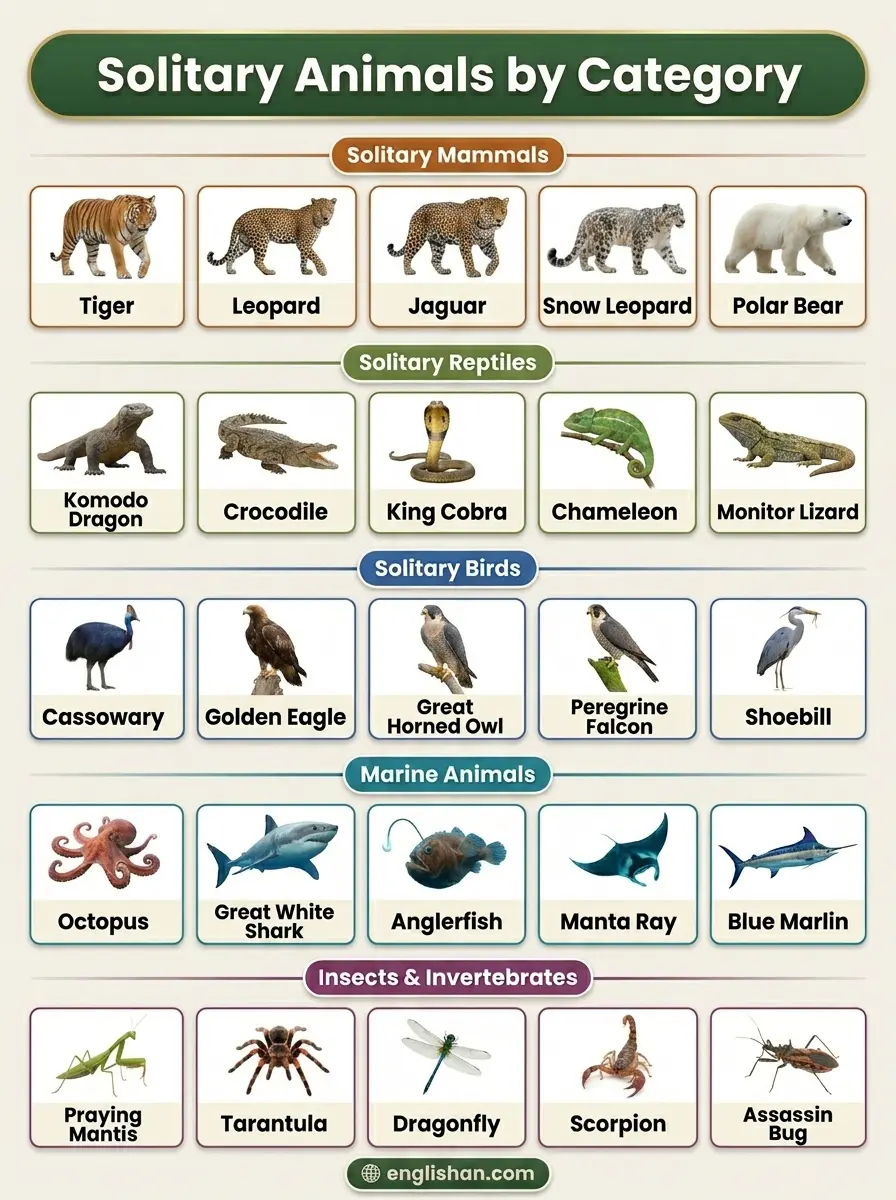
Solitary living spans nearly every branch of the animal kingdom. Below is a breakdown of solitary animals grouped by major category, with ten examples in each and a brief note on what makes them solitary.
Solitary Mammals
Mammals make up the largest and most familiar group of solitary animals, ranging from massive apex predators to small nocturnal foragers.
- Tiger: The largest wild cat, relying on stealth and a vast personal territory to hunt successfully
- Leopard: A highly adaptable, nocturnal big cat that hoists kills into trees to avoid sharing them
- Jaguar: The Americas’ top predator, using a powerful skull-crushing bite to hunt alone in dense terrain
- Snow Leopard: A high-altitude specialist that patrols enormous, sparsely populated mountain ranges
- Grizzly Bear: A powerful omnivore that forages independently across forests, rivers, and tundra
- Polar Bear: A nomadic Arctic hunter that roams sea ice alone in search of seals
- Giant Panda: A bamboo specialist whose low-nutrition diet requires exclusive access to large forest areas
- Orangutan: The most solitary great ape, spending most of its life alone in the rainforest canopy
- Wolverine: A fierce, small-bodied mustelid that defends territories far larger than its size would suggest
- Platypus: A solitary, burrow-dwelling monotreme that forages alone in freshwater rivers and streams
Solitary Reptiles
Reptiles are some of the most consistently solitary animals on Earth, with most species avoiding their own kind outside of mating and basking.
- Komodo Dragon: The world’s largest lizard, ruling its island habitat as an unchallenged apex predator
- Crocodile: A territorial ambush hunter that defends stretches of river or wetland against rivals
- Sea Turtle: An open-ocean wanderer that lives entirely alone except for brief nesting visits to shore
- King Cobra: The world’s longest venomous snake, hunting and living independently across forested regions
- Gila Monster: A slow-moving, venomous desert lizard that forages alone and rarely encounters others
- Monitor Lizard: A wide-ranging solitary predator found across Africa, Asia, and Australia
- Chameleon: A solitary, territorial lizard that relies on camouflage rather than group defense
- Box Turtle: A terrestrial turtle that spends nearly all its life moving and foraging alone
- Rattlesnake: A solitary ambush predator, though some species den communally only during winter
- Tuatara: An ancient reptile species from New Zealand that maintains individual burrows and territories
Solitary Birds
While many birds flock together, a notable number of species, especially large raptors and flightless birds, live and hunt alone.
- Cassowary: A powerful flightless bird that defends rainforest territory aggressively and alone
- Golden Eagle: A top aerial predator that hunts and ranges across vast solitary territories
- Great Horned Owl: A nocturnal hunter that claims and defends its own territory year-round
- Peregrine Falcon: The fastest animal on Earth, hunting solo using high-speed aerial dives
- Kiwi: A flightless, nocturnal bird from New Zealand that forages alone in dense forest undergrowth
- Secretary Bird: A long-legged African raptor that hunts snakes and small prey on foot, alone
- Shoebill: A large, statuesque African wading bird known for standing motionless alone for hours
- Heron: Most heron species hunt fish independently, even when nesting colonially
- Hoopoe: A solitary forager known for its striking crest and independent feeding habits
- Woodpecker: Most woodpecker species defend individual territories and forage alone in trees
Solitary Marine Animals
The ocean hosts many solitary hunters and wanderers, from apex predators to slow-moving invertebrates.
- Octopus: A highly intelligent, territorial invertebrate that lives and hunts entirely alone
- Great White Shark: A wide-ranging apex predator that hunts independently across open ocean
- Anglerfish: A deep-sea ambush predator that lures prey alone in total darkness
- Manta Ray: Though sometimes seen in loose aggregations, individuals typically forage independently
- Giant Pacific Octopus: The largest octopus species, fiercely territorial within its rocky den
- Moray Eel: A solitary reef predator that hides in crevices and ambushes passing prey
- Leatherback Turtle: The largest sea turtle, migrating and foraging alone across entire ocean basins
- Blue Marlin: A fast, solitary open-ocean hunter that rarely associates with others of its kind
- Sea Otter (males): Adult male sea otters often forage and rest independently outside of mating
- Stonefish: A camouflaged, solitary ambush predator that waits motionless on the seafloor
Solitary Insects and Invertebrates
Not all insects are social. In fact, the majority of insect species on Earth live and reproduce entirely alone.
- Praying Mantis: A solitary ambush predator that actively avoids other mantises outside of mating
- Solitary Bee (Mason Bee): Unlike honeybees, mason bees build and provision individual nests alone
- Tarantula: A solitary, territorial spider that lives in its own burrow for most of its life
- Dragonfly: An independent aerial hunter that defends territory around ponds and streams
- Scorpion: A solitary nocturnal predator, with many species displaying cannibalistic tendencies
- Wolf Spider: A ground-dwelling hunter that stalks prey alone rather than building a web
- Luna Moth: An adult moth that lives a brief, entirely solitary life focused on mating
- Dung Beetle: Most species work and forage individually despite sharing common resources
- Leafcutter Bee: A solitary pollinator that constructs individual nest cells using cut leaf fragments
- Assassin Bug: A solitary ambush predator that hunts other insects using a piercing proboscis
Solitary vs. Social Animals
| Feature | Solitary Animals | Social Animals |
|---|---|---|
| Territory | Large, exclusive, actively defended | Shared within group |
| Hunting style | Alone; stealth, ambush, or endurance | Cooperative and coordinated |
| Communication | Scent marking, long-range vocalizations | Constant vocal and physical contact |
| Offspring care | Mother alone, or no parental care | Group-assisted; alloparental helpers |
| Disease risk | Low | Higher in dense populations |
| Food competition | None within territory | Regular intragroup competition |
| Predator defense | Individual vigilance, camouflage, strength | Group vigilance, collective mobbing |
| Reproductive flexibility | Usually low | Often high across group members |
Myths and Misconceptions About Solitary Animals
Myth 1: Solitary animals are antisocial or dangerous by nature. Truth: Solitary animals are not inherently aggressive toward other species. They simply do not form stable social bonds with members of their own species. Many solitary animals are shy and avoidant in encounters.
Myth 2: Solitary animals are primitive or less evolved than social ones. Truth: Solitary living is often just as evolutionarily sophisticated as social living. The octopus’s problem-solving intelligence, the tiger’s tracking precision, and the polar bear’s navigational ability all represent highly derived capabilities that evolved without any social scaffolding.
Myth 3: All cats are solitary. Truth: Lions are highly social and live in prides of up to 30 individuals. Male cheetahs frequently form small coalitions. Feral domestic cats form loose colonies around concentrated food sources. Solitary living is common among wild cats but far from universal.
Myth 4: Solitary animals do not communicate. Truth: Solitary animals communicate extensively, but at a distance. A tiger’s scent mark encodes detailed information about its identity, sex, reproductive status, and territorial claim. This message persists in the environment for days or weeks without any direct contact being required.
Myth 5: Solitary animals are lonely. Truth: Aloneness is the baseline state for a truly solitary animal, not a deprivation from a preferred social condition. The human experience of loneliness is a social animal’s response to isolation. A tiger patrolling its territory alone is not lonely any more than a human in a crowd is overstimulated.
The Role of Solitary Animals in Ecosystems
Solitary apex predators often play the most disproportionately important ecological roles of any species in their habitat.
Trophic Regulation: Solitary predators like tigers, jaguars, and leopards regulate prey populations, preventing overgrazing, habitat degradation, and prey species monopolization of resources.
Keystone Effects: The removal of a solitary apex predator triggers trophic cascades throughout the entire food web. When wolves were removed from Yellowstone in the early 20th century, elk populations exploded, overgrazing riverbanks and collapsing beaver populations, fish habitat, and vegetation along waterways. Their reintroduction in 1995 partially reversed all of these effects.
Seed Dispersal: Solitary frugivores like orangutans disperse large seeds across wide areas, contributing to forest regeneration and diversity in ways that no other species can replicate.
Carrion Processing: Solitary scavengers like Komodo dragons and Tasmanian devils rapidly process carcasses, reducing disease vectors and returning nutrients to the soil.
Conservation Challenges for Solitary Animals
Solitary animals face a distinct and often severe set of conservation challenges compared to social species:
- Large territory requirements mean that single protected areas are often insufficient. One male tiger may need 100 or more square kilometers of quality connected habitat.
- Low reproductive rates mean that populations recover extremely slowly after decline. A female tiger produces only a few litters in her lifetime.
- Human-wildlife conflict is intensified because solitary predators that lose wild prey shift to livestock, creating lethal retaliation from farmers and herders.
- Poaching pressure targets many solitary species for skins, bones, organs, and traditional medicine markets, particularly big cats, bears, and rhinos.
- Habitat fragmentation isolates individual animals, preventing them from finding mates and maintaining genetic diversity across the population.
- Climate change is reducing the habitat of cold-adapted solitary species like snow leopards and polar bears at rates faster than they can adapt.
Conclusion
Solitary animals names are some of the most extraordinary, capable, and ecologically vital creatures on Earth. Their solitude is not a limitation. It is a precisely tuned adaptation to their environment, prey, and lifestyle. The tiger’s territory is its kingdom. The snow leopard’s mountain is its castle. The octopus’s den is its laboratory. In choosing, or being selected by evolution, to face the world alone, these animals have developed strength, stealth, intelligence, and endurance that rank among the most remarkable in the natural world.
Understanding solitary animals deepens our appreciation of biodiversity and underscores the urgency of protecting the vast, intact habitats they require to survive. When we protect solitary apex predators, we protect the ecological integrity of entire landscapes, along with the countless other species that depend on those landscapes to thrive.
The animal kingdom reminds us that there is more than one way to succeed. And sometimes, the most extraordinary survival stories are written entirely alone.
FAQ
No. Humans are highly social animals. Our physiology, psychology, immune system, and culture are all shaped by millions of years of cooperative group living. Chronic social isolation causes measurable harm to human health and longevity.
The snow leopard is frequently cited as the most solitary mammal. Individuals can go weeks without encountering another of their species across their vast and remote mountain territories.
Not necessarily. Many social animals, including cape buffalo, hippopotamuses, and wolves in pack formation, are extremely dangerous. Solitary predators such as tigers and jaguars are dangerous within their habitats but not categorically more so than social species of similar size.
Many solitary animals form temporary aggregations when resources are exceptionally concentrated: bears at salmon streams, Komodo dragons at large carcasses, sea turtles at nesting beaches. These are not social groups. They dissolve as soon as the resource is exhausted, and no lasting bonds are formed.
No solitary wild predator makes an appropriate pet. Beyond the legal and ethical problems, their territorial and behavioral needs are impossible to meet in captivity, and their unpredictability makes them genuinely dangerous to humans even after years of familiarity.
You May Also Like
Solitary Animals Quiz
Solitary Animals
Which big cat lives alone rather than in a group?
Tigers hold individual territories and meet mainly to breed.
The lion is the odd one out among big cats.
A tiger's range overlaps others only at the edges.
Why do ambush hunters tend to live alone?
Group hunting only pays when the prey is large enough to share.
Group living pays only when the prey is worth sharing.
Lions hunt buffalo; a leopard takes an impala alone.
Name the area.
The area an animal defends against others of its own species is its ___.
A home range is simply where it goes; a territory is what it defends.
Territory implies defence; home range does not.
Scent marks along the boundary advertise the territory.
How do solitary animals find mates?
Scent lasts for days, so two animals need never be in the same place at once.
Scent marking is communication across time as well as space.
A tiger reads a scent mark days after it was left.
Three of these are solitary. Which lives in groups?
Meerkats live in mobs of up to fifty, with sentries taking turns on watch.
Sociality varies even between close relatives.
Orangutans are solitary where chimpanzees are highly social.
Turn on JavaScript for the interactive quiz. The full practice set is shown above.