Forest animals names in English help us identify and understand the wide variety of wildlife that lives in forest ecosystems. These animals include mammals, birds, reptiles, and insects that all play an important role in maintaining natural balance.
Learning forest animals names is useful for students and wildlife enthusiasts because it improves vocabulary and increases awareness about nature. Each animal has unique features and survival habits that make forest life diverse and interesting.
This article is designed to make learning easy by presenting forest animals names with pictures in a simple and clear format. It helps readers quickly recognize different species and develop a better understanding of forest biodiversity.
What Are Forest Animals?
Forest animals are wild creatures that live naturally in forest areas. They are adapted to survive among trees, plants, and natural surroundings, where they find food, shelter, and protection. These animals include a wide variety of species such as mammals, birds, reptiles, amphibians, and insects.
They are found in different types of forests around the world. Tropical forests are warm and full of dense vegetation, temperate forests have moderate weather with clear seasonal changes, and rainforests are highly humid with extremely rich biodiversity. Each forest type supports different kinds of animal life.
Forest animals are very important for maintaining balance in nature. They help keep food chains stable, control the population of other species, and support natural processes like pollination and seed dispersal. Some animals also break down dead matter, which keeps the forest soil healthy and supports new plant growth.
Explore more animals that start with different letters:
A | B | C | D | E | F | G | H | I | J | K | L | M | N | O | P | Q | R | S | T | U | V | W | X | Y | Z
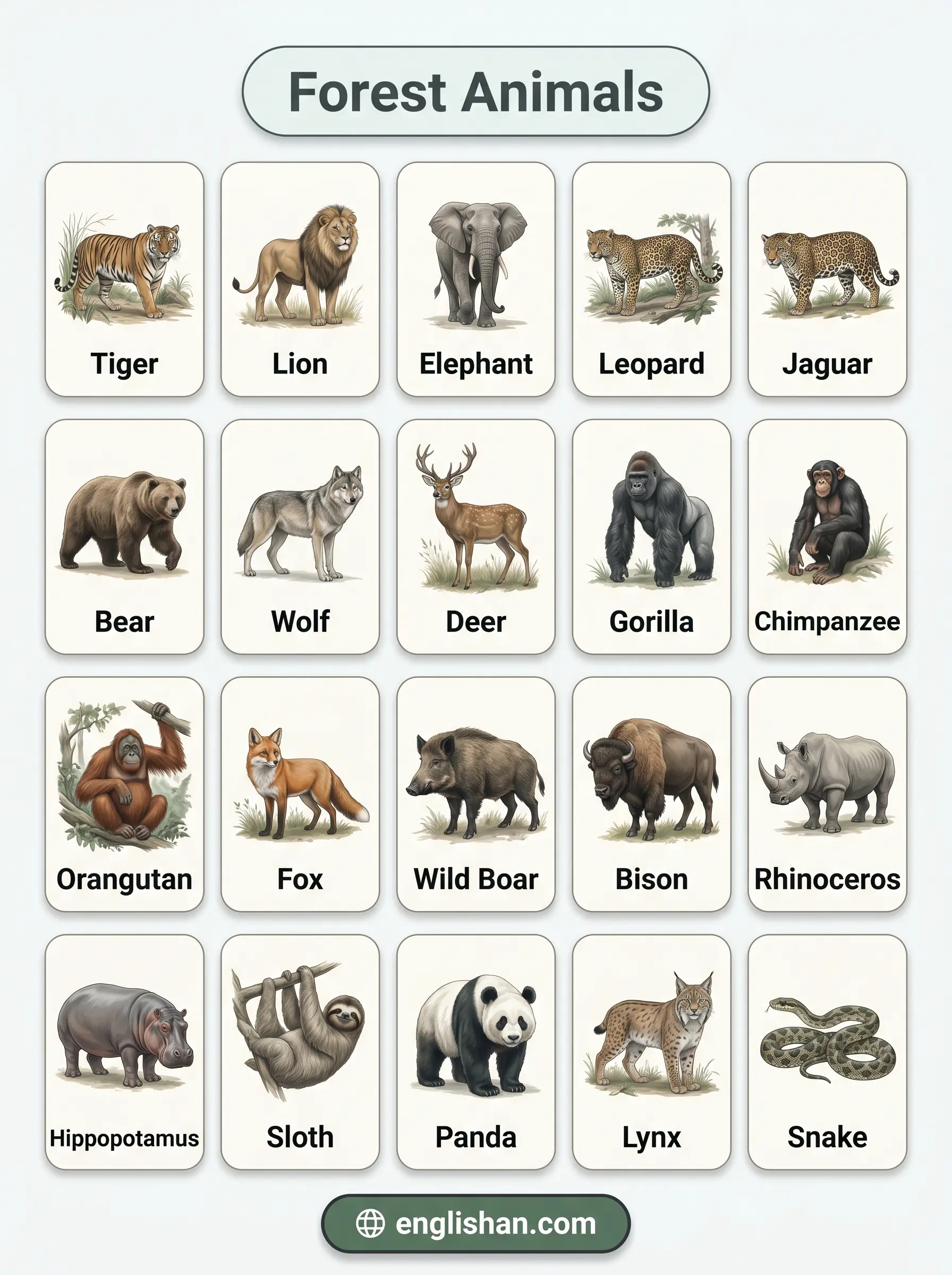
List of Forest Animals Names
- Tiger
- Lion
- Leopard
- Jaguar
- Cheetah
- Wolf
- Fox
- Bear
- Deer
- Moose
- Elk
- Lynx
- Bobcat
- Hyena
- Wild Boar
- Bison
- Gorilla
- Chimpanzee
- Orangutan
- Sloth
- Monkey
- Squirrel
- Hare
- Rabbit
- Elephant
- Rhinoceros
- Hippopotamus
- Panda
- Koala
- Kangaroo
- Armadillo
- Tapir
- Wolverine
- Red Panda
- Okapi
- Pangolin
- Civet
- Mongoose
- Lemur
- Chinkara
- Nilgai
- Musk Deer
- Snow Leopard
- Capybara (forest-edge habitats)
- Badger
- Marten
- Weasel
- Porcupine
- Reindeer
- Ibex
Top Forest Animals Names with Pictures
❶ Tiger
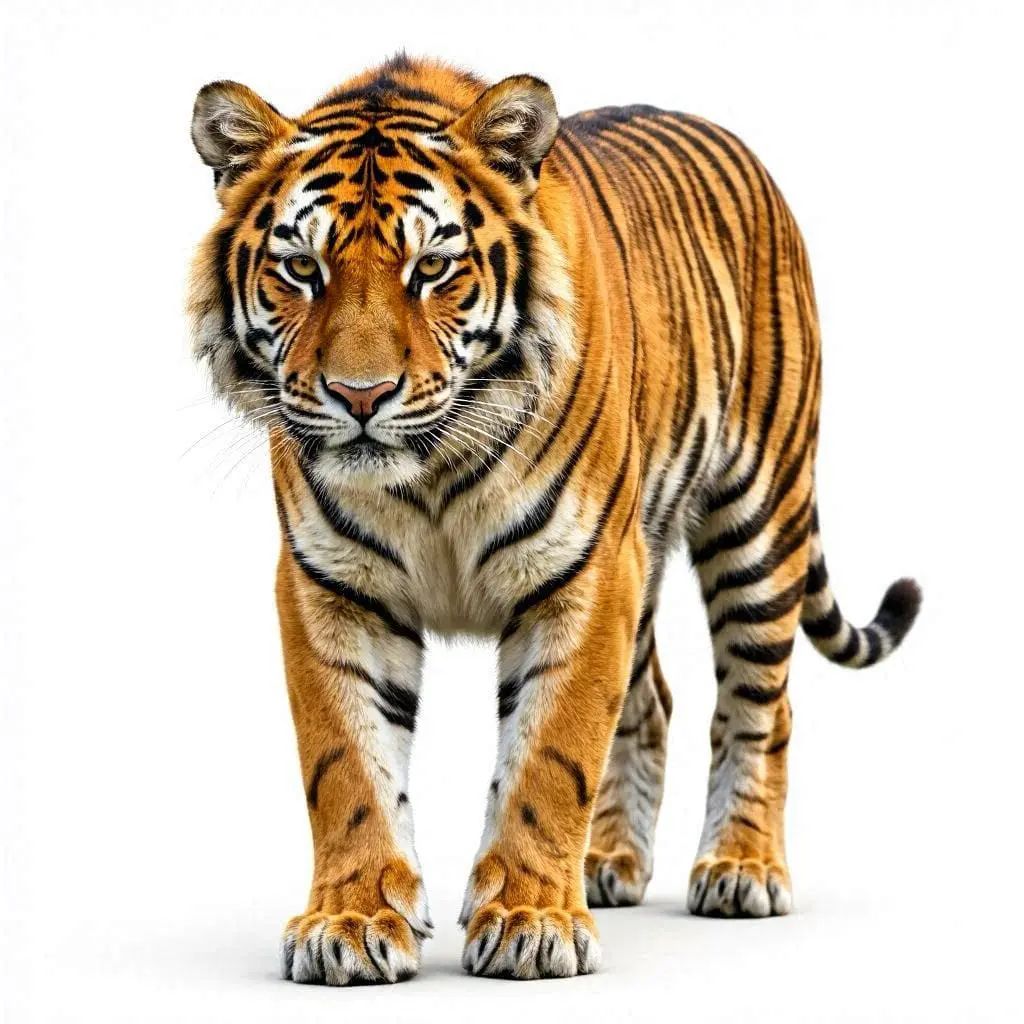
Type: Mammal
The tiger is a powerful forest animal known for its orange coat with black stripes. It is one of the top predators in forest ecosystems and relies on stealth, strength, and patience to hunt animals like deer and wild boar. Tigers are solitary hunters and need large forest territories to survive.
Where found: Dense tropical and temperate forests of Asia
❷ Lion
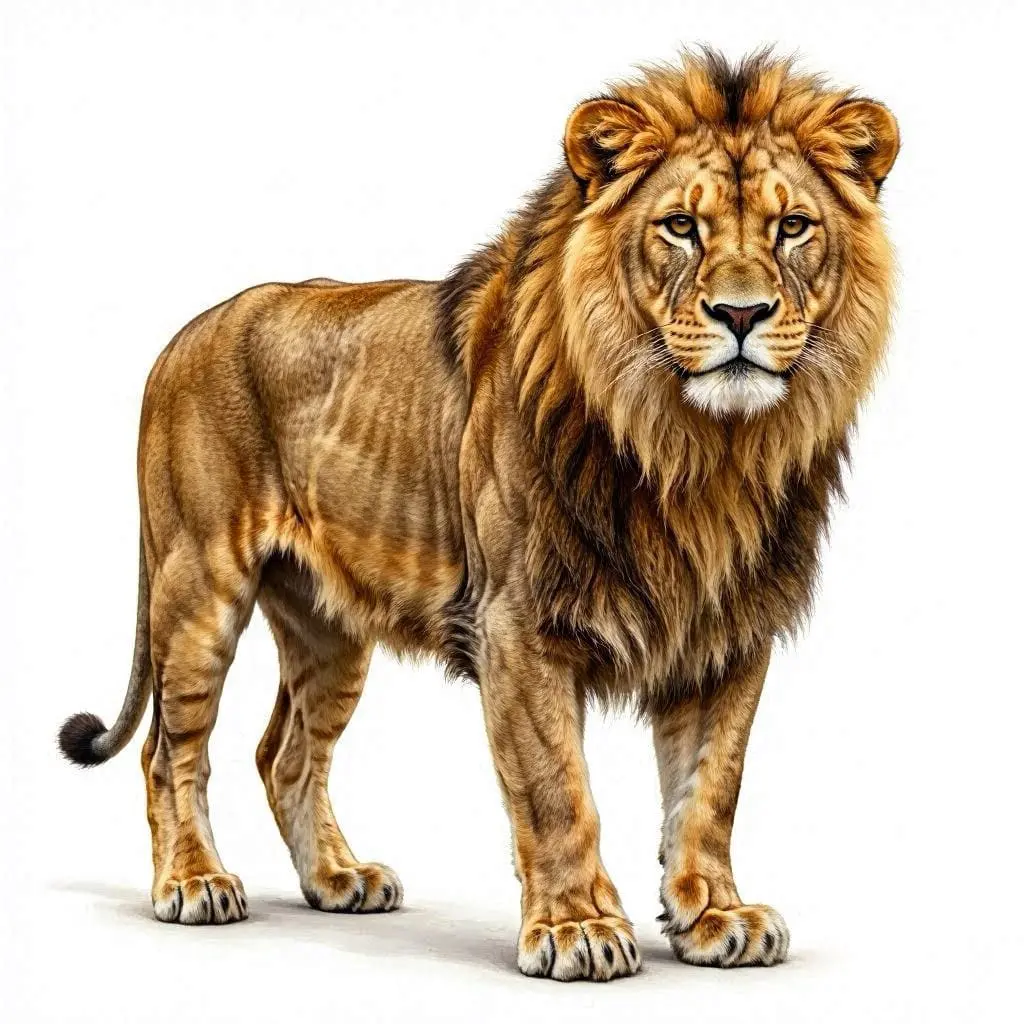
Type: Mammal
The lion is a strong forest animal often called the “king of the jungle.” It lives and hunts in groups called prides and uses teamwork to hunt large herbivores.
Where found: Forest edges and grassland-forest regions of Africa
❸ Elephant
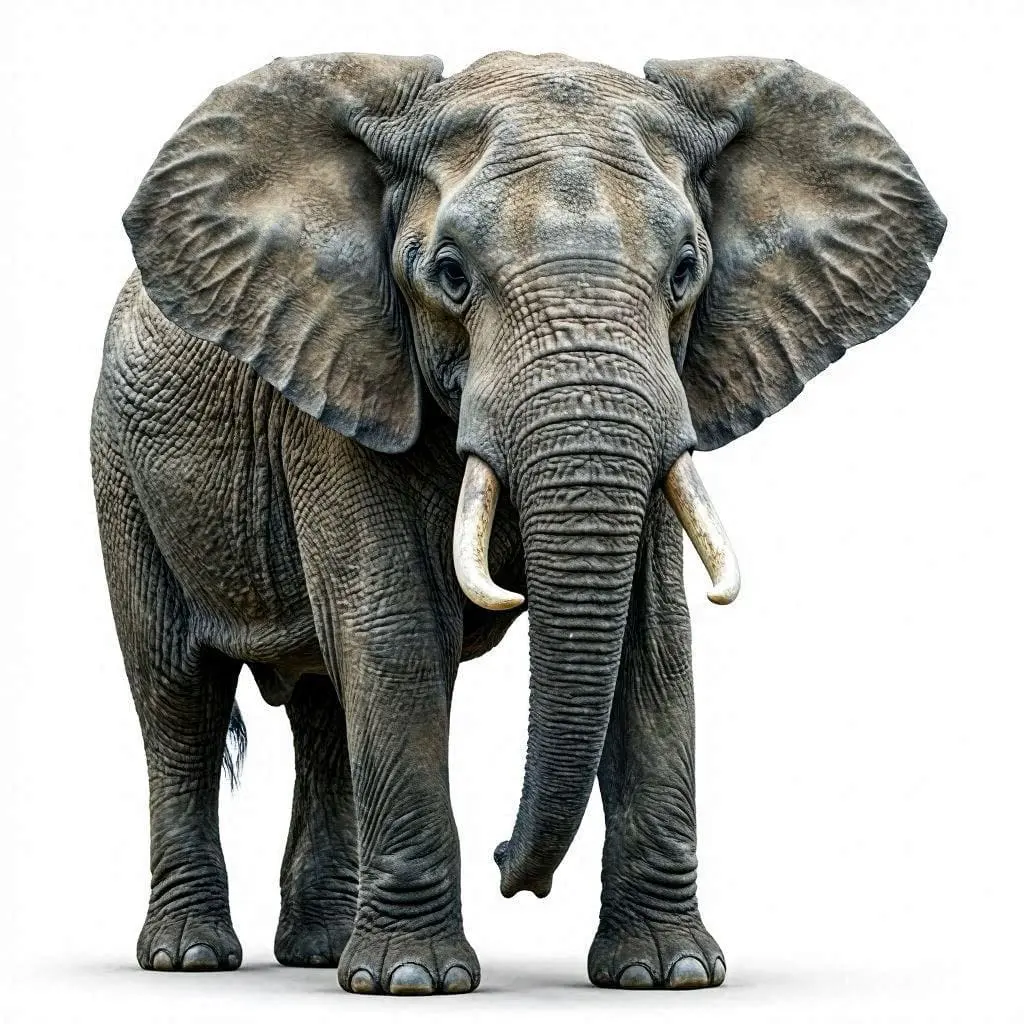
Type: Mammal
The elephant is a massive forest animal known for its intelligence, memory, and strong social behavior. It uses its trunk for feeding, drinking, communication, and protection. Elephants also help maintain forest ecosystems by creating pathways and dispersing seeds.
Where found: Tropical and subtropical forests of Asia and Africa
❹ Leopard
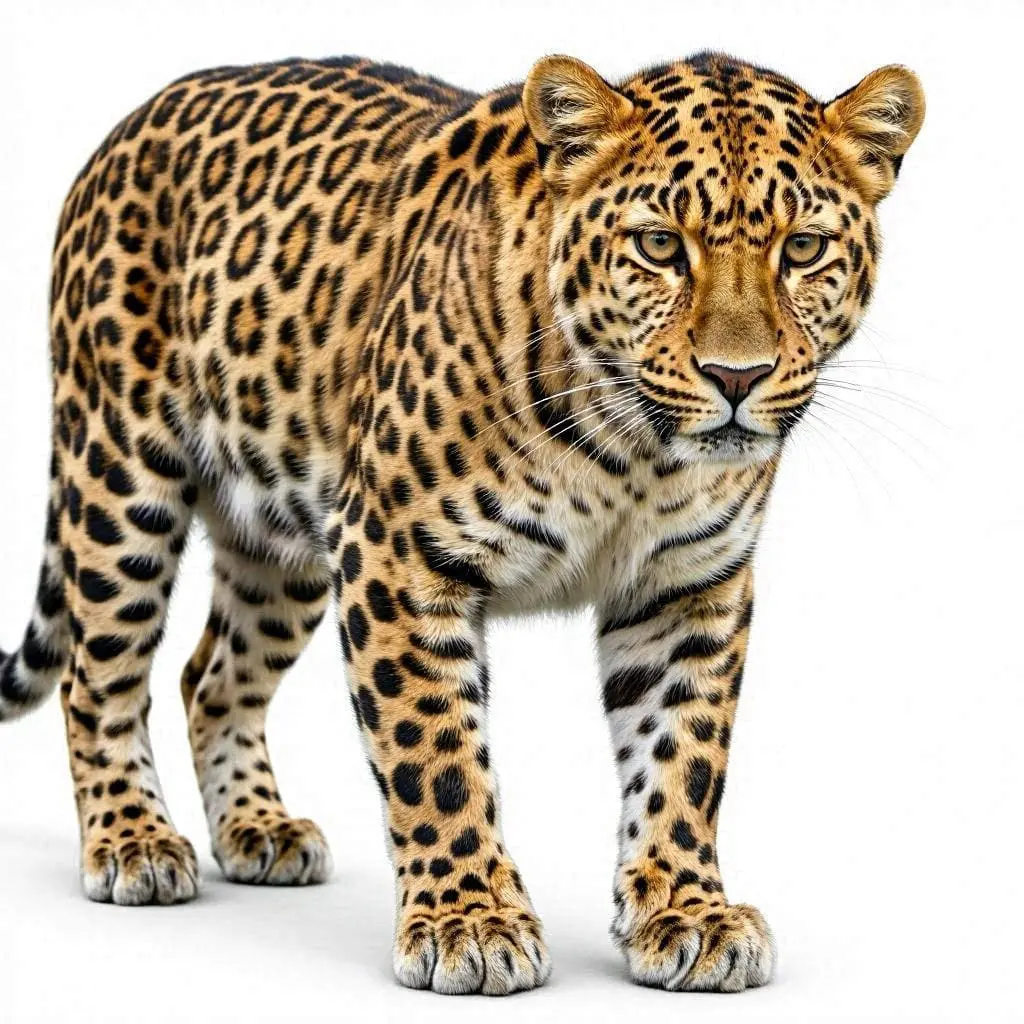
Type: Mammal
The leopard is a fast and adaptable forest animal with a spotted coat. It is an expert climber and often drags its prey into trees to protect it from other predators. Leopards are mostly nocturnal and solitary.
Where found: Forests, woodlands, and rainforests of Africa and Asia
❺ Jaguar
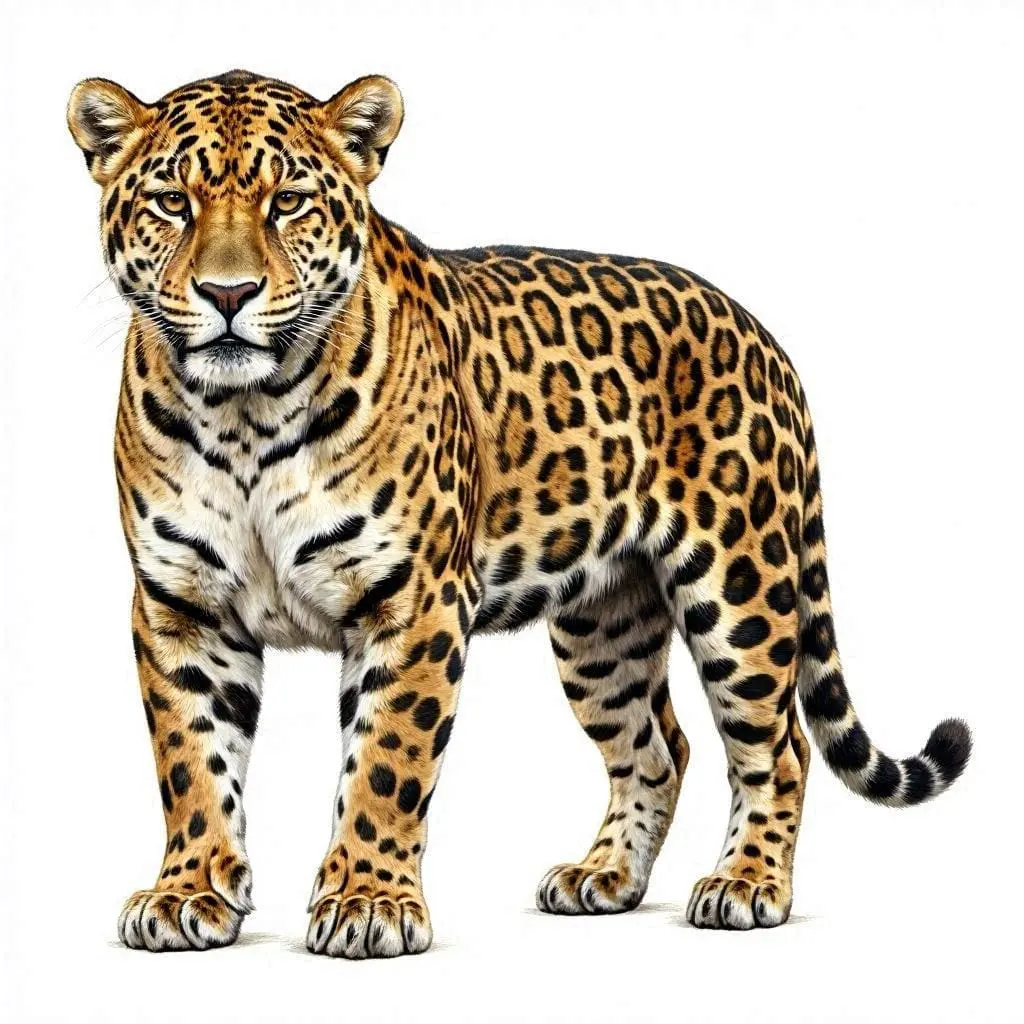
Type: Mammal
The jaguar is a powerful forest animal with one of the strongest bite forces among big cats. It can crush bones and also hunts in water, making it a highly versatile predator.
Where found: Rainforests of Central and South America
❻ Bear
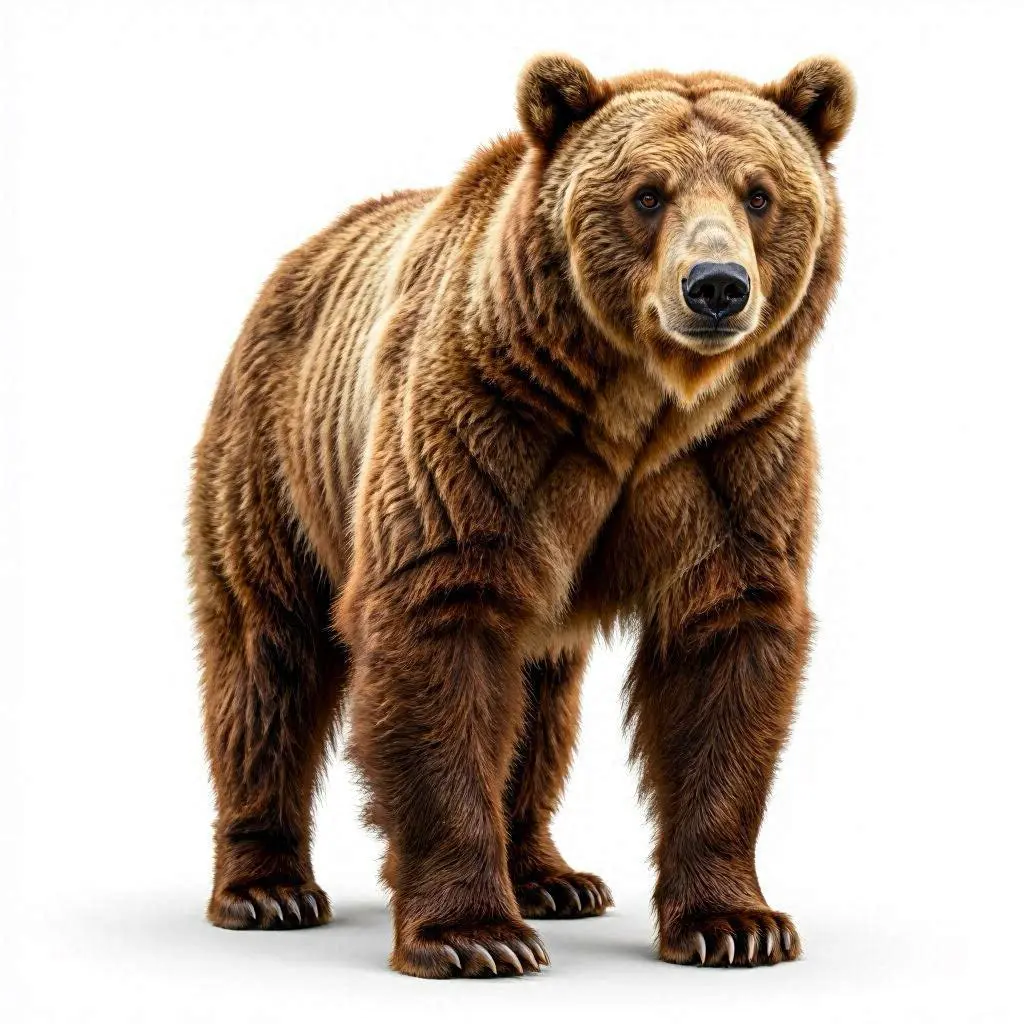
Type: Mammal
The bear is a large forest animal that is omnivorous and highly adaptable. It eats both plants and animals and plays an important role in maintaining forest balance.
Where found: Forests of North America, Europe, and Asia
❼ Wolf
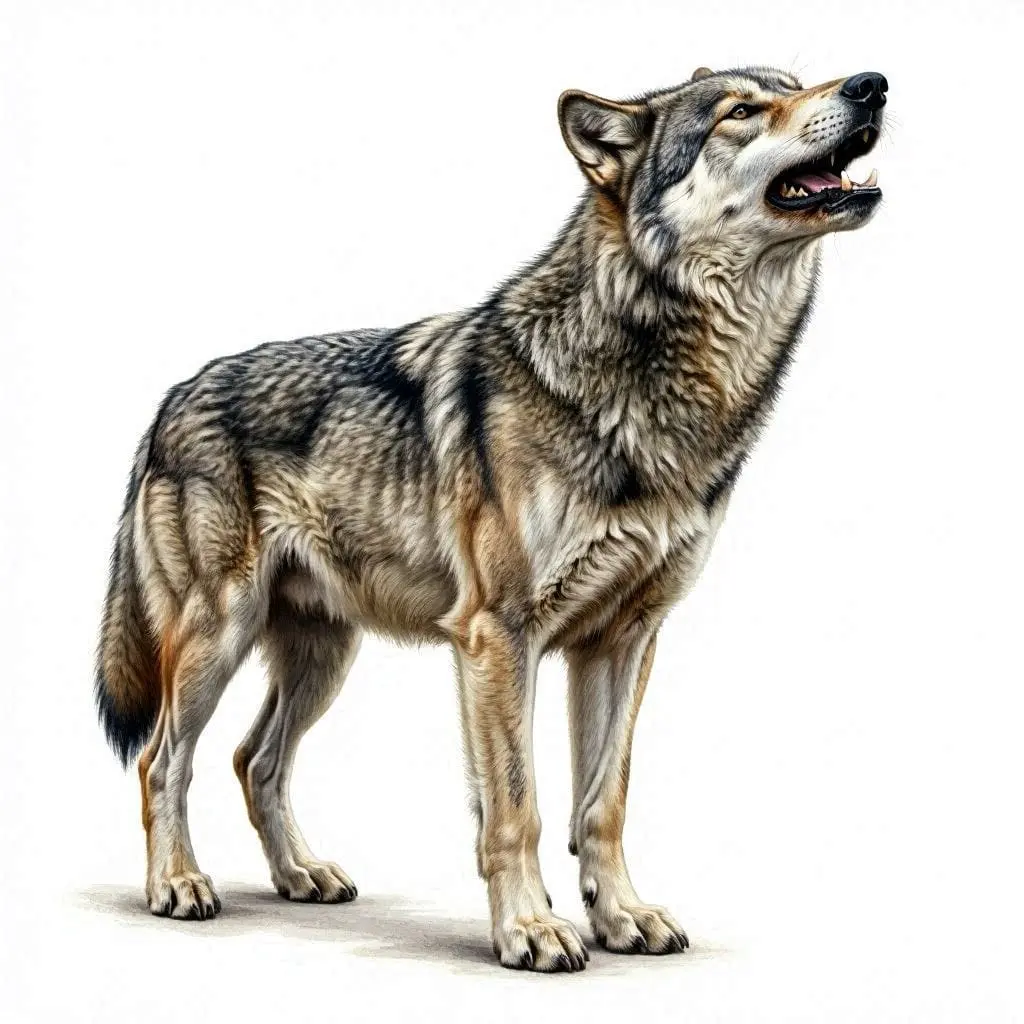
Type: Mammal
The wolf is a social forest animal that hunts in organized packs. It communicates through howls and works together to take down prey efficiently.
Where found: Forests of North America, Europe, and Asia
❽ Deer
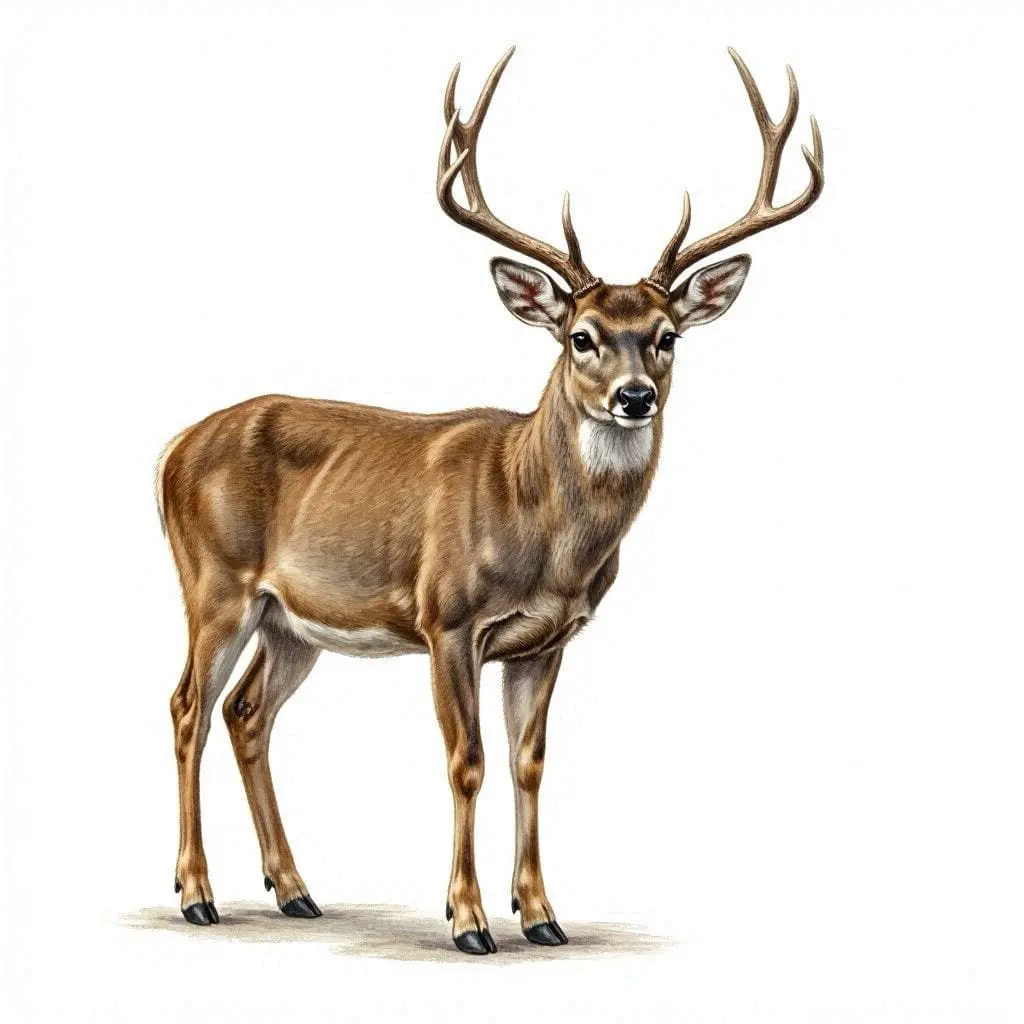
Type: Mammal
The deer is a gentle forest animal known for its speed and agility. It feeds on grass, leaves, and shrubs and is an important prey species in forest food chains.
Where found: Forests worldwide
❾ Gorilla
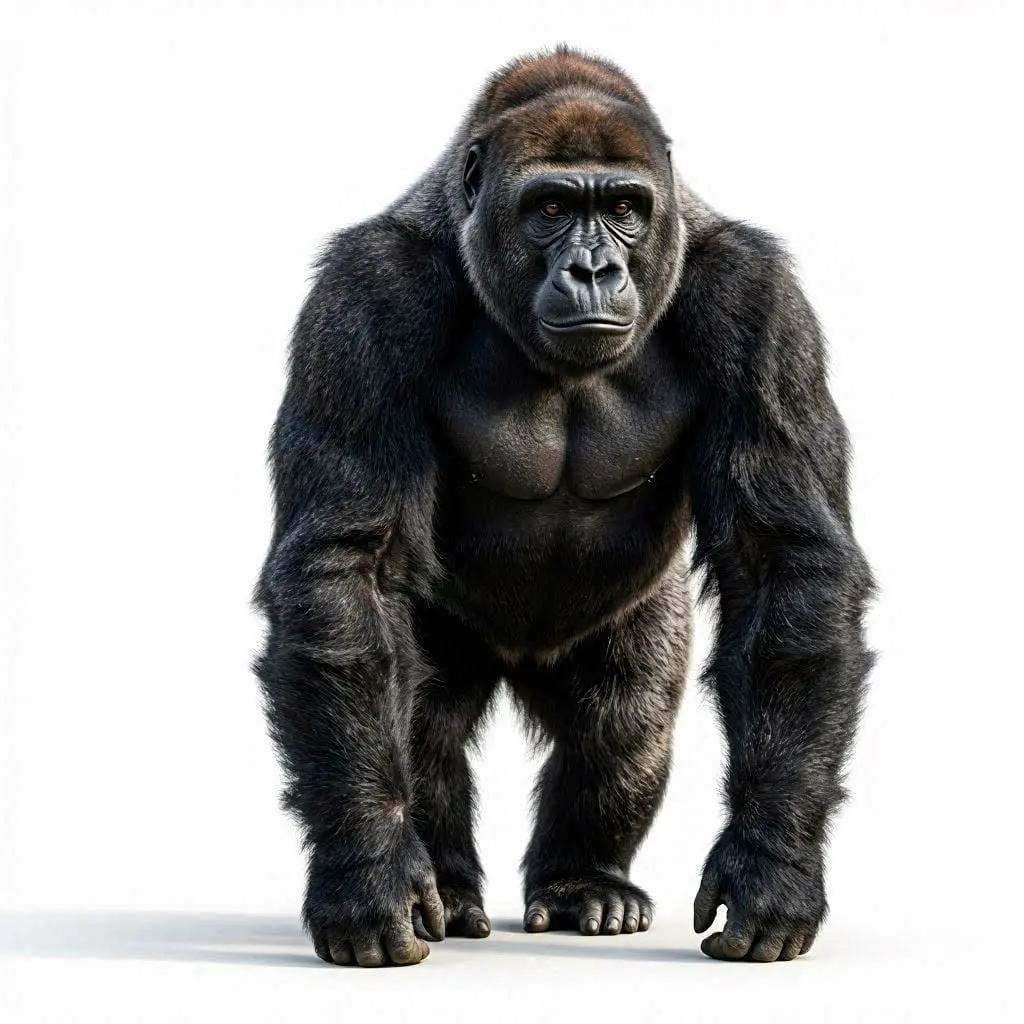
Type: Mammal
The gorilla is the largest forest animal among primates and is known for its strength and intelligence. It lives in groups and mainly eats plants, fruits, and leaves.
Where found: Dense rainforests of Central Africa
❿ Chimpanzee
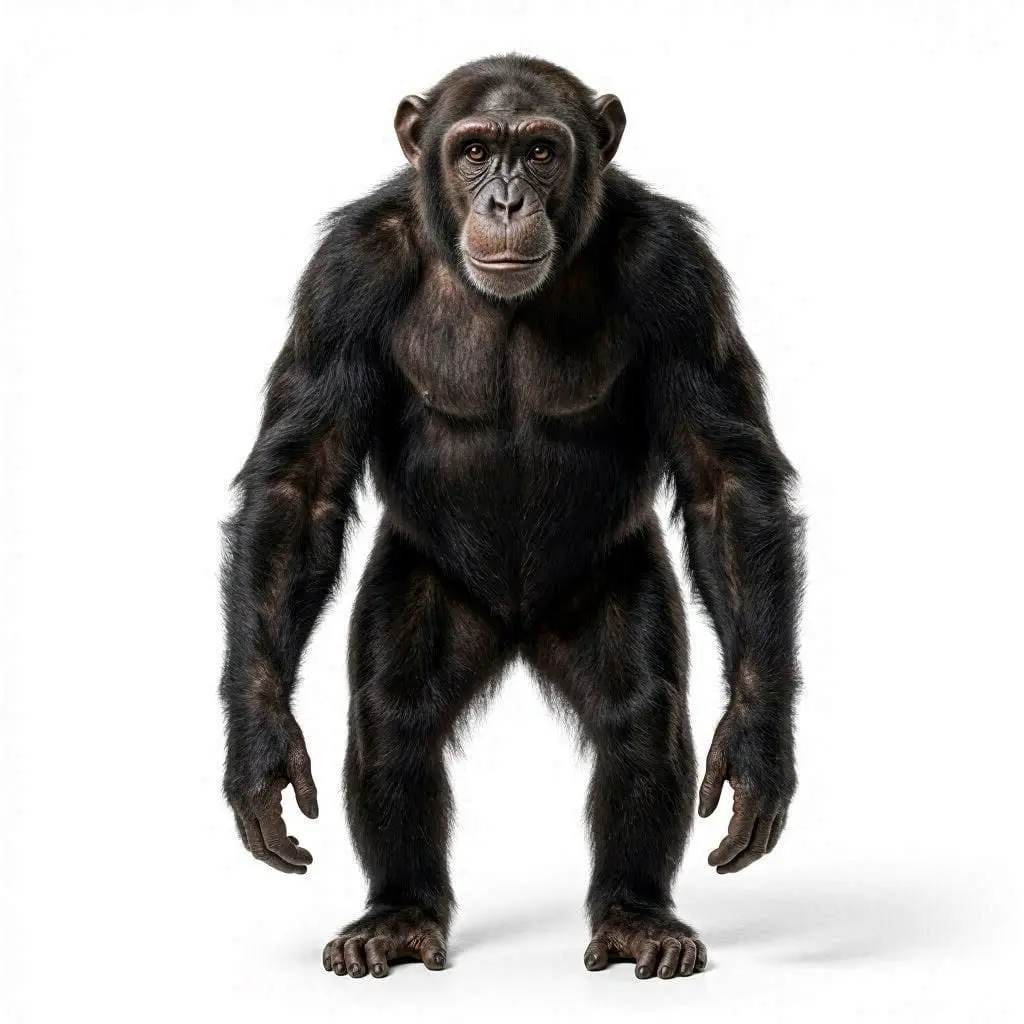
Type: Mammal
The chimpanzee is a highly intelligent forest animal that uses tools and communicates through gestures and sounds. It lives in social groups and shows human-like behavior.
Where found: Tropical forests of Africa
⓫ Orangutan
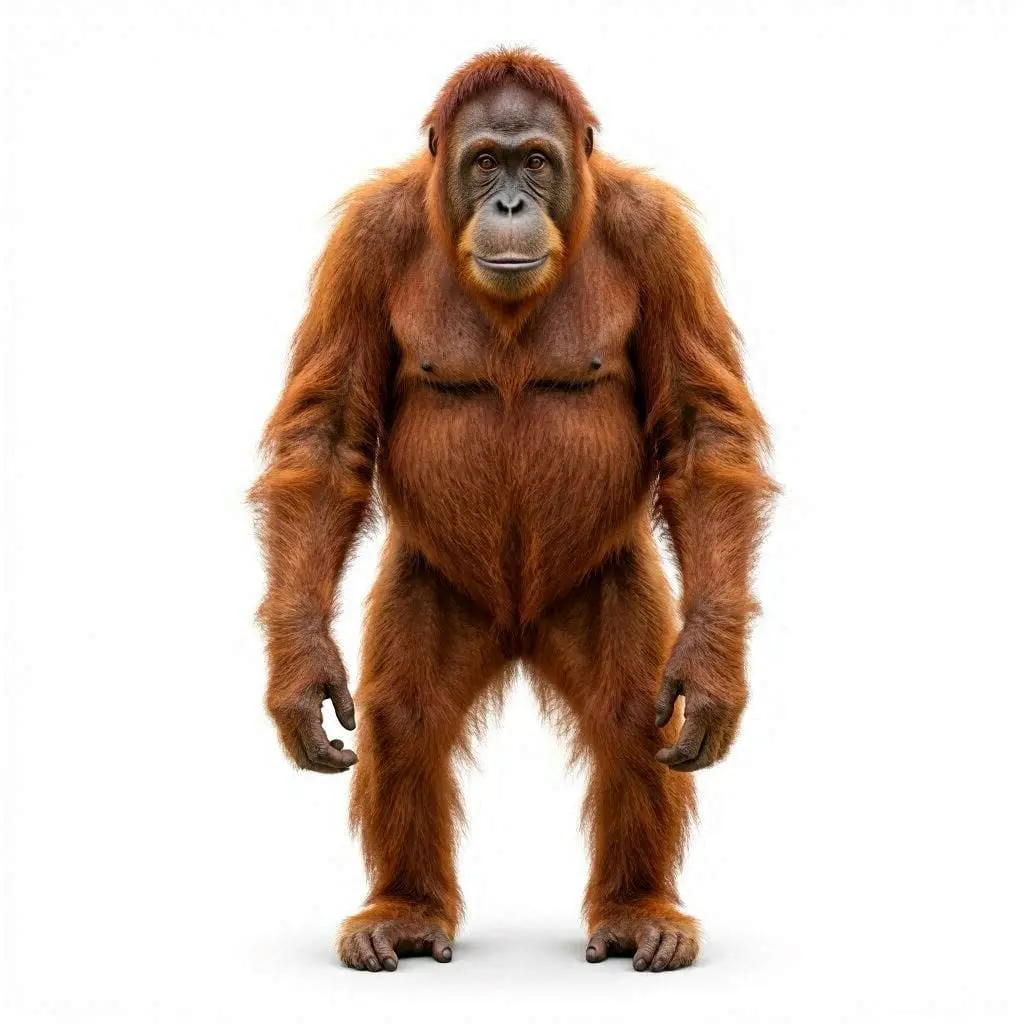
Type: Mammal
The orangutan is a tree-dwelling forest animal known for its long arms and intelligence. It spends most of its life in trees and builds nests for sleeping.
Where found: Rainforests of Indonesia and Malaysia
⓬ Fox
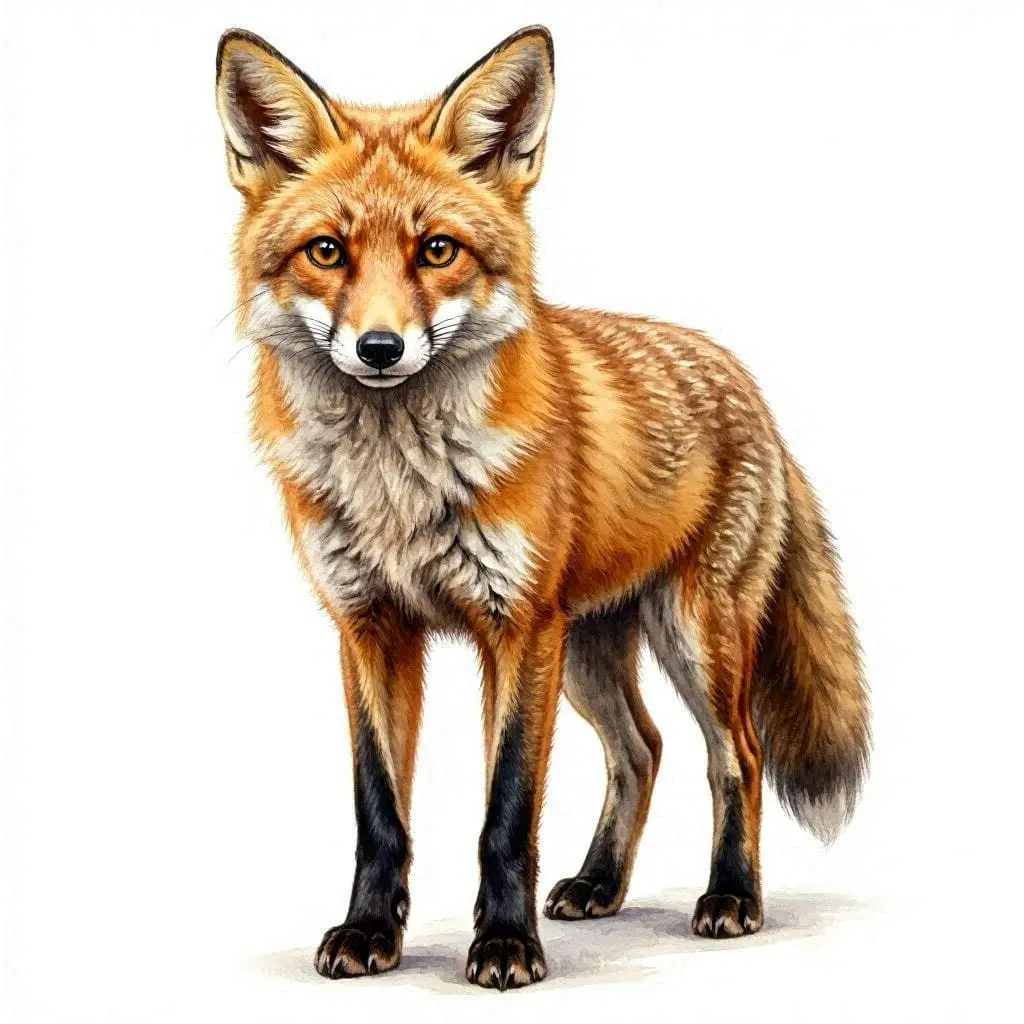
Type: Mammal
The fox is a clever and adaptable forest animal known for its sharp senses. It hunts small animals and also scavenges when needed.
Where found: Forests, woodlands, and grasslands worldwide
⓭ Wild Boar
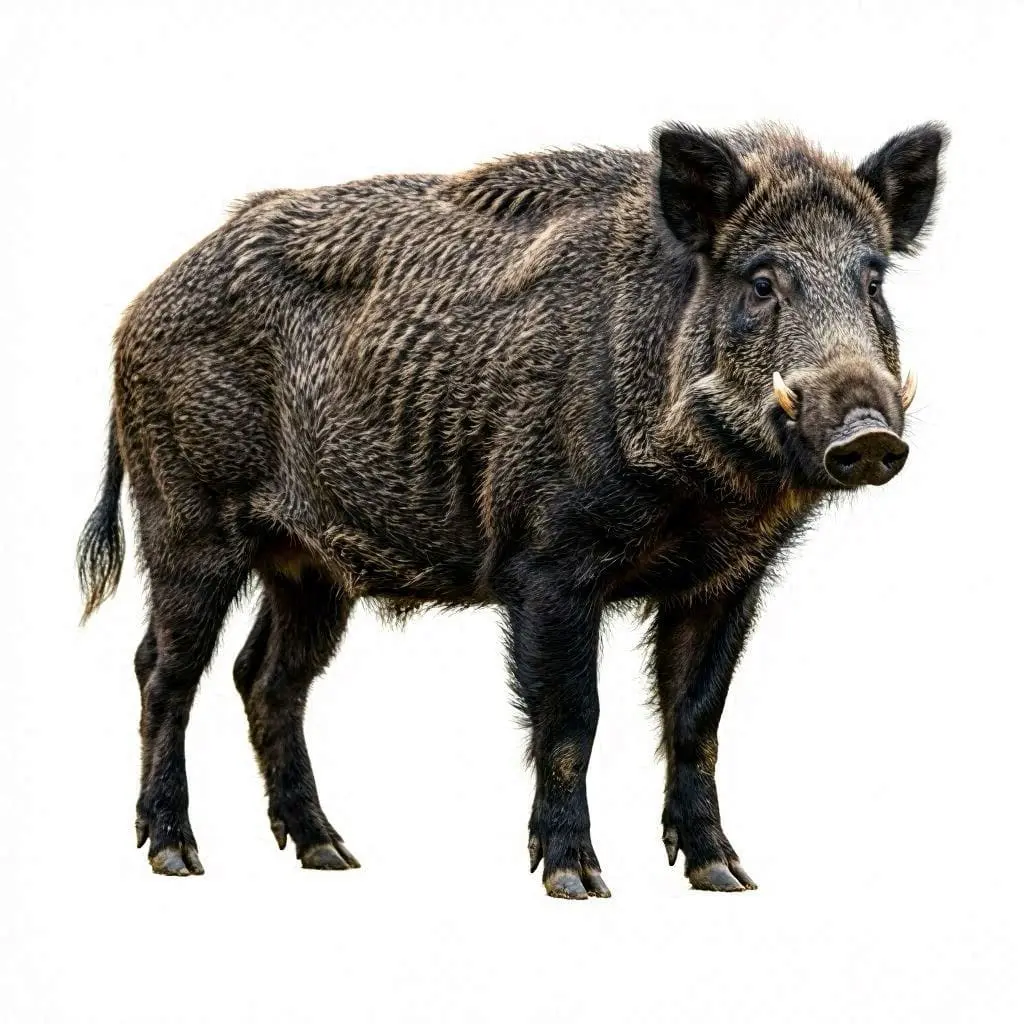
Type: Mammal
The wild boar is a strong forest animal with sharp tusks used for digging and defense. It feeds on roots, insects, and small animals.
Where found: Forests of Europe, Asia, and North Africa
⓮ Bison
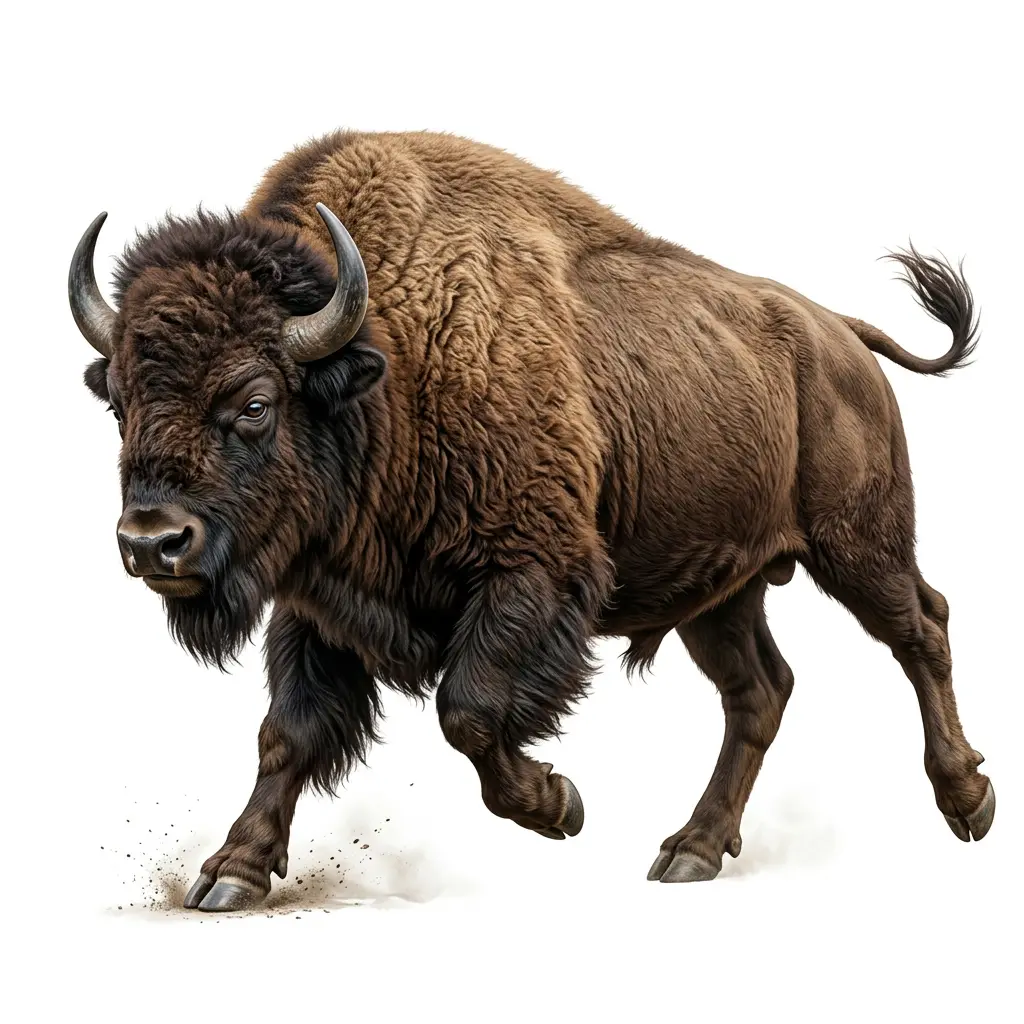
Type: Mammal
The bison is a large forest animal that moves in herds and grazes on grasses and plants. It is well adapted to cold environments.
Where found: Forest edges and grassland forests of North America and Europe
⓯ Rhinoceros
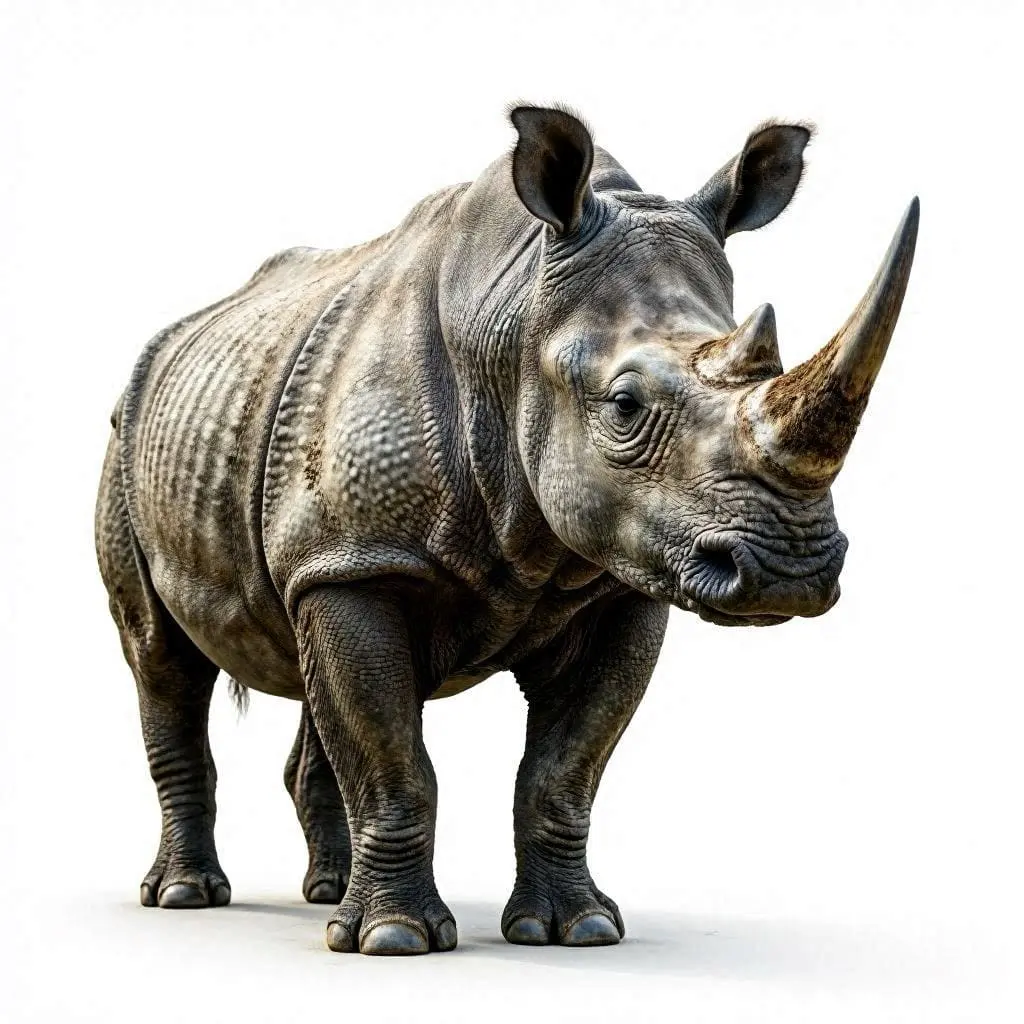
Type: Mammal
The rhinoceros is a massive forest animal with thick skin and one or two horns. It is herbivorous and feeds on grass and shrubs.
Where found: Forests and grasslands of Africa and Asia
⓰ Hippopotamus
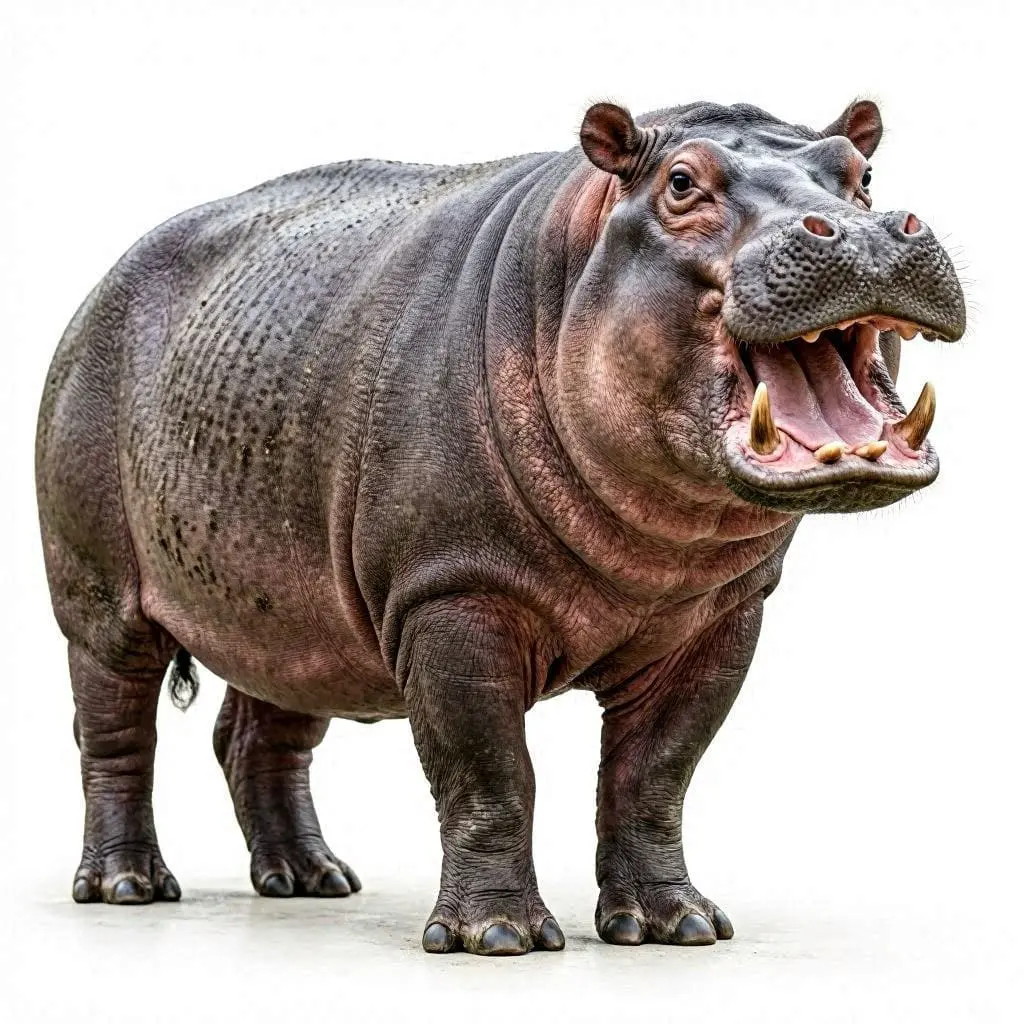
Type: Mammal
The hippopotamus is a large semi-aquatic forest animal that spends most of its time in water. It is territorial and comes on land at night to graze.
Where found: Forest rivers and wetlands of Africa
⓱ Sloth
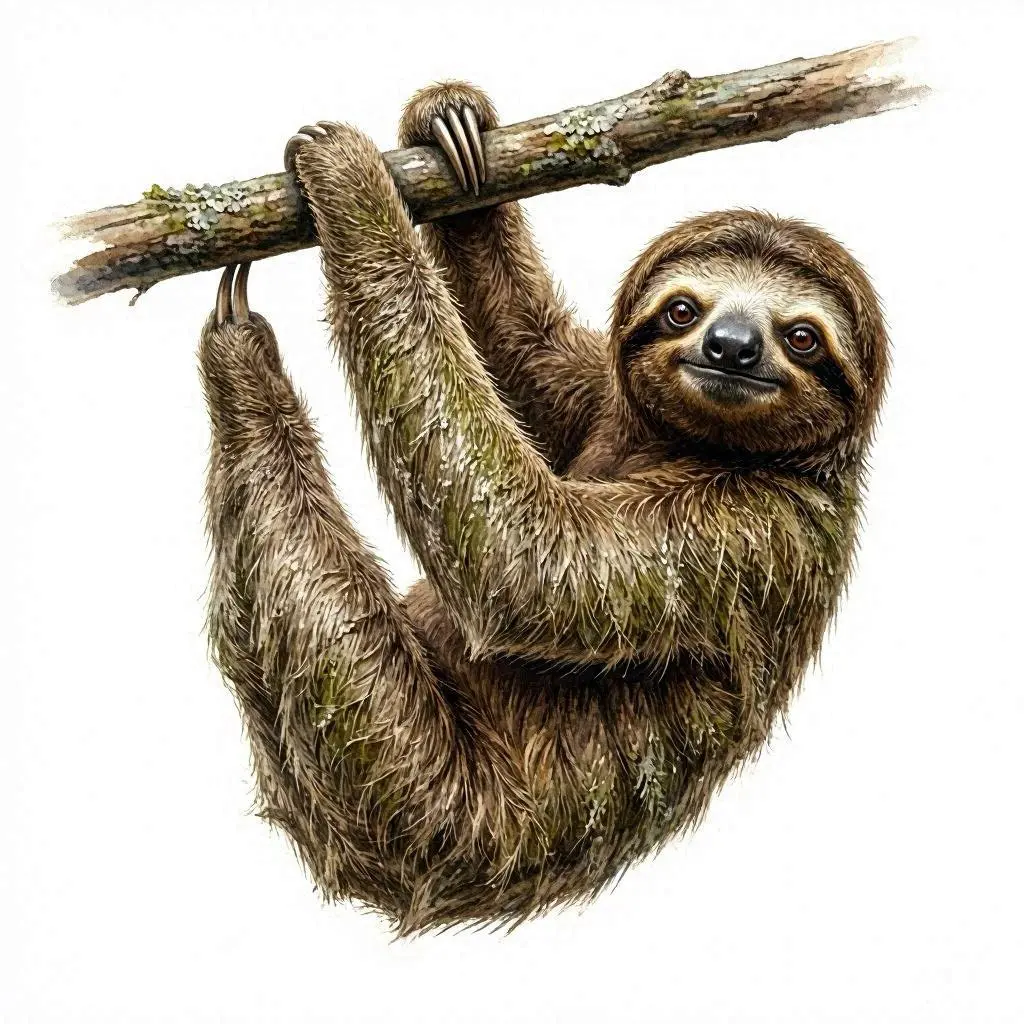
Type: Mammal
The sloth is a slow-moving forest animal that lives in trees and feeds mainly on leaves. It conserves energy by moving very slowly.
Where found: Rainforests of Central and South America
⓲ Panda

Type: Mammal
The panda is a gentle forest animal known for its black-and-white fur. It mainly eats bamboo and lives in mountain forests.
Where found: Mountain forests of China
⓳ Lynx
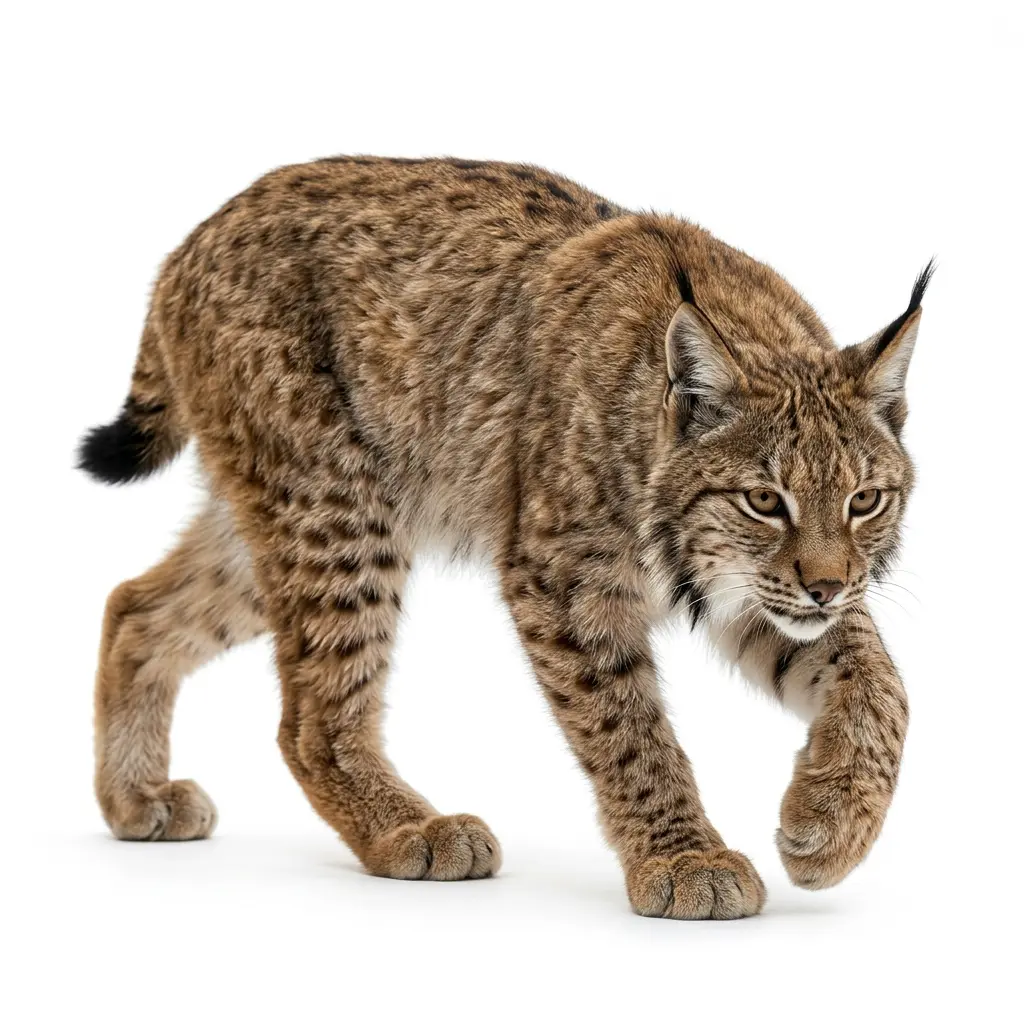
Type: Mammal
The lynx is a wild forest animal with tufted ears and excellent night vision. It is a silent predator that hunts small mammals.
Where found: Boreal and temperate forests of North America, Europe, and Asia
⓴ Snake
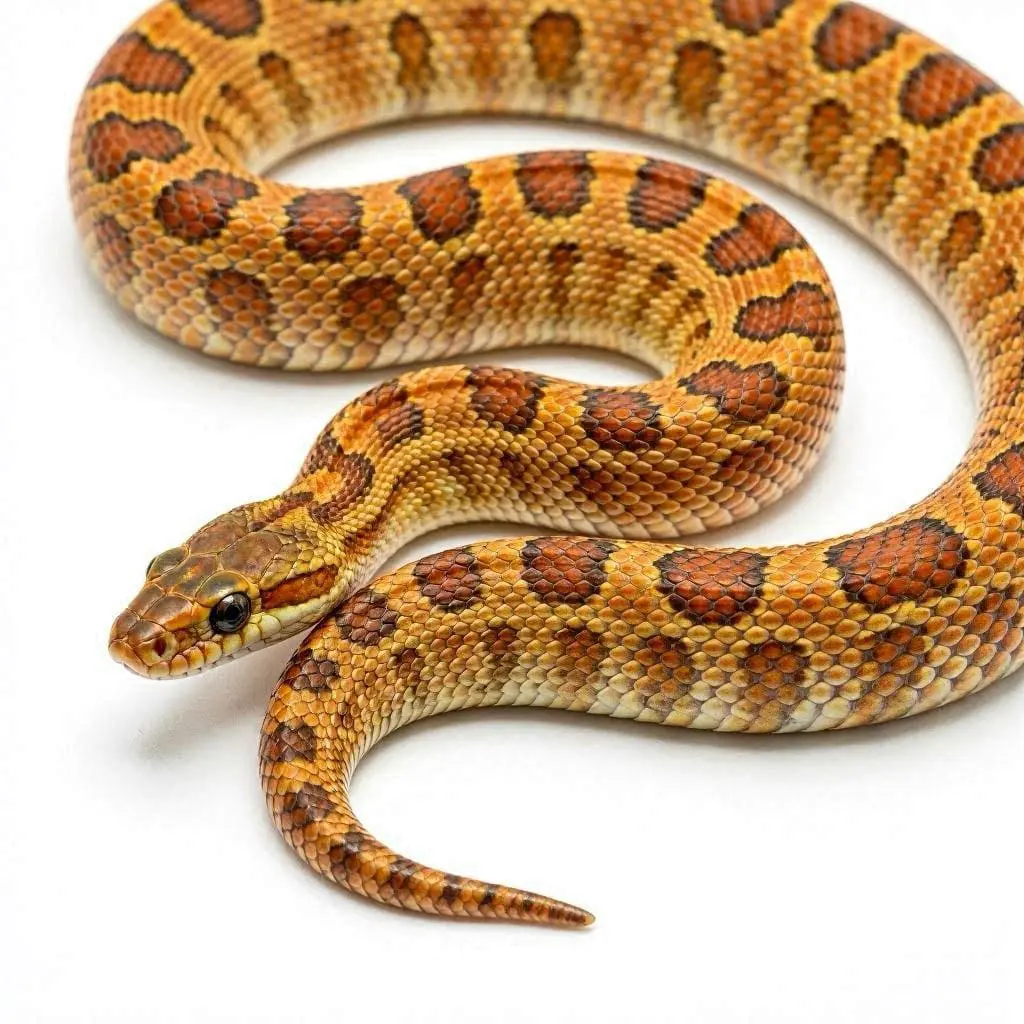
Type: Reptile
The snake is a forest animal that moves without legs and hunts by stealth. It plays an important role in controlling rodent populations.
Where found: Forests worldwide
Types of Forest Animals
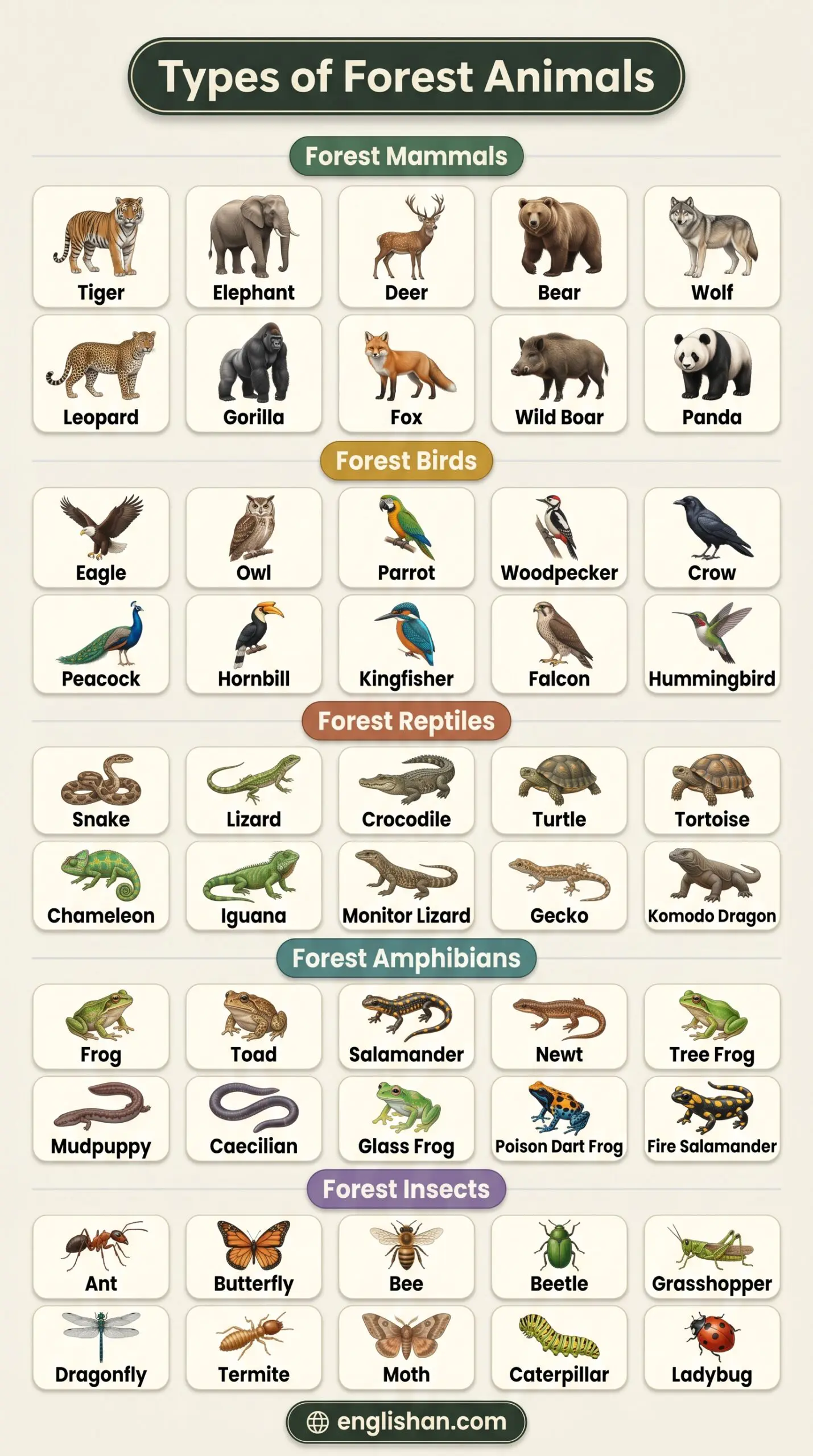
Forest ecosystems include different groups of animals, each adapted to survive in woodland habitats. Below is a clear list of forest animal types with a short introduction and examples.
Forest Mammals
Mammals are warm-blooded forest animals with hair or fur. They are generally intelligent and many of them care for their young by feeding them milk.
- Tiger — A powerful forest predator known for its stripes and hunting skills.
- Elephant — The largest forest animal, known for intelligence and strong memory.
- Deer — A gentle forest animal that feeds on grass, leaves, and plants.
- Bear — A strong forest animal that eats both plants and animals.
- Wolf — A social forest animal that hunts in packs.
- Leopard — A fast and stealthy forest animal with spotted fur.
- Gorilla — A strong and intelligent forest primate living in groups.
- Fox — A clever forest animal known for adaptability and sharp senses.
- Wild Boar — A tough forest animal with sharp tusks used for digging.
- Panda — A calm forest animal that mainly eats bamboo.
In short, mammals are highly developed forest animals that play a key role in maintaining balance in the food chain through their diverse feeding habits and behaviors.
Forest Birds
Birds are feathered forest animals, many of which can fly. They help in seed spreading, pollination, and controlling insects.
- Eagle — A strong bird of prey with excellent eyesight.
- Owl — A nocturnal forest bird known for silent hunting.
- Parrot — A colorful bird known for intelligence and mimicry.
- Woodpecker — A bird that pecks trees to find insects.
- Crow — A highly intelligent and adaptable forest bird.
- Peacock — A beautiful bird known for its colorful feathers.
- Hornbill — A large forest bird with a unique curved beak.
- Kingfisher — A fast bird that often hunts near water.
- Falcon — A very fast bird of prey with sharp hunting skills.
- Hummingbird — A tiny bird known for fast wing movement.
In short, birds are essential forest animals that support ecosystem balance by helping in pollination, seed dispersal, and natural pest control.
Forest Reptiles
Reptiles are cold-blooded forest animals with scaly skin. They are mostly predators and help control small animal populations.
- Snake — A legless forest predator that hunts small animals.
- Lizard — A small reptile found on trees and forest floors.
- Crocodile — A powerful reptile found near forest rivers.
- Turtle — A slow-moving reptile with a hard protective shell.
- Tortoise — A land reptile known for slow movement and longevity.
- Chameleon — A reptile that can change its skin color.
- Iguana — A large tree-dwelling forest reptile.
- Monitor Lizard — A strong reptile with sharp claws and teeth.
- Gecko — A small climbing reptile found on trees and rocks.
- Komodo Dragon — The largest living lizard and powerful predator.
In short, reptiles are important forest animals that help regulate populations of pests and small creatures, maintaining ecological stability.
Forest Amphibians (Forest Animals)
Amphibians can live both on land and in water. They usually have moist skin and depend on water for survival and reproduction.
- Frog — A jumping amphibian known for its croaking sound.
- Toad — A rough-skinned amphibian often found in damp areas.
- Salamander — A small amphibian with a lizard-like body.
- Newt — A water-loving amphibian with a smooth body.
- Tree Frog — A frog that lives mostly on trees.
- Mudpuppy — A fully aquatic amphibian with external gills.
- Caecilian — A legless amphibian that lives underground.
- Glass Frog — A frog with transparent skin on its belly.
- Poison Dart Frog — A brightly colored and toxic amphibian.
- Fire Salamander — A black and yellow amphibian found in forests.
In short, amphibians are sensitive forest animals that act as environmental indicators and help maintain healthy aquatic and land ecosystems.
Forest Insects
Insects are the most diverse forest animals and play a key role in pollination, decomposition, and maintaining ecological balance.
- Ant — A social insect that lives in large colonies.
- Butterfly — A colorful insect important for pollination.
- Bee — A flying insect that produces honey and pollinates flowers.
- Beetle — A hard-shelled insect found in forest soil and trees.
- Grasshopper — A jumping insect that feeds on plants.
- Dragonfly — A fast-flying insect often found near water.
- Termite — An insect that helps decompose wood.
- Moth — A nocturnal insect attracted to light.
- Caterpillar — The larval stage of butterflies and moths.
- Ladybug — A small insect that helps control pests.
In short, insects are the backbone of forest ecosystems, supporting pollination, decomposition, and the food chain in countless ways.
Forest Animals Names for Kids
- Lion
- Tiger
- Elephant
- Deer
- Bear
- Monkey
- Fox
- Wolf
- Rabbit
- Giraffe
- Zebra
- Panda
- Squirrel
- Leopard
- Crocodile
- Snake
- Owl
- Eagle
- Parrot
- Peacock
Herbivorous, Carnivorous, and Omnivorous Forest Animals Names
Forest animals can also be classified based on their eating habits. Some eat only plants, some depend on meat, while others eat both. Each type plays an important role in maintaining forest balance.
Herbivorous Forest Animals Names
Herbivorous forest animals are plant-eaters. They mainly feed on grass, leaves, fruits, and bark, and they help in seed dispersal and plant growth.
- Deer — A gentle forest animal that feeds on grass, leaves, and shrubs.
- Elephant — A large forest animal that eats grass, leaves, fruits, and bark.
- Rabbit — A small forest animal that survives on grass and soft plants.
- Giraffe — A tall forest animal that feeds on leaves from high trees.
- Zebra — A grazing forest animal that mainly eats grasses.
Carnivorous Forest Animals Names
Carnivorous forest animals are meat-eaters. They are predators that hunt other animals to survive and help control prey populations in forests.
- Tiger — A powerful forest predator that hunts deer and wild boar.
- Lion — A strong forest animal that hunts in groups called prides.
- Leopard — A stealthy forest hunter that attacks small and medium animals.
- Wolf — A pack-hunting forest animal known for teamwork.
- Jaguar — A strong forest predator with a powerful bite force.
Omnivorous Forest Animals Names
Omnivorous forest animals eat both plants and animals. This flexible diet helps them survive in changing forest environments.
- Bear — A strong forest animal that eats fruits, fish, and small animals.
- Monkey — A forest animal that eats fruits, insects, and small organisms.
- Fox — A clever forest animal that eats small animals and fruits.
- Wild Boar — A forest animal that feeds on roots, insects, and plants.
- Crow — A highly intelligent forest bird that eats almost anything available.
In short, herbivorous, carnivorous, and omnivorous forest animals each play a key role in maintaining forest balance by supporting the food chain and keeping the ecosystem stable
Importance of Forest Animals
Forest animals are essential for keeping ecosystems healthy and balanced. Each species plays a role in maintaining nature’s stability.
- Maintain ecological balance — They help keep nature stable by preventing overpopulation of any one species.
- Control food chain — Predators and prey regulate each other, keeping the food chain balanced.
- Help in seed dispersal — Animals spread seeds, helping new plants grow and forests regenerate.
- Support biodiversity — They increase variety in ecosystems, making forests stronger and healthier.
In short, forest animals are the backbone of natural ecosystems, ensuring balance, growth, and long-term survival of forests.
Threats to Forest Animals
Forest animals face many dangers due to human activities and environmental changes. These threats are reducing wildlife populations and disturbing natural ecosystems.
- Deforestation — Cutting down forests destroys the natural homes of animals and forces them to migrate or die.
- Poaching — Illegal hunting of animals for skin, horns, or meat leads to a serious decline in wildlife populations.
- Climate change — Changes in temperature and rainfall disturb food availability and natural habitats.
- Habitat loss — Expansion of cities, farms, and roads reduces the space where forest animals can live and survive.
In short, these threats are putting forest animals at risk and disrupting the natural balance of ecosystems, making conservation efforts very important.
Interesting Facts About Forest Animals
- Lions are often called the “king of the jungle” due to their strength and dominance in the food chain.
- Elephants are the largest land animals, known for their intelligence and strong memory.
- Tigers are powerful swimmers and can easily cross rivers while hunting or traveling.
- Monkeys are highly intelligent animals that use tools and live in complex social groups.
Conclusion
Forest animals play a vital role in maintaining the balance of nature. From powerful predators like lions and tigers to gentle herbivores like deer and elephants, each species contributes to the forest ecosystem in its own way. Birds add diversity to the environment, while reptiles help control insect populations and maintain the food chain.
Overall, forest animals are essential for biodiversity and ecological stability. Protecting their natural habitats is important to ensure a healthy environment for future generations. Conservation efforts like wildlife reserves, anti-poaching laws, and forest protection can help preserve these incredible creatures and the forests they call home.
FAQs about Forest Animals
Forest animals are wild creatures that naturally live in forest environments such as tropical forests, temperate forests, and rainforests. These animals are adapted to survive in dense vegetation, varying climates, and natural ecosystems where they depend on plants, other animals, and environmental resources for survival.
Forest animals are important because they help maintain the balance of nature. They regulate food chains, support plant growth through seed dispersal, and contribute to biodiversity. Without forest animals, ecosystems would become unstable and many natural processes would be disrupted.
Forest animals live in different types of forest habitats around the world. Some are found in tropical rainforests with hot and humid conditions, while others live in temperate forests with seasonal changes, or in boreal forests with colder climates. Each species is adapted to its specific environment.
Forest animals have different feeding habits depending on their species. Herbivores eat plants, leaves, fruits, and grass, carnivores hunt other animals for food, and omnivores consume both plants and animals. This diversity in diet helps maintain balance in forest ecosystems.
Forest animals face several serious threats, including deforestation, poaching, climate change, and habitat loss. These factors reduce their natural living spaces, disturb food availability, and increase survival challenges, putting many species at risk of decline or extinction.
You May Also Like
- 60+ Zoo Animals Names with Pictures I
- 65+ Cat Breeds with Pictures and Traits
- 25+ Biggest Animals in the World with their Pictures
Forest Animals Quiz
Forest Animals
Which animal does the picture show?
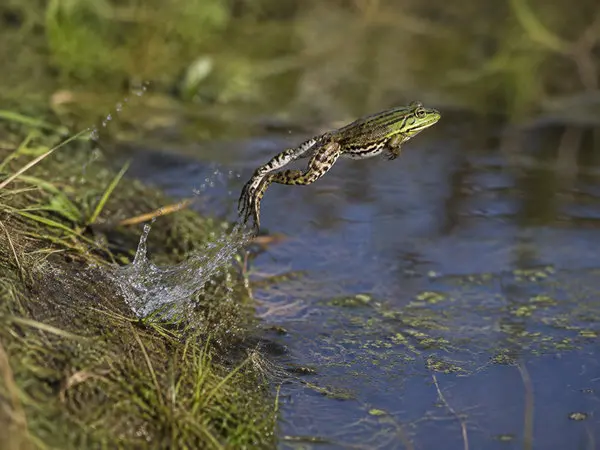
The picture shows a badger.
Read the picture before reading the options.
The picture shows a badger.
Which forest animal fells saplings and packs them with mud into a lodge?
Beavers gnaw through saplings, drag them into the water, and seal the pile with mud to form a lodge.
A lodge is built above water; a holt and a sett are dug into ground.
The beaver repaired its lodge before the river froze.
Which word describes an animal that is active at dawn and dusk?
Crepuscular animals move in the half-light at either end of the day — deer and rabbits both qualify.
Crepuscular sits between diurnal and nocturnal.
Roe deer are crepuscular, so the best time to spot them is just after sunrise.
Three of these belong to the deer family. Which one does not?
The lynx is a wild cat — a predator of deer rather than a member of the family.
Deer, elk, moose and caribou share the family Cervidae.
A lynx hunts the roe deer that browse along the forest edge.
Complete the sentence with the right name.
A squirrel's nest of twigs and leaves, built high in the fork of a tree, is called a ___.
A drey is specifically a squirrel's nest. A nest of sticks built by a bird of prey is an eyrie.
Drey belongs to squirrels; sett to badgers; holt to otters.
Two dreys sat in the oak, both packed tight against the wind.
Which verb goes with wolves?
The pack ___ across the valley after dark.
Howling is the long, carrying call wolves use to hold a pack together over distance.
Each animal takes its own sound verb, and they rarely swap.
The pack howled across the valley after dark.
Which term groups animals that eat both plants and other animals?
Bears and wild boar are omnivores — they take fruit, roots, insects and meat as the season allows.
Diet words scale from narrow to broad: insectivore, herbivore, carnivore, omnivore.
The wild boar is an omnivore, rooting for tubers one week and beetles the next.
Turn on JavaScript for the interactive quiz. The full practice set is shown above.