Zoos are a great place to learn about wildlife and observe animals from different parts of the world. When you start exploring, you will come across many zoo animals names such as lions, elephants, giraffes, and zebras, that are commonly seen in most zoos.
Learning zoo animals names helps students and children easily recognize different species and understand how they look and behave. It also makes it easier to connect what they see in books or online with real animals in front of them.
In this article, you will find that zoo animals names with pictures include a wide variety of creatures, from big predators like tigers to gentle herbivores like deer and camels. This makes learning about them both fun and educational.
What Are Zoo Animals?
Zoo animals are animals that are kept in zoos where they are cared for, protected, and shown to the public for learning and awareness. These animals usually come from different parts of the world and include both wild and exotic species.
The main difference between wild animals and zoo animals is their living environment. Wild animals live freely in their natural habitats such as forests, deserts, and oceans, where they hunt, migrate, and survive on their own. Zoo animals, on the other hand, live in controlled environments where food, shelter, and medical care are provided by humans.
Animals are kept in zoos for several important reasons. Zoos help in protecting endangered species from extinction through breeding programs. They also support education by allowing people to learn about animals up close, and they promote awareness about wildlife conservation and the importance of protecting natural habitats.
Explore more animals that start with different letters:
A | B | C | D | E | F | G | H | I | J | K | L | M | N | O | P | Q | R | S | T | U | V | W | X | Y | Z
List of Zoo Animals Names
- Lion
- Tiger
- Leopard
- Cheetah
- Jaguar
- Elephant
- Giraffe
- Zebra
- Hippopotamus
- Rhinoceros
- Gorilla
- Chimpanzee
- Orangutan
- Baboon
- Mandrill
- Panda
- Red panda
- Kangaroo
- Koala
- Camel
- Deer
- Bear
- Polar bear
- Wolf
- Fox
- Hyena
- Crocodile
- Alligator
- Snake
- Tortoise
- Turtle
- Komodo dragon
- Ostrich
- Peacock
- Flamingo
- Eagle
- Parrot
- Macaw
- Penguin
- Sea lion
- Seal
- Walrus
- Otter
- Meerkat
- Raccoon
- Porcupine
- Sloth
- Armadillo
- Tapir
- Bison
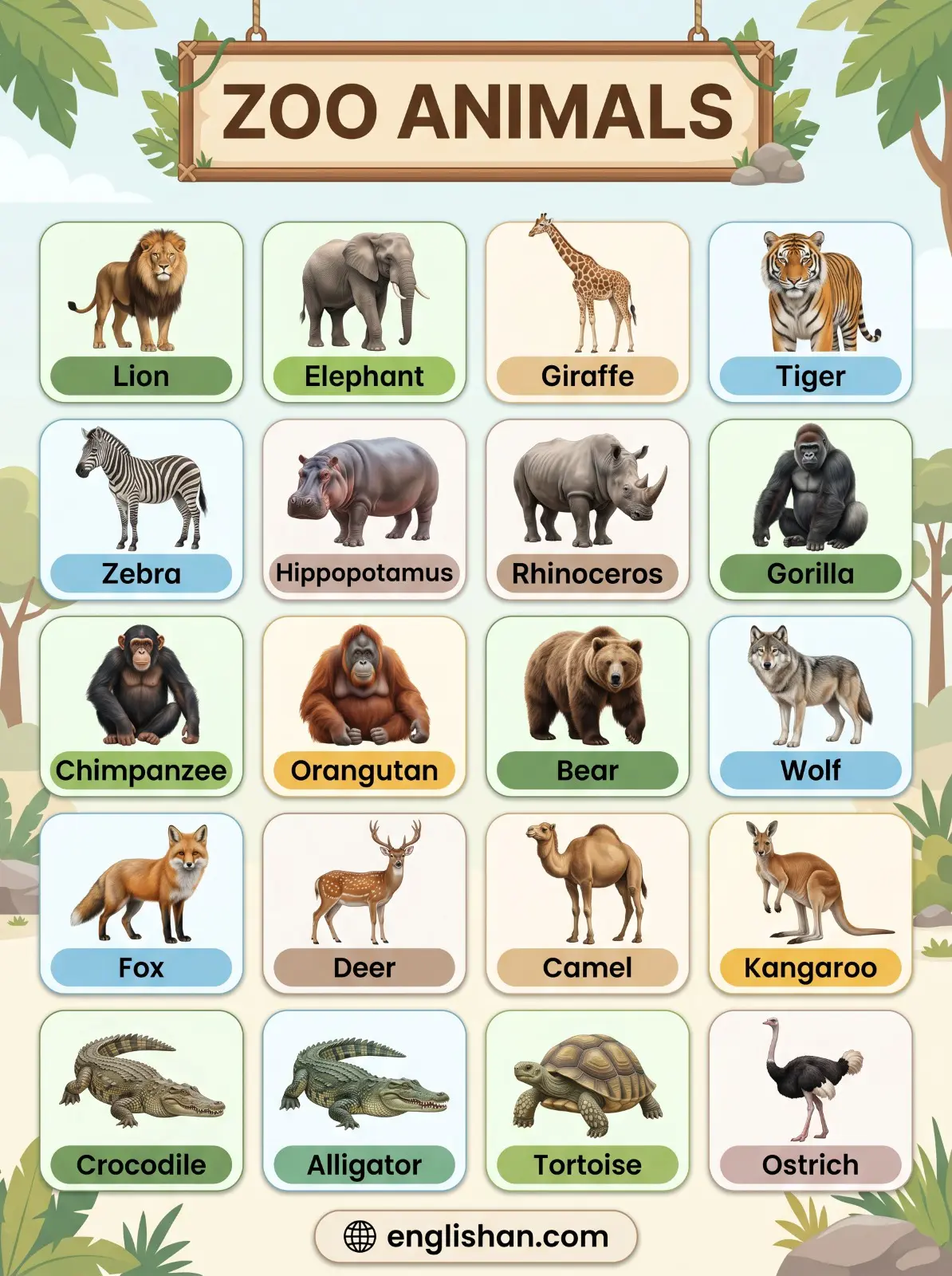
Common Zoo Animals Names with Pictures
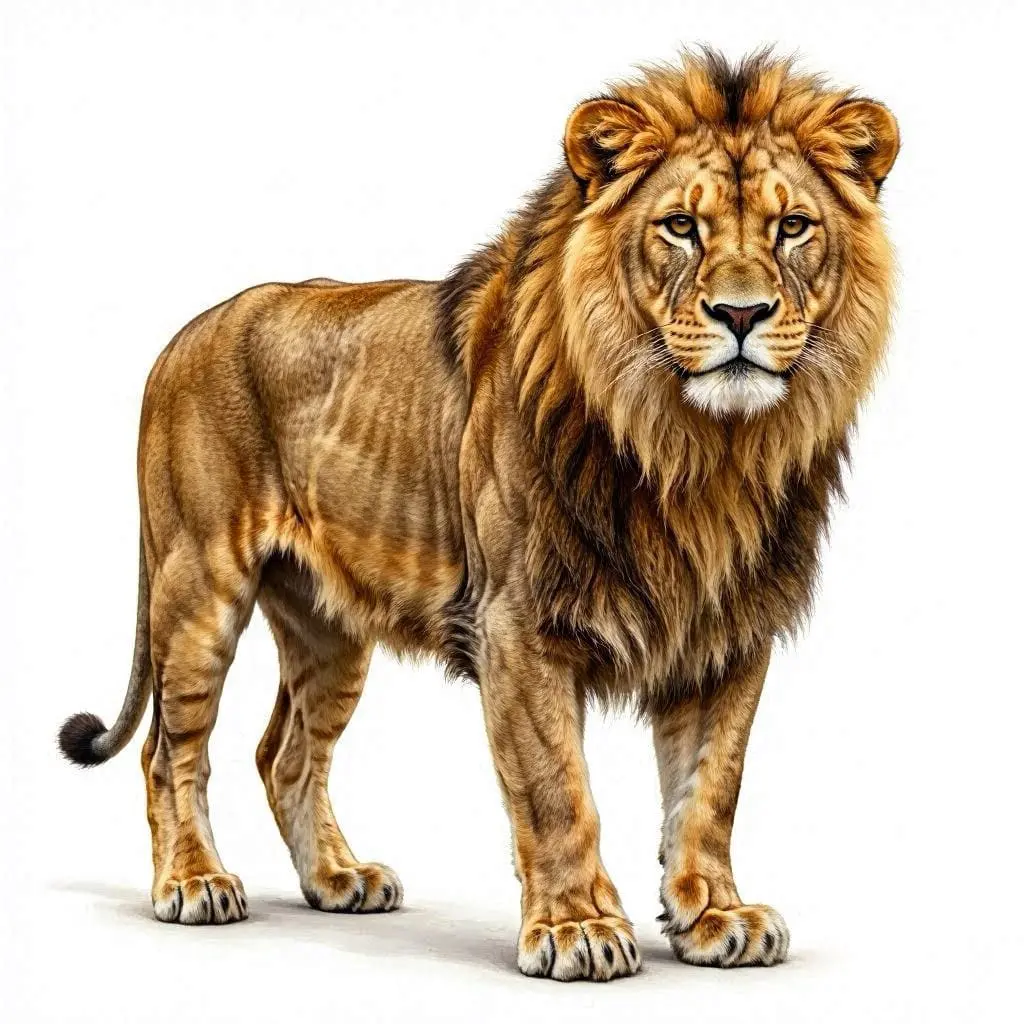
❶ Lion
Type: Mammal
The lion is one of the most powerful big cats found in zoos, known for its strong body, golden coat, and loud roar. It usually lives in groups called prides and spends a lot of time resting during the day. Despite being called the king of the jungle, it actually prefers open grasslands where it can hunt animals like deer and zebra.
Where found: Africa (grasslands and savannas)
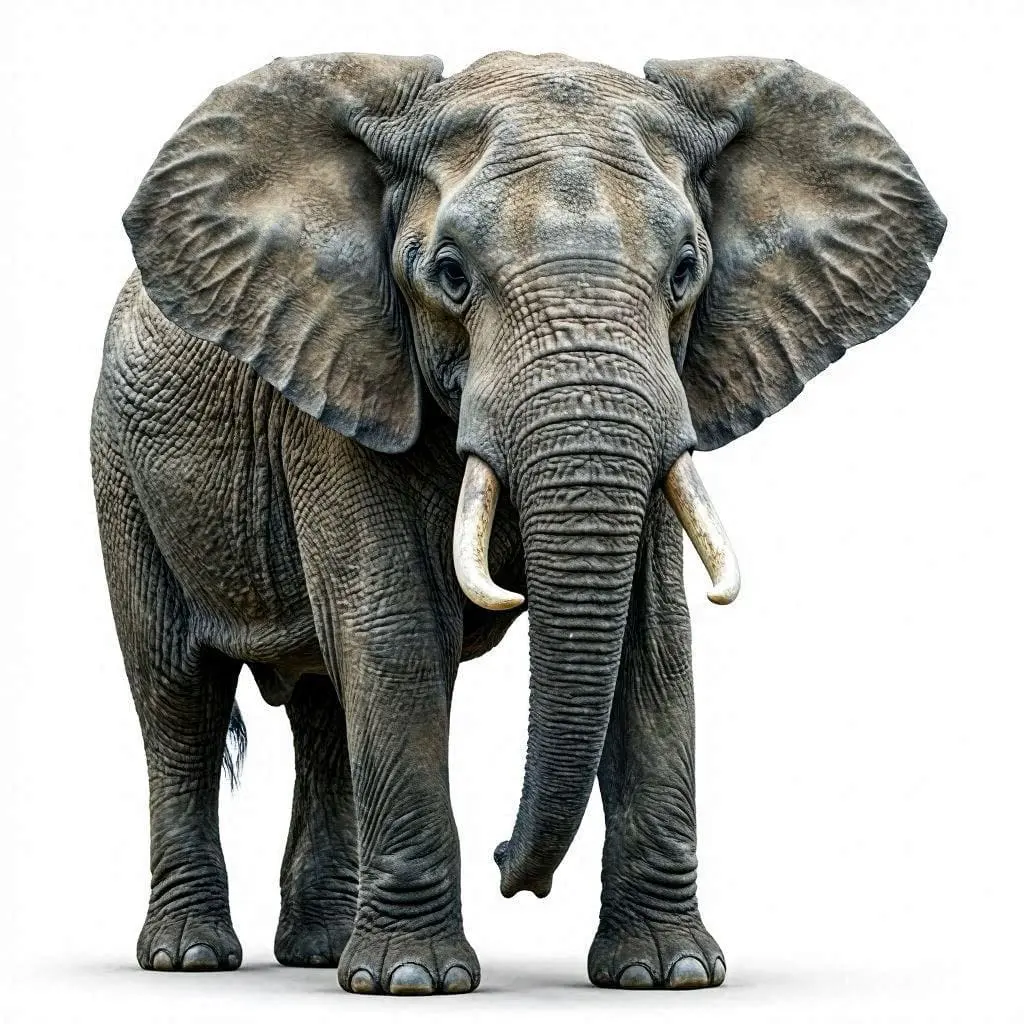
❷ Elephant
Type: Mammal
The elephant is the largest land animal kept in zoos, famous for its long trunk, big ears, and strong memory. It uses its trunk for eating, drinking, and even communicating with other elephants. Elephants are very social and intelligent animals that live in close family groups.
Where found: Africa and Asia (forests and savannas)
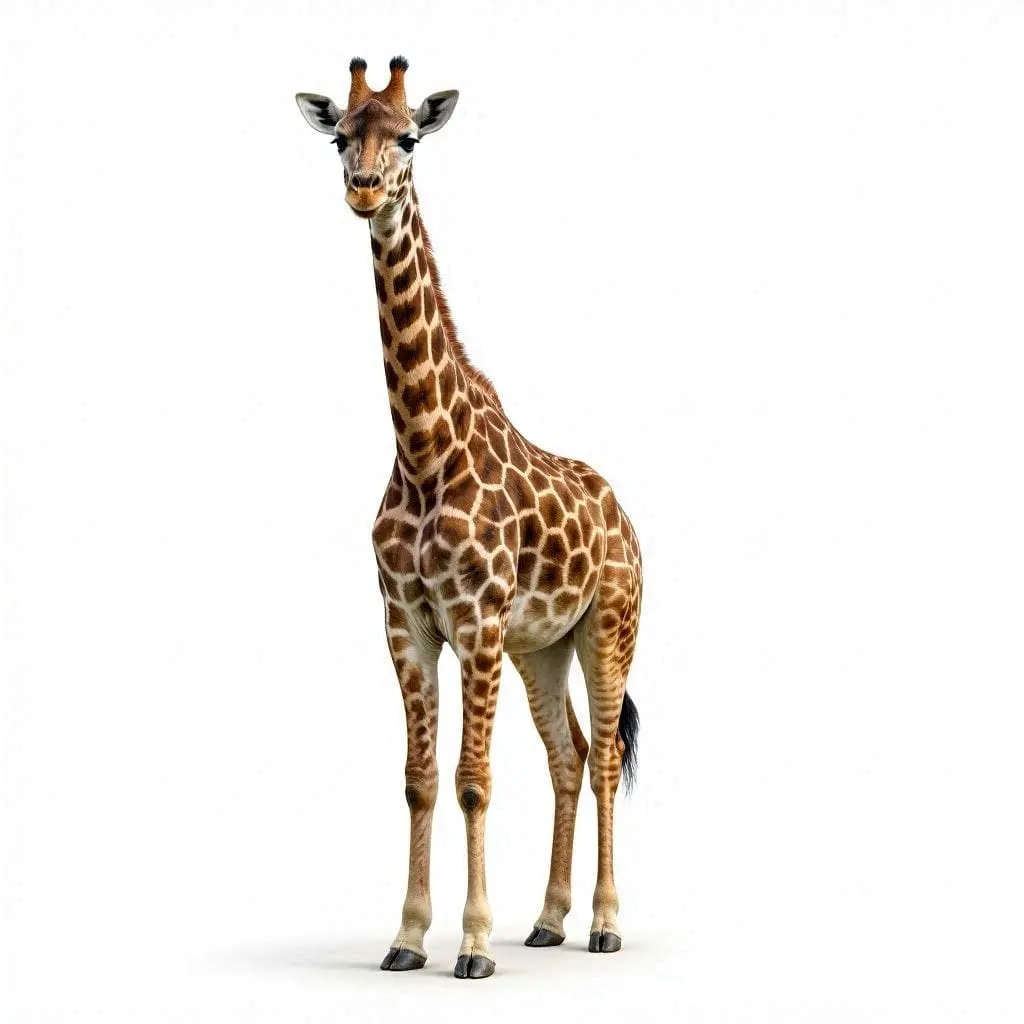
❸ Giraffe
Type: Mammal
The giraffe is the tallest animal in zoos, easily recognized by its very long neck and spotted coat. It uses its height to reach leaves high up in trees that other animals cannot access. Despite its size, it moves gracefully and calmly across open plains.
Where found: Africa (savannas and open woodlands)
❹ Tiger
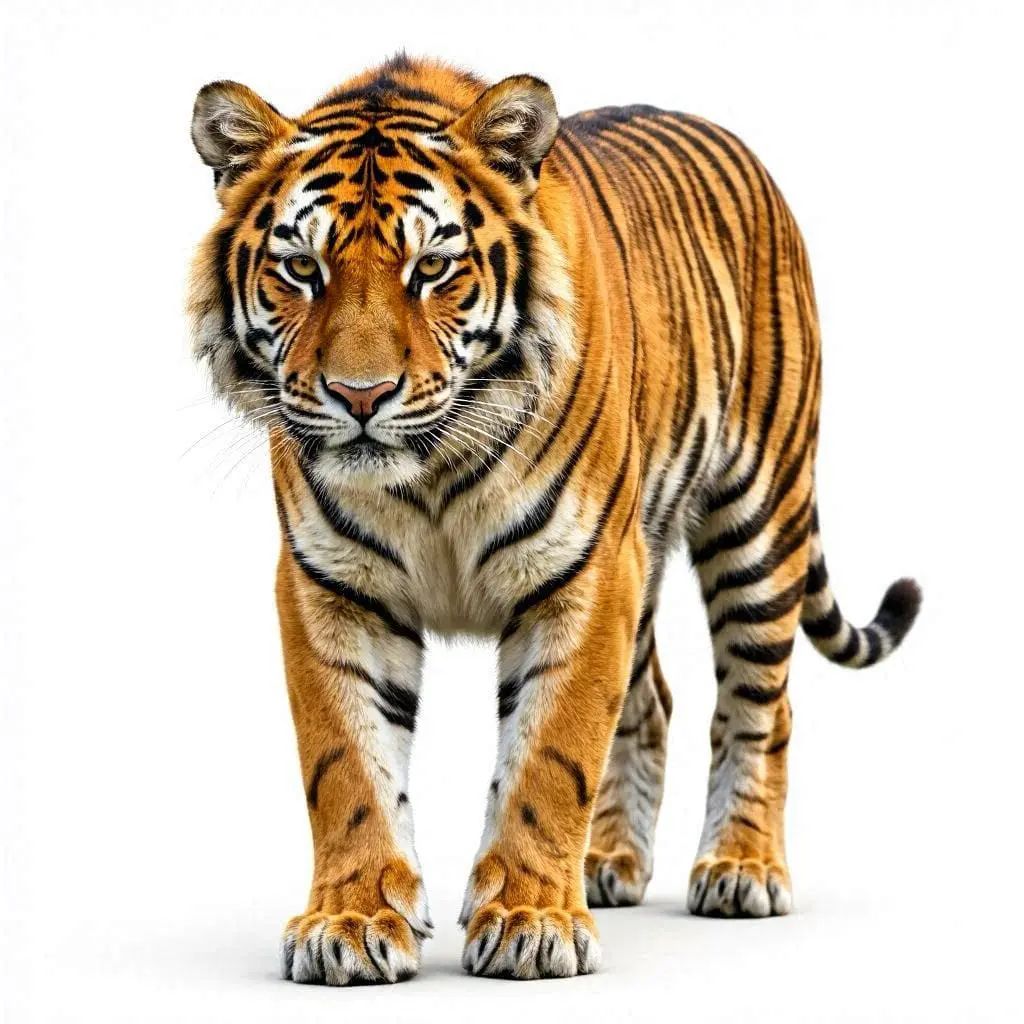
Type: Mammal
The tiger is a powerful big cat known for its orange coat with black stripes. It is a skilled hunter and prefers to live and hunt alone. Tigers are strong swimmers and often rest in shaded areas during the day.
Where found: Asia (forests, grasslands, and mangrove swamps)
❺ Zebra
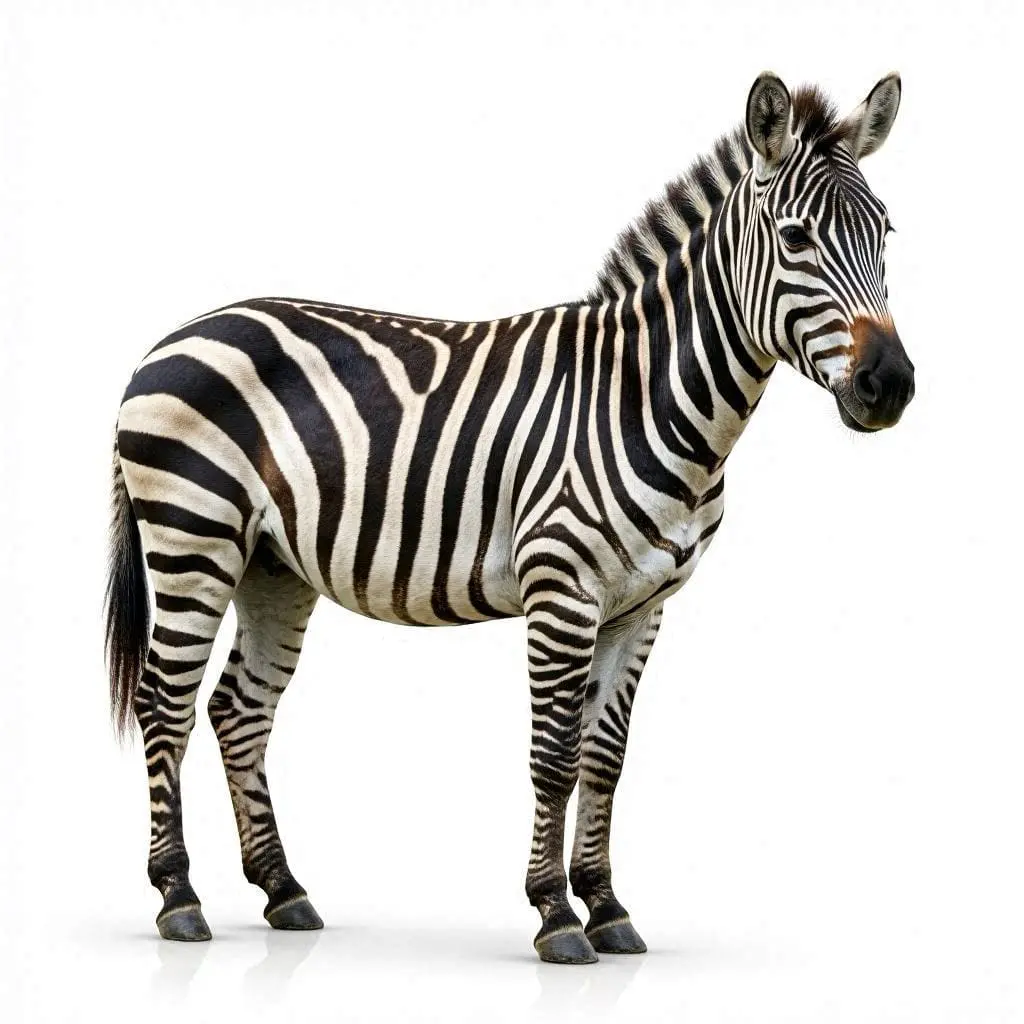
Type: Mammal
The zebra is a horse-like animal famous for its black and white striped body. Each zebra has a unique stripe pattern, just like human fingerprints. It lives in groups and relies on speed and teamwork to avoid predators.
Where found: Africa (grasslands and savannas)
❻ Hippopotamus
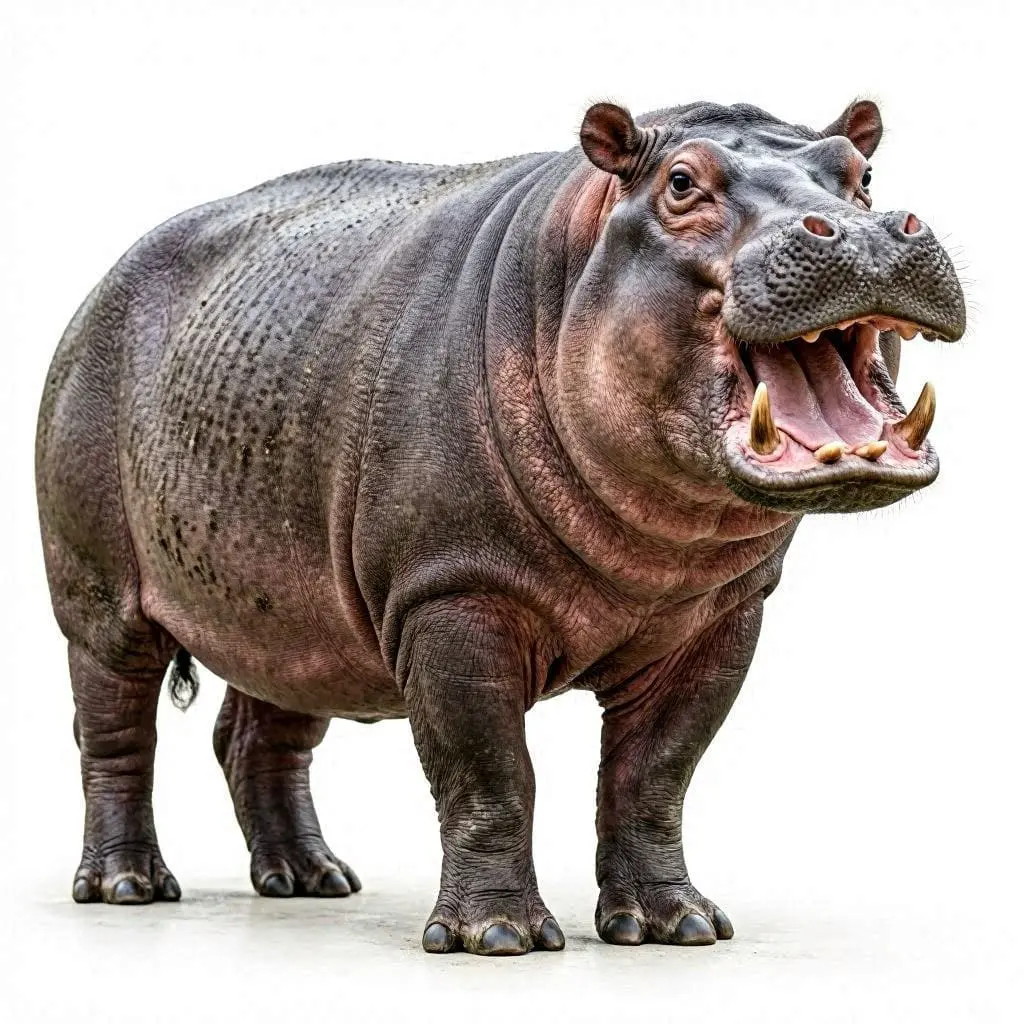
Type: Mammal
The hippopotamus is a large and powerful zoo animal that spends most of its time in water pools inside zoos. Even though it looks slow and calm, it is one of the strongest animals in its environment and can become very protective.
Where found: African rivers and lakes
❼ Rhinoceros
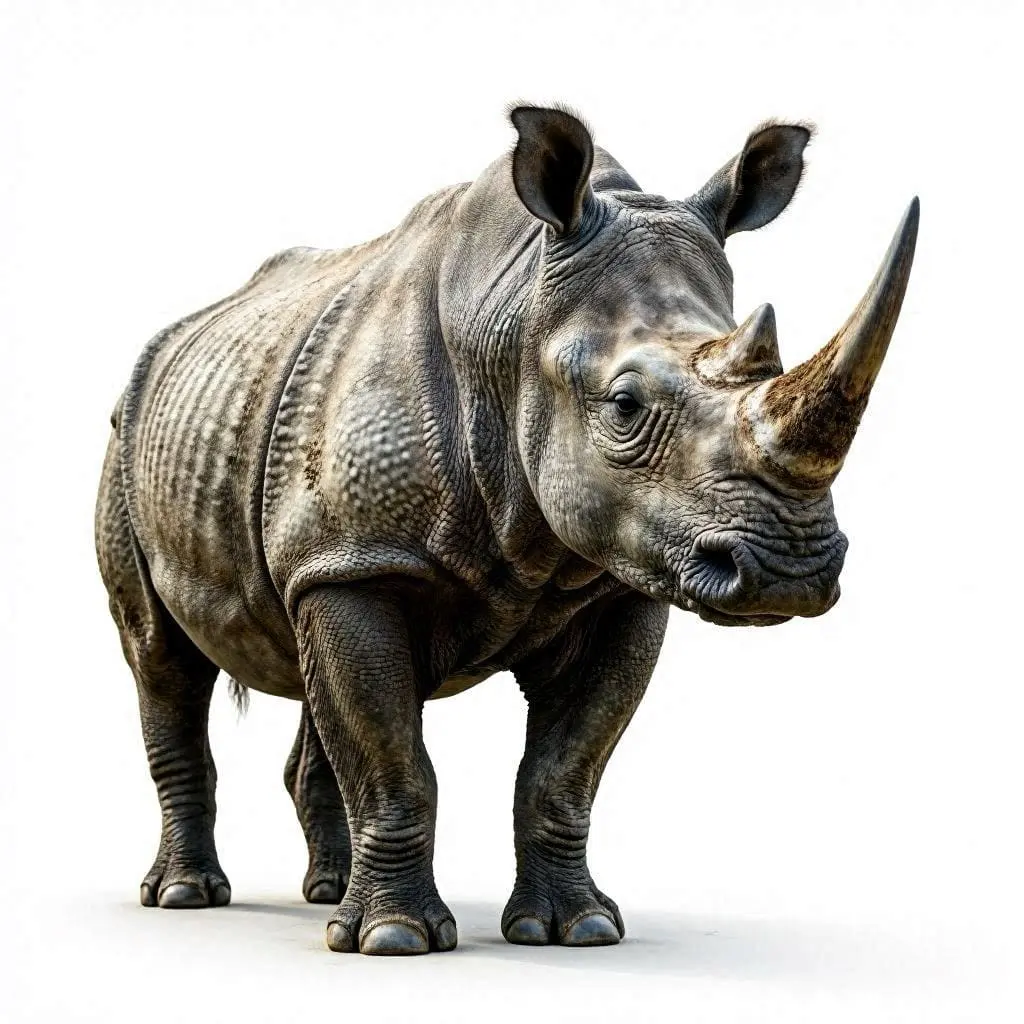
Type: Mammal
The rhinoceros is a strong and heavily built zoo animal that is often kept in large protected enclosures. It is known for its thick skin and horn, making it one of the most powerful land animals seen in zoos.
Where found: Africa and Asia
❽ Gorilla
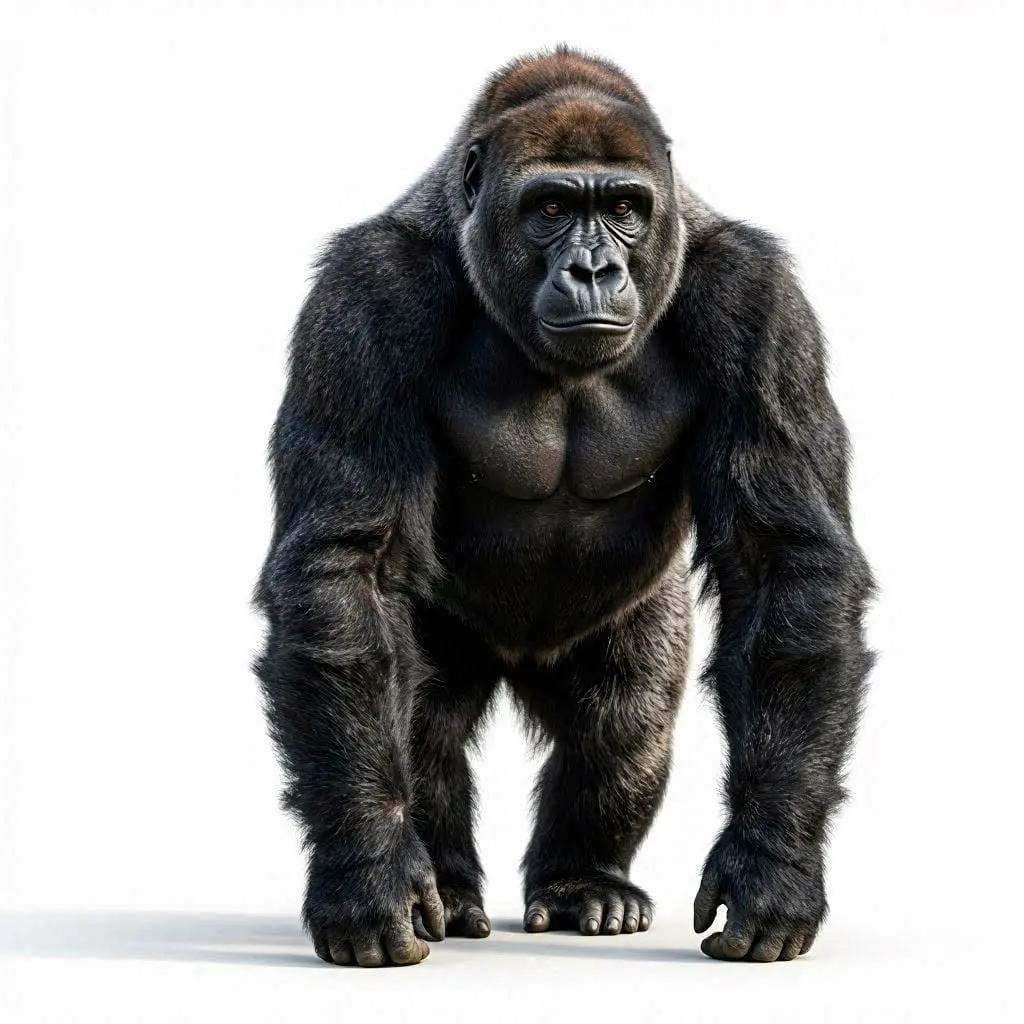
Type: Mammal
The gorilla is one of the most intelligent zoo animals that fascinates visitors with its human-like behavior. In zoos, gorillas live in social groups and are often seen interacting, playing, or resting together.
Where found: Central African forests
❾ Chimpanzee
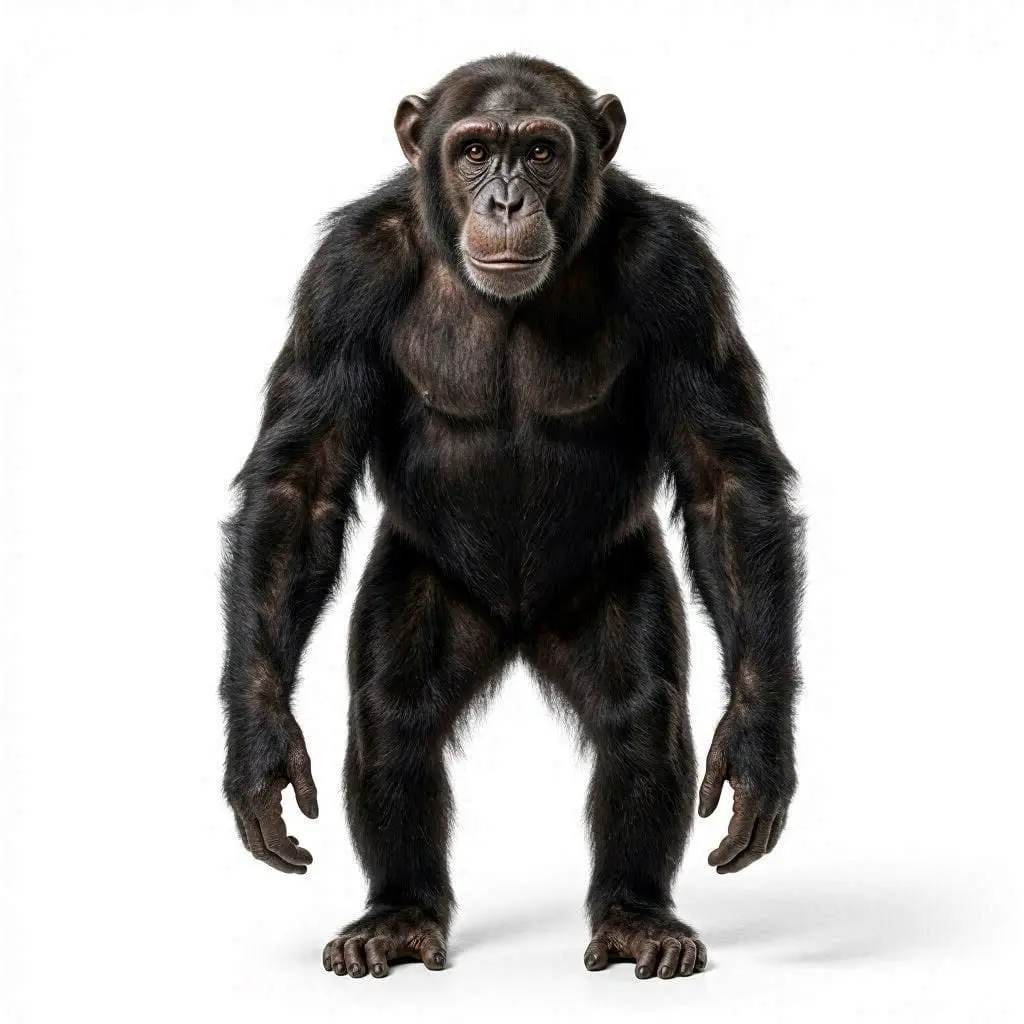
Type: Mammal
The chimpanzee is a highly intelligent zoo animal and one of the closest relatives to humans. In zoos, they are known for using tools, showing emotions, and interacting actively with their environment and visitors.
Where found: African tropical forests
❿ Orangutan
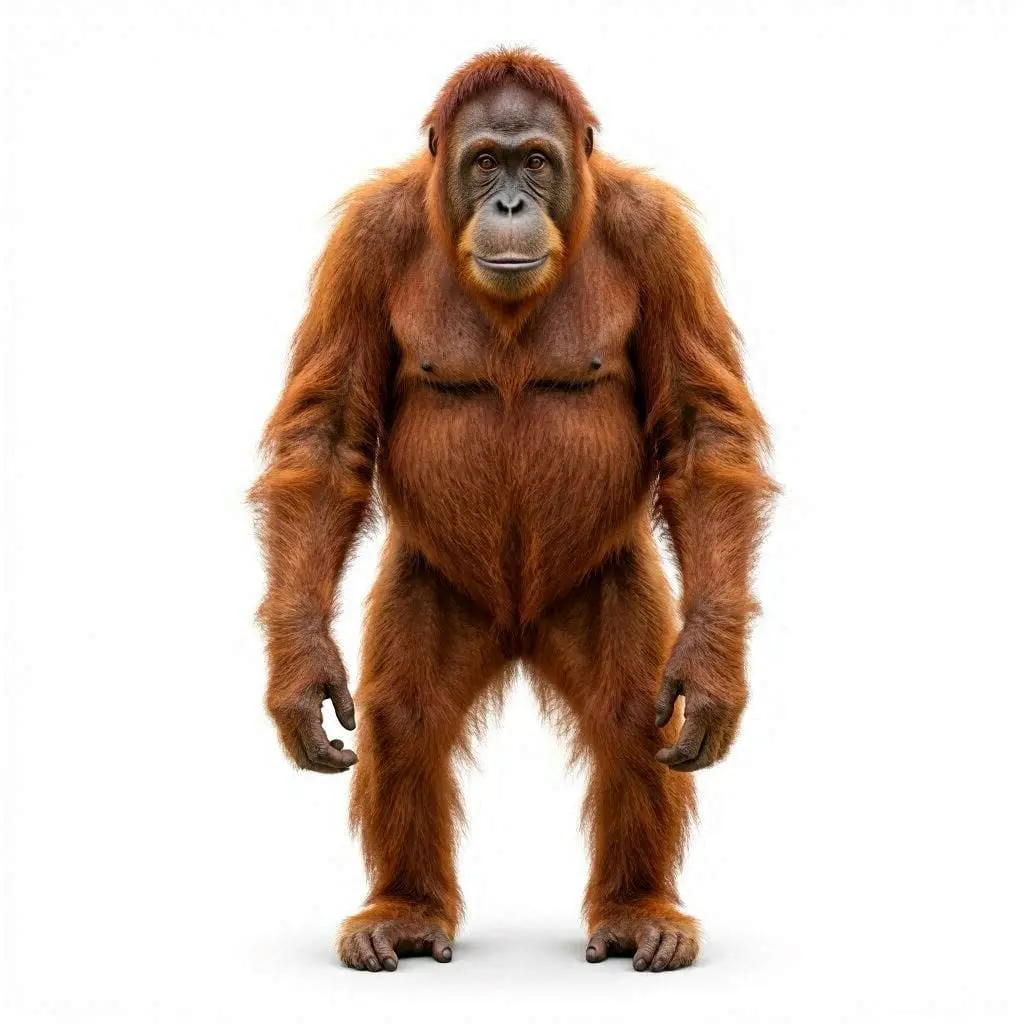
Type: Mammal
The orangutan is a calm and intelligent zoo animal that spends most of its time in elevated spaces or climbing structures in zoos. It is known for its thoughtful behavior and strong bond with its young.
Where found: Rainforests of Borneo and Sumatra
⓫ Bear
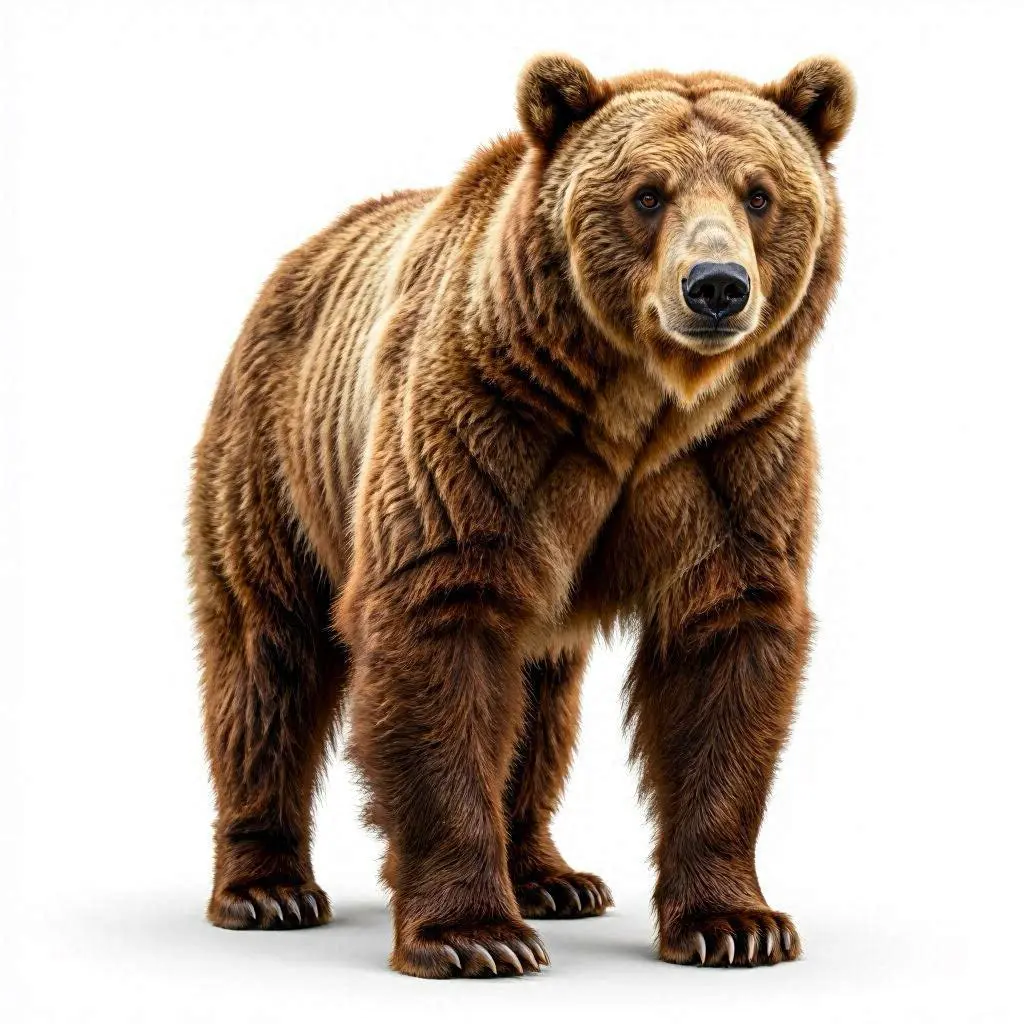
Type: Mammal
The bear is a large and powerful zoo animal that can be seen in different species like brown bears and polar bears. In zoos, they are kept in large enclosures and are often observed foraging, swimming, or resting.
Where found: North America, Europe, and Asia
⓬ Wolf
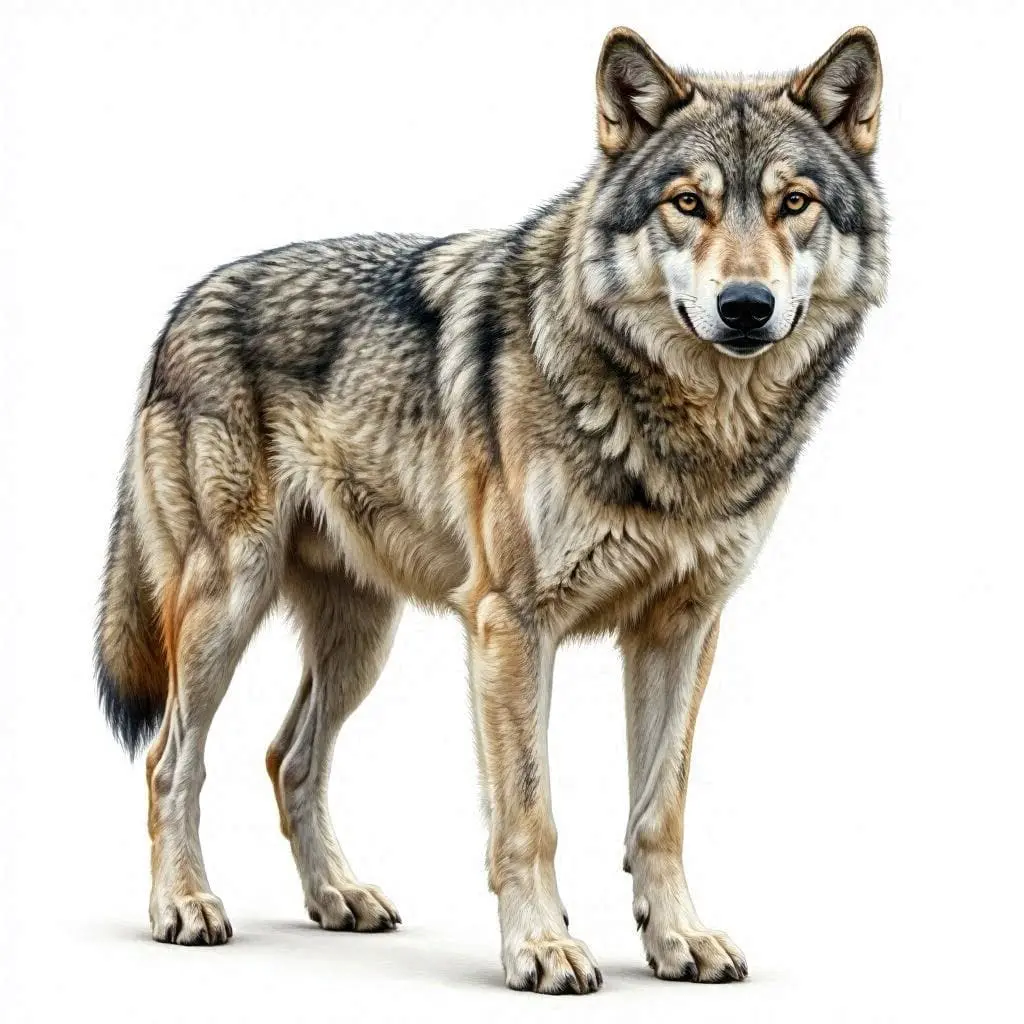
Type: Mammal
The wolf is a social zoo animal that is usually displayed in packs in zoo environments. It is known for its intelligence and strong communication skills, often howling and interacting within its group.
Where found: North America, Europe, and Asia
⓭ Fox
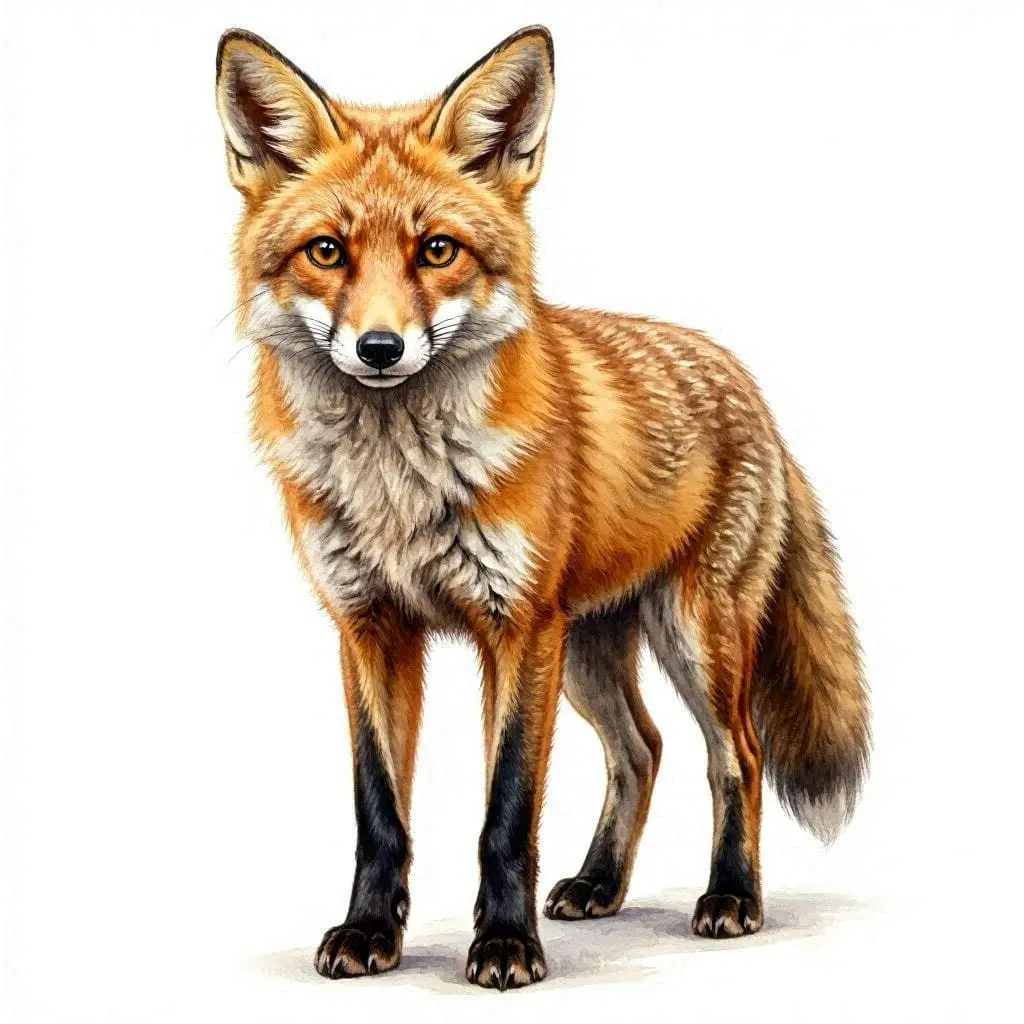
Type: Mammal
The fox is a small and clever zoo animal that adapts easily to different environments. In zoos, it is often seen moving quickly and exploring its enclosure with alert and curious behavior.
Where found: Worldwide (various habitats)
⓮ Crocodile
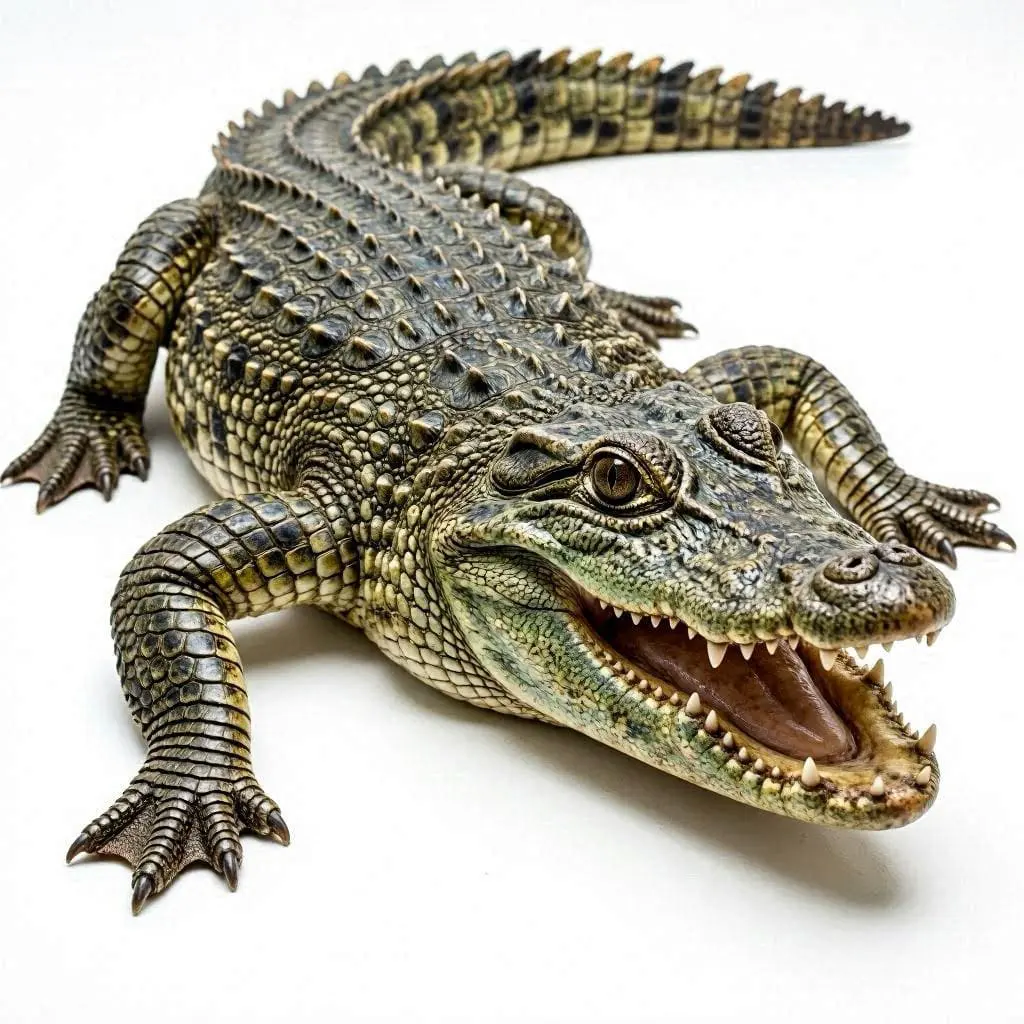
Type: Reptile
The crocodile is a dangerous-looking zoo animal usually kept in secure aquatic enclosures. It is a strong predator that remains still for long periods before quickly striking its prey.
Where found: Rivers, lakes, and wetlands in Africa, Asia, and Australia
⓯ Alligator
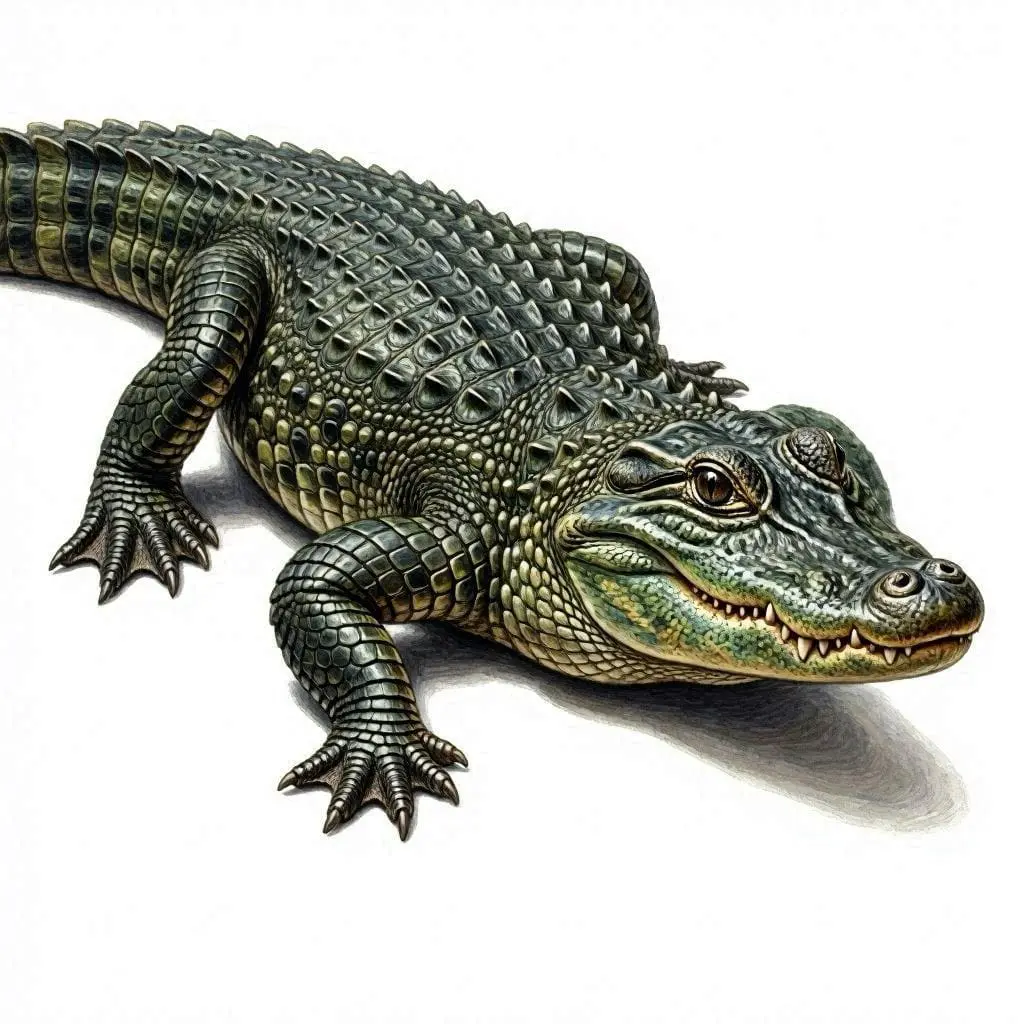
Type: Reptile
The alligator is a common zoo reptile that looks similar to a crocodile but has a broader snout. In zoos, it is often seen resting in water or sunbathing near ponds in controlled habitats.
Where found: Southeastern United States and China
⓰ Snake
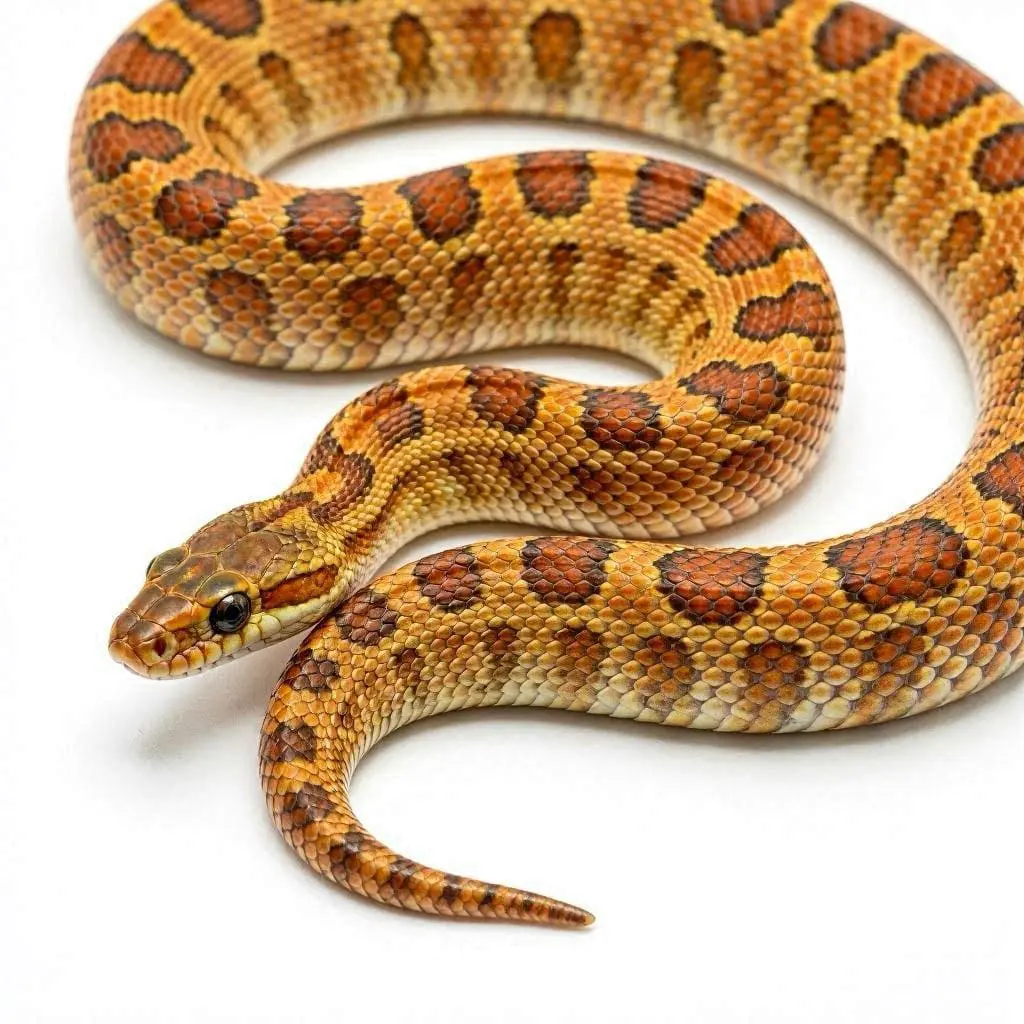
Type: Reptile
The snake is a reptile often displayed in zoo reptile houses. It is a silent hunter and comes in many species, some of which are harmless while others are venomous and carefully handled in zoos.
Where found: Worldwide except Antarctica
⓱ Tortoise
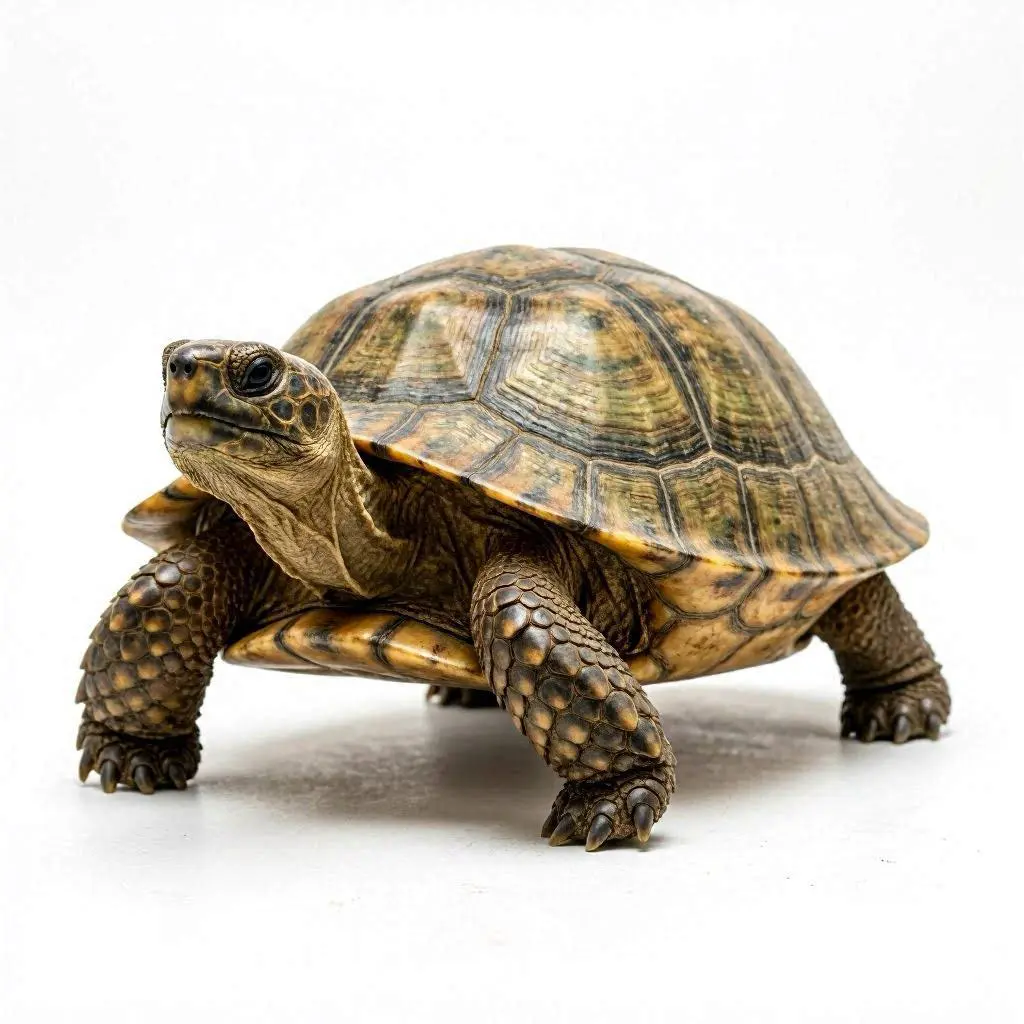
Type: Reptile
The tortoise is a slow-moving but long-living zoo animal that is commonly seen in reptile sections. It is protected by a hard shell and spends most of its time on land in peaceful movement.
Where found: Dry and warm regions around the world
⓲ Ostrich
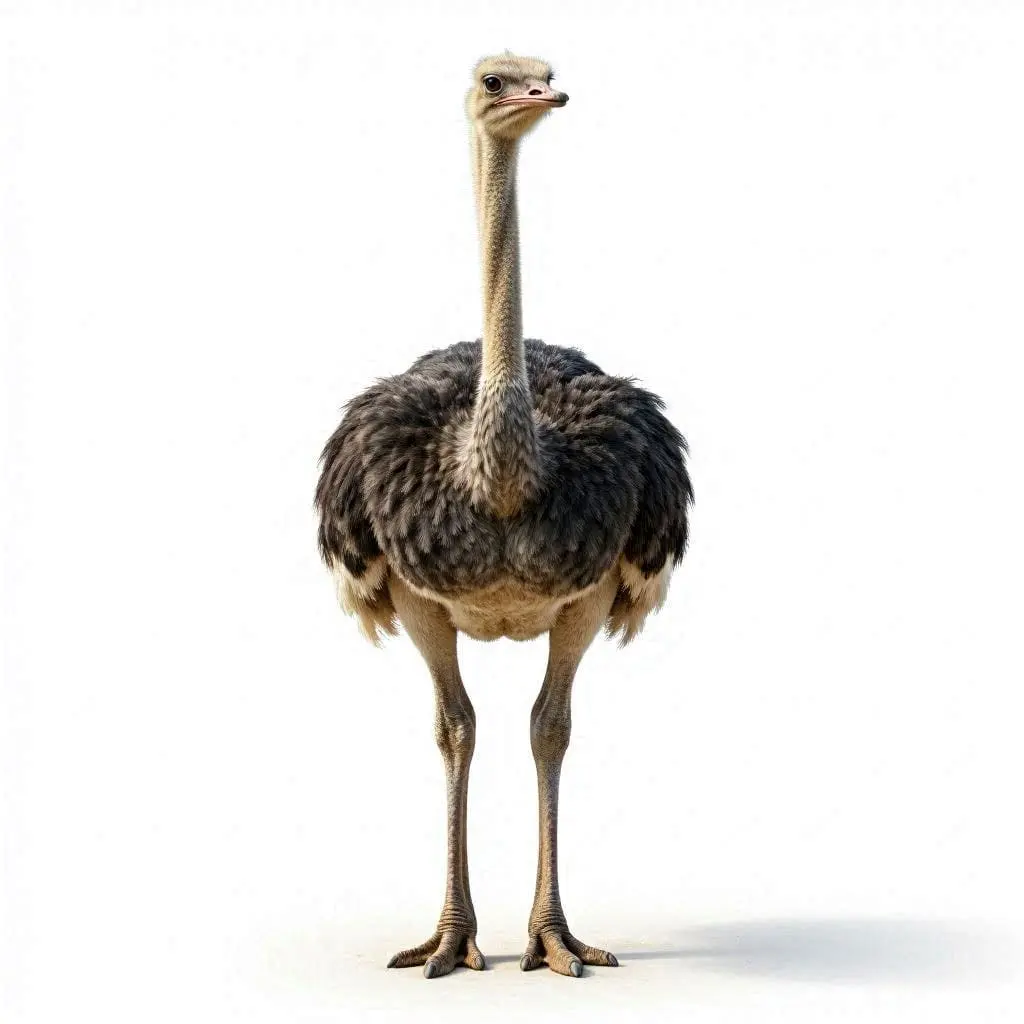
Type: Bird
The ostrich is the largest bird kept in zoos and is famous for its inability to fly but strong running ability. Visitors often enjoy watching it move quickly across large open zoo spaces.
Where found: African savannas and deserts
⓳ Peacock
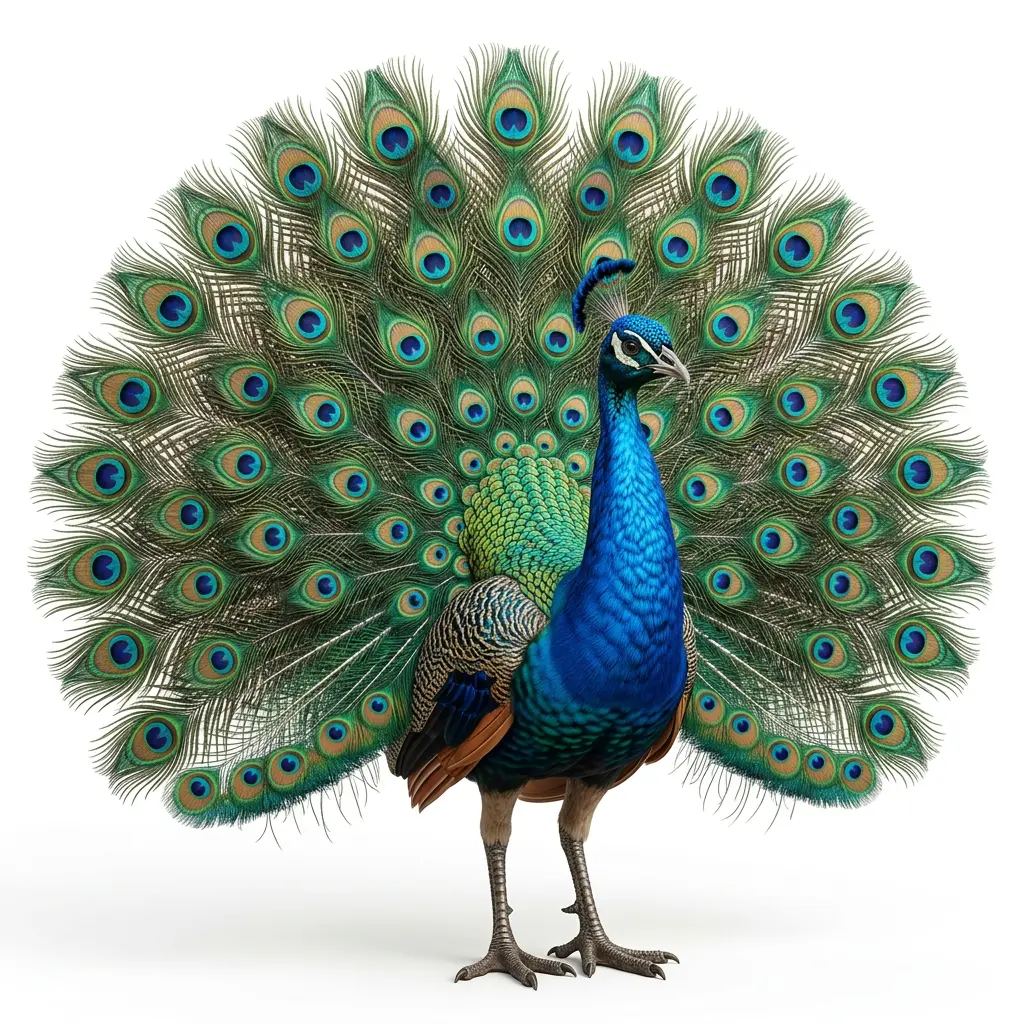
Type: Bird
The peacock is one of the most beautiful zoo birds, known for its colorful feather display. In zoos, it is often seen walking freely and spreading its feathers to attract attention.
Where found: South Asia and some zoos worldwide
⓴ Parrot
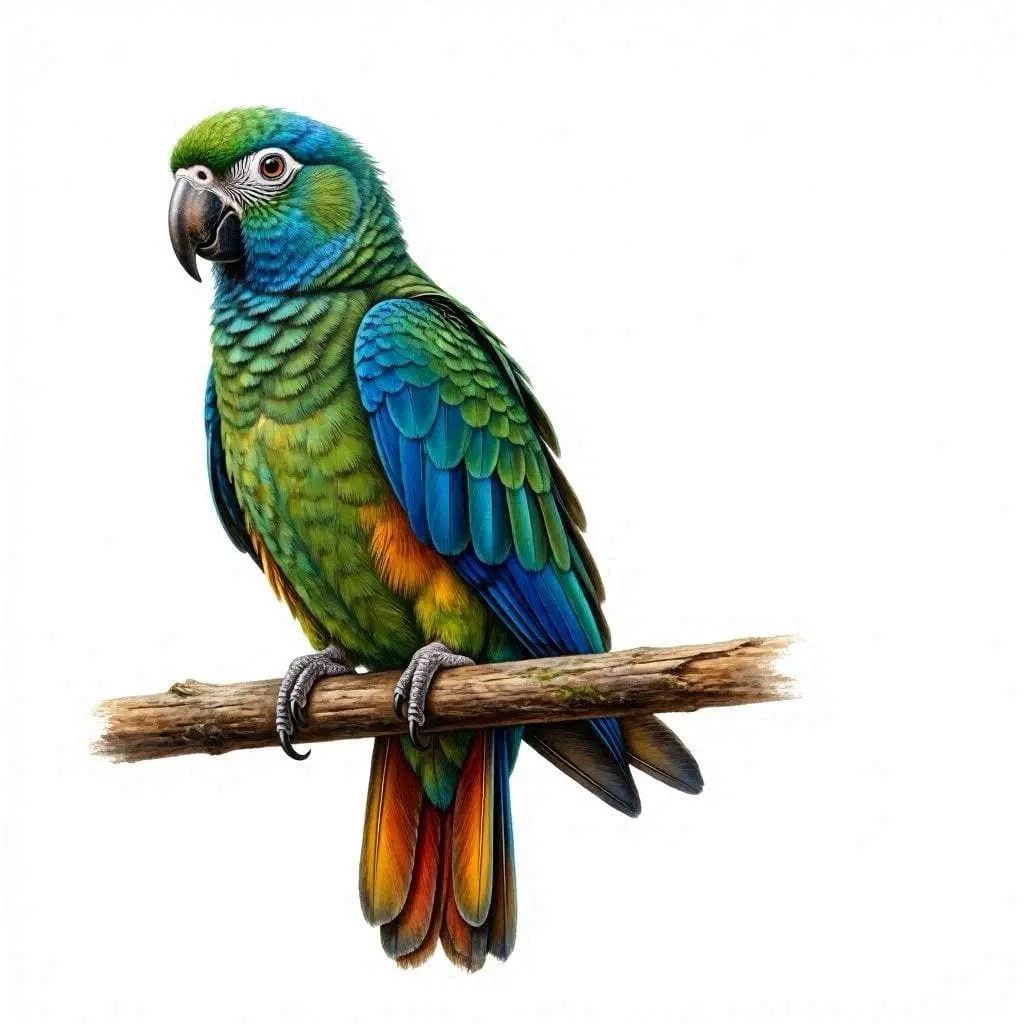
Type: Bird
The parrot is a colorful and intelligent zoo bird that is popular in aviaries. It is known for mimicking sounds and interacting with visitors through vocal behavior.
Where found: Tropical and subtropical regions worldwide
Types of Zoo Animals
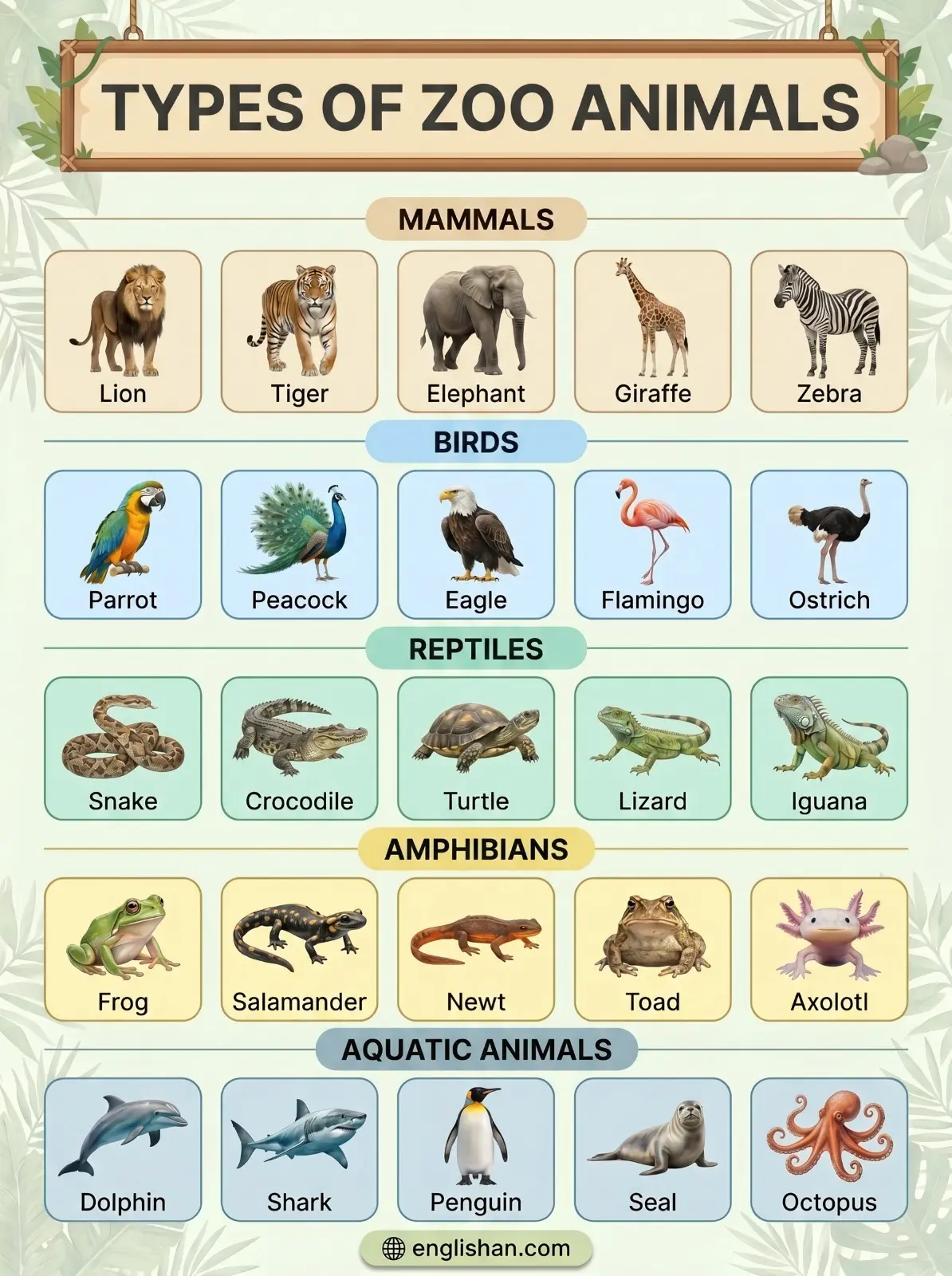
Zoos contain a wide variety of animals from different groups of the animal kingdom. These animals are usually organized into categories based on their biological classification. Below are the main types of zoo animals with common examples found in most zoos and aquariums.
Mammals in Zoos
Mammals are warm-blooded animals that feed their young with milk. They are among the most popular animals in zoos and are often kept in large, natural-style enclosures.
- Lion: A powerful big cat often seen resting or roaming in pride groups inside zoo enclosures.
- Tiger: A striped solitary hunter that is carefully kept in secure zoo habitats.
- Elephant: The largest land mammal, known for its intelligence and social behavior in zoos.
- Giraffe: A tall herbivore that feeds on tree leaves in open zoo spaces.
- Zebra: A striped animal living in herds and commonly seen in safari-style zoo areas.
- Gorilla: A strong and intelligent ape that shows human-like behavior in zoos.
- Bear: A large mammal found in different species like brown bears and polar bears in zoos.
In short, mammals in zoos help people understand animal behavior closely while also supporting conservation programs for endangered species.
Birds in Zoos
Birds are warm-blooded animals with feathers, wings, and beaks. Many species are displayed in aviaries or open zoo areas where visitors can observe their behavior closely.
- Parrot: A colorful bird known for mimicking sounds and human speech.
- Peacock: A beautiful bird famous for its bright feather display.
- Eagle: A strong bird of prey with sharp vision and hunting skills.
- Flamingo: A pink water bird often seen standing in groups in zoo lakes.
- Ostrich: The largest bird in zoos, known for its fast running ability.
- Macaw: A large colorful parrot often seen in tropical zoo exhibits.
- Owl: A nocturnal bird known for its silent flight and wide eyes.
In short, birds in zoos help visitors learn about different species and understand their role in maintaining ecological balance.
Reptiles in Zoos
Reptiles are cold-blooded animals with scales and are usually kept in reptile houses or specially designed aquatic enclosures.
- Snake: A legless reptile that moves silently and includes both harmless and venomous species.
- Crocodile: A powerful aquatic predator kept in secure zoo water habitats.
- Turtle: A slow-moving reptile protected by a hard shell.
- Lizard: A fast-moving reptile found in many species in zoos.
- Iguana: A large tropical lizard known for its calm nature.
- Chameleon: A reptile famous for changing its skin color.
- Komodo dragon: The largest lizard species found in some specialized zoos.
In short, reptiles in zoos help people learn about ancient species and support the conservation of rare and endangered reptiles.
Amphibians in Zoos
Amphibians can live both in water and on land and are usually kept in moist zoo environments or glass terrariums.
- Frog: A small jumping amphibian that begins life in water as a tadpole.
- Salamander: A soft-skinned amphibian that prefers damp environments.
- Newt: A small aquatic amphibian that lives part-time in water and on land.
- Toad: A rough-skinned amphibian commonly found in zoo exhibits.
- Tree frog: A climbing frog that lives in tropical zoo environments.
- Axolotl: A unique aquatic amphibian known for its ability to regenerate limbs.
- Caecilian: A rare limbless amphibian kept in specialized zoo collections.
In short, amphibians in zoos help highlight the importance of freshwater ecosystems and the need to protect sensitive species.
Aquatic Animals in Zoo Aquariums
Aquatic animals live in water and are displayed in zoo aquariums or marine parks designed to replicate ocean environments.
- Dolphin: A highly intelligent marine animal known for playful behavior and shows.
- Shark: A strong ocean predator kept in large aquarium tanks.
- Penguin: A flightless bird adapted for swimming in cold waters.
- Seal: A playful marine mammal often seen performing in zoo shows.
- Octopus: An intelligent sea creature known for changing color and shape.
- Jellyfish: A soft-bodied marine animal that floats in aquarium displays.
- Sea turtle: A long-living marine reptile found in zoo aquariums.
In short, aquatic animals in zoos and aquariums help people understand marine life and promote awareness about ocean conservation.
Zoo Animals Names for Kids
Zoos are exciting places where kids can see different animals from all around the world. From big animals like elephants and lions to small and colorful birds like parrots, every animal is fun to learn about and remember.
Here is a simple list of zoo animals names for kids that are easy to read, recognize, and enjoy while learning about wildlife:
- Lion
- Tiger
- Elephant
- Giraffe
- Zebra
- Bear
- Monkey
- Gorilla
- Panda
- Deer
- Rabbit
- Kangaroo
- Camel
- Fox
- Wolf
In short, learning zoo animals names helps kids understand wildlife better and makes it easier for them to recognize different animals they see in books, videos, or real zoos.
Herbivorous, Carnivorous, and Omnivorous Zoo Animals
Animals in zoos can be grouped based on what they eat. Some animals only eat plants, some eat meat, and some eat both. These categories help us understand their diet and natural behavior.
Herbivorous Zoo Animals
Herbivores are animals that survive mainly on plants such as grass, leaves, fruits, and vegetables. In zoos, they are often seen calmly eating and grazing.
- Elephant: Eats grass, fruits, bark, and leaves
- Giraffe: Feeds on leaves from tall trees
- Zebra: Grazes on grass in open zoo areas
- Deer: Eats grass, leaves, and shrubs
- Panda: Mainly eats bamboo leaves and shoots
- Hippopotamus: Eats grass near water areas
- Rhinoceros: Feeds on grass, leaves, and branches
Carnivorous Zoo Animals
Carnivores are animals that hunt and eat other animals. In zoos, they are usually kept in secure enclosures for safety.
- Lion: Hunts large animals like deer and zebra in the wild
- Tiger: Powerful hunter that prefers meat-based diet
- Leopard: Stealth predator that hunts small and medium animals
- Cheetah: Fast runner that catches prey like antelope
- Crocodile: Ambush predator that feeds on fish and animals near water
- Wolf: Hunts in packs for food
- Eagle: Sharp-eyed bird of prey that hunts small animals
Omnivorous Zoo Animals
Omnivores are animals that eat both plants and meat depending on availability. They are flexible eaters and adapt easily in different environments.
- Bear: Eats fish, fruits, honey, and small animals
- Monkey: Eats fruits, insects, and small plants
- Gorilla: Mostly plants but sometimes insects
- Fox: Eats small animals, fruits, and berries
- Raccoon: Eats fruits, eggs, insects, and small animals
- Pig (wild boar in zoos): Eats plants and small animals
- Crow: Eats grains, insects, and leftover food
Herbivores eat only plants, carnivores eat meat, and omnivores eat both plants and animals. Zoos help us understand these differences clearly by showing how each animal behaves and survives in its own way.
Zoo Animals vs Wild Animals
Animals around us can be broadly divided into zoo animals and wild animals based on where they live and how they survive. Both are important parts of nature, but their lifestyles are very different due to human care and natural independence.
| Aspect | Zoo Animals | Wild Animals |
|---|---|---|
| Place | Live in zoos inside controlled and safe enclosures | Live freely in natural habitats like forests, deserts, and oceans |
| Food | Food is provided regularly by zookeepers | Find food by hunting or foraging on their own |
| Safety | Protected from predators, injuries, and harsh conditions | Face natural dangers like predators, weather, and food shortage |
| Movement | Limited space within zoo boundaries | Free to move across large natural areas |
| Human contact | Regular care and observation by humans | Very little or no human interaction |
| Purpose | Mainly for conservation, education, and protection | Live naturally for survival and reproduction |
In short, zoo animals are cared for by humans in safe spaces, while wild animals live independently in nature and survive on their own.
Conclusion
Zoo animals play an important role in helping us learn about wildlife and the natural world. In this article, we explored different types of zoo animals, including mammals, birds, reptiles, amphibians, and aquatic creatures, along with their names and examples.
These animals are not only fascinating to observe but also important for education, conservation, and protecting endangered species. Zoos help us understand how animals live, behave, and survive in different environments.
In the end, zoo animals remind us of the beauty and diversity of nature and the importance of protecting it for future generations.
FAQs
Zoo animals live in safe, controlled environments where humans provide food, shelter, and medical care. Wild animals live freely in natural habitats such as forests, deserts, and oceans, where they must find their own food and protect themselves from danger.
Animals are kept in zoos mainly for protection and conservation. Many endangered species are bred in zoos to prevent extinction. Zoos also help people learn about wildlife through close observation, which increases awareness about protecting animals and their natural habitats.
Zoo animals and wild animals can behave differently. Zoo animals are often calmer because they get regular food and safety. Wild animals behave more actively and cautiously because they must constantly hunt, escape predators, and survive in natural conditions.
Some zoo animals can survive in the wild if they are carefully trained and reintroduced into natural habitats. However, many struggle because they are used to human care, regular feeding, and protected environments, which makes natural survival challenging for them.
Wild animals are usually more unpredictable because they are constantly focused on survival, which can make them aggressive when threatened. Zoo animals are generally less dangerous since they are cared for in safe environments and are less exposed to survival stress.
You May Also Like
- 65+ Cat Breeds with Pictures
- 75+ Arctic Animals Names with Pictures
- 42+ Fastest Animals in the World
Zoo Animals Quiz
Zoo Animals
Which animal does the picture show?
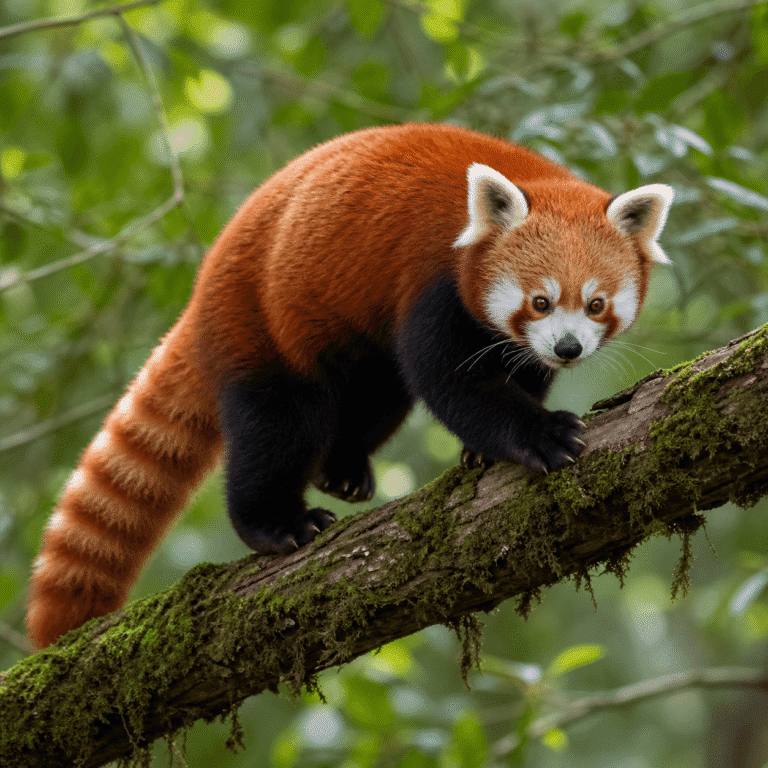
The picture shows a red panda.
Read the picture before reading the options.
The picture shows a red panda.
What is enrichment in a zoo?
Hidden food, climbing structures and scent trails give animals problems to solve.
Enrichment gives an animal something to do.
A big empty enclosure is worse than a small complex one.
What does 'ex situ conservation' mean?
Zoo breeding programmes and seed banks are both ex situ.
Ex situ means off site; in situ means in place.
The two approaches work best together.
Name the record.
The register used to manage breeding and avoid inbreeding across zoos is a ___.
It tracks every individual's ancestry so pairings preserve genetic diversity.
A small captive population needs its breeding managed deliberately.
The studbook decides which animals are moved between zoos.
Why can a captive-bred animal struggle after release?
Much survival behaviour is learned, not inherited.
Behaviour is the hard part of reintroduction.
Release programmes now train animals before releasing them.
What is a species survival programme for?
No single zoo holds enough animals to keep a population genetically healthy.
Genetic health requires a population larger than any one collection.
Animals are moved internationally to keep the gene pool viable.
Turn on JavaScript for the interactive quiz. The full practice set is shown above.