

From the gentle grazing of deer on forest meadows to the slow, rhythmic chewing of a tortoise working through leafy greens, herbivorous animals shape nearly every ecosystem on Earth. They eat only plant matter: grasses, leaves, bark, fruits, seeds, and roots, depending on the species and habitat.
What makes herbivores so varied is the range of animals that fit the label. Rabbits, elephants, koalas, giraffes, pandas, horses, and manatees all qualify, yet they look nothing alike and live on entirely different continents. Their diets, body structures, and feeding behaviors evolved around one shared purpose: breaking down plant food efficiently.
Ahead, you will find herbivorous animal names sorted across land, water, and sky, with enough detail to recognize each one and understand what and how it eats.
What Are Herbivorous Animals?
Herbivorous animals are animals that survive mainly on plant-based food. Their diet includes grass, leaves, fruits, vegetables, flowers, seeds, and other plant materials. They do not eat meat and depend completely on vegetation for energy and growth.
These animals are an important part of the ecosystem because they help maintain the balance of nature by controlling plant growth and supporting the food chain.
Herbivorous animals usually have flat teeth that are specially designed for grinding plants. They also have long digestive systems that help break down tough plant fibers efficiently. Most herbivores are calm in nature and are not predators.
Explore more animals that start with different letters:
A | B | C | D | E | F | G | H | I | J | K | L | M | N | O | P | Q | R | S | T | U | V | W | X | Y | Z
List of Herbivorous Animals Names
- Cow
- Goat
- Sheep
- Horse
- Donkey
- Camel
- Deer
- Giraffe
- Zebra
- Buffalo
- Rhinoceros
- Elephant
- Yak
- Bison
- Antelope
- Gazelle
- Pronghorn
- Rabbit
- Guinea Pig
- Hare
- Beaver
- Capybara
- Chinchilla
- Groundhog
- Marmot
- Pika
- Kangaroo
- Koala
- Panda
- Sloth
- Llama
- Alpaca
- Ibex
- Mountain Goat
- Wild Goat
- Moose
- Reindeer
- Okapi
Common Herbivorous Animals Names with Pictures
❶ Cow
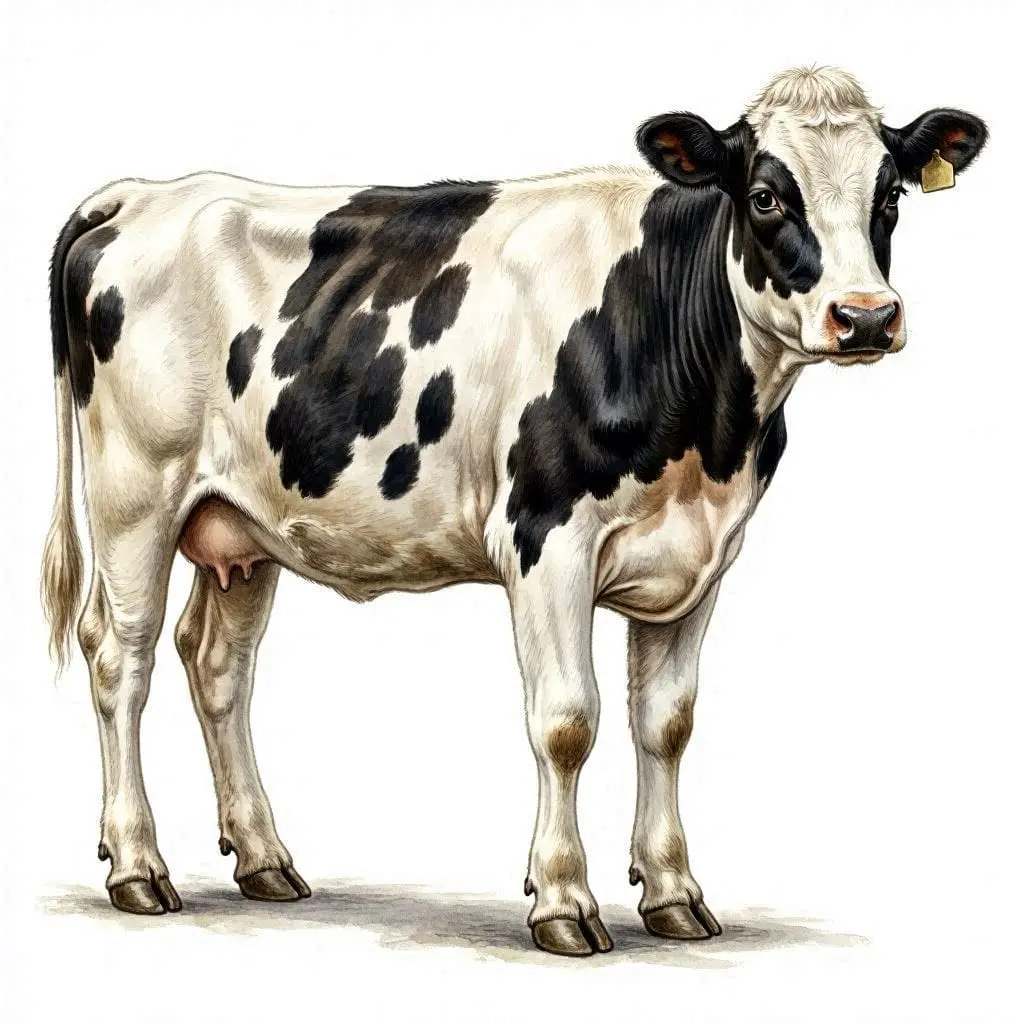
Cows are domesticated herbivorous animals that depend mainly on grass, hay, and other plant-based food. They have a specialized digestive system that helps them break down tough plant fibers efficiently. Cows are widely raised for milk production and also play an important role in agriculture through manure and farming support.
Where found: Farms, rural villages, grasslands, and agricultural regions worldwide
❷ Goat
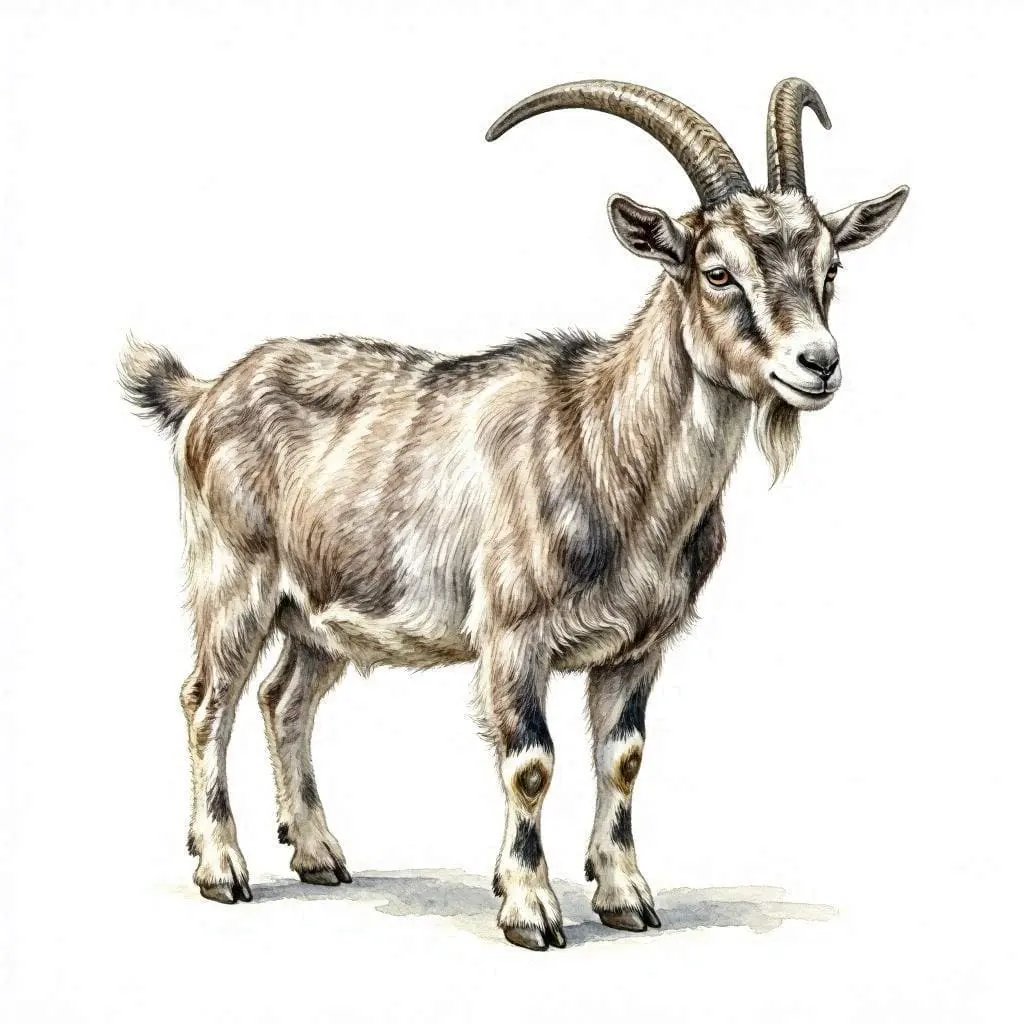
Goats are highly adaptable herbivores that can survive in both dry and mountainous regions. They feed on grass, leaves, shrubs, and rough vegetation that many animals avoid. Goats are commonly kept for milk, meat, and fiber production.
Where found: Mountains, farms, dry regions, and rural settlements
❸ Sheep
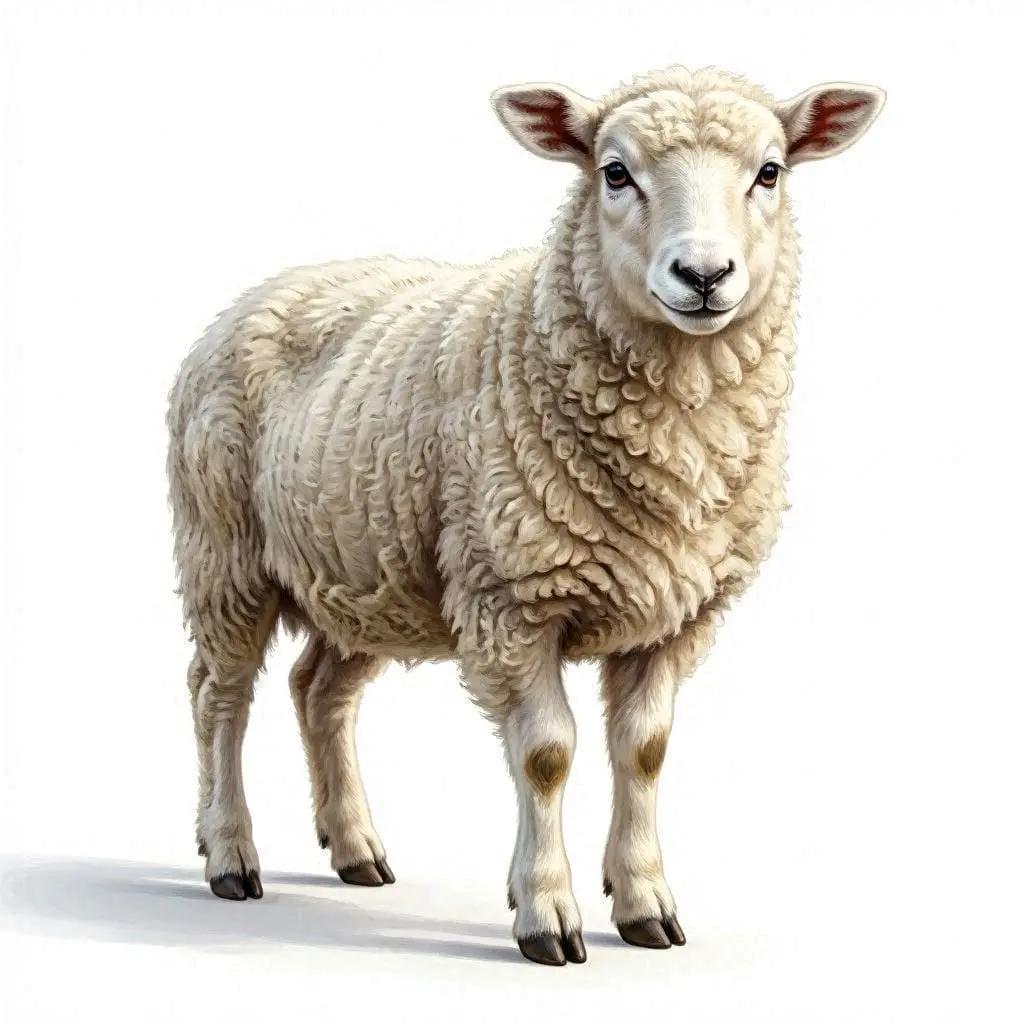
Sheep are gentle grazing animals that feed mainly on grass and soft plants. They are known for producing wool, which is used in clothing and textiles. Sheep are also raised for milk and meat in many parts of the world.
Where found: Grasslands, farms, and hilly regions
❹ Horse
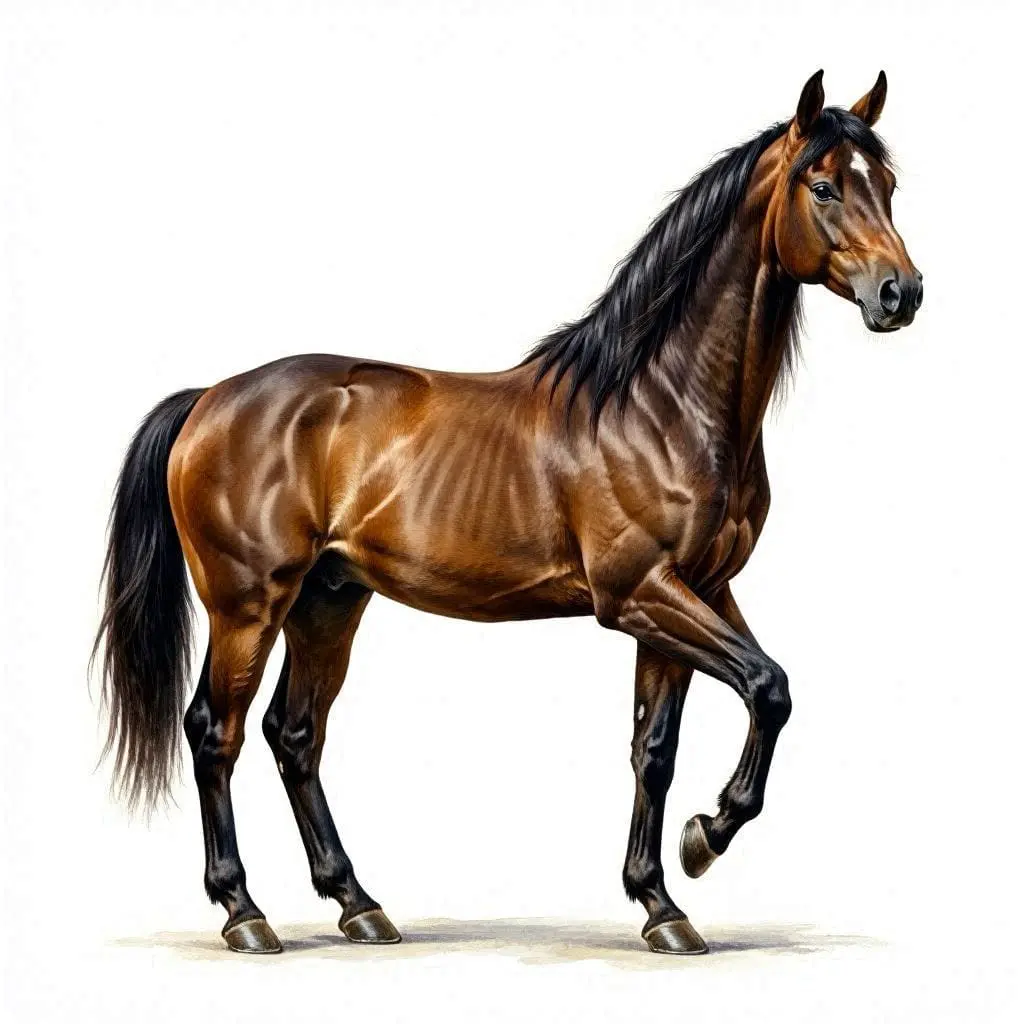
Horses are strong herbivores that eat grass, hay, and grains. Their teeth are specially adapted for grinding plant material. They are historically important for transportation, farming, and sports activities.
Where found: Farms, grasslands, and open plains worldwide
❺ Donkey
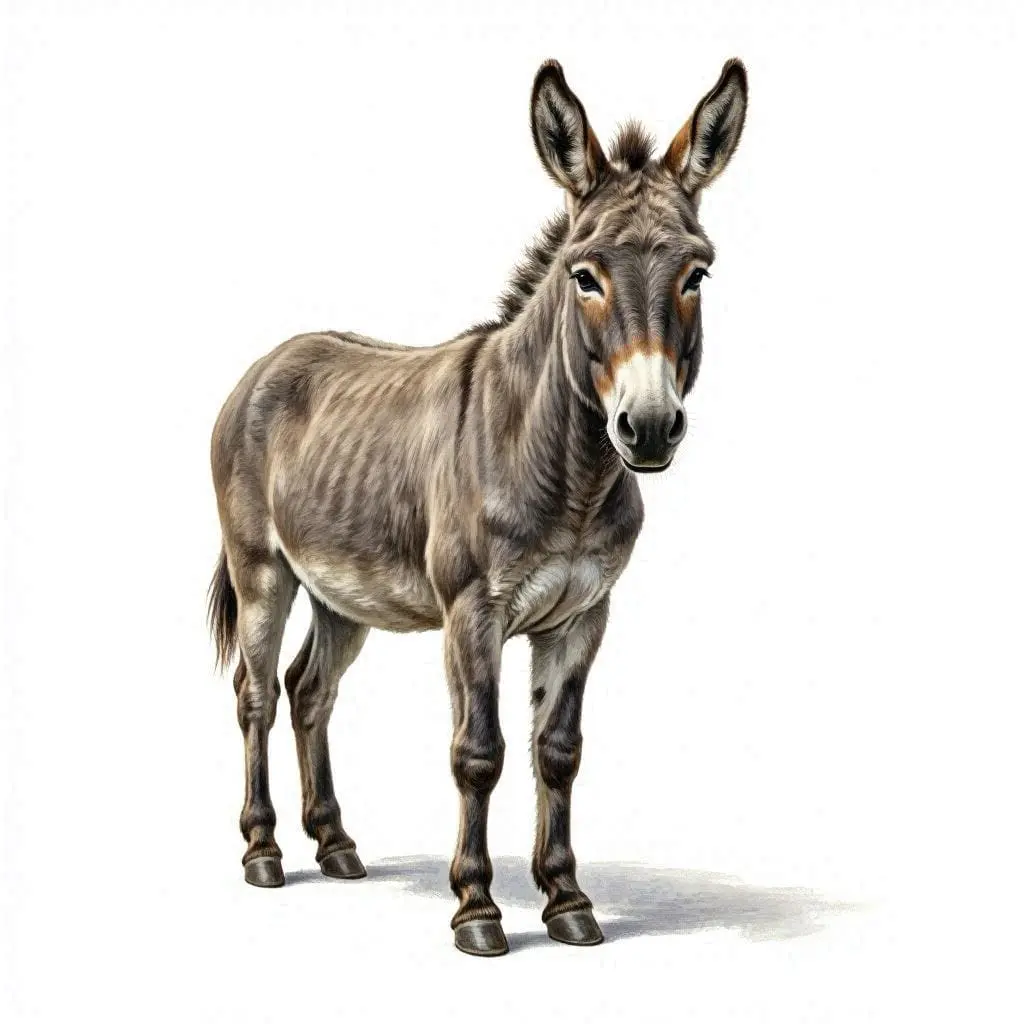
Donkeys are hardy working animals that survive on simple plant-based food like dry grass and straw. They are known for their strength and endurance in carrying loads over long distances.
Where found: Rural areas, farms, and desert-edge regions
❻ Camel
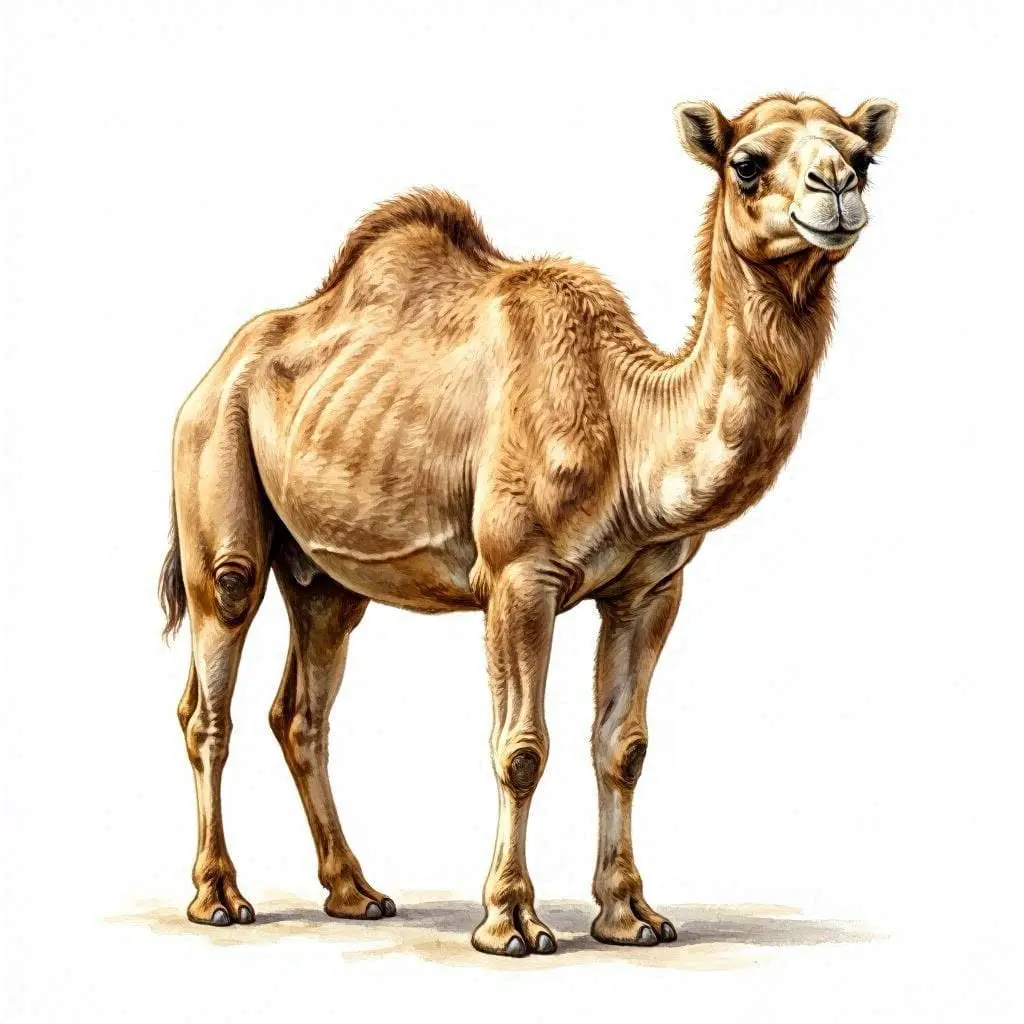
Camels are desert-adapted herbivores that feed on thorny bushes, dry grass, and desert vegetation. They are capable of surviving in extreme heat and long periods without water.
Where found: Deserts and semi-arid regions of Asia and Africa
❼ Deer
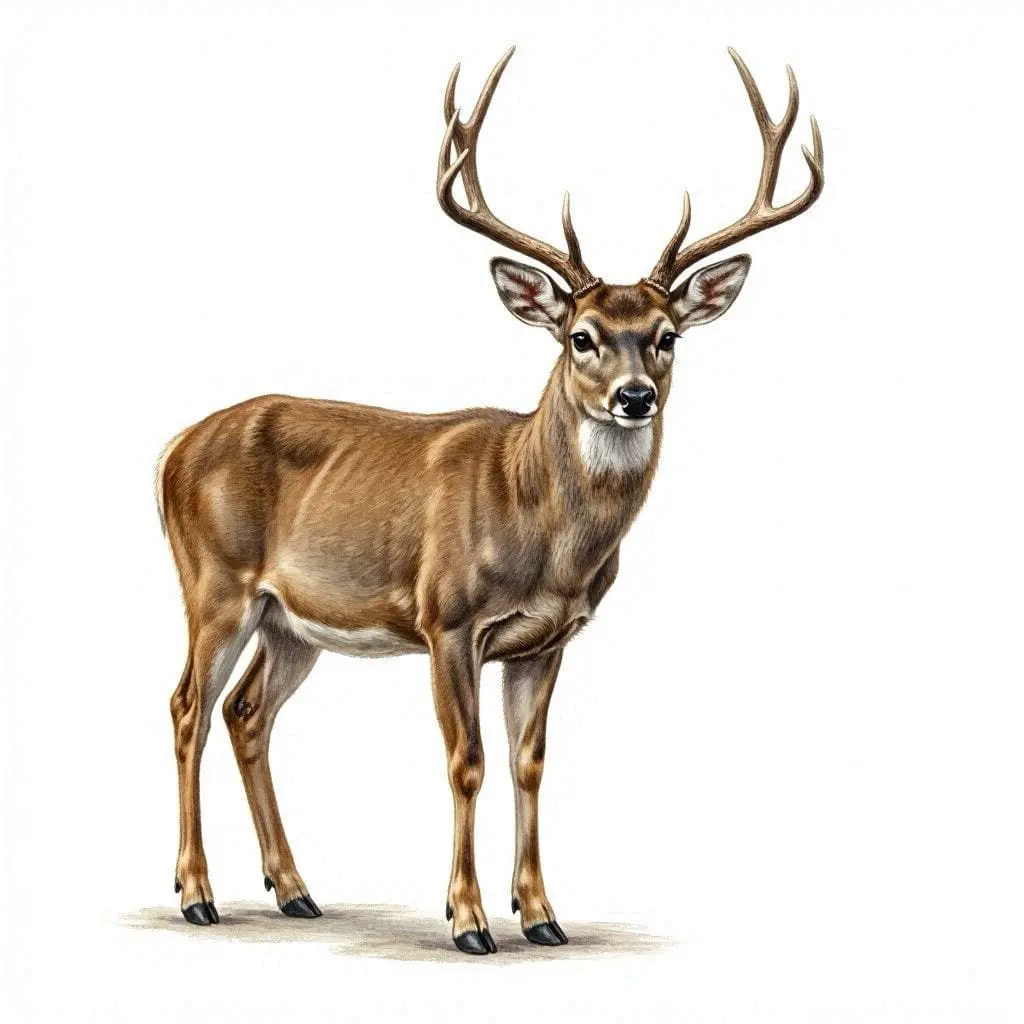
Deer are wild herbivores that feed on grass, leaves, fruits, and soft shoots of plants. They are fast and alert animals that rely on speed to escape predators.
Where found: Forests, grasslands, and wooded regions
❽ Elephant
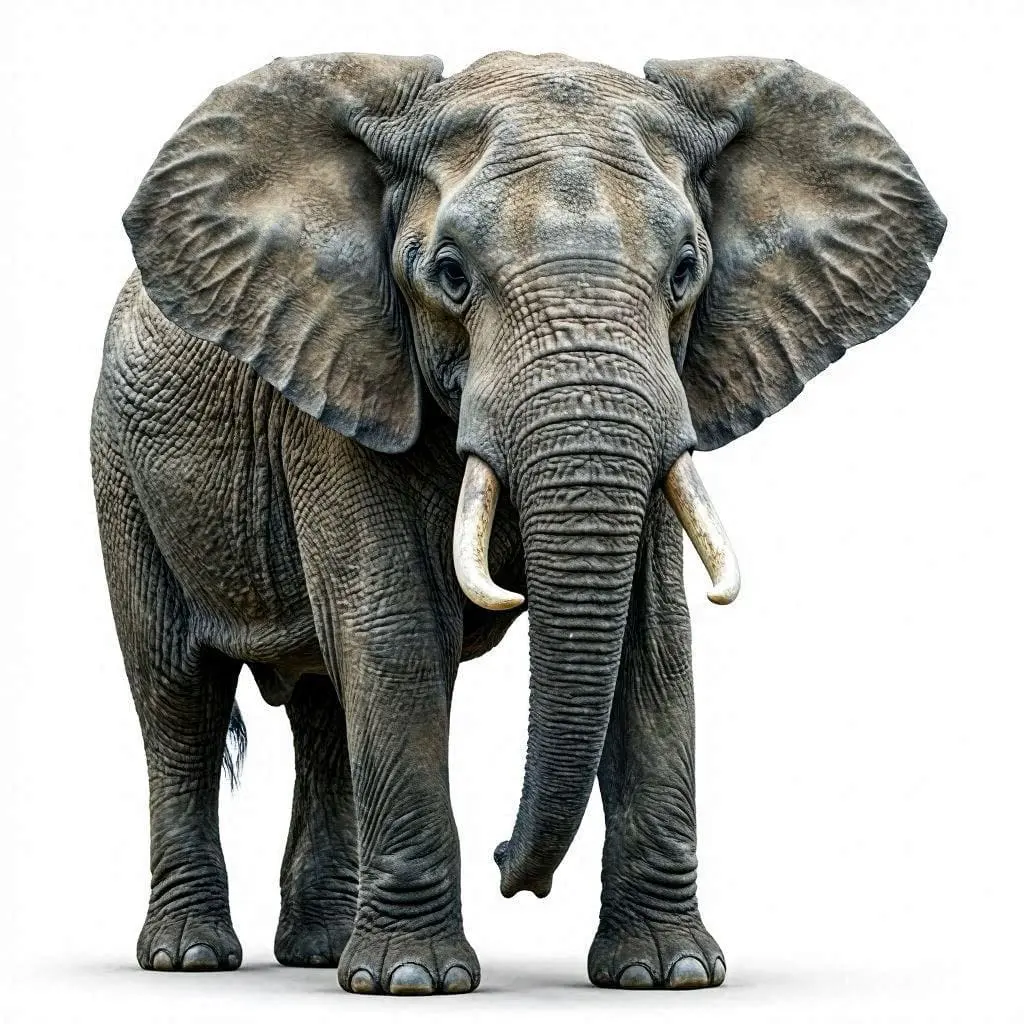
Elephants are the largest land herbivores that consume large amounts of grass, leaves, bark, and fruits daily. Their trunk helps them gather food and water efficiently.
Where found: Forests and grasslands of Africa and Asia
❾ Giraffe
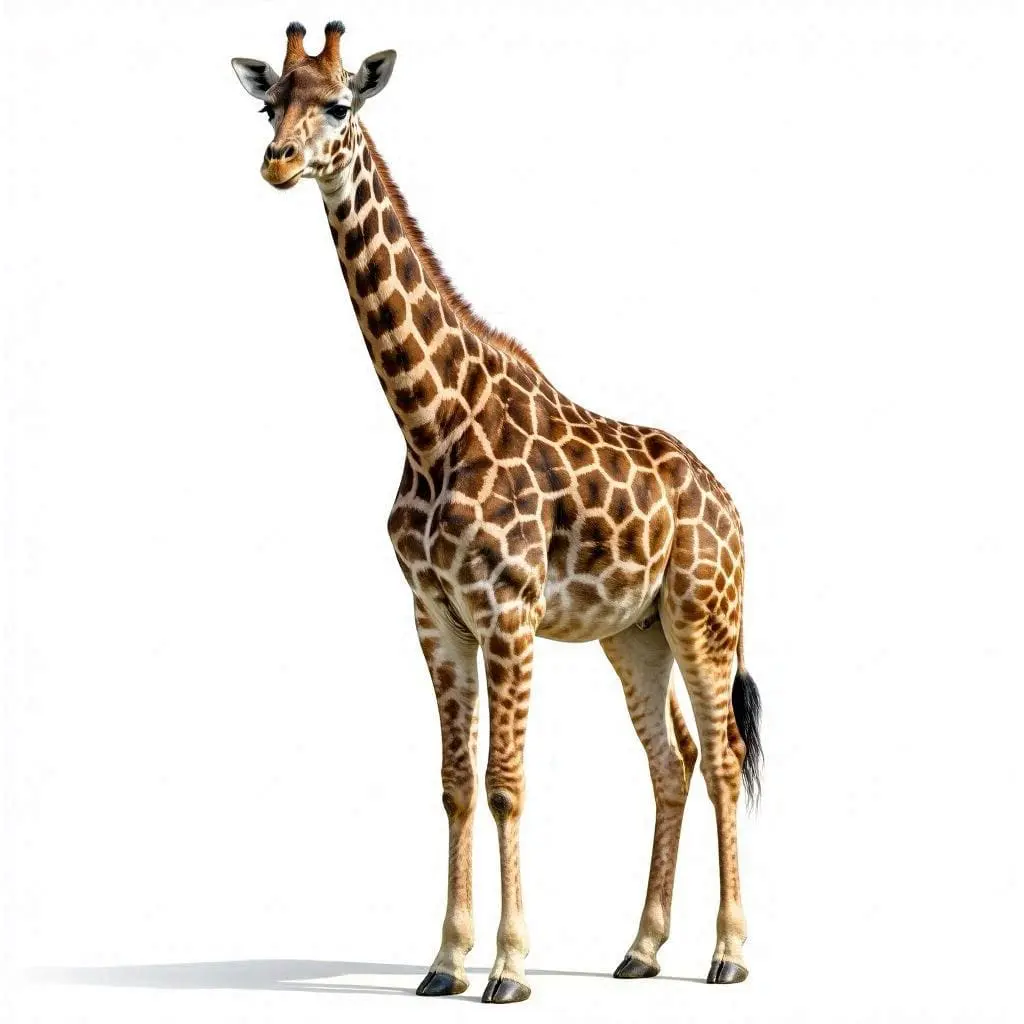
Giraffes are tall herbivores that feed on leaves from high trees, especially acacia. Their long neck allows them to reach food sources unavailable to most animals.
Where found: African savannas and open woodlands
❿ Zebra
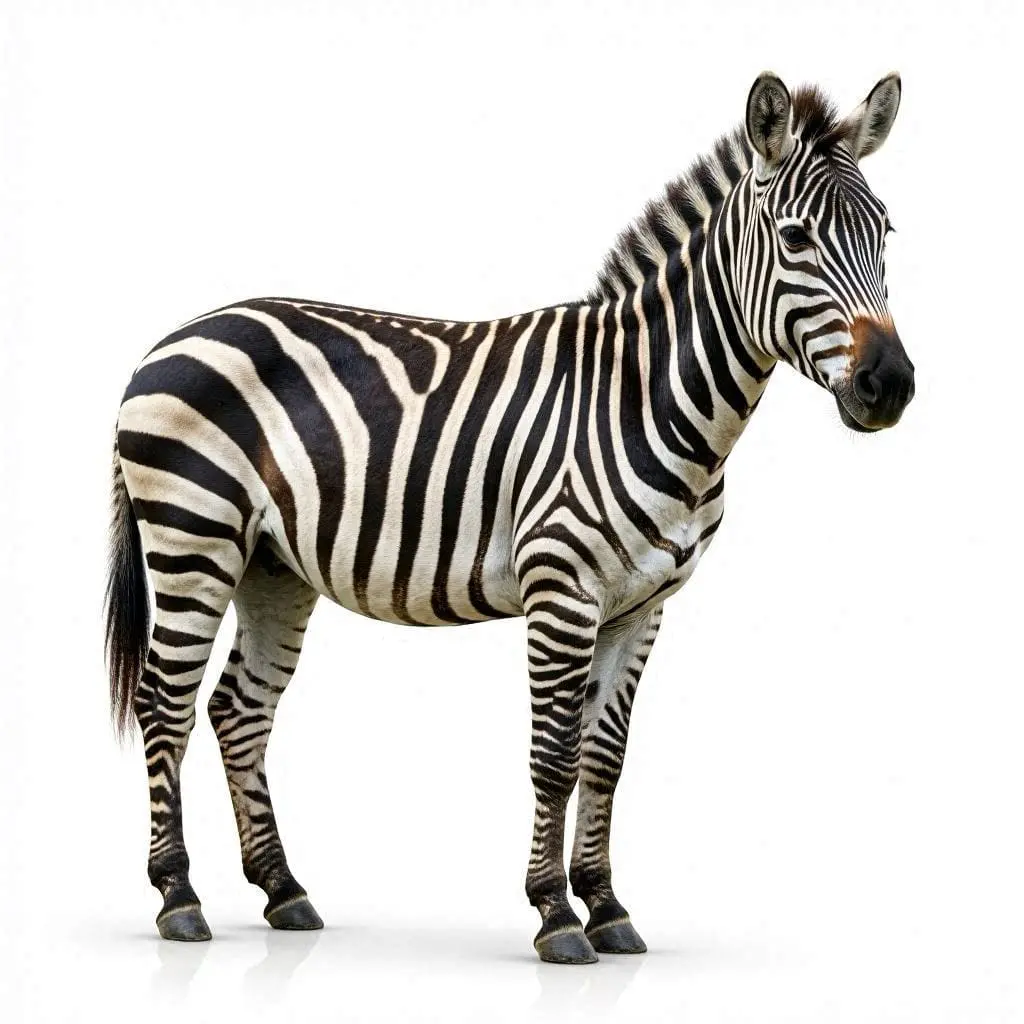
Zebras are striped grazing animals that feed mainly on grass. They often move in herds across grasslands in search of fresh grazing areas.
Where found: African savannas and grasslands
⓫ Buffalo
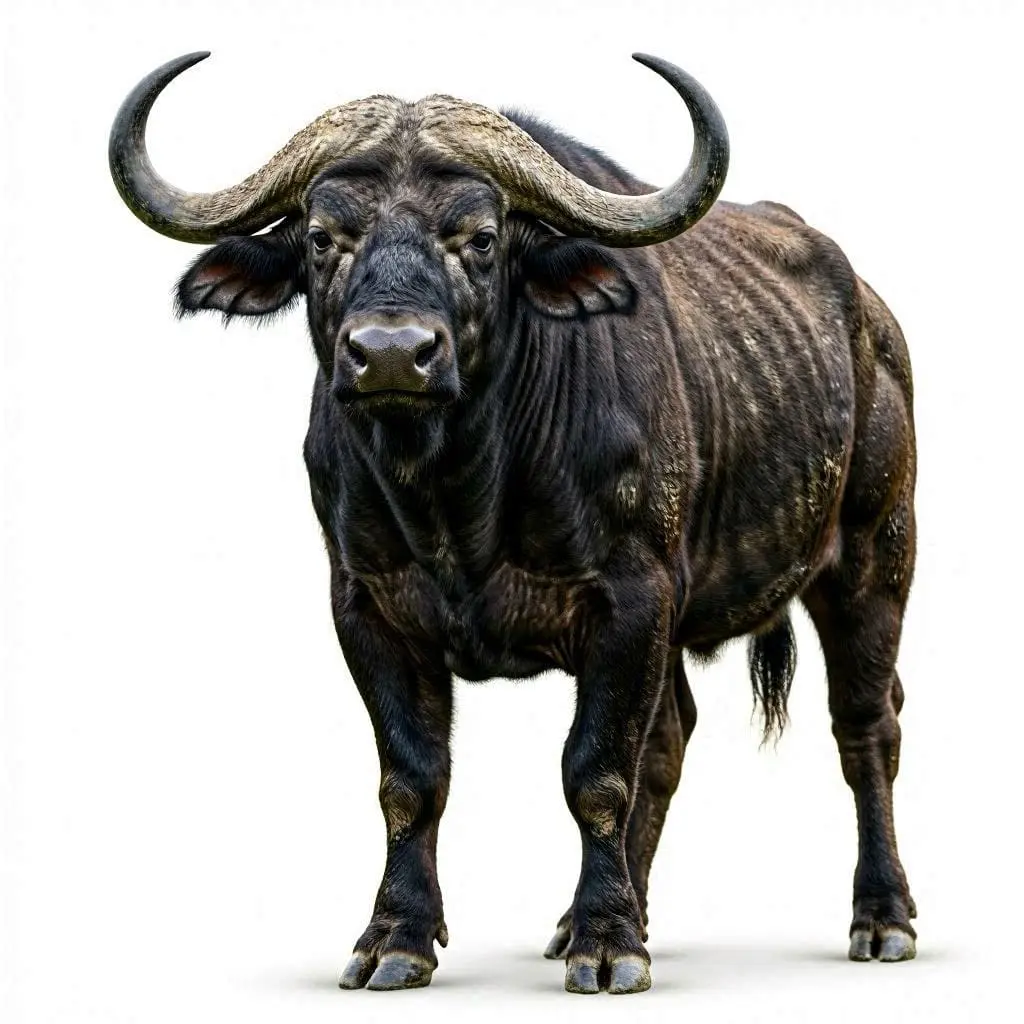
Buffaloes are large, powerful herbivorous animals that mainly feed on grass and aquatic vegetation found in wetlands. In many rural areas, buffaloes are an important part of farming life, providing milk and helping in agricultural field work such as ploughing.
Where found: Wetlands, riverbanks, farms, and rural agricultural regions
⓬ Rhinoceros
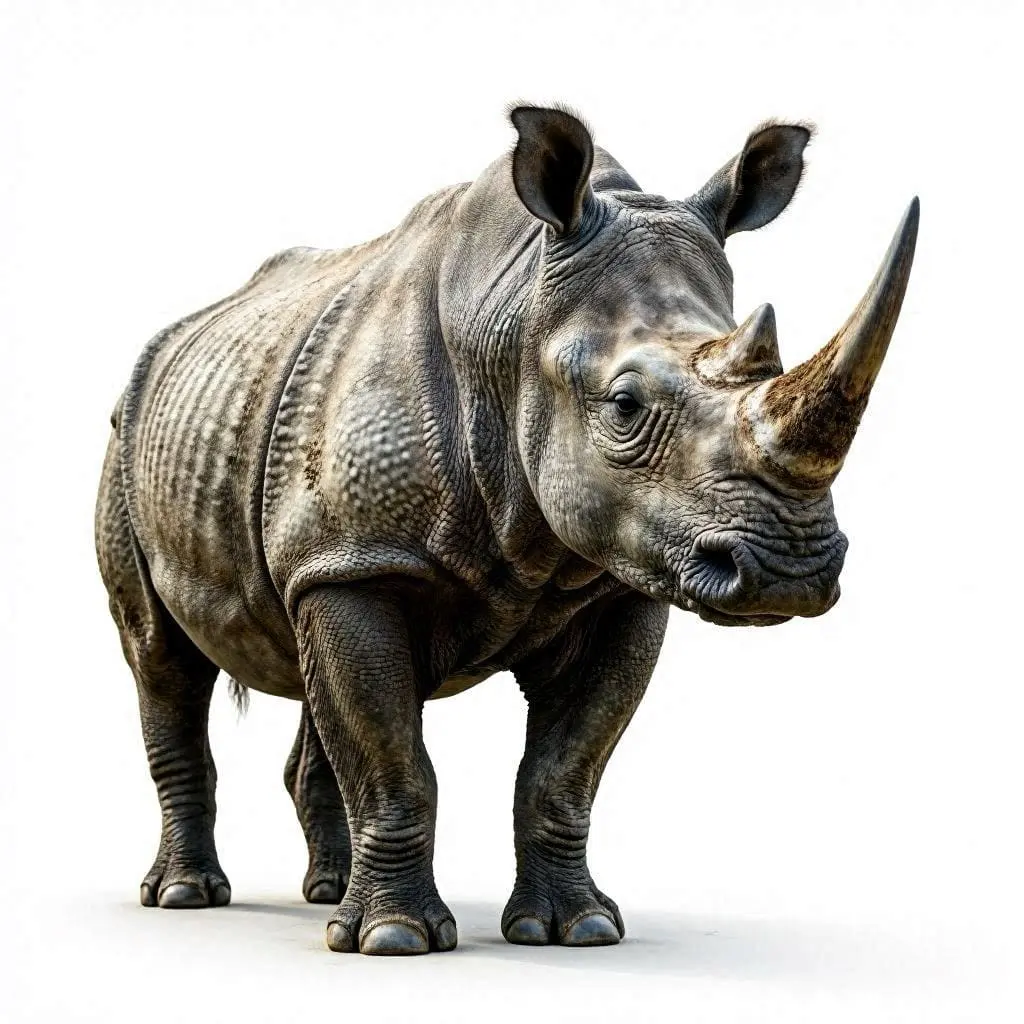
Rhinoceroses are massive herbivores known for their thick skin and horn. They feed on grass, shrubs, and branches, depending on their habitat. Despite their intimidating appearance, they are generally calm plant-eaters and spend most of their time grazing.
Where found: Grasslands, savannas, and forests of Africa and Asia
⓭ Rabbit
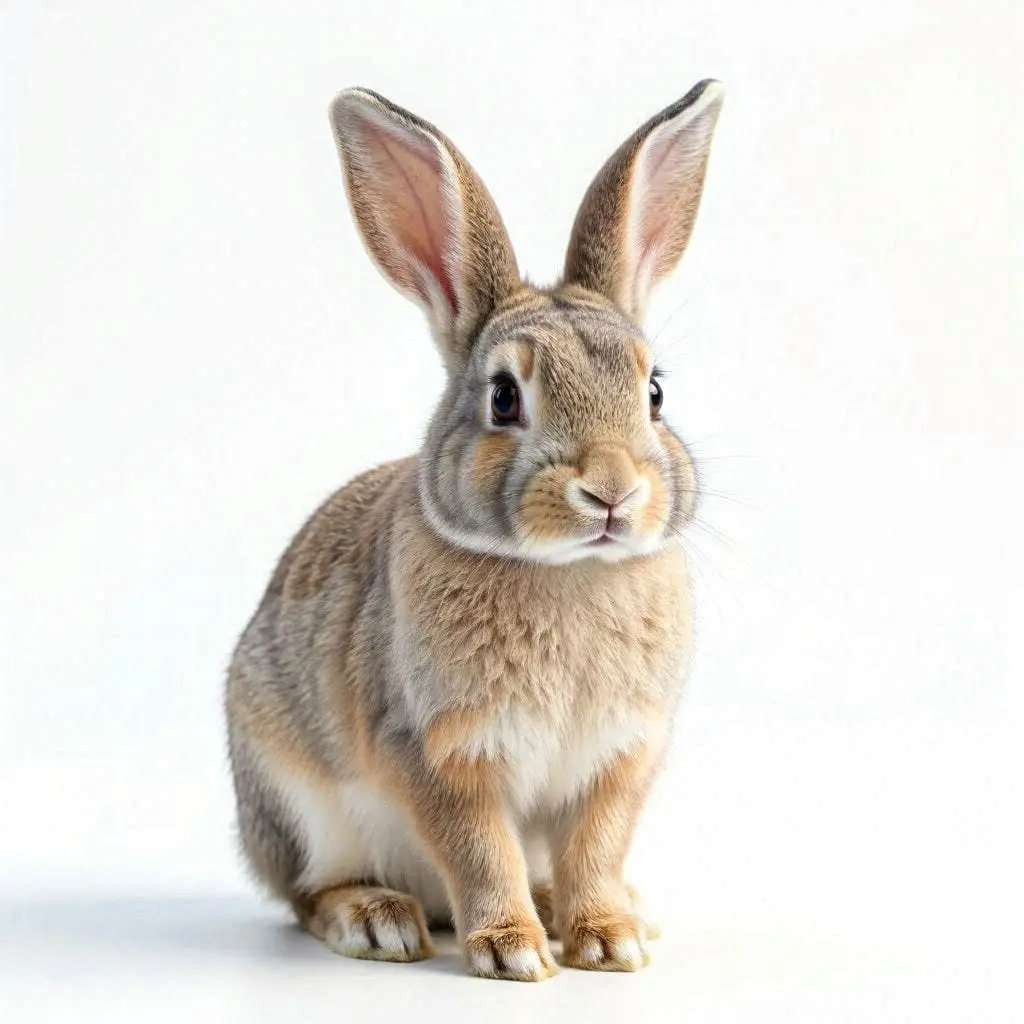
Rabbits are small, fast-breeding herbivores that survive on grass, vegetables, and leafy plants. Their teeth grow continuously throughout their life, which helps them efficiently chew tough plant material. They are both wild animals and common domestic pets.
Where found: Fields, grasslands, forests, and domestic environments
⓮ Hare
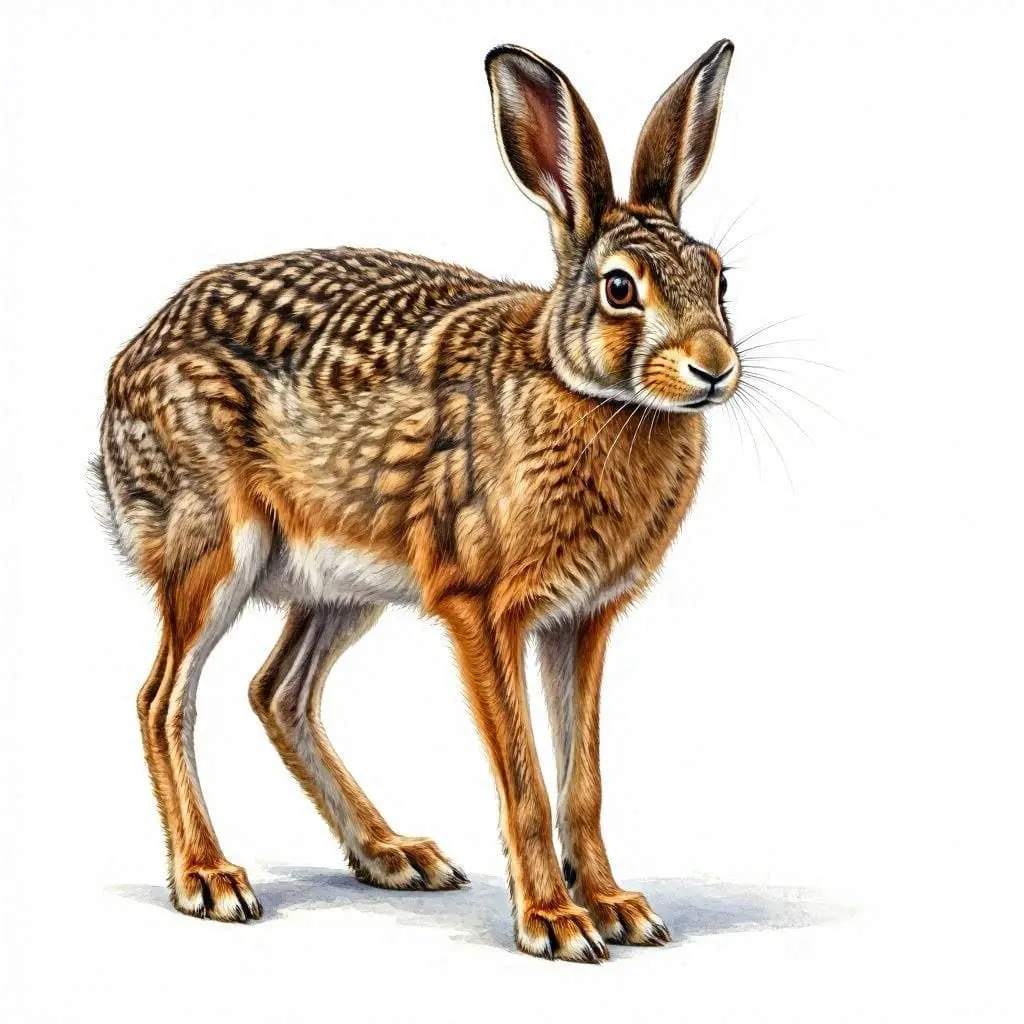
Hares are closely related to rabbits but are larger, faster, and mostly wild. They feed on grasses, herbs, and soft plant shoots. Their long legs and speed are their primary defense against predators.
Where found: Open fields, grasslands, farmlands, and wild plains
⓯ Guinea Pig
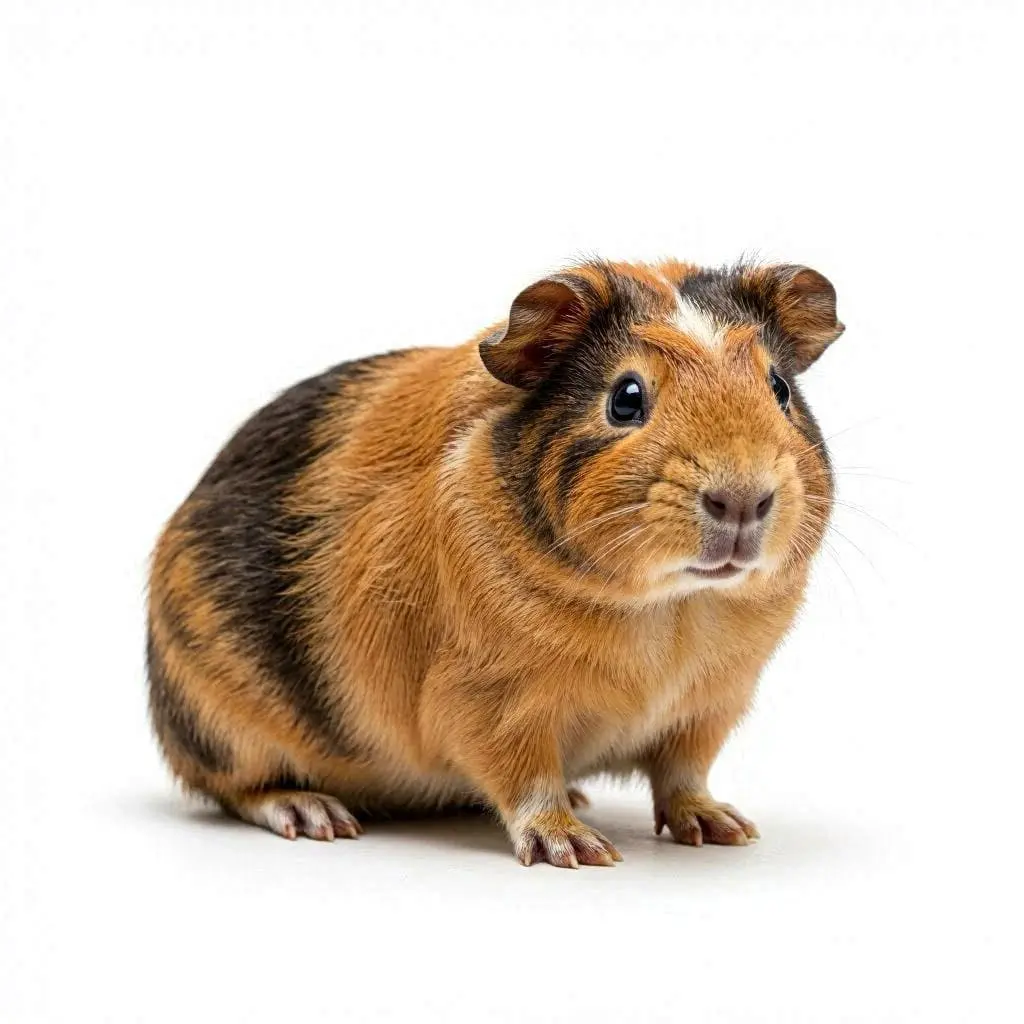
Guinea pigs are small domesticated herbivores that depend on hay, grass, and fresh vegetables for survival. They are gentle and social animals, commonly kept as pets in households. Their diet must remain strictly plant-based to maintain good health.
Where found: Domestic homes and pet environments
⓰ Kangaroo
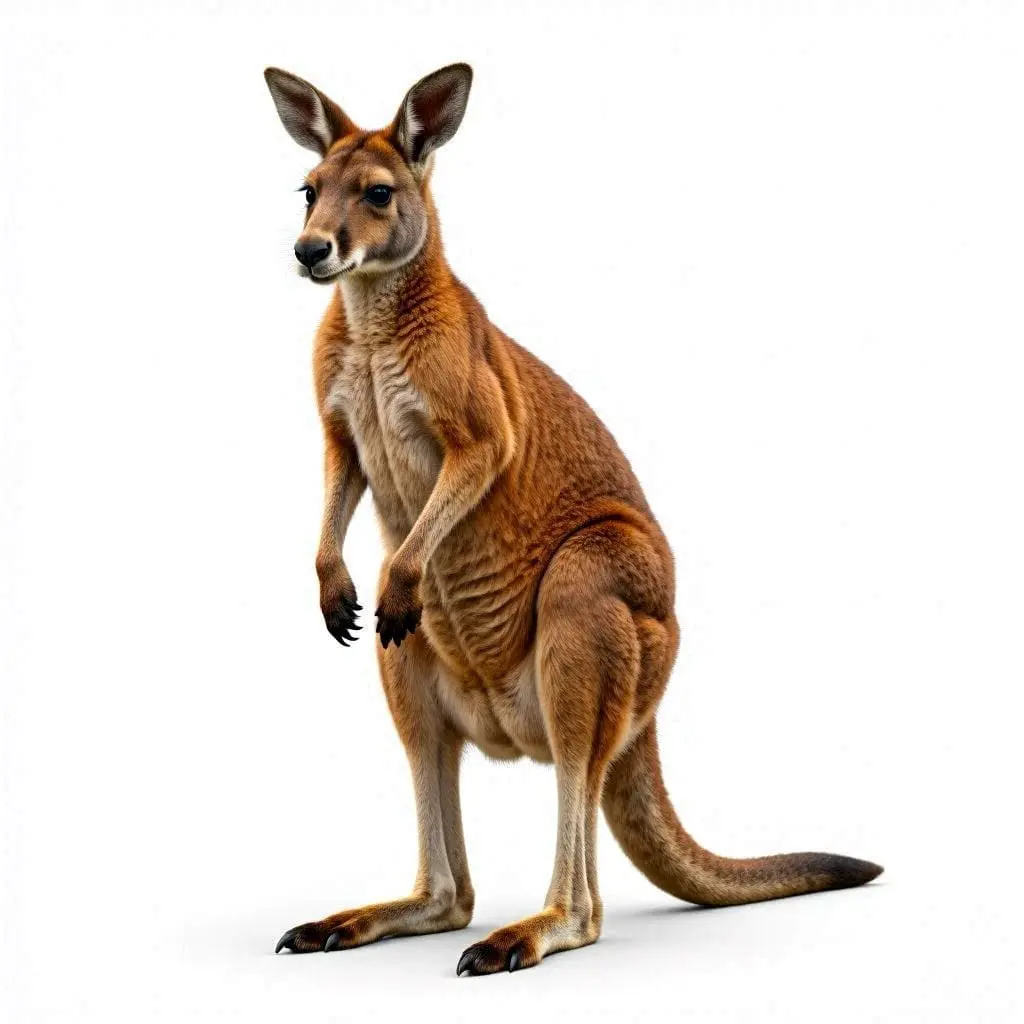
Kangaroos are unique herbivores native to Australia, feeding mainly on grasses and shrubs. They move by powerful hopping using their strong hind legs, which allows them to cover long distances efficiently in search of food.
Where found: Grasslands, open plains, and scrublands of Australia
⓱ Koala
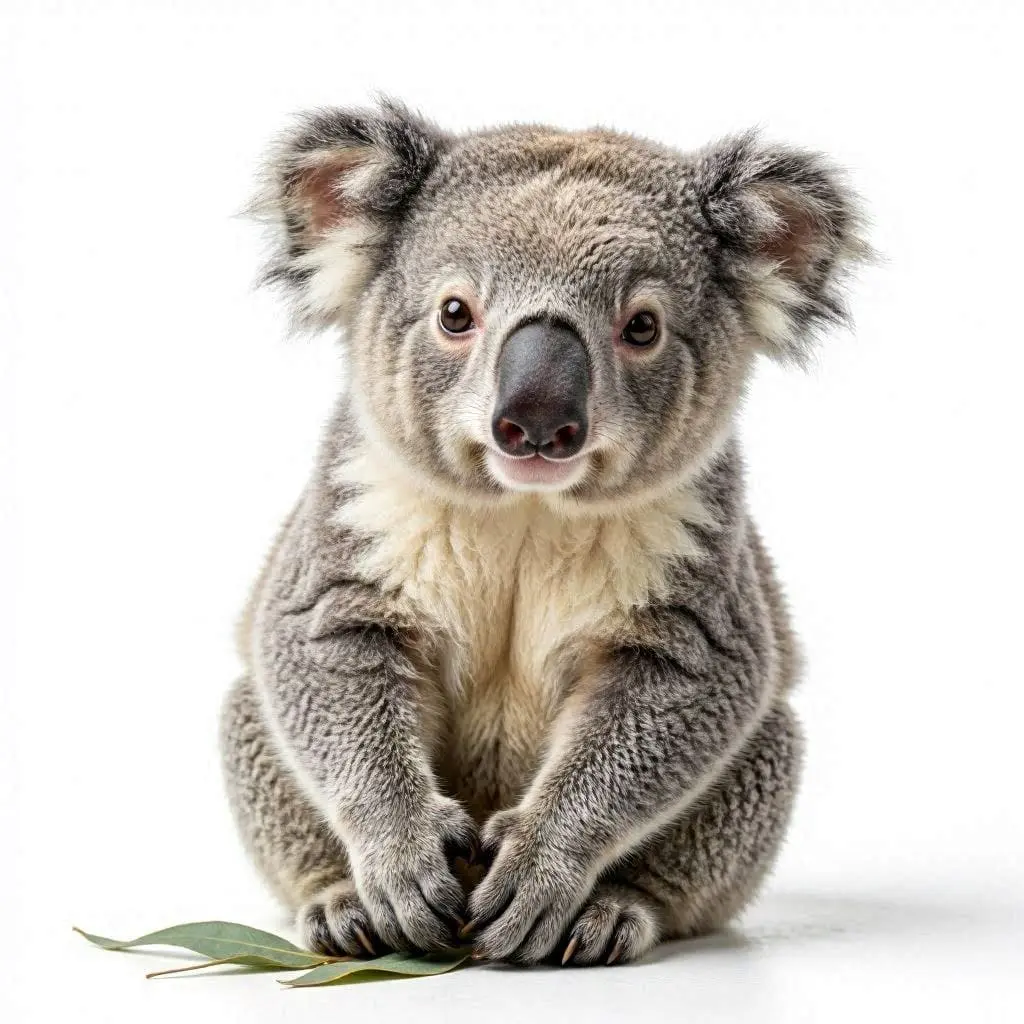
Koalas are tree-dwelling herbivores that feed almost exclusively on eucalyptus leaves. Their digestive system is specially adapted to break down toxic compounds found in these leaves, making them highly specialized feeders.
Where found: Eucalyptus forests of eastern and southeastern Australia
⓲ Panda

Pandas are bear species that rely almost entirely on bamboo for food. Although they belong to the carnivore family biologically, their diet is almost completely plant-based, making them functionally herbivorous.
Where found: Mountain forests of central China
⓳ Yak
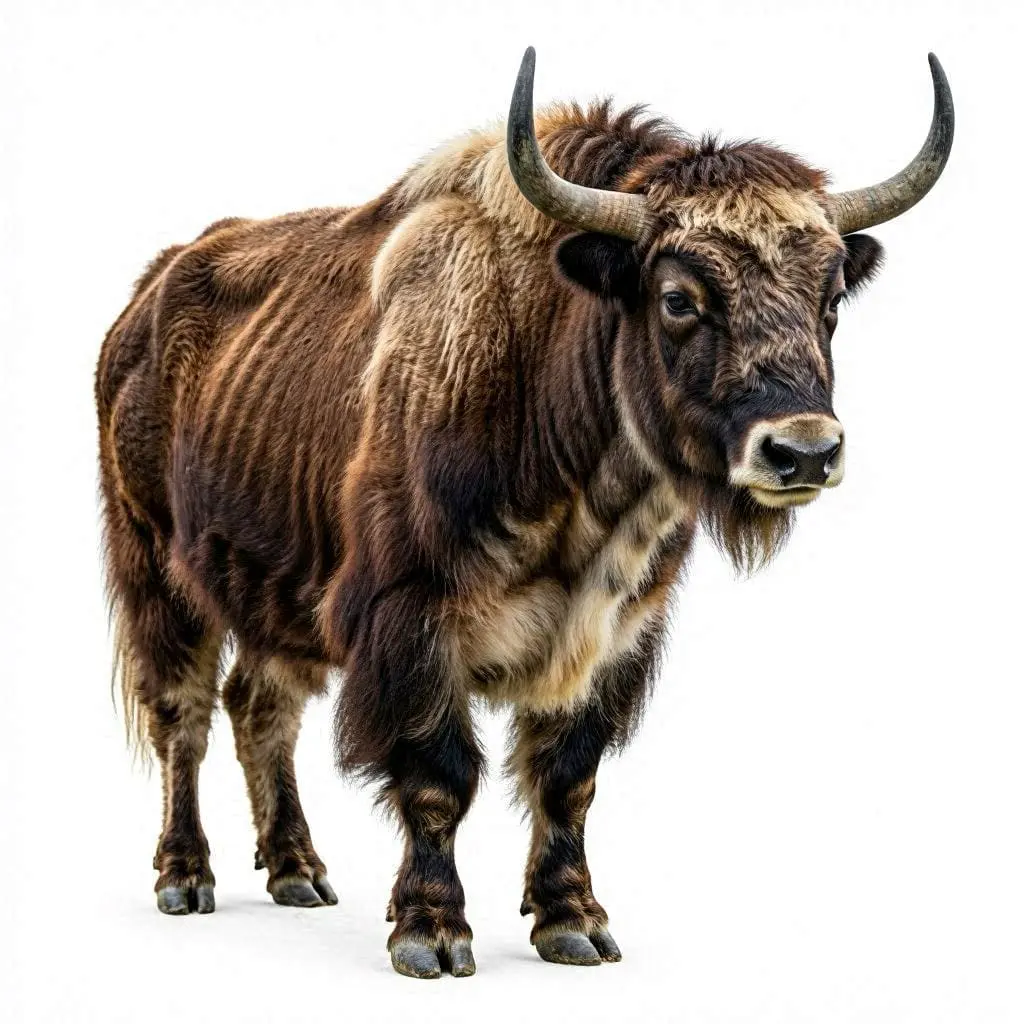
Yaks are strong, cold-adapted herbivores that feed on grass, moss, and alpine plants. They are built to survive in harsh, high-altitude environments where vegetation is limited, and temperatures are extremely low.
Where found: the Himalayan region and the Central Asian mountains
⓴ Llama
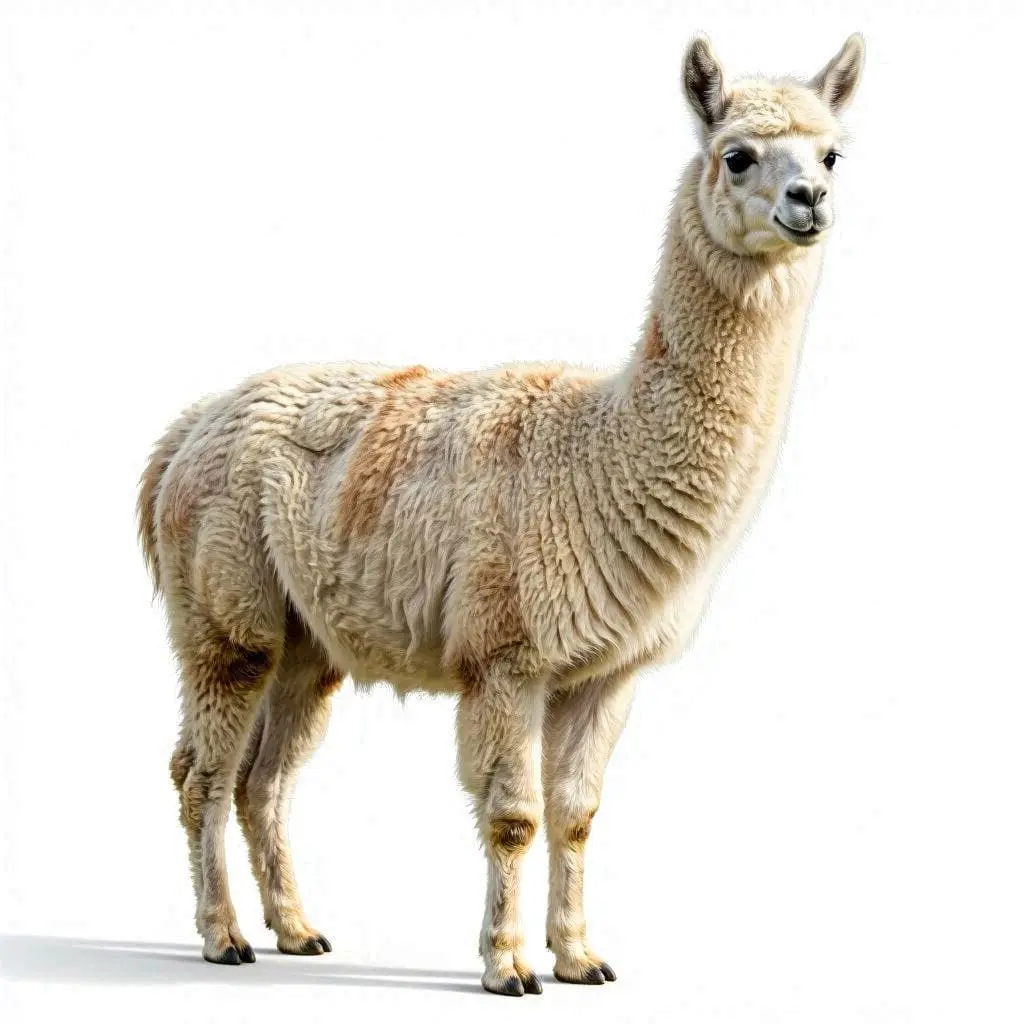
Llamas are South American herbivores that feed on grass and shrubs found in mountainous regions. They are also used as pack animals because of their strength, endurance, and ability to carry loads across difficult terrain.
Where found: The Andes mountain regions of South America
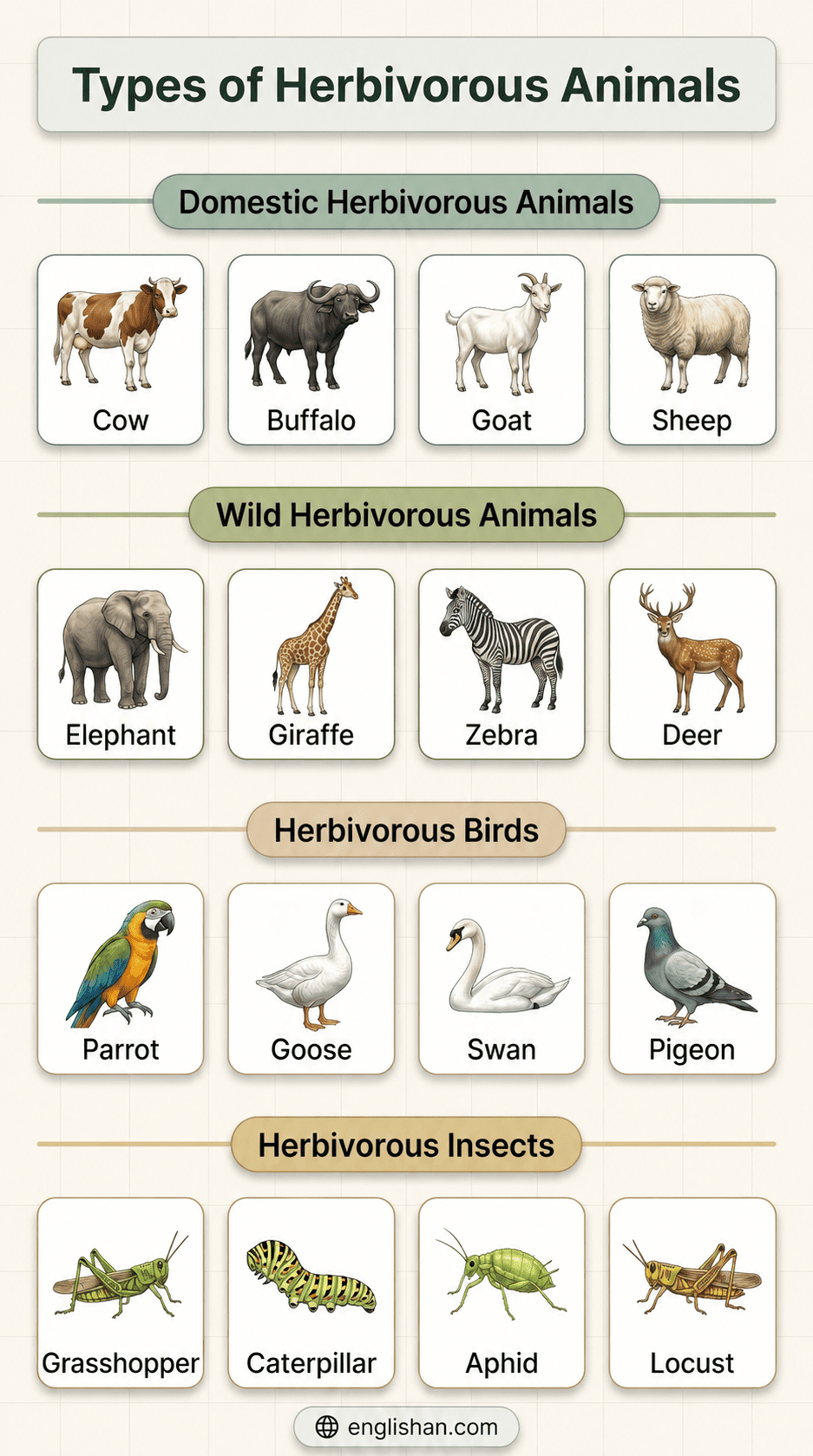
Types of Herbivorous Animals
Herbivorous animals are not limited to one environment or group. They exist in homes, forests, skies, and even among insects. Each type has its own way of feeding on plant-based food such as grass, leaves, fruits, seeds, and bark.
Domestic Herbivorous Animals
Domestic animals live close to humans on farms, villages, or homes. They are commonly raised for milk, transport, wool, and other useful purposes. Simply, these animals depend on humans for care but survive on plant-based food like grass, hay, and grains.
- Cow – A major dairy animal that mainly eats grass and fodder.
- Buffalo – Large farm animal known for high milk production.
- Goat – Small animal that feeds on grass, leaves, and shrubs.
- Sheep – Raised for wool and meat, grazes on grass.
- Horse – Fast working animal used for riding and transport.
- Donkey – Strong animal used for carrying loads and farming work.
- Rabbit – Small animal that eats vegetables, grass, and leaves.
- Camel – Known as the desert animal, survives on dry plants.
- Yak – Found in cold areas, feeds on grass and moss.
- Llama – Used for carrying loads in mountains, eats grass and hay.
In short, domestic herbivores are very useful for humans as they provide food, transport, and raw materials while living on a plant-based diet.
Wild Herbivorous Animals
Wild animals live freely in forests, grasslands, deserts, and mountains. They depend completely on natural vegetation for survival. Simply, these animals are an important part of wildlife and help maintain ecological balance.
- Elephant – The largest land animal that eats leaves, grass, and bark.
- Giraffe – Tall animal that eats leaves from high trees.
- Zebra – Grazing animal with black and white stripes.
- Deer – Graceful animal that feeds on grass and leaves.
- Rhinoceros – Heavy animal that eats grass and shrubs.
- Hippopotamus – Semi-aquatic animal that feeds mostly on grass.
- Bison – Strong herd animal that grazes on grasslands.
- Antelope – Fast runner that feeds on grass and shrubs.
- Moose – Large deer that eats leaves and aquatic plants.
- Kangaroo – Australian animal that feeds on grass and plants.
In short, wild herbivores are essential for nature because they help control plant growth and keep ecosystems balanced.
Herbivorous Birds
Herbivorous birds feed mainly on seeds, fruits, grains, nectar, and plant matter. They are found in gardens, forests, farms, and near water bodies. Simply, these birds play an important role in spreading seeds and supporting plant growth.
- Parrot – Colorful bird that eats fruits, seeds, and nuts.
- Goose – Water bird that feeds on grass and aquatic plants.
- Swan – Elegant bird that eats underwater plants.
- Pigeon – Common city bird that feeds on grains and seeds.
- Duck – Water bird that eats plants and small grains.
- Peacock – Beautiful bird that feeds on seeds and fruits.
- Sparrow – Small bird that eats grains and seeds.
- Finch – Tiny bird with strong beak for seeds.
- Canary – Singing bird that eats seeds and plant food.
- Macaw – Large parrot that eats fruits and nuts.
In short, herbivorous birds are helpful for nature as they spread seeds and support plant reproduction.
Herbivorous Insects
Herbivorous insects feed on plants, leaves, stems, sap, and crops. Some are helpful, while others can damage plants. Simply, they are very small but play a big role in agriculture and ecosystems.
- Grasshopper – Eats grass and leaves.
- Caterpillar – Larva that feeds on leaves before becoming a butterfly.
- Aphid – Tiny insect that sucks plant sap.
- Locust – Swarming insect that eats large amounts of crops.
- Beetle – Some species feed on leaves and fruits.
- Leafhopper – Small sap-feeding insect.
- Whitefly – Tiny pest that damages plants.
- Weevil – Feeds on grains and seeds.
- Termite – Eats wood and plant fibers.
- Moth (larvae stage) – Caterpillar stage that feeds on leaves.
In short, herbivorous insects are important for ecosystems, but some species can also harm crops if not controlled.
Herbivores vs Carnivores vs Omnivores
Animals are classified into three main groups based on their eating habits. Simply, this helps us understand what different animals eat and how they survive in nature.
| Type | Definition | Eats | Examples |
|---|---|---|---|
| Herbivores | Animals that depend only on plants for food | Plants, grass, leaves, fruits | Cow, Deer, Elephant |
| Carnivores | Animals that depend on other animals for food | Meat, flesh of animals | Lion, Tiger, Wolf |
| Omnivores | Animals that eat both plants and animals | Both plants and meat | Bear, Human, Crow |
In short, herbivores are plant-eaters, carnivores are meat-eaters, and omnivores have a mixed diet depending on what is available in their environment.
Interesting Facts About Herbivorous Animals
Herbivorous animals are full of amazing traits that make them unique in the animal kingdom. They may look simple because they only eat plants, but their body structure and behavior are specially designed for survival.
- Elephants can eat up to 150–300 kg of plants in a single day.
- Giraffes have long necks that help them reach leaves from very tall trees.
- Cows have a special digestive system with multiple stomach chambers to break down grass properly.
- Rabbits’ teeth never stop growing, so they keep chewing to wear them down.
- Horses and cows spend a large part of their day eating or grazing.
- Kangaroos mainly feed on grass and can survive in very dry areas.
- Deer are very fast runners, which helps them escape predators easily.
- Goats can eat almost anything plant-based, even thorny bushes.
- Pandas are herbivores that mainly survive on bamboo.
In short, herbivorous animals are essential for nature because they help maintain ecological balance, support plant life, and keep the food chain stable.
Final Thought
Herbivorous animals play a vital role in maintaining the balance of nature. By feeding on plants, they not only sustain themselves but also help control vegetation growth and support the entire food chain. From tiny insects to massive elephants, every herbivore contributes to the ecosystem in its own unique way. Understanding these animals gives us a clearer picture of how interconnected and balanced the natural world truly is.
FAQs
Herbivorous animals are plant-eating animals found in different environments such as forests, grasslands, farms, and deserts. Ten common examples include cow, goat, sheep, horse, deer, elephant, giraffe, zebra, rabbit, and camel. These animals survive by depending completely on plant-based food sources like grass, leaves, fruits, and shrubs. Each of them plays an important role in nature by supporting the food chain and maintaining ecological balance.
Herbivorous animals eat only plant-based food. Their diet mainly includes grass, leaves, fruits, vegetables, seeds, flowers, bark, and sometimes roots. They do not consume meat or animal flesh. Their teeth and digestive systems are specially adapted to break down tough plant fibers efficiently, allowing them to extract enough nutrients and energy from vegetation.
Yes, a giraffe is a herbivorous animal. It feeds primarily on leaves from tall trees, especially acacia trees found in African savannas. Its long neck is a special adaptation that helps it reach food sources high above the ground, which are not accessible to most other herbivores. Despite its size, a giraffe survives entirely on plant material.
Herbivores and carnivores are different based on their eating habits. Herbivores are animals that feed only on plants such as grass, leaves, and fruits. Carnivores, on the other hand, depend on other animals for food and eat meat. This difference also affects their physical features; herbivores usually have flat teeth for grinding plants, while carnivores have sharp teeth for tearing flesh.
Yes, rabbits are herbivores. They feed mainly on grass, vegetables, leafy plants, and other soft plant materials. Their teeth continuously grow throughout their life, which helps them chew fibrous plant food effectively. Rabbits are gentle animals and depend entirely on vegetation for survival.
The African elephant is the largest herbivorous animal on land. It consumes a very large quantity of plant food daily, including grass, leaves, bark, and fruits. Its massive size requires constant feeding to maintain energy. Elephants also play a key role in shaping their environment by clearing vegetation and helping seed dispersal in ecosystems.
You May Also Like
- Dog Breeds A to Z With Pictures
- Crawl Animals Names in English
- Masculine and Feminine Gender of Animals
Herbivorous Animals Quiz
Herbivorous Animals
What separates a grazer from a browser?
Sheep and cattle graze; goats and giraffes browse.
Head down for grass, head up for leaves.
Goats clear scrub because they browse rather than graze.
What is a ruminant?
Microbes break down cellulose, and chewing the cud returns food for a second pass.
Ruminants outsource digestion to microbes.
Cattle, sheep, deer and giraffes are all ruminants.
Name the substance.
The tough plant fibre no mammal can digest without help from microbes is ___.
No mammal produces the enzyme; gut bacteria do the work instead.
Herbivores do not digest plants — their gut microbes do.
A cow without its rumen microbes would starve on grass.
Why are a herbivore's eyes usually on the sides of its head?
Near-panoramic vision matters more than judging distance to prey.
Eyes at the front for hunting, eyes at the side for watching.
A rabbit sees almost the full circle around itself.
Why do herbivores spend so much of the day eating?
An elephant eats well over a hundred kilograms of vegetation daily.
Low-energy food means long feeding hours.
A grazing animal may feed for sixteen hours a day.
Turn on JavaScript for the interactive quiz. The full practice set is shown above.