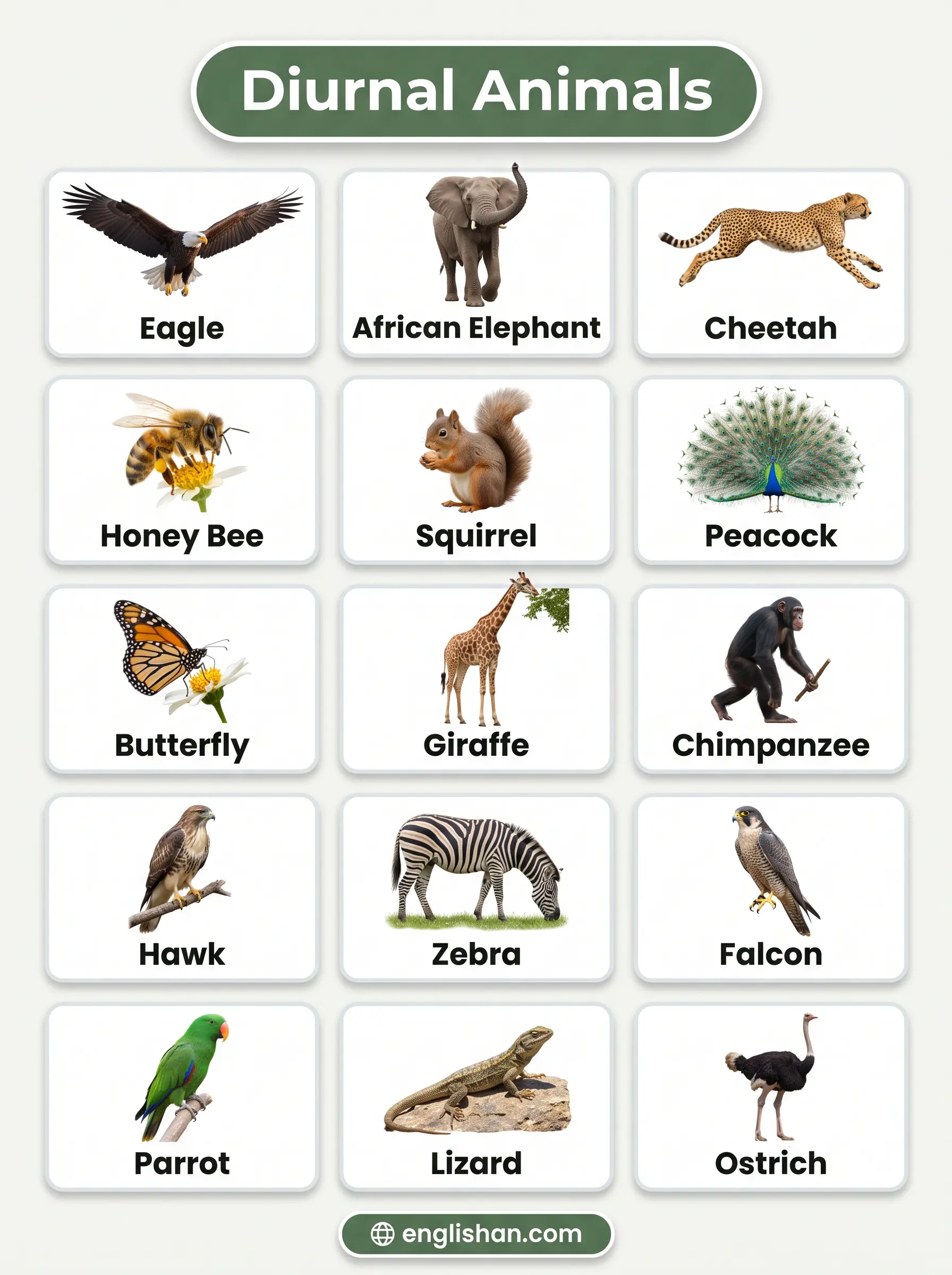
Diurnal Animals Names: What are diurnal animals? Diurnal animals are creatures that are most active during the day and rest or sleep at night. The word “diurnal” comes from the Latin “diurnus,” meaning belonging to the day. These animals rely on sunlight for vision, warmth, feeding, and social activity, making them the opposite of nocturnal animals, which are active after dark.
From majestic Eagle soaring at midday to Honeybee working in the morning sun, diurnal animals represent some of the most familiar and ecologically vital species on Earth. In this complete article, you will find a full list of diurnal animals names, along with habitats, interesting facts, and everything you need to know about daytime-active wildlife.
What Are Diurnal Animals?
Diurnal animals follow a circadian rhythm, a roughly 24-hour biological cycle that governs sleep, feeding, and activity. In diurnal species, this clock is set to activity during daylight hours and rest after dark. Light received by the eyes suppresses melatonin production, keeping diurnal animals alert during the day. When daylight fades, melatonin rises, triggering sleep.
Most birds, many mammals, and a large number of reptiles and insects are diurnal. Originally, scientists believe most animals were diurnal before some species evolved to exploit the advantages of nighttime activity.
Explore more animals that start with different letters:
A | B | C | D | E | F | G | H | I | J | K | L | M | N | O | P | Q | R | S | T | U | V | W | X | Y | Z
Diurnal vs. Nocturnal vs. Crepuscular Animals
| Activity Pattern | Active Period | Key Advantage | Examples |
|---|---|---|---|
| Diurnal | Daytime | Color vision, warmth, social signaling | Eagles, elephants, bees, cheetahs |
| Nocturnal | Nighttime | Avoids daytime predators, cooler temperatures | Owls, bats, raccoons, moths |
| Crepuscular | Dawn and dusk | Avoids midday heat and peak predators | Deer, rabbits, skunks, some bats |
| Cathemeral | Sporadic day and night | Maximizes feeding opportunities | Lions (partly), some primates |
Some species shift between these patterns depending on the season, habitat, temperature, or proximity to humans. An animal that is crepuscular in a hot desert may become fully nocturnal in summer to avoid dangerous daytime heat.
Popular Diurnal Animals Names with Pictures
❶ Eagle
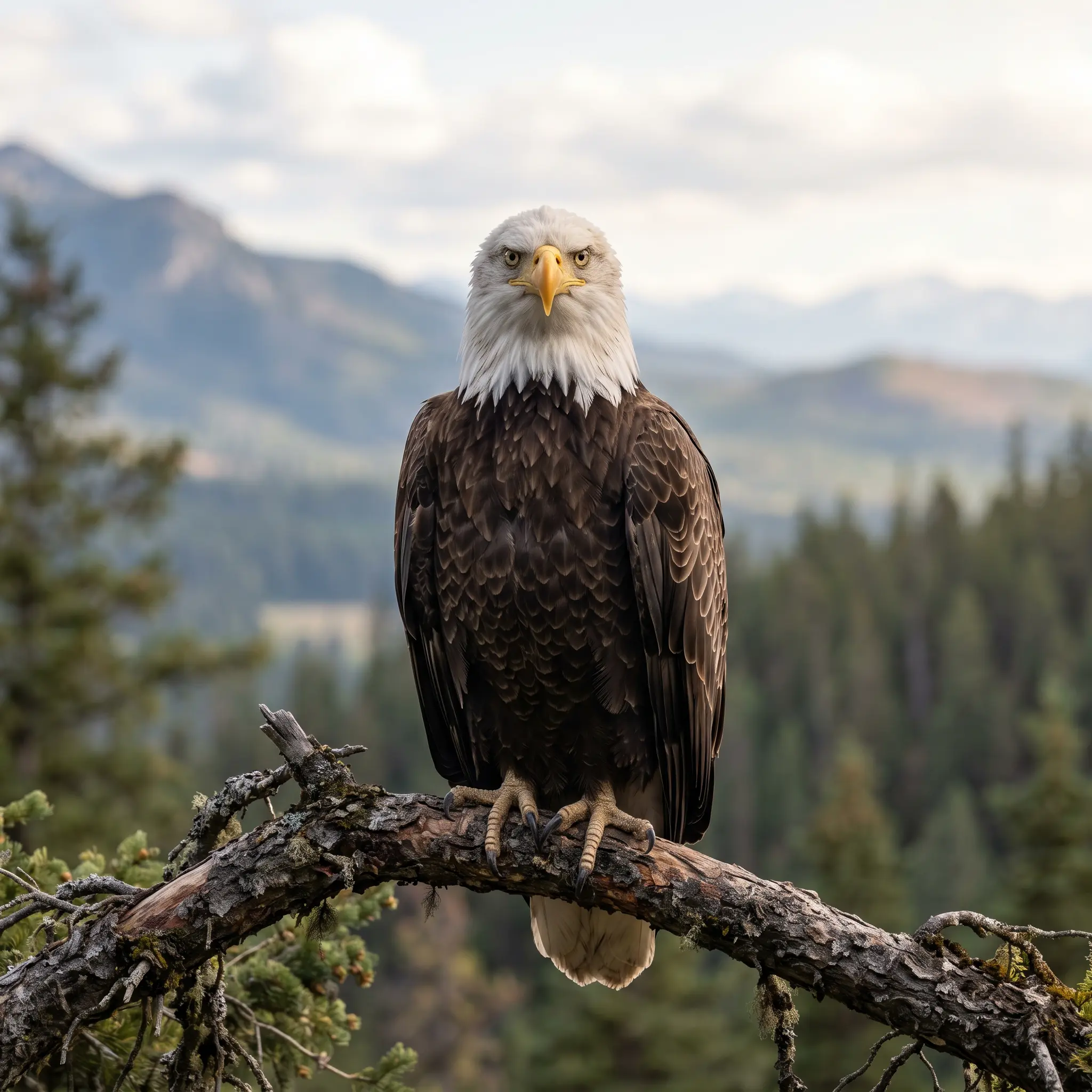
Habitat: Worldwide except Antarctica
Diet: Fish, small mammals, carrion
Key Trait: Can spot prey from over a mile away
Eagles are among the most powerful diurnal hunters in the bird world. Their eyes, adapted for bright daylight, can detect a mouse from over a mile away. Hawks and falcons share similar sharp diurnal vision. Eagles are active from early morning to late afternoon, riding thermal air currents to patrol vast territories with minimal energy expenditure.
❷ African Elephant
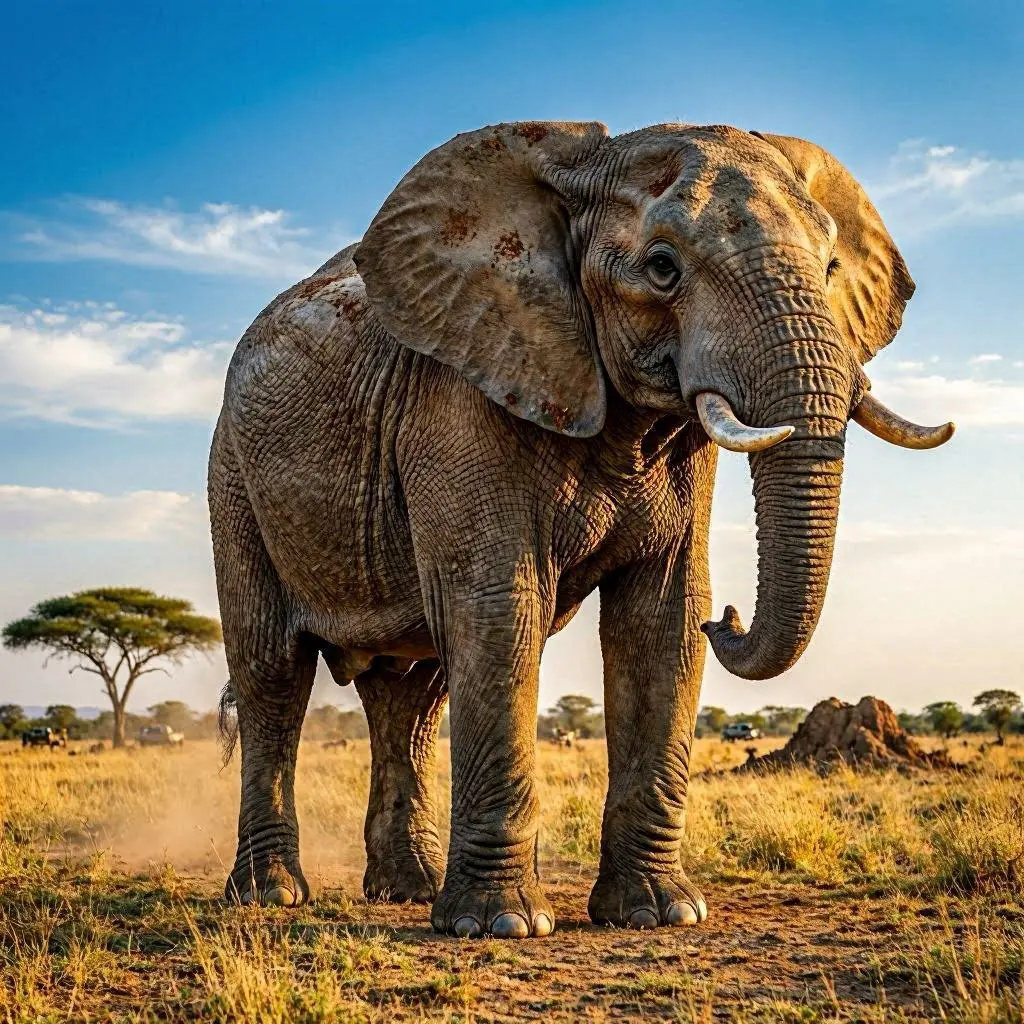
Habitat: Sub-Saharan Africa
Diet: Grasses, fruits, bark, vegetation
Key Trait: Communicates through low-frequency rumbles across miles
Elephants are strongly diurnal, spending their days foraging in herds under the sun. A single elephant can consume up to 300 pounds of vegetation per day, so daylight hours are essential for finding enough food. They use low rumbles, inaudible to humans, to communicate across miles within their family groups. Herds are matriarchal, led by the oldest and most experienced female.
❸ Cheetah
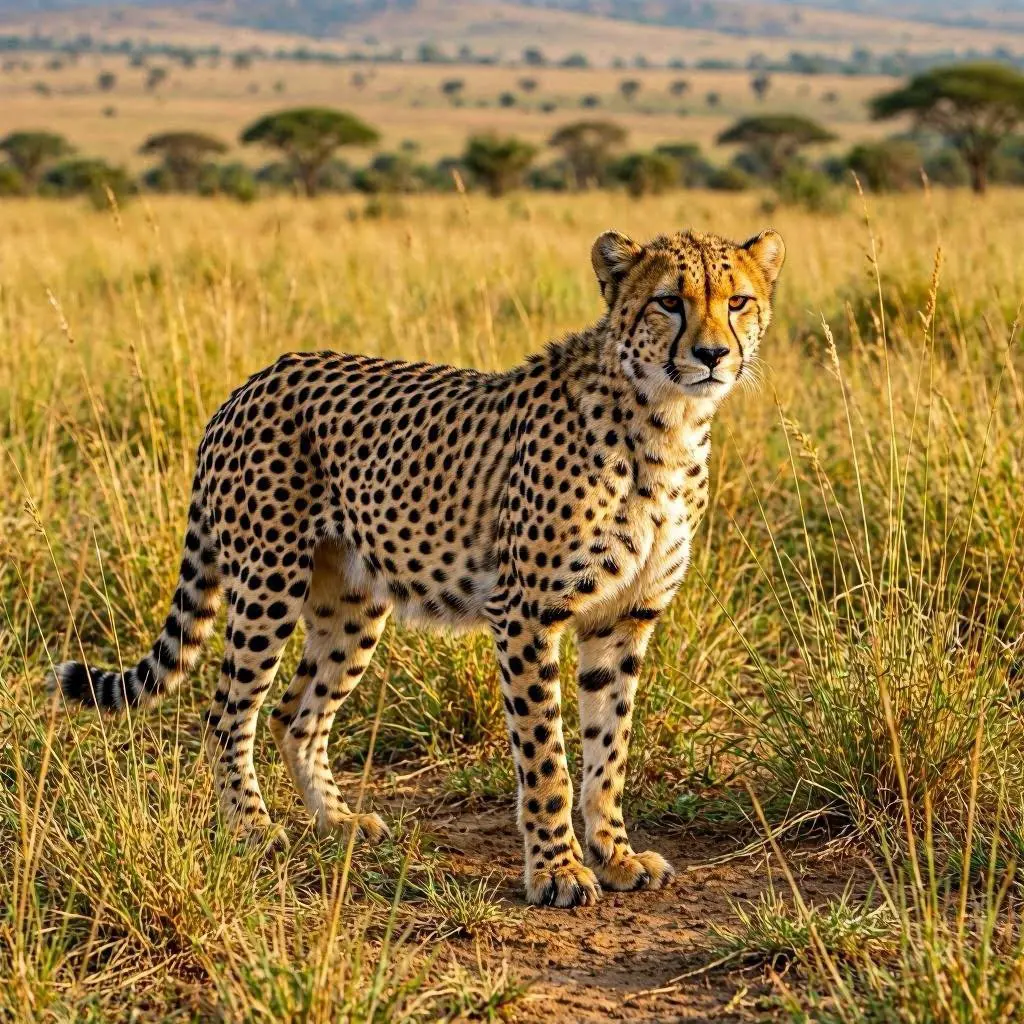
Habitat: Africa, parts of Iran
Diet: Gazelles, impalas, hares
Key Trait: Fastest land animal, reaching 70 mph in short sprints
The cheetah is one of the few big cats that hunts almost exclusively during the day. Its exceptional daytime vision allows it to track prey through the heat of the African savannah. Unlike lions, which are partly crepuscular, cheetahs rely on speed and sight rather than stealth and darkness. They sprint at up to 70 mph in short bursts to take down prey.
❹ Honey Bee
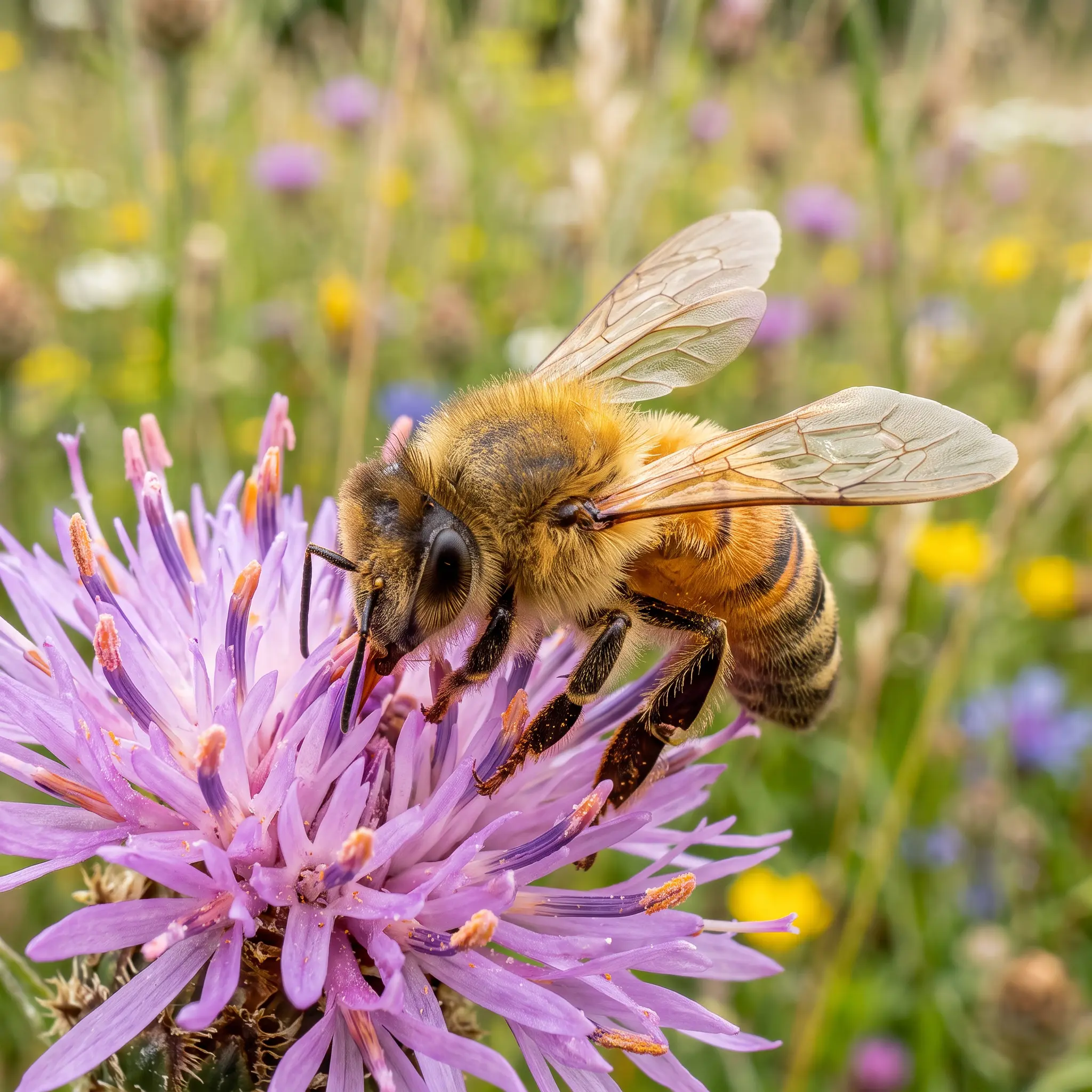
Habitat: Worldwide
Diet: Nectar and pollen
Key Trait: Pollinates approximately one-third of the world’s food supply
Bees are strict daytime foragers, buzzing from flower to flower in daylight hours. They navigate using the position of the sun and communicate the direction and distance of food sources through the famous “waggle dance.” Without diurnal bees, pollination of countless plant species would collapse. Honey bees return to the hive at dusk and do not forage at night.
❺ Squirrel
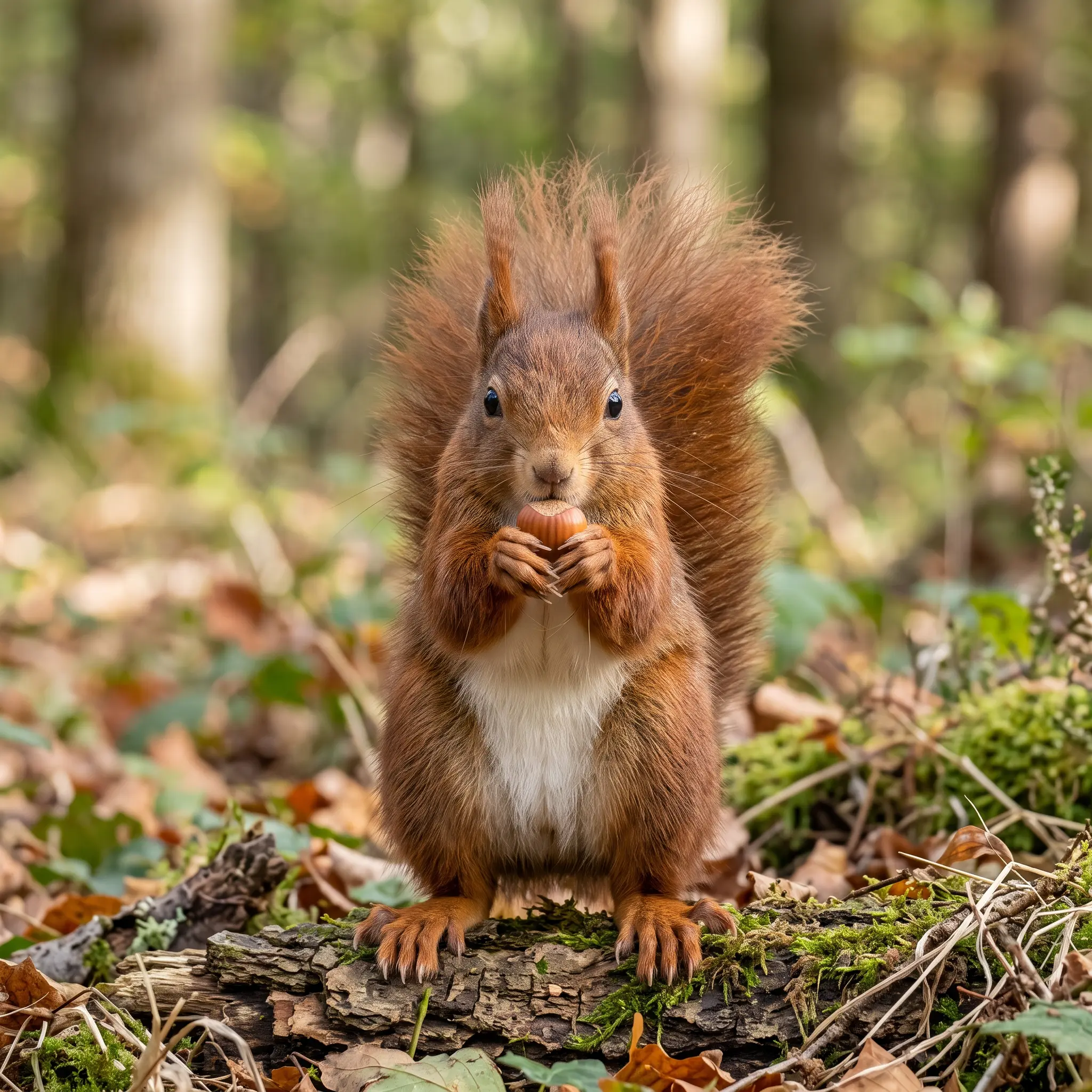
Habitat: Americas, Europe, Africa, Asia
Diet: Nuts, seeds, fruits, fungi
Key Trait: Buries food caches for winter that it locates from memory months later
Squirrels are textbook diurnal animals, spending their days climbing trees, foraging for food, and caching nuts for winter. When the sun sets, they curl up in nests or tree hollows to sleep. Ground squirrels like chipmunks and prairie dogs are also strongly diurnal and use daylight hours for foraging, socializing, and predator watch duties.
❻ Peacock
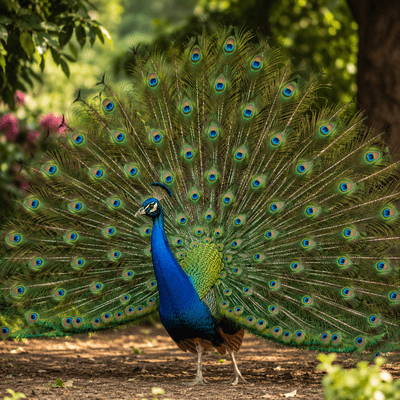
Habitat: South Asia (India, Sri Lanka)
Diet: Seeds, insects, fruits, small reptiles
Key Trait: Spreads iridescent tail feathers in sunlight to attract mates
Peacocks are strongly diurnal and their remarkable plumage is specifically an adaptation for daytime display. The iridescent blues and greens of the male’s tail feathers only produce their dazzling optical effect in sunlight. Peahens evaluate the brightness and symmetry of these displays in full daylight when choosing a mate.
❼ Butterfly
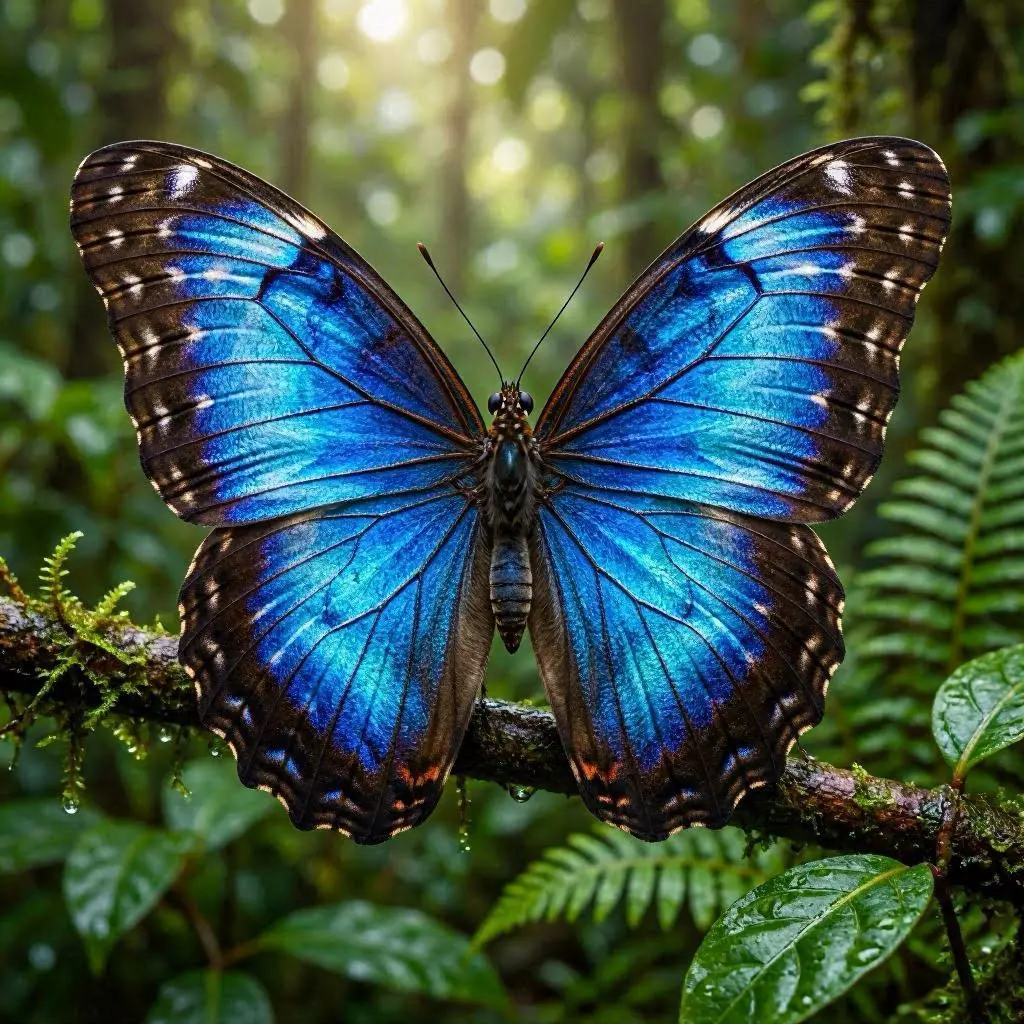
Habitat: Worldwide except Antarctica
Diet: Nectar
Key Trait: Can see ultraviolet light, revealing nectar patterns in flowers invisible to humans
Butterflies are entirely diurnal insects. They cannot regulate their body temperature independently, so they rely on the sun’s warmth to become active. Butterflies can perceive ultraviolet light, allowing them to detect nectar guides on petals that are completely invisible to humans. Unlike moths, which are nocturnal, butterflies fold their wings flat when resting and are inactive after dark.
❽ Giraffe
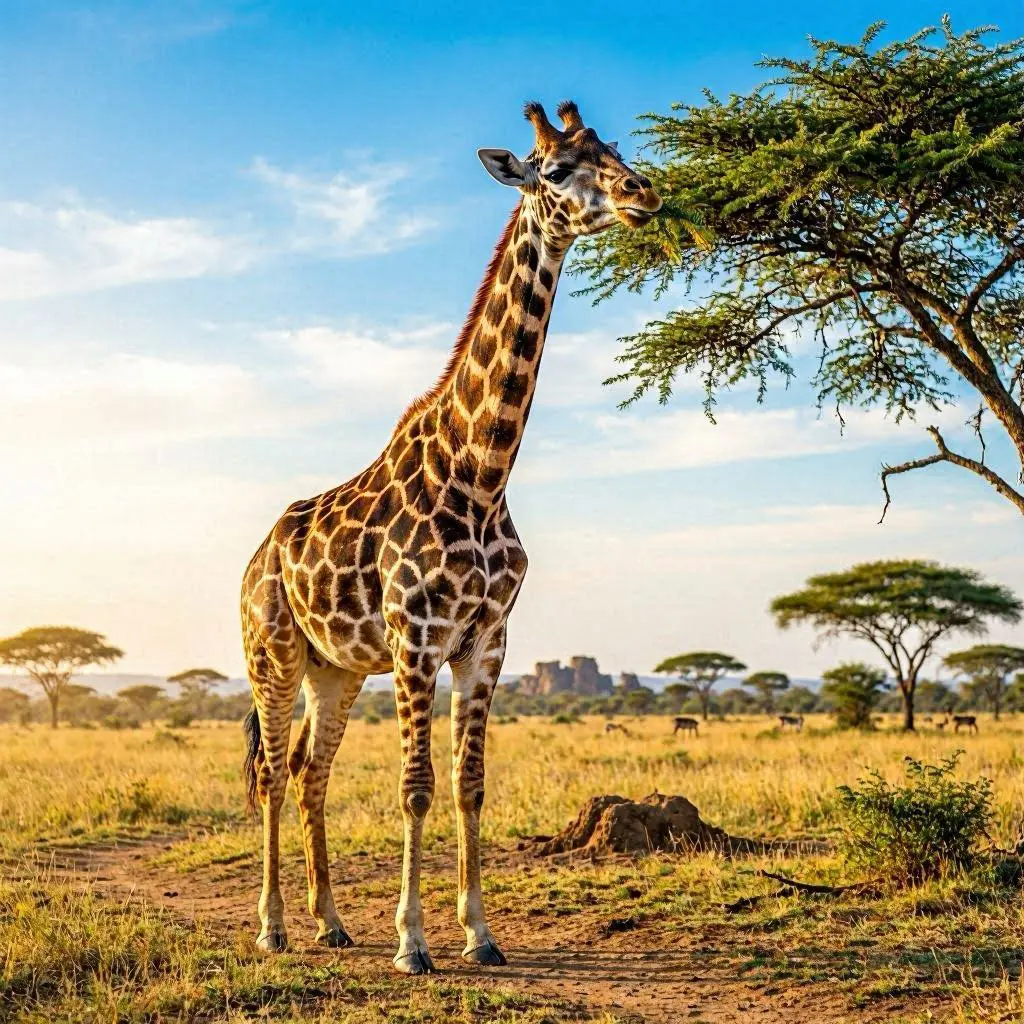
Habitat: Sub-Saharan Africa
Diet: Leaves, flowers, fruits (primarily acacia)
Key Trait: Tallest living terrestrial animal, reaching up to 18 feet
Giraffes are diurnal browsers, feeding primarily during daylight hours on tree leaves with their long necks and tongues. They sleep in very short intervals (sometimes less than 2 hours total per day) and spend most of their time upright and alert. Their height gives them a natural surveillance advantage over predators during the day.
❾ Chimpanzee
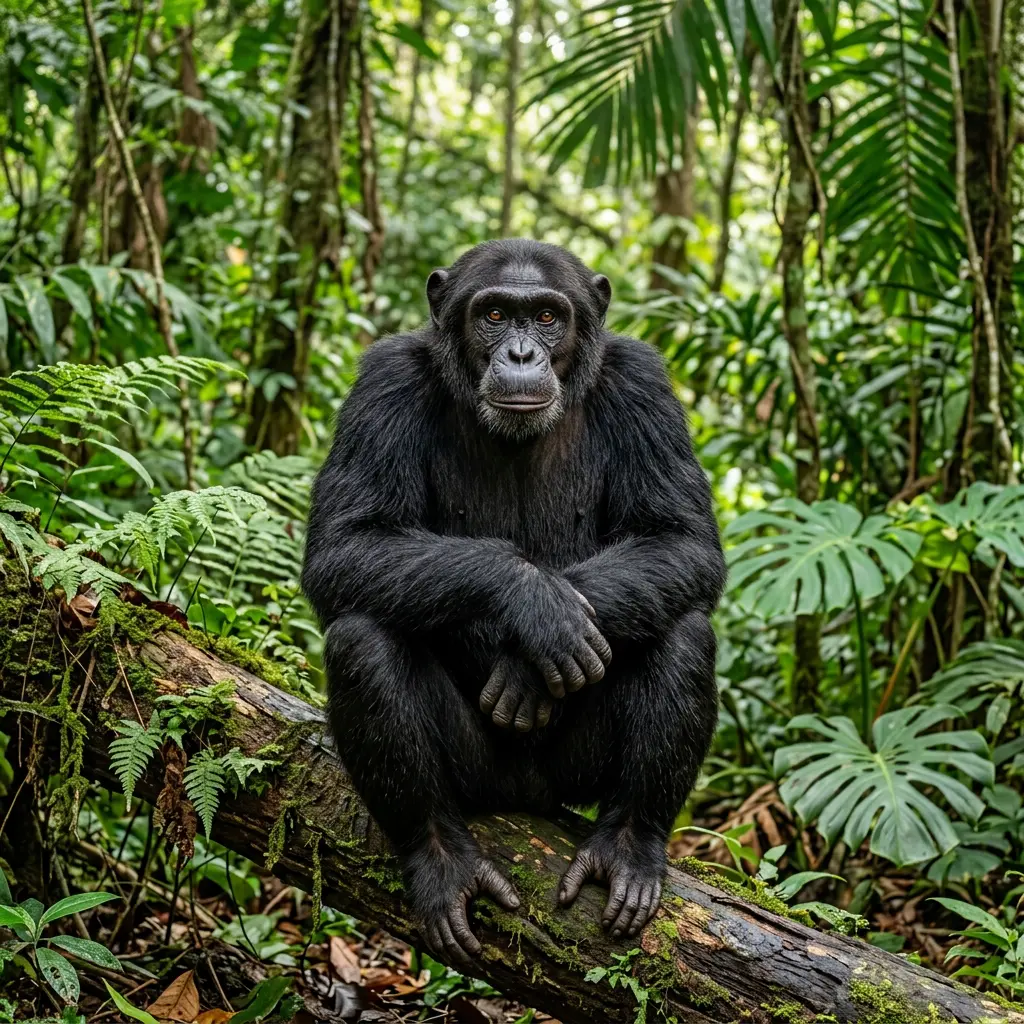
Habitat: West and Central Africa
Diet: Fruits, leaves, insects, small animals
Key Trait: Crafts and uses tools; shares 98.7% of DNA with humans
Chimpanzees are diurnal primates, most active from dawn to dusk. They spend their days foraging, socializing, and in complex political interactions within their troop. Chimps use sticks to extract termites, rocks to crack open nuts, and leaves as sponges to drink water. These tool-use behaviors are learned socially during daylight hours of communal activity.
❿ Hawk
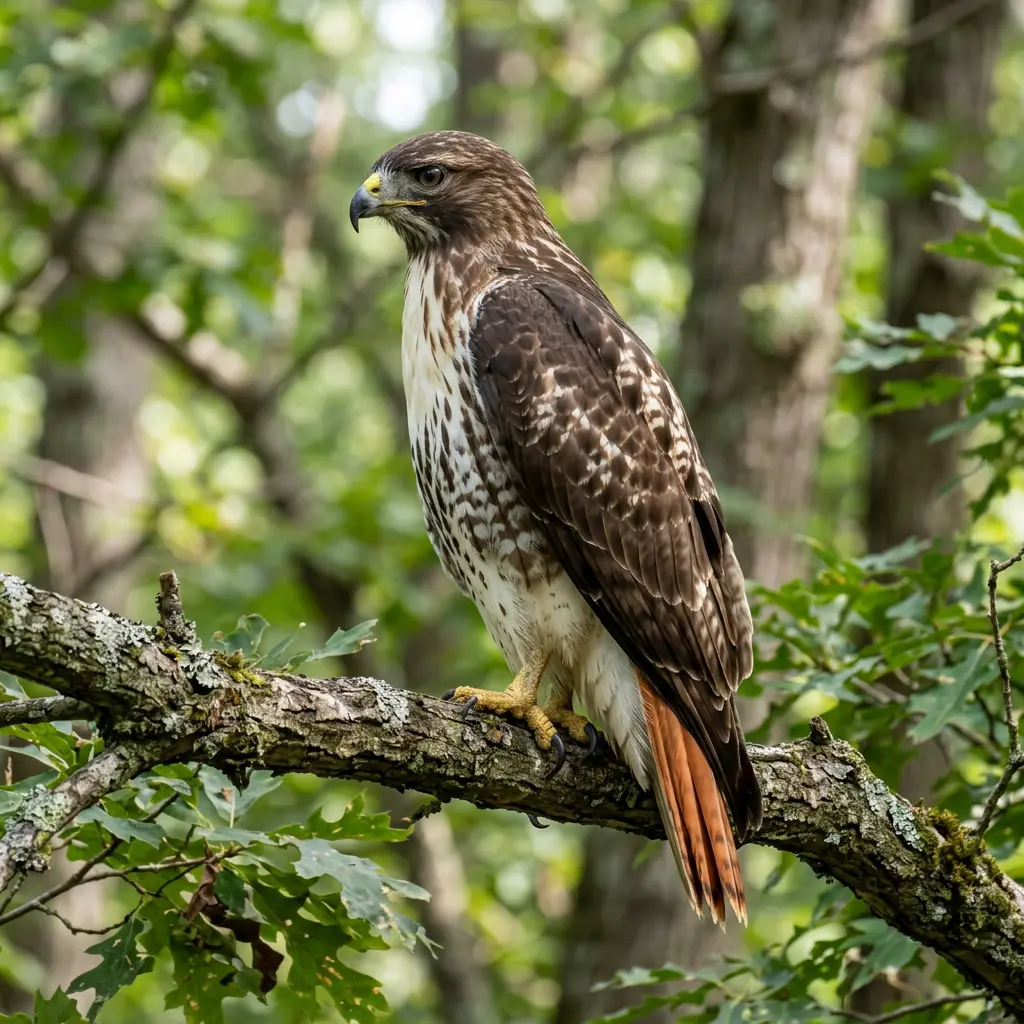
Habitat: Americas, Europe, Asia, Africa
Diet: Small mammals, birds, reptiles, carrion
Key Trait: Visual acuity up to 8 times sharper than humans
Hawks are classic diurnal raptors (birds of prey), hunting exclusively in daylight with exceptional visual acuity. Their eyes contain a higher density of photoreceptor cells than humans, giving them the ability to detect rapid movement at great distances. Unlike owls, hawks cannot hunt effectively in low light conditions and roost at night. During lean seasons, hawks also scavenge, following larger predators to exploit their kills.
⓫ Zebra
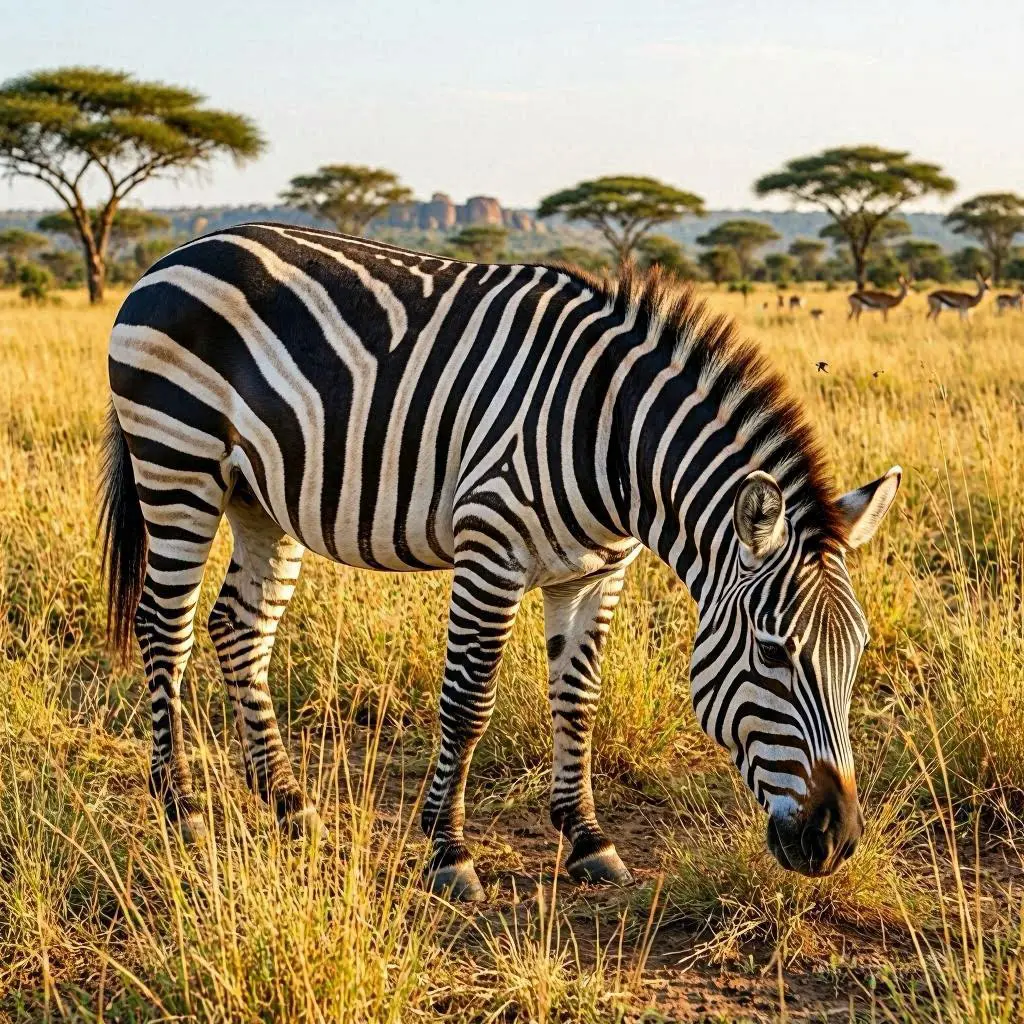
Habitat: Eastern and Southern Africa
Diet: Grasses, herbs, shrubs
Key Trait: Each zebra’s stripe pattern is unique, like a human fingerprint
Zebras are strongly diurnal grazers, feeding almost exclusively during daylight hours in large herds. Their black and white stripe patterns are believed to disrupt predator vision, deter biting flies, and may play a role in thermoregulation. Herds graze together during the day, using numbers as protection from lions and hyenas. Zebras sleep at night in groups with at least one member standing watch.
⓬ Falcon
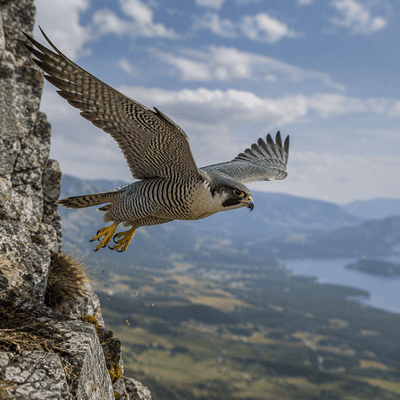
Habitat: Worldwide except Antarctica
Diet: Birds, bats, small mammals
Key Trait: Peregrine falcon is the fastest animal on Earth, diving at over 240 mph
Falcons are exclusively diurnal hunters. The peregrine falcon is the fastest animal on the planet, reaching diving speeds over 240 mph when stooping on prey. Falcons use their exceptional daytime vision to spot prey mid-flight and rely on speed and precision rather than stealth. They have adapted to urban environments, nesting on skyscrapers and hunting pigeons over city streets.
⓭ Parrot
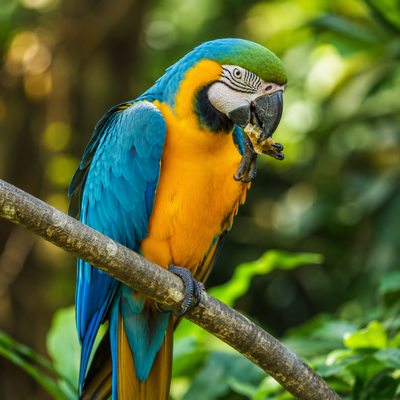
Habitat: Tropics and subtropics worldwide
Diet: Seeds, nuts, fruits, flowers
Key Trait: Highly intelligent; some species can learn hundreds of words and concepts
Parrots are among the most intelligent diurnal birds. In the wild, they are active during daylight hours, foraging in flocks, vocalizing loudly, and navigating dense rainforest canopies. Their vivid plumage, visible in full color only in daylight, plays a key role in flock recognition and mate selection. Macaws, cockatoos, and African grey parrots are all strongly diurnal species.
⓮ Lizard
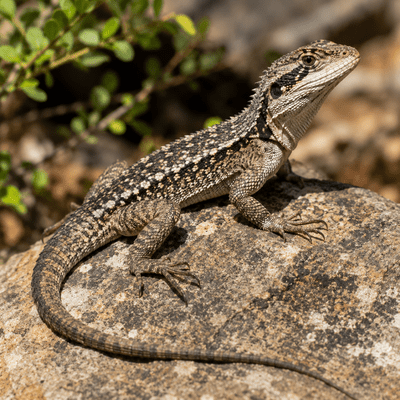
Habitat: Tropical and subtropical regions worldwide
Diet: Leaves, fruits, insects (species-dependent)
Key Trait: Cold-blooded; must bask in sunlight to reach active body temperature
Most lizards are diurnal because they are ectotherms (cold-blooded), relying on solar heat to warm their bodies to a functional temperature. Without daytime sun exposure, a lizard cannot digest food, move quickly, or reproduce effectively. Iguanas, monitor lizards, chameleons, and most geckos that have transitioned to diurnal behavior use sunlit hours for all critical activities.
⓯ Ostrich
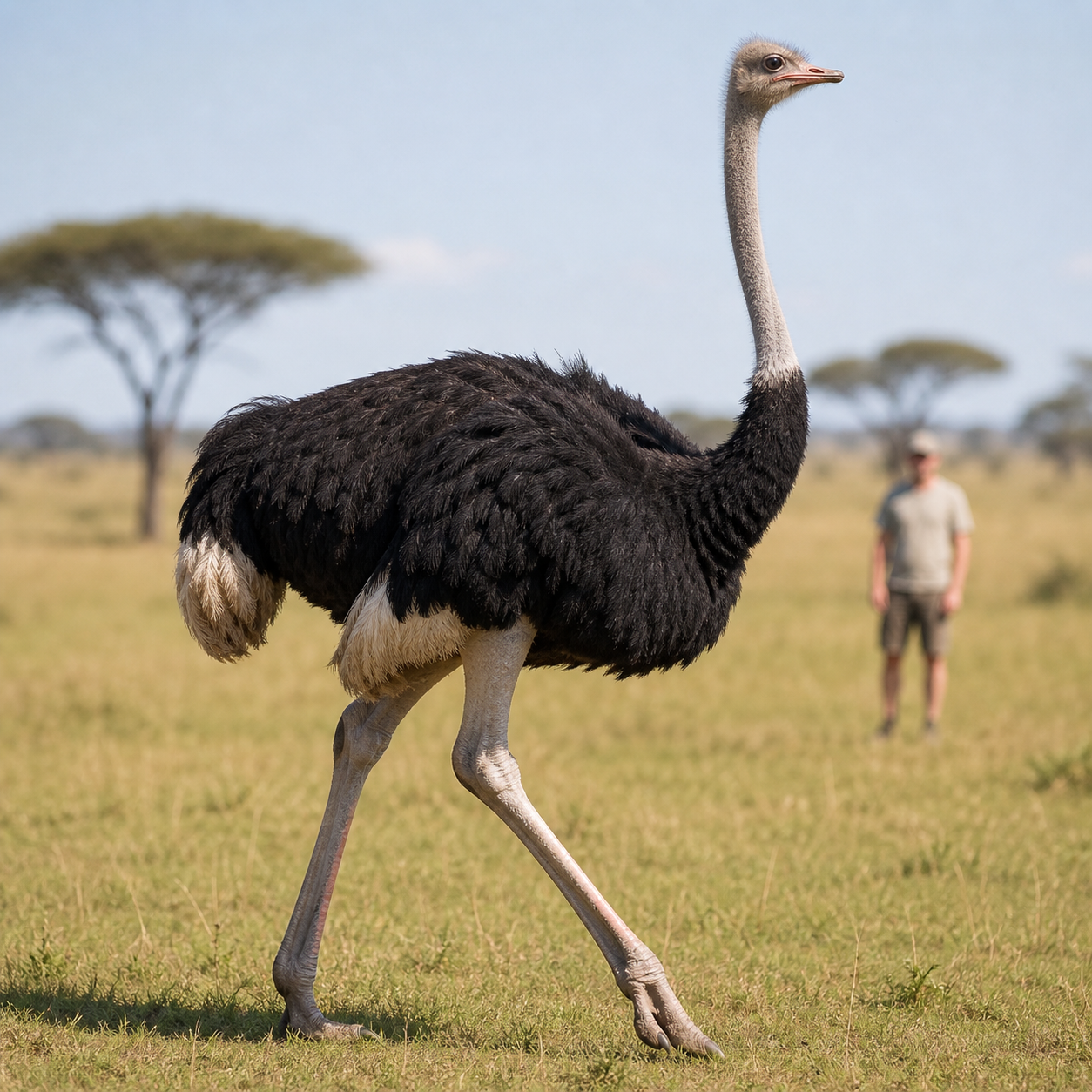
Habitat: African savannahs and woodlands
Diet: Plants, seeds, insects, small reptiles
Key Trait: Largest bird on Earth; fastest running bird at 45 mph
Ostriches are highly diurnal birds that forage, mate, and socialize during daylight hours. As the largest bird on Earth, they cannot fly but compensate with extraordinary running speed, reaching 45 mph in sustained bursts. Their large eyes, the biggest of any land animal, are optimized for daytime vision and help them detect predators from long distances across open terrain.
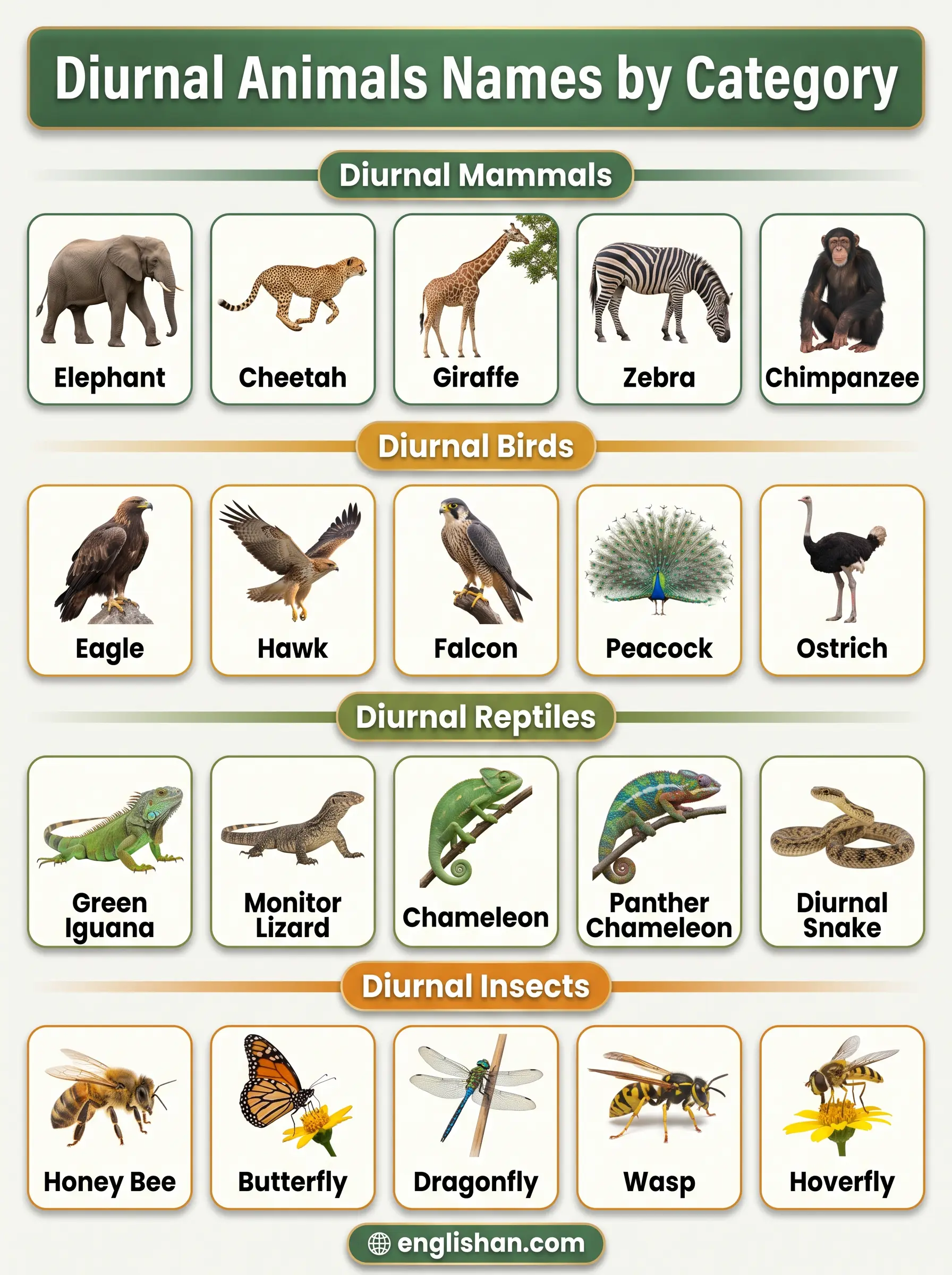
List of Diurnal Animals Names by Category
Below is a broader list of diurnal animals names—species that are primarily active during the daytime and rest at night.
Diurnal Mammals
- Elephant – A large herbivore that spends most daylight hours feeding, drinking, and socializing with its herd.
- Cheetah – The fastest land animal, usually hunting during the day to avoid competition from larger predators.
- Lion (Partly) – Although often active at night, lions may hunt and patrol their territory during the day.
- Giraffe – Feeds on tree leaves throughout the day and sleeps only for short periods.
- Zebra – Grazes in open grasslands during daylight while staying alert for predators.
- Chimpanzee – A highly intelligent primate that spends the day foraging, grooming, and interacting with its group.
- Squirrel – An energetic rodent that searches for nuts, seeds, and fruits during daylight.
- Horse – A grazing mammal that remains active throughout the day in herds.
- Cow – Spends daylight hours grazing and resting between feeding sessions.
- Sheep – Grazes in flocks during the day while relying on group safety.
- Goat – A curious herbivore that browses shrubs, grasses, and leaves during daylight.
- Kangaroo – Often feeds during the early morning and late afternoon but remains active in daylight.
- Meerkat – A social mammal that hunts insects and stands guard during the day.
- Dog – Domestic dogs are generally active during the day, especially alongside human routines.
- Deer (Partly) – Many deer are most active at dawn and dusk but also feed during the daytime.
Diurnal Birds
- Eagle – Hunts during the day using exceptional eyesight to spot prey.
- Hawk – A daytime bird of prey that soars high while searching for food.
- Falcon – Relies on daylight and incredible speed to catch birds in flight.
- Peacock – Forages and displays its colorful feathers during the day.
- Parrot – Feeds on fruits, seeds, and nuts while remaining active in daylight.
- Macaw – A brightly colored parrot that spends the day feeding and communicating with its flock.
- Ostrich – The world’s largest bird, active during the day while searching for plants and insects.
- Flamingo – Feeds in shallow water during daylight by filtering tiny organisms.
- Toucan – A tropical bird that searches for fruit during the daytime.
- Robin – A small songbird that actively hunts worms and insects during the day.
- Duck – Commonly feeds, swims, and preens throughout daylight hours.
- Goose – Grazes on grasses and travels in flocks during the day.
- Swan – A graceful waterbird that spends daylight feeding on aquatic vegetation.
- Pelican – Hunts fish during the day using its large throat pouch.
- Seagull – An adaptable coastal bird that searches for food throughout the day.
- Cockatoo – An intelligent parrot active during daylight while feeding and socializing.
- Emu – A large flightless bird that forages for plants, seeds, and insects during the day.
Diurnal Reptiles
- Green Iguana – A sun-loving reptile that basks and feeds on leaves during the day.
- Monitor Lizard – An active daytime hunter that feeds on insects, eggs, and small animals.
- Chameleon – Slowly hunts insects during daylight using its long, sticky tongue.
- Panther Chameleon – A colorful species that depends on daylight to hunt and regulate body temperature.
- Most Daytime Lizards – Many lizards bask in the sun before searching for insects and plants.
- Some Snakes – Certain snake species are diurnal and hunt small prey during daylight.
Diurnal Insects
- Honey Bee – Collects nectar and pollen from flowers throughout the day, making it an important pollinator.
- Butterfly – Flies in daylight while feeding on nectar and pollinating flowering plants.
- Dragonfly – A fast-flying insect that hunts mosquitoes and other insects during the day.
- Most Wasps – Day-active insects that hunt prey or gather nectar depending on the species.
- Hoverflies – Harmless flies that feed on nectar and help pollinate many flowering plants.
Why Are Diurnal Animals Active During the Day?
Several evolutionary advantages drive diurnal behavior:
Better Vision: Most diurnal animals, especially birds and primates, have eyes built for color vision and bright light. This allows for accurate prey detection, predator avoidance, and navigation.
Warmth: Cold-blooded animals like lizards require sunlight to reach operating temperatures. Daytime activity is not a choice for them, it is a physiological necessity.
Social Interaction: Many diurnal species are highly social and rely on visual communication, including displays of color, posture, and facial expression, all of which work best in daylight.
Food Availability: Many food sources, including flowers, fruits, and certain insects, are only accessible during the day.
Adaptations of Diurnal Animals
Diurnal animals share several common biological adaptations:
Color Vision: Diurnal species typically have more cone cells (color receptors) in their eyes. Eagles and falcons have the sharpest vision of any animal. Butterflies can see ultraviolet wavelengths.
Daytime Camouflage: Diurnal prey animals often develop coloring that blends with their sunlit habitat. Zebra stripes and cheetah spots are examples.
Circadian Hormones: Diurnal animals produce cortisol in the morning to trigger alertness and melatonin at dusk to induce sleep, a pattern opposite to nocturnal animals.
Lower Night Vision: As a tradeoff, most diurnal animals have poor night vision. Fewer rod cells (light receptors for darkness) in the eye make diurnal species less effective after dark.
Diurnal Animals by Habitat
Forest Diurnal Animals
Dense forests host a wide range of daytime species. Chimpanzees, macaws, toucans, butterflies, and chameleons are all highly active during forest daylight hours.
- Chimpanzee
- Gorilla
- Orangutan
- Macaw
- Toucan
- Parrot
- Hornbill
- Green Iguana
- Chameleon
- Sloth (partly diurnal)
- Butterfly
- Honey Bee
- Tree Squirrel
Grassland and Savannah Diurnal Animals
Open grasslands support a rich variety of large mammals and birds that rely on daylight for feeding and detecting predators.
- Elephant
- Giraffe
- Zebra
- Cheetah
- Warthog
- Impala
- Wildebeest
- Meerkat
- Ostrich
- Secretary Bird
- Eagle
- Vulture
Desert Diurnal Animals Names
Desert diurnal animals often remain active during the cooler parts of the day to avoid extreme midday temperatures.
- Roadrunner
- Ground Squirrel
- Desert Iguana
- Spiny Lizard
- Horned Lizard
- Chuckwalla
- Meerkat
- Ostrich
- Hawk
- Eagle
- Falcon
Ocean and Coastal Diurnal Animals
Many marine animals and seabirds depend on daylight to hunt, navigate, and communicate.
- Dolphin
- Sea Otter
- Seal
- Sea Lion
- Pelican
- Cormorant
- Seagull
- Heron
- Flamingo
- Reef Fish
- Clownfish
- Parrotfish
Urban Diurnal Animals Names
Cities provide food and shelter for many animals that have adapted to human activity during the daytime.
- Pigeon
- House Sparrow
- Crow
- Rock Dove
- Squirrel
- Domestic Dog
- Domestic Cat
- Rat
- Mouse
- Peregrine Falcon
- Honey Bee
- Butterfly
Threats to Diurnal Animals
Many diurnal animals face growing threats from human activity:
Habitat Loss: Deforestation, agricultural expansion, and urban development destroy the open forests, grasslands, and wetlands that diurnal species depend on.
Climate Change: Rising temperatures are forcing some diurnal animals in hot regions to reduce daytime activity and shift toward crepuscular or nocturnal patterns to avoid heat stress.
Light Pollution: While less directly threatening to diurnal animals than to nocturnal species, artificial light at night disrupts the circadian rhythms of many animals, affecting breeding cycles and sleep quality.
Hunting and Poaching: Cheetahs, eagles, parrots, and other highly visible diurnal species are frequently targeted by hunters, trappers, and the illegal wildlife trade.
Pesticides: Honeybees, butterflies, and other diurnal pollinators face devastating population declines due to pesticide use in agriculture.
Fun Facts about Diurnal Animals
- Eagles have four times more photoreceptor cells per square millimeter of retina than humans
- The monarch butterfly navigates its 3,000-mile migration using the angle of the sun and an internal magnetic compass
- Giraffes sleep less than any other mammal, averaging under 2 hours per day in short naps
- Cheetahs need up to 30 minutes to recover from a high-speed chase before they can eat their kill
- Bees can communicate the exact direction and distance of a flower patch through their waggle dance
- Peacock tail feathers contain no blue or green pigment. The colors are produced entirely by light diffraction from nanostructures in the feathers
- Peregrine falcons have a nictitating membrane (third eyelid) that protects their eyes during 240 mph dives
- The ostrich has the largest eye of any land animal, at 2 inches in diameter, larger than its brain
Conclusion
Diurnal animals are the face of the natural world. They are the creatures most people see, hear, and interact with every single day, from the eagle overhead to the bee in the garden to the squirrel in the park. Their activity during daylight hours drives pollination, seed dispersal, predator-prey balance, and the social structures that define animal life on land, in water, and in the air.
What makes diurnal animals names remarkable is not just their visibility but their extraordinary adaptations. Sharp color vision, speed, vibrant plumage, social intelligence, and sun-dependent biology are all products of millions of years spent thriving in daylight. These animals did not just survive in the sun. They built entire ecological systems around it.
As habitats shrink, temperatures rise, and pesticides thin the populations of bees and butterflies, the consequences ripple outward through every ecosystem these animals support. Protecting diurnal animals means protecting the daylight world that sustains all of us.
FAQs
Humans are the most widely distributed diurnal animal. Among wild animals, birds such as eagles, hawks, songbirds, and sparrows are the most species-diverse diurnal group.
Lions are primarily crepuscular, most active at dawn and dusk. They rest during the heat of the day and are capable of hunting at night. Cheetahs are the most strictly diurnal of the big cats.
Yes. Domestic dogs are naturally diurnal animals, most active during daylight. They have adapted their activity patterns to match their human owners but retain a strong preference for daytime activity.
Light entering the eyes signals the brain to suppress melatonin and release cortisol, keeping the animal alert. A diurnal animal’s circadian rhythm is biologically tuned to activate during daylight hours.
Yes, butterflies are exclusively diurnal. They require sunlight to warm their bodies to flying temperature and use ultraviolet light to locate flowers. They are completely inactive after dark.
Diurnal animals are most active during full daylight. Crepuscular animals are most active specifically at dawn and dusk, avoiding both midday heat and the darkest hours of night.
Most lizards and many snakes are diurnal because they depend on sunlight for thermoregulation. However, many snake species and some gecko species are nocturnal.
Most primates are diurnal. Chimpanzees, gorillas, baboons, most monkeys, and humans are all active during the day. The owl monkey (Aotus) is a rare example of a nocturnal primate.
Common desert diurnal animals include the roadrunner, ground squirrel, Gila woodpecker, many lizard species, Harris’s hawk, and the greater roadrunner. Most restrict peak activity to cooler morning and late afternoon hours.
The peregrine falcon is the fastest diurnal animal, reaching over 240 mph in a hunting dive. On land, the cheetah is the fastest diurnal animal, reaching 70 mph in short sprints.
You May Also Like
- 50+ Nocturnal Animals Names with Pictures
- 50+ Carnivorous Animals Names with Pictures
- 33+ Herbivorous Animals Names with Pictures
Diurnal Animals Quiz
Diurnal Animals
What does diurnal mean?
Most birds, squirrels, butterflies and primates are diurnal.
The Latin root diurnus means daily.
Butterflies fly by day; moths mostly fly by night.
Which retinal cells do diurnal animals rely on most?
Cones give colour and detail and need good light to work.
Cone-heavy retina means a day animal.
A hawk's cone density gives it exceptional daytime detail.
Name the cycle.
The roughly 24-hour internal cycle governing sleep and activity is the ___ rhythm.
It runs even without daylight cues, drifting slowly out of step until light resets it.
Circa dies means about a day.
Artificial light disrupts circadian rhythm in wildlife and people alike.
Why do many desert animals avoid being diurnal?
Sheltering by day and moving at night saves an enormous amount of water.
In hot climates, night activity is a water-saving strategy.
A fennec fox spends the hottest hours underground.
Which pair splits day and night to avoid competing?
Both feed on nectar, and dividing the day reduces direct competition.
Splitting the clock is one way species share a resource.
Night-scented flowers exist because moths pollinate them.
Turn on JavaScript for the interactive quiz. The full practice set is shown above.