

The animal kingdom is full of incredible creatures, but some animals stand out because of their massive size. From giant whales swimming deep in the oceans to huge land mammals roaming forests and grasslands, these animals show just how diverse and fascinating nature can be. Their enormous bodies help them survive in different environments and make them some of the most impressive living beings on Earth.
In this article, we will explore the biggest animals in the world along with their pictures and interesting facts. You will discover animals from land, sea, and even the air, each known for their extraordinary size, weight, or length. Some of them are peaceful giants, while others are powerful predators that dominate their habitats.
Whether you love wildlife, enjoy learning fun facts, or simply want to see some of the largest creatures ever known, this list will take you on an exciting journey through the world of giant animals. Get ready to explore these amazing animals and learn what makes them truly extraordinary.
What Is the Biggest Animal in the World?
“Biggest animals” refers to animals that rank highest in size compared to all others in the animal kingdom. The Blue Whale holds the title of the biggest animal in the world and is considered the largest animal ever known to exist. These giant marine mammals live in oceans across the globe and are famous for their enormous size and peaceful nature.
Size and Weight of a Blue Whale:
- Length can reach up to 100 feet (30 meters)
- Weight can exceed 180 to 200 tons
- The heart is about the size of a small car
- The tongue alone can weigh as much as an elephant
Animals in the ocean can grow much bigger because water helps support their massive bodies. Unlike land animals, sea creatures do not have to fight gravity as much. The ocean also provides huge living spaces and plenty of food, allowing giant animals like blue whales to survive and thrive.
Although some dinosaurs were longer, the blue whale is believed to be heavier than most giant dinosaurs, including Argentinosaurus. This makes the blue whale the heaviest animal ever discovered in Earth’s history.
Explore more animals that start with different letters:
A | B | C | D | E | F | G | H | I | J | K | L | M | N | O | P | Q | R | S | T | U | V | W | X | Y | Z
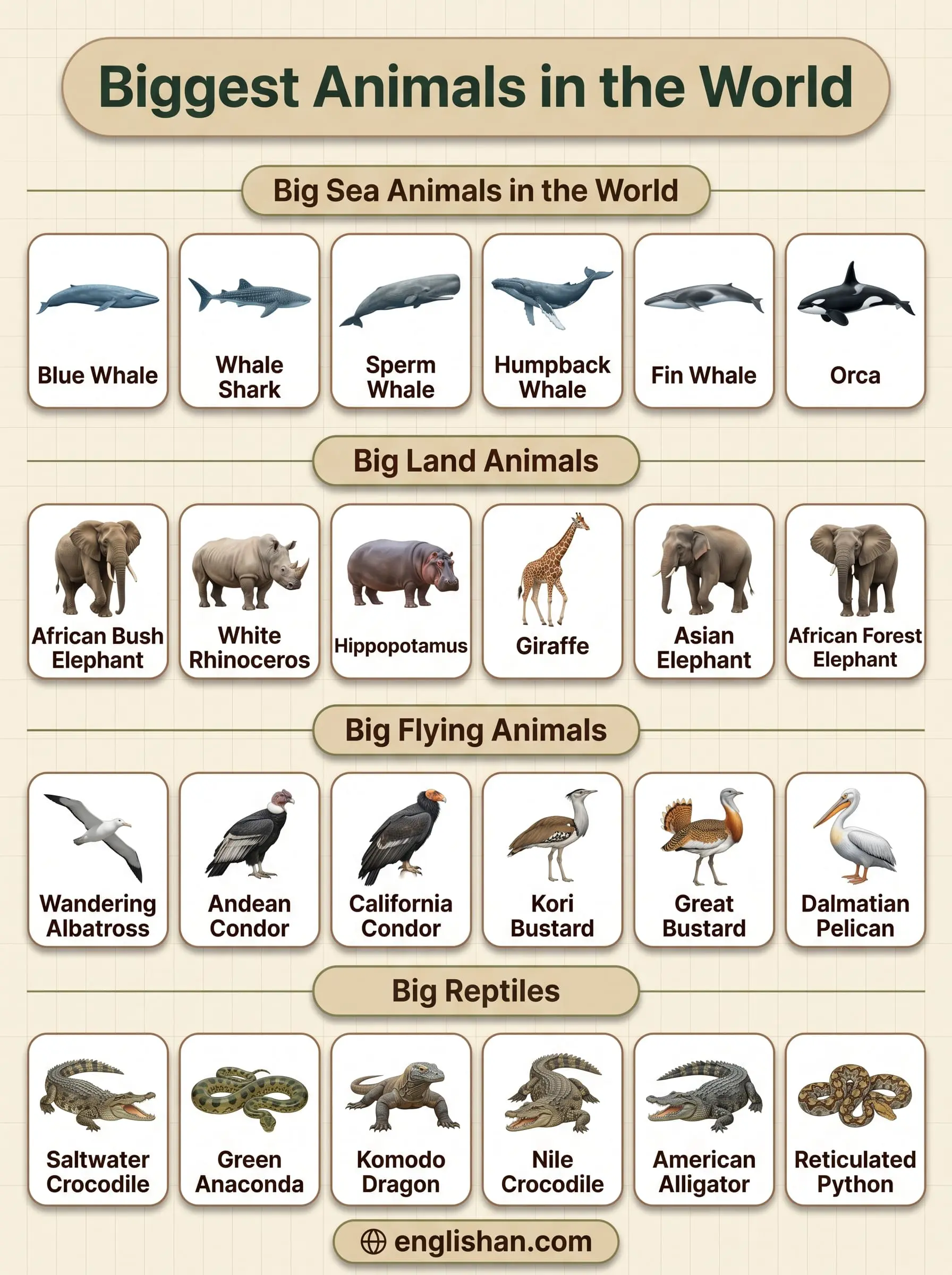
List of the Biggest Animals in the World
- Blue Whale
- Fin Whale
- Whale Shark
- Sperm Whale
- Basking Shark
- Orca
- Saltwater Crocodile
- Green Anaconda
- Reticulated Python
- Giraffe
- Komodo Dragon
- Leatherback Sea Turtle
- Great White Shark
- Hippopotamus
- African Bush Elephant
- Asian Elephant
- Polar Bear
- Kodiak Bear
- Gaur
- Ostrich
- Emperor Penguin
- Walrus
- Green Sea Turtle
- Giant Squid
- Colossal Squid
Common Biggest Animals in the World with Pictures
❶ Blue Whale
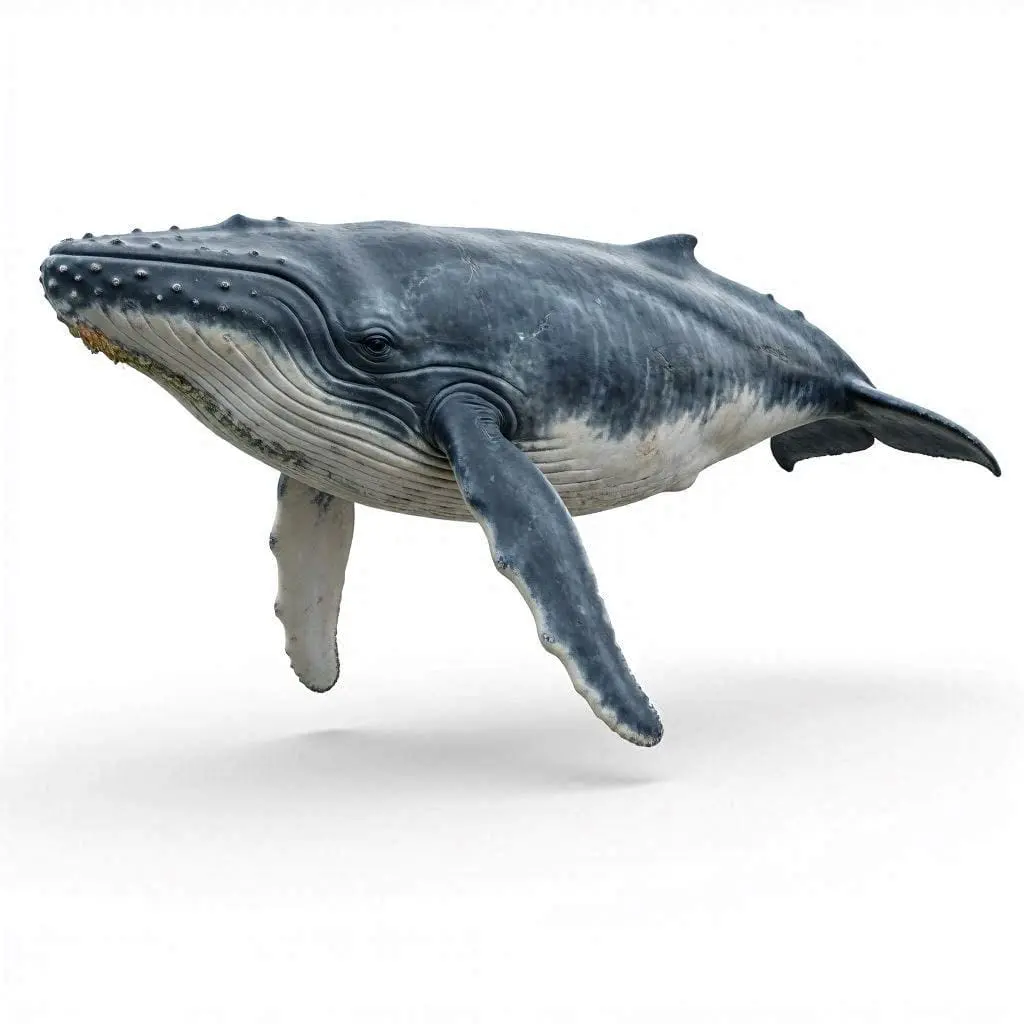
Type: Mammal
The blue whale is the largest animal on Earth, and honestly, it’s hard to imagine just how huge it really is until you compare it with objects like buses or buildings. Even though it’s so massive, it feeds on tiny shrimp-like creatures called krill and moves gracefully through the ocean like a giant floating giant of the sea.
Where found: Oceans all around the world
❷ African Bush Elephant
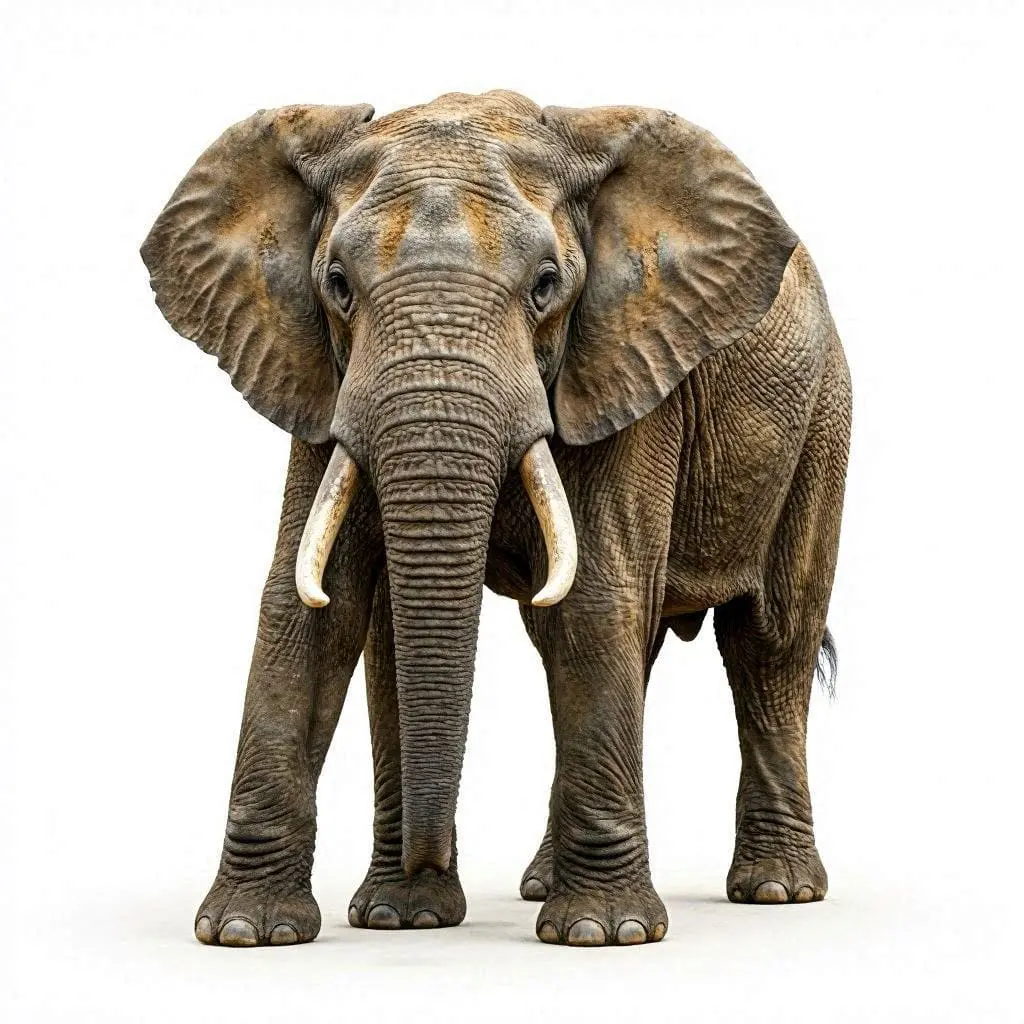
Type: Mammal
The African bush elephant is the largest land animal alive today. It’s not just big in size, but also very intelligent and social, often living in close family groups. Despite its heavy body and long tusks, it can move quietly through forests and savannas when needed.
Where found: African savannas, grasslands, and forests
❸ Asian Elephant
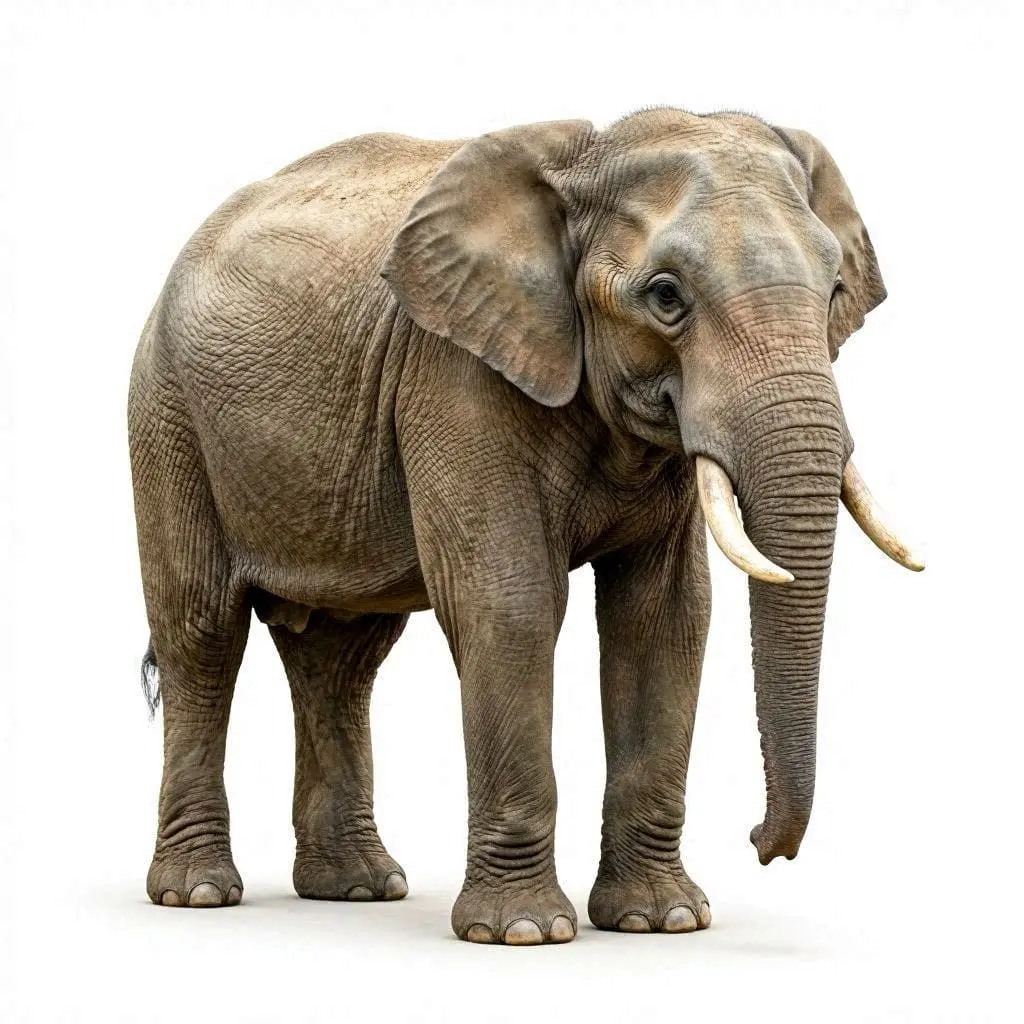
Type: Mammal
Asian elephants are slightly smaller than their African relatives but still incredibly large and powerful. They are known for their gentle nature and strong memory, and in many regions, they have been living alongside humans for centuries.
Where found: Forests of South and Southeast Asia
❹ Giraffe
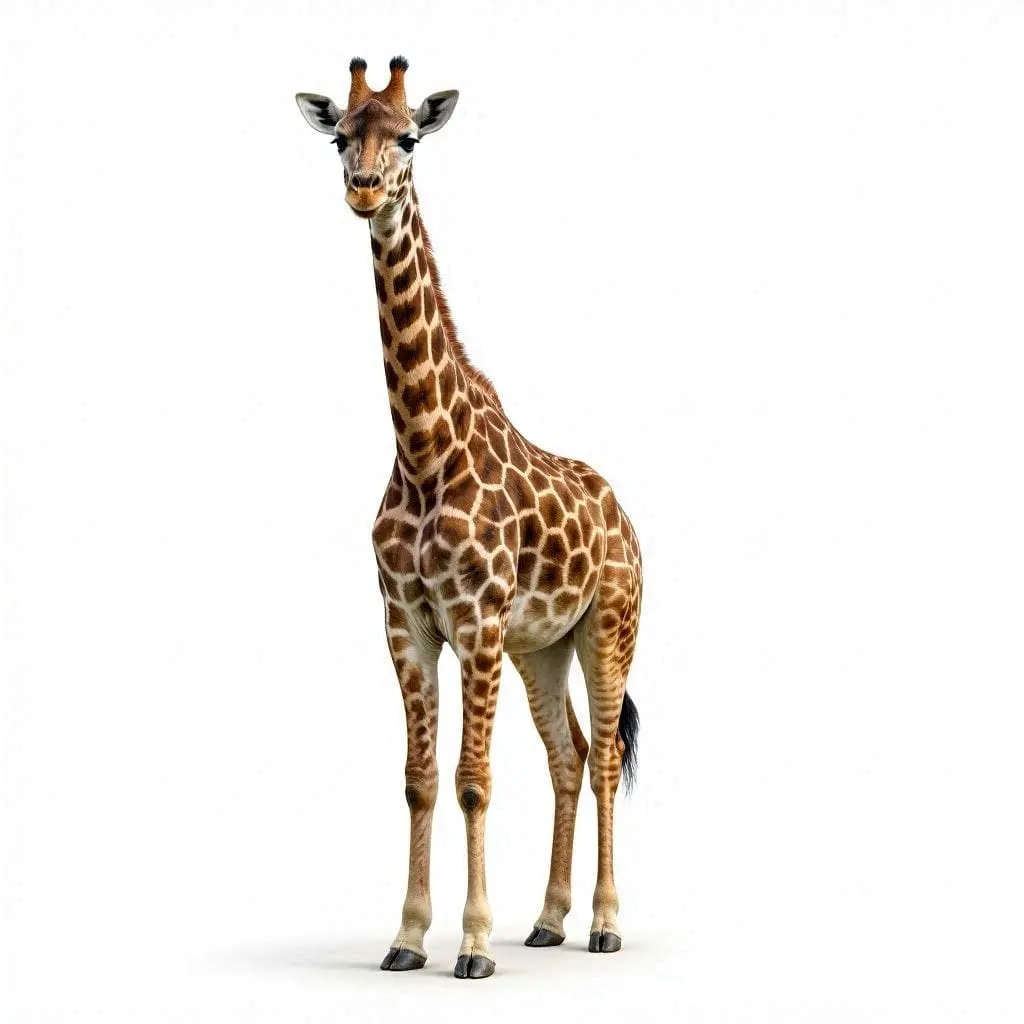
Type: Mammal
The giraffe is the tallest animal in the world, and its long neck makes it look almost unreal in the wild. It uses this height advantage to reach leaves that other animals cannot, especially from tall acacia trees. Despite its height, it moves with surprising calmness.
Where found: African savannas and open woodlands
❺ Hippopotamus
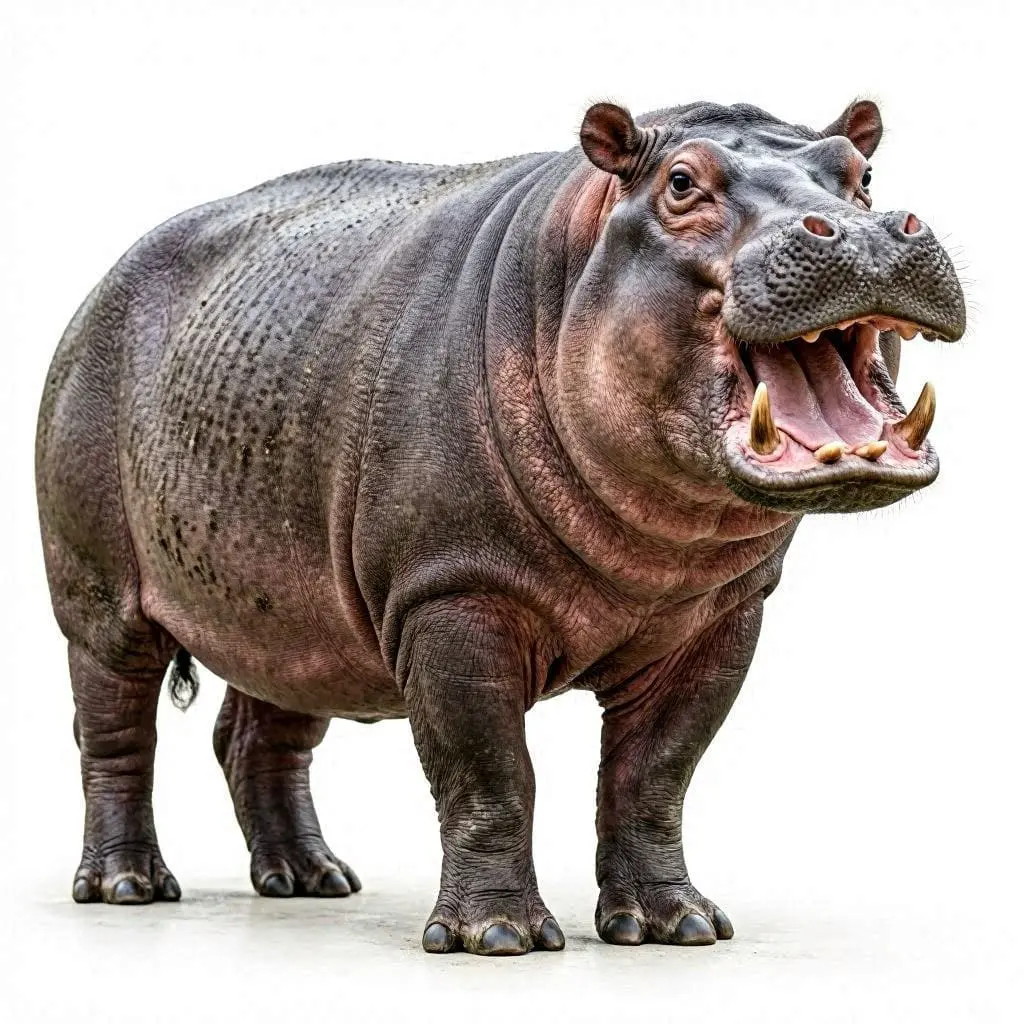
Type: Mammal
The hippopotamus looks slow and heavy, but it is actually one of the most dangerous animals in Africa. It spends most of its time in water to stay cool, and at night it comes onto land to graze on grass.
Where found: Rivers, lakes, and wetlands in sub-Saharan Africa
❻ White Rhinoceros
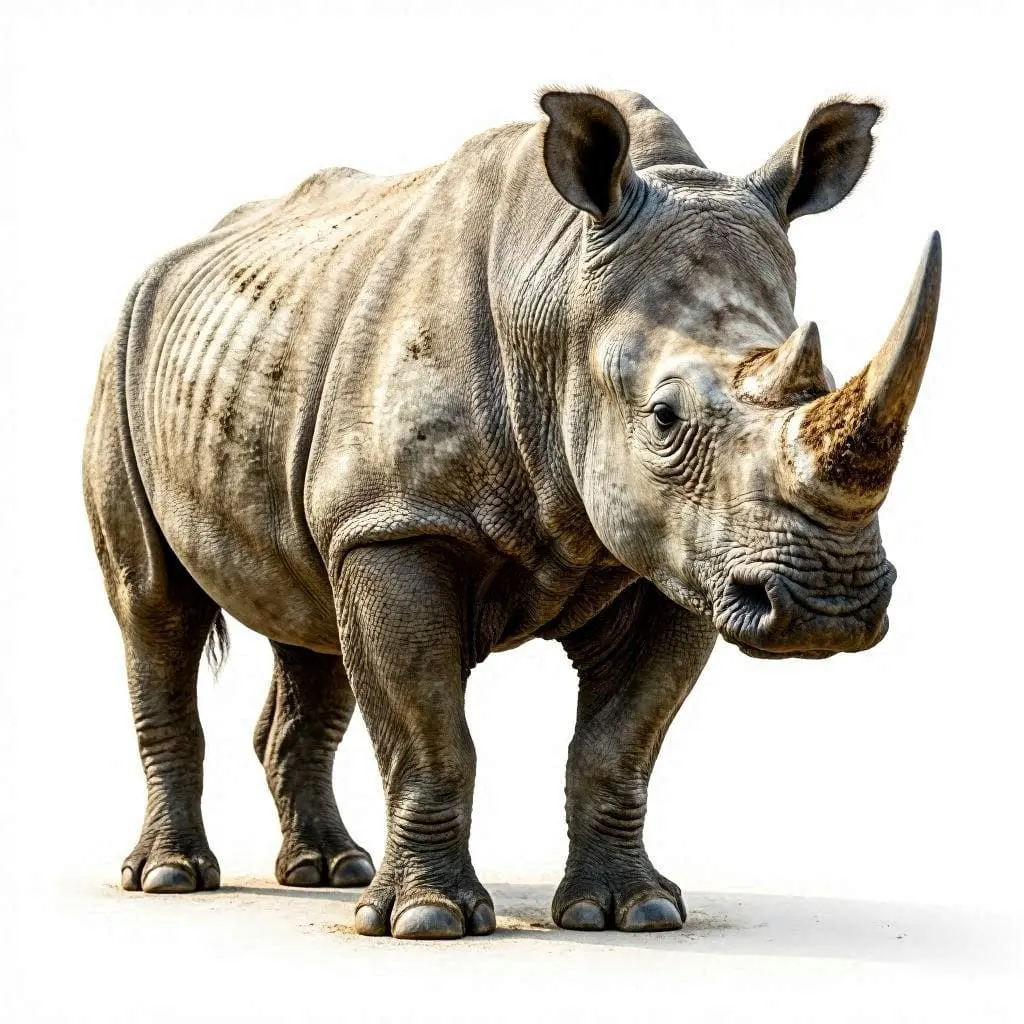
Type: Mammal
The white rhinoceros is a giant grazing animal with a strong, bulky body and two horns on its face. Even though it looks aggressive, it usually spends its time calmly eating grass across open plains.
Where found: Grasslands and savannas of Africa
❼ Saltwater Crocodile
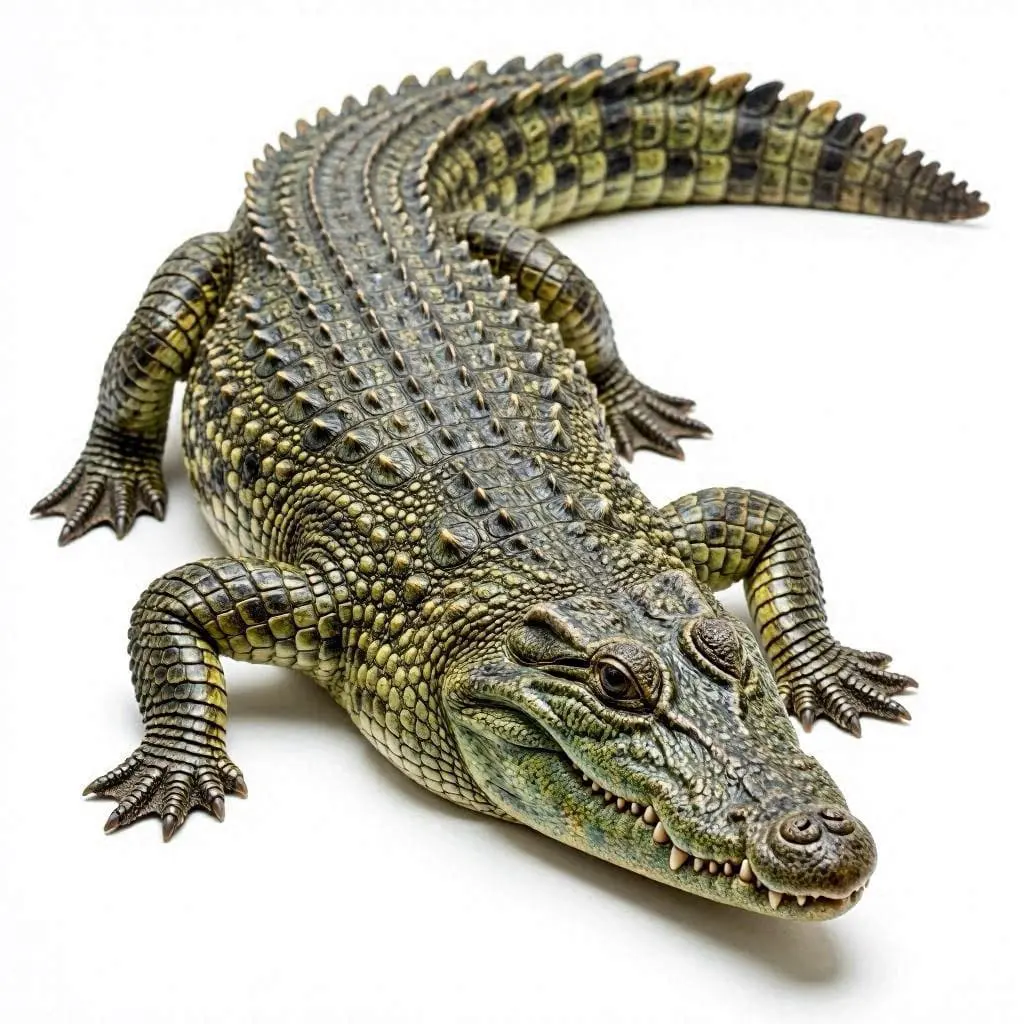
Type: Reptile
The saltwater crocodile is the largest living reptile and one of the most powerful predators in the world. It is known for its incredible bite force and can ambush prey from both water and land with shocking speed.
Where found: Rivers, coastal waters, and mangroves in Asia and Australia
❽ Whale Shark
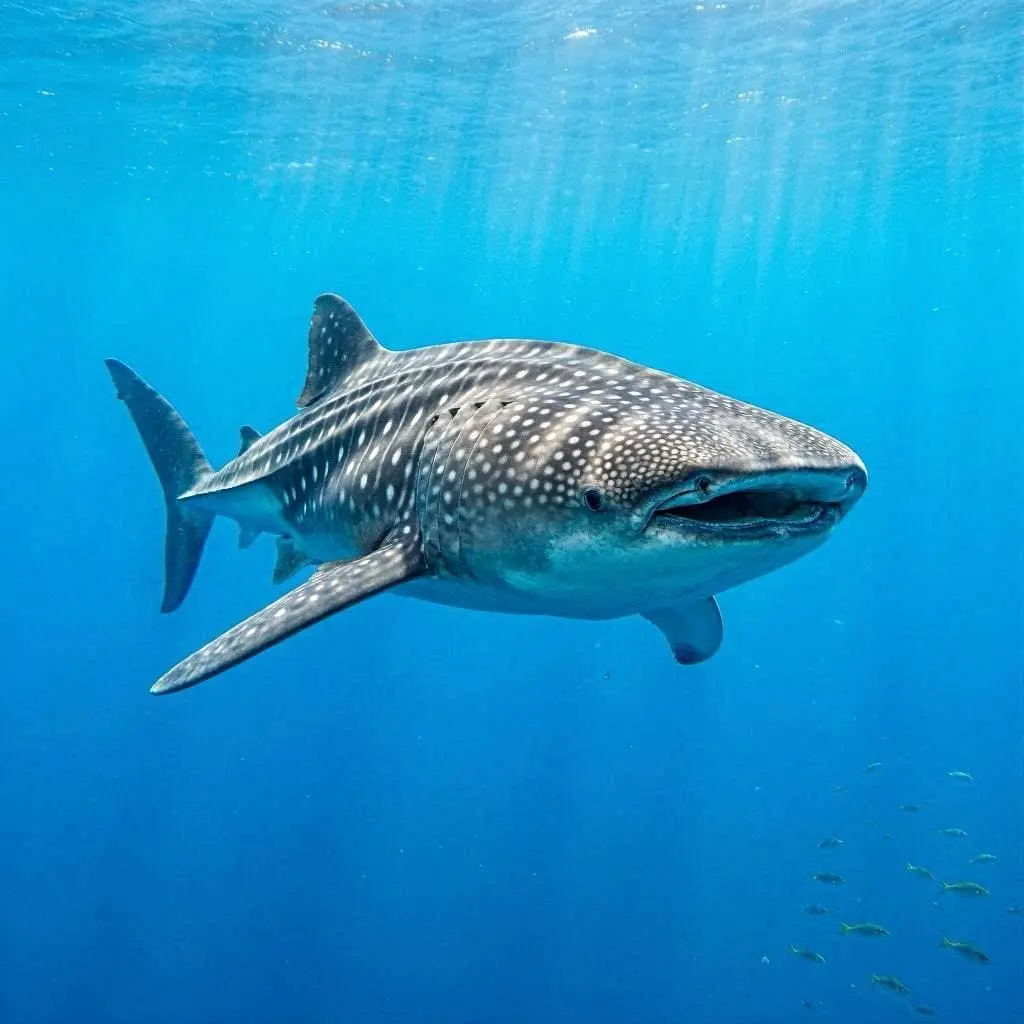
Type: Fish
The whale shark is the largest fish in the ocean, but surprisingly, it is completely harmless to humans. It feeds by filtering tiny plankton and small fish while slowly swimming through warm tropical waters.
Where found: Warm tropical oceans worldwide
❾ Sperm Whale
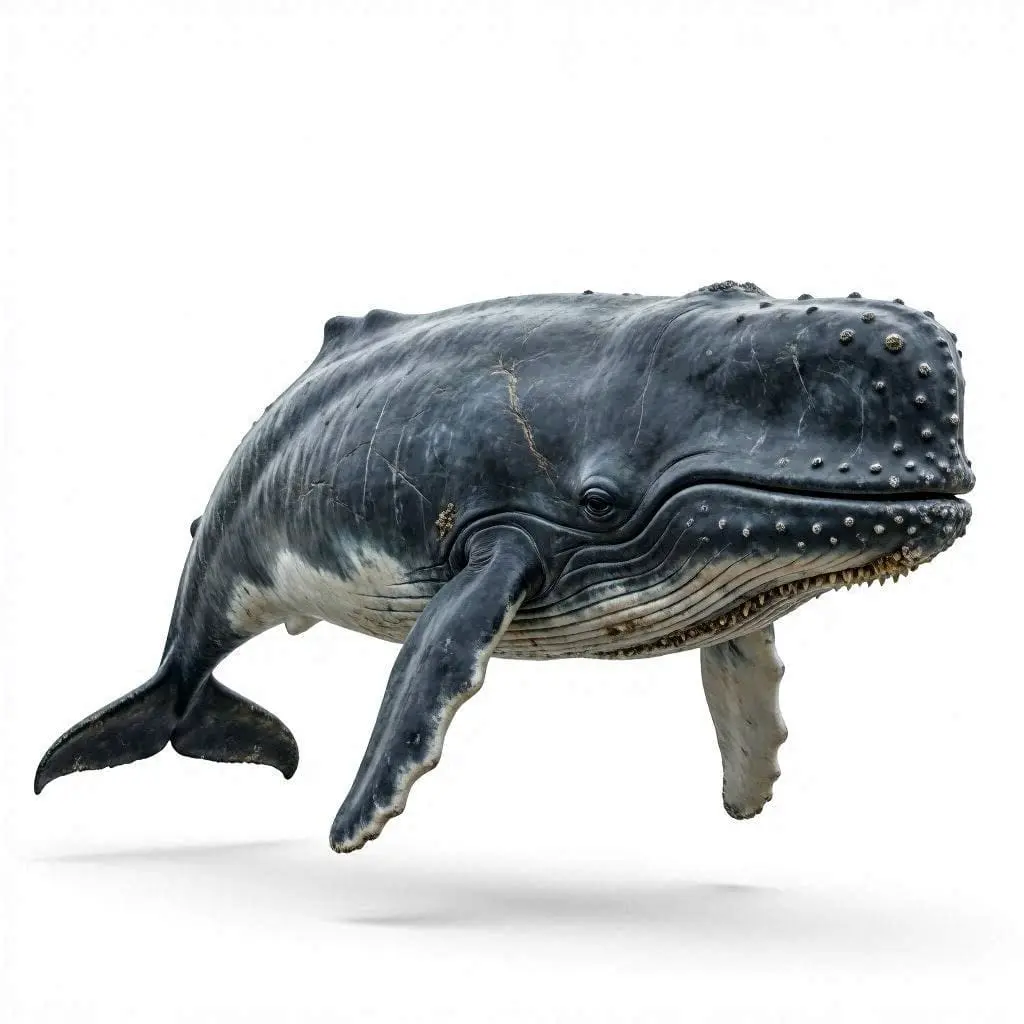
Type: Mammal
The sperm whale is a deep-diving ocean giant known for hunting squid in the darkest parts of the sea. It has an enormous head and the largest brain of any animal, making it one of the most intelligent marine creatures.
Where found: Deep oceans across the world
❿ Polar Bear
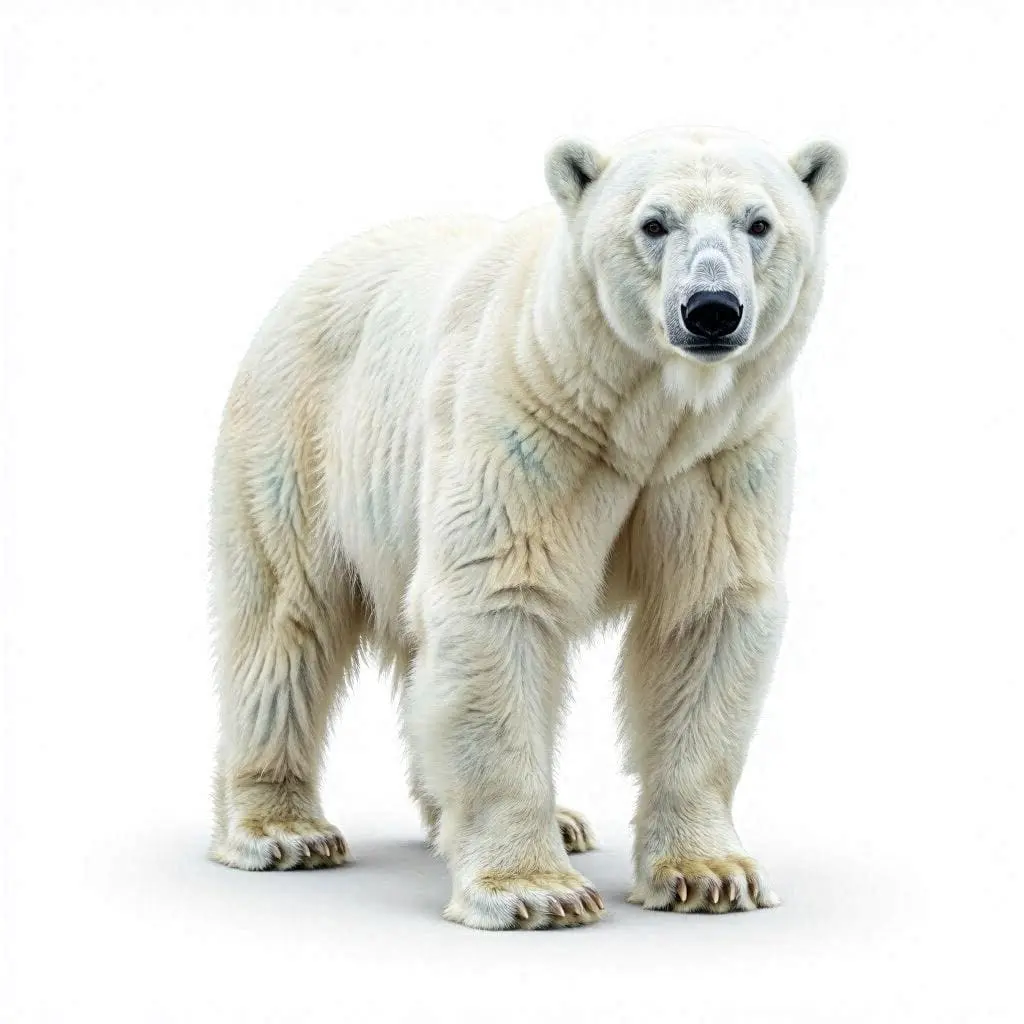
Type: Mammal
The polar bear is the largest land carnivore and a powerful hunter in the freezing Arctic. It relies heavily on sea ice to catch seals and survive in one of the harshest environments on Earth.
Where found: Arctic regions
⓫ Kodiak Bear
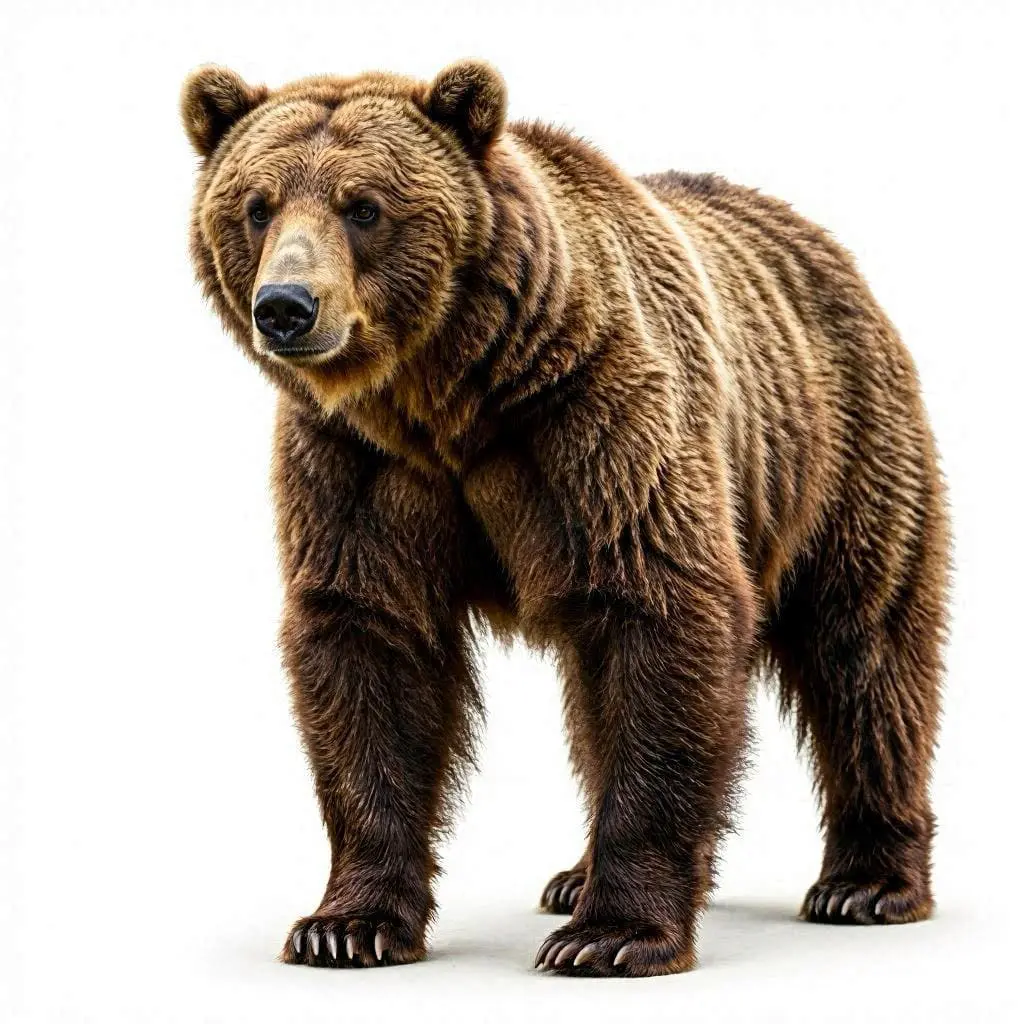
Type: Mammal
The Kodiak bear is one of the biggest bear species in the world. It is extremely strong and can survive on a mixed diet of fish, berries, and occasionally large prey, depending on availability.
Where found: Kodiak Islands, Alaska
⓬ Orca
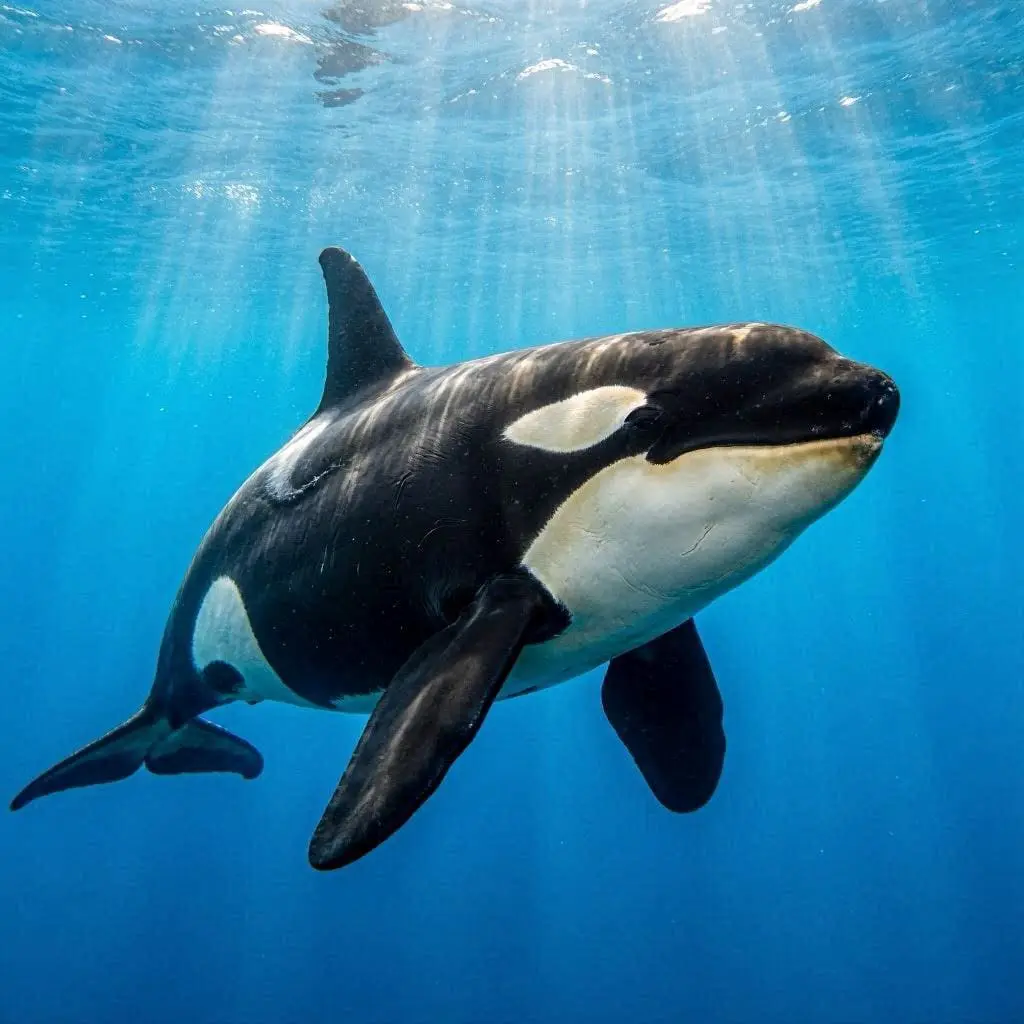
Type: Mammal
Orcas, also known as killer whales, are highly intelligent and social ocean predators. They hunt in coordinated groups and can take down prey much larger than themselves through teamwork.
Where found: Oceans worldwide
⓭ Great White Shark
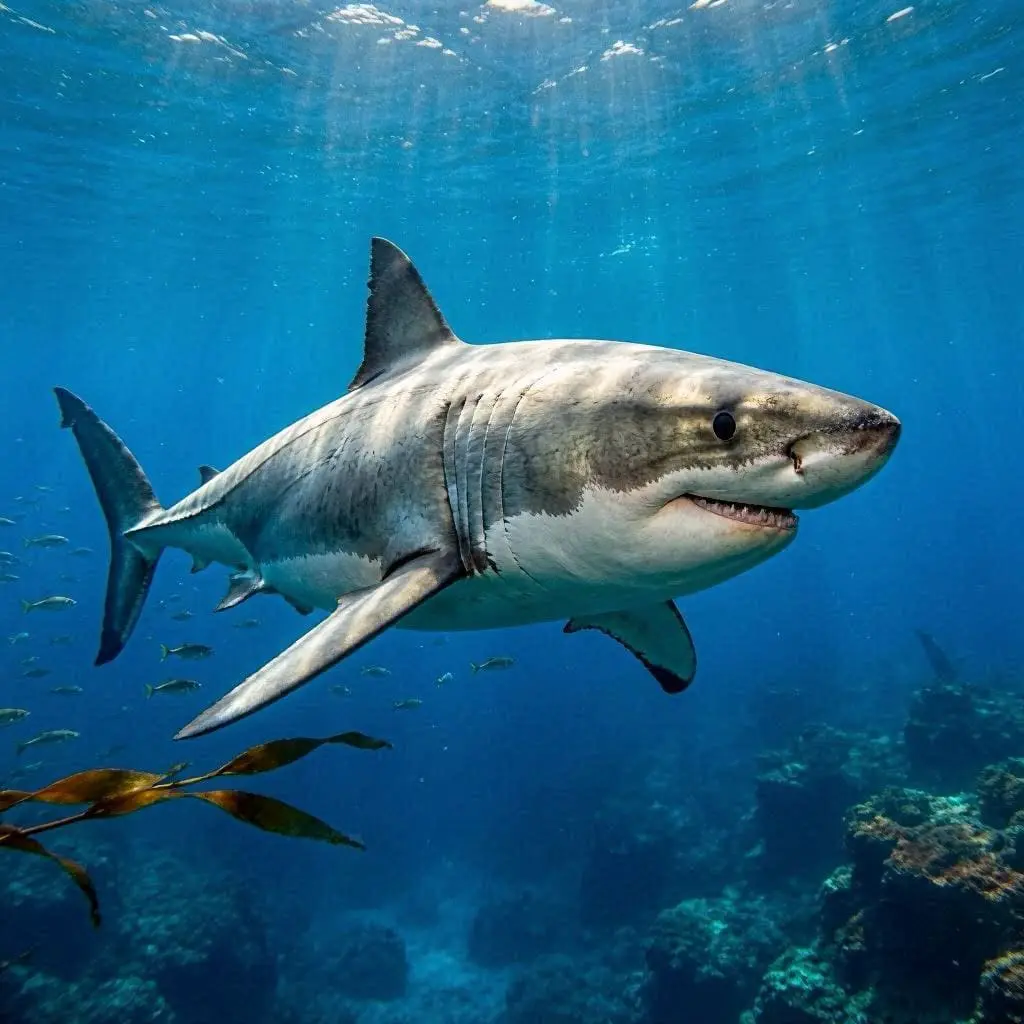
Type: Fish
The great white shark is one of the most well-known ocean predators. It is powerful, fast, and built for hunting, with sharp senses that help it detect prey from a distance.
Where found: Coastal waters around the world
⓮ Ostrich
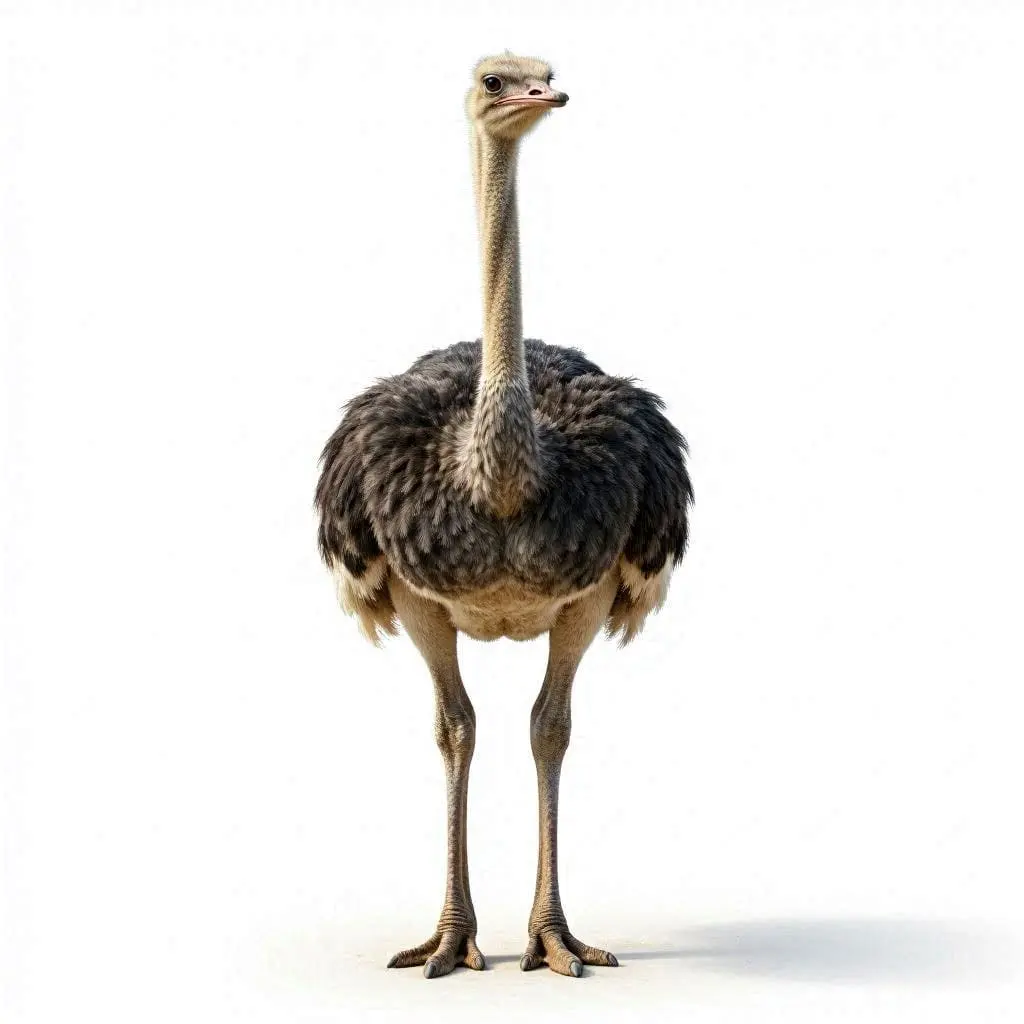
Type: Bird
The ostrich is the largest living bird and although it cannot fly, it is built for speed on land. Its long legs allow it to run very fast, helping it escape predators easily.
Where found: African savannas and deserts
⓯ Gaur
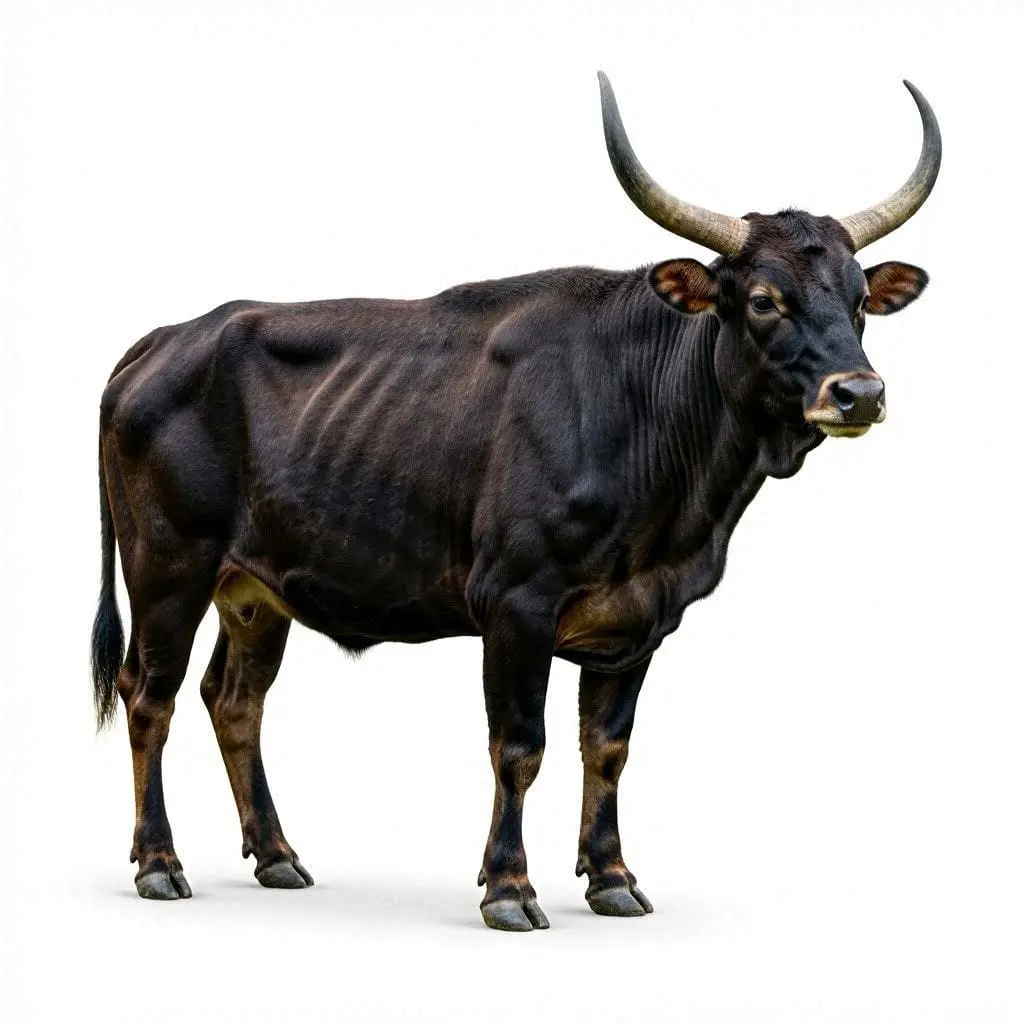
Type: Mammal
The gaur is the largest wild cattle species and has a strong, muscular body. It is generally calm but becomes very powerful and defensive when threatened.
Where found: Forests of South and Southeast Asia
Biggest Sea Animals In the World
Marine animals grow to extreme sizes mainly because water supports body weight and reduces gravity stress. The ocean is home to the largest creatures ever known on Earth.
- Blue Whale – Largest animal ever known; feeds on tiny krill despite its enormous size.
- Whale Shark – Biggest fish in the world; gentle filter feeder of plankton.
- Sperm Whale – Deep-diving giant with the largest brain of any animal.
- Humpback Whale – Famous for long migrations and complex songs.
- Fin Whale – Second largest whale with a fast and streamlined body.
- Orca (Killer Whale) – Intelligent predator that hunts in coordinated groups.
- Giant Squid – Deep-sea mystery creature with huge eyes and long tentacles.
- Colossal Squid – Heavier than giant squid; found in Antarctic waters.
- Manta Ray – Large, graceful filter feeder that glides underwater.
- Walrus – Arctic marine mammal known for tusks and thick blubber.
Biggest Land Animals
Land giants depend on strong skeletal systems and powerful muscles to support their massive body weight. These animals dominate forests, savannas, and grasslands.
- African Bush Elephant – Largest land animal with great strength and intelligence.
- White Rhinoceros – Massive herbivore with thick skin and strong horn.
- Hippopotamus – Extremely heavy semi-aquatic animal known for aggression.
- Giraffe – Tallest animal in the world with a very long neck.
- Asian Elephant – Slightly smaller than African elephant but very powerful.
- African Forest Elephant – Smaller, forest-adapted elephant species.
- Brown Bear – Large omnivore capable of surviving in many environments.
- Kodiak Bear – One of the largest bear species in the world.
- Moose – Largest deer species with huge antlers.
- Gaur – Massive wild cattle species found in Asia.
Biggest Flying Animals
Flying animals are limited by weight, so only a few species have evolved large bodies with strong wings for sustained flight.
- Wandering Albatross – Largest wingspan of any living bird.
- Andean Condor – Huge scavenger bird that soars over mountains.
- California Condor – One of the largest birds in North America.
- Kori Bustard – Heaviest bird capable of true flight.
- Great Bustard – Large ground bird with strong flying ability.
- Dalmatian Pelican – One of the largest freshwater birds.
- Mute Swan – Large and elegant water bird.
- Marabou Stork – Tall scavenger bird with huge wingspan.
- Eurasian Black Vulture – One of the heaviest flying raptors.
- Golden Eagle – Powerful predator bird with strong hunting skills.
Biggest Reptiles
Reptiles grow large due to slow metabolism and strong cold-blooded energy efficiency, allowing them to survive on less food.
- Saltwater Crocodile – Largest living reptile on Earth.
- Green Anaconda – One of the heaviest snake species.
- Komodo Dragon – Largest living lizard with a powerful bite.
- Nile Crocodile – Major African river predator.
- American Alligator – Large freshwater crocodilian.
- Reticulated Python – Longest snake in the world.
- Burmese Python – Strong constrictor snake of Asia.
- Galápagos Tortoise – Giant tortoise with very long lifespan.
- Leatherback Sea Turtle – Largest sea turtle species.
- Marine Iguana – Unique reptile that swims and feeds in the ocean.
Biggest Animals by Category
Animals come in many shapes and sizes, but every group has its own giant species that stands out. These record-holders help us understand how different environments shape life on Earth, from oceans to land and even the skies.
| Category | Biggest Animal | Type | Quick Description |
|---|---|---|---|
| Largest Mammal | Blue Whale | Marine Mammal | Largest animal on Earth, living in oceans and feeding on krill. |
| Largest Fish | Whale Shark | Fish | Huge gentle shark that filters plankton in warm seas. |
| Largest Bird | Ostrich | Bird | Flightless bird known for height and fast running speed. |
| Largest Reptile | Saltwater Crocodile | Reptile | Powerful predator found in rivers and coastal waters. |
| Largest Amphibian | Chinese giant salamander | Amphibian | Rare aquatic salamander living in freshwater rivers. |
| Largest Insect | Goliath beetle | Insect | Very large beetle known for its heavy body and strength. |
In short, these animals highlight the extreme size limits found in nature, showing how each category has evolved its own unique giant.
Biggest Animals Ever Recorded
This section highlights some of the most extreme size records ever documented in the animal kingdom. These are individual animals measured by scientists or historical records.
- Blue Whale (Heaviest Ever Recorded) – The largest blue whale ever measured weighed around 190–200 tons and reached lengths of about 30+ meters. This makes it the heaviest animal ever known to exist on Earth.
- African Bush Elephant (Largest Recorded) – The biggest elephant ever recorded weighed approximately 10–12 tons and stood over 3.9–4.2 meters tall at the shoulder. These record individuals show the extreme upper limit of land animal size.
- Saltwater Crocodile (Longest Recorded) – The longest verified saltwater crocodiles reached lengths of about 6–7 meters (20–23 feet). Exceptional individuals have been reported slightly larger, making them the largest reptiles ever measured.
Why do some animals grow so large?
Animals become extremely large due to a combination of environmental conditions, survival needs, and long-term evolutionary changes. Different habitats create different advantages for growth, especially in oceans and cold regions.
- Ocean buoyancy: Water supports body weight, allowing marine animals to grow extremely large without collapsing under gravity.
- Evolution: Over millions of years, some species develop larger bodies because it improves survival, competition, and reproduction.
- Food availability: Abundant food sources, especially in oceans, support the energy needs of giant animals.
- Cold climate adaptation: Larger bodies help retain heat longer, making survival easier in cold environments.
- Predation advantages: Bigger size helps animals defend themselves better and dominate as top predators in their habitat.
In short, animals grow large mainly because their environment, food supply, and survival needs favor bigger body sizes over time.
Endangered Biggest Animals
Many of the world’s largest animals are now endangered due to human activities. Their size requires more food and space, making them more vulnerable to environmental changes.
Key Threats are:
- Habitat loss from deforestation and development
- Illegal hunting and poaching
- Climate change affecting food and migration
- Ocean threats like ship strikes and pollution
Examples:
- Blue Whale – Affected by past whaling, still at risk from ship strikes and ocean changes.
- African Bush Elephant – Endangered mainly due to ivory poaching and habitat loss.
- Rhinos – Targeted for horns, causing sharp population decline.
- Whale Shark – Threatened by fishing and marine pollution.
In short, even the largest animals on Earth are not safe from human impact. Without strong conservation efforts, many of these giants could face further population decline. Protecting their habitats and enforcing anti-poaching laws is essential to ensure these species continue to survive in the wild.
Final Thoughts
The biggest animals on Earth show how powerful and diverse nature can be. From the deep oceans to open savannas and wide skies, these giants dominate their environments in different ways. The Blue Whale stands as the largest animal ever known, while land giants like the African Bush Elephant and air giants like the Wandering Albatross highlight how size adapts across habitats.
Each of these animals plays an important role in maintaining ecological balance. Whether it is controlling food chains, supporting marine ecosystems, or shaping land habitats, their presence is essential for a healthy planet.
However, many of these magnificent creatures are now under threat. Protecting them is not just about saving individual species, but about preserving the natural systems that support life on Earth.
FAQs
The biggest animal in the world is the Blue Whale. It is a massive marine mammal that can grow up to about 100 feet long and weigh nearly 200 tons. Despite its enormous size, it feeds mainly on tiny krill and is completely harmless to humans.
The biggest land animal is the African Bush Elephant. It can weigh up to 6–7 tons and is known for its huge body, long tusks, and strong social behavior within herds. It lives across African savannas and forests.
The biggest fish alive today is the Whale Shark. It can reach lengths of up to 18–20 meters. Even though it looks like a shark, it is a gentle filter feeder that eats plankton and small fish.
The animal with the largest wingspan is the Wandering Albatross. Its wings can stretch up to about 3.5 meters, allowing it to glide over oceans for long distances with very little effort.
Yes, the Blue Whale is generally heavier than most dinosaurs ever discovered. While some dinosaurs like Argentinosaurus may have been extremely long, blue whales outweigh them, making them the heaviest animals ever known.
The heaviest animal ever recorded is the blue whale. Some individuals are estimated to weigh close to 200 tons, making them far heavier than any living or extinct land animal known so far.
The largest living reptile is the Saltwater Crocodile. It can grow up to 6–7 meters long and is a powerful apex predator found in rivers, estuaries, and coastal waters of Asia and Australia.
The tallest animal in the world is the Giraffe. It can reach heights of up to 5–6 meters, with its long neck helping it feed on leaves from tall trees that other animals cannot reach.
You May Also Like
Biggest Animals Quiz
Biggest Animals
Which is the largest animal that has ever lived?
Around 30 metres and over 150 tonnes, larger than any known dinosaur.
Water supports weight that legs could never carry.
A blue whale's tongue alone can weigh as much as an elephant.
Which is the largest fish?
Up to about 18 metres, and it feeds on plankton.
The largest fish and the largest sharks are filter feeders.
The whale shark filters plankton through its gills.
Name the structure.
Instead of teeth, a blue whale filters food through plates of ___.
Baleen is made of keratin and strains krill from mouthfuls of water.
Baleen whales filter; toothed whales hunt.
Baleen plates hang from the upper jaw like a coarse comb.
Which is the largest invertebrate?
Heavier than the giant squid, with the largest eyes of any animal.
The deep sea holds the largest boneless animals.
A colossal squid's eye can be the size of a dinner plate.
Which is the largest reptile?
Males reach six metres and over a tonne.
Largest lizard, largest snake and largest reptile are three different answers.
The saltwater crocodile is the largest living reptile.
Turn on JavaScript for the interactive quiz. The full practice set is shown above.