Have you ever wondered what happens to dead animals in the wild? Scavenger animals are the answer. Scavenger animals are creatures that feed on dead or decaying organic matter, playing one of the most critical roles in every ecosystem on Earth. From the African vulture circling the savannah to the dung beetle silently working the forest floor, scavengers prevent disease, recycle nutrients, and keep nature in balance.
In this complete article, you will find a full list of scavenger animals with names, pictures, habitats, interesting facts, and everything you need to know about these essential creatures.
What Is a Scavenger Animal?
A scavenger is any animal that eats carrion (dead animal flesh), rotting plant matter, or refuse. They sit within the third trophic level of the food chain alongside carnivores and omnivores. Their role is critical: scavengers remove organic waste, reduce pathogen spread, and return vital nutrients to the environment.
There are two main types:
- Obligate Scavengers rely almost entirely on carrion. Vultures are the best example. Their bodies are designed for this lifestyle, with highly acidic stomachs that neutralize dangerous bacteria found in rotting flesh.
- Facultative Scavengers are opportunists. They hunt live prey but also consume carrion when the opportunity arises. Bears, jackals, and wolves fall into this category.
Explore more animals that start with different letters:
A | B | C | D | E | F | G | H | I | J | K | L | M | N | O | P | Q | R | S | T | U | V | W | X | Y | Z
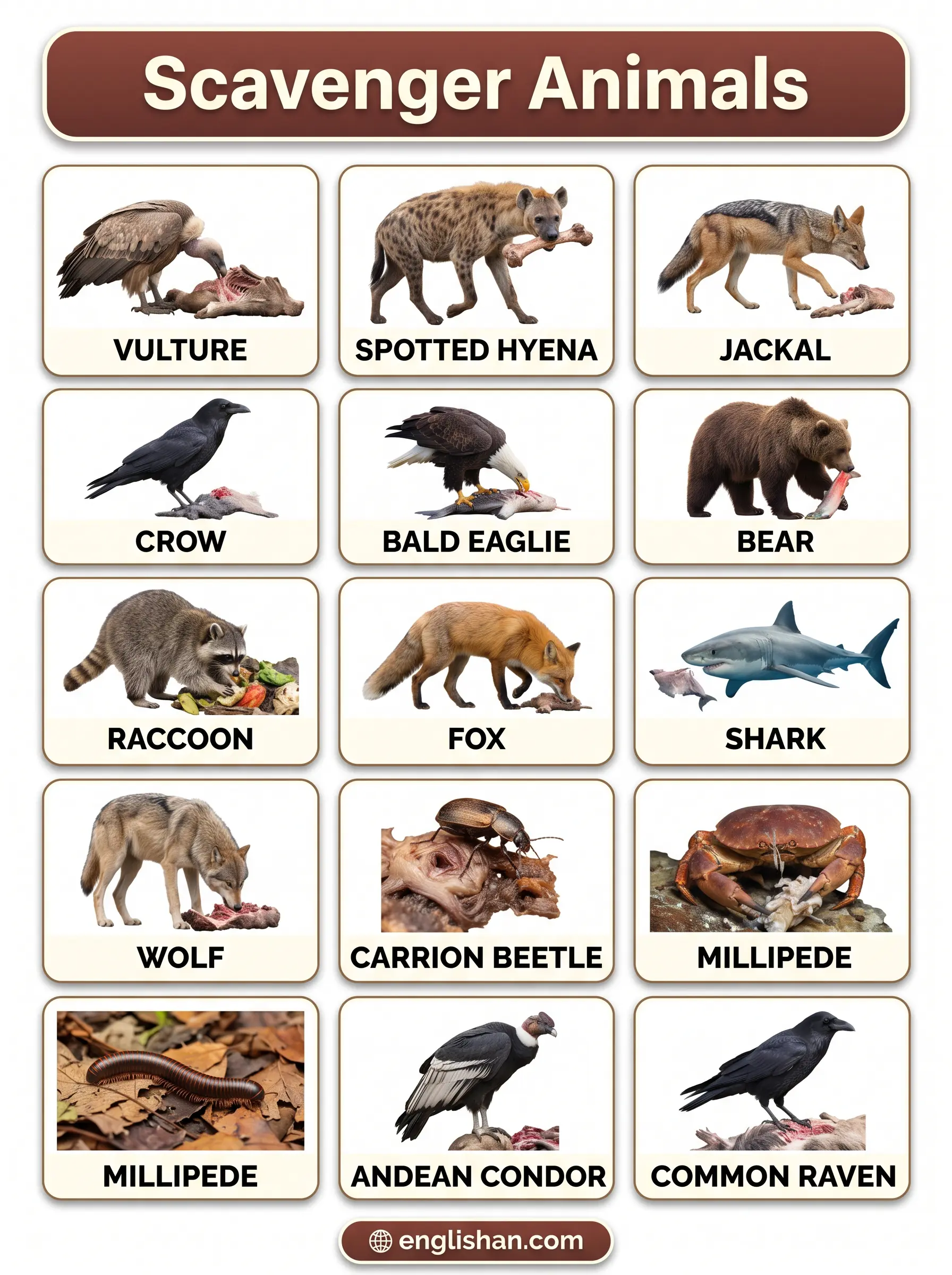
Popular Scavenger Animals Names with Pictures
❶ Vulture
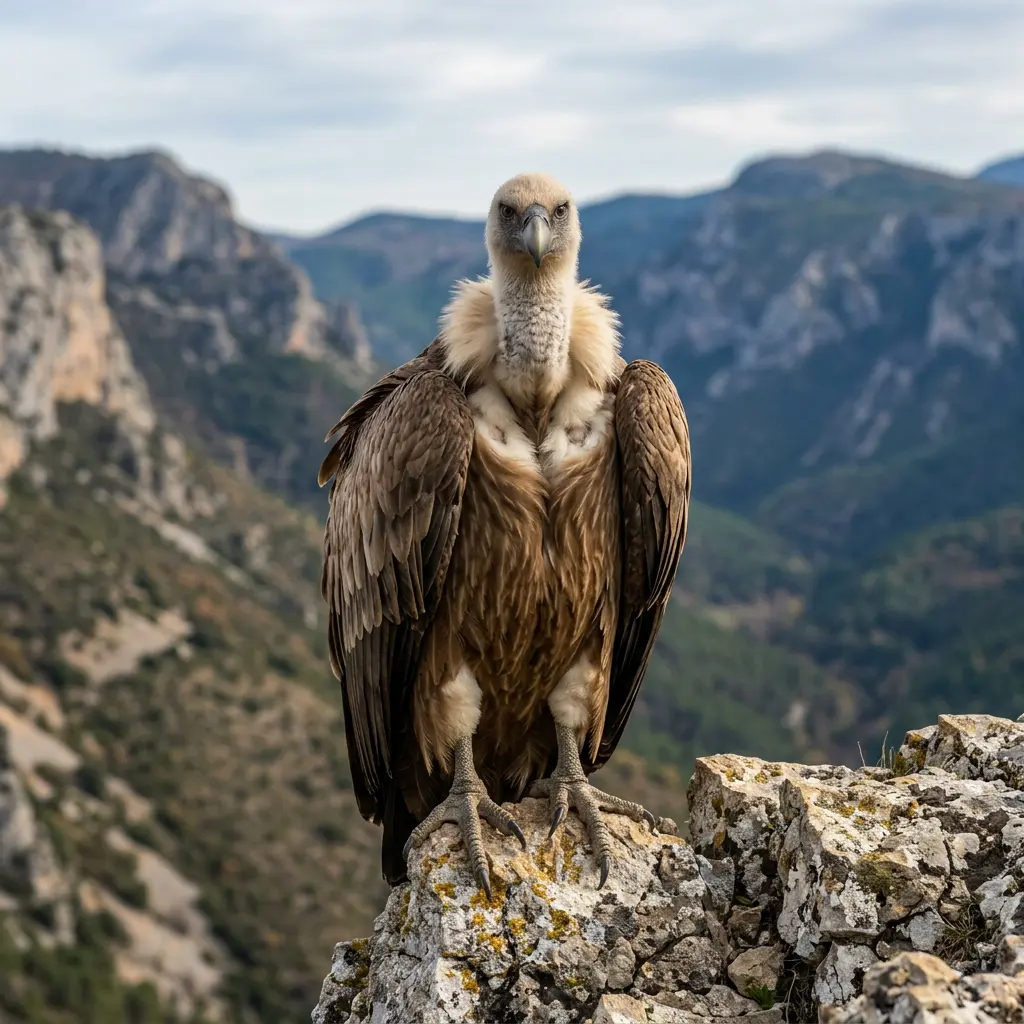
Type: Obligate Scavenger
Habitat: Africa, Americas, Europe, Asia
Diet: Carrion exclusively
Vultures are the most well-known scavenger birds in the world. There are roughly 23 vulture species, divided into Old World and New World families. They can spot carcasses from miles away using exceptional eyesight while gliding overhead with minimal energy. Their stomach acid is among the strongest of any animal, allowing them to safely digest flesh containing anthrax and botulinum toxin that would kill most other creatures. Bald heads reduce bacterial buildup from feeding inside carcasses.
❷ Spotted Hyena
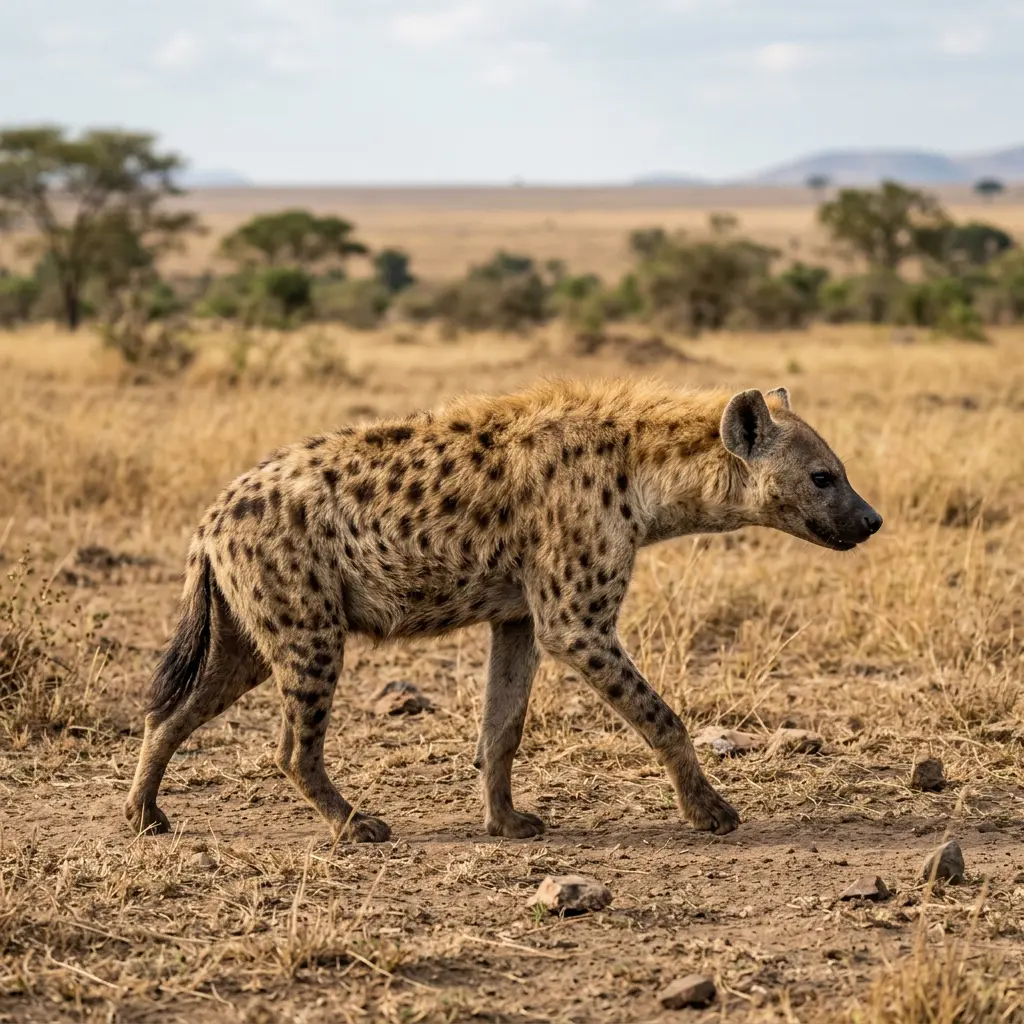
Type: Facultative Scavenger
Habitat: Sub-Saharan Africa
Diet: Carrion, live prey (zebras, wildebeest)
Hyenas are among the most powerful scavengers in the animal kingdom. Their strong jaws can crush bones that other predators leave behind, and their highly acidic digestive system handles bacteria in rotting meat. Spotted hyenas live in groups of up to 60 members and are, contrary to popular belief, highly skilled hunters themselves. Striped hyenas, found from East Africa to Asia, are smaller and more strictly scavenging.
❸ Jackal
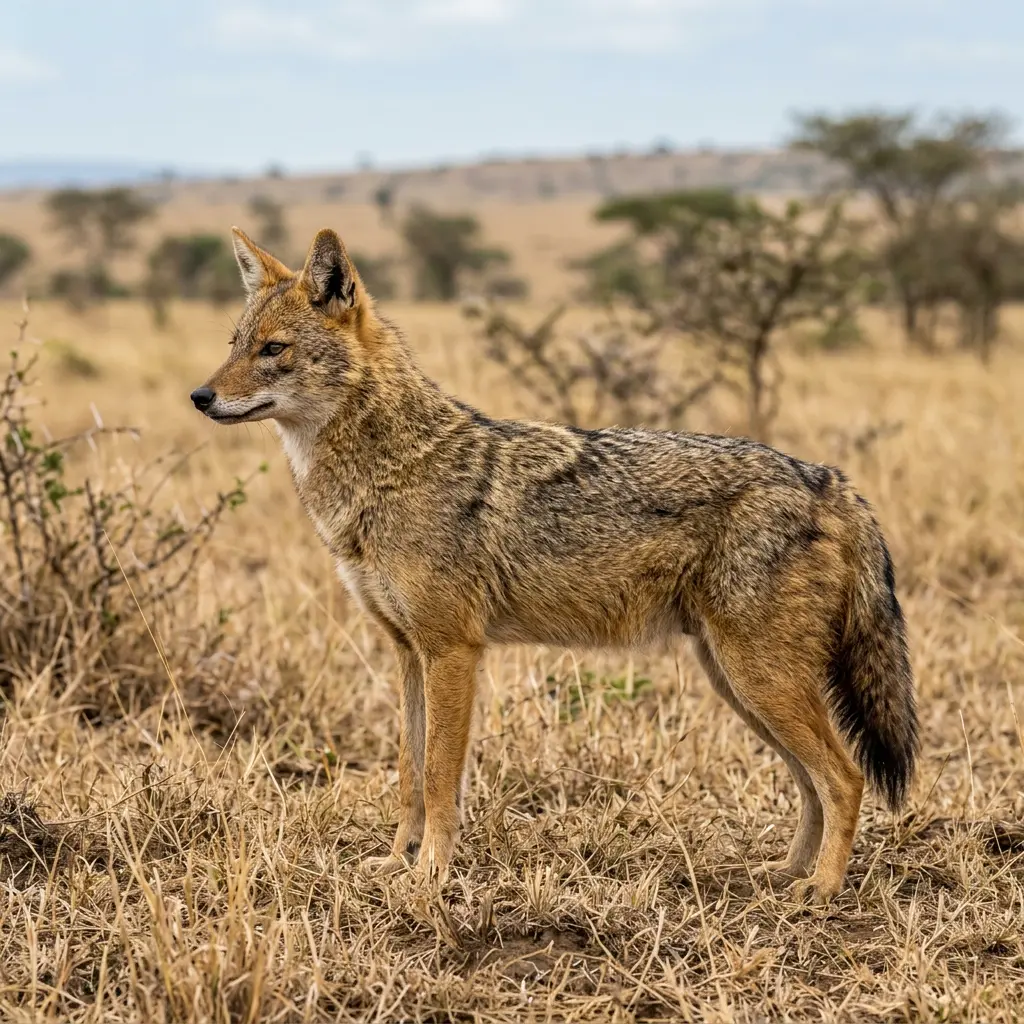
Type: Facultative Scavenger
Habitat: Africa, Middle East, South Asia
Diet: Carrion, small mammals, fruits, plant matter
Jackals are highly adaptable canines and one of the most successful scavengers because of their varied diet. The golden jackal, for example, consumes up to 46% plant matter alongside carrion and live prey. They often hunt in pairs or small groups when targeting larger animals and are quick to steal scraps from lion kills. Their flexibility in diet ensures they rarely go hungry regardless of the season.
❹ Crows and Ravens
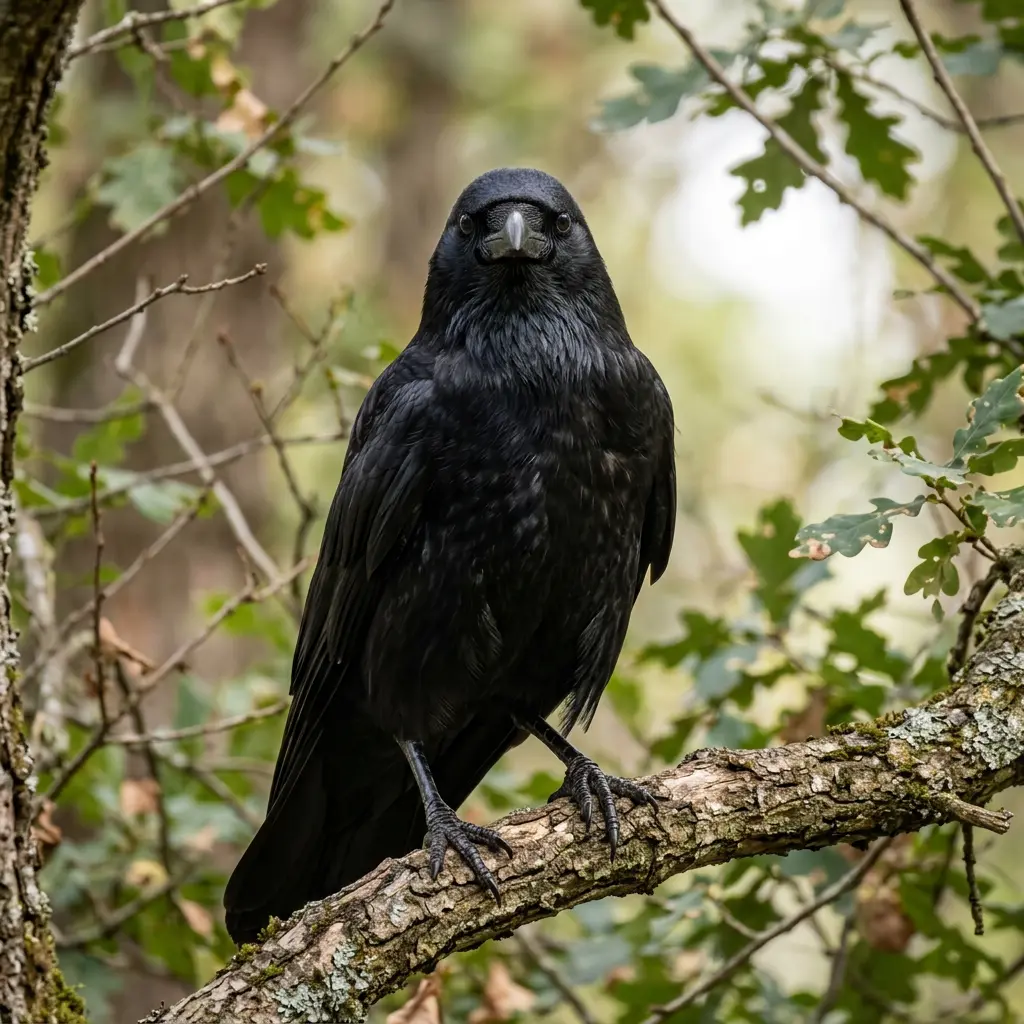
Type: Facultative Scavenger
Habitat: Worldwide
Diet: Carrion, roadkill, insects, fruits, garbage
Crows and ravens are among the most intelligent scavengers in existence. They use tools, recognize human faces, and learn from watching others. Crows often follow larger predators or patrol roadsides for roadkill. Ravens work in coordinated groups to access food sources. Both species thrive in urban environments, turning human waste into a reliable food resource.
❺ Bald Eagle
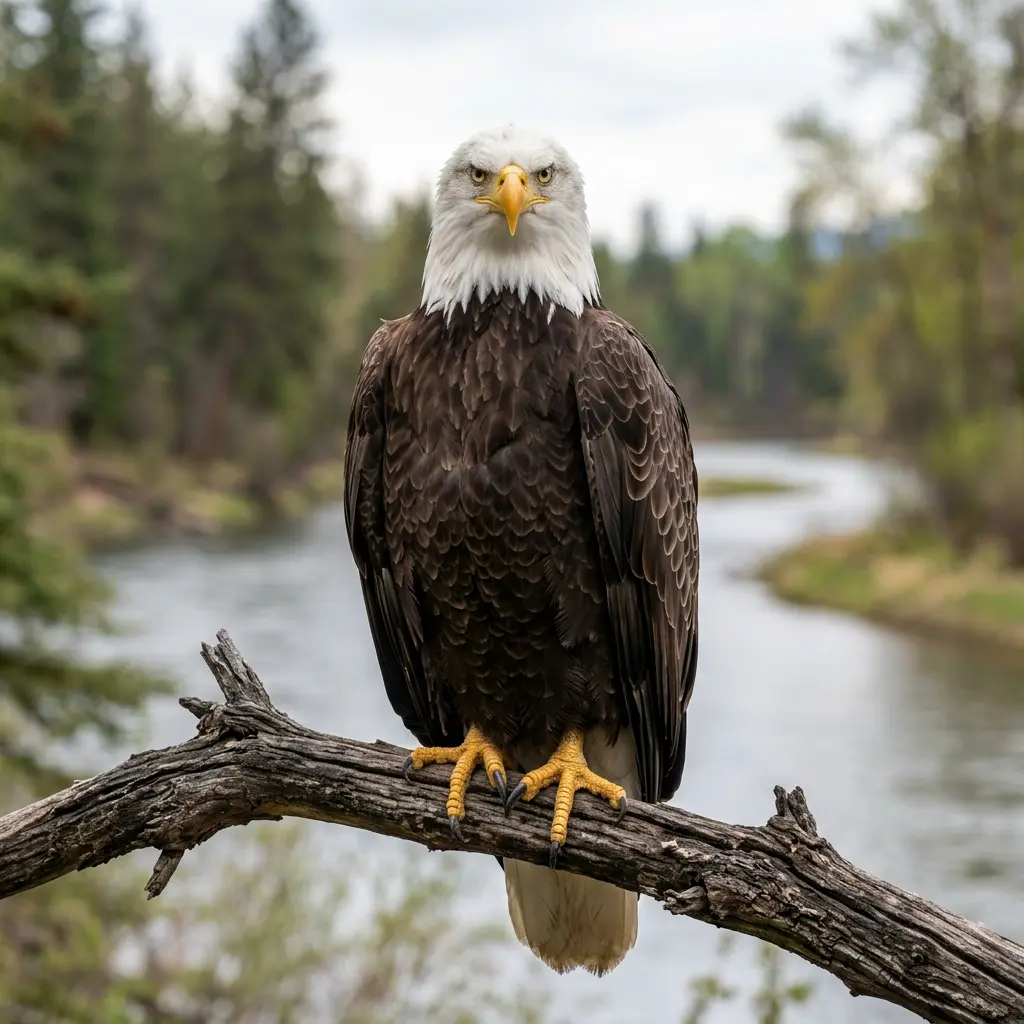
Type: Facultative Scavenger
Habitat: North America
Diet: Fish, carrion (especially in winter)
While revered as a symbol of power, the bald eagle is also a well-documented scavenger, particularly in winter when live prey is scarce. Eagles use their sharp vision to detect carcasses from great distances and will also steal kills from other predators through kleptoparasitism. Golden eagles are known to share scavenged finds with their mates and offspring.
❻ Raccoon
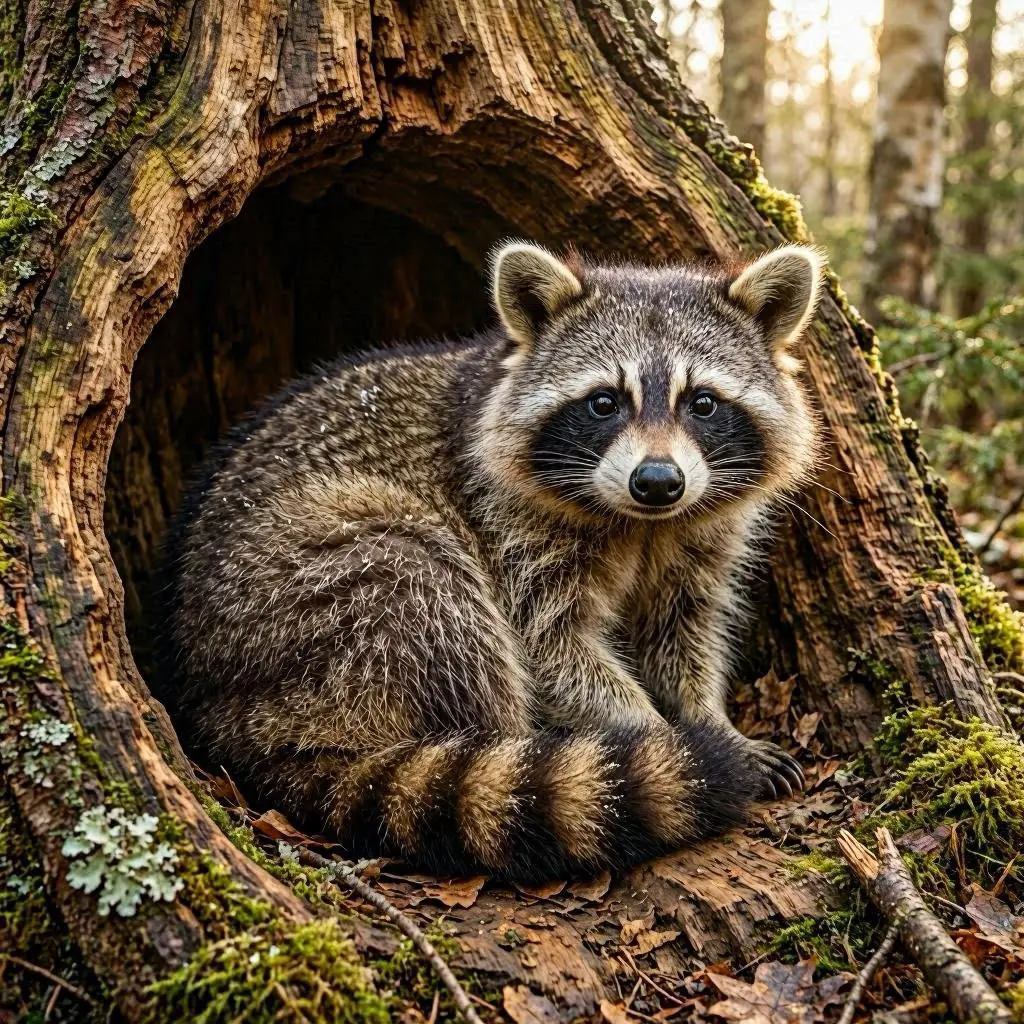
Type: Facultative Scavenger
Habitat: North America, expanding to Europe and Japan
Diet: Garbage, carrion, fruits, insects, small animals
Raccoons are among the most adaptable urban scavengers on the planet. They venture out nocturnally to explore residential areas and dig through garbage and compost with highly dexterous paws. Their complex social communication, involving vocalizations and body language, helps them navigate competition from other animals. Raccoons demonstrate remarkable problem-solving abilities when accessing food sources.
❼ Fox
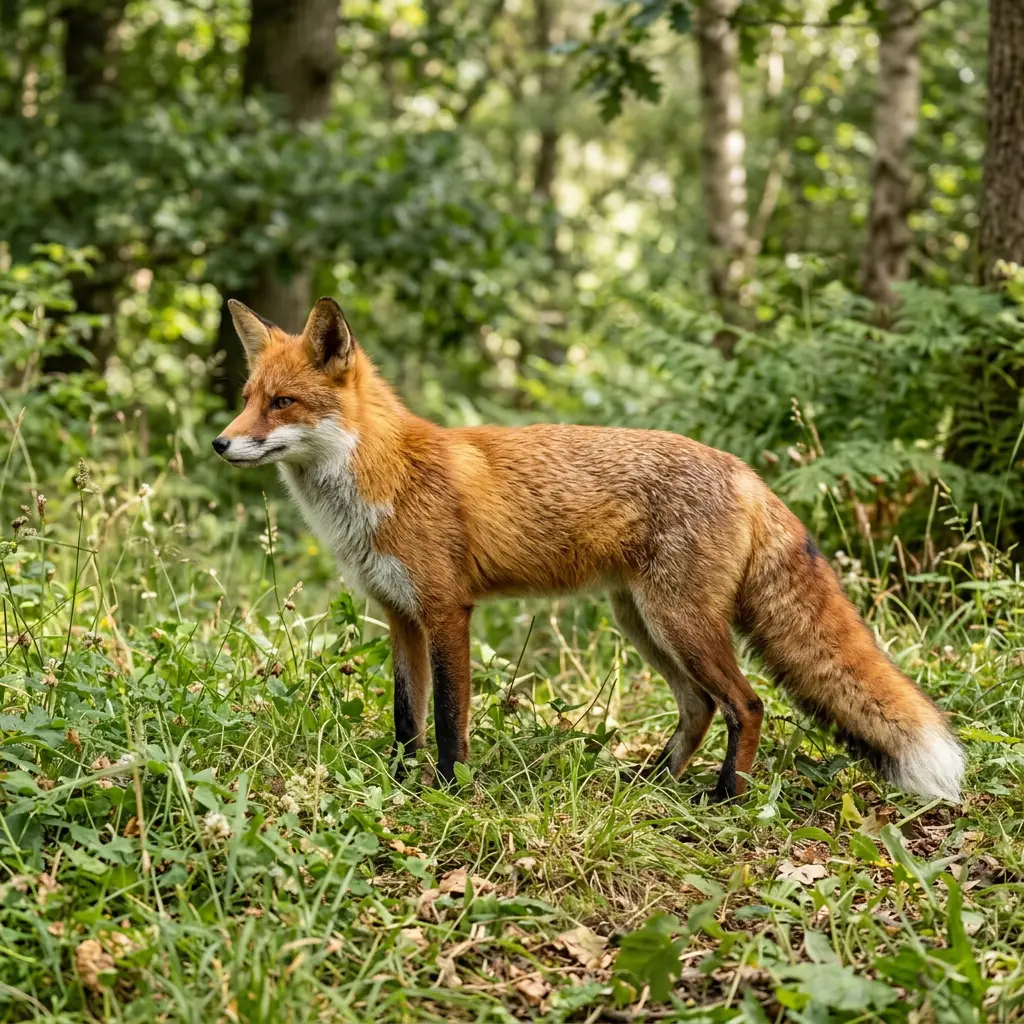
Type: Facultative Scavenger
Habitat: Worldwide except Antarctica
Diet: Small prey, berries, roadkill, carrion
Foxes are opportunistic omnivores found on every continent except Antarctica. Near human settlements, a common food source is roadkill. They supplement their hunting diet with carrion left by larger predators such as coyotes and wolves. Foxes are particularly adaptable and will eat almost anything available, making them remarkably successful in both wild and urban habitats.
❽ Bear
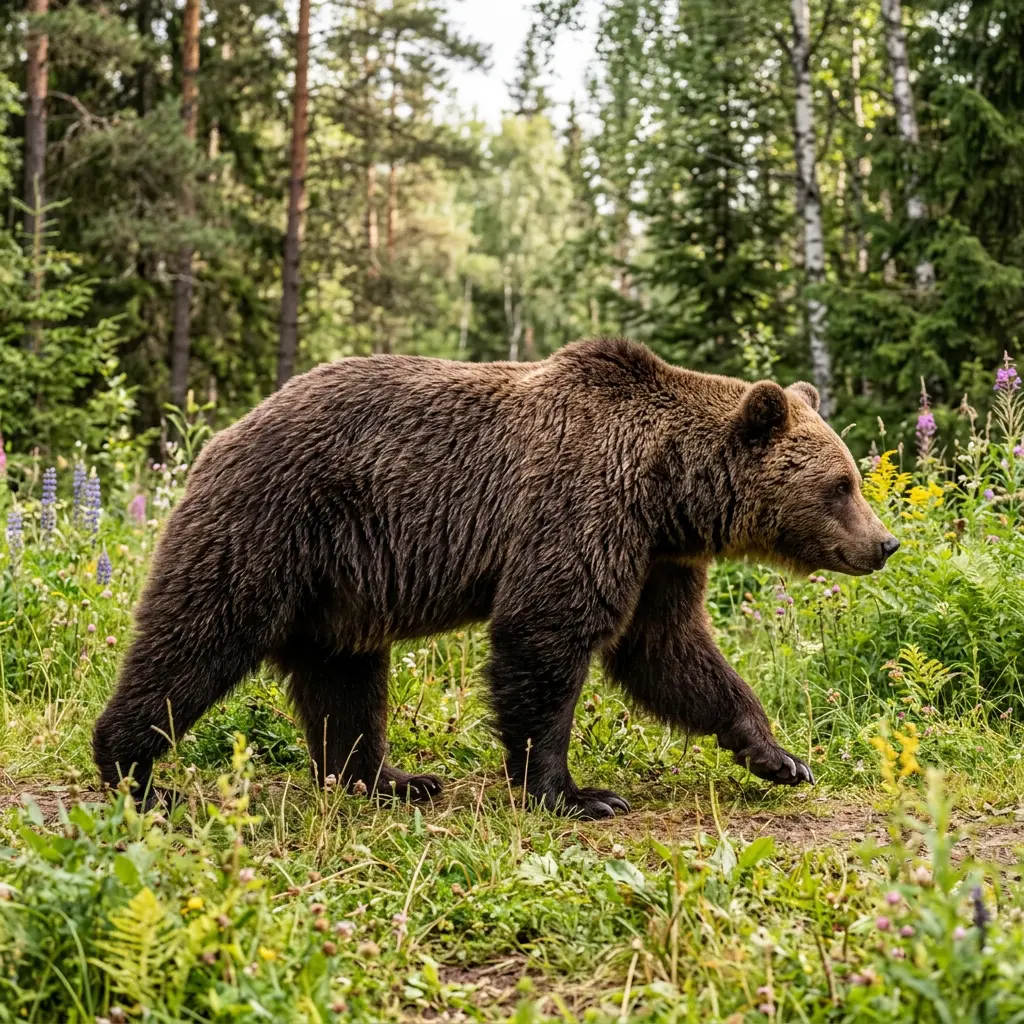
Type: Facultative Scavenger
Habitat: North America, Europe, Asia
Diet: Fish, berries, carrion, garbage, small mammals
All eight bear species are opportunistic eaters, and carrion is a regular part of their diet. Brown bears and grizzlies are known to practice kleptoparasitism, chasing wolves and mountain lions off their kills. Bears have strong stomach acid and a powerful immune system capable of handling decomposed meat. Black bears regularly raid campsites and garbage bins, making them highly effective urban scavengers.
❾ Crabs
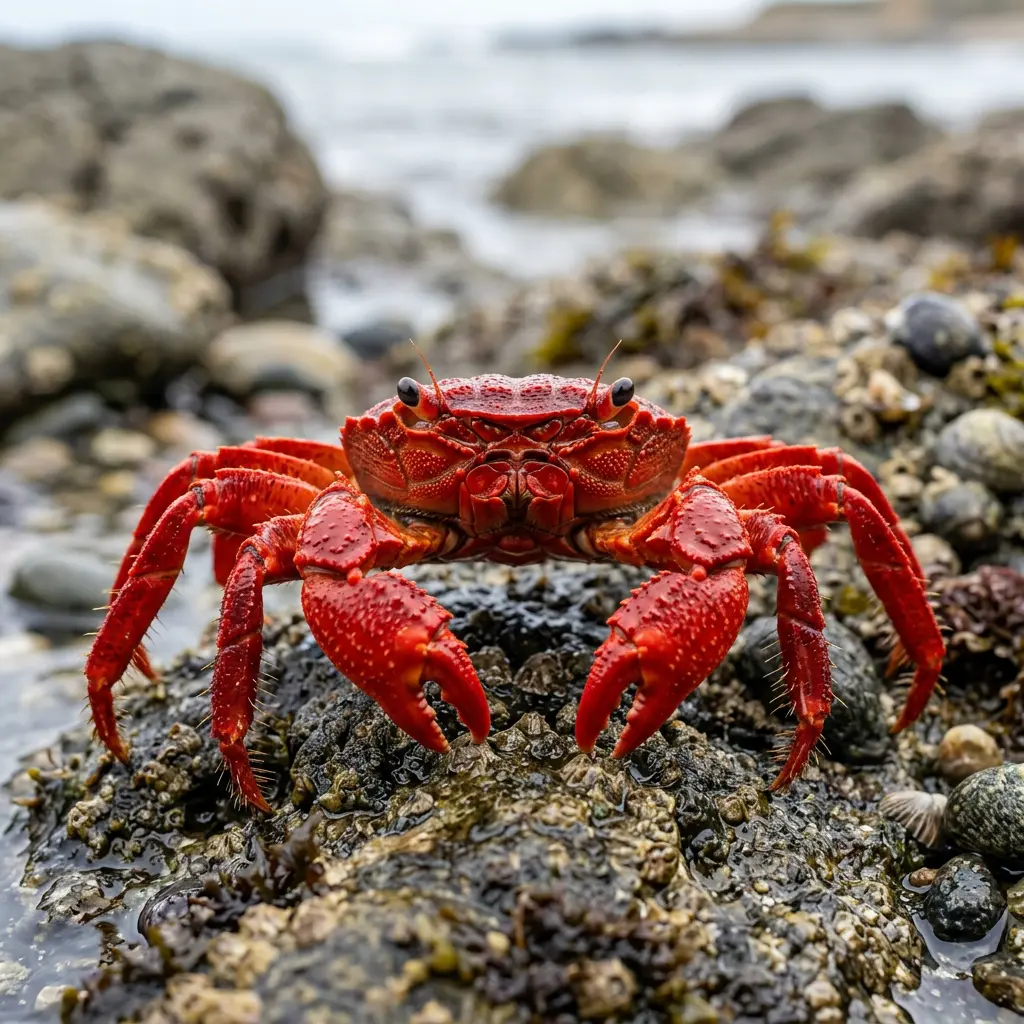
Type: Facultative Scavenger
Habitat: All oceans, freshwaters, coastal land
Diet: Dead animals, organic debris, algae
Crabs are the cleanup crew of the sea. Found in every ocean on Earth, most crab species are omnivorous bottom feeders that consume dead organic matter settling on the seafloor. Their strong claws break down carcasses, and their digestion returns vital nutrients to sediment and water. With around 85,000 species, their impact on marine ecosystems is enormous.
❿ Sharks
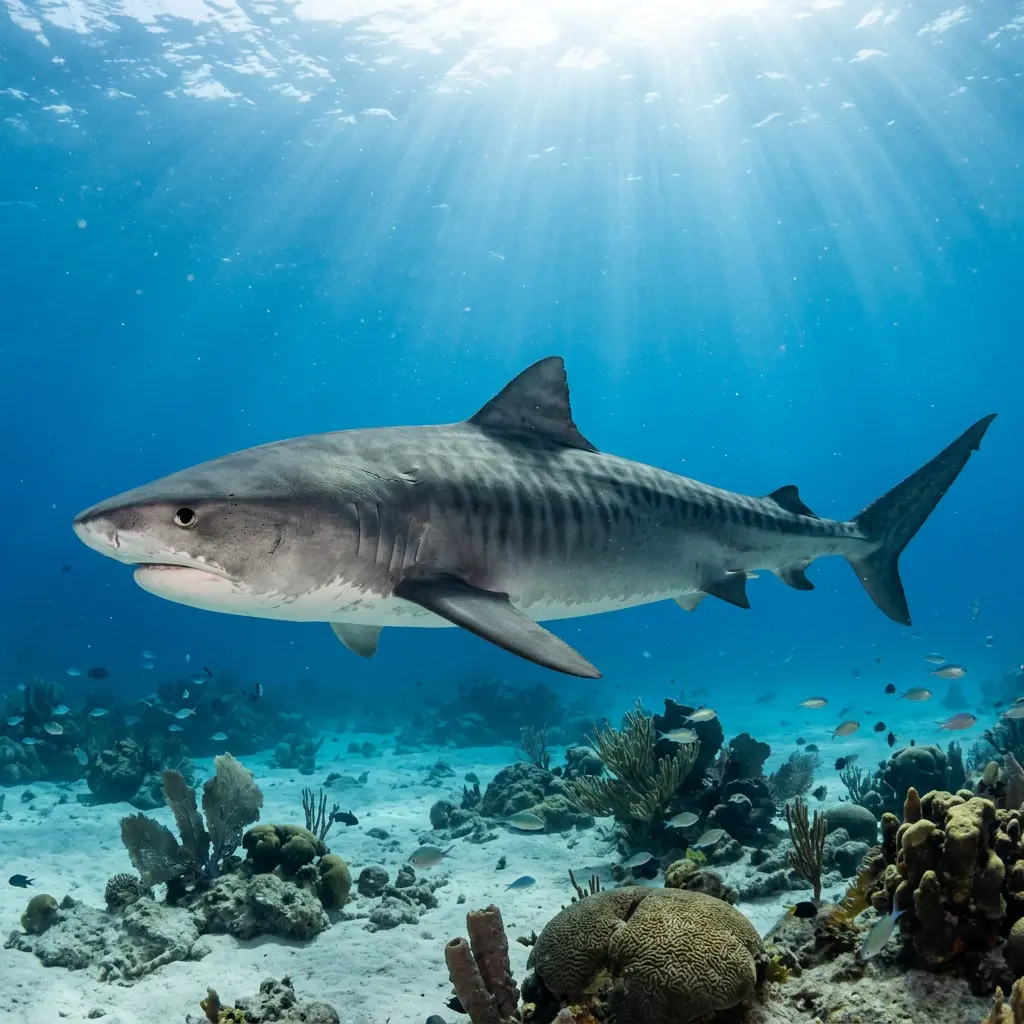
Type: Facultative Scavenger
Habitat: Oceans worldwide
Diet: Fish, marine mammals, carrion
Despite their reputation as aggressive hunters, many shark species, including the tiger shark, regularly feed on carrion. Sharks can detect traces of blood from miles away using their acute sense of smell. Scavenging allows them to conserve energy while still meeting nutritional needs. This behavior highlights their intelligence and adaptability as ocean predators.
⓫ Wolves
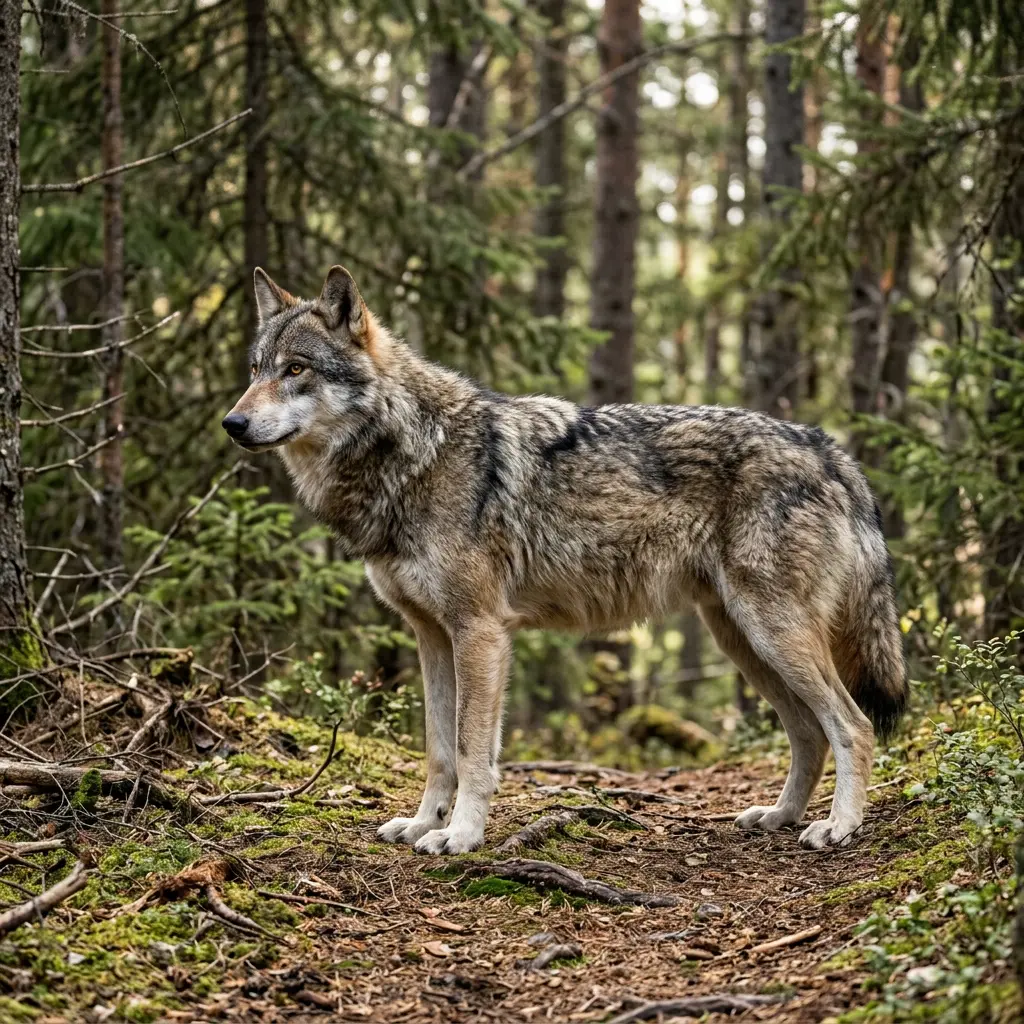
Type: Facultative Scavenger
Habitat: North America, Europe, Asia
Diet: Deer, elk, moose, carrion
Wolves are primarily predators but regularly scavenge carcasses from other predators when the opportunity arises. They are most commonly found in woodlands but also thrive in urban fringe areas. Pack dynamics allow wolves to defend scavenged carcasses from other competing species. In harsh winters, scavenging becomes a critical survival strategy.
⓬ Beetles (Carrion and Dung Beetles)
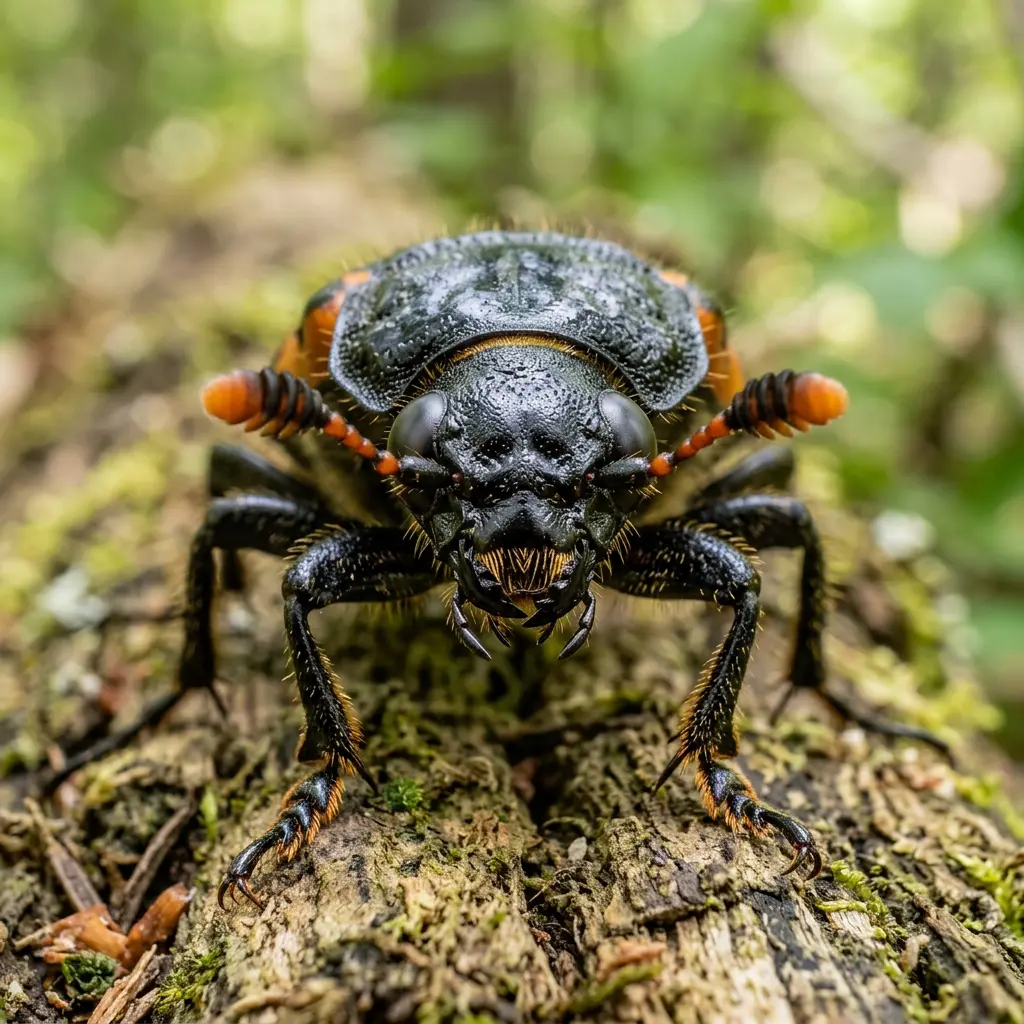
Type: Obligate Scavenger
Habitat: Worldwide
Diet: Decaying animal matter, dung, organic debris
With an estimated 350,000 beetle species, beetles collectively represent one of the most ecologically significant scavenger groups on Earth. Carrion beetles feed on dead animals, accelerating decomposition and preventing disease spread. Dung beetles recycle animal waste into nutrient-rich soil, improving soil structure and supporting plant growth. Some beetle species are so specialized that forensic scientists use them to determine the time of death in criminal investigations.
⓭ Millipedes
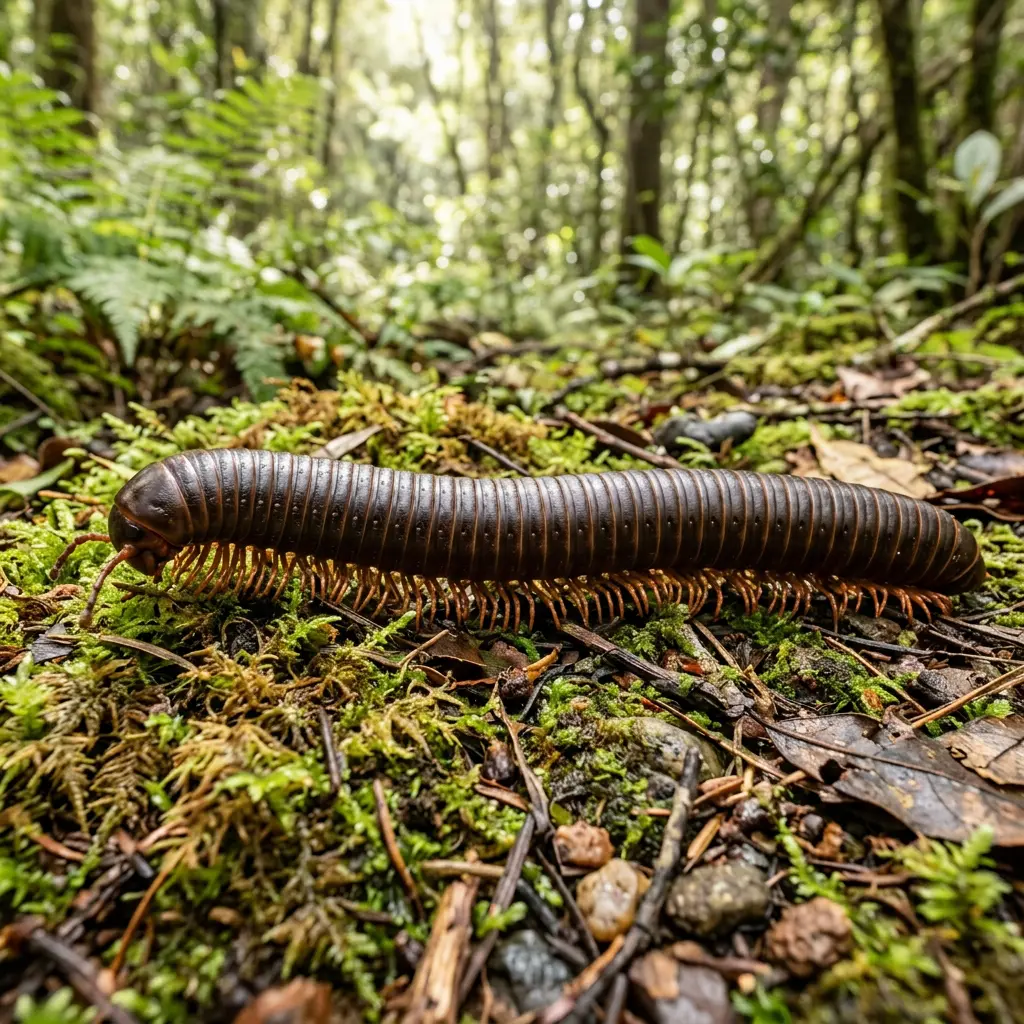
Type: Detritivore Scavenger
Habitat: Forests and moist environments worldwide
Diet: Decaying leaves, rotting wood, plant debris
Millipedes are unsung heroes of the forest floor. They move slowly through leaf litter, consuming decomposing plant material and converting it into nutrient-rich soil. Their segmented bodies, each segment housing two pairs of legs, allow them to navigate diverse terrain. Some species secrete defensive chemicals when threatened. Millipedes prefer moist habitats under logs, mulch, and leaf piles.
⓮ Andean Condor
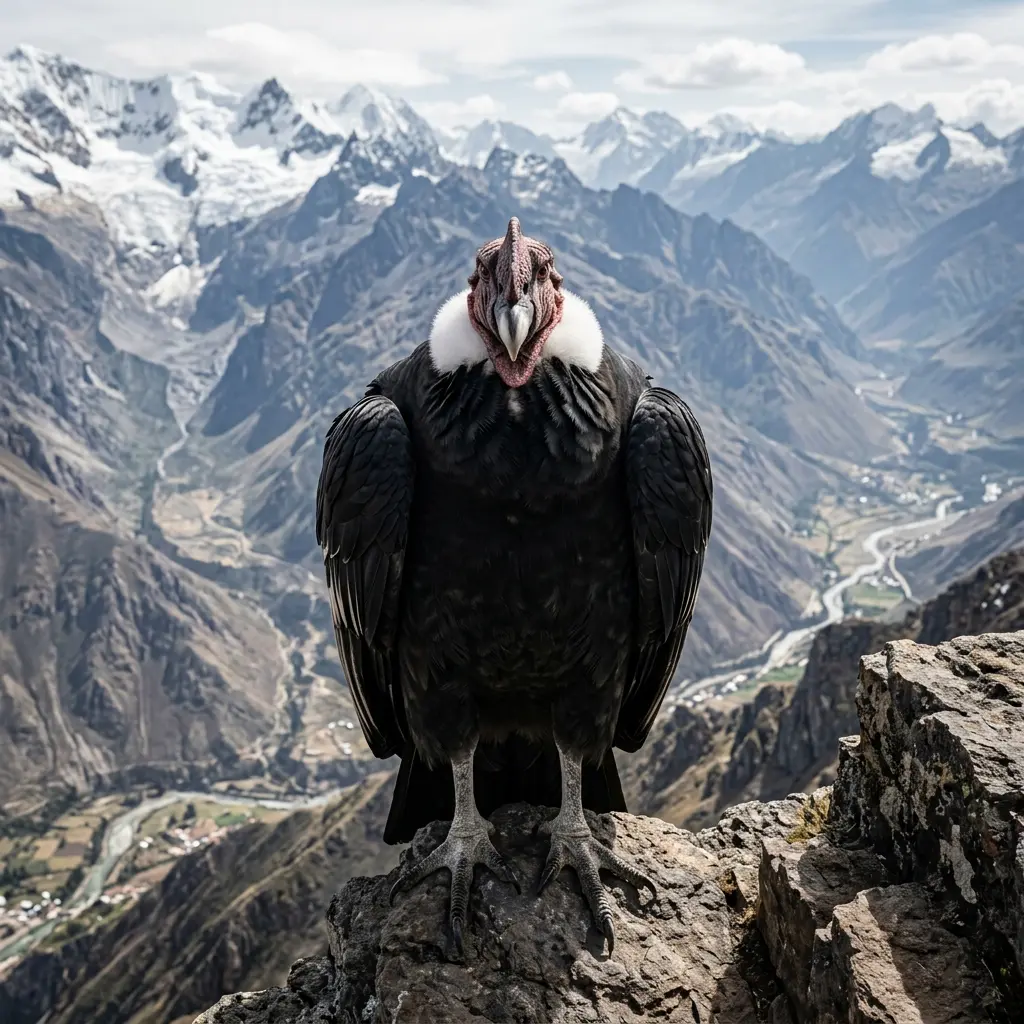
Type: Obligate Scavenger
Habitat: South America (Andes Mountains)
Diet: Carrion exclusively
The Andean condor is one of the world’s largest flying birds, with a wingspan reaching up to 10 feet. It often watches a carcass from a distance for several days before descending to feed, ensuring safety from predators. Like vultures, condors have bald heads to maintain hygiene while feeding inside carcasses. They play a vital ecological role in Andean and coastal ecosystems.
⓯ Common Raven
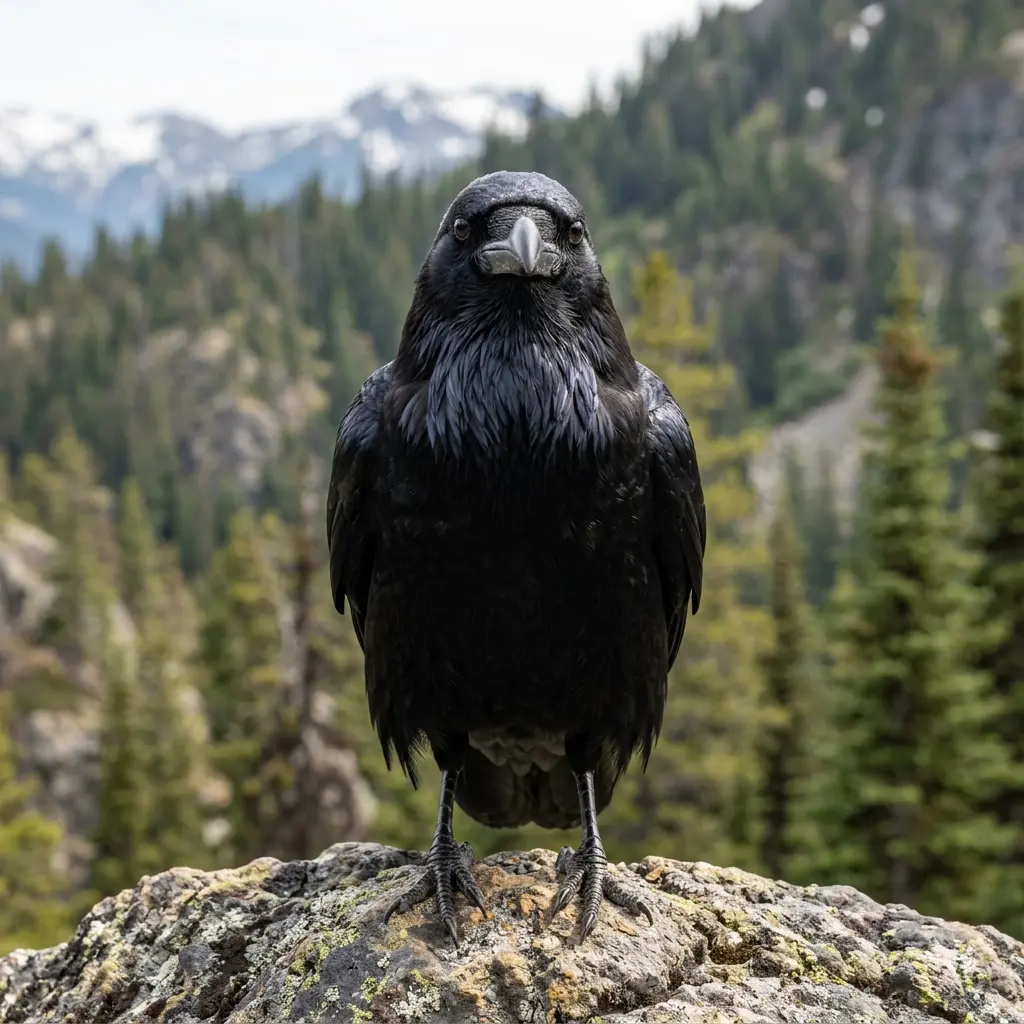
Type: Facultative Scavenger
Habitat: Northern hemisphere, mountains, forests, coasts
Diet: Carrion, roadkill, small animals, eggs, fruit
Ravens are among the most intelligent birds in the world, with cognitive abilities that rival primates. They use tools to access food, communicate specific food locations to others through vocalizations, and have been observed following wolves to scavenge their kills. In urban settings, ravens adapt seamlessly, rummaging through debris in search of meals. Their jet-black plumage and sharp intelligence have made them symbols of both wisdom and mystery across many cultures.
Scavenger Animals by Habitat
Scavenger animals inhabit a wide range of ecosystems, with different species adapted to different environments. Below are some common scavengers found in various habitats around the world.
Land Scavengers
Land scavengers are the most diverse group. They include large mammals like bears, hyenas, jackals, and wolves, as well as smaller animals like foxes, raccoons, and coyotes. Insects such as dung beetles, carrion beetles, and millipedes are also land scavengers and are among the most ecologically important.
Water and Marine Scavengers
Aquatic scavengers keep oceans and rivers clean. Crabs, lobsters, sharks, and many fish species feed on dead organic matter on the seafloor. Sea stars, hagfish, and certain worms are also major marine scavengers. Whale falls, the sinking of a dead whale to the ocean floor, create temporary ecosystems that sustain dozens of scavenger species.
Bird Scavengers (Aerial Scavengers)
Birds that scavenge are some of the most visible scavengers in nature. Vultures, condors, ravens, crows, eagles, kites, and gulls all scavenge to varying degrees. These aerial scavengers often spot carcasses first and signal their location to land-based scavengers below.
Why Are Scavenger Animals Important?
Scavengers perform three essential ecosystem services:
Nutrient Recycling: By consuming dead organic matter, scavengers break down complex materials and return nitrogen, phosphorus, and other nutrients to the soil. This directly supports plant growth and biodiversity.
Disease Prevention: Carcasses left to rot spread pathogens. Scavengers consume these remains rapidly, reducing outbreaks of anthrax, rabies, and other diseases that can affect both wildlife and humans.
Energy Redistribution: Scavenging communities redistribute energy from carcasses across multiple species, supporting complex food webs. Even the scraps left by scavengers are consumed by decomposers like bacteria and fungi, completing the nutrient cycle.
Scavengers vs. Decomposers
Scavengers and decomposers both help break down dead organisms, but they perform different roles in the decomposition process. The table below highlights their key differences.
| Feature | Scavengers | Decomposers |
|---|---|---|
| Definition | Animals that feed on dead or decaying plants and animals. | Organisms that chemically break down dead organic matter into simpler substances. |
| Examples | Vultures, hyenas, crows, crabs, jackals | Bacteria, fungi, molds |
| How They Feed | Consume visible remains such as flesh, skin, and bones. | Break down microscopic remains using enzymes. |
| Role in Nature | Remove carcasses and organic waste from the environment. | Recycle nutrients back into the soil and ecosystem. |
| Type of Organism | Animals | Microorganisms (mainly bacteria and fungi) |
| Stage of Decomposition | Act during the early stages by eating larger remains. | Complete the final stage by decomposing what scavengers leave behind. |
In short, scavengers physically consume dead organisms, while decomposers chemically break down the remaining organic matter into nutrients that can be reused in the ecosystem.
Scavenger Animals in the Food Chain
In the food chain, energy flows from producers (plants) to herbivores, then to predators. Scavengers step in at the end of this chain, consuming what predators leave behind. Without scavengers, carcasses would pile up, spreading disease and blocking nutrient flow back to the soil.
The sequence works like this:
- A predator makes a kill
- The predator eats its fill
- Scavengers consume the remains
- Decomposers (bacteria and fungi) break down what scavengers leave behind
- Nutrients return to the soil to feed plants
This cycle is continuous and essential. Scavengers are what make it efficient.
Scavenger Animals Around the World
Scavenger animals live in diverse habitats across the globe, including forests, grasslands, deserts, mountains, and oceans. Below are some common scavenger species found in different regions of the world.
Scavenger Animals in Africa
- Spotted Hyena
- Lappet-faced Vulture
- White-backed Vulture
- Egyptian Vulture
- Black-backed Jackal
- Marabou Stork
Scavenger Animals in North America
- Bald Eagle
- Turkey Vulture
- Black Vulture
- Raccoon
- Coyote
- American Crow
- Virginia Opossum
- Black Bear
Scavenger Animals in South America
- Andean Condor
- King Vulture
- Black Vulture
- Patagonian Skunk (Zorillo)
- Greater Rhea (Partly Scavenger)
Scavenger Animals in Europe
- Red Fox
- Golden Eagle
- Common Raven
- Common Buzzard
- Red Kite
- Striped Hyena (Middle East Border Regions)
Scavenger Animals in Asia
- Himalayan Vulture
- Indian Vulture
- Striped Hyena
- Asiatic Black Bear
- Red Fox
- Jungle Crow
Scavenger Animals in Australia
- Tasmanian Devil
- Wedge-tailed Eagle
- Australian Raven
- Torresian Crow
- Dingo (Occasionally Scavenges)
- Kookaburra (Occasionally Scavenges)
Scavenger Animals in Antarctica
- South Polar Skua
- Giant Petrel
- Snowy Sheathbill
- Leopard Seal (Occasionally Scavenges)
Scavenger Animals in Oceans
- Tiger Shark
- Great White Shark
- Blue Crab
- Hermit Crab
- Hagfish
- Sea Star
- Deep-sea Isopods
Threats to Scavenger Animals
Despite their ecological importance, many scavenger species face serious threats:
Poisoning: Farmers and poachers sometimes leave poisoned carcasses to kill predators. Scavengers feeding on these carcasses suffer mass die-offs. African vulture populations have declined by over 80% in some regions due to poisoning.
Habitat Loss: Urbanization and deforestation destroy the territories scavengers depend on for finding food.
Collision with vehicles: Roadkill attracts scavengers like foxes, crows, and eagles to roadsides, where they are frequently killed by passing vehicles.
Lead Poisoning: In North America, bald eagles and California condors are poisoned by lead bullet fragments in hunter-killed carcasses they feed on.
Persecution: Hyenas, jackals, and foxes are often killed by farmers who see them as threats to livestock, even though they primarily scavenge.
Interesting Facts About Scavenger Animals
- Vultures urinate on their own legs to kill bacteria picked up from walking through carcasses
- Dung beetles are the only insects known to navigate using the Milky Way
- Hyenas have one of the strongest bite forces of any land mammal, strong enough to crush elephant bones
- Ravens can plan for future food storage, a cognitive skill shared with great apes and humans
- A single whale carcass can sustain deep-sea scavenger communities for up to 100 years
- Scavenger birds like vultures can eat 20 percent of their body weight in a single feeding session
- The stomach acid of a vulture is 10 to 100 times more corrosive than that of a human
- Crows remember human faces and can hold grudges for years against people who have threatened them
Conclusion
Scavenger animals are far more than opportunistic feeders. They are the silent force keeping nature functional. Every vulture that cleans a carcass, every dung beetle that recycles waste, and every hyena that crushes a bone left behind by a lion is performing a service no other group of animals can replace. They prevent disease outbreaks, return nutrients to the soil, and keep ecosystems from collapsing under the weight of death and decay.
In a healthy ecosystem, nothing goes to waste. Scavengers are the reason why. Yet many of these animals, from the Andean condor to the African vulture, are now under serious threat from poisoning, habitat loss, and human persecution. Protecting scavenger animals is not just about saving individual species. It is about preserving the natural systems that all life, including humans, depends on.
The next time you see a crow on a roadside or a vulture circling the sky, know that you are watching one of nature’s most essential workers doing exactly what evolution designed it to do.
FAQs
The vulture is the most iconic scavenger, recognized worldwide for feeding on carrion and playing a critical ecological role across Africa, Asia, Europe, and the Americas.
Hyenas are both. Spotted hyenas actually hunt the majority of their food, including zebras and wildebeest, but they also steal kills and feed on carcasses. They are facultative scavengers.
Most scavengers eat carrion (dead animal flesh). Some, like millipedes and beetles, eat decaying plant matter. Raccoons and foxes eat garbage and refuse. Marine scavengers like crabs consume dead organic matter on the seafloor.
Yes. Many shark species, including tiger sharks, scavenge carrion and whale carcasses alongside hunting live prey. They are classified as facultative scavengers.
An obligate scavenger is an animal that relies almost entirely on carrion for food and does not hunt live prey. Vultures and Andean condors are the best-known examples.
A predator actively hunts and kills live prey. A scavenger consumes animals that are already dead. Facultative scavengers do both depending on availability of food.
Yes. Crows are highly effective facultative scavengers. They feed on roadkill, carrion, human garbage, and any dead organic matter they can find. Their intelligence makes them exceptionally successful scavengers in both wild and urban environments.
Yes, eagles are facultative scavengers. While they are powerful hunters, bald eagles and golden eagles regularly feed on carrion, especially in winter when prey is scarce.
Scavengers recycle nutrients, prevent the spread of disease, and redistribute energy through food webs. Without them, ecosystems would be overwhelmed by rotting carcasses and the pathogens they carry.
Dung beetles, carrion beetles, blowflies, and millipedes are the most well-known insect and invertebrate scavengers. They are critical decomposers and nutrient recyclers in soil ecosystems.
You May Also Like
- Domestic Animals Names in English
- Shy Animals Names in English
- 70+ Animals and Their Lifespan with Pictures
Scavenger Animals Quiz
Scavenger Animals
What is a scavenger?
It takes carrion rather than killing.
Scavenging is about the state of the food, not how it was found.
Most predators scavenge when the chance arises.
How does a vulture survive eating rotten meat?
Acid strong enough to destroy anthrax and botulism spores.
The defence is chemical, not behavioural.
Vultures break disease chains rather than spreading them.
Name the food.
The flesh of a dead animal, eaten by a scavenger, is called ___.
Carrion is specifically dead flesh not killed by the animal eating it.
Carrion names the food; scavenger names the feeder.
Circling vultures usually mean carrion below.
What happened in South Asia when vulture numbers collapsed?
Feral dog numbers rose sharply on the surplus, and with them rabies exposure.
Removing a scavenger has consequences far beyond the species itself.
A veterinary drug in cattle carcasses caused the collapse.
Three of these regularly scavenge. Which does not?
A strict browser that takes no animal matter at all.
Scavenging requires a digestive system that can handle it.
A herbivore gains nothing from a carcass.
Turn on JavaScript for the interactive quiz. The full practice set is shown above.