

Every animal on Earth has a lifespan shaped by its genetics, size, metabolism, diet, and environment. Some creatures live for only 24 hours. Others survive for centuries. Understanding animal lifespans gives us powerful insight into evolution, aging, ecology, and even human longevity research.
This complete article covers animals and their lifespan, organized by category, with detailed explanations, comparison tables, records, and the science behind why some animals outlive others by thousands of years.
What Is Animal Lifespan?
Lifespan has two distinct meanings in biology:
- Maximum lifespan – The longest any individual of a species has ever been known to live
- Average lifespan – The typical age most members of a species reach in natural conditions
These two numbers are often very different. A mouse has a maximum lifespan of around four years but an average wild lifespan of under one year due to predation. A bowhead whale has a maximum documented lifespan of over 211 years but an average that is significantly lower in the wild.
Explore more animals that start with different letters:
A | B | C | D | E | F | G | H | I | J | K | L | M | N | O | P | Q | R | S | T | U | V | W | X | Y | Z
What Determines How Long an Animal Lives?
Several interconnected factors influence animal longevity:
- Body size – Larger animals generally live longer. They have slower metabolic rates, slower heart rates, and less predation pressure. A blue whale outlives a mouse by decades.
- Metabolism – Animals with faster heartbeats and higher metabolic rates burn through cellular energy faster, accelerating aging. A hummingbird’s heart beats 1,200 times per minute; an elephant’s beats around 30 times per minute.
- DNA repair capacity – Long-lived animals like the bowhead whale have enhanced genes for repairing damaged DNA and suppressing cancer, slowing cellular aging.
- Predation risk – Species with many predators evolve to reproduce fast and die young. Species with few predators can invest more in cell maintenance and live longer.
- Reproduction rate – Animals that breed rapidly (mice, rabbits) tend to have short lives. Animals that invest heavily in each offspring (elephants, whales) tend to live much longer.
- Environment – Wild animals face threats that captive animals do not. Starvation, disease, predators, and climate stress all reduce lifespan significantly.
- Hibernation and torpor – Animals that hibernate or enter torpor dramatically reduce metabolic activity, which appears to slow cellular aging. Bats are a prime example.
Wild Lifespan vs Captive Lifespan
Captive animals are protected from predators, starvation, extreme weather, and injury. They receive veterinary care. As a result, they often live significantly longer than their wild counterparts.
| Animal | Wild Lifespan | Captive Lifespan |
|---|---|---|
| Gray Squirrel | 3 to 6 years | 15 to 20 years |
| Lion | 10 to 14 years | Up to 20 years |
| Tiger | 10 to 15 years | Up to 25 years |
| Gorilla | 35 to 40 years | Up to 55 years |
| Domestic Cat | 10 to 15 years | Up to 38 years (record) |
However, this is not universal. Elephants often live 60 to 70 years in the wild but have historically lived shorter lives in captivity due to the physical and psychological demands of confined spaces.
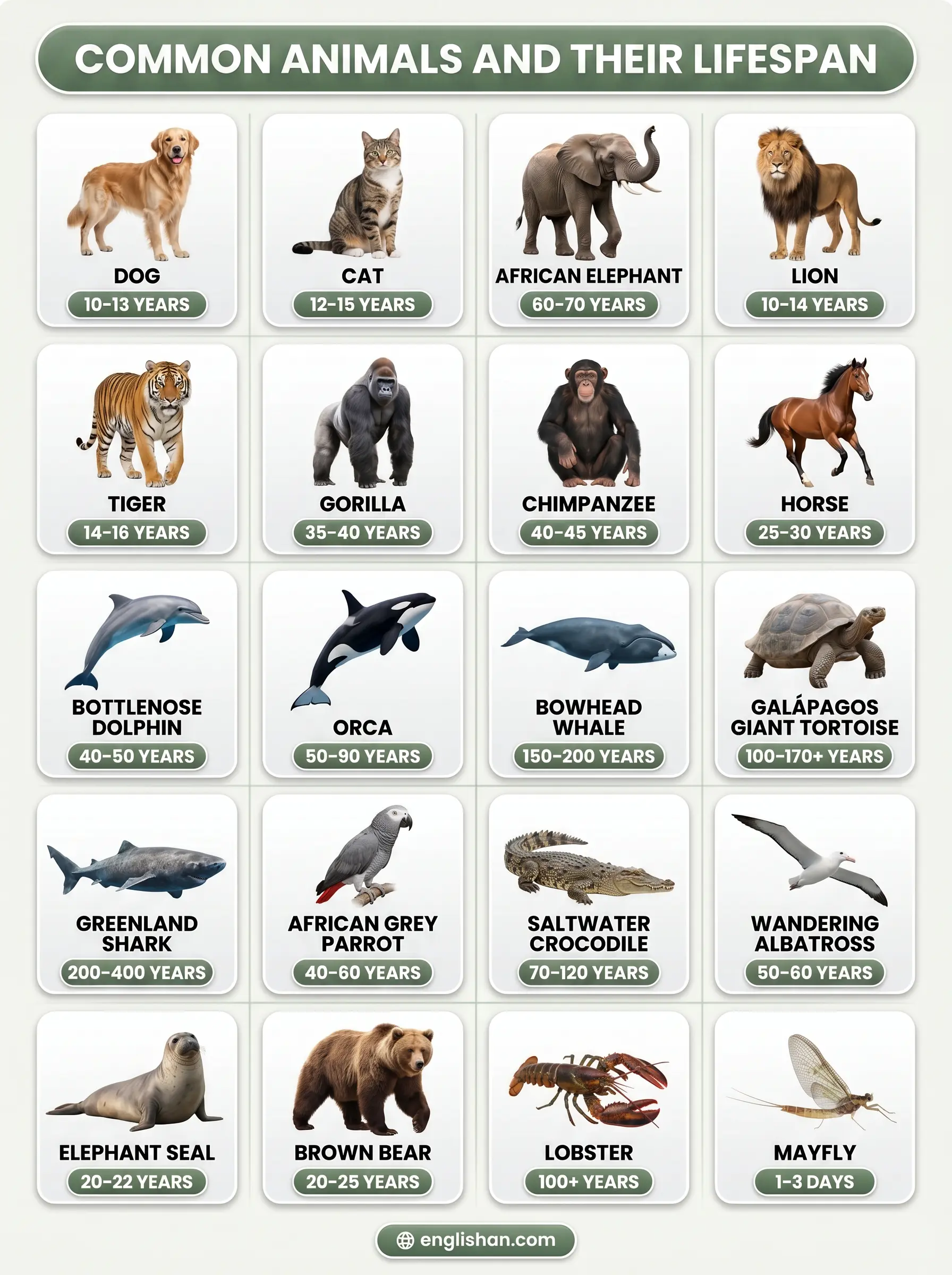
Common Animals and Their Lifespan with Pictures
❶ Dog

Dogs live an average of 10 to 13 years, though lifespan varies greatly by breed. Smaller breeds often live longer than larger ones. A Chihuahua may reach 15–20 years, while a Great Dane usually lives 7–10 years. The oldest verified dog, Bluey, lived 29 years and 5 months.
❷ Cat
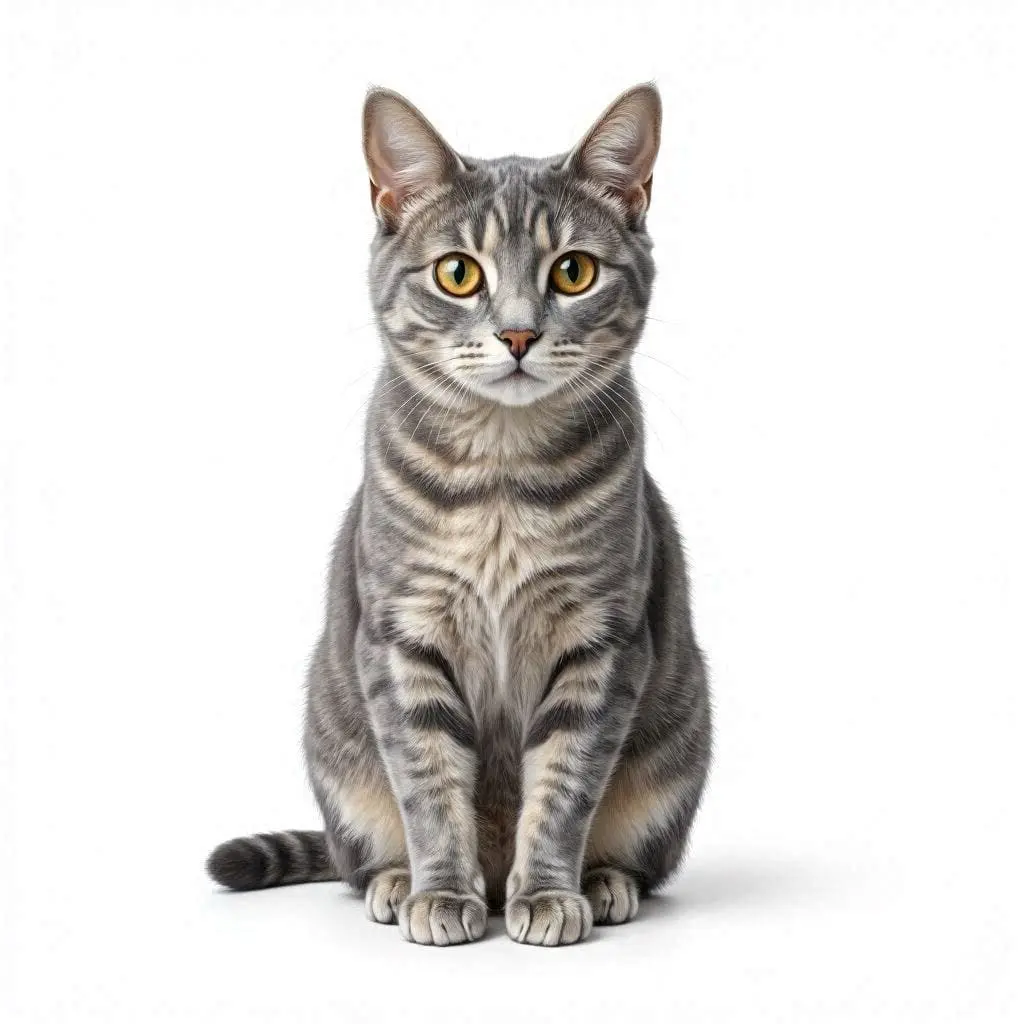
Domestic cats average 12 to 15 years. Indoor cats commonly live 18–20 years with proper care. The oldest recorded cat, Creme Puff, lived to 38 years. Indoor living and neutering are associated with longer lifespans.
❸ African Elephant
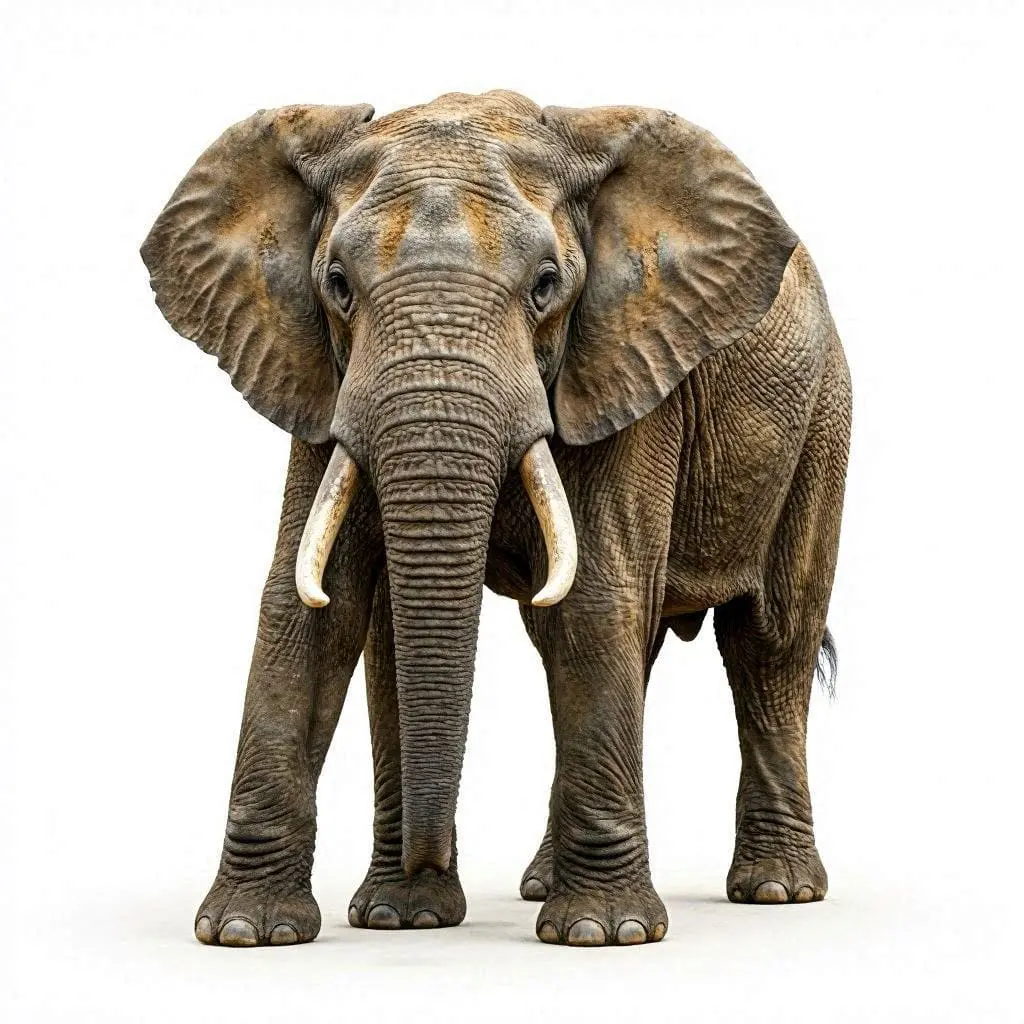
African elephants typically live 60 to 70 years in the wild. Their lifespan is closely linked to their six sets of molars. Older females play a crucial role in guiding and protecting their herds.
❹ Lion
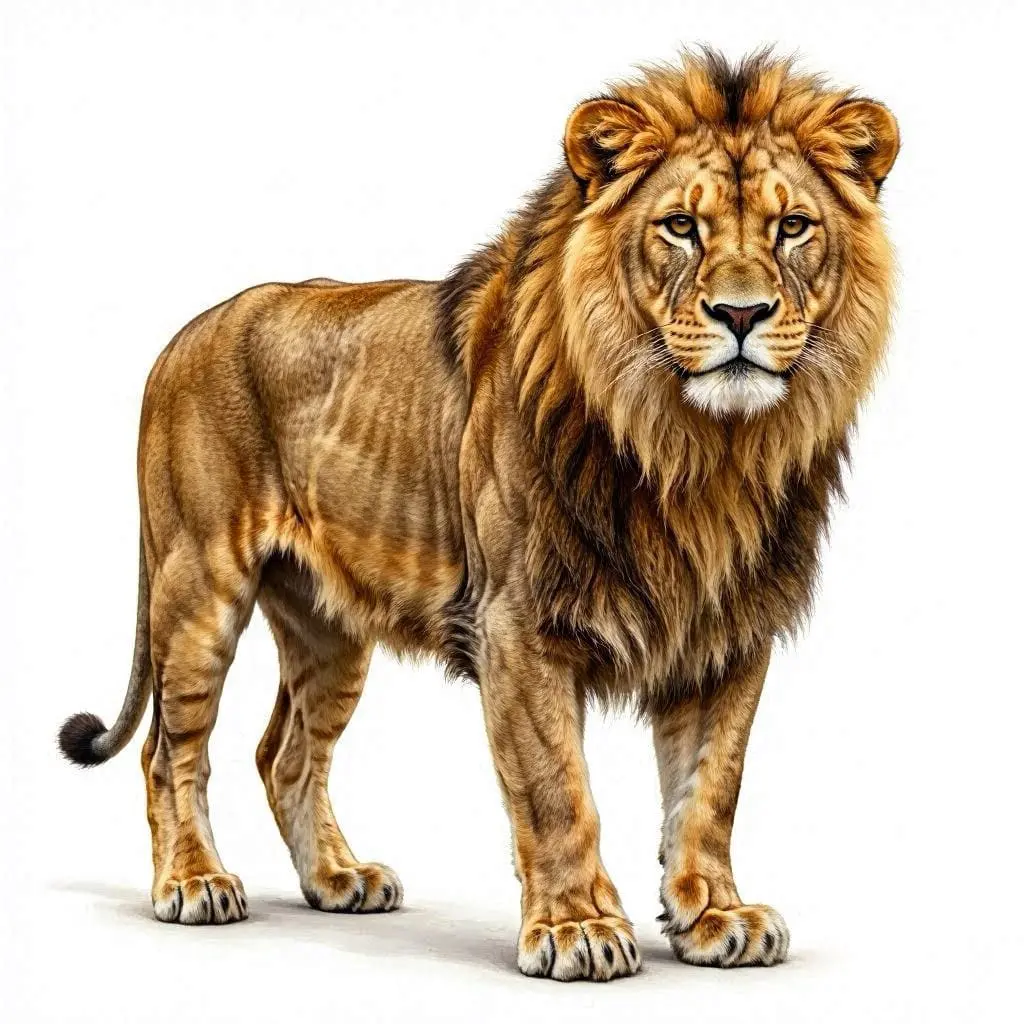
Wild lions usually live 10 to 14 years. Females often outlive males because males face intense competition and territorial conflicts. In captivity, lions can reach 20 years of age.
❺ Tiger
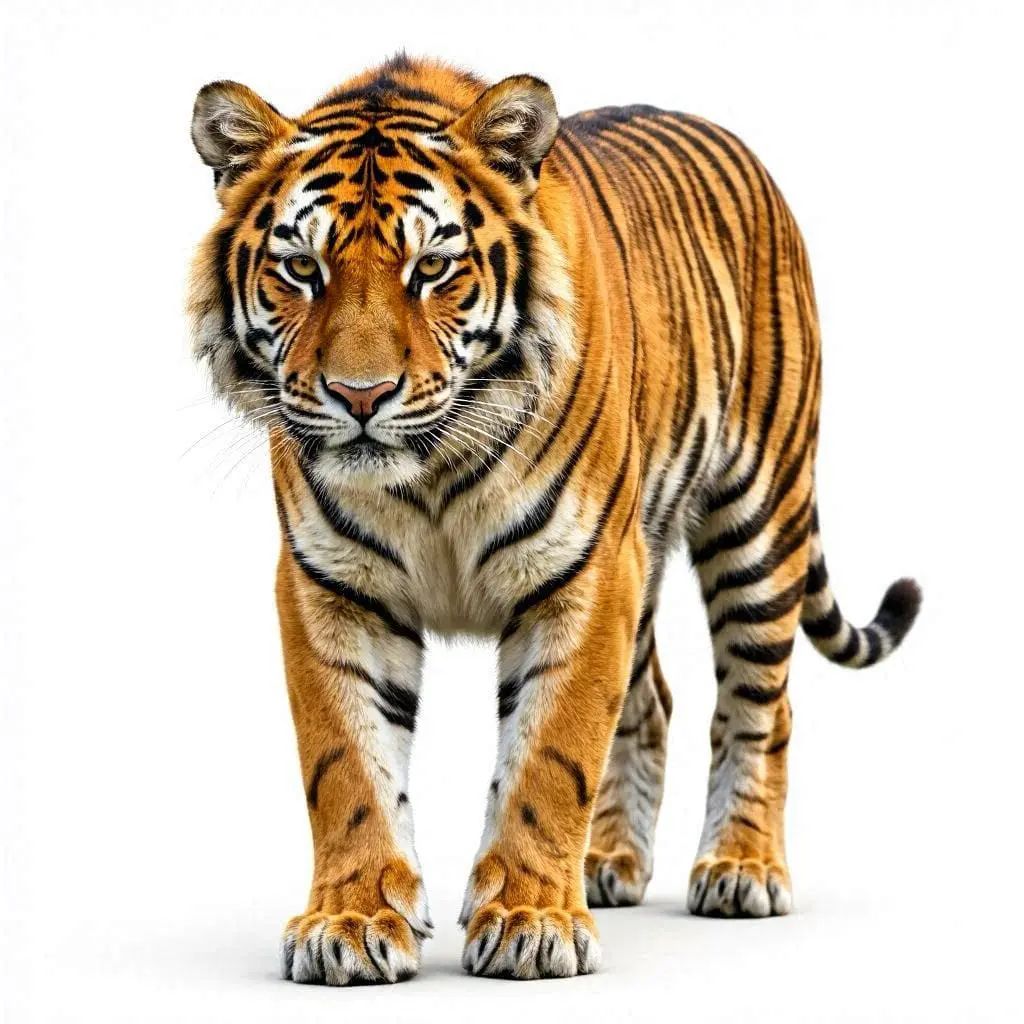
Tigers average 14 to 16 years in the wild and up to 25 years in captivity. Many cubs do not survive their first year due to starvation, abandonment, or territorial disputes.
❻ Gorilla
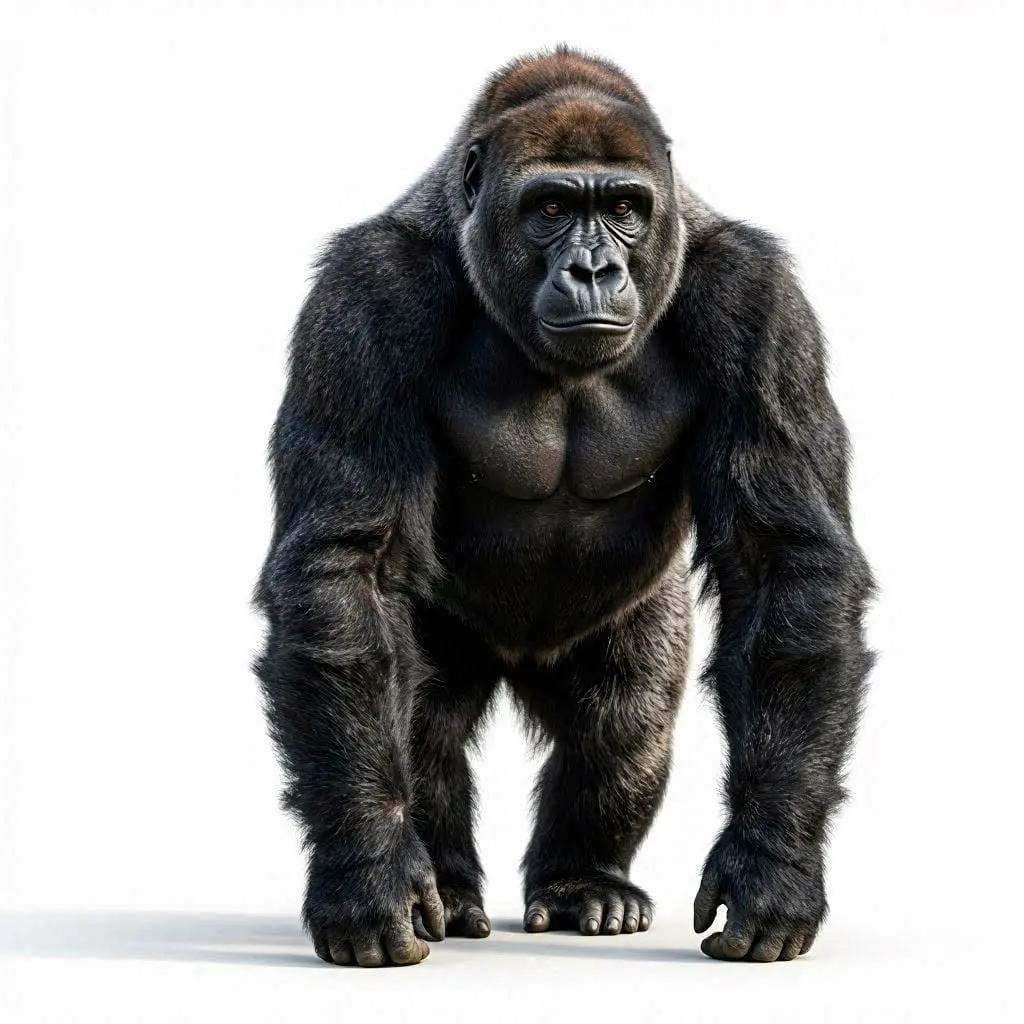
Gorillas live 35 to 40 years in the wild and can exceed 50 years in captivity. Their long lifespan is supported by strong social bonds and low predation risk.
❼ Chimpanzee
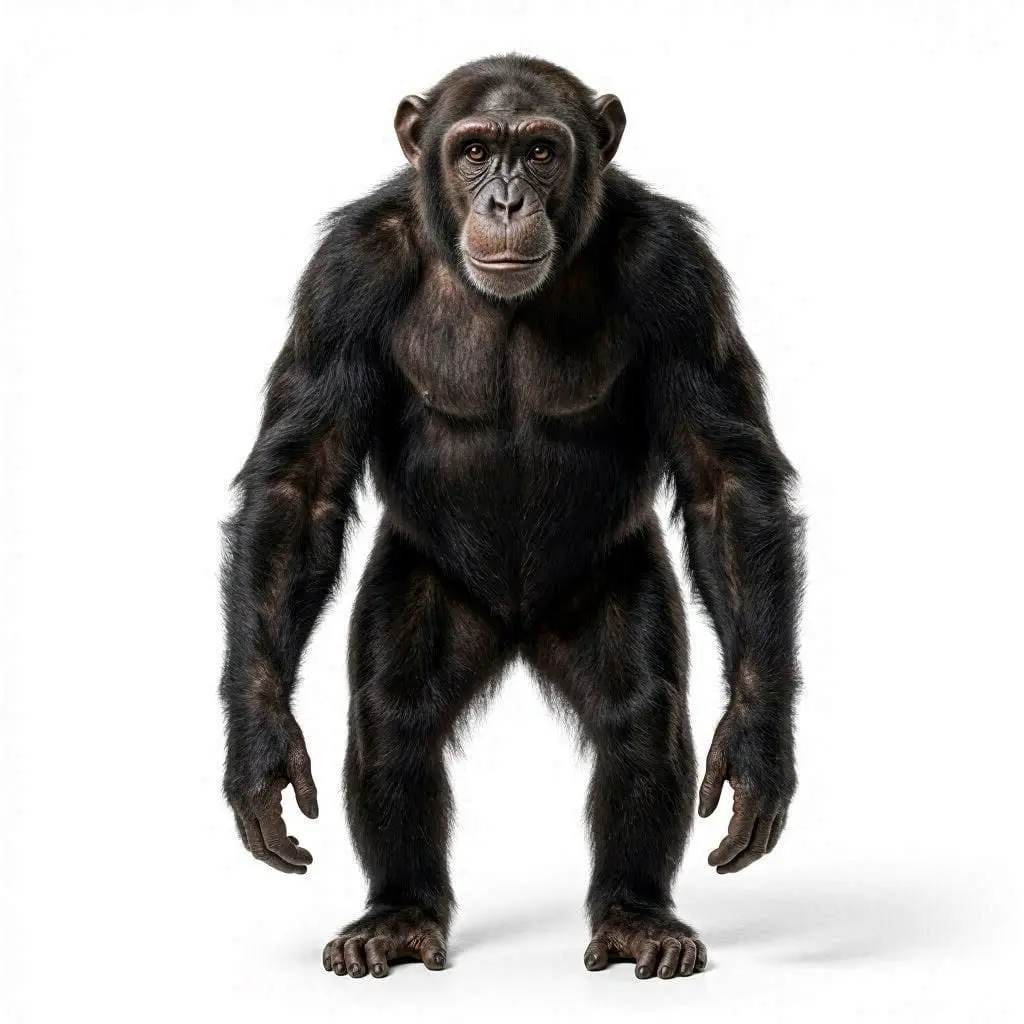
Chimpanzees typically live 40 to 45 years in the wild and over 60 years in captivity. They share approximately 98.7% of their DNA with humans and display many similar aging patterns.
❽ Horse
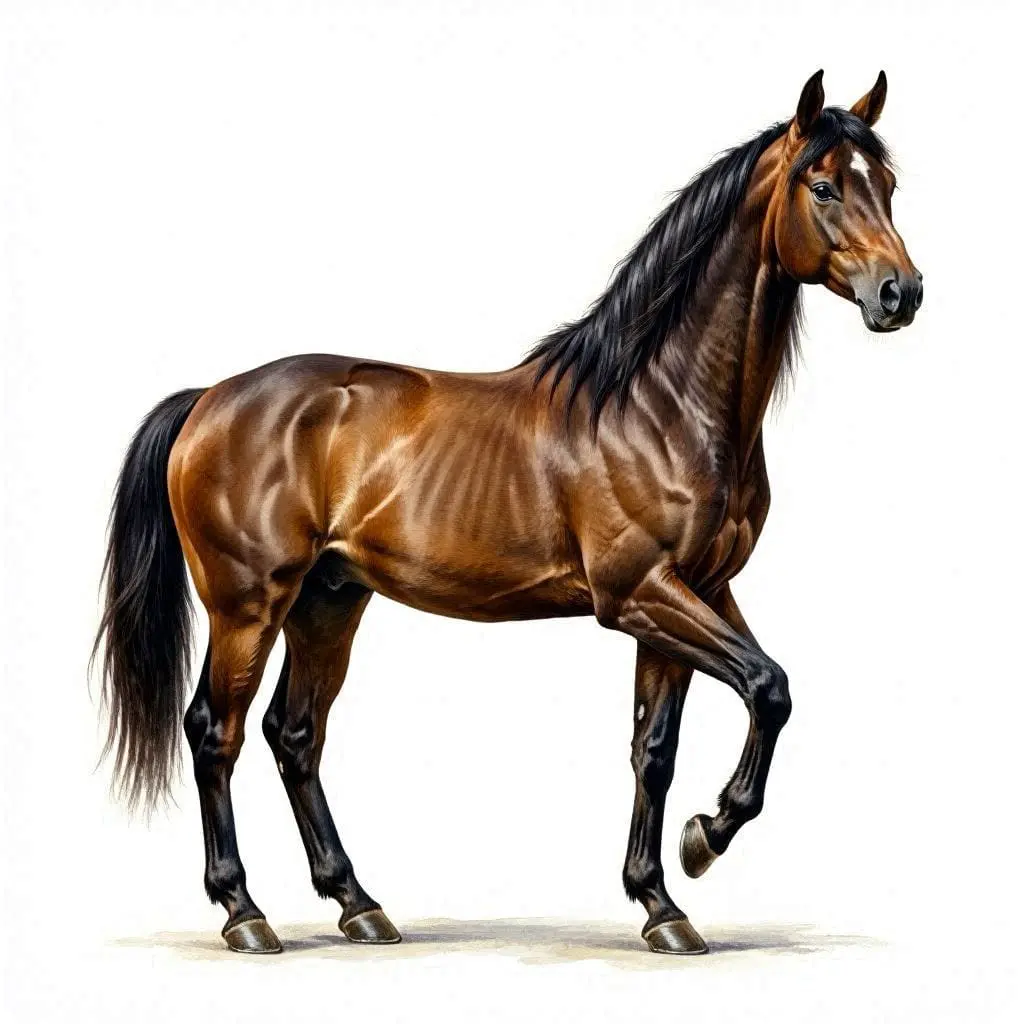
Horses average 25 to 30 years. Smaller breeds and ponies often outlive larger horses. The oldest verified horse, Old Billy, reached 62 years of age.
❾ Bottlenose Dolphin
Bottlenose dolphins commonly live 40 to 50 years. Females usually outlive males and continue contributing to pod life long after their reproductive years.
❿ Orca (Killer Whale)
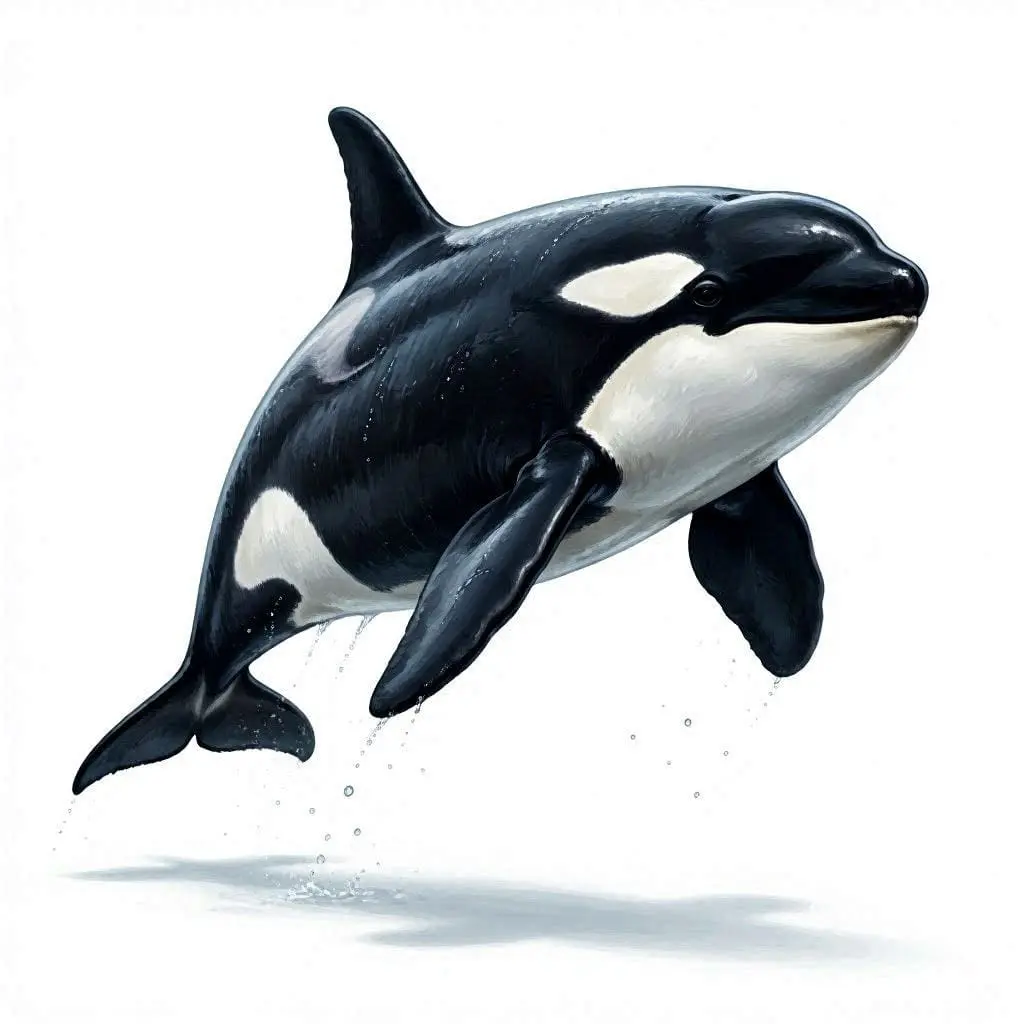
Female orcas can live 80 to 90 years, while males average 50 to 60 years. Older females help guide pods and improve the survival of younger family members.
⓫ Bowhead Whale
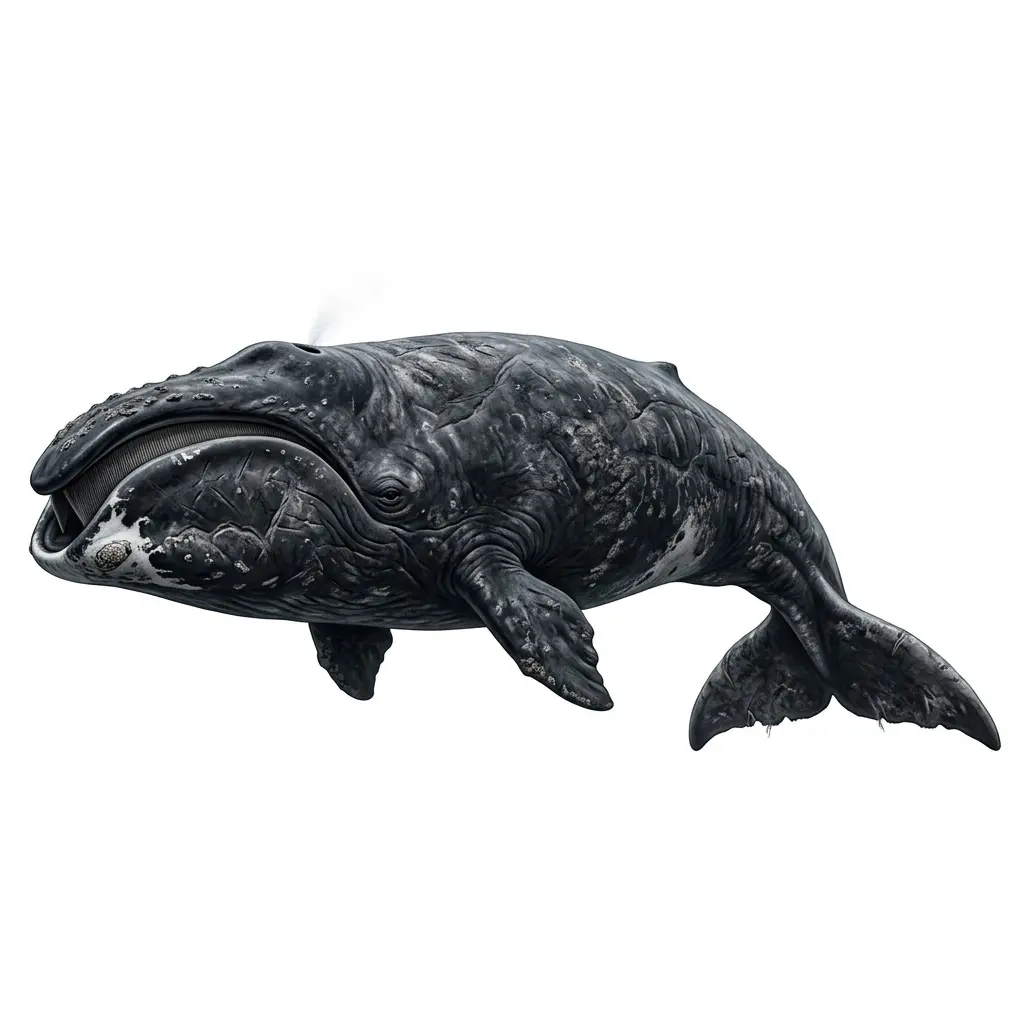
The bowhead whale is the longest-lived mammal known, often reaching 150 to 200 years. Some individuals have been estimated at over 200 years old.
⓬ Galápagos Giant Tortoise
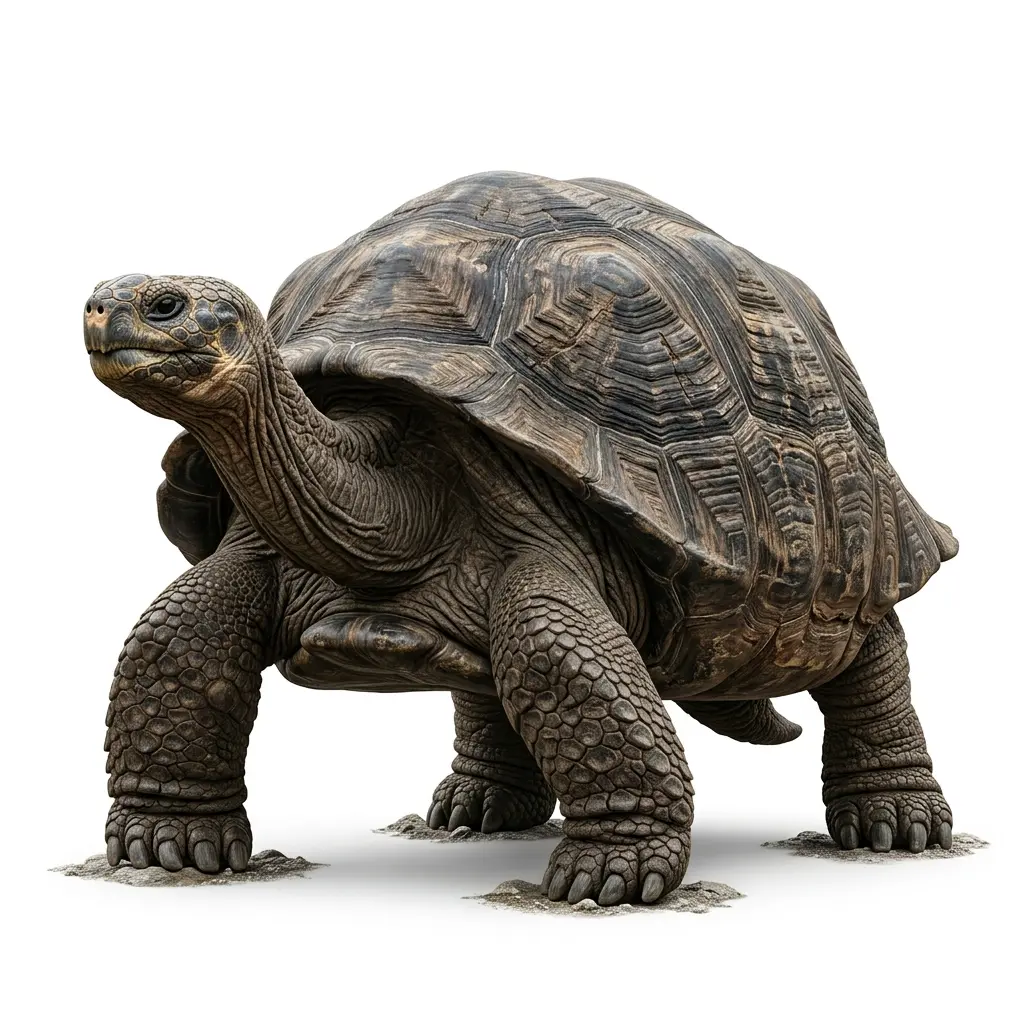
Galápagos giant tortoises regularly exceed 100 years and may live beyond 170 years. Their slow metabolism contributes to their remarkable longevity.
⓭ Greenland Shark
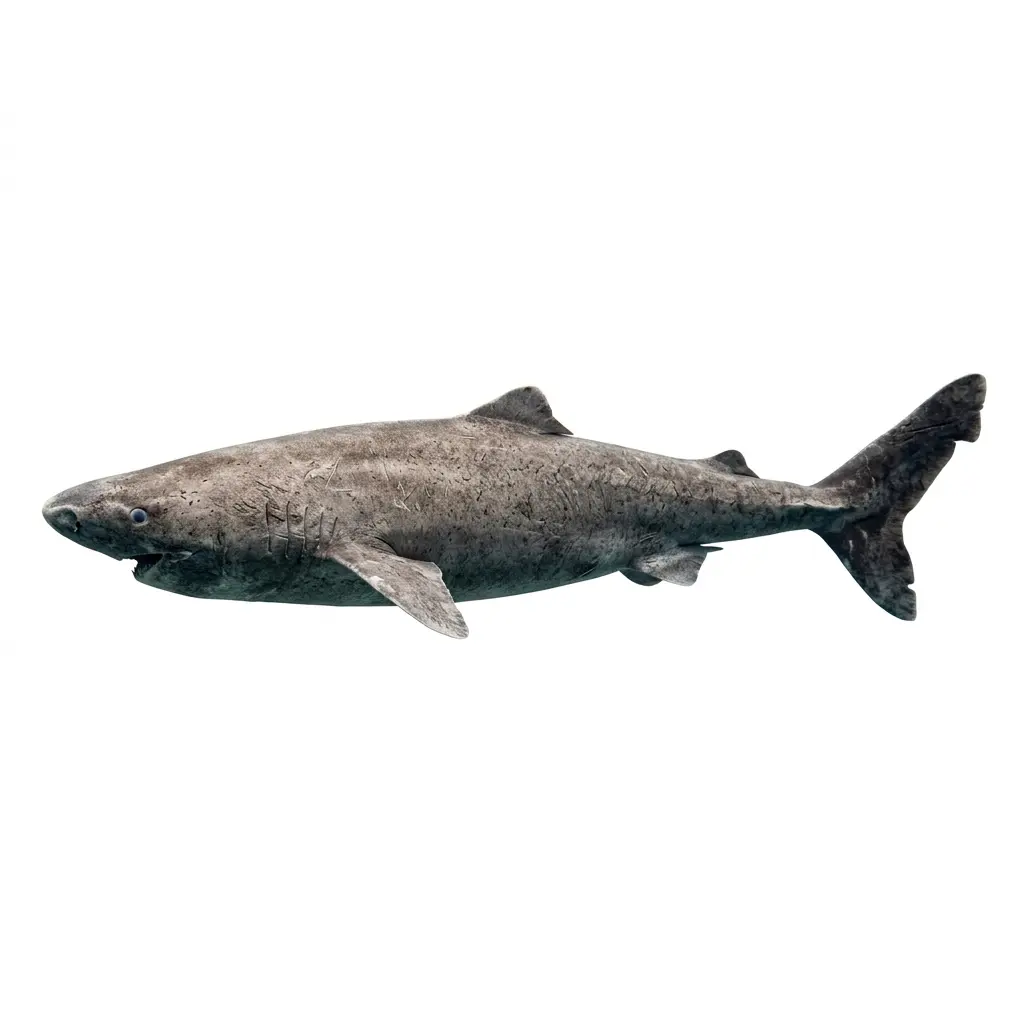
The Greenland shark is the longest-lived vertebrate known to science. Individuals may live between 200 and 400 years, with some estimates exceeding 500 years.
⓮ African Grey Parrot
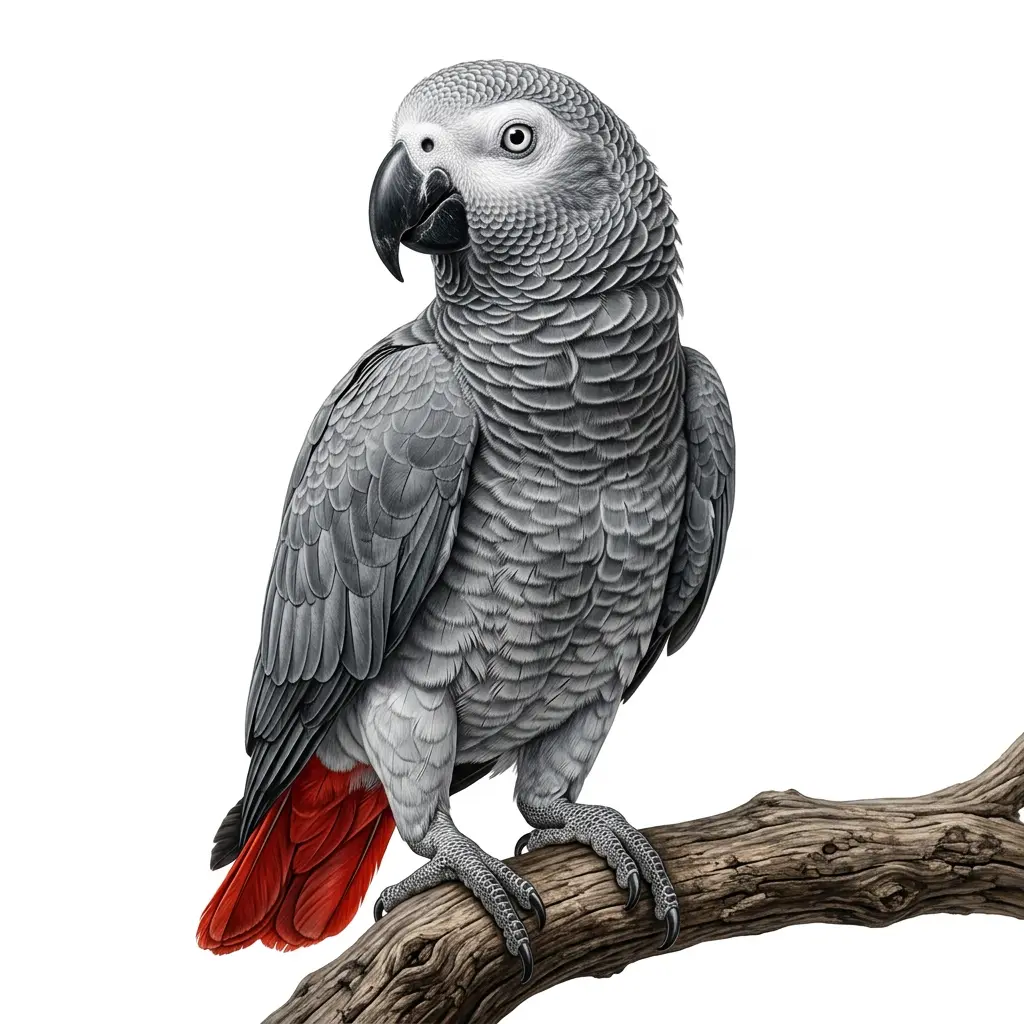
African grey parrots commonly live 40 to 60 years and may exceed 80 years. They are among the most intelligent bird species in the world.
⓯ Saltwater Crocodile
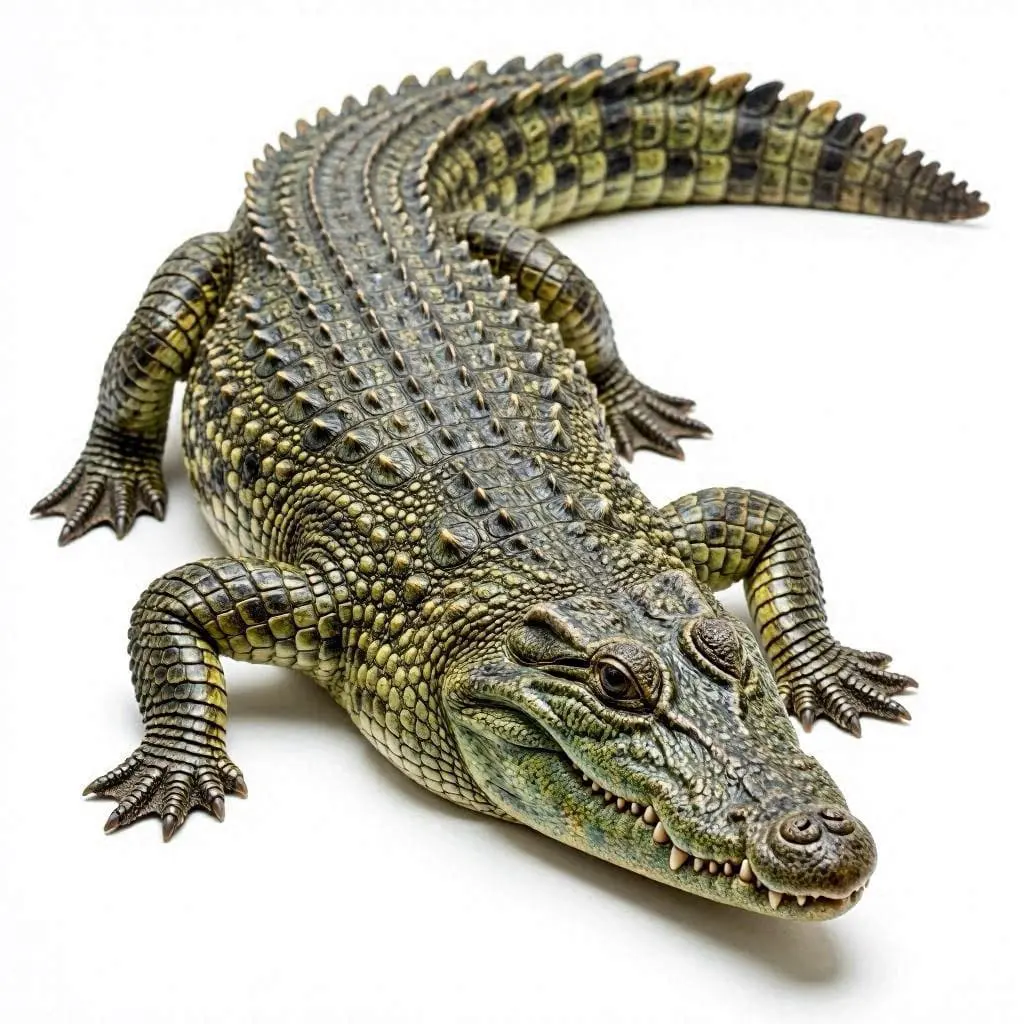
Saltwater crocodiles often live more than 70 years. Some captive individuals have surpassed 120 years, making them among the longest-lived reptiles.
⓰ Wandering Albatross
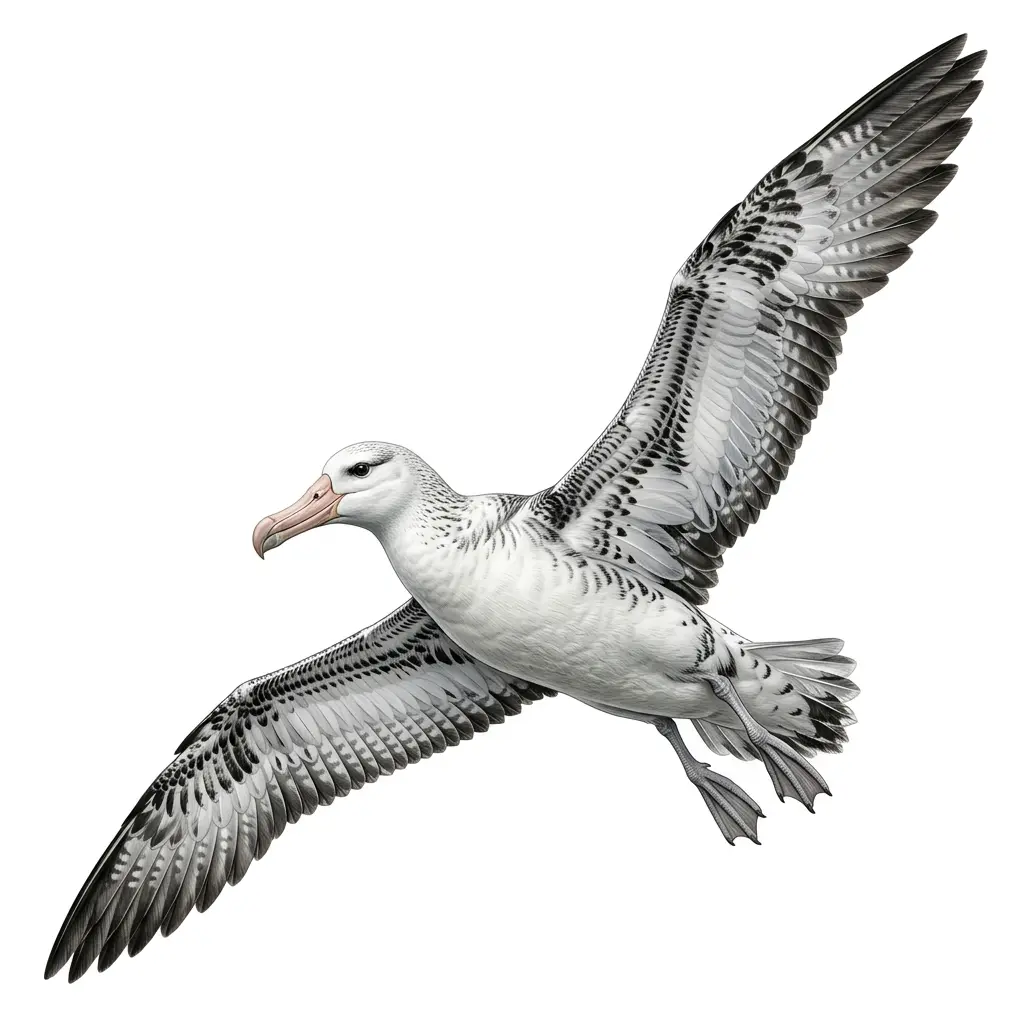
Wandering albatrosses can live 50 to 60 years or more. They spend most of their lives at sea and are known for their exceptional longevity among wild birds.
⓱ Elephant Seal
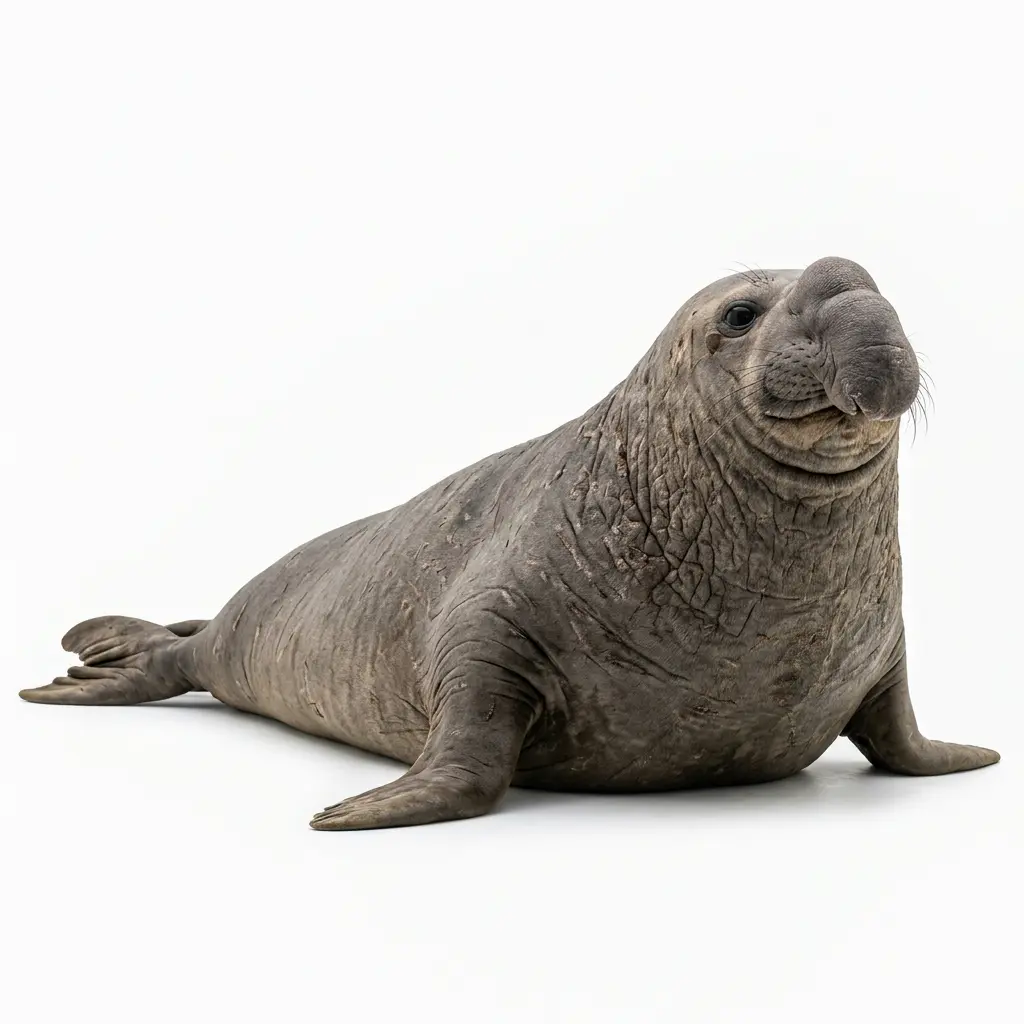
Southern elephant seals average 20 to 22 years. Females generally live longer than males due to the intense physical demands placed on breeding males.
⓲ Brown Bear
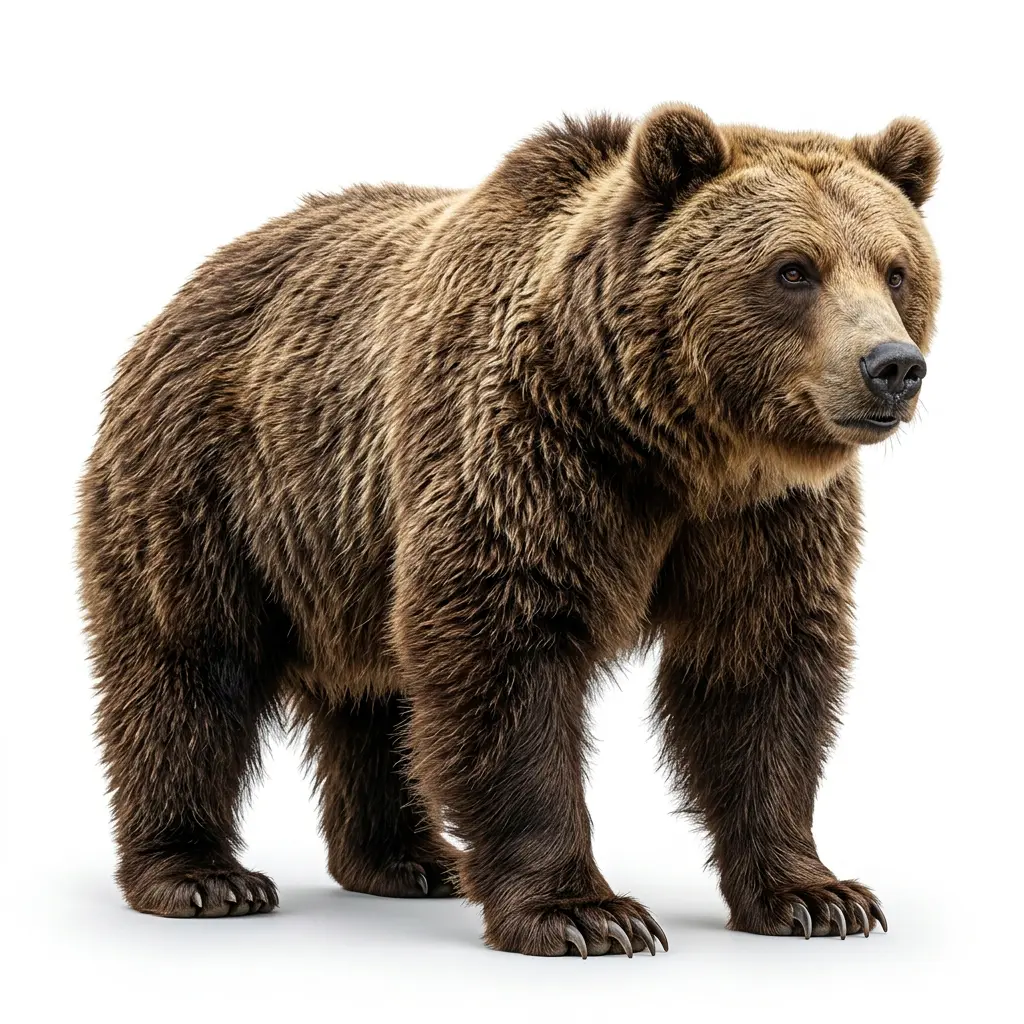
Brown bears typically live 20 to 25 years in the wild and up to 35 years in captivity. Access to food and safe habitats strongly influences lifespan.
⓳ Lobster
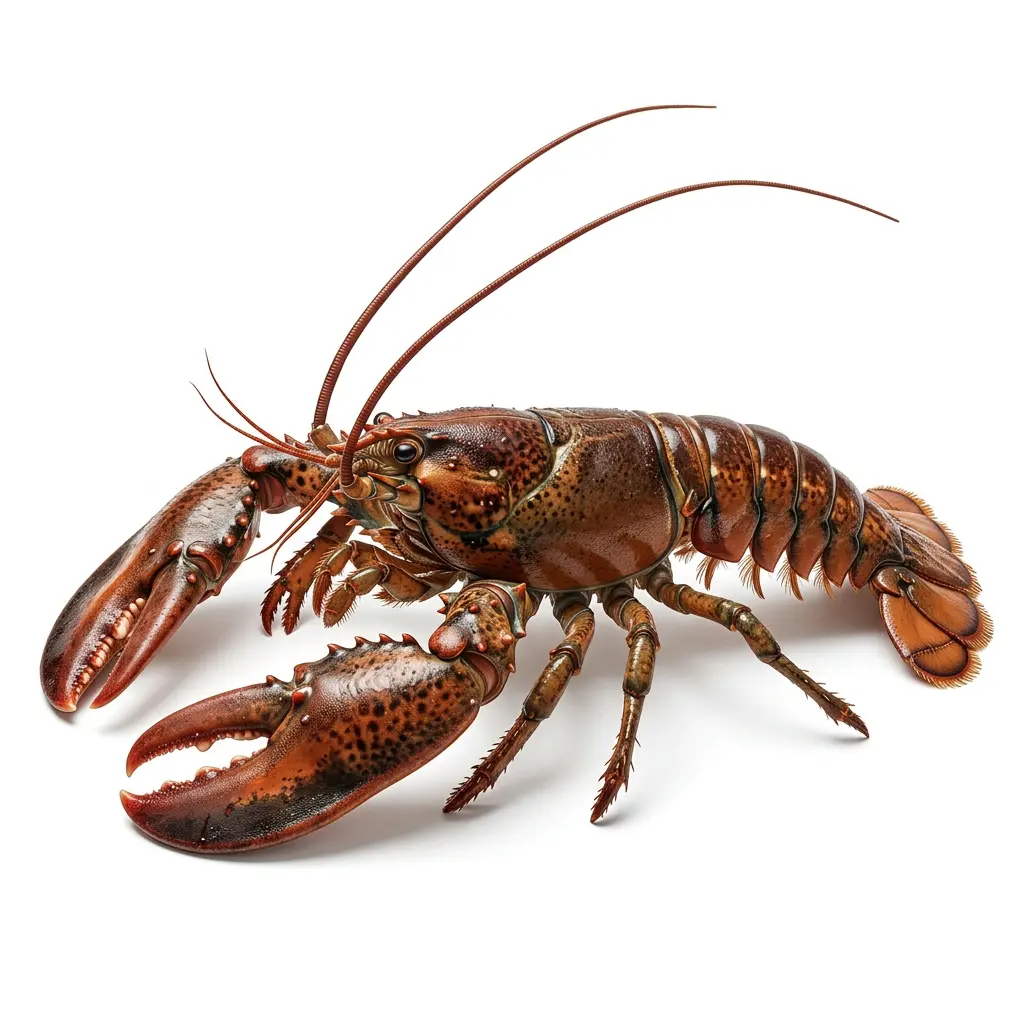
Lobsters are famous for their longevity and can live well over 100 years. They continue growing throughout life and show very little evidence of biological aging.
⓴ Mayfly
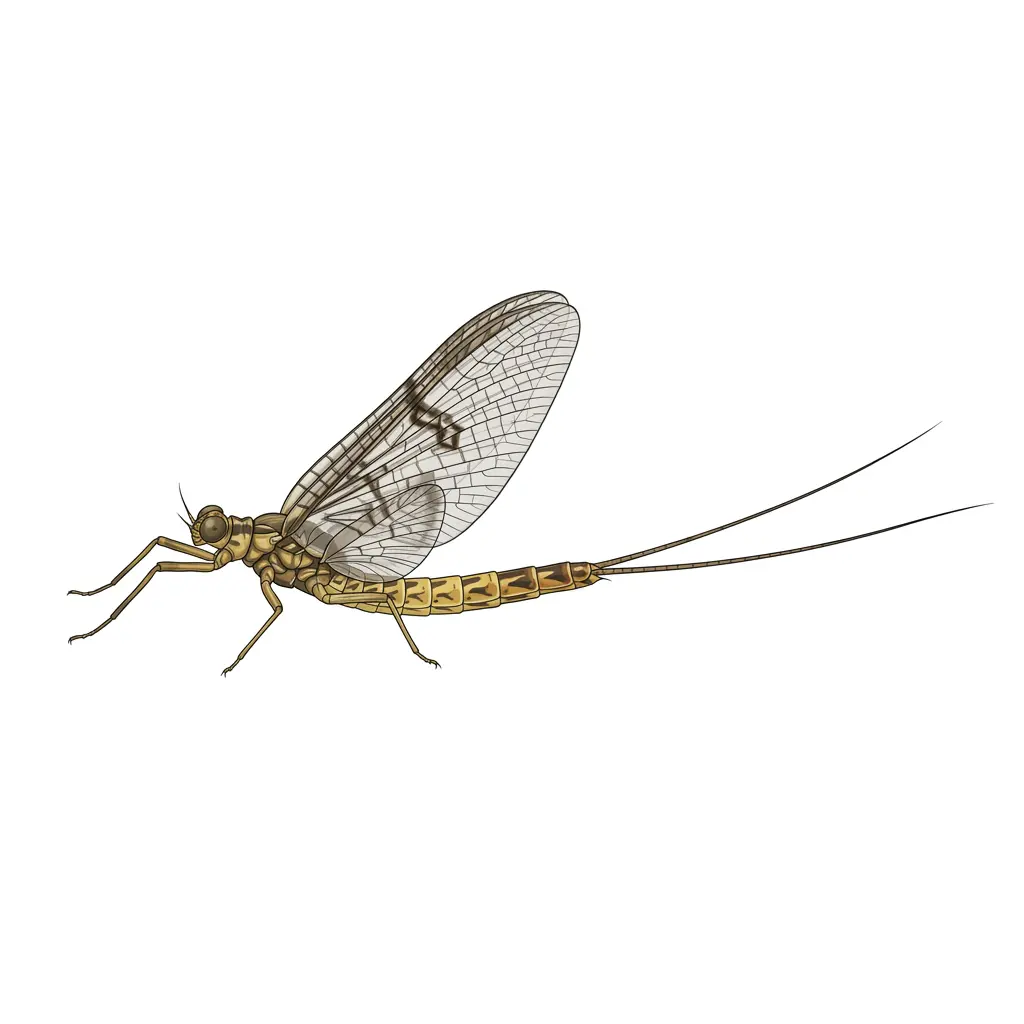
Adult mayflies live only 24 hours to 3 days, making them one of the shortest-lived animals on Earth. Most of their life is spent underwater as nymphs before emerging to reproduce.
Animals and Their Lifespan by Category
Mammals Lifespan
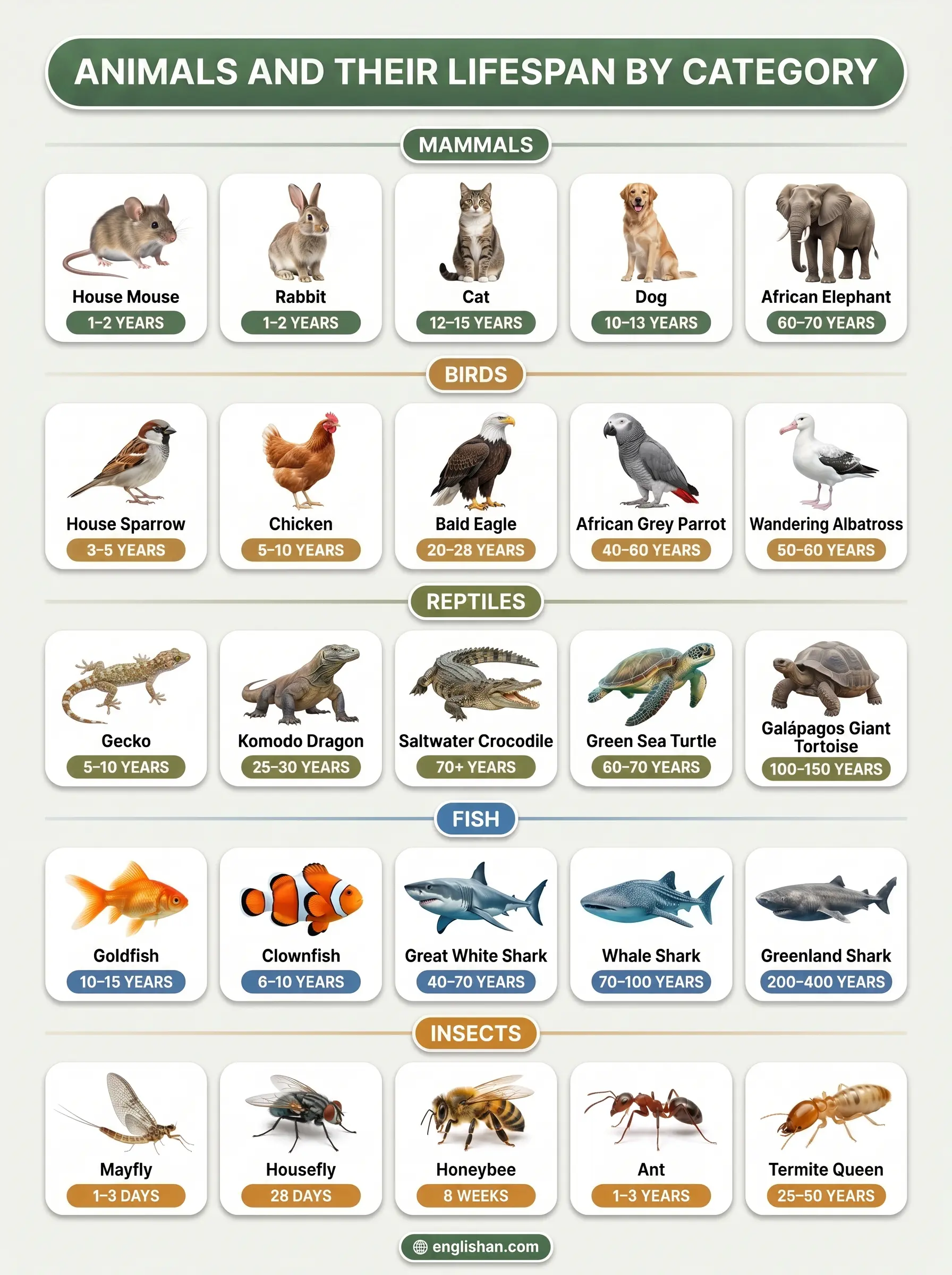
- House Mouse — 1–2 years (up to 4 years)
- Weasel — 1–2 years (up to 3 years)
- Opossum — 1–2 years (up to 4 years)
- Rabbit — 1–2 years in the wild (up to 12 years domesticated)
- Hedgehog — 2–3 years (up to 7 years)
- Red Fox — 2–5 years (up to 14 years)
- Cat (Domestic) — 12–15 years (up to 38 years)
- Dog (Domestic) — 10–13 years (up to 29 years)
- Wolf — 6–8 years (up to 16 years)
- Coyote — 6–8 years (up to 18 years)
- Wolverine — 5–7 years (up to 12 years)
- Badger — 5–8 years (up to 14 years)
- Cheetah — 10–12 years (up to 20 years)
- Leopard — 12–15 years (up to 23 years)
- Lion — 10–14 years (up to 20 years)
- Tiger — 14–16 years (up to 25 years)
- Brown Bear — 20–25 years (up to 35 years)
- Polar Bear — 15–18 years (up to 30 years)
- Gorilla — 35–40 years (up to 55 years)
- Chimpanzee — 40–45 years (up to 65 years)
- Horse — 25–30 years (up to 62 years)
- Donkey — 25–30 years (up to 54 years)
- Camel — 40–50 years (up to 55 years)
- Zebra — 20–25 years (up to 40 years)
- Giraffe — 20–25 years (up to 35 years)
- Hippopotamus — 40–50 years (up to 61 years)
- African Elephant — 60–70 years (up to 86 years)
- Rhinoceros — 40–45 years (up to 55 years)
- Bottlenose Dolphin — 40–50 years (up to 67 years)
- Orca (Killer Whale) — 50–80 years (females, up to 90 years)
- Humpback Whale — 45–50 years (up to 95 years)
- Bowhead Whale — 150–200 years (211+ years)
Birds Lifespan
- House Sparrow — 3–5 years (up to 13 years)
- Robin — 2 years (up to 11 years)
- Pigeon — 3–5 years (up to 35 years)
- Chicken — 5–10 years (up to 16 years)
- Eagle — 20–30 years (40+ years)
- African Grey Parrot — 40–60 years (up to 83 years)
- Macaw — 40–60 years (80+ years)
- Cockatoo — 40–60 years (up to 80 years)
- Flamingo — 20–30 years (up to 44 years)
- Ostrich — 40–45 years (up to 62 years)
- Wandering Albatross — 50–60 years (up to 72 years)
- Pelican — 15–25 years (up to 54 years)
- Bald Eagle — 20–28 years (up to 38 years)
- Penguin — 15–20 years (up to 34 years)
Reptiles Lifespan
- Gecko — 5–10 years (up to 20 years)
- Iguana — 10–15 years (up to 29 years)
- Komodo Dragon — 25–30 years (up to 50 years)
- Saltwater Crocodile — 70 years (120+ years)
- Green Sea Turtle — 60–70 years (100+ years)
- Leatherback Turtle — 30–50 years (100+ years)
- Galápagos Giant Tortoise — 100–150 years (175+ years)
- Aldabra Giant Tortoise — 80–120 years (150+ years)
- Jonathan the Tortoise — Approximately 190 years and still alive
Fish Lifespan
- Goldfish — 10–15 years (up to 43 years)
- Clownfish — 6–10 years (up to 30 years)
- Great White Shark — 40–70 years (up to 73 years)
- Whale Shark — 70–100 years (up to 130 years estimated)
- Greenland Shark — 200–400 years (up to 512 years estimated)
- Rougheye Rockfish — 100–150 years (up to 205 years)
Insects Lifespan
- Mayfly — 24 hours to 3 days
- Housefly — About 28 days
- Honeybee (Worker) — About 6 weeks
- Bumblebee — 2–6 weeks
- Monarch Butterfly — 6–8 months
- Dragonfly — 4 months to 1 year
- Locust — 3–5 months
- Ant (Worker) — 1–3 years
- Termite Queen — 25–50 years
- Cicada (17-Year Species) — 17 years (mostly underground)
The Longest-Living Animals Ever Recorded
| Animal | Estimated Age | Notes |
|---|---|---|
| Glass Sponge | 10,000 to 15,000 years | Ross Sea, Antarctica |
| Giant Barrel Sponge | 2,300+ years | Found near Florida Keys |
| Black Coral | 4,000+ years | Hawaiian deep waters |
| Ocean Quahog Clam (Ming) | 507 years | North Iceland, died 2006 |
| Greenland Shark | 392 years (est. up to 512) | North Atlantic |
| Bowhead Whale | 211+ years | Arctic waters |
| Jonathan the Tortoise | ~192 years | St. Helena Island, still living |
| Wisdom the Albatross | 73+ years | Midway Atoll, still living |
| Cassius the Crocodile | ~120 years | Queensland, Australia, still living |
The Shortest-Lived Animals
| Animal | Adult Lifespan |
|---|---|
| Gastrotrich (microscopic aquatic animal) | 3 days |
| Mayfly | 24 hours to 3 days |
| Housefly | 28 days |
| Drone bee | 3 to 6 weeks |
| Worker bee | 6 to 7 weeks |
| Opossum | 1 to 2 years |
| Weasel | 1 to 2 years |
| Mouse | 1 to 3 years |
| Hamster | 2 to 3 years |
| Hedgehog | 2 to 5 years |
Animal Lifespan by Group: General Patterns
- Insects
Most insects live from a few days to a single season as adults. Many, like beetles and cicadas, spend the majority of their lives in larval form underground. The queen termite is a dramatic exception, living up to 50 years. - Fish
Fish show enormous lifespan variation. Small reef fish like the pygmy goby live only 59 days, the shortest lifespan of any known vertebrate. At the other extreme, the Greenland shark may live over 500 years. - Amphibians
Amphibians are generally moderate-lived. Most frogs and salamanders reach 5 to 15 years in the wild. The olm (blind cave salamander) of Europe has been documented living over 100 years in captivity. - Reptiles
Reptiles are among the longest-lived vertebrates. Tortoises lead this group dramatically, while crocodilians regularly reach 70 to 100 years. Their cold-blooded nature and slow metabolic rate are central to their longevity. - Birds
Birds live significantly longer than similarly sized mammals. A small sparrow may outlive a large cat. Parrots and albatrosses are the avian longevity champions, with some individual records exceeding 80 years. - Mammals
Mammal lifespan scales closely with body size, with notable bat and whale exceptions. Humans are the longest-lived land mammal. Bowhead whales are the longest-lived mammal of any kind.
Why Do Bats Live So Long?
Bats are one of the most fascinating exceptions to the body-size-lifespan rule. Brandt’s bat weighs just 7 grams but can live up to 41 years, longer than many animals 100 times its size. Scientists believe several factors explain bat longevity:
- Deep hibernation reduces metabolic rate by up to 98%, dramatically slowing cellular aging
- Low oxidative stress during hibernation protects DNA and cellular structures
- Social roosting provides protection and shared thermoregulation
- Disease resistance many bat species carry viruses without becoming ill, suggesting exceptional immune function
Bats are now a major subject of longevity and aging research precisely because of this unusual biology.
Biological Immortality: Animals That Do Not Age
A small number of animals display what scientists call “negligible senescence” or “biological immortality.” These species show no measurable increase in mortality with age:
- Turritopsis dohrnii (Immortal Jellyfish) – Can revert to its juvenile polyp stage when stressed, potentially cycling through its life indefinitely. Does not die of old age, though it can still be killed by predators and disease.
- Hydra – A tiny freshwater animal that appears to not age at all. Researchers have maintained hydra colonies for decades and detected no increase in mortality rate with age.
- Lobster – Exhibits negligible senescence, though eventually succumbs to the effort of molting.
- Naked Mole Rat – A mammal that shows almost no increase in mortality risk with age after reaching adulthood, an extraordinary trait among warm-blooded animals.
How Animal Lifespan Research Benefits Humans
Studying long-lived animals has directly advanced human aging science. Key discoveries include:
- Bowhead whale – Genes involved in DNA damage repair and cancer suppression may offer clues for human cancer prevention
- Naked mole rat – Produces high amounts of hyaluronic acid, a compound that appears to prevent cancer cell formation
- Greenland shark – Cold-water metabolic suppression as a model for controlled human longevity interventions
- Bat immunity – Bat virus tolerance is being studied for its application to human antiviral therapies
- Orca grandmother effect – Shows that post-reproductive lifespan has survival value, reframing how scientists understand human menopause
Factors That Reduce Wild Animal Lifespan
Even species with high maximum lifespans rarely reach those limits in the wild. Key causes of premature death include:
- Predation – The primary cause of death for most small and medium animals
- Starvation and drought – Especially for herbivores dependent on seasonal vegetation
- Disease – Tasmanian devils face an infectious cancer; amphibians worldwide are devastated by chytrid fungus
- Human activity – Road kill, habitat destruction, poaching, pollution, and fishing bycatch reduce lifespans across virtually all species
- Climate change – Shifting seasons, extreme heat events, and loss of prey disrupt feeding, migration, and reproduction cycles
Animal Lifespan and Reproduction
Evolution has produced a fundamental trade-off between lifespan and reproduction. Animals that reproduce quickly and in large numbers tend to live short lives. Animals that invest heavily in each offspring tend to live long lives.
| Strategy | Examples | Lifespan | Offspring |
|---|---|---|---|
| Fast life, many young | Mouse, rabbit, opossum | 1 to 3 years | Dozens per year |
| Slow life, few young | Elephant, whale, ape | 40 to 200 years | 1 every few years |
| Extreme slow life | Tortoise, Greenland shark | 100 to 500 years | Very few, irregular |
This pattern holds across virtually all animal groups and explains why conserving long-lived species is particularly critical. A whale that dies young may never have reproduced at all.
Conclusion
Animal lifespans tell us something deeper than numbers. They reveal how evolution has shaped each species to survive, reproduce, and pass its traits forward across time. A mayfly that lives one day and a bowhead whale that lives two centuries are both perfectly calibrated solutions to the same fundamental challenge of staying alive long enough to leave the next generation behind.
What makes this field of study genuinely exciting is how much it connects to our own lives. The secrets hidden in a Greenland shark’s eye lens, the grandmother orca guiding her pod decades after her last calf, the naked mole rat that refuses to age on schedule, all of these are active areas of research feeding directly into how scientists think about human aging, cancer, and longevity.
The diversity of animal lifespans is one of nature’s most honest mirrors. It reflects the cost of size, the value of social bonds, the price of reproduction, and the quiet advantage of living slowly in cold, deep water. Every lifespan is a strategy. Every strategy is a story worth knowing.
FAQs
The glass sponge is estimated to live up to 15,000 years. Among vertebrates, the Greenland shark holds the record, with estimates up to 512 years. Among mammals, the bowhead whale has been confirmed at over 211 years.
The adult mayfly lives for as little as 24 hours. The gastrotrich, a microscopic aquatic animal, completes its entire life in about three days.
Usually yes, due to protection from predators, guaranteed food, and veterinary care. However, for some species like elephants, the stress of captivity can actually reduce lifespan compared to the wild.
The bowhead whale is the longest-lived mammal, confirmed at over 211 years. Among land mammals, humans are the longest-lived, with a verified maximum of 122 years (Jeanne Calment, France, 1875 to 1997).
Smaller animals typically have faster metabolisms, higher heart rates, and far greater predation pressure. Their bodies operate at a higher pace and wear out more quickly.
The immortal jellyfish and the hydra show biological immortality, meaning they do not age in measurable ways. However, no animal is truly immortal because all can still be killed by disease, predators, and physical damage.
Jonathan, a Seychelles giant tortoise on the island of St. Helena, is estimated at approximately 190 to 195 years old as of 2026 and is currently considered the world’s oldest known living land animal.
You May Also Like
- 100+ Types of Snakes Around the World
- Migration Animals Names List by Category
- 25+ Ugly Animals Names with Pictures
Animals and Their Lifespan Quiz
Animals and Their Lifespan
Which of these lives longest on average?
Around sixty to seventy years in the wild.
Among mammals, larger usually means longer-lived.
Elephants can live as long as people once did.
Why do larger dog breeds tend to live shorter lives than small ones?
The pattern reverses the usual size rule and is specific to breeds within one species.
Across species bigger lives longer; within a species it often does not.
A great dane's expectancy is roughly half a terrier's.
Complete the pattern.
Animals with a fast heart rate generally have a ___ lifespan.
Total heartbeats over a life are surprisingly similar across many mammals.
Live fast, die young holds up reasonably well across mammals.
A shrew's heart beats over a thousand times a minute.
Which animal breaks the size-to-lifespan rule most sharply?
Some bats live over thirty years at mouse size, far beyond what the rule predicts.
Flight and hibernation both extend life beyond the trend.
A bat can outlive a dog several times its weight.
Which insect has the shortest adult life?
Some species live a single day as adults, with no working mouthparts at all.
The larval stage can last a year for an adult life of hours.
A mayfly spends most of its life underwater as a nymph.
Turn on JavaScript for the interactive quiz. The full practice set is shown above.