When people think of animals, they often imagine beautiful creatures with colorful feathers, shiny fur, or graceful appearances. However, not all animals fit our traditional standards of beauty. Some have wrinkled skin, unusual body shapes, bulging eyes, or strange features that make them look odd or unattractive. Exploring Ugly Animals Names can be both fun and educational because these creatures often have fascinating adaptations that help them survive in the wild.
In this article, you’ll discover Ugly Animals Names with pictures in English, along with interesting facts about their habitats, diets, and unique characteristics. While these animals may not win any beauty contests, they play important roles in their ecosystems and prove that nature values survival more than appearance.
What Makes an Animal “Ugly”?
Ugliness is a human concept. Our brains are wired to prefer symmetrical, smooth, expressive faces because they mirror what we recognize in each other. Animals that violate those expectations get labeled ugly.
But every feature we find unattractive in these animals exists for a reason. The blobfish’s gelatinous body is built for crushing deep-ocean pressure. The naked mole rat’s hairless skin helps it navigate underground tunnels. The aye-aye’s long bony finger evolved specifically to extract grubs from tree bark.
The key factors behind our perception of animal ugliness:
- Exaggerated features. Oversized noses, protruding teeth, or disproportionate limbs trigger unease.
- Lack of fur. Hairless animals consistently rank as more unsettling to human observers.
- Unusual textures. Slimy, warty, or gelatinous skin reads as wrong to most people.
- Blank or eerie expressions. Animals with small eyes, no visible eyes, or fixed faces seem threatening.
- Cultural bias. What looks monstrous in one culture may be considered sacred or edible in another.
Explore more animals that start with different letters:
A | B | C | D | E | F | G | H | I | J | K | L | M | N | O | P | Q | R | S | T | U | V | W | X | Y | Z
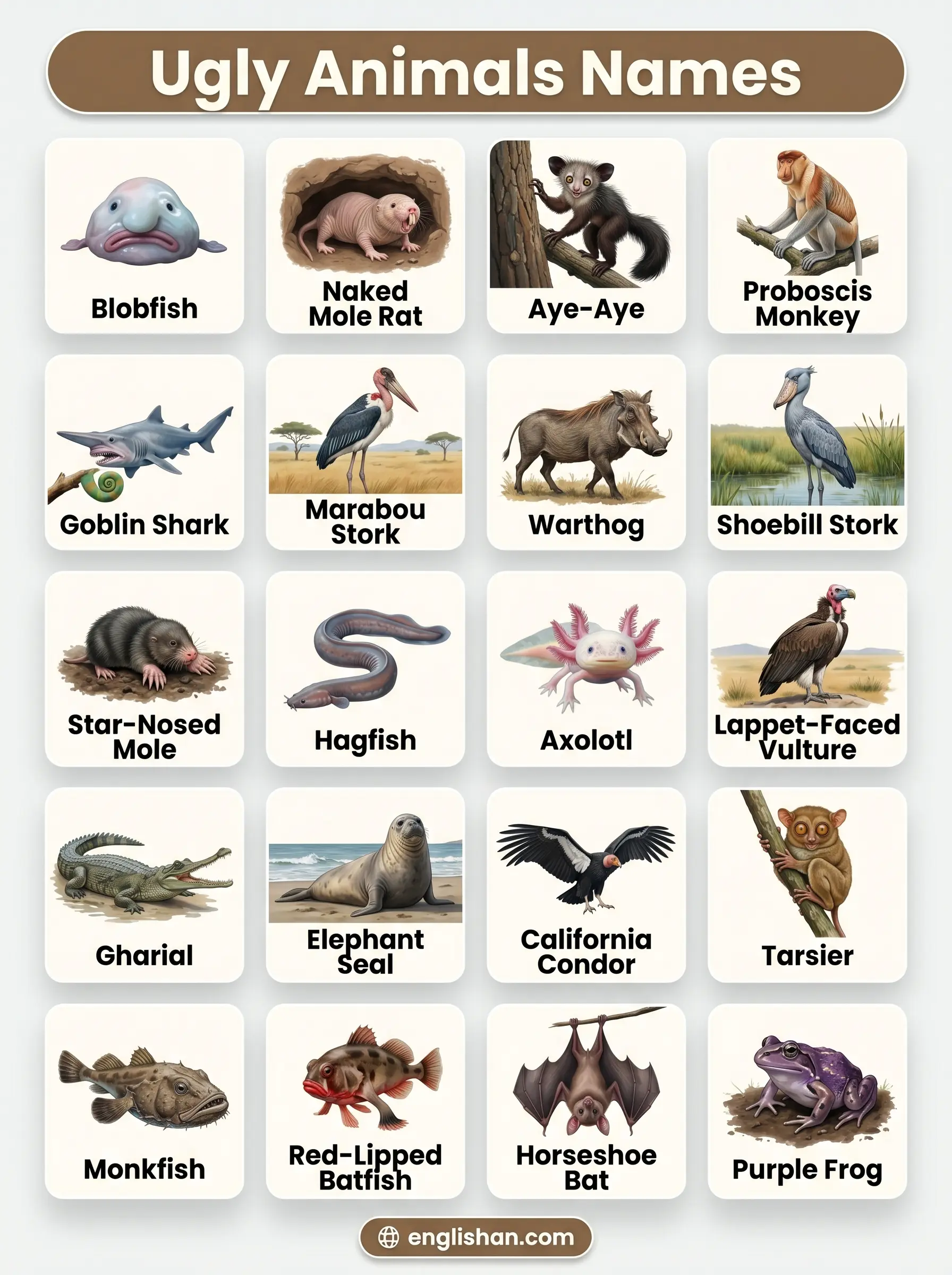
Popular Ugly Animals Names with Pictures
These are the ugly animals most searched online, most frequently appearing in viral content, and most recognized by the general public. Each entry includes the animal name, scientific name, where it lives, and the key reason it is considered ugly.
❶ Blobfish (Psychrolutes marcidus)
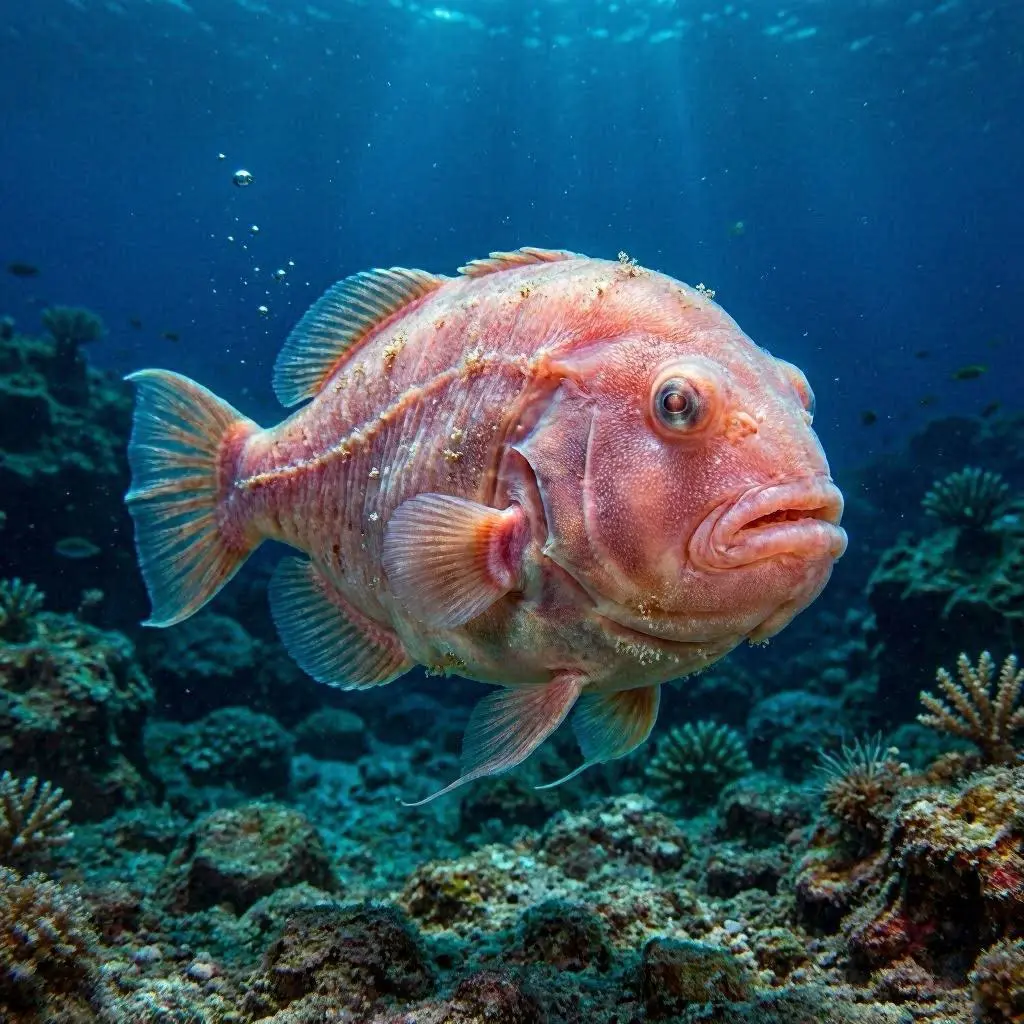
Found in deep waters off Australia and New Zealand. Voted the world’s ugliest animal in 2013. Its gelatinous, drooping face is caused by decompression when it is brought to the surface, not how it actually looks in the wild.
❷ Naked Mole Rat (Heterocephalus glaber)
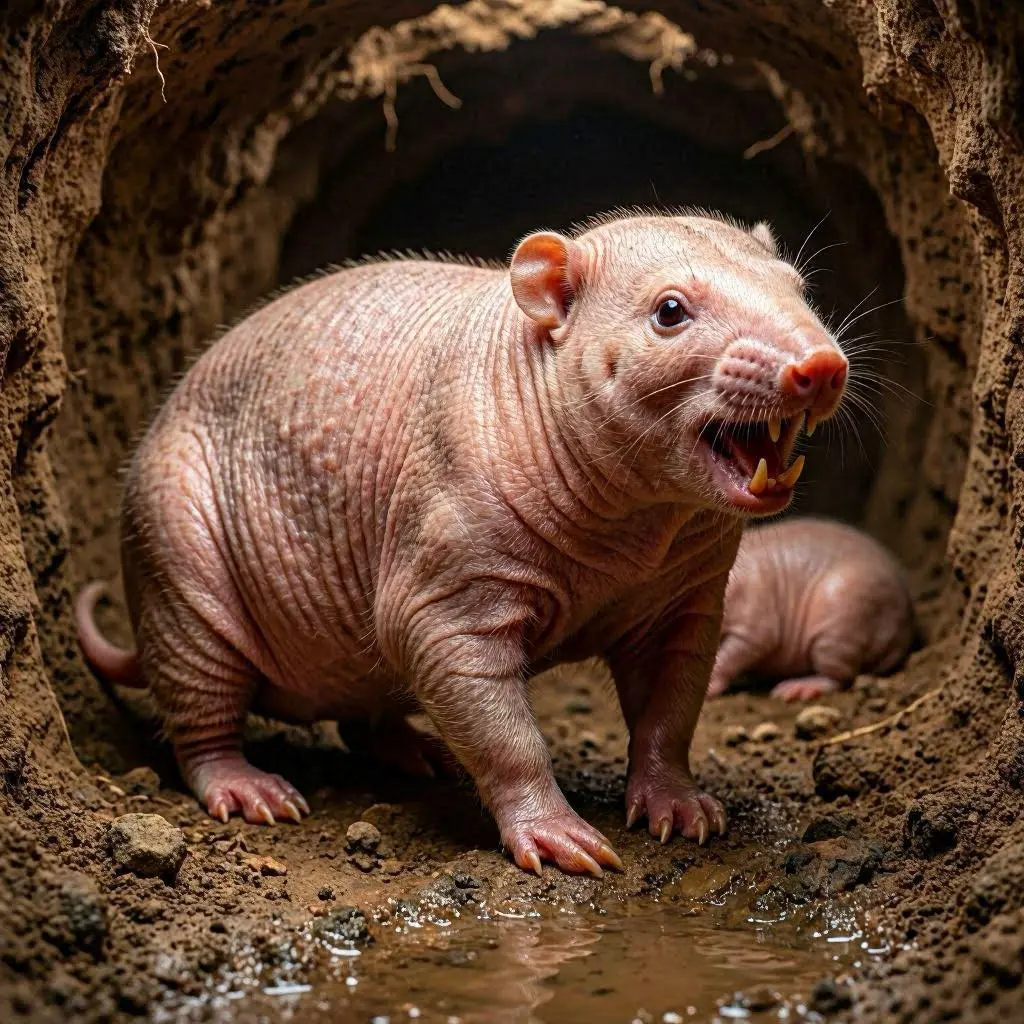
Lives underground in East Africa. Has wrinkled, hairless pink skin, large protruding teeth, and tiny non-functional eyes. Despite its appearance, it is biologically remarkable and nearly immune to cancer.
❸ Aye-Aye (Daubentonia madagascariensis)
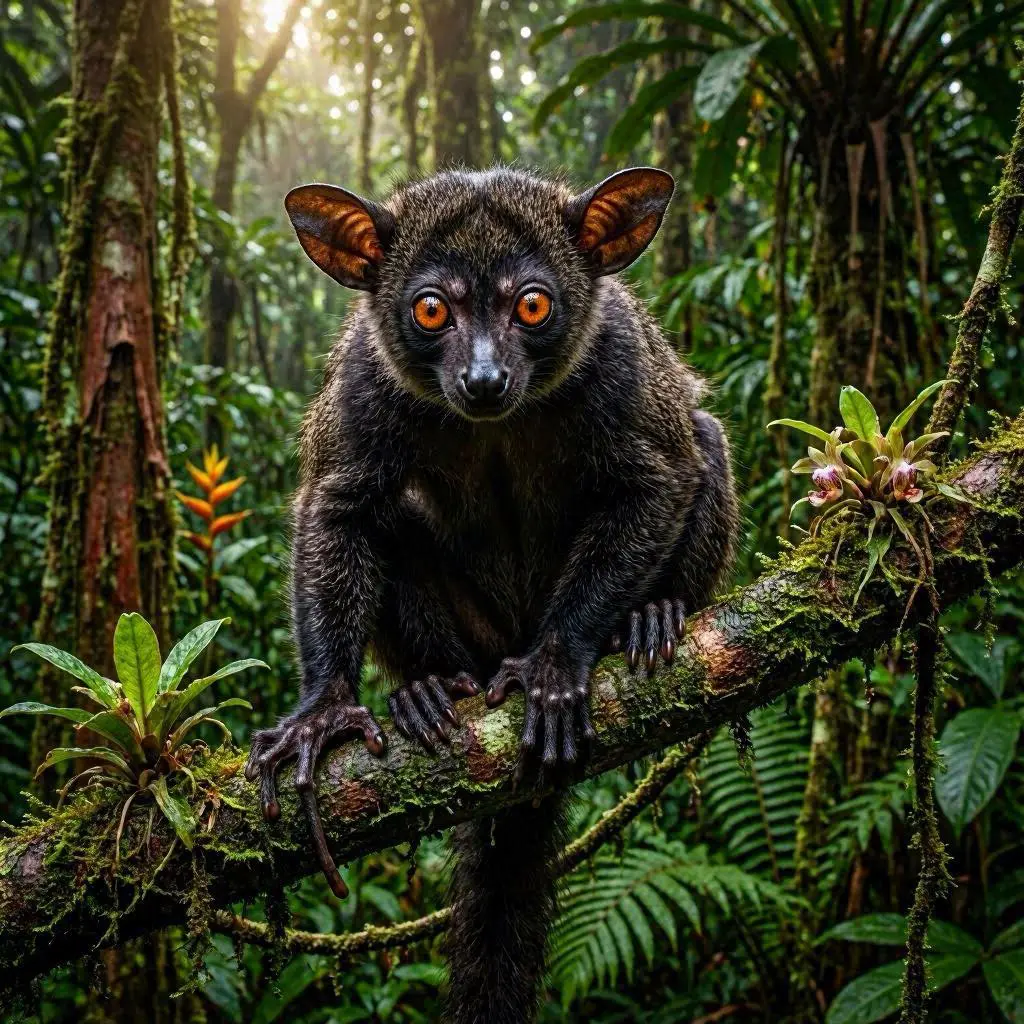
Found in Madagascar. Has glowing orange eyes, bat-like ears, wiry fur, and a skeletal elongated middle finger. It is the world’s largest nocturnal primate and fills the same role as a woodpecker.
❹ Proboscis Monkey (Nasalis larvatus)
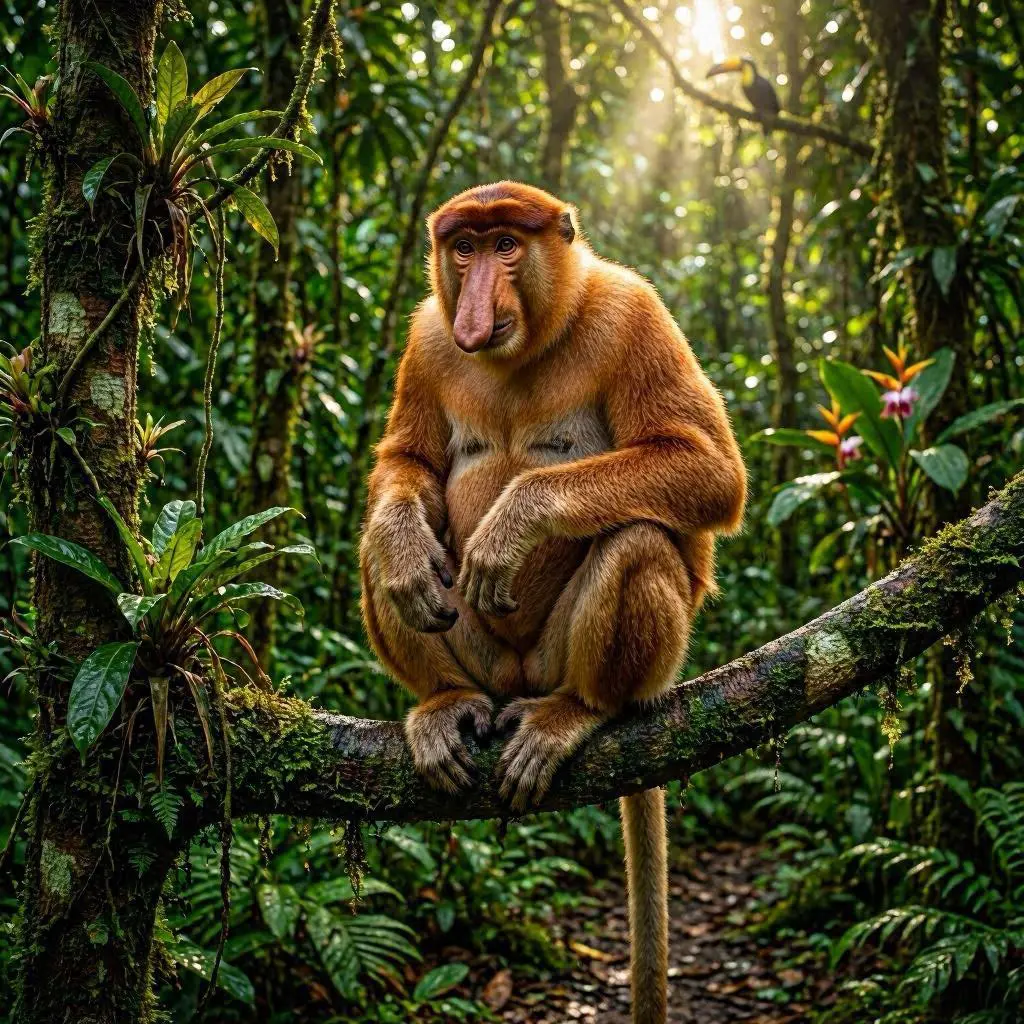
Native to Borneo. Adult males grow pendulous noses that hang over their mouths and can reach 17 cm in length. The nose amplifies calls and signals genetic fitness to females.
❺ Goblin Shark (Mitsukurina owstoni)
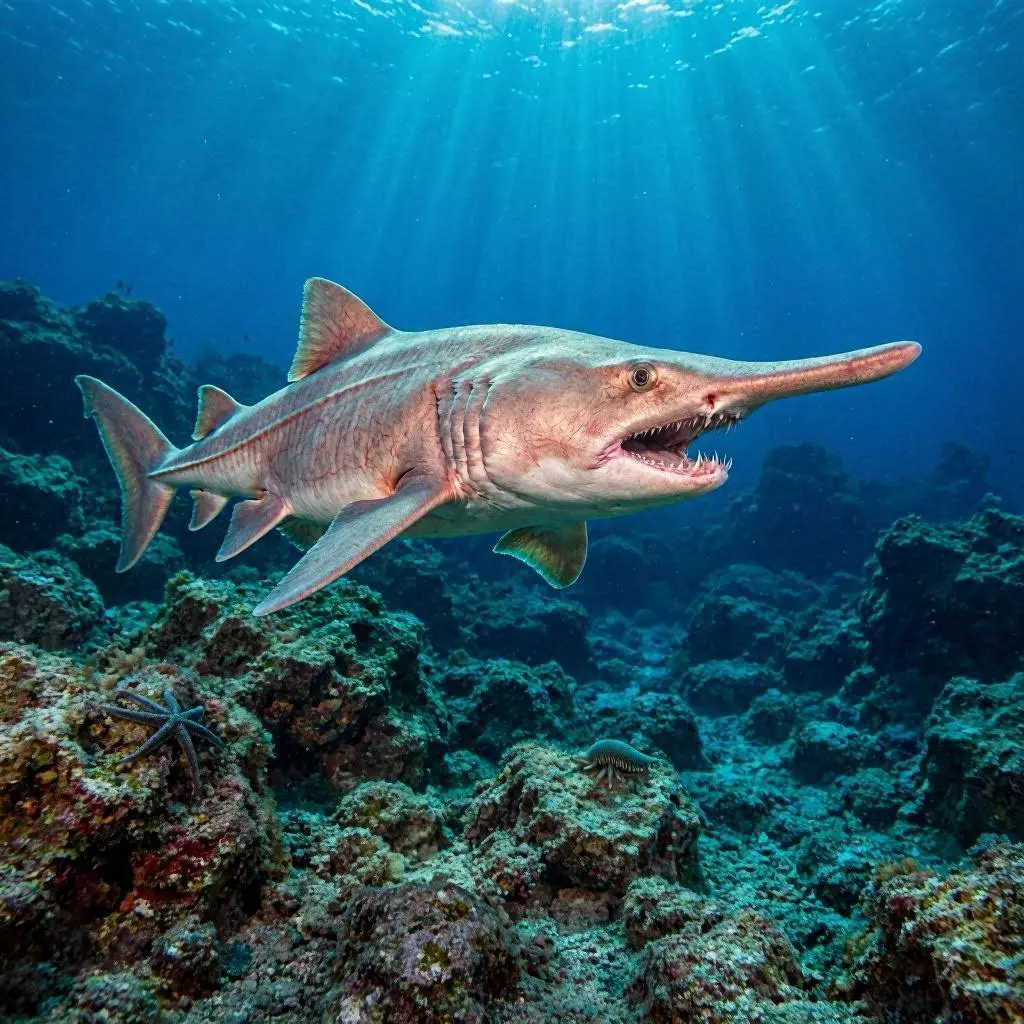
Lives in deep oceans worldwide. Has a flat, blade-like snout and jaws that extend forward rapidly to catch prey. Its skin is semi-translucent and pinkish due to visible blood vessels.
❻ Marabou Stork (Leptoptilos crumenifer)
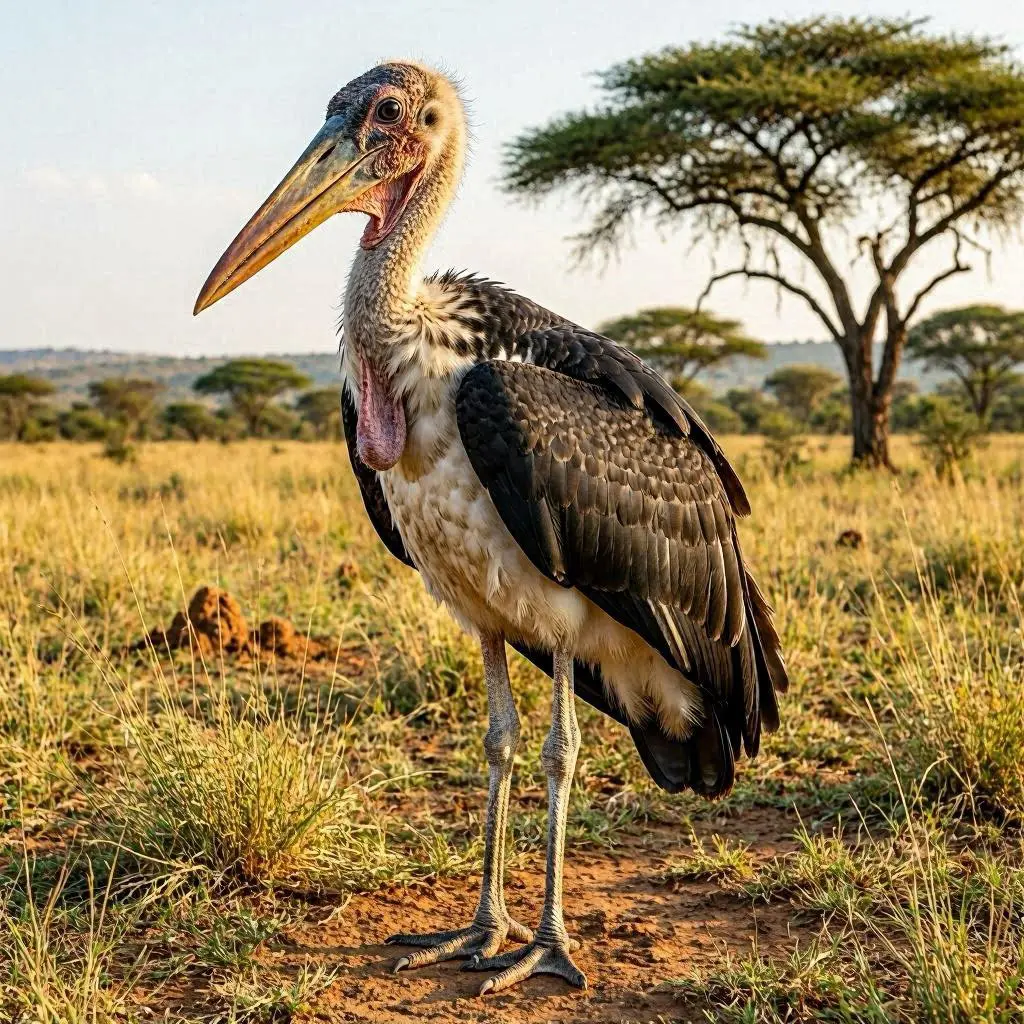
Found across sub-Saharan Africa. Has a bald, scabby head, a large wedge-shaped beak, and a dangling throat pouch. One of Africa’s most important scavengers.
❼ Warthog (Phacochoerus africanus)
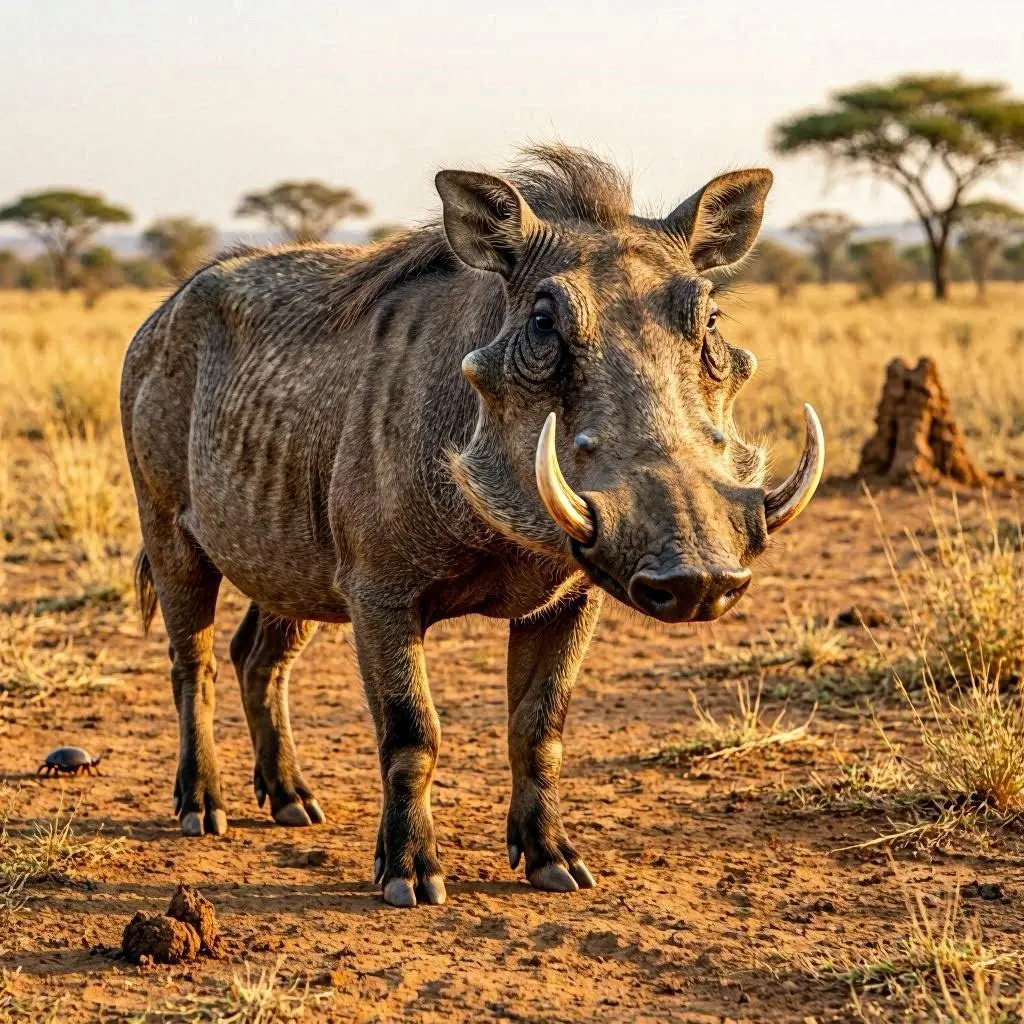
Common across sub-Saharan Africa. Has a broad, flat face covered in hard facial warts, large curved tusks, and sparse bristly hair. Warts protect the face during fights between males.
❽ Shoebill Stork (Balaeniceps rex)
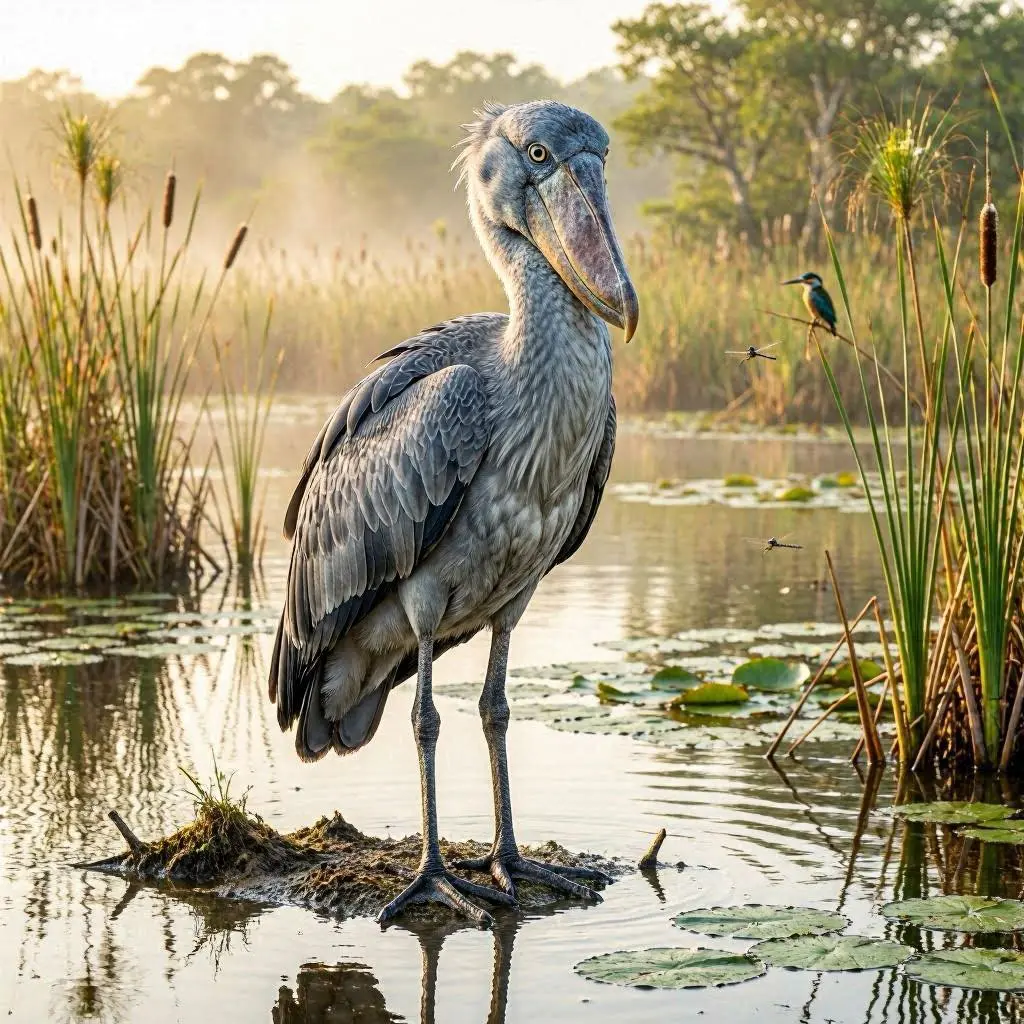
Found in central African swamps. Has an enormous, shoe-shaped bill, a hunched grey body, and unblinking pale yellow eyes. One of the most effective ambush hunters among birds.
❾ Star-Nosed Mole (Condylura cristata)
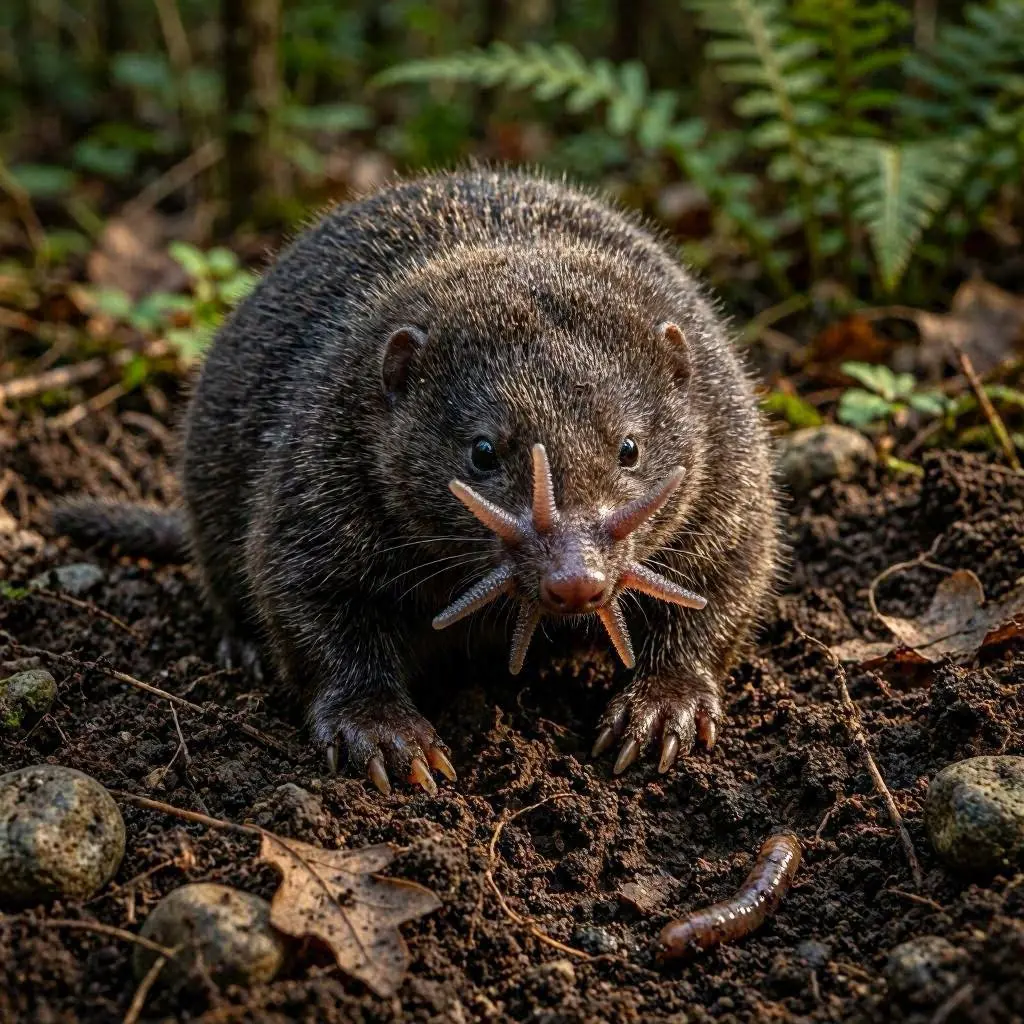
Lives in wet soils of northeastern North America. Has 22 fleshy, finger-like tentacles arranged around its nostrils. These tentacles contain more touch receptors than the entire human hand.
❿ Hagfish (Myxini)
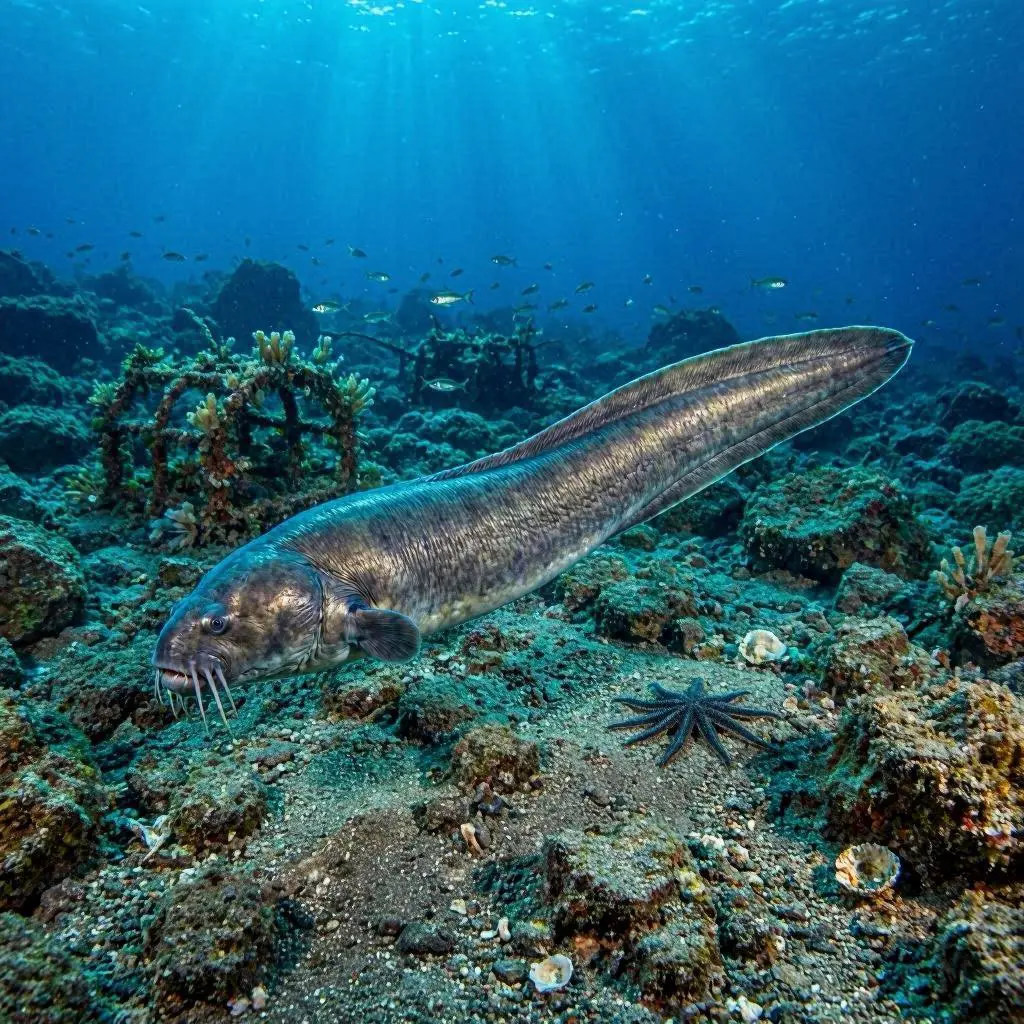
Found in cold ocean floors worldwide. Has no jaw, no paired fins, and no stomach. Releases massive amounts of suffocating slime when threatened, which can clog the gills of attacking fish.
⓫ Axolotl (Ambystoma mexicanum)
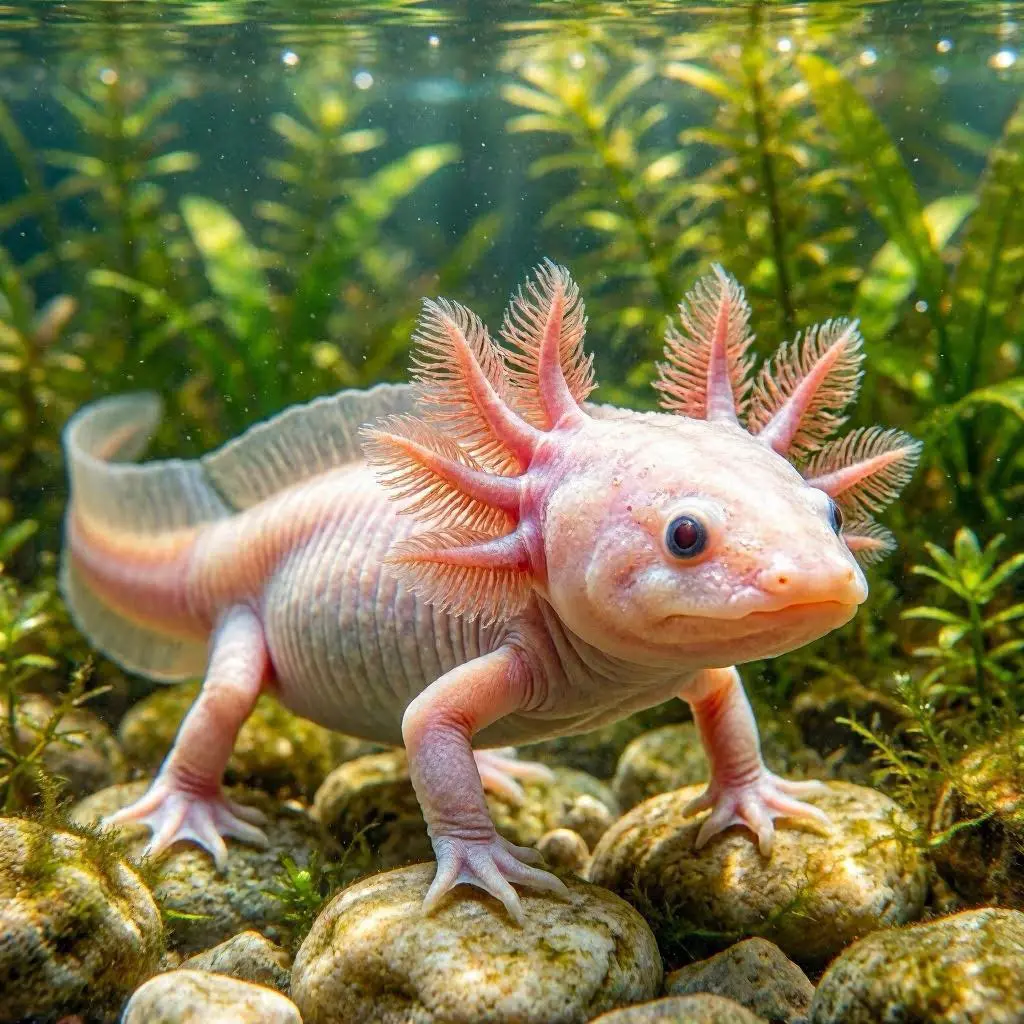
Native to lakes near Mexico City. Has external, feathery gills that branch out from the sides of its head, giving it an alien appearance. It retains juvenile features throughout its adult life.
⓬ Lappet-Faced Vulture (Torgos tracheliotos)
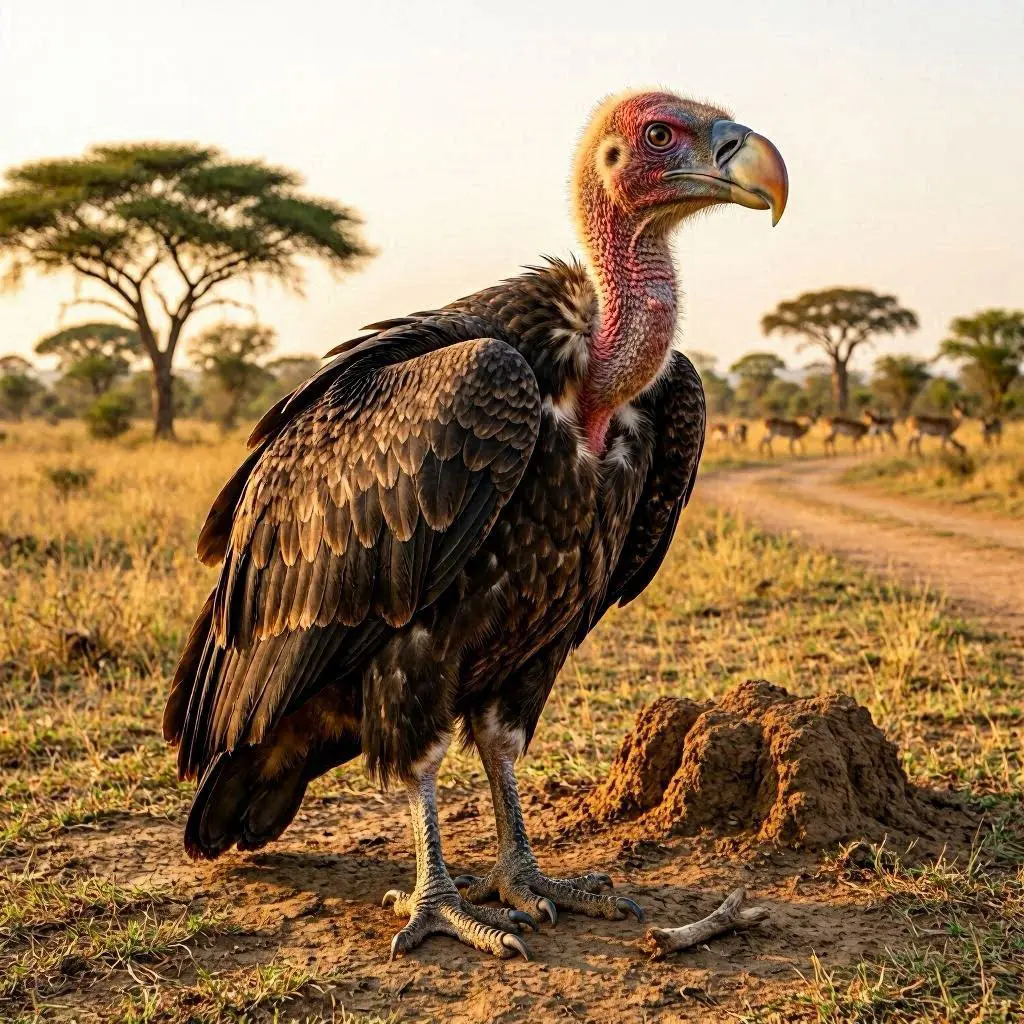
Found in Africa and the Middle East. Has a large bald head covered in pink and red skin folds called lappets, and an enormous hooked beak capable of tearing through tough hide.
⓭ Gharial (Gavialis gangeticus)
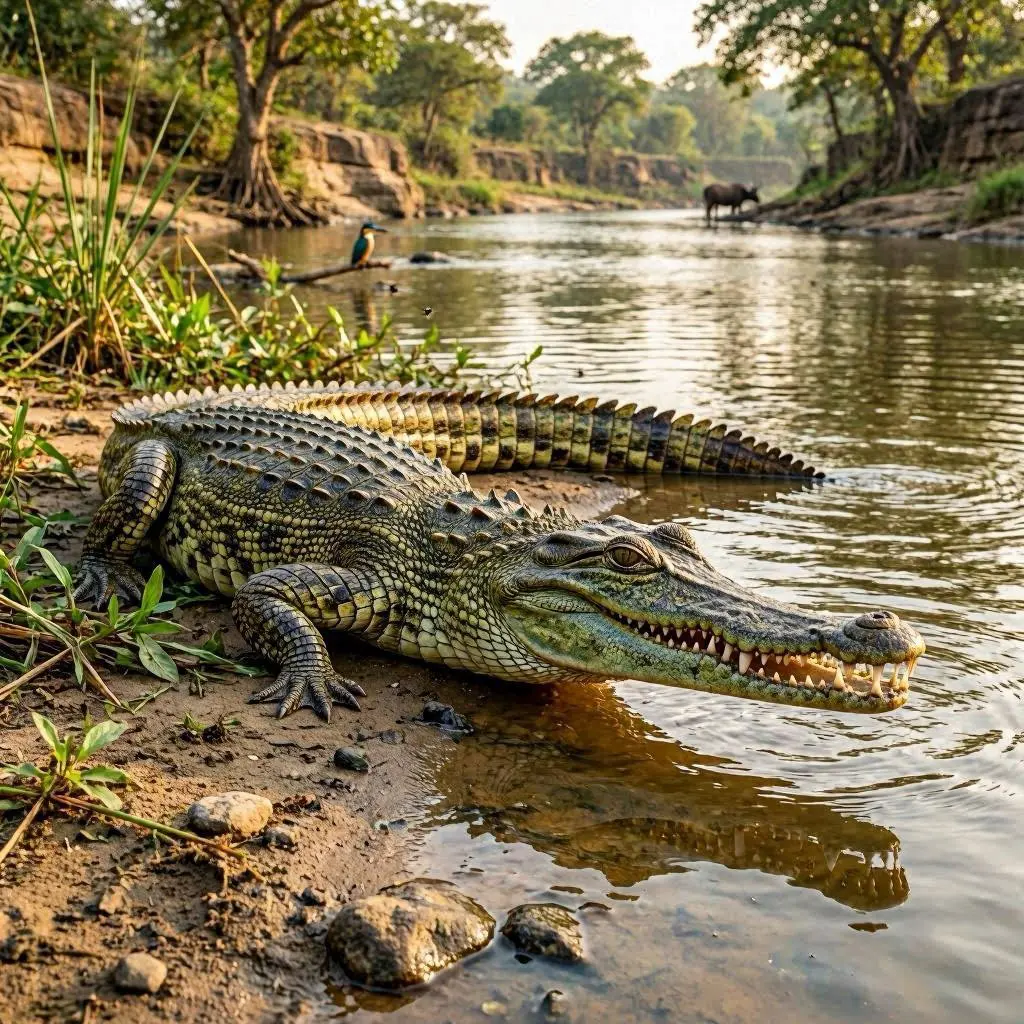
Lives in rivers of northern India and Nepal. Has an extremely long, thin snout lined with about 110 interlocking teeth, purpose-built for catching fish. Adult males grow a bulbous ghara at the tip.
⓮ Elephant Seal (Mirounga)
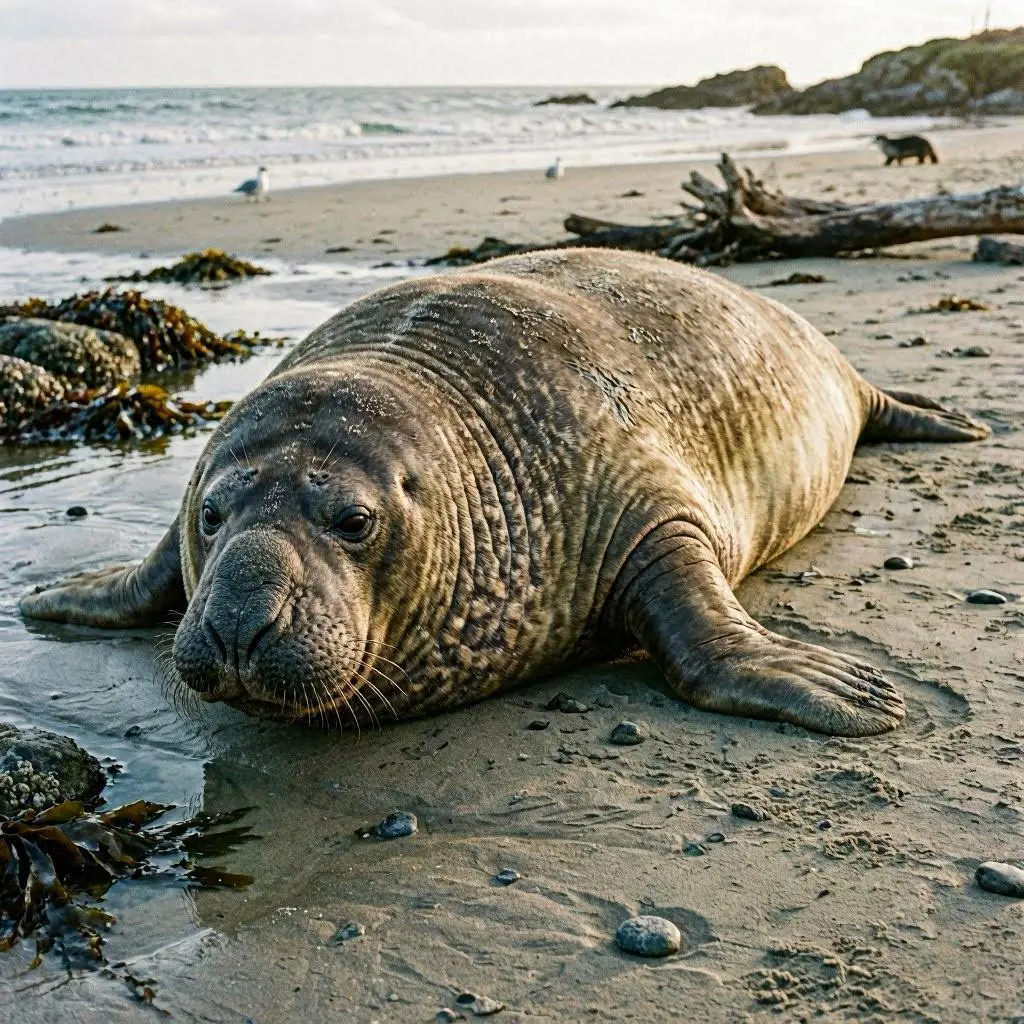
Found on Pacific coasts. Males develop a large, inflatable nose used for loud roaring calls during breeding season. Their massive, wrinkled bodies make them look awkward on land.
⓯ California Condor (Gymnogyps californianus)
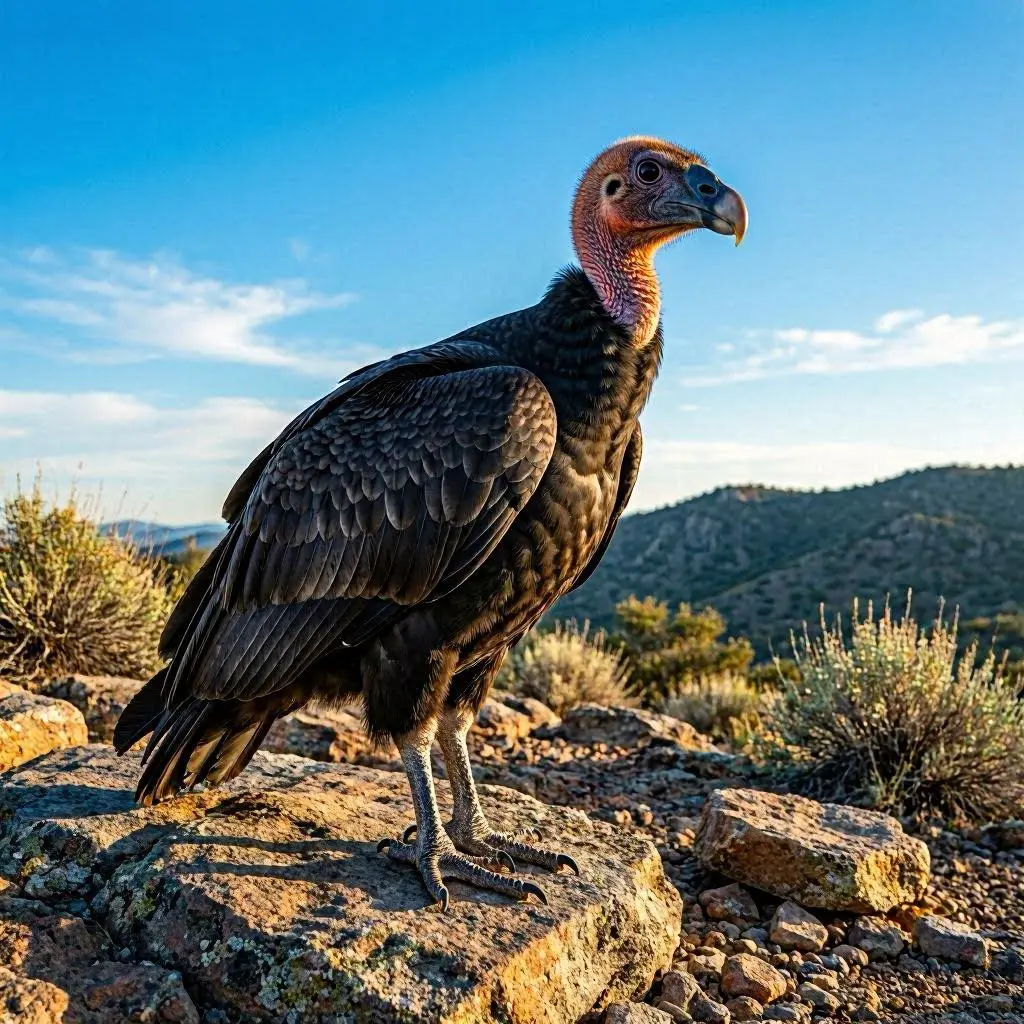
Largest flying land bird in North America. Has a fleshy, pinkish-orange bald head, sagging jowls, and a permanently irritated expression. Critically endangered but recovering through conservation programs.
⓰ Tarsier (Tarsius)
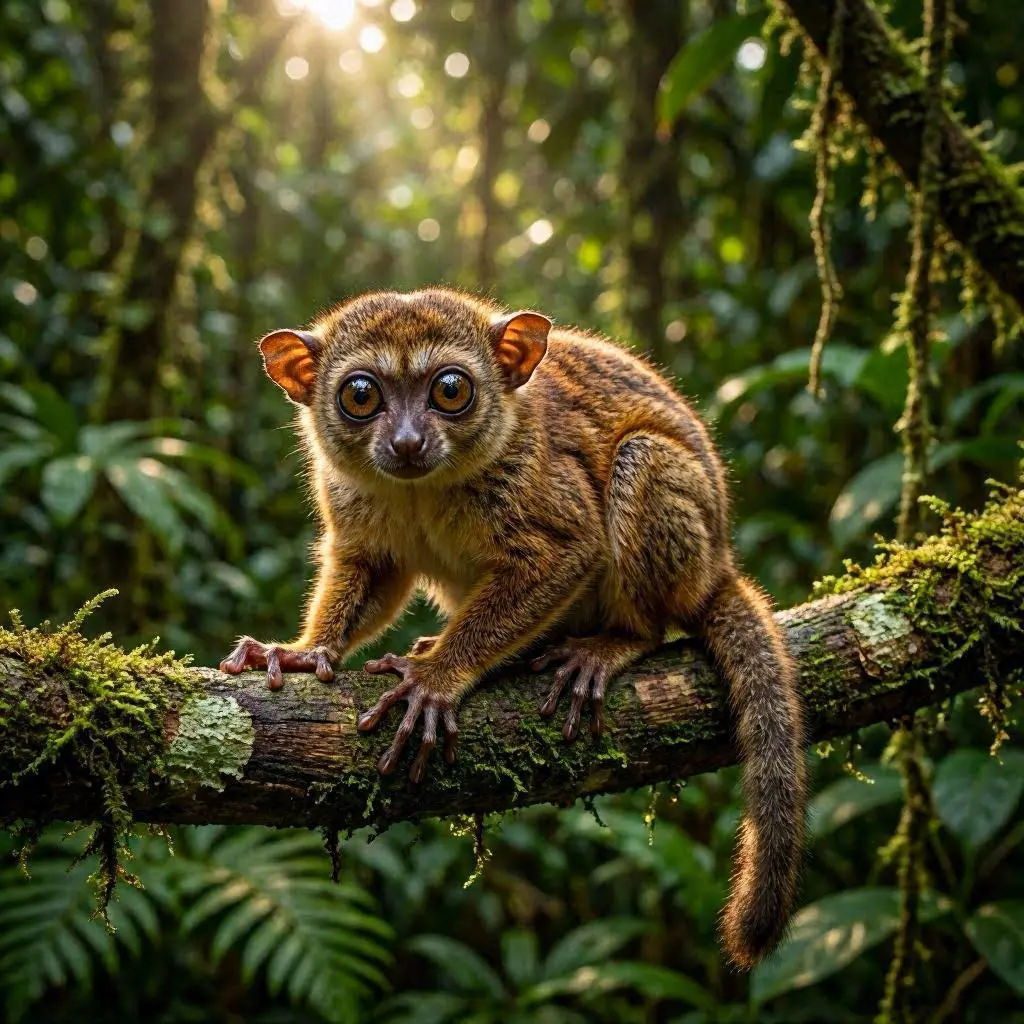
Found in forests of Southeast Asia. Has eyes so large they cannot rotate in their sockets, forcing the animal to rotate its entire head to look sideways. Each eye is roughly the size of its brain.
⓱ Monkfish (Lophius piscatorius)
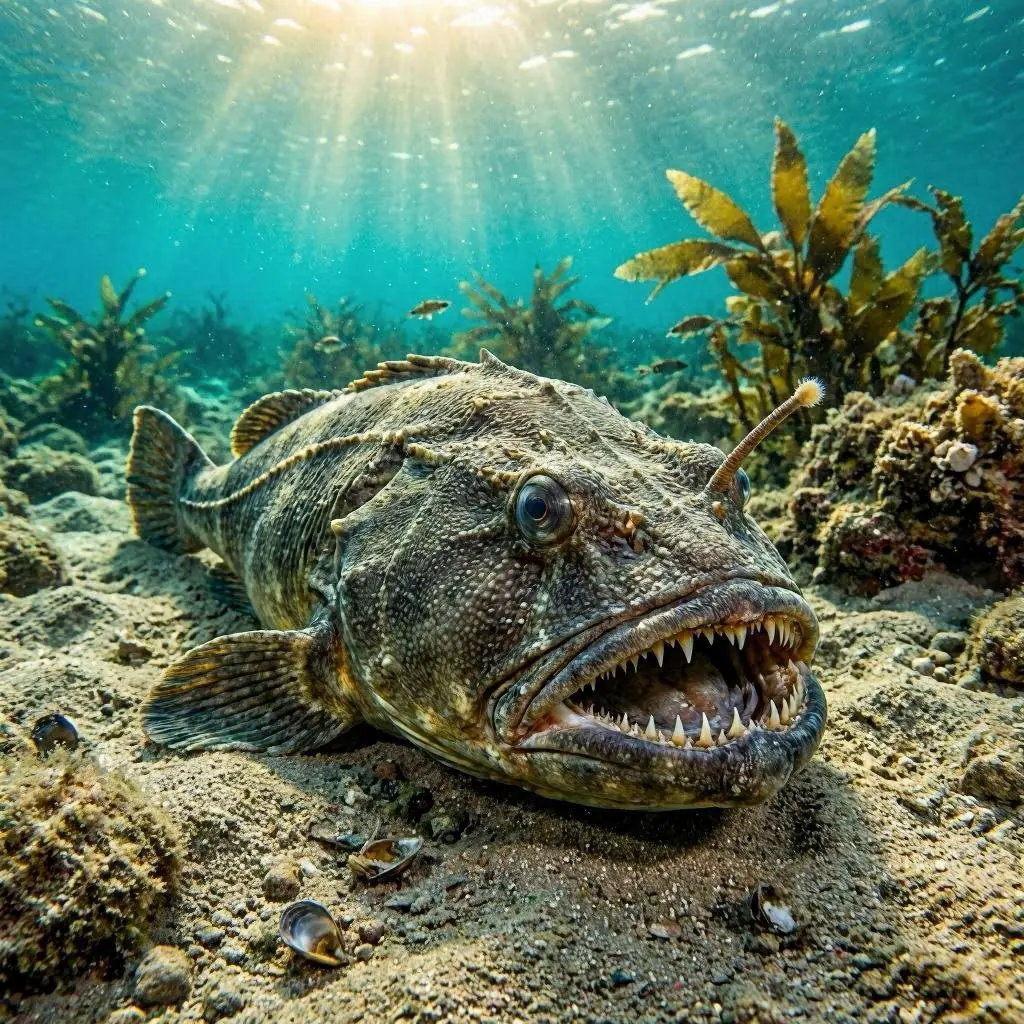
Found in the North Atlantic and Mediterranean. Has a massive flattened head, a wide mouth full of inward-pointing teeth, and a body that tapers sharply. It lures prey with a built-in fishing rod on its head.
⓲ Red-Lipped Batfish (Ogcocephalus darwini)
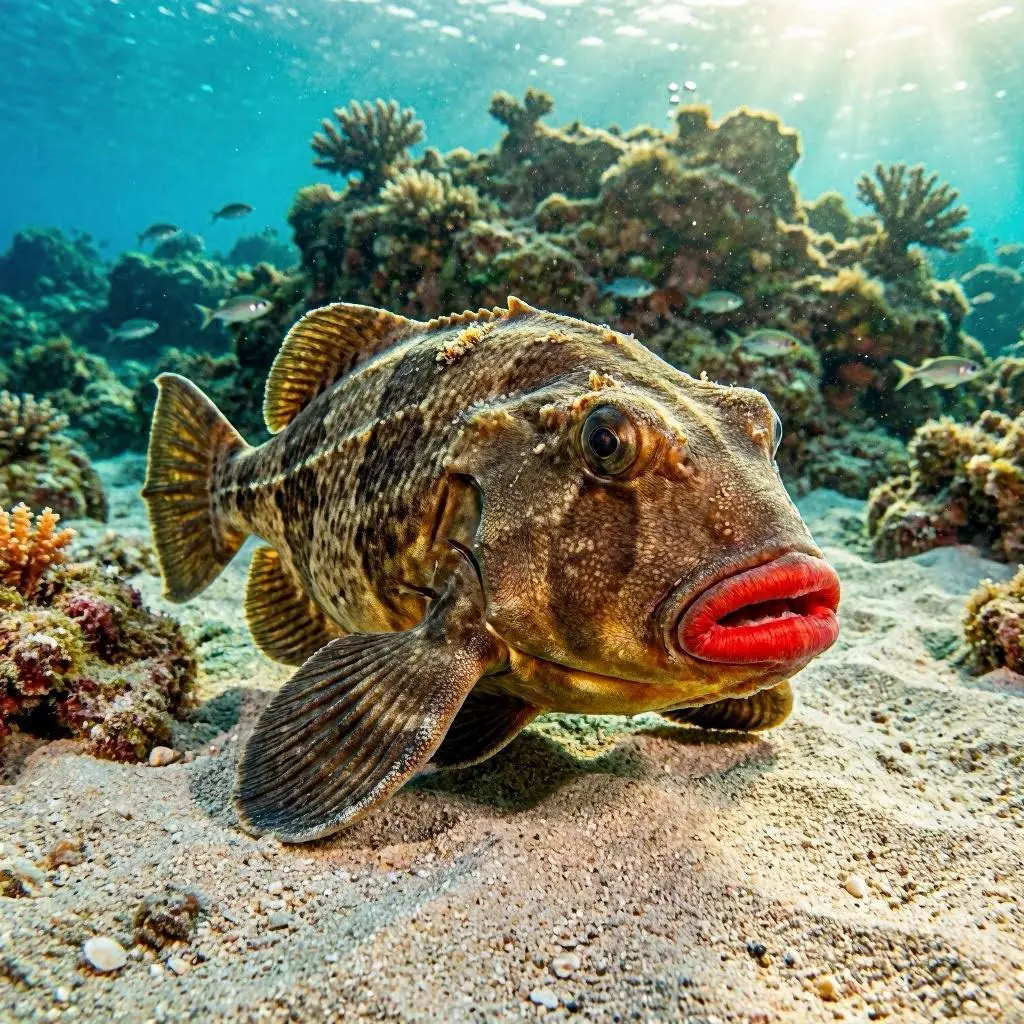
Found near the Galapagos Islands. Has vivid, bright red lips that contrast sharply with its mottled brown body. It walks along the seafloor on modified fin-legs instead of swimming.
⓳ Horseshoe Bat (Rhinolophidae)
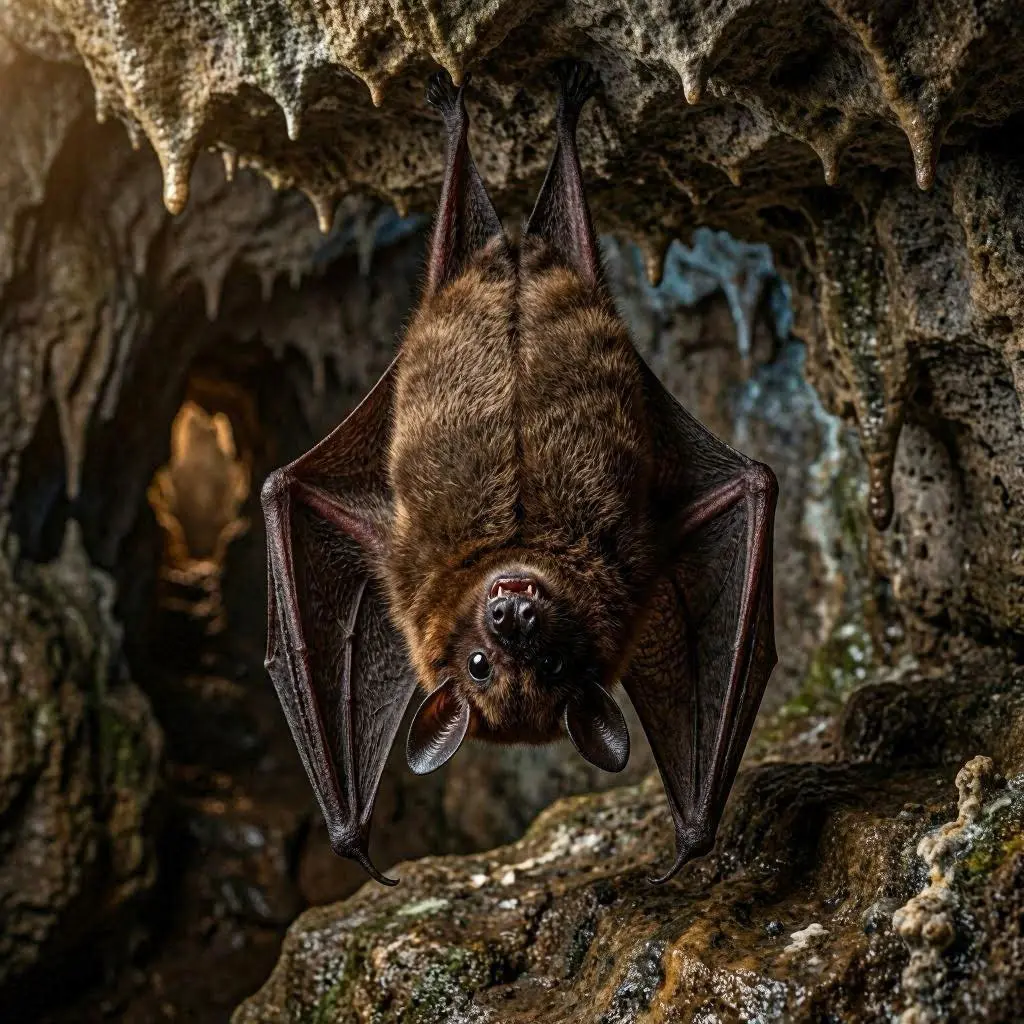
Found across Europe, Africa, and Asia. Has an elaborate horseshoe-shaped skin structure around its nostrils used to focus echolocation pulses. The noseleaf can be actively reshaped while hunting.
⓴ Purple Frog (Nasikabatrachus sahyadrensis)
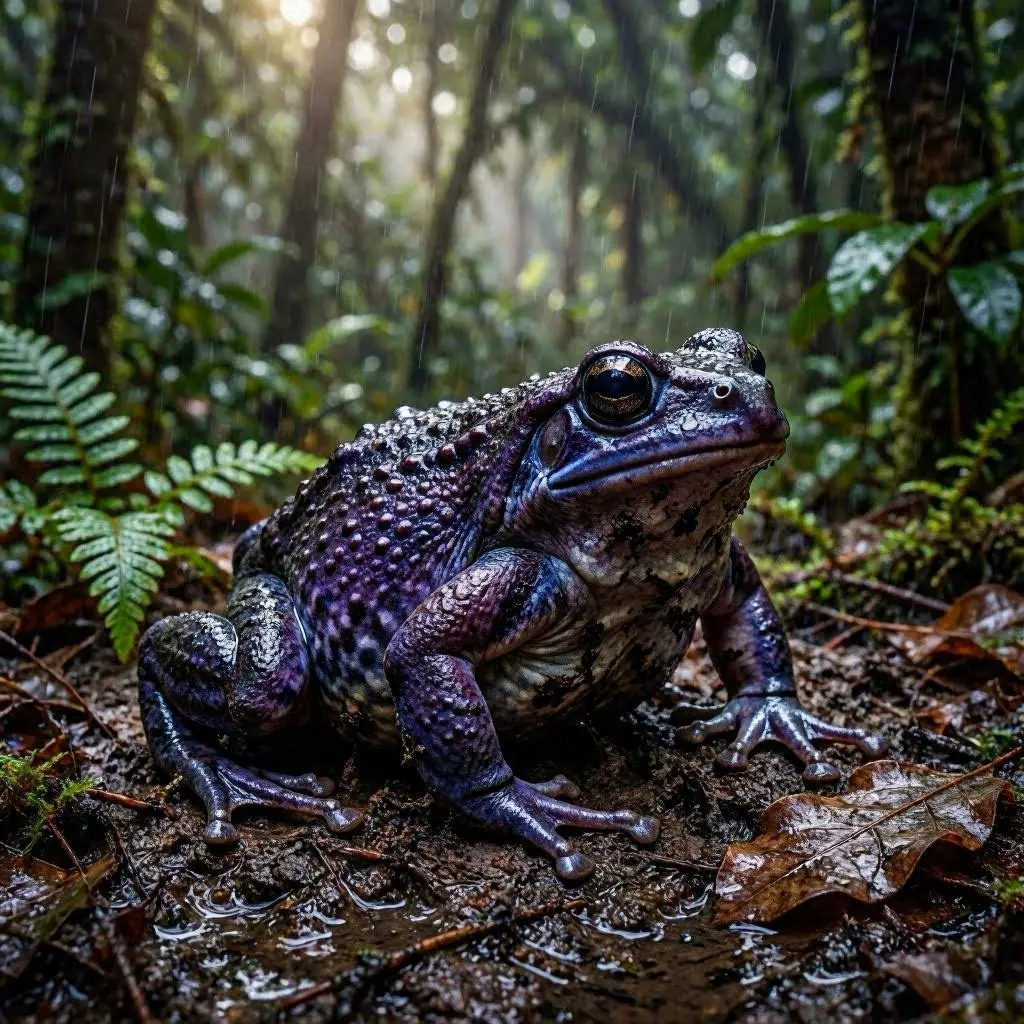
Found in the Western Ghats of India. Has a bloated, round body, a tiny pointed head, and dark purple skin. Spends almost the entire year underground, emerging only during monsoon season to breed.
Complete List of Ugly Animals Names by Category
Ugly animals are often grouped into different categories based on their habitat and characteristics. Although they may look unusual or even unattractive, each one has unique adaptations that help it survive in nature.
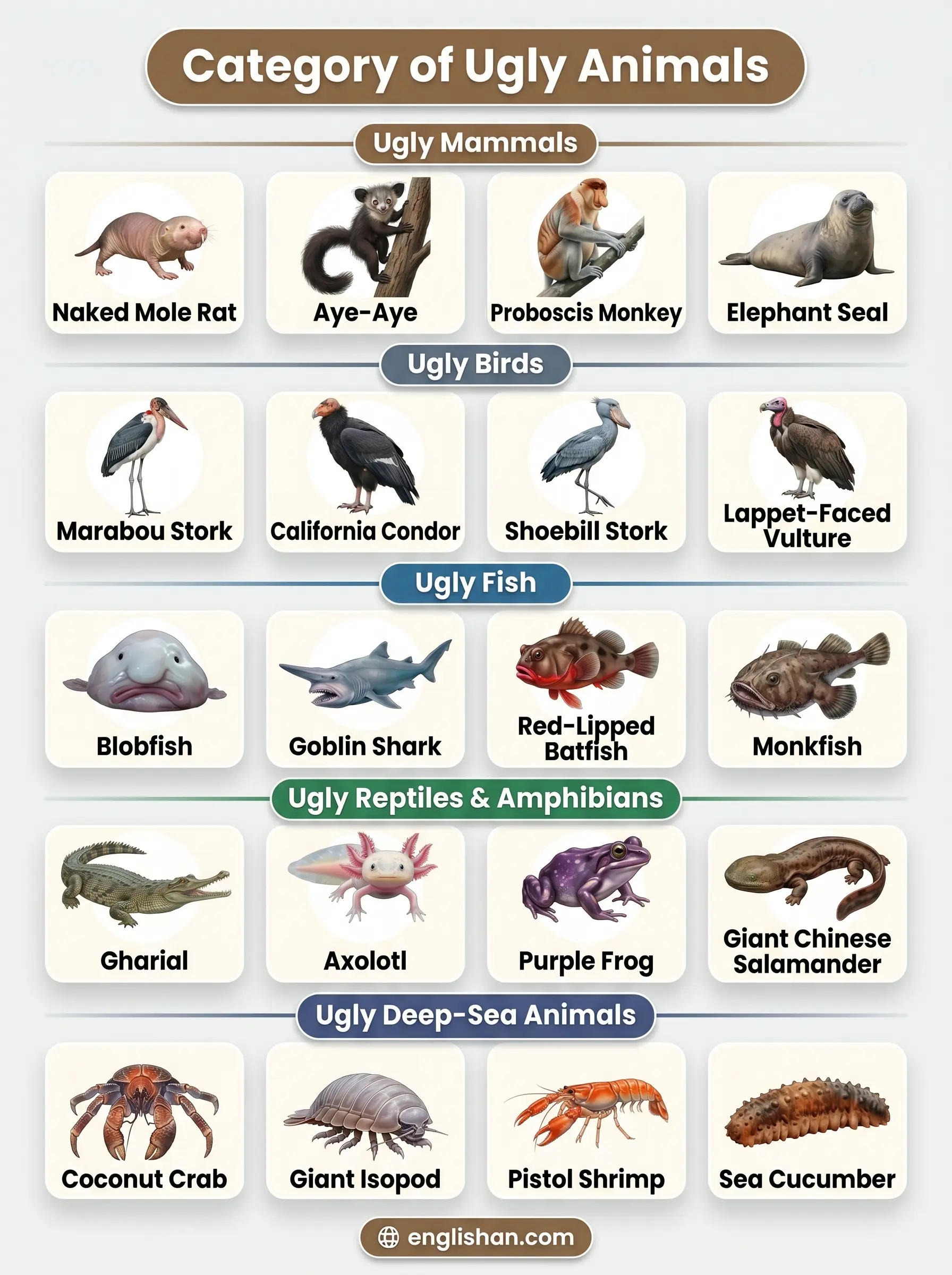
Ugly Mammals Names
Mammals with strange appearances often have specialized features for digging, feeding, or survival in harsh environments.
- Naked Mole Rat – A hairless underground rodent known for its wrinkled skin and extreme resistance to disease.
- Aye-Aye – A nocturnal primate with large eyes and a long middle finger used to find insects in wood.
- Proboscis Monkey – Famous for its large drooping nose that helps amplify sounds and attract mates.
- Elephant Seal – A massive marine mammal with a large nose used for loud breeding calls.
- Hammer-Headed Bat – A bat with an oversized head used to produce loud mating calls.
- Horseshoe Bat – Recognized by its strange nose structure used for echolocation.
- Warthog – A wild pig with facial warts that protect it during fights.
- Babirusa – A pig-like animal with curved tusks growing through its skin.
- Tarsier – A tiny primate with huge eyes for night hunting.
- Star-Nosed Mole – Has a star-shaped nose covered in sensitive touch organs.
- Pink Fairy Armadillo – A small desert-dwelling armadillo with a pink shell and soft body.
- Aardvark – A nocturnal animal with a long snout used for eating ants and termites.
Ugly Birds Names
These birds often have bald heads, large beaks, or unusual body shapes adapted for scavenging or hunting.
- Marabou Stork – A scavenger bird with a bald head and large pouch under its beak.
- California Condor – A huge vulture with a bald head and wingspan used for long-distance soaring.
- Shoebill Stork – A prehistoric-looking bird with a massive shoe-shaped beak.
- Lappet-Faced Vulture – A powerful scavenger with a wrinkled, bare head.
- Red-Headed Vulture – A small vulture with a bright red bald head.
- King Vulture – A colorful scavenger with a strong beak for tearing flesh.
- Andean Condor – One of the largest flying birds with a bald head adapted for scavenging.
Ugly Fish Names
These fish often live in deep or dark waters and have unusual shapes for survival and hunting.
- Blobfish – A deep-sea fish with a jelly-like body that appears distorted outside water.
- Goblin Shark – A rare shark with a long snout and extendable jaws.
- Red-Lipped Batfish – A fish with bright red lips that walks on the ocean floor.
- Atlantic Wolffish – A strong-jawed fish with sharp teeth for crushing shells.
- Monkfish – A flat-headed fish that uses a lure to catch prey.
- Whitemargin Stargazer – A buried ambush predator with eyes on top of its head.
- Anglerfish – A deep-sea fish that uses a glowing lure to attract prey.
Ugly Reptiles and Amphibians Names
These species often have rough skin, unusual shapes, or ancient-looking features suited for survival.
- Gharial – A crocodile-like reptile with a long thin snout for catching fish.
- Giant Chinese Salamander – One of the largest amphibians with wrinkled skin.
- Japanese Giant Salamander – A large aquatic salamander with a flat body.
- Titicaca Water Frog – A fully aquatic frog with loose, folded skin.
- Purple Frog – A bloated frog that spends most of its life underground.
- Axolotl – A salamander that keeps its juvenile features throughout life.
- Thorny Devil – A desert lizard covered in spikes for protection.
Ugly Deep-Sea Animals Names
Deep-sea creatures often look strange due to extreme pressure, darkness, and survival needs.
- Blobfish – A soft-bodied fish adapted to extreme deep-sea pressure.
- Goblin Shark – A rare shark with a long snout and unusual jaw extension.
- Anglerfish – Uses a glowing lure to hunt in total darkness.
- Barreleye Fish – Has a transparent head with upward-facing eyes.
- Frilled Shark – An ancient shark with eel-like movement and sharp teeth.
- Fangtooth Fish – A deep-sea predator with oversized teeth.
- Viperfish – A fish with long needle-like teeth and bioluminescent organs.
Ugly Invertebrates Names
These creatures lack backbones and often have strange shapes or armor-like bodies.
- Coconut Crab – The largest land crab with powerful claws.
- Giant Isopod – A deep-sea crustacean that looks like a giant pill bug.
- Pistol Shrimp – A small shrimp that creates powerful shockwaves to hunt.
- Sea Cucumber – A soft-bodied marine animal that feeds on ocean debris.
Why Ugly Animals Need Conservation Attention
Ugly animals receive less conservation funding than beautiful ones. Studies in conservation science consistently show that charismatic species attract significantly more public attention, media coverage, and financial support than species considered strange or frightening. Tigers, pandas, and dolphins front global campaigns. The hagfish and the naked mole rat do not.
This matters for three reasons.
First, many ugly animals are ecologically critical. Vultures prevent the spread of disease. Hagfish clean ocean floors. Gharials regulate fish populations. Removing them would trigger cascading effects across entire ecosystems.
Second, ugly animals often carry the most scientifically valuable biology. The naked mole rat’s near-immunity to cancer is being actively studied for human medical applications. Hagfish slime has inspired materials research. The tarsier’s ultrasonic communication opened new fields in primate biology.
Third, ugly animals tend to be more vulnerable precisely because they are overlooked. Less public attention means fewer research programs, fewer breeding programs, and less protected habitat.
The Ugly Animal Preservation Society was founded to address this directly, giving overlooked species their own advocacy platform. Supporting organizations that work with non-charismatic species is one of the most impactful things a conservation-minded person can do.
Ugly Animals That Are Surprisingly Dangerous
Most ugly animals are harmless. A few are not.’
- Goblin Shark: Its slingshot jaw can extend nearly 10 cm forward in under a second. No documented attacks on humans, but one of the most impressive predatory mechanisms in the shark family.
- Hagfish: Its slime can clog the gills of any fish that tries to eat it, sometimes causing suffocation. Non-aggressive toward humans but effectively defended against almost any predator.
- Whitemargin Stargazer: Buries itself in sand with only its eyes and mouth visible. Has electric organs behind its eyes and venomous spines near its gill covers. Capable of delivering both a shock and a venomous wound.
- Warthog: Usually non-aggressive but dangerous when cornered. Tusks can reach 25 cm and are used in serious combat. Fast enough to escape most predators when not confronted.
- Giant Chinese Salamander: No venom, but its jaws are strong enough to cause significant injury if handled.
- Lappet-Faced Vulture: Powerful enough to tear through tough hide other birds cannot breach. Not aggressive toward humans under normal conditions, but a large, strong bird when defending a food source.
Ugly Animals by Continent and Habitat
Ugly animals are found all around the world, across different continents and habitats. Their strange appearances are usually the result of special adaptations that help them survive in extreme environments such as deserts, forests, mountains, and deep oceans. Below is a categorized list of some well-known ugly animals by continent and habitat.
Ugly Animals In Africa
Africa is home to many unusual-looking mammals and birds that are often scavengers, nocturnal hunters, or adapted to harsh environments.
- Marabou Stork – A bald-headed scavenger bird with a large throat pouch.
- Lappet-Faced Vulture – A powerful vulture with wrinkled facial skin.
- Naked Mole Rat – A hairless underground rodent with wrinkled skin and tiny eyes.
- Warthog – A wild pig with facial warts and curved tusks.
- Hammer-Headed Bat – A bat with an unusually large head used for loud mating calls.
- Aardvark – A nocturnal insect-eater with a long snout and rabbit-like ears.
- Shoebill Stork – A large bird with a massive shoe-shaped beak and intense stare.
Ugly Animals In Asia
Asia hosts a wide range of reptiles, amphibians, and mammals with unique evolutionary traits.
- Proboscis Monkey (Borneo) – Known for its long, drooping nose used for communication.
- Giant Chinese Salamander (China) – One of the largest amphibians with wrinkled skin.
- Gharial (India and Nepal) – A crocodile-like reptile with a long thin snout for catching fish.
- Tarsier (Southeast Asia) – A tiny primate with extremely large eyes adapted for night vision.
- Damascus Goat (Middle East) – A domestic goat with an unusual facial structure and drooping features.
- Horseshoe Bat – A bat with a complex nose structure used for echolocation.
Ugly Animals In Africa / Indian Ocean Islands
Island ecosystems often produce highly specialized and unusual species.
- Aye-Aye (Madagascar) – A nocturnal primate with a long finger used to extract insects from wood.
Ugly Animals In South America
South America is home to rare amphibians and mammals adapted to diverse ecosystems from rainforests to high-altitude lakes.
- Red-Lipped Batfish (Galapagos) – A fish with bright red lips that walks on the ocean floor.
- Titicaca Water Frog (Bolivia and Peru) – A fully aquatic frog with loose, folded skin.
- Pink Fairy Armadillo (Argentina) – A tiny armadillo with a soft pink shell adapted for digging in sand.
Ugly Animals In North America
North America features unique mammals, birds, and fish adapted to forests, mountains, and cold waters.
- Star-Nosed Mole – A mole with a star-shaped nose used for detecting prey underground.
- California Condor – One of the largest birds in North America with a bald head and strong wingspan.
- Atlantic Wolffish – A deep-sea fish with strong jaws and sharp teeth for crushing shells.
Deep Ocean (Worldwide)
The deep ocean is home to some of the strangest-looking creatures on Earth due to extreme pressure, darkness, and lack of food.
- Blobfish – A soft-bodied fish that appears distorted outside deep-sea pressure.
- Goblin Shark – A rare shark with an extendable jaw and long snout.
- Anglerfish – A deep-sea predator that uses a glowing lure to attract prey.
- Barreleye Fish – A fish with a transparent head and upward-facing eyes.
- Dumbo Octopus – A deep-sea octopus with ear-like fins for swimming.
- Fangtooth Fish – A predator with oversized teeth compared to its body.
- Frilled Shark – An ancient eel-like shark with sharp teeth and primitive features.
- Viperfish – A deep-sea fish with long needle-like teeth and glowing organs.
- Whitemargin Stargazer – A buried ambush predator with eyes positioned on top of its head.
Complete A-Z List of Ugly Animals Names
| Common Name | Scientific Name |
|---|---|
| Aardvark | Orycteropus afer |
| Atlantic Wolffish | Anarhichas lupus |
| Axolotl | Ambystoma mexicanum |
| Aye-Aye | Daubentonia madagascariensis |
| Babirusa | Babyrousa babyrussa |
| Blobfish | Psychrolutes marcidus |
| California Condor | Gymnogyps californianus |
| Damascus Goat | Capra aegagrus hircus |
| Elephant Seal | Mirounga angustirostris |
| Gharial | Gavialis gangeticus |
| Giant Chinese Salamander | Andrias davidianus |
| Goblin Shark | Mitsukurina owstoni |
| Hagfish | Myxini |
| Hammer-Headed Bat | Hypsignathus monstrosus |
| Horseshoe Bat | Rhinolophidae |
| Japanese Giant Salamander | Andrias japonicus |
| Lappet-Faced Vulture | Torgos tracheliotos |
| Marabou Stork | Leptoptilos crumenifer |
| Monkfish | Lophius piscatorius |
| Naked Mole Rat | Heterocephalus glaber |
| Pink Fairy Armadillo | Chlamyphorus truncatus |
| Proboscis Monkey | Nasalis larvatus |
| Purple Frog | Nasikabatrachus sahyadrensis |
| Red-Lipped Batfish | Ogcocephalus darwini |
| Shoebill Stork | Balaeniceps rex |
| Star-Nosed Mole | Condylura cristata |
| Tarsier | Tarsius |
| Titicaca Water Frog | Telmatobius culeus |
| Warthog | Phacochoerus africanus |
| Whitemargin Stargazer | Uranoscopus sulphureus |
Ugly Animals in Pop Culture and Media
- Pumba in The Lion King. Disney’s warthog character introduced millions of people to the species. Warthogs are in reality intelligent, adaptable, and socially complex animals.
- The Blobfish as an Internet Icon. Since the 2013 Ugly Animal Preservation Society vote, the blobfish has become a widely recognized meme, appearing on merchandise and in art as shorthand for exhaustion and disappointment.
- Aye-Aye in Folklore. In some Malagasy traditions the aye-aye is considered a death omen, which has contributed directly to individuals being killed. Conservation programs now include cultural education alongside habitat protection.
- Hagfish in Horror Fiction. The hagfish appears across horror and science fiction as a model for deep-sea monsters and alien creatures. Its biology has inspired multiple entries in the SCP Foundation’s fictional universe.
- The Ugly Animal Preservation Society and the BBC. Comedian and biologist Simon Watt founded the society and has worked with the BBC on programs dedic
Fun Facts about Ugly Animals
- Blobfish (Psychrolutes marcidus) – Deep-sea fish that looks like a soft blob at the surface due to pressure changes, lives 600–1,200 meters deep, and is threatened by trawling.
- Naked Mole Rat (Heterocephalus glaber) – Hairless underground rodent with extreme cancer resistance, eusocial colony system, and ability to survive low oxygen for long periods.
- Star-Nosed Mole (Condylura cristata) – Small mammal with a 22-tentacle nose packed with over 100,000 nerves, capable of detecting and eating prey in milliseconds, even underwater.
- Goblin Shark (Mitsukurina owstoni) – Rare deep-sea shark with extendable jaws, translucent pink body, and ancient lineage dating back over 125 million years.
- Proboscis Monkey (Nasalis larvatus) – Borneo primate with a large nose used for amplified calls, complex digestive system, strong swimming ability, and endangered status.
- Aye-Aye (Daubentonia madagascariensis) – Nocturnal Madagascan primate using a thin middle finger to extract insects, with continuously growing incisors and a woodpecker-like feeding role.
- Marabou Stork (Leptoptilos crumenifer) – Large African scavenger bird with massive wingspan, bald head for hygiene, and highly opportunistic diet including carrion and waste.
- Bald Uakari (Cacajao calvus) – Amazon monkey with bright red face signaling health and mating fitness, highly agile in flooded forests, and dependent on seasonal habitat.
- Indian Purple Frog (Nasikabatrachus sahyadrensis) – Rare, ancient amphibian that lives mostly underground, emerges briefly during monsoon for breeding, and was scientifically described only in 2003.
Conclusion
The animals on this list are not mistakes. Every one of them is a highly adapted survivor, refined over millions of years to fit a specific ecological niche. We call them ugly because they do not match our templates, but those templates say more about us than they do about the animals.
The blobfish thrives in one of the most extreme environments on Earth. The naked mole rat has solved problems in cancer biology that human medicine has not. The aye-aye fills a woodpecker’s role on an island that has no woodpeckers.
The question is not whether these animals are beautiful. The question is whether we can care about them anyway. Given what we know about how much ecology depends on every species in a system, the answer probably matters quite a bit.
FAQs
The blobfish (Psychrolutes marcidus) holds the title, having won the most public votes in the 2013 Ugly Animal Preservation Society poll. It is now the society’s official mascot.
The aye-aye (Daubentonia madagascariensis), aardvark (Orycteropus afer), Atlantic wolffish (Anarhichas lupus), and axolotl (Ambystoma mexicanum) are the most recognized.
The naked mole rat (Heterocephalus glaber) is most commonly cited, due to its hairless, wrinkled skin and large protruding teeth. The proboscis monkey and elephant seal are also frequently mentioned.
The Marabou Stork (Leptoptilos crumenifer) is the most common answer, followed by the Lappet-Faced Vulture and California Condor.
The blobfish is the most famous. Strong contenders include the goblin shark, monkfish, and anglerfish.
The giant Chinese salamander (Andrias davidianus) and purple frog (Nasikabatrachus sahyadrensis) are most frequently cited.
Research suggests they are. Less visually appealing animals receive less conservation attention and funding, making them more vulnerable to extinction even when their ecological importance is equal to or greater than that of more attractive species.
Ugliness is determined almost entirely by human perception. Animals with exaggerated features, hairless skin, unusual textures, or expressionless faces tend to be labeled ugly because they violate human aesthetic expectations shaped by our own biology.
Most animals on this list are wild species protected by law. The axolotl is a legal aquarium animal in many countries, though it is endangered in the wild.
The sad, drooping appearance comes from decompression. When a blobfish is brought from 1,000 meters depth to the surface, the pressure drop causes its soft gelatinous tissues to expand and distort. In the deep ocean, it looks like a normal fish.
You May Also Like
- 31+ Slow Animals Names with Pictures
- 42+ Animals With Stripes Names In English
- 34+ Poisonous Animals Names In English
Animals People Call Ugly Quiz
Animals People Call Ugly
Why does a blobfish look the way it does in photographs?
At depth it holds a normal fish shape; decompression destroys the tissue structure.
The famous photograph shows an injured animal, not a living one.
A blobfish at depth looks like an ordinary deep-sea fish.
What is remarkable about the naked mole rat?
Eusocial organisation is otherwise almost unknown among mammals.
It is organised more like an ant colony than a mammal group.
One queen breeds; the rest dig and defend.
Name the feature.
The male proboscis monkey is named for its enormous ___.
The nose amplifies his call and is preferred by females, so the trait is selected for.
What reads as unattractive to us is often a mating advantage.
The larger the nose, the louder the call carries.
What does the aye-aye use its long thin middle finger for?
It taps, listens for hollows, gnaws through and extracts the larva with that finger.
It fills the niche a woodpecker occupies elsewhere.
Madagascar has no woodpeckers, and the aye-aye does the job.
What is the star-nosed mole's ring of fleshy tentacles for?
Twenty-two tentacles carry enormous numbers of touch receptors, and it identifies and eats prey in a fraction of a second.
The star is an organ of touch, not smell.
It is the fastest-eating mammal recorded.
Turn on JavaScript for the interactive quiz. The full practice set is shown above.