When people think of animals, speed often comes to mind. However, many fascinating creatures survive by moving slowly rather than quickly. From sloths and giant tortoises to snails and sea anemones, these animals rely on camouflage, energy conservation, and unique adaptations instead of speed. Slow Animals Names are often surprising because many of them belong to very different habitats and species groups.
In this article, you’ll discover with pictures in English, along with interesting facts, habitats, and the reasons behind their slow movements. Whether you’re a student, teacher, parent, or wildlife enthusiast, this guide will help you learn about some of nature’s most remarkable slow-moving animals.
Why Are Some Animals So Slow?
Understanding why some animals move so slowly is actually a fascinating part of biology. Their slow pace is not a weakness, but a result of millions of years of evolution shaped by environment, food availability, predators, and body structure. Each slow movement has a purpose, and science helps us uncover the real reasons behind this unique survival strategy.
- Low-Calorie Diets and Slow Metabolism: Animals like sloths and koalas eat low-energy foods such as leaves and eucalyptus, which provide very limited nutrients. Because of this, their bodies operate on a very slow metabolic rate, meaning they burn energy gradually. To survive on such a restricted energy supply, they conserve movement and stay inactive for long periods.
- Camouflage and Predator Avoidance: For many slow animals, survival depends on not being seen. Stillness and slow movement help them blend into their surroundings, making predators overlook them. Sloths often develop algae on their fur for better camouflage, while stick insects and starfish rely on shape and color to remain undetected rather than escaping quickly.
- Aquatic Resistance: Water creates strong resistance because it is far denser than air, making fast movement highly energy-consuming. Marine animals like manatees, dugongs, and starfish move slowly or drift because it is the most efficient way to survive in such an environment. Slow motion helps them save energy while navigating through water.
- Body Structure and Size: An animal’s body design strongly influences its speed. Large animals generate more heat and energy demand, so slow movement helps prevent overheating. Similarly, creatures like seahorses and sea anemones have simple or delicate body structures that are not built for speed, making slow movement their natural and most efficient form of survival.
Explore more animals that start with different letters:
A | B | C | D | E | F | G | H | I | J | K | L | M | N | O | P | Q | R | S | T | U | V | W | X | Y | Z
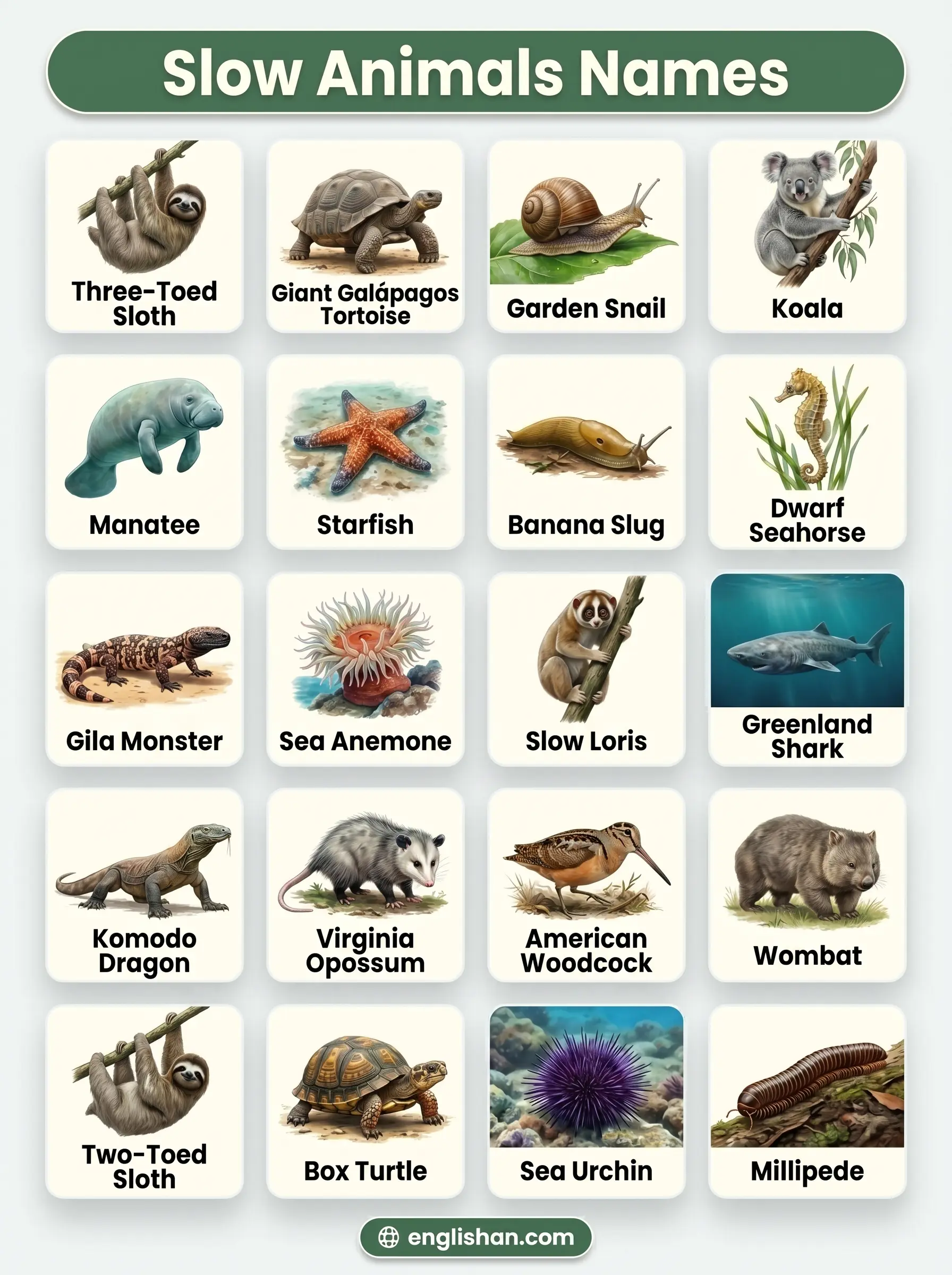
Most Popular Slow Animals Names With Pictures
❶ Three-Toed Sloth (0.15 mph)
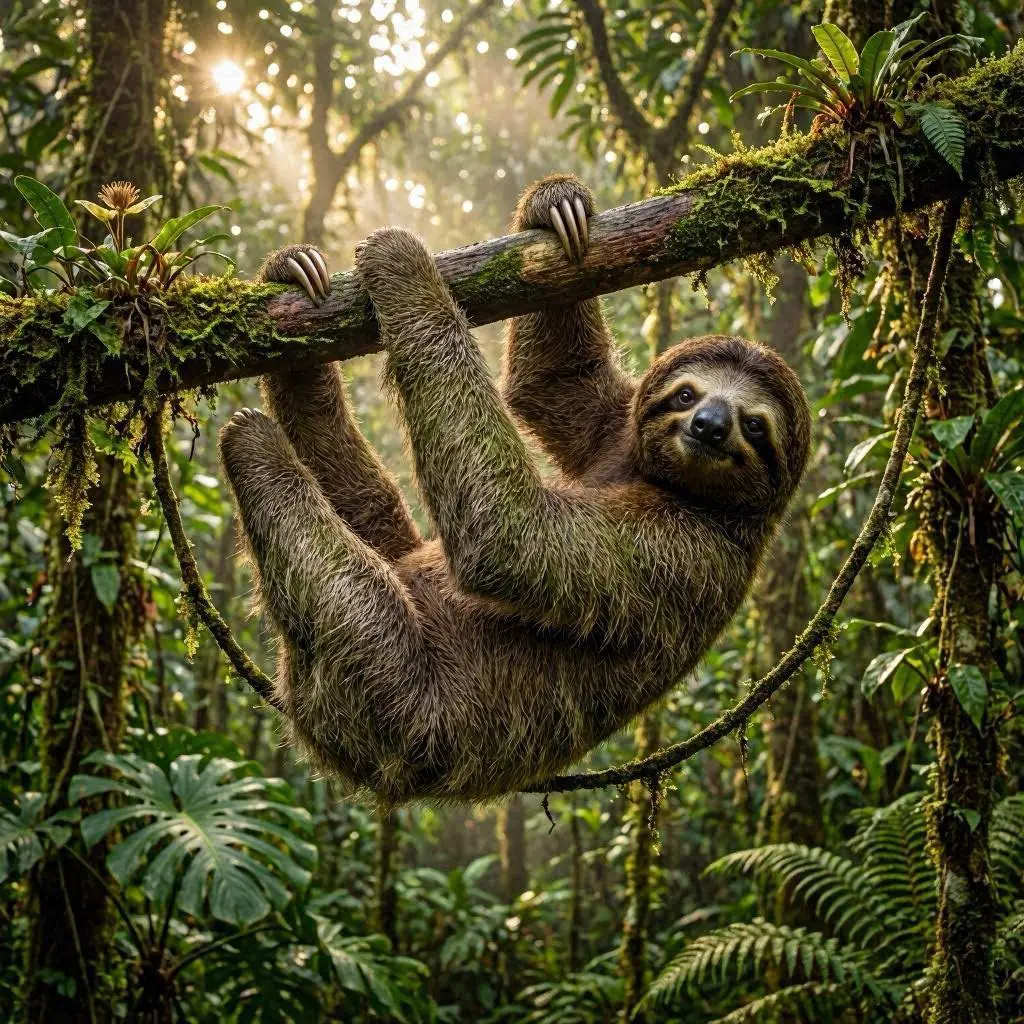
The three-toed sloth is the most famous slow animal in the world and the slowest mammal on Earth. It lives in the rainforests of Central and South America, spending up to 90% of its life hanging motionless from tree branches. Its digestion takes up to 30 days to process a single meal, and algae grows on its fur as natural green camouflage.
❷ Giant Galápagos Tortoise (0.2 mph)
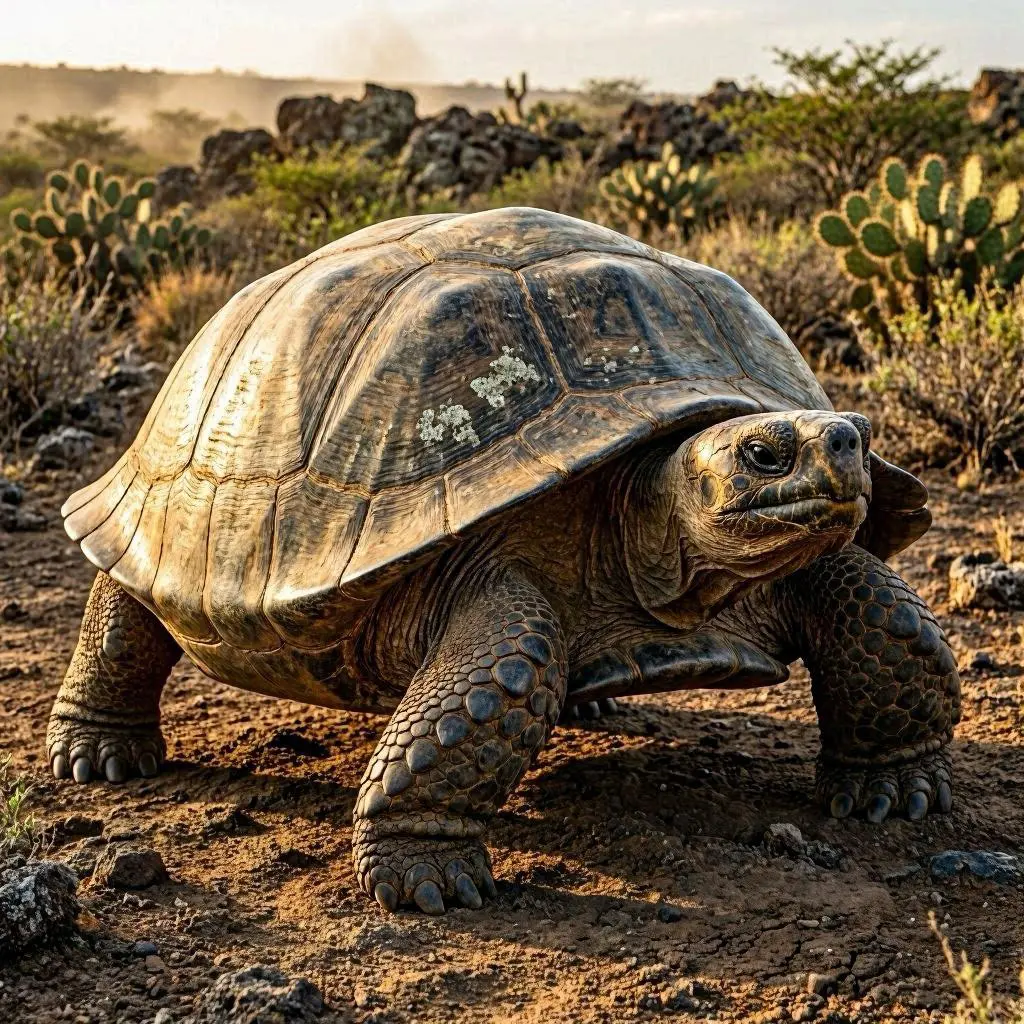
The giant Galápagos tortoise is the largest living tortoise species and one of the slowest reptiles on land. It can weigh up to 400 kg and live for more than 177 years. Charles Darwin first observed these remarkable animals in 1835. A single tortoise can survive for up to one full year without food or water by living off stored fat reserves.
❸ Garden Snail (0.03 mph)
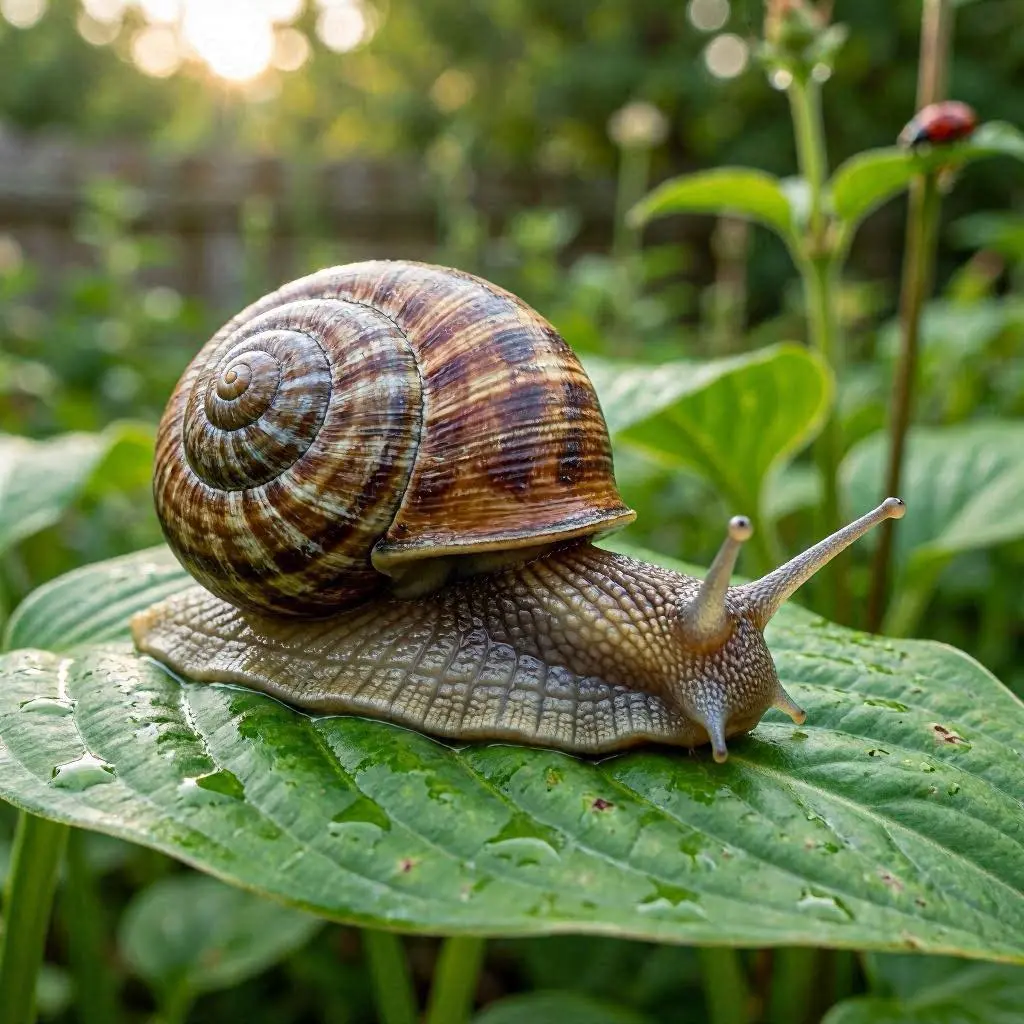
The garden snail is perhaps the most universally recognized slow animal on Earth. It glides on a single muscular foot coated in mucus, traveling at a pace most people can walk 100 times faster than. Despite its slow speed, the garden snail has up to 14,000 tiny teeth and can seal itself inside its shell for months during drought or cold weather.
❹ Koala (slow amble)
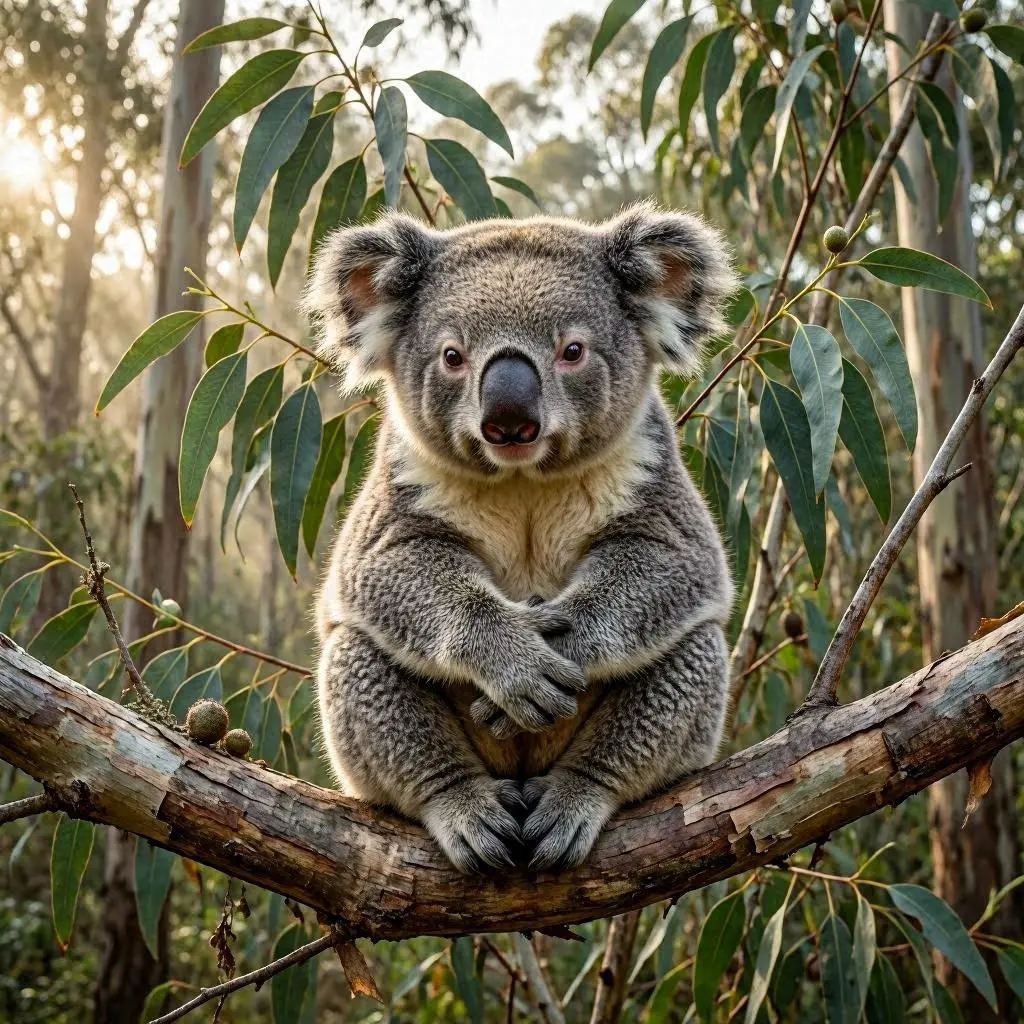
The koala is one of the most inactive mammals in the world, sleeping between 18 and 22 hours every single day. Its extreme slowness is caused by its exclusive diet of eucalyptus leaves, which are highly toxic and nutritionally poor. The koala’s body invests enormous metabolic energy into detoxifying every leaf it eats, leaving very little energy for movement.
❺ Manatee (3 to 5 mph)
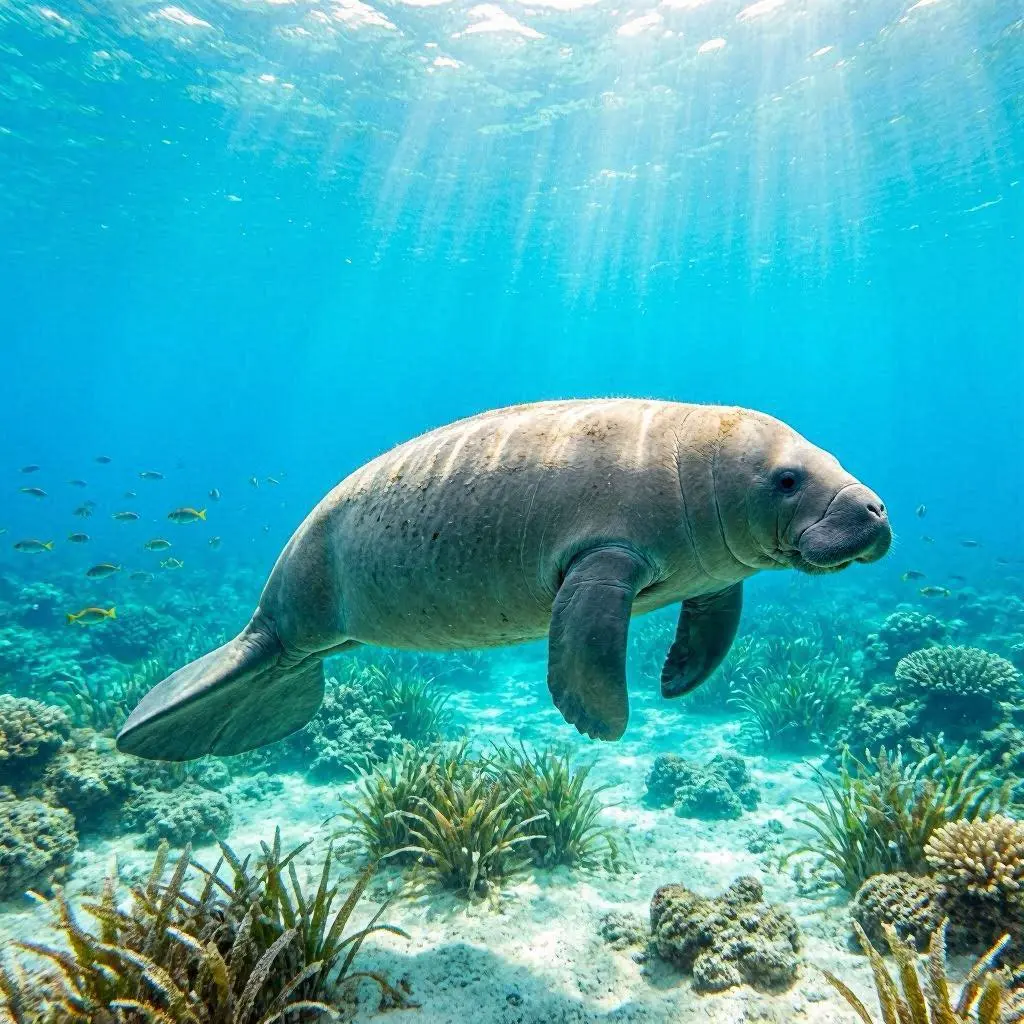
Often called the “sea cow,” the manatee is a large, gentle aquatic mammal that grazes on sea grasses in warm tropical waters. It cruises at just 3 to 5 mph in its normal daily routine and can spend 6 to 8 hours per day simply eating. Manatees are very sensitive to cold water and must live in temperatures above 68°F to stay healthy.
❻ Starfish (0.009 km/h)
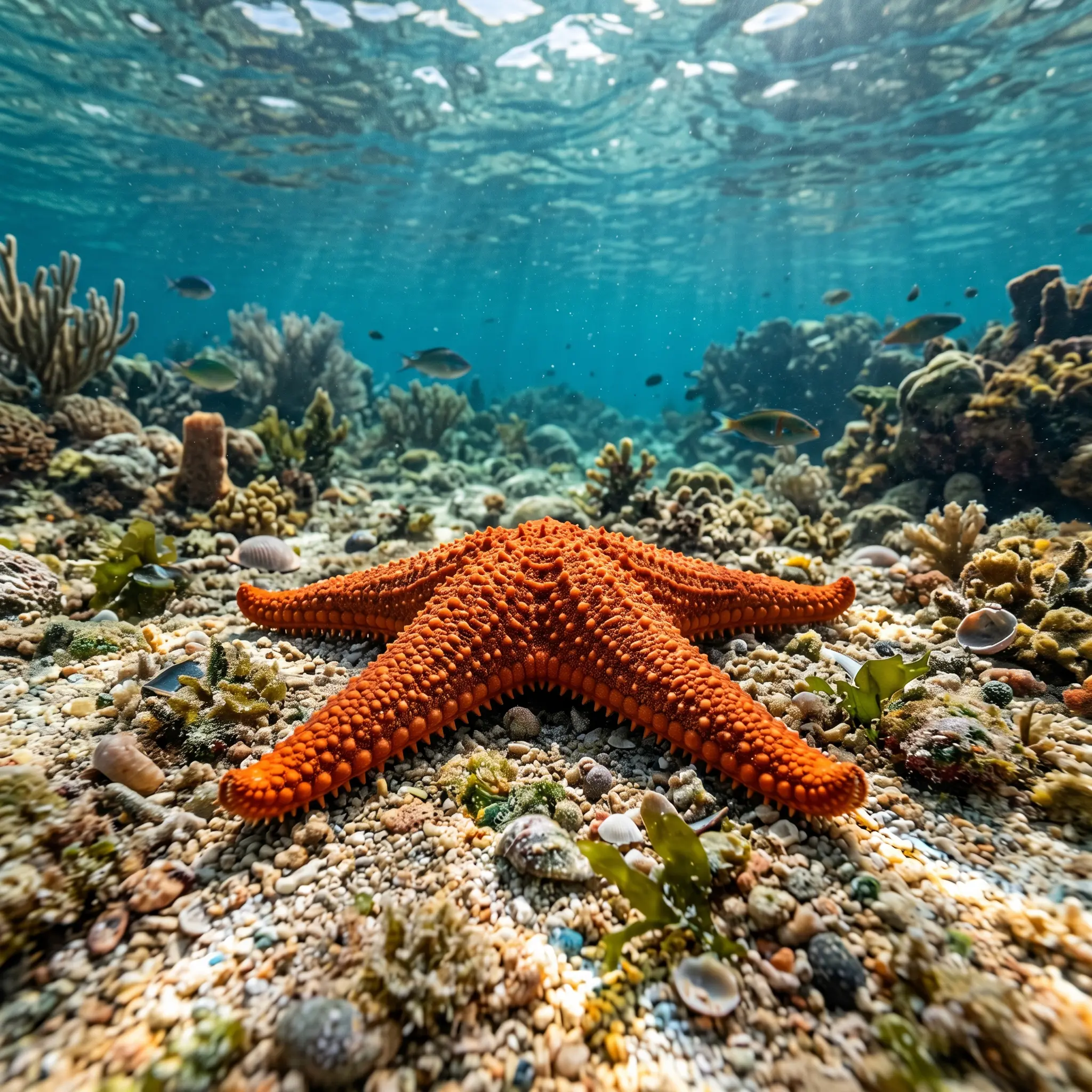
The starfish, officially known as the sea star, is one of the slowest animals in any ocean. It moves using thousands of tiny hydraulic tube feet on its underside, gripping the seafloor as it shuffles along at roughly one meter per minute. Starfish have no brain, no blood, and can regenerate an entirely new body from a single severed arm.
❼ Banana Slug (0.007 mph)
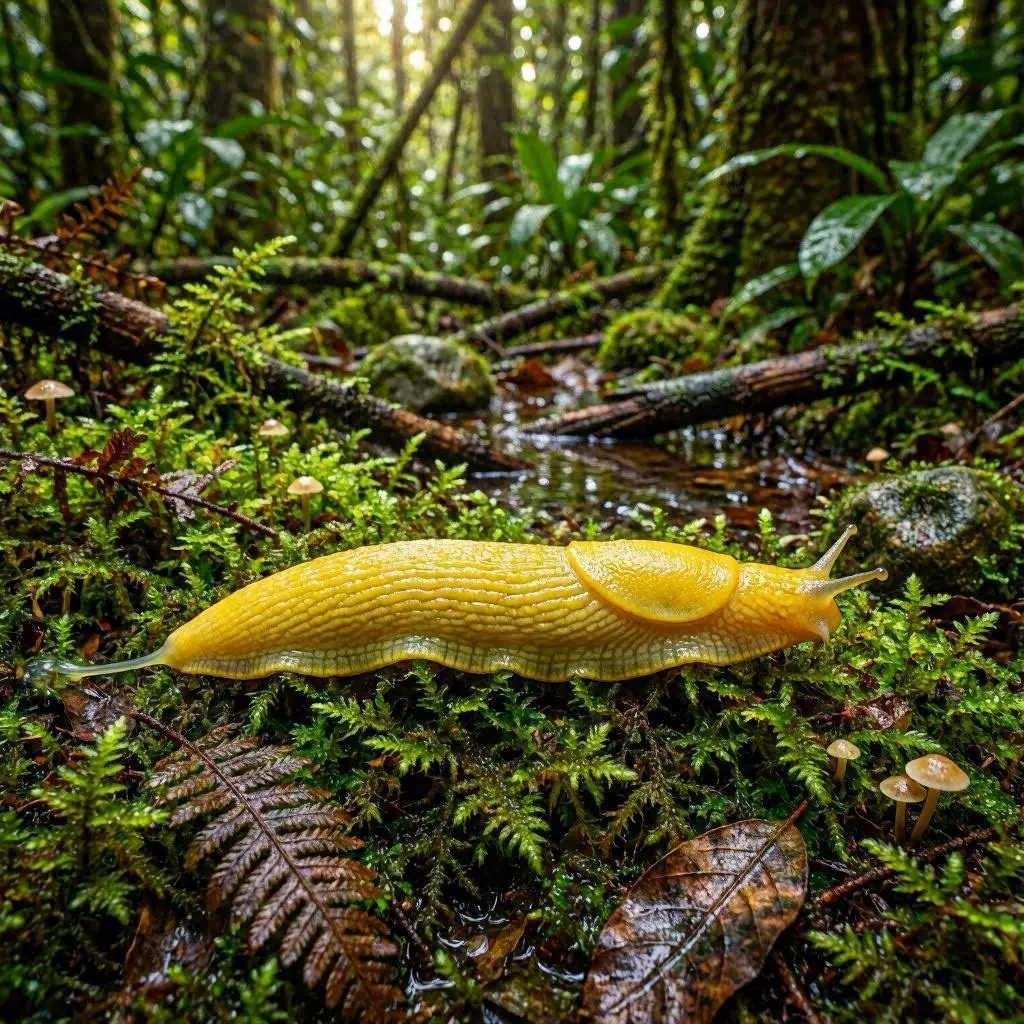
The banana slug is named for its bright yellow color and curved shape, closely resembling a ripe banana. Found in the damp rainforests of North America’s Pacific coast, it is one of the largest land slugs in the world, growing up to 26 centimeters long. It plays a vital ecological role by breaking down dead plant material and spreading seeds throughout the forest floor.
❽ Dwarf Seahorse (0.015 km/h)
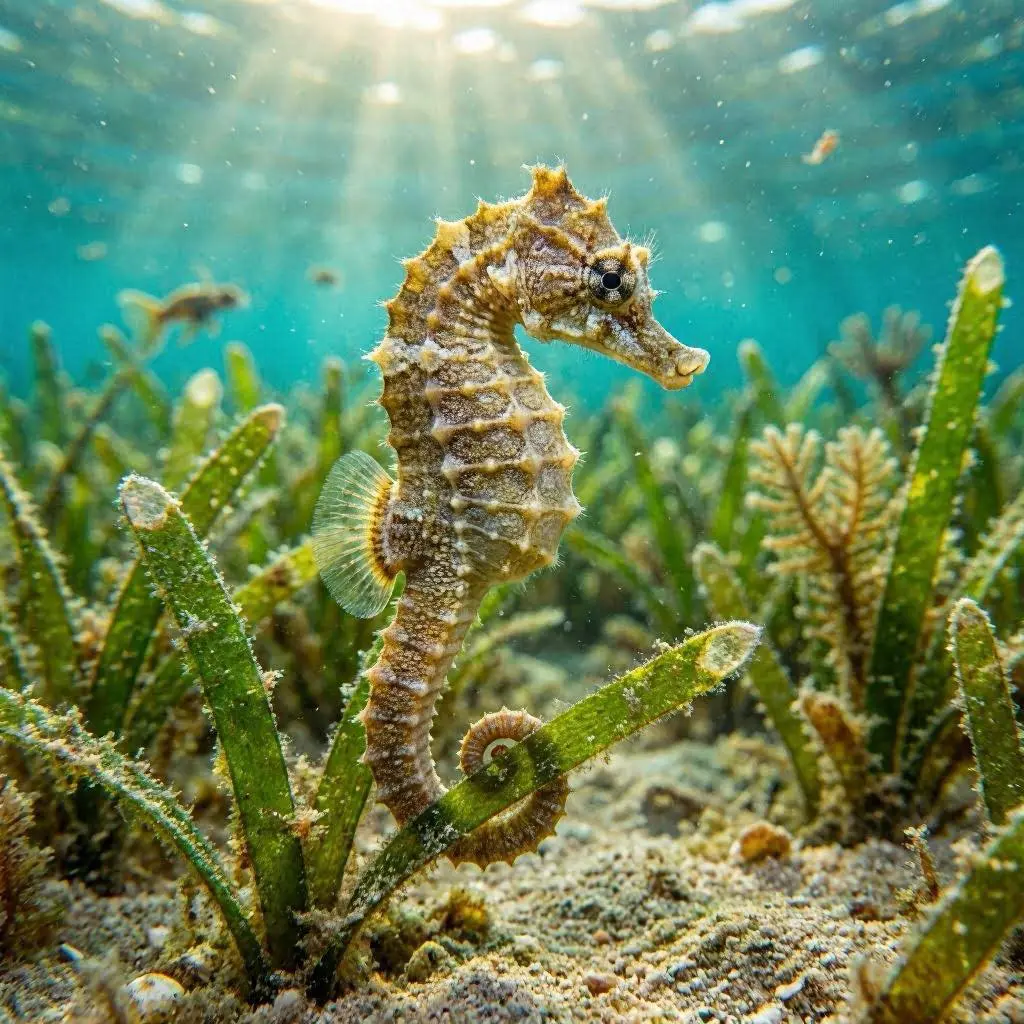
The dwarf seahorse holds the Guinness World Record as the slowest fish on the planet. It lives in seagrass beds along the Florida coast and Caribbean, measuring only 2 to 2.5 centimeters tall. Despite beating its tiny dorsal fin up to 70 times per second, it barely moves forward. It is also the only fish species where the male carries and gives birth to the young.
❾ Gila Monster (1.5 mph)
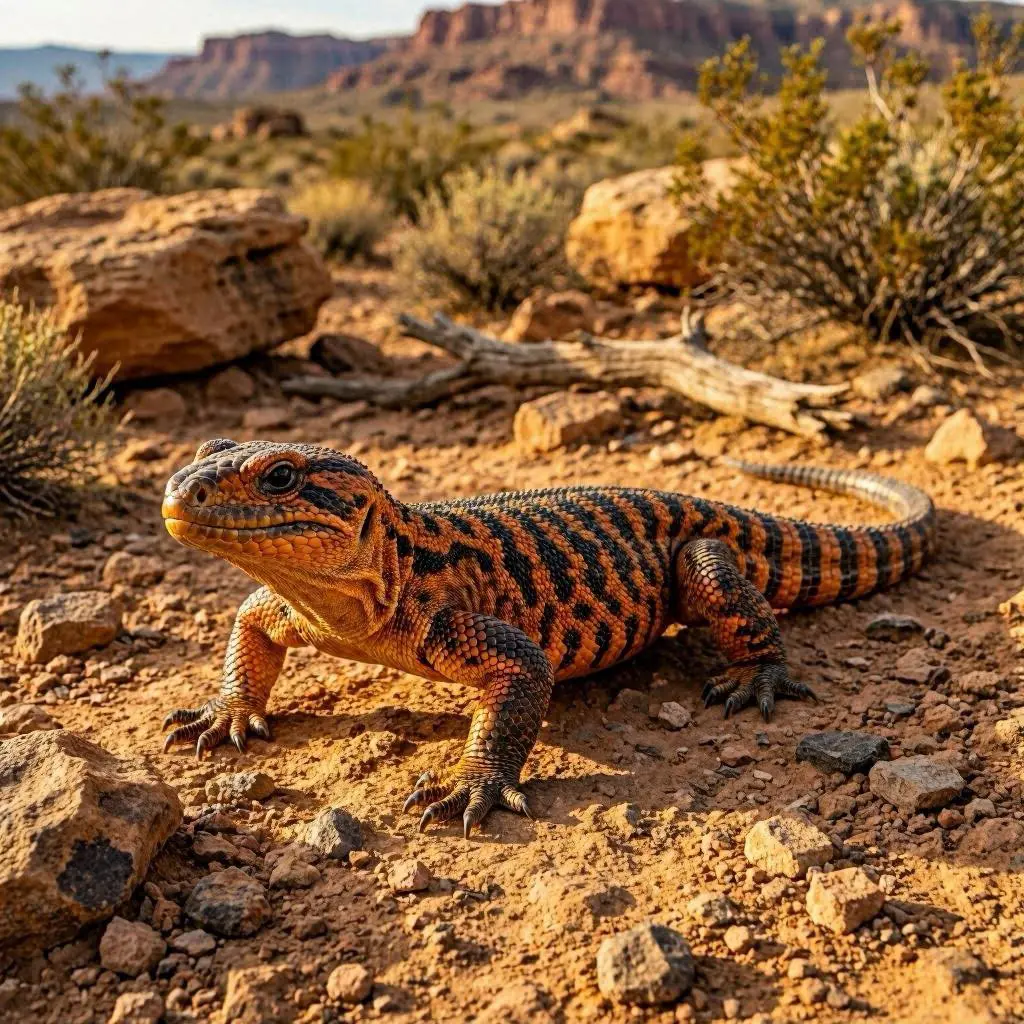
The Gila Monster is the slowest venomous lizard in the world and one of only two venomous lizards native to the United States. It spends up to 98% of its life underground, emerging only to hunt and bask in the sun. It eats as few as 5 to 10 times per year, storing fat in its thick tail to survive long periods without food.
❿ Sea Anemone (0.0001 km/h)
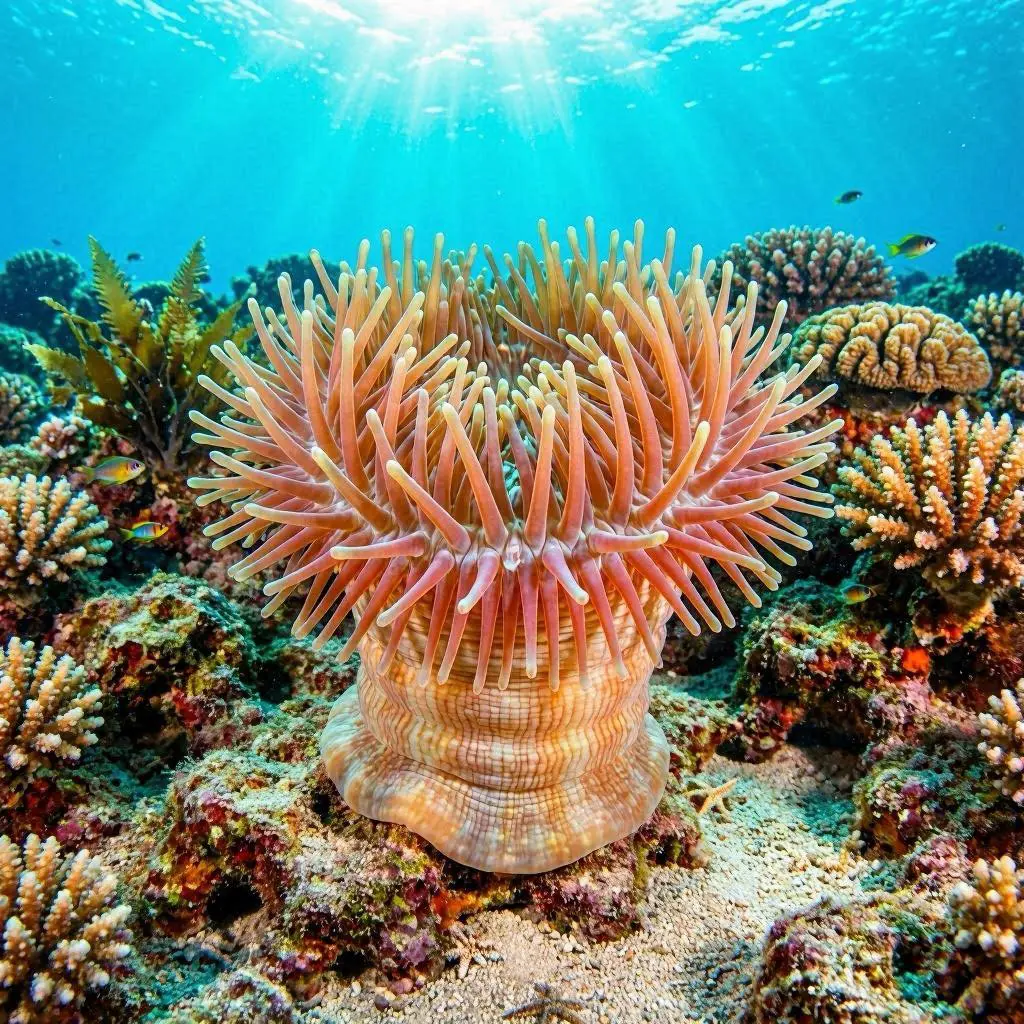
The sea anemone is widely considered the slowest animal on Earth. It moves so slowly that it appears completely still to the naked eye, creeping along the ocean floor only when searching for a new attachment site. Sea anemones look like underwater flowers but are predatory animals that capture fish and crustaceans using stinging tentacles.
⓫ Slow Loris (1.18 mph)
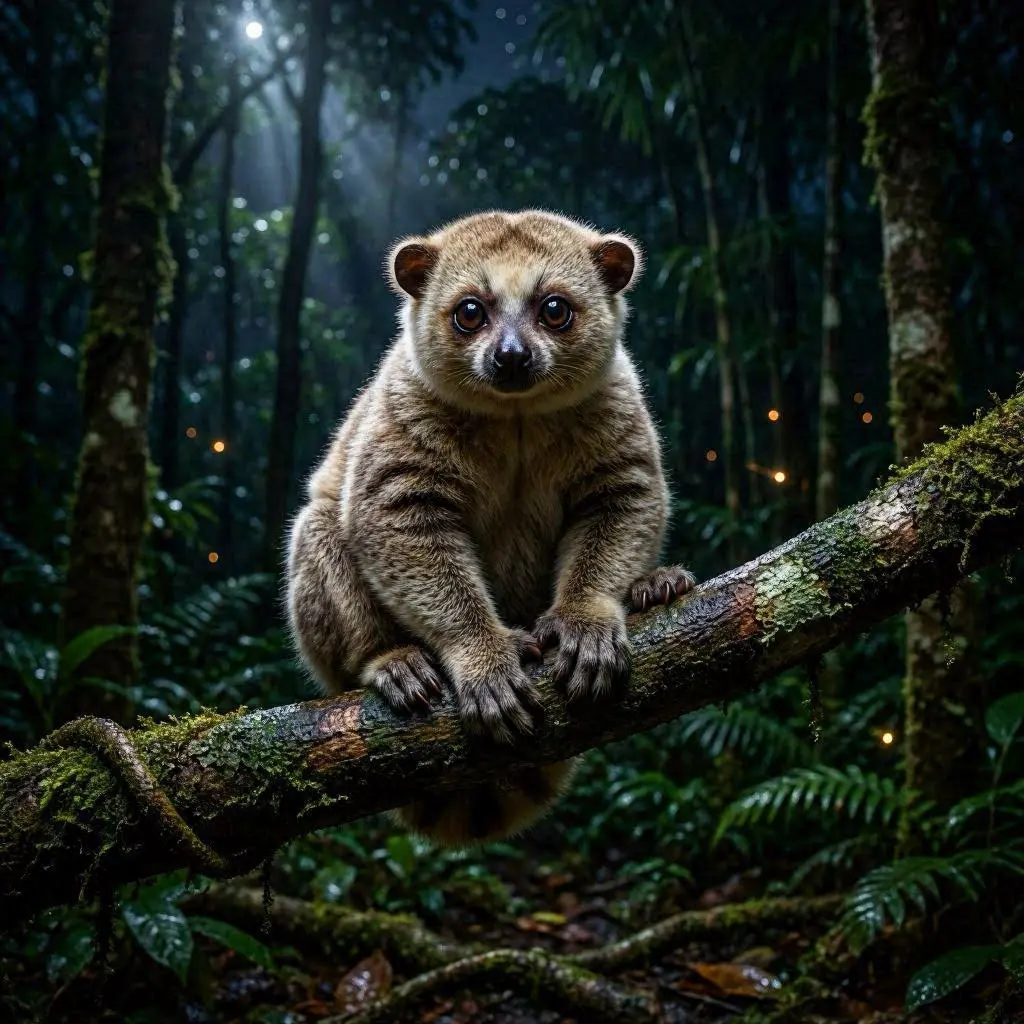
The slow loris is the slowest primate on Earth and the only venomous primate in the world. It moves through Southeast Asian forests at night with a distinctive snake-like motion, made possible by extra spinal vertebrae not found in other primates. Despite its slow pace, it can cover up to 5 miles in a single night while searching for food.
⓬ Greenland Shark (1.2 km/h average)
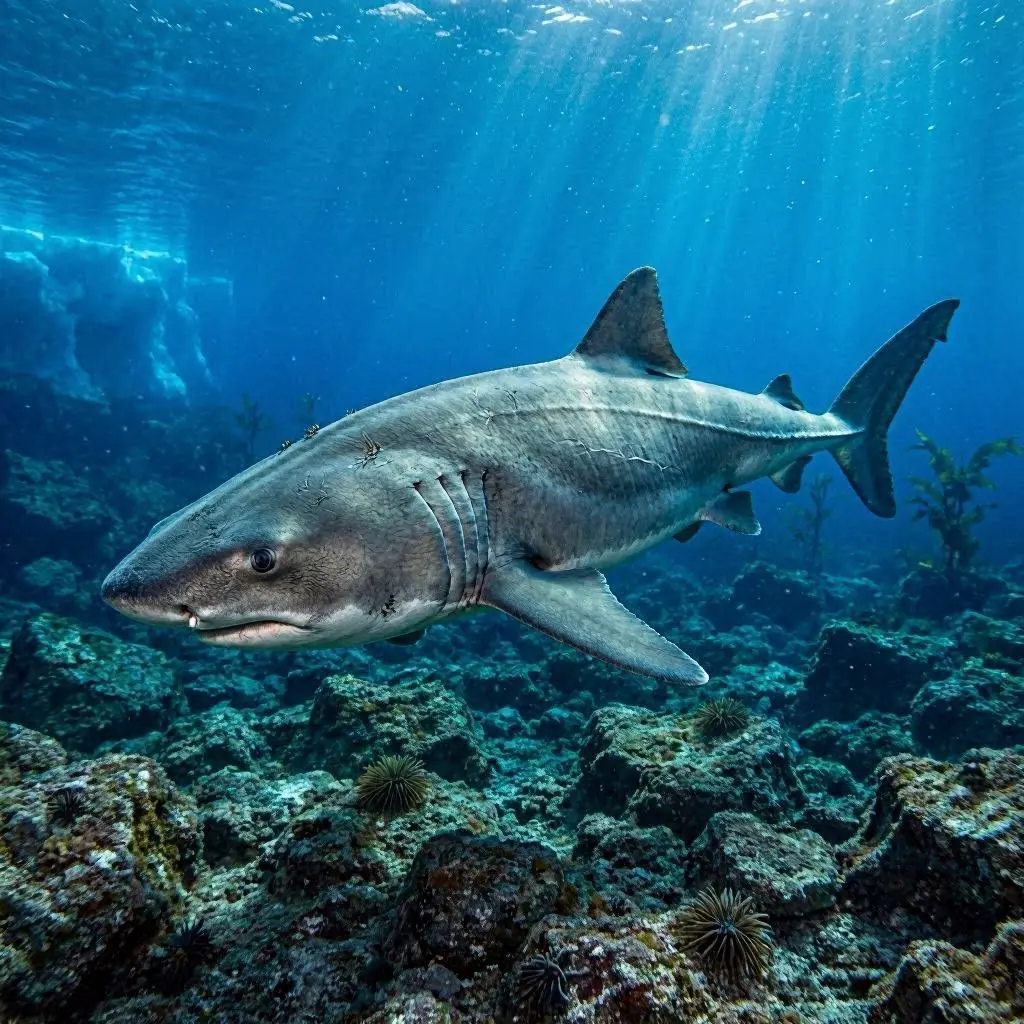
The Greenland shark is the slowest shark species and one of the most extraordinary animals on Earth. Gliding through Arctic depths at barely over one kilometer per hour, it compensates for its slow speed with an astonishing lifespan of up to 500 years, making it the longest-lived vertebrate animal known to science. A female caught in 2016 was estimated to be between 272 and 512 years old.
⓭ Komodo Dragon (11 mph in short bursts)
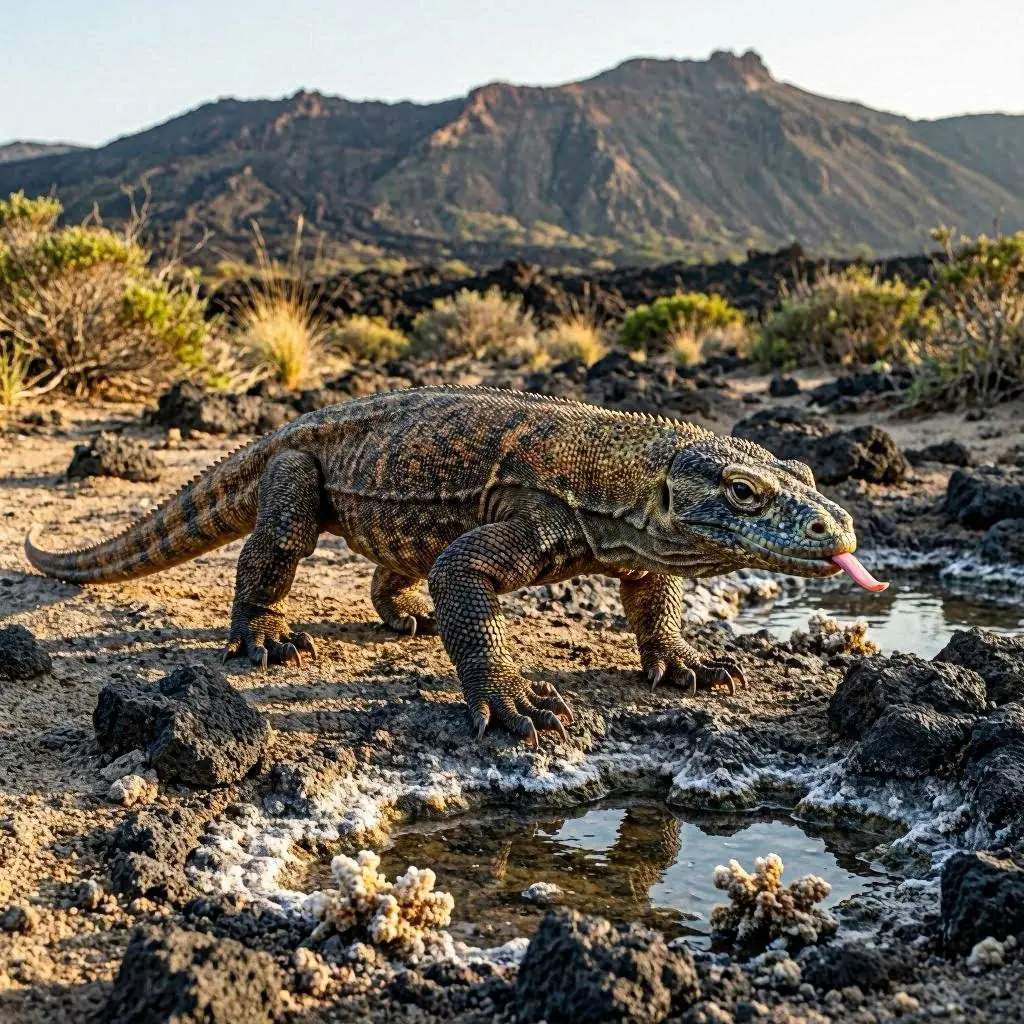
The Komodo dragon is the world’s largest lizard and spends most of its time completely still, conserving energy in the scorching heat of the Indonesian islands. While it can reach 11 mph in short bursts, its typical daily behavior involves slow, deliberate movements and long periods of basking. It relies on its venomous bite and powerful sense of smell rather than speed to hunt prey.
⓮ Virginia Opossum (around 4 mph)
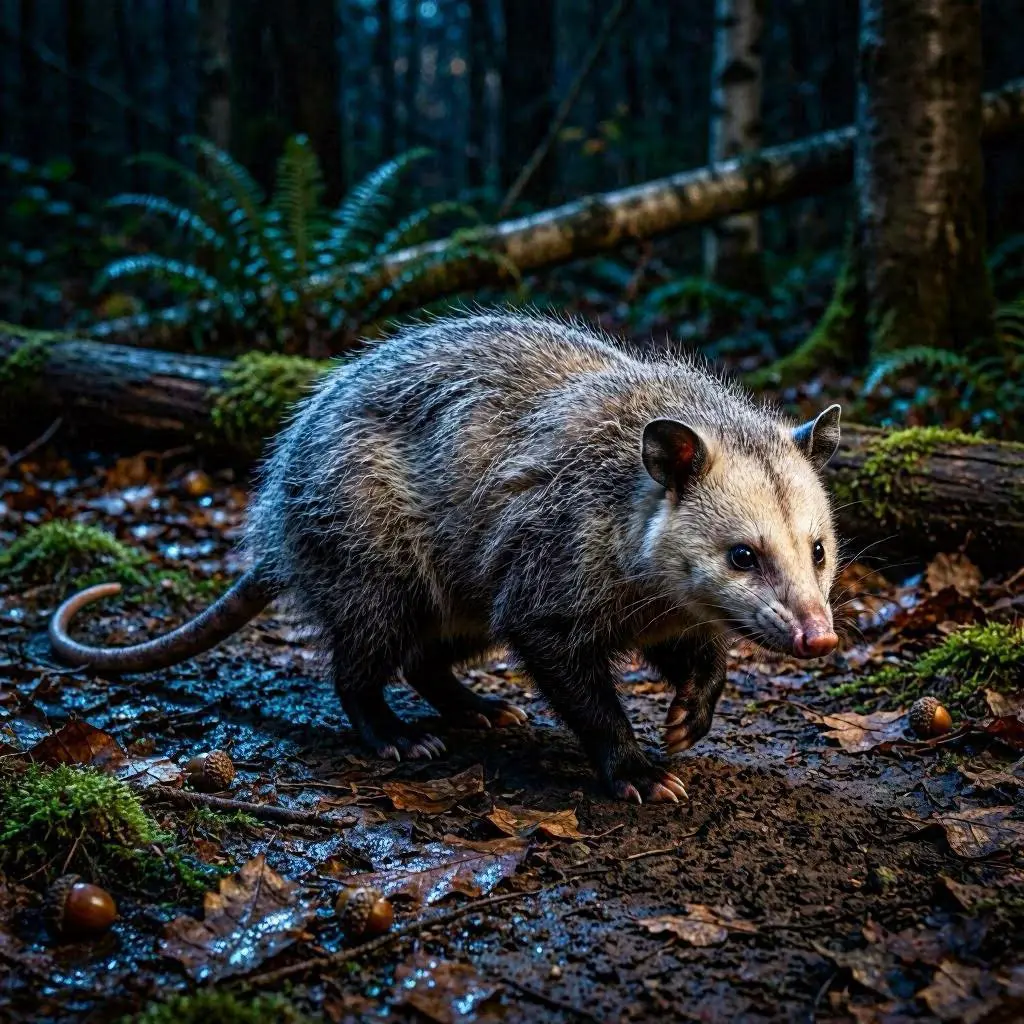
The Virginia opossum is North America’s only marsupial and one of its slowest ground-dwelling mammals. Its most famous defense strategy is “playing dead,” an involuntary catatonic state called thanatosis that includes a stiff body, open mouth, and foul odor to convince predators the animal is already dead. Opossums are surprisingly beneficial animals, eating thousands of ticks, cockroaches, and rodents every year.
⓯ American Woodcock (5 mph minimum flight speed)
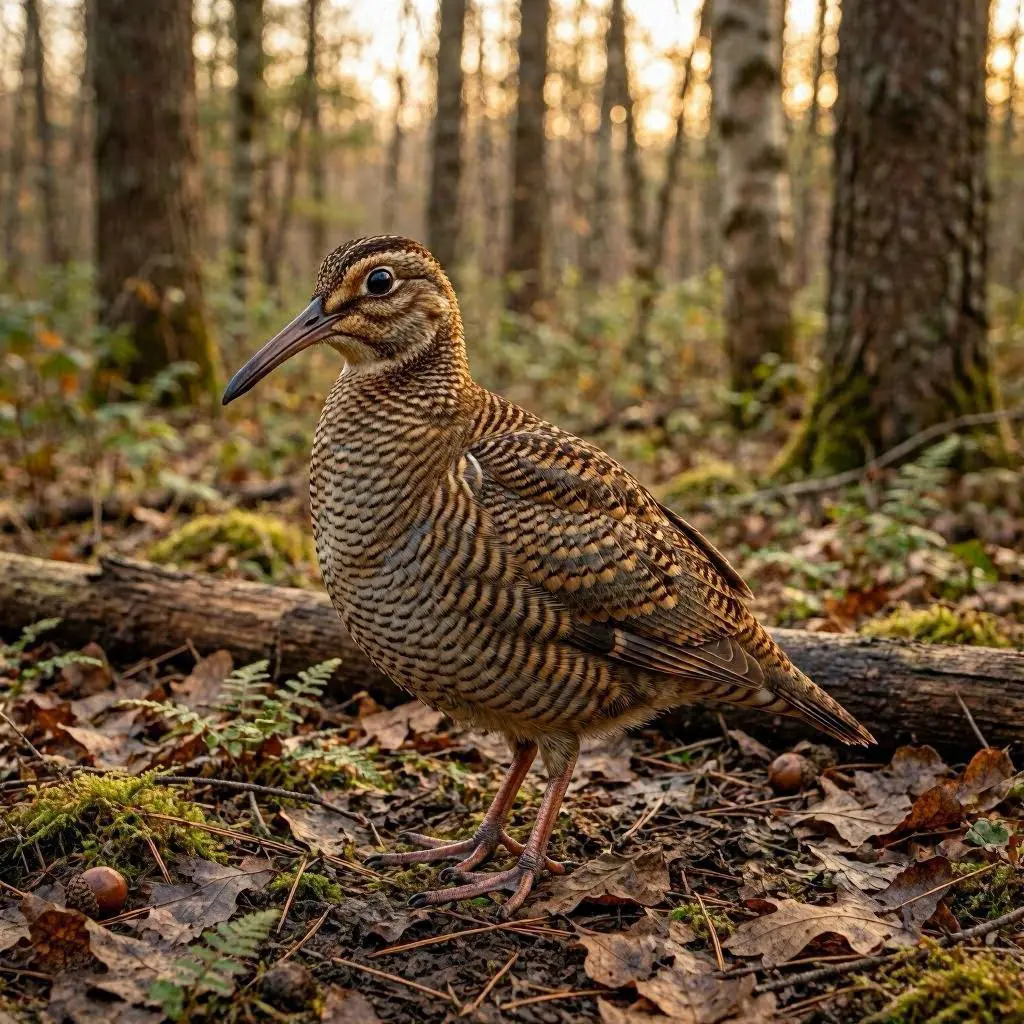
The American woodcock holds the record as the slowest flying bird in the world. During its courtship display at dusk, it circles upward in a slow, spiraling sky dance at just 5 mph, the slowest controlled bird flight ever recorded. It uses its uniquely flexible bill to probe the soil for earthworms, which make up the majority of its diet.
⓰ Wombat (slow normal pace)
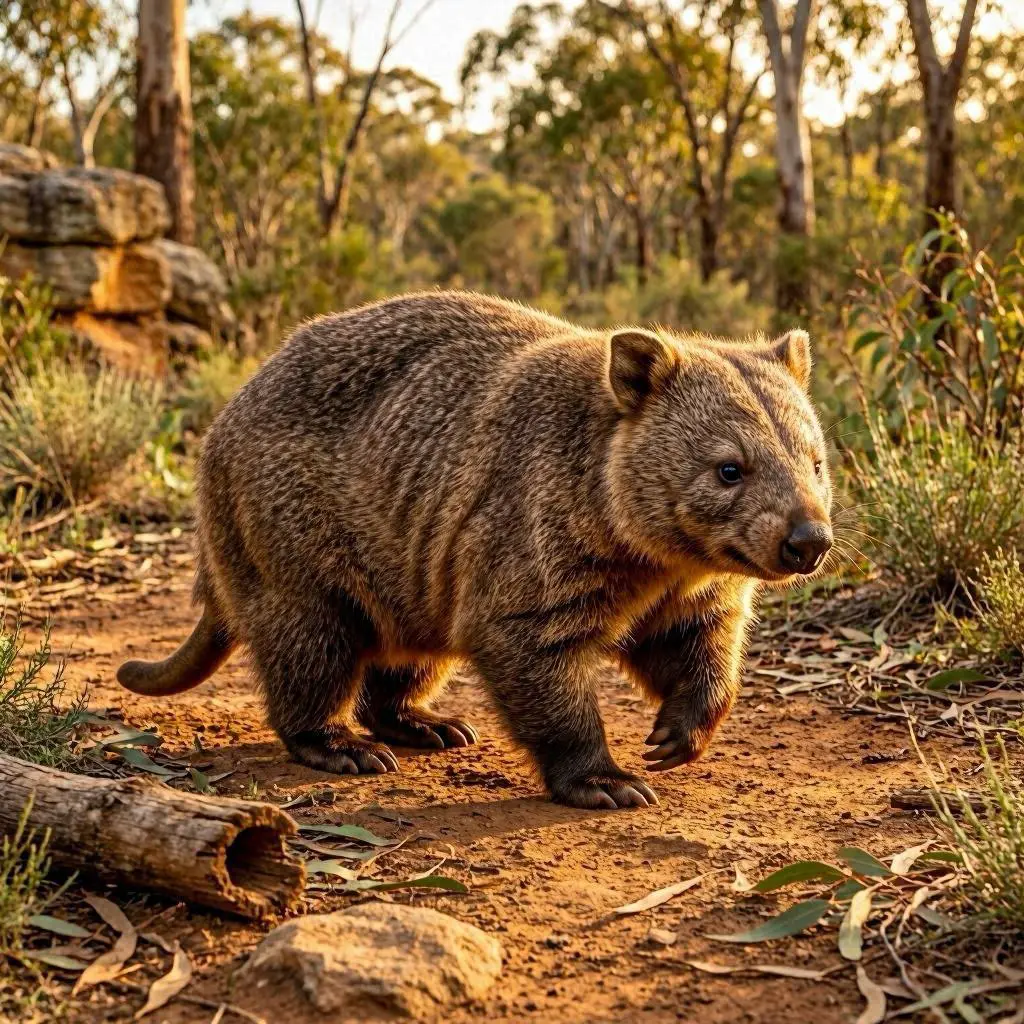
The wombat is a stocky, burrowing marsupial native to Australia that moves with a slow, rolling waddle in its everyday life. Although it can run at 25 mph in short bursts when truly threatened, its normal pace is a casual, unhurried amble. Wombats are powerful diggers and spend much of their energy constructing and maintaining complex underground burrow systems.
⓱ Two-Toed Sloth (0.17 mph)
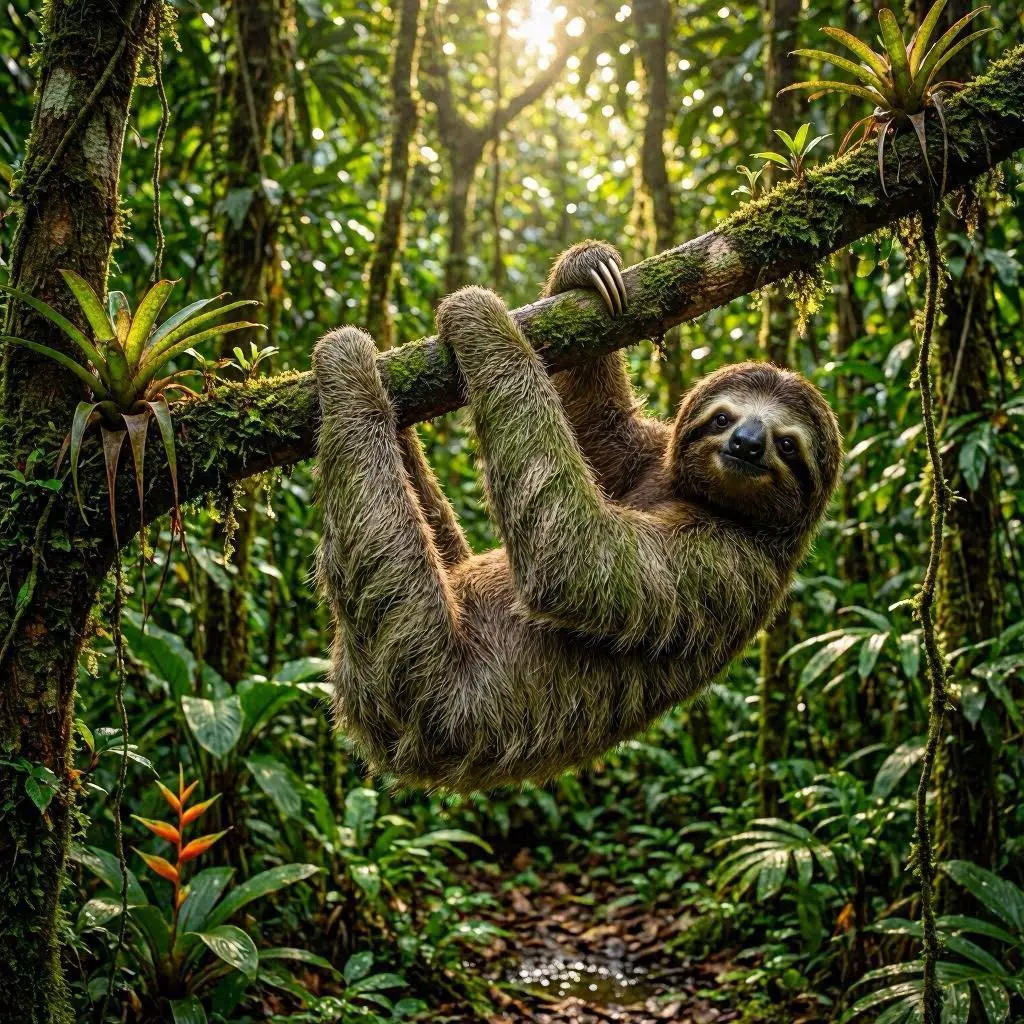
The two-toed sloth is the slightly faster cousin of the three-toed sloth, but is still one of the slowest mammals alive. It is nocturnal and slightly larger than the three-toed species, spending its nights hanging from branches in the forests of Central and South America. Like its relative, it has an extremely slow metabolic rate and relies on camouflage rather than speed for survival.
⓲ Box Turtle (0.25 mph)
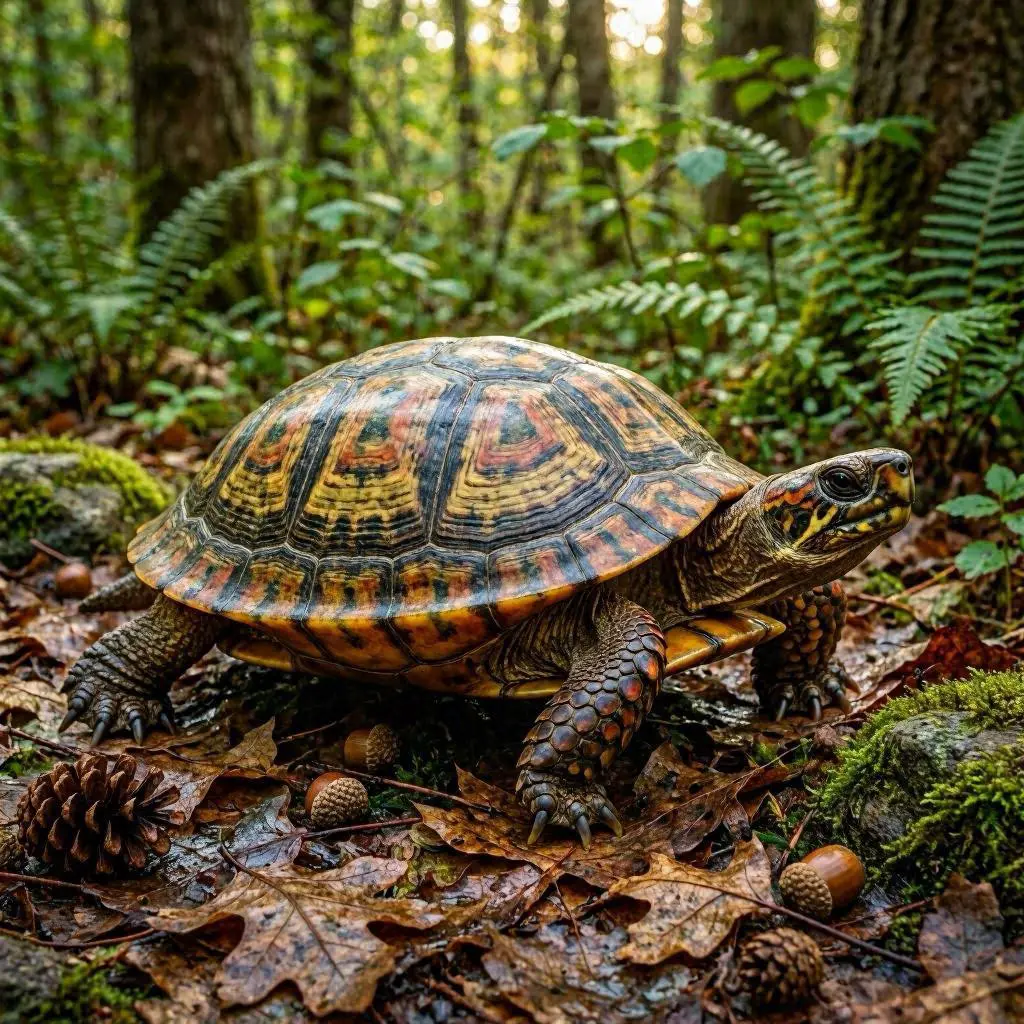
The box turtle is a small, land-dwelling turtle found across eastern North America and parts of Asia. It moves even more slowly than it might appear, shuffling along at just 0.25 mph on average. When threatened, it pulls its entire body inside its uniquely hinged shell, creating a completely sealed, nearly impenetrable box that most predators cannot open.
⓳ Sea Urchin (0.03 mph)
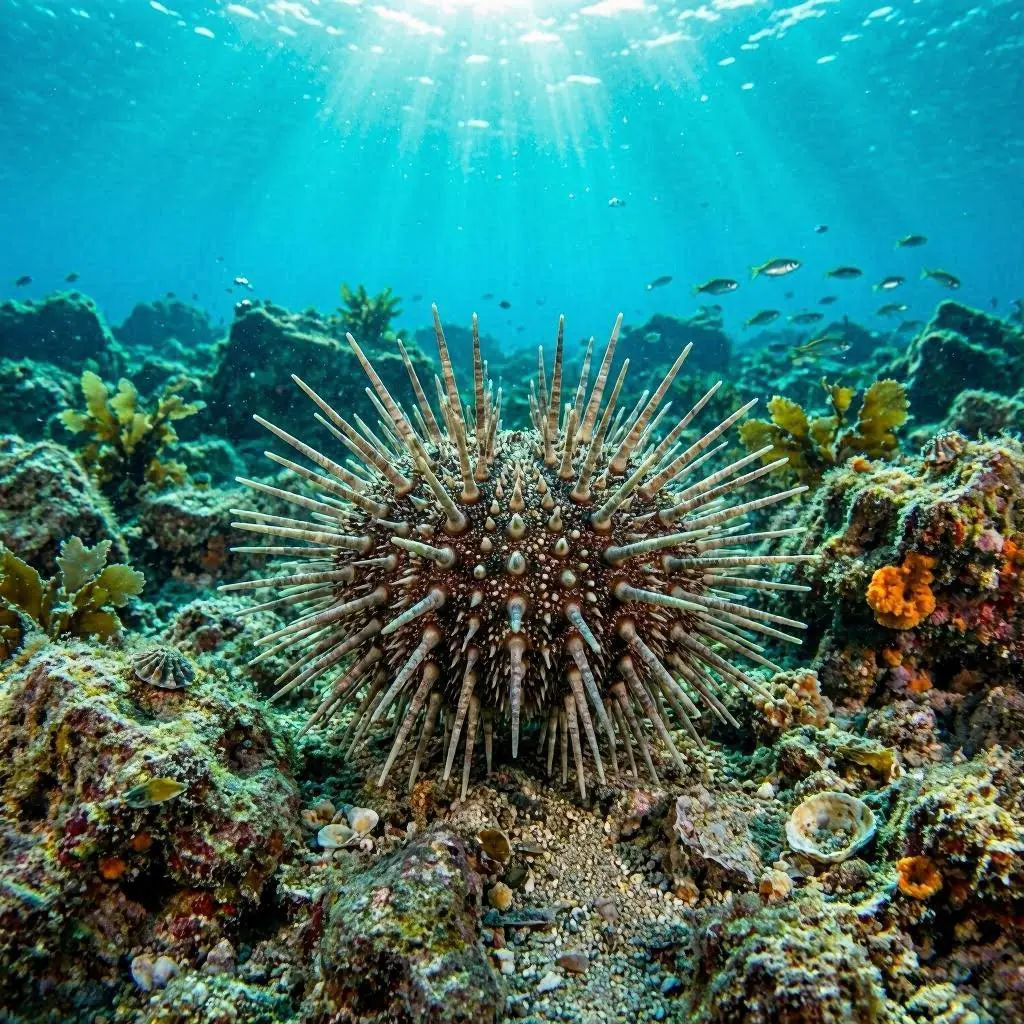
The sea urchin is a spiny, globe-shaped ocean animal that shuffles slowly across rocky seafloors using a combination of tiny tube feet and its sharp spines as walking stilts. It moves at roughly 0.03 mph in its search for algae to graze on. Its sharp spines serve as a highly effective deterrent against predators, making its slow speed much less of a disadvantage.
⓴ Millipede (0.06 mph)
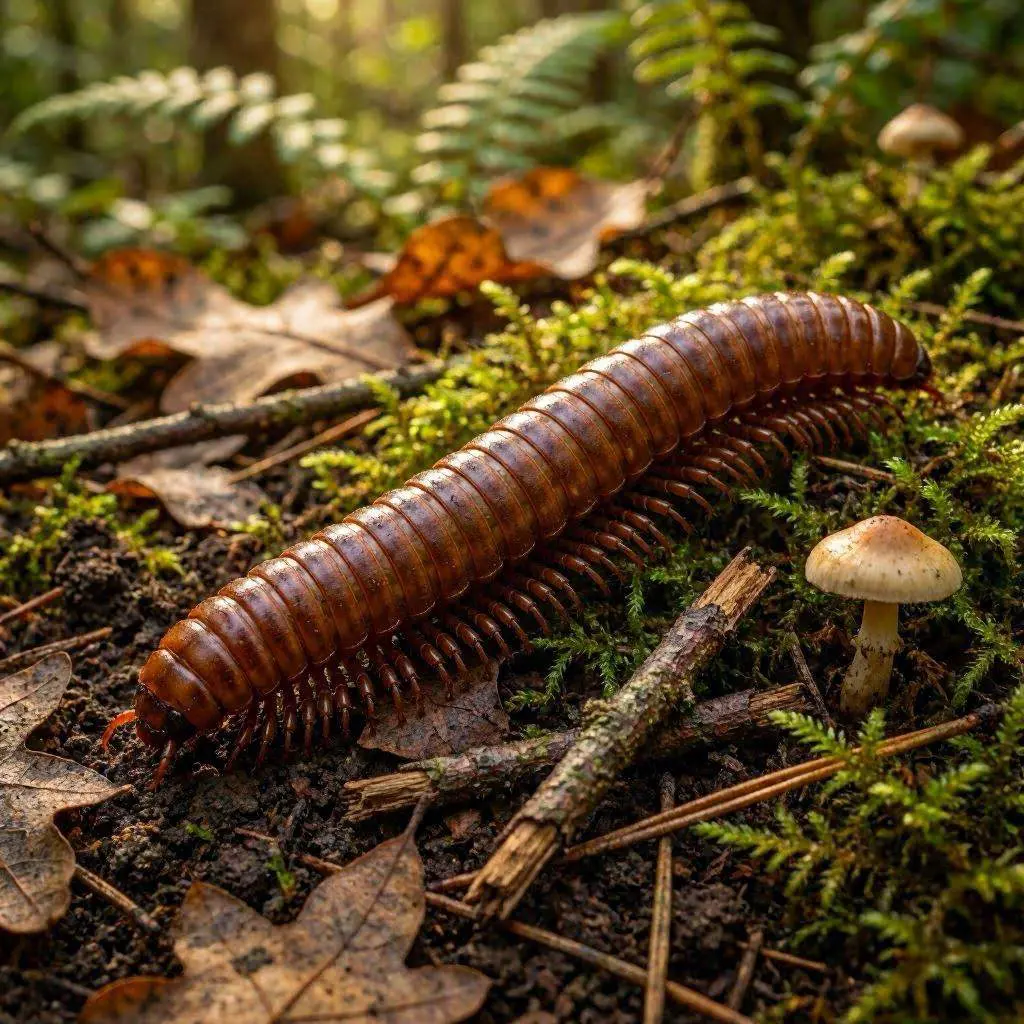
The millipede is one of the slowest insects in the world, moving at a gentle 0.06 mph despite having anywhere from 40 to over 400 legs. It lives in forest floors and soil, feeding on decaying plant material and playing an important role in breaking down organic matter. When threatened, most millipede species curl into a tight defensive coil rather than attempting to flee.
Complete List of Slow Animals Names by Category
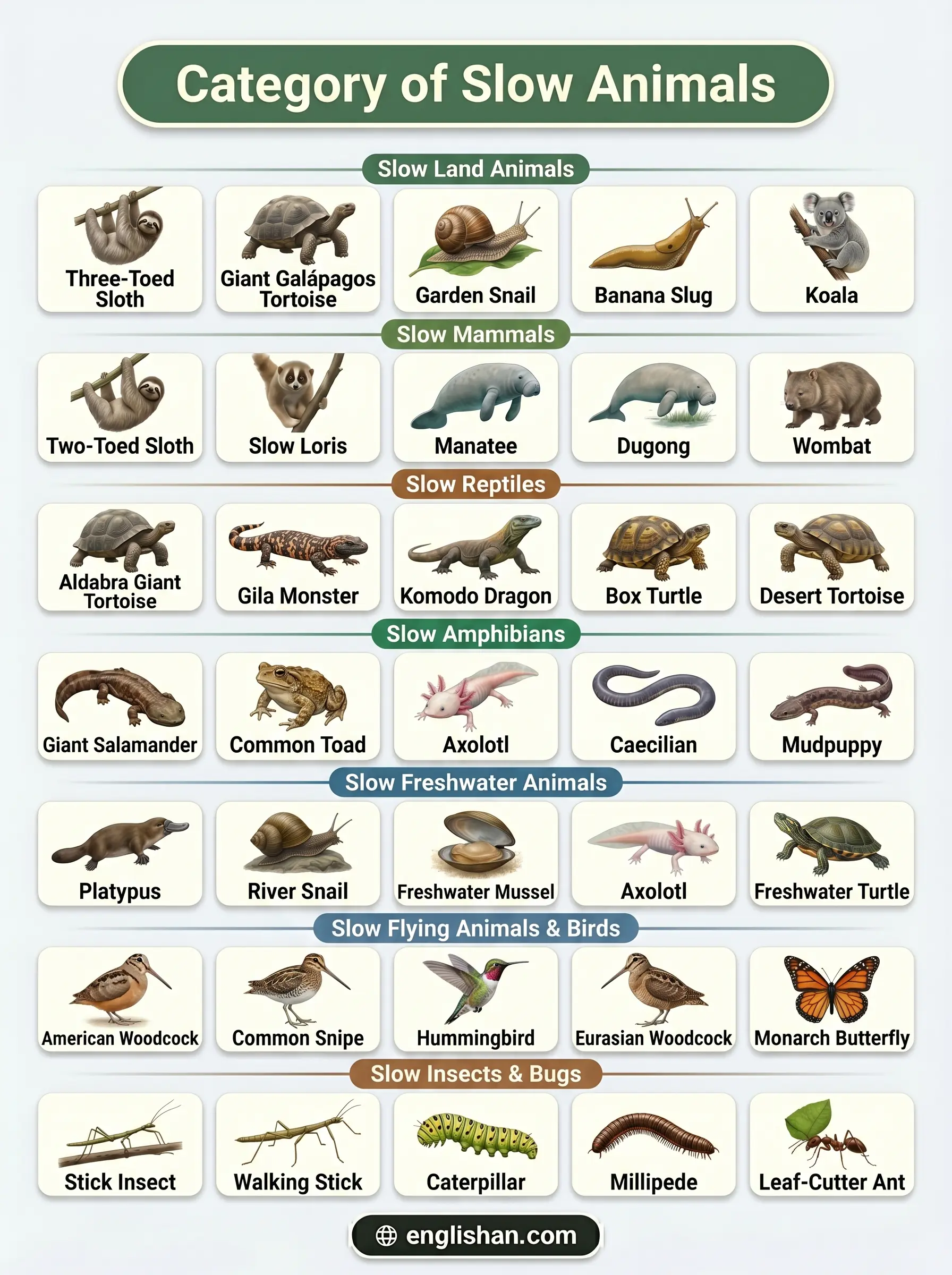
This section organizes slow animals into clear categories based on their habitat and animal class. It helps you understand how environment and body structure affect their movement and why some species naturally move at a slower pace.
For easy comparison, speeds are provided in both mph and km/h where available. Each category includes a short introduction followed by a complete list of slow animals.
Slow Land Animals
Land-based slow animals are widely known for their steady, unhurried movement. Most of them are slow due to low-energy diets, heavy body structures, protective shells, or survival strategies like camouflage. Their slow pace is not a weakness but an adaptation that helps them conserve energy and avoid predators effectively.
- Three-Toed Sloth (Bradypus tridactylus) – 0.15 mph – South American Rainforest
Extremely slow due to a low metabolic rate and leaf-based diet. It barely moves to save energy. This slowness helps it stay hidden in trees. - Giant Galápagos Tortoise (Chelonoidis niger) – 0.2 mph – Galápagos Islands
Slow because of its massive body and heavy shell. Movement is energy-efficient in its dry habitat. The shell provides strong protection from predators. - Garden Snail (Cornu aspersum) – 0.03 mph – Worldwide
Slow due to its soft, muscular body and lack of skeleton. It glides using mucus. This helps it move safely and stay moist. - Banana Slug (Ariolimax columbianus) – 0.007 mph – North American Forests
Extremely slow because it must retain moisture. Its soft body cannot support fast movement. Slime also protects it from predators. - Gila Monster (Heloderma suspectum) – 1.5 mph – Southwest USA
Slow-moving reptile with a heavy body and low energy needs. It relies on venom instead of speed. This saves energy in desert conditions. - Koala (Phascolarctos cinereus) – Slow amble – Eastern Australia
Slow due to a low-nutrition eucalyptus diet. It rests most of the time to conserve energy. This helps it survive on limited food. - Virginia Opossum (Didelphis virginiana) – ~4 mph – North America
Relatively slow and cautious mover. It often uses “playing dead” as defense. This reduces the need for fast escape. - Wombat (Vombatus ursinus) – Slow mover – Australia
Slow because of its heavy, muscular digging body. Strength is more important than speed. Burrows provide safety. - Box Turtle (Terrapene carolina) – 0.25 mph – Eastern North America
Slow due to heavy protective shell and short limbs. It relies on closing its shell for defense. This reduces dependence on speed. - Desert Tortoise (Gopherus agassizii) – 0.3 mph – Mojave Desert
Slow to conserve water and energy in harsh deserts. Its shell protects from extreme heat. Slow movement supports survival in scarce conditions.
Slowest Mammals
Among warm-blooded animals, mammals include some of the slowest movers on Earth. Their slow speed is mainly due to low-energy diets, energy-efficient metabolisms, and body designs focused on survival rather than speed. Many of them rely on camouflage, aquatic drifting, or defensive behavior instead of chasing or escaping quickly.
- Three-Toed Sloth (Bradypus tridactylus) – 0.15 mph – South American Rainforest
Extremely slow due to a very low metabolic rate and leaf-based diet. It moves minimally to conserve energy. This also helps it stay hidden in trees. - Two-Toed Sloth (Choloepus didactylus) – 0.17 mph – Central & South America
Slightly faster but still extremely slow because of its low-energy diet. It spends most of its time hanging in trees. Slow movement helps it avoid predators. - Slow Loris (Nycticebus spp.) – 1.18 mph – Southeast Asian Forests
Moves slowly to remain silent and undetected at night. It depends on stealth and surprise rather than speed. Its slow pace also supports its defensive toxins. - Manatee (Trichechus manatus) – 3 to 5 mph – Tropical Coastal Waters
Slow due to its large body and grazing lifestyle. It feeds on aquatic plants in calm waters. Slow movement conserves oxygen and energy. - Dugong (Dugong dugon) – 4 to 6 mph – Indo-Pacific Waters
Moves slowly while feeding on seagrass in shallow waters. Its body is built for steady gliding, not speed. This helps it efficiently conserve energy. - Koala (Phascolarctos cinereus) – Slow amble – Eastern Australia
Slow because of its low-nutrition eucalyptus diet. It rests most of the day to save energy. Slow movement supports survival on limited food. - Platypus (Ornithorhynchus anatinus) – 3.4 mph – Australian Rivers
Moves in a slow, energy-efficient way while hunting underwater. It relies on sensing prey rather than chasing it. This reduces energy use. - Virginia Opossum (Didelphis virginiana) – ~4 mph – North America
Not built for speed and moves cautiously. Often uses “playing dead” instead of running. This reduces the need for fast escape. - Wombat (Vombatus ursinus) – Slow mover – Australia
Slow due to its heavy, muscular digging body. Strength is more important than speed. Burrows provide protection instead of running.
Slow Reptiles
Reptiles are home to some of the most iconic slow-moving animals, especially land tortoises. Their slow pace is mainly due to heavy shells, low metabolic rates, and energy-conserving lifestyles. While tortoises are slow on land, it’s important to note that many sea turtles are strong and fast swimmers, so “slow turtles” mainly refers to land species.
- Giant Galápagos Tortoise (Chelonoidis niger) – 0.2 mph – Galápagos Islands
Very slow due to its massive body and heavy shell. It moves minimally to save energy. The shell provides strong protection, reducing the need for speed. - Aldabra Giant Tortoise (Aldabrachelys gigantea) – 0.3 mph – Aldabra Atoll
Slow because of its large, heavy structure. It survives on limited vegetation. Slow movement helps conserve energy in island habitats. - Gila Monster (Heloderma suspectum) – 1.5 mph – Southwest USA & Mexico
Slow-moving due to low energy needs and heavy body. It uses venom instead of speed for hunting. This makes fast movement unnecessary. - Komodo Dragon (Varanus komodoensis) – up to 11 mph (short bursts) – Indonesia
Generally slow and relies on ambush hunting. It only uses speed in short bursts. Its size and strength reduce the need for constant movement. - Box Turtle (Terrapene carolina) – 0.25 mph – Eastern North America
Slow due to heavy shell and short legs. It protects itself by fully closing its shell. This defense replaces the need for speed. - Desert Tortoise (Gopherus agassizii) – 0.3 mph – Mojave Desert
Moves slowly to conserve water and energy. Its shell protects it from extreme heat. Slow pace supports survival in desert conditions.
Slow Amphibians
Amphibians are often overlooked in discussions of slow animals, yet many species rank among the least mobile vertebrates. Living in moist or aquatic environments, they rely on low energy movement, camouflage, and ambush feeding instead of speed.
- Giant Salamander (Andrias japonicus) – Very slow – Japan
Large body and aquatic lifestyle make it slow. It uses ambush hunting. This conserves energy in cold streams. - Common Toad (Bufo bufo) – ~5 mph max – Europe & Asia
Usually moves in short, slow hops. Its warty skin deters predators. This reduces the need for fast escape. - Axolotl (Ambystoma mexicanum) – Very slow – Mexico
Fully aquatic and low-energy species. It prefers still water. Slow movement supports survival in calm lakes. - Caecilian (Gymnophiona order) – Near-sessile – Tropics
Almost motionless, burrowing underground. Worm-like body is built for digging. This avoids predators entirely. - Mudpuppy (Necturus maculosus) – Very slow – North America
Slow swimmer living at river bottoms. It relies on camouflage. Energy conservation is key. - Fire Salamander (Salamandra salamandra) – Very slow – Europe
Slow due to ambush lifestyle and moist habitat needs. Toxic skin provides defense. Speed is unnecessary.
Slowest Sea and Ocean Animals
Ocean animals include some of the slowest organisms on Earth. High water resistance and energy efficiency needs lead many species to drift, stay still, or move extremely slowly.
- Sea Anemone (Actiniaria) – 0.0001 km/h – Oceans
Almost completely stationary. It captures prey with tentacles. Movement is minimal. - Starfish (Asteroidea) – 0.009 km/h – Oceans
Moves using tube feet. Extremely slow but effective for feeding. Patience replaces speed. - Dwarf Seahorse (Hippocampus zosterae) – 0.015 km/h – Caribbean
One of the slowest fish. Uses camouflage in seagrass. Slow drift avoids predators. - Greenland Shark (Somniosus microcephalus) – ~1.2 km/h – Arctic
Slow metabolism in cold waters. It scavenges rather than hunts. Energy saving supports longevity. - Manatee (Trichechus manatus) – 5–8 km/h – Tropics
Large body and grazing diet slow it down. It feeds on seagrass. Slow movement conserves oxygen. - Dugong (Dugong dugon) – 6–10 km/h – Indo-Pacific
Slow glider feeding on seagrass. Built for steady movement. Saves energy efficiently. - Sea Sponge (Porifera) – Nearly zero – Oceans
Completely sessile organism. Filters food from water. No movement required. - Sea Urchin (Echinoidea) – ~0.03 mph – Seabeds
Moves slowly with tube feet. Spines provide protection. Grazes on algae. - Nautilus (Nautilus pompilius) – ~0.5 mph – Deep seas
Slow jet propulsion swimmer. Conserves energy in deep water. Shell offers protection. - Horseshoe Crab (Limulus polyphemus) – ~0.5 mph – Coastal waters
Bottom walker with slow movement. Hard shell ensures defense. Speed is unnecessary.
Slow Freshwater Animals
Freshwater habitats favor slow, bottom-dwelling, and camouflaged species. Many rely on stillness, burrowing, or energy-efficient movement.
- Platypus (Ornithorhynchus anatinus) – 3.4 mph – Australia
Slow hunter using electroreception. Does not chase prey. Saves energy in rivers. - River Snail (Viviparidae) – Very slow – Worldwide
Glides using mucus foot. Heavy shell slows movement. Helps avoid predators. - Freshwater Mussel (Unionidae) – Near-sessile – Rivers
Mostly immobile, buried in sediment. Filter feeds continuously. No need for speed. - Axolotl (Ambystoma mexicanum) – Very slow – Mexico
Low-energy aquatic lifestyle. Prefers still waters. Moves minimally. - Giant Salamander (Andrias japonicus) – Very slow – Japan
Slow ambush predator in rivers. Large body reduces speed. Energy conservation is key. - Freshwater Turtle (Emydidae) – Very slow – Asia & N. America
Heavy shell limits movement. Relies on defense, not speed. Water is easier than land.
Slow Flying Animals and Birds
Some flying species move slowly for control, camouflage, or precision rather than speed. Many rely on slow flight for survival or hunting efficiency.
- American Woodcock – ~5 mph – North America
Slow, fluttering courtship flight. Ground camouflage is key. Confuses predators. - Common Snipe – ~7 mph – Wetlands
Erratic slow flight pattern. Hard for predators to track. Ground hiding also important. - Hummingbird – Hover (0 mph forward)
Can stay suspended in air. Enables precise feeding. Saves movement waste. - Eurasian Woodcock – ~5 mph – Europe & Asia
Slow zigzag escape flight. Camouflage supports survival. Reduces predation risk. - Monarch Butterfly – 5–12 mph – Americas
Controlled migration flight. Uses wind to save energy. Supports long-distance travel. - Painted Lady Butterfly – ~5 mph – Global
Slow gliding migration flight. Energy-efficient movement. Uses air currents. - American Kestrel – Hovering – North America
Can hover while hunting. Improves prey detection. Enhances precision.
Slow Insects and Bugs
Many insects rely on slowness and camouflage instead of escape. Their survival depends on blending into surroundings or chemical defenses.
- Stick Insect – Near-sessile – Tropics
Looks like a twig. Extremely slow or motionless. Camouflage is defense. - Walking Stick – Extremely slow – Asia/Australia
Mimics plant stems. Movement is minimal. Avoids predators visually. - Caterpillar – ~0.02 mph – Worldwide
Soft body limits speed. Uses camouflage and spines. Vulnerable but hidden. - Millipede – ~0.06 mph – Forests
Many legs, slow movement. Chemical defense system. Moves steadily. - Land Snail – ~0.03 mph – Global
Mucus-based slow movement. Prevents dehydration. Shell offers protection. - Tarantula – ~1 mph – Tropics
Slow ambush predator. Relies on stealth. Saves energy for strikes. - Leaf-Cutter Ant – Slow when loaded – Americas
Slows down while carrying leaves. Strong teamwork compensates. Efficiency over speed.
Slow Animals Names for Kids
Learning about slow animals is a fun and exciting way for children to explore nature. These animals may not run fast or fly quickly, but they have amazing abilities that help them survive in their own special ways. Here are some easy and interesting slow animal names for kids:
- sloth
- snail
- tortoise
- starfish
- manatee
- koala
- seahorse
- slug
- millipede
- gila monster
This list is great for classroom activities, worksheets, and helping kids learn basic science vocabulary in a simple and engaging way.
How Do Slow Animals Survive Predators?
At first sight, slow movement seems like a major disadvantage in a world full of predators. However, slow animals have survived for millions of years because they rely on powerful alternative defense strategies that make speed unnecessary. Their survival is based on protection, deception, and energy-efficient living.
- Camouflage and Blending In
Many slow animals avoid predators by becoming almost invisible in their environment. Sloths develop algae on their fur to match tree canopies, stick insects resemble twigs, and starfish blend into seabeds so well that predators often miss them completely. - Armor and Hard Shells
Some animals depend on physical protection instead of escape. Tortoises, snails, and box turtles carry strong shells that act like natural shields. When threatened, they simply hide inside, making it extremely difficult for predators to harm them. - Venom and Chemical Defense
Instead of running away, some slow animals use toxins. The slow loris is a rare venomous mammal, sea anemones sting prey with powerful cells, and the Gila monster delivers a painful bite that discourages attackers. - Playing Dead
Certain species survive by fooling predators. The Virginia opossum enters a “death-like” state with a foul smell and stiff body. Most predators lose interest and move on. - Nocturnal and Hidden Lifestyle
Many slow animals avoid danger by staying active only at night or hiding most of the time. Slow lorises move in darkness, Gila monsters spend most of their lives underground, and seahorses stay fixed to seagrass to avoid detection. - Long Lifespan Advantage
Some slow animals simply outlive threats. Greenland sharks can live for centuries, and giant tortoises live over 150 years. Their slow metabolism supports extreme longevity, reducing lifetime risk from predators.
Difference Between Slow and Lazy Animals
A common misunderstanding is that slow animals are “lazy,” but biologically these are completely different concepts. Slow movement is an evolved physical trait linked to anatomy, metabolism, and environment, while laziness implies a voluntary choice—which does not exist in wild animal behavior. Every action in nature serves a survival purpose.
| Term | Meaning (Biological Context) | Example |
|---|---|---|
| Slow | Naturally low movement speed due to body design or metabolism | Three-toed sloth (very low metabolic rate) |
| Sedentary | Spends most time inactive as an energy-saving strategy | Koala sleeping up to 20 hours daily |
| Sessile | Permanently fixed and does not move | Sea anemone attached to rocks |
| Torpor | Temporary state of reduced activity and metabolism | Bears entering low-energy winter state |
| Hibernation | Long-term seasonal dormancy for survival | Snails becoming inactive during extreme conditions |
In short, “slow” is a biological adaptation, not a behavioral choice, and each form of inactivity in animals is directly linked to survival efficiency rather than laziness.
Endangered Slow Animals
Slow animals face a disproportionately high risk of extinction compared to faster species. Their slow reproductive rates, highly specialized habitats, and inability to escape sudden threats make them especially vulnerable to habitat destruction, climate change, pollution, and human exploitation.
- Slow Loris
- Galápagos Tortoise
- Manatee
- Dugong
- Axolotl
- Chinese Giant Salamander
- Leatherback Sea Turtle
Conservation efforts are essential to protect these unique species and their fragile ecosystems. Supporting wildlife organizations, avoiding illegal wildlife trade, and raising awareness can help ensure that slow animals continue to survive in the wild for future generations.
Do Slow Animals Live Longer?
A strong pattern in biology shows a link between slow movement, low metabolism, and longer lifespan. This is explained by the “rate of living” theory, which suggests that animals using energy more slowly accumulate cellular damage at a slower rate, leading to slower aging.
Slow metabolism reduces oxidative stress, a major cause of aging at the cellular level. As a result, many slow-moving animals tend to live significantly longer than fast, high-energy species.
Evidence from slow animals
- Greenland Shark – up to 500 years; extremely slow swimmer (~1.2 km/h).
- Giant Tortoise – 150–177+ years; very low-energy lifestyle.
- Bowhead Whale – 200+ years; slow-moving Arctic mammal.
- Sea Anemone – potentially centuries; shows minimal aging.
- Slow Loris – 20–25 years; longer than many similar-sized mammals.
- Koala – 13–18 years; longer lifespan than many marsupials of same size.
For comparison, fast-metabolism animals like mice live around 2 years, while hummingbirds average only about 5 years despite their high energy output.
Conclusion
Across this article, we explored a wide variety of slow animals names and discovered that slowness is not a disadvantage but a powerful evolutionary strategy. From the gentle sloth and long-living giant tortoise to the drifting manatee and nearly stationary sea anemone, each species shows that survival is not always about speed.
These animals have thrived for millions of years by using unique adaptations such as camouflage, armor, venom, energy conservation, and long lifespans. Whether it is the Greenland shark living for centuries or the koala surviving on a low-energy diet, their success proves that nature values efficiency just as much as speed.
In the end, slow animals names remind us that nature does not reward haste—it rewards balance, adaptation, and endurance. In the natural world, moving slowly is not falling behind; it is simply another way of staying ahead.
FAQs
A: The sea anemone is the slowest animal on Earth, moving at just 0.0001 km/h and spending most of its life completely motionless. Among mammals, the three-toed sloth holds the title at 0.15 mph. The dwarf seahorse is the slowest fish on the planet, holding a Guinness World Record at 0.015 km/h.
A: Among land animals, the banana slug at 0.007 mph and the garden snail at 0.03 mph are the slowest overall. Among vertebrates on land, the three-toed sloth at 0.15 mph and the giant Galápagos tortoise at 0.2 mph are consistently the slowest.
A: Sloths eat nutritionally poor leaves that provide very little usable energy. Their body is evolved to conserve every calorie, with muscles only one-quarter as powerful as similarly-sized mammals. Their digestion also takes up to 30 days to fully process a single meal.
A: The sea anemone is the slowest ocean animal at just 0.0001 km/h, remaining anchored in one spot for most of its life. Among fish, the dwarf seahorse officially holds the Guinness World Record as the slowest at 0.015 km/h.
A: The American woodcock is the slowest flying bird, capable of sustained controlled flight at just 5 mph during its famous spiral courtship display at dusk. This is the slowest intentional flight speed ever recorded for any bird species.
A: Yes, often dramatically longer. Slow metabolic rates reduce oxidative cellular damage, which is the primary driver of biological aging. The Greenland shark lives up to 500 years, the giant tortoise lives 177 or more years, and the bowhead whale lives over 200 years.
A: Great slow animals for school projects include the Sloth, Giant Tortoise, Garden Snail, Koala, Manatee, Starfish, Dwarf Seahorse, Banana Slug, Slow Loris, and the Gila Monster. Each has well-documented facts, clear scientific names, and fascinating survival strategies that make them excellent research subjects.
You May Also Like
- 50+ Most Colorful Animal Names in the World
- 42+ Animals With Stripes Names In English
- 50+ Grassland Animals Names
Slowest Animals Quiz
Slowest Animals
Which mammal is the slowest?
It moves at a fraction of walking pace, and algae grows in its coat.
The sloth's speed follows from its diet.
Leaves yield so little energy that hurrying is not affordable.
How does slowness protect a sloth?
Eagles and cats detect motion, and a sloth barely produces any.
Camouflage works better when nothing moves.
Algae in the fur completes the disguise.
Name the animal.
A ___ moves at around one metre a minute, leaving a trail of mucus behind it.
The mucus reduces friction and lets it cross sharp surfaces unharmed.
The trail is a road surface as much as a by-product.
A snail can cross a razor edge on its own mucus.
Why does a sloth descend to the ground only about once a week?
A slow animal on open ground is the easiest possible target.
The weekly descent is the riskiest thing a sloth does.
Most sloth deaths from predation happen on the ground.
Which is slower over open ground?
Roughly a metre a minute, well below a tortoise's pace.
Compare like with like: speed over the same surface.
A tortoise would leave a snail far behind.
Turn on JavaScript for the interactive quiz. The full practice set is shown above.