North America is a continent of incredible contrasts. You have frozen Arctic landscapes in the north, dense forests across Canada and the northern United States, wide open grasslands in the middle of the country, and warm deserts and wetlands further south. This kind of variety naturally leads to an amazing range of wildlife, and in this guide, we are going to explore the most well known North American animals names in real detail.
We will not just throw a list of names at you. Instead, we will walk through where each animal lives, what makes it unique, how it behaves, and why it matters. Whether you are researching for school, teaching kids about wildlife, or simply curious about the animals living across the United States, Canada, and Mexico, this guide is written to be easy to follow and genuinely enjoyable to read.
What Makes North American Wildlife So Diverse?
To really appreciate the animals on this list, it helps to understand the landscape they live in. North America stretches from the icy Arctic regions of northern Canada all the way down to the tropical parts of Mexico. In between, you will find the Rocky Mountains, the Great Plains, dense eastern forests, and coastal wetlands.
This range of climates and terrains means animals across the continent have had to adapt in very different ways. A polar bear needs thick fur and a layer of fat to survive freezing Arctic temperatures, while an American alligator thrives in the warm, humid wetlands of Florida. This is exactly what makes North American wildlife so fascinating to explore.
Explore more animals that start with different letters:
A | B | C | D | E | F | G | H | I | J | K | L | M | N | O | P | Q | R | S | T | U | V | W | X | Y | Z
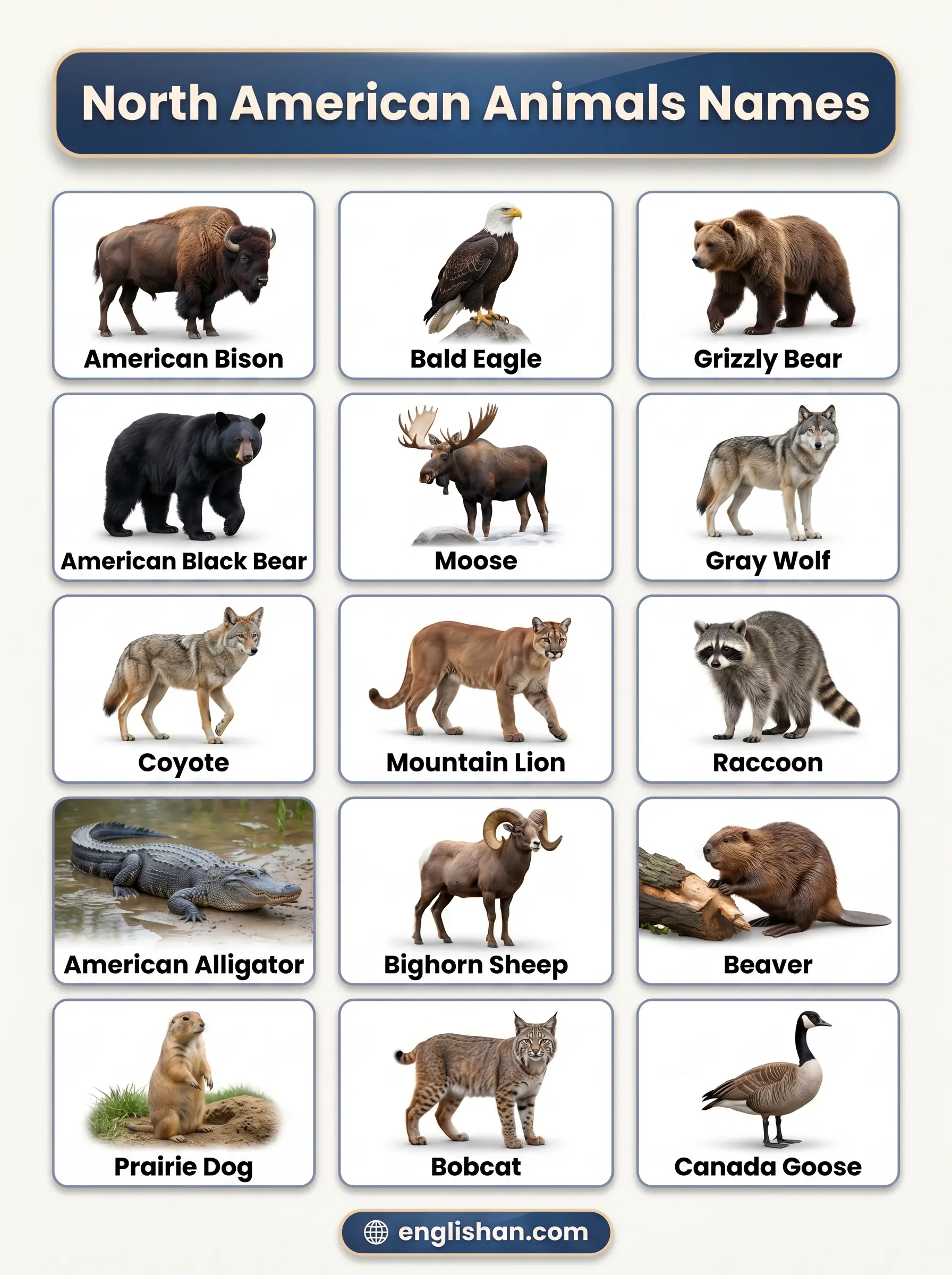
Most Popular North American Animals Names with Pictures
❶ American Bison
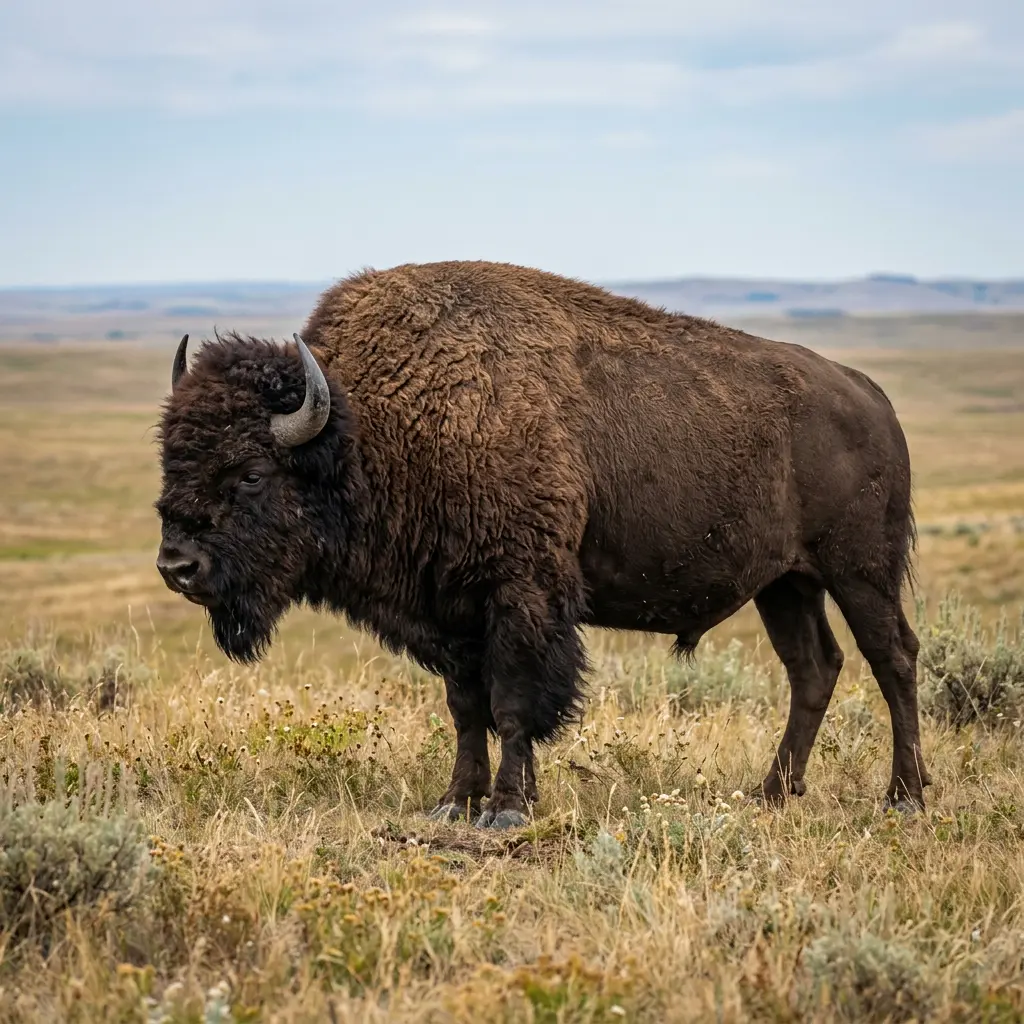
The American bison, often called the buffalo, is one of the most recognizable symbols of North America. These massive animals once roamed the plains in the tens of millions before being hunted to near extinction in the nineteenth century. Thanks to dedicated conservation efforts, bison populations have slowly recovered, and today they are considered one of the greatest wildlife comeback stories in American history. Bison are herd animals, meaning they live and travel together in groups, and despite their size, they can run surprisingly fast when needed.
❷ Bald Eagle
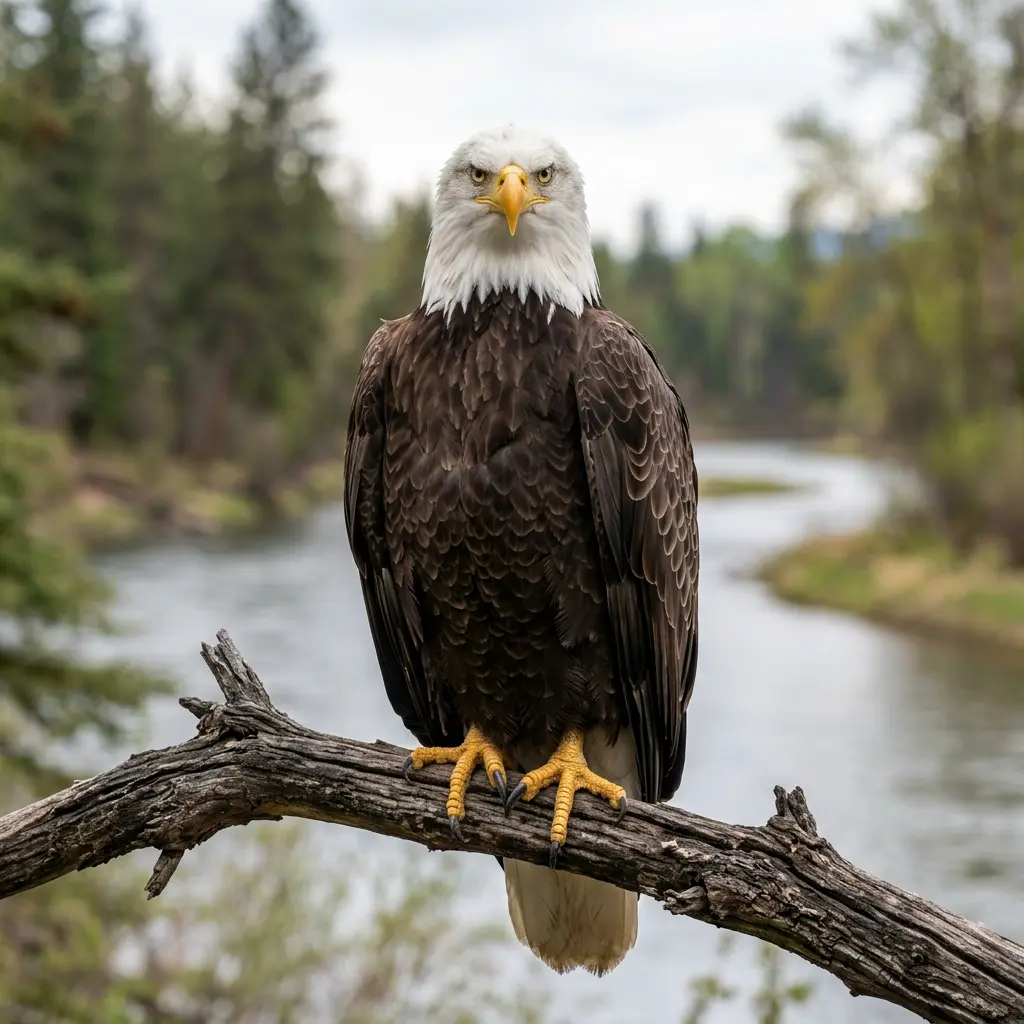
As the national bird of the United States, the bald eagle holds a special place in American culture. Recognizable by its white head, sharp yellow beak, and powerful wingspan, this bird of prey is usually found near lakes, rivers, and coastlines where it hunts for fish. Bald eagles were once endangered due to pesticide use, but thanks to conservation laws and the banning of harmful chemicals, their population has made a remarkable recovery.
❸ Grizzly Bear
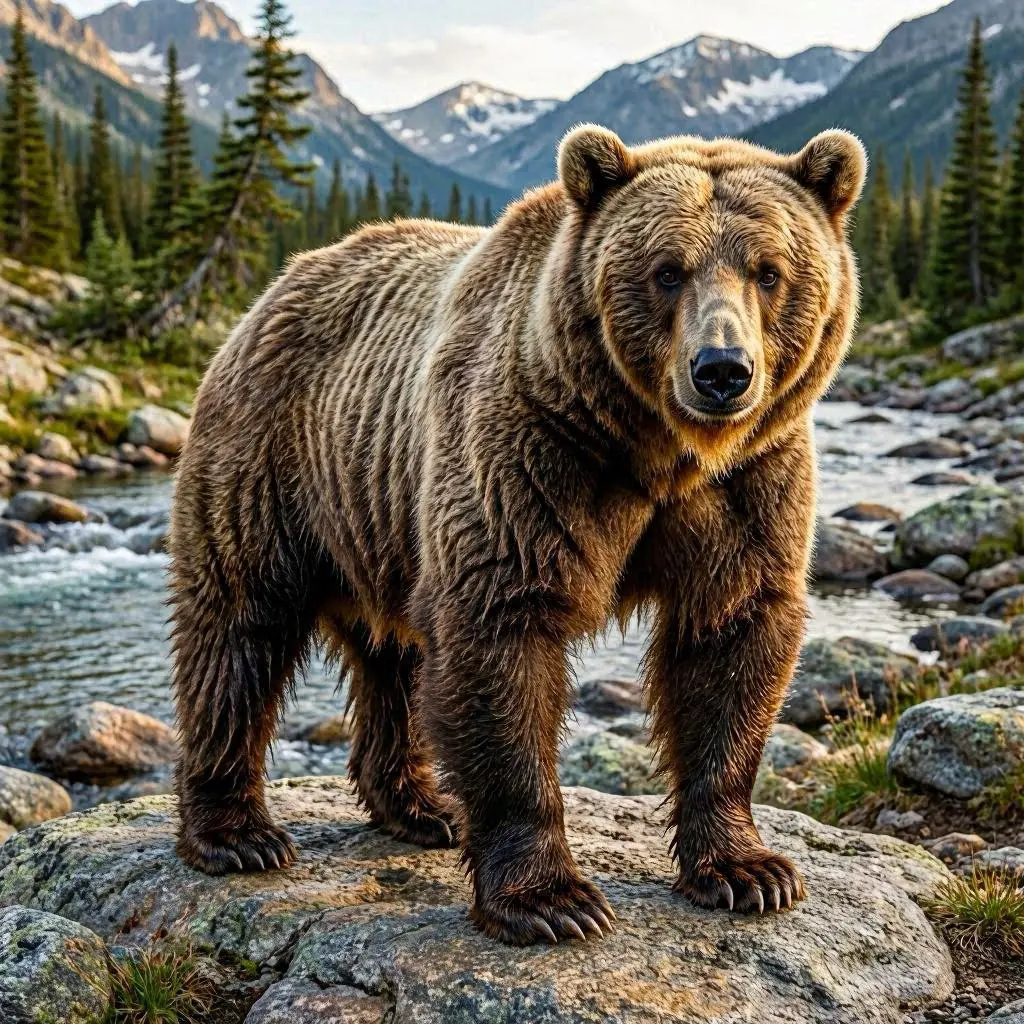
The grizzly bear is one of the most powerful animals found in North America, living across parts of the western United States, Canada, and Alaska. These bears have a distinctive muscular hump on their shoulders, which helps them dig and run. Grizzlies are omnivores, meaning they eat both plants and animals, and their diet can include berries, fish, and even larger mammals depending on the season and location.
❹ American Black Bear
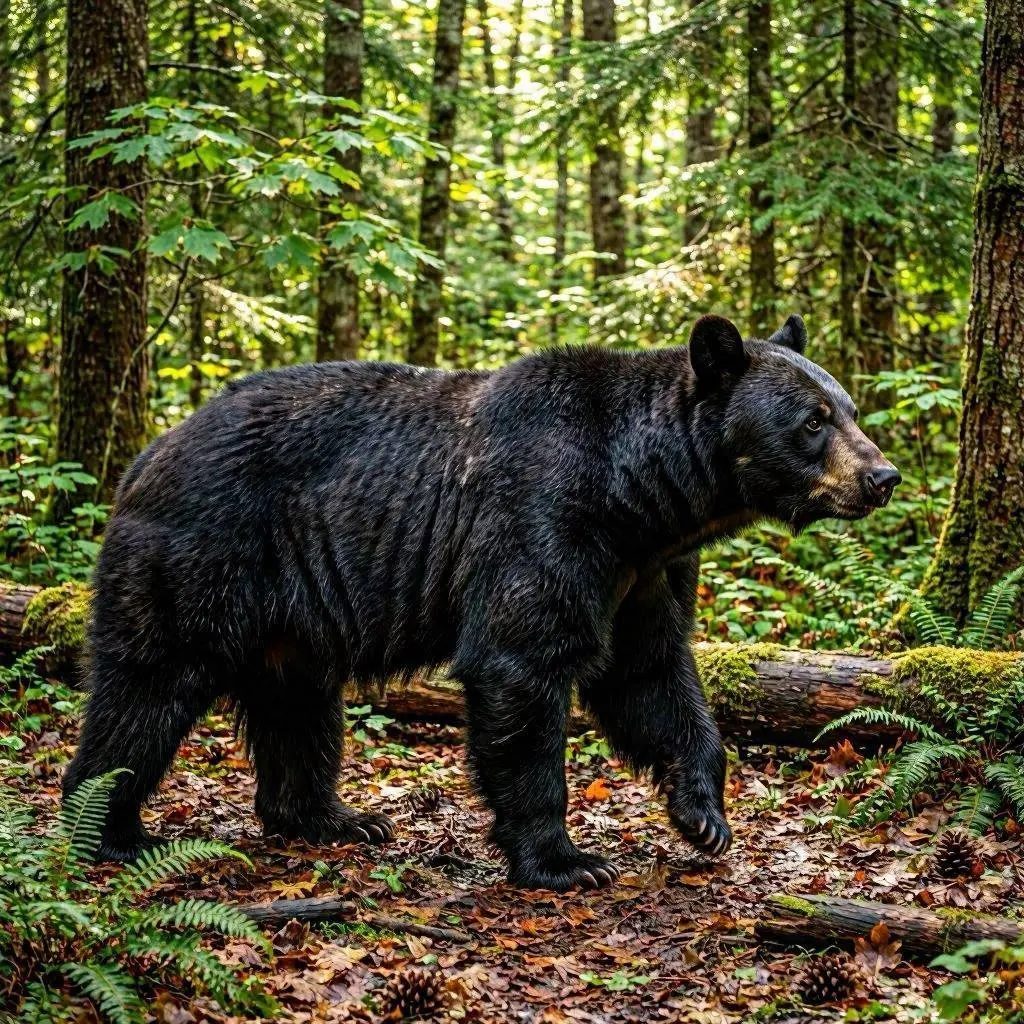
More widespread than the grizzly, the American black bear can be found across most of North America, from dense forests to mountain regions. Despite the name, black bears can actually range in color from black to brown and even cinnamon. They are generally smaller and less aggressive than grizzlies, and they are known for being excellent climbers, often using trees to escape danger or find food.
❺ Moose
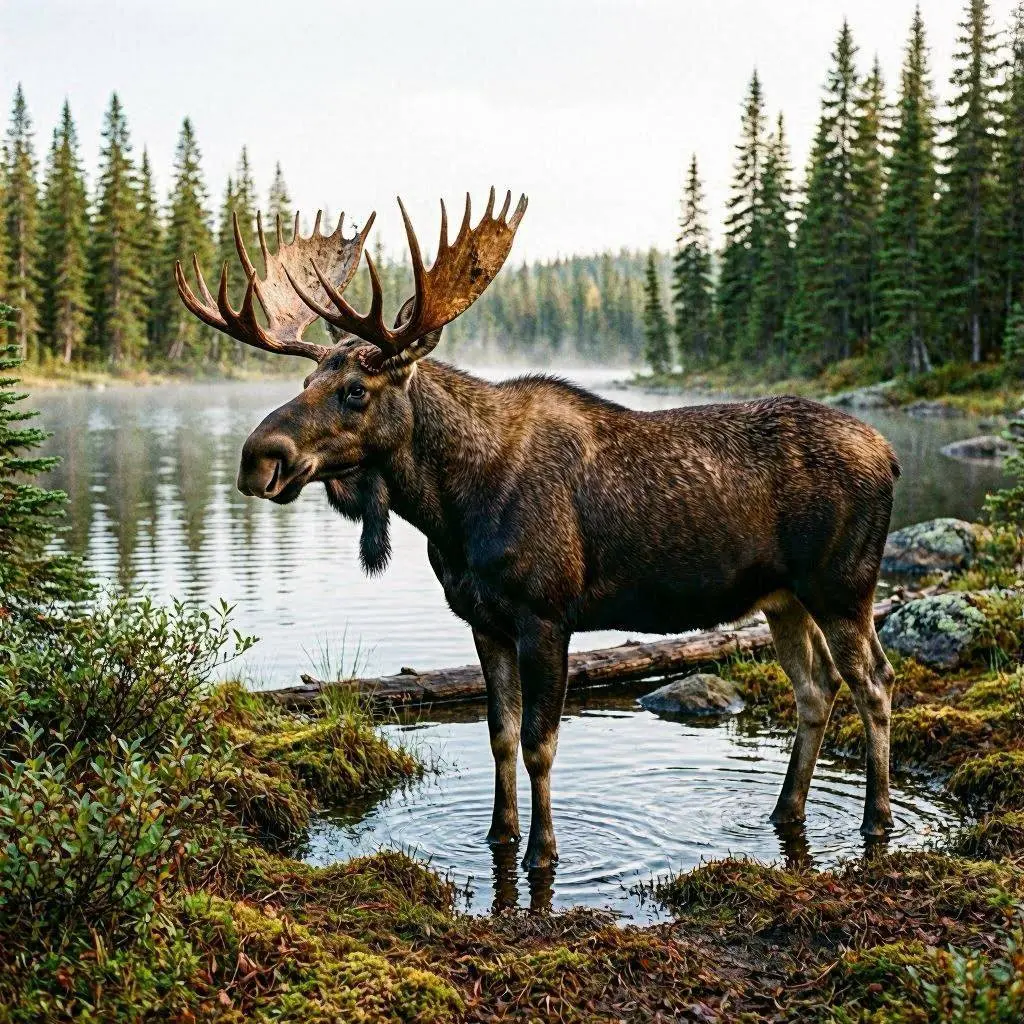
The moose holds the title of the largest member of the deer family, and you will find it in the colder forests of Canada, Alaska, and parts of the northern United States. Male moose are known for their massive antlers, which can span over six feet across and are shed and regrown every year. Despite their large size, moose are strong swimmers and can move quickly through both water and snow.
❻ Gray Wolf
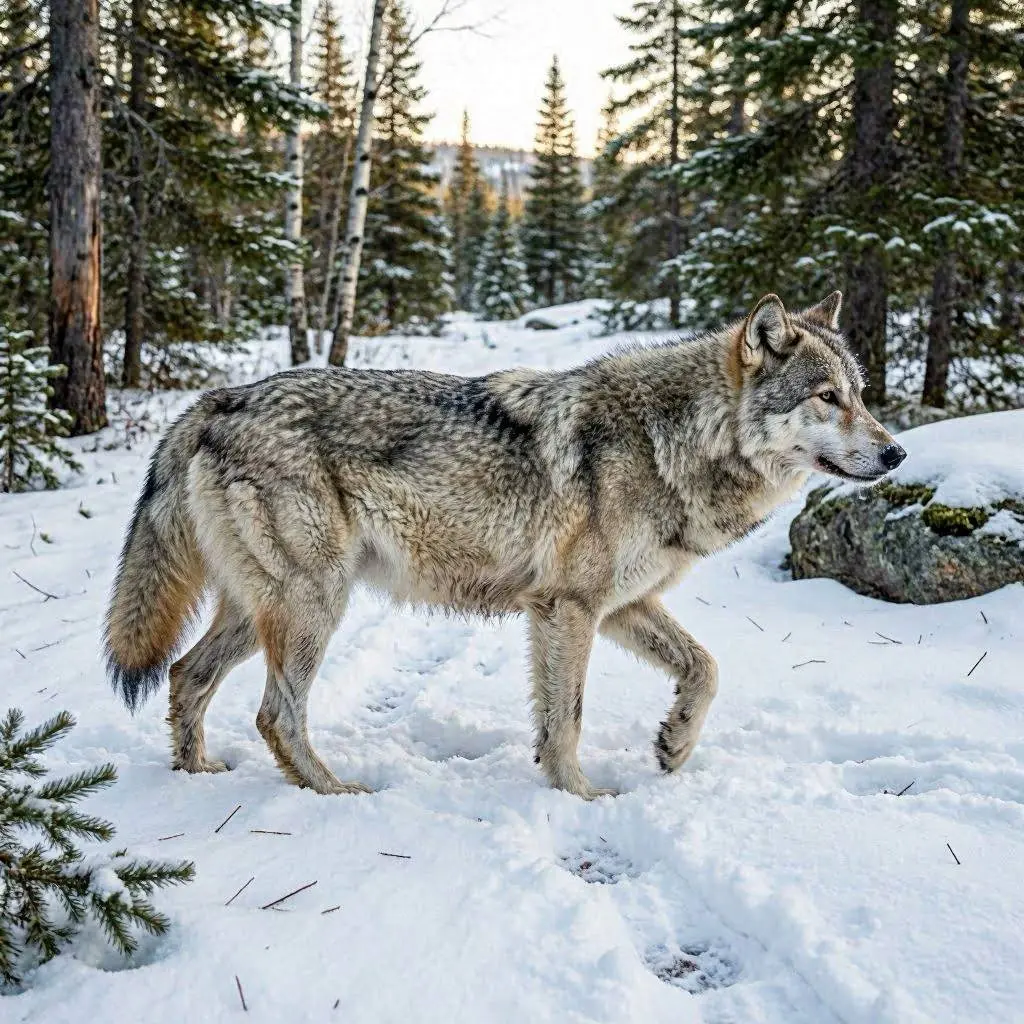
Gray wolves are highly social animals that live and hunt in organized packs, usually led by a dominant breeding pair. Found in parts of Canada, Alaska, and a few northern US states, wolves play a critical role in maintaining balanced ecosystems by controlling prey populations like deer and elk. Their howling communication, used to coordinate with pack members over long distances, has become one of the most recognizable sounds associated with the wild.
❼ Coyote
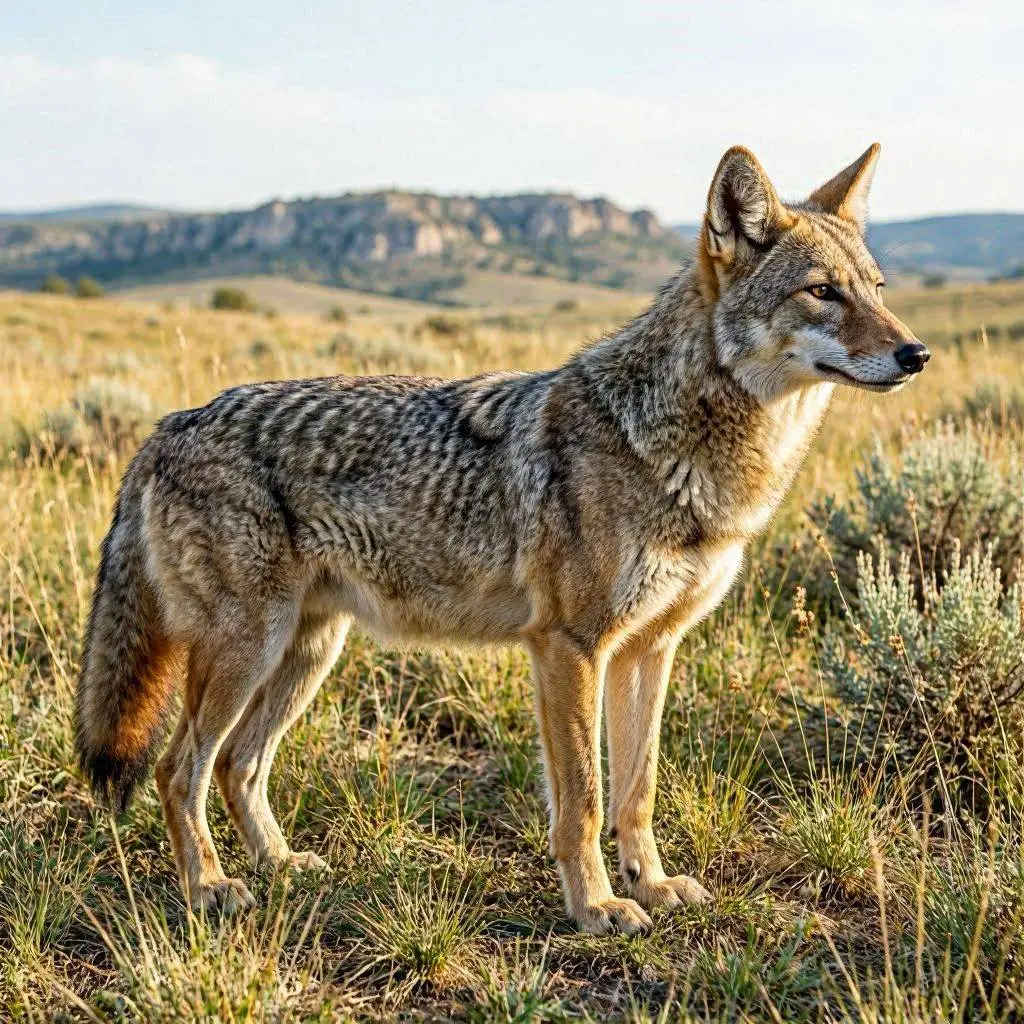
Few animals have adapted to human presence as successfully as the coyote. Found almost everywhere across North America, including busy suburban areas and even large cities, coyotes are known for their intelligence and adaptability. They are smaller than wolves and often hunt alone or in small family groups, feeding on anything from rodents to fruit depending on what is available.
❽ Mountain Lion
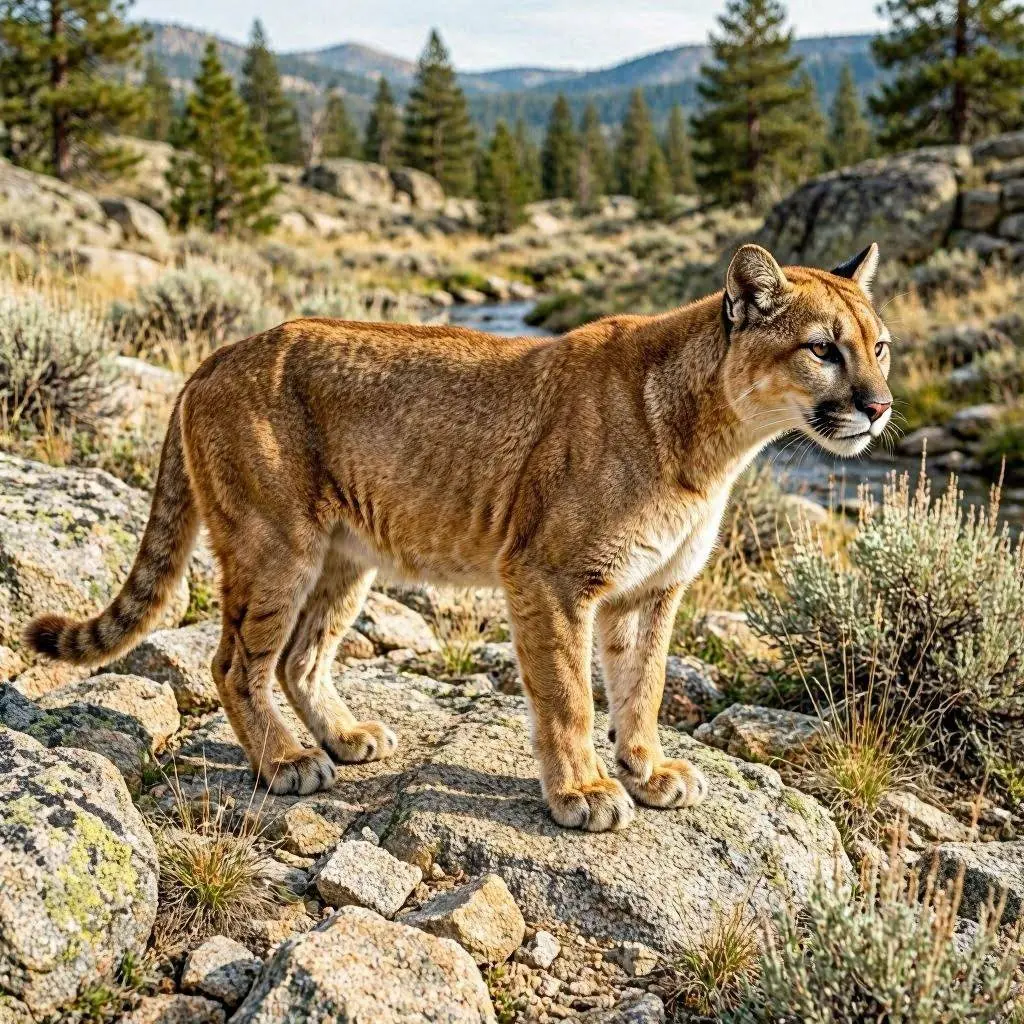
Also known as a cougar or puma, the mountain lion is a large and powerful wild cat found throughout the western regions of North America. These solitary hunters are most active at dawn and dusk, and they rely on stealth and strength rather than speed over long distances to catch prey like deer. Mountain lions have one of the widest ranges of any large mammal in the Americas.
❾ Raccoon
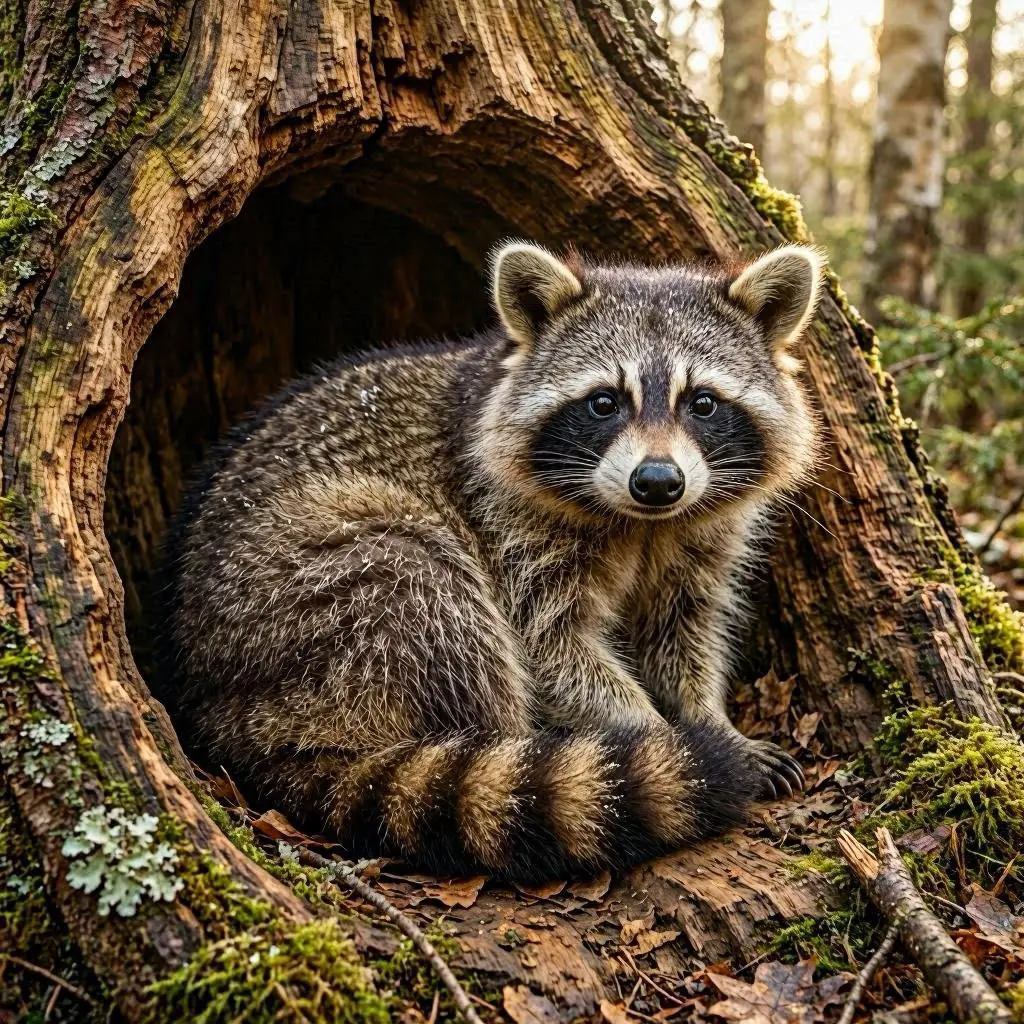
With its distinctive black eye mask and ringed tail, the raccoon is one of the easiest North American animals to identify. Found almost everywhere across the continent, raccoons are highly intelligent and curious, often using their dexterous front paws to open containers or manipulate objects in search of food. They are mostly active at night and have become especially skilled at adapting to urban environments.
❿ American Alligator
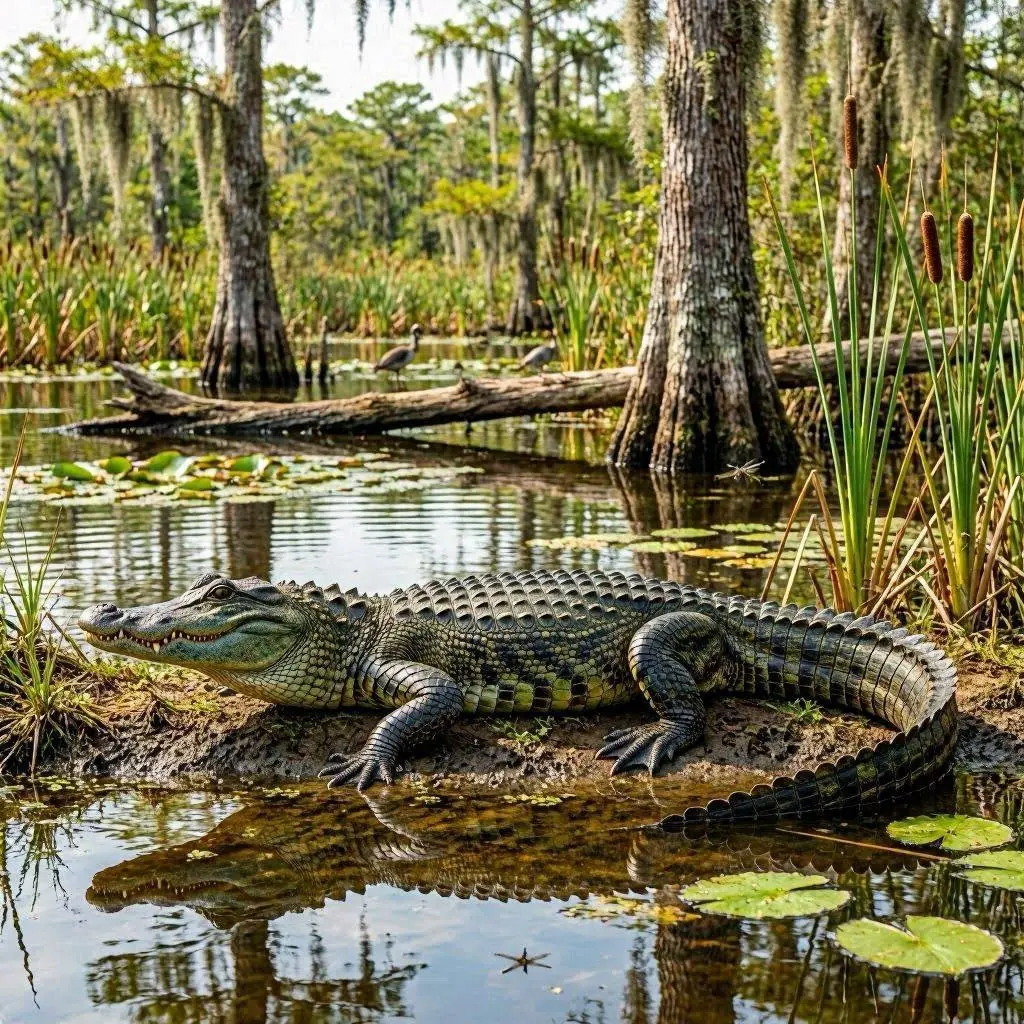
Living primarily in the wetlands of the southeastern United States, especially Florida and Louisiana, the American alligator is a powerful reptile that has remained largely unchanged for millions of years. Alligators are strong swimmers and ambush predators, often lying still in water before quickly striking at prey. Conservation efforts have helped their population recover significantly after facing serious decline in the twentieth century.
⓫ Bighorn Sheep
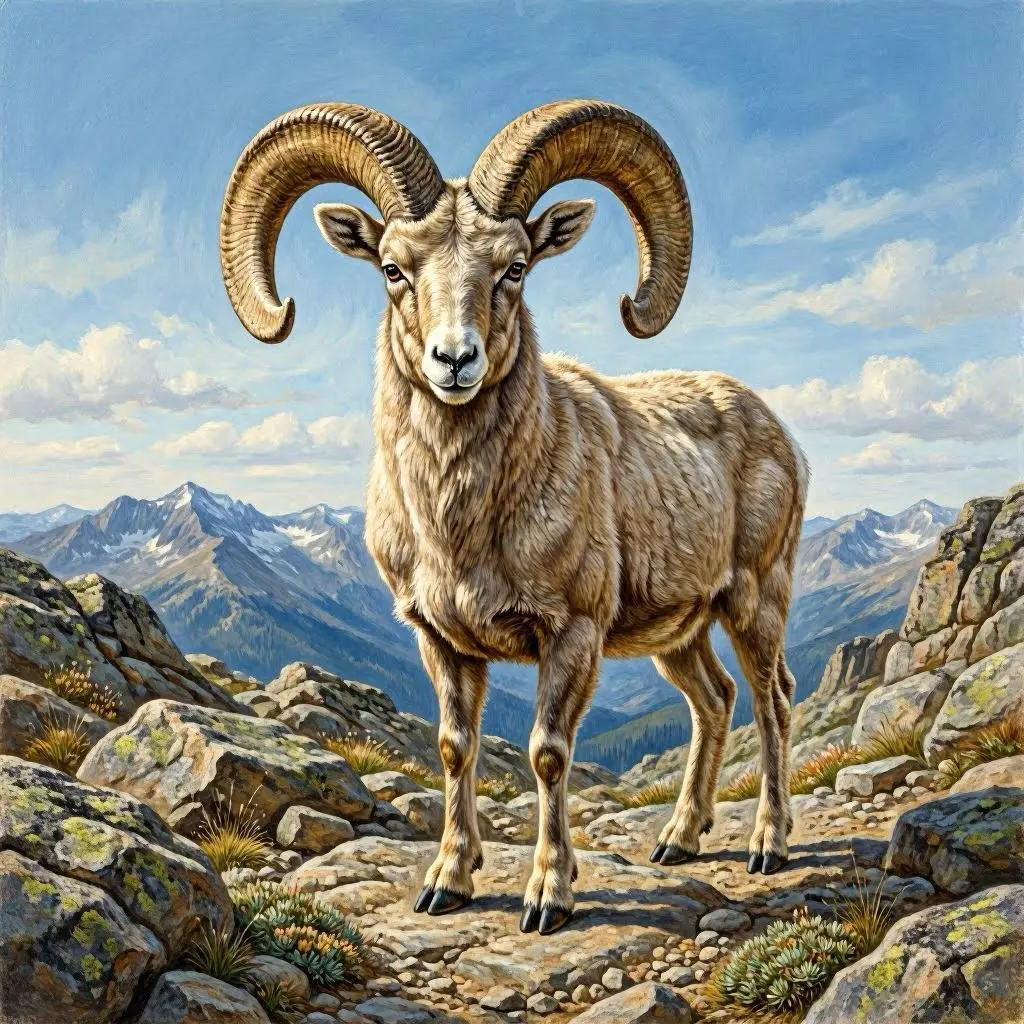
True to their name, bighorn sheep are known for their large, curved horns, which can weigh as much as thirty pounds. Found in mountainous regions across western North America, these animals are incredibly agile climbers, capable of navigating steep, rocky terrain with ease. During mating season, males engage in dramatic head butting contests to establish dominance.
⓬ Beaver
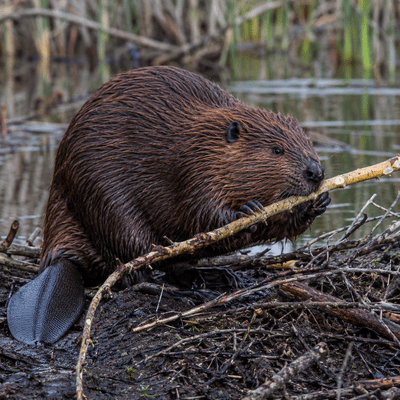
Beavers are famous for one very specific skill, building dams and lodges using sticks, mud, and branches. Found across Canada and the United States, these industrious rodents actually reshape entire ecosystems through their construction work, creating wetlands that benefit countless other species. Their strong front teeth never stop growing, which is why they constantly chew on wood to keep them worn down.
⓭ Prairie Dog
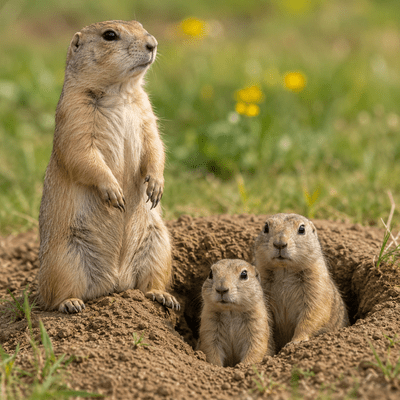
Despite the name, prairie dogs are actually small rodents, not dogs. They live in large underground colonies called towns across the grasslands of North America. These social animals have a surprisingly complex communication system, using different alarm calls to warn each other about specific types of predators approaching.
⓮ Bobcat
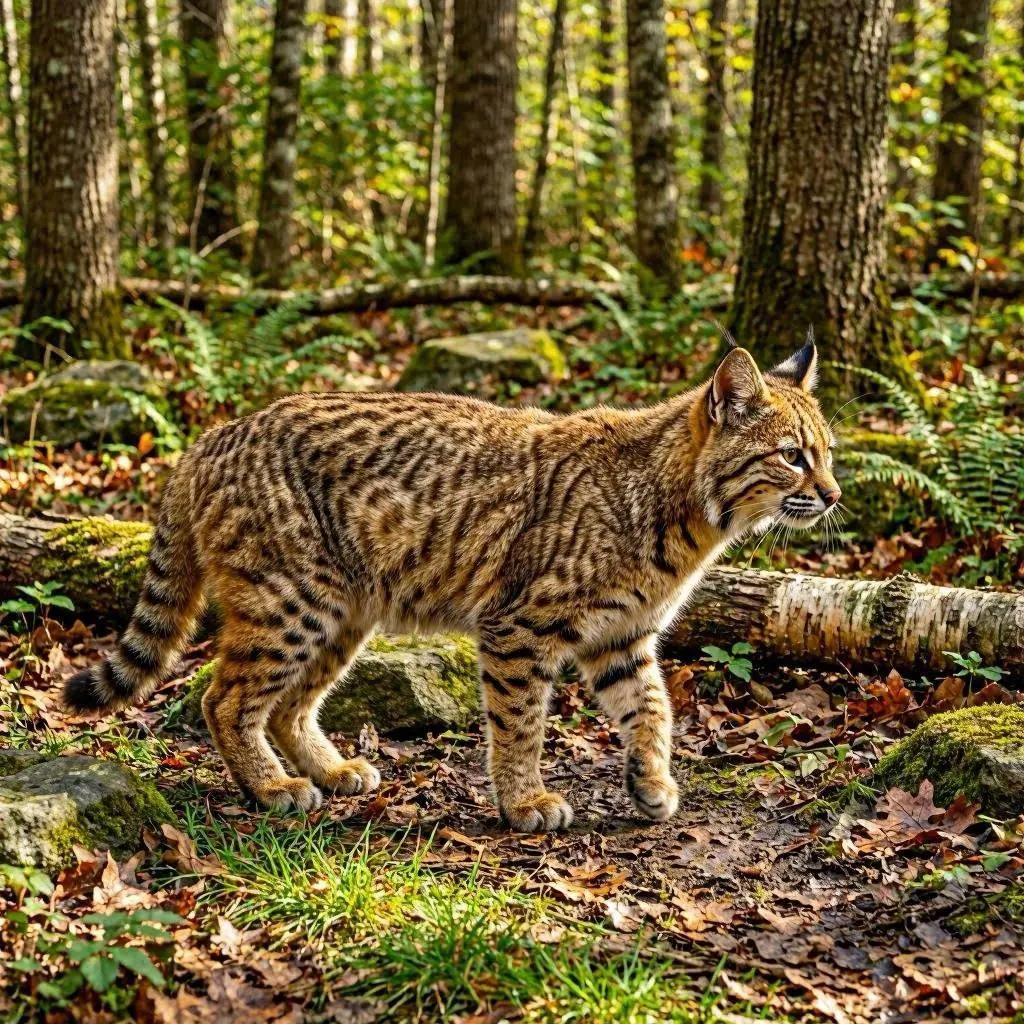
The bobcat is a wild cat smaller than the mountain lion but similarly elusive. Found in forests, deserts, and mountainous regions across North America, bobcats get their name from their short, bobbed tail. They are solitary and mostly nocturnal hunters, feeding on rabbits, rodents, and occasionally larger prey like deer.
⓯ Canada Goose
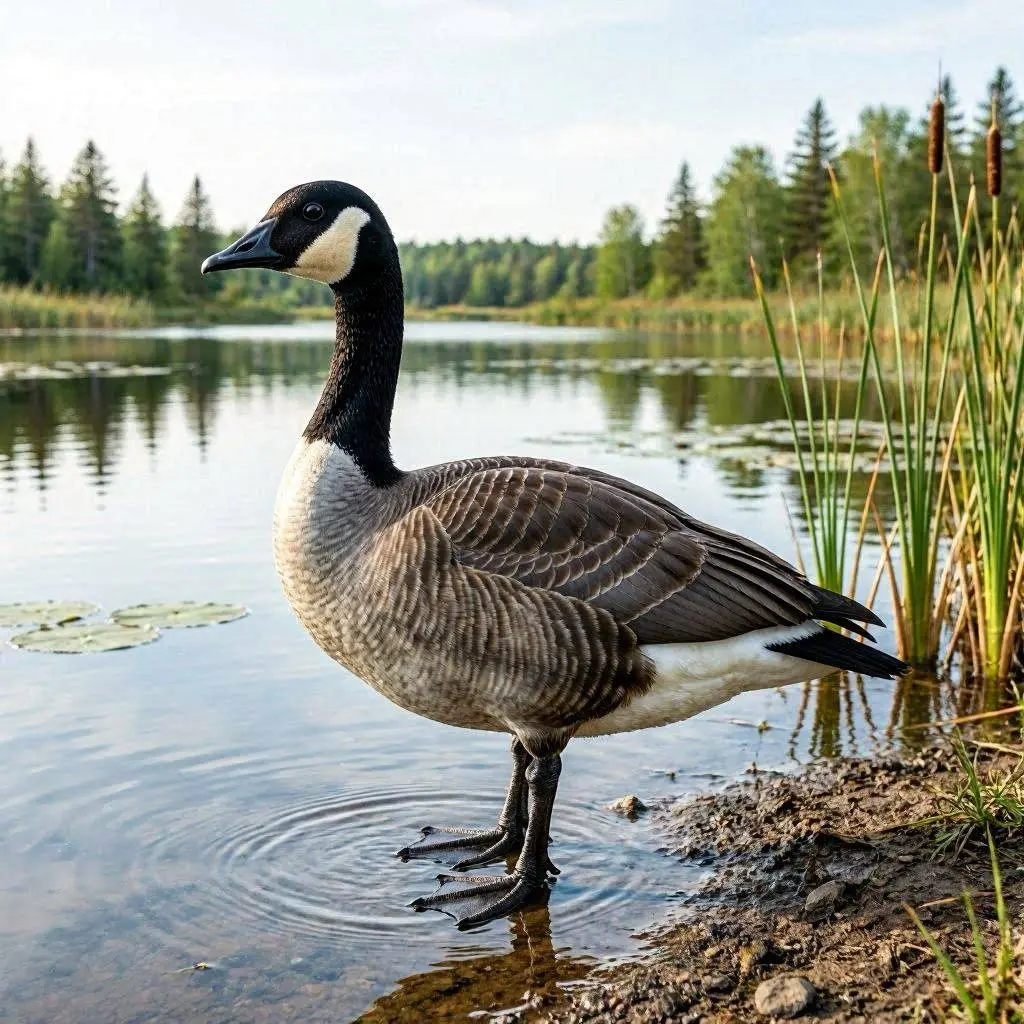
Known for its distinctive black head and neck combined with a white chinstrap marking, the Canada goose is easily recognized by its loud honking call. These birds are famous for their impressive migration patterns, flying long distances in a V-shaped formation, which is believed to help conserve energy during flight.
Other Notable North American Animals Worth Knowing
- Elk: A large member of the deer family known for its impressive antlers and loud bugling calls during mating season.
- White Tailed Deer: One of the most common deer species in North America, recognizable by the white underside of its tail.
- Red Fox: A clever and adaptable predator found across forests, grasslands, and even urban areas.
- Skunk: Famous for its strong defensive spray, used to ward off predators.
- Porcupine: Covered in sharp quills, this slow moving mammal uses its spines as a powerful defense mechanism.
- River Otter: A playful, social animal often seen sliding along riverbanks and hunting in water.
- Snowy Owl: A striking white owl native to Arctic regions, known for hunting during both day and night.
- Armadillo: Recognizable by its hard, armored shell, this animal is common in the southern United States.
- Pronghorn: Often mistaken for an antelope, this animal is actually the fastest land mammal in North America.
- Sea Otter: Found along the Pacific coast, known for using rocks as tools to crack open shellfish.
List of North American Animals Names by Category
Grouping animals by biological category is another useful way to understand North American wildlife. Here is a simple breakdown.
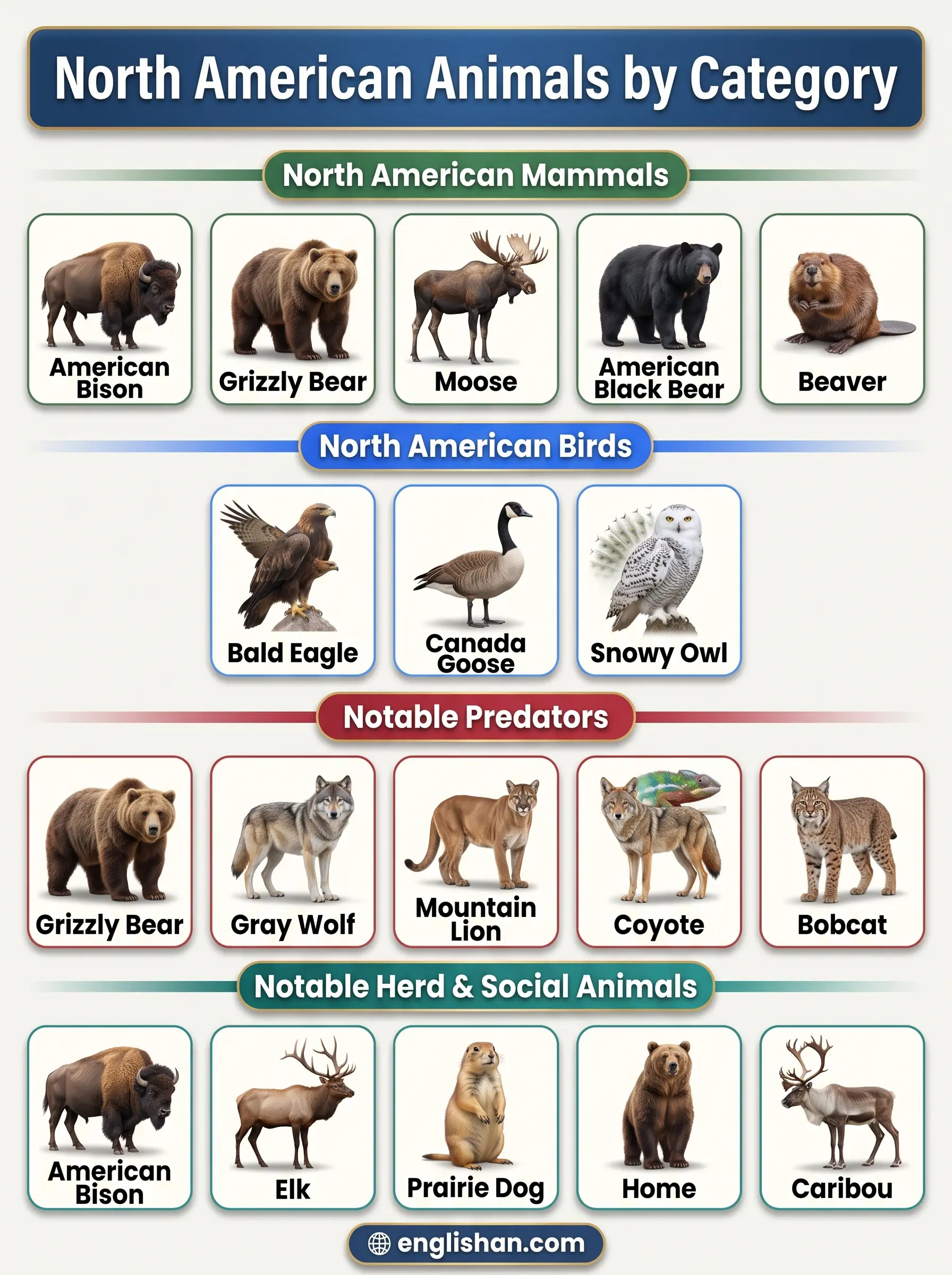
North American Mammals
- American Bison – A large grazing mammal native to the grasslands of North America.
- Grizzly Bear – A powerful bear found in the forests and mountains of western North America.
- American Black Bear – The most widespread bear species across North America.
- Moose – The largest member of the deer family, found in northern forests.
- Gray Wolf – A social predator that lives and hunts in packs.
- Coyote – A highly adaptable wild canine found across the continent.
- Mountain Lion – A solitary big cat also known as the cougar or puma.
- Raccoon – An intelligent, nocturnal mammal recognized by its black facial mask.
- Bighorn Sheep – A mountain-dwelling sheep famous for its large curved horns.
- Beaver – A skilled dam builder that creates wetlands and reshapes ecosystems.
- Prairie Dog – A social rodent that lives in extensive underground colonies.
- Bobcat – A medium-sized wild cat with a short tail and excellent hunting skills.
- Elk – One of the largest deer species, common in forests and grasslands.
- White-tailed Deer – A graceful deer recognized by its white tail and widespread distribution.
- Red Fox – A clever and adaptable fox found in diverse North American habitats.
- Skunk – A small mammal best known for its powerful defensive spray.
- Porcupine – A slow-moving rodent protected by thousands of sharp quills.
- River Otter – A playful aquatic mammal commonly found in rivers and lakes.
- Armadillo – A unique mammal covered with a hard, protective shell.
- Pronghorn – One of the fastest land mammals in North America.
- Sea Otter – A marine mammal known for using tools and floating on its back.
North American Reptiles
- American Alligator – A large reptile native to the wetlands of the southeastern United States.
North American Birds
- Bald Eagle – The national bird of the United States and a powerful bird of prey.
- Canada Goose – A migratory bird famous for its V-shaped flying formation.
- Snowy Owl – A striking white owl adapted to the Arctic tundra.
Notable Predators of North America
- Grizzly Bear – A powerful omnivore that dominates forests and mountain habitats.
- Gray Wolf – A pack hunter that helps maintain healthy ecosystems.
- Mountain Lion – A stealthy ambush predator found across western North America.
- Coyote – An intelligent and highly adaptable hunter found in many habitats.
- Bobcat – A solitary wild cat that preys on rabbits, rodents, and birds.
Notable Herd and Social Animals
- American Bison – Lives in large herds across grasslands and open plains.
- Elk – Forms herds that migrate seasonally in search of food.
- Prairie Dog – Lives in complex underground colonies called towns.
- Caribou – Travels in large migratory herds across northern North America.
Baby Animal Names and Group Names
Understanding what baby animals and groups of animals are called adds a fun layer of knowledge to wildlife learning.
| Animal | Baby Name | Group Name |
|---|---|---|
| American Bison | Calf | Herd |
| Bald Eagle | Eaglet | Convocation |
| Grizzly Bear | Cub | Sleuth or sloth |
| Moose | Calf | Herd |
| Gray Wolf | Pup | Pack |
| Coyote | Pup | Band |
| Raccoon | Kit | Nursery |
| Beaver | Kit | Colony |
National and Culturally Significant Animals of North America
Several animals hold deep symbolic meaning across North America, often tied to national identity or long standing cultural traditions.
- Bald Eagle: The national bird and a powerful symbol of the United States, representing freedom and strength.
- American Bison: Named the national mammal of the United States in 2016, symbolizing resilience and the country’s natural heritage.
- Beaver: An official national symbol of Canada, recognized for its industrious nature and historical importance in the fur trade.
- Moose: Widely regarded as an unofficial symbol of Canada’s northern wilderness.
North American Animals Names by Habitat
Habitat refers to the specific type of environment an animal is best suited for, regardless of which part of the continent it lives in. Here is a look at North American animals grouped by habitat type.
Forest Animals
- American black bear
- Grizzly bear
- Moose
- Gray wolf
- Bobcat
- Porcupine
Mountain Animals
- Bighorn sheep
- Mountain lion
Grassland and Plains Animals
- American bison
- Prairie dog
- Coyote
- Pronghorn
Wetland and Coastal Animals
- American alligator
- River otter
- Sea otter
Arctic and Cold Region Animals
- Polar bear
- Arctic fox
- Caribou
- Snowy owl
Urban and Adaptable Animals
- Raccoon
- Coyote
- Red fox
Endangered Animals of North America
While many North American animals have recovered thanks to strong conservation efforts, some species are still facing serious challenges today.
- Grizzly Bear: Listed as threatened in parts of the lower United States due to habitat loss and human conflict.
- Red Wolf: One of the most endangered canine species in the world, with a very small wild population remaining.
- Florida Panther: A subspecies of mountain lion found only in a small area of Florida, critically low in numbers.
- Whooping Crane: North America’s tallest bird, still recovering from near extinction decades ago.
- Black Footed Ferret: Once thought extinct in the wild, this species has slowly been reintroduced through breeding programs.
Protected wildlife refuges, national parks, and public conservation funding continue to play a major role in helping these species recover.
Nocturnal North American Animals Names
Several North American animals are most active after dark, a trait that helps them avoid predators and extreme daytime heat.
- Raccoon: Primarily active at night, especially while foraging for food.
- Coyote: Often hunts during nighttime and twilight hours, particularly near populated areas.
- Skunk: Mostly nocturnal, using the cover of darkness to search for food safely.
- Porcupine: Typically forages during the night and rests in trees or dens during the day.
Fun and Surprising Facts About North American Animals Names
- A bald eagle’s nest can weigh over a thousand pounds and is often reused and expanded year after year.
- Bison can run up to speeds of thirty five miles per hour despite their massive size.
- Beavers can hold their breath underwater for up to fifteen minutes while working on their dams.
- Raccoons are known to wash their food in water before eating, though scientists believe this behavior is more about texture sensing than cleanliness.
- Pronghorns are the fastest land animals in North America, capable of outrunning nearly every natural predator on the continent.
Final Thoughts
North America is home to an incredibly diverse range of wildlife, from the powerful grizzly bear roaming western mountains to the clever raccoon making its way through city streets. Each of these animals plays a unique role in maintaining the balance of its ecosystem. We hope this detailed guide to North American animals names has given you a clearer and more meaningful understanding of the wildlife found across this remarkable continent.
FAQs
The American bison was officially named the national mammal of the United States, while the bald eagle remains the national bird.
The American bison holds the title of the largest land animal on the continent.
No, there are no native wild lions or tigers in North America. The continent’s largest wild cats are the mountain lion and the jaguar, found in southern regions.
The pronghorn is the fastest land animal in North America, capable of reaching very high speeds over long distances.
The American bison and the bald eagle are two of the most well known conservation success stories, both having recovered significantly from near extinction.
You May Also Like
North American Animals Quiz
North American Animals
Which is the largest land mammal in North America?
Bulls exceed a tonne, and the species recovered from a few hundred animals.
Tallest and heaviest are different animals again.
Bison numbered in the tens of millions before 1800.
What is the pronghorn known for?
It evolved alongside a now-extinct American cheetah, and the speed outlived the predator.
Some adaptations outlast the pressure that produced them.
It runs far faster than anything now chasing it.
Name the animal.
The masked, highly adaptable mammal that thrives in North American cities is the ___.
Dexterous forepaws and an omnivorous diet make an urban bin an ideal food source.
Generalists move into cities first.
Urban raccoons solve latches other populations cannot.
What happened when wolves returned to Yellowstone?
Elk avoided open valleys, letting willow and aspen regrow, which changed river banks.
A predator can reshape a landscape indirectly.
The effect is called a trophic cascade.
What separates a moose from an elk, in North American usage?
Elk are herd animals with branching antlers, and are called wapiti to avoid confusion.
The word elk means different animals on different continents.
European elk and American moose are the same species.
Turn on JavaScript for the interactive quiz. The full practice set is shown above.