

Hibernating animals names describe the different species that can survive winter by entering a deep state of hibernation. What if you could sleep through an entire winter without eating, drinking, or barely breathing? For dozens of animals around the world, this is normal survival. This is hibernation.
When searching for hibernating animals names, most people expect a short list of a few familiar species. The reality is far richer. Hibernation spans mammals, reptiles, insects, aquatic animals, and even one bird. Some animals freeze completely solid. Others cool their blood below zero. Some wake up having given birth without remembering it.
This article gives you the complete, accurate list of hibernating animals names along with the science, the facts, and the answers to the questions most people have.
What Is Hibernation?
Hibernation is a state of dramatically reduced metabolic activity that allows animals to survive long periods of cold or food scarcity. It is not simply deep sleep. The body undergoes real physiological transformation.
During true hibernation:
- Heart rate drops from dozens of beats per minute to just 3 to 5
- Breathing slows to one breath every few minutes
- Body temperature falls to near the ambient temperature
- Metabolism drops by up to 98%
Explore more animals that start with different letters:
A | B | C | D | E | F | G | H | I | J | K | L | M | N | O | P | Q | R | S | T | U | V | W | X | Y | Z
True Hibernators vs Light Sleepers
Not every animal that “sleeps through winter” is a true hibernator. This is one of the most common misunderstandings in animal biology.
True hibernators drop their body temperature to near freezing, reduce their heart rate to almost nothing, and cannot be easily roused. Groundhogs, hedgehogs, and dormice fall into this group.
Torpor animals like bears, raccoons, and skunks sleep through winter but remain at near-normal body temperature and can wake relatively easily. Bears are not true hibernators, despite popular belief.
Brumation is the reptile equivalent of hibernation. Cold-blooded animals cannot regulate their own body temperature, so they become dormant when temperatures fall. Unlike true hibernators, brumating animals may wake occasionally to drink water.
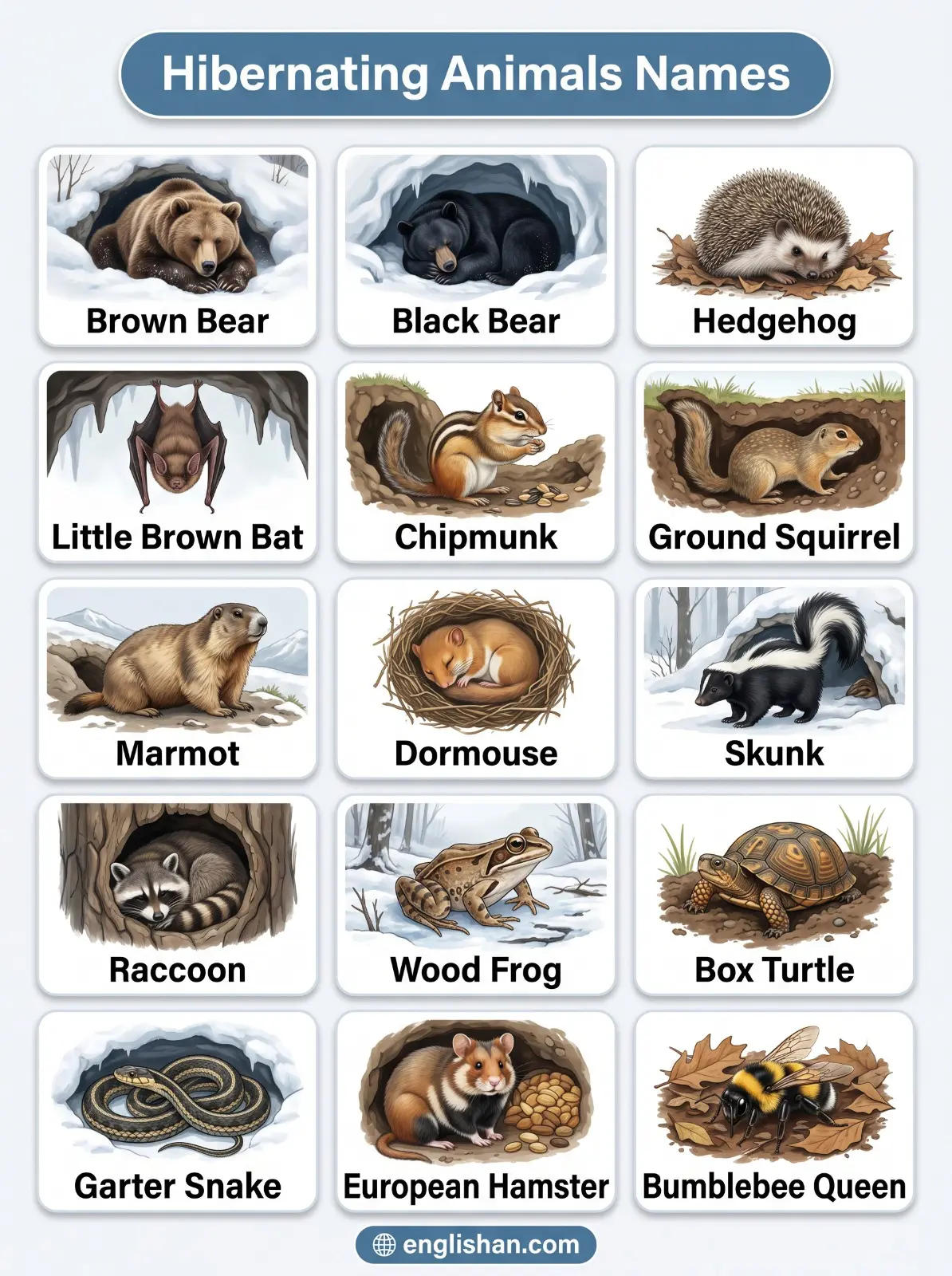
Popular Hibernating Animals Names with Pictures
❶ Brown Bear
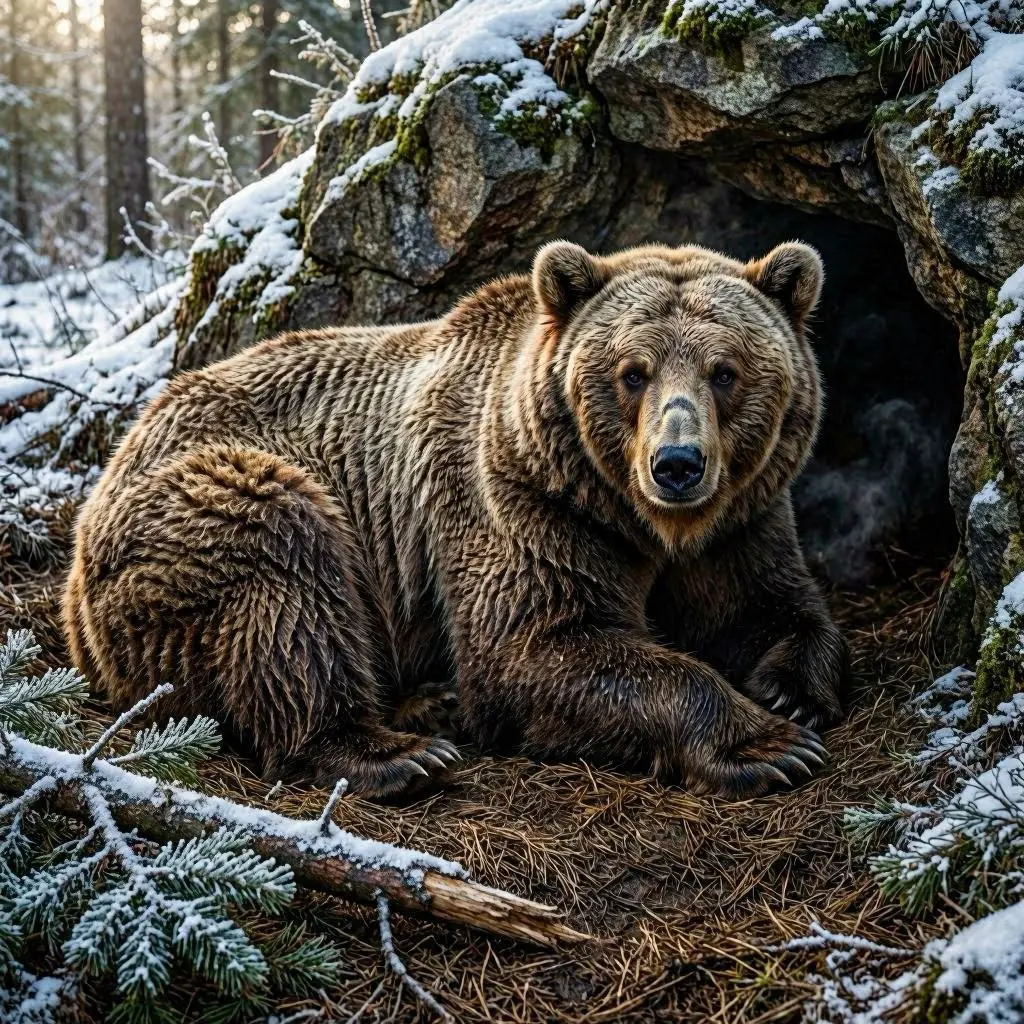
Brown bears undergo one of the most well-known forms of hibernation during winter. They retreat to dens in caves, hollow trees, or dug-out spaces and survive entirely on stored body fat. Their heart rate drops significantly, and they do not eat, drink, or excrete for months, yet they can still wake quickly if disturbed.
❷ Black Bear
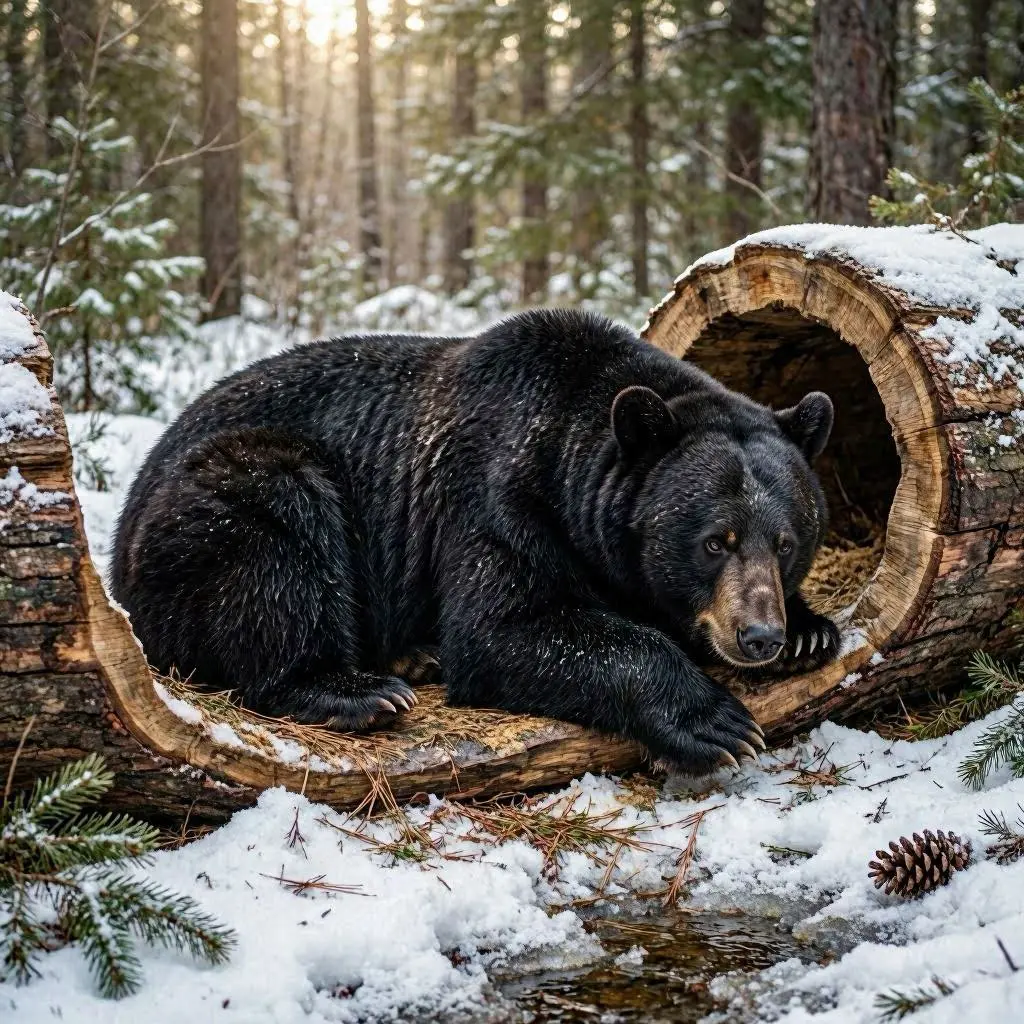
Black bears enter winter dormancy in sheltered dens such as logs or rocky cavities. Their body temperature lowers slightly compared to true hibernators, but their metabolism slows enough to conserve energy for long periods. Mothers may even give birth during hibernation and nurse cubs inside the den.
❸ Hedgehog
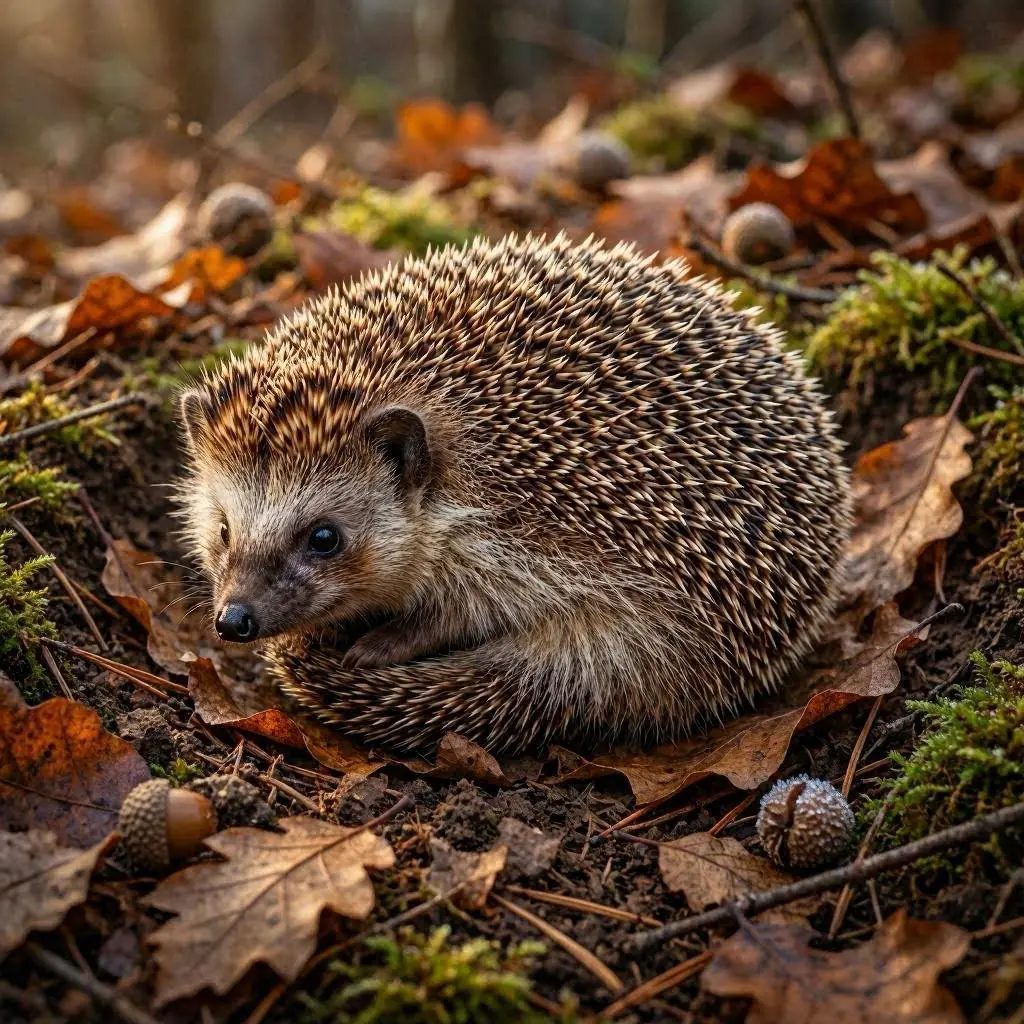
Hedgehogs prepare for winter by eating heavily to build fat reserves. Once temperatures drop, they hibernate in leaf piles, burrows, or under logs. Their heartbeat and breathing become extremely slow, and they remain in a curled protective position to minimize heat loss.
❹ Little Brown Bat
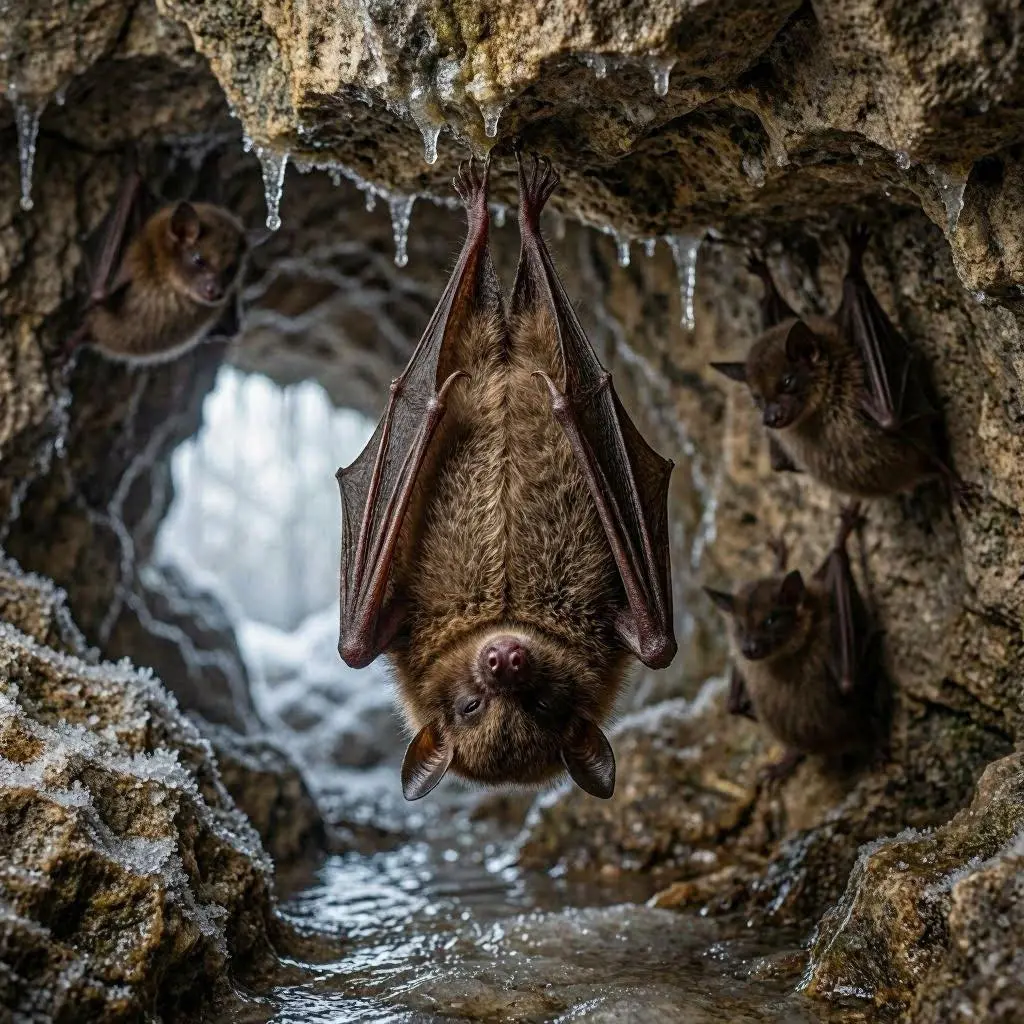
Little brown bats hibernate in caves, mines, and abandoned buildings where temperatures stay stable. They hang upside down in large clusters to retain warmth. Their metabolism slows so dramatically that they may take only a few breaths per minute throughout winter.
❺ Chipmunk
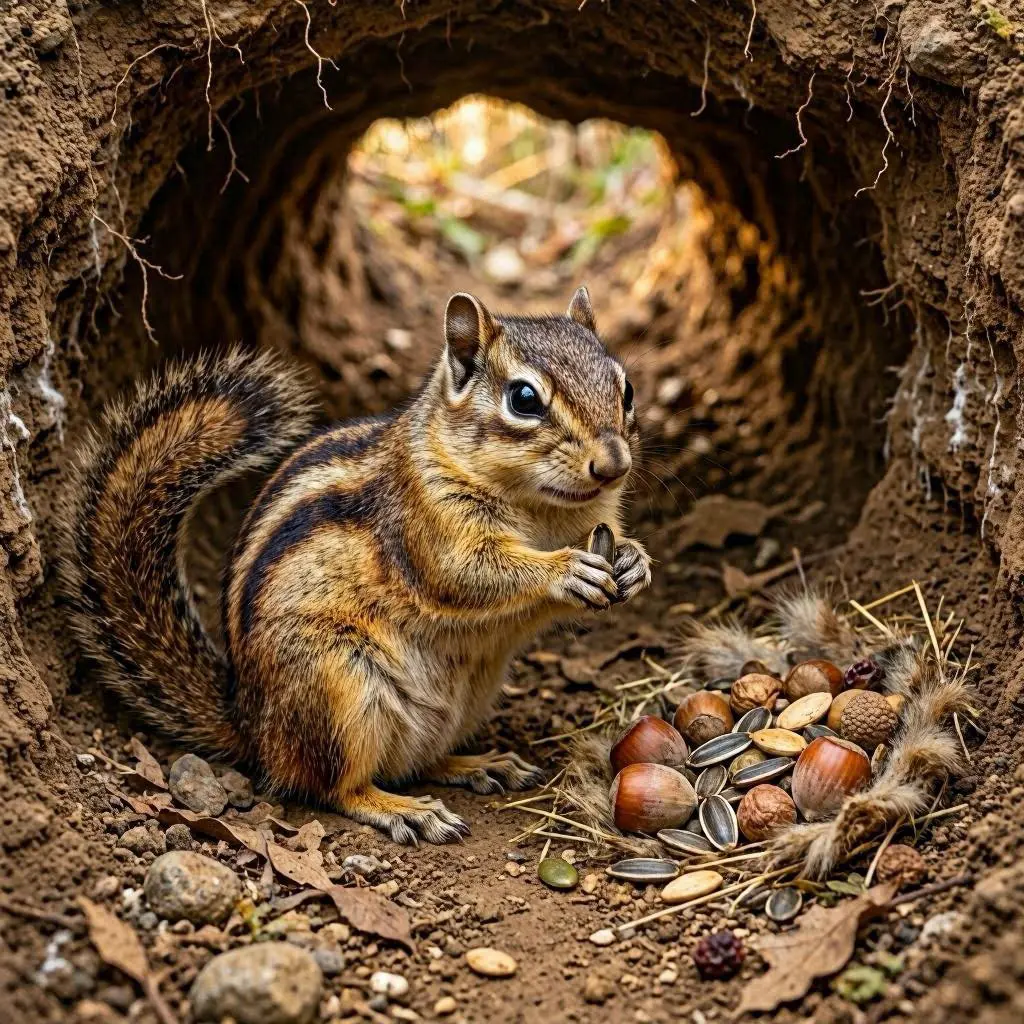
Chipmunks store seeds and nuts in underground chambers before winter begins. During hibernation, they wake periodically to feed from these hidden stores. This interrupted hibernation helps them survive harsh conditions without fully relying on body fat.
❻ Ground Squirrel
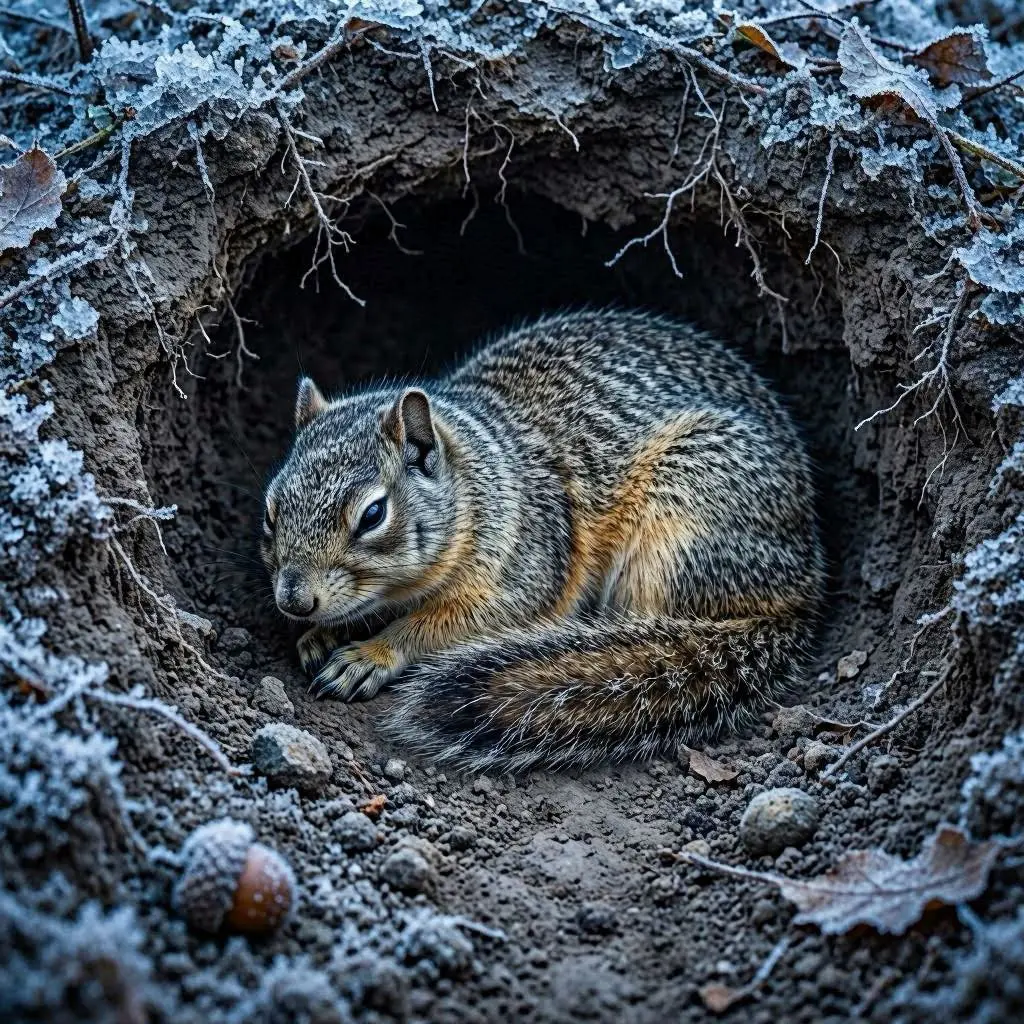
Ground squirrels spend winter deep underground in burrows where temperatures remain stable. Some species can reduce their body temperature to near-freezing levels. They rely on fat reserves and enter long, continuous periods of deep dormancy.
❼ Marmot
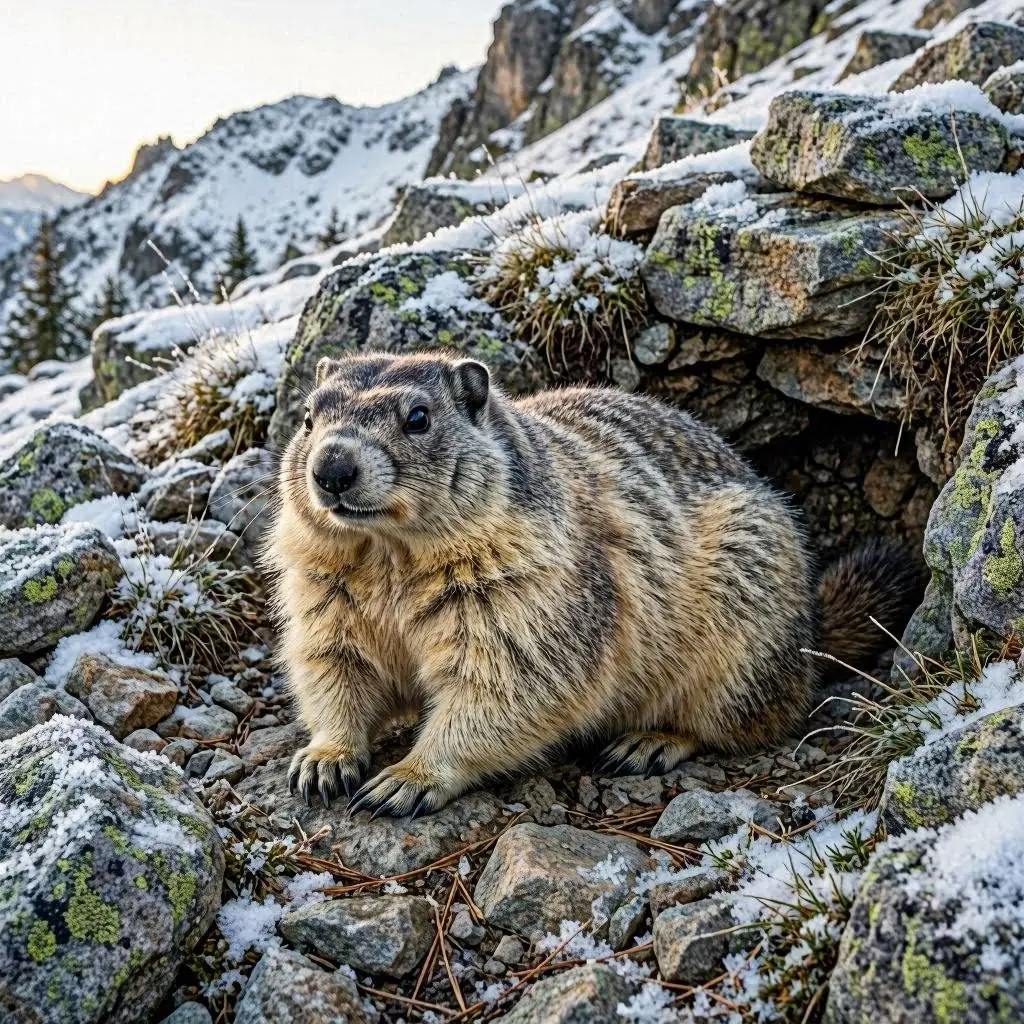
Marmots are heavy-bodied rodents that prepare for winter by eating extensively during summer. They hibernate in complex burrow systems, often in groups, to conserve heat. Their long hibernation can last up to six to eight months depending on climate.
❽ Dormouse
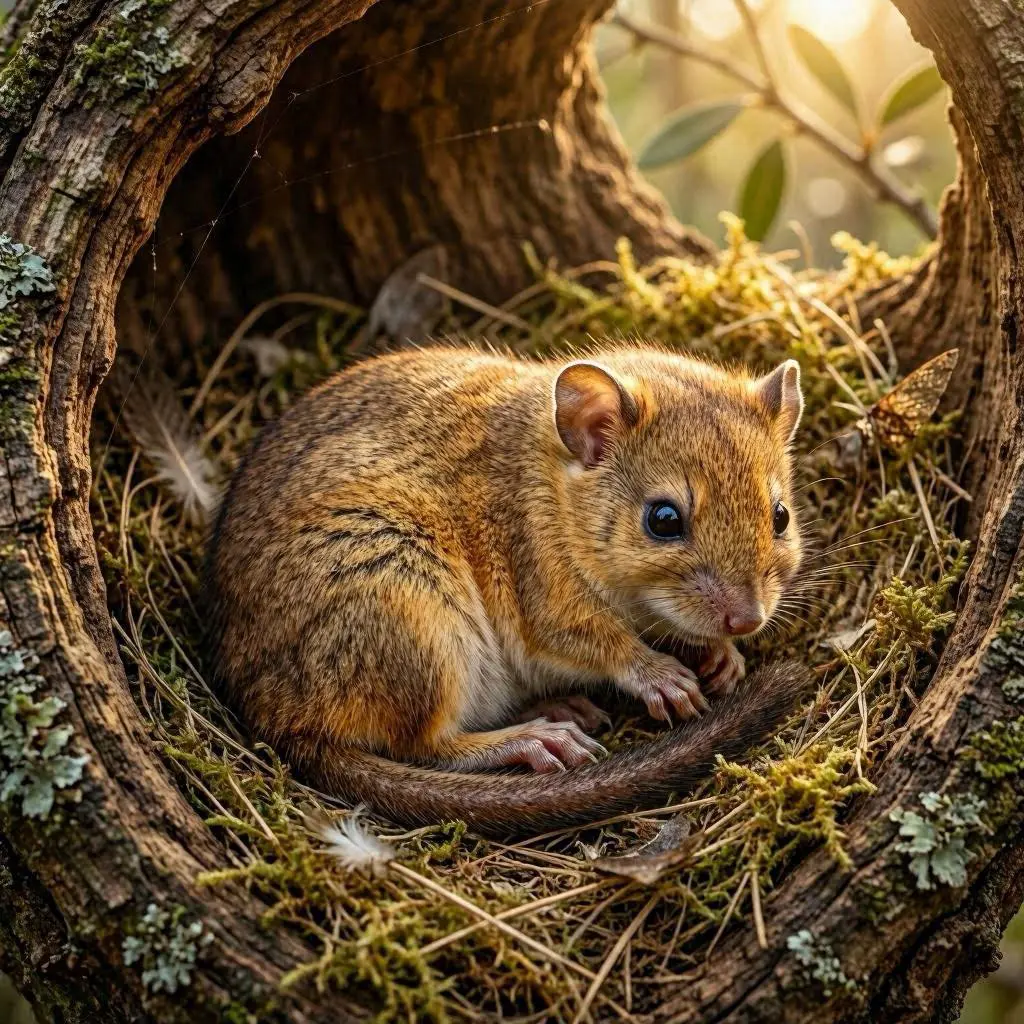
Dormice are among the longest hibernators, sometimes sleeping for more than half the year. They build nests in tree hollows or underground and depend heavily on fat reserves. Their body functions slow to an extreme level, almost resembling suspended animation.
❾ Skunk
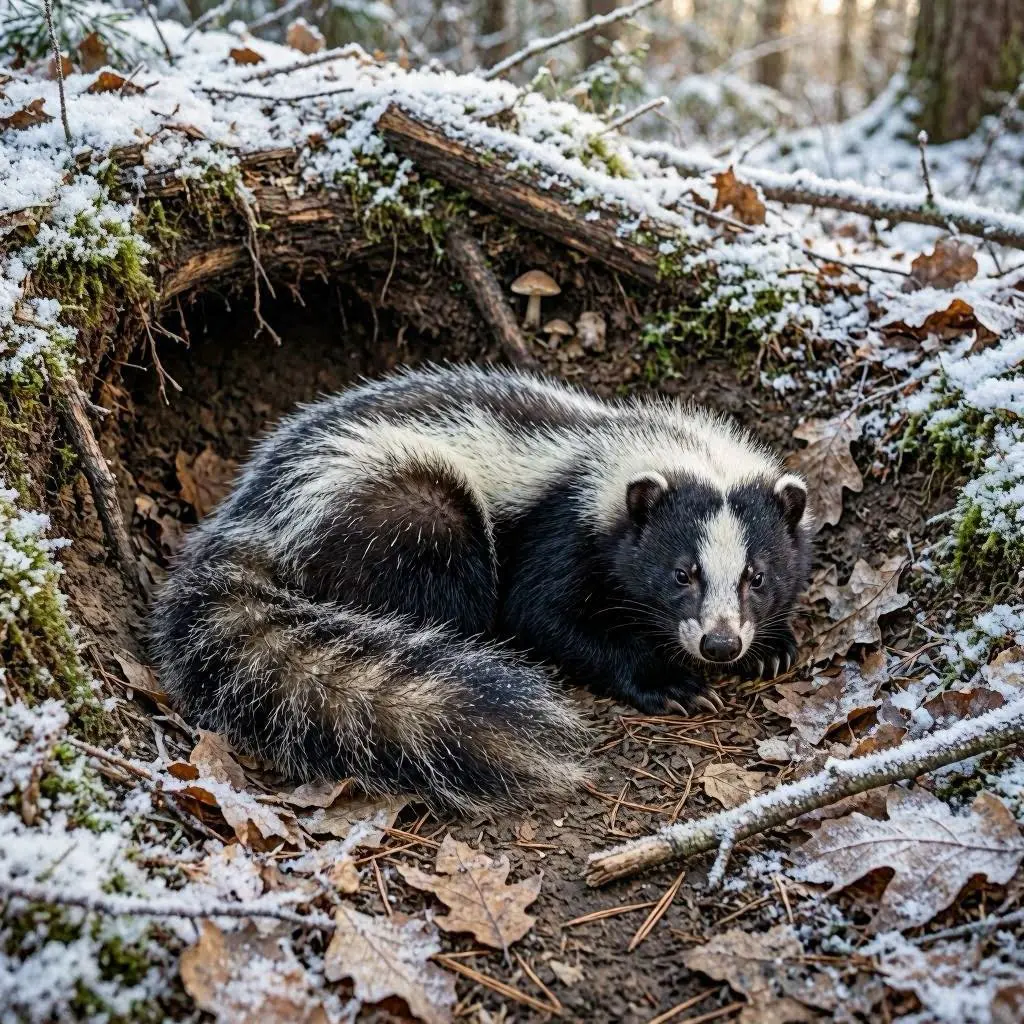
Skunks do not enter full hibernation but undergo long periods of torpor during winter. They remain in dens and may share warmth by occasionally grouping together. On milder days, they may wake up briefly to search for food.
❿ Raccoon
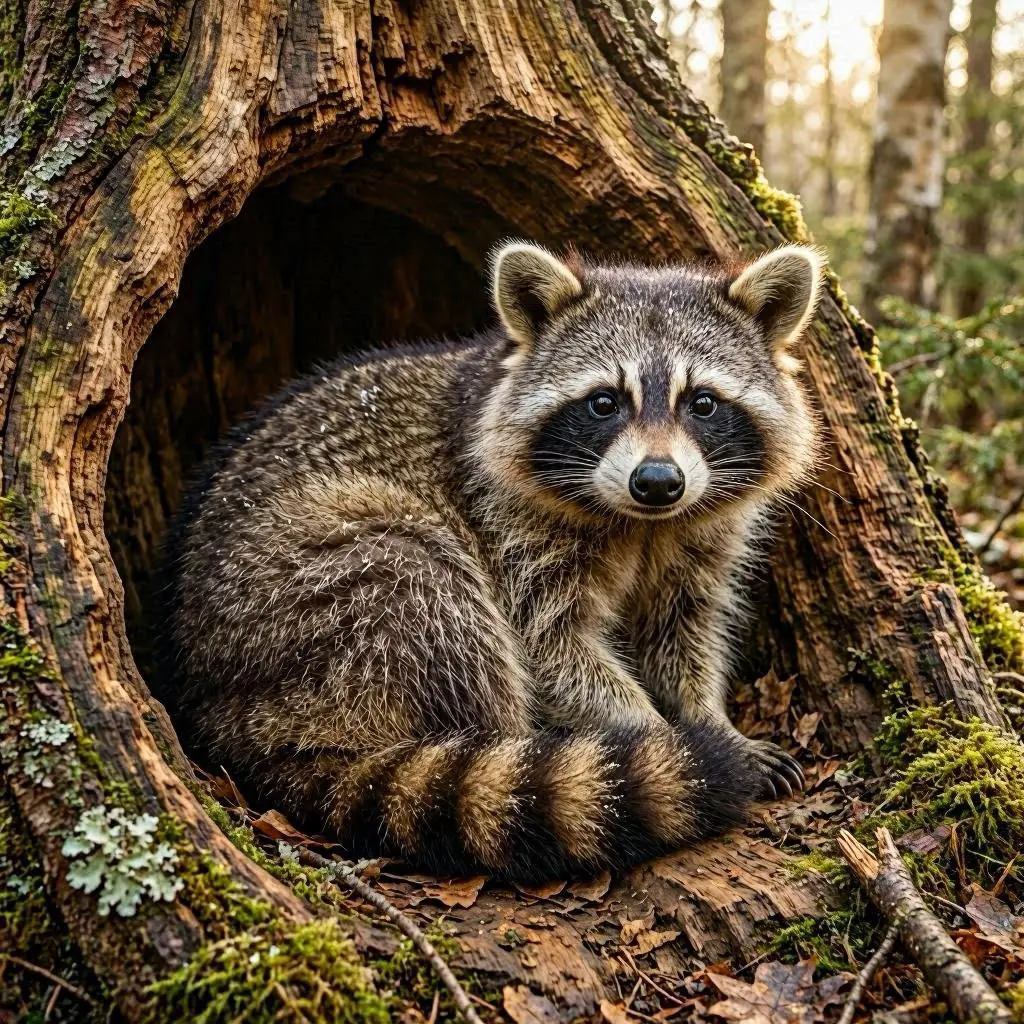
Raccoons reduce activity significantly in cold months and stay in tree hollows or burrows. While not true hibernators, they conserve energy by sleeping for long stretches. They may wake during warmer weather to forage opportunistically.
⓫ Wood Frog
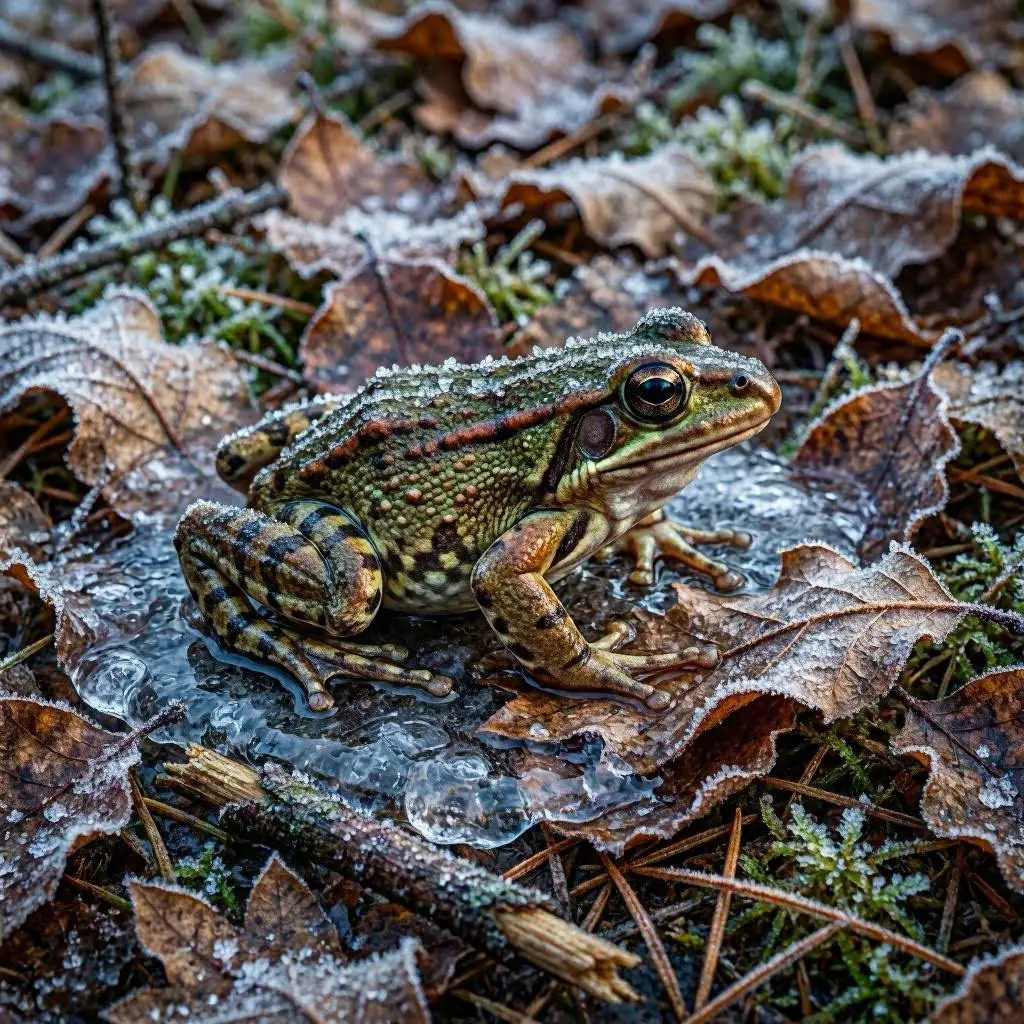
Wood frogs survive winter in a frozen state where their breathing and heartbeat temporarily stop. Special chemicals in their bodies prevent cell damage from ice formation. When spring arrives, they thaw and resume normal activity as if unaffected.
⓬ Box Turtle
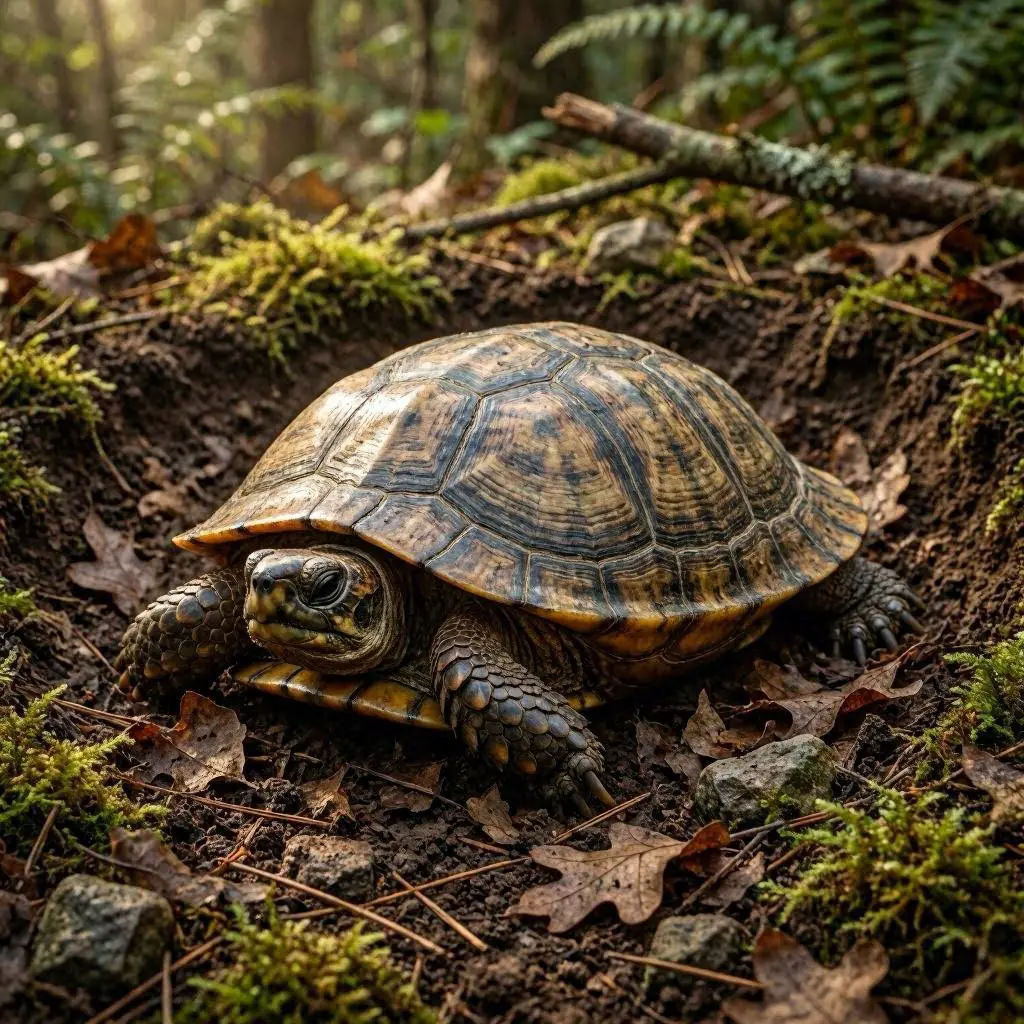
Box turtles enter brumation, a reptile form of hibernation, by burrowing into soil or mud. Their metabolism slows drastically, and they remain inactive for months. They may occasionally wake slightly to adjust position but do not actively feed.
⓭ Garter Snake
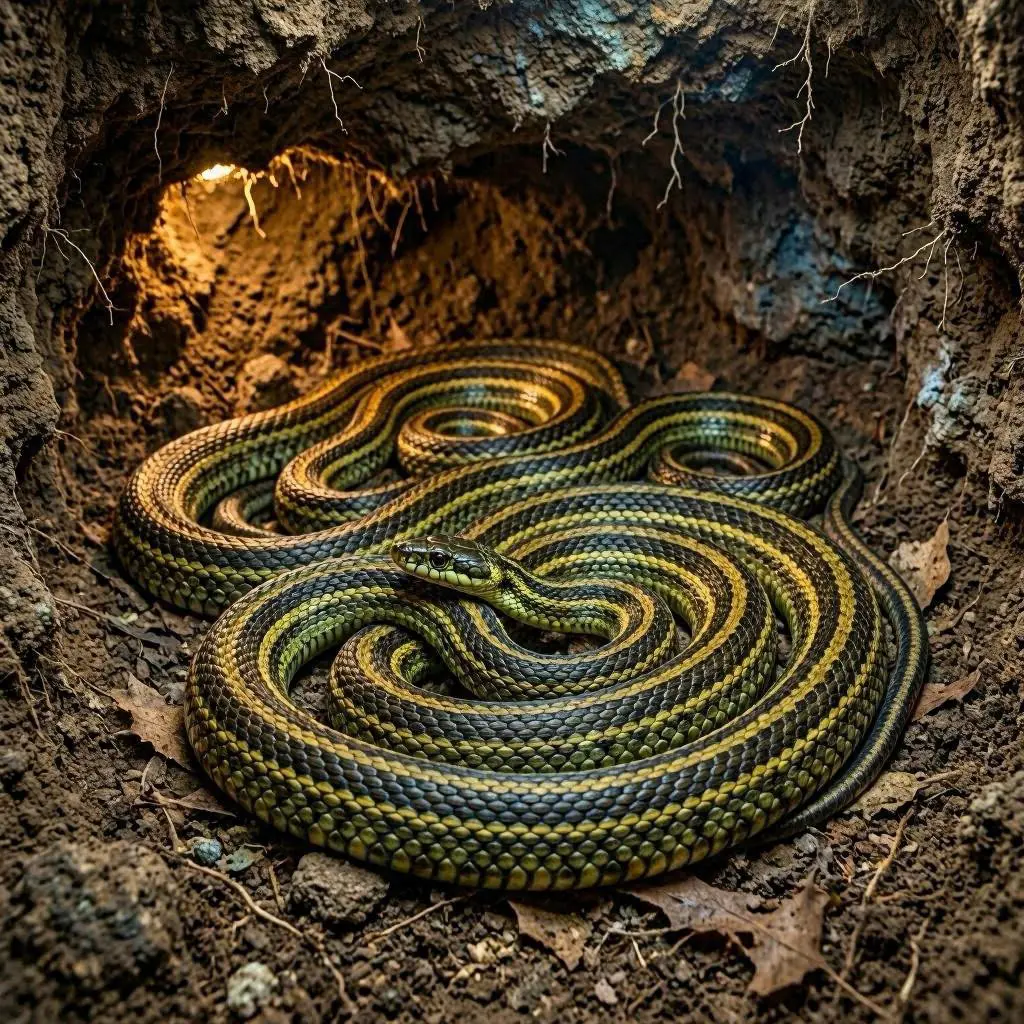
Garter snakes gather in large underground dens called hibernacula to survive winter. Thousands may coil together to conserve heat. During this time, their bodily functions slow, and they remain completely inactive until spring warmth returns.
⓮ European Hamster
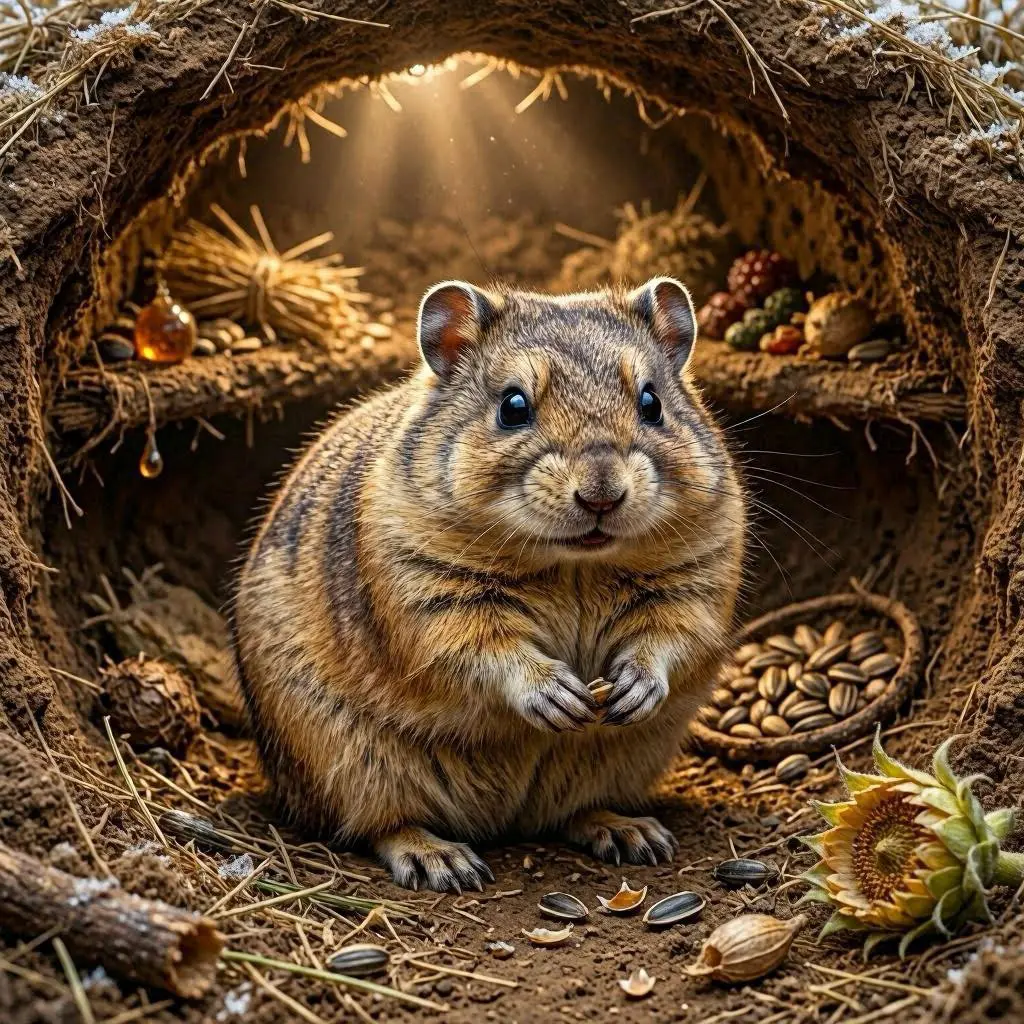
European hamsters prepare for winter by collecting large food stores in deep burrows. They enter hibernation but periodically wake to eat from their stored supplies. Their survival strategy combines true hibernation with intermittent feeding.
⓯ Bumblebee Queen
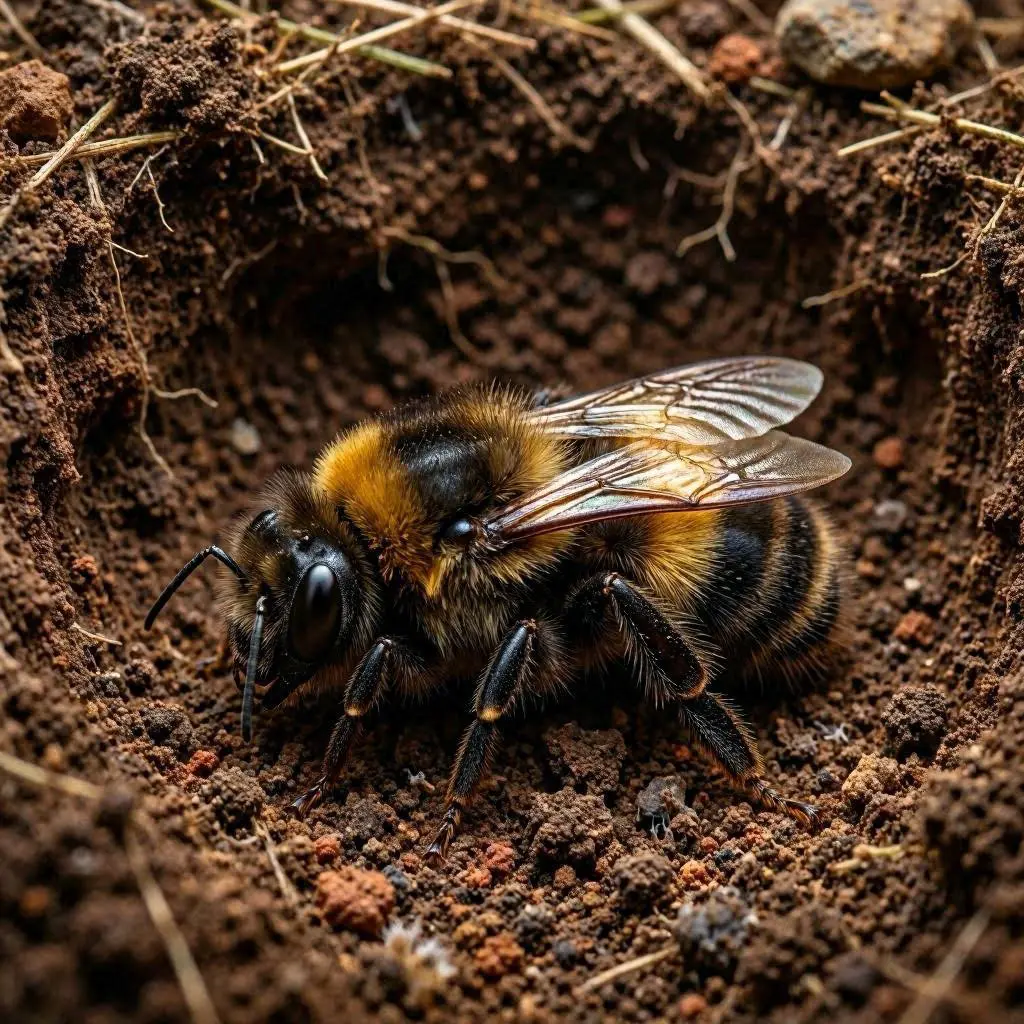
Only the fertilized bumblebee queen survives winter by hibernating underground. She slows her metabolism drastically and remains dormant in soil or decaying wood. In spring, she emerges to start a new colony while the rest of the hive does not survive.
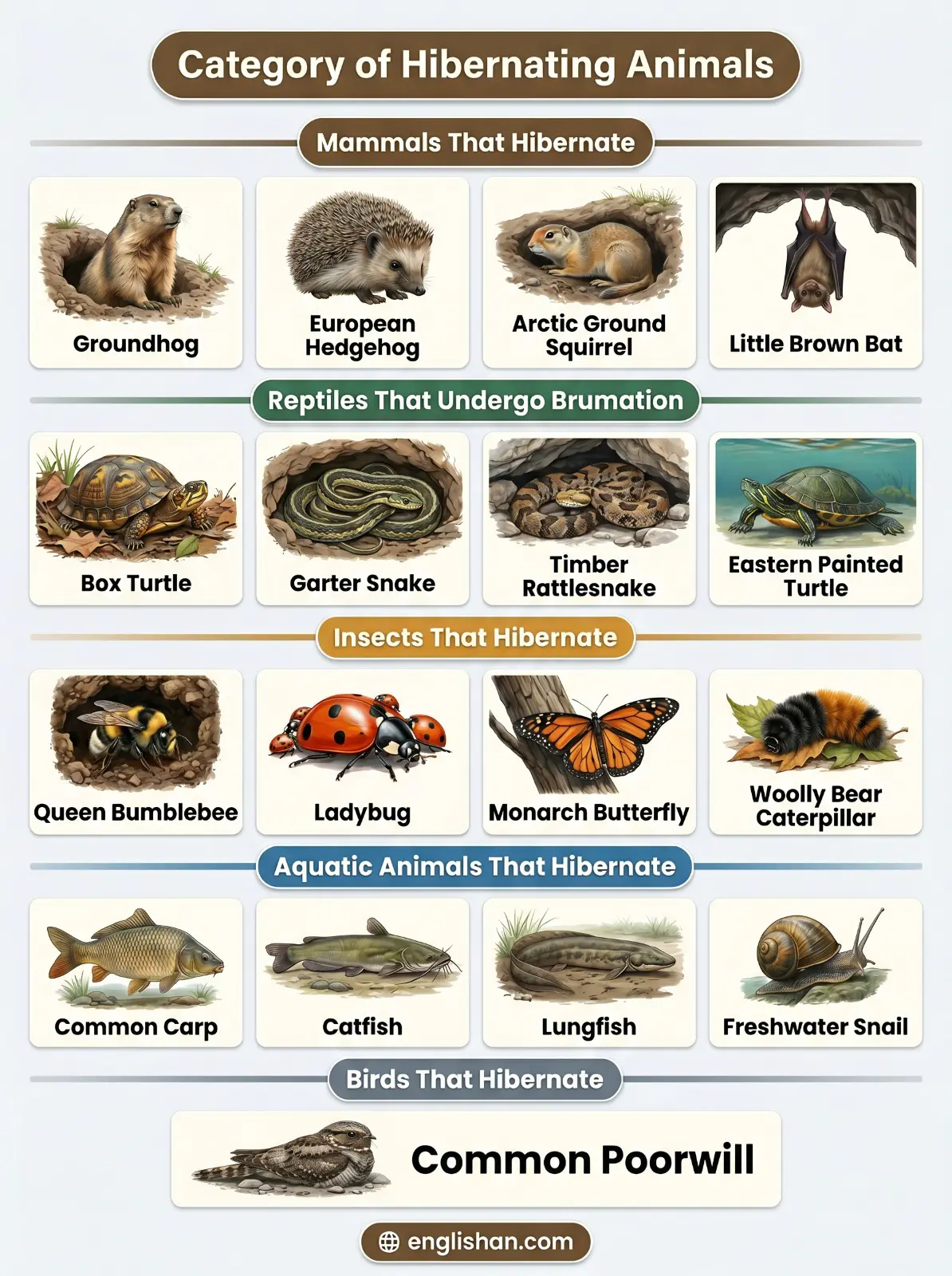
Complete List of Hibernating Animals Names by Category
Animals survive winter by entering hibernation or similar dormant states to conserve energy. They are grouped into categories like mammals, reptiles, and amphibians based on how they adapt to cold conditions.
Mammals That Hibernate
- Groundhog (Woodchuck) – A true hibernator that slows its heart from 80 bpm to just 5. Famous as the star of Groundhog Day.
- European Hedgehog – Curls into a tight ball and sleeps from November to March, sometimes with body temperature dropping to just 1 degree above freezing.
- Hazel Dormouse – Hibernates up to seven months, one of the longest of any British mammal. The original inspiration for the sleepy character in Alice in Wonderland.
- Garden Dormouse – Found across Europe and western Asia, sleeps from October to April in a true deep hibernation state.
- Arctic Ground Squirrel – The most extreme mammal hibernator on Earth, capable of cooling its blood to below 0 degrees Celsius without dying.
- Thirteen-Lined Ground Squirrel – Drops heart rate from 350 bpm to just 3 to 5 bpm. Studied by scientists for organ preservation research.
- Little Brown Bat – Hibernates in caves called hibernacula from autumn through spring, body temperature matching the cave air.
- Big Brown Bat – Slightly less deep a sleeper than the little brown bat, sometimes hibernating in building walls and attics.
- Fat-tailed Dwarf Lemur – The only known primate that hibernates. Stores fat in its tail and sleeps for up to seven months in Madagascar.
- Alpine Marmot – Hibernates in family groups underground, with juvenile body heat critical for the group’s winter survival.
- Jumping Mouse – One of North America’s longest hibernators, sleeping up to nine months of the year.
- Chipmunk – Caches food underground rather than building fat. Wakes periodically during winter to eat from stored supplies.
- Hamster (Wild) – Wild hamsters are true hibernators. Domestic pet hamsters can enter unexpected torpor if kept too cold.
- Striped Skunk – A torpor animal, not a true hibernator. Retreats to its den during the coldest weeks but may emerge in milder spells.
- Raccoon – Another torpor animal. Sleeps through cold weeks but can be woken easily and comes out during warm winter days.
- Badger – European badgers reduce activity significantly but do not fully hibernate. American badgers sleep more deeply and come closer to true hibernation.
- Black Bear – A torpor animal. Female black bears give birth to cubs in January while still in torpor, one of nature’s most remarkable events.
- Brown Bear / Grizzly Bear – Enters torpor with heart rate dropping from 40 bpm to around 8 to 10 bpm. Can lose 30% of body weight over winter.
- Prairie Dog – Black-tailed prairie dogs rarely hibernate but white-tailed prairie dogs can enter true torpor in harsh winters.
Reptiles That Undergo Brumation
- Box Turtle – Burrows into leaf litter or soft soil from October to April. Does not eat during brumation.
- Garter Snake – Often brumates communally, gathering in hundreds or thousands in underground dens called hibernacula.
- Timber Rattlesnake – Returns to the same den site year after year, with some sites used by the same snake populations for centuries.
- Eastern Painted Turtle – Buries in pond mud and breathes through its skin near the tail, surviving months under ice.
- Wood Frog – The only vertebrate in North America that can survive being frozen completely solid. Heart stops, lungs stop, then it thaws and hops away in spring.
- American Alligator – Does not brumate fully but during cold snaps may partially freeze into surface ice, keeping its snout clear to breathe.
Insects That Hibernate
- Queen Bumblebee – Only the queen survives winter, hibernating in soil from autumn until spring when she starts a new colony.
- Ladybug – Clusters with thousands of others under bark or in leaf litter, producing natural antifreeze to survive freezing temperatures.
- Mourning Cloak Butterfly – One of very few butterflies that overwinters as an adult, hiding under bark with cryoprotectants in its blood.
- Wooly Bear Caterpillar – Freezes solid under logs each winter. In the Arctic, it may hibernate through 14 consecutive winters before becoming a moth.
- Monarch Butterfly – Enters reproductive diapause in Mexican fir forests, a dormant state that allows the overwintering generation to survive for months.
Aquatic Animals That Hibernate
- Common Carp – Gathers at pond and lake bottoms in winter, becoming nearly motionless and stopping feeding entirely.
- Catfish – Many species bury in river mud during the coldest months, entering a dormant state with minimal metabolic activity.
- Lungfish – Burrows into mud during drought, wraps itself in a mucus cocoon, and can survive for years in this state of estivation.
- Freshwater Snail – Seals itself inside its shell with a mucus plug and can remain dormant for months through winter or drought.
Birds That Hibernate
- Common Poorwill – The only bird known to truly hibernate. This small North American nightjar drops its body temperature near ambient and can stay dormant for weeks. Indigenous Hopi people called it “the sleeping one” long before Western science confirmed the behavior in 1946.
How Animals Prepare for Hibernation
Hyperphagia (Excessive Autumn Eating)
Before hibernation, many animals enter a phase of intense eating to build fat reserves. A grizzly bear in this pre-hibernation phase may consume 20,000 calories per day. Small bats may double their body weight in just a few weeks.
Shelter Preparation
- Groundhogs excavate burrow systems with separate sleeping chambers
- Hedgehogs build leaf and grass nests under logs or in brush piles
- Bears choose caves, hollow trees, or dig dens under root systems
- Bats gather in caves or abandoned mines with stable temperatures
Physiological Changes
The digestive system shuts down. The liver shifts to full fat-burning mode. Hormonal changes triggered by shorter days (not cold temperatures) initiate the process. This is why captive animals still prepare to hibernate in heated environments: their bodies follow light, not temperature.
Hibernating Animals by Continent
Animals survive winter by entering hibernation or similar dormant states to conserve energy. They are grouped into categories like mammals, reptiles, and amphibians based on how they adapt to cold conditions.
Hibernating Animals In North America
- Groundhog – True hibernator found across eastern and central North America
- Black Bear – Torpor; widespread across forests and mountains
- Grizzly Bear – Torpor; found in western North America and Alaska
- Arctic Ground Squirrel – True hibernator; Alaska and northern Canada
- Little Brown Bat – Hibernates in caves throughout the continent
- Chipmunk – Food-caching hibernator found across North America
- Jumping Mouse – True hibernator; one of the longest-sleeping small mammals
- Wood Frog – Freezes solid; found from Alaska to the eastern US
- Box Turtle – Brumation; eastern and central North America
- Garter Snake – Brumation; communal dens across the continent
- Common Poorwill – The only hibernating bird; western North America
Hibernating Animals In Europe
- European Hedgehog – True hibernator found in gardens and woodlands
- Hazel Dormouse – True hibernator; UK and western Europe
- Garden Dormouse – True hibernator; Europe and western Asia
- Alpine Marmot – True hibernator; the Alps and other mountain ranges
- European Badger – Light torpor; widespread across Europe
- Big Brown Bat – Hibernates in caves, mines, and buildings
- Slow Worm and Various Lizards – Brumation through winter months
Hibernating Animals In Asia
- Siberian Chipmunk – True hibernator; Siberia, Korea, Japan, and China
- Asian Black Bear – Torpor; mountain forests across South and East Asia
- Himalayan Marmot – True hibernator; high-altitude zones across Central Asia
- Long-eared Hedgehog – True hibernator; Central Asia and the Middle East
- Various Bat Species – Hibernation in caves throughout the region
Hibernating Animals In Africa
- Fat-tailed Dwarf Lemur – The only hibernating primate; Madagascar
- African Lungfish – Estivation during drought; sub-Saharan Africa
- Various Freshwater Snail Species – Estivation during dry seasons
Hibernating Animals In Arctic and Antarctic
- Arctic Ground Squirrel – The most extreme hibernator on Earth; Arctic tundra
- Grizzly Bear – Torpor in den sites; sub-Arctic regions
- Various Bat Species – Hibernate in cave systems in sub-Arctic zones
Hibernating Animals for Kids
Hibernation is when an animal goes into a very deep sleep for the whole winter because there is not enough food to eat in the cold. Before sleeping, they eat as much as possible to store fat, like packing food inside their body.
Top 10 Hibernating Animals Kids Love
- Hedgehog – Curls up in a ball in a pile of leaves and sleeps all winter
- Bear – Sleeps in a cozy cave and even has babies while sleeping
- Groundhog – Famous for Groundhog Day when it wakes up in February
- Bat – Hangs upside down in a cave with hundreds of friends all winter
- Dormouse – So sleepy it has the word “dorm” in its name, just like dormitory
- Chipmunk – Stores nuts underground and wakes up to snack during winter
- Painted Turtle – Buries in pond mud and breathes through its skin
- Ladybug – Piles up with thousands of friends under tree bark to stay warm
- Wood Frog – Actually freezes solid like an ice cube and comes back to life in spring
- Common Poorwill – The only bird in the world that truly hibernates
Fascinating Hibernation Facts
- The Wood Frog freezes completely solid. Ice forms inside its body, its heart stops, and it becomes a frozen brick. Come spring, it thaws and hops away. Scientists are studying this for human organ preservation.
- The Arctic Ground Squirrel cools below zero. Its blood temperature drops to minus 3 degrees Celsius without tissue damage, the lowest recorded body temperature of any hibernating mammal.
- Bears give birth during torpor. Female bears have cubs in January while still asleep. The mother barely rouses for the birth. Cubs nurse and grow while she sleeps.
- Dormice sleep for up to seven months. Their name comes from the Latin “dormire” meaning to sleep. The French word “loir” gave English the word “dormant.”
- The fat-tailed dwarf lemur is the only hibernating primate. It stores fat in its tail and is the focus of research into whether human suspended animation is biologically possible.
- Lungfish can estivate for years. African lungfish have survived four years in dry mud cocoons in laboratory conditions.
- Hummingbirds enter torpor every night. Their heart rate drops from 1,200 bpm to around 50 bpm each night. They essentially hibernate on a daily cycle.
Conclusion
From the wood frog that freezes solid to the Arctic ground squirrel that chills its blood below zero, the world of hibernating animals names holds some of biology’s most astonishing stories. Bears giving birth in torpor, dormice sleeping for seven months, and the lone bird brave enough to truly hibernate, the common poorwill, are all part of the same remarkable strategy: enduring winter not by fleeing it but by outlasting it.
FAQs
Well-known hibernating animals names include the groundhog, European hedgehog, dormouse, brown bear, black bear, little brown bat, Arctic ground squirrel, chipmunk, jumping mouse, Alpine marmot, box turtle, garter snake, wood frog, and the common poorwill. The full list spans dozens of species across every animal group.
No. Bears enter torpor, not true hibernation. A true hibernator like a groundhog has a heart rate of 4 to 5 bpm and a near-freezing body temperature. A torpor bear’s body temperature drops only a few degrees and its heart rate stays around 8 to 10 bpm. Bears can be woken far more easily than true hibernators.
Sleep is a regular nightly rest cycle. Body temperature and heart rate do not change significantly. Hibernation is a months-long state triggered by season, where metabolism drops by up to 98% and the animal cannot simply be woken up the way a sleeping animal can.
The jumping mouse hibernates up to nine months. The hazel dormouse sleeps up to seven months. For estivation rather than hibernation, the African lungfish holds the record, surviving up to four years in a dried mud cocoon.
Only one: the common poorwill of North America. Most birds survive winter by migrating rather than hibernating. Some birds like hummingbirds enter nightly torpor but this is not seasonal hibernation.
Humans cannot naturally hibernate. Scientists are studying hibernating animals, particularly the fat-tailed dwarf lemur and Arctic ground squirrel, to explore whether induced human hibernation might one day be possible for medical treatment or long-distance space travel.
Common winter hibernators include groundhogs, black and brown bears, little brown bats, chipmunks, jumping mice, box turtles, and garter snakes in North America. In Europe: hedgehogs, dormice, and Alpine marmots. Worldwide: various ground squirrels, marmots, and insect species.
No. Hibernation is the dormancy of warm-blooded mammals. Brumation is the dormancy of cold-blooded reptiles and amphibians. Hibernating mammals live off fat stores. Brumating reptiles have very low metabolic activity and may wake occasionally to drink water.
You May Also Like
- 31+ Slow Animals Names with Pictures
- 55+ Rainforest Animal Names In English
- Desert Animals Names in English
Hibernating Animals Quiz
Hibernating Animals
What happens to an animal in true hibernation?
A hibernating ground squirrel's heart can fall to a few beats a minute.
Hibernation is a controlled shutdown.
Waking from hibernation takes hours and costs energy.
Do bears truly hibernate?
Bears enter torpor and can wake quickly, which true hibernators cannot.
The famous hibernator is not really one.
A female bear gives birth mid-winter while dormant.
Name the summer equivalent.
Dormancy through hot dry conditions rather than cold is called ___.
Lungfish seal themselves in dried mud and wait for the rains.
Hibernation for cold, aestivation for heat and drought.
The lungfish aestivated for eight months in hard mud.
What is brown fat for?
It burns fuel directly into heat rather than into movement.
Brown fat is a heater, white fat is a fuel tank.
Brown fat around the shoulders warms the blood first.
Three of these hibernate. Which does not?
Foxes stay active all winter, hunting through snow.
Hibernation suits animals that cannot find winter food.
A fox hunts year-round and has no need to shut down.
Turn on JavaScript for the interactive quiz. The full practice set is shown above.