The world is home to countless fascinating creatures, but some are known for their strength, venom, aggression, or ability to cause serious harm. Learning dangerous animals names in English is a great way to improve your vocabulary while gaining valuable knowledge about wildlife found across the globe.
In this article, you will discover a complete list of dangerous animals names in English with pictures, including powerful predators, venomous snakes, deadly sea creatures, dangerous birds, and other wildlife species. Whether you are a student, teacher, animal enthusiast, or English learner, this article will help you identify and learn the names of some of the world’s most dangerous animals in an easy and memorable way.
What Makes an Animal Dangerous?
Dangerous animals are species that can cause harm to humans through venom, strength, aggression, or hunting behavior. These animals are found across land, sea, air, and even in small insect forms. Learning about them helps in awareness and safety in the wild. Here are the most common ones:
- Venom or Poison — Snakes, spiders, and jellyfish inject toxins that can kill quickly.
- Predatory Nature — Lions, tigers, and sharks are natural hunters that can attack humans.
- Territorial Aggression — Hippos and rhinos attack when they feel their space is threatened.
- Physical Strength — Crocodiles and bears can cause fatal injuries with brute force alone.
- Disease Transmission — Mosquitoes are deadly because of the diseases they spread, not their bite.
- Speed — Animals like the black mamba strike faster than humans can react.
Explore more animals that start with different letters:
A | B | C | D | E | F | G | H | I | J | K | L | M | N | O | P | Q | R | S | T | U | V | W | X | Y | Z
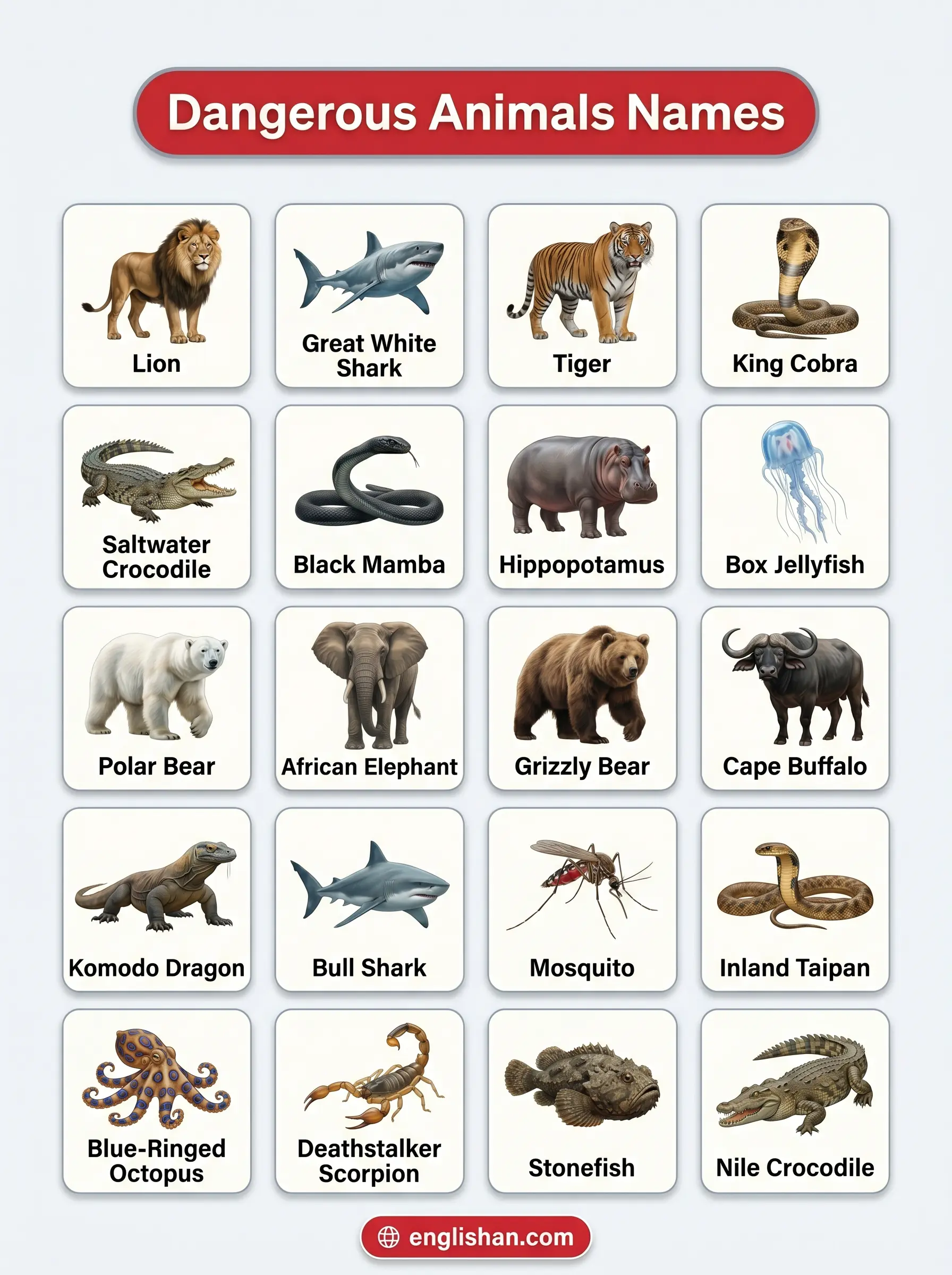
List of Dangerous Animals Names in English
Here is a complete list of 90 dangerous animals names in English to help you learn and remember them easily.
- Lion
- Tiger
- Leopard
- Cheetah
- Jaguar
- Cougar
- Grizzly Bear
- Polar Bear
- Black Bear
- African Elephant
- Hippopotamus
- Rhinoceros
- Cape Buffalo
- Gorilla
- Wolf
- Hyena
- Wild Boar
- Moose
- Wolverine
- Saltwater Crocodile
- Nile Crocodile
- American Alligator
- Komodo Dragon
- Gila Monster
- King Cobra
- Black Mamba
- Inland Taipan
- Russell’s Viper
- Gaboon Viper
- Saw-Scaled Viper
- Eastern Brown Snake
- Fer-de-Lance
- Reticulated Python
- Boomslang
- Cottonmouth
- Great White Shark
- Bull Shark
- Tiger Shark
- Hammerhead Shark
- Oceanic Whitetip Shark
- Box Jellyfish
- Portuguese Man O’ War
- Blue-Ringed Octopus
- Stonefish
- Cone Snail
- Pufferfish
- Electric Eel
- Moray Eel
- Barracuda
- Orca
- Piranha
- Sea Snake
- Lionfish
- Giant Pacific Octopus
- Needlefish
- Mosquito
- Tsetse Fly
- Deathstalker Scorpion
- Brazilian Wandering Spider
- Sydney Funnel-Web Spider
- Black Widow Spider
- Brown Recluse Spider
- Fire Ant
- Africanized Honey Bee
- Asian Giant Hornet
- Kissing Bug
- Botfly
- Driver Ant
- Bullet Ant
- Japanese Hornet
- Cassowary
- Harpy Eagle
- Ostrich
- Great Horned Owl
- African Crowned Eagle
- Secretary Bird
- Shoebill Stork
- Snowy Owl
- Red-Tailed Hawk
- Lammergeier
- Tasmanian Devil
- Dingo
- Monitor Lizard
- Snapping Turtle
- Giant Centipede
- Stingray
- Vampire Bat
- Caiman
- Candiru
- Payara (Vampire Fish)
Popular Dangerous Animals Names with Pictures
❶ Lion
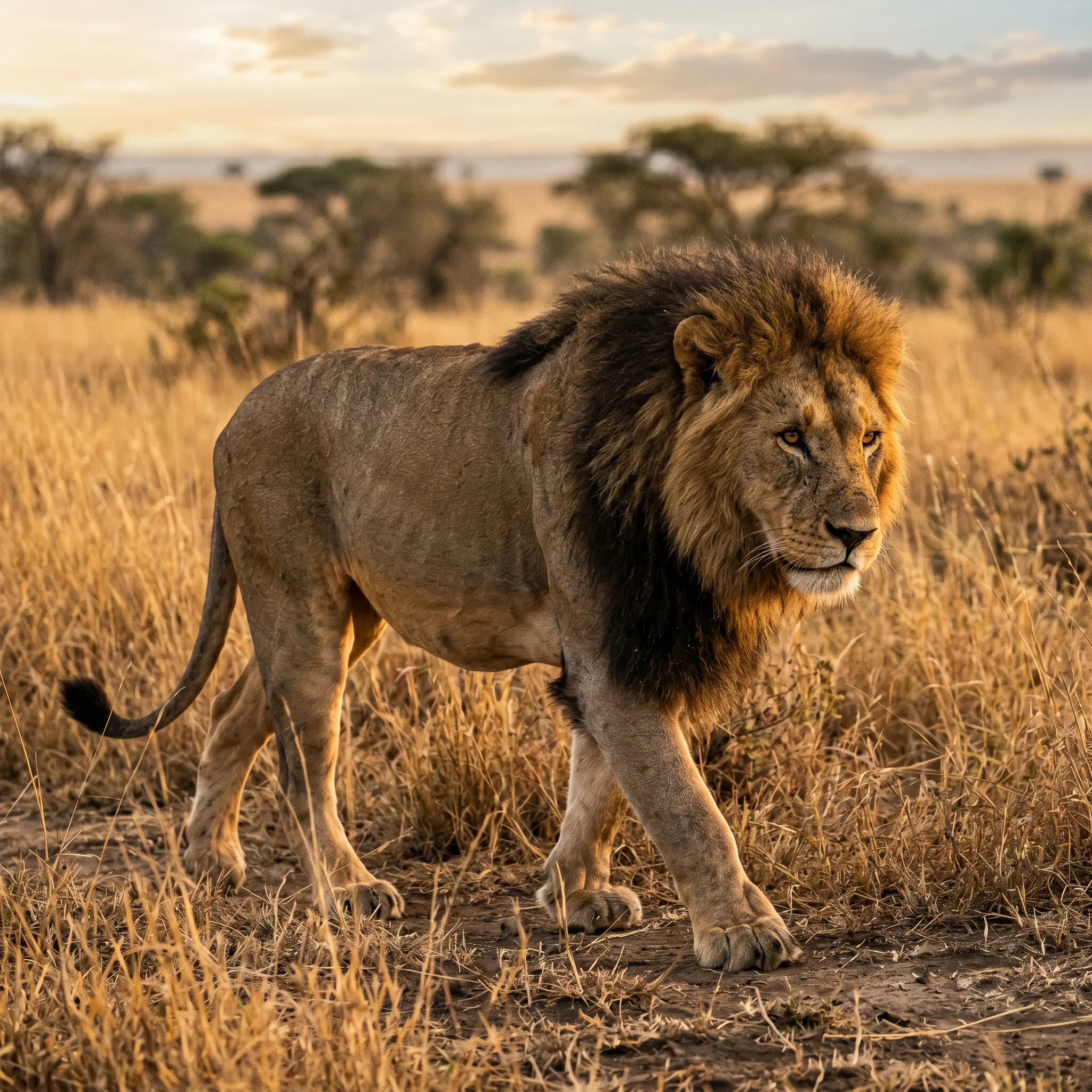
The lion is one of the most famous and powerful predators in the world, often called the “King of the Jungle.” It has a muscular body, sharp claws, and powerful jaws designed for hunting large prey. Lions are social animals that live in groups known as prides and work together to hunt. Their strength, speed, and teamwork make them one of Africa’s top predators.
Where found: Sub-Saharan Africa
❷ Tiger
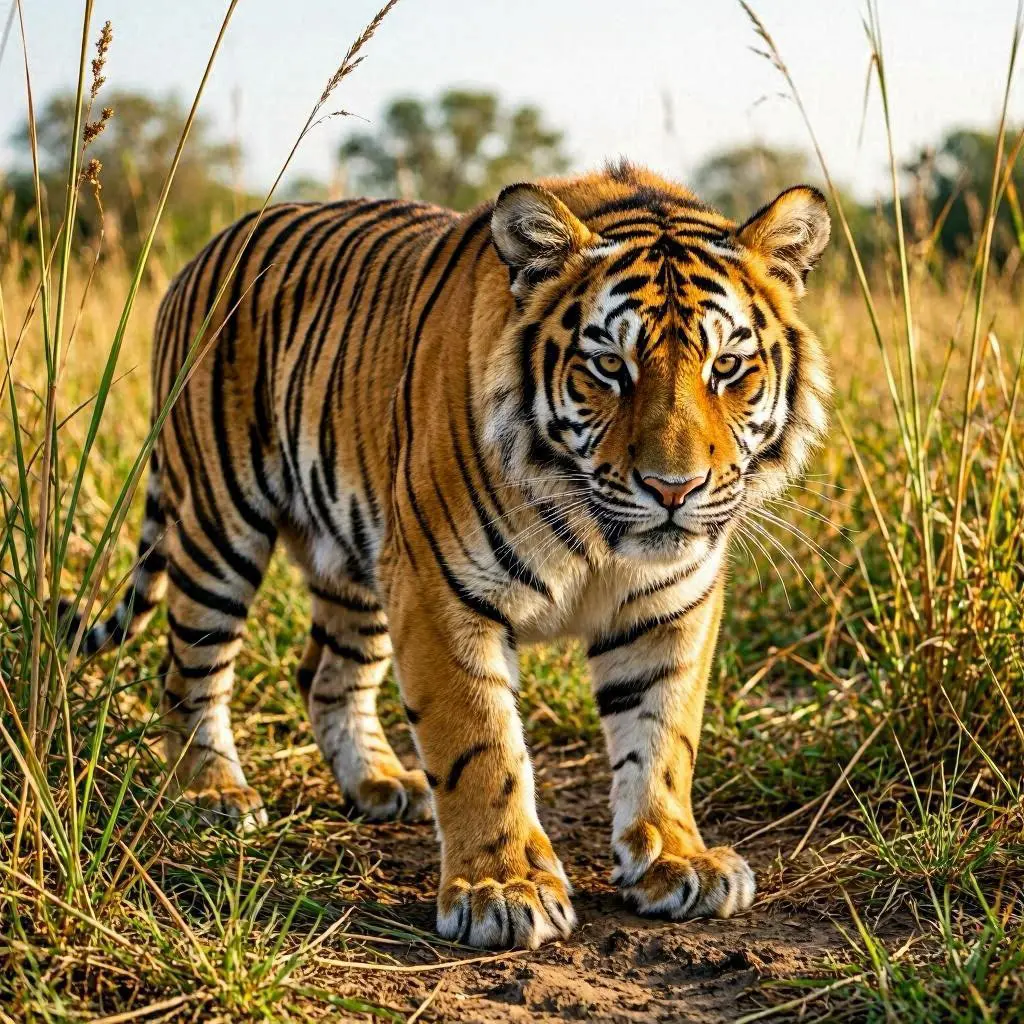
The tiger is the largest wild cat species and is recognized by its striking orange coat with black stripes. It is a solitary hunter that relies on stealth, strength, and speed to capture prey. Tigers are excellent swimmers and can adapt to forests, grasslands, and wetlands. Their powerful build makes them one of the most feared predators in Asia.
Where found: South and Southeast Asia
❸ Great White Shark
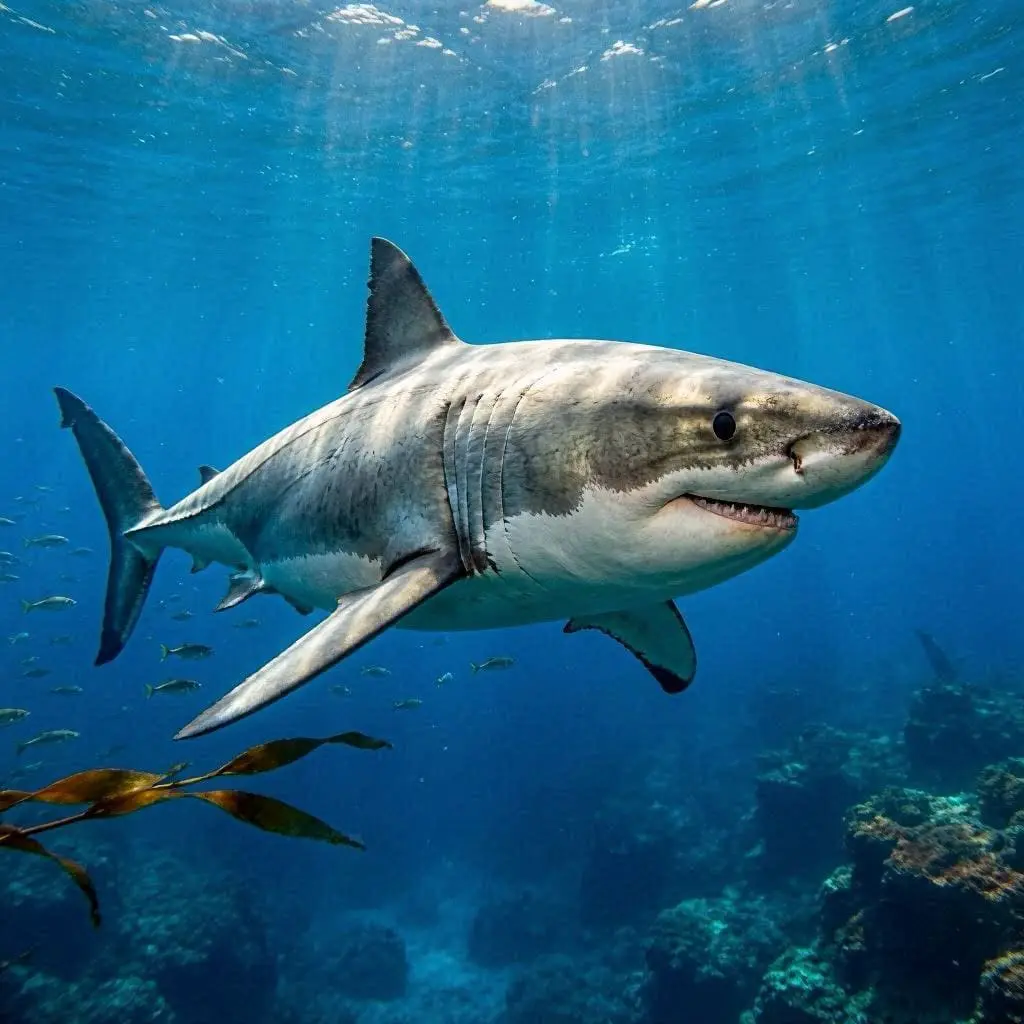
The great white shark is one of the ocean’s most iconic predators. It has a streamlined body, rows of sharp teeth, and an incredible sense of smell that helps it locate prey from long distances. Great whites are powerful swimmers capable of sudden bursts of speed. They sit at the top of the marine food chain.
Where found: Coastal waters around the world
❹ King Cobra
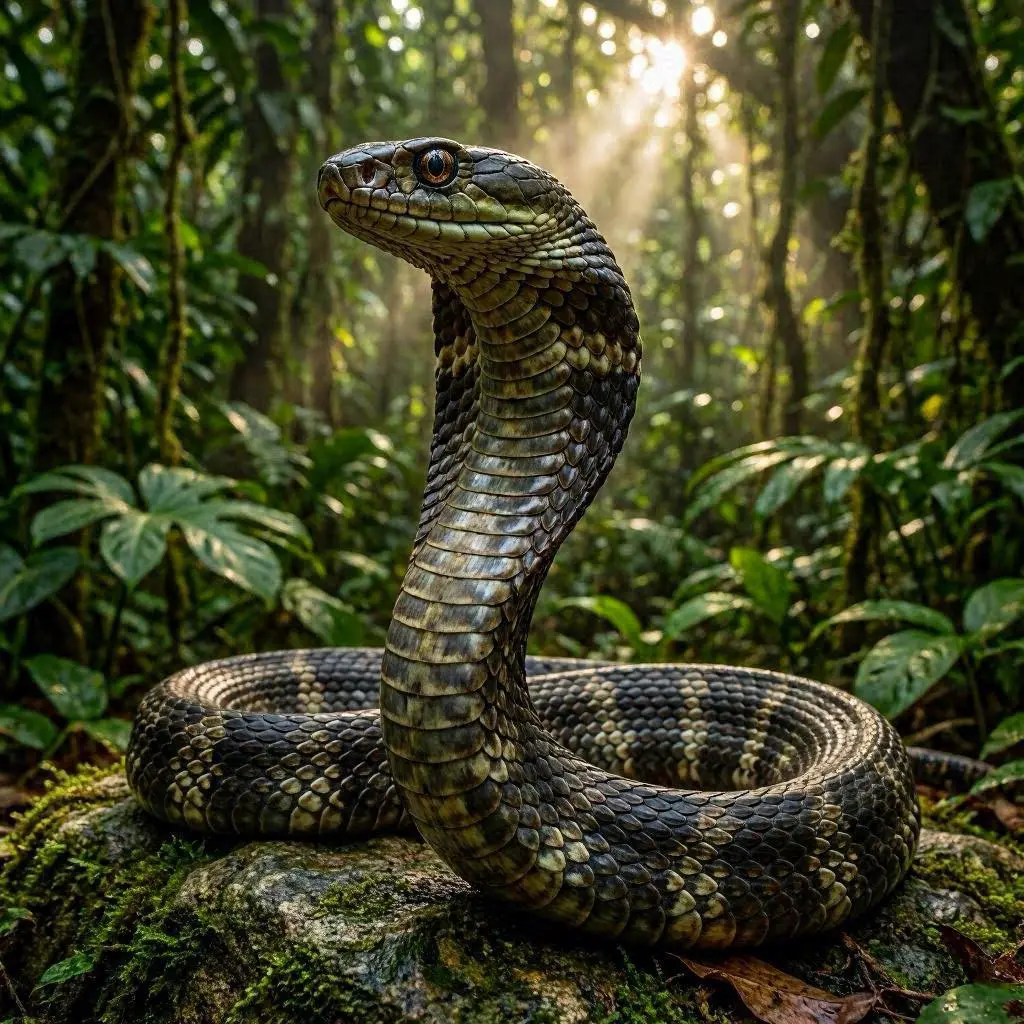
The king cobra is the longest venomous snake on Earth, capable of reaching over 5 meters in length. It is known for raising the front part of its body and expanding its hood when threatened. Unlike many snakes, king cobras are intelligent and can actively defend themselves. Their venom is powerful enough to kill large animals.
Where found: South and Southeast Asia
❺ Saltwater Crocodile
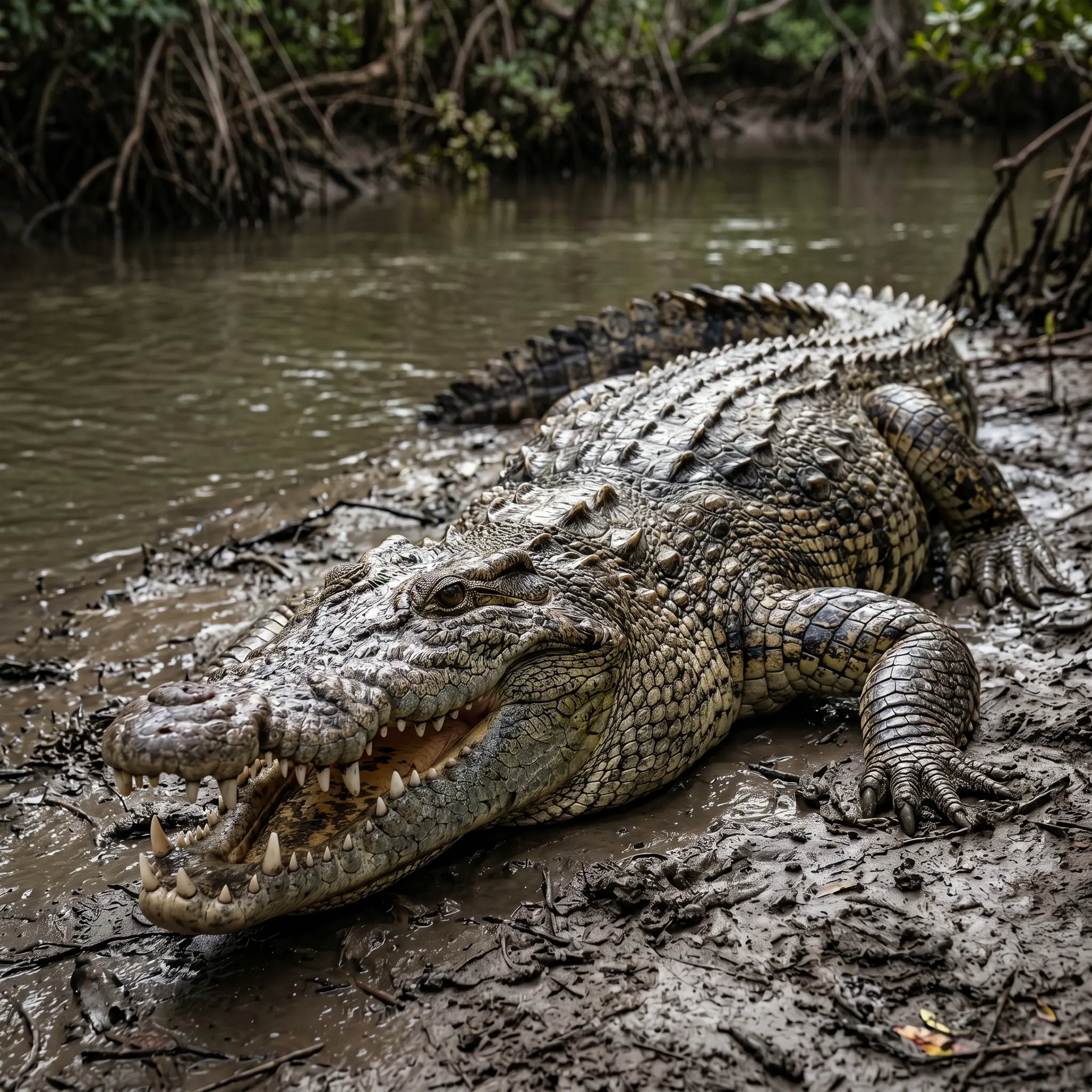
The saltwater crocodile is the largest living reptile in the world. It possesses one of the strongest bite forces ever recorded and is an expert ambush predator. These crocodiles can remain motionless for long periods before launching explosive attacks. Their size and aggression make them one of the most dangerous reptiles alive.
Where found: Australia and Southeast Asia
❻ Hippopotamus
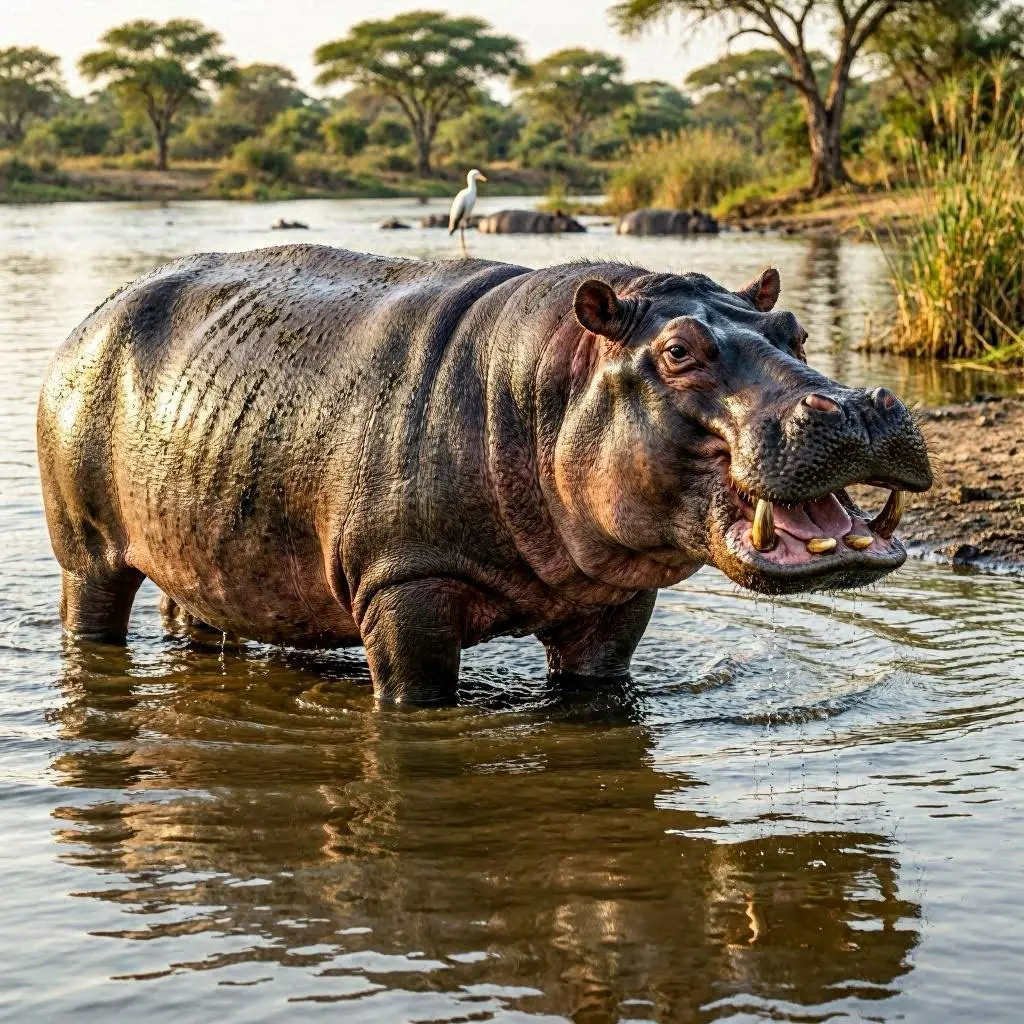
Despite its bulky appearance, the hippopotamus is surprisingly fast and highly territorial. It spends much of its time in rivers and lakes to stay cool during the day. Hippos have enormous jaws and powerful teeth that can cause severe injuries. They are considered one of Africa’s most dangerous large mammals.
Where found: Sub-Saharan Africa
❼ Black Mamba
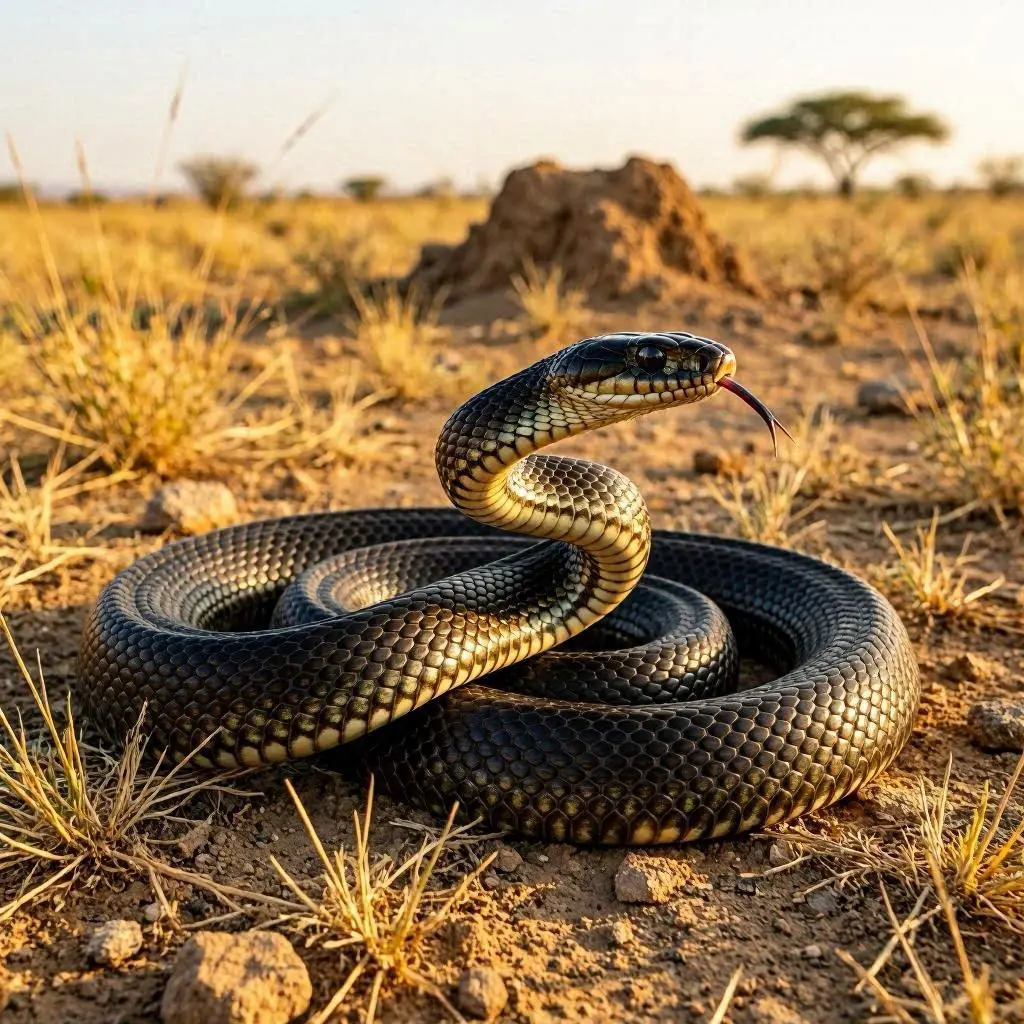
The black mamba is one of the fastest snakes in the world and is widely feared for its potent venom. It is slender, agile, and capable of moving at remarkable speeds. When threatened, it can become highly defensive and strike multiple times. Its reputation makes it one of Africa’s most dangerous snakes.
Where found: Eastern and Southern Africa
❽ Box Jellyfish
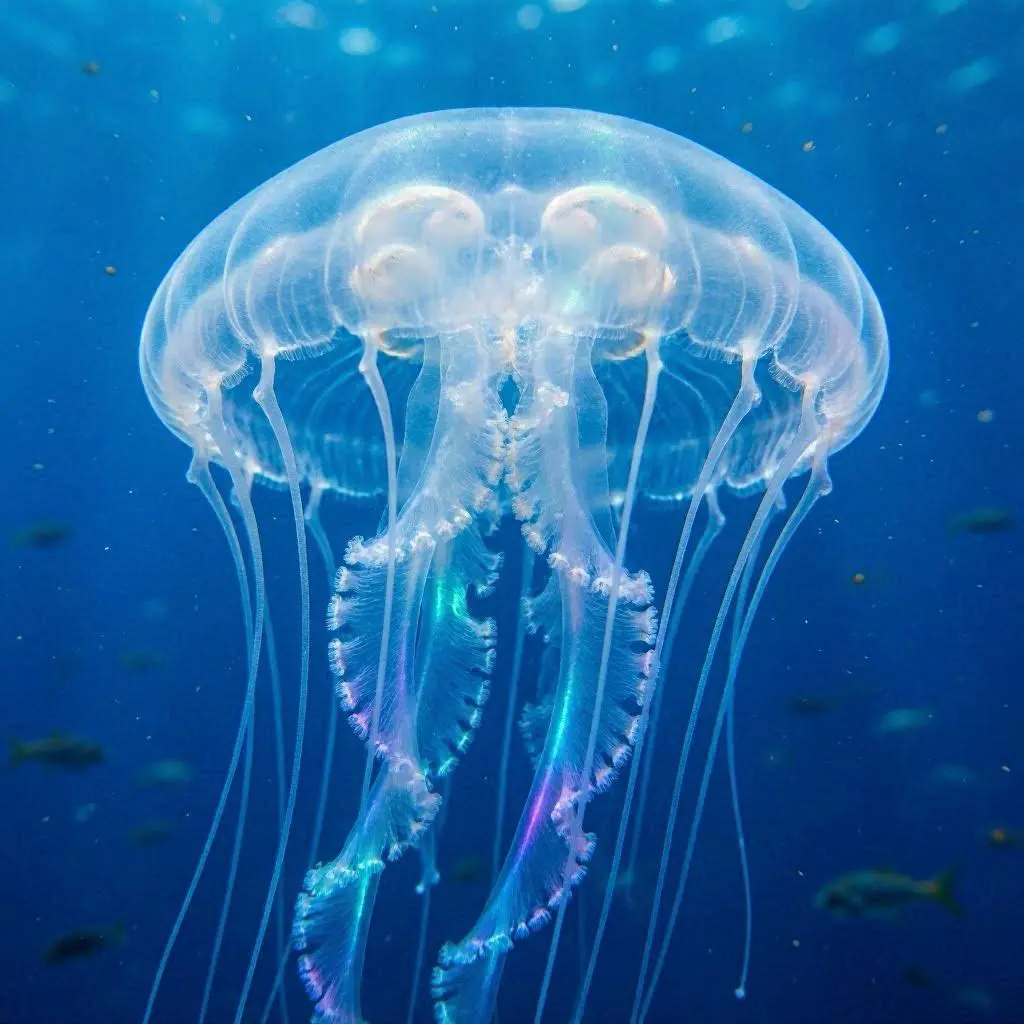
The box jellyfish is a transparent marine creature known for its extremely powerful venom. Its tentacles contain thousands of microscopic stinging cells that can inject toxins instantly. Although it appears delicate, it is considered one of the most dangerous animals in the ocean. Swimmers often avoid areas where it is commonly found.
Where found: Indo-Pacific coastal waters
❾ Polar Bear
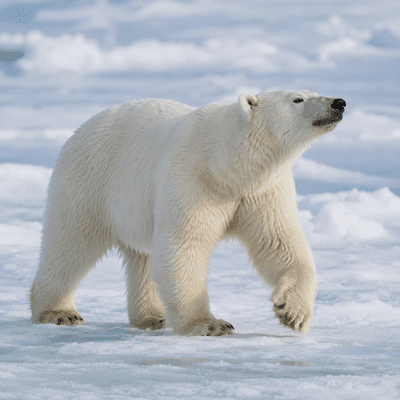
The polar bear is the largest land predator on Earth and is perfectly adapted to life in the Arctic. It has thick white fur, a layer of insulating fat, and powerful limbs for swimming long distances. Polar bears primarily hunt seals and rely on their keen sense of smell to locate food across vast icy landscapes.
Where found: Arctic regions
❿ Grizzly Bear
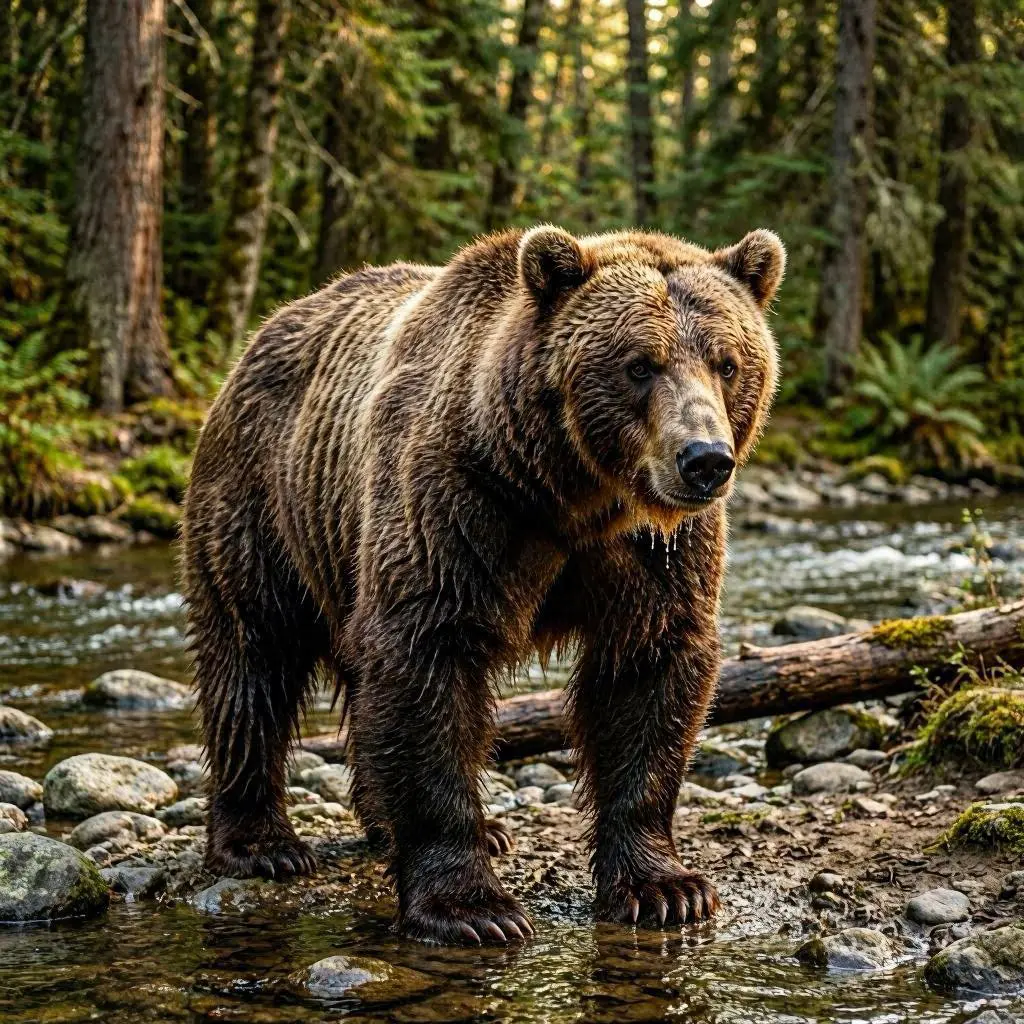
The grizzly bear is a massive and powerful animal known for its strength and territorial behavior. It has a muscular hump on its shoulders, long claws, and an excellent sense of smell. Although it generally avoids humans, it can become extremely dangerous when surprised or protecting its young.
Where found: North America
⓫ African Elephant
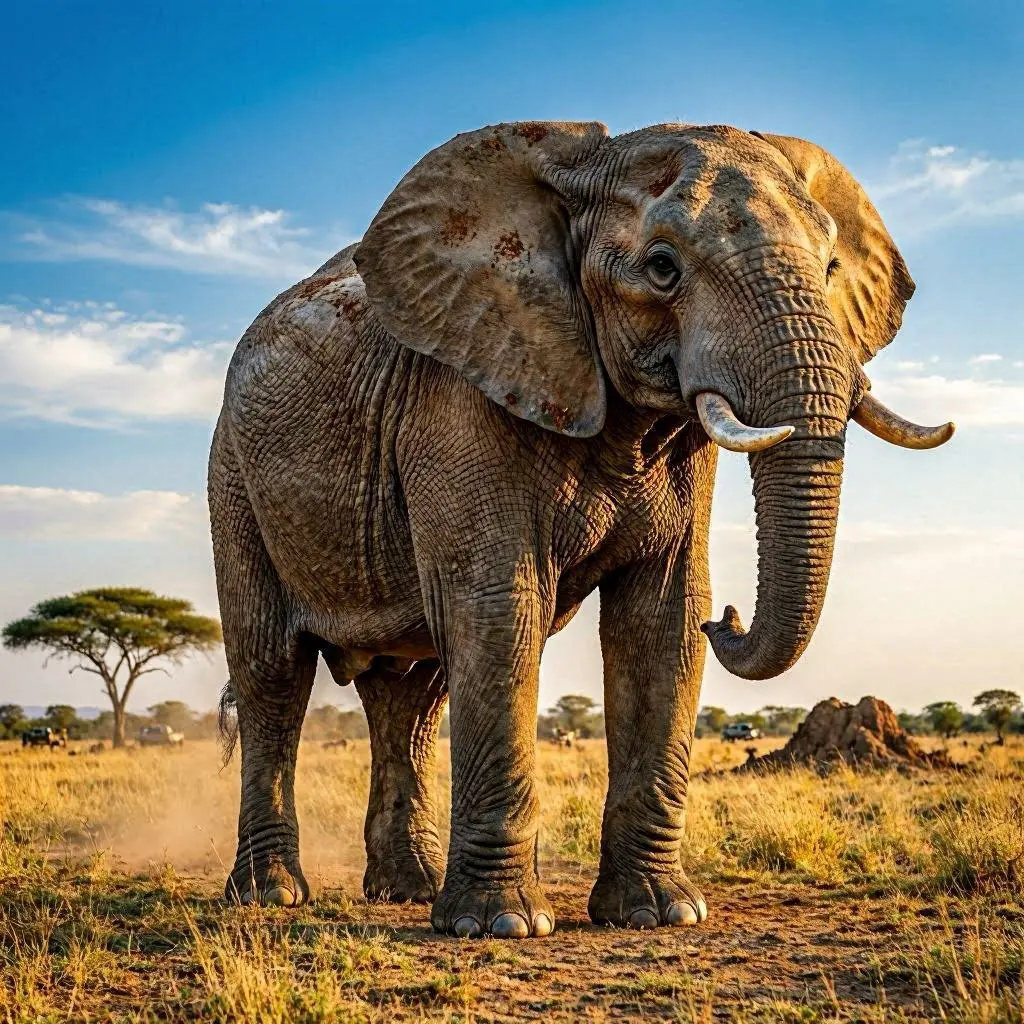
The African elephant is the largest land animal on the planet. It is highly intelligent and lives in complex social groups. Despite its gentle image, an elephant can become extremely dangerous when threatened. Its size, strength, and powerful tusks make it one of the most formidable animals in the wild.
Where found: Africa
⓬ Cape Buffalo
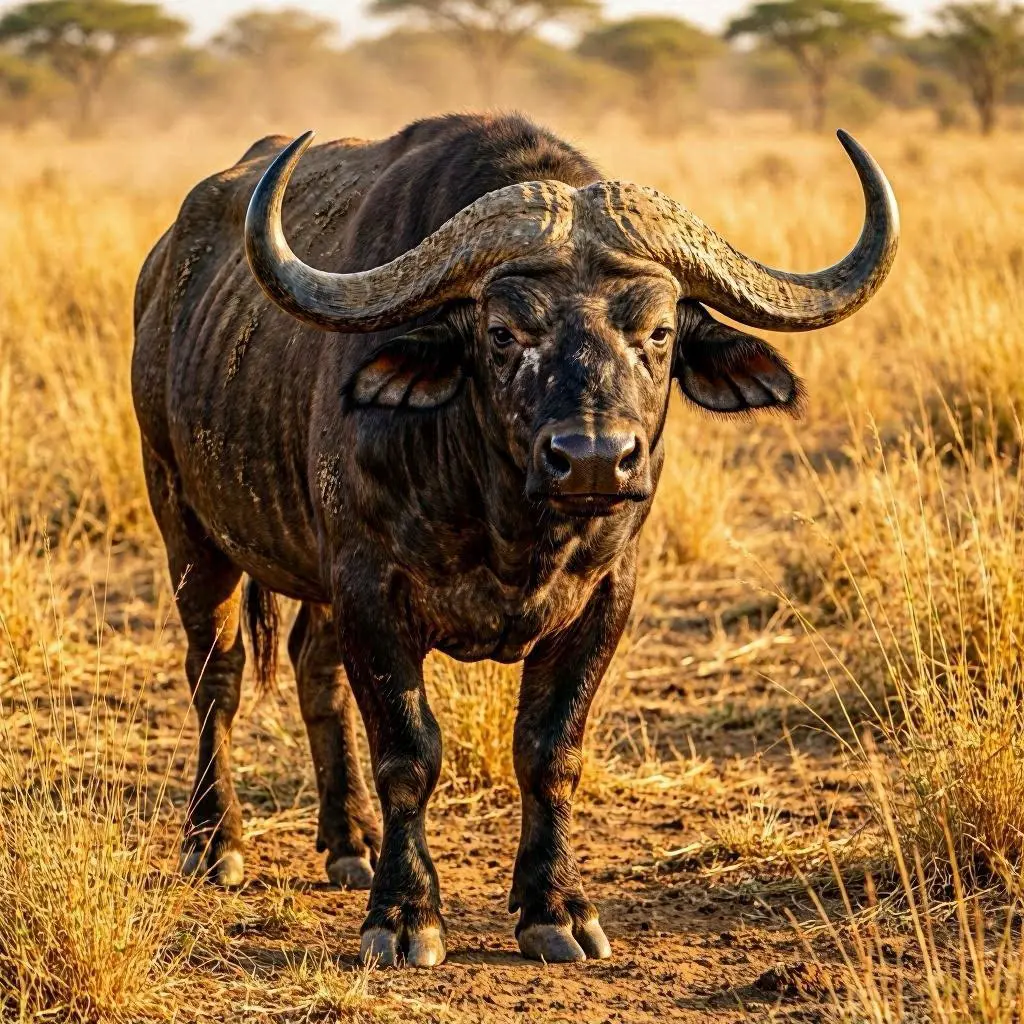
The Cape buffalo is a large herbivore known for its unpredictable nature and strong defensive instincts. It has thick curved horns that form a protective shield across its forehead. Hunters and wildlife experts consider it one of the most dangerous animals in Africa because it often fights back when threatened.
Where found: Africa
⓭ Komodo Dragon
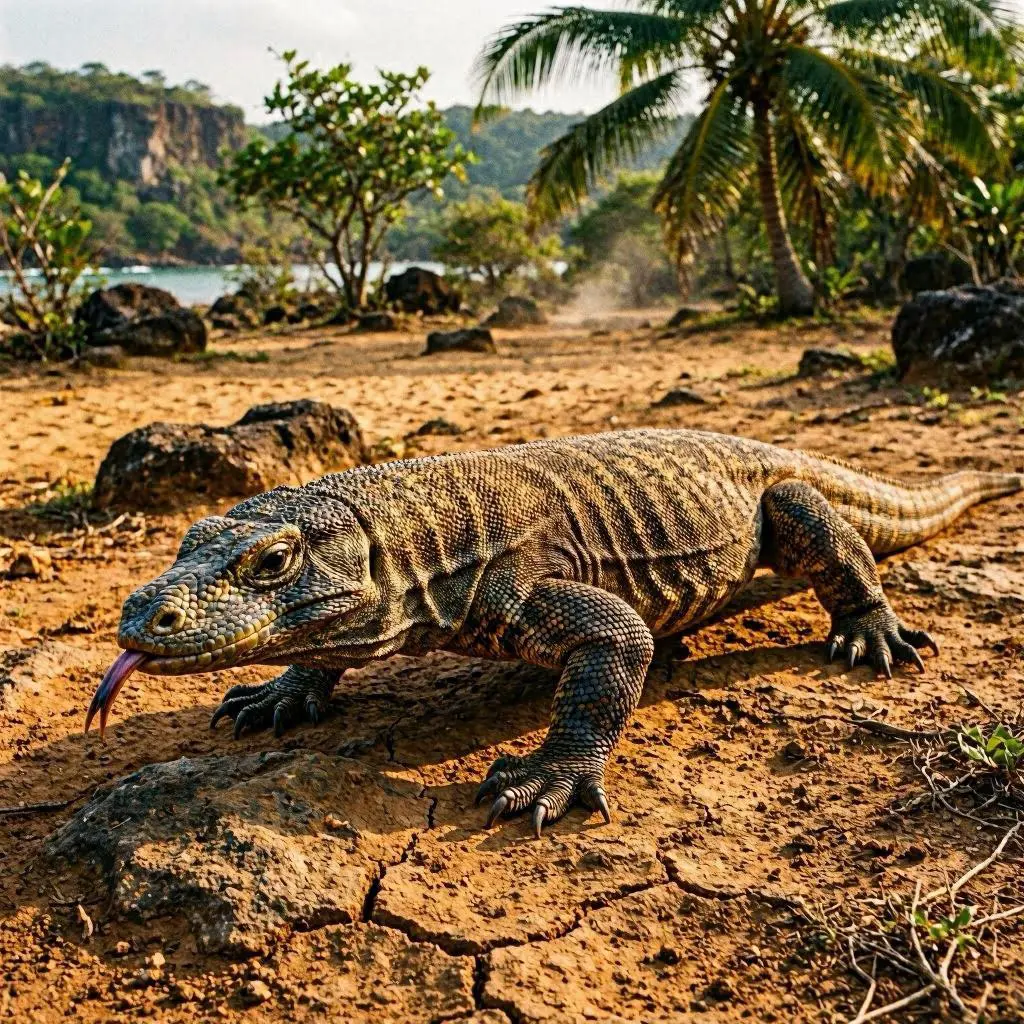
The Komodo dragon is the largest lizard species in the world. It has sharp claws, powerful jaws, and venom glands that help weaken prey. These reptiles are skilled hunters and scavengers capable of taking down animals much larger than themselves.
Where found: Indonesia
⓮ Mosquito
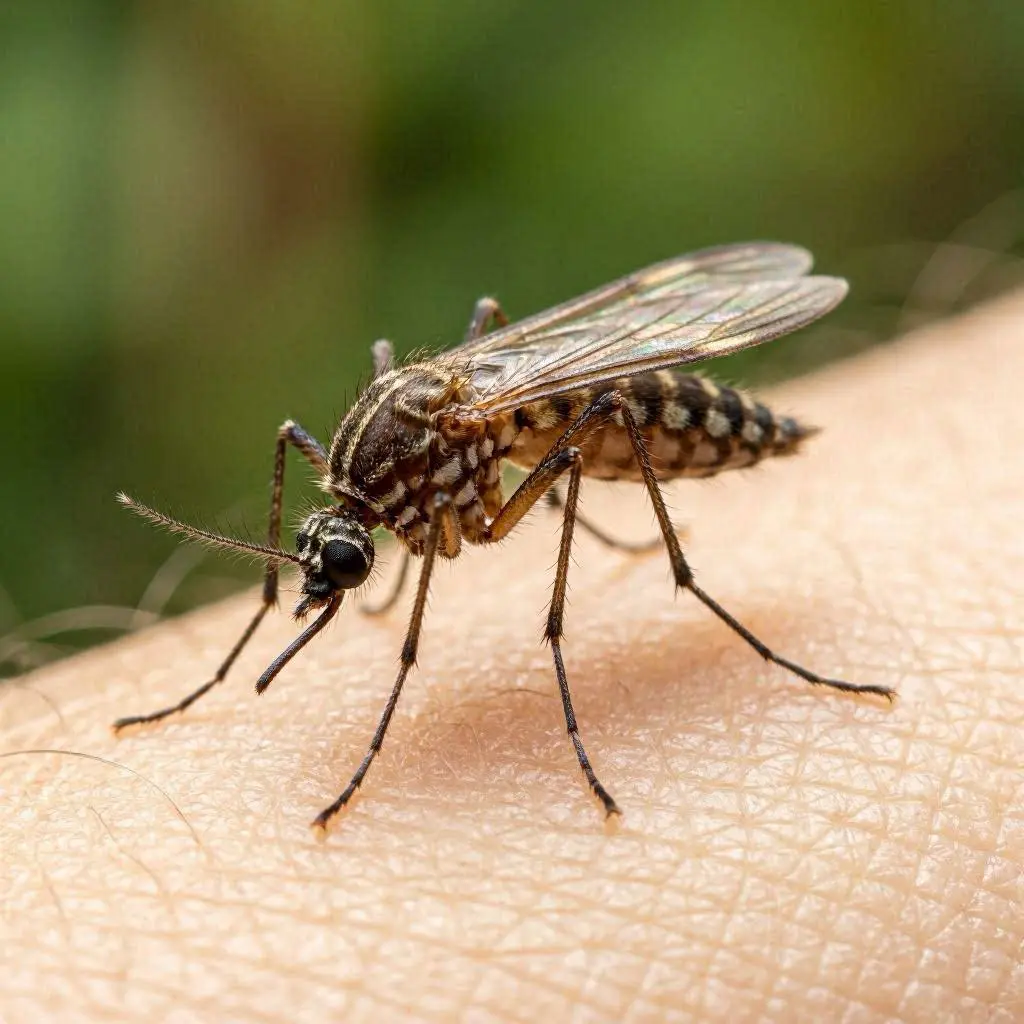
The mosquito is a small flying insect responsible for more human deaths than any other animal. It feeds on blood and can transmit diseases such as malaria, dengue, and yellow fever. Although tiny in size, its impact on human health is enormous.
Where found: Worldwide
⓯ Bull Shark
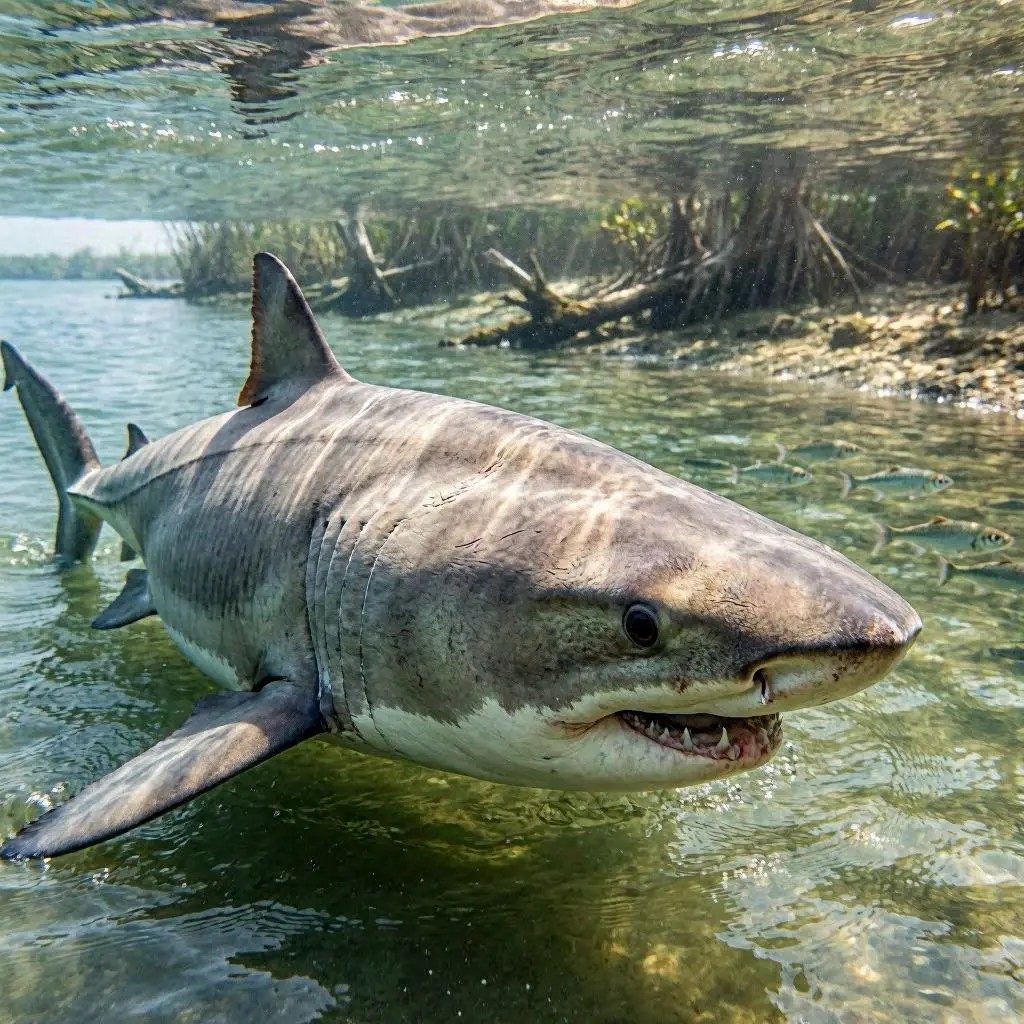
The bull shark is famous for its aggressive behavior and ability to survive in both saltwater and freshwater. It has a stocky body and powerful jaws designed for hunting a wide variety of prey. Its adaptability makes it one of the most dangerous shark species.
Where found: Coastal waters and rivers worldwide
⓰ Inland Taipan
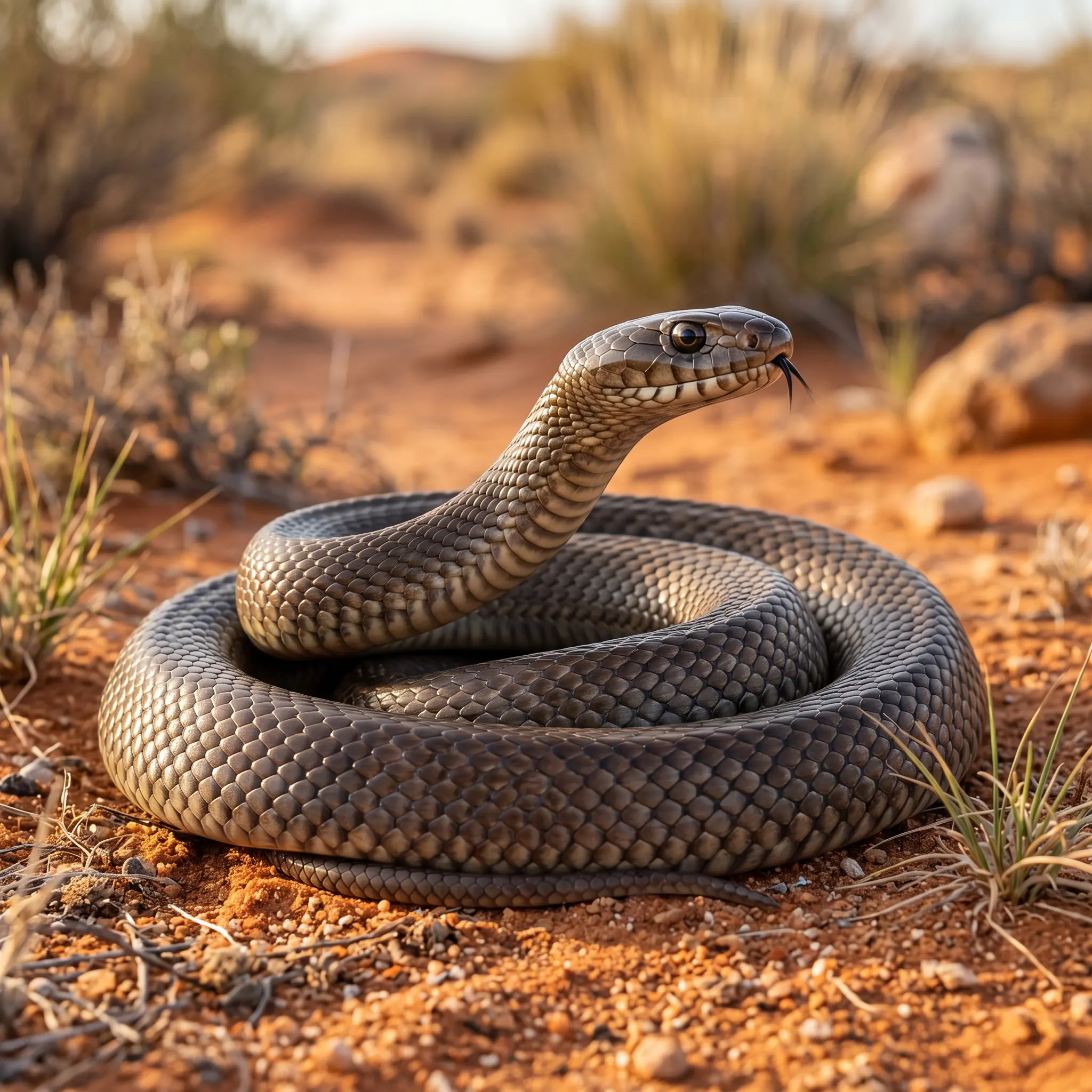
The inland taipan is widely regarded as the most venomous land snake in the world. It is generally shy and avoids human contact, but its venom is incredibly potent. Despite its fearsome reputation, encounters with humans are relatively rare.
Where found: Central Australia
⓱ Blue-Ringed Octopus
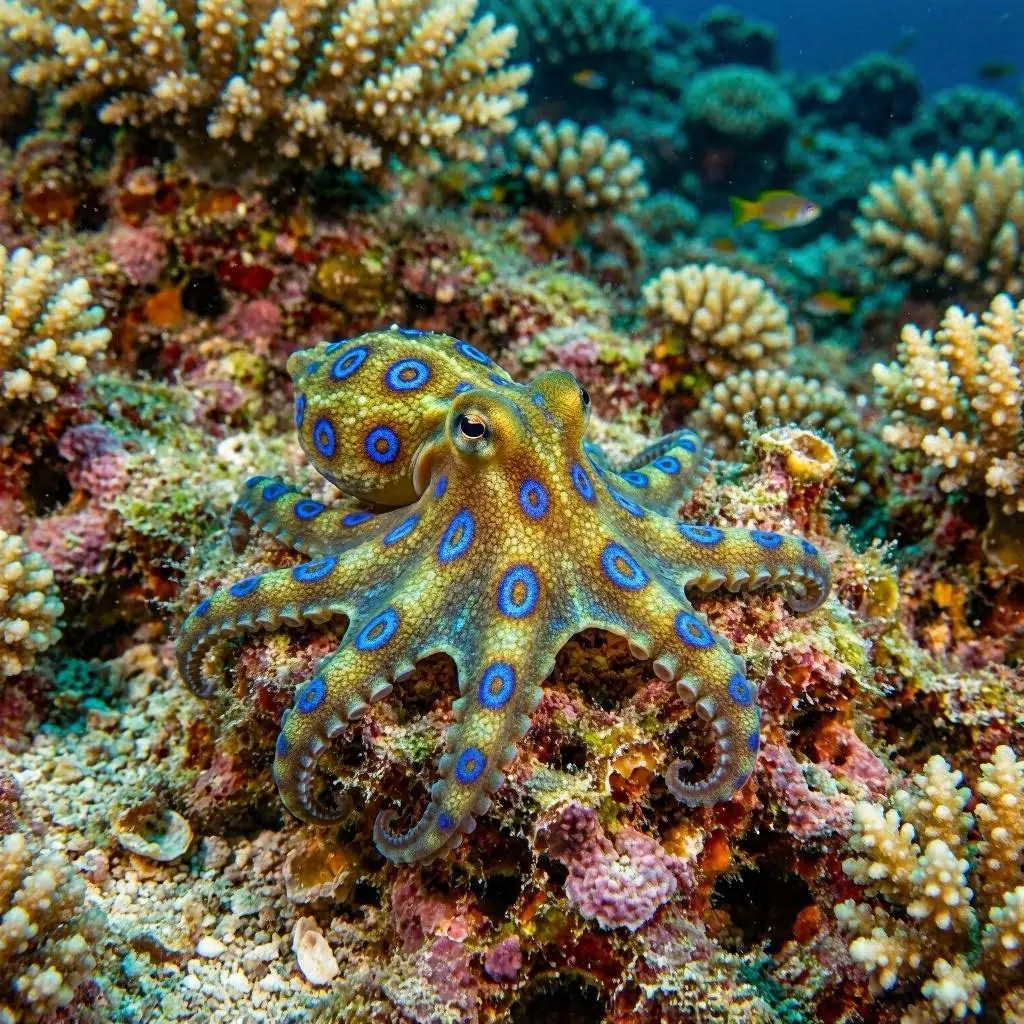
The blue-ringed octopus is a small marine animal recognized by the bright blue rings that appear on its body when threatened. It carries a powerful neurotoxin capable of causing paralysis. Its striking appearance makes it one of the most recognizable dangerous sea creatures.
Where found: Pacific and Indian Oceans
⓲ Stonefish
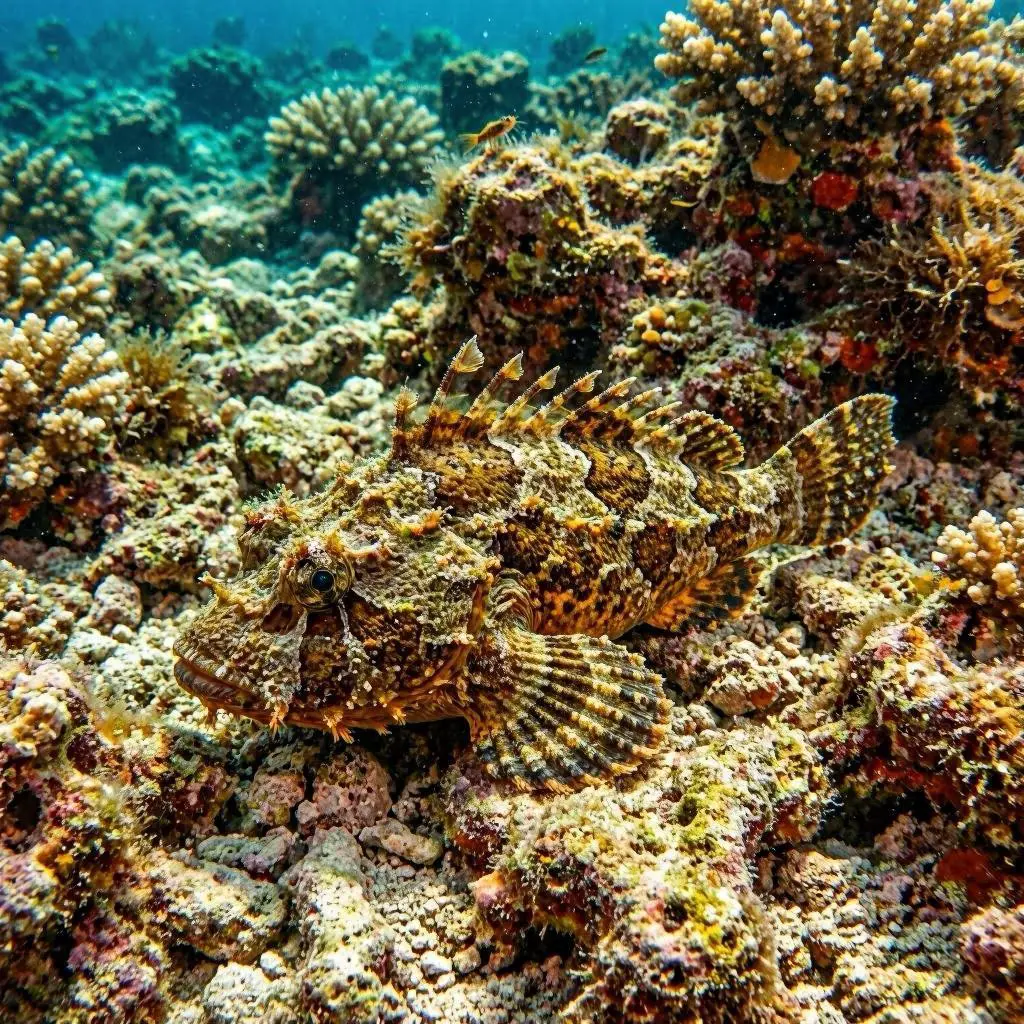
The stonefish is a master of camouflage, blending perfectly with rocks and coral reefs. Its dorsal spines contain highly potent venom used for defense. Because it is difficult to spot, accidental contact is a common danger for swimmers.
Where found: Indo-Pacific waters
⓳ Deathstalker Scorpion
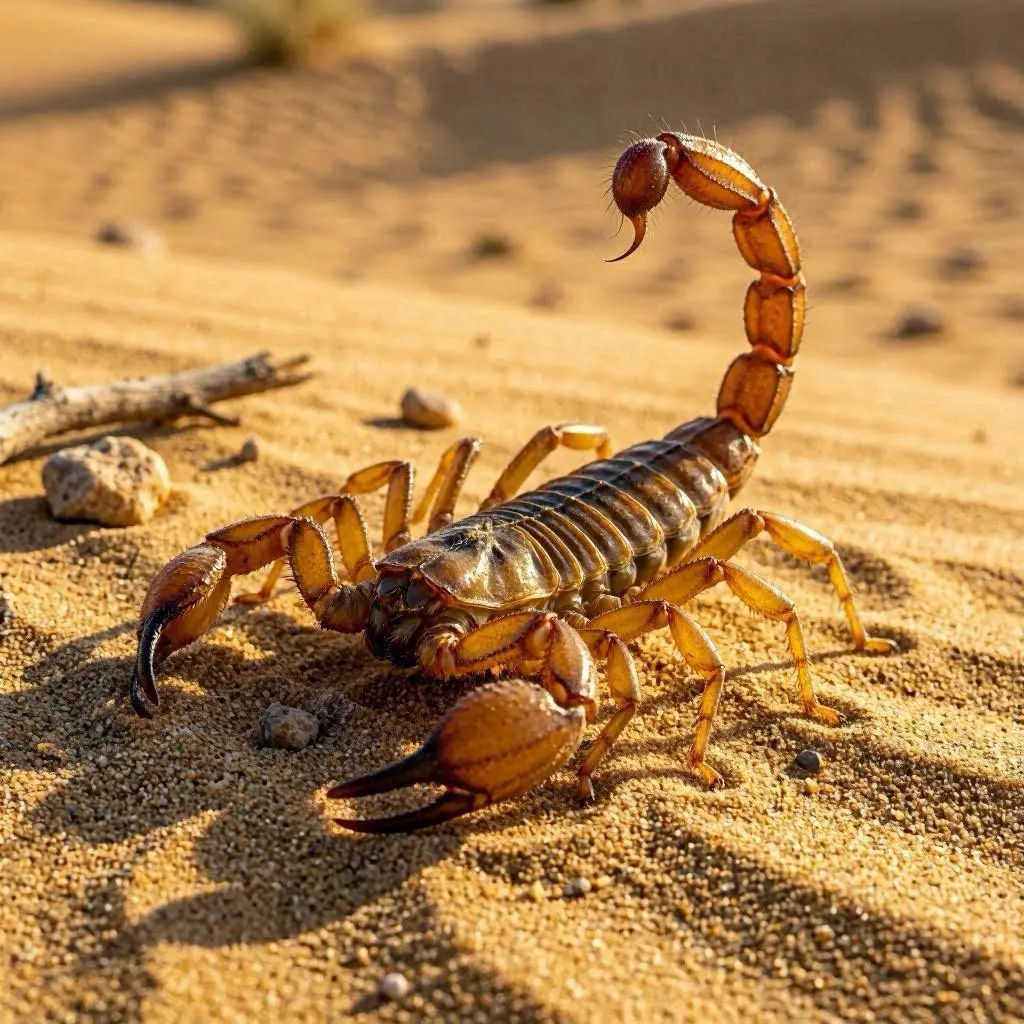
The deathstalker scorpion is one of the most venomous scorpions in the world. It has a slender body, powerful pincers, and a curved tail equipped with a venomous stinger. Its sting can cause severe pain and medical complications.
Where found: North Africa and the Middle East
⓴ Nile Crocodile
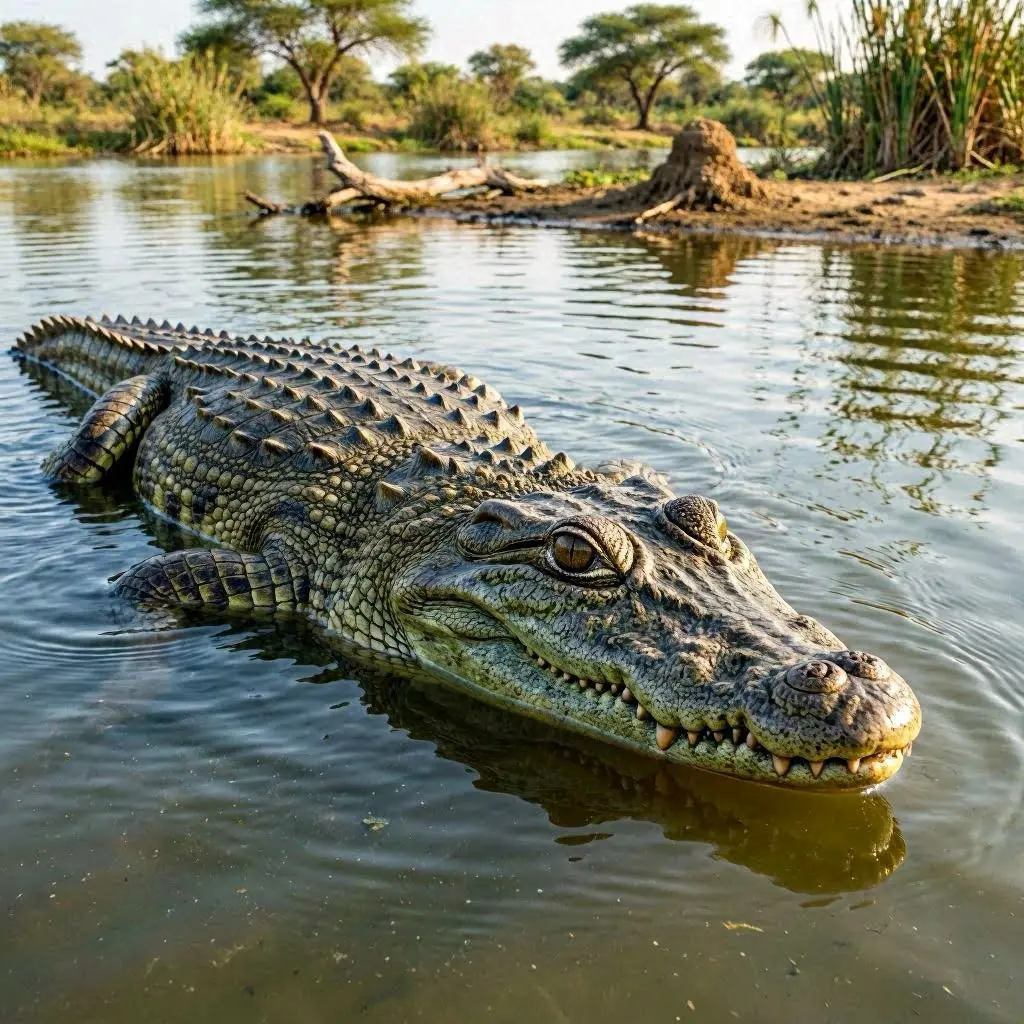
The Nile crocodile is a large freshwater predator known for its patience and ambush hunting strategy. It spends much of its time submerged, waiting for prey to approach. Its powerful bite and aggressive behavior make it one of Africa’s most feared reptiles.
Where found: Rivers and lakes across Africa
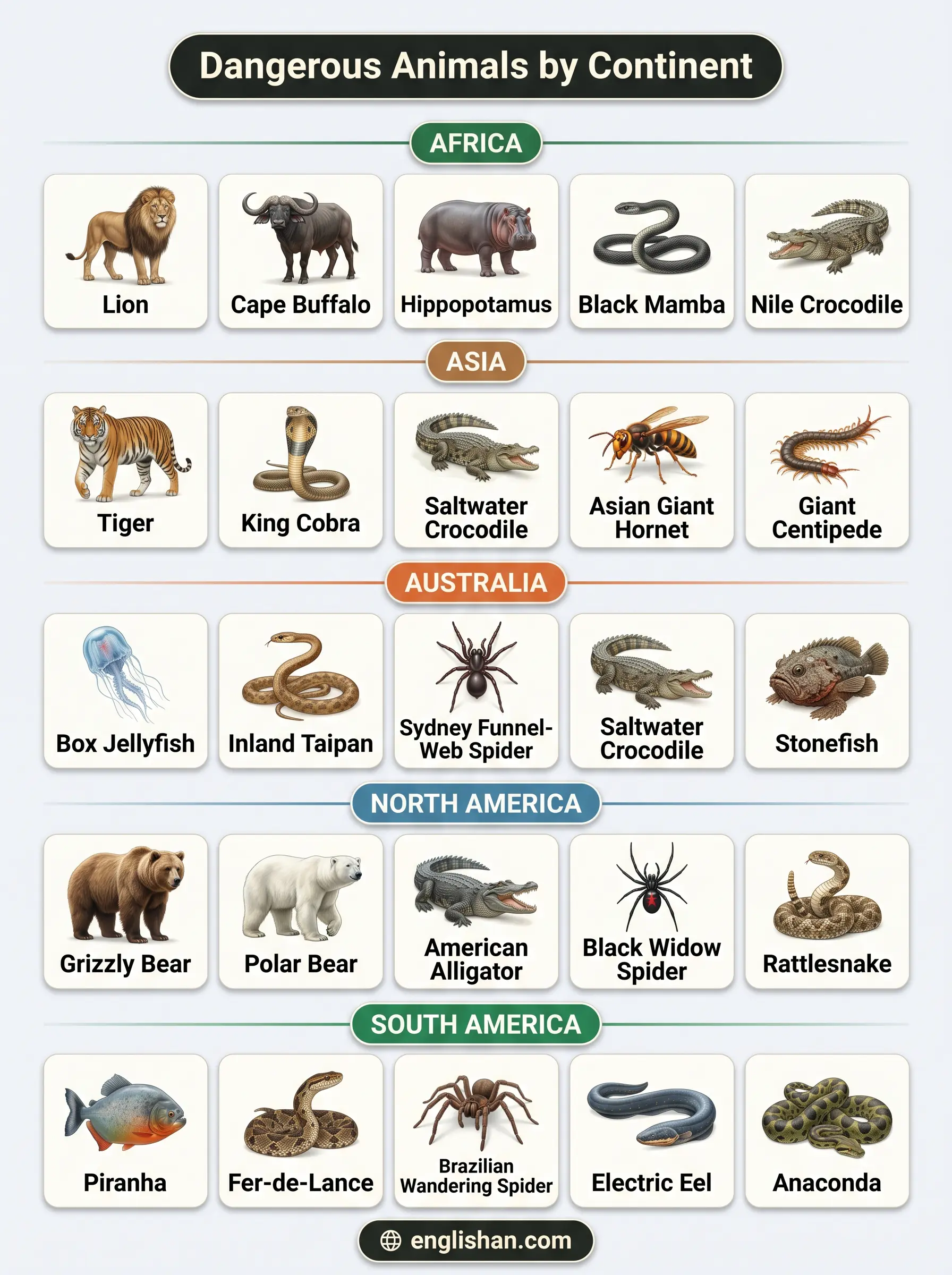
Types of Dangerous Animals Names
Dangerous animals come in many different forms. Some are giant predators, some are tiny but venomous, and others are dangerous because of the diseases they carry. Grouping them by type makes it much easier to learn and remember their names. Below are the main categories of dangerous animals, each with its own unique list.
Dangerous Land Animals Names
When we think of dangerous animals, land predators are usually the first ones that come to mind. These animals rule their environments through size, speed, and sheer power. From the African savanna to dense forests, dangerous land animals are found on almost every continent.
- Lion – A powerful big cat known as the king of the jungle with strong hunting skills.
- Tiger – A large striped predator famous for its strength, speed, and stealth attacks.
- **Grizzly Bear – A massive bear with great strength and aggressive defense behavior.
- African Elephant – The largest land animal, known for its size, intelligence, and power.
- Hippopotamus – A highly territorial animal with extremely strong bite force.
- Cape Buffalo – A dangerous herbivore known for its unpredictable and defensive nature.
- Rhinoceros – A heavily built animal with strong horns used for protection and attacks.
- Komodo Dragon – A giant lizard that uses venom and sharp senses to hunt prey.
- Wolf – A smart pack hunter known for teamwork and strong survival instincts.
- Wild Boar – A fast and aggressive animal that can become dangerous when threatened.
Whether you are on safari or hiking through wild forests, always keep a safe distance from these dangerous land animals. They may not attack without reason, but when they do, it is extremely hard to escape.
Dangerous Reptiles Names
Reptiles are some of the oldest and most feared creatures on the planet. Many are equipped with deadly venom, crushing bite force, or both. Snakes alone are responsible for over 100,000 deaths worldwide each year, making reptiles one of the deadliest animal groups in existence.
- King Cobra – One of the longest venomous snakes, known for its powerful neurotoxic venom and intimidating hood display when threatened.
- Black Mamba – Extremely fast and highly venomous snake, considered one of the most dangerous due to its speed and aggressive defense behavior.
- Inland Taipan – Known as the most venomous snake in the world, capable of delivering a highly potent toxin in a single bite.
- Saltwater Crocodile – The largest living reptile with immense bite force, often an ambush predator in rivers and coastal areas.
- Nile Crocodile – Highly aggressive crocodile species known for sudden ambush attacks near water bodies.
- Komodo Dragon – Large monitor lizard with venom glands and bacteria in its bite that weaken prey over time.
- Gaboon Viper – Recognized for having the longest fangs of any snake and a highly effective venom delivery system.
- Eastern Brown Snake – Fast-moving and highly venomous snake responsible for many snakebite incidents in its region.
- American Alligator – Powerful reptile with a crushing bite force used for hunting and self-defense.
- Gila Monster – One of the few venomous lizards, delivering a painful bite with slow-acting venom.
Reptiles are masters of camouflage and patience. Many attacks happen before the victim even realises the animal was nearby. Learning their names and habitats is the best way to stay safe around them.
Dangerous Sea Animals Names
The ocean covers more than 70% of the Earth and is home to some of the most powerful and unpredictable creatures. From large predators to tiny venomous species, sea life can be both fascinating and dangerous. Understanding these animals helps improve awareness and safety in marine environments.
- Great White Shark – One of the most powerful ocean predators known for its speed and hunting strength in deep waters.
- Box Jellyfish – A highly venomous creature whose sting can be extremely dangerous to humans.
- Bull Shark – Known for its aggressive behavior and ability to swim in both salt and fresh water.
- Blue-Ringed Octopus – A small but highly toxic marine animal capable of delivering a deadly venom.
- Stonefish – One of the most venomous fish, often hidden on the ocean floor with spiny defenses.
- Cone Snail – A slow-moving sea snail that uses a venomous harpoon-like tooth to catch prey.
- Tiger Shark – A large predator known for eating a wide variety of marine animals.
- Orca – A highly intelligent apex predator often called the killer whale.
- Moray Eel – A hidden reef predator with strong jaws and sharp teeth that can cause serious bites.
- Lionfish – A visually striking fish with venomous spines used for defense.
Many dangerous sea animals strike without any warning. Knowing their names and what they look like can genuinely save your life the next time you swim in the ocean.
Dangerous Birds Names
Most people do not think of birds as dangerous, but several species can seriously injure humans using strong talons, sharp beaks, or powerful kicks. Some birds become aggressive when protecting their territory or nests.
- Cassowary – One of the most dangerous birds in the world, known for its strong legs and powerful kick that can cause serious injury.
- Ostrich – The largest bird on Earth, capable of running fast and delivering powerful defensive kicks.
- Harpy Eagle – A massive eagle with extremely strong talons used to catch and carry large prey.
- African Crowned Eagle – A strong predator bird known for its powerful grip and hunting ability.
- Great Horned Owl – A silent night hunter that can become aggressive when defending its nest.
- Secretary Bird – A unique bird that kills snakes and small animals using strong, fast kicks.
- Shoebill – A large bird with a strong beak capable of catching and crushing prey.
- Bearded Vulture – Known for dropping bones from height to break them open for food.
- Red-tailed Hawk – A powerful bird of prey that uses sharp talons for hunting.
- Snowy Owl – Generally calm but can become aggressive when protecting its nesting area.
Never underestimate dangerous flying animals. The cassowary, in particular, is widely considered the world’s most dangerous bird and can deliver a single fatal kick. These birds deserve the same level of respect as any large land predator.
Dangerous Insects and Small Creatures Names
Small creatures may look harmless, but many of them are extremely dangerous due to venom, painful stings, or disease transmission. Some of the deadliest animals in the world are actually insects and tiny organisms that are often ignored.
- Mosquito – One of the deadliest insects in the world; spreads diseases like malaria and dengue through its bite.
- Tsetse Fly – A blood-feeding fly that can transmit sleeping sickness to humans and animals.
- Deathstalker Scorpion – Highly venomous scorpion known for its powerful and painful sting.
- Brazilian Wandering Spider – Extremely venomous spider that can cause serious medical reactions if bitten.
- Sydney Funnel-Web Spider – One of the most dangerous spiders, with venom that can be life-threatening.
- Black Widow Spider – Recognized by its markings; its bite can cause severe pain and muscle issues.
- Fire Ant – Attacks in swarms and delivers painful stings that can cause burning sensations.
- Africanized Honey Bee – Highly aggressive bees that can attack in large numbers when disturbed.
- Asian Giant Hornet – Large hornet with a very painful and dangerous sting.
- Bullet Ant – Known for having one of the most painful insect stings in the world.
Even though these creatures are small, they should always be treated with caution, as their impact can be far more dangerous than their size suggests.
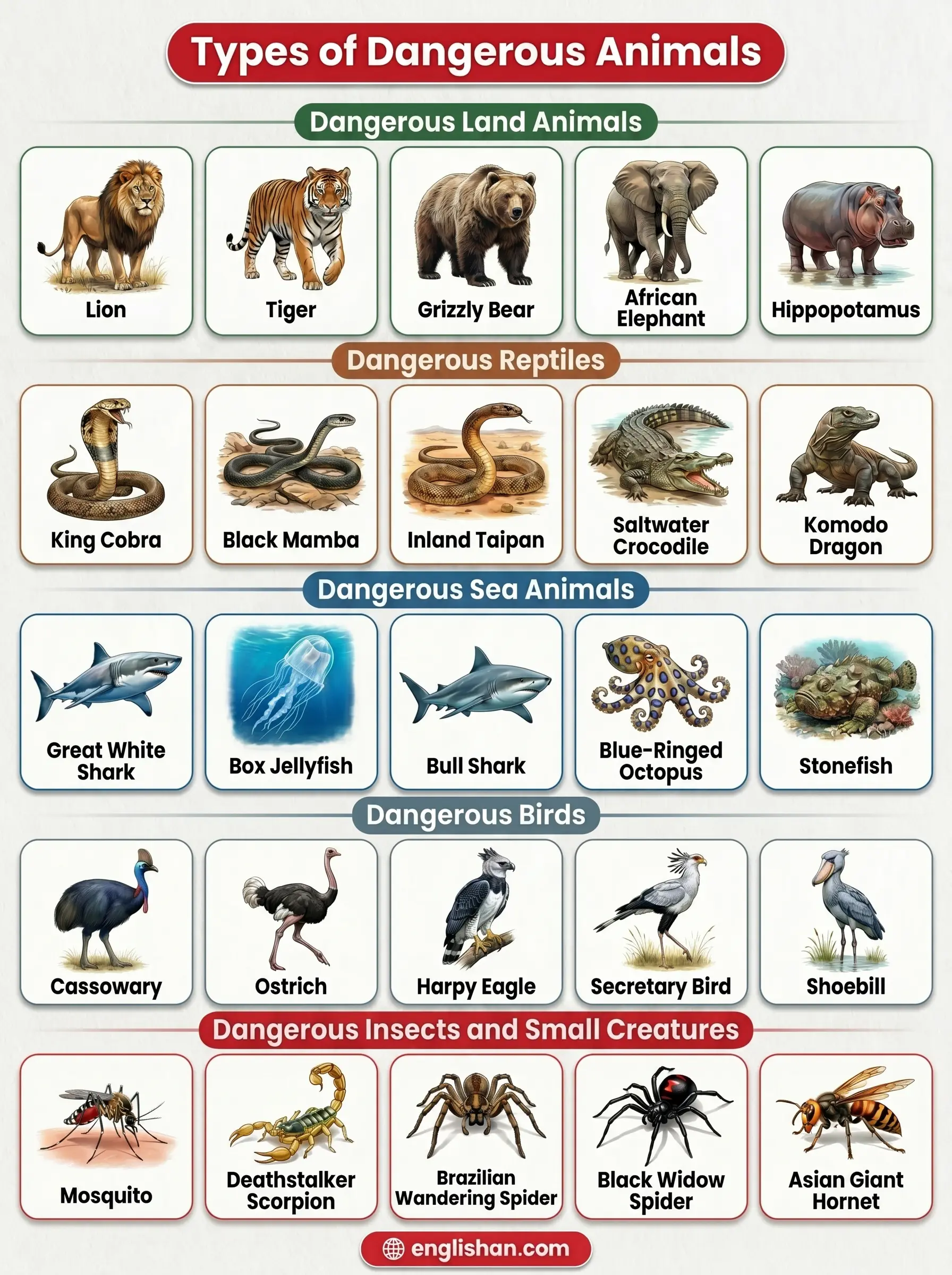
Habitat of Dangerous Animals
Where an animal lives shapes how it hunts, defends itself, and interacts with humans. Every habitat on Earth, from dense jungles to dry deserts, has its own set of dangerous creatures. Knowing which animals live where helps you stay prepared no matter where you travel.
Dangerous Jungle Animals Names
The jungle is one of the most dangerous environments on Earth. Poor visibility, dense vegetation, and extreme humidity create the perfect conditions for predators and venomous animals to thrive. In the jungle, danger can be hiding just a few feet away and you would never know it.
- Jaguar — A powerful big cat and the top predator of the Amazon rainforest.
- Anaconda — The world’s heaviest snake. It kills by wrapping tightly around its prey.
- Poison Dart Frog — Tiny and brightly coloured. Its skin carries enough toxin to kill several adults.
- Gorilla — Peaceful unless threatened. A gorilla’s strength is truly terrifying up close.
- Fer-de-Lance — The most dangerous snake in Central America, responsible for most snakebite deaths in the region.
- Harpy Eagle — A massive bird of prey with talons the size of a grizzly bear’s claws.
- Giant Centipede — A large, fast, venomous insect found on jungle floors across Asia and South America.
- Bullet Ant — Its sting is considered the most painful insect sting in the world.
- Caiman — A smaller relative of the crocodile found throughout Central and South American jungles.
- Brazilian Wandering Spider — Widely considered the world’s most venomous spider. It does not build webs but actively hunts.
The jungle demands constant alertness for jungle animals. Most of its dangerous animals are camouflage experts that blend in perfectly before striking without warning.
Dangerous Ocean Animals Names
The ocean holds beauty at every depth, but it also holds real danger. From the surface to the deepest trenches, dangerous ocean animals have evolved over millions of years into perfect predators. Many carry venom, others rely on speed, and some use electricity or overwhelming force.
- Great White Shark — The ocean’s ultimate apex predator with rows of razor-sharp teeth.
- Box Jellyfish — Its tentacles carry venom powerful enough to kill a human in under five minutes.
- Saltwater Crocodile — Found near coastlines and river mouths. It is the largest and most aggressive reptile alive.
- Blue-Ringed Octopus — Small and beautiful but deadly. Its venom has no antidote.
- Stonefish — Camouflages itself on the ocean floor. The world’s most venomous fish.
- Bull Shark — Highly aggressive and able to survive in both salt and fresh water.
- Sea Snake — Highly venomous aquatic reptiles found in tropical ocean waters.
- Cone Snail — Fires a tiny venom dart that causes paralysis and can be fatal.
- Moray Eel — Hides in crevices and delivers powerful, bacteria-filled bites.
- Tiger Shark — Second only to the great white in terms of danger to humans.
Respecting the ocean means respecting the creatures that live in it. Many ocean animals attack only when startled or cornered, but when they do attack, the results can be devastating.
Dangerous Desert Animals Names
Deserts look empty, but they are far from safe. Desert animals have adapted to survive extreme heat and scarce resources, and many have developed powerful venom as a result. When water and food are limited, every creature becomes tougher, faster, and more aggressive.
- Deathstalker Scorpion — The world’s most venomous scorpion. Found across North Africa and the Middle East.
- Saw-Scaled Viper — Responsible for more human deaths than any other snake species in the world.
- Gila Monster — North America’s only venomous lizard. Slow but delivers a powerful, chewing bite.
- Black Widow Spider — Found in desert regions of North America. Its venom attacks the nervous system.
- Camel Spider — Not venomous but has massive, powerful jaws and is extremely aggressive.
- Rattlesnake — A venomous pit viper found in deserts of North and South America. Its rattle is a clear warning sign.
- Horned Viper — A venomous desert snake found across North Africa and the Middle East.
- Fire Ant — Builds nests in dry ground. Attacks in swarms and delivers burning, painful stings.
- Desert Locust — Not dangerous to humans directly but destroys crops and causes catastrophic food shortages.
- Wild Dromedary Camel — Bites and kicks with surprising force when cornered or agitated.
The silence of the desert is deceiving. Beneath the sand and rocks live some of the world’s most venomous and aggressive creatures, all perfectly designed to survive harsh conditions.
Dangerous Lake Animals Names
Rivers and lakes may look calm and peaceful, but they hide serious dangers beneath the surface. Freshwater habitats around the world are home to aggressive reptiles, venomous fish, and powerful predators that have been responsible for countless human deaths throughout history.
- Nile Crocodile — Lurks beneath the surface of African rivers. One of the deadliest animals in Africa.
- Hippopotamus — Highly territorial in rivers and lakes. Kills more people in Africa than any other large animal.
- Piranha — Found in the Amazon. Hunts in groups and can strip flesh from bones in minutes.
- Electric Eel — Delivers shocks of up to 600 volts. Found in rivers across South America.
- Bull Shark — Enters rivers and lakes from the ocean. Highly aggressive and unpredictable.
- Anaconda — Ambushes prey at riverbanks. The world’s heaviest snake.
- Snapping Turtle — Found in North American rivers. Its powerful jaws can cause serious injuries.
- Giant Otter — Surprisingly territorial and aggressive. Found in South American rivers.
- Candiru — A tiny parasitic fish from the Amazon. Extremely dangerous and difficult to remove.
- Payara (Vampire Fish) — A large, aggressive predator fish with long, fang-like teeth. Found in Amazonian rivers.
Rivers and lakes must always be approached with caution in the wild. Many of the most dangerous freshwater animals are ambush predators that strike long before you even notice them.
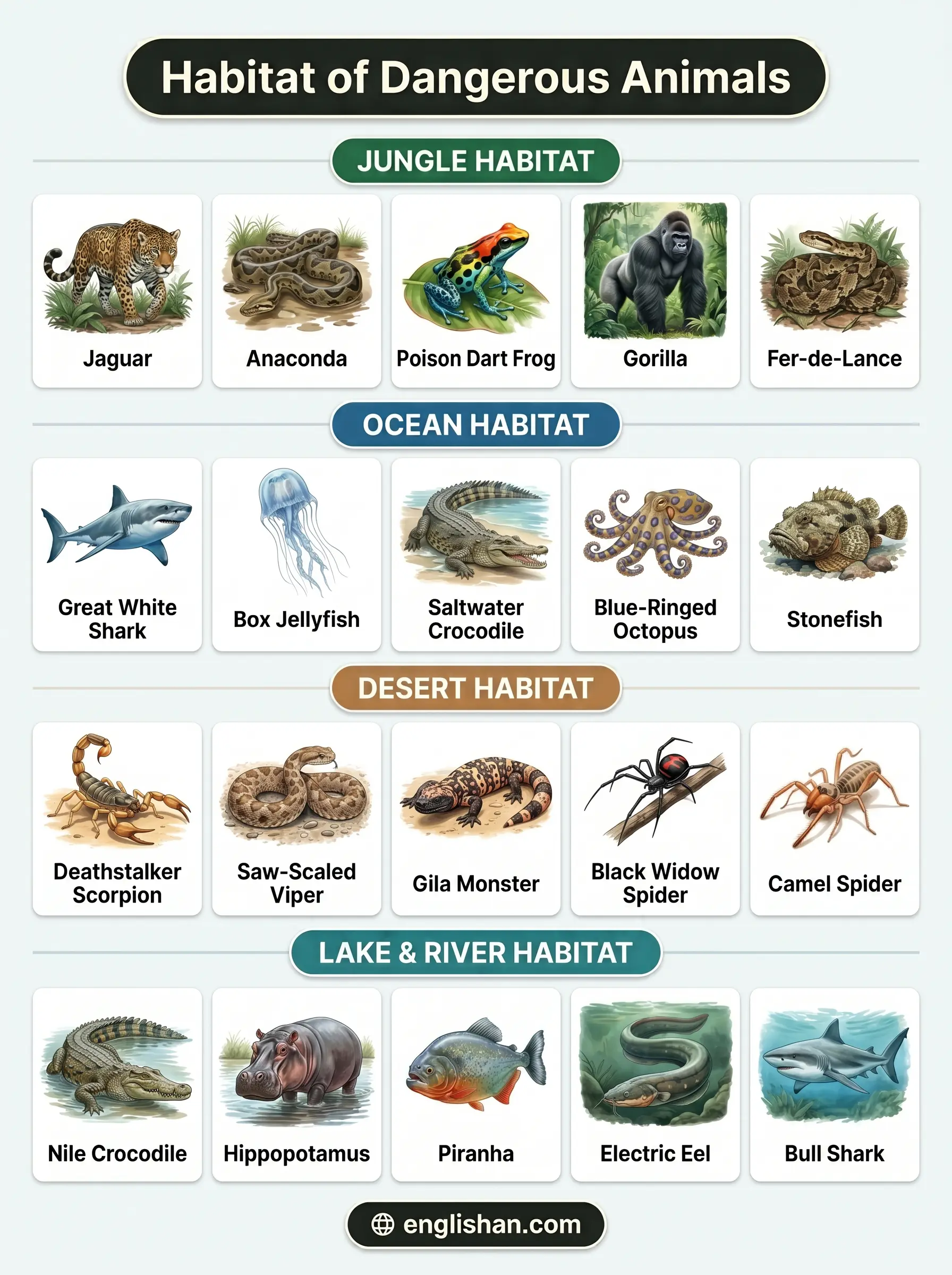
Dangerous Animals by Continent
Every continent has its own unique and deadly wildlife. The animals you find in Africa are very different from those in Australia or South America. Here is a quick overview of the most dangerous animals found on each continent.
Dangerous Animals in Africa
Africa is home to more dangerous animals than any other continent. From massive predators like lions to tiny killers like the tsetse fly, Africa’s wildlife is extraordinary and genuinely deadly. It is the only place on Earth where you can find so many top predators living together in the same ecosystem.
- Lion — Africa’s iconic apex predator. Hunts in groups and is responsible for dozens of human deaths each year.
- Cape Buffalo — Known as the “Black Death.” Extremely aggressive and responsible for more hunter deaths in Africa than any other animal.
- Hippopotamus — Africa’s most dangerous large mammal. Highly territorial and capable of running at 30 km/h.
- Black Mamba — The fastest snake in Africa. Its venom can kill an adult human in under 20 minutes without treatment.
- Nile Crocodile — Found in rivers across sub-Saharan Africa. An extremely patient ambush predator responsible for hundreds of deaths annually.
Dangerous Animals in Asia
Asia is the world’s largest continent and is home to an incredible variety of deadly wildlife. From the dense rainforests of Southeast Asia to the vast Indian subcontinent, Asia’s dangerous animals are as diverse as the continent itself.
- Tiger — The world’s largest wild cat. A powerful, solitary predator found across South and Southeast Asia.
- King Cobra — The world’s longest venomous snake. A single bite contains enough venom to kill an elephant.
- Saltwater Crocodile — The world’s largest reptile. Found along the coasts and rivers of South and Southeast Asia.
- Asian Giant Hornet — The world’s largest hornet. Its powerful venom can cause organ failure and even death.
Dangerous Animals in Australia
Australia has a worldwide reputation for dangerous wildlife and it is fully deserved. More venomous snake species live in Australia than anywhere else on Earth. From the ocean to the outback, danger is never far away in this remarkable country.
- Box Jellyfish — Found in Australia’s tropical coastal waters. Considered the most venomous marine creature on the planet.
- Inland Taipan — The world’s most venomous land snake. Found in the remote outback of central Australia.
- Sydney Funnel-Web Spider — One of the world’s most dangerous spiders. Found in and around Sydney.
- Saltwater Crocodile — Inhabits rivers, estuaries, and coastlines of northern Australia.
Dangerous Animals in North America
North America is home to a wide range of dangerous animals, from giant bears in mountain ranges to venomous spiders in the desert. While not as universally feared as Australia, North America’s wildlife deserves a great deal of respect.
- Grizzly Bear — One of North America’s most powerful predators. Unpredictable and dangerously strong.
- Polar Bear — The world’s largest land predator. Found in the Arctic regions of Canada and Alaska.
- American Alligator — Found across the southeastern United States. A powerful and patient ambush predator.
- Black Widow Spider — North America’s most venomous spider. Found in warm, dry regions across the continent.
Dangerous Animals in South America
South America is home to the Amazon rainforest, the most biodiverse place on Earth. Along with that incredible diversity comes serious danger. South America has some of the world’s most venomous spiders, deadly snakes, and unusual predators that exist nowhere else.
- Piranha — Freshwater fish found throughout the Amazon basin with razor-sharp teeth and pack hunting behavior.
- Fer-de-Lance — The most dangerous snake in Central and South America. Responsible for the majority of snakebite deaths in the region.
- Brazilian Wandering Spider — Considered the world’s most venomous spider. Commonly found in Brazil.
- Electric Eel — Found in rivers throughout South America. Delivers shocks of up to 600 volts, strong enough to knock down a horse.
Dangerous animals across continents play an important role in maintaining ecological balance. Most of them avoid humans and only attack when threatened. Understanding their behavior helps reduce risk and increases respect for wildlife in different parts of the world.
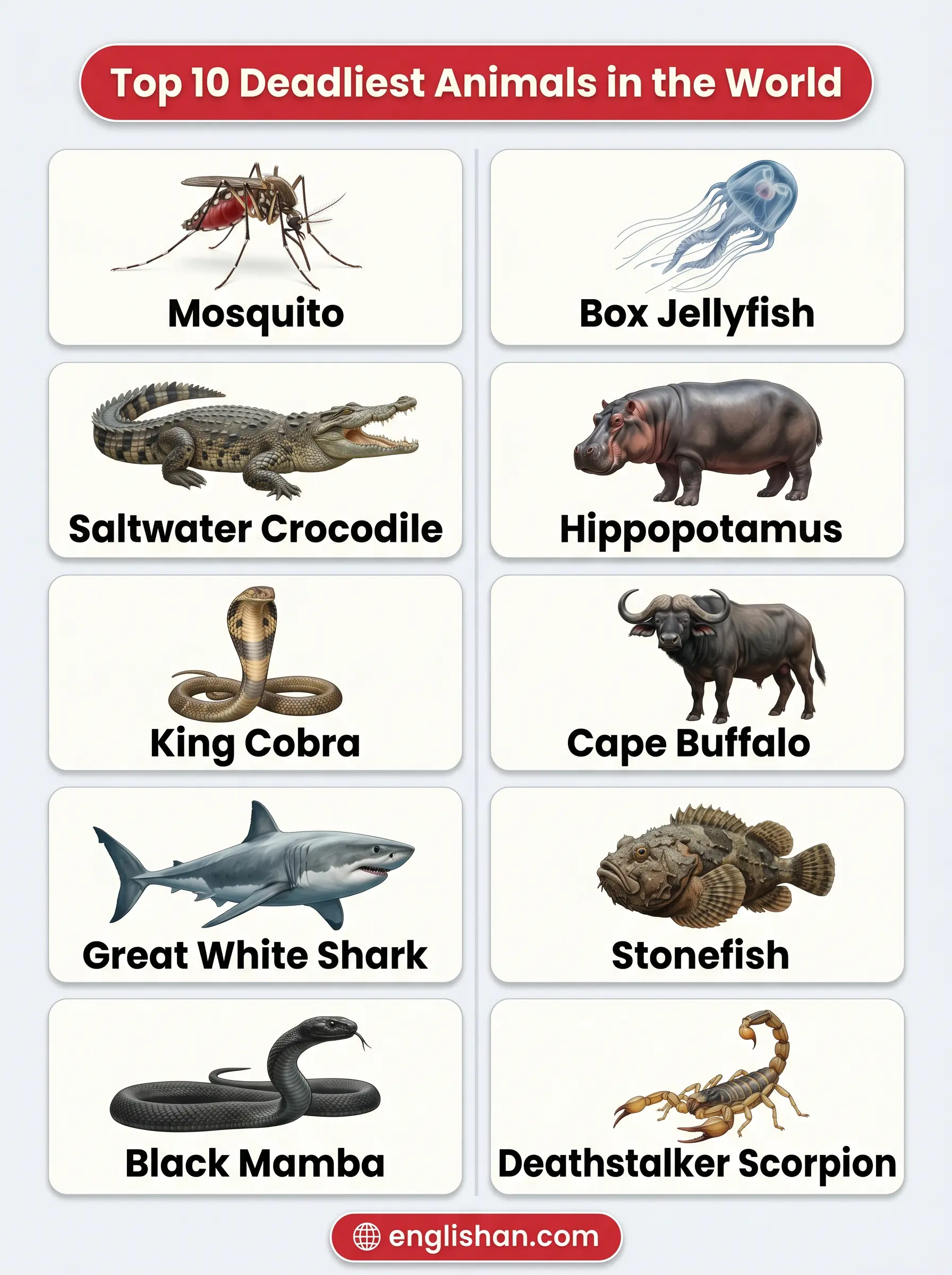
Top 10 Deadliest Animals in the World
Here are the 10 deadliest animals in the world:
- Mosquito
- Box Jellyfish
- Saltwater Crocodile
- Hippopotamus
- King Cobra
- Cape Buffalo
- Great White Shark
- Stonefish
- Black Mamba
- Deathstalker Scorpion
What to Do If You Encounter a Dangerous Animal
Coming across a dangerous animal in the wild can be an intense moment, but your response matters more than anything. Most wildlife attacks happen when animals feel threatened or surprised, so calm behavior is your strongest protection in such situations.
Safety Tips to Follow:
- Stay calm and avoid panic or sudden movements
- Do not run unless you are in immediate danger
- Keep a safe distance at all times
- Slowly move backward without turning your back
- Avoid direct eye contact with aggressive predators
- Do not try to feed, touch, or provoke the animal
- Make yourself appear larger only if the animal approaches
- Use barriers like rocks, trees, or vehicles if available
- Follow instructions from guides or local wildlife authorities
Understanding these simple but important actions can greatly reduce the risk of harm when encountering wild animals in natural environments.
In short, respect for wildlife is the key to safety. If you stay aware, remain calm, and give animals their space, most dangerous encounters can be avoided completely.
Venomous vs Non-Venomous Dangerous Animals
Dangerous animals can harm humans in different ways, but not all threats come from venom. Some animals use toxins, while others rely on strength, speed, or aggression. Understanding this difference helps in recognizing how danger works in the animal kingdom and how to stay safe around wildlife.
| Feature | Venomous Animals | Non-Venomous Dangerous Animals |
|---|---|---|
| Method of harm | Inject venom through bite or sting | Cause physical injury through force |
| Examples | Snakes, spiders, jellyfish | Lions, bears, crocodiles |
| Type of danger | Chemical (toxins affecting body) | Physical (attack, bite, crush) |
| Size factor | Can be small but deadly | Often large and powerful |
| Attack style | Quick sting or bite | Chase, ambush, or direct attack |
| Treatment urgency | Often immediate medical emergency | Depends on injury severity |
Venomous animals can be dangerous even in small sizes, while non-venomous animals depend on raw power and behavior. Both types require caution and respect in the wild.
Myths About Dangerous Animals
Dangerous animals are often misunderstood, and many fears come from myths rather than facts. In reality, most wild animals are not naturally aggressive toward humans and only react when they feel threatened or disturbed.
- Not all snakes are aggressive – Most snakes avoid humans and only bite when they feel in danger. Many species are completely harmless.
- Sharks rarely attack humans – Shark attacks are extremely uncommon. Most sharks are not interested in humans and prefer fish as their food source.
- Spiders are not always deadly – The majority of spider species are harmless to humans, and only a few have venom strong enough to cause serious harm.
In conclusion, many dangerous animals have built a fearsome reputation, but the truth is often much calmer than people believe. Understanding facts instead of myths helps reduce fear and promotes a more balanced view of wildlife and wild animals.
Conclusion
From the mighty lion ruling the African savanna to the tiny but terrifying mosquito found in every corner of the world, dangerous animals remind us that nature commands respect. In this lesson, we explored dangerous animals’ names in English with pictures, organized by type, habitat, and continent — giving you a complete picture of the world’s most feared creatures.
Learning these dangerous animals names not only improves your English vocabulary but also helps you understand the natural world more deeply. Whether you are preparing for a safari, studying for an exam, or simply building your word power, this guide has given you the tools to recognize and name the world’s most dangerous creatures with confidence.
FAQs
The most dangerous animal in the world is generally considered the Mosquito. It is not dangerous because of its size or strength, but because it spreads deadly diseases like malaria, dengue, and Zika virus, which cause millions of deaths every year worldwide.
The top 10 most dangerous animals usually include a mix of predators, venomous species, and disease carriers: Mosquito, Box Jellyfish, Saltwater Crocodile, Hippopotamus, King Cobra, Cape Buffalo, Great White Shark, Stonefish, Black Mamba, and Deathstalker Scorpion. These animals are dangerous due to venom, aggression, or powerful physical attacks.
The Mosquito kills the most humans every year. It spreads diseases such as malaria, which alone causes hundreds of thousands of deaths annually, especially in tropical and developing regions.
Q4: What is the most dangerous snake in the world?
The Inland Taipan is considered the most venomous snake in the world. Its venom is extremely toxic and can cause severe damage to the nervous system. However, snakes like the Black Mamba are also extremely dangerous due to their speed and aggressive behavior.
The most dangerous ocean animal is often considered the Box Jellyfish. Its venom is extremely powerful and can affect the heart and nervous system within minutes. Other dangerous sea creatures include sharks and stonefish.
In Africa, the Hippopotamus is often considered the most dangerous animal to humans. It is highly territorial and can become extremely aggressive in rivers and lakes. It is responsible for more human deaths in Africa than many large predators.
Australia is known for venomous wildlife, and the Box Jellyfish and Inland Taipan are among the most dangerous. The Sydney Funnel-Web Spider is also highly dangerous due to its strong venom.
Venomous animals inject toxins into another organism through bites or stings, like snakes and spiders. Poisonous animals, on the other hand, are harmful when eaten or touched, like some frogs or plants. The key difference is the method of toxin delivery.
You May Also Like
- 33+ Cute Animals Names in English
- Top 22 Strongest Animals in the World
- 55+ Rainforest Animal Names In English
Dangerous Animals Quiz
Dangerous Animals
Which animal is responsible for the most human deaths each year?
It kills through the diseases it carries — malaria and dengue above all — not through the bite itself.
Disease transmission does the damage, not size or teeth.
The mosquito kills more people than every large predator combined.
Which large African animal causes the most human deaths?
Highly territorial in water and quick to charge anything between it and deep water.
Aggression matters more than diet — a hippo is a grazer.
Most hippo attacks happen when someone blocks its route to water.
Name the animal.
The marine animal with the most potent venom, found off northern Australia, is the box ___.
Its stinging cells fire on contact, and severe stings can stop the heart within minutes.
It does not attack; the cells discharge on touch alone.
Stinger nets and suits are standard on affected beaches.
Why are sharks far less dangerous than their reputation suggests?
Most incidents are exploratory bites, and the shark leaves once it has tasted.
Reputation and risk track each other poorly.
You are far more likely to be killed by a dog than a shark.
Which snake causes the most deaths worldwide?
Common near farmland across South Asia and Africa, so encounters are frequent.
Deaths follow proximity to people, not venom strength.
The deadliest snake is the one people meet most often.
Turn on JavaScript for the interactive quiz. The full practice set is shown above.