Have you ever wondered what different animals eat? Just like humans, every animal needs food to survive, grow, and stay healthy. Some animals enjoy eating grass, leaves, and fruits, while others hunt insects, fish, or other animals for food. Their diets often depend on where they live and how they have adapted to their environment.
In this article, you will discover animals and their food with pictures. From farm animals and pets to wild animals and birds, this list will help you learn interesting facts and expand your animal vocabulary in English simply and enjoyably.
Why Do Different Animals Eat Different Things?
Food is not just fuel. For animals, the type of food they eat shapes their teeth, their digestive systems, their hunting behavior, and even their place in the food chain.
A cow has wide, flat molars designed to grind tough grass for hours. A crocodile has long, pointed teeth made for gripping slippery prey, not chewing it. A bear has both, which tells you something important: it eats both.
Diet determines survival. When food sources shift because of seasons, climate, or human interference, the animals most capable of adapting their diet are the ones that live. Understanding what animals eat is not just biology — it is the story of life on Earth.
Explore more animals that start with different letters:
A | B | C | D | E | F | G | H | I | J | K | L | M | N | O | P | Q | R | S | T | U | V | W | X | Y | Z
Popular Animals and Their Food with Pictures
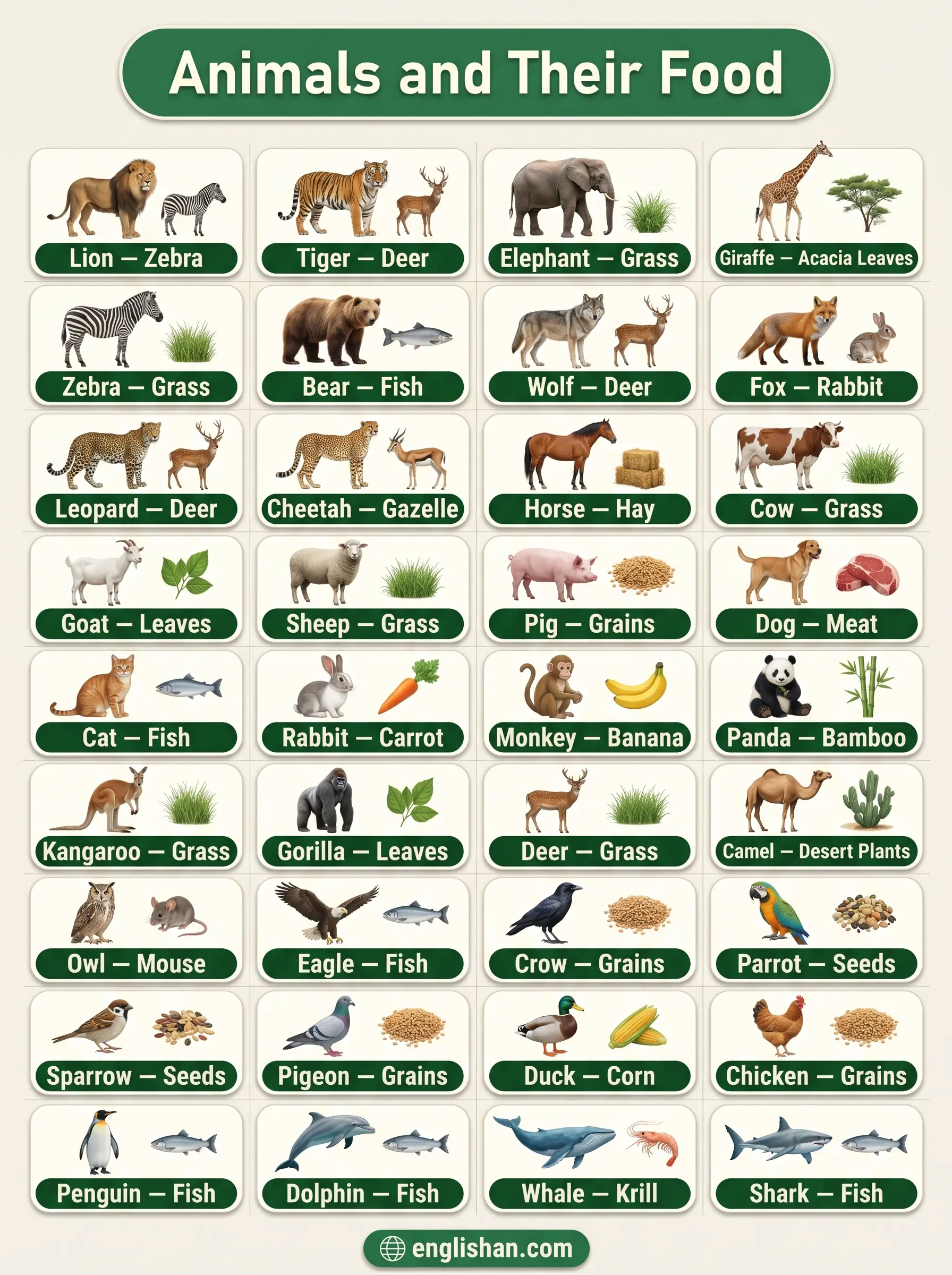
- Lion – Zebra, buffalo, wildebeest
- Tiger – Deer, wild boar, fish
- Elephant – Grass, leaves, bark, fruits
- Giraffe – Acacia leaves, flowers
- Zebra – Grass, leaves, shrubs
- Bear – Fish, berries, honey, insects
- Wolf – Deer, elk, small mammals
- Fox – Rabbits, birds, berries, eggs
- Leopard – Deer, monkeys, small animals
- Cheetah – Antelope, gazelles
- Horse – Grass, hay, oats
- Cow – Grass, hay, silage
- Goat – Grass, leaves, shrubs
- Sheep – Grass, clover, hay
- Pig – Grains, vegetables, scraps
- Dog – Meat, rice, dog food
- Cat – Fish, meat, milk
- Rabbit – Carrots, grass, leafy vegetables
- Monkey – Fruits, leaves, seeds
- Panda – Bamboo
- Kangaroo – Grass, leaves
- Gorilla – Leaves, fruits, stems
- Deer – Grass, shoots, leaves
- Camel – Dry plants, grains, shrubs
- Owl – Mice, rats, small birds
- Eagle – Small animals, fish, reptiles
- Crow – Grains, insects, food scraps
- Parrot – Seeds, fruits, nuts
- Sparrow – Seeds, grains, insects
- Pigeon – Seeds, grains, berries
- Duck – Insects, small fish, plants
- Chicken – Grains, seeds, insects
- Penguin – Fish, krill, squid
- Dolphin – Fish, squid, octopus
- Whale – Krill
- Shark – Fish, seals, marine animals
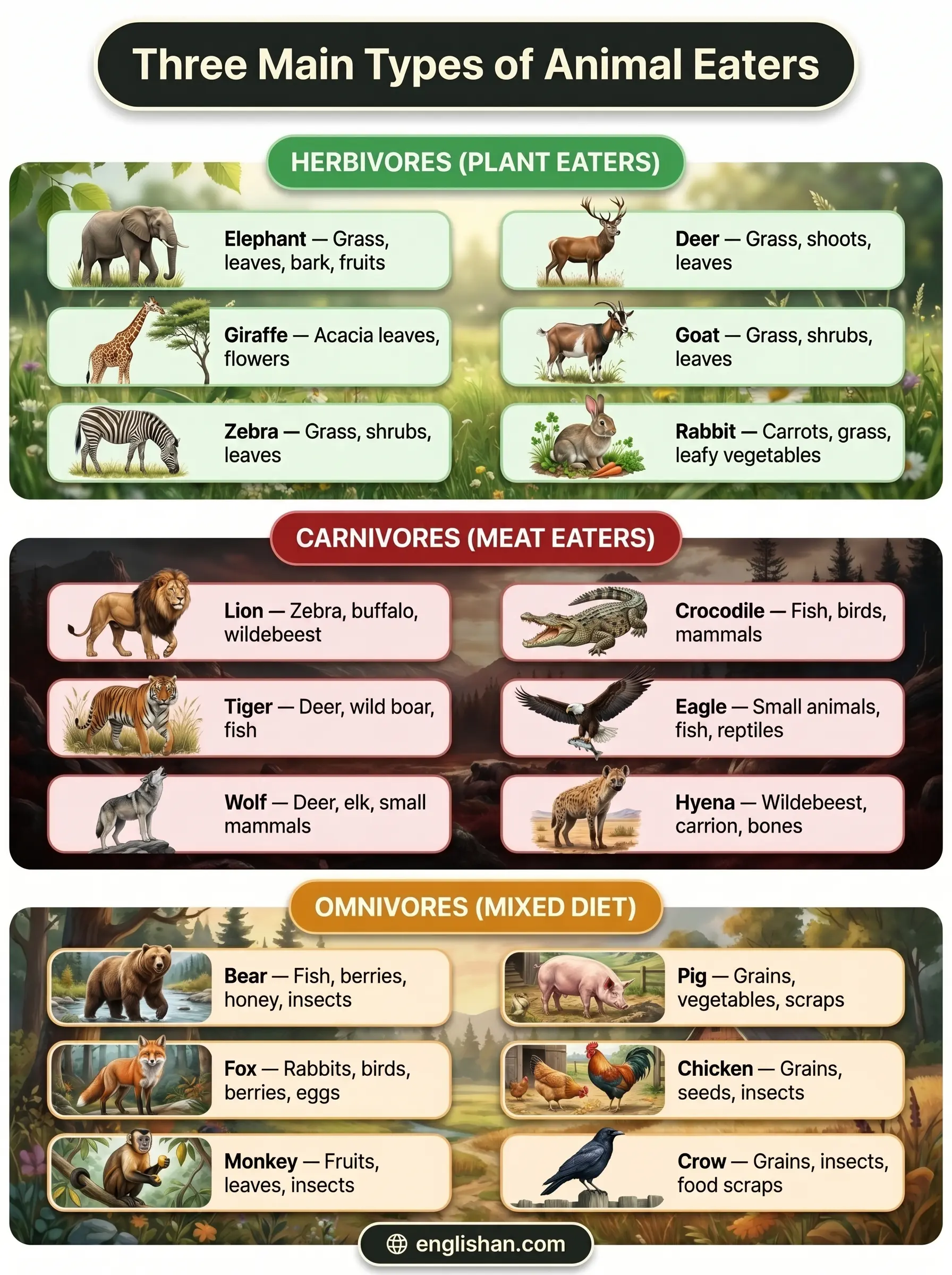
Three Main Types of Animal Eaters
Scientists divide animals into three broad groups based on what they eat.
Herbivores eat only plants. Their digestive systems are long and complex because plant material is tough to break down. These animals tend to have flat teeth, multiple stomach chambers in some cases, and a strong reliance on fermentation to extract nutrients.
Carnivores eat only meat. Their digestive systems are shorter because meat is easier to process than fibrous plant material. Sharp teeth, strong jaws, and fast reflexes are common among this group.
Omnivores eat both plants and animals. Their bodies are built for flexibility, which gives them a survival advantage when food sources change.
There are also two less-discussed but important sub-types: insectivores (animals that eat insects, like frogs and anteaters) and scavengers (animals that feed on dead animals, like vultures and hyenas). Both play a critical role in keeping ecosystems balanced.
Herbivores Animals That Eat Plants with Pictures
Herbivores are the grazers, browsers, and nibblers of the animal world. They build entire ecosystems around them. Without them, the large carnivores that depend on them would collapse.
❶ Cow
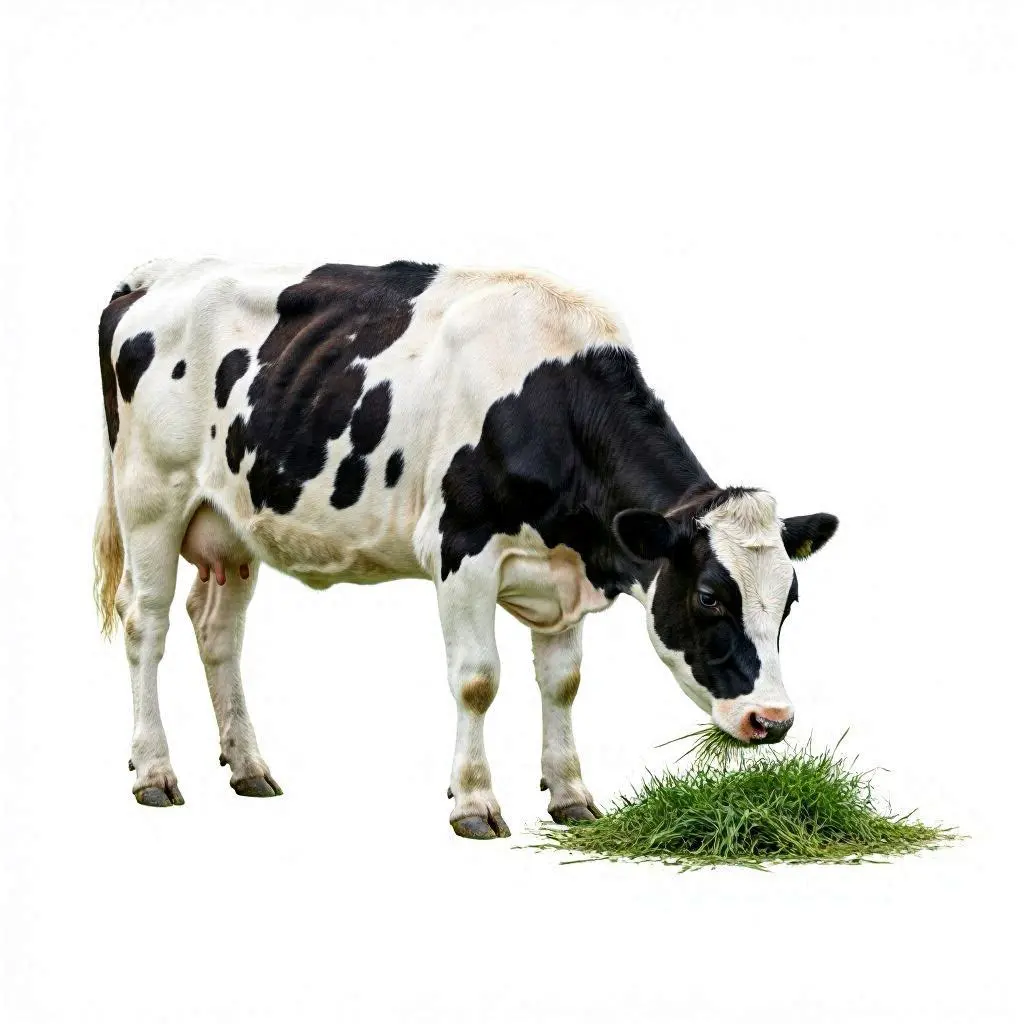
Food: Grass, hay, silage
A cow can spend up to eight hours a day grazing. It chews its cud — partially digested grass that it brings back up to chew again — to fully break down the tough plant fibers. Cows have a four-chamber stomach designed for exactly this process.
❷ Elephant
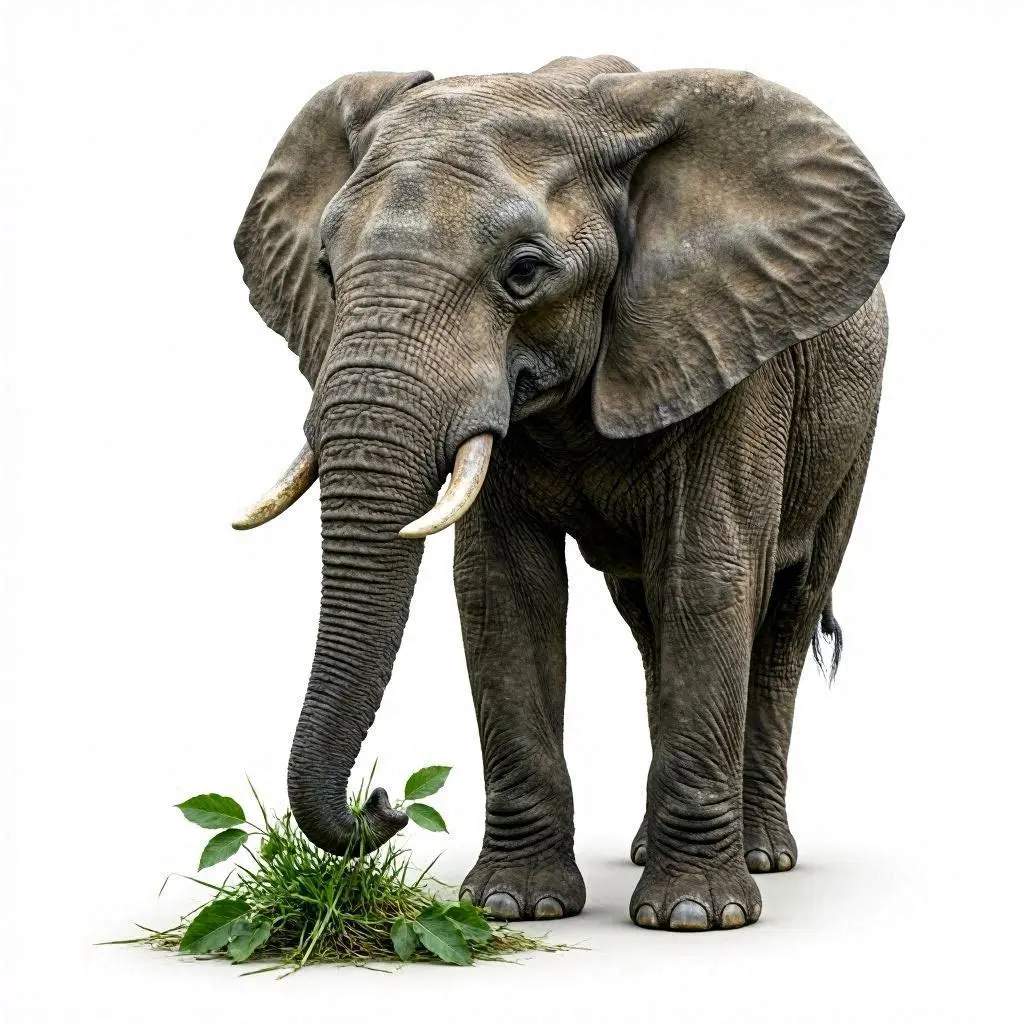
Food: Grass, leaves, bark, fruit, roots
From an adult African animal, the elephant eats between 150 and 300 pounds of food every single day. It uses its trunk to pull up grass, strip bark from trees, and carry food to its mouth. Elephants reshape their landscapes by uprooting trees, creating open spaces for other animals.
❸ Rabbit
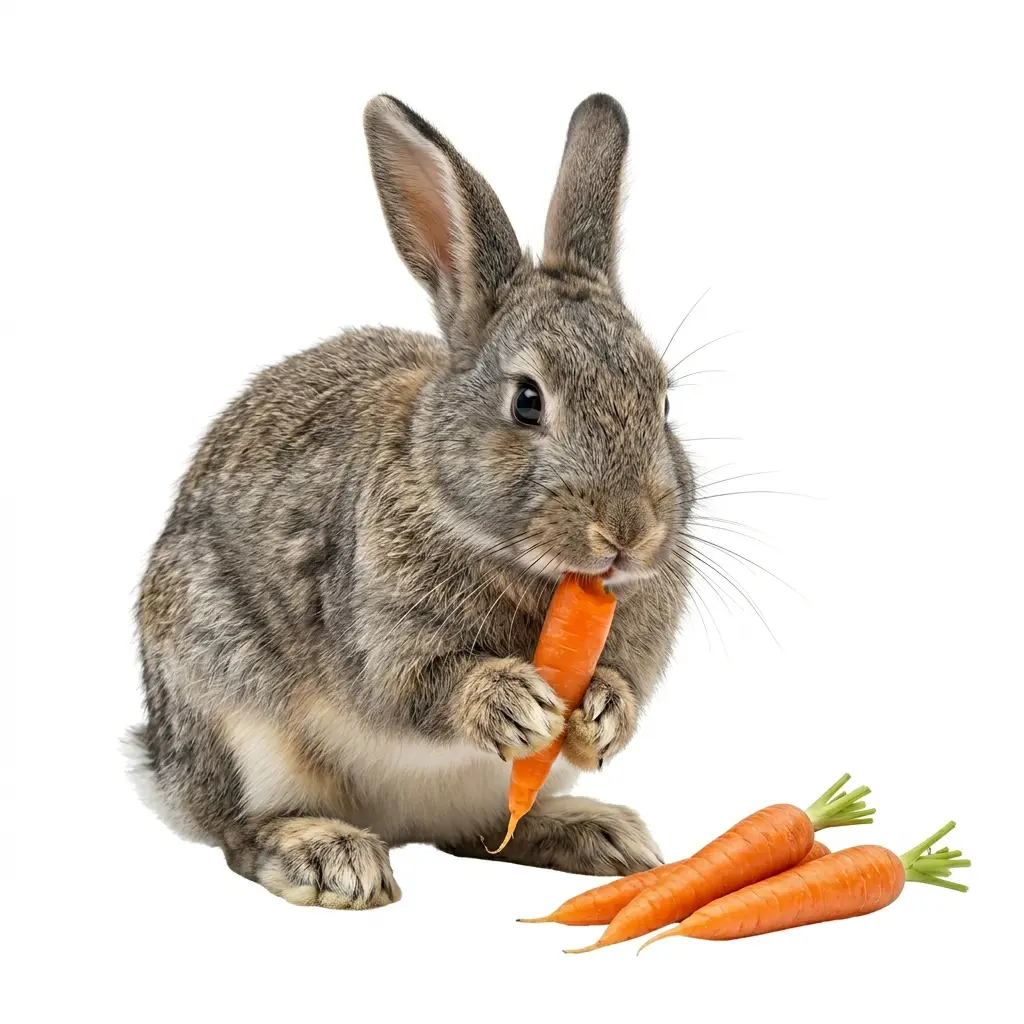
Food: Grass, leafy greens, vegetables, hay
Rabbits have a unique digestive process. They produce two types of droppings: hard pellets and soft ones called cecotropes, which they eat directly from their body to extract maximum nutrition. It sounds unusual, but it is essential for their survival.
❹ Horse
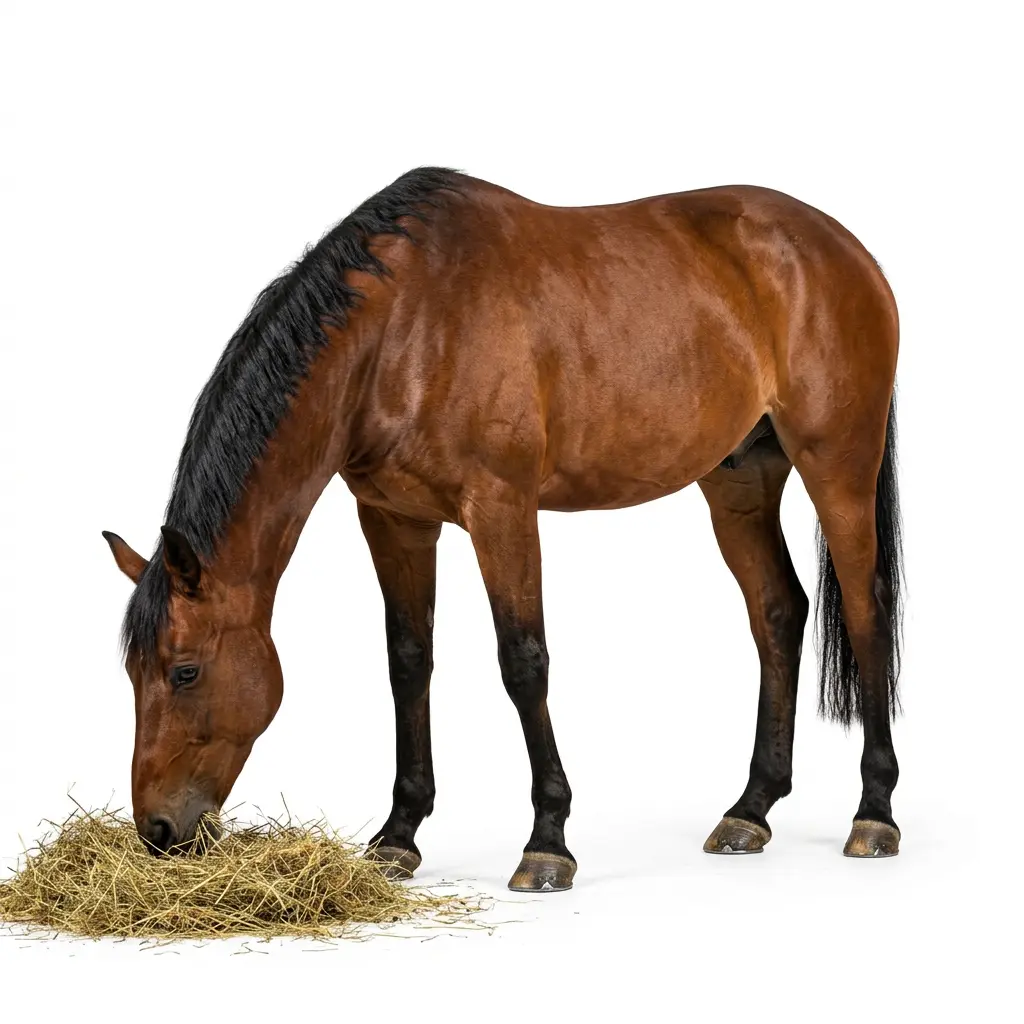
Food: Grass, hay, oats, apples
Horses are non-ruminants, meaning they have a single stomach. They rely on a large section of their gut called the hindgut to ferment and break down plant fiber. A horse can graze for 16 to 17 hours a day when food is freely available.
❺ Giraffe
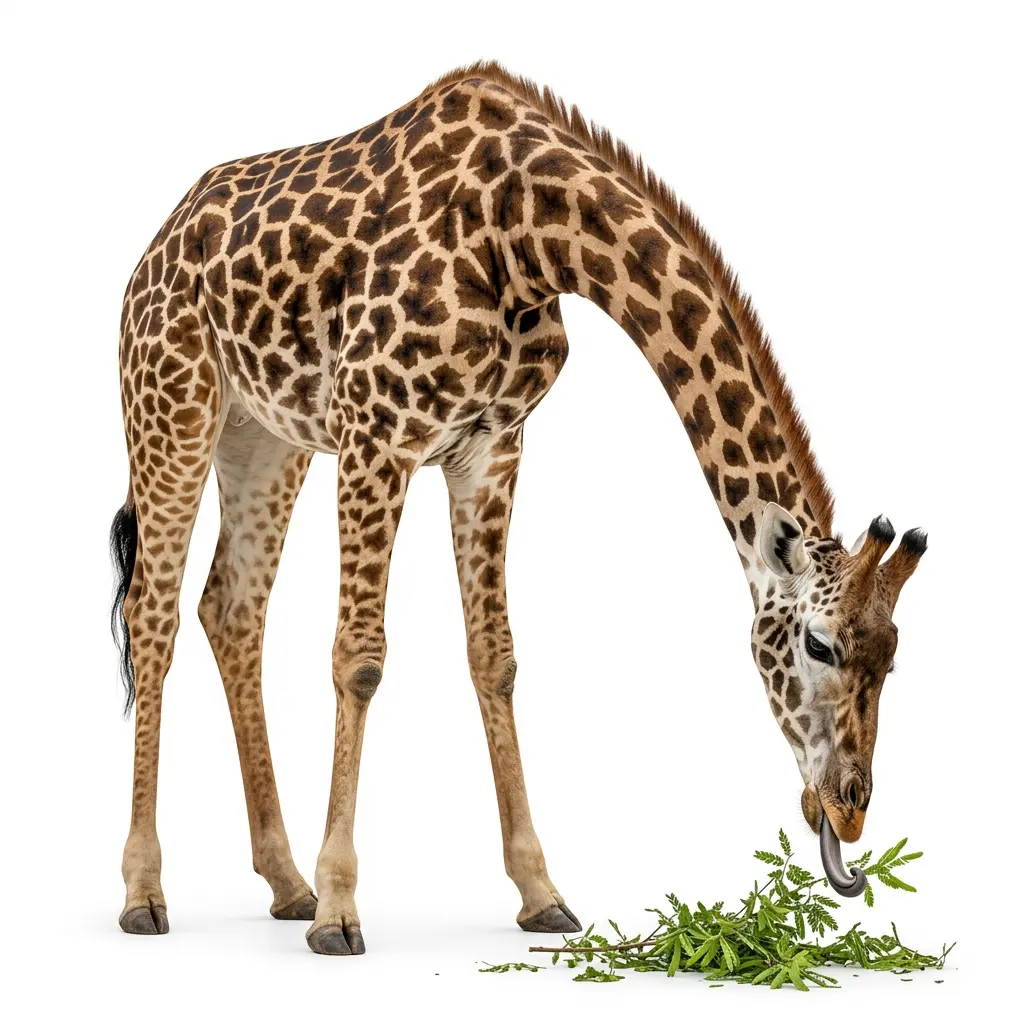
Food: Acacia leaves, bark, flowers
The giraffe’s long neck is not just for looking impressive. It allows the giraffe to reach the tops of acacia trees, where thorns keep most other browsers away. Its long, dark tongue — up to 18 inches — wraps around branches and strips off leaves with ease.
❻ Koala
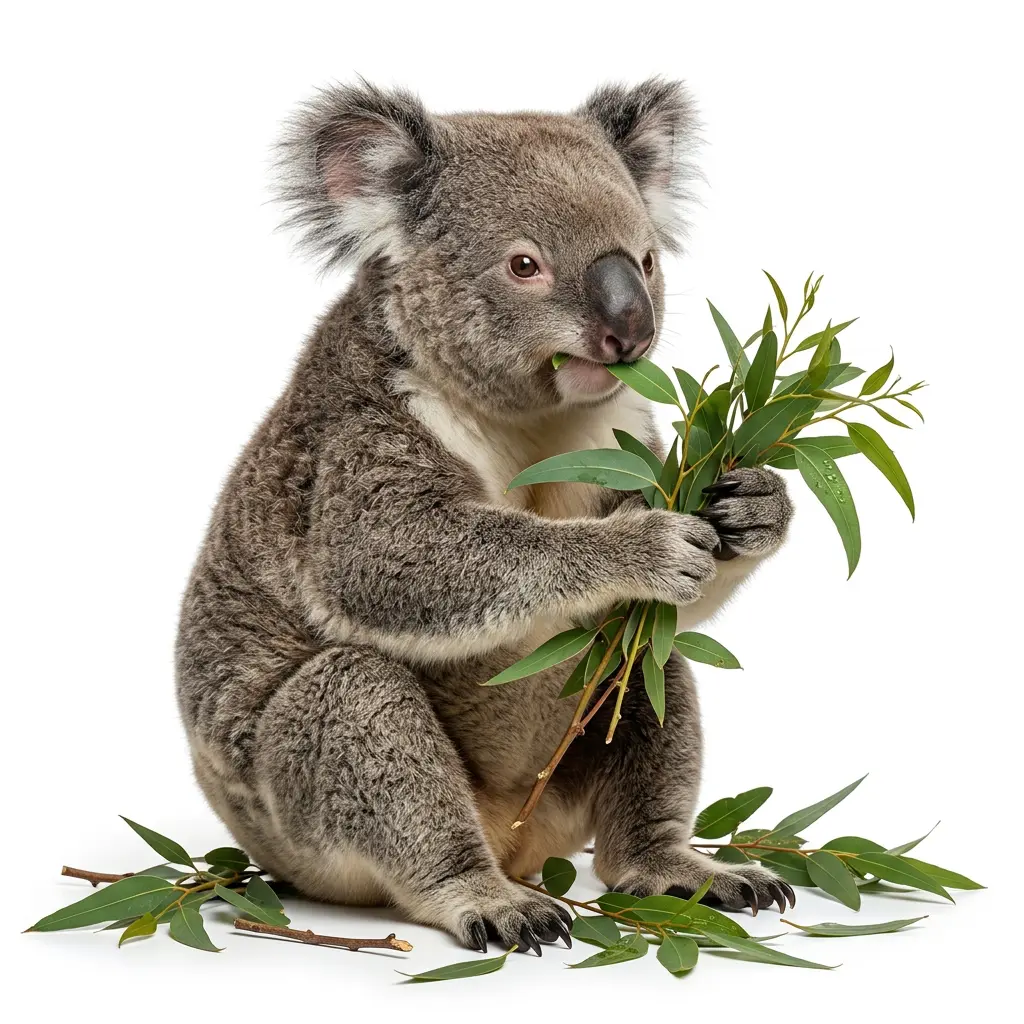
Food: Eucalyptus leaves only
Koalas are one of the most specialized feeders on the planet. They eat almost exclusively eucalyptus leaves, which are toxic to most other animals. Their livers have adapted to detoxify the harmful chemicals. Because eucalyptus provides so little energy, koalas sleep up to 22 hours a day.
❼ Panda
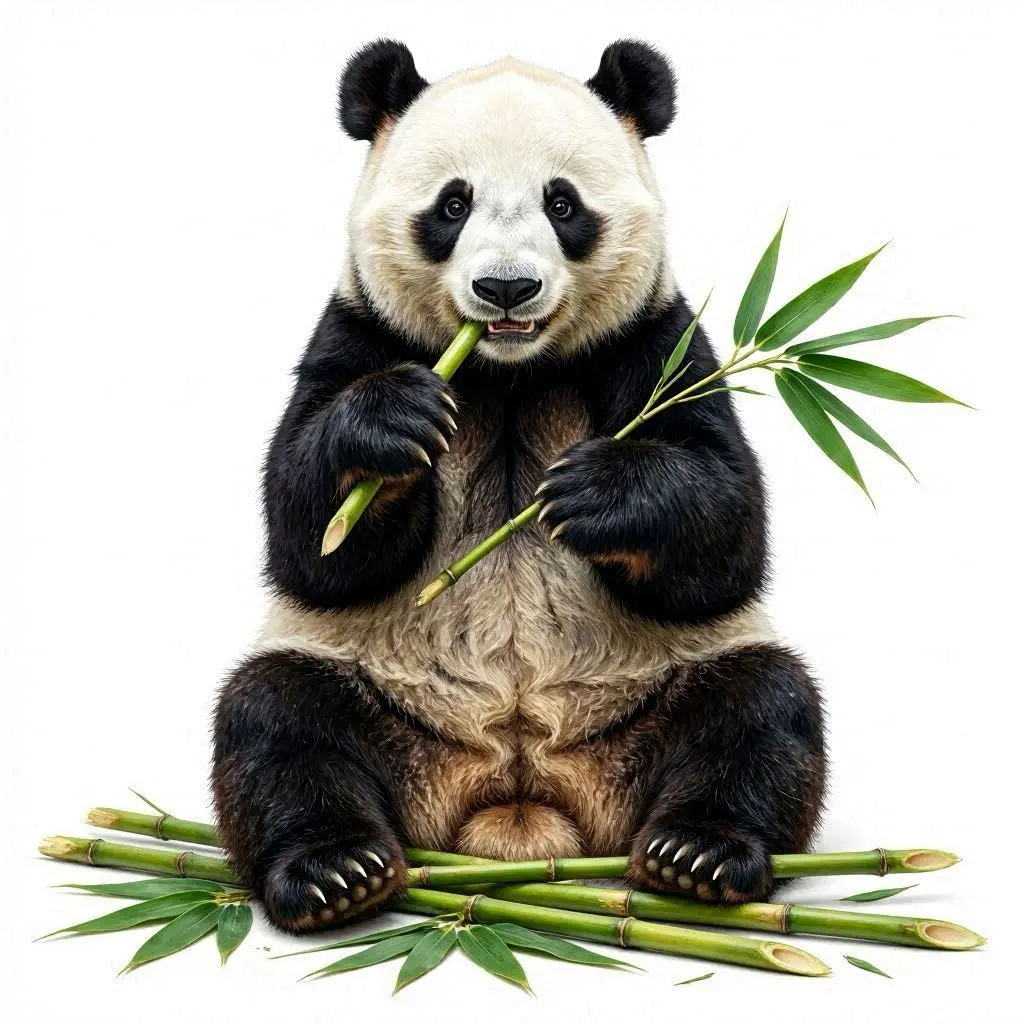
Food: Bamboo (99% of diet)
Giant pandas are technically classified as carnivores based on their digestive anatomy — yet they eat bamboo almost exclusively. Their gut is not well-adapted to plant matter, so they must eat enormous quantities, up to 40 pounds a day, to extract enough nutrition.
Carnivores Animals That Eat Meat With Pictures
Carnivores are the hunters and predators of the animal world. They sit at the top or near the top of food chains, controlling prey populations and keeping ecosystems in check.
❶ Lion
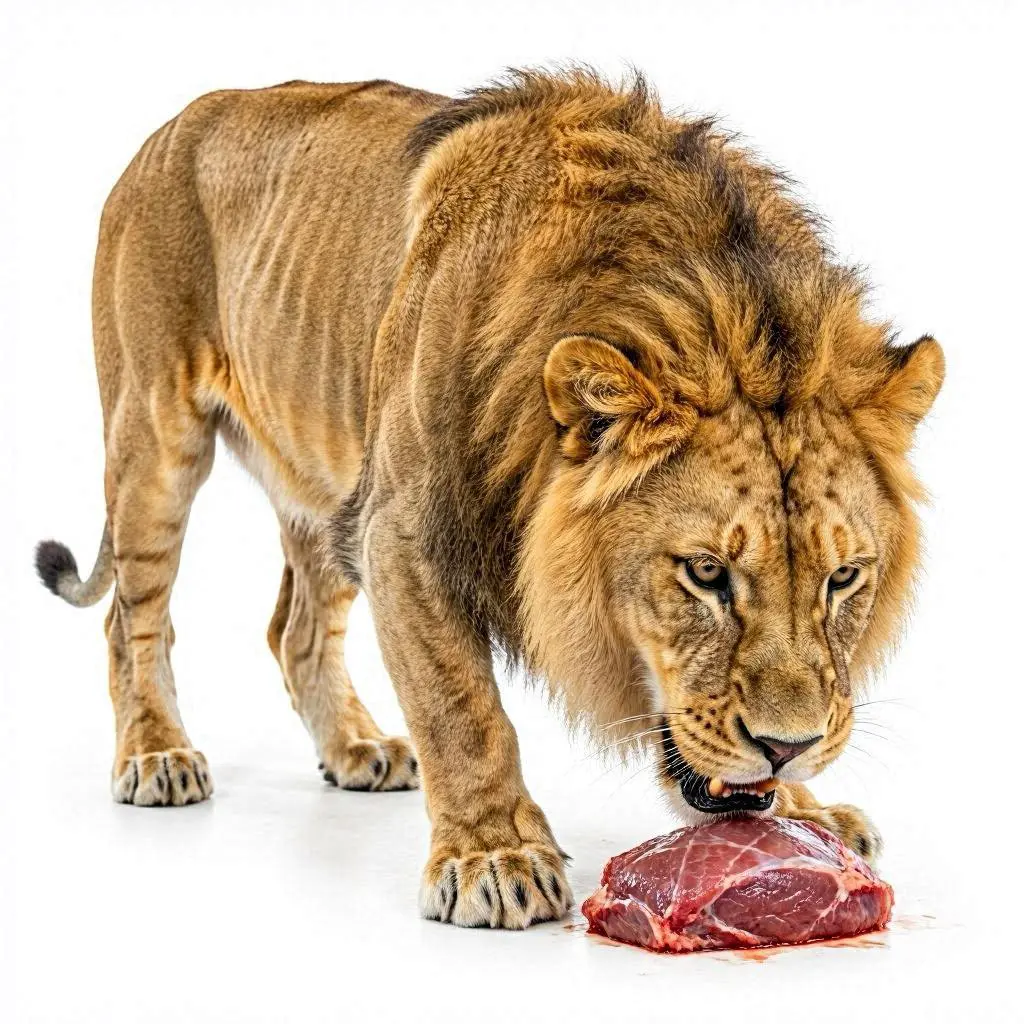
Food: Zebra, wildebeest, buffalo, antelope
Lions are social hunters. Unlike most big cats, they hunt in groups called prides, using coordinated strategies to take down prey much larger than themselves. Females do most of the hunting, while males defend territory. After a successful hunt, the pride feeds together, with a strict social order around who eats first.
❷ Tiger
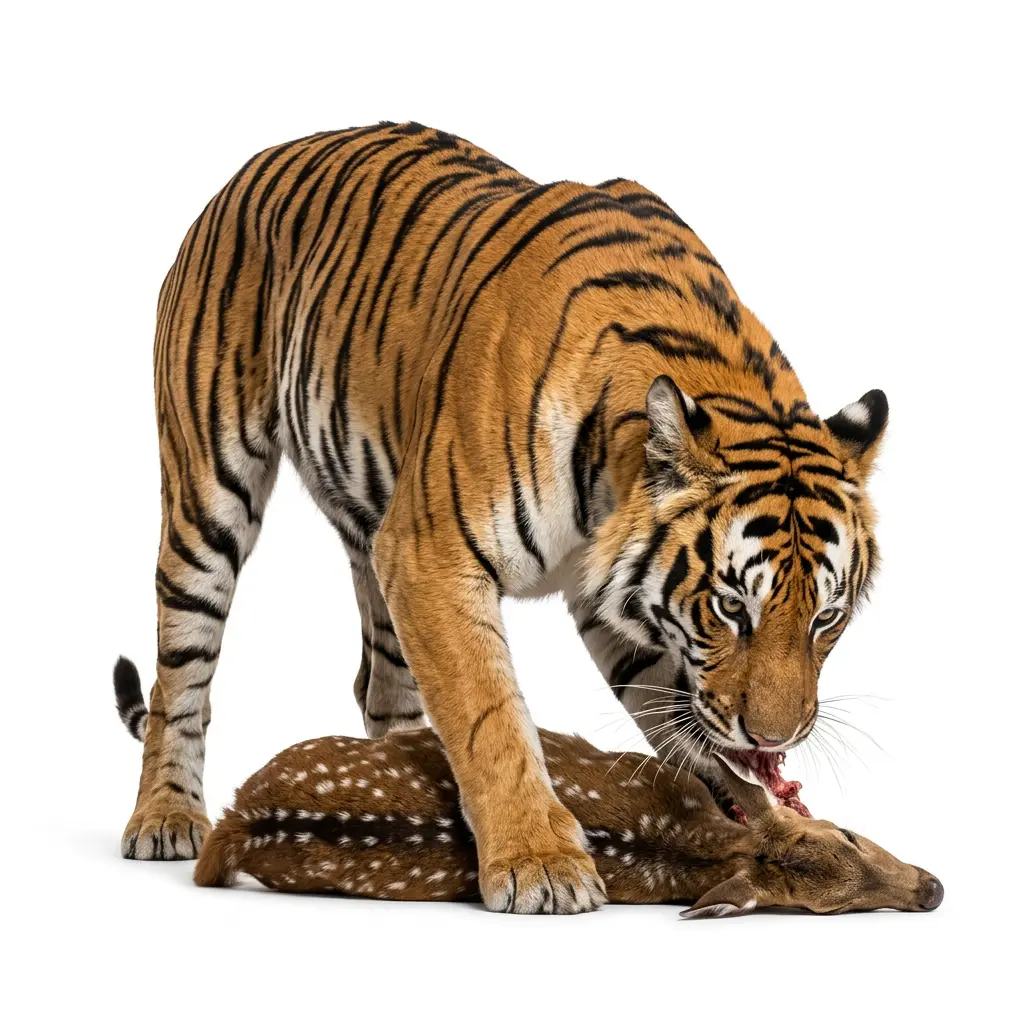
Food: Deer, wild boar, buffalo, fish
Tigers are solitary and silent. They rely on their striped coat for camouflage among tall grass and trees, stalking prey to within a few meters before launching a short, explosive charge. Unlike lions, a tiger prefers to hunt alone and often drags its kill into dense cover before feeding.
❸ Crocodile
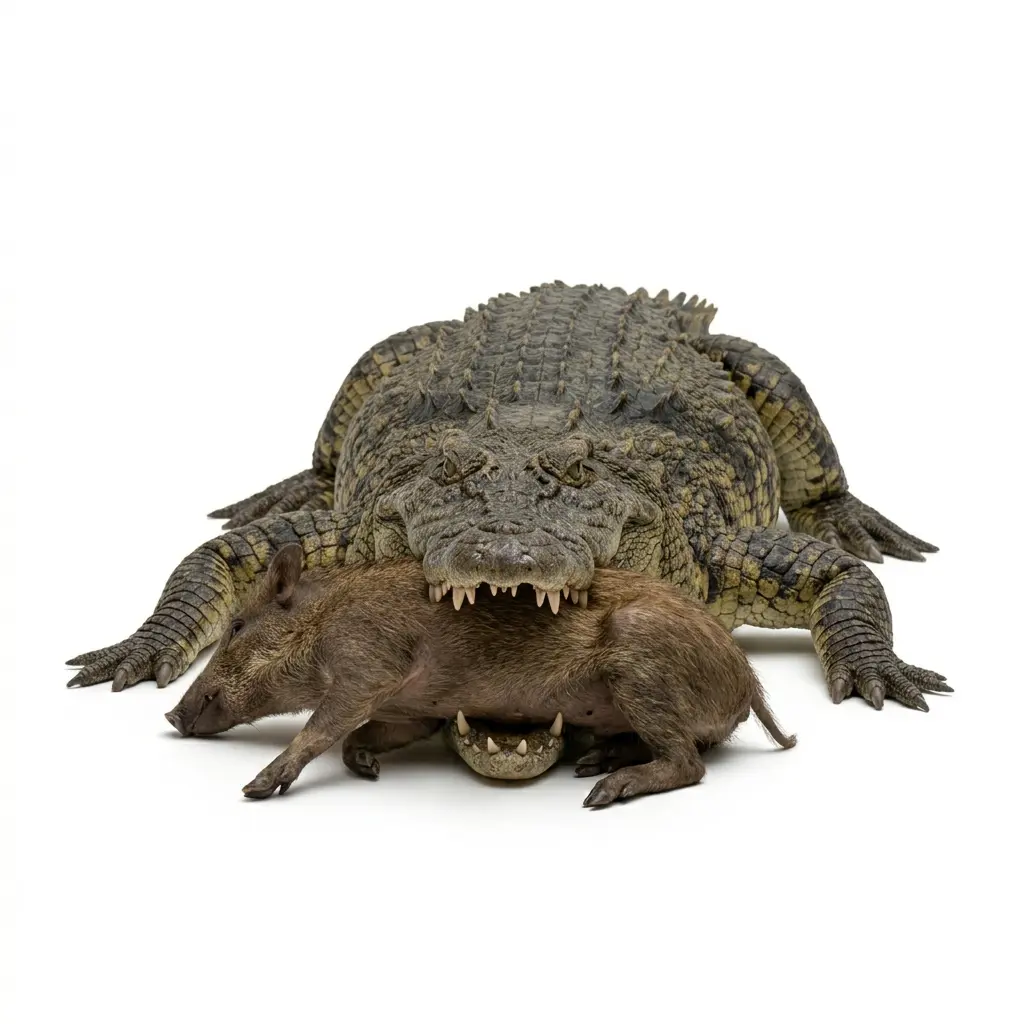
Food: Fish, birds, mammals, carrion
A crocodile’s hunting method is almost entirely based on patience. It floats near the surface with only its eyes and nostrils showing, waiting for animals to approach the water’s edge. When prey comes close, it strikes with one of the most powerful bites in the animal kingdom.
❹ Eagle
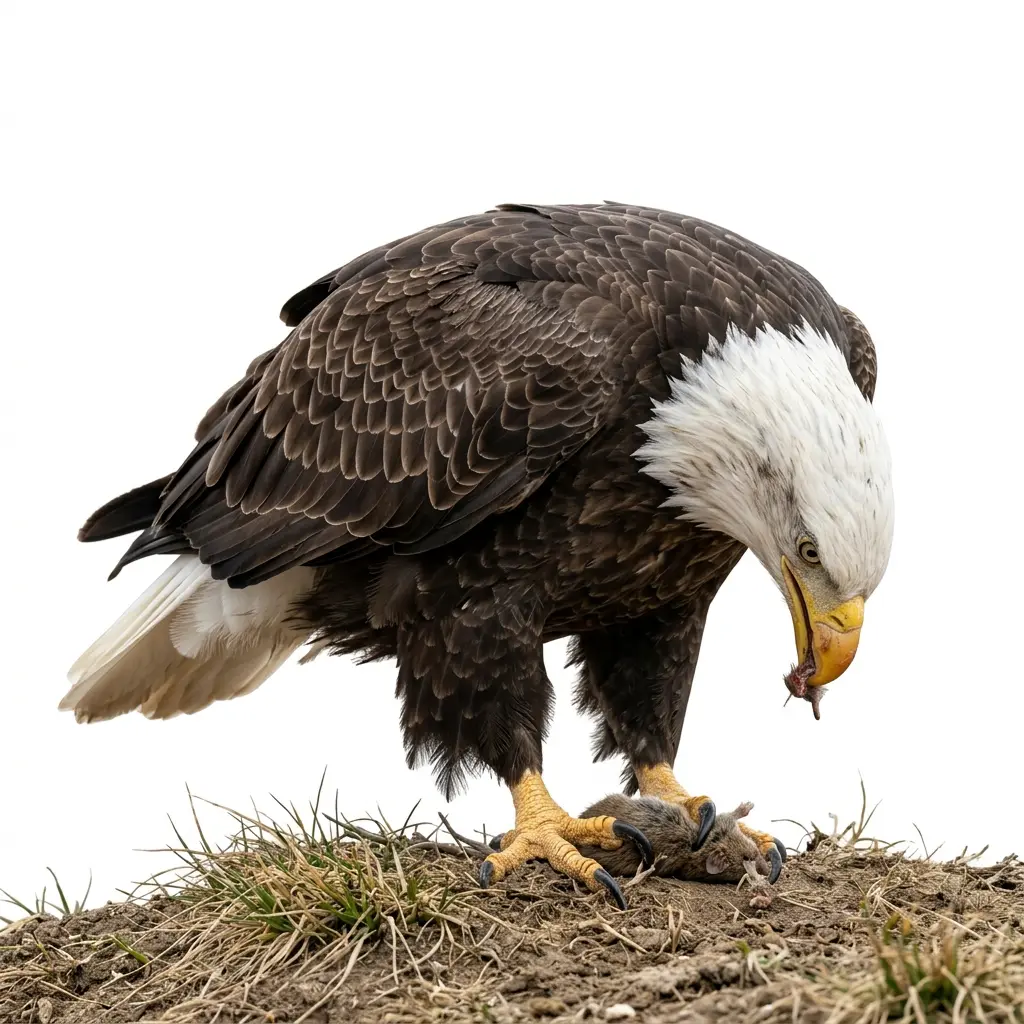
Food: Small mammals, fish, birds, reptiles
Eagles hunt from the sky. Their eyesight is roughly four to eight times sharper than a human’s, allowing them to spot a rabbit from two kilometers away. Once locked onto prey, an eagle dives at speeds that can exceed 100 miles per hour, striking with powerful talons.
❺ Wolf
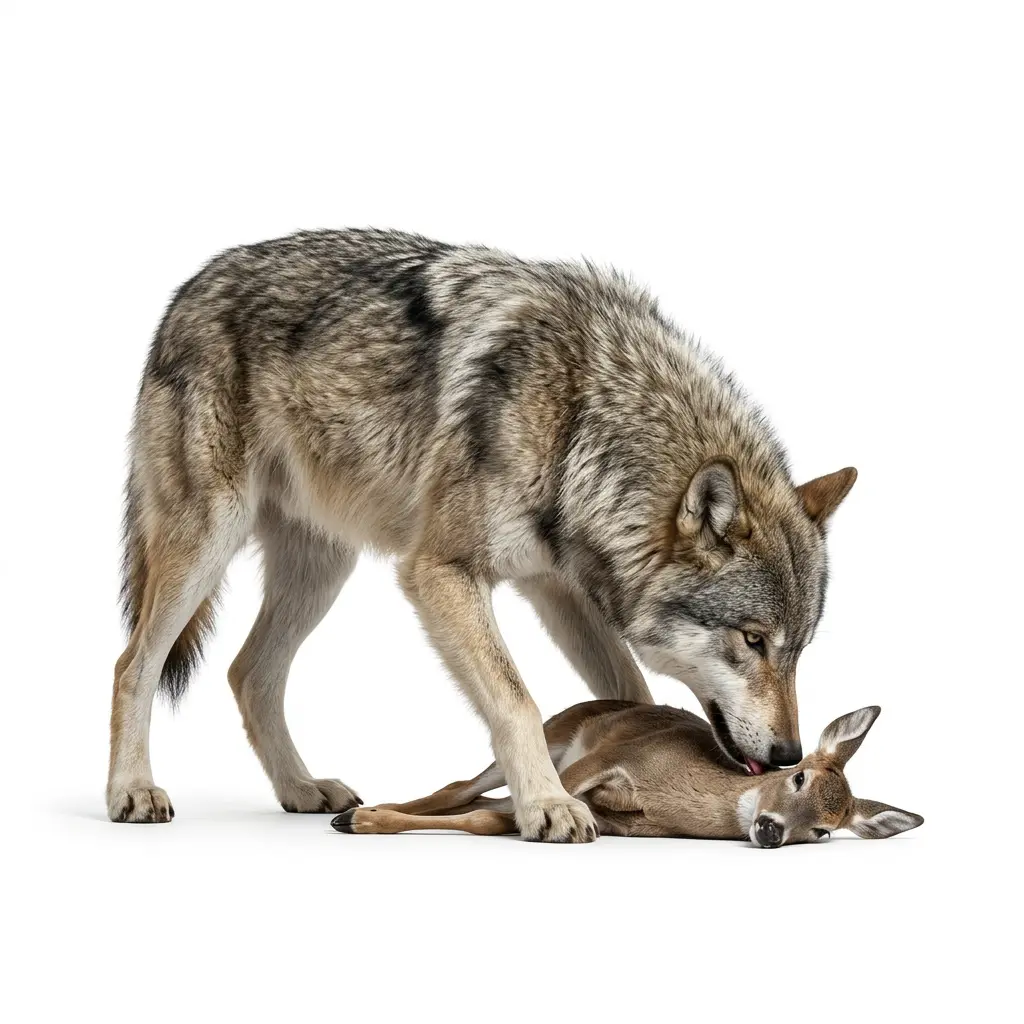
Food: Deer, elk, moose, rabbits, smaller mammals
Wolves hunt in coordinated packs, communicating through howls, body language, and eye contact. A pack can chase prey for miles, wearing it down before going for the kill. Wolves play a key role in controlling deer and elk populations, which in turn prevents overgrazing.
❻ Shark
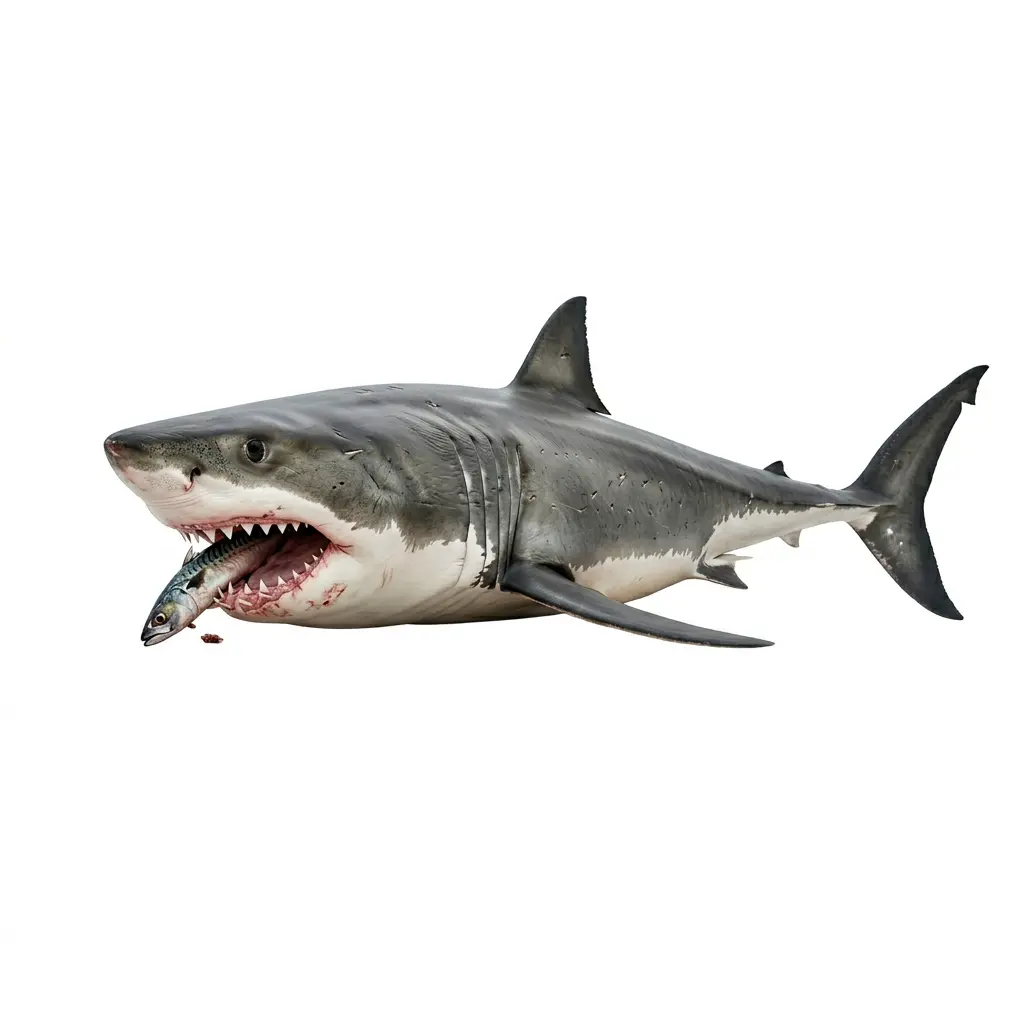
Food: Fish, seals, sea lions, rays, squid
Sharks are among the most efficient predators in the ocean. They detect blood in the water from miles away using highly sensitive receptors. Not all sharks are aggressive hunters; the whale shark, the largest fish in the sea, feeds entirely on tiny plankton by filter feeding.
Omnivores Animals That Eat Both With Pictures
Omnivores are built for versatility. Their diet shifts with the seasons, the geography, and the availability of food. This flexibility makes them some of the most successful survivors on Earth.
❶ Bear
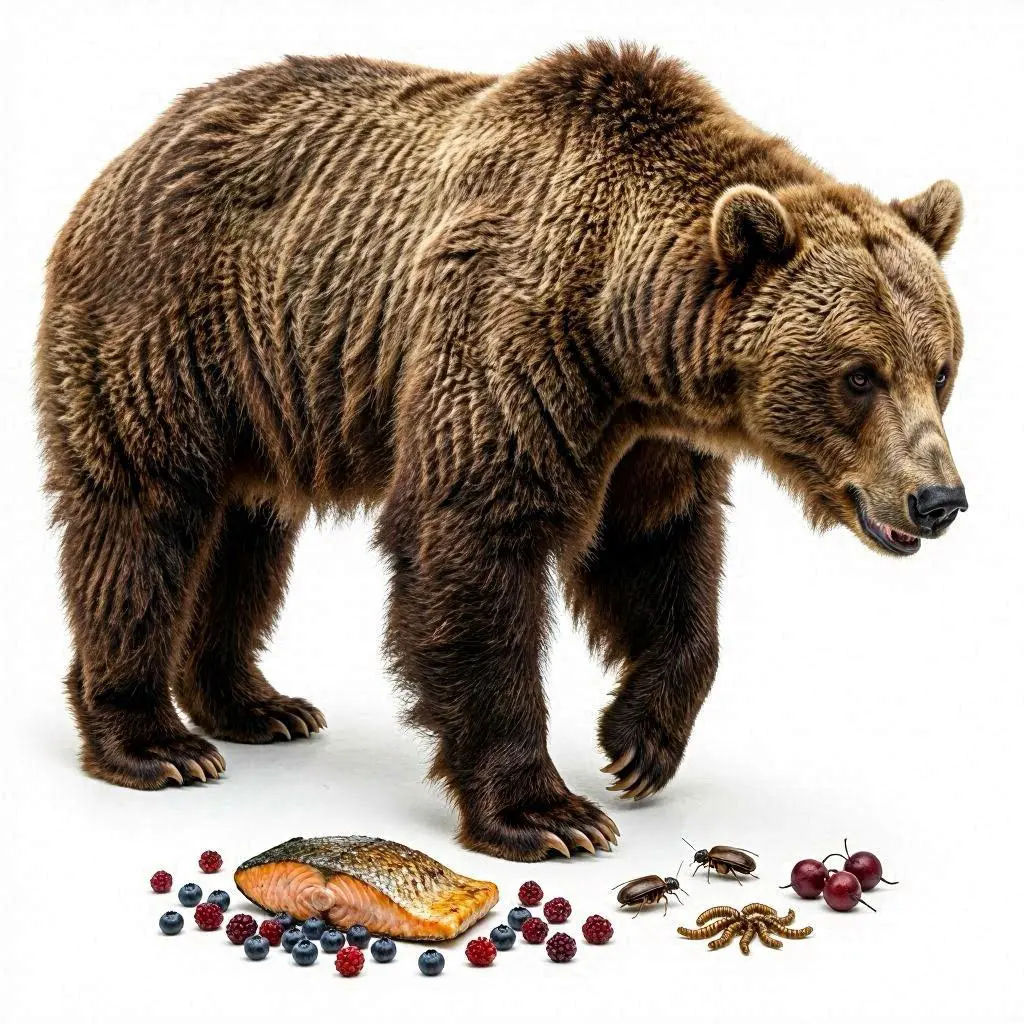
Food: Berries, roots, honey, fish, insects, small mammals
A bear’s diet is a good map of the seasons. In spring, it grazes on fresh shoots and digs for roots. In summer, it raids beehives for honey and eats berries by the thousands. In autumn, when salmon swim upstream to spawn, a grizzly bear can catch and eat dozens of fish in a single day, building up fat reserves for winter hibernation.
❷ Pig
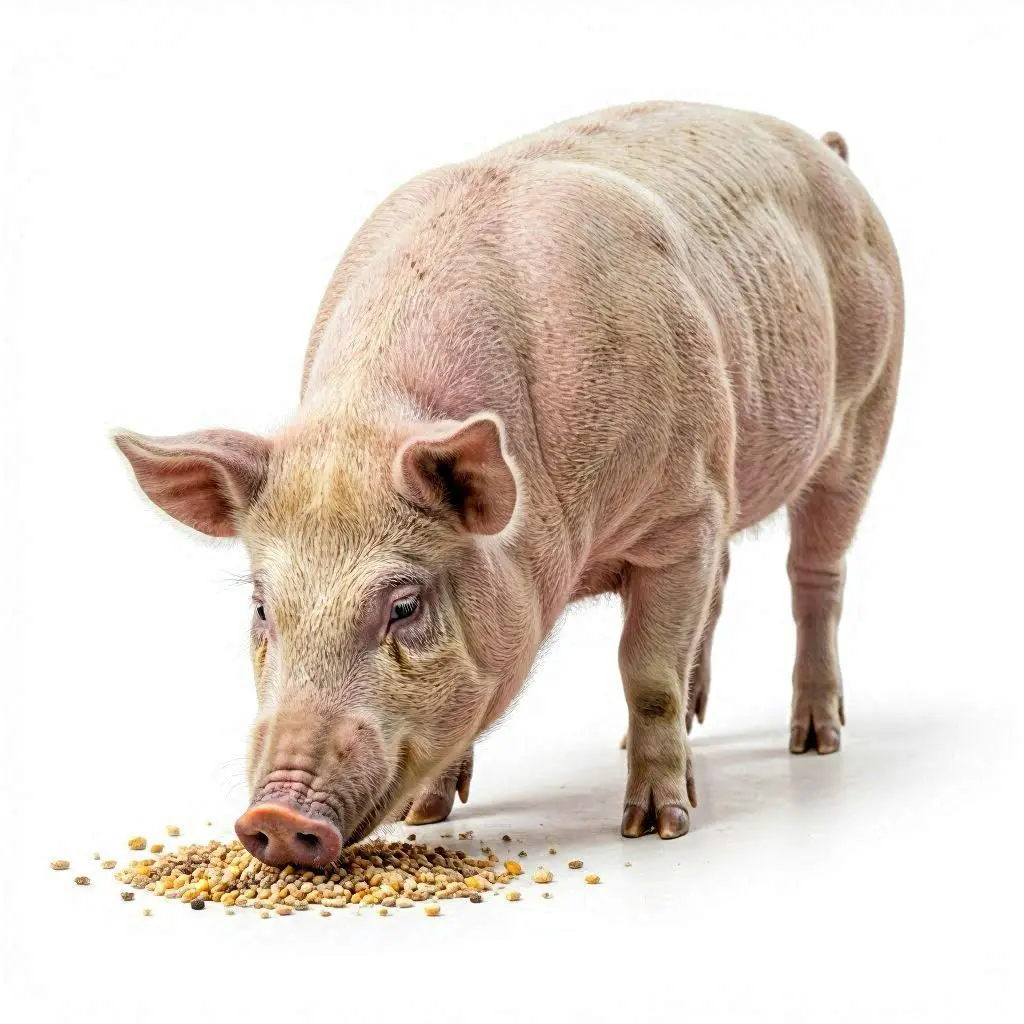
Food: Roots, fruits, insects, small animals, grains
Pigs are exceptional foragers. In the wild, they use their snouts to dig up roots, tubers, and insects from underground. Their digestive systems can process almost anything organic, which is why humans have farmed pigs for thousands of years — they can thrive on agricultural scraps and leftovers.
❸ Crow
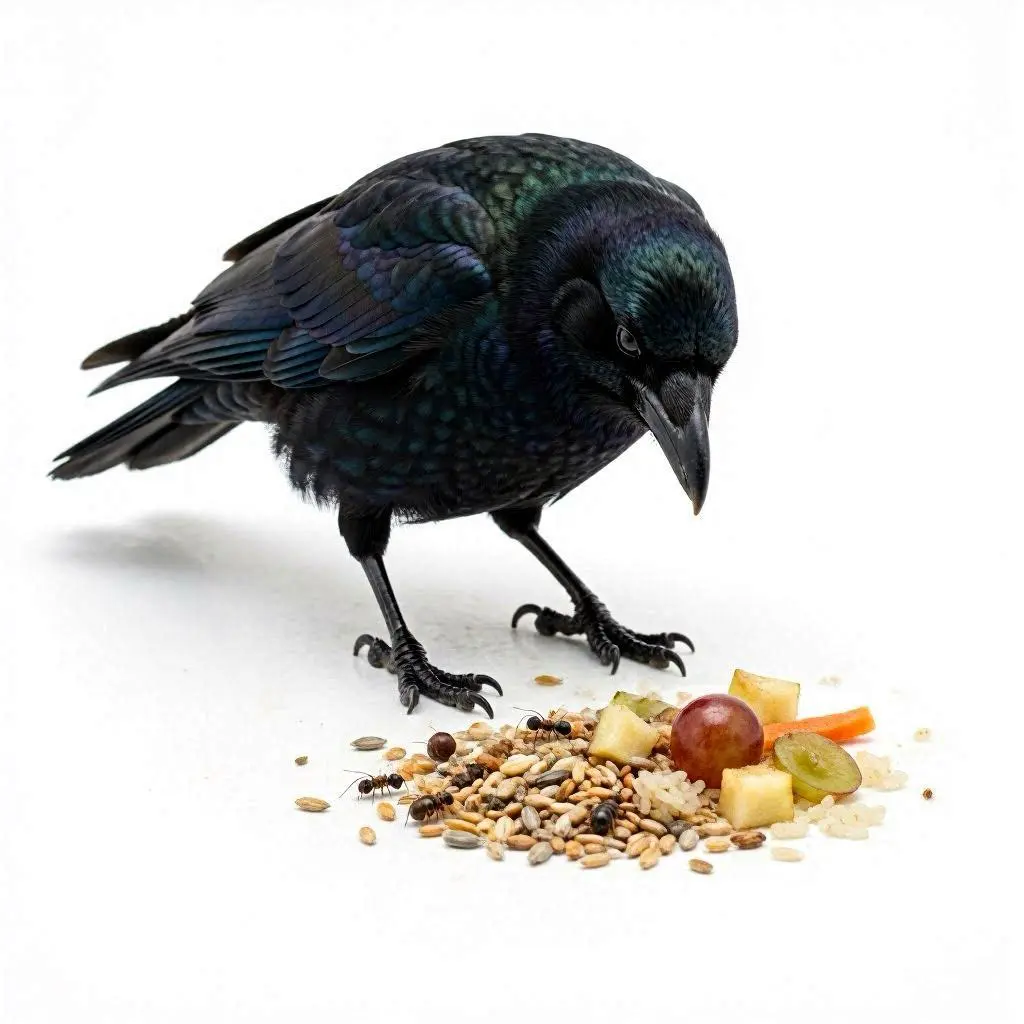
Food: Insects, seeds, fruit, small animals, carrion, human food waste
Crows are often described as one of the most intelligent birds on the planet, and their diet reflects that. They have been observed using tools to extract food, remembering the faces of individual humans, and caching food in locations they revisit months later. They eat practically anything.
❹ Raccoon
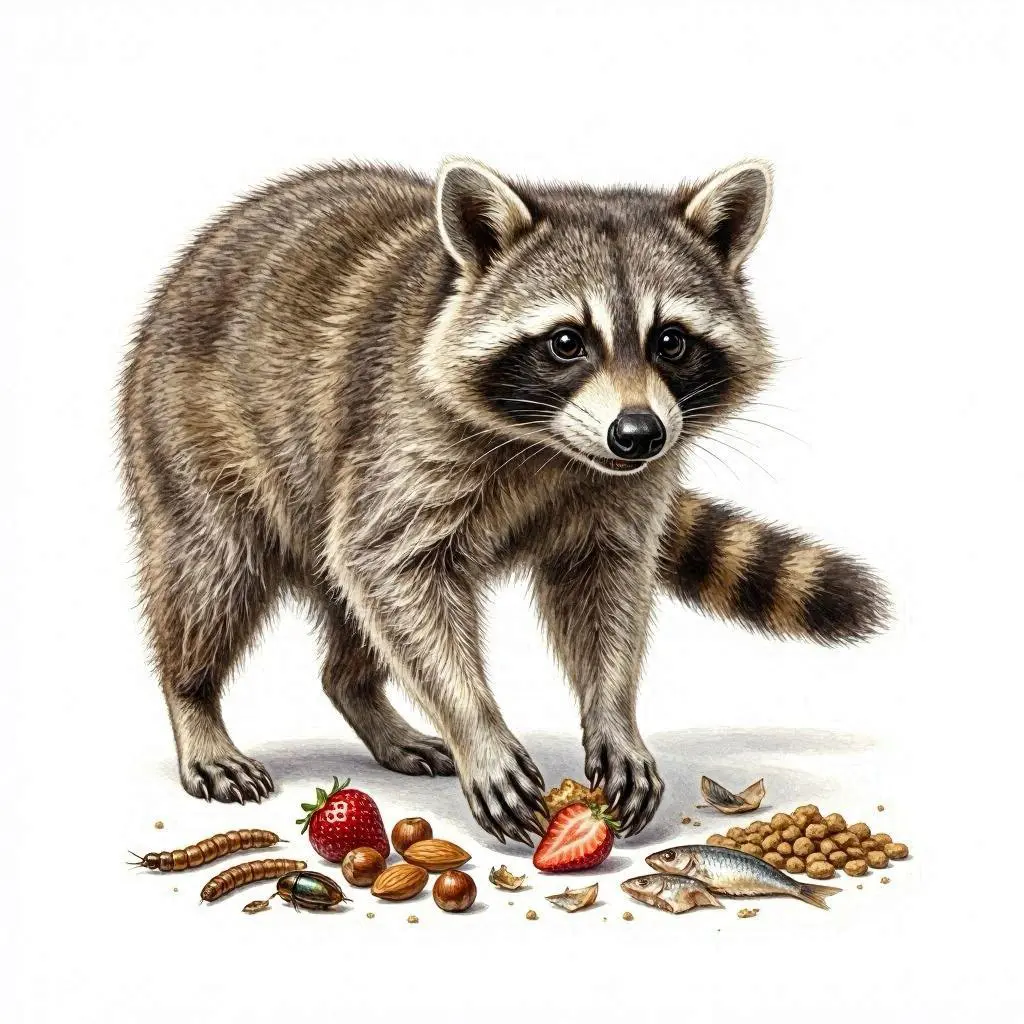
Food: Fish, frogs, fruit, nuts, eggs, insects, human garbage
Raccoons are famous for washing their food before eating — or rather, for the wetting behavior that resembles washing. They are extraordinarily adaptable feeders, just as comfortable raiding a suburban garbage can as they are catching crayfish in a stream.
❺ Chicken
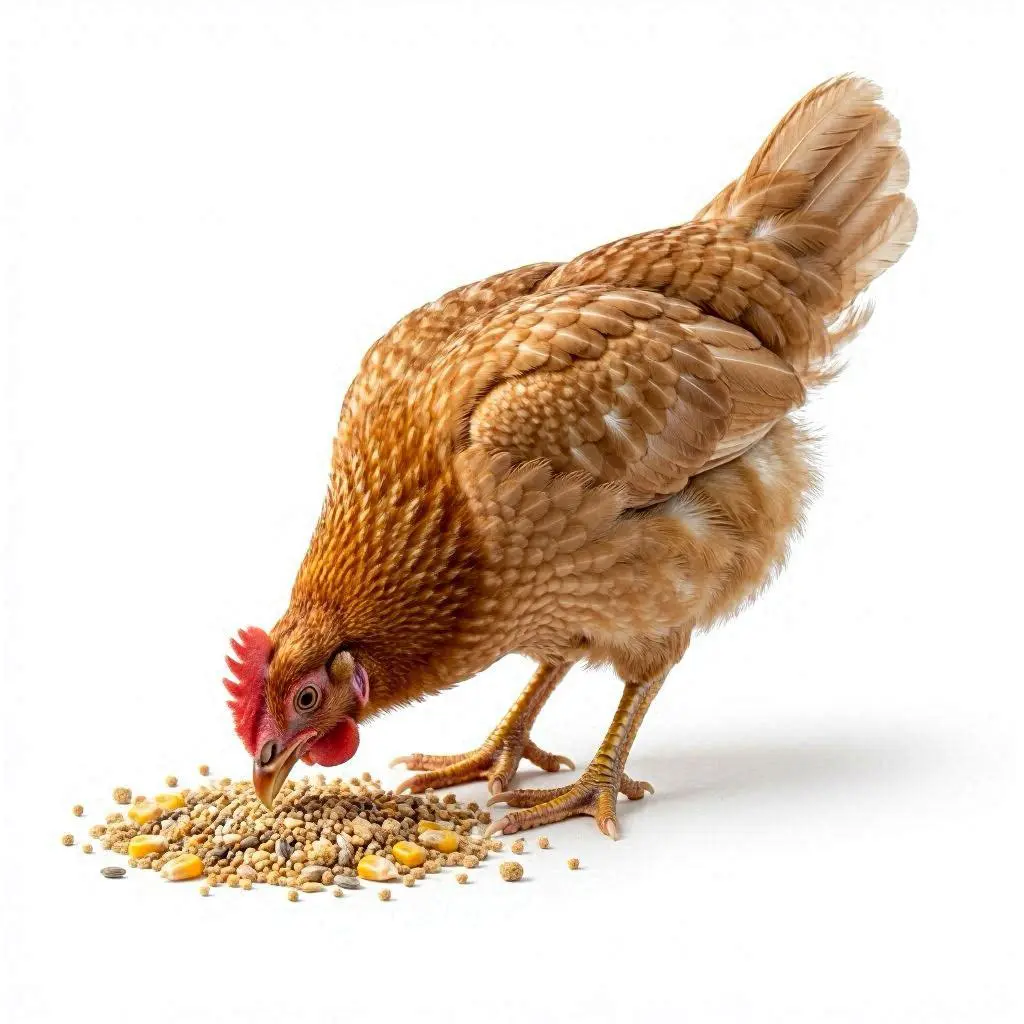
Food: Seeds, grains, insects, worms, small lizards, kitchen scraps
Most people are surprised to learn that chickens are omnivores. Left to forage freely, a chicken will scratch the ground for worms, snap up beetles, and peck at seeds and grains with equal enthusiasm. Their diet in the wild is far more varied than the grain-based feed they receive on farms.
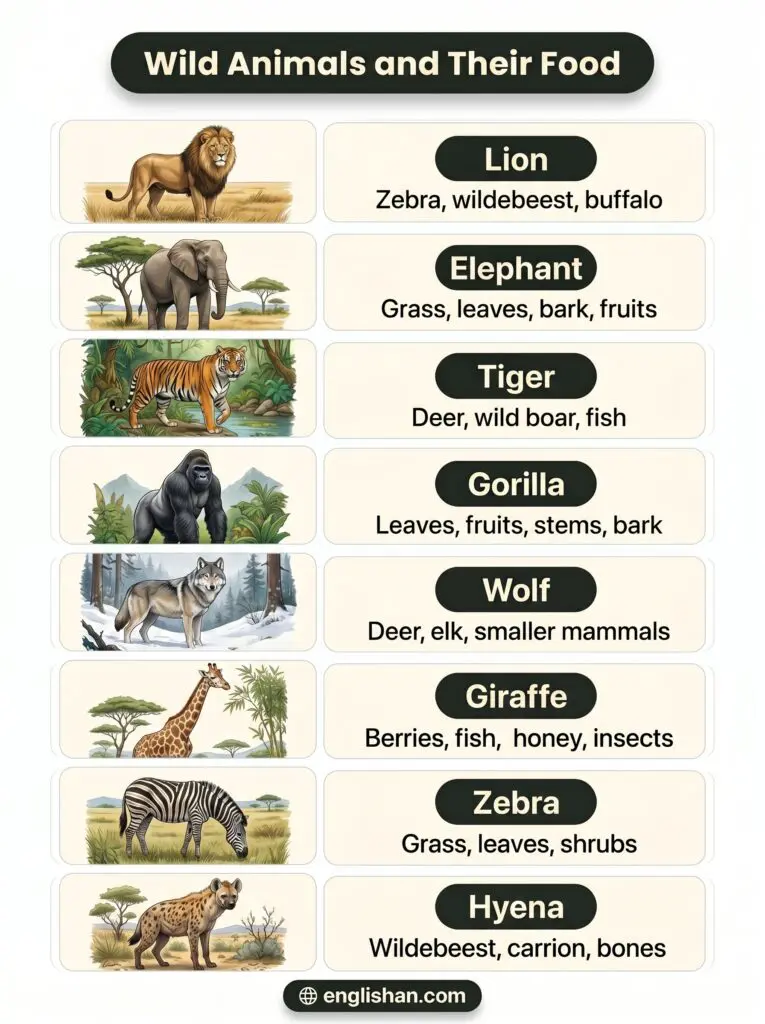
Wild Animals and Their Food
Wild animals eat different kinds of food depending on their habitat, body structure, and survival needs. Some feed on plants, while others hunt animals or eat a mixture of both.
- Lion – A strong predator that survives by hunting large animals.
- Food: Zebra, wildebeest, buffalo.
- Elephant – A massive land animal that feeds on vegetation throughout the day.
- Food: Grass, leaves, bark, fruits.
- Tiger – A powerful solitary hunter that relies on stealth and strength.
- Food: Deer, wild boar, fish.
- Gorilla – A calm and mostly plant-eating great ape living in forests.
- Food: Leaves, fruits, stems, bark.
- Wolf – A social hunter that depends on teamwork to catch prey.
- Food: Deer, elk, smaller mammals.
- Giraffe – A tall herbivore adapted to feeding from high trees.
- Food: Acacia leaves, flowers.
- Bear – An adaptable animal with a mixed diet depending on season and availability.
- Food: Berries, fish, honey, insects.
- Zebra – A grazing animal that lives in herds on open grasslands.
- Food: Grass, leaves, shrubs.
- Hyena – A flexible feeder that hunts and also scavenges.
- Food: Wildebeest, carrion, bones.
- Fox – A clever opportunistic feeder found in many habitats.
- Food: Rabbits, berries, birds, eggs.
These examples show how different wild animals obtain food in nature. Their eating habits help maintain balance in ecosystems and ensure their survival in the wild.
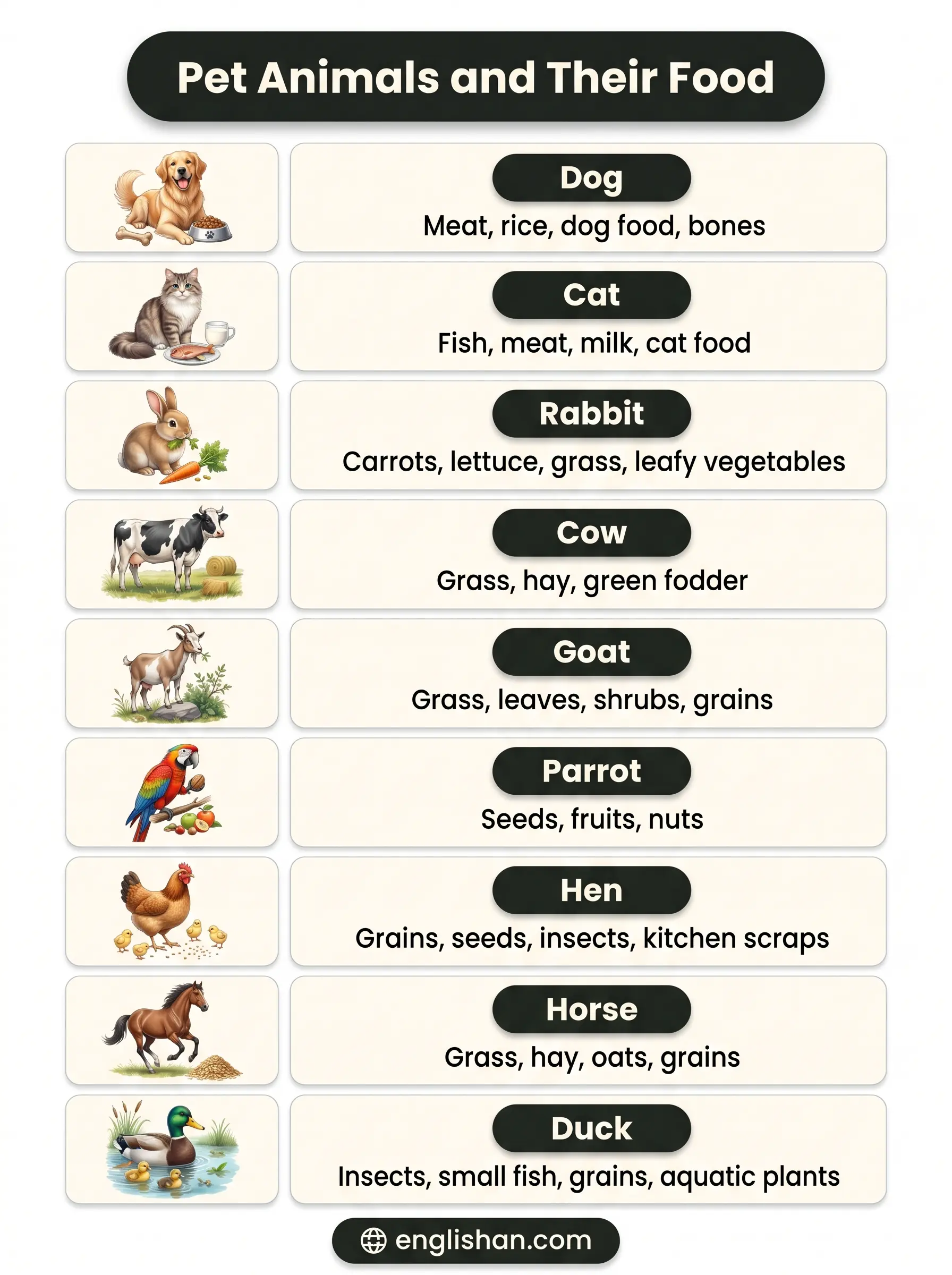
Pet Animals and Their Food
Pets are domestic animals that live with humans and depend on them for care and food. Each pet has different eating habits, so giving the right food is important for their health and growth.
- Dog – A loyal domestic animal that eats a balanced diet and also enjoys variety in food.
- Food: Meat, rice, dog food, bones.
- Cat – A small carnivorous pet that prefers protein-rich food.
- Food: Fish, meat, milk, cat food.
- Rabbit – A gentle herbivorous pet that loves fresh greens.
- Food: Carrots, lettuce, grass, leafy vegetables.
- Cow – A calm farm pet that mainly feeds on plant material.
- Food: Grass, hay, green fodder.
- Goat – A hardy animal that eats a wide range of plants.
- Food: Grass, leaves, shrubs, grains.
- Parrot – A colorful pet bird that enjoys seeds and fruits.
- Food: Seeds, fruits, nuts.
- Hen (Chicken) – A common domestic bird that pecks and forages for food.
- Food: Grains, seeds, insects, kitchen scraps.
- Horse – A strong and useful pet/farm animal that needs constant grazing.
- Food: Grass, hay, oats, grains.
- Duck – A water-loving bird that feeds on both plants and small organisms.
- Food: Insects, small fish, grains, aquatic plants.
Learning about pets and their food helps us take better care of them. It makes us more responsible and ensures our pets stay healthy, active, and happy.
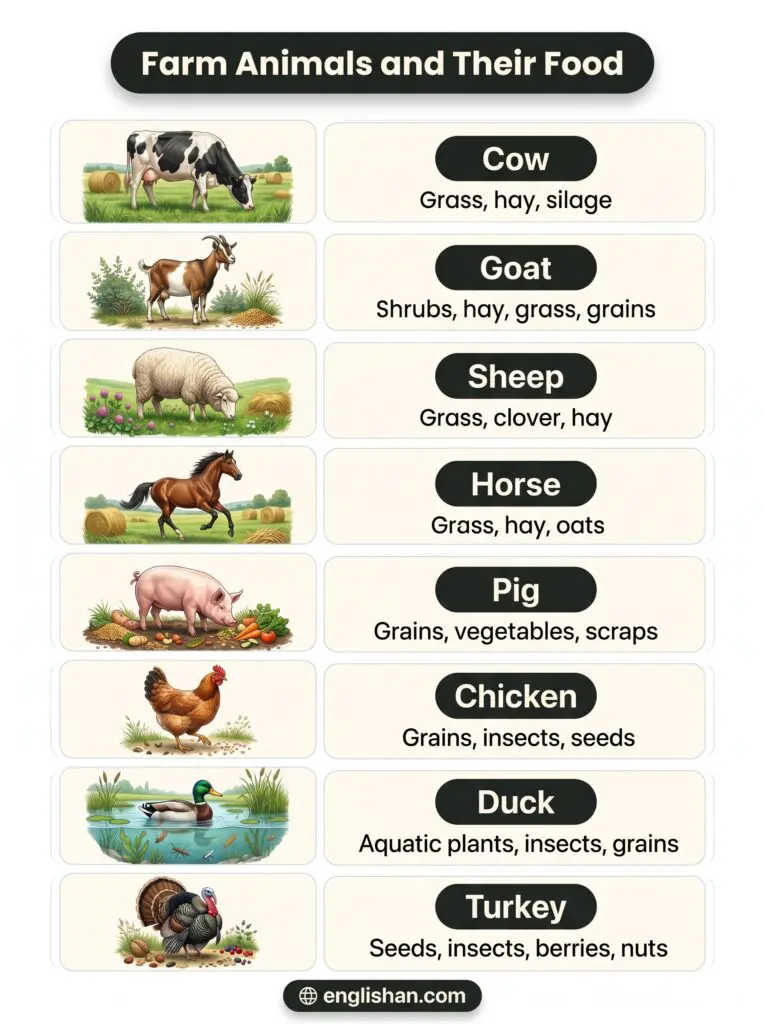
Farm Animals and Their Food
Farm animals live on farms and depend on humans for care and feeding. They are important for food production and agriculture.
- Cow – A large farm animal that mainly feeds on plant material and spends most of its time grazing.
- Food: Grass, hay, silage.
- Goat – A flexible feeder that can survive on different types of vegetation.
- Food: Shrubs, hay, grass, grains.
- Sheep – A gentle grazing animal that prefers soft grass.
- Food: Grass, clover, hay.
- Horse – A strong grazing animal that needs steady food intake.
- Food: Grass, hay, oats.
- Pig – An adaptable omnivore with varied eating habits.
- Food: Grains, vegetables, scraps.
- Chicken – A farm bird that pecks and forages for food.
- Food: Grains, insects, seeds.
- Duck – A water and land bird with mixed feeding habits.
- Food: Aquatic plants, insects, grains.
- Turkey – A large bird that eats a variety of natural foods.
- Food: Seeds, insects, berries, nuts.
Farm animals are essential for human life because they provide milk, meat, eggs, and other useful products. Proper feeding keeps them healthy and productive.
Sea Animals and What They Eat
Marine animals live in oceans and seas and have different feeding habits based on their size, behavior, and habitat. Some are tiny feeders while others are large ocean predators.
- Whale (Blue Whale) – The largest animal on Earth, feeding on tiny ocean organisms despite its huge size.
- Food: Krill.
- Dolphin – A highly intelligent marine animal that hunts in groups using teamwork and echolocation.
- Food: Fish, squid, octopus.
- Seahorse – A small fish that must eat continuously due to its fast digestion.
- Food: Tiny crustaceans, plankton, small shrimp.
- Starfish – A unique sea animal that digests food outside its body using a special feeding method.
- Food: Mussels, clams, oysters, small fish.
- Clownfish – A small reef fish that lives among sea anemones and feeds on available ocean food particles.
- Food: Algae, plankton, small worms, leftover food.
Marine animals play an important role in maintaining balance in ocean ecosystems. Their diverse feeding habits help keep the marine food chain stable and healthy.
Birds and Their Food
Birds have different eating habits depending on their species. Some feed on seeds, some prefer fruits, while others depend on insects or small animals for survival.
Grain-Eating Birds
These birds mainly feed on grains and often search for food on the ground.
- Peacock – Grains, seeds, insects, berries
- Crow – Grains, insects, food scraps, small animals
- Quail – Seeds, grains, insects
- Pheasant – Grains, seeds, insects
- Dove – Seeds, grains
- Chicken – Grains, seeds, insects
Seed-Eating Birds
Seed-eating birds mainly depend on grains and seeds for energy. Their beaks are designed to crack or pick seeds easily.
- Sparrow – Seeds, millet, cracked corn, small insects
- Parrot – Seeds, nuts, fruits
- Finch – Grass seeds, small grains
- Pigeon – Grains, seeds, berries
- Canary – Seeds, small grains
- Siskin – Seeds, buds, small grains
Fruit-Eating Birds
Fruit-eating birds mainly feed on soft fruits and help in spreading plant seeds.
- Toucan – Fruits, berries, small insects
- Hornbill – Fruits, figs, berries, insects
- Bulbul – Fruits, berries, nectar, insects
- Myna – Fruits, berries, insects
- Oriole – Fruits, nectar, insects
- Barbet – Fruits, berries, insects
Insect-Eating Birds
Insect-eating birds feed on worms, insects, and small creatures found in soil, trees, or air.
- Woodpecker – Insects, larvae, worms
- Robin – Worms, insects, berries
- Owl – Mice, rats, small birds, insects
- Swallow – Flying insects
- Kingfisher – Fish, insects, small aquatic animals
- Wren – Insects, spiders, worms
Plant-Based Foods Eaten by Animals
Animals depend on different plant foods for survival, including grass, leaves, fruits, seeds, and roots. These natural foods provide energy and nutrients for herbivores and many omnivores.
Grass and Leaf Foods
Grass and leaves are the main food source for many herbivorous animals and form the base of the natural food chain.
- Cow – Grass, hay, silage
- Horse – Grass, hay, oats
- Sheep – Grass, clover, hay
- Goat – Grass, shrubs, leaves
- Zebra – Grass, leaves, shrubs
- Elephant – Grass, leaves, bark, fruits
Grains and Seeds Foods
Grains and seeds are rich in energy and widely eaten by farm animals, birds, and wild species.
- Chicken – Grains, seeds, insects
- Pigeon – Grains, seeds, berries
- Parrot – Seeds, nuts, fruits
- Sparrow – Seeds, millet, corn
- Pig – Grains, vegetables, scraps
- Finch – Small seeds, grass seeds
Fruits and Vegetables for Animals
Fruits and vegetables provide natural vitamins, minerals, and energy for many animals.
- Monkey – Fruits, leaves, seeds
- Bear – Fruits, berries, roots
- Fox – Fruits, berries, vegetables
- Elephant – Fruits, bananas, sugarcane
- Parrot – Fruits, vegetables, seeds
- Rabbit – Carrots, lettuce, leafy vegetables
Roots and Shoots Foods
Roots and shoots are important seasonal foods that provide strong nutrition when other food is limited.
- Pig – Roots, tubers, soil plants
- Elephant – Roots, bark, shoots
- Bear – Roots, tubers, shoots
- Rabbit – Shoots, grass, roots
- Deer – Shoots, leaves, young plants
- Horse – Fresh shoots, grass
Protein-Based Foods Eaten by Animals
Animals need protein-rich foods to grow, stay active, and survive. These foods mainly include meat, fish, and insects, which provide essential energy and nutrients for different types of animals.
Meat-Based Foods
Meat is a high-protein food eaten by carnivores that hunt other animals for survival.
- Lion – Deer, zebra, buffalo
- Tiger – Deer, wild boar, fish
- Wolf – Deer, elk, small mammals
- Crocodile – Fish, birds, mammals
- Snake – Frogs, birds, rodents
- Eagle – Small animals, birds, reptiles
Fish-Based Foods
Fish is an important protein source for aquatic animals and semi-aquatic.
- Dolphin – Fish, squid, octopus
- Seal – Fish, squid
- Bear – Salmon, fish
- Otter – Fish, shellfish
- Kingfisher – Small fish
- Pelican – Fish, aquatic creatures
Insect-Based Foods
Insects are small but highly nutritious and are eaten by many animals and birds.
- Chicken – Insects, worms, grains
- Frog – Insects, flies, worms
- Woodpecker – Insects, larvae, ants
- Anteater – Ants, termites
- Hedgehog – Insects, worms, beetles
- Bear – Insects, larvae, honey
Conclusion
Animals eat a wide variety of foods depending on their species, habitat, and natural needs. Some depend on plants like grass, fruits, seeds, and roots, while others rely on meat, fish, or insects for survival. Each type of food helps animals grow, stay active, and live healthy lives in their environment.
Overall, learning about what animals eat gives us a better understanding of nature and the food chain. It shows how every creature plays an important role in maintaining balance in ecosystems and how all living things are connected through food and survival.
FAQs
Dogs eat meat, grains, and vegetables. Cats eat fish and meat. Rabbits eat hay and leafy greens. Parrots eat seeds, fruit, and vegetables. Goldfish eat flakes and pellets. Each pet has specific nutritional needs that cannot be substituted without health consequences.
Cows, horses, and sheep rely on grass and hay. Goats browse on shrubs and leaves. Chickens eat grains, seeds, and insects. Pigs eat grains, roots, and scraps. Most farm animals also receive mineral supplements alongside their natural roughage.
Wild animals eat whatever their environment provides. Carnivores hunt prey. Herbivores graze and browse on vegetation. Omnivores shift between plant and animal foods depending on season and availability.
Seed-eating birds crack open seeds with short, strong beaks. Fruit-eating birds use longer bills to reach soft fruit. Insect-eating birds hunt grubs and worms in soil and bark. Birds of prey hunt small mammals and other birds.
Cows, horses, sheep, goats, rabbits, elephants, giraffes, zebras, and deer all eat only plant-based food. These animals are called herbivores.
Bears, pigs, foxes, crows, raccoons, monkeys, and chickens eat both. These are called omnivores. Their flexible diet makes them among the most adaptable animals on the planet.
You May Also Like
- Difference Between Reptiles and Amphibians
- 90+ Dangerous Animals Names in English
- Top 22 Strongest Animals in the World
- 33+ Cute Animals Names in English
Animals and Their Food Quiz
Animals and Their Food
What does a frugivore eat?
Fruit bats and many primates are frugivores, and they disperse seed as they go.
The prefix names the food.
Frugivores are among the most important seed dispersers.
What does a folivore eat?
Koalas and sloths are folivores, and leaves yield so little energy that both move slowly.
Leaf diets force slow lifestyles.
A folivore usually has a long gut and low energy.
Name the feeder.
An animal that eats mainly fish is a ___.
Ospreys, otters and herons are all piscivores, and each catches fish differently.
Pisces means fish.
The osprey is a specialist piscivore.
What does a filter feeder do?
Baleen whales, whale sharks and mussels all use it, at very different scales.
The largest animals alive are filter feeders.
A blue whale filters several tonnes of krill a day.
Which term does NOT describe a diet?
It describes when an animal is active, not what it eats.
Diet terms end in -vore.
Nocturnal is about the clock, not the menu.
Turn on JavaScript for the interactive quiz. The full practice set is shown above.