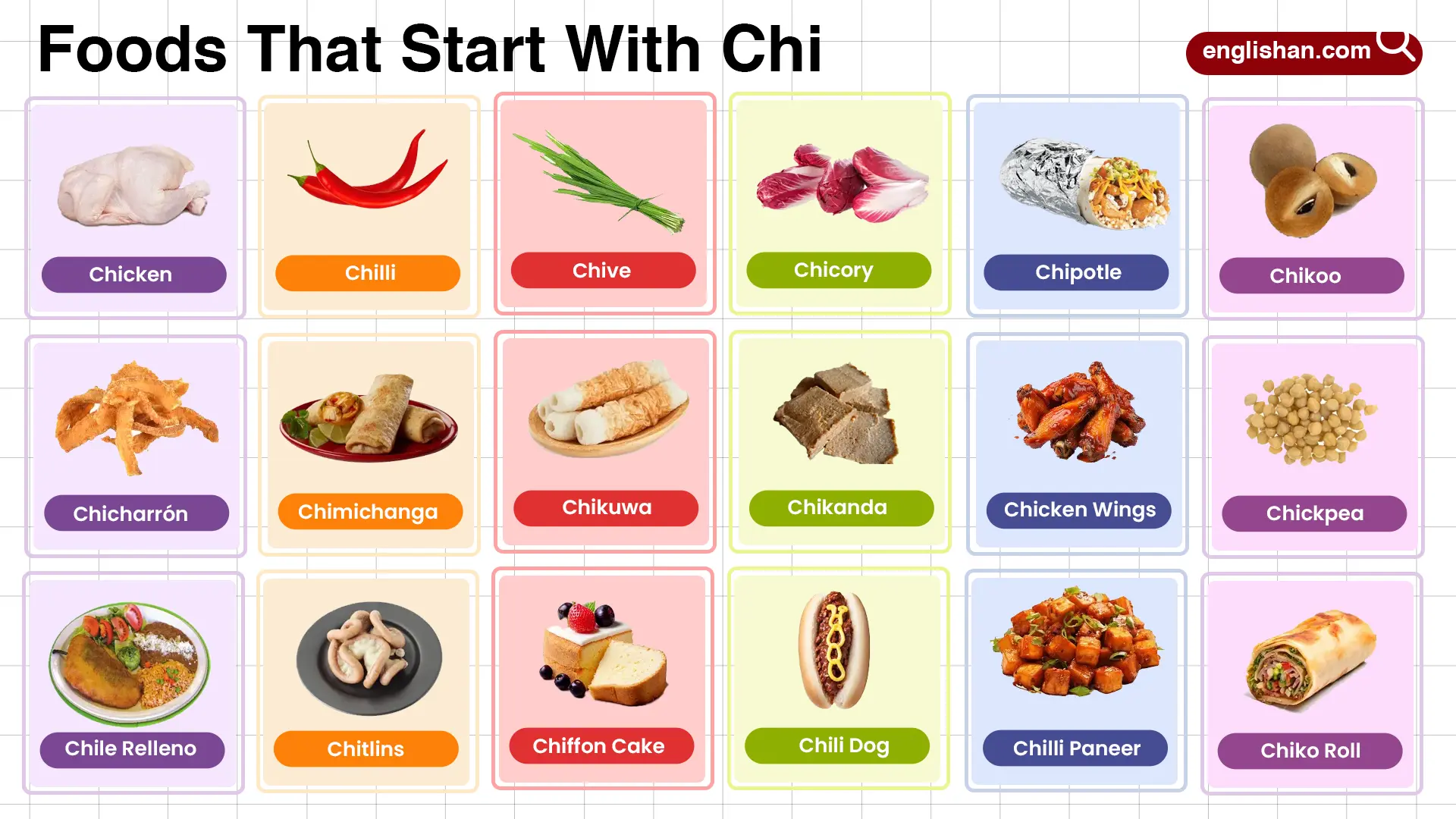


Cooks everywhere keep garlic in the kitchen, and gyoza are folded by hand in Japan. Both are foods that start with G. There are 140 in all, some of them single vegetables and some whole dishes with a country behind them.
Foods That Start With G: Each One with Picture
List Of Foods That Start With G
Grapes and grapefruit are the fruits that start with G sold in every supermarket, and both are grown at commercial scale in dozens of countries. Guava, granadilla and guanabana come from warmer climates and reach cooler markets as juice or frozen pulp more than as whole fruit. The rarer ones ripen unevenly, so gac, grumichama and guavaberry are picked over several weeks instead of in a single harvest. Colour misleads across this group, since greengage stays green at full ripeness and gooseberry ripens green, red or amber depending on the variety.
All 140 names in alphabetical order:
| Gac | Giblets | Gravlax |
| Gado-Gado | Gimbap | Gravy |
| Gai Lan | Ginger | Greek Salad |
| Gajar Ka Halwa | Ginger Ale | Greek Yogurt |
| Galaktoboureko | Ginger Beer | Green Beans |
| Galangal | Ginger Snaps | Green Curry Paste |
| Galantine | Gingerbread | Green Onion |
| Galbi | Githeri | Green Tea |
| Galette | Gizzada | Greengage |
| Galinhada | Gjetost | Gremolata |
| Gamja-Tang | Globe Artichoke | Grey Mullet |
| Gammon | Glogg | Griddle Cakes |
| Ganache | Glutinous Rice | Grilled Cheese Sandwich |
| Garam Masala | Gnocchi | Gringas |
| Garbanzo Beans | Gnudi | Grissini |
| Garbure | Goa Bean | Grits |
| Garden Peas | Goat Meat | Groats |
| Garganelli | Gobstopper | Ground Cherry |
| Garland Chrysanthemum | Gochugaru | Groundnut Stew |
| Garlic | Gochujang | Grouper |
| Garlic Bread | Goetta | Grouse |
| Garnachas | Gofio | Gruel |
| Garri | Goji Berry | Grumichama |
| Gatto Di Patate | Golden Apple | Gruyère |
| Gaznates | Gomashio | Gua Bao |
| Gazpacho | Gombaleves | Guacamole |
| Gefilte Fish | Gondi | Guajillo Chilli |
| Gejang | Goober Peas | Guanabana |
| Gelatina De Mosaico | Goose | Guanciale |
| Gelato | Gooseberry | Guava |
| Gem Squash | Gooseneck Barnacles | Guavaberry |
| Genip | Gordita | Gubana |
| Genmaicha | Gorgonzola | Gudeg |
| Genoa Salami | Gorp | Gugelhupf |
| Genoise | Gouda | Guinea Fowl |
| Genovese | Gougères | Gukbap |
| Geoduck | Goulash | Gulab Jamun |
| Gevulde Koeken | Governor’s Plum | Gulai |
| Ghee | Gozleme | Gulkand |
| Gheimeh | Graham Crackers | Gumbo |
| Gherkin | Grana Padano | Gumdrops |
| Ghorayebah | Granadilla | Gummy Bears |
| Ghost Pepper | Granita | Gurnard |
| Giambotta | Granola | Gusanos De Maguey |
| Gianduja | Grape Juice | Gyoza |
| Giardiniera | Grapefruit | Gyro |
| Gibanica | Grapes |
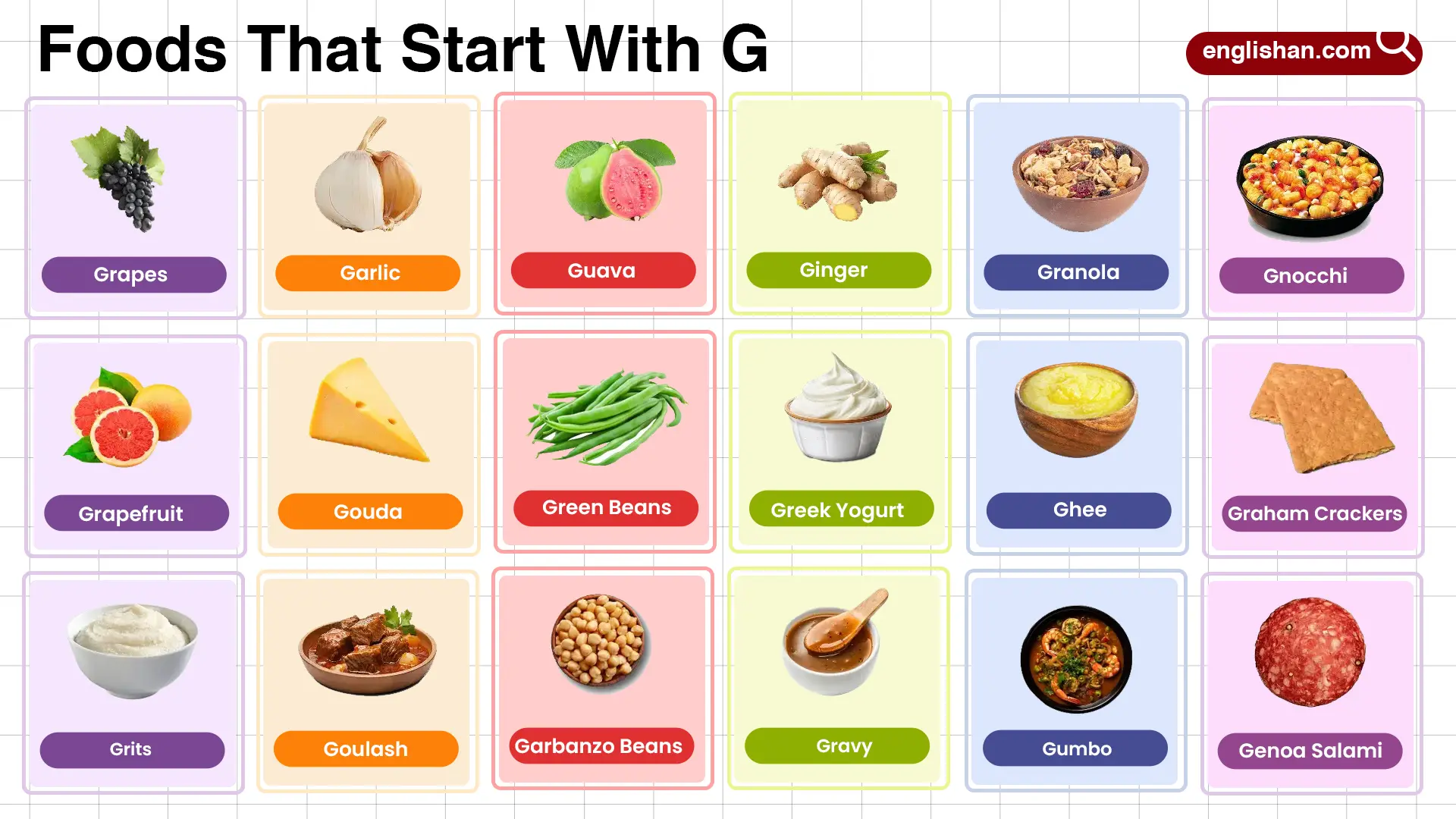
Grapes
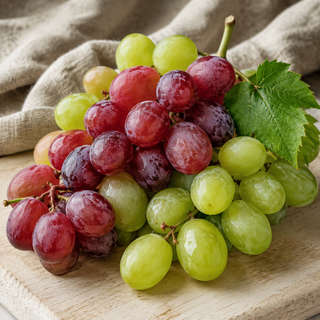
Grapes grow in tight bunches, sweet and firm with a sharper edge close to the skin. Seedless ones go to the fruit bowl, seeded ones to wine and juice. Both ripen in the north between August and October.
Guava
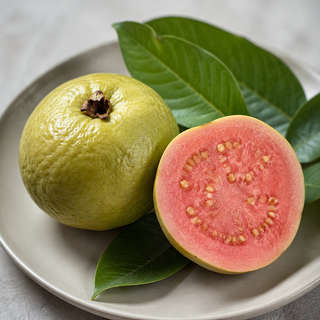
Round and about the size of a tennis ball, guava has thin skin over flesh that is white, pink or deep salmon and studded with hard seeds. It tastes sweet and slightly musky, closer to pear than to apple. That sweetness carries into cooking, so Mexico and the Philippines turn it into paste and juice.
Grapefruit
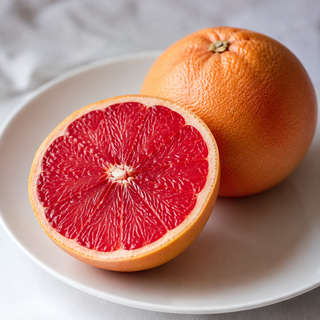
Grapefruit is a large citrus with segments running from pale yellow to ruby red. The bitterness sits alongside the sweetness rather than behind it, which no other citrus does. Most people halve it and eat it with a spoon at breakfast.
Gooseberry
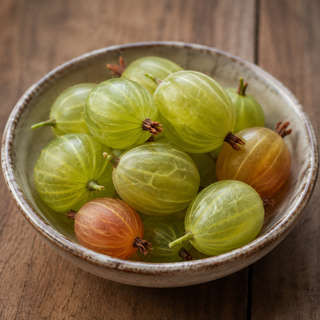
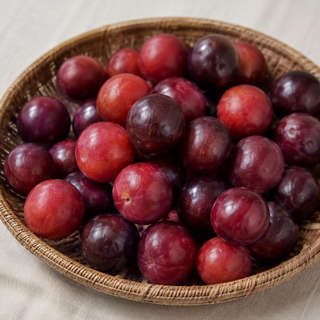
Small, round and translucent, gooseberries show fine green veins through the skin. Some varieties stay green and sour, while others ripen to red or amber and turn sweet. Either way the bush carries sharp thorns, so pickers work slowly through it. The fruit goes into fools, crumbles and jam between June and August.
Greengage
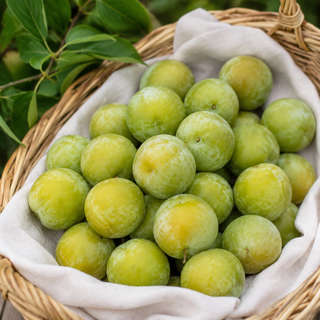
The greengage is a small plum, green to gold rather than purple, under a dull bloom. Its flesh is dense and honey-sweet, far richer than that quiet colour suggests. Because it is sweet enough already, cooks in France eat it straight from the tree and call it reine-claude. The picking runs through late August into September.
Goji Berry
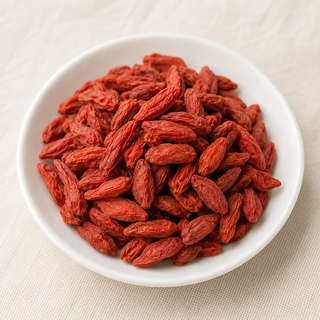
Goji berries are bright orange-red and about the length of a fingernail, sold dried far more than fresh. Once dried, they turn chewy and leathery, with a taste between cranberry and tomato. That savoury edge is why Chinese cooks simmer them into soups rather than treating them as fruit. Western shops shelve them beside raisins.
Granadilla
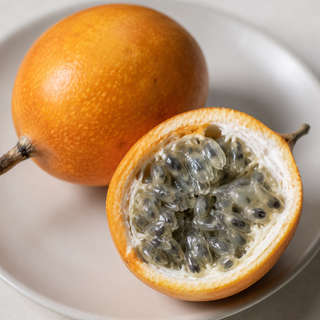
Granadilla is a passion fruit with a smooth orange shell, brittle enough to crack with a thumb. Inside sits a mass of grey-black seeds wrapped in clear, jelly-like pulp. That pulp is sweet and floral, gentler than the purple passion fruit sold in most shops. Colombia and Peru grow most of what reaches Europe.
Gac
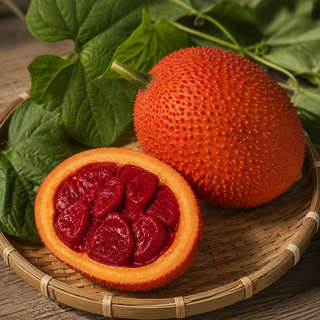
Spiky and orange-red, gac is a fruit the size of a small melon, covered in short blunt spines. Cut it open and dark red pulp clings to large flat seeds inside. The pulp is mild and faintly nutty rather than sweet, so it is valued for its colour more than its taste. Cooks in Vietnam use it to dye sticky rice for weddings and New Year.
Genip
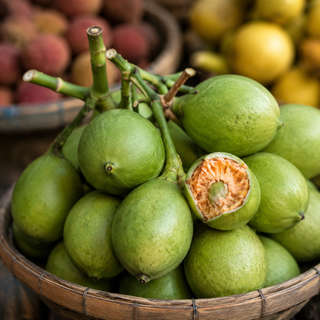
Genip fruits hang in clusters and look like small green limes with a thin brittle shell. Crack one and a single large seed sits under a thin layer of salmon-pink pulp. That pulp is tart, sweet and slippery, eaten straight from the shell and the seed spat out after. The Caribbean sells it by the bunch on street corners.
Ground Cherry
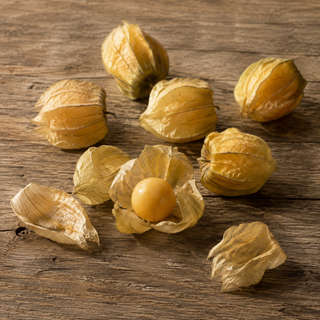
Each ground cherry arrives inside its own papery husk, which dries to brown as the fruit ripens. Peel that back and the berry is golden and smaller than a cherry tomato. It tastes sweet with a pineapple edge over a slight tomato base. Ripe fruit drops to the ground, which is where the name comes in.
Grumichama
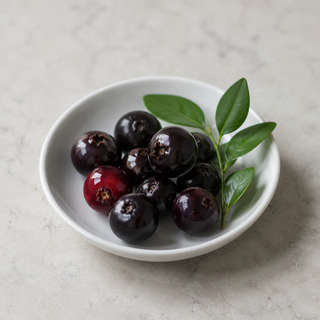
In Brazil the grumichama is a cherry, dark purple to black and about a centimetre across. Its skin is glossy and thin, and the flesh beneath is soft and deep red. Sweet with a mild resinous note, it tastes close enough to a sweet cherry to be eaten the same way. Gardens there grow the tree as an ornamental as much as for the fruit.
Governor’s Plum
The governor’s plum is a small round fruit that turns from red to dark purple as it ripens. Its flesh is yellow and juicy around several small seeds. The taste starts sweet and finishes noticeably acidic, which suits it to jam as much as to eating fresh. It grows across Africa and South Asia.
Golden Apple
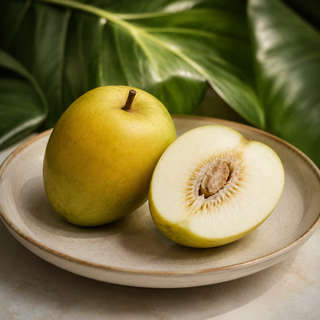
Oval and yellow-green, the golden apple is closer to a mango than to an apple in shape. Its flesh is crisp and pale, wrapped around a spiny fibrous stone. Eaten green it is sour and firm, and left to ripen it turns sweet and soft.
Guavaberry
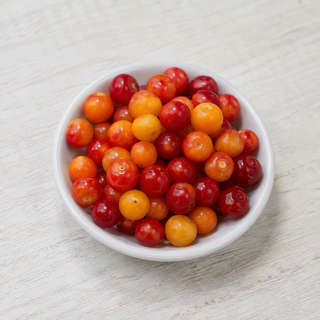
Guavaberries are tiny and round, ranging from yellow-orange to dark red, and they grow straight from the branch rather than on stems. The flesh is thin over a single seed, sweet at first with a strong bitter finish. That bitterness works better in alcohol than on its own, so St Maarten and the Virgin Islands steep them in rum for a Christmas liqueur. Wild trees fruit between November and January.
Guanabana
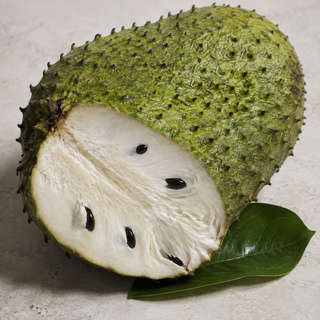
Large, green and heavy enough to need two hands, guanabana is covered in soft curved spines. The white flesh inside is fibrous and creamy, holding rows of glossy black seeds. It tastes of strawberry and pineapple with a sour milk note underneath. Across Latin America it is blended into juice and ice cream rather than served in slices.
Related: 100+ Fruit Names From A To Z
Vegetables That Start With G
Bulbs, roots, pods and leaves all turn up among the vegetables that start with G, and the part that gets eaten decides how each is cooked. Garlic and ginger go in at the start of a dish, because heat and fat carry their flavour through the rest of the pan. Green beans, garden peas and goa beans are pods picked young, so a few minutes of cooking is the whole job. Gai lan, garland chrysanthemum and globe artichoke take more work, either long braising or heavy trimming before anything is edible.
Garlic
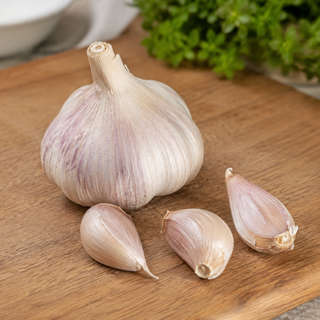
Garlic is a bulb splitting into eight to twelve cloves, and one raw clove stings the tongue. In the oven the flesh turns soft and brown, and that sharpness becomes real sweetness. Cooks almost everywhere start a savoury dish with it.
Ginger
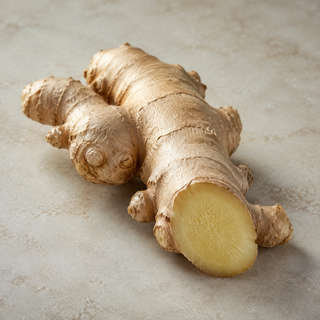
Ginger is a knobbly rhizome with fibrous pale flesh under thin skin. Fresh, it is hot and lemony, and dried it softens into warm sweetness. Cooks in India, China and the Caribbean build a dish on it rather than finish with it.
Green Beans
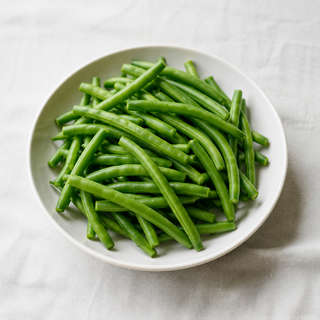
Green beans snap cleanly when fresh and bend limply when they are not. Raw they taste grassy, but two minutes in boiling water turns them sweet and tender. Americans cook them further into a baked Thanksgiving casserole.
Green Onion
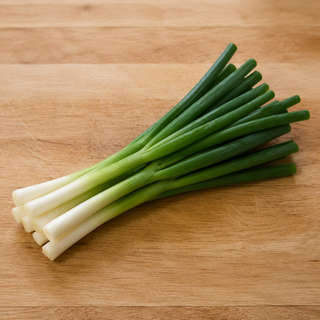
A green onion runs from a mildly pungent white base into hollow green tops that are milder still. Chefs cook the white and scatter the raw green over the finished plate. Cooks across East Asia treat it as an everyday aromatic.
Globe Artichoke
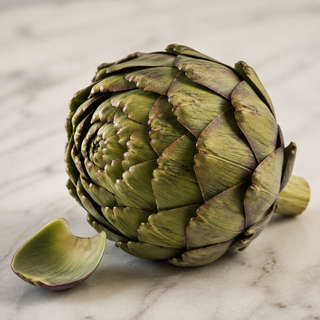
Fist-sized and tightly closed, the globe artichoke is a cluster of thick bracts around a pale heart. Each bract carries a scrap of flesh at its base, scraped off with the teeth. The heart beneath is dense and nutty, and it is the reason for all the scraping.
Gherkin
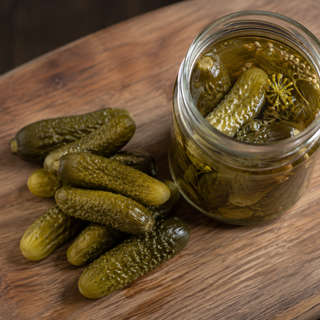
Gherkins are small bumpy cucumbers, crisp and watery until brine turns them sour, salty and much firmer. Dill, garlic and mustard seed go into the jar alongside them. Across Central and Eastern Europe they are served beside cured meat.
Gai Lan
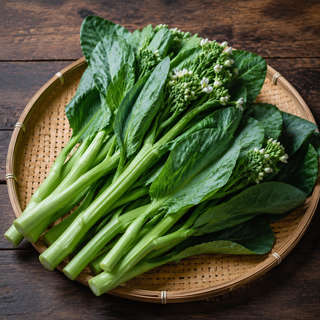
Gai lan has thick pale stems, broad blue-green leaves and small white flower buds at the tip. The stems stay crunchy after cooking while the leaves collapse, so one mouthful gives both. It tastes faintly bitter, closer to broccoli stalk than cabbage. Cantonese cooks steam it whole and pour oyster sauce over the top.
Garden Peas
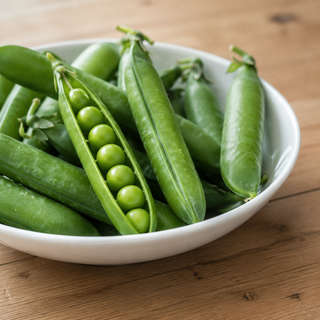
Garden peas sit in a plump pod that splits along one seam, sweet enough to eat raw. That window is short, since sugar becomes starch within hours of picking. The British crush them into mushy peas.
Garbanzo Beans
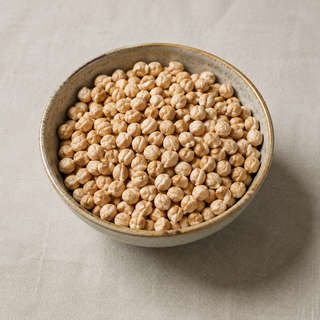
Garbanzo beans are pale beige and roughly round, with a small pointed beak on one side. Cooked they turn creamy inside while the skin stays firm, taking on strong seasoning rather than fighting it. Hummus and falafel are built on that.
Garland Chrysanthemum
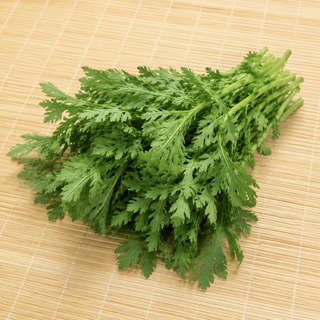
The garland chrysanthemum has deeply notched green leaves on thin tender stems, sold in loose bunches. Those leaves taste grassy and distinctly bitter, with a herbal edge that lingers after the mouthful. The heat kills that bite within a minute, so in Japan it goes into the hot pot for the last thirty seconds only. Chinese and Korean cooks go the other way and stir-fry it hard with garlic.
Galangal
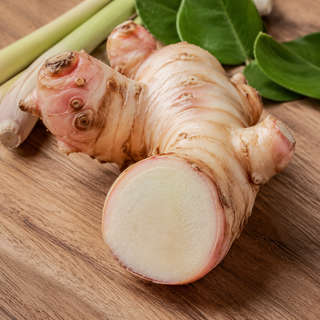
Paler and pinker than ginger, galangal is a rhizome that is far harder to slice. Its taste is sharp, piney and almost medicinal, without ginger’s sweetness underneath. Thai curry pastes and tom kha soup depend on exactly that note. Dried slices reach European shops more readily than fresh roots.
Gem Squash
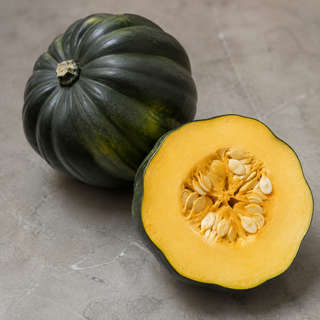
The gem squash is a small round squash, dark green and about the size of a cricket ball. Under the hard skin the flesh is pale orange, soft and mildly sweet once baked. South Africans halve it, scoop the seeds and fill the hollow with butter. Its season runs through summer and early autumn.
Goa Bean
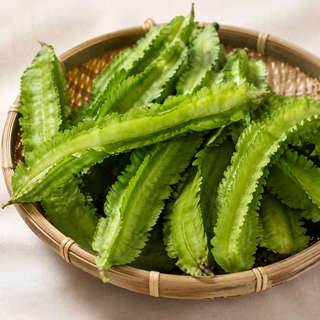
Square-sided and green, the goa bean is a pod with four frilled wings running its length. Young pods are crisp and taste somewhere between green bean and asparagus. Every other part of the plant is edible too, down to the tuberous root. Cooks in Southeast Asia and Papua New Guinea use it most.
Related: 100 Vegetables Names In English
Meat And Seafood That Start With G
Curing shapes more of this group than cooking does. Gammon, guanciale, Genoa salami and gravlax are all preserved with salt first, and gravlax and Genoa salami never meet heat at all. The G birds run from goose, which renders a large volume of fat as it roasts, to guinea fowl and grouse, both lean enough to dry out within minutes. Among the fish, grouper, gurnard and grey mullet are firm enough to hold together in a stew, while geoduck is eaten raw in thin translucent slices.
Goose
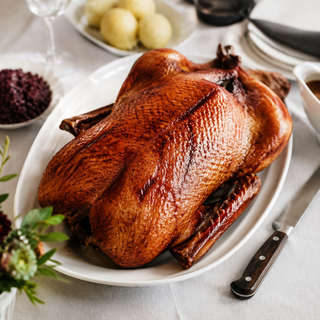
The goose is a large water bird with dark meat under a thick layer of fat that renders out in roasting. That leaves brittle brown skin over meat richer and gamier than duck. Germans and the British roast it whole at Christmas.
Goat Meat
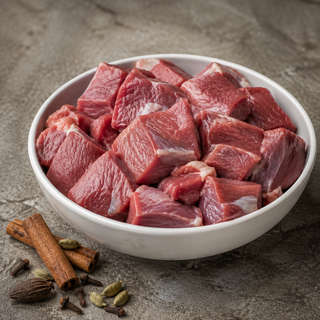
Goat meat is lean and dark, with so little fat that quick heat leaves it tough. Given long slow cooking it turns mild and slightly sweet, less strong than lamb. Caribbean curry goat and Mexican birria are its best-known dishes.
Grouse
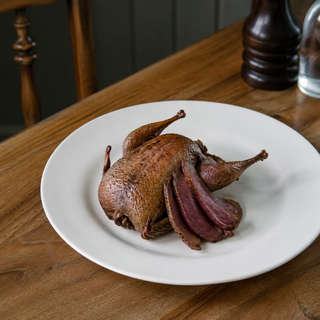
The grouse is a small moorland bird with dark red-brown meat and almost no fat. The taste is strongly gamey and carries the heather the bird feeds on. The roasting takes minutes rather than an hour, since the bird is so small and lean. The British shooting season opens on the twelfth of August.
Guinea Fowl
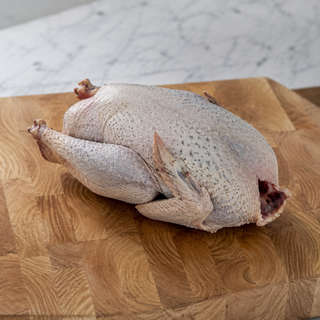
The guinea fowl looks like a small speckled chicken with a bare blue-grey head. Its breast meat is darker and firmer than chicken, and it dries out quickly. The taste falls between chicken and pheasant, mild but with a game edge. French cooks braise it rather than roast it for that reason.
Gammon
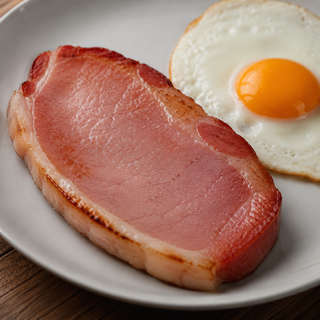
Gammon is a cured hind leg of pork, pink and firm, and it is sold raw rather than ready to eat. A long boil or a slow roast turns it tender and pulls back some of the salt. Even then it tastes salty and faintly sweet, much stronger than fresh pork. The British pair it with a fried egg and pineapple.
Guanciale
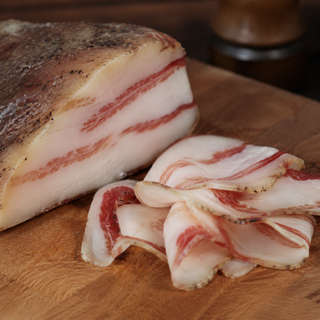
Guanciale is cured pig cheek, a slab of soft white fat with thin red streaks running through it. In the pan it melts almost entirely, leaving crisp brown scraps behind. The fat that renders out tastes deeply porky and more delicate than bacon. Roman carbonara and amatriciana both need it.
Genoa Salami
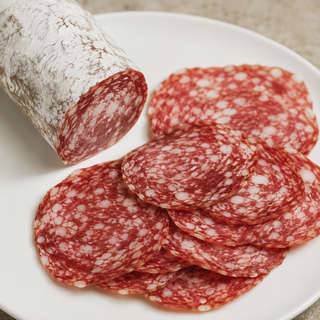
Deep red and flecked with white cubes of fat, Genoa salami is a cured pork sausage. Its slices are soft rather than dry, carrying a tang from the wine and garlic in the cure. Alongside that tang it tastes salty and peppery. It is stacked in deli sandwiches and laid out on antipasto boards.
Giblets
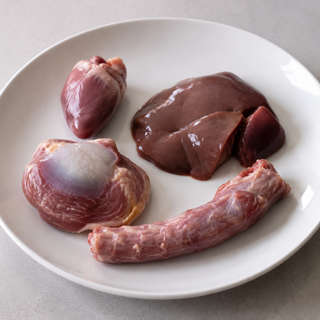
Giblets are the heart, liver, gizzard and neck packed inside a whole bird. Each part has a different texture, from the soft liver to the tough chewy gizzard. Simmered together in water they make a dark savoury stock. That stock becomes the base of a roast dinner gravy.
Grouper
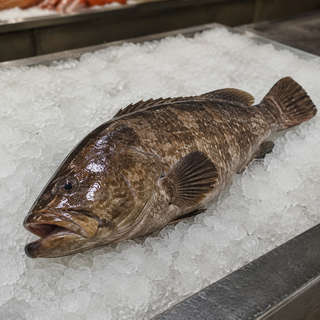
Heavy-bodied and broad-mouthed, grouper is a reef fish with mottled brown or grey skin. Its flesh is white and firm, breaking into thick flakes rather than fine ones. Because it holds together like that, frying and grilling suit it better than poaching. Florida and the Caribbean land most of what reaches restaurants.
Geoduck
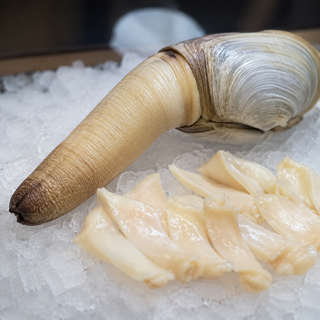
The geoduck is a very large clam with a long fleshy siphon that will not fit inside its shell. That siphon is the part eaten, white, dense and audibly crunchy. It tastes sweet and briny, close to the sea rather than fishy. Japanese and Korean restaurants serve it raw in thin slices.
Gurnard
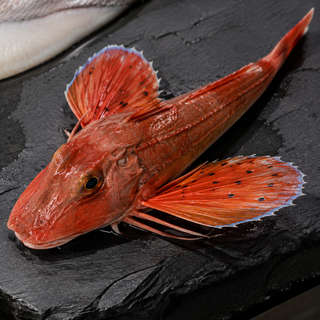
The gurnard is a bony red-orange fish with an armoured head and wing-like fins near the gills. Its flesh is firm and white, holding together in a stew instead of falling apart. It tastes sweet and mild, close to monkfish. British fishmongers sell it cheaply because it was long thrown back.
Grey Mullet
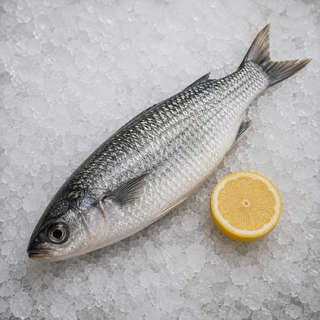
Silver-scaled with a small blunt mouth, grey mullet is an estuary fish. Its flesh is white with a darker line along the middle, oily and soft. The taste is stronger than sea bass and depends heavily on the water the fish came out of. Cooks around the Mediterranean salt-bake it whole, and its roe becomes bottarga.
Gravlax
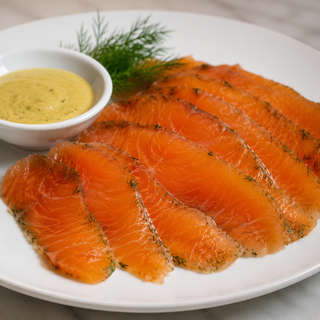
Gravlax is raw salmon cured in salt, sugar and dill until the flesh turns firm and translucent orange. It is never smoked, so it is a different thing from smoked salmon. The cure leaves it sweet and lightly salted, with a strong dill taste all the way through. Scandinavians slice it thin and serve it with mustard sauce.
Gefilte Fish
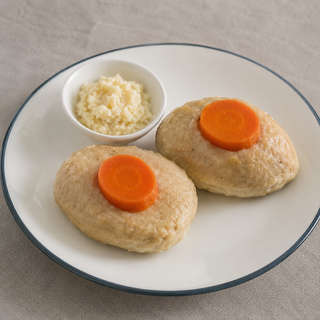
Pale and oval, gefilte fish are patties of minced carp, pike or whitefish, poached in stock. Poaching leaves them soft and springy, and a slice of cooked carrot sits on top of each one. They taste mildly sweet and peppery. Ashkenazi Jewish households serve them cold at Passover and Shabbat.
Related: 20+ Animals That Start With G
Cheese And Dairy Foods That Start With G
Firmness under the rind separates one G cheese from the next. Gouda covers the widest range of any of them, from young wheels that bend under a knife to four-year rounds shot through with crunchy protein crystals. Gorgonzola splits into dolce, soft enough to spoon, and piccante, firmer and considerably sharper. Gruyère and Grana Padano are both hard grating cheeses, though Grana Padano is drier and older when it reaches a shop. Ghee and Greek yogurt sit outside the cheese line, one clarified butter and the other yogurt strained until much of its liquid is gone.
Gouda
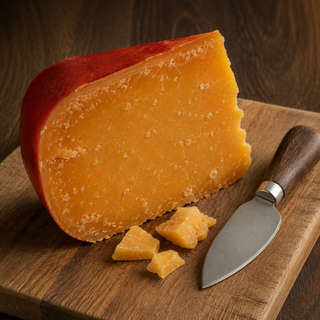
From the Netherlands, Gouda is a cow’s-milk cheese in a flat wheel under a yellow or red wax rind. Young, it is pale, springy and mild. Aged two years it turns amber and hard, crunchy with salt crystals and tasting towards butterscotch. Markets in Gouda and Alkmaar have traded it since the Middle Ages.
Gorgonzola
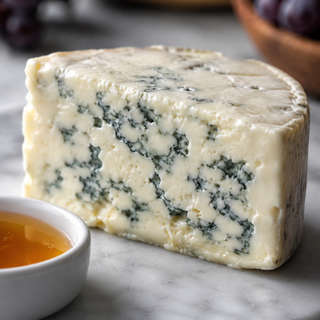
Ivory-white and shot through with blue-green veins, Gorgonzola is an Italian blue cheese. The dolce version is soft enough to spread and mildly sweet. The piccante version is firmer and drier, and the salt comes through much harder. Both melt into a sauce for gnocchi and short pasta.
Gruyère
A Swiss cheese in a large wheel, Gruyère has a hard brown natural rind. Under it the paste is pale yellow and dense, dotted with a few small holes. It tastes nutty and salty when young, and turns earthy with age. Fondue and French onion soup both rely on how smoothly it melts.
Grana Padano
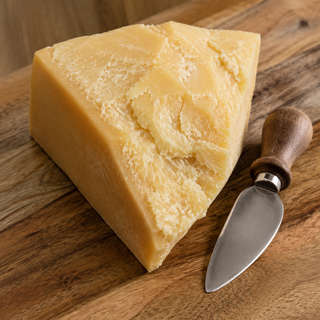
A hard Italian cheese, Grana Padano has a thick straw-coloured rind and a grainy paste that flakes rather than slices. The name grana refers to exactly that grainy break. It tastes savoury and nutty, milder and cheaper than parmesan. Cooks grate it over pasta and stir the rind into soup.
Gjetost
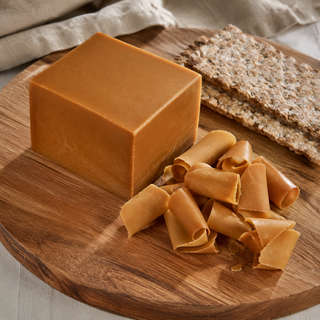
In Norway, gjetost is a cheese the colour of caramel, sold in a firm dense block. The whey is boiled until its sugars brown, and that browning gives it the colour. The same browning makes it taste sweet, salty and fudge-like, unlike any other cheese. Norwegians shave it thin over crispbread at breakfast.
Greek Yogurt
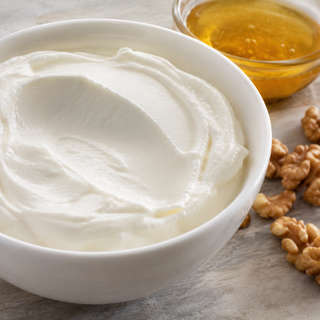
Greek yogurt is thick enough to hold the mark of a spoon. The straining removes much of the whey, which doubles the protein and cuts the sugar. Greeks fold it into tzatziki and spoon it over honey and walnuts.
Ghee
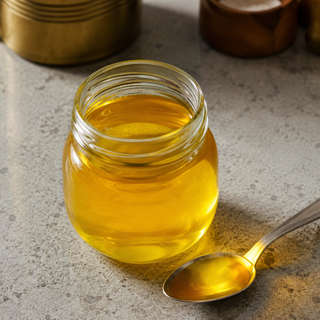
Ghee is clarified butter, deep gold and clear rather than cloudy. Removing the milk solids raises its smoke point well above butter’s, so it fries without burning. It tastes nutty and concentrated, stronger than the butter it started as. Cooks in India and Pakistan use it to start a dish and to finish one.
Grains And Breakfast Foods That Start With G
Texture separates these before flavour does. Grits are ground coarse and stay slightly gritty however long they cook, which is where the name comes from. Groats are whole hulled kernels and keep a firm chew, while gruel is thin enough to drink from a cup. Granola is baked dry with syrup so the oats clump together and hold their crispness in milk for a minute or two. Goetta and gofio are the regional ones, a pork and oat loaf from Cincinnati and a toasted flour from the Canary Islands.
Grits
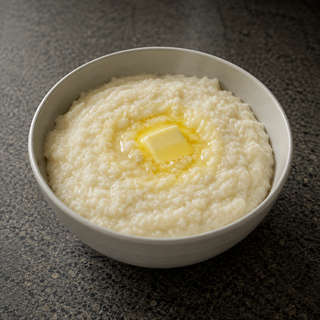
Grits are coarsely ground corn cooked into a thick pale porridge, gritty as the name says. On their own they taste mildly of corn, so butter, cheese and salt do the work. The American South eats them at breakfast beside shrimp.
Granola
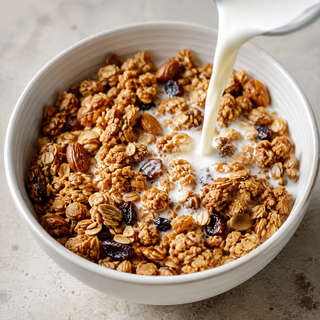
Granola is rolled oats baked with oil and a sweetener until the clusters turn hard. Baked that way it turns toasted and sweet, and it stays crunchy in milk far longer than flakes. Nuts, seeds and dried fruit go in alongside.
Groats
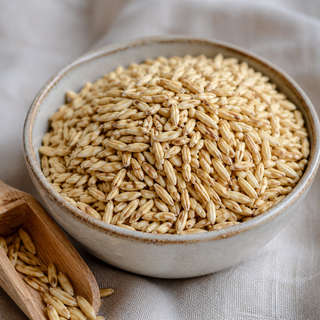
Groats are whole grain kernels with only the outer hull removed, so the bran and germ stay on. A long simmer leaves them chewy and firm rather than soft. That bran also makes them taste nuttier than rolled or milled grain. Oat groats, buckwheat groats and barley groats are the three sold most widely.
Glutinous Rice
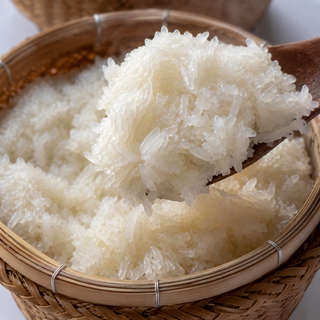
Short-grained and opaque white, glutinous rice turns shiny and translucent when steamed. Cooked, it is sticky enough to lift in a lump with the fingers. Despite the name it carries no gluten at all. Laos and Thailand eat it daily, and Japan pounds it into mochi.
Griddle Cakes
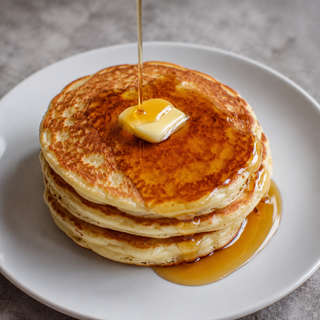
Griddle cakes are flat rounds of batter, cooked on a dry hot surface rather than in a pan of oil. That dry heat browns the outside in patches while the inside stays soft. They taste plain and lightly sweet, waiting for butter and syrup.
Gofio
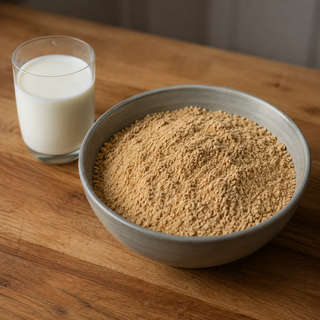
Pale brown and very fine, gofio is toasted grain flour made from wheat or maize. The grain is toasted before milling, which gives it a deep roasted taste that raw flour never has. Canary Islanders stir it into milk, coffee and soup, or knead it into a stiff dough. It has fed the islands since before the Spanish arrived.
Gruel
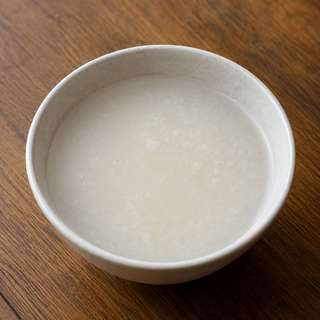
Thin enough to pour, gruel is porridge cooked with far more liquid than the ordinary sort. It pours rather than holding its shape on a spoon. It tastes bland and starchy, which is the reason it fed hard times rather than good ones. Oats, rye and maize have all been used for it.
Goetta
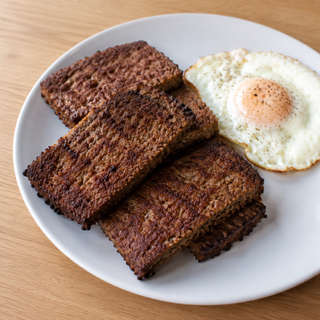
Firm, grey-brown and sold in a loaf, goetta is a sausage of ground pork and beef bound with steel-cut oats. Sliced and fried, the outside crisps deeply while the inside stays soft. Those oats give it a coarse texture under a savoury, peppery taste. Cincinnati is the one American city that eats it in quantity.
Breads And Baked Foods That Start With G
Crust does most of the separating here. Grissini are rolled thin and baked until dry right through, so they snap instead of tearing. Gougères puff up from choux dough and settle slightly as they cool, leaving a hollow centre under a crisp shell. Garlic bread, galette and gozleme are all soft-crusted and eaten warm, while graham crackers keep for weeks in a sealed tin. Gugelhupf is the outlier, a yeasted cake baked in a fluted ring mould and finished with sugar rather than icing.
Garlic Bread
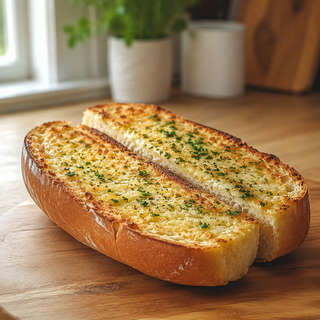
Garlic bread is a split loaf spread with garlic butter and baked until the edges brown. The crust hardens while the crumb underneath stays soft and greasy in the right way. Italian-American restaurants brought it to the world.
Grissini
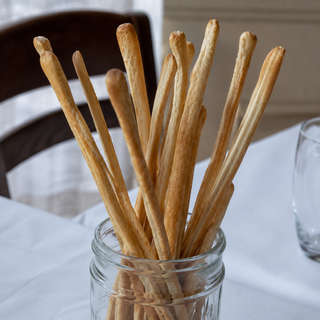
Thin and brittle, grissini are breadsticks roughly the length of a pencil and just as straight. They snap cleanly and taste of little more than flour, olive oil and salt. That plainness is the point, since they are meant to be eaten before the food arrives. Turin has made them since the seventeenth century.
Gougères
Small and hollow, gougères are cheese puffs with a crisp brown shell. Choux pastry and grated Gruyère are all that go into them. They taste savoury, eggy and strongly of cheese, and warm is when they are best. Burgundy serves them with wine before a meal.
Galette
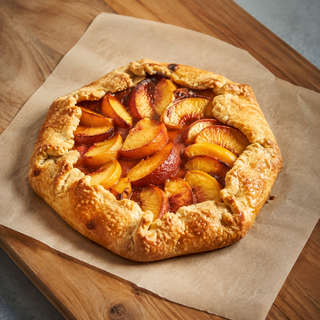
A galette is a free-form tart, its edges folded roughly over the filling rather than crimped in a tin. Baked that way the pastry ends up thick, uneven and buttery. Sweet versions hold fruit, and savoury ones hold cheese and vegetables. In Brittany the same word means a buckwheat pancake instead.
Gugelhupf
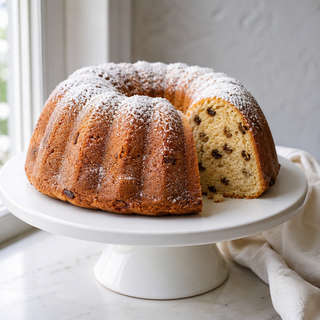
Tall and deeply fluted, gugelhupf is a ring cake with a hole through the middle. Its crumb is dense and yeasted rather than light, studded with raisins and almonds. It tastes gently sweet and faintly of lemon. Austria, southern Germany and Alsace all claim it.
Gozleme
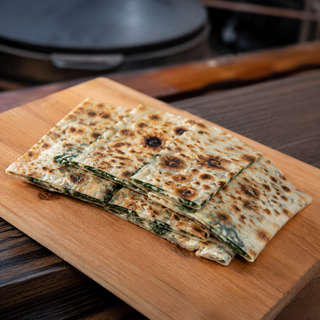
Hand-rolled thin and cooked on a domed griddle, gozleme is a Turkish flatbread folded over a filling. The outside blisters and crisps while the inside stays soft and steaming. Spinach and cheese, minced lamb, or potato go in before it is folded. Stallholders make it to order in front of the customer.
Graham Crackers
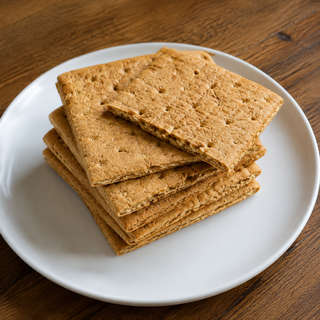
Graham crackers are honey-brown biscuits scored down the middle, snapping crisply and tasting of honey, cinnamon and wholemeal. Crushed, that same snap turns them into a base for cheesecakes and key lime pies. Americans layer them with chocolate and marshmallow over a campfire.
Gevulde Koeken
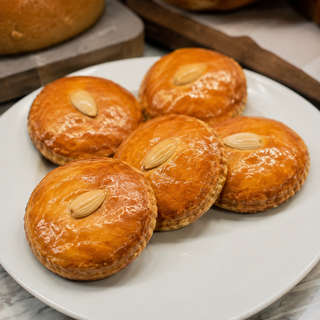
Round and thickly filled with almond paste, gevulde koeken seal that filling between two layers of shortcrust. A halved blanched almond sits on the glazed top of each one. They taste buttery and strongly of almond, and the middle stays soft under the crisp pastry. Dutch bakeries sell them singly all year.
Main Dishes That Start With G
Each of these mains belongs to one country, and the cooking method changes as much as the country does. Goulash is Hungarian, built on onions and paprika cooked slowly until the beef shreds. Gumbo comes from Louisiana and starts with a roux taken dark before anything else goes into the pot. Gazpacho is Andalusian and never heated at all, blended raw and served cold from the fridge. Gyro and Greek salad are Greek, githeri is Kenyan and garbure comes from southwest France, and no two of them share a technique.
Goulash
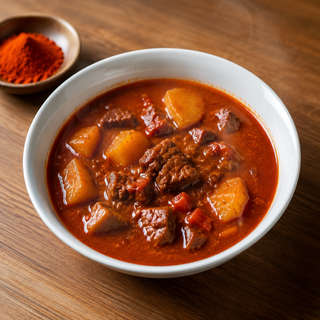
Deep red-brown and thin, goulash is a Hungarian beef stew you eat with a spoon. Sweet paprika colours it and carries most of the taste, alongside onion, caraway and potato. Two or three hours over a low heat makes the beef fall apart. Hungarians call it gulyas.
Gumbo
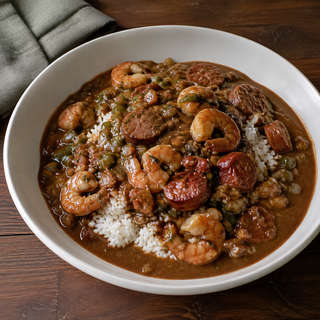
Louisiana serves gumbo as a dark stew over white rice in a wide bowl. A roux cooked to the colour of chocolate gives it body and a smoky taste. Into that go shrimp, crab, chicken and andouille sausage. Okra or file powder thickens it further.
Gazpacho
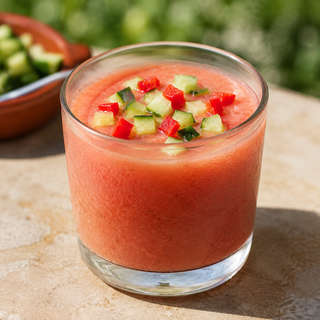
Thin, coral-pink and poured rather than ladled, gazpacho is a cold Spanish soup. Raw tomato, cucumber, pepper, garlic, bread and olive oil are blended together and chilled. Nothing is cooked, so it tastes sharp with vinegar and cooling rather than rich. Andalusia drinks it through the hottest weeks of summer.
Greek Salad
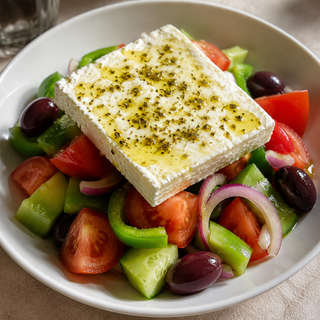
A Greek salad is served in chunks rather than leaves, with no lettuce in it at all. Tomato, cucumber, pepper, onion and olives sit under a slab of feta, with olive oil and oregano over the top. Greeks call it horiatiki, meaning village salad.
Grilled Cheese Sandwich
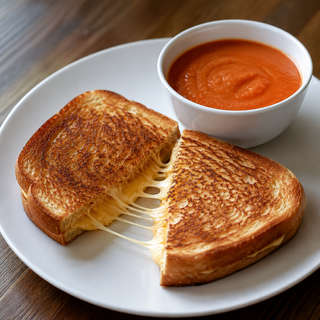
A grilled cheese sandwich is buttered bread cooked until both faces turn deep gold and the cheese inside melts into a single stretching layer. The result tastes salty, buttery and plain in the best way. American diners serve it alongside tomato soup.
Gyro
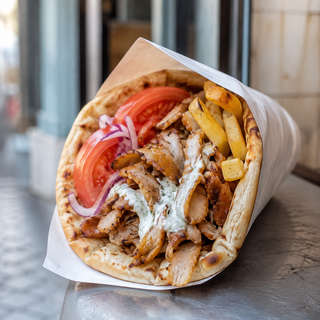
A gyro is meat carved in thin strips from a vertical spit and wrapped in warm pita. Pork or chicken is standard in Greece, while lamb and beef are standard abroad. Tomato, onion, tzatziki and chips go in beside the meat. The word means turn, after that rotating spit.
Groundnut Stew
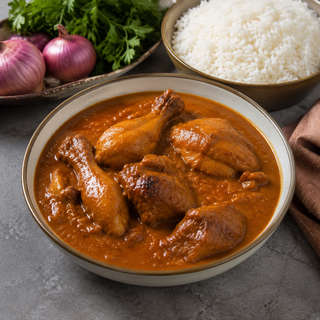
Ground peanuts build groundnut stew, a thick West African dish the colour of terracotta. Chicken or beef simmers in them with tomato, onion and chilli until the sauce turns glossy. By then it tastes rich, nutty and gently hot. Ghana and Nigeria serve it over rice or with fufu.
Galantine
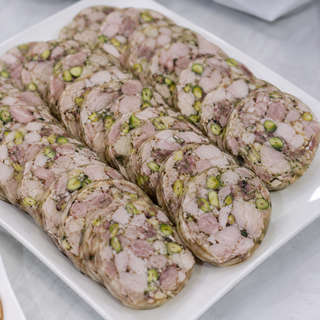
A galantine is boned poultry stuffed, rolled into a cylinder and poached, then served cold in slices. Each slice shows a mosaic of meat, pistachio and herbs set in aspic. That aspic keeps it firm, and the taste stays savoury and mild. Classically trained French chefs treat it as a showpiece of the cold larder.
Garbure
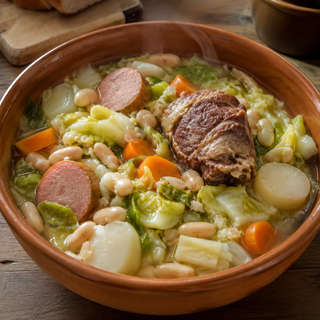
From Gascony, garbure is a thick vegetable and ham soup, dense enough to stand a spoon in. Cabbage, beans, carrots and turnips cook slowly with a preserved duck leg or ham hock. That cured meat makes it deeply savoury and salty. Farmhouses ate it as the whole meal rather than a first course.
Githeri
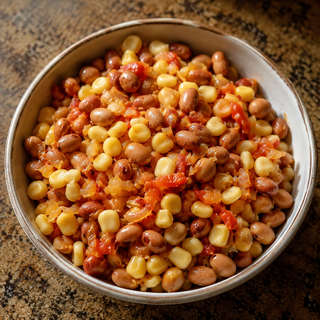
In Kenya, githeri is whole maize kernels and beans boiled together until both soften. The kernels stay chewy while the beans break down around them. Onion, tomato and potato are fried in afterwards to finish it. Kikuyu households eat it as an everyday staple.
Snacks That Start With G
Sweetness runs through most of this group, and texture decides the rest. Gummy bears and gumdrops both chew, though gumdrops are firmer and rolled in coarse sugar. Gobstoppers dissolve in layers over several minutes, changing colour as each layer goes. Ginger snaps break instead, baked hard enough to crack rather than bend, while goober peas are boiled peanuts eaten warm and salty from the shell. Guacamole and gorp are the savoury pair, and gorp is trail mix under an older American name.
Guacamole
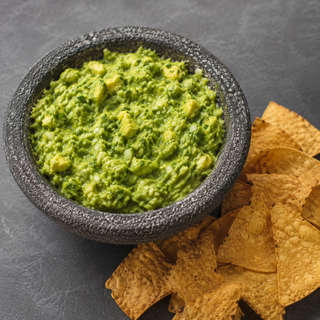
Guacamole is mashed ripe avocado left deliberately lumpy, with lime juice, salt, onion, coriander and chilli through it. The avocado keeps it creamy while the lime gives it a sharp fresh lift. Mexico has made it since Aztec times.
Gummy Bears
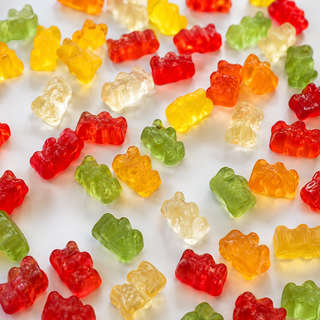
Gummy bears are small translucent bear shapes, firm and springy enough to need a proper chew. Each colour carries a different fruit flavouring. A German confectioner made the first ones in 1922.
Gumdrops
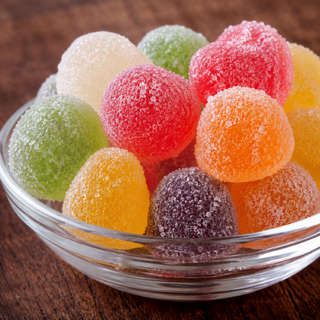
Dome-shaped and rolled in coarse sugar, gumdrops are dense and chewy underneath, firmer than a gummy bear. Spiced versions taste of clove and anise, fruit ones of the fruit. Americans press them into gingerbread houses at Christmas.
Gobstopper
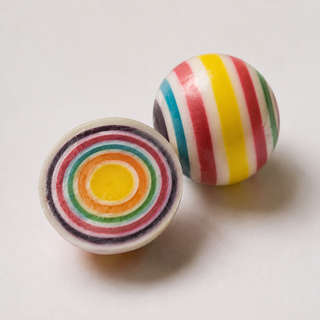
A gobstopper is a hard round sweet built in coloured layers, as wide as a golf ball in the largest versions. Each layer dissolves to reveal a different colour underneath, so the taste changes as it goes. One sweet takes a very long time to finish. British sweet shops sold them loose by weight.
Ginger Snaps
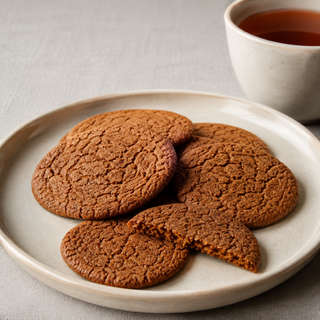
Ginger snaps are thin brown biscuits with a crackled top that break cleanly rather than bending. Ginger, cinnamon and molasses give them a dark spiced taste with real heat behind it. Being that dry they keep for weeks in a tin.
Goober Peas
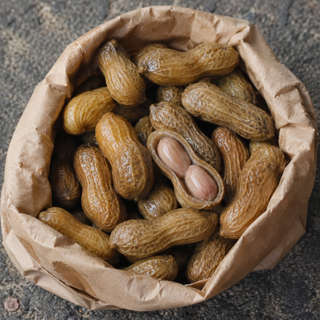
Goober peas are boiled peanuts, sold hot and wet in the shell rather than dry and roasted. A spell in salted boiling water turns the kernel soft, like a cooked bean. That leaves them tasting salty and earthy, nothing like a roasted peanut. Roadside stands across the American South sell them by the bag.
Gorp
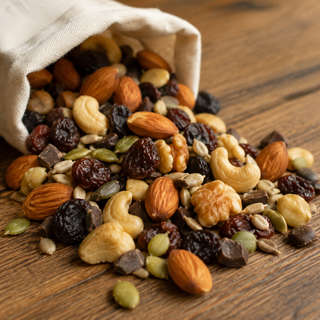
Gorp is trail mix: nuts, raisins, seeds and chocolate loose in a bag. Each handful gives something soft, something crunchy and something sweet. It also travels without melting or crushing, which is the whole reason for it.
Desserts And Sweets That Start With G
Freezing and baking split this group in two. Gelato is churned slower and warmer than ice cream, so it holds less air and eats denser and colder on the spoon. Granita is frozen without churning at all and scraped into loose crystals as it sets. On the baked side, genoise is a whisked sponge raised by eggs alone, and galaktoboureko layers semolina custard between sheets of filo. Gulab jamun, gajar ka halwa and ghorayebah come from India and the Levant, where sugar syrup and ghee replace the butter and cream used across Europe.
Gelato
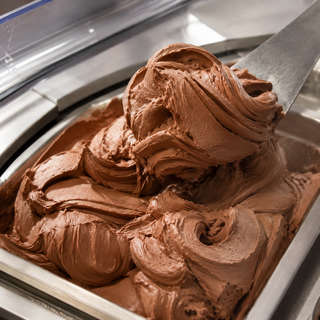
In Italy, gelato is a frozen dessert served in dense soft ribbons rather than hard scoops. Slower churning beats in less air than ice cream, and a warmer serving temperature keeps it soft. Less cream and more milk also let the flavouring come through more clearly. Shops display it in metal pans under domed lids.
Gingerbread

Gingerbread is dark brown and spiced with ginger, cinnamon, clove and treacle, with a bitter edge behind the sweetness. The soft loaf version stays moist for days, while the hard cut-out version holds its shape well enough to build houses.
Ganache
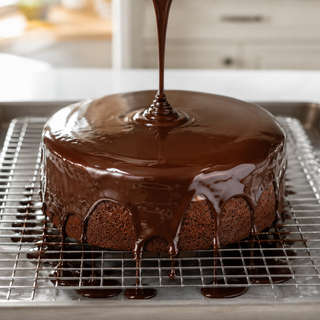
Chocolate and hot cream stirred together make ganache, a smooth glossy mixture. Warm, it pours over a cake in an even sheet. Cooled and whipped, the same mixture turns pale and stiff enough to pipe. Either way it tastes intensely of chocolate and far richer than icing.
Genoise
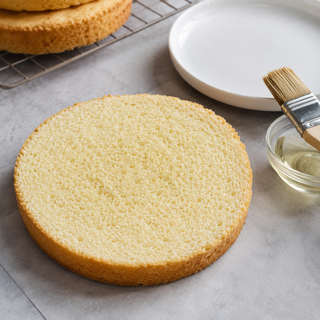
Plain and raised by whipped whole eggs alone, genoise is a sponge with no baking powder in it. Its crumb is fine, dry and springy under a finger. On its own it tastes of very little, so syrup is brushed over it before layering. That makes it the base under most French layer cakes.
Granita
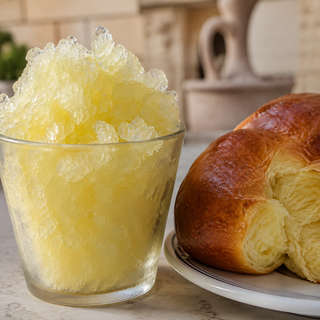
In Sicily, granita is an iced dessert made of coarse crystals rather than a smooth freeze. The mixture is scraped with a fork as it freezes, which builds those crystals. Lemon, coffee, almond and mulberry are the classic versions. Breakfast there means a glass of it beside a soft brioche.
Gulab Jamun
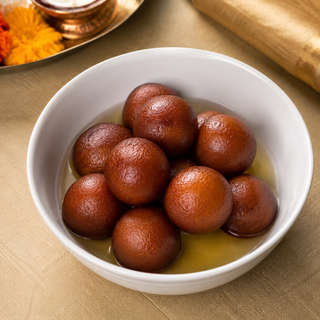
Dark brown and sitting in a pool of syrup, gulab jamun are balls of fried milk dough. Milk solids rather than flour make the dough, which is why the texture is soft and heavy right through. Cardamom, rose water and saffron scent the syrup they soak in. Indian weddings and festivals serve them warm.
Galaktoboureko
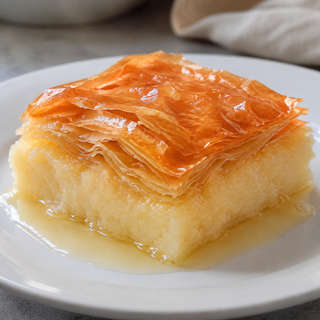
From Greece, galaktoboureko is a pastry with a semolina custard sealed between sheets of filo. The top layers bake to a brittle gold while the custard underneath stays soft. Lemon syrup is poured over the whole tray while it is still hot. The name means milk pastry.
Gajar Ka Halwa
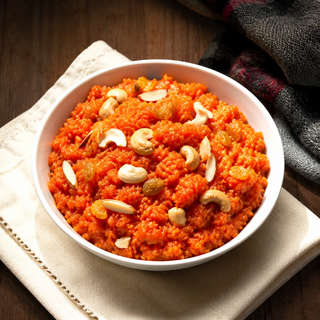
Deep orange, thick and glistening with ghee, gajar ka halwa is a carrot pudding. Grated carrot cooks down in milk for hours until almost no liquid is left. Cardamom, sugar, nuts and raisins go in near the end of that. North India eats it hot through the winter.
Gizzada
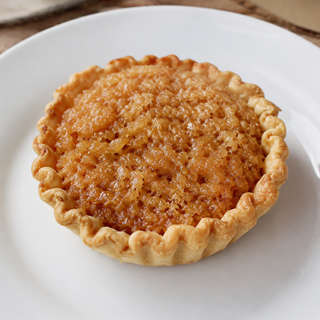
In Jamaica, gizzada is a small tart with a pinched crimped rim and a filling of grated coconut. That coconut is cooked with brown sugar, nutmeg and ginger until sticky. The pastry stays crisp underneath a chewy centre. Bakeries sell it under the name pinch-me-round.
Ghorayebah
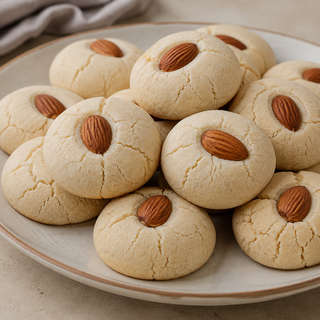
Pale, round and cracked slightly across the top, ghorayebah are shortbread biscuits from the Middle East. Butter, sugar and flour are all that go into them, with a whole almond pressed in the middle. With so little holding them together they crumble to powder almost as soon as they are bitten. Egyptian and Levantine households bake them for Eid.
Drinks That Start With G
Ginger flavours two of the six G drinks, and fermentation is what separates them. Ginger ale is carbonated syrup and water, mild and evenly sweet. Ginger beer was originally brewed, which is why it pours cloudier and burns considerably hotter. Green tea and genmaicha are both Japanese, genmaicha blended with roasted brown rice that gives the cup a toasted edge. Glogg is the only one served hot, mulled with cinnamon, cardamom and orange peel through northern European winters.
Grape Juice
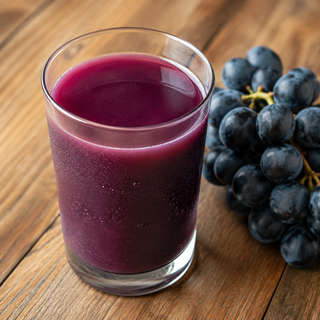
Grape juice is deep purple or pale green depending on the grape, and cloudy rather than clear. Behind the sweetness is a faint tannic dryness, which is the skins showing through. Concord grapes make the dark version sold across America.
Ginger Ale
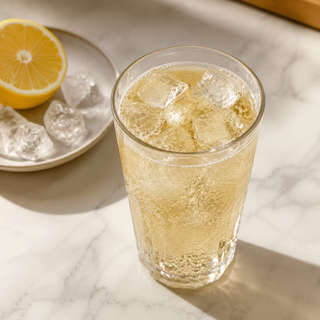
Ginger ale is a clear pale gold fizzy drink with fine persistent bubbles, sweet with a mild ginger warmth rather than real heat. The golden style runs darker and spicier than the dry one. Bartenders pour it over whisky.
Green Tea
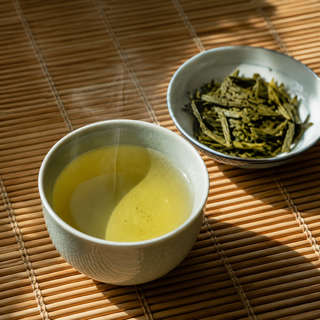
Green tea brews pale yellow-green and stays clear in the cup. The leaves are steamed soon after picking, which stops them oxidising and keeps the colour. It tastes grassy and slightly bitter, turning harsh if the water is too hot.
Ginger Beer
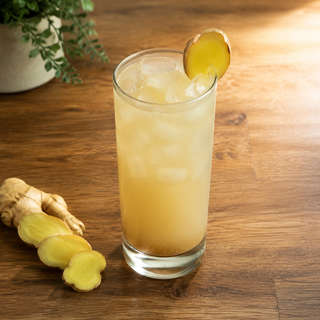
Cloudier and much darker than ginger ale, ginger beer is the more strongly spiced of the two. The ginger is fermented rather than the water flavoured, which gives it that depth. The burn sits at the back of the throat and the sweetness stays light. Jamaica and Britain both brew it.
Genmaicha
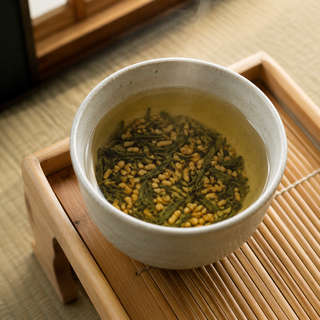
Toasted brown rice mixed into green tea leaves makes genmaicha, some of the rice popped white. The brew comes out pale gold and cloudier than plain green tea. That rice also makes it taste nutty and toasted, with the grassiness pushed into the background. It was once a cheap way to stretch tea leaves.
Glogg
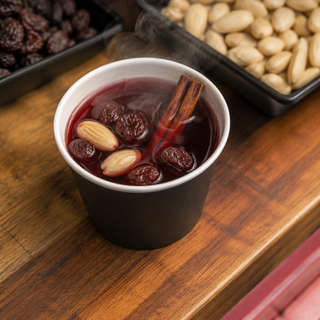
In Scandinavia, glogg is mulled wine, dark red and served steaming in a small cup. Cinnamon, cardamom, clove and orange peel heat with the wine, and sugar goes in generously. Raisins and blanched almonds sit in the bottom of the cup to be eaten after the drink. Swedish vendors ladle it from copper pots at Christmas markets.
Sauces And Spices That Start With G
Chilli heat runs through half of this group and is absent from the other half. Ghost pepper measured just over a million Scoville units when it was tested in 2007, while guajillo chilli sits below five thousand. Gochujang and gochugaru both start from Korean chillies, one a fermented paste and the other dried flakes. Garam masala, gremolata and gomashio carry no heat at all, built instead on warm spices, lemon zest and toasted sesame. Gravy and giardiniera close the group, a pan sauce and a jar of vegetables pickled in vinegar.
Garam Masala
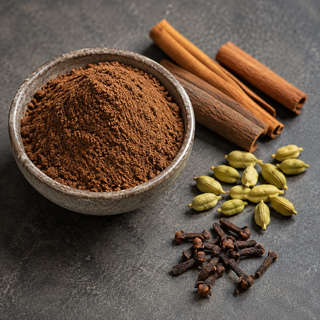
Garam masala is a fine brown blend of cinnamon, cardamom, clove, cumin and black pepper, mixed differently in every household. None of those brings chilli heat, so what it carries is warmth. Cooks stir it in at the end so the aroma survives.
Gochujang
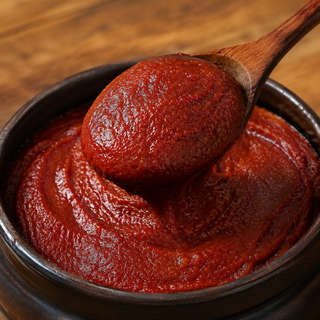
From Korea, gochujang is a chilli paste, thick, glossy and deep brick red. Red chilli powder, glutinous rice and fermented soybean ferment together for months. That long ferment is why it tastes hot, sweet, salty and savoury all at once. Bibimbap and tteokbokki both depend on it.
Gochugaru
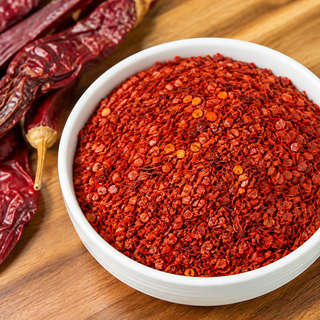
Bright red and coarse rather than dusty, gochugaru is Korean chilli powder. Sun-dried peppers with the seeds removed give it colour without harshness. The heat stays moderate for that reason, and the taste is fruity and slightly smoky. Kimchi cannot be made without it.
Gravy
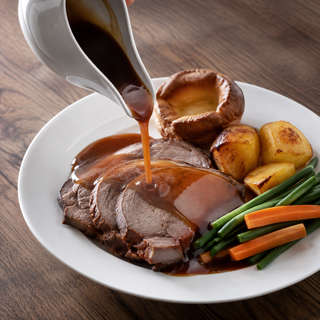
Gravy is a brown sauce thin enough to run across a plate, built on the juices left in the roasting tin. Those juices make it deeply savoury and salty. The British treat it as the thing that ties a Sunday dinner together.
Gremolata
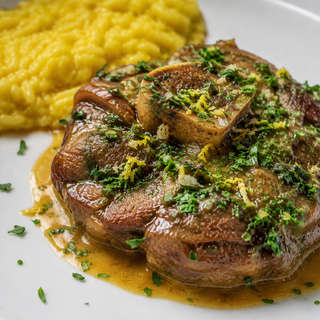
Chopped parsley, lemon zest and raw garlic make gremolata, a dry green condiment with no oil in it. Leaving the oil out keeps it sharp, bright and raw, cutting through fat rather than adding to it. Cooks in Milan scatter it over osso buco just before serving. A spoonful is enough for a whole dish.
Guajillo Chilli
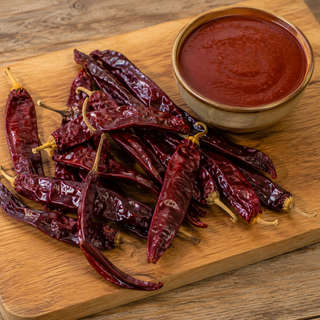
The guajillo is a dried chilli with smooth burgundy skin and a long tapering shape. Soaked and blended it turns a rich red-brown. The heat stays mild, which leaves room for a fruity taste with berry and green tea notes. Mexican cooks build adobos and moles on it.
Ghost Pepper
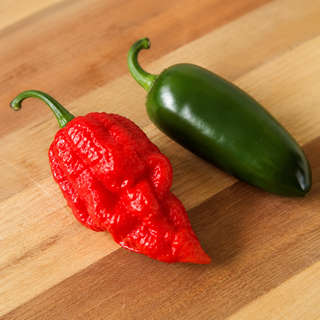
The ghost pepper is a wrinkled red chilli about the length of a thumb, with a dented pitted skin. Its heat reaches around a million Scoville units, more than a hundred times a jalapeno. That burn builds slowly and then lasts a long time. North-east India grows it, where it is called bhut jolokia.
Gomashio
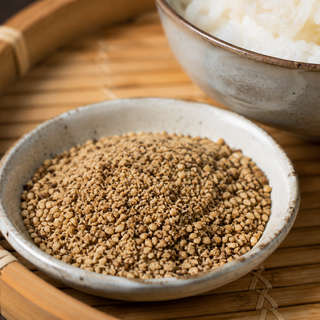
Pale grey-brown and slightly oily, gomashio is a Japanese seasoning of toasted sesame seeds ground with salt. Only part of the seed is ground, so some stay whole for crunch. It tastes nutty and salty rather than sharp. Japanese diners sprinkle it over rice and steamed vegetables.
Green Curry Paste
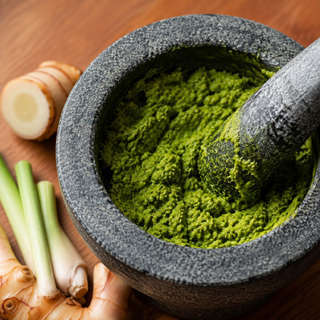
Thick and bright green, green curry paste is a Thai paste pounded in a mortar rather than blended. Fresh green chillies, lemongrass, galangal, coriander root and shrimp paste go into the mortar. Using them fresh keeps the heat high and the taste citrusy. Coconut milk turns the paste into the curry itself.
Giardiniera
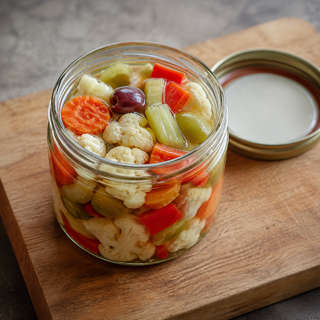
A jar of pickled vegetables, giardiniera is cut small and packed in vinegar or oil. Cauliflower, carrot, celery, pepper and olive fill most versions. The vinegar makes it sour and salty, and the hot Chicago style adds a sharp peppery burn. Italian beef sandwiches carry it, and antipasto boards hold it alongside cured meat.
Italian Foods That Start With G
Regional loyalty defines the Italian G foods more than national recognition does. Gnocchi and gnudi are both dumplings, gnocchi bound with potato and gnudi with ricotta and barely any flour. Garganelli is a hand-rolled quill pasta from Romagna, ridged along its length so sauce catches on the surface. Further north, gubana belongs to Friuli and gianduja to Turin, where hazelnuts went into chocolate during a nineteenth-century cocoa shortage. Gatto di patate and giambotta come from Naples and the south, both built on potatoes and vegetables rather than pasta.
Gnocchi
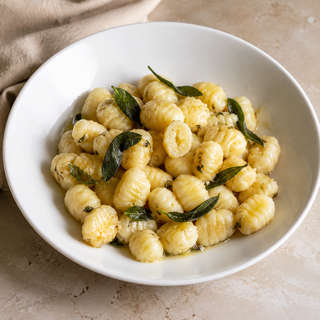
Gnocchi are small pale dumplings, ridged along one side and soft enough to break under a fork. Boiled potato, flour and egg make the dough, and too much flour turns them heavy. They taste mild and starchy, which lets the sauce carry the dish. Northern Italy pairs them with butter and sage.
Gnudi
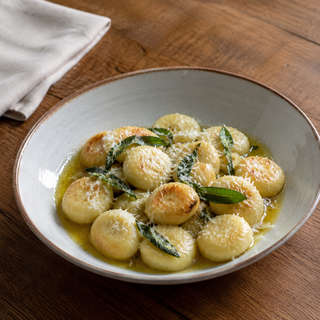
Rounder and paler than gnocchi, gnudi are ricotta dumplings and far lighter in the mouth. The name means naked, since they are ravioli filling without the pasta around it. With no pasta holding them, the texture is soft and almost custardy. Tuscany serves them with butter, sage and grated cheese.
Garganelli
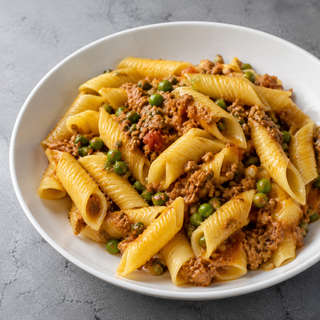
Short and ridged, garganelli are egg pasta tubes with a visible seam where the square was rolled. The egg gives them a golden colour and a firm bite. Those ridges and the hollow through the middle both catch thick sauce. Emilia-Romagna serves them with ragu or with peas and prosciutto.
Gianduja
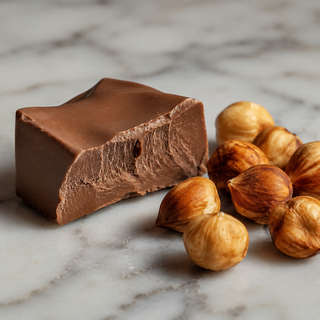
Roasted hazelnut paste blended into chocolate makes gianduja, soft brown and quick to melt on the tongue. Around thirty per cent of it is hazelnut. That much nut leaves it tasting nutty and far less bitter than plain chocolate. Turin created it when Napoleonic blockades made cocoa scarce.
Genovese
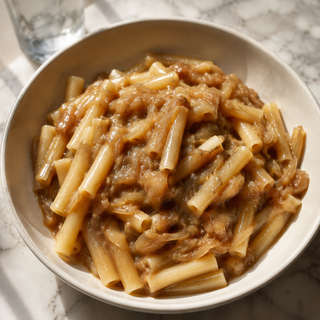
In Naples, genovese is an onion sauce, pale brown and jam-like after hours on the stove. Kilos of sliced onion cook down with a piece of beef until both collapse. All that onion makes it deeply sweet and savoury, with no tomato in it at all. Cooks there serve it over ziti despite the Genoese name.
Gubana
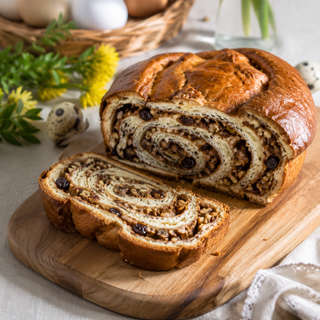
From Friuli, gubana is a spiral sweet bread, coiled into a round tin and baked deep brown. Walnuts, raisins, pine nuts and grappa fill the spiral. Those fillings make the bread rich and slightly dense, and each slice shows the coil. Friulian families bake it at Easter and Christmas.
Gatto Di Patate
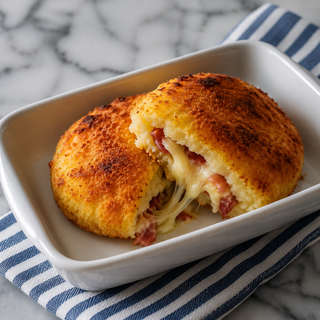
From Naples, gatto di patate is a baked potato cake, golden and crusted with breadcrumbs on top. Mashed potato, egg and cheese form the body, with salami and mozzarella through the middle. Under the crust it stays soft and stringy with melted cheese. The name is borrowed from the French gateau.
Giambotta
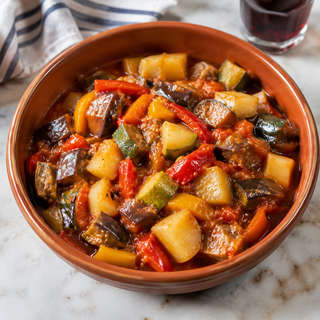
Loose and glossy with olive oil, giambotta is a southern Italian vegetable stew. Aubergine, courgette, potato, pepper and tomato cook together until everything softens. Cooked that far it tastes sweet and vegetal, and no meat goes in at all. Southern households make it in late summer when the garden gives most.
Asian Foods That Start With G
Five cuisines are represented among the Asian G foods, and most keep their original name in English. Gyoza are Japanese pan-fried dumplings, crisped on one side and steamed on the other in a single pan. Gimbap, galbi, gukbap, gamja-tang and gejang are all Korean, running from seaweed rice rolls and grilled short ribs to pork spine stew and raw marinated crab. Gua bao is Taiwanese, a folded steamed bun packed with braised pork belly and crushed peanuts. Gado-gado, gudeg and gulai come from Indonesia, one a vegetable salad under peanut sauce, one jackfruit stewed for hours in coconut milk, and one a turmeric-yellow curry.
Gyoza
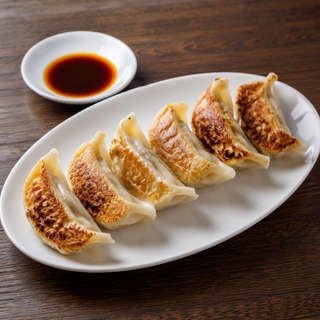
Gyoza are crescent dumplings with a pleated seam along the top edge and a browned flat base. Pan-frying and then steaming gives one crisp side, while the rest of the wrapper stays soft and translucent. Minced pork, cabbage, garlic and ginger fill them. Japanese restaurants serve them with vinegar and soy dipping sauce.
Gimbap
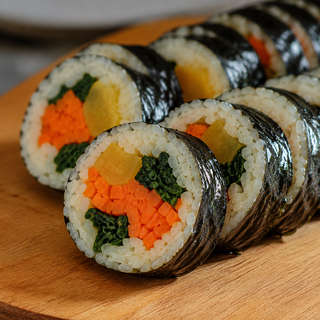
In Korea, gimbap is a roll of seasoned rice and fillings, wrapped in dried seaweed and sliced into rounds. Each slice shows a pattern of yellow pickled radish, orange carrot and green spinach. Sesame oil rather than vinegar seasons the rice, which separates it from sushi. Koreans pack it for picnics and school trips.
Galbi
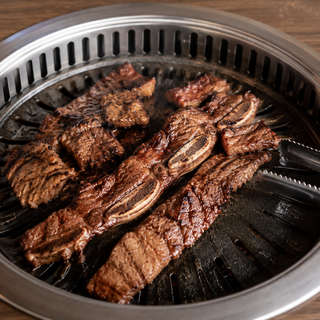
Galbi are Korean short ribs, cut across the bone into thin strips or butterflied flat. A marinade of soy, sugar, garlic, sesame oil and grated pear soaks into the meat for hours. Grilling then caramelises that sugar into a dark sticky crust. Barbecue restaurants cook them at the table.
Gado-Gado
From Indonesia, gado-gado is a salad of blanched vegetables, boiled egg, tofu and tempeh under a thick peanut sauce. The vegetables stay firm while the sauce goes over them warm and heavy. That sauce makes it nutty, sweet, salty and slightly hot. Prawn crackers go on top for crunch.
Gukbap
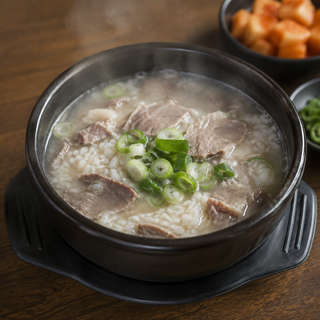
Served scalding hot in stoneware, gukbap is a Korean bowl of soup with rice already in it. Beef, pork bone or blood sausage forms the broth, cloudy from long boiling. Boiled that long it tastes deeply savoury rather than spicy. Diners season it themselves at the table with salt and chilli.
Gamja-Tang
Red, heavy and served in a wide shallow pot, gamja-tang is a Korean stew of pork spine and whole potatoes. After long simmering the meat pulls off the bone easily. Chilli, perilla seed and garlic in the broth make it hot and nutty. Late-night restaurants in Seoul serve it for a table to share.
Gua Bao
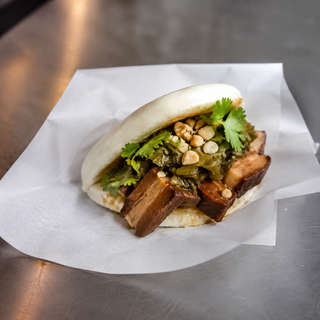
Gua bao is a steamed bun folded around a slab of braised pork belly, shaped like a small white clam. The bun itself is soft, slightly sweet and pillowy. Pickled mustard greens, crushed peanuts and coriander go in beside the meat to cut the fat. Taiwanese night markets sell it by hand.
Gudeg
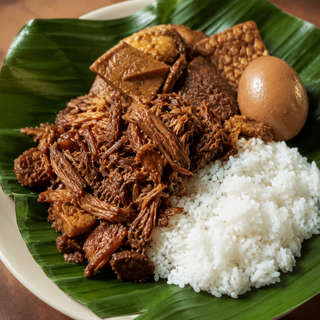
In Java, gudeg is young jackfruit stewed for hours in coconut milk and palm sugar. Teak leaves cooked alongside turn it a deep red-brown. All that palm sugar makes it taste sweet first and savoury after, with a soft stringy texture. Yogyakarta is so associated with it that the city is nicknamed after it.
Gejang
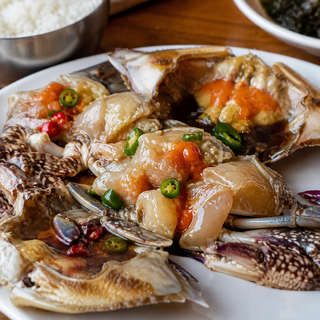
Gejang is raw crab marinated in soy sauce or chilli paste, then served cold and still in the shell. The marinade turns the flesh soft, silky and almost custard-like rather than firm. It tastes salty, sweet and intensely of the sea. Korean diners suck the meat from the shell and mix rice into it.
Gulai
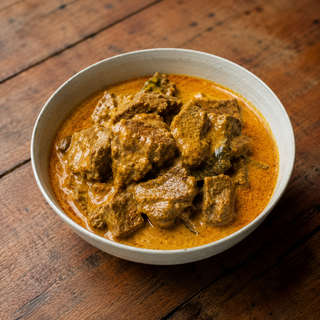
In Indonesia, gulai is a curry with a thick yellow-orange coconut sauce clinging to the meat. Turmeric, galangal, lemongrass, chilli and candlenut go into the spice paste behind it. Together they leave it rich and aromatic with moderate heat. Beef, goat, fish and jackfruit all go into it in Sumatra.
Mexican Foods That Start With G
Street carts rather than restaurant kitchens account for most of the Mexican G foods. Gorditas are thick corn cakes split open and stuffed, while garnachas are smaller, fried whole and topped instead of filled. Gringas use flour tortillas with melted cheese and al pastor pork, which is what marks them out from an ordinary taco. Gaznates and gelatina de mosaico are the sweet end, a fried pastry tube filled with meringue and coloured gelatine cubes set into a milk base. Gusanos de maguey are agave worms, fried until crisp and eaten with lime and salt.
Gordita
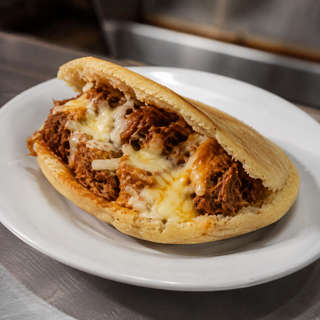
A gordita is a thick corn cake, split open like a pitta and stuffed after cooking. The masa dough puffs on the griddle, which makes the pocket and leaves a slightly crisp shell. Chicharron, cheese, beans or stewed meat go inside. The name means little fat one, after the shape.
Garnachas
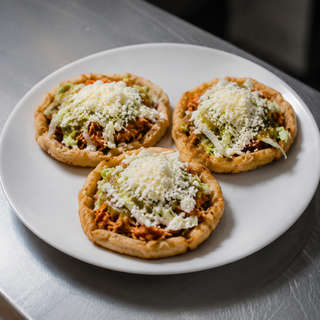
Small and thick, garnachas are corn tortillas with a pinched raised rim, fried until the base goes crisp. That rim holds shredded meat, salsa, cabbage and crumbled cheese in the shallow dish it forms. The salsa gives them a savoury, vinegar-sharp taste. Veracruz and Oaxaca each make their own version.
Gringas
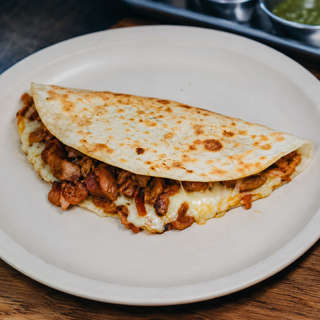
Gringas are flour tortillas folded over melted cheese and al pastor pork, then pressed on the griddle. The outside browns in spots while the cheese seals the two halves together. Pineapple and coriander go in with the meat. Mexico City taquerias sell them alongside tacos.
Gaznates
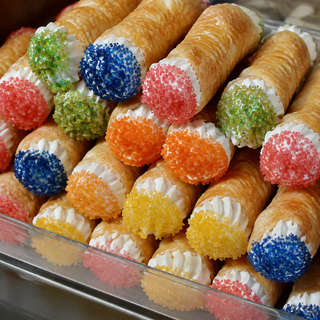
Crisp and hollow, gaznates are fried pastry tubes filled with sweet meringue and dipped at each end in coloured sugar. The shell shatters and the filling underneath is light and very sweet. Pink, white and yellow are the usual colours on the ends. Mexican fairs and markets sell them stacked in glass cases.
Gelatina De Mosaico
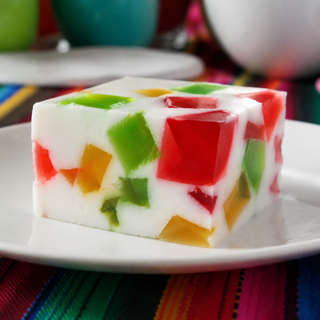
Gelatina de mosaico is a set milk jelly with cubes of coloured fruit jelly suspended through it. Cut into slices, it shows red, green and yellow squares against a white background. It tastes sweet, milky and cool. Mexican families serve it in squares alongside birthday cake.
Gusanos De Maguey
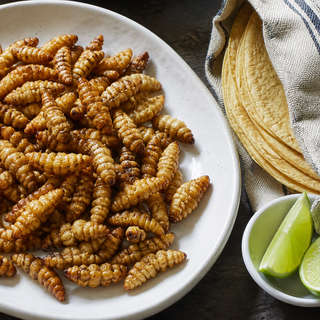
Pale and fried until crisp, gusanos de maguey are caterpillars that live in the agave plant. The frying leaves them crunchy outside and soft within. They taste nutty and salty, close to fried pork skin. Central Mexico serves them in tacos and grinds them into worm salt for mezcal.
Rare Foods That Start With G
None of these reaches an ordinary supermarket in Britain or America. Garri is West African, cassava grated, fermented and dried into a coarse flour that swells into a stiff porridge. Gibanica comes from Serbia, layered filo with cheese and eggs baked until the top sheets curl and brown. Gondi and gheimeh are both Iranian, one chickpea dumplings from the Jewish community of Tehran and the other a split pea stew buried under fried potatoes. Gooseneck barnacles are prised off Portuguese and Spanish cliffs at low tide, which is why they cost more per kilo than almost any other shellfish.
Garri
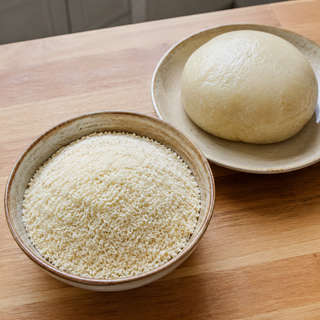
Across West Africa, garri is granular cassava flour, pale cream or yellow depending on whether palm oil went in. Fermentation before drying leaves the grains dry and slightly sour. Cold water turns it into a snack, while hot water turns it into a stiff dough called eba. West Africa eats it daily.
Gibanica
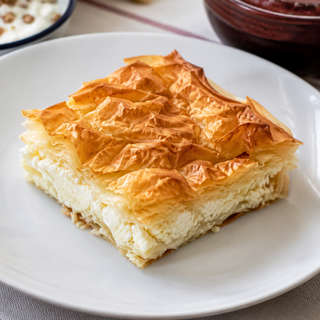
From Serbia, gibanica is a pastry of crumpled filo layers baked with cheese and egg. The top comes out brittle and browned while the layers beneath stay soft and wet. Fresh white cheese between them makes it salty and tangy. Households there bake it for breakfast and for celebrations.
Gondi
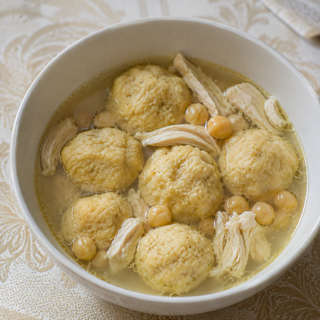
Soft and pale yellow, gondi are Persian Jewish dumplings of ground chicken and chickpea flour, poached in broth. The chickpea flour leaves them soft and slightly grainy right through. Cardamom and turmeric give them a warm yellow colour and a gentle spice. Tehran’s Jewish families serve them on Shabbat.
Gheimeh
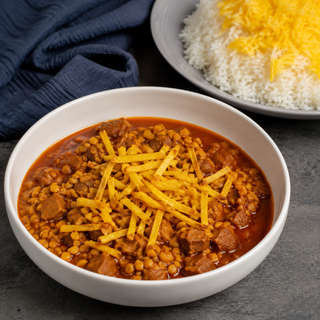
In Iran, gheimeh is a stew of yellow split peas and diced lamb in a thin tomato sauce. Dried lime cooked in it turns that sauce sour and slightly bitter. Matchstick fried potatoes go over the top just before it reaches the table. Saffron rice is served alongside.
Gooseneck Barnacles
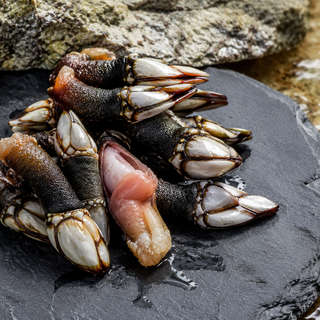
Gooseneck barnacles grow in dark clusters on wave-beaten rocks, each with a leathery stalk and a hard white claw. The stalk is peeled and the pink flesh inside is eaten. It tastes intensely of the sea, sweet and salty like lobster. Portuguese and Spanish harvesters take them at real risk from the surf.
Galinhada
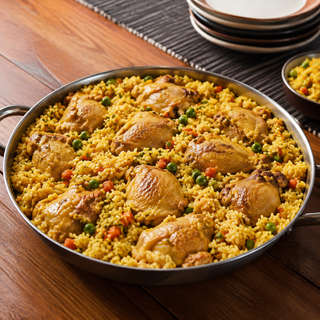
In Brazil, galinhada is a one-pot dish of chicken and rice stained yellow with saffron or annatto. Cooked in one pot, the rice absorbs the liquid and stays moist rather than fluffy. Peas, carrot and pequi fruit go in depending on the state. Goias and Minas Gerais cook it for family gatherings.
Gombaleves
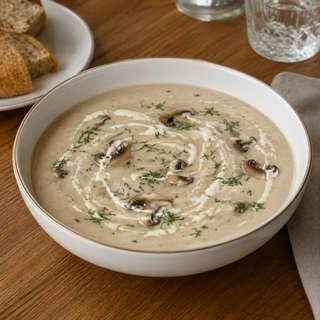
Pale beige and thickened with sour cream, gombaleves is Hungarian mushroom soup. Paprika and dill season it, and the mushrooms stay in visible slices. That sour cream makes it creamy and tangy over an earthy base. Hungarians serve it as a first course all year.
Gulkand
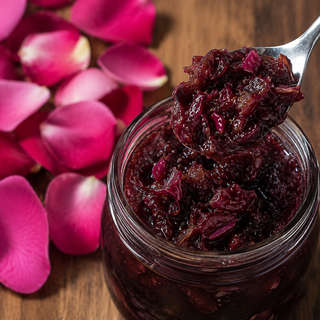
In India, gulkand is a preserve of rose petals, layered with sugar and left in sunlight for weeks. The result is a dark red-brown jam with whole petals still visible. It tastes intensely floral and very sweet. Paan sellers spoon it into betel leaves, and it is also stirred into milk.
Healthy Foods That Start With G
Vitamin C, fibre, protein and carotenoids account for most of the health claims made for G foods. Guava carries more vitamin C by weight than an orange, and gac holds one of the highest beta-carotene concentrations measured in any plant. Greek yogurt doubles the protein of ordinary yogurt, because straining removes the whey and leaves the solids behind. Garlic and ginger are studied for single compounds rather than for their nutrients, allicin in one and gingerol in the other.
| Food | Why it earns the label |
|---|---|
| Garlic | Allicin forms when a clove is crushed, and it is the compound behind most of garlic’s studied effects |
| Green beans | Low in calories with a solid amount of vitamin K and fibre for the volume |
| Grapefruit | High in vitamin C, though it interferes with several prescription medicines |
| Guava | Carries more vitamin C by weight than an orange |
| Goji berries | Dense in vitamin A and the carotenoid zeaxanthin |
| Greek yogurt | Roughly double the protein of regular yogurt after straining |
| Ginger | Gingerol is the compound studied for nausea and digestion |
| Green tea | Catechins, with far less caffeine per cup than coffee |
| Garbanzo beans | Protein and fibre together, which keeps a meal filling for longer |
| Gooseberry | Vitamin C and soluble fibre in a fruit low in sugar |
| Goa beans | Protein in the pod, with seeds and leaves both edible |
| Grapes | Skins carry resveratrol, and the darker the grape the more of it |
| Gai lan | Calcium and vitamin A in a leaf that survives cooking |
| Groats | Whole grain with the bran and germ intact, so the fibre stays |
| Gac | One of the richest known plant sources of beta-carotene |
Foods That Start With G For Kids
Size, texture and sugar decide which G foods suit young children. Grapes need halving lengthways for anyone under five, since a whole grape is close to the diameter of a small windpipe. Gnocchi, Greek yogurt and gelato are soft enough for a child still learning to chew properly. Graham crackers and a grilled cheese sandwich survive a lunchbox, and gummy bears belong at the treat end rather than the everyday one.
| Food | Why it suits a child |
|---|---|
| Grapes | Sweet and small enough to hold, though halve them lengthways for under-fives |
| Graham crackers | Mild, sturdy and slow to crumble in a lunchbox |
| Granola | Stirred into yogurt for crunch, with fruit instead of extra sugar |
| Gouda | Mild, firm and cut into cubes small hands can pick up |
| Guacamole | A first way into avocado, with the chilli left out |
| Gummy bears | An occasional treat, and a soft one for developing teeth |
| Green beans | Sweet after two minutes of cooking, and finger-shaped already |
| Greek yogurt | Thick enough to stay on a spoon, with honey to soften the sourness |
| Grilled cheese sandwich | Familiar, warm and cut into strips for dipping |
| Gnocchi | Soft, plain and quick to chew, with a plain butter sauce |
| Ginger snaps | A biscuit with real spice, good for widening a narrow palate |
| Gelato | Softer and less cold than ice cream, so it is easier on small mouths |
Related:
FAQs
Q1. What are the most common foods that start with G?
The most common are garlic, grapes, guava, ginger, grapefruit and green beans. Granola, grits, gravy, guacamole, Gouda and Greek yogurt come next on a weekly shop. Gnocchi, goulash and gumbo are the cooked dishes people name first.
Q2. What fruits start with G?
Grapes, guava and grapefruit lead, followed by gooseberry, greengage, goji berries and granadilla. Gac, genip, grumichama, governor’s plum, guavaberry and guanabana are tropical and far less familiar. Golden apple and ground cherry sit between the two in familiarity.
Q3. What vegetables start with G?
The G vegetables in everyday cooking are garlic, ginger, green beans, green onion, garden peas and garbanzo beans. Globe artichoke, gherkin and gem squash take a little more looking for. Gai lan, galangal, garland chrysanthemum and goa beans are staples of Asian and African cooking.
Q4. What dinner foods start with G?
Goulash, gumbo, gyro, gnocchi and a grilled cheese sandwich all work for dinner. Groundnut stew is West African, githeri is Kenyan and gulai is Indonesian. Galbi and gua bao suit a meal where several people share plates.
Q5. What breakfast foods start with G?
Grits, granola, griddle cakes and graham crackers are the G foods eaten at breakfast. Greek yogurt and grapefruit make a lighter start. Goetta is eaten around Cincinnati, and groats cook down into a thick porridge.
Q6. What healthy foods start with G?
Garlic, green beans, grapefruit, guava, goji berries and Greek yogurt have the strongest nutritional case. Garbanzo beans supply protein and fibre cheaply. Green tea, ginger and gai lan add antioxidants and vitamins without adding calories.
Q7. What Italian foods start with G?
The Italian G foods known outside Italy are gnocchi, gnudi, garganelli, gelato and granita. Gorgonzola, Grana Padano, guanciale and grissini fill the store cupboard. Genovese, gubana, gatto di patate and giambotta stay regional and are rarely seen abroad.
Q8. What Mexican foods start with G?
Guacamole and gorditas are the Mexican G foods known everywhere else. Garnachas and gringas are sold from carts and stalls rather than restaurants. For sweets and the unusual end there are gaznates, gelatina de mosaico and gusanos de maguey.
Q9. What Thanksgiving foods start with G?
Green bean casserole, gravy, giblets and goose are all on an American Thanksgiving table. Grapes and Gouda come out on the cheese board before the meal. Gingerbread and ginger snaps arrive with dessert.
Related:
You May Also Like